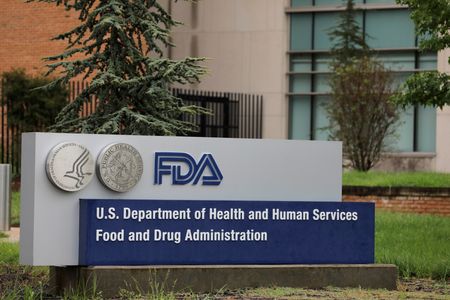

Swedish pharmaceutical company Sobi announced Friday that the U.S. Food and Drug Administration has declined to give the green light to its new treatment for uncontrolled gout, a severe form of inflammatory arthritis.
The FDA issued what is known as a complete response letter, asking Sobi to submit additional data — primarily focused on manufacturing controls and problems identified at the contract facilities that produce the drug.
Importantly, the agency did not raise any concerns about whether the treatment is safe or effective.
Sobi, which is headquartered in Stockholm, Sweden, said it plans to request a meeting with the FDA to talk through what would be needed for resubmission. The company also said it will work alongside its contract manufacturers to correct the identified deficiencies.
Gout is a well-known form of arthritis that causes sudden, intense pain, swelling, and tenderness in the joints. The condition develops when uric acid builds up at high levels around joints and other body tissues. In cases of uncontrolled gout, those uric acid levels stay elevated and symptoms persist even with treatment.
Sobi’s drug — chemically referred to as nanoencapsulated sirolimus plus pegadricase, or NASP — works as a four-week infusion therapy aimed at lowering uric acid levels in the bloodstream.
Data from late-stage clinical trials showed the treatment was able to keep uric acid below 6 milligrams per deciliter — considered a safe threshold for preventing gout flare-ups — for at least 80% of the sixth month of treatment.
The company estimates roughly 200,000 people across the United States live with uncontrolled gout.
Currently, the only FDA-approved medication specifically for uncontrolled gout is Amgen’s Krystexxa, an infusion administered every two weeks. Other general gout treatments include nonsteroidal anti-inflammatory drugs, colchicine, and corticosteroids.