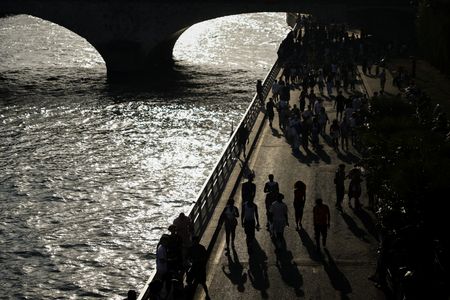

Much of the world is currently sweltering under extreme heat conditions, with Europe, Asia, and parts of the United States all experiencing dangerously high temperatures.
How Does Heat Affect Your Health?
Extreme heat can harm the body in multiple ways. Heat exhaustion — which may bring on dizziness, headaches, shaking, and intense thirst — can strike anyone. It is generally not considered life-threatening as long as the affected person cools down within 30 minutes.
Far more dangerous is heatstroke, which occurs when the body’s core temperature climbs above 105 degrees Fahrenheit (40.6 degrees Celsius). This is a medical emergency that can result in lasting organ damage or even death. Warning signs include rapid breathing, confusion, seizures, and nausea.
Who Faces the Greatest Risk?
Certain groups are especially vulnerable, including infants, elderly individuals, homeless people, and those who work or spend extended time outdoors. People living with pre-existing conditions — such as respiratory or cardiovascular disease, or diabetes — face heightened danger, as heat can worsen those conditions.
A 2021 study published in The Lancet estimated that nearly half a million people die worldwide each year due to excessive heat, though data from many lower-income nations remains limited. A separate study examining 854 European cities found that climate change was responsible for 68% of the roughly 24,400 estimated heat-related deaths in 2025, as temperatures rose by as much as 3.6 degrees Celsius.
Professor Liz Stephens, a researcher in climate risk and resilience at Britain’s University of Reading, described the danger in stark terms: “Heat waves are a silent and invisible killer. We don’t often see the impact that they have had on human health until the mortality statistics are published many months later.”
Risks You Might Not Expect
Beyond direct heat exposure, air pollution — particularly smoke from wildfires — presents additional health concerns, including inflammation and tissue damage. Research has also shown that extreme heat can contribute to low birthweight and premature births among pregnant women.
When and Where the Danger Is Greatest
Health experts note that fatalities tend to spike earlier in the summer season, before people’s bodies have had time to adjust to rising temperatures. Geography also plays a role — people in regions unaccustomed to intense heat, such as parts of Europe, are at greater risk.
Still, no one is immune. People across the globe — especially those who perform physical labor outdoors — are at risk during extreme heat events driven by climate change.
Dr. Modi Mwatsama, head of capacity at Wellcome, a London-based global health charity, emphasized the urgency of action: “It is more important than ever that we put in place measures to limit the harm on our health.” She noted that solutions range from providing shade and painting buildings white to building early-warning systems for climate-related infectious diseases such as cholera.
What You Can Do
Several European nations — including Italy, France, and Spain — have already issued public health advisories as temperatures spike across the continent. Spain’s weather agency specifically cautioned that outdoor activity during the hottest parts of the day carries significant health risks, especially for older adults and those with underlying medical conditions.
Scientists are urging outdoor workers to take more frequent rest breaks and dress appropriately for the heat. They also recommend checking in on elderly or isolated neighbors and friends, reminding the public that heatstroke requires immediate medical attention.