
WASHINGTON (AP) — Federal health advisers gathered Thursday to debate a groundbreaking new flu vaccine — the first of its kind to use mRNA technology, the same platform that played a central role in combating the COVID-19 pandemic.
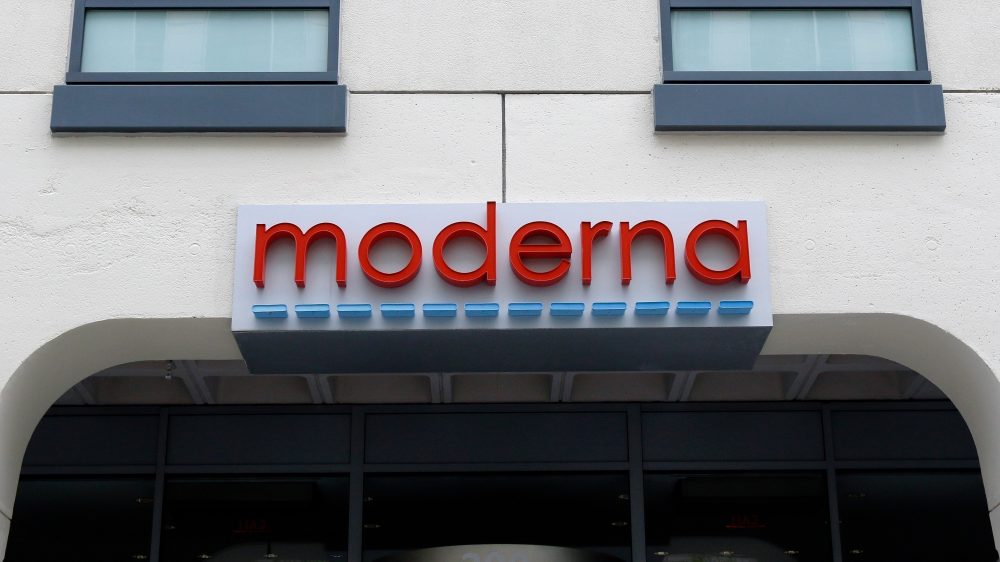
The pharmaceutical company Moderna is asking the Food and Drug Administration to approve its new influenza shot, known as mFlusiva, as an option for adults 50 years of age and older. Thursday’s advisory committee meeting is an important step toward a final regulatory decision before the upcoming winter flu season.
Influenza kills tens of thousands of Americans each year, with older adults facing some of the greatest risk. Several flu vaccines are already on the market in the United States, including three that are specifically recommended for people 65 and older. However, vaccines developed using Nobel Prize-winning mRNA technology can be produced more quickly than traditional options — an advantage experts say could prove critical if the flu virus mutates rapidly and new doses need to be manufactured on short notice.
A study involving 40,000 participants aged 50 and older found that Moderna’s mRNA flu shot reduced influenza cases by roughly 27% compared to another commonly used flu vaccine brand. Prior to the panel meeting, the FDA released a favorable assessment of that data and reported no safety concerns.
Moderna is pursuing full approval for the vaccine in the 50-to-64 age group, while also seeking authorization for use in those 65 and older as additional testing continues.
Earlier this year, Moderna’s application became the focus of a highly unusual public dispute when a then-top FDA official moved to block the company’s submission for the novel shot. Dr. Vinay Prasad, who served as the agency’s vaccine chief at the time, argued that Moderna should have measured its vaccine against a high-dose flu shot recommended for seniors, rather than a standard-dose product. The disagreement was seen as a reflection of heightened vaccine scrutiny at the FDA under Health Secretary Robert F. Kennedy Jr.
Moderna pushed back on that decision, pointing out that FDA staff had previously signed off on the study’s design and referencing a separate, smaller study in which the mRNA vaccine was compared directly to a high-dose senior flu shot. Within days of that dispute, the FDA agreed to accept Moderna’s application.
The advisory panel is also reviewing that smaller study, which showed Moderna’s vaccine produced flu-fighting antibodies at levels comparable to the high-dose senior vaccine. The FDA’s preliminary review did note that the new vaccine has limited data for very frail elderly individuals and those with compromised immune systems.