
Sunscreen might feel like just another item on your summer checklist, but health experts say it could be one of the most important tools in preventing cancer.
Skin cancer holds the distinction of being the most common cancer in the United States. The most frequently occurring types are basal cell carcinoma, squamous cell carcinoma, and melanoma. According to the Centers for Disease Control and Prevention, roughly 6.1 million adults receive treatment for basal cell and squamous cell carcinomas every year. Melanoma occurs less frequently but carries greater danger because of its tendency to spread throughout the body. In 2021, more than 90,000 people — specifically 90,365 — were diagnosed with melanoma across the country.
Prolonged exposure to ultraviolet radiation from the sun raises the risk of developing all forms of skin cancer. UV rays are at their most intense between 10 a.m. and 4 p.m. Health officials recommend limiting time outside during those peak hours, though that advice is difficult to follow for farmers and agricultural workers who spend long hours outdoors.
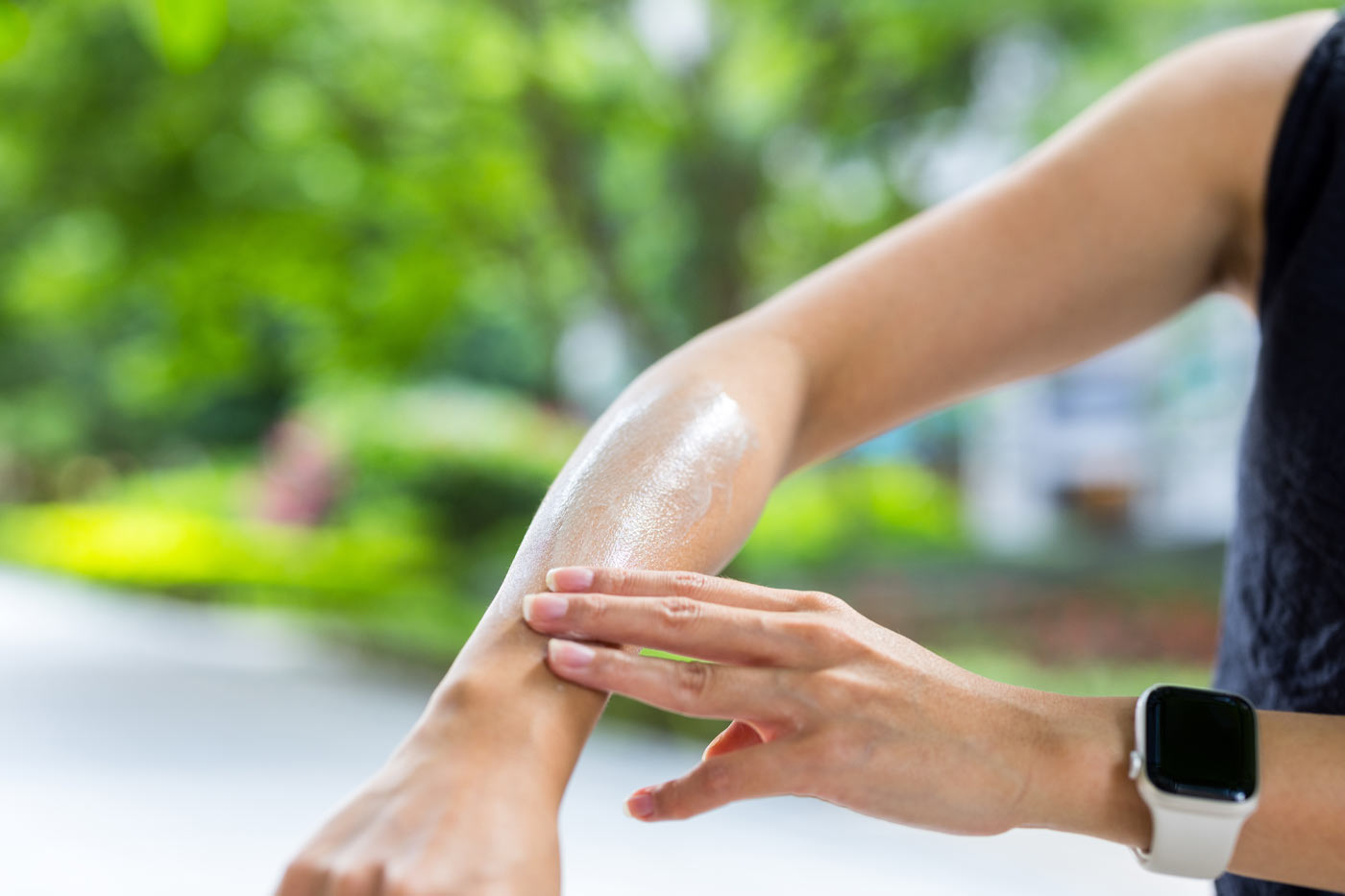
Consistent sunscreen use is considered one of the most reliable ways to lower skin cancer risk. Experts recommend choosing a broad-spectrum sunscreen, which shields the skin from both UVA and UVB rays, with an SPF rating of 15 or higher. Sunscreen should be applied before heading outside and reapplied regularly throughout the day. Often-overlooked areas like the lips and eyes also need protection — lip balm containing SPF and polarized sunglasses can help cover those vulnerable spots.
Beyond sunscreen, wearing long-sleeved shirts, long pants, and wide-brimmed hats can further cut down on harmful sun exposure.
Amy Johnson, a family nurse practitioner in Bedford County and a member of the Virginia Farm Bureau Farm Safety Advisory Committee, stressed that no level of sun exposure is truly without risk.