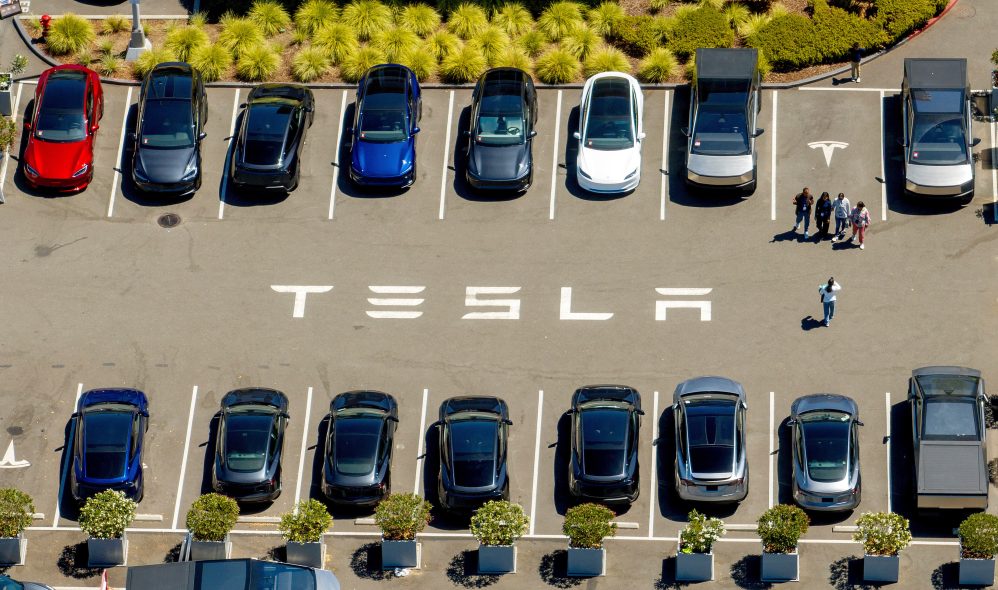
Tesla announced Friday that its robotaxi service has arrived in Miami, as the electric vehicle company continues pushing to expand its autonomous ride-hailing network across the country.
The Miami launch underscores Tesla’s broader strategy to grow the use of its self-driving software — a technology central to CEO Elon Musk’s vision of shifting the company’s focus from electric vehicles toward artificial intelligence and robotics.
“Robotaxi now available in Miami,” Tesla’s official robotaxi account posted on X.
The announcement comes at a time when the robotaxi industry is picking up speed. Rivals including Alphabet’s Waymo and Amazon’s Zoox have also been ramping up their own expansion efforts in the autonomous vehicle space.
Tesla first rolled out its unsupervised robotaxi service — meaning no human safety driver is present — in Austin, Texas, in June. Earlier this spring, in April, the company said it planned to bring the service to Dallas and Houston as well.
Musk said in May that he expects fully self-driving vehicles, operating without human safety monitors, to become a more common sight on U.S. roads before the end of this year.
In other Tesla news, the company reported record-breaking vehicle deliveries for the second quarter on Thursday, surpassing Wall Street expectations. The strong numbers were driven in large part by a rebound in sales across Europe.
U.S. equity funds welcomed fresh investment dollars during the week ending July 1, as a combination of reduced U.S.-Iran tensions and renewed appetite for technology stocks boosted investor confidence — though caution ahead of an important jobs report kept overall buying in check.
According to LSEG Lipper data, investors directed a net $1.03 billion into U.S. equity funds for the week, partially making up for the $3.47 billion in net withdrawals recorded the week before.
A June employment report that came in below expectations — showing the economy created just 57,000 jobs last month — eased pressure on the Federal Reserve to raise interest rates before year’s end.
Technology sector funds were a standout, pulling in $3.42 billion as investor sentiment improved after the previous week saw a massive $19.97 billion in net sales from that sector. Financial and healthcare funds also attracted fresh capital, drawing $1.96 billion and $1.47 billion, respectively.
Not all fund categories fared well, however. U.S. small-cap funds saw $694 million in outflows, mid-cap funds lost $2.1 billion, and equity income funds shed $1.33 billion. Large-cap funds bucked that trend, pulling in $7.2 billion for the week.
U.S. bond funds continued their strong run, attracting a net $9.88 billion and extending their consecutive weekly inflow streak to eleven weeks. Short-to-intermediate investment-grade funds brought in $4.22 billion, while general domestic taxable fixed income funds added $3.53 billion. Short-to-intermediate government and Treasury funds moved in the opposite direction, recording $2.1 billion in outflows.
Investors also moved $47.82 billion into money market funds — the largest single-week allocation in the past four weeks.
American oil companies are preparing to announce their most profitable quarter in years — and that news may put them on a collision course with President Donald Trump, who has been pushing the industry to bring down prices at the gas pump before November’s midterm elections.
Exxon Mobil and Chevron are both expected to release second-quarter earnings in the coming weeks that are more than three times higher than what they posted in the first quarter. The surge follows a spike in oil prices triggered by the U.S.-Israeli war on Iran, which began in late February and tightened global fuel supplies.
Analyst forecasts suggest Big Oil’s profits could reach their highest point since 2022, when Russia’s invasion of Ukraine sent energy markets into turmoil. According to estimates compiled by LSEG, Exxon Mobil is projected to report roughly $15.9 billion in adjusted net income for the second quarter. Chevron is forecast to bring in approximately $9.9 billion. Both figures represent more than triple what each company earned in the previous quarter.
The expected windfall threatens to strain the typically close relationship between Trump and the oil industry, which has been a significant financial backer of both Trump and the Republican Party.
Elevated gas prices have given Democrats fresh ammunition in their push to retake control of Congress, while also dragging down Trump’s approval numbers. Many Americans have expressed skepticism that the war with Iran was worth its economic costs.
In response, the Trump administration has asked the U.S. Justice Department to look into potential price gouging at the pump. Treasury Secretary Scott Bessent has warned oil producers and refiners that the White House could pursue administrative action if pump prices don’t drop significantly.
One oil industry executive, who spoke on the condition of anonymity, acknowledged the pressure building within the sector. “The industry is definitely talking to each other and thinking of ways to deal with it, but we know what’s coming. We understand the politics,” the executive said.
Since shipping through the Strait of Hormuz resumed last month, Trump has publicly called for the national average gas price to drop to around $2.50 per gallon. That target is well below the current national average of about $3.85 and roughly 11% lower than the lowest price seen during his current presidency — about $2.81 per gallon, recorded in late December.
Oil industry lobbyists have ramped up their outreach to government officials and lawmakers in an effort to soften criticism, according to interviews with eight lobbyists and industry representatives.
Oil company executives maintain they have little direct control over what consumers pay at the pump. Crude oil costs make up nearly half of the retail price of gasoline, with the remainder shaped by refining, distribution, marketing, and taxes.
Even so, benchmark crude prices have returned to pre-war levels, while U.S. gasoline prices remain about 22% above where they stood before the conflict. Analysts and industry groups attribute the gap to tight physical fuel supplies and low gasoline inventories, rather than crude prices alone.
Bob McNally, president of Rapidan Energy Group, said the disconnect points to deeper structural pressures in the supply-and-demand balance.
Bethany Williams, a spokesperson for the American Petroleum Institute, offered a similar explanation. “Gasoline prices don’t move in lockstep with crude oil, especially during a major global disruption affecting supply, refining and inventories,” she said.
The American Fuel & Petrochemical Manufacturers also weighed in, pointing to the role of government policy. “Refineries do not set the price of finished gasoline, and crude oil is just one of many inputs,” the group said, noting that the Renewable Fuel Standard requires retailers to blend a set percentage of ethanol or other biofuels into their fuel.
The White House, for its part, said lowering gas prices remains Trump’s top priority, pointing to declining oil prices since the Iran agreement and improved coordination with the industry on permitting and regulation.
Exxon declined to comment on the situation. Chevron pointed to a June 25 interview on CNBC in which Chief Financial Officer Eimear Bonner said it would take time for gasoline prices to return to normal levels.
Part of the second-quarter earnings jump is expected to stem from a reversal of accounting losses in the first quarter related to financial instruments used to hedge against price swings in crude oil and refined products. But analysts say the larger gains reflect stronger underlying market conditions.
Energy advisory firm TPH estimates that U.S. gasoline crack spreads — the margin between the cost of crude oil and the fuel refined from it — averaged around $25 per barrel in the second quarter, up about $16 from the prior quarter. Diesel crack spreads climbed roughly $15 to about $45 per barrel, the strongest margins seen since mid-2022. Strong demand for U.S. fuel exports added to the gains, as the war left overseas refiners scrambling for supplies.
Despite the financial burden on American drivers, analysts at BMO Capital Markets expect oil companies to speed up stock buybacks in the second half of 2026, continuing a trend since the pandemic of prioritizing shareholder returns over expanding production.
A second industry executive captured the frustration within the sector. “Being the boogeyman is not particularly fun,” the executive said. “But we need to educate officials that this is a cyclical industry and that no one cares when the market turns and we are taking all the risk.”
Goldman Sachs has strengthened its position as the top advisor for mergers and acquisitions in Europe, the Middle East, and Africa, claiming its largest share of that market for the January-through-June period in nearly ten years, according to data from LSEG.
The total value of deals struck in the EMEA region during the first six months of 2026 reached $676 billion — more than twice the level seen in 2025 and the highest figure recorded in 19 years. Analysts point to a more relaxed regulatory environment as a key driver behind the surge.
Goldman, which also leads the global rankings, advised on 111 deals during the period, accounting for 44% of all EMEA merger and acquisition activity by value. That figure is up from 42% during the same stretch in 2025, and marks the bank’s strongest showing for the first half of a year since 2018, when it held a 46% share.
The second-ranked bank in the EMEA market, JPMorgan, managed to close the gap slightly compared to last year. Goldman’s lead over JPMorgan stood at 9 percentage points, down from an 11-point advantage in the first half of 2025. JPMorgan advised on 99 announced deals, representing a 35% share of the market. On a global scale, Goldman holds a 38% market share.
While Goldman led in total deal value, independent advisory firm Rothschild outpaced it in sheer volume, advising on 163 transactions. Goldman’s edge came from its involvement in the biggest deals — it advised on 15 of the top 20 transactions in the region during the period.
Among those major deals, Goldman advised Unilever — alongside Morgan Stanley — on the roughly $45 billion sale of its food division to McCormick, which was the largest single transaction in EMEA during the period. Goldman also advised TK Elevators on its $34 billion combination with Kone. JPMorgan, by comparison, was involved in 13 of the top 20 deals and was not part of the McCormick-Unilever transaction.
Goldman also advised Commerzbank, which has been working to resist a $28 billion takeover bid from UniCredit.
Deal activity had slowed last year amid uncertainty following U.S. President Donald Trump’s return to the White House. Bankers caution that league table standings could shift significantly if pending deals fall through before completion.
Still, many executives say businesses are choosing to press ahead despite the unsettled market conditions. Carsten Woehrn, co-head of M&A in EMEA at Goldman Sachs, put it this way: “Companies are taking a long-term strategic view and investing for where they want to be in the coming decades, not just the next few quarters.”
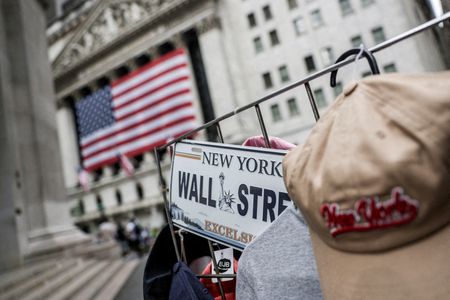
As the second half of 2026 gets underway, investors on Wall Street are watching closely for any indication of where interest rates are headed and what the upcoming earnings season might look like — all while heavyweight technology stocks continue to drag on major market indexes.
The opening days of the new half-year mirrored the final stretch of the first half, with volatile swings in big tech shares pulling the broader market along for the ride. Upcoming minutes from last month’s Federal Reserve meeting, along with early earnings reports from Delta Air Lines and PepsiCo, are expected to offer fresh direction for a market whose tech-powered surge has lost some momentum in recent weeks.
Technology stocks — semiconductors in particular — were the driving force behind the market’s strong run in recent months. The S&P 500 climbed 14.9% during the second quarter that wrapped up Tuesday, marking its best quarterly performance since 2020.
More recently, however, those same tech stocks have swung wildly, including sharp drops at the end of this past week. Meanwhile, other parts of the market — including healthcare, industrial, and financial stocks — have held up well over the past month, giving some investors hope that market gains could spread more broadly across sectors.
“That’s something I’ll be keeping my eye on over the next couple of weeks is to see whether or not that broadening continues,” said Joe Mazzola, head trading and derivatives strategist at Charles Schwab. “Or if you do start to see a protracted pullback in some of the technology winners, does that portend the market pulling back overall?”
At the start of this year, many investors expected the Federal Reserve to cut interest rates — a move generally welcomed by stock markets. Those expectations have since shifted toward the possibility of rate hikes in the months ahead. That outlook softened slightly on Thursday after a jobs report came in cooler than anticipated.
Bets on more aggressive Fed action had been building following last month’s central bank meeting — the first chaired by new Fed leader Kevin Warsh, who made clear the institution’s priority is bringing inflation under control. Inflation currently sits above the Fed’s 2% annual target. The minutes from that meeting are set to be released on Wednesday.
Warsh also signaled that the Fed would no longer offer the kind of forward guidance markets have grown accustomed to, meaning future meeting minutes could carry even more weight for investors trying to read the central bank’s intentions.
“I think it’s going to be interesting to see how the discussion went around the table, how incrementally hawkish are they leaning,” said Matthew Miskin, co-chief investment strategist at Manulife John Hancock Investments. “That’s what investors and markets are going to be wondering: What is this new Fed chairman and updated (Fed policymaking body) looking for to decide the path of rates from here?”
Investors said they’ll also be paying attention to how Fed officials discussed the inflationary effects of energy prices, which had been pulling back from spikes tied to the Iran conflict heading into the meeting. The level of disagreement among Fed policymakers is another point of interest.
Rising interest rates can weigh on stocks by making borrowing more expensive for households and businesses, and by pushing bond yields higher — potentially making bonds a more appealing option compared to equities.
According to LSEG data, Fed fund futures late Thursday pointed to roughly even odds that the central bank would raise rates by its September meeting. A Labor Department report released Thursday showed U.S. job growth slowed considerably in June, easing some concerns about an imminent rate increase.
“If the Fed does become more restrictive and starts into a tightening cycle, that is a risk to the market and the valuations,” said James Ragan, co-CIO and director of investment management research at D.A. Davidson. “The more information we can get about how the Fed is thinking about things, I think that’s very important.”
On the earnings front, the week ahead is relatively quiet for economic data, though reports on services and manufacturing activity could shed light on inflation trends.
Stocks bounced back in recent months after pulling back due to the U.S.-Israeli conflict with Iran. The S&P 500 is up more than 9% so far in 2026, while the tech-focused Nasdaq Composite has gained 11%.
Stronger-than-expected corporate profits in the first quarter helped fuel the market’s climb and raised expectations for the second quarter, with full earnings season ramping up later this month. Delta and PepsiCo will be among the first to report next week, offering a window into how consumers are spending.
Across the S&P 500, companies are projected to grow second-quarter earnings by more than 24%, according to LSEG IBES data.
“If the north star of this bull market is earnings, I think the main thing for the earnings season is just to validate the earnings trajectory for this year and that the upward momentum continues into next year,” said Keith Lerner, chief investment officer at Truist Advisory Services.
Some of the world’s biggest investment names are reportedly vying for a piece of a prominent Vietnamese financial technology company, according to two sources with direct knowledge of the situation.
Blackstone, CVC Capital Partners, and Japan’s MUFG are among the firms that have submitted bids for a stake in MoMo, a digital finance platform based in Vietnam. The sources, who asked not to be identified because the matter is confidential, said final binding bids are expected to be submitted in September.
The exact size of the stake being offered has not yet been determined, though one source indicated the sale could involve a substantial portion of the company. A third source familiar with the process said the stake could be as large as 50%.
MoMo, CVC, and MUFG did not respond to requests for comment, and Blackstone declined to comment.
MoMo was established in 2010 and has evolved well beyond its origins as a mobile payments tool. Today, the platform offers a wide range of financial services to Vietnamese consumers, including consumer lending, insurance, savings, investment options, and tools for merchants — all within one of Southeast Asia’s fastest-growing economies.
Reuters first reported in April that MoMo was weighing strategic options, potentially including new investors, at a valuation exceeding $2 billion. The company has been profitable since 2024 and brought in outside advisors to manage the process after drawing interest from both strategic and financial investors.
The sources cautioned that the process is still ongoing and may not ultimately result in a transaction.
MoMo currently counts more than 30 million users and operates an extensive nationwide network for digital payments across Vietnam.
The interest from major investors reflects the broader expansion of Vietnam’s digital financial services sector, driven by increasing adoption of cashless transactions and growing demand for online financial products.
The company’s most recent significant fundraising occurred in 2021, when it secured $200 million in a round led by Mizuho Bank. MoMo announced last year that it was broadening its offerings for individual consumers and small businesses as part of an expanded digital finance strategy.
BUENOS AIRES — Argentine President Javier Milei stirred up a mix of excitement and alarm last month when he announced legislation to establish so-called “non-human corporations” powered by artificial intelligence — but a closer look reveals these companies would still need people involved in their operations.
In an op-ed published in the Financial Times, Milei outlined a new kind of business entity that could function without human employees, where AI systems and robots would make independent decisions in unpredictable situations. Multiple legal experts noted that if passed, Argentina would become the first nation to formally recognize a corporate category for AI-operated businesses.
“We are open for business,” Milei declared — a statement that drew sharp criticism from Israeli historian Yuval Noah Harari, who cautioned that granting AI too much authority could erode corporate accountability.
However, corporate attorneys say the reality is far less groundbreaking. The so-called “automated company” outlined in the proposed legislation — part of a broader effort to modernize and streamline Argentina’s corporate laws — would still be required to have a human administrator overseeing day-to-day operations. The bill also permits company leadership to use AI in decision-making, but does not relieve those administrators of responsibility for monitoring results.
Lawrence Cunningham, director of the Weinberg Center for Corporate Governance at the University of Delaware, said it would be “too wild a first step to dispense with human agency entirely,” though he acknowledged the proposal is bold.
“We’re not changing the world here so much as we’re recognizing that you might run a business without any HR,” Cunningham said. “It’s the beginning of something.”
Diego Duprat, a law professor and one of the bill’s co-authors, pointed out that automated companies already exist in certain forms today, citing AI-assisted cashier-less grocery stores as an example.
Under the bill, companies would be held legally responsible for any damages caused by AI or algorithmic systems.
A representative from the presidential spokesperson’s office confirmed that no companies or investment commitments are currently tied to the bill. “What is happening is that we are proposing something innovative, aimed at making Argentina an attractive jurisdiction for the establishment of automated companies,” the representative said. “This project is key to creating better conditions for attracting investment.”
Milei, who has worked to bring down inflation and court foreign investors, has repeatedly promoted Argentina as a future hub for artificial intelligence, pointing to the cold climate and energy resources of Patagonia as ideal conditions for data centers. OpenAI and Sur Energy announced plans in October for a data center representing an investment of up to $25 billion.
Maria Gisele Cano, a corporate attorney in the province of Buenos Aires, said simply having a law that acknowledges a company’s core use of AI could attract investors. She said she has already fielded more than a dozen inquiries from entrepreneurs both inside Argentina and internationally. “These companies will have a clearer and more predictable framework for conducting their operations in this environment,” she said.
Yonathan Arbel, a professor who studies AI at the University of Alabama’s law school, said Argentina could gain a “huge competitive advantage” by creating a welcoming environment for AI-based businesses. He suggested the bill could be strengthened by requiring AI agents to have a digital ID for interactions with individuals and other companies.
The proposal also opens the door for companies structured as decentralized autonomous organizations, known as DAOs, which are built on blockchain technology and allow members to vote on decisions using digital tokens.
Argentina ranks among the top cryptocurrency markets in Latin America. Ricardo Mihura Estrada, former president of Bitcoin Argentina, said the bill’s requirement that token users be identified and registered poses a significant challenge for an industry that has long prized anonymity. “I think it’s well intentioned, but I see difficulty in it being adopted in the blockchain world,” he said.
The presidential spokesperson’s office responded that identifying token users is a basic security requirement, noting: “DAOs that prefer to maintain a completely anonymous structure may continue to operate outside this regime, but they will not gain access to the legal benefits it offers.”
Milei’s vision for automated companies echoes ideas expressed by OpenAI’s CEO, who said in 2024 that AI could enable a single-employee company to reach a $1 billion valuation.
Several U.S. states, including Texas and Utah, have already established legal frameworks for businesses to test AI systems, according to Emerald Greywoode, a researcher at the Weinberg Center. Those frameworks can include requirements for greater human oversight during the early stages of AI testing.
Experts say current AI technology is not yet sophisticated enough to make fully autonomous business decisions. Still, entrepreneurs in Silicon Valley are increasingly redirecting budgets away from hiring staff and toward AI computing power, according to Lan Xuezhao, managing partner at Basis Set Ventures, which invests in AI startups. She noted that AI entrepreneurs are most focused on access to computing power, chips, and energy costs, and that lighter regulatory requirements could become appealing as the U.S. and Europe tighten their rules around AI.
Even so, Lan said the bill alone is unlikely to transform Argentina into a global AI hub. “The most important thing is if the talent goes to Argentina,” she said. “People will follow.”
Investors took advantage of a recent dip in global markets to load up on technology stocks, pushing inflows into global equity funds sharply higher during the week ending July 1.
According to LSEG Lipper data, a net $10.44 billion moved into these funds — about 25% more than the $8.4 billion recorded the week before.
The MSCI World Index dropped 2.07% last week, weighed down by concerns about concentration risks and questions surrounding spending plans from major tech companies. Despite those worries, analysts held an optimistic view of the broader technology sector’s earnings potential.
William Bratton, head of cash equity research for APAC at BNP Paribas, addressed the outlook in a note last week: “Our tech analysts see no reason for the sector’s earnings momentum to slow or reverse over the near-term with the upcoming 2Q earnings season expected to be supportive.”
He added: “All three core components of the tech sector – semis, hardware, and components – are still seeing robust uplifts to F12M earnings.”
Asian equity funds led regional performance with a seven-week-high inflow of $7 billion. U.S. funds brought in $1.03 billion, while European funds attracted $337 million.
Technology sector funds alone pulled in $8.9 billion, a significant rebound from the prior week when investors actually pulled out a net $17.83 billion. Financials funds drew $2.27 billion and healthcare funds attracted $1.52 billion.
Global bond funds continued their strong run, drawing $14.47 billion for a 13th consecutive week of inflows. High-yield bond funds saw their largest single-week intake since June 2025, pulling in $3.61 billion. Euro-denominated and short-term bond funds gathered $2.72 billion and $2.31 billion, respectively.
Money market funds reversed course dramatically, recording $32.55 billion in inflows after the previous week saw $39.36 billion in net outflows.
On the commodities side, gold and other precious metals funds posted a seventh straight week of outflows, totaling $1.85 billion. Energy funds saw net sales of $116 million.
Emerging market equity funds continued to face selling pressure for a 10th consecutive week, with net outflows reaching $5.14 billion. Bond funds in those markets also saw $622 million in withdrawals, according to data covering 28,900 funds.
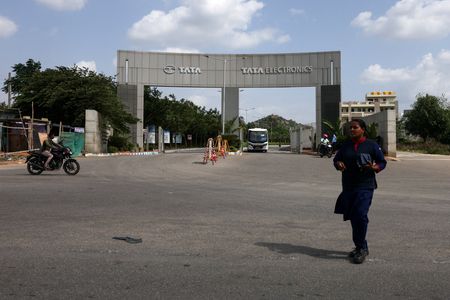
NEW DELHI — The Indian government has launched an investigation into a data breach at Tata Electronics after confidential documents tied to Apple’s yet-to-be-released iPhone 18 Pro surfaced on the dark web, the country’s IT secretary confirmed Thursday.
Among the leaked materials are sensitive files identifying which companies manufacture specific components for the iPhone 18 Pro, supplier lists, and photographs of the unreleased handset — details that Apple typically keeps out of its public supplier database.
“We are investigating,” said S. Krishnan, secretary at the Ministry of Electronics and Information Technology, speaking to reporters in what marked the government’s first official public statement on the matter.
Krishnan confirmed the breach has been referred to India’s Computer Emergency Response Team, the agency responsible for handling computer security incidents in the country.
The leak poses a significant threat to the carefully guarded and complex supply chain Apple relies on to build its flagship devices. The company uses a network of suppliers around the world to assemble the iPhone, and such disclosures could expose sensitive business arrangements. Apple is expected to officially unveil the iPhone 18 Pro and Pro Max this coming September.
The ransomware group responsible for the theft also posted documents belonging to Tesla, Qualcomm, and TSMC on the dark web, according to previous reporting. In response, Tata Electronics has brought in a global consultant to perform a forensic audit of the breach.
Chinese technology firm Kuaishou Technology announced Thursday that a coalition of investors — including major players Alibaba and Tencent — will pump more than 19 billion yuan, equivalent to approximately $2.80 billion, into its AI-powered video platform, Kling AI. The deal places a pre-money valuation of $15 billion on the service.
The massive capital raise reflects the enormous appetite investors have for China’s booming artificial intelligence industry, which has continued drawing billions in fresh funding. Technology companies in China raised a combined $3.1 billion through stock market listings in the first half of this year through mid-June — more than five times what was raised during the same stretch last year.
As part of the deal’s structure, Kling AI has a window of two months to bring on one additional investor, and the total fundraise is capped at 20.45 billion yuan.
Once the investment is complete, Kuaishou’s ownership share in Kling AI will drop from 100% to roughly 68%.
Along with Alibaba and Tencent, Baidu has also agreed to take a stake in Kling AI. The platform brought in 650 million yuan in revenue during the first quarter of this year — more than four times the amount it generated in the same period a year ago.
Analysts at Citi said the pre-money valuation was not unexpected, but called the lineup of investors “impressive,” noting that attention will now shift to an upcoming upgrade for the Kling AI platform.
Shares of Kuaishou surged as much as 6.9% on Friday following the announcement, though the stock gave back all of those gains and finished the trading day essentially flat.
Kuaishou had acknowledged in May that it was exploring a potential restructuring of Kling AI after media reports surfaced about a possible spin-off, though the company said at the time that those conversations were still in very early stages.
Oil prices barely moved on Friday as U.S. markets prepared to close ahead of the Independence Day holiday on Saturday, with investors cautiously watching diplomatic efforts aimed at ending hostilities between the United States and Iran.
Brent crude futures edged up 7 cents, a gain of 0.1%, reaching $71.87 per barrel as of 0737 GMT. West Texas Intermediate, another key benchmark, slipped 6 cents, or 0.09%, to $68.63 per barrel.
U.S. financial markets are closed Friday in observance of the Independence Day holiday falling on Saturday.
In the previous trading session, both benchmarks dropped to their lowest points since before the U.S.-Israeli military campaign against Iran began in late February. For the week, Brent was down just 0.16% and WTI fell only 0.87% — the smallest weekly price moves for both in several months.
Tim Waterer, chief market analyst at KCM Trade, described the mood in the market as cautiously hopeful. “It’s a case of guarded optimism, with the market wanting to believe the peace efforts will hold, but it’s still hedging its bets until it sees real evidence on the water,” he said.
Some vessel traffic has resumed through the Strait of Hormuz, as outlined in the initial agreement between Iran and the United States. However, uncertainty remains elevated after the two nations exchanged military strikes last weekend, following an Iranian attack on a cargo ship.
With the prospect of increased oil flow through the strait, Gulf-region producers have been working to boost their output. Kuwait’s oil production surged to 1.65 million barrels per day in June, up sharply from 580,000 barrels per day in May, according to a source familiar with the situation who spoke to Reuters on Thursday.
At least five large supertankers carrying a combined 10 million barrels of Saudi oil have already cleared the Strait of Hormuz. Additionally, Saudi Aramco has shifted from long-term contracts to spot pricing in order to accelerate sales in Asian markets, according to trade sources and shipping data.
As the supply picture improves, the structure of the oil market has shifted from backwardation — where near-term prices are higher than future prices — to contango, which signals reduced concern about future shortages. The spread between front-month Brent and one-month forward contracts turned negative on June 24, and the six-month spread followed suit on Thursday.
Analysts at ING noted in a Friday report that the reintroduction of this supply is happening alongside continued releases from the U.S. Strategic Petroleum Reserve. They added that the lower near-term prices could attract more buyers, which in turn may provide some support for prices going forward.
Alibaba is moving to block its workers from accessing Claude Code within company work environments, effective July 10, due to concerns that the tool may contain hidden security vulnerabilities known as backdoors, according to a source familiar with the decision.
The Chinese technology company had not responded to requests for comment as of the time of this report.
The planned restriction was first reported by Yicai, a Chinese financial news publication.
Trade in goods flowing between the European Union and the United States climbed to a record €875 billion — roughly $1 trillion — last year, even as tariff pressures continued to mount. But according to a new study from the German Economic Institute (IW) released Friday, those headline numbers tell only part of the story.
EU exports heading to the U.S. jumped 7.7% to reach €580 billion, while American goods flowing into the EU rose 2.2% to €295 billion. That pushed the EU’s trade surplus to nearly €285 billion.
At first glance, the record-setting figures might lead some to conclude that tariffs introduced under President Donald Trump and the broader political tensions between the two sides have done little to disrupt trade — or may have even accidentally boosted it.
But IW economist Samina Sultan cautioned against drawing that conclusion. “This first impression is misleading,” she said, noting that certain industries are already taking a significant hit.
The automotive sector stands out as one of the hardest-hit areas. EU exports of cars and auto parts to the United States fell 20.4% in 2025. Germany, which is responsible for nearly two-thirds of all EU auto exports to the U.S., saw its own exports in that category decline by 18.9%.
Ireland was a notable exception, posting a 52.7% surge in exports — a jump driven largely by pharmaceutical and chemical products, which remain exempt from the tariffs.
On the services side of the ledger, transatlantic trade also set a new record at €865 billion, though the EU found itself on the losing end of that equation, running a €178 billion deficit in services. A large portion of that gap was driven by intellectual property fees — including software licenses, patents, and trademarks — which rose 13.7% and accounted for more than 40% of all U.S. service exports to the EU.
BioNTech, the German company behind the COVID-19 vaccine, has been quietly holding discussions with potential buyers for its German facilities that are scheduled to shut down, according to a report published Friday by the Handelsblatt newspaper. The number of German locations facing closure has now grown to four.
Back in May, BioNTech announced it would be shutting down three locations in Germany — in Idar-Oberstein, Marburg, and Tuebingen — before the close of 2027. The company also said it would wind down its Singapore operations by the first quarter of next year. Combined, those closures are expected to affect as many as 1,860 workers.
Now, Handelsblatt is reporting that a fourth German operation is also on the chopping block. JPT Peptides, a BioNTech subsidiary based in Berlin that manufactures peptides used in immunology and drug discovery research, is being offered for sale. According to sources cited by the newspaper who are familiar with the matter, the subsidiary is no longer turning a profit, and BioNTech intends to close it by the end of this year if a buyer cannot be found.
Requests for comment sent to both BioNTech and JPT Peptides were not answered prior to publication.
Stock markets across Asia moved higher on Friday, riding momentum from a record-breaking performance by the Dow Jones Industrial Average, even as artificial intelligence stocks sent mixed signals to investors.
South Korea’s Kospi index, which had tumbled nearly 8% the day before, clawed back some of those losses with a 2.8% gain, finishing at 7,863.22. Samsung Electronics, the nation’s largest company and a significant producer of computer chips, surged 7%. Smaller competitor SK Hynix also climbed, rising 4.9%.
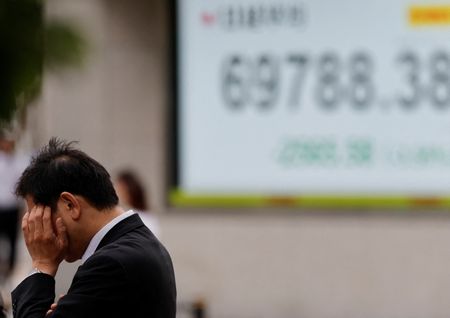
Japan’s Nikkei 225 moved up 0.9% to close at 69,368.30. Chipmaker Tokyo Electron slid 2.5%, while memory manufacturer Kioxia jumped 6.6%.
Hong Kong’s Hang Seng index advanced 1.7% to 23,444.45, and China’s Shanghai Composite rose 0.7% to 4,056.81. Taiwan’s Taiex bucked the regional trend, slipping 0.6%. Australia’s S&P/ASX 200 gained 1.3%, settling at 8,834.90.
U.S. futures pointed modestly higher, and oil prices also ticked up. American markets were shut Friday for the Independence Day holiday.
Back on Thursday, the Dow led U.S. markets with a 1.1% gain, reaching a new record of 52,900.07. However, the broader market told a more complicated story. The S&P 500 ended the day barely changed, edging up less than 0.1% to close at 7,483.24 — even though roughly seven out of every ten stocks within the index finished higher. The Nasdaq composite fell 0.8% to 25,382.67, dragged down by continued weakness in chip stocks.
One piece of economic data gave markets a lift: a report showing U.S. employers added 57,000 jobs last month. While that figure fell short of the 100,000 jobs economists had anticipated and represented a slowdown from May’s hiring pace, it carried a silver lining. A softer job market could ease pressure on inflation, which has been rising globally due to oil price spikes tied to the war with Iran. With oil prices now retreating below pre-war levels, slower inflation in the coming months could reduce the need for the Federal Reserve to raise interest rates multiple times this year.
Lower interest rates are generally welcomed by investors because they make borrowing cheaper for households and businesses, which can fuel economic activity. They also tend to push stock and investment prices higher.
Cryptocurrency-related stocks also had a strong session after bitcoin’s price climbed roughly 2%, rebounding from near its lowest point since 2024. Robinhood Markets gained 3.8%, and Coinbase Global rose 3.9%.
Meanwhile, computer chip companies continued to struggle. Concerns have mounted that chip stocks were bid up too aggressively during the AI frenzy, and that the massive investments in chips and data centers may not generate the profits and productivity gains investors originally hoped for.
Memory chip maker Micron Technology reversed an early gain to finish down 5.5%, one day after plunging 10.6%. Nvidia declined 1.4%, and Lam Research dropped 10.2%. These companies carry extra weight on the S&P 500 because of how large they’ve grown during the AI boom. Nvidia alone carries a total market value of nearly $4.7 trillion, giving its stock movements an outsized influence on the broader index.
In currency and commodity markets, Brent crude, the international oil benchmark, rose 0.6% to $72.26 per barrel. U.S. benchmark crude gained 0.5% to $69.05 per barrel. The dollar weakened against the Japanese yen, falling to 161.17 yen from 161.97. The euro strengthened slightly against the dollar, rising to $1.1439 from $1.1431.
Global stock markets are wrapping up their best week in roughly two months, powered by encouraging economic data from across Asia and a U.S. jobs report that took pressure off the Federal Reserve to raise interest rates anytime soon.
The MSCI All-Country World Index — a broad measure of global equity performance — climbed 1.7% for the week. The gains came after Purchasing Managers’ Index data released Friday for China, Japan, Australia, and Singapore all pointed to solid economic expansion across the region.
Those results helped lock in gains that began building after Thursday’s underwhelming U.S. employment report, which reduced expectations that the Federal Reserve would move quickly to raise borrowing costs.
Asian markets had a bumpy start to Friday’s session after tech hardware stocks dropped in response to weakness among chipmakers during U.S. trading. However, MSCI’s broad index of Asia-Pacific shares outside Japan ultimately climbed 1.1%, snapping a two-day slide. South Korea’s Kospi index led the regional advance.
Markets largely brushed aside a notable admission from Silicon Valley. Meta CEO Mark Zuckerberg, speaking at an internal company meeting Thursday, acknowledged that the social media giant’s ambitious artificial intelligence overhaul has not gone as smoothly as planned. A recording of the remarks was obtained by Reuters. Zuckerberg said AI agents — software capable of performing complex tasks independently — had not advanced as fast as he had anticipated.
In early European trading, pan-regional futures rose 0.3%, German DAX futures gained 0.5%, and FTSE futures were up 0.2%. U.S. S&P 500 futures also edged 0.3% higher.
The U.S. dollar held steady against the Japanese yen at 161.125, giving back some earlier gains as trading volume thinned due to a U.S. holiday Friday. Currency traders also remained cautious about the possibility of intervention in the market.
On a lighter note, fans eagerly awaiting a rumored wedding between pop star Taylor Swift and NFL player Travis Kelce at New York’s Madison Square Garden may need to temper their expectations. The New York Post’s Page Six reported Thursday that the couple may have already quietly tied the knot.
Key economic events to watch Friday include industrial output and services activity data from France and Germany, eurozone services figures, and a UK services report. The United Kingdom is also scheduled to hold government debt auctions for one-month, three-month, and six-month maturities.
Oil prices nudged higher on Friday morning as traders took a cautious but hopeful stance ahead of the long Fourth of July weekend in the United States, with diplomatic efforts between the U.S. and Iran continuing to hold.
Brent crude futures climbed 17 cents, or 0.24%, reaching $72.10 per barrel as of 0155 GMT. West Texas Intermediate also gained ground, rising 14 cents, or 0.20%, to $68.83 per barrel.
U.S. financial markets are set to close Friday in observance of the Independence Day holiday on Saturday.
In the session prior, both benchmark prices fell to their lowest points since before the U.S.-Israeli military campaign against Iran got underway in late February. For the week overall, Brent slipped just 0.02% while WTI edged up 0.12% — the smallest weekly price swings for either benchmark in months.
Tim Waterer, chief market analyst at KCM Trade, described the current mood in the market this way: “It’s a case of guarded optimism, with the market wanting to believe the peace efforts will hold, but it’s still hedging its bets until it sees real evidence on the water.”
The reopening of the Strait of Hormuz is prompting some oil-producing nations to boost output. Before the conflict began, the waterway handled roughly one-fifth of the entire world’s daily supply of oil and liquefied natural gas.
Kuwait’s oil production surged dramatically in June, climbing to 1.65 million barrels per day — up from just 580,000 barrels per day in May. A source with knowledge of the situation told Reuters on Thursday that the OPEC member ramped up exports following the U.S.-Iran interim peace agreement.
Meanwhile, at least five large supertankers carrying a combined 10 million barrels of Saudi oil have already passed through the Strait of Hormuz. According to trade sources and shipping data, Saudi Aramco has shifted to spot pricing in an effort to accelerate sales across Asian markets.
The U.S. dollar was on course Friday for its steepest weekly decline in nearly three months, after a lackluster June employment report caused markets to rethink how soon the Federal Reserve might raise interest rates again.
The dollar’s weakness carried into early Asian trading hours, with the euro hovering close to a two-week high at $1.1442. The British pound also held firm at $1.3361, putting it on pace for a 1.2% gain for the week — its strongest weekly performance in close to three months.
The Australian dollar, which tends to reflect investor appetite for risk, was trading at $0.6935 and appeared set to break a four-consecutive-week losing streak. New Zealand’s currency was at $0.5702, up 1.2% for the week.
The dollar index — a measure of the greenback’s value against a group of major currencies including the yen and the euro — slipped 0.2% to 100.77, following a 0.5% drop the day before. For the week overall, the index was down 0.58%, marking its worst weekly showing since early April.
The catalyst for the dollar’s retreat was a sharp slowdown in U.S. job growth last month. Nonfarm payrolls rose by just 57,000 in June, falling well short of the 110,000 increase analysts had anticipated. The labor force participation rate also fell to 61.5%, its lowest point in more than five years.
The soft data caused traders to reduce their bets on a Federal Reserve rate increase happening soon. Markets are now pricing in a 52% probability of a rate hike at the Fed’s September meeting, down from 64% the day before, according to CME FedWatch.
U.S. Treasury yields also retreated. The yield on two-year notes — which are especially sensitive to interest rate expectations — ended a three-day winning streak with a four basis-point decline.
Sim Moh Siong, an FX strategist at OCBC, said the jobs data sends a message that should ease some pressure on the Fed. “At the margin, it is dovish, helping to ease concerns about labour market overheating and the need for more aggressive policy tightening,” he said. He added, however, that the broader outlook still favors the dollar — especially against lower-yielding currencies — as long as expectations for Fed tightening remain in place.
The Japanese yen, which had been battered in recent weeks, got some breathing room from the dollar’s stumble. The yen was last trading at 161.01 per dollar after gaining nearly 1% in the prior session, bouncing back from multi-decade lows.
Investors remained watchful for possible government intervention in currency markets. Japanese officials have shifted away from their previous practice of issuing public warnings, instead signaling a more targeted effort to squeeze currency speculators and make it more costly to bet against the yen.
A member of a Japanese government advisory panel, Toshihiro Nagahama — known as an economic adviser to Prime Minister Sanae Takaichi — said Thursday that the Bank of Japan should continue raising interest rates at a gradual pace in order to address the yen’s excessive decline.
Tony Sycamore, an analyst at IG, said the situation leaves an important question unanswered. “The bigger question is what comes next,” he said, identifying 162.83 as a near-term ceiling for the dollar-yen exchange rate. “Whether it becomes a more meaningful medium-term high will ultimately depend on incoming U.S. data and, to some degree, developments in the Japanese government bond market.”
Stock markets across Asia got off to a rocky start Friday morning following a weaker-than-expected U.S. employment report that dampened hopes for a near-term interest rate increase by the Federal Reserve.
The MSCI index tracking Asia-Pacific shares outside of Japan swung between positive and negative territory before nudging up just 0.1%, coming off two straight days of losses. South Korea’s Kospi dragged on the broader regional index, reflecting steep drops in chipmaker stocks seen during U.S. trading. Meanwhile, S&P 500 e-mini futures and Nasdaq e-mini futures each gained 0.1%, while Japan’s Nikkei 225 fell 1%.
Data released Thursday showed U.S. job growth dropped off sharply in June, with payroll figures for the previous two months also revised downward — signs that the labor market is losing steam. The unemployment rate dipped to 4.2% in June from 4.3% in May, though the decline came as workers exited the labor force, pushing the workforce participation rate to its lowest point in over five years.
Analysts at Westpac noted in a research report that “the figures challenged the narrative that the Fed remains on track to hike in the second half of this year.”
The disappointing employment numbers cooled trader expectations for a rate hike in the near future and increased the likelihood that the Fed will leave rates unchanged until October. According to the CME Group’s FedWatch tool, Fed funds futures now reflect a 46.8% probability that the central bank will hold rates steady at its September 15-16 meeting — up from a 35.8% chance just one day earlier.
On Wall Street Thursday night, results were mixed. The S&P 500 finished flat, the Nasdaq Composite slipped 0.8%, but the Dow Jones Industrial Average climbed to a record closing high. U.S. markets will remain closed Friday in honor of the Independence Day holiday.
The U.S. dollar edged up 0.2% against the Japanese yen, trading at 161.435 yen as Asian markets opened, with overall trading volume thinned due to the holiday. The dollar recovered some ground after a volatile Thursday session, during which the yen surged briefly following a Reuters report that Japanese authorities had adopted a new strategy for their market interventions. The reason behind the yen’s sudden rally was not immediately clear.
The U.S. dollar index, which gauges the greenback’s value against six major currencies, held steady at 100.98 after sliding 0.5% the day before.
In commodity markets, Brent crude futures fell 0.4% to $71.49 per barrel when Asian trading resumed. Gold edged up 0.1% to $4,125.49.
In the cryptocurrency space, bitcoin slipped 0.4% to $61,306.45, while ether dropped 0.7% to $1,692.16.
Wall Street wrapped up a shortened holiday trading week on a mixed note Thursday, with semiconductor weakness pulling down the Nasdaq even as a disappointing jobs report took some pressure off the Federal Reserve when it comes to raising interest rates.
U.S. markets will be closed Friday, July 3, in observance of Independence Day.
Key Market Highlights
Despite the uneven session, all three major U.S. stock indexes finished the week in positive territory. Europe’s STOXX index reached a record closing high. Among S&P 500 sectors, healthcare led the way as the strongest performer, while technology stocks — dragged down by chipmakers — brought up the rear. The U.S. dollar fell following the softer jobs data, while the Japanese yen surged. Treasury yields pulled back as the employment numbers dampened expectations for near-term rate hikes. In commodities, front-month WTI crude oil settled up 0.2% and Brent crude gained 0.3%, while gold climbed more than 2%.
Jobs Report Draws Attention
The U.S. economy added just 57,000 jobs in June, and the unemployment rate dipped to 4.2% as the overall workforce shrank. The modest figure gave Federal Reserve policymakers less reason to pursue additional interest rate increases, analysts noted.
Iran Prepares for State Funeral of Supreme Leader
Iran’s ruling clerics are making preparations for an extended period of national mourning following the death of Ayatollah Ali Khamenei, who was killed during the first round of Israeli and U.S. military strikes. Funeral ceremonies are scheduled to take place in Tehran over the weekend, with large processions planned across the country into next week. Organizers are hoping to draw millions of participants to demonstrate the enduring strength of the Islamic Republic following what they described as an existential conflict.
Hedge Funds Post Strong Quarter
Hedge funds closed out June with double-digit year-to-date gains, according to a Goldman Sachs note reviewed by Reuters. Funds relying on fundamental analysis of company finances posted an 18.4% return for the quarter — the strongest performance on Goldman’s records — bringing their year-to-date result to 17.4%. Individual stock pickers returned 4% last month. However, losses tied to market volatility and short positions on oil weighed on some funds, as crude prices fell back to pre-Iran war levels.
Nation’s Largest Power Grid Braces for Heat and Data Center Demand
PJM, the largest electrical grid in the United States, is preparing for potentially record-breaking energy consumption driven by a powerful heat wave and the rapid expansion of energy-intensive data centers. The grid operator forecast a peak power demand of 166.2 gigawatts around 6 p.m. EDT Thursday, which would surpass a 20-year demand record. PJM officials said they have sufficient capacity to handle the anticipated load.
Other Stories to Watch
Tesla reported record vehicle deliveries in the second quarter, with a rebound in European demand helping offset slower sales in North America. Meanwhile, Tesla competitor Rivian raised its 2026 delivery forecast, sending its share price sharply higher. U.S. factory orders fell in May, weighed down by a decline in commercial aircraft orders. Separately, U.S. and Iranian delegates concluded talks in Doha, where discussions covered the potential unfreezing of Iranian assets and shipping activity in the Strait of Hormuz.
What Could Move Markets Next Week
Traders will be watching for developments in the Middle East, energy market shifts, and social media activity from Trump. A range of international economic reports are also on the calendar, including services sector data from the UK, Germany, Italy, France, Sweden, Spain, the UAE, and India; unemployment figures from Norway; industrial output from France, Spain, and Brazil; inflation data from Turkey; retail sales from Italy; consumer confidence from Mexico; and Brazil’s trade balance.
Lockheed Martin has emerged as the leading candidate to purchase Ultra Maritime from private-equity firm Advent International in a deal that could be valued at approximately $3.5 billion, according to a report published Thursday by the Financial Times, which cited sources with knowledge of the situation.
Negotiations are still underway, and the Financial Times reported that an official announcement could come as soon as next week. Despite Lockheed Martin’s front-runner status, the report noted that multiple other potential buyers remain active participants in what is described as a competitive auction process.
Neither Lockheed Martin nor Advent responded to requests for comment from Reuters.
Ultra Maritime focuses on anti-submarine warfare and undersea defense technologies. The company is part of a larger group called Cobham Ultra, which was formed after Advent acquired British aerospace company Cobham in 2019 and later merged it with Ultra Electronics following that company’s acquisition in 2022.
The potential acquisition reflects a broader trend among defense contractors looking to grow their military technology holdings at a time of rising global tensions and increased defense spending, fueled in part by the ongoing war in Ukraine and conflict in the Middle East.
Shares of Lockheed Martin dipped slightly in after-hours trading following the report.
ElevenLabs, a company that uses artificial intelligence to generate realistic human-sounding voices, is weighing a secondary stock sale that would give its employees an opportunity to sell their shares, according to a Bloomberg News report published Thursday citing sources close to the situation.
If the deal moves forward, it could put ElevenLabs’ total value at roughly $22 billion, with the transaction expected to be wrapped up by September, the report indicated.
The move reflects a growing trend among AI companies, which have been increasingly offering employees the chance to sell stock as a way to compete for — and hold onto — top engineering and research talent in an intensely competitive industry.
ElevenLabs was co-founded by Piotr Dabkowski and CEO Mati Staniszewski in 2022. The London-based firm develops AI-powered tools, including a widely used platform that converts written text into lifelike spoken audio.
Earlier this year, in February, the company completed a Series D funding round that brought in $500 million and placed its valuation at $11 billion — roughly half of what the proposed secondary sale would suggest today.
ElevenLabs had not responded to a request for comment at the time of the report.
A Delaware judge ruled Thursday that JPMorgan Chase has no grounds to stop covering the legal expenses of Charlie Javice, a former finance executive who was convicted of defrauding the bank — even as JPMorgan described the mounting costs as “astronomical.”
Magistrate Judge Christian Wright of the Delaware Chancery Court determined that JPMorgan failed to clear what he described as a “challenging burden” — the bank could not demonstrate that Javice’s fees and expenses were “so unmistakably unreasonable or clearly abusive” that they reflected bad faith on her part.
JPMorgan did not offer any immediate response to the ruling.
Javice, 33, was found guilty in March 2025 of deceiving JPMorgan into purchasing her education startup, Frank, for $175 million back in 2021. She was subsequently sentenced to 85 months behind bars and is currently appealing both her conviction and her sentence.
The nation’s largest bank had been required to cover Javice’s legal costs since June 2023 under a prior court order. That same obligation extended to Olivier Amar, who served as Frank’s former chief growth officer and was also convicted in the case.
JPMorgan had separately sought to cut off legal expense payments for Amar as well, but Judge Wright rejected that request too. Amar received a sentence of 68 months in prison.
According to the ruling, the decision covers approximately $10.1 million in costs tied to Javice for the period spanning January through September 2025, and $11.3 million for Amar over a comparable timeframe.
Two of the country’s largest financial institutions are putting money behind a new savings initiative tied to Trump accounts for their workers’ children.
Morgan Stanley and Goldman Sachs each announced Thursday that they will match $1,000 contributions made to Trump accounts opened on behalf of qualifying employees’ children. The program is scheduled to begin on July 4.
Children who were born in the United States between January 1, 2025, and December 31, 2028, will be eligible under the program’s terms.
In an internal memo, Morgan Stanley described the contribution as something that “reflects our belief in the power of long-term saving and financial education.”
Goldman Sachs made a similar announcement for its workforce the same day. CEO David Solomon issued a statement saying, “Starting early and staying invested for the long term is one of the most reliable ways American families build lasting financial security.”
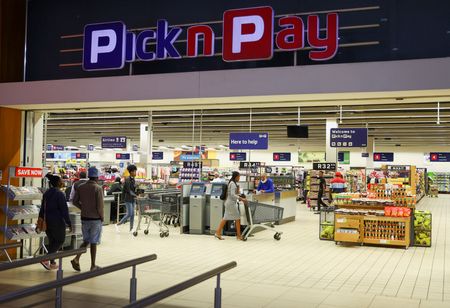
South African grocery retailer Pick n Pay unveiled an artificial intelligence-powered shopping assistant on Thursday, giving customers a new way to place grocery orders without having to manually search for products. The tool accepts voice notes, typed messages, and photographs as input.
The launch is a key piece of Pick n Pay’s effort to revitalize its business after a prolonged period of sluggish sales and declining market share. The company, South Africa’s second-largest retailer by revenue, has been working to strengthen its digital presence as it tries to close the gap with bigger rival Shoprite.
Shoprite’s Checkers Sixty60 platform has established a commanding lead in South Africa’s rapidly expanding on-demand grocery delivery market, compelling competitors to pour resources into digital technology and services.
The trend extends beyond South Africa — retailers worldwide are exploring generative AI as a way to personalize product suggestions, improve search capabilities, and make online shopping easier, driven by advances in large language model technology.
Pick n Pay’s assistant, called “Penny,” is built on Google’s Gemini AI models and is scheduled to roll out beginning July 6, the company announced.
Penny can handle grocery orders in multiple languages and accepts a range of inputs, including voice recordings, written prompts, and photographs — even pictures of handwritten shopping lists, recipes, or items a customer wants to purchase. Beyond ordering, the assistant can propose recipes, suggest alternative ingredients, assist with meal planning, and offer budget-friendly shopping guidance along with tailored product recommendations.
Enrico Ferigolli, omnichannel retail executive at Pick n Pay, spoke at the launch event and framed the development as a fundamental shift in consumer behavior.
“On-demand delivery changed how people shop. AI is now changing how they order,” Ferigolli told reporters. “Consumers no longer just want speed, they want shopping apps to think for them … By helping customers, our sales will grow,” he added.
Ferigolli also indicated that additional AI-driven features are in the pipeline and will be introduced over the coming months.
Shoprite has also been moving in this direction. Earlier this year, the retail giant expanded its own AI investment by launching an assistant designed to recommend restocking purchases, surface new products, and deliver personalized deals to shoppers.
Prospective homebuyers are getting a small break this week as the average rate on a 30-year fixed mortgage dropped to its lowest point in nearly two months.
Freddie Mac reported Thursday that the benchmark 30-year fixed mortgage rate slipped to 6.43%, down from 6.49% the previous week. At this same time last year, that rate stood at 6.67%.
For much of the period since the conflict between the United States and Iran broke out in late February, the average rate has largely stayed near 6.5%. The war has disrupted crude oil shipments out of the Persian Gulf, pushing oil prices sharply upward and contributing to higher inflation, rising bond yields, and elevated mortgage rates.
Even with this week’s modest dip, the current rate is the lowest recorded since May 14, when it sat at 6.36%.
Rates on 15-year fixed mortgages — a popular option for homeowners looking to refinance — also moved lower. That average fell to 5.79% from 5.84% last week. One year ago, it was at 5.8%, Freddie Mac noted.
Several factors shape where mortgage rates land, including decisions made by the Federal Reserve on interest rate policy and expectations among bond market investors about inflation and the broader economy. Mortgage rates tend to track closely with the 10-year Treasury yield, which lenders rely on when setting home loan prices.
By midday Thursday, the 10-year Treasury yield had dipped to 4.46%, down slightly from 4.48% the evening before.
Growing optimism that the U.S. and Iran could eventually reach a resolution to end their conflict — and reopen the Strait of Hormuz to oil tankers — has helped bring oil prices down somewhat, easing some of the upward pressure on bond yields. Still, yields remain well above where they were in late February, when the 10-year Treasury yield was around 3.97%.
Just before the war began in late February, the 30-year mortgage rate had briefly dipped below 6% for the first time since late 2022. It has not returned to that level since. Five weeks ago, the rate climbed to 6.53%, its highest point since August 28.
Although long-term mortgage rates are still lower than they were a year ago, the uncertainty created by the ongoing conflict has kept many potential buyers from moving forward with a home purchase.
Sales of previously owned homes across the country fell during the first quarter of this year compared to the same period a year ago, continuing a housing slowdown that has persisted since 2022, when rates began rising from their pandemic-era lows. April sales were essentially unchanged, but May saw a pickup — the fastest pace of sales since December.
Even so, existing home sales are still hovering near an annual rate of 4 million — well below the historical norm of around 5.2 million.
NEW YORK (AP) — For the second quarter in a row, Tesla has posted a rise in vehicle sales, raising hopes that the company may be turning a corner after a bruising period of consumer backlash and increased competition.
The electric automaker, led by Elon Musk, announced Thursday that it delivered 480,126 cars during the most recent three-month period — a dramatic jump from the 384,122 vehicles delivered during the same stretch a year ago. The company also built 451,758 vehicles during the second quarter. Analysts had projected around 401,000 deliveries, according to FactSet estimates, making the actual results a notable beat.
Despite the strong numbers, Tesla’s stock edged down slightly in early Thursday trading.
Tesla did not release a regional breakdown of its sales figures, but European automotive trade organizations had already reported significant gains on the continent in May, including a 300% surge in Germany. European consumers had been among the most vocal in their opposition to Musk, with anger tied to his support for far-right political figures — but those buyers appear to be returning to Tesla showrooms.
The Austin, Texas-based company is leaning heavily on lower-priced versions of its Model Y and Model 3, both introduced last year, to drive demand. Tesla is also counting on European expansion of its driver assistance technology, known as Full Self-Driving (Supervised), which has already received approval in the Netherlands, Estonia, Greece, and Lithuania.
The road to this recovery was rocky. Last year, Tesla faced protests outside dealerships in both Europe and the United States, a Musk effigy burned in Milan, and acts of vandalism directed at Tesla owners. Sales declined sharply during that period.
As those numbers fell, Musk worked to redirect attention away from vehicle sales and toward the company’s longer-term ambitions — including robotics, autonomous driving technology, and self-driving robotaxis.
That pivot appears to have won over Wall Street. Tesla’s share price has fully rebounded from a steep drop earlier last year, gaining more than 40% over the past 12 months.
WASHINGTON — Americans seeking unemployment benefits filed slightly fewer applications last week, with layoffs continuing to hold at historically low levels across the country.
According to a Thursday report from the Labor Department, the number of people filing for jobless aid during the week ending June 27 dropped by 1,000, landing at 215,000. That figure came in below the 225,000 new filings that analysts surveyed by the data firm FactSet had anticipated.
Weekly unemployment filings are widely viewed as a close approximation of layoff activity nationwide and serve as a near real-time snapshot of how the job market is holding up.
In addition to the weekly claims data, the government also released its broader June jobs report on Thursday — one day ahead of its usual schedule because of the upcoming July 4 holiday.
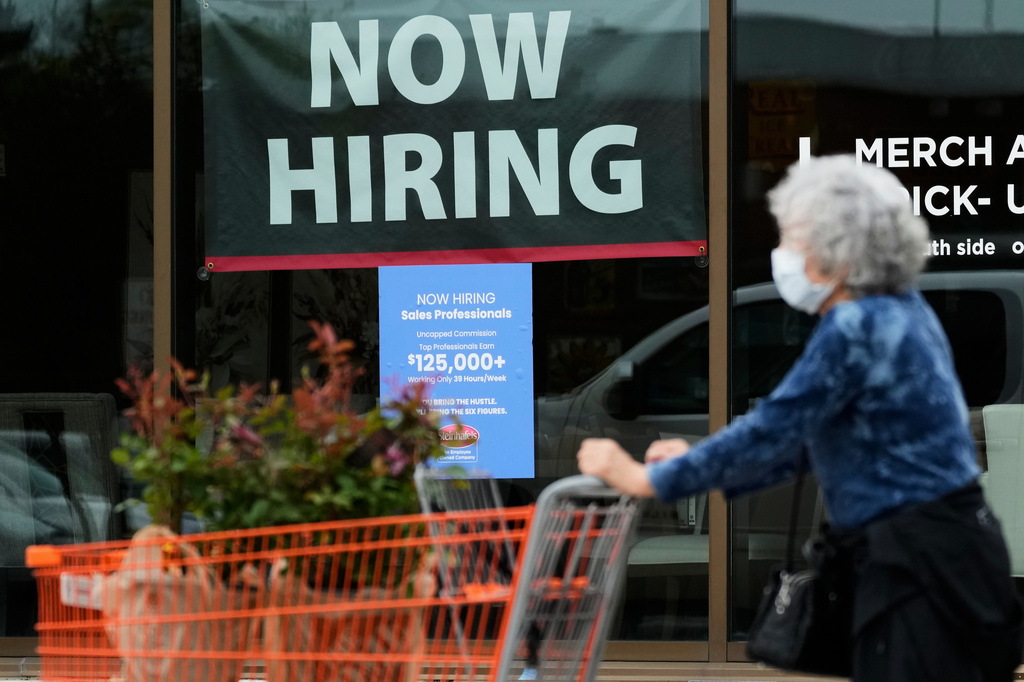
That report painted a more cautious picture of the labor market. U.S. employers added just 57,000 jobs in June, which is less than half of what was gained the month before, suggesting businesses are continuing to hold back on hiring. The national unemployment rate declined to 4.2% from 4.3% in May, though that improvement is largely because many people who were out of work stopped searching for jobs and were therefore no longer counted among the unemployed.
June’s modest job gains follow a relatively strong three-month stretch of hiring, which had helped ease fears that the war in Iran would further destabilize an already fragile labor market.
Weekly unemployment filings have generally stayed within a range of 200,000 to 250,000 since the economy recovered from the pandemic recession. However, hiring has been gradually slowing for about two years, with the pace tapering further in 2025 due to President Donald Trump’s tariffs, his administration’s reduction of the federal workforce, and the ongoing effects of elevated interest rates that were put in place to fight inflation.
Among the major companies that have recently announced job cuts are Verizon, UPS, Amazon, Disney, Starbucks, and Walmart.
The four-week moving average of jobless claims — a measure that smooths out week-to-week fluctuations — fell by 2,500 to 222,000, according to Thursday’s report.
Meanwhile, the total number of people continuing to collect unemployment benefits for the week ending June 20 rose by 2,000 to 1.81 million, which also remains a historically low number.
The European Union’s highest court has thrown out Google’s attempt to overturn a landmark antitrust fine of 4.1 billion euros — roughly $4.5 billion — that was originally levied against the tech giant for using its Android mobile operating system to stifle competition and limit choices for consumers.
The case has been moving through the legal system since the European Commission first announced the penalty back in 2018. Thursday’s ruling by the European Court of Justice brings that lengthy process to a close.
In their decision, the Luxembourg-based judges wrote: “The appeal brought by Google and its parent company Alphabet against the judgment of the General Court is dismissed, thereby confirming the penalty imposed for Google Search’s abuse of a dominant position in the context of the Android operating system.”
Google had previously defended itself by arguing that Android — which is free and open-source — has helped drive down the cost of smartphones and fostered competition against its primary rival, Apple. Android remains the world’s most widely used mobile operating system, surpassing even Apple’s iOS in market share.
This fine is one of three separate antitrust penalties the European Commission handed down to Google between 2017 and 2019, with the combined total exceeding $8 billion. The actions placed the 27-nation European bloc at the center of worldwide efforts to hold powerful technology companies accountable.
In the years since those initial penalties, the commission has continued expanding its scrutiny of major digital players, launching additional antitrust investigations into Amazon, Apple, and Facebook, while also rolling out sweeping new regulations targeting the largest tech firms.
Agustín Reyna, director general of the European Consumer Organization, praised the ruling and called on the EU to pursue even more regulation similar to the Digital Markets Act in order to “nip unfair practices in the bud” and better protect consumers.
“Today’s judgment sends a very clear message: dominant companies cannot use their power to shut out competition and limit consumer choice,” Reyna said. “Today is a big win for Europe.”
NEW YORK — The latest federal jobs report delivered a surprise miss in June, with U.S. employers adding just 57,000 nonfarm payroll jobs — roughly half of what economists had anticipated.
The Labor Department’s Bureau of Labor Statistics released the closely watched report Thursday, revealing that job growth not only fell short in June but that May’s numbers were also revised downward, from a previously reported 172,000 to just 129,000. Economists surveyed by Reuters had projected 110,000 new jobs for June.
On the positive side, the national unemployment rate declined to 4.2%, a signal that the broader labor market continues to hold steady.
Financial markets responded with cautious optimism. S&P E-minis moved up 27.5 points, or 0.37%. Treasury yields edged lower, with the benchmark 10-year note yield dropping 1.4 basis points to 4.461%. The U.S. dollar index weakened, falling 0.78% to 100.61.
Brian Jacobsen, Chief Economist at Annex Wealth Management in Menomonee Falls, Wisconsin, suggested the Federal Reserve has breathing room following the report. “(Fed Chairman) Warsh can wipe his brow. The labor market isn’t overheating. Inflation expectations are moderating. It means the Fed can take the whole summer off if it wants as it won’t have to hike or cut,” he said.
Robert Pavlik, Senior Portfolio Manager at Dakota Wealth in Fairfield, Connecticut, tied the softer hiring numbers to broader global uncertainty. “The weaker jobs number sort of speaks to the uncertainty that’s been going on because of the war involving the U.S., Israel, and Iran and you can see, you can understand why there’s been some difficulty in new hirings. I don’t think the economy is so weak that you have to start worrying about it. But rate cuts with lower oil prices, I think, is a good environment for stock investors right now.”
Pavlik added that markets are viewing the weak data as a potential path toward rate reductions. “It speaks to the fact that the market has taken this information as another step towards possibly getting a rate cut later this year. You get a weaker jobs number, which implies that the economy isn’t so strong, meaning that the Fed is less likely to raise rates and more likely to maybe cut rates going forward. It makes borrowing cheaper and it makes doing business less expensive and so the stock market welcomes the weaker data because it might lead to rate cuts.”
He also noted potential benefits for specific market sectors: “The consumer discretionary area, which is having a difficult time because of higher energy prices. It could also continue to benefit the technology space because so many of the hyperscalers are borrowing money and then trying to build out data centers and projects.”
Shawn Snyder, Economic Strategist at Potomac Fund Management in Bethesda, Maryland, pointed out a recurring seasonal trend in the data. “The headline gain of 57,000 jobs is clearly disappointing, but it follows a familiar pattern. In 2024 and 2025, job growth averaged about 124,000 per month between March and May before slowing to an average of just 34,000 jobs in June. That pattern was one of the reasons the Fed opted for a 50 basis point insurance rate cut in September 2024. Ironically, today’s report may be one reason the Fed does not deliver insurance rate hikes at the September FOMC meeting.”
Snyder also highlighted a notable weak spot in the report. “The most surprising element of the report was the loss of 61,000 jobs in the leisure and hospitality sector. That is the largest monthly decline since December 2020 and runs counter to expectations that the sector would receive a boost from the World Cup.”
Mark Hackett, Chief Market Strategist at Nationwide Investment Management Group in Philadelphia, described the report as slightly soft but not alarming. “Slightly weak, but the numbers have been somewhat unpredictable and volatile lately. The big delta versus consensus was leisure and hospitality, which many thought would jump because of the World Cup. Market reacting slightly positive because of the dovish implications for the Fed, but the relatively modest reaction is evidence that the payroll report is losing its grip on investor attention.”
Peter Cardillo, Chief Market Economist at Spartan Capital Securities in New York, called it a “Goldilocks” report. “What we’re seeing here is a report that certainly was a little bit cooler than market expectations and certainly cooler than we were looking for, but with the unemployment rate dropping to 4.2% and yearly hourly wages at 3.5%, this could be considered a Goldilocks report. It reinforces the notion that the Fed has to fight inflation, but not an overly heating jobs market. It buys time to hold off on raising interest rates at least in July.”
Cardillo added that while a rate hike remains possible, he sees it more likely in early 2027. “(A rate hike) is still on the table, but I am looking more towards the first quarter of 2027. But the market seems to be betting for at least one rate hike sometime this year that probably could take place in the last quarter of the year.”
Kay Haigh, Global Head and CIO of Fixed Income and Liquidity Solutions at Goldman Sachs Asset Management in London, said via email that the stable labor market likely shifts the Fed’s attention to upcoming inflation figures. “Ongoing labor market stability likely leaves the FOMC focusing on upcoming inflation data to determine its appetite for tightening policy. We still see a path for the Fed to stay on hold for the rest of the year, however any further upside surprises to inflation could convince the committee to hike sooner rather than later.”
Microsoft announced Thursday the formation of a brand-new company aimed at helping large businesses figure out how to make artificial intelligence actually work for them — and make money doing it.
The new entity, called Microsoft Frontier Company, is launching with $2.5 billion in backing from the tech giant. Among its first clients are major global companies including Unilever and Novo Nordisk.
The move comes as big corporations are stepping away from relying on a single AI provider and instead piecing together a variety of technologies — including open-source models — customized to fit their specific needs. That approach can be expensive and slow down the time it takes to see a financial return.
Microsoft Frontier Company will step in to help clients sort through and combine AI tools — whether they come from Microsoft or other companies — and connect them with that client’s own proprietary data. Importantly, whatever is built through that process stays with the client rather than being returned to Microsoft.
Microsoft is not alone in this space. Palantir Technologies is already doing similar work using Nvidia’s open-source models with large clients, and cloud competitor Amazon Web Services recently launched its own embedded-engineer program worth $1 billion.
Patrick Moorhead, CEO of the analyst firm Moor Insights & Strategy, noted that many large businesses are growing concerned that relying on AI models from companies like Anthropic and OpenAI could eventually give those AI labs enough knowledge to compete against them — particularly in areas like legal services and software coding.
Microsoft holds a partial ownership stake in OpenAI, the maker of ChatGPT, and earlier this year added models from Anthropic to its Copilot AI assistant, responding to strong demand from business customers for that technology.
Judson Althoff, CEO of Microsoft Commercial Business, said the idea for the new company grew in part from lessons Microsoft learned when AI models from China’s DeepSeek and Google’s Gemini began closing the gap with OpenAI’s offerings.
“Three years ago, when we built Copilot, we made a mistake by binding it to OpenAI models only,” Althoff told Reuters. “You wanted models to amplify your intelligence and be able to have that sort of swappability for state-of-the-art and fine-tuning.”
Althoff added that what matters most to customers is the combination of their own data with AI models — not any single model in particular — and that businesses need the ability to quickly switch between different AI options as the technology evolves.
Blue Owl Capital is holding firm on its 5% quarterly withdrawal cap for two of its private credit funds, even after investor redemption requests edged lower in the second quarter — though they remained far above that limit.
In letters to shareholders released Thursday, the New York-based investment firm disclosed that investors requested to pull $4.7 billion from the two funds during the second quarter, a decrease from the $5.4 billion in withdrawal requests seen the prior quarter.
Blue Owl shares climbed roughly 2% in premarket trading following the news, though the stock has still lost about 56% of its value over the past year.
Wealthy investors have been withdrawing billions of dollars from these types of non-traded private credit funds in recent months, driven by concerns over lending standards and fears that artificial intelligence could disrupt software companies that have borrowed from direct lenders.
Market watchers expect withdrawal requests to stay above the 5% threshold for several more quarters, but some analysts on Wall Street say the underlying trends point to the second quarter potentially being the high point for redemption pressure.
At the $4.9 billion technology-focused Blue Owl Technology Income Corp fund, known as OTIC, redemption requests dropped to 38.1% in the second quarter, down from 40.7% in the previous quarter.
The firm’s flagship $33.8 billion Blue Owl Credit Income Corp fund, known as OCIC, saw withdrawal requests decline to 18.8% from 21.9% in the prior quarter.
OCIC, the second-largest non-traded business development company of its kind, reported “modestly lower” tender requests coming from a broad range of investor types across different parts of the world.
About 90% of OCIC investors chose to remain in the fund. The fund noted that the group of shareholders seeking to exit remained largely the same, with only a “limited” number of investors making redemption requests for the first time.
“We believe OCIC’s strong performance over the past three months has reflected the quality of portfolio fundamentals and contributed to improved investor sentiment,” Blue Owl’s Craig Packer and Logan Nicholson wrote in the shareholder letter.
Non-traded business development companies, or BDCs, offer investors a way into private credit markets and typically allow investors to cash out through quarterly tender offers capped at 5% of shares.
Withdrawal levels at OTIC have stayed well above the broader industry average, something Blue Owl has attributed to the fund’s concentrated shareholder base and its specialized investment focus. While most of Blue Owl’s wealth products are centered on U.S. investors, the smaller OTIC fund has significant concentration in Asia, according to company executives.
At 38.1%, OTIC’s repurchase requests were considerably higher than the 9% to 17% range reported by the largest non-traded BDC managers that have released second-quarter tender offer results. Oaktree and Goldman Sachs were among the funds that went against the broader trend, reporting lower repurchase requests in the second quarter.
Blue Owl was formed through a 2021 merger between Owl Rock Partners and the Dyal Capital division of Neuberger Berman. The firm currently manages five BDCs and had $315 billion in assets under management as of March 31.
The company had previously announced plans to merge two of its private credit funds late last year but later scrapped the idea after the announcement triggered investor anxiety and sent the company’s stock into a sharp decline.
WASHINGTON (AP) — American companies slowed their hiring considerably last month, adding just 57,000 jobs — a figure that falls short of even half the previous month’s total and signals that businesses are still treading carefully when it comes to the economy.
According to the Labor Department, which released the data on Thursday, the national unemployment rate edged down to 4.2% from 4.3% in May. However, that improvement was largely driven not by more people finding work, but by workers growing discouraged and dropping out of the job search altogether — meaning they were no longer counted in the unemployment figures.
The report paints a picture of an economy where businesses remain hesitant. Inflation has climbed to its highest point in three years, and consumer confidence is hovering near its lowest levels since the pandemic era. Making matters worse, the stronger job numbers initially reported for April and May were revised downward.
Despite these headwinds, the overall economy is still expanding, though at a modest pace. Output grew at an annual rate of 2.1% during the first quarter of the year. Some economic forecasters, however, are predicting that growth will decelerate when figures for the April through June period are tallied.
Secretaries and administrative assistants were already watching their profession shrink before artificial intelligence entered the picture. Now, tools like ChatGPT and Claude are capable of handling parts of their daily workload with minimal effort — raising fresh questions about the future of the role.
Employment forecast data paints a tough picture for this largely female profession, which researchers say may face greater risk from AI-driven job losses than many other fields. Even so, a growing number of admins are not sitting on the sidelines — they are actively embracing the technology and using it to their advantage.
Deanna Danger, 43, has held administrative roles since 2003 and sees constant adaptation as central to the job. For her, AI is simply the latest shift to navigate.
“All you do is have to evolve,” she says.
Danger began incorporating AI into her professional life in 2022, learning the tools through trial and error alongside fellow admins. These days, she lets Copilot and ChatGPT handle meeting notes entirely, freeing her to be an active participant rather than a transcriptionist. As executive assistant to the chief information officer at Vanderbilt University, she says the impact has been dramatic. “Honestly, what used to take me hours I’m now done with in under five minutes,” she says.
The broader picture for the profession is sobering. Around 3.5 million people worked as secretaries or administrative assistants in 2004 — nearly 97% of them women, according to Current Population Survey figures. By 2024, that number had dropped to 2.1 million, even as the overall workforce expanded during the same stretch.
Economists at the U.S. Bureau of Labor Statistics project that decline will continue. The lone bright spot is medical secretaries and administrative assistants, a category expected to grow 4% by 2034 due to expansion in the healthcare sector.
“The overall story in office and admin occupations from the projection standpoint for the last several cycles has been one of productivity-enhancing technologies, limiting demand for employment,” said Emily Rolen, lead economist for the division of employment projections at the BLS. She noted that advances like word processing, speech-to-text tools, and scheduling apps have steadily reshaped the role over time.
A January report from the Brookings Institution found that clerical and administrative workers — about 6 million people, roughly 86% of them women — may be especially exposed to AI-related job displacement. The report cited factors including limited savings, older age, few local job alternatives, and narrower skill sets as reasons this group may struggle to adapt.
The numbers back that up: 34% of secretaries and administrative assistants are 55 or older, compared to 23% of the broader workforce. Median pay in the field sits at $47,460, below the national median of $49,500, and many entry-level positions require only a high school diploma.
Still, the Brookings report acknowledged that raw labor statistics cannot measure an individual’s ability to navigate change. Danger herself insists that admins “are way more capable than people think.”
She co-hosts a twice-monthly virtual coffee chat for peers through the American Society of Administrative Professionals, a group that says it serves around 132,000 members. At a recent May session, participants shared how they are putting AI to work — creating flyers, researching restaurant options for executive events, drafting social media captions, writing standard operating procedures, and more.
The mood was largely upbeat, though some attendees raised concerns about data security and the absence of AI regulation. Others stressed that the emotional intelligence and relationship-building skills that define a great admin are things AI simply cannot replicate.
Fiona Young, founder of Carve, a business that trains executive assistants on AI, says demand for her services has seen “a massive shift” since 2023. A former executive assistant herself, Young says she has delivered AI training to administrative professionals at major companies including Google, Amazon, Uber, Salesforce, and LinkedIn. In her experience, employers want staff who are genuinely weaving AI into their daily work — “not just loosely understanding it, but genuinely using it as an integral part of how people are working every day.”
Oana Manolache takes an even blunter position. The founder and CEO of Sequel.io, a platform that lets companies host webinars on their own websites, declared in a LinkedIn post last year: “I will fire anyone who doesn’t use AI.”
Even so, Manolache says AI could never replace her executive assistant, Stephanie Martinez. In Manolache’s view, Martinez uses AI to offload tasks like note-taking and meeting preparation so she can focus on the human side of the job — building team connections, exercising judgment, and managing relationships with stakeholders.
“It doesn’t replace what an executive assistant does now as the role has evolved,” Manolache says, adding that AI might replace the “traditional” assistant but not the modern one.
Martinez works remotely from El Salvador through Viva Talent, a service that trains and connects assistants from Latin and South America with primarily U.S.-based technology companies — itself a sign of how the role continues to evolve.
“The people who truly want to succeed in this role have a massive opportunity,” Manolache says. “This person has access to information across the entire organization.”
As one example, when Manolache’s company wanted to generate more customer reviews on a software review platform, Martinez — who handles most invoices and billing — used AI to comb through customer communications, identify strong candidates for outreach, and draft the emails. Without AI, Manolache says, “it would have taken her so long to do this,” and it also gave Martinez the space to “think creatively.”
That freedom to experiment with AI strategically matters just as much as formal training, says Melissa Peoples, an executive assistant coach and former C-suite executive assistant based in Austin, Texas. Many admins are eager to adopt AI but simply lack the time and space to do so, she says.
Gender dynamics add another layer of complexity in a field dominated by women who are often paired with male leaders, Peoples notes.
“You see those that are early adopters, and are crushing it, and are partnered with really empowering executives, and can do all of these things,” she says. “And then you see the other side of this, where literally assistants are being told, ‘You’re not smart enough to be in the room. Just bring me my coffee.’”
With the right AI training, Peoples says admins can “find their voice” and “have higher impact so they are protected against what is going to happen as agentic AI becomes more commonplace and more easily accessible.”
Two workers at Super Micro’s Taiwan division are being held in detention pending a court hearing, while two others were released on bail following questioning by Taiwanese prosecutors, the company confirmed Wednesday.
The investigation centers on the alleged illegal export of high-end AI servers built by Super Micro and equipped with Nvidia chips — components that fall under U.S. export controls that ban their shipment to China.
All four employees were among six individuals questioned earlier this week after Taiwan’s Keelung District Prosecutors’ Office announced a second wave of searches in the ongoing probe. The six were questioned on suspicion of document forgery and breach of trust. Investigators searched 12 locations in total, including the private residences of six suspects and the offices of three companies.
The businesses searched included Super Micro Taiwan, Albatron Technology — which serves as Super Micro’s distributor in Taiwan — and Chief Telecom, a data center operator.
In a letter sent to customers in the United States on Wednesday, Super Micro’s Chief Revenue Officer Matthew Thauberger confirmed the four employees had been questioned on June 29 as part of what he described as a Taiwanese investigation into the company’s sale of products to a technology firm in Taiwan.
“Two of the four employees have been detained pending a hearing, and the other two have been released on bail,” Thauberger wrote.
He also stated clearly: “Super Micro is not a target of this investigation,” and noted the company had been working alongside Taiwanese authorities for several months. Thauberger added that Super Micro gave investigators access to the employees’ workstations and electronic devices, and immediately placed all four workers on administrative leave while the investigation continues.
This latest round of activity follows an earlier phase of the probe launched in May, when Taiwanese prosecutors detained three individuals suspected of illegally exporting Super Micro’s advanced AI servers — also outfitted with Nvidia chips. Those three individuals remain in custody.
In a statement released in May, Super Micro said it had been assisting Taiwanese authorities in investigating the alleged diversion of its AI servers to the restricted Chinese market. That cooperation resulted in the seizure of 50 servers, which the company said had been obtained through deception after being sold to an authorized reseller.
The case also has a U.S. legal dimension. In March, the U.S. Justice Department filed charges against three individuals connected to Super Micro, including one of the company’s co-founders, alleging they helped smuggle at least $2.5 billion worth of American AI technology to China in violation of U.S. export laws.
Taiwan is the world’s leading producer of advanced chips used in artificial intelligence applications. In recent years, the island has strengthened its export controls to keep cutting-edge technology from reaching China, which claims Taiwan as its own territory — a position Taiwan firmly rejects.
SEOUL — Samsung Group on Thursday laid out a sweeping investment plan totaling 140 trillion won, equivalent to approximately $90 billion, targeting production facilities for display panels, batteries, microchips, and chip materials in South Korea’s central Chungcheong province.
Samsung Display is set to commit 67 trillion won toward operations in the cities of Asan and Cheonan, while Samsung Electronics plans to put in 56 trillion won to construct packaging facilities for high-bandwidth memory chips in Onyang and Cheonan.
The announcement builds on broader investment plans the conglomerate introduced earlier in the week. Samsung Display CEO Yi Chung provided the specifics at a Thursday event organized by President Lee Jae Myung.
Battery subsidiary Samsung SDI will direct 9 trillion won toward its Cheonan operations through 2040, focusing on the production and research of next-generation battery technology.
Samsung Electro-Mechanics is also committing 8 trillion won by 2040 in the city of Sejong, with plans to manufacture advanced chip packaging materials designed for AI servers while also working to develop homegrown technical talent.
HONG KONG (AP) — Stock markets across Asia mostly fell Thursday, driven by heavy selling in semiconductor shares, while U.S. futures showed little movement following a day of modest declines on Wall Street.
Oil prices dropped after negotiators from the United States and Iran held separate meetings with mediators from Qatar and Pakistan on Wednesday, as traders watched for signs of a lasting end to the war in Iran.
South Korea’s Kospi index took the steepest hit, plunging 5.1% to 7,877.45. Chip-related companies led the losses, with memory chip manufacturer SK Hynix dropping 7.7% and Samsung Electronics falling 6.4%.
In Tokyo, the Nikkei 225 declined 1.5% to 69,443.16. Chip equipment manufacturer Tokyo Electron saw its shares drop 5.6%.
Taiwan’s Taiex slipped 1.1%, with chipmaking giant TSMC — formally known as Taiwan Semiconductor Manufacturing Corp. — falling 1.8%.
Hong Kong’s Hang Seng bucked the trend, rising 0.8% to 23,060.63. Chinese electric vehicle company BYD saw its shares jump 8.7% after reporting a second consecutive month of rising sales. Meanwhile, the Shanghai Composite index dropped 0.9% to 4,075.58.
Australia’s S&P/ASX 200 edged down 0.1% to 8,710.30, while India’s Sensex gained 0.5%.
Markets across South Korea, Japan, and Taiwan had been riding high in recent months, fueled by surging interest in artificial intelligence. The Kospi and Nikkei 225 have climbed roughly 85% and 34%, respectively, so far this year. However, growing worries about a potential oversupply — given the enormous amounts being invested by major U.S. tech companies and others — have begun to weigh on investor confidence.
U.S. chip stocks also largely fell on Wednesday. Micron Technology dropped 10.6%, Intel fell 9%, AMD (Advanced Micro Devices) lost 6.9%, Broadcom slid 2.2%, and Nvidia declined 1.3%.
Wall Street’s S&P 500 finished Wednesday down 0.2% at 7,483.23. The Dow Jones Industrial Average slipped less than 0.1% to 52,305.24, and the tech-focused Nasdaq composite fell 0.7% to 26,040.03.
Economists Megan Fisher and Vicky Redwood at Capital Economics offered a cautious outlook in a note published Thursday. “AI demand may continue to grow but at a slower pace than expected,” they wrote. “Firms and investors may be underestimating the barriers to AI adoption.”
The economists noted that even widely adopted transformative technologies may not generate sufficient financial returns quickly enough to justify the massive scale of investment many companies have committed to.
Oil prices fell early Thursday to levels below where they stood before the Iran war began in late February. Traders are hopeful that crude supplies will improve significantly with the reopening of the Strait of Hormuz — the narrow but critical waterway for global oil transport — though the number of ships passing through remains limited.
Brent crude, the international benchmark, fell 1% to $70.89 per barrel, dipping below the roughly $72 per barrel price seen before the war began. U.S. benchmark crude also fell 1%, settling at $67.91 per barrel.
In currency markets, the U.S. dollar traded at 162.39 Japanese yen, down slightly from 162.58 yen, a day after the yen sank to its lowest level against the dollar in four decades. The euro traded at $1.1387, up from $1.1377.
WASHINGTON — A closely watched government jobs report set for release Thursday could reveal whether the U.S. labor market has truly turned a corner after a rough stretch of sluggish employment growth.
The Labor Department’s June hiring figures are expected to show approximately 100,000 new jobs added last month, based on a survey of economists conducted by data provider FactSet. If that holds true, it would represent the fourth month in a row of meaningful job creation — a notable turnaround after a difficult stretch from late last year through February, when employers were actually cutting positions. The unemployment rate is expected to have held steady at a low 4.3% in June.
Some economists, however, believe the actual number could come in even higher. Businesses have spent recent months adjusting to a range of pressures — including higher tariffs, the Iran war, and widespread investment in artificial intelligence — and many now feel more confident that economic growth will continue. From March through May, employers added an average of 188,000 jobs per month, a sharp improvement compared to the average loss of 4,000 jobs per month seen between December and February.
Washington — After a run of impressive hiring numbers, the pace of U.S. job growth is expected to have slowed in June, though economists say the labor market remains on solid footing. The unemployment rate is forecast to stay at 4.3% for the fourth consecutive month.
The anticipated pullback comes on the heels of three straight months of payroll gains that exceeded expectations. Economists said the closely watched Labor Department employment report, released Thursday — a day early due to Friday’s public holiday marking the country’s 250th anniversary of independence on Saturday — keeps a possible September interest rate increase by the Federal Reserve in play, given rising inflation tied to the U.S.-led conflict with Iran.
“A few months ago, I was actually worried because we had lost jobs in five months,” said Dan North, senior economist at Allianz Trade Americas. “We’ve seen the labor market firm up over the past three months, and I don’t see any particular imbalance. We’re in this very tiresome phrase of ‘no hire, no fire’ labor market.”
A Reuters survey of economists projected nonfarm payrolls grew by 110,000 jobs in June, down from 172,000 in May. Estimates ranged widely, from a low of 25,000 to a high of 200,000. Economists noted the economy needs to add somewhere between zero and 50,000 jobs monthly to keep pace with growth in the working-age population — a threshold that has dropped due to an immigration crackdown that has shrunk the labor force and helped hold the unemployment rate steady.
Payrolls climbed 214,000 in March and 179,000 in April, pushing the three-month average through May to 188,000 — a sharp contrast to the 63,000 average seen during the same stretch in 2025. Economists had difficulty pinpointing the exact cause of the improvement, but most agreed that an unusually low rate of layoffs played a major role. Companies have been reluctant to cut workers after facing significant difficulty filling positions in the wake of the COVID pandemic, even as they navigate uncertainty from tariffs and the ongoing Middle East conflict.
Still, the strength in payroll numbers hasn’t shown up in other labor market measurements. A Conference Board survey released Tuesday found that the share of consumers who consider jobs “hard to get” was near a five-and-a-half-year high in June. Small business hiring plans have also remained subdued.
“The rather confusing thing is that the jobs numbers have been pretty strong, while all the other labor market indicators haven’t been anywhere nearly as robust,” said James Knightley, chief international economist at ING. “There is a little bit of caution that it could come to an end at any point; it could be that the relative softness in the business surveys starts to materialize in the payrolls numbers.”
Some economists, however, believe the risks facing the labor market have lessened following a ceasefire agreement between the U.S. and Iran, which has pushed oil prices back to pre-war levels. They expect the recent broadening of job growth — which has expanded beyond the healthcare sector — to continue through the rest of the year.
“The downside labor risks that prompted last year’s rate cuts have not materialized,” said Shruti Mishra, an economist at Bank of America Securities. “Combined with sticky inflation, that strengthens the case for reversing those cuts.”
Financial markets placed roughly a 50.7% probability on the Fed raising interest rates at its September 15-16 meeting, according to CME Group’s FedWatch tool. Last month, the central bank held its benchmark overnight rate in the 3.50%-3.75% range, though updated projections from policymakers indicated they expect to raise borrowing costs before year’s end.
The expected dip in June hiring was partly attributed to payback after certain sectors — including local government — posted unusually large gains the month before. Economists were also divided on how much the FIFA World Cup, co-hosted by the United States, Canada, and Mexico, influenced the numbers. Leisure and hospitality payrolls surged 70,000 in May, with some analysts crediting the tournament.
Economists at Goldman Sachs said historical data suggests the World Cup may have boosted payroll growth by 40,000 in June, particularly in leisure and hospitality, professional and business services, and trade and transportation. Analysts at JPMorgan, meanwhile, were less convinced the World Cup drove May’s leisure and hospitality gains — pointing instead to the early timing of the Memorial Day holiday relative to 2025 — but said World Cup-related hiring could still help offset some of June’s expected pullback in that sector.
On the wage front, average hourly earnings are projected to have risen 3.5% year-over-year in June, up slightly from 3.4% in May — a pace some economists say does not warrant tighter monetary policy from the Fed.
“Wage trends and the unemployment rate will be the two most important signals regarding whether stronger job growth is leading to a retightening in the labor market, putting upward pressure on wages and price inflation,” said Veronica Clark, an economist at Citigroup. “So far, there are limited signs that this is the case.”
Japanese government officials are quietly changing their approach to defending the yen, moving away from advance warnings and toward surprise currency market interventions designed to catch speculators off guard, according to two sources familiar with the situation.
In the past, Japan’s Ministry of Finance typically signaled its intentions before stepping into currency markets, giving traders time to adjust their positions. Now, according to the sources, officials are deliberately staying silent to keep markets guessing — using that uncertainty as a tool to raise the cost of betting against the yen.
Rather than pointing to a specific exchange rate as a trigger for action, officials are now focused on the buildup of speculative bets against the yen as the key factor that could prompt intervention. The sources spoke on condition of anonymity given the sensitivity of the issue.
The Ministry of Finance’s quieter approach, combined with continued hawkish statements from the Bank of Japan, appears to reflect a coordinated effort to push back against yen bears, two additional sources said.
Even after raising interest rates last month, the Bank of Japan has continued issuing warnings about how a weak yen drives up inflation. BOJ Deputy Governor Ryozo Himino stated in June that “currency moves are among key factors affecting Japan’s economy and inflation,” noting that rising import costs from a weak yen could push underlying inflation higher — a concern echoed by other board members.
The yen recently fell to a 40-year low of 162.66 per dollar and was trading at 162.50 during midday Thursday in Tokyo. Japan had already spent a record 11.7 trillion yen — roughly $72 billion — intervening in foreign exchange markets between late April and early May, but that boost to the currency was short-lived.
Because the earlier intervention was well-telegraphed, traders had time to unwind their short positions and avoid major losses. Any future action would not offer that luxury, according to sources.
“The timing of intervention is difficult. The purpose would be to hit speculators hard so if needed, authorities will step in,” one source said, a view shared by another. The same source added that “it’s not about yen levels” but rather about preventing excessive drops in the currency.
The decision on when to act rests with Japan’s top currency diplomat Atsushi Mimura, who has avoided issuing any verbal warnings since the last intervention. Finance Minister Satsuki Katayama also held back from escalating official language on Tuesday despite the yen’s fresh lows, saying only that Japan was prepared to “respond appropriately” to currency moves at any time.
Some within the Japanese government are hoping that U.S. jobs data released Thursday would reduce market expectations of an early interest rate increase by the Federal Reserve. A pullback in those expectations could slow the dollar’s rise and help reverse the yen’s slide. If that doesn’t happen, the likelihood of intervention could grow, the sources said.
“By refraining from commenting on the yen, Mimura is probably trying to make it harder for markets to gauge the next intervention timing,” said Rinto Maruyama, FX and rates strategist at SMBC Nikko Securities.
Japan is also watching its G7 partners closely, particularly the United States, whose backing is considered important because currency intervention is generally only justified when markets are behaving in a disorderly way. The yen’s slow, steady decline has raised investor questions about whether Washington would support another round of intervention.
U.S. Treasury Secretary Scott Bessent has indicated a need for further Bank of Japan rate hikes while remaining silent on Japan’s most recent currency market actions.
The gap between Japan’s policy rate — currently at 1% — and the Federal Reserve’s rate of 3.50% to 3.75% remains wide, continuing to encourage yen-selling. Hawkish commentary from the Fed has further boosted the dollar.
The Bank of Japan and the Ministry of Finance have a history of working together on currency issues, including in July 2024, when the BOJ raised its policy rate to 0.25% just weeks after the MOF intervened to support the yen.
BOJ officials have repeatedly noted that yen weakness is having a larger inflationary impact than in the past, as more companies are now passing higher import costs on to consumers. A quarterly business survey released Wednesday showed business sentiment climbing to its highest point in eight years, with corporate inflation expectations hitting record highs — reinforcing the argument for additional rate increases.
“Japan’s policy rate remains low compared with that of other countries. The BOJ’s cooperation is necessary to stop the yen’s falls,” said Mari Iwashita, executive rates strategist at Nomura Securities.
A coalition of technology and telecommunications giants is moving forward with plans to construct a new undersea cable system connecting India with Malaysia and Singapore, as companies race to build out artificial intelligence and cloud infrastructure in one of the world’s fastest-expanding data markets.
The consortium behind the project includes Microsoft, telecom startup Lightstorm, Tata Communications, Singapore Telecommunications, Singapore’s ASEAN Cableship, and Japan’s NEC Corporation. Together, they announced plans Thursday to build the I-2SEA cable, which is intended to handle AI, cloud, and large-scale computing demands. The companies did not reveal how much money is being invested in the project.
The cable system will cover 3,600 kilometers and include landing stations in Machilipatnam, located in the southern Indian state of Andhra Pradesh — the same area where Meta and Alphabet have already announced plans for data centers.
Lightstorm Group CEO and Managing Director Amajit Gupta told Reuters the cable is expected to go live in the fourth quarter of 2029. He added that the company currently connects 19 AI and cloud zones across India through land-based fiber networks, and the new undersea cable would expand that number to 29.
The demand for such infrastructure is significant. A report from Macquarie Equity Research issued last October projected that India’s operational data center capacity — currently at 1.4 gigawatts — could double by 2027 based on projects already under construction, and grow five times larger by 2030 if planned projects are accelerated.
Undersea cables are the backbone of global internet connectivity, carrying approximately 95% of the world’s internet traffic. India currently has 17 active submarine cables capable of handling up to 960 terabits per second, with at least 10 more publicly announced, according to telecommunications research firm TeleGeography.
In a separate development, Gupta said Lightstorm is also planning to list its shares on an Indian stock exchange around mid-2027, though he offered no further details. A media report from March indicated the company was seeking a valuation of as much as $1.5 billion.
TOKYO — SoftBank’s LY Corp and Bain Capital have once again raised their offer to acquire Kakaku.com, the Japanese operator of a popular price-comparison website, placing the company’s total value at 670 billion yen — approximately $4.12 billion — and pulling further ahead of a competing bid from Sweden’s EQT.
The legally binding proposal, announced late Wednesday, sets the per-share price at 3,384 yen, up from the 3,232 yen per share that LY and Bain had proposed back in May.
The two bidders also indicated the offer could climb even higher — to 3,500 yen per share — if KDDI Corp, one of Kakaku.com’s largest shareholders, agrees to back the deal.
EQT’s current standing offer remains at 3,000 yen per share, now trailing the LY-Bain proposal by a significant margin.
In response to the revised bid, Kakaku.com announced Thursday that it plans to open talks with EQT about its offer price, while still expressing general support for the Swedish investment firm. However, the company pulled back its formal recommendation that shareholders back EQT’s bid, moving to a “neutral” position and stating it would engage with both competing bidders going forward.
Asian stock markets took a hit Thursday as investors moved away from chipmaker stocks after a remarkably strong quarter, while currency and bond markets held their breath ahead of a key U.S. employment report that could shape expectations around interest rate increases.
Oil prices slid to their lowest levels in four months, with Brent crude falling 0.8% to $71 per barrel. The drop came after U.S. President Donald Trump indicated that talks with Iran had gone well in Qatar, and as additional oil tankers began moving through the Strait of Hormuz.
MSCI’s broadest measure of Asia-Pacific stocks outside Japan declined 0.8% on Thursday, while Japan’s Nikkei fell 1.1%, continuing losses from the first day of the new quarter.
South Korea’s KOSPI index was among the hardest hit, dropping 2.7% — extending a 2% decline from Wednesday. The pullback followed a stunning 68% surge during the second quarter, driven by soaring demand for memory chips tied to artificial intelligence.
SK Hynix shares plunged 7.7% and Samsung fell 6.2%. The selloff came after a report revealed that Meta Platforms is developing a cloud business to sell off excess AI computing capacity. That news sent Meta’s own shares — the company that owns Facebook — up 8.8% in overnight trading.
Hong Kong’s Hang Seng index went against the regional trend, posting a gain of 1.8%.
In a broader trend, foreign investors sold off Asian stocks at the fastest pace in at least 16 years during the first half of 2026. The AI-fueled rally had pushed valuations so high that investors began trimming their biggest winners in South Korea and Taiwan while searching for cheaper alternatives.
All eyes are now on the U.S. non-farm payrolls report, which is being released Thursday this month because Friday is a federal holiday for Independence Day — which falls on a Sunday this year.
Economists surveyed by Reuters are forecasting a gain of 110,000 jobs for June, though estimates range widely from 25,000 to 200,000, leaving plenty of room for a surprise. The unemployment rate is expected to hold steady at 4.3%.
Chris Weston, head of research at Pepperstone, weighed in on what traders are hoping for: “For the equity traders, there is probably no single rigid playbook to work from. Ideally, equity players want a Goldilocks outcome: respectable job creation, a stable unemployment rate.”
Weston added, “Anything that avoids a marked increase in the implied probability of near-term rate hikes is likely to be welcomed by equity bulls.”
At the Sintra Forum, Federal Reserve Chair Kevin Warsh said inflation risks had eased somewhat in recent weeks, though his comments gave only brief relief to Treasury markets. Warsh also made clear he would hold firm to the 2% inflation target and would “disappoint” anyone expecting a looser approach to monetary policy. Markets are currently pricing in roughly 80% odds of a rate hike in September.
Treasury yields have been climbing as traders prepare for a potentially strong jobs number, which could further increase bets on a near-term rate hike. U.S. 2-year yields edged up 1 basis point Thursday to 4.1785%, and are up 9 basis points so far this week. The 10-year yield held at 4.4811% after rising 10 basis points over the same period.
Rising Treasury yields continued to support the U.S. dollar.
The euro slipped 0.4% against the dollar overnight after European Central Bank President Christine Lagarde said inflation and growth risks were becoming more evenly balanced. The euro steadied during Asian trading hours Thursday at $1.1379.
The Japanese yen was little changed at 162.59 per dollar, after hitting a fresh 40-year low of 162.84 on Wednesday. The decline has prompted the usual warnings of possible intervention from Tokyo, though previous interventions in April and May had only short-term effects — even after Japanese authorities spent nearly 12 trillion yen.
Gold bounced back 0.5% to $4,050 per ounce, recovering slightly after a difficult quarter.
SEOUL — South Korean chipmaker SK Hynix announced Thursday that it intends to pour 80 trillion won — roughly $51.46 billion — into building a brand-new factory dedicated to NAND memory chip production, with the project set for completion by 2029.
The new facility, which the company has designated M17, is slated to break ground next year in the South Korean city of Cheongju. The announcement was made at a company event attended by SK Hynix CEO Kwak Noh-jung and South Korean President Lee Jae Myung.
According to the company, the push to expand production capacity comes in response to a growing shortage of NAND memory chips, a shortage being fueled largely by the explosive growth of artificial intelligence technology.
In addition to the new chip factory, SK Hynix has outlined plans to invest another 20 trillion won to construct a chip packaging plant, also located in Cheongju, with that facility expected to be finished by late 2027.
Crude oil prices declined in early Thursday trading after Qatar announced that the United States and Iran had achieved “positive progress” during indirect negotiations that wrapped up Wednesday in Doha.
Brent futures slipped 73 cents, or 1.02%, to $70.84 per barrel as of 0102 GMT. Meanwhile, U.S. West Texas Intermediate crude dropped 83 cents, or 1.21%, settling at $67.75 per barrel. Both benchmarks had already fallen more than 1% in the prior session, reaching their lowest points in four months.
According to sources familiar with the talks, negotiators from both countries spent two days in Doha working through issues related to shipping through the Strait of Hormuz — a critical waterway that handled one-fifth of the world’s oil supply before the war — as well as the release of frozen Iranian assets.
While tanker traffic through the strait has begun to recover, tensions remain high. The two nations exchanged military strikes last weekend following an Iranian attack on a cargo ship. U.S. Vice President JD Vance stated that oil flows through the waterway had returned to pre-war levels, though he did not provide specific figures.
Two senior Iranian sources indicated that Iran is intent on securing international recognition of its authority over the strait, by force if necessary. Tehran has also repeatedly stated it plans to begin collecting tolls on shipping starting in mid-August, once a toll-free grace period established under an earlier agreement runs out.
Market analysts at Haitong Futures noted in a research report that as the strait remains open and oil continues to flow, competition for market share is driving prices lower, with growing concerns about an oversupply situation developing.
Adding further pressure to the market, sources said Wednesday that OPEC+ member nations are expected to agree on another increase in production targets when they convene Sunday. The planned output hike for August is approximately 188,000 barrels per day — matching the same increases applied in June and July.
On the domestic front, the U.S. Energy Information Administration reported Wednesday that crude oil stockpiles dropped by 3.8 million barrels last week to 408.4 million barrels — the lowest level recorded since September 2018. However, that decline fell short of analyst expectations from a Reuters survey, which had projected a draw of 4.5 million barrels.
China’s government-backed iron ore purchasing body has directed some of the country’s steel mills to refuse deliveries of specific iron ore products from Australian mining company Fortescue, according to industry insiders familiar with the situation.
China Mineral Resources Group, known as CMRG, verbally informed certain mills that beginning July 15, they are prohibited from accepting portside shipments of two Fortescue products — Super Special Fines and Fortune Fines — both of which are considered lower-grade iron ore. Five sources with knowledge of the situation confirmed the directive, all of whom requested anonymity due to the sensitive nature of the matter.
Fortescue declined to offer any comment on the situation. Despite the news, Fortescue’s share price remained essentially unchanged as of 12:57 GMT Thursday, while shares of competing miners BHP and Rio Tinto each dropped more than one percent.
The action represents an escalation of CMRG’s broader effort to tighten its grip on how iron ore flows into the Chinese marketplace. A similar standoff with BHP stretched on for months before concluding in April, when Beijing lifted restrictions on several of that company’s products after supply contract negotiations wrapped up.
Fortescue sends the majority of its iron ore exports to China and is currently in the middle of supply negotiations with CMRG. CMRG did not respond to requests for comment made outside of business hours on Wednesday.
According to a separate anonymous trader, stockpiles of Fortescue’s Super Special Fines sitting at major Chinese ports totaled 7.22 million tons as of June 30. Based on data from the consulting firm Steelhome, Reuters calculated that figure represents close to five percent of all iron ore held at Chinese ports.
The friction between the two parties has been building for some time. Last month, CMRG told some Chinese steelmakers not to hold any discussions with Fortescue regarding a new product called Fortune Fines, which was set to begin shipping in July.
Adding to the turbulence, Fortescue’s China president stepped down in June after only four months in the role — a departure the company confirmed last week.
CMRG was created in 2022 as part of a Chinese government initiative to consolidate iron ore purchasing and gain stronger bargaining power against major global mining companies.
Currency markets were largely quiet on Thursday as investors held their breath ahead of a closely watched U.S. jobs report, while the Japanese yen’s dramatic decline to levels not seen in four decades kept traders on edge about possible government intervention.
The dollar index, which tracks the greenback’s value against a group of major currencies including the yen and euro, slipped just 0.02% to 101.38.
Economists surveyed by Reuters expect Thursday’s non-farm payrolls report to show U.S. employers added around 110,000 jobs in June, with the unemployment rate remaining at 4.3%.
Federal Reserve Chairman Kevin Warsh said Wednesday that inflation expectations and price risks have eased in recent weeks. Separately, the ADP National Employment Report showed private-sector hiring increased in June, though the gain fell short of forecasts.
Despite the cautious mood, Mitsubishi UFJ Bank senior analyst Akihiko Yokoo warned in a note that a stronger-than-expected jobs number could push the dollar higher. “If the payrolls data exceed market expectations, the dollar could accelerate higher on a rebound,” he wrote.
The dollar has been buoyed by growing expectations that the Federal Reserve will raise interest rates this year. A strong labor market has reinforced optimism about U.S. economic growth, particularly after job numbers beat forecasts for three consecutive months. The rapid expansion of artificial intelligence has also drawn investment into U.S. assets, providing additional support for the dollar.
The euro was trading at $1.138 against the dollar, while the British pound edged up 0.06% to $1.3279.
JAPAN ON WATCH FOR CURRENCY INTERVENTION
The Japanese yen has been among the hardest-hit currencies amid the dollar’s rise, placing Japan’s Ministry of Finance in a tough spot regarding whether to step in to prop up its currency.
During overnight trading, the yen fell as low as 162.84 per dollar — a 40-year low — surpassing the levels that previously prompted Japanese officials to intervene just weeks ago. In early Thursday trading, the yen was little changed at around 162.50 per dollar.
Many traders believe Friday’s U.S. public holiday could offer Tokyo a strategic opening to intervene, as reduced market activity would likely magnify the impact of any action taken.
Tony Sycamore, a market analyst at IG Australia, suggested that the U.S. jobs data could itself serve as the trigger. “A robust jobs print would provide fresh fuel for momentum and macro accounts to add to longs, pushing the pair toward the top of the trend channel 165–166 area,” he said. “Conversely, a softer-than-expected report — for example, payrolls of around +65k with the unemployment rate ticking up to 4.4% or higher — would take some of the heat out of the recent rally.”
In that case, Sycamore added, Japan’s finance ministry might choose to intervene during the low-volume trading period ahead of the Fourth of July weekend to get “more bang for their buck.”
The Australian dollar fell 0.09% against the greenback to $0.6885, while the New Zealand dollar traded at $0.5672.
In digital currency markets, bitcoin dipped 0.2% to $59,934.94, and ether dropped 0.7% to $1,605.88.
French biotechnology firm Abivax SA completed an $800 million share sale Wednesday, driven by strong investor demand that pushed the company’s valuation to nearly $11 billion and reduced the urgency for the company to seek a buyout in the near future.
Abivax focuses on developing therapies for chronic inflammatory conditions, including ulcerative colitis and Crohn’s disease, and has long been considered a prime acquisition candidate for larger pharmaceutical companies looking to expand their inflammation and immunology portfolios.
The company’s primary drug in development, obefazimod, is currently undergoing late-stage Phase 3 clinical trials. According to a company statement, the funds raised are sufficient to support research and day-to-day operations through the second quarter of 2029.
While a future sale of the company has not been ruled out, the newly secured financing provides Abivax with greater strategic options and removes the kind of time-sensitive pressure that typically drives biotech acquisition negotiations, according to a source with knowledge of the situation.
The original offering was set at $600 million, but Abivax expanded it by one-third to $800 million after investor orders outpaced the available shares, the company announced.
CANCER CASES CREATED INVESTOR UNCERTAINTY
Abivax shares listed on the Nasdaq closed at $132.56 on Wednesday, recovering significantly after dropping as low as $72.50 last month. That earlier decline followed investor alarm over cancer cases that emerged during clinical trials.
When Abivax disclosed positive Phase 3 results for obefazimod on June 1, the good news was overshadowed by reports of seven malignancy cases among 195 patients who received the 50-milligram dose. The company stated that investigators determined those cases were unrelated to the treatment.
The safety concerns caused some pharmaceutical companies to hold off on any potential acquisition discussions while they waited for more data, according to two people close to the matter.
The decision to move forward with the capital raise came after the company held talks with potential buyers in mid-June, at a time when Abivax’s market value stood at roughly $7 billion, said a second source who asked not to be identified because the information is not public.
On Tuesday, Abivax released additional Phase 3 maintenance trial data that helped ease some of the worries that had been dragging down the stock earlier in June.
SHARES PRICED ABOVE MARKET AVERAGE
Abivax is selling 6.4 million American Depositary Shares, with each share representing one ordinary share, at a price of $125 each.
The offering was priced at a 2.39% premium above the stock’s three-day volume-weighted average price, a reflection of the strong demand from investors.
Underwriters have also been granted an option to purchase up to 960,000 additional shares, which equals 15% of the total deal. If fully exercised, that option could bring total proceeds to approximately $920 million.
Abivax said the money raised will be directed toward the potential commercialization of obefazimod in the United States, along with continued clinical development for ulcerative colitis and Crohn’s disease.
Leerink Partners, Morgan Stanley, Piper Sandler, and Guggenheim Securities are serving as joint bookrunners on the deal. Law firm Cooley also provided counsel to Abivax.
The U.S. Treasury has announced its selection of two BlackRock exchange-traded funds to serve as the investment vehicles for Trump Accounts, a new federal child savings initiative scheduled to go live on July 4. Vanguard has also been designated as an alternate fund partner in the program.
The two chosen funds are BlackRock’s iShares Core S&P 500 ETF, trading under the ticker IVV, and the iShares Core S&P Total U.S. Stock Market ETF, known as ITOT. Both funds carry an expense ratio of just 0.03%. Vanguard’s Total Stock Market ETF, ticker VTI, was identified as an alternative investment choice.
BlackRock Chairman and CEO Larry Fink expressed enthusiasm for the program, stating: “By giving younger Americans the opportunity to start investing earlier, Trump Accounts can help millions build long-term financial security.”
The way the program works is straightforward: the U.S. Treasury will place $1,000 in seed funding into an investment account for every child who has a valid Social Security number and is born between 2025 and 2028.
The initiative has also drawn support from the private sector. BlackRock and a number of other major investment firms and corporations have announced they will match the government’s $1,000 contribution for their own employees’ children.
U.S. and global stock markets kicked off July and a new quarter without much momentum on Tuesday, as technology shares — and chip stocks especially — pulled Wall Street lower.
At the same time, comments from Federal Reserve Chair Kevin Warsh suggesting that inflation risks have diminished gave gold prices a lift and helped dial back earlier gains in the U.S. dollar.
Key Market Movements at a Glance
Stock markets on both sides of the Atlantic finished lower, with Europe’s STOXX index also slipping. The semiconductor sector took a particularly hard hit, falling 6.3%. Meta shares bucked the trend, surging after a report indicated the company is developing a cloud business to sell off surplus artificial intelligence computing capacity.
The dollar gave back its earlier gains after Warsh toned down his inflation language, while the Japanese yen bounced back from a 40-year low. U.S. Treasury yields also pulled back following Warsh’s remarks. In energy markets, U.S. West Texas Intermediate crude fell 1.3% and international benchmark Brent crude dropped 1.4%. Gold, meanwhile, jumped higher.
Today’s Major Talking Points
President Donald Trump’s annual financial disclosure filed with the U.S. Office of Government Ethics showed he earned more than $1.4 billion last year from his family’s cryptocurrency operations. The bulk of that — nearly $800 million — came from World Liberty Financial, a crypto venture he co-founded with his sons. An additional $635 million came from sales of his Trump meme coins. The disclosure underscores how much of the president’s income now flows from digital assets that have been shaped by his own administration’s policies.
Federal Reserve Chair Kevin Warsh made his first international appearance in that role at the European Central Bank Forum held in Sintra, Portugal. He defended the Fed’s independence but, like other central bank leaders present, stopped short of offering specific guidance on the economy or where interest rates are headed. Warsh also expressed hope that the Fed would shift toward using real-time data when making monetary policy decisions, rather than relying heavily on government surveys that look backward in time.
U.S. and Iranian officials held technical-level discussions in Doha, focusing on the Strait of Hormuz. The talks centered on restoring the flow of shipping through the critical waterway, unfreezing Iranian assets, and locking in a lasting ceasefire. Those efforts are grounded in a 14-point interim agreement signed last month, which opened a 60-day window for negotiations toward a permanent peace deal. Progress on the more complicated sticking points has been limited, with recent back-and-forth airstrikes putting the fragile truce under strain.
Economic Data in Focus Today
Reports released Tuesday showed U.S. factory activity slowed in June, with a key measure of prices paid falling but still remaining elevated. Separately, growth in private sector payrolls came in below expectations, while announced layoffs declined. In Europe, manufacturing output in the euro zone wrapped up its strongest quarter since 2022, with war-related cost pressures easing. German banks pushed back against a potential European Central Bank move to double the minimum reserves banks are required to hold. Additionally, the Trump administration chose not to extend the existing U.S. trade agreement with Mexico and Canada, setting in motion a 10-year process to renegotiate the deal before it expires.
What Could Move Markets Wednesday
Investors will be watching the June U.S. payrolls report and May factory orders data. Developments in the Middle East, energy market movements, and social media posts from President Trump could also influence trading. Overseas, the euro zone unemployment rate for May, Switzerland’s June inflation reading, France’s May budget balance, and services sector data from China, Japan, Australia, and Ireland are all on the calendar. Several Federal Reserve officials are also scheduled to speak, including the presidents of the New York, San Francisco, and Dallas Federal Reserve banks.
American Eagle Outfitters announced Wednesday that it is bringing in Ravi Thanawala as its new chief financial officer, with the change set to take effect on August 3.
Thanawala is currently serving as CFO at pizza chain Papa John’s, a position he has held since November 2025. Before that, he spent roughly three years as CFO of Nike’s North America division prior to joining Papa John’s in 2023.
He takes over from Mike Mathias, who has deep roots at the denim retailer. Mathias first joined the company back in 1998 as a finance manager overseeing stores and operations, and worked his way through several positions before briefly departing in 2016. He returned the following year and was elevated to the CFO role in April 2020.
Once Thanawala officially assumes his duties, Mathias will move into a full-time non-executive role as a strategic advisor to CEO Jay Schottenstein, according to the company.
American Eagle also took the opportunity to reaffirm its financial outlook for both the second quarter and the full year of 2026, maintaining the projections it had previously released in May.
SoftBank Group has reopened negotiations with a group of major lenders seeking a $10 billion loan secured by its stake in OpenAI, after earlier discussions broke down over concerns about how to value shares in a privately held company, according to two people with knowledge of the situation.
In an effort to ease lender hesitation, the Japanese technology conglomerate is now offering to personally guarantee repayment of the loan. That means banks would have a claim against SoftBank itself — not just the OpenAI shares used as collateral — if the value of those shares were to decline.
The group of lenders involved in the deal is expected to include Goldman Sachs, JPMorgan Chase, and Mizuho Financial Group, the sources said. SoftBank and OpenAI did not respond to requests for comment, while Goldman Sachs, JPMorgan, and Mizuho all declined to comment.
This type of financing arrangement, known as a margin loan, functions similarly to a line of credit. It is part of SoftBank’s broader strategy to fund its aggressive push into artificial intelligence investments.
Originally, SoftBank sought a loan backed entirely by its OpenAI stake, with no additional guarantee. Banks objected to that structure because it would have left them with no recourse beyond the pledged shares if the collateral lost value — and SoftBank would not have been required to repay the debt under those terms.
The renewed discussions reflect a broader wariness among lenders when it comes to loans tied to stakes in private companies. Unlike publicly traded stocks, privately held company shares are harder to appraise and more difficult to sell quickly if a borrower defaults.
It remains unclear whether lenders have specific reservations about OpenAI’s current valuation. The estimated worth of major artificial intelligence firms, including OpenAI and Anthropic, has skyrocketed in recent years as competition intensifies across the AI industry.
SoftBank has emerged as one of the largest financial backers of OpenAI, driven by founder Masayoshi Son’s vision of making the conglomerate a central player in the AI sector. The company has committed more than $60 billion to OpenAI and related AI infrastructure projects, including the Stargate data center venture announced alongside OpenAI and Oracle last year.
To fund those commitments, SoftBank has leaned heavily on debt and asset-backed financing. In recent months, the company explored a $5 billion margin loan backed by shares in chip designer Arm Holdings — a publicly traded company, which made that collateral easier for lenders to assess and potentially sell.
Bloomberg News previously reported that SoftBank had initially sought at least $10 billion through an OpenAI-backed margin loan before scaling the target back to roughly $6 billion after running into lender resistance.
One development that could change the picture: OpenAI confidentially filed paperwork in June for a U.S. initial public offering. If the company eventually goes public, SoftBank’s stake would become much easier for lenders to value and liquidate if needed.
SoftBank is also working against a deadline — it must repay a $40 billion bridge loan used to help finance its OpenAI investment by March 2027. The company has indicated that repayment would likely come through the use of existing assets and additional financing measures.
Under Son’s direction, SoftBank has significantly ramped up its AI spending this year, making investments across data centers, semiconductors, and robotics as it works to establish itself at the heart of the industry’s rapid growth.
Chinese technology company Alibaba has agreed to pay $600 million to settle a dispute with the federal government over claims that the Hangzhou-based firm allowed illegal pharmaceuticals, controlled substances, regulated chemicals, and pill-making equipment to be sold and shipped into the United States.
Alibaba is the parent company behind some of the world’s biggest online shopping platforms, including Alibaba.com and AliExpress.com.
Federal authorities allege that Alibaba’s U.S.-based payment processing arm, AUS Merchant Services, broke federal law by failing to block merchants from selling and importing prohibited products through those platforms.
In its agreement with the Justice Department, Alibaba acknowledged that from January 2016 through December 2024, the company failed to halt approximately 80,000 transactions involving illegal imports that violated the Federal Food, Drug, and Cosmetic Act and other federal statutes.
According to a news release announcing the settlement, Alibaba employees had internally raised red flags about the company’s compliance systems being insufficient to stop illegal product sales. In some cases, merchants even used Alibaba’s own messaging service to redirect buyers to outside platforms where illegal transactions could take place.
Investigators from the FDA, FDIC, IRS Criminal Investigations, and other agencies carried out more than 40 undercover purchases of pharmaceuticals and equipment that were prohibited from being imported into the U.S. The resolution came in the form of a non-prosecution agreement between the company and the Justice Department.
IRS Criminal Investigations Chief Jarod Koopman commented on the outcome, saying the resolution “underscores IRS Criminal Investigation’s commitment to following the money and ensuring that companies operating in the United States comply fully with federal law.”
Elon Musk pushed back sharply on Wednesday against a Wall Street Journal report alleging that SpaceX had shown investors and other stakeholders a prototype of an AI-powered handheld device prior to its high-profile IPO.
Musk offered a blunt two-word rebuttal on X, his social media platform, writing simply: “Utterly false.” He did not provide any further explanation.
According to the Journal, which cited sources with knowledge of the situation, the device resembled a handset and was built to operate on a proprietary operating system. The report said the gadget would incorporate AI technology from xAI and run on Qualcomm’s Snapdragon chips.
The Journal also noted that SpaceX had informed certain investors the project was still in its early phases, with the design continuing to change and no guarantee the device would ever actually be produced.
SpaceX has poured billions of dollars into growing beyond its original launch and satellite internet operations, directing funds toward AI infrastructure, xAI’s Grok large language model, and ambitions for space-based computing as Musk works to put the company at the forefront of the AI industry.
Neither SpaceX nor Qualcomm responded to requests for comment in time for publication.
Reuters had previously reported in February that SpaceX was working on plans for a mobile device tied to its Starlink satellite internet network that could compete with conventional smartphones.
Back in January, Musk himself acknowledged that a Starlink-connected phone was “not out of the question at some point,” while noting that any such device would look and function very differently from phones currently on the market.
In related tech news, Microsoft last month unveiled its own prototype — an AI-powered badge device designed for workers that features Qualcomm wearable chips. The company described it as an always-connected assistant capable of using AI agents, voice commands, a touchscreen, and a camera to help employees get things done.
The U.S. Justice Department announced Wednesday that Alibaba and AUS Merchant Services have reached a $600 million agreement to settle allegations that the companies failed to stop illegal pharmaceutical sales.
Federal officials say both companies did not do enough to prevent unlawful drug transactions from occurring through their services.
Alibaba had not responded to a request for comment at the time of the announcement.
Robinhood announced Wednesday that it intends to bring cryptocurrency trading to the United Kingdom while also widening its perpetual futures lineup in Europe to cover assets beyond digital currencies.
Here is a breakdown of the company’s latest moves:
Eligible investors in Europe will now have access to perpetual futures contracts tied to commodities, exchange-traded funds, and foreign exchange markets. Those offerings include gold, silver, crude oil, and the euro-dollar currency pair, with leverage of up to 10 times and around-the-clock trading availability.
Perpetual futures — often called “perps” — are futures contracts that carry no expiration date. They have attracted growing interest in the United States since the CFTC gave the green light in May for their trading on domestic exchanges.
In a separate announcement, Robinhood said it plans to roll out crypto trading for customers in the UK as part of its broader goal of building an all-in-one investing platform for that region.
The company also introduced Robinhood Earn, a new lending product that allows eligible U.S. customers to lend their dollar-backed stablecoin, known as USDG, through a self-custody wallet. The product offers an estimated annualized return of 7%.
Robinhood Earn also comes with insurance coverage for certain losses resulting from cyberattacks or smart-contract exploits, with that protection arranged through Lloyd’s of London and RELM.
Additionally, Robinhood announced it is entering the Canadian market following its acquisition of WonderFi and confirmed it has received a capital markets services licence in Singapore.
The trading platform currently serves more than 28 million customers in 38 countries and has been actively expanding into additional financial services in recent years in an effort to become less dependent on trading activity alone.
The company reported weaker-than-expected transaction revenue for the first quarter, a result tied in part to volatility in the cryptocurrency market.
The Bainbridge property has worn many hats over the decades. It started as a school, then became a naval training center, and eventually sat idle as a contaminated brownfield site while officials and stakeholders worked to find a path forward.
Now, that long-stalled property is entering a new chapter — one that involves redevelopment, partnership, and significant investment.
The journey from dormant, contaminated land to an active redevelopment project has not been a quick one. For years, the site sat unused while the complicated process of addressing environmental concerns and securing the right partnerships played out.
Today, progress is being made, and the Bainbridge property is being held up as a case study in how communities can breathe new life into challenging sites through collaboration and committed investment.
NEW YORK — The tech company that owns AOL made a splashy entrance on Wall Street Wednesday, launching a $1.7 billion initial public offering that sent its stock soaring within hours of trading.
Bending Spoons set its share price at $29, offering 58 million shares in total. Of the proceeds, $1 billion goes directly to the company, with the remainder distributed to existing shareholders. Shortly after trading began under the ticker symbol “BSP” on the Nasdaq, the stock climbed 41%, giving the company an overall market value of $25.5 billion.
The company’s portfolio includes several recognizable names: Eventbrite, the popular event creation and ticketing platform; Vimeo, a widely used video hosting service; and AOL, the email and search service that was once synonymous with the early internet. AOL, originally known as America Online, is among Bending Spoons’ more recent acquisitions.
AOL has a storied history in American technology. It went public in 1992 and became a defining force in early digital communication, reaching a peak market value of $164 billion in 2000 before merging with Time Warner. When the dot-com bubble burst, AOL’s value collapsed along with much of the tech sector. Over the past two decades, the company has changed hands multiple times.
Bending Spoons was founded in Italy in 2013 by three friends who had just experienced the failure of their first technology startup. Since then, the company has expanded by acquiring more than 50 businesses. Its core strategy involves purchasing struggling tech companies, restructuring them, and using artificial intelligence as a central tool in the overhaul. The business model centers on generating subscription-based revenue across its collection of companies.
The company’s unusual name draws from the fictional idea of bending spoons using only the mind — a concept made famous in the AI-themed dystopian film series “The Matrix.” According to the founders, the name is intended to represent focus, dedication, and a bit of humor.
In its IPO prospectus, the company reflected on its humble beginnings: “We were about to attempt to create a world-class company with $40,000, a team of five, and a track record that read 0 for 1. A touch of irony seemed appropriate.”
Financially, Bending Spoons reported net income of $27.5 million on revenue of $601 million during the first three months of 2026. As of March, the company had more than 500 million monthly active users and 9 million monthly paying subscribers. The company also carries debt of just under $4.4 billion and intends to use the IPO proceeds to fund future acquisitions.
The offering arrives during a broader resurgence in the IPO market, which was highlighted last month by the record-breaking market debut of SpaceX.
A digital infrastructure company with backing from Oaktree made a strong entrance on the Nasdaq on Wednesday, with its shares climbing 12.5% on their first day of trading and pushing the firm’s total market value to $2.18 billion.
The performance of ITG on its opening day reflects an ongoing wave of investor confidence in companies that support the rapid expansion of artificial intelligence technology. Major tech firms and hyperscalers have been pouring billions of dollars into building out data centers to keep pace with skyrocketing demand for AI computing power.
IPOX Research Associate Lukas Muehlbauer told Reuters that the excitement surrounding AI and data centers played a key role in ITG’s successful market entry. “The current buzz around the AI and data center theme helped ITG to go public, with investors still looking for companies that can benefit from the rising demand around digital infrastructure,” he said.
ITG’s shares opened at $18 each, topping the company’s initial public offering price of $16 per share. The company is headquartered in Hendersonville, Tennessee, and was founded in 2013. It provides outsourced network services to broadband, fiber, and wireless providers, along with data center operators and utility companies.
Cristiano Dalla Bona, co-head of equity capital markets at Mergermarket, said the listing demonstrated that investors remain willing to support mid-sized infrastructure businesses when there is a clear connection to AI investment. “ITG’s listing shows how investors are still willing to support mid-cap infrastructure businesses if it comes with clear exposure to the AI investment cycle,” he said.
ITG operates in a competitive space alongside companies such as Quanta Services, MasTec, and Dycom Industries. The company reported revenue of $333.9 million for the three-month period ending March 31, 2026, according to its most recent regulatory filing. A significant portion of its business is concentrated among a small number of clients — Comcast and Charter Communications together made up roughly 60% of its revenue last year.
The IPO is seen as another indicator that the U.S. market for new public offerings has regained its footing, with improved investor sentiment and strong interest in high-growth areas like AI drawing more companies toward public listings.
Dalla Bona suggested more companies in related sectors could follow suit. “We will see additional digital infrastructure, connectivity, power and other AI-adjacent businesses consider public listings if market conditions remain supportive,” he added.
ITG was not the only company making its market debut on Wednesday. Software firm Bending Spoons and Lime, an electric scooter maker backed by Uber, also began trading on the same day.
Goldman Sachs’ private credit fund is once again standing apart from the rest of the industry when it comes to investor withdrawals, reporting a much lower-than-average redemption rate for the second quarter.
The fund, known as GS Credit, announced Wednesday that investors requested to cash out approximately 3.24% of total shares during the April-through-June period. That figure falls comfortably under the fund’s 5% quarterly repurchase limit, and all requests were honored in full.
Much of the broader private credit industry has been struggling with a surge in redemption requests, fueled largely by investor anxiety over whether artificial intelligence could damage the earnings of software companies and, in turn, their ability to pay back loans.
In a letter sent to shareholders, Goldman noted just how much its experience differs from its peers. “Across the largest non-traded BDC managers reporting second quarter activity to date, peer repurchase requests have generally ranged from approximately 10% to nearly 17% of shares outstanding,” the company wrote.
Business development companies, or BDCs, are investment vehicles that funnel money from investors into private loans, making them a central component of the private credit market.
Goldman and several analysts have pushed back on the idea that AI poses a serious threat to established software firms, arguing those companies have too much going for them to be easily displaced. “We continue to believe that incumbency moats — mission-critical workflows, proprietary data, deep domain expertise, regulatory complexity, and customer trust — remain powerful sources of defensibility,” the firm said.
A previous report indicated that a significant portion of GS Credit’s investor base came through Goldman’s private wealth network, where clients tend to be long-term investors comfortable with holding less liquid assets.
The fund’s loan delinquency rate — known as the non-accrual rate — also stood well below industry norms at just 0.2% as of March 31. Loans are typically flagged as non-accrual after a borrower misses payments for 90 days or longer. In GS Credit’s case, only a single company in its portfolio has fallen into that category. Other comparable funds reported non-accrual rates ranging from 0.4% to around 2.4%.
Additionally, a financial metric called payment-in-kind income — which can signal stress when borrowers are allowed to delay cash payments — made up just 3.3% of the fund’s investment income as of March 31, below the industry average. Only 0.3% of that income came from amended or restructured loans.
Goldman indicated it sees the private credit landscape growing more uneven going forward. “We believe that we are entering a period of meaningful dispersion among private credit managers,” the firm wrote. “Industry non-accruals appear to be normalizing, but the increase is concentrated rather than broad-based, with a handful of managers driving the bulk of the deterioration.”
Italian technology firm Bending Spoons had an impressive first day on U.S. markets Wednesday, with its shares rising close to 7% and pushing the company’s overall valuation to $19.7 billion.
Artificial intelligence startup Together AI announced Wednesday that it has closed an $800 million funding round led by Aramco Ventures, sending the company’s valuation soaring to $8.3 billion — more than double its previous worth.
The company, which was established in 2022, operates a platform that allows businesses to train and run AI workloads using open-source models — including DeepSeek, MiniMax and Kimi — at a fraction of the cost compared to closed AI systems.
The Series C round drew participation from a wide range of investors, including Vista Equity Partners, General Catalyst, Emergence Capital, Nvidia, Salesforce Ventures, March Capital, Pegatron and SentinelOne’s S Ventures.
Together AI’s valuation has climbed rapidly in a short period. The company was valued at $3.3 billion as recently as February 2025 in a round led by General Catalyst — itself more than double the $1.25 billion valuation the startup carried in March 2024.
The company says the new capital will be used to broaden its services as it moves further into the inference space — the technical term for the process of actually running trained AI models in real-world applications.
Together AI CEO Vipul Ved Prakash shared his vision for the future of the industry, saying: “The future of AI won’t be owned by a few companies. It will be built by millions of developers and businesses, and open-source models are making that possible.”
The startup reported that its annual bookings topped $1.15 billion last quarter, driven by growing demand for open-source AI models. Among its customer base are companies such as Cursor, Cognition and Decagon.
Looking ahead, Together AI expects its computing capacity and overall infrastructure to expand by approximately 50 times its current size over the next five years.
French container shipping giant CMA CGM Group announced Wednesday that it has agreed to purchase FedEx Supply Chain — the third-party logistics arm of FedEx — for $1.4 billion, as the company looks to strengthen its foothold in the United States market.
According to CMA CGM Group, the purchase will triple the size of its existing logistics subsidiary, CEVA Logistics, while also boosting its position as a contract logistics provider across North America.
The move is part of a broader U.S. expansion strategy. In 2025, CMA CGM committed to pouring $20 billion into American warehousing, air cargo, and logistics operations over a four-year period.
Both companies also indicated they plan to establish multiyear commercial agreements covering air and ocean freight services.
Rodolphe Saadé, CEO of CMA CGM Group, said the transaction will “reinforce our long-term commitment to investing in the United States and supporting the resilience and efficiency of its supply chain.”
Meanwhile, FedEx — headquartered in Memphis, Tennessee — has been shedding certain business units in order to sharpen its focus on its core delivery operations, particularly higher-margin business-to-business shipments serving industries such as healthcare, automotive, aerospace, and data centers. The company completed the spinoff of FedEx Freight, which handles heavy and oversized cargo, on June 1.
The acquisition deal is expected to be finalized later this year, contingent on receiving the necessary regulatory approvals. Separate air cargo and ocean freight agreements between the two companies are projected to be worked out in stages between 2026 and 2028.
Electric scooter and bike sharing company Lime got off to a strong start on Wall Street Wednesday, with its shares climbing 8% during its first day of trading on the Nasdaq stock exchange.
The Uber-backed company raised $167 million through its U.S. initial public offering, placing its overall value at approximately $1.73 billion.
Trading opened with Lime shares priced at $27 — a notable jump above the IPO price of $25 per share that had been set ahead of the debut.
Federal Reserve Chairman Kevin Warsh revealed Wednesday that the names of outside experts appointed to a group of newly formed “task forces” reviewing central bank operations would be disclosed as soon as next week — and that some of those experts will come from outside the United States.
Speaking at a European Central Bank gathering of central bank leaders in Sintra, Portugal, Warsh told attendees, “I can tell you likely next week who will be the outside experts” serving on these panels. He added that the group would draw from a broad pool of talent: “Some of them would have been folks in seats like this in prior years, some would have been academics in the audience, but we really tried to find the best minds” in the economics community, “including people from countries outside the U.S.”
Warsh declined to name any specific individuals, but Bloomberg reported Wednesday that former Bank of England leader Mervyn King, who departed that institution in 2013, is expected to head one of the panels.
To explain why he is looking beyond American borders for expertise, Warsh invoked the 19th-century French political thinker Alexis de Tocqueville, who famously traveled to America in the 1830s to study its society and democracy. “We’re not asking for de Tocqueville to come to America, but sometimes we need a foreigner to sort of see things clearly, and the idea of these is not to prejudge the outcomes,” Warsh said.
He also suggested the work of these task forces could carry lessons beyond just the Fed itself. “I think some of the lessons learned might not just be for the American central banker who’s new to this crew, but my colleagues on the stage,” Warsh said, referring to the leaders of the European Central Bank, the Bank of England, and the Bank of Canada who were seated alongside him.
Warsh first announced the creation of five task forces following the June 16-17 Federal Open Market Committee meeting. Those panels are tasked with examining Fed communications, the central bank’s balance sheet, its use of economic data, productivity and employment, and the Fed’s framework for managing inflation.
Warsh was confirmed to lead the Federal Reserve in May, having campaigned for the position by sharply criticizing how the Fed has been run in recent years. He called for major reform — including what he described as “breaking some heads” — and has consistently criticized the central bank’s communications, its balance sheet management, and its approach to monetary policy. Since taking office, he has made a point of not offering guidance on the future direction of monetary policy.
The task forces are structured as advisory bodies, meaning Warsh would need buy-in from the broader Fed leadership to turn any recommendations into actual policy changes.
The inclusion of international advisers mirrors a role Warsh himself has played in the past, having previously advised the Bank of England on monetary policy matters.
Constellation Brands says its U.S. beer business is bouncing back, and major sporting events are getting much of the credit.
After a slow start to 2026, the company — which makes Corona Extra and Modelo Especial — reported strong quarterly results on Tuesday, with beer sales climbing about 2% during the three-month period ending May 31. That marks the second consecutive quarter of gains following three straight quarters of declining sales.
Company CEO Nicholas Fink pointed to the excitement surrounding both the soccer World Cup and the New York Knicks’ run to their first NBA championship since 1973 as key factors driving people to gather and drink together.
“It was great to see both World Cup and some of the energy that we saw in one of our key markets like New York, (from) the Knicks which … (provided) some lift,” Fink said during an earnings call.
He added that scenes of fans watching games together in public spaces underscored the connection between big sporting moments and beer consumption.
“The pictures from New York, I thought, were remarkable, to see young people being together, watching the game projected on the sides of buildings, and those are beer occasions,” Fink said.
The beer industry has been facing headwinds in recent years, including consumers shifting toward healthier habits, the rising use of weight-loss medications, and financial pressure from higher living costs. Sporting events are offering a rare opportunity to reverse that trend.
Suzy Davidkhanian, an analyst at eMarketer, noted that the U.S. is experiencing an unusual combination of events this summer — hosting the World Cup, celebrating the Fourth of July, and marking the country’s 250th anniversary — all of which are encouraging people to spend on barbecues, watch parties, and other social gatherings.
International visitors attending World Cup host cities are also expected to add to that spending boost, she said.
Hamish Campbell, a drinks specialist at Denomination, highlighted the cultural connection between soccer and Hispanic communities as a particular advantage for brands like Corona and Modelo.
“There is a huge amount of passion for football, soccer in Hispanic culture,” Campbell said, noting that Mexican fans celebrating around the world are helping those brands connect with a core part of their customer base.
General Motors announced Wednesday that its U.S. auto sales declined 4.2% during the second quarter, as rising inflation continued to discourage some consumers from purchasing new vehicles.
The company recorded total sales of 714,896 units for the quarter, down from 746,588 units sold during the same three-month stretch one year ago.
WASHINGTON — Total construction spending across the United States barely moved in May, as elevated mortgage rates stemming from the ongoing Middle East conflict put a damper on homebuilding activity.
According to figures released Wednesday by the Commerce Department’s Census Bureau, construction spending grew by just 0.1% in May, following a downwardly revised 0.3% gain in April. That modest increase matched what economists surveyed by Reuters had expected, though April’s figure was revised down from an initially reported 0.4% rise.
Compared to the same period last year, overall construction spending was actually down 1.5% in May. Private construction investment was flat after posting a 0.3% gain the month before. Residential construction investment edged up 0.3%, but that growth was driven largely by renovation projects rather than new builds.
Spending specifically on new single-family homes slipped 0.1% in May and was down a steep 4.0% compared to May of the previous year.
The conflict between the U.S.-Israeli alliance and Iran has pushed oil prices higher, fueling inflation and driving mortgage rates upward. Data from mortgage finance agency Freddie Mac showed the widely used 30-year fixed-rate mortgage has climbed roughly 50 basis points since the conflict began at the end of February. As of last week, that rate averaged 6.49%.
Multi-family housing — apartments and similar units, which represent a smaller slice of the overall housing market — also dipped slightly, falling 0.1% in May.
On the commercial side, investment in private nonresidential structures such as power plants and factories declined 0.3%. Factory construction spending dropped 1.3%, and spending on power plants eased 0.1%, even as construction of data centers to support artificial intelligence has been surging.
Public construction projects fared better, rising 0.5% after a similar increase in April. State and local government construction spending climbed 0.4%, while federal government construction outlays jumped 1.3% — a gain that analysts believe was likely driven by the construction of detention facilities connected to an immigration enforcement push.
Worcester County property owners looking for their real estate tax bills can now find them online, as of July 1, 2026.
The county has made the bills available through its online portal, giving residents a convenient way to view and manage their tax obligations without having to wait for paper copies to arrive in the mail.
Property owners in Worcester County are encouraged to visit the county’s official website to access their tax bill information and review any amounts owed for the new billing period.
WASHINGTON (AP) — Federal Reserve Chair Kevin Warsh declared Wednesday that the nation’s central bank will maintain its independence and work to drive down inflation — a stance that likely rules out the interest rate cuts President Donald Trump has repeatedly pushed for.
Speaking at a central bank conference in Sintra, Portugal, Warsh addressed concerns about whether the Fed might allow inflation to run above its 2% target. Anyone hoping for that, he said, would be let down.
“I guess they’d be disappointed. We’re going to deliver price stability,” Warsh told attendees.
The Federal Reserve’s traditional tool for fighting inflation is raising borrowing costs — the opposite of what Trump has been calling for. When the question of the president’s desire for lower rates came up, Warsh firmly defended the Fed’s separation from political influence.
“We’ve been an independent central bank for a very long time,” he said. “We’re going to be an independent central bank at this moment and you’re going to see no changes to that.”
These statements mark a notable shift for Warsh, who took over as Fed chair from Jerome Powell on May 22. During his informal push to land the top job last year, Warsh had advocated for lower rates. Since stepping into the role, however, he has pivoted toward prioritizing inflation control.
Warsh also declined Wednesday to lay out specific steps the Fed plans to take — in keeping with his resistance to so-called “forward guidance,” the practice of hinting at future policy decisions.
“The tactics, the strategy, and the rest, that’s still to come,” he said.
At his first news conference last month, Warsh similarly stressed the importance of returning inflation to its target level. Financial markets are currently pricing in the possibility that the Fed could lift its benchmark interest rate from its current level of around 3.6% to approximately 3.9% as soon as September.
Activist investors turned up the heat on global corporations during the first half of 2026, pushing harder for major changes and driving overall campaign activity higher than a year ago, according to new data from Barclays. Their top demand: get companies to sell.
Between January and the end of June, activist investors launched 136 campaigns worldwide, marking a 5% increase compared to the first half of 2025, the Barclays figures show. Notable players included Elliott Investment Management, Jana Partners, and Starboard Value.
The year got off to a quieter start following a record 256 campaigns throughout all of 2025, but the second quarter saw a significant surge with 74 campaigns recorded — a sharp pickup in momentum.
Among the notable moves during the period: TOMS Capital began pressing U.S. shale company Devon Energy to sell assets or put itself up for sale entirely. Starboard Value acquired a stake in AI-software firm Dynatrace and is calling for changes there, while Elliott took a position in Bio-Rad Laboratories.
Jim Rossman, global head of shareholder advisory at Barclays, told Reuters the shift in tone has been noticeable. “The year started on a slower note but is getting much busier now and we have seen a big jump in demands for mergers and acquisitions,” he said.
Rossman added that activists are increasingly making the case that selling a company outright is simpler than trying to fix it from the inside. “Activists are saying why waste time trying to fix companies when the easier argument is to sell,” he said.
The United States accounted for the largest share of activity, with 68 campaigns recorded domestically — a 13% jump from the previous year. Technology and industrial companies were the most frequent targets, with those two sectors making up more than half of all global campaigns, as investors believe they face significant disruption from artificial intelligence.
The call for mergers and acquisitions was the single most popular activist demand during the first six months of the year. According to Barclays, 21% of all campaigns pushed for a sale — up sharply from just 14% back in 2022. Ancora Alternatives is among those pushing for a sale, targeting specialty chemicals company Ashland, while Jana Partners is pressing payments company Fiserv to offload additional assets.
Bankers and lawyers expect these sale-focused demands to remain common, pointing to a rebound in deal values and a more favorable regulatory climate in the United States, even as broader economic challenges persist.
Beyond pushing for sales, activists also called on companies to shake up their boards, return money to shareholders, and sharpen their overall business strategies.
Elliott, which manages roughly $80 billion in assets, was the most active firm, launching 12 campaigns in the first half of the year. Oasis Management, Dalton Investments, Irenic Capital Management, and Palliser Capital were also highly active. Together with Elliott, those five firms were responsible for about 41% of all campaigns during the period, Barclays data showed.
Despite the aggressive push for change, outright corporate battles were less common. Only two proxy fights went to a final shareholder vote and one major “withhold campaign” was recorded in the first half — down from eight proxy fights in the same period of 2025.
With fewer disputes going to a vote, activists also won fewer board seats — a 17% decline compared to a year earlier. Elliott secured 11 seats, including positions at Synopsys, Norwegian Cruise Line Holdings, and J.M. Smucker. Starboard gained six seats and Engine Capital picked up five. All of the seats were obtained through negotiated settlements rather than contested votes.
U.S. manufacturing activity pulled back in June following a strong surge the month before, as some of the momentum from businesses rushing to stock up ahead of potential shortages and price increases tied to the Middle East conflict began to wear off.
The Institute for Supply Management reported Wednesday that its manufacturing Purchasing Managers’ Index fell to 53.3 in June, down from 54.0 in May — which had been the strongest reading since May 2022. Any reading above 50 signals that the manufacturing sector is growing. Manufacturing makes up about 9.4% of the overall U.S. economy. Economists surveyed by Reuters had expected the index to hold steady at 54.0.
Even with June’s slight dip, U.S. factories have now posted six consecutive months of growth. That stretch has been supported in part by a surge in artificial intelligence investment, which has helped cushion the blow to the manufacturing sector from the U.S.-Israel war with Iran.
The ISM survey’s new orders measurement dropped to 56.0 in June from 56.8 in May — still a strong number. Order backlogs also declined after climbing the month prior, and exports shrank during the period.
On a more positive note, factory inventories bounced back after an extended period of decline. Supply chains also showed some improvement, likely tied to a fragile ceasefire in the ongoing conflict. The survey’s supplier deliveries index fell to 57.4 from 60.6 in May — with readings above 50 indicating that deliveries are taking longer than usual.
That modest easing in supply chain pressure helped slow the rate at which factory-level inflation was climbing.
The index tracking what factories pay for their inputs dropped to 73.0 in June from 82.1 in May — still a notably high level. The tentative truce in the conflict has helped bring oil prices back down to where they were before the war began. However, prices are expected to stay elevated as spending on artificial intelligence continues to drive up costs for technology components such as semiconductors and electronics.
Financial markets are anticipating that the Federal Reserve will raise interest rates this year in response to ongoing inflation. The nation’s central bank held its key overnight lending rate steady this month in the range of 3.50% to 3.75%, but updated projections from policymakers indicated they expect to push borrowing costs higher before the year is out.
Employment at U.S. factories remained weak. Since January 2023, the ISM’s manufacturing employment index has shown contraction in 40 out of 41 months.
Sony announced Wednesday that it will no longer produce physical disc versions of new PlayStation games beginning in January 2028, signaling a complete transition to digital-only game distribution as more consumers choose to buy games online.
The company reported that digital downloads made up roughly 80% of its full-game software sales during fiscal 2025, reflecting a steady multi-year trend away from physical media.
Going forward, new PlayStation titles launching on or after January 2028 will only be available through the PlayStation Store or through retailers offering digital formats. Games already released or already confirmed for a disc release before that cutoff date will not be affected by the change.
In a separate announcement, Sony said it will begin winding down the PlayStation Store on its older PS3 and PS Vita gaming systems. The rollout will start in select markets this year and expand worldwide by 2027. Sony explained that these consoles, now 15 to 20 years old, are no longer capable of supporting the secure payment technology required by the current PlayStation Network.
After the stores go offline, players will not be able to buy new content on those platforms. However, Sony noted that any games or content already purchased will remain available to download for the foreseeable future.
The PS3 store will go dark first in Mexico, Honduras, and Nicaragua starting in August, with additional Latin American and Middle Eastern markets to follow later this year. All remaining markets will see both the PS3 and PS Vita stores close in July 2027.
Kroger has announced plans to acquire regional grocery and pharmacy retailer Giant Eagle in a deal totaling $1.65 billion.
Giant Eagle, a privately owned company, currently operates 197 supermarkets and 11 standalone pharmacies spread across northern Ohio, western Pennsylvania, West Virginia, Maryland and Indiana. Kroger, meanwhile, runs thousands of grocery locations nationwide under a variety of brand names, including Ralphs, King Soopers, Smith’s and Fred Meyer.
According to both companies, the deal is structured as $1.25 billion in cash along with the assumption of roughly $400 million in existing liabilities, details that were announced Wednesday.
Kroger CEO Greg Foran praised the acquisition in a prepared statement, saying, “Giant Eagle is a well-run, high-quality regional grocer with a strong reputation for fresh products, pharmacy, private label and customer loyalty. We evaluated the opportunity carefully, and the strategic fit is clear.”
Foran, who previously worked as an executive at Walmart, was appointed to lead Kroger in February. He is widely regarded as a tech-focused and detail-driven leader.
Both companies acknowledged that some Giant Eagle store locations may need to be sold off before regulators give the green light for the merger to proceed.
The deal is expected to be completed sometime next year. In early trading, Kroger’s stock slipped nearly 3% ahead of the market’s opening bell.
Despite the U.S. dollar’s recent surge, most foreign exchange analysts still believe the greenback will lose ground in the months ahead — though a growing number of experts are pushing back on that view, according to a new Reuters poll.
A brief easing of U.S.-Israeli military tensions with Iran gave the dollar a boost of around 4% from its low point in May, sending crude oil prices back to pre-conflict levels. At the same time, long-dollar bets climbed to their highest point since January 2025, according to data from the Commodity Futures Trading Commission.
The dollar has found additional support from persistently high U.S. inflation, a sturdy economy, elevated Treasury yields, and a June revelation that nearly half of Federal Reserve policymakers anticipate interest rate increases this year. Interest rate futures are currently pricing in close to two rate hikes before the end of 2025.
Yet analysts surveyed between June 26 and July 1 held firm to their longstanding prediction that the dollar will ultimately weaken. Poll median forecasts showed the euro climbing 2% to $1.16 by late September, reaching $1.17 by year-end, and hitting $1.18 within a year.
Jane Foley, head of FX strategy at Rabobank, offered one reason why: “There’s the possibility the Fed could end up cutting interest rates in 2027, so we’re more dovish than the market on the Fed. Those hikes getting priced out would weigh against the dollar,” she said, adding that she expects a choppy trading range in the near term.
Still, the poll revealed a notable split among forecasters. A strong 71% majority — 29 of 41 respondents — said current net-long dollar positions would hold or grow by the end of July. None of those surveyed expected a shift to net-short positioning.
Additionally, about one-third of strategists — 23 of 70 — predicted the euro-dollar rate would remain flat or even dip over the next three months, up from roughly 20% in June’s survey.
Bank of America FX strategist Alex Cohen said his team had recently revised its outlook upward. “We recently revised up our forecast to see additional dollar appreciation at least until the third quarter,” he said, noting he expects three Fed rate hikes this year.
Cohen also pointed to comments from Fed Chair Kevin Warsh as a key driver: “The way Warsh articulated things on the inflation front was a clear bullish-dollar signal in our view…and the data supports that. We’re looking for a much more hawkish outcome from the Fed relative to many other G10 central banks.”
The European Central Bank, which raised rates in June, is expected to hike only one more time this year.
Citibank’s head of G10 FX strategy, Dan Tobon, echoed a cautious tone, warning the euro could fall as low as $1.11 in the coming months — more than 4% below the poll’s median forecast.
“It’s not our base case we’re going to have this big inflationary wave…but if we get some upside surprises in the data, we’re likely to see even more hawkish repricing to a higher dollar. Whereas if the data misses, it’s not necessarily going to quickly unwind all the hawkishness priced in,” Tobon said.
On the other side of the globe, the Japanese yen has taken a significant hit from dollar strength, falling to a 40-year low earlier this week before weakening further to near 163 yen per dollar — a level that analysts say raises the likelihood of official government intervention.
Despite that pressure, poll respondents maintained their expectation for a gradual yen recovery over the next year, betting that elevated inflation will push the Bank of Japan to follow its recent rate hike with additional tightening measures. Median forecasts showed the yen strengthening to around 159 per dollar by late September, 156 by year-end, and 154 in a year’s time.
Chinese electric vehicle manufacturer BYD reported a second consecutive month of rising global sales in June, with a dramatic jump in exports helping counterbalance sluggish demand within China.
Overall sales reached 403,472 vehicles last month, representing a 5.5% increase compared to June of the previous year, based on Reuters calculations drawn from a stock exchange filing released Wednesday. That follows a modest 0.3% uptick in May, which broke an eight-month streak of declining sales figures.
For context, BYD’s fastest-growing competitor, Leapmotor, posted a 95% year-over-year jump in June sales, moving 93,376 electrified vehicles during the month.
BYD’s international sales surged 94.7% compared to June 2025, totaling 175,349 vehicles sold abroad. That strong overseas performance helped soften the blow from China’s domestic market, where BYD’s sales dropped 22%, continuing a run of year-over-year declines that started in May 2025.
The company, widely regarded as Tesla’s biggest Chinese rival, is reportedly close to choosing a location for its second European manufacturing facility, following its existing plant in Hungary. A senior adviser to the company’s European operations made that disclosure on Wednesday.
At BYD’s annual shareholder meeting held last month in Shenzhen, Chairman Wang Chuanfu laid out a vision for the automaker to claim the title of world’s largest within five years. The announcement came as the company sought to reassure investors following a notable decline in its stock price.
Wang highlighted robust export growth and technological progress — including improvements to battery technology and rapid-charging capabilities — as the cornerstones of that goal.
BYD isn’t the only EV maker feeling the financial pressure. Competitors including Leapmotor, Li Auto, and Xiaomi have also seen their share prices struggle amid intensifying price wars and a dimming demand outlook across the industry.
Sales within China have been dragged down by several factors: reduced government subsidies, a prolonged downturn in the real estate market that has eroded household wealth and consumer confidence, and a buildup of unsold inventory at dealerships.
China remains the world’s largest automobile market, but the China Passenger Car Association now forecasts that car sales there will fall 11% this year — a steep downgrade from an earlier projection of just a 1% decline.
Italian technology company Bending Spoons made its entrance into the U.S. stock market on Wednesday after pricing its initial public offering higher than anticipated, pulling in $1.68 billion from the listing.
The debut is being closely watched as a gauge of how receptive investors are to software companies, a sector that took a beating earlier this year amid concerns that artificial intelligence could upend traditional business models.
Software firms have been largely on the sidelines of the U.S. IPO market through most of 2026, even as a strong wave of large deals — including a massive listing from SpaceX — pushed second-quarter IPO proceeds beyond the $100 billion mark for the first time on record.
Matt Kennedy, a senior strategist at Renaissance Capital, a firm that specializes in IPO research and exchange-traded funds, offered some perspective on what the listing means for the broader industry. “It’ll definitely be a data point for the software industry, but that may simply be due to the scarcity of deals here. Bending Spoons has a very different profile compared to most software IPOs in the pipeline,” he said.
The company operates with a strategy that blends elements of private equity with technology, acquiring digital businesses and then slashing staff and rebuilding their technology platforms. Unlike traditional private equity firms, however, Bending Spoons holds onto what it buys rather than selling it off.
Among its acquisitions since 2025 are streaming service Brightcove, video platform Vimeo, internet brand AOL, and ticketing company Eventbrite.
The Milan-based company and its selling shareholders offered 58 million shares at $29 each — above the originally marketed range of $26 to $28 per share. Based on outstanding shares disclosed in regulatory filings, the IPO placed Bending Spoons’ total value at $18.4 billion.
The company’s unusual name draws inspiration from a scene in the science-fiction movie “The Matrix.” Its origins trace back to 2013, when it rose from the collapse of a diary app called Evertale. CEO Luca Ferrari and his co-founders used the $40,000 remaining after Evertale’s liquidation to launch what would become one of Europe’s most recognized technology companies.
Growth has come through more than 50 acquisitions, and the company shows no signs of slowing down. According to its IPO prospectus, Bending Spoons has identified over 1,000 digital businesses it considers potential future targets.
Kennedy offered a measured take on the company’s story: “It’s an interesting story, and they’ve done a good job creating a cohesive narrative around owning more than 50 businesses. The ‘fix it with AI’ pitch makes sense in theory, though we would have liked to see a longer track record.”
For many car shoppers, electric vehicles still carry a price tag that puts them out of reach. But a handful of more budget-friendly options are available that still deliver solid range and everyday practicality. The Nissan Leaf is one of the best examples — it first hit the market for the 2011 model year, making it the longest-running EV on sale today, and it remains one of the cheapest ways to make the switch to electric. The 2026 model has been completely redesigned with a sharper look and an EPA-estimated maximum range of over 300 miles.
Returning to challenge the Leaf is the Chevrolet Bolt, which is back for 2027 after sitting out for three years. The revamped Bolt brings improved technology and greater range. Both compact EVs carry starting prices near $30,000, making them attractive alternatives if vehicles from Hyundai, Tesla, or Toyota are beyond your budget. Automotive experts at Edmunds put both cars through their paces to help determine which one comes out ahead.
Range
The EPA estimates the 2027 Bolt can travel 262 miles on a full charge — more than enough for daily commutes and the occasional longer trip. The Leaf has a potential advantage with an EPA-estimated maximum of 303 miles. In Edmunds’ own real-world range testing, however, the two were closer: the Bolt covered 290 miles while the Leaf managed 310 miles.
Both vehicles accelerate at a similar pace, each going from zero to 60 mph in roughly 7 seconds during Edmunds’ evaluations. Still, Edmunds’ testers gave the nod to the Bolt when it came to the overall driving experience. Its responsive handling makes it well-suited for navigating tight urban streets, whereas the Leaf felt somewhat stiff and bouncy on uneven road surfaces.
At public fast-charging stations, the Bolt also showed an edge, recovering range more quickly than the Leaf in Edmunds’ testing.
Winner: Bolt
Technology
Drivers who prioritize in-car technology will likely lean toward the Leaf. It features a 12.3-inch touchscreen alongside a second 12.3-inch digital gauge display, with an option to upgrade both screens to 14.3 inches. The Leaf also supports wireless Apple CarPlay and Android Auto, letting drivers access their smartphone apps directly on the touchscreen without plugging anything in.
The Bolt comes with dual 11-inch screens but does not offer a size upgrade. It also does not support Apple CarPlay or Android Auto, relying instead on Google Built-In, an integrated Android-based system. Apps like Waze and Apple Music can be downloaded through the Google app store, but Edmunds found the CarPlay and Android Auto experience more convenient overall.
One area where the Bolt stands out is its available Super Cruise feature, which allows hands-free highway driving to ease driver fatigue in stop-and-go traffic or during long stretches on the road. Even so, the Leaf holds the overall technology advantage.
Winner: Leaf
Interior and Cargo Space
Both vehicles share a crossover-inspired design with elevated rooflines, comfortable cabin room, and comparable headroom. Rear-seat passengers have more room to stretch out in the Bolt, which offers 7.3 additional inches of legroom compared to the Leaf — a bonus for families needing to fit rear-facing child safety seats.
The Leaf makes up ground in cargo capacity, offering 20 cubic feet of space behind the rear seats versus the Bolt’s 16.2 cubic feet. Nissan also adds a convenient underfloor storage compartment, providing a secure spot for valuables or smaller items.
Winner: Leaf
Value and Pricing
The Bolt LT kicks off at $28,995 including the destination charge, currently making it the least expensive new electric vehicle available. Standard features include core convenience items along with driver assistance technologies such as adaptive cruise control and blind-spot warning and intervention. Stepping up to the Bolt RS adds amenities like synthetic leather seating, a power-adjustable driver’s seat, and a heated steering wheel for a few thousand dollars more.
The Leaf S+ trim starts at $31,535 and also comes well-equipped with driver aids and a standard surround-view camera system useful for parking in confined spaces. However, buyers will generally spend more on a Leaf — a fully optioned Leaf Platinum+ runs around $40,000, compared to approximately $37,500 for a fully loaded Bolt RS.
Winner: Bolt
Bottom Line
Both the Bolt and the Leaf are strong contenders in the affordable EV segment — so much so that Edmunds gave them identical overall scores. If you want more range, better tech features, and extra cargo room, the Leaf is the way to go. If you prefer sharper handling around town and a lower price point, the Bolt is the smarter pick.
This comparison was provided to The Associated Press by the automotive website Edmunds. Dan Frio is a contributor at Edmunds.
Despite a challenging economic environment, U.S. vehicle sales appear to have held their ground through the second quarter, with automakers expected to release figures Wednesday showing results on par with a year ago.
American shoppers have been navigating a tough stretch since early spring — dealing with sharply higher fuel costs, rising inflation, job market anxiety, and concerns stemming from the Iran war. Even so, research firm Cox Automotive projects roughly 4.16 million vehicles were sold during the quarter, essentially unchanged from the same period last year.
Dealers and industry analysts point to a handful of forces keeping the market stable. A growing portion of vehicle buyers are higher-income consumers who are less affected by inflation and fuel price swings. At the same time, borrowing costs have eased slightly in recent months, giving shoppers a bit of financial breathing room, according to research firm JD Power. Hybrid vehicles have also gained traction among buyers looking to cut down on gas costs, which has helped prop up overall sales numbers.
“The new-vehicle market has been essentially shrugging off the Iran war and this huge run-up that we’ve had in oil prices and fuel prices,” said Charlie Chesbrough, senior economist at Cox Automotive.
Historically, the car industry tends to shrink during times of war and energy shocks. Sales dropped in the months after the U.S. entered Iraq in 2003, and again in 2008 when gas prices climbed above $4 per gallon for the first time. This time around, the market is being cushioned by what economists call a “K-shaped” recovery — a situation where higher-earning Americans keep spending on big purchases while those with lower incomes fall further behind.
Data from S&P Global Mobility shows that buyers with household incomes of $100,000 or less made up just 36% of new vehicle sales last year, a significant drop from 51% as recently as 2020.
The average price paid for a new vehicle in June came in at around $46,400, up about 1% from a year earlier, though still below its all-time peak, according to JD Power. On a more encouraging note for buyers, the average interest rate on a new car loan dropped by roughly one-third of a percentage point in June, landing at 6.66% — the lowest level in four years, JD Power reported.
Consumers are also stretching out how long they finance their vehicles to bring down monthly costs. According to Edmunds, 20% of buyers in the first quarter opted for 84-month loan terms. That strategy appears to be working: monthly car payments as a share of disposable income fell to 13.3% in the first quarter, according to a new report from AlixPartners.
Meanwhile, high gas prices haven’t triggered a mass switch to electric vehicles, but they have pushed more shoppers toward fuel-efficient hybrid models, Cox Automotive data shows. The firm found that 56% of shoppers say rising gas prices make them more inclined to look at hybrids. Through May, hybrid sales in the U.S. climbed 17%, according to Motor Intelligence.
“Every hot product I have is a hybrid or an electric,” said Jim Walen, a Seattle dealer with Hyundai and Stellantis stores.
The hybrid boom has been a particular boon for Toyota Motor, which leads the industry in hybrid sales. Cox analysts say the trend could be enough to push Toyota ahead of General Motors for the top spot in overall U.S. sales this year. Toyota last claimed that title in 2021, which was the first time in nearly a century that GM had been knocked from the number one position.
WASHINGTON — A new generation of defense technology startups is taking an unconventional approach to building weapons faster and cheaper, drawing on supply chains from the auto industry, oil and gas sector, and even pharmaceutical manufacturing.
The push comes as demand for rocket motors — used to power missiles and other weapons — has skyrocketed. Since Russia’s invasion of Ukraine in 2022 through the U.S. attack on Iran, the United States has burned through more than 50,000 rockets, missiles, and other projectiles, according to Pentagon data. In response, Washington is committing $53 billion and loosening procurement rules to boost production of critical missiles and rockets.
Top executives at major defense contractors including Lockheed, Boeing, and Raytheon parent RTX have all sounded the alarm that shortages of solid rocket motors are slowing missile production. That gap has opened the door for Silicon Valley-style startups eager to compete — and profit — in a sector long controlled by a handful of established players, according to ten industry executives, experts, and U.S. officials who spoke with Reuters.
These newcomers still have a lot to prove. None have yet scaled up to the level needed to replace legacy contractors, though many are already producing rocket motors for existing missiles and some are building complete missiles from scratch.
Established solid rocket motor manufacturers Northrop Grumman and L3Harris say they aren’t standing still, noting they’ve been investing in new technologies like 3D printing and advanced mixing techniques of their own.
Car Parts Guiding Missiles
California-based Castelion, which produces solid rocket motors and hypersonic weapons, found an unlikely resource in the automotive world. The company is using sophisticated electronic processors — known as Field-Programmable Gate Arrays — originally developed for advanced driver assistance systems and electric vehicles. According to Chief Operating Officer Sean Pitt, these components can be purchased at one-tenth the cost and obtained six times faster than comparable aerospace-grade versions.
Castelion also turned to the oil and gas industry for high-pressure tubing. Instead of waiting on aerospace suppliers with lengthy delivery timelines, the company sources precision-machined metal tubes designed to withstand the extreme heat and pressure involved in hydraulic fracturing, or fracking. Those tubes meet the physical demands of a rocket motor but are available from far more vendors at lower prices. Castelion, recently valued at nearly $3 billion, has secured major Pentagon contracts to produce more than 500 hypersonic weapons.
Pharmaceutical Techniques Power Rocket Fuel Mixing
Startup Anduril, which has accumulated several billion dollars in defense contracts and carries a valuation of $61 billion, is borrowing a mixing technique from the drug manufacturing industry to process rocket motor propellant.
The company has acquired bladeless mixing machines from Colorado-based FlackTek that can handle multi-hundred-kilogram batches of propellant in minutes rather than hours. Anduril says the technology delivers more than ten times the production throughput compared to its previous mixing systems and produces more than 24 times the output of conventional industrial mixers — which function more like oversized kitchen mixers with paddles that require time-consuming cleaning between uses.
The same centrifugal mixing technology is used in producing precision pharmaceutical compounds, including liposome-based cancer treatments, where consistency and contamination control are equally critical.
Experts caution that breaking into the solid rocket motor business is no easy feat. Tom Karako, director of the Missile Defense Project at the Center for Strategic and International Studies, pointed to the complexity involved, describing “the painstaking, multi-step manufacturing process of casting, curing, baking, x-raying and sanding that solid-fuel rocket motors require — followed by rigorous inspection.” He added that curing ovens and X-ray equipment remain persistent bottlenecks across the industry.
3D Printing Slashes Production Timelines
Three-dimensional printing is also transforming how quickly new weapons can be built. A 2024 case study from Northrop Grumman found that switching from traditional machined metal tooling to 3D-printed polymer tools cut the time needed to set up a production line from roughly a year down to about six weeks.
New Mexico-based X-Bow Systems specializes in using 3D printing for both propellants and rocket motor components. The company says it can reduce the time to establish a new production line from the typical three-to-six-year range down to about twelve months. X-Bow already holds a $191 million Pentagon contract for hundreds of solid rocket motors.
Texas-based Firehawk Aerospace, founded in 2020, also relies on 3D printing and claims its process cuts rocket fuel production time from as long as 60 days down to just 7 hours — at one-tenth the traditional cost. The company says custom-designed missiles can be ready for testing within months. Firehawk has received backing from venture capital firm 1789 Capital, a fund in which President Donald Trump’s son is a partner.
Despite the innovation, government purchasing habits remain a hurdle. The Pentagon has historically bought rockets on an annual basis, creating unpredictable swings in demand. Lukas Czinger, CEO of Divergent Technologies, which manufactures missile components, put the challenge plainly: “How can we get good multi-year agreements that don’t roll off when administration changes? That’s what businesses need to perform at low cost.”
Federal Reserve Chairman Kevin Warsh stepped onto the world stage Wednesday, appearing alongside some of the globe’s most powerful central bankers at an annual economic forum in Sintra, Portugal — hosted by the European Central Bank.
Warsh took part in a question-and-answer session starting at 9 a.m. EDT, sharing the stage with ECB President Christine Lagarde, Bank of England Governor Andrew Bailey, and Bank of Canada Governor Tiff Macklem.
All three of those central bank leaders signed an unprecedented letter earlier this year expressing support for former Fed Chair Jerome Powell during his standoff with the Trump administration over the Federal Reserve’s independence. That dispute reached a significant turning point this week when the U.S. Supreme Court ruled that Fed Governor Lisa Cook could not be removed from her position, despite President Donald Trump’s announcement last year that he had fired her.
Powell has been widely praised by his international peers for defending the Fed’s independence — a quality seen as essential to keeping global financial markets stable. Warsh, however, has largely avoided commenting publicly on matters like the attempted removal of Cook or the legal pressure directed at Powell.
Trump chose Warsh to replace Powell, who remains on the Fed’s Board of Governors. Warsh officially became chair in late May.
Wednesday’s forum appearance was Warsh’s first time speaking publicly since a June 17 press conference following his inaugural policy meeting as chair, during which the Fed left interest rates unchanged. At that press conference, Warsh struck a firm tone, vowing to bring inflation down to the central bank’s 2% target.
His remarks sent investors scrambling to increase their bets that the Fed could raise interest rates as soon as September. That puts the U.S. central bank somewhere in the middle — following the ECB’s recent decision to raise rates, while the central banks of England and Canada have held back on tightening policy due to economic softness at home.
Analysts at Yardeni Research said ahead of Wednesday’s appearance, “We were surprised by Warsh’s hawkishness,” adding that the forum could give him a chance to either refine or reaffirm his message — most likely the latter, as he has signaled a desire to step back from offering so-called “forward guidance” about future rate moves.
The first policy statement released under Warsh’s leadership contained no hints about the future direction of interest rates. During his press conference, Warsh explained that he wants markets to become less dependent on rate signals from the Fed, arguing that such guidance makes the central bank less flexible and investors less self-reliant.
This represents a significant shift for the Fed, where open discussion about the economy and interest rates has long been considered a cornerstone of public accountability and sound policymaking.
While some of Warsh’s counterparts — including Lagarde — have also pulled back on rate guidance, analysts pointed out that Warsh went further by avoiding commentary on the economic outlook altogether, even declining to explain how various developments might influence Fed decisions. Some of his own colleagues at the Fed appear more willing to engage on those topics.
Cleveland Fed President Beth Hammack, speaking to CNBC on Tuesday from the sidelines of the Sintra conference, said, “I think it is important that we are transparent in communicating how we make decisions,” while keeping an open mind on possible outcomes. She added, “If inflation continues to persist and I don’t see any restraint from policy, we may need to raise rates.”
Inflation remains a central theme at the forum, along with discussions about short-term factors like oil prices and longer-term developments such as the rise of artificial intelligence. But Warsh has made clear he intends to draw firm boundaries around what the Federal Reserve concerns itself with.
After Trump’s reelection, Powell had already scaled back the Fed’s participation in international efforts among central banks to assess and address the financial risks posed by climate change. Some argue that understanding climate-related risks is a natural part of financial oversight, while some U.S. Republican elected officials criticized that work as “woke” and unfairly hostile to fossil fuel companies.
Warsh has been a vocal critic of what he views as Fed “mission creep” into areas beyond its core mandate — even as his international counterparts consider climate change an unavoidable factor in understanding the broader economy.
The Bank of England stated on its website: “When left unmanaged, these effects can pose a threat to the stability of the wider financial system, and the safety and soundness of firms we regulate.”
Picture tourists from Tennessee checking into beach hotels in Cancun. Canadian-made auto parts rolling into factories across the American Midwest. Tequila and mezcal flowing at bars in Seattle. These everyday exchanges reflect just how deeply intertwined the economies of the United States, Canada, and Mexico have become.
The numbers back it up: the United States exchanges $1.9 trillion worth of goods and services with its two neighbors every year — roughly $5 billion every single day. Canada and Mexico have overtaken China as America’s top two trading partners.
That’s why the rules governing trade between the three countries carry enormous weight. And after a year of unpredictable tariff moves from President Donald Trump, businesses on all sides of the border are hungry for stability.
They may be waiting a while.
The regional trade agreement known as the U.S.-Mexico-Canada Agreement, or USMCA — a deal Trump negotiated and championed during his first term — hit its renewal deadline Wednesday. But experts say the process of renegotiating it could stretch on for months, if not longer.
The road ahead is full of obstacles.
“There’s going to be a lot of drama this summer,” said Diego Marroquín Bitar, a fellow in the America’s program at the Center for Strategic and International Studies, speaking last week at a USMCA forum hosted by the Cato Institute.
Among the most divisive issues: the U.S. is pushing demands that could effectively require Canada and Mexico to give up a portion of their auto manufacturing to the United States. While that could bring more factory jobs to American soil, it would also disrupt long-established supply chains and drive up prices on new vehicles — which already average close to $50,000 — at a time when consumers are already struggling with the high cost of living.
Trump has only added to the tension by threatening to walk away from the very agreement he once touted.
The USMCA took effect in 2020, replacing the 1994 North American Free Trade Agreement, which had eliminated most trade barriers between the three countries. Trump and other critics had long argued that NAFTA was a job killer, saying it pushed American companies to relocate factories to Mexico to take advantage of lower wages and then ship products back to the U.S. tax-free.
The USMCA was meant to fix that — requiring higher wages in factories and ensuring that more of what was produced actually originated in North America, partly to prevent Chinese-made goods from sneaking through regional borders duty-free. In practice, though, the new agreement ended up being fairly similar to the old one.
The USMCA included an unusual provision requiring the agreement to be reviewed every six years. Wednesday marked that deadline, but as Oscar Ocampo, director of economic development at the Mexican Institute for Competitiveness, put it: “nothing is going to happen July 1.”
Negotiators could technically agree Wednesday to simply extend the USMCA as-is for another 16 years. But that’s seen as extremely unlikely. Instead, the three countries are expected to keep working on revisions, with a deadline of 2036 to reach a new deal — or the agreement expires altogether.
In the meantime, any of the three member countries can exit the pact by giving the other two six months’ notice. That possibility alarms Canada and Mexico, both of which are heavily dependent on trade with the U.S. — and both of which worry Trump might actually do it.
Trump said in June that he was “not looking to renew” the trade deal with Canada and Mexico. “We don’t need anything that they have,” he said.
Ocampo believes Trump doesn’t truly intend to scrap the treaty, but is instead using the threat of uncertainty to maintain pressure on Mexico over immigration and security concerns.
While the U.S. and Mexico have already held talks on renewing the agreement, Canada has largely been left on the sidelines. Patrick Childress, a partner at the Holland & Knight law firm and a former U.S. trade negotiator, described the risk for Canada this way: “The danger for Canada is this: that the U.S. government and the Mexican government reach agreement on changes to core provisions of the treaty and then show up in Ottawa and say: ‘Here’s what we’ve agreed to. You can take it or leave it.’”
Canadian Prime Minister Mark Carney confirmed that the three countries planned to meet virtually on Wednesday, but offered a telling signal about his expectations, saying: “I’m not looking for my pen.” He later added, in French, that his priority is updating the USMCA and that it would be impossible for the U.S. to reach a new agreement without congressional approval.
On the substance of the negotiations, the U.S. wants a revised agreement that does more to block Chinese goods from entering through indirect routes. But the most heated dispute centers on Washington’s push to require that a greater share of products — particularly cars — be manufactured in North America, and specifically within the United States.
The current USMCA already raised the bar for automotive products, requiring that 75% of a vehicle’s content be made in North America — up from 62.5% under NAFTA — to qualify for duty-free trade. Now the U.S. wants to push that threshold even higher. But automakers have “been finetuning their supply chains for years to be able to hit that 75% mark,” Childress noted, meaning a higher standard would require significant time and investment to meet.
Even more contentious is a new U.S. demand, confirmed by Carney in early June, that 50% of every car sold in the U.S. be manufactured within the United States itself. Currently, no USMCA country is guaranteed a set share of production. “It’s a red line for both Mexico and Canada, and it goes against the spirit and the letter of regional integration,” Ocampo said.
Marcos Carias, an economist at the credit insurer Coface, said only one in five Mexican and Canadian cars imported into the United States would currently meet that 50% threshold. Among the models likely to face higher costs under such a rule, he said, are Ford’s Maverick compact pickup truck, Chevrolet’s mid-size Equinox SUV, and some Nissan sedans — all built in Mexico. His rough calculations suggest prices on the most affected models could climb between 5% and 7%.
For many businesses, the bigger concern isn’t which country makes what — it’s simply knowing what the rules will be. “My interest in this USMCA renewal is just consistency, right?” said Shawn Miller, co-founder of PKGD Group, a Holland, Michigan-based company that imports agave spirits — including tequila, mezcal, and raicilla — from small family producers in Mexico. “If the rules change, the rules change. But we’d really like to know (what they’re going to be) and we’d like them to stay that way for a while.”
Business has been strong for PKGD. Sales are up 62% so far this year, following a 100% surge in 2025 and a 300% jump in 2024. But the past year was anything but smooth.
In February, Trump slapped a 25% tariff on goods from Mexico and Canada, only to reverse course about a month later by exempting products eligible for USMCA’s preferential treatment. The USMCA allows Mexican spirits like those PKGD imports to enter the U.S. duty-free.
During the confusion, three truckloads of Mexican spirits imported by PKGD crossed the border and got hit with the 25% tariff anyway — costing the company $105,000. “For us, it was one unfortunate day!” Miller said.
Uncertain about what might come next, PKGD sat down with its Mexican producers to figure out how to absorb the blow. “What can we absorb? What can they absorb?” Miller said. “How can we mitigate this?” He noted that he and his suppliers “are not large multinational corporations with dedicated trade departments, teams of lawyers, or lobbyists focused on trade policy.”
Kerry Mellin knows that feeling well. In 2014, the veteran Hollywood costume designer launched a business in Ventura County, California, selling silicone grip aids designed to help people with disabilities — including those with cerebral palsy and Parkinson’s disease — hold everyday objects like spoons, cups, pens, and toothbrushes.
But when she tried to expand her EazyHold grips into Canada, where she holds dual citizenship, sales stalled. She believes the problem is that the silicone she imports from Asia kept her product from having enough North American content to qualify for USMCA’s duty-free treatment when crossing the border from the U.S.
Mellin suspects her product could meet the USMCA standards, “but the rules are complex and unpredictable enough that I genuinely can’t be sure without hiring a trade attorney.”
She argues the USMCA’s rules of origin should be made more flexible, not stricter, to give small businesses that can’t afford pricier North American raw materials a fighting chance.
“I do understand why the rule exists — to stop companies from routing Chinese goods through Mexico,” she said. “I just wish it could tell the difference between that and a small family business in California making grip aids for people who can’t hold a fork. I’m not the problem they were trying to solve.”
From tourists heading to Mexican beach resorts to Canadian auto parts flowing into Midwest factories, the trade relationship between the United States, Canada, and Mexico touches nearly every corner of everyday life. The three nations exchange $1.9 trillion worth of goods and services each year — roughly $5 billion every single day — and Canada and Mexico have now overtaken China as America’s two largest trading partners.
With that much at stake, the rules governing how those three countries do business carry enormous weight. And after a year of unpredictable tariff decisions under President Donald Trump, businesses across all three nations are desperate for some sense of stability. Experts say they’re unlikely to find it anytime soon.
The trade agreement at the center of these talks — the U.S.-Mexico-Canada Agreement, known as USMCA — is up for renewal this Wednesday. Trump originally negotiated the deal during his first term and frequently touted it as a major achievement. But the road to renewing it is full of obstacles.
“There’s going to be a lot of drama this summer,” said Diego Marroquín Bitar, a fellow in the America’s program at the Center for Strategic and International Studies, speaking last week at a USMCA forum sponsored by the Cato Institute.
Among the most controversial U.S. demands is a push to require that a greater share of automobile manufacturing take place within the United States. While such a shift could bring more factory jobs to American workers, it would also disrupt long-established supply chains and drive up the price of new vehicles — which already average close to $50,000 — at a time when consumers are already struggling with the high cost of living.
Trump has added fuel to the fire by threatening to walk away from the agreement entirely — a deal he himself brokered.
The USMCA took effect in 2020, replacing the 1994 North American Free Trade Agreement. Trump and others had long criticized NAFTA, arguing it encouraged U.S. companies to relocate factories to Mexico to take advantage of lower wages and then ship products back to the U.S. without tariffs. The USMCA was designed to address some of those concerns by requiring higher factory wages and ensuring more goods originated within North America — partly to prevent Chinese products from entering the region duty-free through a back door.
The agreement also included an unusual provision requiring it to be reviewed and renewed every six years. That deadline arrives Wednesday, but experts say don’t expect any dramatic announcements. “Nothing is going to happen July 1,” said Oscar Ocampo, director of economic development at the Mexican Institute for Competitiveness.
Negotiators could technically agree Wednesday to extend the USMCA unchanged for another 16 years, but that outcome is considered extremely unlikely. More probable is that talks will continue, with the three countries having until 2036 to reach a new agreement — or see the pact expire altogether.
In the meantime, any of the three countries can exit the agreement by giving the other two just six months’ notice. That’s a possibility Canada and Mexico — both heavily dependent on trade with the U.S. — are watching closely. Trump said in June that he was “not looking to renew” the deal, adding, “We don’t need anything that they have.”
Ocampo believes Trump’s real goal isn’t to scrap the treaty but to use the threat as leverage on issues like immigration and border security with Mexico.
So far, the U.S. and Mexico have held talks on the renewal, but Canada has largely been left out of those discussions. Patrick Childress, a partner at the Holland & Knight law firm and a former U.S. trade negotiator, described the risk for Canada: “The danger for Canada is this: that the U.S. government and the Mexican government reach agreement on changes to core provisions of the treaty and then show up in Ottawa and say: ‘Here’s what we’ve agreed to. You can take it or leave it.’”
Canadian Prime Minister Mark Carney confirmed that the three countries plan to meet virtually on Wednesday, but signaled he wasn’t ready to sign anything, saying, “I’m not looking for my pen.” He later added in French that his priority is to update the USMCA.
One of the sharpest points of contention is a U.S. demand that 50% of any automobile sold under the agreement be manufactured specifically in the United States — not just somewhere in North America. Carney confirmed the demand in early June. Currently, no individual country is guaranteed any set share of production. “It’s a red line for both Mexico and Canada, and it goes against the spirit and the letter of regional integration,” Ocampo said.
Under the current USMCA rules, 75% of automotive content must originate in North America — already an increase from the 62.5% threshold under NAFTA. The U.S. wants to push that figure even higher, but Childress noted that automakers have spent years restructuring their operations to meet the existing 75% standard and would need considerable time to adjust to a new one.
Marcos Carias, an economist at the credit insurer Coface, said only one in five vehicles imported from Mexico and Canada into the U.S. would currently qualify under the proposed 50% American-made requirement. Models likely to face higher costs include Ford’s Maverick compact pickup truck, Chevrolet’s mid-size Equinox SUV, and certain Nissan sedans — all manufactured in Mexico. Carias estimated prices on the most affected vehicles could climb between 5% and 7%.
For many smaller businesses, the biggest wish isn’t a sweeping overhaul — it’s simply consistency. “My interest in this USMCA renewal is just consistency, right?” said Shawn Miller, co-founder of PKGD Group, a Holland, Michigan-based company that imports agave spirits — including tequila, mezcal, and raicilla — from family producers in Mexico. “If the rules change, the rules change. But we’d really like to know (what they’re going to be) and we’d like them to stay that way for a while.”
Business has been strong for PKGD, with sales up 62% so far this year, following a 100% surge in 2025 and a 300% jump in 2024. But last year brought serious headaches. In February, Trump imposed a 25% tariff on Mexican and Canadian goods, only to reverse course a month later and exempt products covered under USMCA. Three truckloads of Mexican spirits imported by PKGD crossed the border during that chaotic window and were hit with the 25% tax — a bill totaling $105,000.
Faced with that uncertainty, Miller sat down with his Mexican suppliers to figure out how to handle the financial hit. “What can we absorb? What can they absorb?” he said. Miller noted that he and his partners “are not large multinational corporations with dedicated trade departments, teams of lawyers, or lobbyists focused on trade policy.”
Australian financial services provider Perpetual announced Wednesday that it has turned down a non-binding acquisition proposal from Swedish private equity firm EQT AB, which had valued the company at approximately A$2.45 billion — or about $1.69 billion in U.S. dollars.
Under the terms of the proposal, EQT had offered to purchase all outstanding shares at A$21.64 each in cash. That price represented a premium of nearly 40% above Perpetual’s closing share price from the day before.
Shares in the Sydney-based company surged by as much as 17%, reaching A$18.13 on Wednesday, before trading was halted ahead of the company’s formal announcement.
Perpetual explained its decision in a statement filed with the exchange after markets closed. “The indicative proposal was highly conditional and did not adequately represent fair value for Perpetual shareholders in the context of a change of control transaction,” the company stated.
EQT had not responded to media requests for comment as of the time of reporting.
Earlier this year, Perpetual had announced plans to sell off its wealth management division to U.S. private equity firm Bain Capital for an upfront cash payment of A$500 million. That move stemmed from a broader A$2.18 billion deal with private equity group KKR that was struck in 2024 but ultimately collapsed, leading Perpetual to pursue a separate sale of that business segment.
The investment firm, which was founded in 1886, has a long history of fending off acquisition attempts. In 2022, it rejected a A$1.7 billion bid from a group that included portfolio manager Regal Partners. The following year, it declined a A$3.1 billion offer from its largest shareholder, Washington H Soul Pattinson.
(Note: $1 equals approximately 1.4516 Australian dollars)
Singapore’s BDx Data Centers has signaled that going public could be in its future, as the company looks for ways to fund its rapid expansion across Asia driven by surging artificial intelligence demand.
When asked whether BDx would consider a stock market listing, CEO Mayank Srivastava said the company was keeping its options open. “All options are on the table,” he said in a recent interview. “The only thing that guides us is the capital required for growth.”
Srivastava added that no timeline has been set for a potential IPO and that no listing venues have been ruled out.
BDx is not alone in exploring such moves. AirTrunk is reportedly considering a Singapore IPO for a data center real estate investment trust, while PLDT has plans to list its VITRO data center unit as a REIT in the Philippines.
Here is a closer look at BDx and its plans:
The company was established in 2019 and builds and operates data centers for cloud companies and other large enterprises throughout Asia. It is backed by I Squared Capital, a global infrastructure investment firm founded in 2012 that manages $60 billion in assets.
Srivastava described the current moment as a golden age for the industry, noting that demand has expanded well beyond major cloud providers to include what he called “neoclouds” — newer companies that lease AI computing power to businesses.
Rather than pursuing acquisitions, BDx is focused on building new facilities from scratch, Srivastava said, because the cost of buying existing operations has become too high.
The company is eyeing expansion opportunities across the Asia-Pacific region, generally within a five-hour flight from Singapore. Key factors in site selection include available power supply, market growth potential, and local talent.
Indonesia stands out as a particularly important market. Srivastava said BDx has locked in 1.2 gigawatts of grid power across two locations in the country and has already broken ground at one site for a major customer.
When asked about media reports suggesting that I Squared Capital may be exploring a sale of its stake in BDx, Srivastava declined to address the question.
BERLIN — A special advisor for Chinese electric vehicle giant BYD is calling Volkswagen’s reported plans for sweeping cutbacks a major turning point for the European automotive sector, as Chinese automakers work to grow their foothold on the continent.
Speaking at the Reuters Automotive Europe conference in Frankfurt on Wednesday, Alfredo Altavilla, BYD’s special advisor for the European market, said the situation at Volkswagen signals something bigger is at play.
“It’s the first real wake-up call for the European industry,” Altavilla said during the conference.
Altavilla also raised questions about whether German manufacturing locations can remain competitive, as BYD actively seeks to expand its production operations in Europe through what is known as a brownfield investment — meaning it would take over or redevelop an existing industrial site rather than building from scratch. He noted that Spain and France are both under consideration for the new facility, and that a final decision is coming soon.
Australian bank Westpac announced Wednesday that non-executive board member Peter Nash would be stepping down, pointing to his close connections with auditing firm KPMG as the reason for his departure.
KPMG has found itself at the center of a growing controversy following whistleblower claims that the firm improperly shared confidential company information with prospective private-sector clients in order to win auditing contracts.
Nash had been a senior partner at KPMG until 2017 and served as the firm’s national chairman in Australia, while also holding positions on its global and regional boards. He joined Westpac’s board in 2018.
Westpac Chairman Steven Gregg addressed the departure in a formal statement, saying, “With recent attention on Peter’s former roles and relationships at KPMG, he has decided now is the right time to retire from the board to limit any ongoing distraction for the company.”
Nash had been reelected to the Westpac board in December of last year, though approximately 40% of investors cast votes against him. That opposition was also tied to his prior role as a director at ASX during a turbulent period for the stock exchange.
According to local media reports, Nash attended pitch meetings in 2023 where auditing firms were competing to secure Westpac’s contract — a process that ultimately resulted in the bank switching its auditor from PwC to KPMG.
Adding to the scrutiny, Martin Sheppard — who resigned last week as KPMG chairman — told a parliamentary hearing in mid-June that Nash had stayed at his home while the bidding process was underway, as the two men have been longtime friends.
Gregg defended the bank’s process while acknowledging the optics of the situation. “The structure of Westpac’s audit tender process was robust. Peter declared his past connections with KPMG and was not on the selection committee,” he said. “However he acknowledges the perception of bias that may have been created by his relationships.”
In his own statement, Nash said that Westpac had “changed significantly” during his tenure on the board and was well positioned for the future. He made no reference to KPMG in his remarks.
BRUSSELS — Apple’s Chief Executive Tim Cook and European Technology Commissioner Henna Virkkunen connected via video call on Monday for what a European Commission spokesperson described as a “constructive” conversation.
The spokesperson confirmed on Wednesday that the two discussed “topics of common interest” and that work on those issues is ongoing.
The call comes amid a growing dispute between the tech giant and European regulators. Apple has announced that its Siri artificial intelligence feature will not be available at launch on iPhones or iPads sold in the European Union. The company has placed blame on the European Commission, accusing officials of refusing to work with Apple in good faith to protect the privacy and security of its devices.
The Commission, however, has pushed back, arguing that Apple failed to develop the technical “interoperability” needed to comply with EU standards.
TOKYO (AP) — For the fifth quarter in a row, business confidence among Japan’s largest manufacturers has grown, according to the Bank of Japan’s latest quarterly “tankan” survey, released Wednesday.
The survey’s diffusion index — which measures the gap between companies expecting favorable conditions and those feeling pessimistic — climbed to 22, up from 17 in the previous quarter. Among large non-manufacturing companies, such as those in the services sector, the index nudged slightly higher to 37, compared to 36 in the prior survey.
Fuel costs have risen due to the Iran war, adding to inflationary pressure across Japan. However, crude oil prices have eased somewhat since the United States and Iran reached an interim agreement to end the conflict.
While a weakened yen boosts the value of export earnings when converted back into Japanese currency — a significant advantage for the country’s major exporters — that benefit is increasingly being offset by rising energy costs. Japan relies on imports for nearly all of its oil and gas, and the yen’s recent slide to near a 40-year low has intensified those concerns amid elevated oil prices.
As of Wednesday, the U.S. dollar was exchanging at roughly 162 yen.
Last month, the Bank of Japan raised its key interest rate to 1%, reaching its highest level in three decades. The central bank cited the pressures of a weak yen and higher prices as driving factors. This move is part of a broader effort to normalize monetary policy following decades of keeping rates at or near zero.
Despite long-term structural challenges — including a persistent labor shortage tied to an aging and shrinking population — analysts say Japan’s economic indicators, including investment levels, remain relatively solid.
Naomi Fink, Chief Global Strategist and Chief Economist at Amova Asset Management, offered this assessment of the tankan results: “Sales remain firm, especially for large enterprises, but profits are expected to weaken.”
Fink added, “Fixed investment plans are strong for large and mid-size firms but less so for small firms.”
Swedish pharmaceutical company AlzeCure Pharma announced Wednesday that it has struck a major out-licensing and collaboration agreement with Danish biotech firm QuantumCell ApS. The deal is valued at more than $2.2 billion, not including any royalty payments.
AlzeCure specializes in developing small-molecule drug candidates aimed at diseases of the central nervous system, with a primary emphasis on Alzheimer’s disease and pain management.
Under the terms of the agreement, QuantumCell gains worldwide rights to AlzeCure’s Alzheimer’s drug platform known as NeuroRestore, which includes the drug candidate ACD856. That candidate is currently undergoing clinical development and works by shielding nerve cells from damage, reducing inflammation, and slowing or altering how the disease progresses.
AlzeCure CEO Martin Jönsson expressed optimism about the partnership’s potential impact. “With this agreement we see the opportunity for the project’s assets to earlier reach and benefit several different patient groups,” he said.
Because of how the drug works at a pharmacological level, it may be applicable to a range of conditions beyond Alzheimer’s disease, including Parkinson’s disease and depression.
As part of the financial arrangement, AlzeCure will receive a total upfront payment of $12 million. Of that amount, $5 million will be made as a direct investment into the company. The deal also includes milestone payments tied to development and commercial progress, along with tiered royalties ranging from single-digit to low double-digit percentages on future sales.
A wave of blockbuster corporate deals pushed global merger and acquisition activity to its highest level on record during the first six months of 2026, according to data from LSEG.
The combined value of deals announced worldwide reached $2.8 trillion in the first half of the year — a 48% jump compared to the same stretch in 2025 and the highest year-to-date figure since LSEG began tracking records in 1980. Despite the surge in value, the actual number of deals dropped 9% to around 24,000, the fewest in six years.
The driving force behind the record totals was a cluster of enormous transactions. A total of 47 deals each valued above $10 billion collectively topped $1.3 trillion, making up nearly half of all global deal volume — itself an all-time record. Among the biggest were NextEra Energy’s $66.8 billion merger with Dominion Energy and SpaceX’s roughly $60 billion acquisition of Cursor.
“Corporates have shown tremendous resilience in the face of geopolitical, monetary, macroeconomic, and even microeconomic volatility,” said Jay Hofmann, JPMorgan’s North America co-head of mergers and acquisitions.
Hofmann noted that financing “is available in size,” giving companies the ability to go after assets they need “to navigate change and put themselves in the best position for the future.”
Ivan Farman, co-head of Global M&A at Bank of America, explained why activity is concentrated at the top end of the market. Strong momentum among large deals and weaker activity among smaller ones, he said, “reflects a growing view that a $1 billion to $3 billion deal takes just as much time as a larger one, so when an opportunity for a big transaction arises, companies see this as the moment to act.”
Farman added that investors are placing a higher value on companies with scale and focus. “Bigger companies that have bigger moats and a bigger competitive advantage are trading at much better multiples than smaller companies,” he said. “Long-held aspirational or dream deals are now being actively rallied around, with CEOs and management teams pushing them forward to their boards.”
Some dealmakers believe the current pace could eventually surpass the post-pandemic M&A boom of 2021. They point to a more favorable regulatory environment, with European policymakers proposing rule changes to allow the creation of regional corporate champions, and the Trump administration appearing open to large U.S. business combinations.
In Asia, Japan’s cash-heavy corporations are expected to increase deal activity following proposed updates to the country’s corporate governance guidelines that emphasize putting cash to more efficient use.
“Momentum has actually started to accelerate behind the scenes over the last six weeks with a growing pipeline of cross-border, strategic deals,” said Jan Weber, head of mergers and acquisitions for Europe, Middle East and Africa at Morgan Stanley. “It feels like a lot of the indicators are on green for more M&A and boards feel that they need to act. I do think we are working towards the next peak,” he added.
Ed Wittig, co-head of Asia Pacific mergers and acquisitions at Goldman Sachs, said companies are zeroing in on growth opportunities. “There’s strong enthusiasm around synergies, and markets are rewarding those that execute well,” he said.
Bankers also highlighted a record level of corporate breakups fueling deal activity, as businesses look to adapt to rapidly shifting industry conditions. Notable examples include Comcast’s planned spinoff of NBCUniversal, Honeywell’s three-way split, and the sale of Unilever Foods to McCormick & Co.
“The market is struggling more than ever to embrace businesses that are inordinately diversified,” said Akeel Sachak, global head of consumer at Rothschild & Co. “There was an era where diversity was applauded as a way of mitigating risk, but nowadays investors are more cautious because it creates undue complexity and a lack of focus from management.”
Funding for deals was plentiful during the period, with global investment-grade corporate debt issuance reaching $3.4 trillion — a 10% increase year-over-year and also the highest year-to-date total in LSEG’s records.
Technology remained the most active sector for deal-making, with $649 billion in announced transactions during the first half of 2026.
“AI or AI-adjacent industries are one half of the equation, particularly in the U.S. The other half is the HALO side, heavy assets, low obsolescence, big infrastructure and big industry that will continue no matter what impact AI has,” said Sam Newhouse, global vice chair of Latham & Watkins’ M&A and Private Equity Practice.
Cross-border deals reached $893 billion in the first half of 2026, up 62% from a year earlier and the strongest annual start since 2018. The United States was the most sought-after target, accounting for 25% of cross-border transactions, with Britain close behind.
“There are a lot more UK corporates looking outward as well rather than just the UK being taken out,” said Kirshlen Moodley, head of UK M&A for BNP Paribas.
Foreign buyers are fueling an unprecedented wave of corporate takeovers in the United Kingdom, pushing the total value of deals targeting British companies past $231 billion so far in 2026 — a 210% increase compared to the same period last year, according to data from LSEG.
Major transactions this year include bids for British firms Intertek, Schroders, and the food division of Unilever, along with a June offer from U.S.-listed Ingredion for Tate & Lyle.
Intertek’s board approved a £9.4 billion ($12.7 billion) buyout last month by private equity firm EQT. According to LSEG data, that deal marks the largest private equity acquisition of a British company since the 2007 purchase of healthcare group Alliance Boots.
One major factor drawing buyers to UK companies is their relatively low share prices. The FTSE 100 index has been trading at a discount compared to both European and American stock markets. British equities have become even less expensive relative to U.S. stocks since the start of the Iran war, though they are not considered as undervalued as they were in 2024.
Dominic Ross, a partner at Clifford Chance, described the current environment this way: “We are continuing to see opportunistic, strategic consolidation, with clients pursuing large and complex deals that move the needle and which will make a material difference to their business.”
Beyond stock valuations, the UK’s well-established and predictable regulatory environment for corporate takeovers is also attracting foreign interest. “The UK is a tried and tested market,” Ross noted.
The $231 billion in UK-targeted deals recorded so far this year has only been surpassed once before in LSEG’s records going back to 1980. The current total is also approaching the $194 billion recorded for the entire year of 2025.
In terms of global share, UK-targeted mergers and acquisitions now account for more than 8% of all worldwide deal announcements so far in 2026 — the highest year-to-date proportion since 2015.
Foreign takeovers are the primary engine behind those numbers, totaling more than $197 billion — the highest year-to-date figure since LSEG began tracking the data in 1980. American buyers alone account for more than half of all foreign acquisitions of UK companies this year.
“Much of the activity we are seeing is inbound into the UK from the U.S., perhaps due to the continued perception that UK-listed stocks are relatively cheaper,” Ross added.
Foreign takeovers now represent 86% of all UK dealmaking by value so far this year, up from 75% at the same point last year and the highest proportion ever recorded.
Despite the dramatic figures, UK mergers and acquisitions as a share of the country’s overall economy remain below historical peaks. In 2000, deal activity represented 26% of UK GDP, according to LSEG and the Office for National Statistics. That figure stood at 5% in 2025 before jumping to 14% in the first quarter of 2026.
Starting Wednesday, the European Union began charging a €3 fee on inexpensive online shopping packages imported from China — a move aimed squarely at popular platforms like Shein, Temu, and AliExpress that had long enjoyed duty-free access to European consumers.
These platforms built their business models in part on customs exemptions that allowed low-value goods to enter the EU without import charges. That advantage is now shrinking on both sides of the Atlantic. The United States eliminated its so-called “de minimis” exemption for Chinese imports back in May, and extended that elimination to all imports by the end of August. Europe’s new fee represents a similar shift in policy.
The €3 charge applies per customs classification within a shipment. That means a package containing three different categories of items would rack up a total charge of €9, while a package filled with multiple identical items — say, several dresses or several toys — would only be charged the flat €3 fee.
Duty exemptions on low-value imports have existed for decades. The current €150 threshold was established in 2008. However, the volume of e-commerce packages entering the EU under that exemption has exploded — from 1.4 billion parcels in 2022 to 5.8 billion in 2025.
EU lawmaker Dirk Gotink, who oversees customs reform issues in the European Parliament, told reporters that the old system no longer fits today’s reality. “In a different trading world this made a lot of sense, but that world doesn’t exist anymore. It’s been turned on its head by e-commerce, especially from China,” he said. “The exemption was abused and misused on an industrial scale to create a competitive advantage at the expense of EU businesses.”
Industry analysts are bracing for a notable drop in air freight traffic as a result. Derek Lossing, an e-commerce and air cargo consultant who heads Cirrus Global Advisors, predicted that air shipments of online goods into the EU could decline anywhere from 10% to 35% in the weeks following the fee’s introduction, with potential ripple effects on global air cargo volumes overall.
“The question is how effective the platforms are in pivoting to other markets,” Lossing said. “When the U.S. ended de minimis, Europe was a really good alternative that platforms could shift to — but now there’s not a really clear alternative to Europe.”
Lossing also suggested that platforms may lean on their suppliers to absorb a portion of the new costs in order to keep consumer prices from rising too sharply while still protecting their profit margins.
Shein has reportedly been getting ahead of the change by expanding warehouse capacity in Wroclaw, Poland, and increasing bulk shipments of products into the EU. Neither Shein nor Temu offered any comment in response to media inquiries.
Shoppers should expect to see at least some price increases as platforms pass along the added costs. AliExpress, a subsidiary of Chinese e-commerce giant Alibaba, announced that product listings will now display a “Price includes duties and VAT” label where applicable. For other products, buyers will see a detailed breakdown of import charges before finalizing their purchase.
Amazon, which launched its ultra-discount Amazon Haul service following the rapid rise of Temu and Shein, noted that 97% of its EU shipments last year were sent from warehouses already located within the bloc. For items shipped from outside the EU, Amazon said customers will similarly be shown import charges prior to checkout.
The €3 fee is considered a temporary solution. It is set to be replaced by product category-specific duty rates beginning July 1, 2028, when the newly established EU Customs Authority is expected to be fully operational.
South Korea’s top antitrust authority has formally accused Alphabet’s Google of abusing its dominant position in the Android app marketplace, alleging the tech giant took steps to block fair competition and calling for corrective measures along with a financial penalty.
The Market Surveillance Bureau of the Korea Fair Trade Commission released its examiner’s report at a media briefing, stating that Google’s alleged anticompetitive conduct impacted approximately 14.16 trillion won — equivalent to roughly $9.1 billion — in revenue.
According to the report, between July 2019 and March 2026, Google operated a program known internally as “Project Hug” — officially called the Games/Google Velocity Program. Under this initiative, Google offered financial support to both domestic and international game developers in exchange for using Google services such as Cloud, Ads, and YouTube. The catch: developers had to agree to launch their games on Google’s app store under terms no less favorable than those offered to competing app marketplaces.
The financial incentives were also structured to grow progressively as developers earned more revenue through Google Play, creating increasingly stronger motivation for developers to prioritize Google’s platform over others.
Regulators say the program sharply reduced developers’ motivation to distribute games through competing platforms, including South Korea’s OneStore. The report concluded that the arrangement effectively forced developers into exclusive dealings with Google and blocked rival app stores from competing fairly.
Should the full commission ultimately determine that Google violated market dominance rules, the company could face a fine of up to 6% of the $9.1 billion in affected revenue.
Google now has eight weeks from the time it receives the examiner’s report to submit a written response and examine the evidence. The bureau indicated it plans to convene the full commission and issue a final ruling once Google’s due process rights have been fully respected.
TOKYO — Asian stock markets were moving in opposite directions early Wednesday, with investors keeping a close eye on the uncertain status of a preliminary agreement aimed at ending the war in Iran and restoring normal shipping through the Strait of Hormuz.
Japan’s Nikkei 225 benchmark climbed 0.6% to reach 70,463.72, while Australia’s S&P/ASX 200 slipped 0.4% to 8,744.50. South Korea’s Kospi fell sharply by 1.8% to 8,322.39, and China’s Shanghai Composite inched up 0.1% to 4,099.41. Markets in Hong Kong remained closed for the day.
Tim Waterer, chief market analyst at KCM Trade, noted that oil markets appear to be anticipating a slow return to normal supply levels, but conditions on the water tell a different story. “While oil markets are currently priced for a gradual return to supply normalization, traffic through the Strait of Hormuz has yet to recover to prewar levels,” he said.
Oil prices drifted without clear direction as two U.S. envoys touched down in Qatar to meet with mediators regarding how the Iran deal would be put into practice. The American representatives will not be sitting down directly with Iranian diplomats during their time in Doha.
In energy markets, the U.S. benchmark crude price gained 37 cents to $69.87 per barrel, while Brent crude — the globally recognized standard — rose 30 cents to $73.25 per barrel.
Back in the United States, stocks clawed back some of their losses on Tuesday. The S&P 500 gained 0.8%, finishing the day at 7,499.36, though the index still wrapped up its first losing month after two strong ones. The Dow Jones Industrial Average added 136.46 points, or 0.3%, to close at a record 52,319.20. The Nasdaq composite jumped 1.5%, rising 393.58 points to 26,213.72.
The primary drag on markets this month has been a pullback in artificial intelligence-related stocks. After surging on excitement around AI technology, those companies have faced growing pressure from concerns that their valuations climbed too high, too fast.
AI stocks showed some recovery Tuesday. Nvidia gained 1.6%, helping to reduce its monthly losses and becoming one of the biggest contributors to the S&P 500’s rise for the day.
Microsoft, which has been pouring money into AI development, edged up 0.7%, bringing its June decline to just under 18%. Oracle, however, dropped 1.6%, pushing its loss for the month to nearly 36%. Like others in the sector, Oracle has been grappling with investor doubts about whether massive AI investments will generate enough returns in productivity and profit.
In the bond market, the yield on the 10-year U.S. Treasury note climbed to 4.40% from 4.38% the previous day.
The gap between U.S. and Japanese government bond yields continues to put downward pressure on Japan’s currency. In foreign exchange trading, the U.S. dollar strengthened to 162.67 Japanese yen, up from 162.55 yen. The euro slipped to $1.1405 from $1.1426.
The Australian government announced Wednesday it is considering breaking up the country’s four largest accounting firms and placing them under the oversight of the national corporate regulator, following a string of damaging scandals in the industry.
Australia’s Treasury department released a discussion paper outlining several possible reforms, including capping the number of partners at accounting firms at 400 — down significantly from the current limit of 1,000.
The paper identified the Big Four firms — Deloitte, EY, KPMG, and PwC — as the focus of concern, stating that their recent behavior had revealed weaknesses in Australia’s regulatory system. The paper also compared how these firms are overseen in Britain and the United States.
Assistant Treasurer Daniel Mulino released a statement addressing the issue directly. “In recent years, we have seen behaviour from some large accounting, auditing and consulting firms in Australia that is not fair and honest,” he said. “This has undermined trust in the firms themselves and raised broader questions about the resilience of the frameworks meant to uphold market integrity.”
The proposed reforms largely reflect recommendations made by parliamentary inquiries that were sparked by a 2023 scandal involving PwC, in which confidential government policy information was leaked to help the firm attract new clients. The majority of those recommendations have not yet been put into practice.
KPMG is also currently facing allegations from a whistleblower who claims the firm shared confidential company information with potential private-sector clients in order to secure auditing contracts.
Deloitte responded to the announcement with a statement from a company spokesperson: “We welcome the release of the options paper by Treasury and the opportunity to engage constructively on any measures which strengthen trust in the profession.”
EY Oceania CEO David Larocca said his firm supported many of the options laid out in the paper. “We have an important role to play in restoring and maintaining trust in the sector,” he said. KPMG and PwC had not responded to requests for comment at the time of publication.
Currently, the Big Four firms in Australia operate as partnerships rather than corporations, which means they fall outside the jurisdiction of the Australian Securities and Investments Commission — the national corporate watchdog with strict reporting requirements. They are instead governed by state-level laws.
Speaking on ABC Radio, Mulino raised the question of whether the federal regulator needs a larger role. “There’s a question over whether ASIC needs to step in more as the federal regulator,” he said.
Among the most significant options being considered is structural separation, which would require the firms to divide their auditing and consulting operations into separate entities. A less drastic alternative — operational separation — would simply prohibit firms from providing both audit and non-audit services to the same client.
The government is also looking at whether to lower the current 1,000-partner cap to bring it in line with the 400-partner ceiling that applies to other professional services industries, such as law.
The public comment period on these proposals closes on August 12.
Asian airlines that capitalized on the chaos of the Iran conflict — picking up passengers and commanding higher fares on routes to Europe — are now seeing those gains slip away as Middle Eastern carriers bring their flights back online and cut ticket prices, according to industry data.
The change has been happening slowly, but it is casting doubt on whether carriers such as Singapore Airlines, Cathay Pacific Airways, Korean Air Lines, and ANA Holdings will be able to hold onto the market share they picked up during the disruption.
“It is clear that we have passed the peak of the load factor gains for the Asian carriers,” said Nathan Gee, head of Asia-Pacific transportation research at BofA Global Research, using an industry term that refers to the percentage of seats filled on a flight. “But long-haul bookings tend to be on a six-month window, suggesting the strongest contribution to flown revenues will be seen in the upcoming quarters.”
Before the conflict began, Emirates, Qatar Airways, and Etihad Airways together carried nearly one-third of all passengers traveling from Asia to Europe, and more than half of those flying from Australia and New Zealand to Europe, according to figures from Cirium.
When the Iran war broke out on February 28, Gulf hub airports were shut down due to drone and missile attacks. But by mid-June, those airlines had recovered to roughly 90% of their pre-conflict flight levels, according to Flightradar24 data.
Between March and May, Middle Eastern carriers went from a nearly 60% drop in passenger numbers compared to the previous year to a 28% decline, based on data from the International Air Transport Association. Meanwhile, non-stop traffic from Asia to Europe that had surged nearly 30% year-over-year in March had narrowed to a 15% gain by May.
In June, Australia removed a “do not travel” advisory that had been invalidating travelers’ insurance coverage at Gulf hub airports. Flight Centre Travel Group reported that bookings on Emirates, Qatar, and Etihad jumped 36% in the week that followed.
Some travelers who had pre-war reservations with Gulf carriers had purchased refundable backup tickets on Asian airlines while they monitored the security situation, according to Michael Schischka, a senior adviser at Mary Rossi Travel in Sydney who focuses on luxury European travel.
“Not all clients, but I’d say the majority are now feeling more comfortable and safe and secure in flying through the Middle East,” Schischka said. “A lot of the Asian flights were very full and the cheaper fares weren’t available. So that’s driven people back to looking at the Middle East airlines again as well.”
A spokesperson for Korean Air said the airline saw year-over-year load factor increases on its European routes from March through May, but that connecting passenger demand softened as Gulf carriers resumed operations during the second quarter.
ANA, which has not yet released May figures, reported that its load factor on European flights dropped from 93.1% in March to 86.9% in April, though it remained 8.7 percentage points above the same period last year. Cathay Pacific said its network-wide load factor rose 2 percentage points in May to 86.8% year-over-year, compared to a 9.5-point gain in March when it reached 92.2%.
Independent aviation analyst Brendan Sobie said the numbers point to a slow, steady shift rather than a sharp reversal, with Singapore Airlines serving as a clear illustration of the trend. That airline’s European load factor surged 13.8 percentage points in March, but the gains narrowed significantly to 4.9 points in April and just 1.1 points in May.
“In May the load factors for both Europe and Australia normalised,” Sobie said. “They had a big uptick in March, a smaller uptick in April and in May even smaller. To me it’s more gradual, not overnight.”
Cherie Lavin, a travel agent at Travel My Dear in Brisbane, said her clients planning trips within the next one to three months are still cautious about booking with Middle Eastern carriers.
“But I think for next year there’s no qualms in quoting it,” she said. “And it’s being received well.”
Lime, the electric scooter and bike-sharing company backed by Uber, has set the price for its U.S. stock market debut at $25 per share, according to a Bloomberg News report published Tuesday.
The pricing lands at the midpoint of the range Lime had been offering to potential investors, Bloomberg said, citing a source with knowledge of the matter.
Reuters reached out to Lime for confirmation, but the company had not responded by the time the report was published, as the inquiry came outside of normal business hours.
The U.S. dollar gained significant ground Wednesday, riding a sharp overnight surge in Treasury yields that sent the Japanese yen tumbling to its lowest value in 40 years.
The dollar climbed to a new peak of 162.77 yen during early Asian trading hours — a level that surpasses the thresholds that previously prompted Japanese authorities to step in and support their struggling currency.
Chidu Narayanan, head of macro strategy for APAC at Wells Fargo, suggested that another round of intervention could be on the horizon. “We believe we are close to potential action,” he said. “We are at crucial levels, not necessarily in terms of a target spot level, but levels where the (Ministry of Finance) might need to intervene to retain its credibility.”
Some traders are eyeing the upcoming U.S. public holiday on Friday as a possible opportunity for Tokyo to purchase yen, since lower trading volume during that period could amplify the effect of any intervention effort.
Across the broader currency markets, the dollar was on the offensive. The euro dipped 0.07% to $1.1413, while the British pound slipped 0.09% to $1.3252. Measured against a basket of major currencies, the dollar held steady at 101.24.
The greenback’s strength followed a significant intraday jump of 9 basis points in the 10-year U.S. Treasury yield on Tuesday, which ultimately closed the session about 4.8 basis points higher. The 2-year Treasury yield also rose 3 basis points, last sitting at 4.1702%.
Analysts noted there was no single obvious driver behind the yield moves, though some of the activity may have been tied to end-of-month portfolio adjustments.
With Thursday’s U.S. nonfarm payrolls report on the horizon, data released overnight showed that U.S. job openings edged up to their highest level in two years during May. However, sluggish hiring has dampened workers’ confidence in the job market.
Ray Attrill, head of FX strategy at National Australia Bank, said the labor market continues to send a clear signal to the Fed. “All the evidence and the Fed’s view itself is that the labour market is proving to be resilient, and therefore in terms of the Fed’s dual mandate, the labour market is clearly not giving any signal that they should be thinking about cutting rates,” he said.
According to the CME FedWatch tool, traders now see a 67% probability that the Fed will raise rates in September — a dramatic jump from just 20.5% a month ago.
Prashant Newnaha, senior rates strategist at TD Securities, warned that the window for inaction is narrowing. “The runway is certainly getting shorter for those advocating for no policy change when the Fed’s stance is viewed to be hawkish, inflation is well above target and U.S. data is beating expectations,” he said.
Markets were also keeping an eye on Fed Chair Kevin Warsh’s scheduled appearance at the European Central Bank Forum on Central Banking in Portugal. NAB’s Attrill tempered expectations for any major announcements, saying, “There’s probably as much focus on whether he might say anything, but I think he probably won’t, given his lack of interest in offering any forward guidance (in June).”
In other currency moves, the Australian dollar fell 0.18% to $0.6907, while the New Zealand dollar edged down 0.04% to $0.5674.
Business confidence among Japan’s largest manufacturers climbed to its highest point in more than six years during the three-month period ending in June, according to a widely followed survey released Wednesday — suggesting the country’s economy is holding up against the energy shock caused by the ongoing Middle East conflict.
Despite the encouraging numbers, companies are signaling they expect conditions to deteriorate over the next three months, citing rising costs and the possibility of supply disruptions tied to the war.
The survey also found that corporate expectations for inflation are growing, a development that could keep alive market speculation about additional interest rate increases by Japan’s central bank, the Bank of Japan, known as the BOJ.
The headline index tracking sentiment among large manufacturers came in at +22 in June, jumping from +17 in March and topping the median market forecast of +16. That reading marks the strongest level since March 2018.
A separate index measuring mood among large non-manufacturing companies registered +37, up from +36 in March, beating the median market forecast of +35 and reaching its highest point since August 1991.
While many businesses reported feeling the squeeze from higher raw material costs linked to the Iran war, a BOJ official told reporters at a briefing that strong demand for artificial intelligence-related products and semiconductor chips helped offset some of that pressure.
The official also noted that some companies pointed to progress in passing along their higher costs to customers as a reason for a more positive business outlook.
Large companies indicated they plan to boost capital spending by 11.5% during the current fiscal year, which runs through March 2027 — exceeding the median market forecast of a 10.5% increase.
These survey results will be among the data points the BOJ examines when its policymakers convene for their next meeting on July 30 and 31. While the central bank is widely expected to hold interest rates steady at that gathering, its board will release updated quarterly forecasts for economic growth and inflation that are expected to offer clues about the timing and pace of future rate hikes.
The BOJ raised interest rates to their highest level in 31 years back in June, a significant step in its effort to normalize monetary policy. The bank signaled it was prepared to tighten further as it works to contain price pressures fueled by the energy shock from the Iran war.
The Middle East conflict has made the BOJ’s policy decisions more complicated, pushing inflation higher through rising oil prices while also putting strain on an economy that relies heavily on imported fuel.
Although a peace agreement between the United States and Iran helped ease global market concerns about price pressures, wholesale inflation had already surged to a three-year high of 6.3% in May — a sign that businesses were already passing on elevated energy costs to buyers.
A BOJ official noted that most companies responded to the survey before the U.S.-Iran peace deal was reached on June 15.