
Oil prices nudged higher on Friday morning as traders took a cautious but hopeful stance ahead of the long Fourth of July weekend in the United States, with diplomatic efforts between the U.S. and Iran continuing to hold.
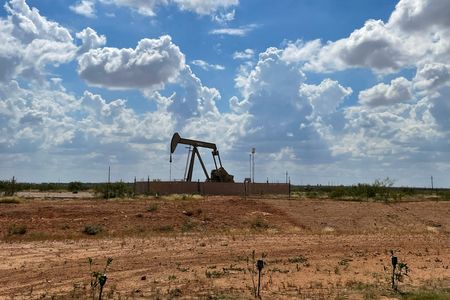
Brent crude futures climbed 17 cents, or 0.24%, reaching $72.10 per barrel as of 0155 GMT. West Texas Intermediate also gained ground, rising 14 cents, or 0.20%, to $68.83 per barrel.
U.S. financial markets are set to close Friday in observance of the Independence Day holiday on Saturday.
In the session prior, both benchmark prices fell to their lowest points since before the U.S.-Israeli military campaign against Iran got underway in late February. For the week overall, Brent slipped just 0.02% while WTI edged up 0.12% — the smallest weekly price swings for either benchmark in months.
Tim Waterer, chief market analyst at KCM Trade, described the current mood in the market this way: “It’s a case of guarded optimism, with the market wanting to believe the peace efforts will hold, but it’s still hedging its bets until it sees real evidence on the water.”
The reopening of the Strait of Hormuz is prompting some oil-producing nations to boost output. Before the conflict began, the waterway handled roughly one-fifth of the entire world’s daily supply of oil and liquefied natural gas.
Kuwait’s oil production surged dramatically in June, climbing to 1.65 million barrels per day — up from just 580,000 barrels per day in May. A source with knowledge of the situation told Reuters on Thursday that the OPEC member ramped up exports following the U.S.-Iran interim peace agreement.
Meanwhile, at least five large supertankers carrying a combined 10 million barrels of Saudi oil have already passed through the Strait of Hormuz. According to trade sources and shipping data, Saudi Aramco has shifted to spot pricing in an effort to accelerate sales across Asian markets.