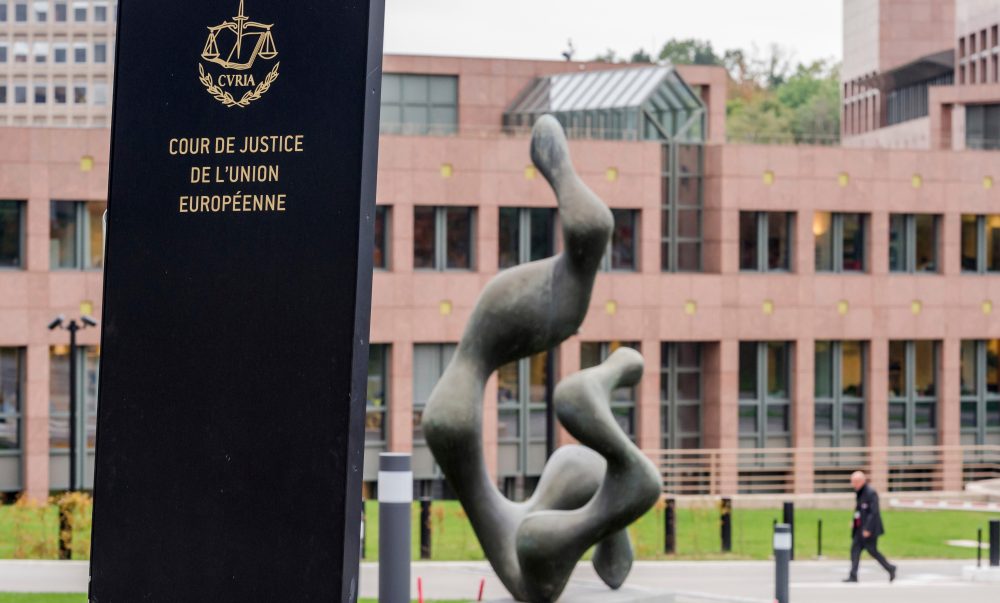

The European Union’s highest court has thrown out Google’s attempt to overturn a landmark antitrust fine of 4.1 billion euros — roughly $4.5 billion — that was originally levied against the tech giant for using its Android mobile operating system to stifle competition and limit choices for consumers.
The case has been moving through the legal system since the European Commission first announced the penalty back in 2018. Thursday’s ruling by the European Court of Justice brings that lengthy process to a close.
In their decision, the Luxembourg-based judges wrote: “The appeal brought by Google and its parent company Alphabet against the judgment of the General Court is dismissed, thereby confirming the penalty imposed for Google Search’s abuse of a dominant position in the context of the Android operating system.”
Google had previously defended itself by arguing that Android — which is free and open-source — has helped drive down the cost of smartphones and fostered competition against its primary rival, Apple. Android remains the world’s most widely used mobile operating system, surpassing even Apple’s iOS in market share.
This fine is one of three separate antitrust penalties the European Commission handed down to Google between 2017 and 2019, with the combined total exceeding $8 billion. The actions placed the 27-nation European bloc at the center of worldwide efforts to hold powerful technology companies accountable.
In the years since those initial penalties, the commission has continued expanding its scrutiny of major digital players, launching additional antitrust investigations into Amazon, Apple, and Facebook, while also rolling out sweeping new regulations targeting the largest tech firms.
Agustín Reyna, director general of the European Consumer Organization, praised the ruling and called on the EU to pursue even more regulation similar to the Digital Markets Act in order to “nip unfair practices in the bud” and better protect consumers.
“Today’s judgment sends a very clear message: dominant companies cannot use their power to shut out competition and limit consumer choice,” Reyna said. “Today is a big win for Europe.”