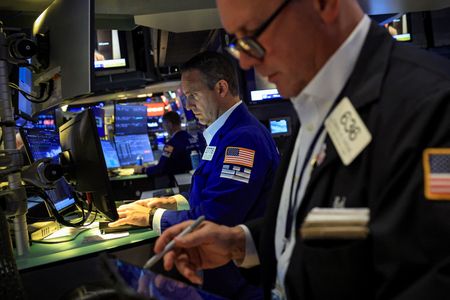

U.S. and global stock markets kicked off July and a new quarter without much momentum on Tuesday, as technology shares — and chip stocks especially — pulled Wall Street lower.
At the same time, comments from Federal Reserve Chair Kevin Warsh suggesting that inflation risks have diminished gave gold prices a lift and helped dial back earlier gains in the U.S. dollar.
Key Market Movements at a Glance
Stock markets on both sides of the Atlantic finished lower, with Europe’s STOXX index also slipping. The semiconductor sector took a particularly hard hit, falling 6.3%. Meta shares bucked the trend, surging after a report indicated the company is developing a cloud business to sell off surplus artificial intelligence computing capacity.
The dollar gave back its earlier gains after Warsh toned down his inflation language, while the Japanese yen bounced back from a 40-year low. U.S. Treasury yields also pulled back following Warsh’s remarks. In energy markets, U.S. West Texas Intermediate crude fell 1.3% and international benchmark Brent crude dropped 1.4%. Gold, meanwhile, jumped higher.
Today’s Major Talking Points
President Donald Trump’s annual financial disclosure filed with the U.S. Office of Government Ethics showed he earned more than $1.4 billion last year from his family’s cryptocurrency operations. The bulk of that — nearly $800 million — came from World Liberty Financial, a crypto venture he co-founded with his sons. An additional $635 million came from sales of his Trump meme coins. The disclosure underscores how much of the president’s income now flows from digital assets that have been shaped by his own administration’s policies.
Federal Reserve Chair Kevin Warsh made his first international appearance in that role at the European Central Bank Forum held in Sintra, Portugal. He defended the Fed’s independence but, like other central bank leaders present, stopped short of offering specific guidance on the economy or where interest rates are headed. Warsh also expressed hope that the Fed would shift toward using real-time data when making monetary policy decisions, rather than relying heavily on government surveys that look backward in time.
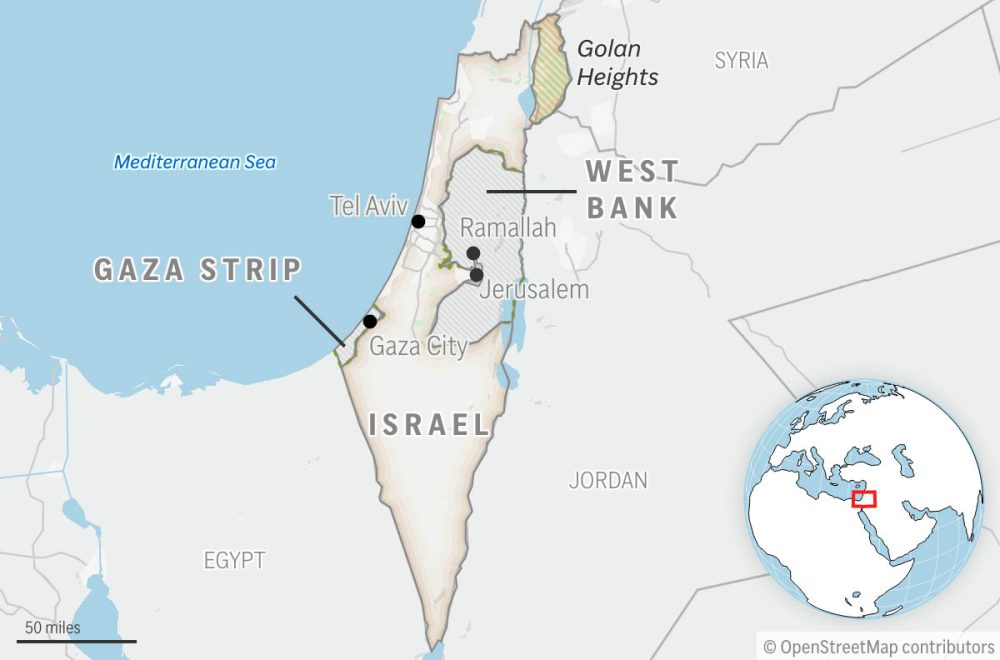
U.S. and Iranian officials held technical-level discussions in Doha, focusing on the Strait of Hormuz. The talks centered on restoring the flow of shipping through the critical waterway, unfreezing Iranian assets, and locking in a lasting ceasefire. Those efforts are grounded in a 14-point interim agreement signed last month, which opened a 60-day window for negotiations toward a permanent peace deal. Progress on the more complicated sticking points has been limited, with recent back-and-forth airstrikes putting the fragile truce under strain.
Economic Data in Focus Today
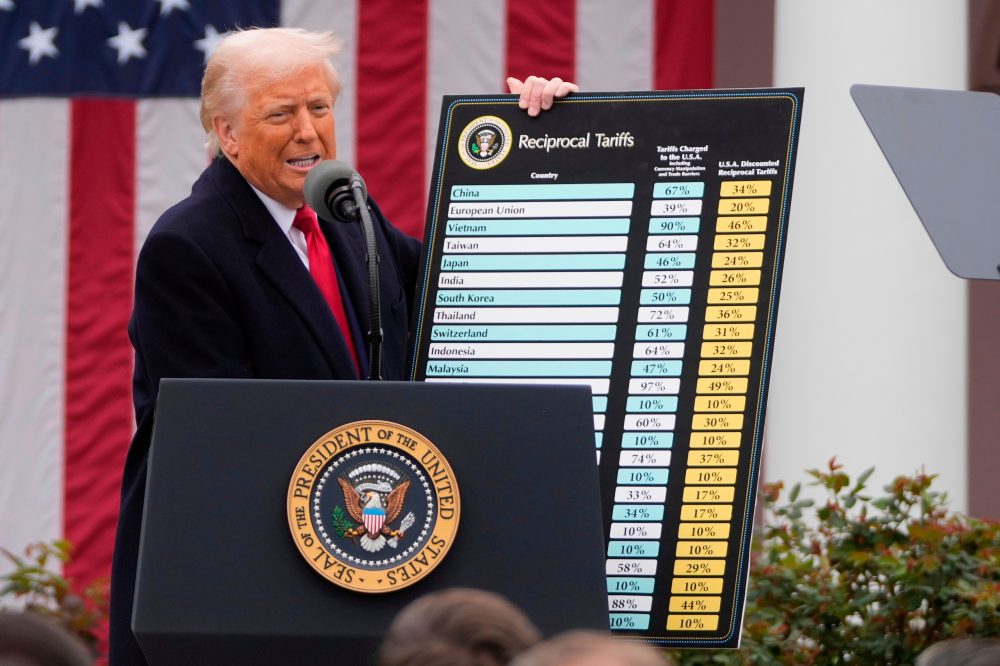
Reports released Tuesday showed U.S. factory activity slowed in June, with a key measure of prices paid falling but still remaining elevated. Separately, growth in private sector payrolls came in below expectations, while announced layoffs declined. In Europe, manufacturing output in the euro zone wrapped up its strongest quarter since 2022, with war-related cost pressures easing. German banks pushed back against a potential European Central Bank move to double the minimum reserves banks are required to hold. Additionally, the Trump administration chose not to extend the existing U.S. trade agreement with Mexico and Canada, setting in motion a 10-year process to renegotiate the deal before it expires.
What Could Move Markets Wednesday
Investors will be watching the June U.S. payrolls report and May factory orders data. Developments in the Middle East, energy market movements, and social media posts from President Trump could also influence trading. Overseas, the euro zone unemployment rate for May, Switzerland’s June inflation reading, France’s May budget balance, and services sector data from China, Japan, Australia, and Ireland are all on the calendar. Several Federal Reserve officials are also scheduled to speak, including the presidents of the New York, San Francisco, and Dallas Federal Reserve banks.