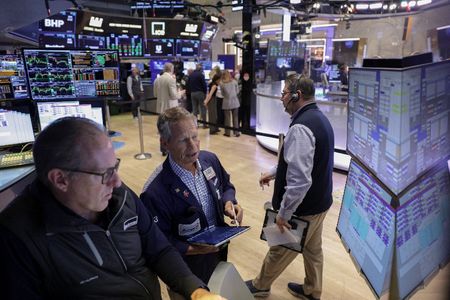
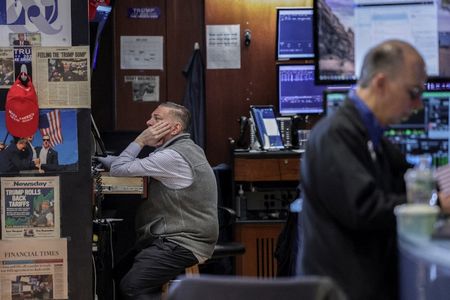
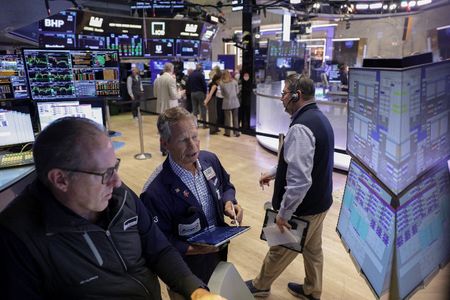
Technology software companies were poised for their fourth straight trading session of increases on Tuesday, staging a potential recovery after taking heavy losses throughout the year due to concerns about artificial intelligence disruption.
The struggling sector’s recovery happened alongside declining chip manufacturer stocks, which started cooling down after an intense surge that pushed the Philadelphia SE Semiconductor Index to record territory earlier this month.
The iShares Expanded Tech‑Software Sector ETF climbed 1.1%, reaching its peak level since January. Workday, ServiceNow and Salesforce posted increases ranging from 3.7% to 4.3%.
Security software companies CrowdStrike, Okta, SailPoint and Zscaler posted advances between 1.2% and 2.5%.
The increases suggest a potential change in how investors view the market as they take another look at software companies after a difficult period of declining valuations.
A continuing recovery would indicate that financial markets are developing more discrimination, separating companies truly vulnerable to AI disruption from those that might eventually profit through improved efficiency, innovative products and increased customer interest.
This contrast was evident on Monday, when BofA Global Research analysts assigned ServiceNow a “buy” recommendation while giving Salesforce an “underperform” rating.
ServiceNow is “difficult to challenge” because it is “too entrenched” in large enterprise workflows, they said. Salesforce, however, faces what the analysts called “a structural shift that permanently impairs Salesforce’s business model.”
However, the upward movement may need to continue longer to persuade doubters. Market participants will probably require more definitive proof that software firms can protect their earnings and operational frameworks from AI-related competitive pressures.
The iShares Expanded Tech‑Software Sector ETF has declined 12.2% year-to-date through Monday’s market close. The S&P 500 software and services index has also dropped 13.7%.
Agreements to buy existing homes across the United States climbed for the third consecutive month during April, as declining mortgage rates encouraged more buyers to enter the market.
The National Association of Realtors announced Tuesday that their pending sales index climbed 1.4% in April, reaching 74.8. This growth exceeded predictions from economists surveyed by Reuters, who had anticipated a 1.0% increase in contracts, which typically convert to completed sales within one to two months.
Regional performance varied significantly, with the Northeast experiencing a dramatic 6.6% jump in contracts and the Midwest seeing a 3.0% increase. The West recorded modest growth of 0.4%, while the South experienced a 0.7% decline.
According to data from mortgage finance agency Freddie Mac, the widely-used 30-year fixed mortgage rate spiked to an average of 6.46% at April’s start, driven by the U.S.-Israel war with Iran that pushed up oil prices and U.S. Treasury yields.
This rate, which follows Treasury yield movements, had previously fallen to 5.98% before the conflict began, aided by increased mortgage-backed securities purchases from Freddie Mac and Fannie Mae. By April’s conclusion, it averaged 6.30%.
“Buyers are coming out with cautious optimism despite increasing economic uncertainty and a slight rise in mortgage rates,” said Lawrence Yun, the NAR’s chief economist. “Demand will easily be even higher once mortgage rates retreat to the levels they were at earlier this year.”
The housing sector has struggled throughout this year, burdened by elevated borrowing costs, tariffs on imported materials including lumber, along with limited inventory and high home prices.
Residential investment, encompassing home construction and broker commissions, has declined for five consecutive quarters.
A Monday survey revealed that homebuilder confidence remained weak in May, with mortgage rates and economic uncertainty from Middle East conflicts, plus high costs for land, labor and construction materials cited as limiting factors.
The leader of Belgium’s premier semiconductor research facility is pushing for Europe to develop its own artificial intelligence chip design companies as the European Union prepares its next major technology initiative.
Patrick Vandenameele, who became CEO of imec in April, stated that Europe’s initial 43 billion euro ($50 billion) Chips Act from 2023 successfully helped stabilize the continent’s semiconductor industry amid competition from the United States and China.
However, Vandenameele emphasized that the upcoming version, scheduled for presentation by the European Commission on May 27, must focus on strengthening Europe’s AI chip design capabilities in a sector currently controlled by American corporations.
“If we do not get the Nvidias of the future, if we don’t get any of those in Europe, that will be a problem,” Vandenameele explained during remarks in Antwerp, Belgium on Tuesday.
The European Commission plans to incorporate its revised semiconductor strategy into a broader “tech sovereignty” initiative. The initial Chips Act fell short of its objectives to attract cutting-edge manufacturing operations and increase the region’s worldwide chip market presence to 20% by 2030.
According to Vandenameele, Europe’s prospects lie not in semiconductor manufacturing but in leveraging current advantages in equipment development and design capabilities. He highlighted companies such as ASML, ASM, BESI and EV Group as representing Europe’s most valuable technological resources.
Regarding advanced manufacturing capabilities, Vandenameele suggested the logical approach would involve encouraging TSMC of Taiwan, which produces chips for Nvidia, to expand its current European manufacturing initiative beyond the facility currently being built in Dresden to include more sophisticated operations.
A trading platform announced Tuesday the introduction of prediction markets focused on private company performance through a partnership with Nasdaq Private Market, representing a breakthrough for the expanding industry.
Key details about the development:
• These markets enable participants to wager on future event outcomes, with trading prices indicating how likely those results are perceived to be.
• The platform explained that these new markets could encompass private company achievements including valuation milestones, public offering schedules, and secondary trading activity.
• These betting markets have gained traction as participants increasingly wager on results spanning political contests to digital currency movements.
• The platform noted that this new service also provides institutional investors with another mechanism for price discovery.
• The company explained that Nasdaq Private Market will function as the data source for resolving outcomes in private company markets on the platform.
• This introduction arrives as businesses remain privately held for extended periods. Multiple startups have achieved valuations matching those of companies in major stock indices, spurring increased investor attention toward private markets.
• The platform reported that approximately 1,600 unicorns worldwide, representing startups worth over $1 billion each, currently total more than $5 trillion in combined value.
The chip manufacturing giant Nvidia is anticipated to announce another impressive earnings report this Wednesday, though questions are mounting about how much longer the company can maintain its leading position in artificial intelligence processors as the market undergoes significant changes.
Following years of holding nearly complete control over the chips needed to train artificial intelligence systems, Nvidia now confronts competition from major technology companies developing their own processors to meet evolving demand for chips that operate AI systems, answer queries and perform real-time tasks.
This emerging inference market represents a much larger opportunity, though it also brings significantly more competition.
Long-standing competitors Intel and AMD are advancing processors designed for smaller, budget-conscious workloads that make up the majority of this market.
At the same time, Alphabet has positioned itself as a major competitor, securing contracts valued in the tens of billions for its specialized tensor processing units. Amazon’s chip division, featuring its Trainium processors, is also making notable progress.
“It’s less so Nvidia versus TPUs, Nvidia versus AMD. I think it’s more: is the Nvidia ecosystem as dominant moving forward, as some of these new inference workloads start to proliferate,” stated John Belton, portfolio manager at Gabelli Funds, which holds Nvidia shares.
Nvidia’s stock price has climbed approximately 19% this year, though it trails behind a doubled increase in AMD, Intel and Arm, along with a 27% rise in Alphabet.
In an effort to protect its market position, the chipmaker introduced a new central processor and AI system based on technology from Groq this March, an inference-specialized startup it acquired.
These processors are not part of Nvidia’s projection for $1 trillion in revenue from Blackwell and Rubin platforms by the end of 2027, prompting investors to watch carefully for indicators of a new growth source.
Market watchers will also monitor for any indication of supply limitations. Nvidia’s expenditure on supply commitments increased from $50.3 billion to $95.2 billion between the final two quarters of its most recent fiscal year, though it has mostly escaped impact from a worldwide memory chip shortage that has affected Qualcomm and Apple.
For the April quarter, Nvidia is projected to report a 79% increase in revenue, marking its most rapid growth in over a year, based on LSEG data. Adjusted earnings likely increased 81.8% to $42.97 billion.
This growth surge stems from substantial spending by clients including Microsoft and Meta, with major technology companies expected to invest more than $700 billion in AI this year, up from approximately $400 billion in 2025.
Nvidia CEO Jensen Huang has indicated the company has obtained sufficient supplies to satisfy demand for multiple quarters, reducing worries about capacity limitations, though new challenges are appearing.
A more gradual than anticipated expansion of data centers could restrict immediate demand.
“The customers just simply don’t have place to put the GPUs. They want to own as much as they can. They want to buy as much as they can, but they don’t really have the data centers to put them into,” explained Chaim Siegel, analyst at Elazar Advisors.
China continues to present uncertainty. Nvidia has not yet marketed its H200 chips in that country, with Beijing promoting domestic alternatives, though Huang’s recent visit alongside U.S. President Donald Trump has sparked optimism for advancement.
Financial experts have also noted that Nvidia’s profit margins — anticipated to reach 74.5% in the first quarter — may face pressure later this year due to increased memory and chip packaging expenses and the scaling up of its Rubin chips.
The European aircraft manufacturer Airbus has instructed thousands of employees to cut non-industrial expenditures by 10% as ongoing global uncertainties and supply chain challenges continue to impact its commercial aircraft operations, according to three industry sources.
This “cost-containment” directive focuses on non-manufacturing expenses within the commercial aircraft division and corporate headquarters, building upon an existing two-year cost-reduction initiative known as LEAD.
These latest cost-cutting measures, which have not been previously disclosed, have been implemented for several weeks and particularly focus on limiting the use of external contractors, which have traditionally been an important component of the company’s operational resources, the sources indicated.
When contacted for comment, Airbus chose not to respond.
Devoted users of Amazon’s older Kindle devices are expressing frustration after the company announced it will discontinue support for e-readers manufactured in 2012 and earlier.
The change, which took effect after May 20, means owners of these older devices can no longer download new books or receive software updates from Amazon.
Among those affected is Claudia Buonocore, a 39-year-old from the Pittsburgh area, who has cherished her 15-year-old Kindle Touch.
“I’ve never felt the desire to have another device,” Buonocore explained. “It’s a part of me, a lifesaver, I fall asleep with it almost every night.”
Her attachment to the device makes Amazon’s decision particularly difficult to accept.
“It’s just a complete betrayal of customers,” said Buonocore.
While Amazon continues supporting more recent models and has provided a 20% discount on current devices ranging from $110 to $680, plus $20 in e-book credits, many loyal users aren’t interested in upgrading.
Brian Oelberg, a 64-year-old Chicago resident, has been stockpiling digital books on his 2010-era Kindle Keyboard since learning about Amazon’s decision. He estimates having approximately 250 titles stored and plans to disable the device’s WiFi connection to prevent any software changes that might erase his collection.
After testing newer models at a retail store, Oelberg wasn’t convinced they offered improvements, particularly noting the absence of physical page-turn buttons.
“There’s no reason for Amazon to be doing this,” said the Chicago resident, explaining that the buttons enable him to read outside during cold weather without removing his gloves.
Supporters of the older Kindle models praise their longevity and physical controls, which they believe surpass newer versions like the $180 Kindle Paperwhite. They argue the newer devices consume battery power more rapidly due to their backlit displays.
Technology companies commonly discontinue support for older products due to security concerns, costs, and other considerations, encouraging customers to purchase updated versions. The exact number of devices impacted by Amazon’s policy change remains unclear.
Amazon defended its decision, stating it had maintained support for these devices for 14 years or longer but couldn’t continue indefinitely.
“Technology has come a long way in that time,” said a spokesperson.
Although Amazon wasn’t the original creator of e-readers, it popularized the technology when it launched the first Kindle in 2007. Currently, Amazon holds 72% of the e-reader market, according to Business Research Insights.
Online communities are sharing various methods to extend the usefulness of these devices, including jailbreaking, which removes software limitations to allow alternative programs, and sideloading, which transfers books from computers to the device via USB connections.
Cathy Ryan, a 59-year-old Vermont resident who refurbishes older Kindles for sale on eBay as a hobby, anticipates the policy change will negatively impact her business. She owns five Kindles and continues using a second-generation model purchased in 2009.
“I suppose nothing lasts forever, but I am just really annoyed,” said Ryan.
Cathy DeMail, 69, from The Villages, Florida, suspects Amazon has hidden motives and has been downloading books to her device in preparation.
“It’s a shame I am getting railroaded into this,” she said, noting she’ll probably need to purchase a newer touchscreen version.
“I hate it, it’s the principle of the thing that bothers me.”
NEW YORK, May 19 – Financial markets appear to be wagering that the Federal Reserve might raise interest rates soon, but central bank officials and economic experts largely disagree with that assessment.
Futures contracts that track Fed policy expectations are showing approximately 50% probability that the central bank will increase rates by December. This follows significant turmoil in bond markets that pushed the 30-year Treasury yield beyond 5%, drove the benchmark 10-year yield to its highest point in 15 months, and sent the two-year yield to levels not seen since March 2025.
However, numerous economists think the futures market may be responding too strongly to rising oil costs and increasing overall inflation, particularly since Fed officials have not indicated that rate increases are imminent. Some market watchers warn that these signals might be unreliable due to reduced trading activity in longer-term contracts.
“There’s really low trading volumes in the contracts for the middle of next year,” said Will Compernolle, macro strategist at FHN Financial. “I consider it a pretty low conviction signal from the market. The market might just be really hedging for the risk that a hike does eventually come.”
The futures contracts indicate increasing likelihood of rate rises throughout the first half of next year, climbing to approximately 73% by July.
Trading activity fluctuates significantly and typically decreases over longer time periods. The May 2026 contract has seen roughly 646,000 trades this month, while the January 2027 contract has traded only one-third as frequently, and the July contract for next year has been exchanged merely 6,400 times.
Ryan Swift, chief U.S. bond strategist at BCA Research, believes markets are moving more rapidly than economic data supports. “The financial markets move very quickly to incorporate new information faster than the actual data,” he said. “Sometimes the market’s picking up something right, and economists will eventually follow. But often, it’s just overreacting.”
At its April meeting, the Fed maintained interest rates within the 3.50% to 3.75% range, with only one member dissenting in favor of a quarter-point reduction. Three monetary policy committee members notably opposed statement language suggesting the Fed would eventually continue rate cuts.
The central bank’s twin goals of maximum employment and price stability create a challenging situation. Inflation continues significantly above the Fed’s 2% objective and is trending upward, while the job market shows no substantial weakening that would justify rate reductions.
“The Fed can’t really point to that like they could last year when we got a couple of cuts,” said John Luke Tyner, portfolio manager at Aptus Capital Advisors.
Recent bond market turbulence may also reflect traders evaluating how new Federal Reserve Chair Kevin Warsh will handle rising inflation, which conflicts with Trump’s preference for lower rates, according to Lou Brien, market strategist at DRW Trading.
“Especially if the crude oil stays high, they’re going to want to see that Warsh is his own man rather than the president’s man at the Fed,” Brien said.
Warsh previously served on the Fed’s board from 2006 to 2011 and earned recognition as someone focused on fighting inflation during his tenure. He has indicated the central bank has space to reduce interest rates but has not made public statements since April’s economic data became available.
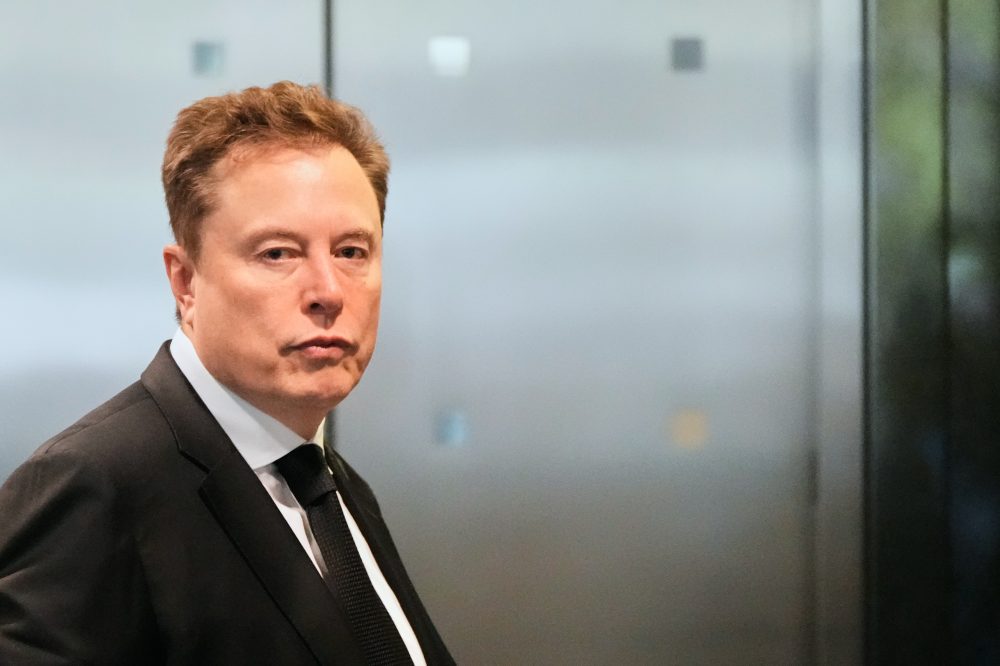
The head of OpenAI emerged victorious from a federal courtroom in Oakland this week, but the legal win against Elon Musk came with significant damage to his professional reputation.
A jury rejected the lawsuit filed by Musk, the former co-founder of OpenAI, who alleged the artificial intelligence company illegally transformed from a nonprofit into a for-profit business. The panel determined Musk had waited too long to bring his legal challenge, delivering a verdict that may be hard to overturn on appeal.
The court decision clears a major obstacle for OpenAI’s plans to go public. Musk’s legal action threatened to force the company to pay approximately $150 billion and remove current management. However, the trial proceedings may have damaged investor confidence ahead of a potential $1 trillion stock offering.
Sam Altman, who leads the company behind ChatGPT, faced several days of harsh testimony from previous associates and other witnesses who questioned his integrity as a leader. Musk’s attorney highlighted statements from eight different witnesses, including Musk himself, who accused Altman of being deceptive or dishonest with others.
When questioned directly, Altman pushed back against these characterizations, stating under oath: “I believe I am an honest and trustworthy businessperson.”
Legal expert James Rubinowitz, who specializes in artificial intelligence cases, noted the mixed outcome. “This verdict removes the single largest legal threat to a public offering,” he explained. “That said, even in victory, OpenAI walks away with the worst documentary evidence about its governance now permanently in the public record. Every institutional investor reading this trial transcript is doing their own credibility analysis on Altman before they buy in.”
The question of Altman’s character became central to the proceedings. OpenAI’s primary attorney accused Musk’s legal team of conducting a “character assassination” instead of presenting solid evidence for their allegations.
Joshua Achiam, an OpenAI executive, offered support for his boss during testimony, saying: “In all of my direct experiences with him, I feel that he’s been honest with me.”
Musk’s core argument centered on claims that OpenAI leadership violated their original commitment to maintain the organization as a nonprofit dedicated to benefiting humanity.
The trial became a high-profile confrontation between wealthy tech figures. Musk joined several former associates in questioning Altman’s truthfulness, making honesty a key element of his legal strategy. OpenAI responded by painting Musk as someone who wanted to control the company.
“Sam Altman’s credibility is directly at issue in this case,” argued Steven Molo, representing Musk, during final arguments. “If you don’t believe him, they cannot win.”
The jury reached their decision in under two hours, focusing primarily on when Musk filed his lawsuit rather than the substance of his claims.
Questions about Altman’s leadership are not entirely new. OpenAI’s board removed him from his position in 2023, citing concerns about his leadership capabilities, but reversed course less than a week later when most employees threatened to leave. OpenAI’s lawyers pointed out during the trial that the overwhelming majority of staff signed a letter demanding his return.
Nevertheless, much of the evidence presented painted an unflattering picture of his business practices.
Court documents revealed extensive investments worth billions of dollars in companies that conducted business with OpenAI, raising potential conflict of interest concerns.
Altman testified that he typically stepped aside when conflicts might arise and denied intentionally misleading business partners.
Bret Taylor, who chairs OpenAI’s board after joining in late 2023 following Altman’s reinstatement, testified that Altman had been transparent about potential conflicts. Taylor said Altman provided detailed information about his business interests before the board revised its conflict of interest guidelines.
Internal company documents released during the trial revealed additional concerns. In September 2022, former Chief Technology Officer Mira Murati documented several issues with Altman’s management approach in an internal memo.
“The constant panic around our projects, people, goals etc generates chaos and churn,” Murati wrote in the document titled “Feedback from Mira to Sam (only Sam had access to this).” “We talk about focus, but in practice our approach is do-everything and do it fast.”
During a recorded deposition shown to jurors, Murati hesitated extensively when asked whether she considered Altman honest by fall 2023.
“Not always,” she ultimately responded. Murati also testified that Altman undermined her work and created divisions among other company executives.
Ilya Sutskever, a co-founder and former board member of OpenAI, testified that he had been documenting examples of Altman’s leadership problems for over a year.
Despite the damaging testimony, financial analyst Dan Ives from Wedbush called the verdict a “huge win” for both Altman and OpenAI, noting the company “avoided the worst outcome” even with “scrapes and bruises on Altman’s persona and leadership.”
The Federal Reserve will likely keep interest rates unchanged throughout this year, according to a new survey of economists who have shifted their previous expectations for rate cuts into next year amid hopes that current inflation pressures will prove temporary.
The survey conducted by Reuters shows fewer than half of economists now anticipate the federal funds rate will drop this year from its current 3.50%-3.75% range where it has remained since December. This represents a significant shift from last month when more than two-thirds of economists predicted at least one reduction.
Economic forecasters have delayed their expectations for rate relief while continuing to believe that energy-related price increases stemming from the conflict in Iran that began 2-1/2 months ago will remain temporary and won’t spread to other consumer goods.
Financial markets tell a different story, with interest rate futures now suggesting a possible 25-basis-point increase by the end of January. Meanwhile, the 10-year Treasury note yield has climbed to its highest level in more than a year, surpassing 4.6%.
The May 14-19 survey of 101 economists found that nearly 85% – or 83 respondents – expect the key rate to stay within the 3.50%-3.75% range through the third quarter. This compares to just over half who held this view last month and nearly 70% in March who had anticipated at least one cut by this time.
“Both hikes and cuts are feasible…the base case is a hold, and it’s a close call between the other two options, to be honest. It feels like if they are going to have their next move as a cut, it’s more likely to be next year than this year,” said Aditya Bhave, head of U.S. economics at Bank of America.
“There are certainly risks of higher inflation…we are not geopolitical experts or commodities forecasters. There’s a lot of uncertainty around our forecast for sure.”
During the Federal Reserve’s April meeting, three policymakers voted against maintaining language suggesting potential rate cuts in the policy statement, while one member supported an immediate reduction. Since that meeting, Fed officials have advocated for maintaining current policy, pointing to uncertainty from the continuing U.S. conflict with Iran.
Regardless of the approach taken, economists believe incoming Fed Chair Kevin Warsh is unlikely to provide the rate reductions that President Donald Trump is requesting.
No clear agreement emerged on where rates will finish the year, though nearly half of the 101 economists – 49 respondents – predicted no changes this year, an increase from approximately one-third previously. About one-third expect a single cut this year, primarily in December. Four economists anticipate at least one rate increase.
Despite upward revisions to inflation projections, most economists continue to view current price pressures as temporary.
Inflation currently exceeds the Fed’s 2% goal by more than one percentage point and has remained above target for over five years.
The Personal Consumption Expenditures Price Index, which the Fed uses as its primary inflation measure, was most recently reported at 3.5% annually – the highest reading since May 2023.
Economists now project this measure will reach 3.9%, 3.7% and 3.4% year-over-year in the second, third and fourth quarters respectively. These forecasts are roughly 25 basis points higher than last month’s predictions and represent the third consecutive upward adjustment.
Among a smaller group surveyed, nearly 86% characterized current inflation pressures as temporary, though opinions were divided on whether this assessment might change.
“Our track record as economists hasn’t been great on inflation lately. There is a big risk we’re in this new kind of era where you’re going to see more frequent shocks,” said Scott Anderson, chief U.S. economist at BMO Capital Markets.
Predictions for unemployment and economic growth remained largely stable.
Unemployment is expected to average 4.3% or slightly higher in coming years, close to current levels, while economic growth is projected to average approximately 2%.
U.S. stock market futures dropped Tuesday morning as semiconductor stocks extended their recent decline and investors continued to grapple with inflation concerns, even as Treasury bond selling paused and oil prices pulled back.
In premarket trading, Nvidia shares fell 0.8% and appeared headed for a third consecutive day of losses as investors moved away from highly-valued chip stocks that have powered U.S. markets to new records this year.
Memory chip and data storage firms were hit particularly hard after recent weeks of gains. Micron Technology dropped 1.7%, Seagate Technology declined 2.9%, and Western Digital fell 3%.
Wall Street’s recent surge came to a halt Friday as turmoil in global bond markets sparked concerns that major central banks might tighten monetary policy, with Middle East tensions pushing oil prices higher and raising fears of persistent inflation.
Brent crude futures dropped approximately 1% but remained above $110 after U.S. President Donald Trump posted on social media Monday that he had postponed a planned military action against Iran, originally set for Tuesday, as negotiations continue.
The benchmark 10-year Treasury yield declined to 4.609% after reaching its highest point since February 2025 on Monday.
“Risk sentiment is mixed on Tuesday, as investors weigh up the costs of the war in the Middle East,” said Kathleen Brooks, research director at XTB.
“There is a sense of frustration that there has been no break in the impasse between the U.S. and Iran and no clear path to a deal to end the war.”
As of 7:23 a.m. ET, Dow E-minis dropped 101 points or 0.2%, S&P 500 E-minis declined 27.75 points or 0.37%, and Nasdaq 100 E-minis were down 184 points or 0.63%.
The technology-focused Nasdaq posted the biggest losses on Wall Street Monday as climbing yields put pressure on tech and other growth-oriented stocks. Rising yields typically hurt these companies since their valuations depend heavily on expected future earnings.
Tuesday saw cloud company Akamai Technologies drop 3.8% following its announcement of a $2.6 billion convertible bond offering.
Software company shares were among the day’s top performers, building on positive momentum from recent trading sessions.
Workday climbed 3.3%, Atlassian jumped 3.9%, Intuit moved up 2.1%, while Zscaler and ServiceNow posted gains of 5.6% and 2.1% respectively.
Wednesday will bring the release of minutes from the U.S. Federal Reserve’s most recent policy meeting, which investors will examine for insights into policymaker support for shifting to a neutral position from their current easing approach.
Market pricing suggests roughly a 40% probability the central bank will increase interest rates by at least 25 basis points in January, based on CME’s FedWatch tool.
Corporate earnings represent another crucial market test. Nvidia, currently the world’s most valuable company, will announce results Wednesday, with investors seeking proof that artificial intelligence-driven demand can support high valuations throughout the semiconductor industry.
Walmart, the globe’s largest retailer, will also release earnings this week, potentially providing clearer insight into how U.S. consumers are managing widespread inflationary pressures.
The video game developer Epic Games announced Tuesday that its blockbuster title ‘Fortnite’ is now available again on app stores globally, as the company expresses optimism about its continuing legal fight with Apple.
“Once Apple is forced to show its costs, governments around the world will not allow Apple junk fees to stand,” Epic said in a statement.
The U.S.-based gaming studio, which receives backing from China’s Tencent, has been fighting Apple in court since 2020 over claims that the tech giant’s policy of taking up to 30% commission on app purchases breaks U.S. antitrust laws.
“Apple knows the U.S. federal court will force it to be transparent about how it charges its App Store fees,” Epic said.
The battle royale shooter became available again on the U.S. App Store last year, ending a ban that lasted almost five years.
The globally popular game features last-person-standing gameplay and attracts millions of players daily who purchase virtual items and character customizations using in-game money.
Despite its success, Epic announced earlier this year it would eliminate over 1,000 positions due to declining player activity caused by economic challenges and reduced consumer spending.
Epic noted that ‘Fortnite’ remains unavailable on Australia’s App Store because Apple continues implementing developer policies that courts have ruled against.
The Atlanta-based retail giant experienced a boost during its first quarter thanks to both professional contractors and homeowners purchasing seasonal supplies for spring projects.
“The underlying demand in our business was relatively similar to what we saw throughout fiscal 2025, despite greater consumer uncertainty and housing affordability pressure,” CEO Ted Decker said Tuesday.
The real estate sector has remained stagnant as American buyers grapple with increasing expenses and broader economic worries.
Transactions for existing U.S. properties showed minimal movement in April, marking another disappointing period for real estate during what’s typically the industry’s peak season. Previously owned home transactions increased just 0.2% from the previous month to reach a seasonally adjusted annual pace of 4.02 million units, according to data released by the National Association of Realtors one week ago. Transaction volumes remained unchanged when compared to the same month last year.
America’s real estate sector has experienced a downturn since 2022, when borrowing costs started rising from record-low levels that had sparked a purchasing boom in the early 2020s. Consumers remain hesitant as fuel costs contribute to a 3.8% inflation rate, with U.S. Labor Department data from last week indicating gasoline prices have surged over 28% from the previous year.
During the quarter ending May 3, the company generated $3.29 billion in profits, equivalent to $3.30 per share. The previous year’s corresponding period saw earnings of $3.43 billion, or $3.45 per share.
After adjusting for specific factors, earnings reached $3.43 per share. This figure surpassed the $3.41 per share projection from FactSet-surveyed analysts.
Total revenue increased to $41.77 billion from the prior year’s $39.86 billion, exceeding Wall Street’s anticipated $41.59 billion.
Same-store sales, a crucial indicator of retail performance, grew 0.6%. Within the United States, comparable location sales increased 0.4%.
The number of customer visits dropped 1.3% during the quarter, while average purchase amounts rose to $92.76 from $90.71 in the same period last year.
The retailer continues to project fiscal 2026 overall sales growth between 2.5% and 4.5%, with comparable sales growth expected to range from flat to a 2% increase.
Stock prices climbed more than 1% in pre-market trading Tuesday.
The luxury handbag company Tapestry plans to generate roughly 70% of its upcoming growth from overseas markets, with expansion efforts concentrated in China and Europe.
Speaking to Reuters on Monday, Tapestry CEO Joanne Crevoiserat explained that the company currently has limited market penetration in international regions.
“Our penetration right now is relatively lower in international markets,” Crevoiserat stated.
While China represents approximately 15% of the American company’s current business, Crevoiserat sees substantial growth opportunities, especially with younger shoppers.
“There is so much more potential if we think about the population in China, particularly with young consumers,” the CEO noted, explaining that Tapestry wants to become customers’ first luxury handbag purchase to establish lasting brand loyalty.
According to Crevoiserat, the company’s Chinese sales have increased by double digits during the past two years, even as the overall handbag market experienced weakness.
“We see a tremendous opportunity to continue to grow in that market,” she commented during the Financial Times Business of Luxury Summit in Italy, mentioning that the company is boosting its investments in the region.
In Europe, which represents about 6% of overall sales, Tapestry has changed its strategy from targeting tourists to focusing on younger shoppers and residents.
When questioned about possible mergers and acquisitions, Crevoiserat indicated that Tapestry is concentrating on natural growth by strengthening Coach’s performance and revitalizing Kate Spade’s expansion.
A leading Chinese memory chip manufacturer has initiated formal preparation discussions with an investment bank as it moves toward a potential public stock offering, according to regulatory documents filed Tuesday.
Yangtze Memory Technologies Co (YMTC) has selected CITIC Securities, a state-owned Chinese investment firm, to oversee its preparation process for what could be a significant market debut.
Industry analysts view YMTC as China’s strongest candidate for challenging the international memory chip sector, which has traditionally been controlled by major South Korean and American corporations including Samsung Electronics, SK Hynix and Micron.
The Wuhan-headquartered firm continues to expand operations despite being placed on a U.S. trade restriction list in late 2022, which limited its ability to obtain foreign manufacturing equipment. The company has responded by increasing partnerships with Chinese equipment providers like Naura and is currently pursuing an aggressive expansion of its production capabilities.
As meat costs at supermarkets remain close to all-time highs, an increasing number of shoppers are turning to purchasing entire or half animal carcasses to cut expenses through bulk buying.
A Swedish biotechnology company announced Tuesday it has secured a licensing agreement worth up to $134 million for its kidney transplant medication, providing crucial funding as the firm awaits potential U.S. regulatory approval later this year.
Hansa Biopharma revealed the partnership with privately held SERB Pharmaceuticals will grant the company exclusive rights to market and develop Idefirix across Europe and several other international markets. The financial boost is expected to sustain the biotech firm through profitability while maintaining investment in additional drug development projects.
The arrangement positions Hansa for a strong U.S. market entry, contingent on approval from the U.S. Food and Drug Administration, with a regulatory decision anticipated in December. SERB Pharmaceuticals will gain exclusive development and marketing authority for Idefirix throughout the European Union, Britain, Switzerland, Norway, Liechtenstein, Iceland, the Middle East and North Africa.
Idefirix, scientifically known as imlifidase, works by rapidly eliminating immunoglobulin G antibodies that can trigger immune system rejection of transplanted kidneys. The medication currently holds conditional approval across the EU, Norway, Liechtenstein, Iceland and the UK, with full approval granted in Australia and Switzerland.
The financial structure includes an immediate payment of 110 million euros to Hansa, with an additional 5 million euros due when the European Medicines Agency accepts the company’s full approval application for review. SERB Pharmaceuticals will assume complete responsibility for future development and marketing efforts.
Market analysts from Jefferies project the drug could generate approximately 1.08 billion Swedish crowns in sales by 2027, assuming U.S. regulatory approval is obtained. Following the announcement, Hansa’s stock price surged as much as 30 percent during early trading on the Stockholm exchange Tuesday.
Market instability may prompt Japan’s central bank to reduce the pace at which it unwinds its enormous bond portfolio, potentially providing relief to worried investors as rising yields expose growing fiscal pressures and inflation concerns.
Three sources with knowledge of the Bank of Japan’s position say the institution maintains strict standards for direct market intervention, but could indicate plans to slow or halt its quantitative tightening efforts for the upcoming fiscal year if market conditions warrant such action.
The central bank has been gradually decreasing its bond portfolio, which stands at approximately 500 trillion yen ($3.14 trillion), since 2024 under Governor Kazuo Ueda as part of initiatives to return monetary policy to normal following years of extremely low interest rates.
Market observers anticipate the BOJ will raise interest rates during its June 15-16 meeting to address rising inflation, though it may indicate a more measured approach to reducing bond purchases given growing global economic uncertainty.
Officials have not yet determined the specific timeline for reducing purchases, but the central bank sees no urgency in shrinking its substantial balance sheet during periods of market volatility, according to the sources.
“The BOJ’s bond holdings have decreased quite a bit, so there could be a case to pause its taper to provide sufficient liquidity,” one of the sources said.
“A slowdown or pause in taper won’t be ruled out, especially if markets remain jittery,” another source said, a view echoed by a third source. The sources spoke on condition of anonymity as they were not authorised to comment publicly.
During the June policy meeting, the BOJ will examine its current bond reduction strategy that extends through March of next year and establish a new framework for fiscal 2027.
The central bank has gathered feedback from bond investors and will conduct two days of meetings starting Thursday to gather their perspectives on the preferred rate of bond purchasing. This input will significantly influence the final tapering decision.
The choice will challenge Ueda’s commitment to implementing a gradual but consistent exit from the extensive stimulus program that started in 2024.
The BOJ will probably maintain its current reduction plan through March and sees no immediate need for emergency bond purchasing operations – a mechanism reserved for addressing “rapid rises in long-term interest rates,” the sources indicated.
There is little justification for intervention when yields move based on fundamental factors like investor perspectives on fiscal and monetary policy, which demonstrates healthy market operation, they explained.
Market intervention could prove expensive by revealing the BOJ’s threshold and forcing it to defend that level through massive purchasing, analysts note.
“It’s a risky step that could backfire if markets perceive it as debt monetisation,” said Katsutoshi Inadome, senior bond strategist at Sumitomo Mitsui Trust Asset Management. “I don’t think we’re at a stage where the BOJ would intervene.”
The primary concern for markets involves how the recent bond market decline might impact the BOJ’s reduction plans for fiscal 2027 and beyond.
Through its quantitative tightening program launched in 2024, the BOJ has been steadily decreasing monthly bond purchases and currently reduces monthly buying by approximately 200 billion yen each quarter.
Analysts monitoring the BOJ identify three possible approaches: halting the reduction and maintaining purchases at the current level of roughly 2 trillion yen monthly, continuing to decrease monthly buying by 200 billion yen quarterly, or implementing a smaller reduction of 100 billion yen.
A halt would demonstrate the BOJ’s commitment to calming market anxiety. Continuing the current 200-billion-yen quarterly reduction would emphasize its intention to steadily advance quantitative tightening. Finding middle ground could mean slowing to 100 billion yen per quarter.
“With the bond market so unstable, my bet is that the BOJ will pause tapering,” said Naomi Muguruma, chief bond strategist at Mitsubishi UFJ Morgan Stanley Securities. Inadome sees a good chance the BOJ will taper at 100 billion yen per quarter.
The BOJ has stated that its quantitative tightening program does not affect short-term rates, which remain the primary tool of its monetary policy.
Simultaneously, the BOJ might halt or slow the reduction process if it chooses to increase short-term rates in June, to prevent appearing to tighten funding conditions excessively.
The Organization for Economic Co-operation and Development warned last week about risks related to the decreasing percentage of government bonds held by banks, insurance companies and pension funds following years of low rates.
The natural expiration of maturing bonds annually has caused the BOJ’s holdings to drop nearly 20% from their peak of around 590 trillion yen in late 2023.
However, the BOJ continues to own 49% of all government bonds available in the market, making its decisions extremely influential on yields and the cost of financing the country’s substantial debt.
Demonstrating the delicate nature surrounding quantitative tightening, even hawkish BOJ board member Hajime Takata has cautioned about bond market fragility.
“Since the reduction in purchases in effect supplies the market with JGBs, it’s necessary … to ensure stability and thereby avoid causing excessive volatility,” Takata said in February. “If such volatility were to occur, the JGB market may see a deterioration in functioning or become dysfunctional.”
Investment managers worldwide increased their stock market holdings to an unprecedented level in May, motivated by positive expectations for company earnings and potential Federal Reserve interest rate reductions, a Bank of America monthly survey revealed Tuesday.
Equity markets are currently trading near all-time peaks following a strong earnings period and continued enthusiasm about massive corporate investments in artificial intelligence technology.
This growth persists despite oil prices exceeding $100 per barrel and stalled peace talks between the U.S. and Iran, factors that have negatively impacted global bond markets.
The Bank of America survey questioned 200 participants managing a total of $517 billion in assets between May 8 and May 14.
Half of the fund managers surveyed reported being overweight in equities on a net basis, a significant jump from 13% in the prior month. Cash holdings averaged 3.9%, declining from the previous 4.3%.
Only 4% of respondents anticipated a “hard landing” scenario where economic growth and employment suddenly decline, while 39% predicted “no landing” whatsoever.
Two-thirds of those surveyed expected the Strait of Hormuz shipping disruption to resolve within the coming months.
Forty percent of participants identified a second inflation wave as the most significant downside risk currently facing markets.
Regarding Treasury yields, 62% of respondents set a target of 6% for 30-year bonds, which currently trade around 5.14%, while 20% aimed for a 4% rate.
The chief executive of automotive giant Stellantis will present a comprehensive turnaround strategy to investors Thursday, emphasizing efforts to restore critical U.S. market performance, streamline the company’s extensive brand collection, and expand partnerships with Chinese manufacturers.
Antonio Filosa’s presentation at the company’s capital markets day in Auburn Hills, Michigan, represents a pivotal moment for the executive who joined last year to reverse the automaker’s declining performance after losing market share in both the U.S. and Europe. The company’s stock reached record lows in March.
The global automotive manufacturer, ranked fourth worldwide by sales volume, is anticipated to reveal plans concentrating investment on four primary brands, while pursuing expanded joint ventures with Chinese automakers to utilize manufacturing capacity and reduce expenses.
“They just need their North American business to function. That will give immediate value to their stock,” said Massimo Baggiani from London-based Stellantis investor Niche Asset Management, which has bought two tranches of shares since March.
Baggiani noted that the company must address excess manufacturing capacity in Europe, restructure its brand approach, and counter increasing competition from Chinese competitors in profitable regions including South America and Africa.
“The good thing is that Filosa seems to be aware and has ideas on how to address such challenges,” he said. “We’ll need to test him over a longer period.”
Chinese partnerships will feature prominently in Filosa’s investor presentation, following recent announcements expanding the company’s European joint venture with Leapmotor and establishing a manufacturing agreement with Dongfeng in China.
According to a source familiar with the plans, Filosa’s presentation will contain “a lot of China in it.”
The automotive group maintains surplus production capacity across multiple countries and, similar to European competitor Volkswagen, Filosa has indicated openness to sharing European manufacturing facilities with additional Chinese automakers beyond Leapmotor.
Last week, the company suggested its manufacturing collaboration with Dongfeng might soon extend beyond China’s borders.
Investors seek assurance that Filosa’s strategy can generate sustained sales growth and increase profitability while addressing challenges ranging from brand complexity to manufacturing inefficiencies and $26 billion in charges related to reduced electric vehicle goals.
These partnerships could help the Franco-Italian manufacturer enhance its electric vehicles by gaining expertise from Chinese competitors, who possess competitive electric platforms, supply chains, significant cost benefits, and faster vehicle development cycles.
Analysts from Citi noted in their research that Filosa aims to fill gaps in the U.S. market, where the company’s vehicles appeal to only half of potential buyers, through the new Jeep Cherokee and compact and midsize pickup trucks.
Investors will also seek clarification regarding the company’s approach to its 14 brands, representing the industry’s most extensive portfolio.
Concentrating investments on Jeep, Ram, Peugeot and Fiat would mark a departure from the group’s historically balanced resource distribution and reflects the necessity of focusing capital on higher-volume, higher-margin brands without completely eliminating others.
Other brands will continue operating with more specialized or regional focus.
“If you are too drastic in deciding to quit one or the other, then you are losing that customer base for somebody else,” Filosa said last week.
“The real point is not to select one, two, three, or four brands,” he added. “The real point is to combine efficient capital allocation with brand-specific strategies.”
France’s top artificial intelligence company, Mistral AI, announced Tuesday its purchase of Vienna-based Emmi AI for an undisclosed amount, as the firm works to expand its industrial services throughout Europe.
Emmi AI secured 15 million euros in what became Austria’s biggest funding round this year, focusing on artificial intelligence models that can manage intricate physics calculations including airflow dynamics, heat distribution, and material pressure analysis.
The role of industrial artificial intelligence continues expanding as Europe works toward re-industrialization goals. Last October, the European Commission identified manufacturing as one of several AI-critical industries, part of broader efforts to reduce European dependence on American and Chinese technology solutions.
Speaking with Reuters, Mistral explained the acquisition supports its primary strategy focused on European customers, particularly targeting engineering and manufacturing operations that the company believes receive insufficient attention from the broader industry.
Mistral creates customized solutions for individual clients, combining various AI technologies where one system might monitor production lines for flaws, another operates robotic equipment, and a third manages logistics information, all working together seamlessly.
Incorporating Emmi’s technology will enable these integrated systems to model and interact with physical environments more accurately, according to the company.
The firm highlighted its collaboration with ASML, where Mistral-powered EUV lithography equipment now employs vision technology to identify engraving problems, reducing diagnostic periods from several hours to merely eight minutes while decreasing waste of expensive silicon materials.
“You just save 10 hours of downtime on very expensive equipment,” ASML CFO Roger Dassen told shareholders at the company’s April AGM.
The company, working with clients including Stellantis, Veolia and drone manufacturer Helsing, explained to Reuters that specialized models developed using client-specific information will exceed the performance of standard alternatives trained on broad datasets, highlighting Europe’s century of manufacturing knowledge as a competitive edge.
CEO Arthur Mensch said in a statement that the acquisition should strengthen Mistral’s position as a partner for manufacturers in sectors such as aerospace, automotive, and semiconductors.
Stock markets across Asia displayed varied performance Tuesday as concerns over the ongoing Iran conflict continued to create uncertainty in global financial markets.
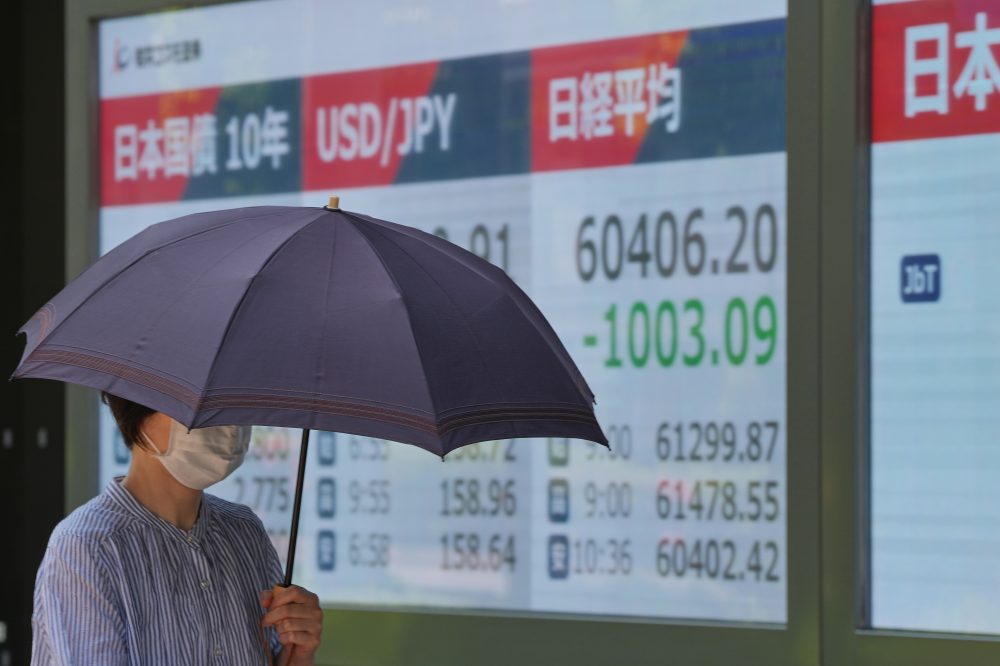
In Japan, the Nikkei 225 index declined 0.6% during morning sessions to reach 60,433.79, giving back early positive movement despite government data showing economic expansion for a consecutive quarter from January through March, driven primarily by stronger consumer spending than anticipated.
South Korea experienced more dramatic losses, with the Kospi index plummeting over 4% in early hours before settling at a 3.5% decline to 7,249.73 by midday. Technology giants Samsung Electronics dropped 3.8% while SK Hynix decreased 4%, mirroring technology sector declines from overnight Wall Street activity.
Other regional markets showed more positive results, with Australia’s S&P/ASX 200 gaining 0.9% to reach 8,582.80. Hong Kong’s Hang Seng index rose 0.5% to 25,811.28, though the Shanghai Composite fell 0.3% to 4,121.11.
Monday’s U.S. market activity saw the S&P 500 fluctuate throughout the session before closing down 0.1% at 7,403.05, marking its second decline since reaching record highs last week. The Dow Jones Industrial Average managed a 0.3% increase to 49,686.12, while the Nasdaq composite dropped 0.5% to 26,090.73.
Energy markets continued their turbulent pattern, with benchmark U.S. crude falling $1.36 to $103.02 per barrel. Brent crude, serving as the international benchmark, decreased $1.99 to $110.11 per barrel.
Crude oil pricing has experienced significant volatility due to questions surrounding the duration of the Iran conflict’s impact on the Strait of Hormuz, which remains effectively blocked to oil tanker traffic. This situation particularly affects nations like Japan, which relies on imports for nearly all its petroleum needs, much of which previously traveled through the strait.
Brent crude pricing stood around $70 per barrel before the conflict began. Prices retreated after President Donald Trump announced via social media that he was postponing a planned Tuesday military action against Iran, citing ongoing “serious negotiations” aimed at resolving the conflict.
Bond market activity saw the 10-year Treasury yield climb as high as 4.63% before retreating to 4.59%, matching late Friday levels.
Delta Air Lines stock remained relatively unchanged despite significant intraday movement tied to oil price fluctuations. The airline received early support following reports that Berkshire Hathaway had purchased over $2.6 billion worth of company shares. Berkshire Hathaway earned recognition as a value-focused investment firm known for acquiring underpriced stocks during Warren Buffett’s leadership.
Market participants are anticipating Nvidia’s upcoming quarterly earnings report scheduled for Wednesday. The semiconductor company has consistently exceeded analyst projections while maintaining optimistic growth forecasts. Target, Home Depot and Walmart are also scheduled to release earnings this week.
Currency markets saw the U.S. dollar strengthen to 158.96 Japanese yen from 158.84 yen. The euro weakened to $1.1643 from $1.1657.
Japan’s economy demonstrated remarkable strength during the first three months of the year, with government officials announcing Tuesday that the nation achieved a 2.1% annualized growth rate despite facing significant challenges from war-related energy cost increases in Iran.
The country’s real gross domestic product – which measures the total value of all goods and services produced – climbed 0.5% compared to the prior quarter after seasonal adjustments, marking the second consecutive period of economic expansion. When projected over a full year, this quarterly performance translates to the 2.1% annual figure.
The economic performance exceeded expectations, driven primarily by increased consumer and business expenditures along with higher government investment supporting the expansion.
According to preliminary Cabinet Office data, private consumption climbed 0.3% from the previous quarter, equivalent to a 1.1% annualized rate. Public sector demand also increased by 0.3% quarter-over-quarter.
Japan’s economic trajectory showed improvement after contracting during the July-September period last year, followed by modest 0.2% quarterly growth in the October-December timeframe.
The nation faces substantial obstacles due to its limited natural resources and dramatically rising oil costs. Brent crude prices have surged from approximately $70 per barrel before the conflict began to nearly $110 per barrel recently.
Military actions have effectively shut down the Strait of Hormuz, a crucial shipping lane for Persian Gulf oil heading to Asian markets, driving prices upward. Japanese officials have tapped strategic oil stockpiles and are exploring alternative transportation routes.
During the most recent quarter, the country’s total imports increased 0.5% while exports rose 1.7%.
Supply shortages of naphtha, an oil-derived material essential for manufacturing products ranging from bathtubs to plastic goods, have dominated Japanese news coverage.
Prime Minister Sanae Takaichi has pledged to secure adequate supplies to sustain economic momentum, which would likely necessitate substantial government expenditures.
Researchers at the Japan Center for Economic Research indicated in a recent analysis that the country should maintain modest growth levels, supported by increased investments in artificial intelligence technology and defense capabilities.
“The breadth of demand showed a high-quality growth picture, which may add evidence that inflation is broadening,” said Amova Asset Management Chief Global Strategist Naomi Fink.
Rising energy expenses are contributing to overall price increases, and the robust first-quarter performance may influence Japan’s central bank to consider interest rate hikes as it moves away from its longstanding policy of maintaining rates at or below zero.
While Japan’s inflation remains lower than U.S. levels, worker wages continue falling behind rising consumer costs.
The Nikkei 225, Tokyo’s primary stock index which has recently reached record peaks, dropped 0.6% during Tuesday morning trading sessions.
A major semiconductor manufacturer based in Massachusetts is reportedly close to finalizing a $1.5 billion cash acquisition of a Silicon Valley artificial intelligence chip company, according to Bloomberg News sources familiar with the negotiations.
The potential buyer, Analog Devices, is in advanced discussions to purchase Empower Semiconductor, Bloomberg reported Monday. The transaction could be revealed as early as Tuesday, according to the report.
Key aspects of the potential deal include:
• Empower Semiconductor operates as a Silicon Valley power management chip manufacturer, producing voltage-regulating components for AI processors and data centers, based on company information.
• The acquisition discussions occur during a period of increased investment in data center infrastructure supporting generative AI applications.
• Neither Analog Devices nor Empower Semiconductor provided immediate responses to requests for comment, and Reuters was unable to independently confirm the Bloomberg report.
• Wilmington, Massachusetts-based Analog Devices supplies semiconductor products to various industry sectors, including aerospace, automotive, and communications.
• In February, Analog Devices projected second-quarter performance exceeding Wall Street expectations, supported by strong semiconductor demand.
• The company’s stock price has risen more than 50% during the current year.
SEOUL, May 19 – Progress is being reported in ongoing negotiations between Samsung Electronics and its South Korean workers’ union as both parties work to prevent a potentially historic work stoppage.
According to Yonhap Infomax, an online news outlet, the chairman of the National Labor Relations Commission indicated that the union and company leadership are finding common ground on some issues during their discussions.
The negotiations represent efforts to avoid what would mark the largest labor strike in the technology company’s history.
Samsung Electronics and its labor union returned to the bargaining table Tuesday for fresh negotiations aimed at resolving a deadlock over bonus payments, following unsuccessful discussions the previous day that failed to reach any resolution.
Both parties face increasing urgency to prevent a looming work stoppage that could damage South Korea’s economy and semiconductor manufacturing, though they continue to have significant disagreements despite government-facilitated wage discussions on Monday.
South Korea’s Prime Minister issued a warning over the weekend about potentially using emergency arbitration powers to halt the planned strike, which is set to begin Thursday and continue for 18 days.
Tuesday news reports, referencing the chairman of the National Labor Relations Commission, indicated that Samsung and the labor union are making progress in reducing some of their disagreements.
A court ruling Monday gave Samsung partial success on its injunction request, determining that crucial staffing requirements at certain manufacturing sites must be preserved during any work stoppage.
This labor dispute represents the most significant confrontation between Samsung and its workforce since Samsung Electronics Chairman Jay Y. Lee made commitments in 2020 to abandon the company’s history of anti-union practices, just months following the establishment of its initial labor union.
While Samsung ranks among Korea’s most desirable employers, workers have grown increasingly dissatisfied with expanding salary disparities compared to smaller competitor SK Hynix, which gained an early advantage in providing high-bandwidth memory for artificial intelligence processors to Nvidia.
SK Hynix implemented compensation restructuring last year, creating bonuses exceeding three times those given to Samsung employees, leading to increased departures to SK Hynix and a significant rise in Samsung union participation, according to union representatives.
Adding to employee frustration are Samsung’s unprecedented earnings as artificial intelligence growth increases semiconductor demand.
Samsung has offered memory chip employees bonuses that would surpass those received by SK Hynix workers.
The union demands include eliminating Samsung’s 50% annual salary bonus ceiling, dedicating 15% of yearly operating profits to a worker bonus fund, and incorporating these terms into formal agreements.
Samsung suggested allocating 9%-10% of annual operating profits to bonuses if profits exceed 200 trillion won this year, while maintaining the 50% bonus limit, the union reported.
Jay Y. Lee issued an apology to customers and the public regarding the labor conflict in his initial public statements about the situation. Samsung’s client base includes Alphabet, Apple, Amazon and Nvidia.
Global financial markets experienced volatile trading Tuesday as U.S. President Donald Trump’s announcement about halting military action against Iran sent ripples through oil prices and equity markets worldwide.
On Monday, Trump revealed he had suspended planned military strikes against Iran to create space for diplomatic discussions aimed at ending the ongoing conflict, following Tehran’s submission of a new peace proposal to Washington.
The president later expressed optimism about potential negotiations, stating there was a “very good chance” the United States could broker an agreement with Iran to prevent the nation from acquiring nuclear weapons.
However, market participants remained wary after being shaken by a weekend drone attack in the United Arab Emirates during the previous trading session.
“We’ve seen a lot of back and forth already,” commented Fabien Yip, a market analyst at IG.
“Until we actually see real action happening (in the Strait of Hormuz), whereby ships are passing through safely and we see a material rebound in the numbers of traffic going through in the Strait, I think the market in general is shrugging off the commentary from either side,” Yip added.
Energy markets responded immediately to Trump’s diplomatic overtures, with Brent crude futures dropping over 2% to $109.41 per barrel, while U.S. crude declined 1.3% to $107.25 per barrel. Despite these decreases, both oil benchmarks remained more than 50% higher than their pre-conflict levels.
Equity markets across Asia showed mixed performance, with MSCI’s comprehensive Asia-Pacific index excluding Japan declining 0.22%. Japan’s Nikkei bucked the trend with a 1% gain, while South Korea’s Kospi tumbled 2%.
U.S. futures markets reflected uncertainty, as Nasdaq futures erased earlier gains to trade 0.07% lower and S&P 500 futures slipped 0.03%. European markets appeared more optimistic, with EUROSTOXX 50 futures climbing 0.4%, FTSE futures advancing 0.3%, and DAX futures rising 0.4%.
Market attention will soon shift to Nvidia’s earnings report scheduled for Wednesday, which analysts view as crucial for the artificial intelligence sector and broader market sentiment.
“Nvidia’s earnings are the ultimate test for a stock market that is not only trading at record highs, but one that also had a breathtaking bounce off of the March lows, as Nvidia is the market’s shorthand for everything AI and this market’s gains have been driven in large part by AI over the past few years,” explained Richard Reyle, chief investment officer at Questar Capital Partners.
The decline in oil prices provided relief for global bond markets, which had experienced significant selling pressure, though concerns about long-term inflation from the Iran conflict persisted.
U.S. Treasury yields retreated from recent highs, with the benchmark 10-year note yielding 4.5974% in early Asian trading, down from a more than one-year peak. The two-year yield also decreased slightly to 4.0564%.
Japanese government bond yields, which had reached record levels in the prior session, similarly declined across all maturities.
G7 finance ministers gathered in Paris overnight to address growing worries about public debt levels and bond market instability.
Financial markets are currently anticipating interest rate increases from major central banks this year, as policymakers may need to tighten monetary policy to address renewed inflation pressures from sustained high energy costs.
“While the economic rationale for pricing persistently higher inflation over the coming years on the current supply shock is weak particularly given the labor market backdrop, a return of supply-side volatility and the sanguine growth tone in markets both argue for more risk premium through the inflation curve,” Goldman Sachs analysts noted.
Currency markets showed the dollar strengthening due to safe-haven demand since the conflict began, rising 0.1% to 159 yen and raising concerns about potential intervention from Tokyo to support its weakening currency.
The euro fell 0.1% to $1.1643, while the British pound similarly declined 0.1% to $1.3419.
Gold prices edged slightly lower to $4,562.50 per ounce, facing pressure from rising bond yields.
SINGAPORE, May 19 – The American dollar recovered from recent losses during Tuesday’s Asian trading session after U.S. President Donald Trump announced he had postponed military action against Iran to pursue diplomatic negotiations, while bond markets stabilized following a two-day decline.
The U.S. dollar index, which tracks the currency’s performance against six major currencies, remained stable at 99.026, drawing investor interest after reduced concerns about military escalation caused the index to drop 0.3% on Monday, ending a five-day rally.
“Sentiment stabilised after reports that the U.S. President had called off a planned strike on Iran following appeals from Persian Gulf leaders,” Westpac analysts wrote in a research note.
The 10-year U.S. Treasury bond yield decreased 3 basis points to 4.591%, pulling back from its highest point in a year as concerns about persistent inflation growth subsided. Brent crude oil prices dropped 2.4% to $109.43 per barrel.
Over the previous week, the dollar had strengthened as investors sought safety amid Middle East conflict escalation and a global bond market selloff, as markets reassessed the likelihood that central banks might need to intervene to control inflation while the Strait of Hormuz remained blocked and energy markets faced disruption.
Federal funds futures indicate a 36.2% likelihood of a 25-basis-point increase at the U.S. central bank’s December 9 two-day meeting, up from just 0.5% probability one month earlier, based on the CME Group’s FedWatch tool.
The dollar remained unchanged against the yen at 158.895 yen following Tuesday’s government data showing Japan’s economy expanded at an annualized 2.1% rate in the first quarter, exceeding the median market prediction of 1.7% growth.
Japanese Finance Minister Satsuki Katayama informed reporters on Monday that Japan remains prepared to counter excessive currency market volatility whenever necessary, while ensuring any intervention to strengthen the yen and reduce dollar holdings avoids driving up U.S. Treasury yields.
Market participants continue monitoring for additional intervention signals to bolster the yen, which remains only marginally stronger than before Japanese authorities began their first market intervention in nearly two years last month.
Central bank data suggests Tokyo may have allocated close to 10 trillion yen ($63 billion) since initiating its most recent yen-purchasing intervention on April 30.
The euro stayed flat at $1.1650, while the British pound declined 0.1% to $1.3427.
The Australian dollar fell 0.1% to $0.7164, while the New Zealand dollar dropped 0.1% to $0.5868.
The U.S. dollar maintained its position at 6.798 yuan against the Chinese currency in offshore trading.
Bitcoin rose 0.2% to $77,005.69, while ether increased 0.8% to $2,131.91.
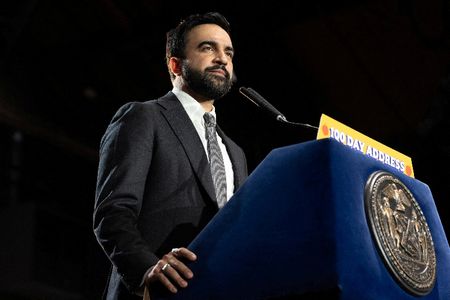
New York City’s mayor Zohran Mamdani sat down with JPMorgan Chase Chief Executive Jamie Dimon at the financial giant’s headquarters Monday, marking their first in-person discussion since Mamdani took office and faced pushback over his wealth tax proposals.
The meeting took place at 270 Park Avenue, where Mamdani, who campaigned as a democratic socialist when running for mayor of the nation’s financial hub last year, held talks with Dimon for the first time, according to a statement from his office.
The pair discussed ways to eliminate government inefficiencies and streamline bureaucratic processes during their conversation, the statement noted.
A JPMorgan representative described the discussion as positive, saying the meeting was “constructive and the tone was friendly.”
Mamdani has faced sharp opposition from wealthy individuals including Citadel founder Ken Griffin over his support for legislation that would increase tax burdens on the affluent.
During his campaign, Mamdani focused on making the city more accessible to lower-income families, promising to halt rent increases and address rising prices for basic needs like food and childcare services.
Dimon had previously expressed the nation’s biggest bank’s readiness to work with Mamdani on city challenges. “Cities have issues and problems and it takes all hands on deck to fix those problems,” he said in a Reuters interview last November.
As one of the city’s biggest private sector employers, JPMorgan adds $42 billion to New York’s economy each year, according to figures the bank released last year.
Standard Chartered announced on Tuesday ambitious new financial goals for 2028 while revealing plans to eliminate roughly 15% of its corporate function positions by 2030.
During a strategy presentation to investors, the financial institution outlined its goal to achieve more than 15% return on tangible equity (ROTE) — an important measure of bank profitability — representing an increase of over three percentage points from 2025 targets, with projections reaching approximately 18% by 2030.
The bank’s previous tangible return goal was set above 12% for 2026.
These ambitious plans emerge amid Middle East tensions that create uncertainty for the financial outlook. Industry experts warn that Asia-Pacific banking institutions may face increased loan-loss provisions if Iranian conflicts persist, as elevated energy expenses and reduced economic growth put pressure on borrowers.
The Middle East situation has created both challenges and opportunities for Standard Chartered. During the first quarter, the institution allocated $190 million in precautionary provisions related to Middle East conflicts.
According to the bank, its upcoming growth phase will benefit from a more unified operational structure, which it plans to accomplish by reducing corporate functions, including back-office positions.
As of December 31, the organization employed more than 81,800 full-time staff members, based on its annual report.
The bank, which concentrates on Asia and Africa markets, revealed this updated global strategy after surpassing previous performance goals ahead of their target dates, drawing focus to whether Chief Executive Bill Winters can maintain this positive trajectory following years of organizational restructuring.
The institution completed a ten-year transformation, evolving from a potential acquisition candidate into a successful emerging-markets focused bank.
“We achieved our 2026 medium-term financial targets a year earlier than planned,” Winters said in a statement.
“We now have a more focused, streamlined and efficient organisation.”
The bank supports its new objectives by maintaining emphasis on higher-margin operations, including wealthy retail customers and financial institutions within its corporate and investment banking segment.
During the first quarter, the institution recorded both its peak wealth revenue and highest new client investments.
On Monday, the bank appointed Manus Costello, head of investor relations and equity research veteran, as its permanent CFO, replacing Diego De Giorgi, who stepped down in February after serving nearly three years with the institution.
A massive consolidation in the electric utility industry is taking shape as one energy giant moves to purchase another major power provider, forming what would become the nation’s largest electricity company.
The acquisition plan was revealed on Monday, with the purchasing company seeking to combine operations with the target utility. This corporate merger is happening during a period when electrical demand continues to surge alongside rising rates, driven largely by the rapid growth of artificial intelligence data centers across the country.
The deal would significantly reshape the American electricity landscape, concentrating more power generation under a single corporate umbrella. Industry observers point to affordability as a key concern for consumers as these major utility consolidations move forward.
Data centers supporting AI operations require enormous amounts of electricity to function, contributing to increased strain on the nation’s power grid and upward pressure on consumer rates.
Stock markets faced pressure Monday as bond yields climbed to record levels worldwide, raising concerns about inflation and economic growth prospects. The bond market selloff created headwinds for equities, particularly affecting technology shares before a major earnings announcement from a key chipmaker later this week.
Market analyst Jamie McGeever highlighted a pressing challenge confronting central banks as inflation accelerates: negative real interest rates that provide unwanted economic stimulus when policymakers are trying to cool growth.
Asian markets suffered significant losses, with Japanese stocks dropping 1% and Australian shares falling 1.5%. European markets showed mixed results, with UK stocks gaining 1% and broader European indices up 0.5%. U.S. markets were split, with the S&P 500 and Nasdaq declining while the Dow managed a 0.3% gain.
Technology stocks bore the brunt of selling pressure, falling 1% as a sector. The Philadelphia semiconductor index tumbled 2.5%, with memory chip manufacturer shares down 6% and graphics processor company shares declining 1.3%. Energy stocks bucked the trend, rising 1.8%.
Bond markets experienced dramatic moves globally. Japan’s 30-year government bond yield reached an all-time high, while German 30-year bond yields hit their highest level since 2011. UK 30-year government bond yields climbed to levels not seen since 1998. U.S. Treasury bonds closed relatively unchanged after earlier volatility.
Currency markets saw the dollar index reach a six-week peak before closing lower for the first time in six sessions. The British pound emerged as the strongest performer among major currencies, while digital currency Bitcoin extended losses for a fourth consecutive day.
Commodity markets showed mixed performance, with oil prices advancing and gold gaining 0.5%.
Economic data from China revealed concerning trends, with retail sales, industrial production, and loan demand all falling short of expectations. According to analysts at a major investment bank, the April data represented a “particularly concerning reality check” for the world’s second-largest economy.
The data highlighted three key areas of weakness: slowing industrial production despite strong exports, deteriorating household spending, and record household debt repayments indicating weak domestic demand.
Geopolitical tensions continue to impact corporate costs, with a review of 279 company statements across the U.S., Europe, and Asia showing at least $25 billion in expenses related to ongoing Middle East conflicts. This figure approaches the $35 billion in costs companies reported from recent trade policy changes.
Looking ahead, investors will monitor developments in the Middle East, along with economic data from Australia, Japan, and Canada. Several central bank officials are scheduled to speak, including representatives from the European Central Bank, Bank of England, and U.S. Federal Reserve.
Chaos erupted worldwide when Swatch released its newest timepiece, with authorities using tear gas in Paris, brawls breaking out in Milan, and overnight lines forming from New York to Singapore as consumers desperately sought the coveted Royal Pop watch.
The Swiss timepiece manufacturer acknowledged Monday that the situation had gotten out of hand, emphasizing that supplies of the Royal Pop — a partnership with luxury brand Audemars Piguet — are plentiful and urging customers to remain calm.
The frenzy centers around a “bioceramic” watch priced at approximately $400, though its potential resale value reaches into the thousands. By Monday, the colorful timepieces were flooding eBay, with one listing demanding 3,055.58 British pounds ($4,092.31) “or Best Offer” and advertising “IN HAND!!! Swatch x AP Royal Pop.”
This incident represents the newest chapter in decades of consumer hysteria that has impacted brands from Nike to Apple, as people scramble to capitalize on trending products and their resale potential.
“It looks like people got crazy to get a Royal Pop to make money through resale, not because they are fans of the Swatch,” explained Pierre-Yves Donze, a business history professor at Osaka University Graduate School of Economics. “People want money, especially. Royal Pop is not like a cool product, but a way to make easy money.”
This represents a shift from previous product launches, Donze noted in an email, when consumers purchased hyped items because “they wanted to have it in their collection.”
While Swatch declined to address questions about the massive markup on resold products, the company told The Associated Press that difficulties occurred at roughly 20 of its 220 global locations where “challenges arose on launch day because the queues of interested customers were exceptionally long and the organization of some shopping malls was not sufficient to handle this level of turnout.”
According to the company’s statement, the Royal Pop has generated more than 11 billion social media views since its debut.
Swatch drew parallels to the MoonSwatch release in March 2022, created with sister brand Omega during the pandemic, which triggered similar scenes of masked customers racing toward stores from Singapore to Sydney.
The company has navigated product hysteria for over forty years. In 1984, it suspended a massive 13-ton yellow Swatch from a Frankfurt building, coinciding with the popularity of its revolutionary mass-produced, budget-friendly timepieces that differed dramatically from traditional watches. Consumers began sporting models like “White Memphis” and “Chrono-tech” with its bold primary-colored hands.
This weekend, London’s Carnaby Street Swatch location again attracted lengthy queues ahead of the Royal Pop debut. Dozens of people crowded the sidewalk outside the Oxford Street store Sunday before opening, prompting authorities to shutter all London Swatch outlets and several others throughout the U.K. Similar scenes unfolded globally, with closed stores in the Netherlands and what was described as a “mosh pit” atmosphere in New York’s Times Square.
French authorities deployed both tear gas grenades and spray to scatter crowds gathering outside the nation’s Swatch locations, according to the national police service.
Officers used gas grenades at the massive Westfield Parly 2 shopping center west of Paris, where television footage captured riot police with shields and helmets positioned outside the shuttered watch store. In Lyon, officers deployed a gas grenade when crowds refused multiple dispersal orders at the city’s Bellecour public square, while Montpellier municipal police used tear gas spray. The police service noted that crowds remained peaceful at other Swatch locations.
Swatch France announced on Instagram that “because of public security considerations,” stores in six French cities would remain closed that day.
The company subsequently released a statement guaranteeing that the Royal Pop would remain available for months.
The timepiece debuted exclusively in physical stores without online availability — a questionable decision according to some observers, given the heightened atmosphere created by substantial resale profits motivating those waiting in line. Scattered injuries, arrests, and property damage were reported.
Many companies consider the liability risks of such hype too dangerous.
“A lot of the streetwear drops and sneaker drops that used to happen when I was younger, all of them have moved online because of safety concerns,” observed Odunayo Ojo, a London-based fashion and cultural critic, on his YouTube channel Fashion Roadman. Either Swatch “didn’t get the memo,” underestimated the product’s appeal, or deliberately amplified the launch to boost sales.
“Swatch already has a track record of understanding how these things go,” Ojo noted.
By Monday, the lines had disappeared, possibly because, as observers near a Paris Swatch store reported, no Royal Pop watches remained in stock. Word was that fresh shipments were expected soon.
The chief executive of Nvidia expressed optimism Monday that China will eventually allow American semiconductor companies greater market access following last week’s diplomatic engagement between high-level U.S. and Chinese officials.
The technology company has secured necessary permits from American authorities to market its H200 processors, but Chinese regulators have not yet granted permission as the nation continues building its domestic semiconductor industry. Recent discussions between the U.S. President Donald Trump and Chinese President Xi Jinping did not yield immediate progress for Nvidia’s efforts to market H200 processors in China.
Speaking during a Bloomberg Television interview at a Dell-sponsored event, the executive shared his perspective on future market conditions.
“My sense is that over time, the market will open,” he stated.
A federal jury in Boston ruled on Monday that Takeda Pharmaceutical employed anticompetitive tactics to prevent the launch of a generic alternative to Amitiza, its constipation treatment medication.
The jury determined that pharmacies, insurance companies, retailers and other parties suffered approximately $885 million in financial harm due to Takeda’s scheme to block the generic drug from entering the market.
The verdict represents a significant legal defeat for the pharmaceutical company in what was described as an antitrust case focused on delaying competition for the anti-constipation medication.
The person who started athletic apparel company Lululemon Athletica announced Monday that he’s prepared to come to terms on the main conditions offered by the fitness clothing manufacturer.
According to a regulatory document filed Monday, the business attempted without success to resolve its contentious proxy dispute with Wilson just last week, with the clothing company stating that its founder increased his demands during negotiations.
Wilson responded with his own statement, saying: “The Board has not provided me with detail on where our disagreements lie right now, but as of Friday last week, we seemed to be in full agreement on the principal terms.”
OAKLAND, Calif. — A federal court has thrown out legal claims brought by Elon Musk against OpenAI and its leadership team, with a jury determining that the billionaire entrepreneur missed the legal deadline to pursue his case.
The Tesla CEO, who helped establish OpenAI in 2015, had alleged that the artificial intelligence company’s executives abandoned their original commitment to operate as a nonprofit organization focused on benefiting humanity. Musk contributed $38 million during the company’s early years before accusing CEO Sam Altman and his senior leadership of secretly transitioning to a profit-driven business model.
A nine-member jury concluded that Musk’s legal challenge came too late, violating statute of limitations requirements. Judge Yvonne Gonzalez Rogers endorsed the jury’s advisory decision on Monday, officially rejecting Musk’s lawsuit. The jury reached their conclusion after just two hours of deliberation.
The legal proceedings, which started April 27 in Oakland, California, revealed details about the contentious split between these prominent technology figures and OpenAI’s early development. The company now carries an $852 billion valuation and is preparing for what could become one of the largest stock market debuts ever.
Altman and OpenAI maintained that no permanent commitment existed to maintain nonprofit status indefinitely. They contended that Musk understood this arrangement and pursued litigation after failing to gain exclusive control over the rapidly expanding AI enterprise.
The lawsuit sought financial compensation for OpenAI’s charitable division and demanded Altman’s removal from the company’s board. Musk’s withdrawal of financial support created a significant rift between the former collaborators. He claimed his actions were justified by deceptive practices that OpenAI’s board recognized when they dismissed Altman as CEO in 2023, though he regained his position within days.
The three-week proceedings featured testimony from Musk, Altman, his senior associate Greg Brockman, Microsoft CEO Satya Nadella, and numerous other technology industry figures. During his testimony spanning three days, Musk told jurors: “I think they’re going to try to make this lawsuit … very complicated, but it’s actually very simple. Which is that it’s not OK to steal a charity.”
Musk’s legal filing alleged “breach of charitable trust” and claimed that Altman and Brockman improperly benefited financially as ChatGPT’s creator gained tremendous value. Trial testimony revealed that Brockman’s ownership interest in OpenAI is valued at approximately $30 billion.
OpenAI dismissed Musk’s accusations as baseless resentment designed to harm its expansion while promoting Musk’s competing venture xAI, which he established in 2023. During questioning by OpenAI attorney William Savitt, Musk displayed defensive behavior.
“Your questions are not simple,” Musk stated during one exchange. “They are designed to trick me essentially.”
The jury also heard from former OpenAI board members Helen Toner and Tasha McCauley, who discussed their decision to terminate Altman in 2023. Both women were subsequently removed from the board when Altman resumed his leadership role.
Both Altman and Musk had sought the CEO position during OpenAI’s formative period. Altman testified about his concerns regarding Musk’s efforts to increase his influence over OpenAI, which aimed to responsibly develop artificial general intelligence surpassing human capabilities.
“Part of the reason we started OpenAI is we didn’t think AGI could be under the control of any one person, no matter how good their intents are,” Altman explained.
Concluding his testimony, Altman expressed his previous admiration for Musk before their relationship deteriorated.
“I felt like he had abandoned us, not come through on his promises, put the company in a very difficult place, jeopardized the mission, didn’t really care about the things I thought he cared about,” Altman said. “It’s been an extremely painful thing for me … to have someone that I respected so much not acknowledge that and continue to publicly attack us.”
Swedish truck manufacturer Volvo Group reached a $197 million agreement Monday with California’s Air Resources Board to resolve claims the company violated state regulations for heavy-duty truck engines.
The deal addresses accusations that Volvo improperly reported auxiliary emission control systems in more than 10,000 heavy-duty engines manufactured between 2010 and 2016 in California, leading to pollution levels that surpassed state limits, according to CARB.
Under the agreement, Volvo will pay $13 million in civil fines, contribute $71 million to CARB’s Air Pollution Control Fund, invest $108 million in California emissions-reduction initiatives, and cover $5 million of CARB’s investigation expenses, the company announced.
The settlement includes software updates and extended warranty coverage for approximately 7,200 engines currently operating in California.
California regulators praised Volvo’s cooperation, stating the company “acted transparently and in good faith in explaining and improving emissions control devices and fully cooperated with the state investigation.”
Volvo emphasized the agreement includes no acknowledgment of wrongdoing and said an internal investigation “found no evidence of bad faith.”
The truck manufacturer will record a $197 million charge against its second-quarter operating results, though this amount will be excluded from adjusted operating income calculations. The company expects an $89 million cash flow impact in the current quarter, with remaining payments distributed over five years.
Volvo Group plans to release its second-quarter financial results on July 17.
WASHINGTON, May 18 – The White House will host a swearing-in ceremony this Friday for Kevin Warsh, who will officially become the new chairman of the Federal Reserve, according to a White House official who spoke on Monday.
Last Wednesday, the Senate confirmed Warsh’s nomination to lead the Federal Reserve, placing the 56-year-old attorney and financial expert in charge of the nation’s central bank during a challenging period of rising inflation that could complicate efforts to implement the interest rate reductions that President Donald Trump has called for.
The appointment of Warsh, who was selected by Trump for the position, is expected to mark a new chapter in the relationship between the White House and the Federal Reserve following eight years of tensions, challenges from a worldwide pandemic, and battles against elevated inflation rates.
Warsh will assume control from current Fed Chair Jerome Powell.
The timing of the White House ceremony was initially disclosed by Fox Business.
DraftKings announced it will shut down face-to-face wagering services at Wrigley Field while continuing to operate its bar and entertainment facility next to the Chicago Cubs’ historic stadium.
The company revealed Monday that May 31 will mark the last day for placing bets in person at the location, which opened two years ago.
The facility had been strategically positioned to capture heavy pedestrian traffic before, during and after Cubs games on Chicago’s north side at Sheffield Avenue and Addison Street.
Following the sportsbook’s debut at Wrigley, DraftKings and competing gambling companies have encountered significant tax hikes. Chicago imposed a 10.25% sports wagering tax on bets placed within the city and has a per-wager fee or tax.
“While we are proud of what we have built alongside the Chicago Cubs, we are taking a more focused approach to where we invest in the state,” DraftKings said. “The cost of operating in Illinois, including its high tax structure, makes it more difficult to justify continued investment in a standalone retail sportsbook.”
Baseball fans at Wrigley Field and throughout Illinois will continue to have the option of placing wagers at the stadium through mobile sportsbook apps.
NextEra Energy has announced plans to purchase Dominion Energy through an all-stock transaction worth approximately $67 billion, forming what would become a major utility powerhouse as artificial intelligence applications increase electricity demand nationwide.
The proposed acquisition represents one of this year’s largest merger announcements and would establish the globe’s biggest regulated electric utility company measured by market value, according to statements released by both firms on Monday.
The merged entity would provide service to roughly 10 million utility customer accounts spanning Florida, Virginia, North Carolina and South Carolina.
Richmond, Virginia-headquartered Dominion supplies electricity to hundreds of data facilities throughout Virginia while also delivering regulated power service to 3.6 million residential and commercial customers across Virginia, North Carolina, and South Carolina, plus regulated natural gas to 500,000 South Carolina customers.
NextEra, operating from Juno Beach, Florida, controls Florida Power & Light Company, which delivers electricity to approximately 12 million Florida residents. Last December, NextEra and Google Cloud revealed plans to expand their current partnership by developing new data center facilities nationwide.
This potential combination occurs as consumers concerned about rising electric costs are opposing AI data centers. Various governors, attorneys general and other officials protesting increasing electricity rates claim financially struggling residents face a dysfunctional system.
Government officials and legislators in no fewer than six states — Arizona, Indiana, Maryland, New Jersey, New York and Pennsylvania — are taking unprecedented steps to prevent utility rate hikes. Some are demanding utilities completely restructure how they fund major infrastructure improvements.
Under the agreement terms, Dominion shareholders would receive a fixed rate of 0.8138 NextEra Energy shares for every Dominion share they hold. Dominion stockholders would continue receiving Dominion’s existing quarterly dividend until the deal closes, plus a one-time $360 million cash distribution upon completion.
NextEra stockholders would control 74.5% of the merged company, with Dominion stockholders holding the remaining 25.5%.
NextEra CEO John Ketchum would lead the combined organization as chairman and CEO.
“We are bringing NextEra Energy and Dominion Energy together because scale matters more than ever— not for the sake of size, but because scale translates into capital and operating efficiencies. It enables us to buy, build, finance and operate more efficiently, which translates into more affordable electricity for our customers in the long run,” Ketchum said in a statement.
The merged company would maintain dual headquarters in Juno Beach, Florida, and Richmond, Virginia, while preserving Dominion Energy South Carolina’s current operational base in Cayce, South Carolina.
The organization would operate under NextEra’s brand and continue trading with its “NEE” symbol on the New York Stock Exchange. The board would consist of 10 NextEra directors and four from Dominion.
Both companies’ boards have approved the transaction, which is anticipated to finalize within 12 to 18 months. The deal requires shareholder approval from both NextEra and Dominion, plus various regulatory clearances, including Nuclear Regulatory Commission authorization.
Dominion shares surged more than 9.61% during morning trading, while NextEra stock dropped 5%.
HONG KONG — Court-appointed liquidators handling the collapse of Chinese real estate giant China Evergrande are pursuing 57 billion yuan ($8.4 billion) from accounting firm PwC in Hong Kong court proceedings, officials revealed Monday.
The massive financial claim targets PwC International, PwC Hong Kong and the firm’s mainland Chinese operations, according to court testimony. Judges have not yet ruled on the allegations.
The real estate company, formerly among China’s biggest property developers, initially failed to meet debt obligations in 2021 and accumulated over $300 billion in outstanding debts, making it the globe’s most heavily indebted development company.
The company’s collapse created a cash flow crisis throughout China’s real estate market, leading to declining sales and property values that continue affecting the sector today.
Following a Hong Kong court’s liquidation order for China Evergrande in early 2024, appointed liquidators filed legal action against PwC citing alleged “negligence” in auditing services as they work to recover funds for creditors.
Hong Kong financial regulators announced last month that PwC would pay HK$1.3 billion ($166 million) in penalties and compensation related to its auditing of Evergrande’s financial records prior to the company’s failure, citing violations of professional responsibilities.
PwC stated last month that they recognized their Evergrande audit work “fell well below our high expectations and the expectations of our stakeholders” and confirmed implementing “accountability and remediation measures” in recent months.
This followed separate action by mainland Chinese regulators in September 2024, who imposed 441 million yuan ($62 million) in penalties on PwC for its Evergrande auditing, while revealing the developer had artificially increased revenues by approximately $80 billion in 2019 and 2020 financial reports.
Company founder Hui Ka Yan, previously ranked among Asia’s wealthiest individuals, entered guilty pleas in April to mainland Chinese charges including fraud and bribery.
The famous sandal manufacturer Birkenstock is experiencing a dramatic decline in investor confidence as its strategy to become a high-end luxury brand appears to be stumbling.
When the company launched its stock market debut in 2023, it marketed itself as a centuries-old footwear maker transforming into a contemporary luxury brand. However, recent market performance indicates investors are now viewing the business more as a specialized footwear company with a dedicated but limited customer base, rather than a potential luxury giant comparable to companies like LVMH, which holds a partial stake in the ergonomic shoe manufacturer.
These concerns deepened following last week’s earnings report, where the company revealed slower quarterly expansion and declined to increase its yearly revenue projections, citing trade tariffs and Middle Eastern conflicts as contributing factors. Stock prices plummeted over 14% to hit an all-time low of $32.44, reducing the company’s total market value by nearly 38% from its $9.3 billion initial public offering valuation.
This market reaction highlights a widening gap between the company’s original positioning and current investor assessment. The brand occupies a middle ground between luxury and mainstream markets – more upscale than typical footwear companies in terms of distribution control and pricing strategies, yet lacking the scope and product diversity of established luxury brands.
“Investor expectations likely became inflated once the brand was valued more like a luxury fashion company than a footwear company,” explained Keith Fraley, an assistant professor at the Fashion Institute of Technology in New York. According to Fraley, the current challenge involves preserving exclusivity while pursuing worldwide expansion.
This fundamental tension permeates the company’s operations. Manufacturing most of its products in Germany strengthens its premium positioning but exposes the business to elevated production costs compared to competitors who manufacture in Asian markets.
Meanwhile, consumer demand shows signs of weakening. While affluent customers have accepted price increases, budget-conscious shoppers are reducing purchases as elevated living expenses impact discretionary spending.
These challenges were apparent in the most recent quarter, with profit margins declining due to dollar weakness against the euro and tariff costs doubling to 20%, damaging profitability in the United States, its primary market. The company’s adjusted EBITDA margin dropped 270 basis points in the latest quarter, with management indicating these pressures will continue affecting margins throughout the year.
Industry analysts and brand specialists note that the company’s signature contoured cork footbed sandals, which define its brand identity, function primarily as seasonal summer footwear, making substantial growth difficult despite expansion into clogs, boots and sneakers. Rather than achieving high-growth luxury status, investors are now adjusting expectations toward viewing it as a stable but more limited consumer brand.
“Fashion markets eventually ask the same question: is this timeless or did everyone who wanted in buy enough?” commented Michael Ashley Schulman, a partner at Cerity Partners.
This sentiment change is reflected in current valuations. Company shares now trade at approximately 13 times projected earnings, matching industry standards – a significant drop from the premium valuation when the stock reached its peak of 123.17.
In comparison, rival company Crocs has escaped similar market punishment partly because it already trades at mainstream footwear valuations – 7 times its upcoming 12-month earnings – while maintaining profit margins exceeding 20%.
“If (Birkenstock) chases volume by opening too many wholesale doors or relying on promotions, they will lose the luxury premium they’ve spent decades building,” warned Eric Tsytsylin, a brand strategy partner at Lippincott, a global brand consultancy.
Stock market futures fell on Monday morning as investors grappled with climbing Treasury bond yields and rising oil costs, while looking ahead to major corporate earnings announcements later this week.
The 10-year Treasury yield, which has an inverse relationship with bond prices, climbed as high as 4.631% during early trading – marking its peak level since February 2025 – before pulling back slightly to 4.607%.
Bond market selling intensified due to surging oil prices, raising worries that inflation might keep interest rates high for an extended period. Brent crude was trading at $110.66 per barrel following setbacks in efforts to resolve the Iran conflict after a drone attack on a nuclear facility in the United Arab Emirates.
“The concern for investors is that higher yields do not stay confined to bond markets. They can weigh on equity valuations, particularly in growth and technology sectors, while also increasing pressure on governments carrying large debt burdens,” said Lale Akoner, global market strategist at eToro.
Stock markets had experienced significant gains in recent weeks, with both the S&P 500 and the technology-focused Nasdaq hitting new record levels as excitement about artificial intelligence helped investors overlook inflation concerns stemming from climbing oil prices.
However, that positive sentiment diminished following Friday’s bond market decline. Market participants now see more than a 40% probability that the Federal Reserve will increase interest rates in January, based on CME’s FedWatch tool, following last week’s inflation data that came in higher than anticipated.
As of 7:19 a.m. Eastern Time, Dow futures had dropped 322 points or 0.65%, S&P 500 futures were down 30.5 points or 0.41%, and Nasdaq 100 futures fell 112 points or 0.38%.
Market watchers will also focus on the Federal Reserve’s meeting minutes, scheduled for release on Wednesday, along with leadership changes at the central bank as former Governor Kevin Warsh prepares to take over as chair. He faces an early challenge in managing the White House’s push for lower interest rates while dealing with more aggressive stances from Fed officials.
Company earnings reports represent another critical factor for markets. The world’s most valuable company, which is set to announce results on Wednesday, comes as a robust first-quarter earnings period nears its end.
Market expectations are elevated for the company, whose stock has gained 36% since its March bottom, while the Philadelphia SE Semiconductor Index has jumped more than 60% this year driven by strong appetite for AI-related semiconductor products.
The world’s largest retailer is also scheduled to release earnings this week, potentially providing insights into how American consumers are managing higher energy costs and broader inflation challenges.
In premarket trading Monday, Dominion Energy shares surged 14.2% following a Bloomberg News report that power company NextEra Energy was in talks for a primarily stock-based acquisition of the smaller utility, valuing it at approximately $76 per share or roughly $66 billion.
UnitedHealth Group dropped 4.7% after Berkshire Hathaway disclosed it had sold many of its smaller equity positions, including shares in the health insurance company.
Regeneron stock tumbled 11.8% after the pharmaceutical company’s experimental therapy failed to achieve its primary objective in a late-stage study involving patients with advanced melanoma, a form of skin cancer.
A Swiss watchmaker had to close multiple locations and restrict customer lines after the debut of their newest timepiece sparked chaotic scenes and physical altercations among buyers worldwide.
Swatch’s new Royal Pop pocket watch, created in partnership with Audemars Piguet, retails between $400 and $420 – significantly less expensive than typical Audemars Piguet luxury timepieces that cost thousands. This price difference has motivated many purchasers to immediately resell the watches online at dramatically increased prices.
Video footage and social media content documented lengthy customer lines at retail locations in New York, London, Barcelona and Dubai over the weekend, with disruptions at several sites requiring law enforcement response. Footage captured customers fighting outside a Swatch location in Milan and other cities.
The chaos stemming from an intense social media marketing push forced Swatch to respond quickly as circumstances threatened to spiral beyond control.
“To ensure the safety of both our customers and staff in Swatch stores, we kindly ask you not to rush to our stores in large numbers to acquire this product,” Swatch said in a statement over the weekend.
A company representative stated Monday that difficulties occurred on the release date at approximately 20 Swatch locations out of 220 worldwide due to unusually long lines and inadequate organization at certain shopping centers, though conditions have since stabilized.
The representative noted the company has recorded millions of website visits and 11 billion social media impressions since announcing the collaboration. Sales figures for Royal Pop have not yet been released.
Complete sets of all eight Royal Pop designs reached prices exceeding $25,000 on the StockX marketplace Sunday, while unofficial retailers sold custom straps to convert the pocket watches into wristwatches for more than $50.
“I think there’s a small window of opportunity going on here for the flippers who potentially are going to make a lot of money,” said Jon White, director of British precious metals dealer Gold Traders.
He questioned whether the inflated values would persist in secondary markets. “It’s bonkers, absolutely bonkers,” he added.
Audemars Piguet timepieces typically sell for hundreds of thousands of dollars. Auction house Sotheby’s reported that a 1921 Grosse Pièce astronomical pocket watch sold for $7.7 million last December.
Swatch stock prices rose nearly 18% in the week following the initial partnership announcement this month. However, shares have dropped more than 7% since reaching a peak May 8th as investors learned the timepieces would only be offered as pocket watches.
NextEra Energy announced Monday it will acquire Dominion Energy in a massive $66.8 billion transaction, marking one of the power sector’s biggest deals as companies scramble to meet growing electricity needs driven by artificial intelligence data centers.
The acquisition represents part of an industry-wide consolidation trend, with energy companies working to expand their operations to serve unprecedented power consumption increases.
The Florida-based NextEra ranks among the globe’s top energy developers, and acquiring Dominion Energy’s assets will allow the company to enter the PJM Interconnection market while taking advantage of Virginia’s position as a major data center hub.
Under the agreement terms, NextEra will provide 0.8138 shares of its stock for every Dominion share outstanding, resulting in NextEra investors controlling 74.5% of the merged entity.
Company officials expect the deal to finalize within 12 to 18 months.
Dominion Energy carried $44.11 billion in total long-term debt as of March 31.
This purchase advances NextEra’s strategy to capitalize on booming data center electricity requirements from major technology companies. The utility previously reached an agreement with Alphabet’s Google in the past year to restart an Iowa nuclear facility.
The Virginia-headquartered Dominion currently serves nearly 51 gigawatts of data center capacity under contract, with clients including Alphabet, Amazon, Microsoft, Meta, Equinix, CoreWeave and CyrusOne.
Dominion operates in Virginia’s service area that encompasses Northern Virginia’s “Data Center Alley,” recognized as the planet’s largest data center concentration and among the world’s fastest-expanding electricity markets.
A major German banking institution has officially declined a massive acquisition proposal from an Italian competitor, escalating a corporate battle that has been brewing for months.
On Monday, Commerzbank’s leadership formally turned down UniCredit’s bid to purchase the German financial institution, continuing their resistance to the international merger attempt.
The Italian bank has accumulated the largest ownership stake in Commerzbank and recently presented a buyout proposal valuing the German lender at approximately 39 billion euros ($45.37 billion), though this figure falls short of current market pricing.
In their official response, Commerzbank’s supervisory and management boards stated they “recommend that shareholders not accept UniCredit’s exchange offer.”
The German bank’s leadership expressed strong criticism of the proposal, stating it “does not reflect the fundamental value of Commerzbank” and describing it as “vague and entails considerable risks.”
Commerzbank has maintained consistent opposition to any merger, previously characterizing UniCredit’s proposal as “vague and coercive” with “quasi-nil premium.”
However, Monday marked the first time the German institution provided an official stance and guidance to its shareholders regarding the takeover attempt.
This formal rejection will likely extend the corporate struggle for control of one of Germany’s major financial institutions, a conflict that began in 2024 when UniCredit started building its ownership position in the competitor, eventually reaching nearly 30% control.
Compass Minerals is working to re-enter the lithium industry through a collaboration with technology startup EnergyX to harvest the battery metal from Utah’s Great Salt Lake, as demand and pricing for the essential mineral continue climbing amid efforts to increase domestic production.
The two companies have entered into a memorandum of understanding that, should it move forward, would involve General Motors-backed EnergyX investing over $400 million while deploying its direct lithium extraction technology to pull the metal from the highly saline lake. The Great Salt Lake is believed to hold more than 2.4 million metric tons of lithium reserves.
The American automaker Ford announced Monday its strategy to introduce seven new vehicle models across Europe by 2029, aiming to boost struggling passenger car sales and compete against aggressive expansion from Chinese automotive companies while protecting its position in Europe’s commercial vehicle marketplace.
Among the planned releases, five will be passenger vehicles, featuring both a compact electric car and a small electric SUV model.
The nation’s second-largest automaker also voiced opposition to Europe’s electric vehicle regulations, arguing that “CO2 targets must reflect actual consumer demand” and advocating for legislation that embraces plug-in hybrid and extended-range electric vehicles rather than focusing exclusively on fully electric automobiles.
“We don’t build vehicles to meet regulatory mandates; we build them for people,” stated Jim Baumbick, Ford’s European president.
During its European restructuring efforts, Ford has shuttered its Saarlouis facility in Germany and eliminated positions at its Cologne manufacturing plant.
A decade earlier, Ford ranked as Europe’s fourth-largest automaker with continental sales exceeding 1 million vehicles, based on industry lobby group ACEA statistics.
In the previous year, the company’s sales dropped to just over 426,000 vehicles, causing it to slip to eighth position, trailing behind Mercedes-Benz.
Ford’s revival efforts come as Chinese manufacturers, including BYD and Chery, are establishing European operations with rapidly increasing sales figures.
While Ford achieved only 0.1% sales growth in Europe last year, BYD experienced nearly 270% growth.
Within the commercial vehicle segment, Ford has maintained its status as one of Europe’s leading brands, although Stellantis achieves higher sales through its portfolio of multiple brands.
The company announced Monday it will immediately begin European sales of its Ranger Super Duty pickup truck, targeting emergency services, forestry operations, mining companies, and military applications.
Ford also plans to introduce sales of a fully electric transit van designed for urban environments later this year.
WASHINGTON – The United States Federal Reserve is entering a new chapter as former governor Kevin Warsh prepares to take the helm as chair, following eight years of tensions with the White House, a worldwide pandemic, and battles against rising prices.
This transition also marks a shift for President Donald Trump, who will lose his frequent target Jerome Powell, though Powell will stay on as a Fed governor and continue leading the central bank temporarily until Warsh officially takes over. Trump’s selection of Warsh for Fed chair appears aimed at creating better relations between the White House and the nation’s central bank.
Back in 2016, Powell had served just a few months in his initial term when Trump started criticizing him over the Fed’s decisions to increase interest rates. Currently, Trump is calling for rate reductions, but Warsh might also let him down given inflation risks and the more aggressive stance of fellow Fed officials.
Market observers currently anticipate Warsh may need to increase rates by January.
Here’s the current situation as the Warsh-led Fed begins:
INFLATION
Trump had pledged that prices would drop immediately upon taking office, but inflation measures indicate this hasn’t occurred. Due to ongoing effects from import tariffs, oil price increases during the U.S.-Israeli conflict with Iran, and continued robust investment and consumer spending, Warsh assumes control while inflation moves further beyond the Fed’s 2% goal. Multiple Fed governors have voiced concerns about mounting price pressures.
The Powell era did experience higher average inflation compared to previous leaders. However, a recent developing “disinflation,” or declining inflation rate, changed direction following the double impact of increased tariffs and higher energy expenses.
UNEMPLOYMENT
Besides managing inflation, the Fed’s responsibility includes using policy tools to maintain strong employment. These two objectives sometimes clash. Increasing prices might require the Fed to restrict policy and threaten job creation, or elevated unemployment could demand lower rates which risks economic overheating. The Fed is attempting to decide if this represents one of those conflicting moments.
However, while inflation requires reduction, the unemployment rate has stayed stable and remains relatively low by historical measures at 4.3%.
Supporters of rate reductions have claimed the job market appears weaker than statistics suggest, with genuine risks of rapid joblessness increases. But recently, policymakers have shown greater concern about climbing prices.
THE BALANCE SHEET
The Fed’s portfolio of assets and liabilities represents a distinctive economic entity. It contains the nation’s gold reserves and accounts for all physical U.S. currency held in banks or stored privately. However, most of its current $6.7 trillion in assets and corresponding liabilities consists of U.S. Treasury and mortgage-backed securities serving dual functions.
These large holdings essentially represent Fed money injected into the economy in exchange for Treasury or mortgage bonds. They were gathered to help the U.S. economy survive crises such as the COVID-19 pandemic. They remain as part of the Fed’s tools for managing short-term interest rates.
Warsh is anticipated to examine various regulatory and policy modifications to reduce the substantial balance sheet. This could result in extended discussions with minimal immediate progress. Warsh has shown confidence in his capacity to create comprehensive “regime change,” and Fed observers might consider the balance sheet’s size as one measure of his success.
Achievement will depend on factors like how the U.S. Treasury’s debt issuing schedule or international investors react to any modifications Warsh implements to reduce the balance sheet. Long-term interest rates on U.S. government debt, which influences what consumers pay for home mortgages and other loans, have already been climbing, and a smaller Fed balance sheet could create additional upward pressure.
INTEREST RATES: UP, DOWN OR SIDEWAYS?
The Fed has maintained interest rates unchanged since December, and policymakers generally believe the current policy rate of 3.5% to 3.75% is appropriate. It’s considered still somewhat “restrictive,” meaning it creates downward pressure on inflation and limits overall demand, but not so severely that it threatens a sharp unemployment increase. Policymakers also believe the current rate could be reduced quickly if necessary to a level that would maintain job market stability.
Some of Warsh’s colleagues are already concerned about high inflation and want to use the Fed’s policy statement to indicate that rate increases, rather than rate cuts, may be forthcoming.
Such a choice would present an immediate challenge for Warsh, confronting Trump with a more aggressive language shift at Warsh’s first meeting in June.
But the upcoming discussion under the Fed’s new leadership will be comprehensive and may require time to resolve, addressing issues like artificial intelligence’s impact on the job market and productivity, and the continuing development of a workforce limited by an aging population and immigration levels that have dropped significantly under Trump.
A cooking fuel crisis thousands of miles away in India is playing a surprising role in California’s skyrocketing gas prices, highlighting how the global energy supply chain connects distant regions in unexpected ways.
The link between India’s cooking gas shortage and California’s $6-per-gallon gasoline stems from what experts are calling the most severe energy supply disruption ever recorded. Both problems trace back to the ongoing U.S.-Israeli conflict with Iran and its devastating impact on global fuel markets.
Iran’s virtual blockade of the Strait of Hormuz has created chaos in worldwide oil trading, blocking access to approximately one-fifth of global oil supplies that previously flowed through this critical waterway. This disruption has forced nations to rapidly deplete their emergency reserves and implement crisis management strategies to address widespread fuel shortages.
India’s response to these shortages has inadvertently worsened California’s gasoline situation. As the world’s most populous nation, India relies heavily on liquefied petroleum gas for cooking in homes across the country. With Middle Eastern LPG supplies cut off—previously accounting for more than 90% of India’s LPG imports—the government has ordered domestic refineries to maximize LPG production.
To meet this directive, Indian refineries have reduced their output of alkylates, specialized motor fuel additives that use LPG as a raw material. This reduction creates a significant problem for California, which depends on these alkylates for its unique gasoline formulation designed to meet strict environmental standards.
California’s gasoline requirements are particularly stringent, mandating cleaner-burning fuel additives to combat smog. The state’s specialized gasoline blend makes it especially vulnerable to alkylate shortages, creating what analysts describe as a perfect storm for price increases.
“With India’s LPG supply constrained by the closure of the Strait of Hormuz, refiners there are producing and exporting less alkylate, adding pressure to an already tight California gasoline market,” said Mason Hamilton, chief economist for the American Petroleum Institute industry group.
The timing couldn’t be worse for California drivers. The state’s motorists are already facing the highest gasoline costs since 2022 due to the global fuel supply crisis, and reduced alkylate availability threatens to push prices even higher as summer driving season increases demand, according to GasBuddy analyst Patrick De Haan.
“The more acute the alkylate supply shortfall becomes, the higher it could push prices in California,” De Haan said.
State officials acknowledge the challenging situation but maintain cautious optimism. A spokesperson for the California Energy Commission said the state recognizes India’s changing priorities but currently maintains adequate gasoline and blending component supplies. While the agency doesn’t anticipate immediate shortfalls, it continues monitoring the evolving situation closely.
Current market data paints a concerning picture for consumers. California’s average retail gasoline price reached $6.14 per gallon on Friday, following a peak of $6.16 on May 7—the highest level in over three years. State gasoline inventories remain near historic lows, and analysts predict prices could climb beyond $6.50 in coming weeks.
The price disparity with the rest of the nation is stark. While California drivers pay over $6 per gallon, the national average stood at $4.52 on Friday, according to GasBuddy data. This gap reflects California’s stricter environmental regulations, which require more expensive fuel blends during peak summer months, explained Kpler lead research analyst Nikhil Dubey.
India faces its own severe challenges that make continued alkylate exports nearly impossible. The LPG shortage has become so acute that citizens wait in lengthy queues for cooking gas cylinders, often leaving empty-handed and turning to black market purchases. Restaurants and businesses warn of potential closures if the situation doesn’t improve.
Major Indian refineries have already begun adjusting operations. Reliance, which operates the world’s largest refinery in Jamnagar, Gujarat, announced this month it would reduce alkylate production and exports to maximize LPG output. Industry data shows India’s total alkylate exports dropped to 33,000 barrels per day in April, roughly half the 61,000 barrels per day exported in March and the lowest level since October 2023.
California Governor Gavin Newsom faces limited options to address rising fuel costs while the Iran conflict continues. Traditional relief measures like tax reductions could backfire by increasing demand, potentially worsening the alkylate shortage and creating even higher prices for consumers, De Haan warned.
“You can’t put more pressure on a system struggling under the existing weight on it,” De Haan said.
One potential solution involves waiving California’s strict fuel specifications to reduce alkylate requirements, though this would compromise the state’s environmental standards. De Haan suggests this may be the governor’s only viable option to control prices.
“His hands are tied. That’s the only choice he has,” De Haan said.
However, the California Energy Commission spokesperson indicated the agency doesn’t believe waiving blending requirements would benefit the state, leaving few clear paths forward as the crisis continues.
Environmental advocacy groups have filed formal opposition against plans by US-listed Equinix to construct two data centers in Cape Town, South Africa, citing inadequate disclosure of environmental and resource impacts.
The Housing Assembly, representing over 20 communities in South Africa’s Western Cape region, along with UK-based non-profit Foxglove, submitted the challenge to city planning officials. The groups argue that approval cannot proceed without essential information needed to properly evaluate the project’s effects.
This opposition reflects growing resistance from local communities as technology companies expand computing infrastructure worldwide, with residents expressing concerns about increased utility costs, water strain, noise levels, and environmental pollution.
“There is simply not enough information for a decision on a project of this scale, with no substantive detail on water use, emissions, electricity demand, diesel generators, air pollution, noise or even the buildings themselves,” stated Rosa Curling, co-executive director at Foxglove.
The proposed development would include two major data facilities with combined electrical requirements reaching 160 megawatts, though specifics about backup power systems remain unclear, according to planning documents.
Water consumption represents a particularly critical concern given Cape Town’s history of water shortages, Curling noted. The city experienced a devastating drought from 2017-2018, known as the ‘Day Zero’ crisis, forcing authorities to shut off most residential water supplies when reservoir levels dropped to dangerous levels.
“There seems to be this rush to develop data centres without people properly thinking through what the impact will be,” commented Saadiyah Kwada, an attorney with the Legal Resources Centre in Cape Town.
Equinix, which currently operates a facility in Johannesburg using completely renewable energy according to company information, declined to provide comment regarding the formal objection.
King David Golf Club, which owns the King Air Industrial development site designated for the data centers, and Equinix have 30 days to submit responses, followed by a 180-day decision period for city officials.
The development company declined comment, while Cape Town city officials did not respond to media inquiries.
Meanwhile, South Africa’s government announced Wednesday its commitment to increasing digital infrastructure investment, including data centers, through tax benefits and policy changes designed to expand connectivity while addressing regulatory obstacles.
Regeneron’s stock value tumbled 11.8% during premarket trading Monday following news that the pharmaceutical company’s experimental cancer therapy failed to achieve its primary objective in a late-stage clinical trial involving patients with advanced melanoma.
The biotechnology firm’s combination therapy using fianlimab-cemiplimab did not demonstrate statistically significant improvement in progression-free survival (PFS), which measures the duration patients live without experiencing worsening of their advanced melanoma condition.
Advanced melanoma represents a severe type of skin cancer that has the potential to metastasize quickly throughout the body, creating significant treatment challenges.
The clinical trial evaluated fianlimab combined with Regeneron’s already-approved medication cemiplimab, marketed as Libtayo, as an initial treatment option.
While the experimental combination therapy demonstrated a numerical enhancement of 5.1 months in median PFS compared to Merck’s Keytruda, this improvement failed to achieve statistical significance.
Evercore analyst Cory Kasimov characterized the outcome negatively, stating “These results are the worst-case scenario,” while noting that although the fundamental impact remains relatively contained currently, market sentiment would probably deteriorate additionally.
International companies operating technology centers in India are taking a cautious approach to new hiring as artificial intelligence transforms the workplace and geopolitical concerns mount, according to the head of a major consulting firm.
Lalit Ahuja, who founded and leads ANSR, a company that assists businesses in establishing and managing global operations centers, spoke about the changing landscape on Monday. His firm works with major corporations including FedEx, Target and Lowe’s.
“There is a sense of cautiousness,” Ahuja explained to Reuters. “Companies are hiring fewer people, just as a matter of abundant caution.”
India has become the preferred destination for more than half of the world’s international capability centers, thanks to its extensive pool of skilled workers, reduced operational expenses, and increasing capacity to handle sophisticated roles in technology, finance and engineering sectors.
But the emergence of artificial intelligence technology presents new challenges to India’s competitive advantage by potentially reducing staff requirements for certain positions and changing the nature of work performed at these global facilities.
According to Ahuja, recruitment numbers are dropping by 30% to 50%. Some corporations that originally envisioned establishing centers with workforces exceeding 5,000 people are now reducing their plans to approximately 2,000 employees. He declined to provide additional specifics.
Industry projections indicate India will accommodate nearly 2,200 global centers employing a workforce of 2.36 million people by the conclusion of the fiscal year ending in March, based on research from IT industry organization Nasscom and consulting firm Zinnov released this month.
Looking ahead, Ahuja anticipates that with recruitment expected to remain limited in the short term, newcomers to the market will fuel expansion as businesses develop core staff alongside larger flexible employee pools that can expand or contract according to operational requirements.
This strategy represents growing weariness with a “wait-and-watch” mentality, as corporations opt to employ fewer workers than originally intended, launch operations on a reduced scale, and monitor how situations develop.
“Companies are now undertaking bold experiments,” Ahuja noted.
“You can always hire more, but it’s always difficult to let go of people.”
Electric vehicle manufacturer Xpeng announced Monday that it has launched large-scale manufacturing of autonomous taxis at its facility in Guangzhou, with plans to achieve completely driverless taxi service by early 2027.
The company, which competes with Tesla, is ramping up its focus on autonomous vehicles and humanoid robotics as rivalry grows stronger in the world’s biggest automotive market.
According to the company, the autonomous taxi utilizes Xpeng’s GX platform and represents China’s first “production-ready, pre-assembled robotaxi model developed entirely with in-house technologies.”
Xpeng intends to launch test robotaxi services during the latter half of this year.
The manufacturer expects to produce hundreds to thousands of these autonomous vehicles within the coming 12 to 18 months, according to President Brian Gu, who spoke with Reuters last month.
Inter IKEA, the company that manages franchising for the Swedish furniture retailer across 63 nations, announced it will eliminate 850 positions worldwide as part of a cost-reduction strategy responding to decreased consumer spending and demand.
The organization oversees product sourcing from manufacturing facilities globally and provides inventory to 13 franchise operators running IKEA locations. The company faces pressure from increased operational expenses and U.S. trade tariffs while implementing a strategic transformation from large suburban warehouse facilities to smaller urban retail spaces in an effort to attract customers.
“We need to become faster, shorten the decision-making processes, and simply concentrate our efforts on these priorities,” Inter IKEA Chief Financial Officer Henrik Elm told Reuters in an interview.
Leadership changes occurred at both Inter IKEA and Ingka Group, its largest franchisee operating most IKEA locations globally, following two consecutive years of sales declines. Ingka Group separately revealed plans in March to eliminate 800 office positions.
Elm explained that consumer confidence erosion, already occurring over an extended period, had been “accelerated” by the Iran war. The military conflict has caused significant fuel price increases, straining household finances and reducing consumer willingness to purchase discretionary items such as home improvements or furniture.
“In times when consumer confidence is very much affected, the disposable incomes are really going down for many, especially the consumers we want to reach,” said Elm.
“Our ability to lower the prices so they can afford IKEA is more essential than ever before, and of course you can’t achieve that if you have too high a cost base,” he added.
The workforce reduction includes 300 positions in Sweden, where Inter IKEA operates a primary hub in Almhult, the location where IKEA was established in 1943. The job cuts represent approximately 3% of Inter IKEA’s total workforce of 27,500 employees.
Australia’s biggest bank announced Monday it has hired Mary-Anne Williams to fill a newly created position as chief AI scientist, marking the first time an Australian financial institution has established such a role.
Williams will transition from her current position at the University of New South Wales, where she holds the role of deputy director at the university’s AI Institute along with other responsibilities.
The bank did not specify Williams’ start date in their announcement.
According to the financial institution’s statement, Williams brings knowledge spanning cutting-edge research, international industry partnerships, robotics, startup consulting, and real-world AI implementation across business, government, and community sectors.
Leading a team of AI researchers, Williams stated her priorities will include enhancing understanding of AI’s impact on society and promoting responsible artificial intelligence development throughout the organization.
This hiring represents part of the bank’s expanded AI investments, which feature partnerships with Anthropic, Amazon Web Services, Microsoft and OpenAI.
American technology companies and financial services organizations have been recruiting top AI executives from universities as they prioritize advanced research capabilities for responsible AI expansion.
Major international financial institutions have upgraded their projections for China’s currency, citing the nation’s robust export performance and stabilized trade relationships with the United States.
China’s yuan has steadily climbed throughout this year, gaining almost 3% against the dollar to reach 6.8040 per dollar on Monday, while also rising approximately 2.6% compared to its primary trading partner currencies.
Several prominent banks have adjusted their forecasts:
HSBC has increased its year-end projection to 6.65 per dollar, up from its previous estimate of 6.75, based on expectations of continued modest currency strengthening.
Beyond China’s highly competitive export sector, “RMB internationalisation, long-term diversification from USD and economic rebalancing are key domestic structural themes supporting the RMB. Externally, U.S.-China economic relations have become stable and more constructive since May 2025,” HSBC analysts noted in their research.
Deutsche Bank anticipates that this year’s robust Chinese import activity will drive additional yuan appreciation.
“A surge in China’s imports of upstream products will likely be followed by a further pickup in export orders, or a recovery of domestic demand, or both,” Deutsche Bank economists Yi Xiong and Deyun Ou wrote in their analysis.
Deutsche Bank has revised its primary forecast, now expecting the currency to reach 6.55 per dollar by the end of 2026, compared to their earlier prediction of 6.7.
Goldman Sachs similarly anticipates continued and “longer-lasting” yuan appreciation, driven by China’s exceptional external surplus and competitive export capabilities.
Even with challenges from the Iran conflict and elevated energy prices, Goldman stated the medium-term perspective remains favorable, supported by anticipated worldwide investment in energy security and renewable technologies that would boost China’s export sector.
The American bank now projects the yuan will reach 6.80, 6.70 and 6.50 per dollar over three, six and twelve-month periods, revised from their previous estimates of 6.85, 6.80 and 6.70.
Court-appointed liquidators handling the collapse of Chinese property developer Evergrande Group are pursuing 57 billion yuan ($8.4 billion) in damages from accounting firm PwC, claiming the auditor failed to properly perform its duties, according to testimony Monday in a Hong Kong courtroom.
The massive damage claim adds to substantial penalties already levied against the international accounting firm by Chinese and Hong Kong regulators following Evergrande’s spectacular collapse with more than $300 billion in debt, marking it as among the largest failures in China’s troubled real estate market.
The liquidators are demanding 38 billion yuan from PwC International, PwC Hong Kong and PwC’s Chinese division combined. An additional sum is being pursued from the Hong Kong and China offices specifically.
Monday’s court session centered on determining what level of liability PwC International should face in the matter.
Richard Handyside, representing PwC International in court, contended his client should be removed from the lawsuit entirely. He maintained that the Big Four accounting network operates as separate entities, with the Hong Kong and China offices functioning independently rather than as subsidiaries.
Handyside further argued that PwC International never directly communicated with Evergrande and bore no “duty of care” regarding the property developer’s financial auditing processes.
However, Adrian Beltrami, speaking for the liquidators, countered that PwC International operates as the umbrella organization and bears responsibility for ensuring quality standards across all member firms.
Evergrande failed to meet its international debt obligations in late 2021, and Hong Kong’s High Court mandated the company’s liquidation in 2024.
Chinese authorities imposed severe sanctions on PwC’s domestic operation in 2024, including a six-month business suspension and a record-breaking 441 million yuan ($65 million) penalty related to its Evergrande audit work.
China Securities Regulatory Commission investigators determined that PwC Zhong Tian LLP “turned a blind eye” to and “even condoned” Evergrande’s revenue inflation and bond issuances based on falsified financial data.
Hong Kong regulators similarly concluded that PwC Hong Kong severely violated its professional obligations during its Evergrande auditing work.
The Hong Kong office faced a HK$300 million penalty and six-month suspension, while also agreeing with the city’s securities regulator to establish a HK$1 billion ($128 million) fund for compensating Evergrande’s independent minority shareholders.
Outstanding creditor claims against Evergrande total approximately $45 billion, though liquidators report that only around $255 million in assets had been sold through last August.
Stock prices for Advanced Medical Solutions plummeted by up to 27% during Monday trading after private equity company TA Associates announced it was abandoning its potential acquisition of the British medical supply company.
The private equity firm made its decision public on Friday, stating it would not be moving forward with a purchase offer for the medical supplier.
NEW DELHI, May 18 – A judicial ruling in India has directed Apple to work with regulators examining antitrust allegations concerning the company’s iPhone application marketplace, rejecting the technology giant’s attempt to suspend proceedings while it contests penalty regulations.
The Delhi High Court issued a directive posted to its website Saturday stating Apple “shall fully cooperate,” while instructing the Competition Commission of India (CCI) to delay issuing any final ruling until July 15 at the earliest.
The tech company had sought a suspension of the proceedings and claimed the CCI overstepped its authority by requiring the firm to provide financial documents – information normally required for determining penalties – while Apple maintains an active challenge to penalty legislation, according to Reuters reporting.
Regulators have pursued Apple’s financial records following a 2024 investigation that determined the company misused its market dominance.
Apple has rejected any wrongdoing and opposed CCI requirements, contending it has contested India’s complete antitrust penalty framework and the regulatory body should delay action.
This Indian matter represents one of numerous antitrust challenges Apple confronts worldwide for suspected competitive violations. India serves as an important marketplace for Apple, with iPhones holding 9% market share compared to 4% from two years prior, according to Counterpoint Research data.
A major German industrial company announced Monday it will shut down an automotive manufacturing facility in Indiana by late March 2025 as part of a broader restructuring effort.
Thyssenkrupp revealed in a Monday statement that its Terre Haute production facility will cease operations as the company overhauls its automotive division.
The company plans to consolidate its chassis manufacturing operations at its Ohio location in Hamilton, according to the announcement.
Approximately 320 workers are currently employed at the Terre Haute facility, which will undergo a gradual shutdown process, the company stated.
Asian financial markets experienced widespread declines Monday while crude oil prices surged following President Trump’s stark warning to Tehran that time is running out as diplomatic efforts to end the ongoing conflict remain stalled.
American market futures dropped more than 0.6% in early trading.
Japanese and South Korean exchanges retreated from recent record highs. The Nikkei 225 in Tokyo declined 0.9% to 60,843.09, with technology stocks leading the downturn after the index hit all-time peaks above 63,000 last week.
Japanese government bond yields on 10-year notes climbed to 2.8%, reaching the highest point since the late 1990s as part of a broader trend toward increased yields. The Bank of Japan’s gradual interest rate increases and rising energy costs have sparked inflation concerns, pushing yields up from approximately 2.55% just a week earlier.
Seoul’s Kospi recovered to gain 0.9% at 7,558.50 after earlier losses during the trading session. The index had crossed 8,000 on Friday, boosted by artificial intelligence-driven technology stock purchases, before declining on investor profit-taking.
Hong Kong’s Hang Seng dropped 1.6% to 25,543.32. Shanghai’s Composite index slipped 0.1% to 4,132.24 following disappointing Chinese retail sales data for April.
Australia’s S&P/ASX 200 fell 1.4% to 8,508.40.
Taiwan’s Taiex decreased 1.1%, while India’s Sensex declined 0.6%.
Crude oil markets rallied after Trump’s social media warning to Iran stating “the Clock is Ticking, and they better get moving, FAST, or there won’t be anything left of them” following discussions with Israeli Prime Minister Benjamin Netanyahu.
Market participants remain wary given Trump’s history of setting Iran deadlines before stepping back, creating uncertainty about the Strait of Hormuz situation and its effects on worldwide energy transportation, including oil and natural gas. The waterway remains largely blocked, while American naval forces have maintained a maritime blockade of Iranian ports since last month.
Weekend drone attacks on a United Arab Emirates nuclear facility heightened concerns about potential conflict escalation.
International Brent crude prices rose 1.9% to $111.31 per barrel, compared to roughly $70 per barrel in late February before the Iran conflict began. U.S. benchmark crude traded 2.3% higher at $107.83 per barrel.
“Re-escalation risks are increasing,” wrote ING commodities strategists Warren Patterson and Ewa Manthey in their research analysis. Despite increased shipping activity near the strait recently, they noted “this can change quickly.”
The analysts also highlighted oil market reactions to the absence of concrete progress on the Iran situation following last week’s closely watched summit between Trump and Chinese President Xi Jinping in Beijing. The White House reported both nations agreed the Strait of Hormuz must stay open.
American officials hoped Beijing might leverage its economic relationships with Iran to facilitate peace negotiations and reopen the strait. Trump mentioned in a recent interview that Xi indicated China “would like to be of help” in ending the conflict, though Beijing’s specific role remains unclear.
U.S. 10-year Treasury yields reached approximately 4.63%, up from 4.47% last Thursday and significantly higher than the nearly 4% level maintained before the Iran conflict.
Friday saw the S&P 500 benchmark drop 1.2% from its previous day’s record. The Dow Jones Industrial Average fell 1.1% while the technology-focused Nasdaq composite lost 1.5%.
Currency markets showed the dollar strengthening to 159.02 Japanese yen from 158.62 yen. The euro traded at $1.1626, up from $1.1622.
A major international bank announced Monday the creation of a $4 billion lending program designed to help Chinese sustainable technology firms expand their operations worldwide.
HSBC unveiled its new Sustainability and Transition Credit Facility to provide financial backing for mainland Chinese businesses working in clean energy, electric vehicles, data centers, and artificial intelligence technologies.
The timing coincides with growing global demand for renewable energy sources like wind and solar power, which have become cost-competitive alternatives to traditional fossil fuels amid ongoing conflicts including the Iran war.
China has established itself as the world’s top producer of solar panels and battery technology, while also leading global deployment of various environmentally-friendly technologies as part of its emissions reduction strategy and international expansion goals.
Market projections indicate significant growth potential in these sectors. Worldwide electric vehicle sales are expected to reach 26 million units by 2026, according to HSBC’s research. Meanwhile, the International Energy Agency forecasts that data center electricity consumption could nearly double to 945 terawatt hours by 2030.
Under the new lending arrangement, HSBC will offer extended credit terms, faster approval processes, and customized financial solutions for qualifying businesses.
“China is home to some of the world’s most dynamic low-carbon companies” that are “setting new benchmarks in high-end manufacturing,” said Natalie Blyth, HSBC’s global head of sustainable finance and transition.
“As they scale internationally, they need financial partners with the global reach and expertise to support them. This facility is designed to provide exactly that,” Blyth said.
Research from Australian group Climate Energy Finance indicates that Chinese companies have pledged over $180 billion toward international clean technology investments since 2023.
The ongoing U.S.-Israeli conflict with Iran has generated financial losses of at least $25 billion for businesses worldwide, with costs continuing to mount, according to a new analysis.
An examination of corporate announcements since the conflict began reveals the widespread economic impact affecting companies across the United States, Europe and Asia. Businesses are dealing with escalating energy costs, disrupted supply chains and blocked trade routes resulting from Iran’s control over the Strait of Hormuz.
The analysis found that no fewer than 279 corporations have pointed to the war as a reason for implementing protective measures to reduce financial damage, such as raising prices and cutting production. Additional companies have paused dividend payments or stock buybacks, temporarily laid off workers, implemented fuel surcharges, or requested emergency government aid.
This disruption represents another major challenge for global business following the COVID-19 pandemic and Russia’s invasion of Ukraine, leading to reduced expectations for the remainder of the year with little indication that a peace agreement is near.
“This level of industry decline is similar to what we have observed during the global financial crisis and even higher than during other recessionary periods,” Whirlpool CEO Marc Bitzer told analysts after it slashed its full-year forecast in half and suspended its dividend.
As economic growth decelerates, companies’ ability to raise prices will diminish and fixed expenses will become more difficult to manage, analysts warn, putting profit margins at risk in the second quarter and beyond. Continued price increases are expected to drive inflation higher, further damaging consumer confidence that is already weakened.
“Consumers are holding back on replacing products and rather repairing them,” Bitzer said.
The home appliance manufacturer is among many affected companies. Businesses including Procter & Gamble, Malaysian condom maker Karex and Toyota have issued warnings about the growing financial impact as the conflict reaches its third month.
Iran’s closure of the Strait of Hormuz — the world’s most important energy transit point — has driven oil prices beyond $100 per barrel, representing an increase of more than 50% since before the war began.
The blockade has increased shipping expenses, limited access to raw materials and eliminated trade routes essential for moving goods. Availability of fertilizers, helium, aluminum, polyethylene and other crucial materials has been affected.
Twenty percent of companies examined in the review — which produce items ranging from cosmetics to tires and detergent, plus cruise operators and airlines — have reported financial damage from the war.
Most affected companies were located in the UK and Europe, where energy expenses were already high, while nearly one-third came from Asia, demonstrating those areas’ heavy dependence on Middle Eastern oil and fuel products.
For comparison, hundreds of companies had reported more than $35 billion in expenses by October last year related to U.S. President Donald Trump’s 2025 tariffs.
Airlines represent the largest portion of measured war-related expenses, accounting for almost $15 billion, as jet fuel costs have nearly doubled. As the supply chain problems continue, additional companies from various sectors are raising concerns. Japan’s Toyota projected a $4.3 billion impact while P&G estimated a $1 billion after-tax profit loss.
Fast-food chain McDonald’s announced earlier this month that it anticipated higher long-term cost inflation from continuing supply-chain problems, the type of warning that had previously been limited to industrial company earnings calls.
The increase in fuel costs is reducing demand from lower-income consumers, CEO Chris Kempczinski explained, noting that “elevated gas prices are the core issue we’re seeing right now.”
Nearly 40 companies in the industrial, chemical, and materials sectors have announced price increases due to their dependence on Middle Eastern petrochemical supplies.
Newell Brands Chief Financial Officer Mark Erceg stated earlier this month that each $5 increase in oil prices per barrel adds approximately $5 million in expenses.
German tire manufacturer Continental anticipates losses of at least 100 million euros ($117 million) starting in the second quarter because rising oil prices are making raw materials more costly.
Continental executive Roland Welzbacher explained earlier this month that it would require three to four months before impacting the company’s financial statements. “It probably hits us late in Q2, and then it will come in full-blown in the second half,” he said.
Corporate earnings remained strong during the first quarter, helping explain why major stock indices like the S&P 500 have reached record highs despite rising energy costs and increasing bond yields due to inflation concerns.
Since March 31, forecasts for second-quarter net profit margins have been reduced by 0.38 percentage points for S&P 500 industrial companies, 0.14 percentage points for consumer discretionary firms and 0.08 percentage points for consumer staples, according to FactSet data.
European companies listed on the STOXX 600 will experience margin pressure starting in the second quarter, as passing along additional costs will become more challenging and hedging protection ends, Goldman Sachs analysts noted.
Consumer-oriented industries including automobiles, telecommunications, and household goods are experiencing negative forecast adjustments of more than 5% for the next 12 months, according to Gerry Fowler, UBS head of European equity strategy.
In Japan, analysts have reduced second-quarter earnings growth estimates to 11.8% since late March, cutting previous projections in half.
“The true earnings hit has not yet materialized in most companies’ results,” said Rami Sarafa, CEO of Cordoba Advisory Partners.
Global financial markets are grappling with escalating energy costs and inflation fears as diplomatic efforts between the United States and Iran continue to stall. Market participants had previously anticipated that both nations would reach an agreement quickly, but Tehran continues to deploy attack drones while President Trump communicates through social media in capital letters.
The critical Strait of Hormuz shipping route remains largely blocked, with only a handful of vessels managing to pass through compared to the typical 136 ships per day before the conflict began. This dramatic reduction in oil transport has caused global petroleum reserves to decline rapidly, with industry experts projecting that one billion barrels of crude oil will be lost by May’s end.
Energy analysts warn that actual supply shortages will likely emerge in June, requiring significant demand reduction to stabilize markets through substantially higher prices. Brent crude has climbed back above $111 per barrel, while September contracts have exceeded $100.
The energy price surge threatens to worsen global inflation just as the summer driving season approaches, and economic data from China already shows signs of strain. Chinese retail sales increased by only 0.2% in April, well below the anticipated 2.0% growth, while manufacturing output also disappointed expectations.
Bond markets have continued their decline as 10-year Treasury yields reached 4.631%, their peak since February 2025, and 30-year yields hit 5.159%. These elevated borrowing costs will expand Washington’s already substantial budget deficit, combining debt service concerns with inflation pressures.
The current administration has shown little interest in fiscal restraint, instead proposing a $1.5 trillion defense budget while spending billions on construction projects including a ballroom and a triumphal arch.
These interconnected challenges involving conflict, energy prices, inflation, interest rates, and government debt will dominate discussions when G7 finance ministers and central bankers convene in Paris today. The meeting will also serve as an early test for new Fed Chair Kevin Warsh as he navigates between inflation management and President Trump’s preference for lower interest rates.
Rising yields are also increasing the discount rate applied to future corporate profits, putting pressure on already elevated stock valuations in certain sectors. Although earnings reports have generally been positive, Citi analysts note that much of the improvement stems from temporary gains, including tariff refunds that benefit companies rather than the customers who originally paid them.
According to Citi’s analysis, just 20 companies accounted for nearly all positive earnings surprises. When excluding artificial intelligence and energy sectors, S&P 500 earnings projections remained unchanged for 2027.
This backdrop sets high stakes for AI leader Nvidia’s earnings announcement on Wednesday, where market expectations are extremely elevated. Wall Street anticipates revenue of approximately $78.5 billion, representing an 80% year-over-year increase, with adjusted earnings per share between $1.75 and $1.78. Despite beating forecasts in its previous report, Nvidia’s stock declined in after-hours trading.
Monday’s key market-moving event includes the G7 finance ministers and central bankers meeting hosted by France in Paris.
An artificial intelligence company called Anthropic plans to meet with the Financial Stability Board to address cybersecurity weaknesses in the worldwide financial system that were discovered by its newest AI model called Mythos, according to a Financial Times report published Monday.
Sources familiar with the planned discussion provided the information to the Financial Times, though Reuters was unable to immediately confirm the report.
Following Spirit Airlines’ abrupt overnight closure, an attorney representing the bankrupt budget airline appeared before a federal judge to express regret to cost-conscious travelers who may now find it difficult to locate reasonably priced flights.
“We apologize most specifically for those Americans who may now be priced entirely out,” Spirit lawyer Marshall Huebner said in court, thanking all the passengers who relied on the airline during its 34-year run, many of whom, he said, “could not otherwise have afforded air travel.”
The May 3 collapse of Spirit isn’t the only challenge facing vacation planners just one week before Memorial Day traditionally kicks off the busy summer travel period. Escalating jet fuel expenses linked to the Iran conflict have driven up ticket prices and related charges throughout the commercial aviation sector. Two remaining budget carriers in the United States have just completed a merger.
The uncertain future for affordable air travel demonstrates how challenging it has become for budget, bare-bones airlines to survive while facing volatile fuel expenses, inflation and intensifying competition. While low-cost airlines attract customers focused solely on ticket prices, established carriers can more readily generate income to counter fuel expenses through first-class cabins, loyalty programs, business travel contracts, extra fees and sophisticated pricing systems.
“Dynamic pricing has taken away one of the last structural advantages that low-cost carriers had,” said Shye Gilad, a former airline captain who now teaches at Georgetown University.
For many years, budget carriers succeeded by providing fares that established airlines frequently couldn’t offer without losing profits. However, that advantage has diminished as the “big three” — American, Delta and United — became more skilled at customizing prices for different passengers, and as JetBlue, Southwest and other airlines that historically marketed themselves as cheaper options started pursuing wealthier customers.
Currently, major airlines can offer a small number of no-frills seats at Spirit-equivalent prices while continuing to charge higher amounts for regular and premium tickets throughout their aircraft. This development has made it more difficult for budget airlines to compete based purely on cost.
“They can’t just be the cheapest airline anymore,” Gilad said. “They have to be the smartest low-cost airline.”
Similar to gasoline and diesel costs, jet fuel prices have increased since the Iran war disrupted Middle East oil deliveries 11 weeks ago. This pressure led the Association of Value Airlines, a trade organization representing Allegiant Air, Avelo Air, Frontier Airlines, Spirit Airlines and Sun Country Airlines, to request $2.5 billion in emergency financial assistance from the administration in late April.
Airlines for America, the industry group for Alaska Airlines, American, Delta, JetBlue and Southwest, rejected the proposal, arguing that federal assistance would create an unfair competitive advantage for budget carriers.
“Government intervention on behalf of those airlines would punish other airlines that have engaged in self-help in order to deal with increased costs and reward airlines who haven’t made those tough decisions,” Airlines for America said in a statement. “And, in the long-term, sustaining businesses that cannot earn their cost of capital harms competition and consumers by making it more difficult for other airlines to compete.”
Transportation Secretary Sean Duffy denied the request on the same day Spirit ceased operations.
Prior to the recent fuel cost increases, industry consolidation was already occurring among budget airlines. Alaska Airlines finalized its $1 billion acquisition of Hawaiian Airlines in September 2024 after both companies agreed to preserve service levels on important routes within Hawaii and between Hawaii and the mainland United States where they faced limited competition.
Spirit had been an unsuccessful takeover target for both Frontier and JetBlue as its financial losses grew following the coronavirus pandemic.
Allegiant announced last week it had completed its approximately $1.5 billion purchase of Sun Country, a transaction initially revealed in January. The merged airline combines passenger service with Sun Country’s freight operations and charter business serving sports teams, casinos and the U.S. Department of Defense.
“Consolidation is a signal” of weakness in the industry, Gilad said. “If you can remove a competitor and improve your product offering, you might be able to eke out more profit.”
Other analysts point to the variety within the budget airline industry, a characteristic that could help some carriers better withstand rising fuel costs and market disruptions.
“Budget airlines are a pretty peculiar creature,” Vikrant Vaze, an aviation systems expert at Dartmouth College’s engineering school, said, describing a category that has encompassed struggling carriers like Spirit to giants like Southwest Airlines, which grew from a low-cost pioneer into one of the largest U.S. airlines.
“Even though they can be clubbed together as budget airlines, if you want a big umbrella term, they’re very different from each other,” Vaze said. “They have very different levels of budget-ness.”
Allegiant’s emphasis on vacation travel focuses on smaller airports with reduced direct competition. JetBlue, a hybrid low-cost carrier, relies more heavily on premium seating and loyalty perks than Spirit ever did.
Frontier most closely resembles Spirit’s approach as an ultra low-cost carrier, though industry analysts say it began this volatile period with stronger cash reserves and could gain from Spirit’s departure. The airline has already started expanding into former Spirit-dominated markets including Las Vegas, Detroit and the Florida cities of Orlando and Fort Lauderdale.
Gilad recognizes similarities to his own background working as a pilot and flight-training instructor at Independence Air, a brief low-cost airline that previously operated as a regional carrier for United and Delta. The airline, which started in mid-2004 as conflict between U.S.-led forces and insurgents in Iraq caused fuel prices to spike, closed during bankruptcy proceedings in January 2006.
“They burned through almost $200 million in 18 months,” Gilad said. “It was just that quick that they were gone.”
He noted that the same underlying pressures continue today, but fewer budget airlines remain to absorb them.
The mining company controlled by Australia’s wealthiest individual, Gina Rinehart, has diversified its American investment holdings by purchasing defense contractor stocks, precious metals, and rare earth mineral companies, recent regulatory documents revealed Monday.
Hancock Prospecting shifted $133 million of its $3.3 billion American portfolio during March, acquiring stakes in defense contractors CrowdStrike, L3Harris, Lockheed, Northrop Grumman and RTX, according to documentation filed May 15.
The investment strategy also included purchasing shares in major gold mining company Newmont. Additionally, Hancock Prospecting acquired a 6.3% ownership stake in Rare Earths Americas during the current quarter, separate documentation from May 14 indicated.
The company expanded its ownership in copper mining firm Hudbay Minerals by approximately 10% while completely divesting from Chilean lithium company SQM, despite jointly developing the Andover lithium project in Australia with that firm.
Hancock’s largest investments continue to be concentrated in Invesco’s QQQ Trust technology exchange-traded fund and American rare earths company MP Materials, which collectively represented 47% of the portfolio’s total value at the conclusion of March, according to financial analysis.
Financial markets worldwide suffered widespread losses Monday as escalating energy costs stemming from the Middle East conflict heightened concerns about inflation and prompted investor speculation about potential interest rate increases by central banks globally.
The benchmark 10-year U.S. Treasury yield, which operates in reverse to bond prices, surged to its peak level since February 2025 during early Asian trading, reaching 4.6310% after climbing over 20 basis points during the previous week.
The two-year yield hit a 14-month peak at 4.1020%, while the 30-year U.S. Treasury yield climbed to a one-year maximum of 5.1590%.
These developments followed rising oil prices Monday, as diplomatic efforts to resolve the Iran war seemed to have reached an impasse after a drone attack targeted a nuclear facility in the United Arab Emirates.
“Fresh drone attacks on the UAE’s Barakah nuclear plant and Saudi territory, coupled with Trump’s ‘clock is ticking’ ultimatum and a planned Situation Room meeting on Tuesday, have sharply elevated the risk of renewed full-scale hostilities,” said analysts at OCBC.
After more than two months of Middle East conflict, investors are growing increasingly concerned about the economic consequences of the warfare as price pressures intensify and what implications this might have for worldwide interest rate policies.
“The ‘higher for longer’ story is coming back, even if actual rate hikes are still not the base case,” said Charu Chanana, Saxo’s chief investment strategist.
Financial markets are currently indicating greater than 50% odds that the Federal Reserve will implement rate increases by December, based on the CME FedWatch tool, while the European Central Bank is expected to raise rates as soon as next month and the Bank of England approximately twice during this year.
The shift in U.S. Treasury yields affected broader markets, with Germany’s bund futures and French OAT futures each declining roughly 0.4% during early trading sessions.
In Japan, yields on the 30-year Japanese government bond jumped 17 basis points to reach record highs at 4.170% while the 10-year yield hit its peak level since October 1996 at 2.800%.
The Japanese government bond selloff intensified after Reuters reported that Tokyo will probably issue additional debt to help finance a proposed supplementary budget designed to mitigate economic damage from the Middle East war.
Chinese fast-fashion retailer Shein has purchased American clothing brand Everlane from its primary investor L Catterton for approximately $100 million, according to a Sunday report from Puck News that cited sources with knowledge of the transaction.
The report indicated that holders of common stock in Everlane would not receive any payment from the acquisition. Details regarding whether preferred shareholders would obtain cash payments or Shein equity as part of the transaction were not disclosed.
Reuters was unable to independently confirm the acquisition. Representatives from Everlane, Shein, and L Catterton did not provide immediate responses to Reuters’ requests for comment.
Companies such as Shein and Temu have transformed the retail market through competitive pricing strategies, targeted marketing campaigns, and exploiting tax advantages that previously provided them with benefits over domestic retailers.
According to a March report from Puck News, private equity company L Catterton and Everlane Chief Executive Alfred Chang had been looking for an investor to help manage approximately $90 million in outstanding debt.
The private equity company was prepared to provide additional capital if a partner investor could be found, but was also considering a complete sale of the company, the report stated.
China’s largest memory chip manufacturer is projecting substantial financial gains as artificial intelligence continues to drive unprecedented demand in the semiconductor industry.
Changxin Memory Technologies announced Sunday that it anticipates first-half revenue will range from 110 billion to 120 billion yuan (approximately $17.62 billion), according to an updated prospectus filing. The dramatic increase reflects the company’s optimistic outlook as memory chip prices climb worldwide.
The surge in memory chip costs stems from an artificial intelligence boom that has created what industry experts call a memory supercycle. This trend has been so significant that it helped propel Samsung Electronics’ market value beyond $1 trillion during May.
According to the company, worldwide demand for dynamic random-access memory chips has outpaced available supply as computing needs continue expanding and major manufacturers have modified their production schedules. These market conditions have caused DRAM prices to climb dramatically since the latter half of 2025. The firm noted that its revenue grew rapidly as it increased production and sales while enhancing its product portfolio.
Industry watchers and international investors are paying close attention to the company’s upcoming initial public offering, viewing it as an indicator of China’s advancement in DRAM chip technology. These components have gained critical importance during the AI revolution because they facilitate quicker data transfer between processors and memory systems.
The Hefei-located firm projects that net profit for shareholders could reach as high as 57 billion yuan during the first six months of the year.
During the opening quarter, the company’s revenue soared over 700% compared to the previous year, reaching 50.8 billion yuan. The firm recorded a net profit of 25 billion yuan, a stark contrast to the 1.6 billion yuan net loss reported during the corresponding period twelve months earlier.
An activist investment firm has acquired a substantial ownership position in diagnostics company Bio-Rad Laboratories and intends to pressure the company to improve its declining stock performance, according to a Wall Street Journal report published Sunday.
The company’s stock value has declined more than 18% during the current year.
The investment firm has also purchased shares in a German biopharma equipment company called Sartorius, in which Bio-Rad holds an investment position, the WSJ report stated, referencing sources with knowledge of the situation.
Reuters was unable to immediately confirm the report. The investment firm, Bio-Rad, and Sartorius did not provide immediate responses to comment requests.
The WSJ report did not reveal the specific amount of shares the investment firm holds in either Bio-Rad or Sartorius.
The activist investor, which has maintained significant involvement in the healthcare industry, considers Sartorius to be a high-caliber company with substantial growth opportunities, according to the report.
Bio-Rad recently reduced its revenue growth projections for 2026 following a first-quarter net loss of $527 million. The company blamed the loss on changes in the fair market value of its Sartorius AG investment.
Bio-Rad’s stock price ended Friday’s trading at $246.53, resulting in a market value of $6.69 billion, based on LSEG data.
The U.S. dollar strengthened against most major global currencies on Monday as escalating Middle East conflicts drove oil prices higher and worldwide bond market declines reduced investor appetite for risk, according to financial analysts.
The euro dropped to $1.1609 while the British pound fell to $1.3305, with both currencies declining more than 0.1% against the dollar.
The Australian dollar, which tends to be sensitive to market risk, weakened by 0.4% to reach $0.7121, while New Zealand’s currency remained relatively stable at $0.5827.
The dollar index, a measurement of the American currency’s performance against a collection of major world currencies, rose slightly to 99.393.
Energy markets saw significant movement on Monday, with Brent crude oil futures jumping more than 1% to exceed $110 per barrel. This increase followed an attack on a nuclear facility in the United Arab Emirates and apparent stagnation in efforts to resolve the U.S.-Israeli conflict with Iran.
“It appears conditions for risk and bonds are deteriorating, and conditions for the dollar rally to extend this week are ripe,” analysts at Barclays wrote in a note.
The financial experts noted that continued blockages in the Strait of Hormuz are creating additional upward pressure, with the dollar typically gaining 0.5% to 1% for every 10% increase in oil prices.
Global bond markets continued their decline with little indication of recovery, as Treasury yields remained high due to concerns that Middle East energy disruptions could accelerate inflation.
Interest rates on benchmark U.S. 10-year Treasury notes and two-year notes, which generally follow Federal Reserve interest rate expectations, reached 4.607% and 4.085% respectively, approaching their highest levels in a year.
“Near term, USD may stay better bid on dips if yields remain elevated and markets continue to price a more hawkish Fed reaction function,” Christopher Wong, FX strategist at OCBC, said in a note.
Wong explained that this week’s attention will focus on the Federal Open Market Committee’s meeting minutes and U.S. flash Purchasing Managers’ Indexes, which may provide clarity on Federal Reserve concerns about persistent inflation and whether U.S. economic activity remains strong under tighter financial conditions.
The dollar traded at 158.84 against the Japanese yen, rising 0.04% from previous U.S. levels, with continued yen weakness putting investors on watch for potential intervention.
China’s offshore yuan was trading at 6.8163 yuan per dollar ahead of Chinese economic activity data scheduled for release later Monday.
Samsung Electronics and its South Korean labor union will participate in fresh government-mediated negotiations Monday as they work to prevent a potential strike at the global technology company, which represents nearly 25% of South Korea’s total exports.
These discussions come after initial government-facilitated talks regarding compensation and bonus programs failed last week, with a planned work stoppage set to start Thursday at the world’s biggest memory chip manufacturer.
Government leaders in South Korea, including the prime minister and finance minister, have expressed alarm about the possibility of a strike, cautioning that such action could seriously threaten economic expansion, export performance, and financial market stability.
South Korean President Lee Jae Myung posted on social media Monday that business management authority should receive equal respect with worker rights within the nation’s free-market system.
“In South Korea, which has adopted a liberal democratic order and capitalist market economy, labour should be respected as much as businesses, and corporate management rights should be respected as much as labour rights,” Lee wrote on X.
He noted that employees deserve appropriate payment for their work, while investors who accept financial risks and potential losses through their investments also merit a portion of company profits.
South Korean Prime Minister Kim Min-seok announced Sunday that officials would explore every available option, including emergency arbitration measures, to stop a strike from occurring.
An emergency arbitration directive, which the labor minister can implement when officials determine a labor dispute may damage the economy or public welfare, instantly blocks workplace action for 30 days while the National Labor Relations Commission handles mediation and arbitration procedures.
The union stated Sunday it would resist arbitration pressure and reject any compensation agreement if the company presents a worse offer.
Following last week’s failed negotiations, leadership from Samsung’s semiconductor unit appealed to the union to avoid striking, referencing worries from important chip clients including Nvidia, media outlets reported.
The executives indicated some customers suggested they might briefly halt shipment acceptance during a strike due to quality assurance concerns, according to reports citing a meeting attendee.
Samsung chose not to provide comments on this issue.
Samsung Electronics’ stock price increased 0.7% during morning trading, while the benchmark KOSPI index dropped 2.5%.
Asian stock markets experienced declines Monday as new drone incidents in the Gulf region drove oil prices higher and affected bond markets, while investors await this week’s earnings report from tech giant Nvidia to gauge the sustainability of the artificial intelligence market surge.
A drone attack sparked a blaze at a nuclear facility in the United Arab Emirates, and Saudi Arabia confirmed stopping three drone attempts, as U.S. President Donald Trump cautioned that Iran needs to move “fast” to secure an agreement.
The crucial Strait of Hormuz continues to allow only minimal shipping traffic as Tehran works to establish formal authority over the passage that previously handled 20% of global oil commerce.
Capital Economics analysts cautioned that “The closure is draining global oil inventories fast,” predicting “Inventories could reach critical levels by end-June, setting the stage for Brent at $130-140pb, if not higher.”
They further warned, “If the strait is closed through year-end and oil stays around $150pb into 2027, that would push inflation to near 10% in the UK and euro zone, send rates back to their recent peaks and lead to global recession.”
Brent crude prices rose 1.2% to $110.63 per barrel, while U.S. crude increased 1.0% to $106.42 per barrel.
G7 finance ministers are meeting in Paris Monday to address the Strait of Hormuz situation and essential raw material supply chains, though political tensions may challenge the group’s unity.
Worries that elevated energy costs will persist and fuel inflation led to significant losses in global bond markets Friday.
U.S. 10-year Treasury yields reached 4.584%, climbing 23 basis points during the previous week, while 30-year bonds hit 5.109% after rising 18 basis points weekly.
Market participants now worry that central banks worldwide may need to implement tighter policies to prevent an inflation surge, with a Federal Reserve rate increase now viewed as having even odds this year.
The Fed’s latest meeting minutes, scheduled for release Wednesday, are expected to reveal the extent of committee pressure for adopting a neutral position rather than maintaining an easing preference.
Japan’s Nikkei dropped 0.4%, following a 2% weekly decline from record levels. South Korean markets fell 2.1% as the previously hot market cooled slightly after semiconductor demand had driven it to historic highs.
MSCI’s comprehensive Asia-Pacific index excluding Japan decreased 0.6%. Chinese markets reached four-year highs last week but face upcoming data releases on April retail sales and industrial production.
S&P 500 futures declined 0.4% and Nasdaq futures lost 0.5% in early trading.
Despite Wall Street’s support from positive earnings, Citi analysts observed that half the earnings improvement came from temporary factors like tariff adjustments and asset revaluations. Both profit gains and overall index performance showed narrow foundations.
Analyst Scott Chronert noted, “We identify 20 stocks that contributed the majority of index earnings upside,” adding that “Forward guidance increases also show a similar narrow focus.”
He emphasized that “Broadening is a necessary condition for meaningful index upside from here,” which “will require a better line of sight to the Iran conflict wind-down.”
The critical artificial intelligence sector faces a key test with Nvidia’s Wednesday earnings announcement, where expectations are extremely high for the world’s most valuable corporation.
Nvidia stock has gained 36% since March lows, while the Philadelphia SE semiconductor index has jumped over 60%, driven by intense chip demand as technology companies invest heavily in AI infrastructure development.
This week also brings earnings from multiple retailers including Walmart, offering insights into consumer responses to elevated energy costs.
In currency trading, risk concerns have supported the dollar as the globe’s most liquid currency. The U.S. position as a net energy exporter provides advantages over Europe and most Asian regions.
The euro traded at $1.1620 after dropping 1.4% last week. The pound remained weak at $1.3318, having plunged 2.3% weekly as political uncertainty compounded existing pressure on the gilt market.
The dollar maintained strength against the yen at 158.64, with only the possibility of Japanese intervention preventing another speculative challenge to the 160.00 technical level.
In commodities, gold remained unchanged at $4,540 per ounce, showing limited appeal as either a safe haven or inflation protection.
Standard Chartered announced Monday that Manus Costello will serve as the bank’s new permanent chief financial officer, taking over from Diego De Giorgi, who stepped down in February following almost three years at the financial institution.
The bank had previously appointed Peter Burrill to fill the CFO position on an interim basis in early February after De Giorgi’s sudden departure. De Giorgi left the Asia- and Africa-focused banking institution to take a leadership role at Apollo, where he will oversee the EMEA region.
The loss of De Giorgi was considered a significant setback for the bank, given that he was regarded as a potential successor to Standard Chartered Chief Executive Bill Winters, who holds the distinction of being the longest-tenured banking leader among major British financial institutions.
According to Standard Chartered, Costello will assume the role of interim group chief financial officer with immediate effect and will become a member of the board as an executive director, pending regulatory approval.
Costello became part of the banking organization in 2024 when he took on the position of global head of investor relations, bringing with him a quarter-century of expertise in equity research, the bank noted.
The new CFO will work from London and will report directly to Winters.
A major energy company acquisition could be announced within days, according to a weekend report from Bloomberg News. NextEra Energy is reportedly in negotiations to purchase Dominion Energy through a primarily stock-based transaction valued at roughly $66 billion.
The proposed deal would price Dominion shares at approximately $76 each, with NextEra offering roughly 0.8 shares of its own stock for every Dominion share currently outstanding, according to the Bloomberg report. The transaction could potentially be revealed as soon as Monday.
The acquisition would involve NextEra, a U.S. power company, taking over the smaller Virginia-based utility company. Reuters was unable to independently confirm the Bloomberg report at this time.
A major French maritime shipping company has halted all cargo operations involving Cuba effective immediately, the firm announced Sunday, referencing a recent U.S. executive order from earlier this month.
CMA CGM, the French shipping corporation, made the announcement in a written statement provided to news outlets. “Following the U.S. Executive Order issued on May 1, CMA CGM has decided to suspend its bookings to or from Cuba until further notice,” the statement read.
The shipping company indicated it is keeping a close watch on developments and will modify its business practices to ensure compliance with current regulations. The suspension affects all new cargo reservations between the company and Cuban ports, with no timeline given for when services might resume.
A major French advertising company announced Sunday it has reached an agreement to purchase an American data collaboration business for approximately $2.2 billion in cash.
Publicis Groupe revealed it will acquire LiveRamp through an all-cash transaction offering shareholders $38.50 per share. This purchase price represents a 29.8% premium above LiveRamp’s stock value at market close on May 15, the final trading session before the acquisition announcement. The deal carries a total equity valuation of $2.546 billion and incorporates $379 million in acquired net cash.
Both companies’ boards have given unanimous approval to the acquisition, which Publicis expects will boost earnings starting in the first year after completion.
Following the announcement, the French advertising company increased its financial projections for 2027 and 2028, raising constant-currency growth expectations to 7%-8% for net revenue and 8%-10% for headline earnings per share. These updated targets exceed the company’s previous guidance ranges of 6%-7% and 7%-9% respectively.
LiveRamp operates an extensive network connecting over 25,000 publisher domains and more than 500 technology and data partners spanning 14 markets worldwide. The company maintains a workforce of approximately 1,300 employees.
The biographical film about Michael Jackson has returned to the number one position at North American theaters during its fourth weekend, generating $26.1 million in ticket revenue according to studio projections released Sunday.
Following a two-week period where it placed behind ‘The Devil Wears Prada 2,’ the Lionsgate production ‘Michael’ has achieved remarkable success with worldwide earnings reaching $703.9 million and continuing to climb. However, the film still needs to surpass ‘Bohemian Rhapsody’ to claim the title of highest-grossing musical biography, as the Queen-focused movie earned more than $910.8 million globally.
This weekend introduced several new releases to theaters, including the horror romance ‘Obsession,’ Guy Ritchie’s action film ‘In the Grey,’ and the revenge story ‘Is God Is,’ though existing movies continued attracting the biggest audiences. Industry experts expect significant changes next weekend when ‘Star Wars: The Mandalorian and Grogu’ debuts in cinemas.
The sequel to ‘The Devil Wears Prada’ from Disney and 20th Century Studios secured second place during its third weekend with $18 million, pushing its domestic earnings to $175.9 million and global revenue to $546.2 million.
Among new releases, ‘Obsession’ performed best and surpassed industry predictions with approximately $16.1 million from 2,615 theater locations. YouTube content creator Curry Barker both wrote and directed this thriller about a romantic who encounters unexpected consequences when his feelings are reciprocated. The movie earned strong reviews from critics (94% on Rotten Tomatoes) and moviegoers (A- CinemaScore). Notably, Barker produced the film for just $750,000 before Focus Features purchased it at the Toronto International Film Festival last fall for approximately $15 million.
‘Mortal Kombat II’ claimed fourth position after experiencing a 65% decline during its second weekend, earning $13.4 million domestically. The film has generated $101.2 million worldwide across 80 international markets.
Amazon MGM Studios placed three titles in the weekend’s top ten rankings, with ‘The Sheep Detectives’ in fifth position, ‘Project Hail Mary’ taking seventh, and ‘Is God Is’ completing the top ten.
‘The Sheep Detectives’ experienced only a modest 33% decrease from its opening weekend, collecting an additional $10.2 million for a cumulative total of $30.5 million. ‘Project Hail Mary,’ now available for home rental or purchase, added $3.4 million during its ninth theatrical weekend. ‘Is God Is,’ based on Aleshea Harris’s Obie-winning stage play about twin sisters (Kara Young and Mallori Johnson) seeking to locate and eliminate their abusive father, earned $2.2 million in its opening weekend and holds a 97% rating on Rotten Tomatoes.
Black Bear’s action thriller ‘In the Grey’ collected $3 million from 2,018 theater locations. The film features Henry Cavill, Jake Gyllenhaal and Eiza González as elite operatives undertaking a seemingly impossible assignment. It currently maintains a 44% rating on Rotten Tomatoes and received a B CinemaScore from audiences.
Financial advisors are sounding alarms that elevated U.S. stock markets haven’t adequately factored in inflation risks and remain exposed to sudden increases in bond yields.
Stock markets have been driven higher by strong first-quarter corporate results and optimism surrounding artificial intelligence developments, overshadowing concerns about elevated energy costs and the ongoing conflict with Iran.
However, a recent surge in bond market yields over the past week — pushing 30-year Treasury bonds beyond 5% and benchmark 10-year bonds past 4.5% — may alter the investment landscape. This development led to stock market hesitation on Friday.
Paul Karger, co-founder and managing partner of TwinFocus, who oversees investments for ultra-high net worth families, reported that his clients are constantly questioning him about the apparent market contradiction during their meetings.
“Breakfast, lunch and dinner: the question is always about how to make sense of the fact that this is such a divided outlook,” with earnings telling a positive story but oil prices and inflation emerging as a negative for companies, Karger said.
Karger employs what he describes as a “barbell” strategy for the assets he oversees: building substantial overweight positions in cash, gold and other commodities, while keeping positions in the market-leading mega-cap growth stocks.
Following an initial decline after the beginning of the U.S.-Israeli conflict with Iran in late February, U.S. stock indices have staged a significant recovery. The benchmark S&P 500 was recently up more than 17% from its yearly low in late March, providing a year-to-date increase of over 8% — despite Friday’s nearly 1% decline.
Increasing benchmark yields typically pressure equity valuations, as businesses and consumers face elevated borrowing costs. This can also impact economic expansion and corporate earnings, while potentially making bond returns more attractive compared to stocks.
This situation may be particularly relevant now with the stock market at high levels. The benchmark S&P 500 as of Thursday was valued at 21.3 times earnings projections for the next 12 months, according to LSEG Datastream. This exceeds the index’s historical average forward P/E ratio of 16, though it remains below the 23.5 level reached in October, as improving U.S. earnings prospects have helped maintain valuations somewhat in check.
“I do think there is a real fear that inflation is kind of embedded in the economy going forward,” said Peter Tuz, president, Chase Investment Counsel, in Charlottesville, Virginia. “You don’t see any signs of it going down right now, and that is a real fear, and it will drive the market down if it continues.”
Jack Ablin, chief market strategist at Cresset Capital, warned that if there’s a delay of even several months in reopening the Strait of Hormuz to both oil and liquefied natural gas (LNG) tankers as well as other commercial shipping, the outcome could be “a brand new inflation regime for which investors just aren’t prepared.”
The factor keeping equity markets strong, portfolio managers explain, is corporate earnings. U.S. publicly traded companies are producing first-quarter profits that significantly exceed expectations and are on pace to be approximately 28% higher than the previous year, representing the largest increase since late 2021.
“We’re seeing the impact of the AI spending boom and (a related) increase in productivity,” said Jeremiah Buckley, a portfolio manager at Janus Henderson, which could continue into 2027, he added.
The recent wave of artificial-intelligence market excitement has lifted stocks including semiconductors. Extensive capital investment in data centers and other AI-related infrastructure increased chip demand. Nevertheless, high valuations in AI-related sectors are also prompting some to predict a correction.
Also supporting equity markets is concern about missing opportunities.
“Traders don’t want to turn bearish if there is a possibility — as many think — that the Strait of Hormuz situation could be cleared up in just a few weeks’ time,” said Tim Murray, capital markets strategist at T. Rowe Price.
Nevertheless, investors are growing more conscious of the dangers — and the potential impact on equities. The jump in crude oil prices, still trading above $100 as uncertainty surrounds the temporary ceasefire between Iran and the United States, has fueled inflation concerns. Producer prices experienced their biggest increase in four years in April.
“Markets aren’t braced for an ‘extreme’ scenario in the Iran war” of an extended Hormuz shutdown, John Higgins, chief economic adviser, financial markets at consultancy Capital Economics, cautioned his clients in a report released on Thursday. While Treasury markets are accounting for the inflation risk, equity markets are not similarly considering the possibility that a prolonged shutdown may impact the growth that has supported profits.
The geopolitical crisis in the Persian Gulf and the inflation it may be generating has the potential for lasting consequences.
“The Iran crisis has the potential to reshape the trajectory of the markets” for the remainder of the year, said Matthew Gertken, chief geopolitical strategist at BCA, a market analysis firm.
Two major technology companies announced Saturday they will collaborate to establish India’s first front-end semiconductor manufacturing facility, marking a significant milestone in the country’s push to build its domestic chip production capabilities.
Tata Electronics and the Dutch chipmaking equipment manufacturer ASML revealed their partnership through a joint announcement, stating that ASML’s technology will enable Tata Electronics’ planned 300-millimeter semiconductor manufacturing plant in Gujarat state.
“India’s rapidly expanding semiconductor sector represents many compelling opportunities, and we are committed to establishing long-term partnerships in the region,” ASML CEO Christophe Fouquet said.
The manufacturing facility is being developed by Tata Electronics in Dholera, Gujarat, requiring an $11 billion investment. According to the joint announcement, the plant will manufacture chips for various uses including automotive systems, mobile devices, and artificial intelligence applications.
The partnership agreement was formalized with Indian Prime Minister Narendra Modi and Dutch Prime Minister Rob Jetten in attendance, according to India’s Ministry of External Affairs. The ministry noted that both leaders also conducted meetings with executives from prominent Dutch corporations spanning energy, ports, and technology sectors.
During the discussions, Modi encouraged Dutch businesses to pursue investments in semiconductors, renewable energy, digital technologies, and healthcare sectors. Both prime ministers also advocated for swift progress on implementing a free trade agreement between India and the European Union.
India has committed billions in government subsidies to draw semiconductor manufacturing plants and associated production facilities to the country, with eight projects currently in development, including a separate $14 billion Tata Electronics operation in Gujarat.
At the same time, Dutch semiconductor companies are exploring new markets and expanding their geographic presence as they navigate export restrictions and trade limitations stemming from technology competition between the United States and China.
Recent disease outbreaks on ocean liners haven’t dampened travelers’ enthusiasm for cruise vacations, according to travel industry analysts and cruise company representatives.
Travel experts predict a record-breaking year for cruise passengers worldwide, even after three travelers died from hantavirus following their voyage on the MV Hondius that made a stop in Argentina, and a separate norovirus incident occurred on a British vessel while docked in Bordeaux, France.
“The cruise consumer seems to be somewhat Teflon when it comes to stories like this,” said Rob Kwortnik, an associate professor at Cornell University’s Nolan School of Hotel Administration who closely watches the cruise industry.
The Cruise Lines International Association released projections in mid-April showing 38.3 million travelers are expected to sail on ocean vessels this year, representing a 4% increase from the previous record of 37.2 million passengers in the prior year.
Major cruise operators keep their sales data private. When questioned about possible effects from the MV Hondius incident, the trade association declined to discuss or speculate about booking trends. Royal Caribbean, Norwegian and Carnival did not respond to inquiries from The Associated Press regarding customer demand.
The Dutch company Oceanwide Expeditions, which operates the MV Hondius, stated it anticipates no operational changes. The company has a voyage departing from Keflavik, Iceland, scheduled for May 29.
Experienced cruise travelers indicated the recent outbreak wouldn’t alter their vacation plans.
“I have eight cruises booked, and I’ll absolutely be booking another,” said Jenni Fielding, who blogs and posts social media videos about cruise trips under the moniker Cruise Mummy. “Cruising is as safe as any other type of holiday, provided travelers follow sensible health advice and stay aware of official guidance.”
Scott Eddy, a hospitality influencer, is currently on a cruise and docked in Monaco. Fellow passengers have not mentioned the hantavirus outbreak, he said.
“The average traveler understands that this is an isolated health situation and not something unique to cruise travel itself,” Eddy said.
CruiseCompete.com, an online marketplace where consumers making vacation plans can compare offers from travel agents, booked 31.7% more cabins in the first half of May compared to the same period last year, CEO Bob Levinstein said.
“I can categorically say that we have not seen any drop in demand,” Levinstein said.
Levinstein explained that norovirus — a highly contagious stomach illness that spreads rapidly in crowded settings — becomes associated with cruises in many Americans’ minds because the U.S. Centers for Disease Control requires ships to disclose when 3% or more passengers report symptoms.
On a ship with 5,000 passengers, an illness impacting 3% of them “goes completely unnoticed by the vast majority of vacationers, and experienced cruisers know this,” he said.
Current news cycles rarely impact passengers’ decisions to join a cruise because the trips generally are booked at least 6 months — and often as much as a year – in advance, Kwortnik said.
“People who are booking cruises tomorrow are thinking about the holidays,” he said.
During a conference call Thursday with investors, Switzerland-based cruise line Viking said demand for its river cruises softened briefly during the first three months of this year after the Iran war began but then quickly rebounded.
Viking said 92% of its 2026 cruises and 38% of its 2027 cruises were booked. The company didn’t mention hantavirus or norovirus.
Andrew Coggins, a cruise industry analyst and professor in Pace University’s Lubin School of Business, said even if travelers set to embark on a cruise soon are unnerved by the latest news, they’re unlikely to get a refund.
“I think if there’s any impact on demand, it would be in the long term. If you’re cruising in the next few months, you’re past the point at which you can get your money back,” he said.
Coggins believes the hantavirus incident received significant media coverage because it brought back memories of the Diamond Princess, which was quarantined near Japan for two weeks in early 2020 after coronavirus was discovered aboard the ship during the early stages of what became a global pandemic.
The COVID-19 pandemic severely damaged the cruise industry, forcing many smaller companies out of business. Passenger numbers didn’t begin recovering until 2022, Coggins said.
Fewer cruise passengers from China and Japan are traveling compared to pre-COVID levels, according to CLIA. However, Coggins noted that demand in other markets is thriving.
“There are new ships on order out to 2037. The cruise lines are bullish. They see demand growing and they want to offer new bells and whistles, new ports, new destinations,” he said.
Cruising’s expansion stems partly from its broad appeal across different age groups and income brackets. A recent U.S. survey by Bank of America showed Generation Z respondents and millennials were most likely to indicate they planned to cruise within the next 12 months.
The survey also revealed that cruise spending increased for lower-income households even as those families reduced spending on airfare and lodging. Cruise companies have been targeting these customers recently with shorter, more budget-friendly trip options.
Kwortnik noted that cruising provides travelers with good value for their vacation investment.
“On average, it costs more just to stay at a hotel in Miami than it does to sail on a cruise out of Miami – and the cruise includes lodging, multiple destinations, food, entertainment, and transportation all in the fare,” he said.
An international data center company with connections to China is reportedly preparing for a massive stock market debut across two continents, according to weekend financial news reports.
DayOne, a worldwide data center operator linked to China’s GDS Holdings, is preparing for simultaneous stock listings in Singapore and the United States that could generate $5 billion, the Financial Times reported Sunday.
The company has not yet responded to requests for confirmation of the report.
According to the Financial Times, DayOne originally explored listing exclusively on the New York stock exchange, but Singapore market officials convinced the company to pursue a dual listing approach. The report cited three sources with knowledge of the company’s strategy.
Earlier this year in February, reports indicated DayOne was targeting a $5 billion fundraising goal through a U.S. public offering, with sources suggesting the company could achieve a $20 billion valuation.
The company has undergone recent restructuring, with Shanghai-based GDS Holdings establishing GDS International in Singapore during 2022. The Singapore entity was later renamed DayOne this past January after separating from its parent organization.
The surge in artificial intelligence technology is sparking political battles across multiple states as utility companies report soaring profits while consumers face mounting electricity costs, leaving cash-strapped families caught in what critics call a dysfunctional system.
Government leaders and legislators in at least six states — Arizona, Indiana, Maryland, New Jersey, New York and Pennsylvania — are taking unprecedented steps to prevent proposed utility rate hikes. Some are demanding utilities completely overhaul how they fund major infrastructure improvements.
This campaign unfolds during a midterm election cycle where affordability has become the central message for Democrats trying to reduce Republicans’ grip on Washington.
Arizona Attorney General Kris Mayes, a Democrat running for reelection this year, is fighting two utility rate hike proposals before the state’s utility regulatory board.
“I felt like it’s never been more important to stand up against the blatant corporate greed of our monopoly utilities in Arizona,” Mayes said in an interview.
The massive energy requirements of AI data centers have pushed electricity costs higher in certain areas and triggered a profitable construction surge in the energy industry.
Consumer advocates have historically attempted to question utility investment returns before regulatory bodies. However, the current situation represents something different, these advocates note.
“We’ve entered into this era of expensive energy and (demand) growth, and we’re seeing utility profits at record highs and rising utility bills,” said Matt Kasper of the Energy and Policy Institute, which pushes utilities to keep rates low and use renewable energy sources.
Utilities have traditionally been considered a safe investment option, offering steady income and predictable consumer demand. Due to this reduced risk, utility sector investment returns typically fall below other industries, according to analysts.
Nevertheless, utilities — many owned by multibillion-dollar, for-profit parent corporations — have experienced particularly strong stock performance during the data center boom.
While regulatory investment returns aren’t the only factor driving consumer bill increases, researchers indicate they play a significant role. The Energy and Policy Institute released a March report showing profits for 110 for-profit utilities climbed from just under $39 billion in 2021 to over $52 billion in 2024.
Mark Ellis, a former utility executive-turned-consumer advocate, estimated approximately 10% of typical customer bills represents what he termed a for-profit utility’s “excess profit,” beyond what might be deemed reasonable under established Supreme Court precedent.
Rather than regulators establishing returns above market requirements, utilities should seek the lowest-cost investor funding, similar to shopping for the best loan interest rate, Ellis suggested.
Paul Ferraro, an economics professor at Johns Hopkins University, characterized targeting utility investment returns as political rather than economic action.
“That’s an action that’s aiming to address the deep social disagreements we have about who should benefit from essential infrastructure,” Ferraro said. “But it’s not going to address the key challenges that the electricity sector is facing.”
These challenges include investments in modernization, expansion, renewable energies and distributed power sources, Ferraro explained.
Travis Miller, an energy and utilities analyst for Morningstar, noted utility executives are highlighting cost-cutting efforts and protecting residential customers from data center electricity supply costs during earnings calls.
“Affordability is probably the number one issue that executives and investors are thinking about right now in the utility sector,” Miller said.
Without affordable current rates, utilities cannot secure necessary rate increases to boost earnings and investor dividends, Miller explained.
Utilities reference federal data indicating home electricity bills as a percentage of household income have decreased over recent decades. They defend regulatory-approved investment returns as essential for raising funds needed to properly maintain electrical grids and ensure reliable service for millions.
They also caution that investors will redirect their money to utilities in other states offering better returns.
Critics dismiss this as fearmongering.
Earlier this month, the New Jersey Board of Public Utilities initiated what its president, Christine Guhl Sadovy, described as one of the most significant regulatory reviews in a generation, examining how utilities “should earn revenue in a modern energy system.”
Recently, Pennsylvania Gov. Josh Shapiro pressured PECO, the Philadelphia-area utility subsidiary of Exelon Corp., to abandon a 12.5% rate increase, equivalent to $20 monthly for average residential customers. Shapiro, a Democrat seeking reelection this year, subsequently sent a letter to utility executives, criticizing utility profits and declaring the “20th century utility model is broken.”
“We can no longer simply prioritize corporate profitability to drive infrastructure development,” Shapiro wrote.
One analyst dubbed it “Quaker State Sticker Shock” in an investor note, and Pennsylvania-based utility company stock prices underperformed competitors in subsequent days.
Exelon — the Chicago-based parent of Commonwealth Edison, PECO, Baltimore Gas and Electric and several other utilities — stressed its recognition of affordability concerns.
Calvin Butler, Exelon’s president and CEO, informed analysts during the May 6 first-quarter earnings call that the company remained committed to justifying expenditures and minimizing energy bills. The decision to withdraw the rate increase request followed discussions with “stakeholders” who said, “Hey, if you could partner with us to address the affordability issue and lean in, timing is not the best right now,” Butler explained.
In Indiana, Republican Gov. Mike Braun selected new utility commissioners tasked with confronting rate increases.
Their initial major challenge involves AES Indiana’s request for a 10.1% increase, representing $193 million annually from ratepayers, according to Ben Inskeep, program director for the Indianapolis-based consumer advocate Citizens Action Coalition.
As part of this request, AES Indiana — whose parent company is being acquired privately in a $33.4 billion deal led by private investment giant BlackRock — requested a 10.7% return on its investment.
Inskeep calculated an 8% return — instead of 10.7% — would reduce the proposed rate increase by nearly half.
In Arizona, Mayes is contesting two proposed 14% increases that she believes could be substantially lowered if companies received only the cost to maintain reliable service.
“It’s becoming unbearable for the people in Arizona,” Mayes said. “And I think we have to fight back.”
South Korean officials announced Sunday they will explore every available measure, including emergency arbitration procedures, to prevent a work stoppage at Samsung Electronics, the nation’s largest employer, and reduce potential economic damage should a strike occur.
The global leader in memory chip production and its domestic labor union are scheduled to restart wage negotiations Monday with government mediation, potentially reducing concerns about a damaging work stoppage at the technology company responsible for nearly one-fourth of the nation’s export revenue.
“Just one day of suspension at Samsung Electronics’ semiconductor factory is expected to incur direct losses of as much as 1 trillion won ($667.68 million),” Prime Minister Kim Min-seok stated following an emergency cabinet meeting Sunday.
“What is more concerning is that a temporary pause on semiconductor manufacturing lines leads to months of inactivity,” Kim said, adding there were worries about economic damage ballooning to as much as 100 trillion won if materials had to be disposed of due to a strike.
Emergency arbitration procedures, which the labor minister can implement when officials determine a labor dispute threatens economic stability or public welfare, would immediately ban work stoppages for 30 days while the National Labor Relations Commission facilitates negotiations and arbitration.
Such measures are seldom used and would mark an unusual action for an administration that typically supports labor unions.
Union representatives indicated they would engage in sincere negotiations to reach a settlement with company leadership.
Samsung represents 22.8% of South Korea’s export economy and 26% of the national stock exchange, providing employment to more than 120,000 workers and partnering with 1,700 supply companies, Kim noted.
Economic concerns dominated American attention this past week as inflation and rising costs continued impacting daily life. Visits to grocery stores and gas stations have become increasingly expensive compared to last year, influencing decisions made by both families and businesses nationwide.
Below is an overview of key economic developments from the past week and their potential effects on consumers.
Consumer prices across the United States surged once more last month as the ongoing 10-week conflict with Iran drove energy costs upward.
Data released Tuesday by the Labor Department showed the consumer price index increased 3.8% compared to April 2025. Monthly figures revealed April prices climbed 0.6% from March levels as fuel costs jumped 5.4% during the same period; this monthly increase was lower than the 0.9% rise seen between February and March.
Labor Department statistics indicated fuel prices have increased more than 28% over the past year. AAA reports the typical gallon of gasoline now costs drivers over $4.50, representing approximately 44% more than the same period last year.
Wholesale inflation in the United States ran hot last month. Producer costs increased 6% annually, marking the highest level since December 2022, as the 10-week Iran conflict elevated energy expenses and pressured companies to transfer increased costs to customers.
The Labor Department announced Wednesday that its producer price index — measuring inflation before reaching consumers — surged 1.4% in April, representing the largest monthly increase since March 2022.
Energy costs rose 7.8% between March and April and 22.7% year-over-year. Gasoline prices skyrocketed 15.6% from March while diesel, the primary fuel for commerce, increased 12.6%.
When removing volatile food and energy expenses, core producer prices climbed 1% from March and 5.2% from April 2025.
These figures significantly exceeded economist predictions.
Americans applying for unemployment assistance increased last week but remained historically low despite economic uncertainty from the Iran conflict.
Unemployment benefit applications for the week ending May 9 increased by 12,000 to 211,000, the Labor Department announced Thursday. This exceeded the 207,000 new claims predicted by analysts surveyed by FactSet.
Weekly unemployment filings serve as an indicator for layoffs and provide near real-time insight into job market conditions.
While layoffs remain relatively uncommon, economists describe the current labor market as trapped in a “low-hire, low-fire” situation. This has maintained unemployment at 4.3% but left many jobless individuals struggling to secure new positions.
Consumer spending decreased in April as elevated fuel prices from the Iran war reduced available funds for discretionary items like clothing and furniture.
Retail sales increased a modest 0.5% in April, down from the 1.6% growth recorded in March, according to Thursday’s Commerce Department report. March represented the largest monthly retail spending increase in over three years, primarily due to rapidly rising fuel costs.
When excluding gasoline purchases, April retail sales rose 0.3%. This represents less than half the 0.7% rate from the previous month when gas station sales are excluded.
Previously owned home sales in the United States remained essentially unchanged in April, delivering another disappointing performance during the housing market’s traditionally busiest season.
Existing home transactions increased slightly by 0.2% from March to a seasonally adjusted annual rate of 4.02 million units, the National Association of Realtors reported Monday. Sales remained flat compared to April of last year.
The current sales figure fell below economist expectations of approximately 4.12 million, according to FactSet data.
Sales have remained near the 4 million annual rate since 2023, well below the historical average of approximately 5.2 million.
Average long-term mortgage rates in the United States declined slightly this week, marking the first decrease after two consecutive weeks of increases.
The standard 30-year fixed mortgage rate dropped to 6.36% from last week’s 6.37%, mortgage purchaser Freddie Mac reported Thursday. One year earlier, the rate averaged 6.81%.
Interest costs for 15-year fixed mortgages, favored by homeowners refinancing loans, also decreased this week. That average rate fell to 5.71% from 5.72% last week. A year ago, it stood at 5.92%, Freddie Mac stated.
Stock markets declined from record highs Friday, joining a global market downturn as rising oil prices created concern in bond markets. Technology stocks related to artificial intelligence, which had gained significantly during most of the week, led Friday’s decline.
Electric vehicle maker Tesla has boosted the cost of its Model Y vehicles across the United States as of Saturday, marking the first price adjustment for these models in two years.
The automaker bumped up pricing for its Model Y premium all-wheel drive and Model Y premium rear-wheel drive variants by $1,000 each, bringing their costs to $49,990 and $45,990 respectively, according to the company’s website.
Tesla also adjusted the price tag on its Model Y Performance all-wheel drive model upward by $500, now listing it at $57,990 on its website.
This marks the first time the electric vehicle manufacturer has adjusted Model Y pricing since 2022, when the company implemented a $1,000 price hike across all Model Y variants two years ago.
Last August, Tesla also implemented a significant price adjustment on its premium Cybertruck pickup truck model, raising that vehicle’s cost by $15,000 amid weaker sales performance and product recalls.
The automaker has not offered any explanation for the recent price adjustments on its Model Y lineup.
NEW YORK — The continent’s biggest commuter rail network came to a halt Saturday when union workers in the New York metropolitan area began a work stoppage.
Service on the Long Island Rail Road, which connects the city to its eastern suburbs, stopped early Saturday morning when five labor unions representing approximately half of all employees left their jobs.
Contract talks between both parties have continued for months, with President Donald Trump’s administration attempting to help reach an agreement. However, the unions gained the legal right to strike beginning at 12:01 a.m. Saturday.
Kevin Sexton of the National Vice President of the Brotherhood of Locomotive Engineers and Trainmen said no additional talks have been set.
“We’re far apart at this point,” Sexton said early Saturday. “We are truly sorry that we are in this situation.”
Janno Lieber, the MTA chairman, said the agency “gave the union everything they said they wanted in terms of pay” and that to him it was apparent the unions always intended to walk out.
The work stoppage marks the first time LIRR workers have struck since a two-day action in 1994, and it threatens to disrupt plans for sports enthusiasts hoping to watch the crosstown baseball rivals the New York Yankees and Mets compete this weekend or attend the NBA’s New York Knicks playoff games at Madison Square Garden in Manhattan. Both sporting locations have direct LIRR connections.
Should the service interruption extend beyond the weekend, approximately 250,000 daily commuters who depend on the railroad to travel between work and their Long Island homes will need to seek other transportation options to reach New York City.
Many will likely face the area’s famously clogged highways.
“People are still going to commute, but if everybody starts driving now, the traffic is only going to get worse,” said Rich Piccola, an accountant who commutes into the city as he waited at Penn Station for a train home Thursday.
Gov. Kathy Hochul is encouraging Long Island residents to work remotely when feasible. The MTA announced it will offer limited shuttle bus service to New York City subway stations, though this backup plan wasn’t designed to accommodate all passengers the system typically transports during weekdays.
While telecommuting options expanded significantly during the COVID-19 pandemic, many employees must still report to their workplaces in person, according to Lisa Daglian, executive director of the Permanent Citizens Advisory Committee to the MTA, a commuter advocacy group.
“You work in construction, you work in the healthcare industry, you work at a school or you’re about to graduate from school, that’s not always possible,” she said of telecommuting. “People need to get where they need to go.”
Current contract discussions have reached an impasse over employee wages and health insurance costs.
The MTA has stated the unions’ original proposals would have resulted in higher fares and affected negotiations with other unionized employees.
The unions, representing locomotive engineers, machinists, signalmen and other railroad personnel, have argued that more significant wage increases were necessary to help workers manage inflation and increasing living expenses.
Some passengers, though understanding of the union’s cost-of-living concerns, fear they will ultimately pay for any salary improvements.
If the unions receive their desired wage increases, “it will come at the expense of our riders who will see next year’s 4% fare increase doubled to 8%,” Gerard Bringmann, chair of the LIRR Commuter Council, a rider advocacy group, said in a statement. “Like the union workers, we too are burdened by the increase in the cost of living here on Long Island.”
With the governor, a Democrat, facing reelection later this year, pressure may mount on the MTA to reach an agreement ending the shutdown, said William Dwyer, a labor relations expert at Rutgers University in New Jersey, where commuter rail workers conducted a three-day strike last year.
“She’s up for reelection, and Long Island is a critical vote for her,” he said. “So if there’s a significant fare hike, that does not bode well for her on Election Day.”
PEA RIDGE, Ark. (AP) — Two retail powerhouses are engaged in an intense competition to accelerate online delivery services to America’s rural regions, targeting an underexploited market that major companies previously dismissed as too scattered, distant, or economically challenged to serve cost-effectively.
The big-box retailer holds an advantage in this battle for rural customer loyalty. About 90% of Americans reside within 10 miles of one of their locations, while 45% of their full-service Supercenters operate in communities with fewer than 20,000 people, based on investment bank Morgan Stanley’s analysis.
The fight for this underserved marketplace, which banking analysts believe could generate up to $1 trillion yearly in revenue, has grown more fierce as telecommuting workers increase populations in small towns and communities at the outer edges of metro regions.
The identical technology enabling more Americans to perform office duties from any location is also allowing the country’s two largest retail corporations to transport products to these customers more effectively.
The online retail giant invested $4 billion last year to deliver same-day or next-day service to 4,000 smaller cities, towns and rural areas. These locations included coastal Lewes, Delaware, Milton, Florida – a city recognized as the state’s canoe capital, Padre Island, Texas, situated roughly 37 miles from Corpus Christi, and Abbeville, Louisiana, famous for its Cajun cuisine.
In correspondence to shareholders last month, CEO Andy Jassy reported that the monthly average of customers receiving same-day deliveries doubled in 2025 versus the previous year. The company employs artificial intelligence-powered tools for improved demand predictions while establishing small micro hubs in rural locations.
“While other companies have been backing away from these customers, we’ve been running to them,” Jassy wrote.
This territorial competition between the e-commerce giant and the retail chain unfolds as FedEx, UPS and the U.S. Postal Service reduce or delay deliveries to certain rural locations to lower expenses or focus on more lucrative operations.
“These folks want the same types of opportunities, services, experiences, as folks that maybe are more familiar with things like ultra-fast delivery that have been available in places like Manhattan,” David Guggina, now the CEO of Walmart U.S, told The Associated Press last fall.
Here’s an examination of why and how these retailers are developing rural American customers:
The concluding phase of a package’s trip from distribution centers to customers’ residences has consistently created obstacles in rural regions. Delivery personnel must cover greater distances between deliveries and occasionally navigate narrow or dirt roads in sparsely settled areas, extending time that raises per-package labor and fuel expenses, according to experts.
Rural regions were also previously considered less financially prosperous and thus less attractive for retailers. However, during the last decade, rural counties have demonstrated consistent growth in productivity and earnings, according to consulting firm McKinsey.
The median household earnings in rural counties increased 43% from 2010 to 2022, achieving a record high of almost $60,000 annually, McKinsey reported. Following the pandemic, more exurban communities positioned up to 60 miles from major city centers have ranked among America’s fastest-growing areas, the U.S. Census Bureau documented.
The $1 trillion rural consumers spend yearly on electronics, apparel, home goods and other products represents 20% of all U.S. retail spending excluding automobiles and gasoline, Morgan Stanley found.
These two retailers aren’t the only businesses recognizing potential demand from former urban residents who became accustomed to receiving groceries, clothing and other items delivered quickly to their homes.
In what appears to be a defensive strategy against competitors in countryside and small towns where it established presence, Dollar General expanded its same-day delivery service in January to over 17,000 of the discount retailer’s 20,000 locations. More than 80% of Dollar General’s same-day orders arrived within an hour or less, CEO Todd Vasos informed investment analysts in March.
Rural lifestyle retailer Tractor Supply is expanding its direct delivery options to customers, especially for large items like fence panels and riding lawnmowers. The company announced plans in January to establish over 150 additional delivery hubs this year for 375 total, covering more than half its stores and serving over 15 million customers.
Both retail giants are expanding drone delivery usage to accelerate shipments from stores or fulfillment facilities. They’re also employing strategies that reflect their individual backgrounds while adopting elements from each other’s approaches.
Consistent with its traditional retail background, the big-box chain is outfitting its physical locations with robotic systems that select and package online orders from storage areas stocked with each location’s most popular delivery products.
The automated retrieval technology enabled a Supercenter in Bentonville, Arkansas, home to the company’s headquarters, to deliver groceries within a 30-mile radius, expanded from 10 miles just a few years earlier, Doug Sanders, the company’s senior director of e-commerce store fulfillment, reported late last year.
The retailer also attributes adopting a hexagonal mapping approach with making same-day deliveries accessible to 12 million additional households. This system replaced conventional service boundaries like ZIP codes, which can exclude small areas at the periphery, executives explained.
The transition also provides an expanded perspective of which nearby locations might stock items needed for customer orders. Rather than shoppers placing separate orders from multiple sites to obtain everything desired, drivers can now collect packages from several stores within their service territory.
The online retailer, which began as a digital bookstore and this year shuttered its Fresh supermarkets and Go convenience stores, is establishing local infrastructure to reduce distances between warehouses and rural areas.
The corporation is creating small delivery stations to serve clusters of nearby communities based on travel time, customer demand, and delivery effectiveness, the company stated. Packages assembled at massive fulfillment centers are transported to hubs for sorting before local gig workers and contractors collect them for delivery.
The objective is cutting in half the duration from order placement to arrival, from up to five days to under two days, according to Holly Sullivan, the company’s vice president of worldwide economic development.
For instance, a recently opened station in Roanoke, Virginia, delivers tens of thousands of packages daily that previously weren’t reaching customers nearly as quickly, station manager Patrick Hamilton noted. Delivery routes from the facility can reach customers roughly 90 minutes away by road, covering both the city and surrounding rural communities.
Dalton Klinger serves as operations manager of the Chamber of Commerce for St. George, Utah, a city with 100,000 residents located in the northeastern Mojave Desert. The city’s mountainous terrain creates delivery challenges, but a local station has accelerated service.
Klinger, who has resided in St. George since 2021, said his orders of essentials like canned tuna and tomato sauce jars that previously required four days now arrive in two.
“People are wanting faster deliveries,” he said. “It’s all about instant gratification.”
The executive who manages Harvard University’s massive $57 billion endowment has informed the institution’s board about his retirement intentions, according to a Wall Street Journal report published Friday evening that cited unnamed sources.
The newspaper indicated that N.P. Narvekar has not established a firm timeline for his departure but has discussed the potential of leaving his position in late 2027.
Reuters was unable to independently confirm the reporting. Harvard Management Co, which serves as the university’s investment division, did not provide an immediate response to requests for comment after standard business hours.
While Reuters could not reach Narvekar directly, the Journal’s report noted that he refused to provide comment to their publication.
According to the university’s investment arm’s website, Narvekar assumed the role of CEO in December 2016. Before taking on this position, he served as the chief executive of Columbia University Investment Management Company.
The Harvard University endowment represents the largest among universities globally and increased by approximately $4 billion to reach $56.9 billion during fiscal 2025, driven by robust investment performance despite reduced research funding from the Trump administration.
Prominent investor Bill Ackman clarified on Saturday that his investment firm’s recent decision to divest from Google’s parent company Alphabet should not be interpreted as a lack of confidence in the tech giant.
On Friday, Ackman announced that his investment company Pershing Square had purchased shares in Microsoft following a recent decline in that company’s stock value, financing the acquisition by liquidating a long-held position in Alphabet.
“To be clear, our sale of Google was not a bet against the company. We are very bullish long term on Alphabet. But at current valuations and in light of our finite capital base, we used as a source of funds for Microsoft,” Ackman explained in a post on X Saturday.
The head of Samsung Electronics issued a public apology on Saturday as the tech giant faces potential labor disruptions that could impact the broader economy.
Chairman Jay Y. Lee offered his first public statement regarding the ongoing wage conflict, telling the public: “I sincerely apologise to customers around the world for causing anxiety and concern due to issues within our company.” He further stated that he “deeply bows in apology to the public.”
Following the breakdown of salary negotiations earlier this week, the labor minister conducted a meeting with Samsung Electronics leadership on Saturday, pressing the company to actively engage in resolving the conflict through discussion.
High-ranking South Korean officials, including the prime minister and finance minister, have expressed alarm that any work stoppage at Samsung must be prevented, cautioning that such action could create substantial threats to economic expansion, trade, and financial markets.
The failure of government-facilitated talks has intensified worries about potential labor action at the globe’s largest memory chip manufacturer, which supplies major clients including Nvidia, AMD and Google.
Despite Samsung’s offer to restart wage discussions without preconditions, the union announced on Friday its intention to proceed with a planned work stoppage beginning next week.
This marks the second time Lee has made public amends regarding labor issues. In 2020, he apologized for executive misconduct involving interference with union activities and promised to protect workers’ rights at the technology company. Multiple current and former Samsung Group executives have faced investigation or criminal charges.
Senior Chinese financial officials conducted meetings with top executives from major American banking firms during discussions in Beijing, according to state media reports released Saturday.
The head of China’s securities regulatory agency and Beijing’s party secretary engaged in conversations with Citigroup CEO Jane Fraser, focusing on expanding collaboration in wealth management services and international financing arrangements, government-backed news outlets reported.
Fraser participated as part of a business delegation that joined U.S. President Donald Trump during his presidential visit to China, marking the first such trip by an American president since his previous journey to the country in 2017.
The business delegation included top executives from major corporations such as Apple, Meta, Boeing, Cargill and Goldman Sachs, highlighting the significance of Chinese markets despite ongoing diplomatic challenges involving trade disputes, artificial intelligence concerns and wider geopolitical conflicts.
“The summit served as a crucial window for attending U.S. CEOs to reinforce corporate diplomacy and directly position their strategic asks with top Chinese authorities,” said Alfredo Montufar-Helu, a Beijing-based managing director at Ankura China Advisors.
According to the state-backed Beijing Youth Daily, Beijing Party Secretary Yin Li expressed China’s interest in seeing Citigroup broaden its operations and assist in drawing additional international businesses and investment into the nation.
Wu Qing, chairman of the China Securities Regulatory Commission (CSRC), also conducted discussions with Fraser, during which they shared perspectives on topics including worldwide economic and financial conditions and China’s efforts to open its capital markets, the regulatory agency announced.
In a separate meeting, the vice governor of the People’s Bank of China and the director of the State Administration of Foreign Exchange held talks with David Solomon, chairman and CEO of Goldman Sachs, according to a statement from the foreign exchange regulatory body.
Following his departure from Beijing on Friday, Trump informed reporters aboard Air Force One that China had committed to purchasing 200 Boeing aircraft, with the possibility of expanding the order to as many as 750 planes. If completed, these orders would represent Boeing’s first significant Chinese contract in almost ten years.
NEW CASTLE, Del. — Surrounded by discounted bananas priced at 79 cents and vibrant displays of fresh produce, the bilingual alternative pop group Luna Luna delivered an intimate performance to a gathered crowd at a Latino market in northern Delaware.
This unique concert was part of the monthly Mercadito sessions hosted by Fiesta Fresh Market, a family-operated business located in New Castle within the Philadelphia metropolitan region. Despite being far removed from major music industry centers known for providing artistic opportunities and exposure, this unconventional venue has quickly attracted an international audience for the store that opened just two years ago. Emerging musical acts now travel significant distances to perform here, while tens of thousands of viewers watch online.
According to Jose Luis Aguilar Garcia, one of the store’s owners, the concert series aims to showcase the enduring spirit of joy and creativity within Latino communities during a period when media coverage of these communities often focuses solely on immigration enforcement actions.
Jose Luis Aguilar Garcia has spent most of his career working in both the food and music industries.
Originally from Mexico, Garcia spent his childhood in an apartment located next to what would later become the site of Fiesta Fresh Market. Starting as a teenager, Garcia gained experience working at farmers markets and grocery establishments, while also operating a photography and videography business that specialized in producing regional Mexican musical styles including mariachi, corridos tumbados and banda.
“We handled numerous quinceañeras, wedding celebrations, and similar events. Music always represented something I pursued as a passion project, but particularly here in Delaware, there’s virtually no industry infrastructure for that,” Garcia explained.
During 2023, one of Garcia’s label artists — DannyLux — received an invitation to appear on NPR’s Tiny Desk Concert, an intimate music showcase recorded within the radio network’s busy Washington, D.C., headquarters and later shared with millions of YouTube subscribers. This experience helped Garcia understand the unique attraction of an unconventional, acoustic performance setting.
Using profits generated from producing DannyLux’s recordings, Garcia launched the store in 2024 alongside his sister and father. He eventually applied his Tiny Desk Concert experience to the retail space, combining two previously separate areas of his professional life.
Initially, Garcia believed the performances would help drive customer traffic, though convincing local musicians to perform in such an unusual setting proved challenging, Garcia noted.
However, the concept gradually gained popularity. By April, all performers in one show had discovered the small market through social media before being invited to appear.
Although the concerts originally featured primarily Spanish-language music produced through Garcia’s record label, the Mercadito sessions now present diverse artists representing various musical styles.
“I discovered it fascinating that regardless of which artist was performing, audiences would come together to listen,” Garcia observed.
Luna Luna, a group that has received coverage from publications including Billboard and Rolling Stone, performed as one of three bands during the late April event. This appearance marked a dramatic departure from other venues on their extensive United States tour.
Colorful piñatas suspended from the ceiling provided a backdrop as the group performed — creating an atmosphere completely different from the traditional stages and lighting systems that typically accompany Luna Luna’s mesmerizing, indie-pop songs. The performance took place under standard grocery store fluorescent lighting, while shoppers continued their regular shopping activities as Luna Luna sang in both Spanish and English.
For lead vocalist Kavvi Gonzalez, along with many fans of the rapidly expanding series, the unconventional performance space holds special appeal by triggering feelings of nostalgia.
“I grew up visiting markets like this one, so having the opportunity to perform in one feels incredible,” said Gonzalez, who was born in Colombia before relocating to Texas at age 6.
According to Gonzalez, the appeal lies in finding unexpected beauty within ordinary experiences.
“Watching people continue their normal shopping routines while we perform creates something special. It merges everyday life with musical expression,” Gonzalez explained.
Investors in SpaceX have given the green light to a 5-for-1 stock split that the company’s board had recommended, according to a Friday report from Bloomberg News that cited sources with knowledge of the decision.
Following the split’s approval, stockholders received email notifications informing them that the fair market value per share had been reduced to approximately $105.32, down from the previous $526.59, the Bloomberg report indicated.
The news outlet Reuters stated it was unable to immediately confirm the Bloomberg report’s details. When contacted for verification, SpaceX did not provide an immediate response to requests for comment made after standard business hours.
Two major social media companies have agreed to settle claims with a school district that accused them of creating addictive platforms that harm students’ mental health.
Court documents filed Friday in federal court in Oakland, California, reveal that YouTube’s parent company and Snap have reached agreements with a Kentucky school district. The settlements resolve part of what was scheduled to become the first trial in nationwide litigation targeting social media platforms.
The Kentucky school district still plans to proceed to trial against other companies on June 15, including the parent company of Facebook and Instagram, as well as TikTok.
Financial details of the agreements with the school district in rural Eastern Kentucky were kept confidential.
A representative for YouTube stated: “This matter has been amicably resolved and our focus remains on building age-appropriate products and parental controls that deliver on that promise.”
The parent company of Snapchat declined to provide a statement when contacted for comment.
The legal battle is part of a massive wave of litigation, with over 3,300 addiction-related lawsuits pending in California state court against social media firms. An additional 2,400 cases filed by individuals, local governments, states and school districts are being handled in California federal court.
A significant victory for plaintiffs came in March when a Los Angeles jury determined that two major tech companies were negligent in creating social media platforms that harm young users. The jury awarded $6 million to a 20-year-old woman who claimed she developed a social media addiction as a child.
The technology companies have rejected these accusations and maintain they implement comprehensive measures to protect teenage and young users on their platforms.
The Kentucky district is among more than a thousand school systems pursuing legal action against social media companies, claiming they created a mental health emergency among students and left schools to deal with the consequences.
The school district is demanding more than $60 million to address the expenses of countering social media’s effects on student mental health and to establish a 15-year mental health initiative to tackle the issue.
The district also wants a judge to order the companies to alter their platforms to eliminate addictive elements.
This lawsuit serves as a test case for similar legal actions filed by over a thousand other school districts.
Legal professionals and judges frequently rely on test case outcomes to evaluate the potential worth of remaining claims and inform settlement discussions. Generally, multiple test cases are conducted before achieving a comprehensive resolution.
Shoppers filed a class-action lawsuit Friday against Amazon.com Inc, demanding the retail giant return money they paid through increased prices during tariffs that the U.S. Supreme Court later declared illegal.
The federal lawsuit, filed in Seattle, claims Amazon gathered hundreds of millions of dollars through unlawful tariff charges by increasing prices on imported products before the high court made its ruling.
In February, the U.S. Supreme Court ruled 6-3 that President Donald Trump exceeded his legal authority when he used the International Emergency Economic Powers Act to implement his broad tariff program.
Following that decision, thousands of businesses have started pursuing billions in government refunds.
However, Amazon has chosen not to seek these refunds, which the lawsuit claims is “not because it lacks a legal basis to do so, but because it seeks to curry favor with Trump by allowing the federal government to retain the funds.”
“The problem is that the funds Amazon is using to stay in the President’s good graces do not belong to Amazon,” the court filing states. “These funds were wrongfully taken from consumers to cover IEEPA Tariffs that have since been invalidated.”
The legal action includes charges of unjust enrichment and violations of Washington state’s consumer-protection law.
Amazon has not provided a response to requests for comment.
This case joins other similar lawsuits filed by customers against various companies, including Costco, Nike, and FedEx, for not returning tariff refunds to shoppers.
The lawsuit points out that while importing companies can request tariff refunds from the government, individual consumers cannot recover the additional costs they paid during the tariff period.
To back up claims that political motivations influenced Amazon’s decision, the lawsuit references an April 2025 incident where the company received White House criticism after reports suggested it might show tariff costs on product listings.
Amazon refuted those reports and stated it never planned to display tariff prices on its retail platform. However, the reports led Trump to contact Amazon Executive Chairman Jeff Bezos with complaints, according to the lawsuit.
Two prominent billionaire investors known for their stock-picking prowess have made contrasting moves in the technology sector, with Bill Ackman purchasing Microsoft shares while Daniel Loeb went in the opposite direction.
According to a post on X, Ackman’s investment firm Pershing Square started acquiring shares in the software company Microsoft during February following a decline in the stock price. He stated that the market was undervaluing the company’s Microsoft 365 office suite and its investments in artificial intelligence technology.
Meanwhile, Loeb’s investment firm Third Point took a different approach, disposing of 925,000 Microsoft shares during the first quarter. This move completely eliminated a stake the company had maintained since the end of 2022, based on recent regulatory documents.
Both Ackman and Loeb previously gained recognition as aggressive activist investors who would publicly pressure corporations to improve their performance through various strategies, including divesting business units or replacing chief executives.
However, in recent times, both investors have shifted toward a more subdued approach, avoiding the public confrontations that once generated media attention. Instead, they focus on selecting investments and maintaining their positions. The investment community closely monitors their quarterly regulatory submissions to track their decisions.
Third Point’s filings revealed the acquisition of 175,000 shares in Google’s parent company Alphabet during the first quarter, while Ackman reduced most of his holdings in the same company. According to an inside source, Ackman completely divested his remaining Alphabet shares during the second quarter.
Additionally, both Pershing Square and Third Point initiated new investments in Meta Platforms during the first quarter, as shown in their regulatory submissions. This position was initially disclosed in February when Ackman informed his investors that the social media and technology company would gain advantages from artificial intelligence developments.
The quarterly filings demonstrate that Loeb, Ackman, and other major investors submitting their 13F holding reports to the Securities and Exchange Commission are becoming more discriminating in their investments within the “Magnificent Seven” artificial intelligence companies, which encompasses Meta, Microsoft, and Alphabet.