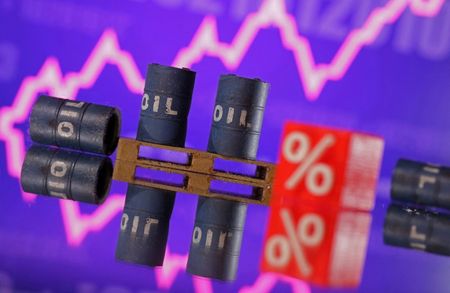

Global financial markets are grappling with escalating energy costs and inflation fears as diplomatic efforts between the United States and Iran continue to stall. Market participants had previously anticipated that both nations would reach an agreement quickly, but Tehran continues to deploy attack drones while President Trump communicates through social media in capital letters.
The critical Strait of Hormuz shipping route remains largely blocked, with only a handful of vessels managing to pass through compared to the typical 136 ships per day before the conflict began. This dramatic reduction in oil transport has caused global petroleum reserves to decline rapidly, with industry experts projecting that one billion barrels of crude oil will be lost by May’s end.
Energy analysts warn that actual supply shortages will likely emerge in June, requiring significant demand reduction to stabilize markets through substantially higher prices. Brent crude has climbed back above $111 per barrel, while September contracts have exceeded $100.
The energy price surge threatens to worsen global inflation just as the summer driving season approaches, and economic data from China already shows signs of strain. Chinese retail sales increased by only 0.2% in April, well below the anticipated 2.0% growth, while manufacturing output also disappointed expectations.
Bond markets have continued their decline as 10-year Treasury yields reached 4.631%, their peak since February 2025, and 30-year yields hit 5.159%. These elevated borrowing costs will expand Washington’s already substantial budget deficit, combining debt service concerns with inflation pressures.
The current administration has shown little interest in fiscal restraint, instead proposing a $1.5 trillion defense budget while spending billions on construction projects including a ballroom and a triumphal arch.
These interconnected challenges involving conflict, energy prices, inflation, interest rates, and government debt will dominate discussions when G7 finance ministers and central bankers convene in Paris today. The meeting will also serve as an early test for new Fed Chair Kevin Warsh as he navigates between inflation management and President Trump’s preference for lower interest rates.
Rising yields are also increasing the discount rate applied to future corporate profits, putting pressure on already elevated stock valuations in certain sectors. Although earnings reports have generally been positive, Citi analysts note that much of the improvement stems from temporary gains, including tariff refunds that benefit companies rather than the customers who originally paid them.
According to Citi’s analysis, just 20 companies accounted for nearly all positive earnings surprises. When excluding artificial intelligence and energy sectors, S&P 500 earnings projections remained unchanged for 2027.
This backdrop sets high stakes for AI leader Nvidia’s earnings announcement on Wednesday, where market expectations are extremely elevated. Wall Street anticipates revenue of approximately $78.5 billion, representing an 80% year-over-year increase, with adjusted earnings per share between $1.75 and $1.78. Despite beating forecasts in its previous report, Nvidia’s stock declined in after-hours trading.
Monday’s key market-moving event includes the G7 finance ministers and central bankers meeting hosted by France in Paris.