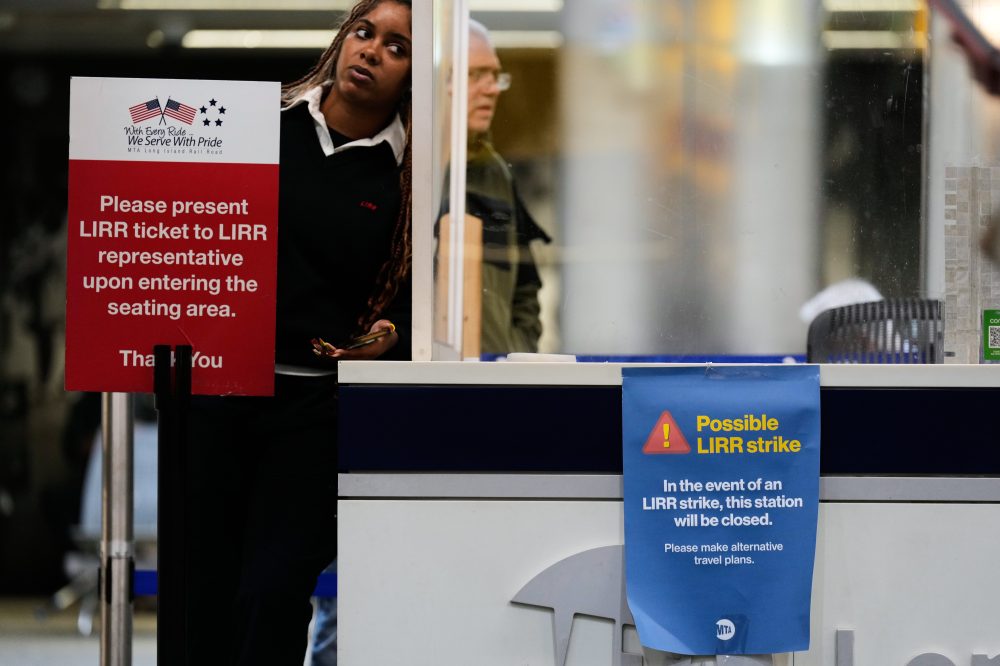

NEW YORK — The continent’s biggest commuter rail network came to a halt Saturday when union workers in the New York metropolitan area began a work stoppage.
Service on the Long Island Rail Road, which connects the city to its eastern suburbs, stopped early Saturday morning when five labor unions representing approximately half of all employees left their jobs.
Contract talks between both parties have continued for months, with President Donald Trump’s administration attempting to help reach an agreement. However, the unions gained the legal right to strike beginning at 12:01 a.m. Saturday.
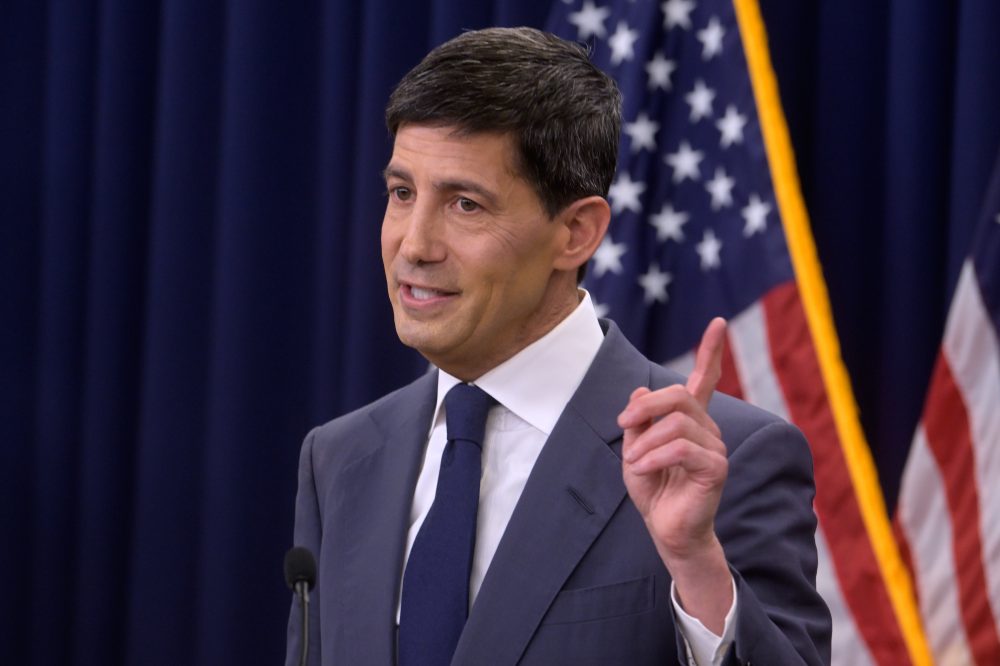
Kevin Sexton of the National Vice President of the Brotherhood of Locomotive Engineers and Trainmen said no additional talks have been set.
“We’re far apart at this point,” Sexton said early Saturday. “We are truly sorry that we are in this situation.”
Janno Lieber, the MTA chairman, said the agency “gave the union everything they said they wanted in terms of pay” and that to him it was apparent the unions always intended to walk out.
The work stoppage marks the first time LIRR workers have struck since a two-day action in 1994, and it threatens to disrupt plans for sports enthusiasts hoping to watch the crosstown baseball rivals the New York Yankees and Mets compete this weekend or attend the NBA’s New York Knicks playoff games at Madison Square Garden in Manhattan. Both sporting locations have direct LIRR connections.
Should the service interruption extend beyond the weekend, approximately 250,000 daily commuters who depend on the railroad to travel between work and their Long Island homes will need to seek other transportation options to reach New York City.
Many will likely face the area’s famously clogged highways.
“People are still going to commute, but if everybody starts driving now, the traffic is only going to get worse,” said Rich Piccola, an accountant who commutes into the city as he waited at Penn Station for a train home Thursday.
Gov. Kathy Hochul is encouraging Long Island residents to work remotely when feasible. The MTA announced it will offer limited shuttle bus service to New York City subway stations, though this backup plan wasn’t designed to accommodate all passengers the system typically transports during weekdays.
While telecommuting options expanded significantly during the COVID-19 pandemic, many employees must still report to their workplaces in person, according to Lisa Daglian, executive director of the Permanent Citizens Advisory Committee to the MTA, a commuter advocacy group.
“You work in construction, you work in the healthcare industry, you work at a school or you’re about to graduate from school, that’s not always possible,” she said of telecommuting. “People need to get where they need to go.”
Current contract discussions have reached an impasse over employee wages and health insurance costs.
The MTA has stated the unions’ original proposals would have resulted in higher fares and affected negotiations with other unionized employees.
The unions, representing locomotive engineers, machinists, signalmen and other railroad personnel, have argued that more significant wage increases were necessary to help workers manage inflation and increasing living expenses.
Some passengers, though understanding of the union’s cost-of-living concerns, fear they will ultimately pay for any salary improvements.
If the unions receive their desired wage increases, “it will come at the expense of our riders who will see next year’s 4% fare increase doubled to 8%,” Gerard Bringmann, chair of the LIRR Commuter Council, a rider advocacy group, said in a statement. “Like the union workers, we too are burdened by the increase in the cost of living here on Long Island.”
With the governor, a Democrat, facing reelection later this year, pressure may mount on the MTA to reach an agreement ending the shutdown, said William Dwyer, a labor relations expert at Rutgers University in New Jersey, where commuter rail workers conducted a three-day strike last year.
“She’s up for reelection, and Long Island is a critical vote for her,” he said. “So if there’s a significant fare hike, that does not bode well for her on Election Day.”