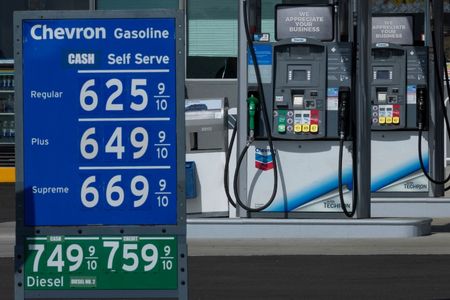

A cooking fuel crisis thousands of miles away in India is playing a surprising role in California’s skyrocketing gas prices, highlighting how the global energy supply chain connects distant regions in unexpected ways.
The link between India’s cooking gas shortage and California’s $6-per-gallon gasoline stems from what experts are calling the most severe energy supply disruption ever recorded. Both problems trace back to the ongoing U.S.-Israeli conflict with Iran and its devastating impact on global fuel markets.
Iran’s virtual blockade of the Strait of Hormuz has created chaos in worldwide oil trading, blocking access to approximately one-fifth of global oil supplies that previously flowed through this critical waterway. This disruption has forced nations to rapidly deplete their emergency reserves and implement crisis management strategies to address widespread fuel shortages.
India’s response to these shortages has inadvertently worsened California’s gasoline situation. As the world’s most populous nation, India relies heavily on liquefied petroleum gas for cooking in homes across the country. With Middle Eastern LPG supplies cut off—previously accounting for more than 90% of India’s LPG imports—the government has ordered domestic refineries to maximize LPG production.
To meet this directive, Indian refineries have reduced their output of alkylates, specialized motor fuel additives that use LPG as a raw material. This reduction creates a significant problem for California, which depends on these alkylates for its unique gasoline formulation designed to meet strict environmental standards.
California’s gasoline requirements are particularly stringent, mandating cleaner-burning fuel additives to combat smog. The state’s specialized gasoline blend makes it especially vulnerable to alkylate shortages, creating what analysts describe as a perfect storm for price increases.
“With India’s LPG supply constrained by the closure of the Strait of Hormuz, refiners there are producing and exporting less alkylate, adding pressure to an already tight California gasoline market,” said Mason Hamilton, chief economist for the American Petroleum Institute industry group.
The timing couldn’t be worse for California drivers. The state’s motorists are already facing the highest gasoline costs since 2022 due to the global fuel supply crisis, and reduced alkylate availability threatens to push prices even higher as summer driving season increases demand, according to GasBuddy analyst Patrick De Haan.
“The more acute the alkylate supply shortfall becomes, the higher it could push prices in California,” De Haan said.
State officials acknowledge the challenging situation but maintain cautious optimism. A spokesperson for the California Energy Commission said the state recognizes India’s changing priorities but currently maintains adequate gasoline and blending component supplies. While the agency doesn’t anticipate immediate shortfalls, it continues monitoring the evolving situation closely.
Current market data paints a concerning picture for consumers. California’s average retail gasoline price reached $6.14 per gallon on Friday, following a peak of $6.16 on May 7—the highest level in over three years. State gasoline inventories remain near historic lows, and analysts predict prices could climb beyond $6.50 in coming weeks.
The price disparity with the rest of the nation is stark. While California drivers pay over $6 per gallon, the national average stood at $4.52 on Friday, according to GasBuddy data. This gap reflects California’s stricter environmental regulations, which require more expensive fuel blends during peak summer months, explained Kpler lead research analyst Nikhil Dubey.
India faces its own severe challenges that make continued alkylate exports nearly impossible. The LPG shortage has become so acute that citizens wait in lengthy queues for cooking gas cylinders, often leaving empty-handed and turning to black market purchases. Restaurants and businesses warn of potential closures if the situation doesn’t improve.
Major Indian refineries have already begun adjusting operations. Reliance, which operates the world’s largest refinery in Jamnagar, Gujarat, announced this month it would reduce alkylate production and exports to maximize LPG output. Industry data shows India’s total alkylate exports dropped to 33,000 barrels per day in April, roughly half the 61,000 barrels per day exported in March and the lowest level since October 2023.
California Governor Gavin Newsom faces limited options to address rising fuel costs while the Iran conflict continues. Traditional relief measures like tax reductions could backfire by increasing demand, potentially worsening the alkylate shortage and creating even higher prices for consumers, De Haan warned.
“You can’t put more pressure on a system struggling under the existing weight on it,” De Haan said.
One potential solution involves waiving California’s strict fuel specifications to reduce alkylate requirements, though this would compromise the state’s environmental standards. De Haan suggests this may be the governor’s only viable option to control prices.
“His hands are tied. That’s the only choice he has,” De Haan said.
However, the California Energy Commission spokesperson indicated the agency doesn’t believe waiving blending requirements would benefit the state, leaving few clear paths forward as the crisis continues.