A 67-year-old Barcelona woman hadn’t moved to music in over 20 years — until an unusual new housemate arrived last November and got her dancing again.
Irene Veglison welcomed a 4.35-foot-tall robotic companion into her home as part of an innovative city program designed to help residents experiencing early cognitive decline.
“We’re developing this pilot project to improve tele-assistance,” explained Marta Villanueva Cendán, a Barcelona municipal council member.
Spain, like numerous nations worldwide, is grappling with longer lifespans and declining birth rates, creating mounting challenges for its eldercare system as the population ages.
“In the future, we want the robots to detect risk and alert professionals, like if the person has fallen and cannot respond,” Villanueva Cendán noted.
The city has distributed 600 of these robotic assistants to private residences and care facilities through a program funded by a 3.8 million euro ($4.47 million) European Union COVID recovery grant.
U.S. company Misty Robotics manufactures the devices, while Catalan business Grup Saltó handles European distribution.
Veglison, who shares her home with two cats, has christened her mechanical helper “Sandi.” The robot provides morning wake-up calls, delivers medication reminders at 9 a.m., tracks medical appointments, and offers goodnight wishes each evening.
Official statistics show nearly 2 million Spanish citizens over 65 live by themselves, with women comprising three-quarters of this population.
Research suggests the nation must double its long-term care workforce by 2030. However, wages approximately 10,000 euros below the national average have discouraged younger job seekers, and more than half of existing staff members are over 45, according to think-tank Funcas.
During emergencies, Veglison can contact a social worker through her device, which features a camera that can be remotely activated to evaluate situations and provide assistance.
Using the robot’s built-in display, she browsed YouTube and chose a French chanson, then moved rhythmically with Sandi as its screen swayed in sync with her motions.
The machines come equipped with screens featuring entertainment applications, calendars, maps, and various cartoon-style facial expressions for standby mode, including “surprised,” “loving,” and “asleep” options.
“It’s not just a trinket: there are lots of people behind it who are looking out for you, checking whether you’ve fallen down, whether you’re okay,” Veglison said.
A lethal strain of bird flu that originated in China during the mid-1990s has now reached every corner of the world, according to a comprehensive two-decade analysis from Germany’s leading animal disease research facility.
The Friedrich Loeffler Institute, which serves as Germany’s primary reference laboratory for animal diseases, has published an extensive 20-year review tracking the global spread of highly pathogenic avian influenza H5N1.
The virus made its first documented appearance in Germany on February 14, 2006, during a harsh winter season. Researchers discovered the deadly strain after finding two deceased whooper swans, marking a significant milestone in the disease’s international expansion.
The institute’s detailed report chronicles how this dangerous bird flu variant has systematically moved from its initial emergence in Chinese poultry operations to become a worldwide concern affecting both wild bird populations and domestic flocks.
The company behind ChatGPT announced Thursday it will establish London as its primary international research facility, praising Britain’s technology talent pool and academic institutions as key factors in the expansion decision.
OpenAI’s announcement supports Britain’s efforts to position itself as a global leader in artificial intelligence development, as nations worldwide compete to attract major AI companies and their investments.
According to OpenAI’s research chief Mark Chen, the United Kingdom offers a unique combination of skilled professionals, world-class universities, and internationally recognized scientific organizations that make it attractive for AI development work that governments consider strategically vital.
British Technology Minister Liz Kendall welcomed the news as a significant endorsement of the country’s capabilities.
“It also reaffirms the UK’s global leadership as the place to pursue AI innovation that is both safe and transformative,” Kendall said in a statement.
The artificial intelligence company has not revealed specific investment amounts or employment numbers associated with the London expansion plans.
While OpenAI maintains its European headquarters in Dublin, the company established its initial London presence in 2023, where staff focus on creating software and infrastructure necessary for building and operating AI systems.
Google announced Thursday the launch of Nano Banana 2, an enhanced version of its widely popular artificial intelligence image creation technology, as the tech company works to draw more users to its AI platform offerings.
The updated tool is now being integrated into multiple Google services, including the Gemini application, AI Mode and Lens capabilities within Search, and Flow, the company’s artificial intelligence video platform, according to the Alphabet subsidiary.
This release represents Google’s continued effort to establish dominance in the artificial intelligence sector, allowing the company to better challenge OpenAI’s ChatGPT following some initial setbacks. These advances have contributed to a 47% increase in Google’s stock value over the last half year.
The original Nano Banana AI image editing technology debuted in August and became an internet phenomenon, bringing 13 million new users to the Gemini application within just four days in September. The tool had created over 5 billion images by mid-October.
Google subsequently launched the enhanced Nano Banana Pro version in November.
The newest Nano Banana 2 utilizes Gemini’s more efficient and cost-effective Flash models, enabling faster image creation and modification capabilities, Google explained, while also offering improved command interpretation and producing more detailed results.
Google’s November release of its Gemini 3 AI system achieved such success that competitor OpenAI reportedly declared an internal emergency status, pushing their development teams to accelerate their work pace.
The Gemini 3 platform has dramatically increased user activity, with the Gemini application reaching over 750 million monthly active users by December’s end.
Federal wildlife officials have officially removed two distinct populations of the lesser prairie chicken from endangered species protections, completing the delisting process on Thursday.
The U.S. Fish and Wildlife Service announced the completion of regulations that strip Endangered Species Act protections from the two prairie chicken populations, representing a major shift in the conservation approach for these birds.
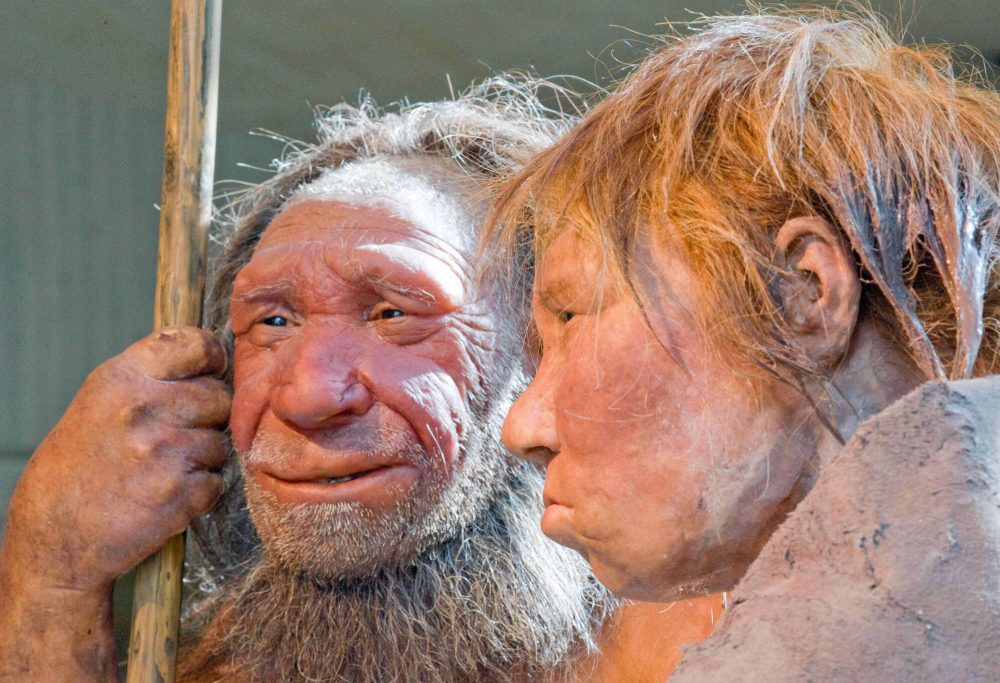
WASHINGTON – Scientists have uncovered new details about prehistoric relationships between our ancestors and Neanderthals, revealing a surprising pattern in how these ancient species interacted tens of thousands of years ago.
Fresh genetic research examining X chromosomes indicates that when early humans migrated from Africa and encountered Neanderthal communities across Europe, Asia and the Middle East, the resulting interbreeding predominantly involved male Neanderthals pairing with female Homo sapiens.
This discovery comes from analyzing genetic material in modern populations and ancient Neanderthal remains, providing fresh perspective on these prehistoric encounters that left their mark in our DNA today.
“The preferences of either or both parties could produce these kinds of patterns, with or without the consent of the other,” explained geneticist Alexander Platt from the University of Pennsylvania’s Perelman School of Medicine, who co-led the study published Thursday in Science journal.
The research team examined X chromosomes – one of two sex chromosomes that determine biological sex. Women inherit two X chromosomes while men receive one X from their mother and one Y from their father.
Nearly all modern humans outside certain sub-Saharan African populations carry trace amounts of Neanderthal DNA – typically 1% to 4% throughout their genome. However, their X chromosomes contain little to no Neanderthal genetic material. Africans lack this ancestry because their forebears remained on the continent and never encountered Neanderthals.
Conversely, when researchers examined genetic material from three Neanderthal specimens, they discovered elevated levels of Homo sapiens DNA on X chromosomes – the reverse pattern seen in contemporary humans, supporting the theory of male Neanderthal-female Homo sapiens partnerships.
The scientists also studied genetic information from present-day Africans without Neanderthal heritage to better understand gene transfer between the species. This interbreeding began as early as 250,000 years ago, with a significant wave occurring around 47,000 years ago during a major human migration.
Previously, researchers believed Neanderthal genes were absent from modern X chromosomes because they caused biological incompatibilities and health issues, leading natural selection to eliminate them over generations.
However, finding abundant Homo sapiens DNA in Neanderthal X chromosomes challenges this theory. Instead, mathematical modeling confirms that the observed genetic patterns align with predominantly male Neanderthal-female Homo sapiens mating.
The two species shared common ancestors until roughly 600,000 years ago before diverging, with Neanderthals developing in Europe while Homo sapiens evolved in Africa.
Neanderthals vanished approximately 40,000 years ago but shared remarkable similarities with early humans beyond physical traits. Despite their more robust build and prominent brow ridges, they demonstrated intelligence through artistic expression, sophisticated group hunting techniques, symbolic artifacts, and possibly spoken communication.
Determining the exact nature of these interactions proves challenging based solely on archaeological and genetic evidence, including whether conflicts like raiding expeditions occurred.
“We have no way of knowing if this was a conflict scenario,” noted University of Pennsylvania geneticist Sarah Tishkoff, the study’s senior author, emphasizing interactions could have been peaceful.
“But we also don’t know why this pattern happened of more modern human (Homo sapiens) females mating with Neanderthals – whether it was due to choice or they were forced. This is what makes it so fascinating, and hopefully someday perhaps there will be archaeological and fossil data that will shed further light on the interactions between Neanderthals and modern humans.”
Eventually, Homo sapiens populations significantly outnumbered Neanderthals across Eurasia.
“If you consider that there may have been 10 to 20 times as many Homo sapiens in the area as Neanderthals, the observation that we had as much as 5% Neanderthal ancestry 30,000 to 40,000 years ago suggests it’s entirely reasonable to guess that there was simply so much interbreeding that we swamped the gene pool – that Neanderthals didn’t actually disappear at all, they just became some of us,” Platt explained.
“It’s kind of fun to think that there are currently some six billion people walking around with about 2% Neanderthal genomes,” Platt added. “To the extent that that’s equivalent to 120 million Neanderthals’ worth of genomes, they’re doing better than ever.”
A major artificial intelligence company is locked in a high-stakes battle with the U.S. Defense Department over the military use of advanced AI technology, with hundreds of millions of dollars in government contracts hanging in the balance.
Anthropic, one of the leading AI developers in the world, is refusing to bow to Pentagon pressure to strip away built-in safety measures from its artificial intelligence systems. The company’s resistance has created a significant rift between the private tech sector and military officials seeking unrestricted access to some of the planet’s most sophisticated AI capabilities.
The ongoing dispute highlights growing tensions over how artificial intelligence should be deployed in military and defense applications. While the Pentagon pushes for fewer limitations on AI tools, Anthropic maintains its position that certain protective measures must remain in place.
The standoff puts at risk not only substantial financial agreements but also the military’s access to advanced AI systems that could potentially transform defense operations and surveillance capabilities.
The company behind ChatGPT revealed Thursday that the individual responsible for a devastating school shooting in Canada managed to bypass their security measures by establishing a second user account after being banned from the AI service.
OpenAI disclosed this information in correspondence with Canadian government officials, detailing new safety measures the San Francisco-based technology firm is implementing following the tragic incident. Company executives stated that had these enhanced protocols existed earlier, law enforcement would have been notified about concerning user activity.
Ann O’Leary, OpenAI’s vice president for global policy, explained that the company only uncovered the duplicate account after authorities identified Jesse Van Rootselaar as the shooter. Van Rootselaar took the lives of eight individuals before dying by suicide in Tumbler Ridge, British Columbia, on February 10th.
According to O’Leary, Van Rootselaar managed to circumvent the platform’s systems designed to stop previously banned individuals from establishing new accounts. The company immediately shared information about the second account with law enforcement upon discovering it.
The correspondence indicated OpenAI is dedicated to enhancing its detection capabilities to better stop users from bypassing safety measures and will focus on “prioritize identifying the highest risk offenders.”
Van Rootselaar’s initial ChatGPT account was terminated in June 2025 following a policy violation, the letter revealed. OpenAI’s automated monitoring flagged the account, which was then reviewed by human moderators to assess whether the content violated terms of service and warranted law enforcement notification.
“Based on what we could see at that time the account was banned in June 2025, we did not identify credible and imminent planning that met our threshold to refer the matter to law enforcement,” O’Leary stated.
During a Thursday press conference, British Columbia Premier David Eby announced that OpenAI CEO Sam Altman has committed to meeting with him directly about the incident.
Eby reported that OpenAI informed his administration that revised protocol thresholds would have triggered police notification regarding Van Rootselaar’s ChatGPT usage if they had been active before the shooting occurred.
However, this information provided “cold comfort” for the grieving families in Tumbler Ridge, he noted.
In her official communication, O’Leary also pledged the company would improve procedures for alerting authorities “when conversations cross the line into an imminent and credible risk.”
“With the benefit of our continued learnings, under our enhanced law enforcement referral protocol, we would refer the account banned in June 2025 to law enforcement if it were discovered today,” she explained.
O’Leary confirmed OpenAI plans to establish a dedicated communication channel with Canadian law enforcement agencies.
“The events in Tumbler Ridge are an unspeakable tragedy, and our hearts remain with the victims, their families, and the entire community,” O’Leary wrote in her letter.
O’Leary expressed gratitude to Canada’s Artificial Intelligence Minister Evan Solomon for organizing Tuesday’s meeting to explore ways to prevent similar tragedies.
“In our meeting, you and the other Ministers stressed that no community should have to face this tragedy,” O’Leary stated. “We agree.”
Solomon summoned OpenAI officials to Ottawa to provide explanations about their safety protocols and how they make critical decisions regarding user content.
Solomon indicated “all options are on the table” as government officials work to create comprehensive policies addressing online dangers and broader digital safety concerns.
Royal Canadian Mounted Police reported that Van Rootselaar initially killed her mother and stepbrother at their residence before targeting the local school. Authorities noted Van Rootselaar had previous interactions with police related to mental health issues.
Investigators have not yet determined what motivated the shooting.
This attack represents Canada’s most deadly mass violence incident since 2020, when an individual in Nova Scotia shot and killed 13 people and set fires that claimed nine additional lives.
A Dutch technology firm has reached a major breakthrough in semiconductor manufacturing, announcing that their revolutionary chip-making equipment is now ready for widespread industrial use.
ASML Holding, the Netherlands-based company that manufactures the world’s only commercial extreme ultraviolet lithography equipment, revealed Wednesday that their latest generation machines have achieved the performance standards necessary for mass production operations.
These advanced manufacturing systems will enable major chip producers like Taiwan Semiconductor Manufacturing and Intel to create more sophisticated and energy-efficient processors while streamlining their production methods, according to company data.
Marco Pieters, ASML’s chief technology officer, shared this milestone information with Reuters ahead of a technical presentation scheduled for Thursday in San Jose, California.
“I think that it’s at a critical point to look at the amount of learning cycles that have happened,” Pieters explained, discussing the extensive testing customers have performed on these machines.
The development comes at a crucial time as current chip-making technology approaches its technical boundaries for producing complex artificial intelligence processors. These new High-NA EUV systems are essential for advancing AI applications like OpenAI’s ChatGPT and helping semiconductor companies meet growing market demands.
Each of these cutting-edge machines carries a price tag of approximately $400 million, double the cost of previous-generation equipment.
According to Pieters, the High-NA EUV systems have demonstrated their reliability by maintaining minimal downtime, processing 500,000 dinner-plate-sized silicon wafers, and achieving the precision needed to create intricate circuit patterns. These three performance indicators collectively demonstrate the equipment’s readiness for manufacturing use.
“(Chipmakers) have all the knowledge to qualify these tools,” Pieters stated.
However, despite their technical capabilities, manufacturers will need an additional two to three years to complete sufficient testing and development work before fully incorporating these systems into their production lines.
The company has currently achieved approximately 80% uptime with their equipment and aims to reach 90% efficiency by year’s end. Pieters noted that the imaging capabilities they plan to showcase will demonstrate how a single High-NA process can replace multiple steps required by older technology. The half-million wafers processed have allowed engineers to resolve numerous operational challenges.
Environmental advocates across the United Kingdom are preparing for weekend demonstrations targeting the rapid growth of artificial intelligence data centers, citing concerns about their environmental and community impacts.
The coordinated demonstrations, organized by environmental charity Global Action Plan, reflect mounting worldwide opposition to these power-intensive facilities that support the expanding AI industry’s computing needs.
“Big Tech’s unchecked construction of hyperscale AI data centres is putting the UK’s climate targets at risk,” stated Oliver Hayes, Head of Campaigns at Global Action Plan.
The largest demonstration, dubbed the ‘March Against The Machines,’ is scheduled to begin Saturday at noon outside OpenAI’s offices.
Britain currently operates approximately 450 data centers according to a November 2024 techUK analysis, though no official government definition exists for these facilities.
Energy regulators report that 140 data centers have requested grid connections, potentially demanding 50 gigawatts of electricity. To put this in perspective, Britain’s peak power consumption on February 11 reached 45 gigawatts.
OpenAI announced in January it would develop community plans for each location in its Stargate project, a $500 billion investment program to construct AI data centers for training and processing.
Technology companies are now making direct investments in power infrastructure as energy availability becomes a major bottleneck for AI growth, with the demand for larger and more numerous facilities pushing electricity consumption upward.
In Havering, located in east London, Ian Pirie from Friends of the Earth Havering criticized local development plans as “completely inappropriate in a semi-rural Green Belt area,” pointing to the facilities’ energy and water requirements and agricultural land loss.
Leigh Tugwood, Co-chair of Iver Heath Residents Association, who is opposing construction in Buckinghamshire, expressed worry that data center projects are being rushed through without proper community consultation.
“We are, therefore, in support of a moratorium on all future hyperscale data centre development unless and until there is informed debate, a public inquiry and a meaningful community-designed engagement framework that ensures ownership of the process by those most likely to be impacted,” he stated.
The head of artificial intelligence company Anthropic announced Thursday that his organization will not comply with demands from the Pentagon in an ongoing disagreement over AI safety measures.
Chief Executive Officer Dario Amodei stated that his company is unable to agree to what the Defense Department is requesting in the current dispute regarding artificial intelligence safeguards.
The announcement marks a significant standoff between the private AI sector and the U.S. military establishment over how artificial intelligence technology should be regulated and protected.
TORONTO — The artificial intelligence company behind ChatGPT announced Thursday it will implement enhanced safety protocols following a recent school shooting incident in Canada.
OpenAI revealed the new measures in correspondence with Canada’s artificial intelligence minister, stating the company will establish direct communication channels with Canadian police agencies. The tech firm also plans to strengthen its systems for identifying users who repeatedly break platform rules.
These enhanced safety steps come as the AI company faces scrutiny over how its technology might be misused in the aftermath of the Canadian school shooting incident.
CAPE TOWN, South Africa — Thousands of crayfish are washing up dead along South Africa’s western shoreline as a dangerous algae outbreak creates havoc for marine life.
Officials issued public warnings Thursday urging residents to avoid gathering or consuming the shellfish, which may contain deadly toxins. Law enforcement officers have been stationed at several beaches to enforce the advisory.
Red tides develop when algae populations multiply rapidly beyond normal levels, as explained by the U.S. National Ocean Service. These algae colonies turn ocean water a distinctive red color while releasing harmful substances that prove fatal to marine creatures.
While such events regularly occur along South Africa’s coastline, this particular outbreak ranks among the most devastating on record, according to the nation’s Ministry of Forestry, Fisheries and the Environment.
The ministry reported that the toxic bloom triggered a “mass walkout” of crayfish, also called rock lobsters, near Elands Bay, located approximately 135 miles north of Cape Town. These crustaceans attempted to flee the poisonous waters but ended up perishing in large numbers on the shore alongside various fish species.
Rock lobsters represent a highly sought-after delicacy throughout South Africa. Environmental officials had to escort more than 20 individuals away from a single beach location where they were attempting to harvest the contaminated shellfish. Authorities emphasized that consuming these creatures could expose people to potentially fatal nerve toxins.
Ministry personnel are currently working to rescue surviving crayfish while safely removing the accumulating piles of deceased marine life from affected areas.
WASHINGTON — The skies above North America are becoming increasingly empty, with bird populations dropping at an accelerating rate due to intensive farming methods and rising global temperatures, according to groundbreaking research published this week.
Scientists examined 261 bird species and discovered that nearly half experienced statistically meaningful population declines, with more than half of those losses speeding up since 1987. The research, featured in Thursday’s Science journal, represents the first comprehensive analysis to track not just overall bird numbers but also the pace of decline and its underlying causes.
“Not only are we losing birds, we are losing them faster and faster from year to year,” explained study co-author Marta Jarzyna, an ecologist at Ohio State University. “Except for forest birds, almost every group is doing poorly. So we need to ask ourselves a question. How do we protect these groups of birds?”
Ironically, the species experiencing the most rapid decline include those with historically robust populations — European starlings, American crows, grackles, and house sparrows — meaning they’re not immediately facing extinction, noted lead researcher Francois Leroy, also from Ohio State.
“The thing is that species extinction, they start with a decline in abundance,” Leroy explained, warning that “the decline is somehow maybe giving a preview of what it could lead to in terms of species extinction.”
Cornell University conservation expert Kenneth Rosenberg, who didn’t participate in this research, emphasized the broader implications of these findings. The species showing the steepest declines “are often considered pests or ‘trash birds,’ but if our environment cannot support healthy populations of these extreme generalists and extremely adaptable species that are tolerant of humans, then that is a very strong indicator that the environment is also toxic to humans and all other life.”
Previous research by Rosenberg in 2019 documented that North America lost 3 billion birds since 1970, though that study didn’t examine changing decline rates or contributing factors.
The current study identified the Mid-Atlantic region, Midwest, and California as areas experiencing the most severe acceleration in bird population losses. Geographic patterns played a crucial role in understanding the causes behind these rapid declines.
While population decreases were more pronounced in southern regions — which researchers linked statistically to higher temperatures from human-driven climate change — the acceleration of these losses showed different geographic patterns tied to agricultural practices.
“In regions where temperatures increase the most, we are seeing strongest declines in populations,” Jarzyna observed. “On the other hand, the acceleration of those declines, that’s mostly driven by agricultural practices.”
The research team found statistical connections between faster decline rates and heavy fertilizer usage, extensive pesticide application, and large amounts of cropland, according to Leroy. While the scientists couldn’t definitively prove causation, the data strongly suggests agriculture plays a significant role.
“The stronger the agriculture, the faster we will lose birds,” Leroy stated.
Jarzyna noted a “strong interaction” between climate change and agricultural practices in their combined impact on bird populations.
“We found that agricultural intensification causes stronger accelerations of decline in regions where climate warmed the most,” Jarzyna said.
McGill University wildlife expert David Bird, who wasn’t involved in the study, praised the research methodology and findings. He explained that growing human populations drive agricultural intensification, converting bird habitats to farmland, while modern machinery destroys nests and eggs, and single-crop farming reduces food and nesting opportunities.
“The biggest impact of agricultural intensity though is our war on insects. Numerous recent studies have shown that insect populations in many places throughout the world, including the U.S., have crashed by well over 40 percent,” Bird wrote. “Many of the birds in this new study showing population declines depend heavily on insects for food.”
Richard Gregory, who heads monitoring conservation science at University College London and wasn’t part of the research team, called the study both “alarming” and “sobering” due to the massive scale of losses and the patterns of accelerating decline.
Cornell University ornithologist Andrew Farnsworth, also not involved in the research, said the findings demonstrate the need for people to modify their lifestyles to address human-caused warming and reduce agricultural intensity, crop monocultures, and widespread chemical use.
“Here is why this study is especially important. Birds do a lot for humans,” McGill’s Bird emphasized. “They feed us, clothe us, eat pests, pollinate our plants and crops, and warn us about impending environmental disasters. With their songs, colors, and variety, birds enrich our lives… and recent studies show that their immediate presence actually increases our well-being and happiness and can even prolong our lives! To me, a world without birds is simply unfathomable.”
NEW YORK (AP) — When humans and Neanderthals shared the same territories thousands of years ago, they occasionally formed intimate relationships. Now, fresh genetic research is shedding light on the nature of these ancient encounters.
The latest DNA study suggests a distinct pattern: these prehistoric pairings typically involved human women and Neanderthal men, rather than the reverse combination.
The circumstances surrounding these relationships remain mysterious. Scientists wonder whether human females migrated into Neanderthal communities, or if Neanderthal males were attracted to larger human settlements. The nature of these encounters — whether they were peaceful, forced, or something else entirely — is still unknown.
“I don’t know if we’ll ever get a definitive answer to how this happened, since we can’t travel back in time,” said Xinjun Zhang, a population genetics specialist at the University of Michigan, who reviewed the research.
The research, released Thursday in Science journal, demonstrates “that whenever Neanderthals and modern humans have mated, there has been a preference for male Neanderthals and female modern humans, as opposed to the other way around,” explained study author Alexander Platt, a genetics researcher at the University of Pennsylvania.
Evidence of human-Neanderthal interbreeding exists in the DNA of contemporary people living outside sub-Saharan Africa, where a small but significant portion of Neanderthal genetic material persists. This ancient DNA influences our ability to combat certain illnesses while increasing vulnerability to others.
However, researchers have long noticed that Neanderthal genetic material isn’t spread uniformly across the human genetic blueprint.
Most notably, there’s a remarkable shortage of Neanderthal DNA on the human X chromosome — one of the genetic packages that determines biological sex — compared to the amount found on other chromosomes.
Initially, scientists theorized that genes in these regions might have been disadvantageous or even detrimental. They suggested that individuals carrying these genetic variations may have had reduced survival rates, leading natural selection to eliminate them over generations.
Alternatively, researchers considered whether the pattern might reflect the dynamics of how the two species interacted.
To investigate this puzzle, Platt’s team examined the Neanderthal genetic code and the human DNA that became mixed in during interbreeding approximately 250,000 years ago.
Their analysis revealed a greater presence of human genetic markers on the Neanderthal X chromosome — the same chromosome that shows reduced Neanderthal DNA in modern humans.
This mirror-image distribution pattern most likely stems from mating patterns, according to Platt. The explanation lies in how sex chromosomes transfer from generation to generation. Since biological females carry two X chromosomes while biological males have one X and one Y chromosome, roughly two-thirds of all X chromosomes in any population come from mothers.
If human females more frequently paired with Neanderthal males than vice versa, the genetic evidence would match exactly what researchers discovered: increased human DNA in Neanderthal X chromosomes and decreased Neanderthal DNA in human X chromosomes.
“I think that they’ve taken some really important steps in filling missing pieces to the puzzle,” said Joshua Akey, an evolutionary genomics expert at Princeton University who wasn’t part of the research team.
The study doesn’t completely eliminate alternative theories. Zhang noted that it’s conceivable that children born to human fathers and Neanderthal mothers simply had lower survival rates.
However, the most straightforward and probable explanation is also the most intriguing, according to the research. “It’s not the result of a strictly Darwinian survival of the fittest,” Platt explained. “It’s really the result of how we interact with each other, and what our culture and society and behavior is like.”
Federal nuclear safety regulations that had been kept confidential have now been released to the public by the U.S. Energy Department.
The department disclosed these guidelines approximately one month following an NPR investigation that revealed their existence. According to reports, the regulations significantly reduce requirements for both security measures and environmental safeguards at nuclear facilities.
The newly public rules apply to experimental nuclear reactor operations and represent a departure from previous safety standards that had been in place for such facilities.
Delaware’s popular Cape Henlopen State Park will temporarily restrict access to The Point beginning March 1, according to the Department of Natural Resources and Environmental Control.
The seasonal closure is designed to create a safe haven for various bird species during their nesting period, with special attention given to protecting the piping plover, a small shorebird currently listed as federally threatened.
Park officials say the restriction will also benefit other migrating bird species that rely on the coastal area during their seasonal journeys. The Point serves as a crucial habitat for these birds during their most vulnerable time of year.
This annual closure is part of Delaware’s ongoing conservation efforts to support wildlife recovery and maintain the delicate ecosystem balance along the state’s coastline.
FORT COLLINS, Colo. — Federal protections have been officially removed for a distinctive ground-dwelling bird famous for its intricate courtship rituals across the southern Great Plains, following the Trump administration’s agreement with challenges from three states and oil and cattle industry representatives who contended the species was incorrectly designated for protection.
The U.S. Fish and Wildlife Service made the delisting official on Thursday, cementing a recent court decision that recognized the federal agency had aligned itself with those opposing federal safeguards for the lesser prairie chicken.
A federal judge’s decision in Midland, Texas, effectively terminated Endangered Species Act protections for the bird last summer. These safeguards had required energy companies and cattle ranchers to implement measures to prevent interference with the birds’ natural habitat, particularly their breeding grounds known as leks.
These crow-sized birds previously existed in populations reaching into the millions. Development for energy production and farming has reduced their numbers to approximately 30,000 individuals distributed throughout portions of Colorado, Kansas, New Mexico, Oklahoma and Texas.
Bird enthusiasts are captivated by the males’ springtime courtship performances and their distinctive combination of warbling, clucking and stomping sounds used to draw potential mates. Some Native American tribal dances incorporate these dramatic displays, which are also exhibited by the more prevalent greater prairie chicken.
Federal protection status for the lesser prairie chicken has been established twice in recent history. In 2015, a federal judge in U.S. District Court in Midland overturned the bird’s threatened species designation from the previous year, supporting petroleum industry arguments that adequate protections were already established.
During 2022, the Biden administration designated the lesser prairie chicken as threatened throughout the northern portion of its territory in Colorado, Kansas, Oklahoma and Texas, while classifying a “distinct population segment” in the southern regions of New Mexico and Texas as endangered.
This designation triggered legal action from Kansas, Oklahoma and Texas, along with organizations such as the Permian Basin Petroleum Association and National Cattlemen’s Beef Association.
Following President Donald Trump’s inauguration last year, the Fish and Wildlife Service conducted a new assessment of the bird and concurred with the states and industry groups that there was insufficient basis to separate the lesser prairie chicken into two distinct population groups.
In August, another U.S. District Court judge in Midland approved a Fish and Wildlife Service request to overturn the Biden administration’s lesser prairie chicken listings.
“Fish and Wildlife’s concession points to serious error at the very foundation of its rule,” District Judge David Counts stated in his Aug. 12 decision, which received praise from Texas officials.
Texas energy regulatory representatives, including Texas Railroad Commission spokesperson Bryce Dubee and Texas Land Commissioner Dawn Buckingham, expressed support for the delisting.
“It will ensure American oil and gas production in the Permian Basin remains robust and our economy steadfast,” Buckingham stated in an email response.
Environmental advocates pledged to continue their legal battle.
“It’s shameful that the Trump administration sees fit to sacrifice these magnificent birds for oil and gas industry profit,” Jason Rylander, legal director at the Center for Biological Diversity’s Climate Law Institute, said in a statement. “Lesser prairie chickens may be lost forever without Endangered Species Act protections.”
A doctoral candidate at Delaware State University has earned recognition for excellence in plant science research, bringing honor to the Dover-based institution.
The achievement showcases the caliber of graduate-level research being conducted at DSU, particularly in the field of botanical and agricultural sciences.
Delaware State University continues to build its reputation as a center for innovative research, with students contributing valuable work to advance understanding in plant-related studies.
The recognition reflects the university’s ongoing commitment to supporting advanced research initiatives and fostering academic excellence among its graduate student population.
The social media platform Instagram announced Thursday it will begin warning parents when their teenage children repeatedly look up content related to suicide or self-harm, as governments around the world consider new restrictions on youth social media access.
The announcement from Meta Platforms Inc.’s Instagram comes amid growing international pressure following Australia’s decision in December to prohibit social media use for anyone under 16 years old. Britain announced in January it was exploring similar protective measures for children online, while Spain, Greece, and Slovenia have recently indicated they’re also examining potential access limitations.
The new parental notification system will activate when teens using Instagram’s optional supervision feature attempt to view suicide or self-harm related material. Parents must be enrolled in the monitoring program to receive these warnings.
“These alerts build on our existing work to help protect teens from potentially harmful content on Instagram,” the platform said in a statement. “We have strict policies against content that promotes or glorifies suicide or self-harm.”
Currently, Instagram blocks such searches and redirects users to mental health support resources. The company said the new parental alert system will launch next week for families enrolled in the supervision program across the United States, Britain, Australia and Canada.
The move reflects increasing government efforts to shield children from online dangers, particularly following concerns about artificial intelligence chatbots like Grok that have created inappropriate sexualized images without consent.
In Britain, efforts to prevent children from accessing adult websites have raised privacy concerns for adults and created diplomatic tensions with the United States regarding free speech limitations and regulatory authority.
Under Instagram’s current system, accounts designated as “teen accounts” for users under 16 require parental approval to modify privacy and safety settings. Parents can opt for additional monitoring capabilities, though this requires their teenager’s consent.
Digital messaging groups have transformed how we communicate, but navigating these conversations requires understanding some unwritten rules.
Where we once relied on phone calls, emails, or face-to-face conversations, today’s coordination happens through platforms like iMessage, WhatsApp, and Slack. These tools help organize everything from friend gatherings and children’s parties to work assignments and even sensitive government communications — including Defense Secretary Pete Hegseth’s recent sharing of airstrike information through a Signal group.
While these informal messaging platforms have gained widespread adoption, their casual nature creates unique problems: conversations can drift away from their original purpose, repetitive questions can frustrate participants, and content one person finds amusing might upset others.
Digital courtesy follows the same fundamental principles as traditional manners, though they are “context specific and many of the rules are implicit rather than explicit,” explained Rupert Wesson, academy director at Debrett’s, the British etiquette authority, who provided guidance to The Associated Press.
According to Wesson, proper behavior centers on showing care and consideration for fellow group members. This means thinking about how your messages will impact recipients.
Avoid wasting others’ time by asking questions easily answered through a quick internet search or by reviewing earlier messages in the conversation thread.
The Trent Windsurfing Club in Nottingham, England, which uses both WhatsApp and email for member communication, has created a detailed 15-point guide posted on their website.
“Don’t get angry if someone doesn’t respond to your messages in a group. No one is obliged to do so. Better send him/her a direct message,” the club advises.
The organization also recommends: “Before sending a video, picture, meme or any content, analyze if such material will be in the interest of the majority of the members of the group.”
Additionally, they suggest avoiding large video files or attachments since “nobody likes to saturate the memory of their smartphone or waste their data/internet plan on nonsense.” The club did not respond to requests for additional comment.
Keep the group’s intended function in mind at all times. For conversations created with specific practical goals, focus solely on the task without unnecessary additions, Wesson advised.
However, “some groups are there for frivolity and here, more is more,” he noted.
Common sense should guide content choices: avoid sharing personal information in professional or business-related groups, and keep work discussions out of family and friend conversations.
New members should observe the conversation flow before participating actively, especially since some platforms prevent newcomers from viewing previous messages.
“It is always best to err on the side of caution until you are very clear on the purpose and culture of the group,” Wesson recommended.
Response frequency depends on group size. While some participants feel compelled to acknowledge every message, even with simple “thanks” replies, this approach can overwhelm larger groups similar to email reply-all situations.
Wesson suggests considering participant numbers when deciding whether to respond.
“If there are three of you in the group, a response, if only an emoji, is almost expected,” Wesson observed. “In group of 50 or more it is practically a criminal offense.”
This consideration becomes particularly crucial for workplace communications, where many office employees now use platforms like Slack and Microsoft Teams instead of traditional email.
While these tools feel more casual than email, maintain the same professional standards you would apply to other company communications.
“Assume anything messaged can be forwarded and be especially cautious of work chats (however informal they appear),” Wesson warned. “As countless people have discovered at employment tribunals, any diversion into anything indecorous can be career limiting.”
Keep your messages concise and clear.
Brief communications reduce the risk of misinterpretation, since readers may understand your words differently than intended.
For work-related topics requiring detailed discussion, consider scheduling an in-person meeting, phone conversation, or sending a formal email instead.
“No one wants to read a 7-inch-long unformatted message when an organized attachment would have worked better,” experts at The Emily Post Institute — America’s equivalent to Debrett’s — noted in their business communication guidance.
Perfect grammar, punctuation, and emoji usage aren’t required in casual messaging.
“You should not feel too constricted and nor should you judge others for playing fast and loose with the King’s English,” Wesson said. “Just let brevity and clarity be your guide.”
While emojis can effectively express meaning and add personality, use them carefully since they can create confusion.
Significant differences exist between similar symbols — like the crying emoji versus the laughing-crying emoji, Wesson pointed out. Exercise caution and avoid emojis in sensitive situations, such as offering condolences.
If notification volume becomes overwhelming or comments make you uncomfortable, simply mute the conversation. Don’t hesitate to exit groups where your participation isn’t necessary.
Before departing, consider informing the group administrator.
“The group administrator has a responsibility to ensure the chat serves its purpose and that things don’t get too out of hand,” Wesson explained.
When administrators face disruptive members, what actions should they take?
“If things are going awry, deleting a member is an option but perhaps a little drastic. A quiet DM or a brief muting should always be considered first,” Wesson suggested.
Whether to announce your departure depends on circumstances. Large, temporary event groups with many strangers probably don’t require farewell messages.
However, professional situations like remote work projects warrant notification to team members.
“When leaving make it clear that you are removing yourself immediately so the chat does not fill-up with people wishing you farewell,” Wesson advised.
PORTLAND, Ore. — An Oregon federal judge issued a ruling Wednesday evening requiring specific modifications to hydropower dam operations along the Columbia and Snake rivers in the Pacific Northwest to protect salmon populations, after criticizing the Trump administration’s approach that he said would damage fish runs that are “vanishing from the region.”
The decision represents the latest development in a multi-decade legal battle involving Oregon, Washington, Native American tribes, and environmental organizations seeking stronger protections for migrating salmon, which face significant mortality from the region’s massive dam systems.
A groundbreaking 2023 agreement had temporarily halted the court proceedings in favor of pursuing comprehensive solutions, with the Biden administration committing $1 billion across ten years for salmon restoration efforts and tribal clean energy initiatives.
However, the Trump administration eliminated that accord last year, denouncing it as “radical environmentalism” that might have led to removing four disputed Snake River dams, prompting the plaintiffs to return to litigation.
In Wednesday’s decision, U.S. District Judge Michael Simon expressed frustration with what he characterized as the “disappointing history of government avoidance and manipulation instead of sincere efforts at solving the problem.”
“One of the foundational symbols of the West, a critical recreational, cultural, and economic driver for Western states, and the beating heart and guaranteed resource protected by treaties with several Native American tribes is disappearing from the landscape,” Simon wrote. “And yet the litigation continues in much the same way as it has for 30 years.”
Oregon and fellow plaintiffs had requested Simon reduce reservoir levels behind the dams, arguing this approach helps fish navigate through them more quickly, while increasing water spillage past the structures to allow fish passage over rather than through turbines. Federal authorities preferred higher reservoir levels.
Simon mandated that reservoirs maintain last year’s levels and described his ordered modifications as “narrowly tailored” while essentially preserving existing conditions.
“The Federal Defendants have, for years, maintained a safe and reliable power system and dam operations with the nearly the same spill levels as ordered here, and with the same reservoir levels from 2025,” he wrote.
Amanda Goodin, representing environmental law firm Earthjustice, expressed being “incredibly relieved and happy that he ordered the levels of spill that he did.”
“If the government had been allowed to implement their proposal it would have had really, really devastating consequences for salmon,” Goodin said.
The Justice Department and National Marine Fisheries Service had not provided responses to comment requests by Wednesday evening. The Bonneville Power Administration, which distributes electricity from the dams, directed inquiries to the Justice Department.
In legal documents, federal authorities described the request as a “sweeping scheme to wrest control” of the dams that would undermine safe and efficient operations for power generation, navigation and irrigation. Any court mandate could also increase utility customer rates, the government argued.
The Columbia River Basin, covering territory comparable to Texas in size, previously served as the planet’s most productive salmon-generating river system, supporting at least 16 varieties of salmon and steelhead. Currently, four species have vanished entirely while seven face endangered or threatened status. The region’s endangered killer whale population also relies on these salmon.
The initial Columbia River dams, including Grand Coulee and Bonneville built during the 1930s, created employment during the Great Depression while providing hydropower and navigation capabilities. They established Lewiston, Idaho, as the West Coast’s most inland seaport, with many farmers still depending on barges for crop transportation.
However, the dams damage salmon through multiple mechanisms, including forcing them through turbines, heating slow-moving reservoir water to dangerous temperatures, and significantly delaying juvenile fish migration to the ocean. Young salmon previously reached the Pacific from the upper Snake River within two to three days via rapid currents. Currently, the journey past eight dams requires weeks, exposing them to additional predators.
The plaintiffs, including Oregon state and conservation organizations like the National Wildlife Federation, submitted the preliminary injunction motion, with Washington state, the Nez Perce Tribe and Yakama Nation providing “friend of the court” support.
Opposition to the injunction includes the Inland Ports and Navigation Group, which contends that increasing spill for fish benefit can impede navigation, disrupting commercial flow and economic activity.
“The order increases the risk of harm to infrastructure, listed species, and public safety while failing to demonstrate that there will be benefits to listed salmon and steelhead,” the organization stated.
Nevertheless, the dams represent a primary factor in salmon decline, which regional tribes view as integral to their cultural and spiritual heritage.
The dams subject to these changes include Ice Harbor, Lower Monumental, Little Goose and Lower Granite on the Snake River, plus Bonneville, The Dalles, John Day and McNary on the Columbia River.
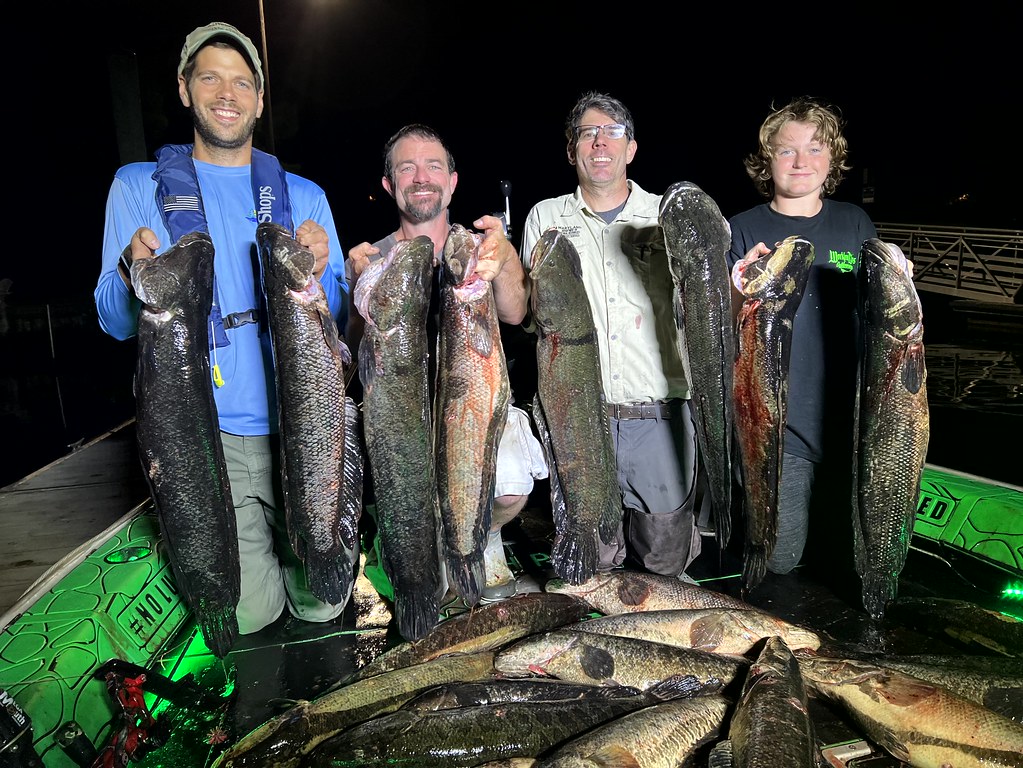
Researchers from the Maryland Department of Natural Resources have discovered that anglers using bows and arrows are leading the charge in removing invasive northern snakehead fish from Chesapeake Bay waters.
The research, featured in the journal Integrated and Comparative Biology, shows that bowfishing and gigging techniques far surpass traditional fishing methods, commercial operations, and government removal efforts when it comes to harvesting these unwanted fish species.
Scientists found that bowfishing enthusiasts are particularly effective at catching larger female snakeheads carrying more eggs, which is crucial for preventing population expansion of these invasive predators.
Northern snakeheads, originally from Asia, were illegally released into Maryland waterways during the early 2000s. These fish possess natural advantages that help them thrive in environments where they face few natural threats, making them extremely challenging for wildlife officials to control.
The species has spread so extensively throughout the Chesapeake region that complete elimination appears impossible. Instead, natural resource managers are concentrating on reducing their numbers and discovering ways to use them beneficially while minimizing their harm to native fish populations that support recreational and commercial fishing industries.
Bowfishing has emerged as a favored technique among sportsmen targeting these fish. Rather than using traditional rod and reel setups, participants shoot arrows attached to retrieval lines at fish they can see in the water.
“Bowfishing is an important component of the fishery, annually removing approximately 20% of the population in the upper Chesapeake Bay,” said study author and DNR biologist Dr. Joseph Love. “We are always looking for creative, responsible ways to get us closer to our needed targets for managing these populations.”
Between 2022 and 2024, researchers partnered with the U.S. Fish and Wildlife Service’s Maryland Fish and Wildlife Conservation Office to tag snakeheads and gather information from charter boat captains specializing in bowfishing. Scientists collected information through direct participation in bowfishing charters, captain logbooks from customer trips, and reports from both bowfishers and traditional anglers who caught tagged specimens.
During 2024, ten charter captains documented over 550 bowfishing excursions across 17 different rivers. Most outings lasted approximately five hours with four participants on average. While catches ranged from none to over 30 fish per trip, typical excursions resulted in about ten snakeheads removed. Peak harvesting occurred during spring and fall seasons, particularly during full and new moon phases.
“We learned how many they harvested per night, but needed to learn more about what that meant for the fishery,” Love said.
During the tagging study in upper Chesapeake waters, biologists marked 657 snakeheads with tracking tags. Of the 149 tags eventually recovered, bowfishers reported 80 compared to 65 from traditional anglers. After accounting for reporting differences, researchers confirmed that bowfishing accounts for a larger portion of total snakehead removal than conventional fishing methods.
Government removal efforts through electrofishing surveys represented only a small fraction of annual harvests, confirming what managers and anglers already suspected about bowfishing’s significant impact.
Studies have demonstrated that snakehead introduction has negatively affected native fish communities, prompting the department to encourage harvesting all caught specimens. No limits or seasons restrict invasive fish removal, and snakeheads are considered excellent table fare. Due to their widespread distribution, numerous locations offer opportunities for anglers to target them.
Those interested in booking bowfishing charters for snakeheads can search for guides through Maryland’s Outdoor Recreation Business Directory, maintained by DNR’s Office of Outdoor Recreation.
NAIROBI, Kenya (AP) — Commercial transport across Africa is undergoing a revolutionary change as solar-powered charging facilities specifically built for heavy electric trucks begin replacing traditional diesel-dependent logistics along major freight routes.
Zero Carbon Charge, known as Charge, is leading this transformation from its Cape Town headquarters. The company is following successful international examples like California’s WattEV and Milence, a collaborative project between German companies Daimler Truck and Volvo that have established solar-based charging networks for commercial freight operations.
The South African company is installing two completely independent, solar-powered charging facilities along the nation’s most heavily traveled freight and passenger route connecting Johannesburg with Durban. This expansion comes after a successful test that demonstrated complete charging of a heavy commercial electric vehicle using exclusively solar power.
This development along the N3 highway, spanning 570 kilometers (354 miles) and serving as a vital link between the nation’s financial center and primary shipping port, received support through a $6.2 million equity investment from the Development Bank of Southern Africa (DBSA). The funding, revealed last July, required the company to construct independent charging infrastructure at 150-kilometer (90-mile) intervals along major national highways.
According to Charge, both facilities will reach completion by June, making long-distance electric vehicle transportation possible along one of South Africa’s most critical transport corridors.
Company co-founder Joubert Roux explained that upcoming plans will target the N1 route linking Johannesburg with Cape Town, expanding independent, high-speed charging capabilities throughout South Africa’s primary long-distance transportation networks.
Construction costs for each independent facility reach approximately $1.25 million.
“This investment allows us to move from pilot projects to full-scale rollouts,” Roux said. “We have proven that it’s possible to fully charge electric trucks using solar energy, and now we are building the infrastructure to do that commercially and reliably.”
In January, Charge demonstrated its ability to connect renewable energy with commercial transport by simultaneously powering two heavy-duty electric trucks from China’s SANY Trucks along with four passenger electric vehicles.
Other sustainable transport enterprises across Africa have primarily concentrated on electric motorcycles. Organizations including Kenya’s Spiro and Ampersand have incorporated renewable energy into portions of their battery-exchange systems, especially in areas outside metropolitan centers. However, these represent hybrid approaches rather than completely independent solar networks engineered for heavy commercial vehicles.
While South Africa’s electric vehicle imports continue growing, charging infrastructure remains restricted and primarily concentrated within major urban areas. Heavy commercial electric trucks encounter additional obstacles due to substantial energy demands and insufficient high-capacity charging locations, particularly as the national power company faces challenges meeting overall demand.
“Our approach is to build energy-resilient charging hubs that are not dependent on an unstable grid,” Roux said. “By combining solar and storage, we can provide predictable, clean power for fleets.”
Roux acknowledged that electric freight technology adoption continues facing multiple challenges, including regulatory approval delays for construction sites, elevated import taxes, vehicle certification processes, and restricted vehicle supply.
“Fleet operators are under pressure to decarbonize, but they need commercially viable solutions,” Roux said. “This investment helps us deploy infrastructure for logistics, mining and long-haul transport. We believe this model can reduce emissions while strengthening energy security.”
CAMBRIDGE, Mass. — Inside a converted 19th-century building in Cambridge, Massachusetts, Suno’s CEO Mikey Shulman watches as his team creates music without touching a single instrument. A researcher types descriptive terms like “Afrobeat, flute, drums, 90 beats per minute” into their artificial intelligence platform, and within moments, an engaging rhythm fills the office space.
This technology, which allows anyone to generate songs by simply describing what they want to hear, has sparked a heated battle between AI startups and the music industry. Companies like Suno and its competitor Udio have made it possible for users with zero musical training to create tracks inspired by virtually any musical style or tradition.
The controversy stems from how these AI systems learn — by analyzing existing music to create new synthetic versions. This process has infuriated music industry executives and triggered significant legal action against both startups.
Following the release of millions of AI-generated songs by users, some of which appeared on platforms like Spotify, executives from Cambridge-based Suno and New York’s Udio are now attempting to broker peace with record companies they once battled in court.
“We have always thought that working together with the music industry instead of against the music industry is the only way that this works,” Shulman explained. He established Suno in 2022 and believes that “Music is so culturally important that it doesn’t make sense to have an AI world and a non-AI world of music.”
The legal confrontation began in 2024 when Sony Music, Universal Music and Warner Records filed copyright infringement lawsuits against both companies, claiming they illegally used their artists’ recorded material.
Since those initial lawsuits, both startups have worked to mend fences with the industry. Suno, which now carries a $2.45 billion valuation, reached a settlement agreement with Warner last year. Udio has secured licensing deals with Warner, Universal and independent label Merlin. Sony remains the only major label that hasn’t settled with either company as litigation continues in Boston and New York federal courts.
The initial settlement between Udio and Universal created backlash from users who lost access to download their own AI-created tracks. However, Udio CEO Andrew Sanchez remains hopeful about future developments as his company modifies its approach to allow fans to experiment with AI using works from consenting artists.
“Having a close relationship with the music industry is elemental to us,” Sanchez stated during an interview. “Users really want to have an anchor to their favorite artists. They want to have an anchor to their favorite songs.”
Many working musicians remain doubtful about these developments. Singer-songwriter Tift Merritt, who serves as co-chair of the Artists Rights Alliance, recently helped launch a “Stealing Isn’t Innovation” campaign. The initiative, supported by artists including Cyndi Lauper and Bonnie Raitt, pushes AI companies to pursue proper licensing agreements instead of building platforms that ignore copyright protections.
“The economy of AI music is built totally on the intellectual property, globally, of musicians everywhere without transparency, consent, or payment. So, I know they value their intellectual property, but ours has been consumed in order to replace us,” Merritt said during an interview in Raleigh, North Carolina.
Shulman argues that technology “evolves very often faster than the law,” and his company attempts to be thoughtful about “not breaking the law” while also working to “deliver products that the world really wants.”
When the music industry initially challenged Suno over alleged copyright violations, the company’s confrontational response alienated professionals like Merritt.
A particularly divisive moment occurred last year when Shulman was quoted saying “it’s not really enjoyable” to make music most of the time. Despite learning piano at age 4 and later playing bass guitar in rock bands through high school and college, his comments sparked outrage.
“You need to get really good at an instrument or really good at a piece of production software,” Shulman said on “The Twenty Minute VC” podcast. “I think the majority of people don’t enjoy the majority of the time they spend making music.”
“Clearly, I wish I had said different words,” Shulman told the Associated Press. He explained the context was that “to produce perfect music takes a lot of repetitions and not all of those minutes are the most enjoyable bits of making music. On the whole, obviously, music is amazing. I play music every day for fun.”
Sanchez, Udio’s CEO, also wants people to understand his passion for music. The opera-loving tenor has performed in choirs and grew up singing Luciano Pavarotti songs in his Buffalo, New York family home.
Established in 2023 by former Google AI researchers, Udio now employs approximately 25 people. With fewer users and less funding than Suno, the company has reduced bargaining power in record label negotiations.
Similar to how ride-sharing company Lyft positioned itself as a friendlier alternative to Uber’s aggressive tactics years ago, Udio welcomes its underdog position.
“So many tech companies actively cultivate this I-am-a-tech-company-crusader and that’s part of their identity,” Sanchez explained. “That alienates people who are creative and I am uniformly opposed to that.”
Sanchez acknowledges that not every artist will welcome AI technology, but hopes those who meet with him recognize he’s not promoting “AI bravado.”
“If you took what we’re doing and pretended that the word AI wasn’t a part of it, people would be like, ‘Oh my gosh. This is so cool.’”
In Philadelphia, Mississippi, Christopher “Topher” Townsend operates as a one-person music production company from his basement office, creating Billboard-charting gospel music without singing a note himself.
The rapper, whose lyrics reflect conservative political views, began using Suno in October and quickly created Solomon Ray, a fictional vocalist he describes as an extension of himself.
Townsend employs ChatGPT for lyric writing, Suno for song generation, and additional AI tools for cover art and promotional videos under the Solomon Ray brand.
“I can see why artists would be afraid,” Townsend acknowledged. “(Solomon Ray) has an immaculate voice. He doesn’t get sick. You know, he doesn’t have to take leave, he doesn’t get injured and he can work faster than I can work.”
Jonathan Wyner, a music production and engineering professor at Boston’s Berklee College of Music, works to address those concerns among aspiring artists by presenting generative AI as another creative tool.
“To the creative musician, AI represents both enormous potential benefits in terms of streamlining things and frankly making kinds of music-making possible that weren’t possible before, and making it more accessible to people who want to make music,” he explained.
This optimistic outlook remains difficult to accept for artists who believe their work has been exploited. Merritt expresses particular concern about record labels making AI company deals that exclude independent artists.
While neither Sanchez nor Shulman received Grammy Awards invitations in February, both spent time networking at events surrounding the ceremony.
“I think AI music is still officially not allowed, and my hope is that some of these rules change over the next year, and then maybe the 2027 Grammys, I’ll get an invite,” Shulman said.
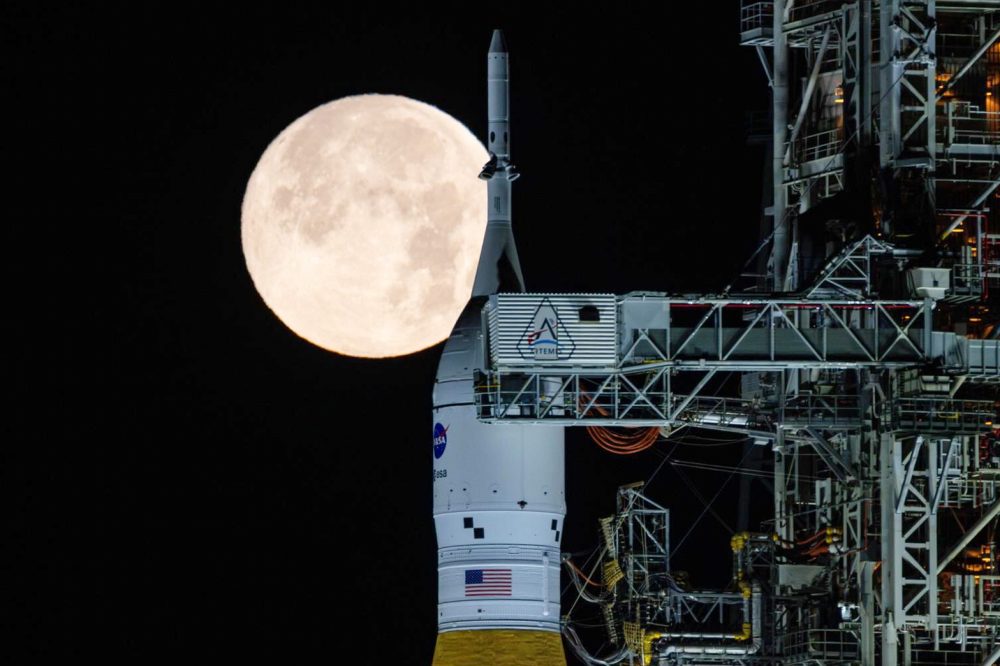
WASHINGTON – A Senate committee is scheduled to vote next week on legislation that would push back the retirement of the International Space Station by two years and mandate the construction of a lunar base, as lawmakers seek to counter China’s expanding space capabilities.
The Senate Committee on Commerce, Science, and Transportation will consider the measures on March 4 as amendments to NASA’s authorization bill. The proposals have support from both Republican committee chair Ted Cruz and Democratic ranking member Maria Cantwell.
Under current plans, NASA intended to decommission the ISS by 2030 after more than two decades in orbit. The new proposal would delay that timeline to 2032, providing additional time for private companies to develop commercial alternatives.
The aging space station has experienced minor leaks in recent years, which NASA attributes to its advanced age. Meanwhile, private sector firms are working to create commercial replacements, including companies like Jeff Bezos’ Blue Origin and Voyager.
However, several of these private ventures have struggled to meet the 2030 deadline, sparking worries about a potential interruption in American crewed operations in low-Earth orbit during a period of heightened space competition with other nations.
Last year, NASA selected Elon Musk’s SpaceX to construct a vehicle capable of safely guiding the ISS back through Earth’s atmosphere for controlled disposal, rather than preserving it as an orbital monument due to debris concerns and maintenance costs.
The proposed lunar base requirement would solidify NASA’s commitment to maintaining a permanent presence on the moon through its Artemis program, serving as preparation for eventual Mars missions.
Musk recently endorsed this strategy after previously favoring a direct approach to Mars exploration.
Both SpaceX and Blue Origin are developing lunar landing vehicles for the Artemis program – SpaceX’s Starship rocket and Blue Origin’s Blue Moon lander.
NASA has recently encouraged competition between the two billionaire-funded companies to accelerate their lunar vehicle development schedules, as China demonstrates advancement in its own moon exploration efforts, including plans for a crewed lunar mission by 2030.
The legislative push reflects broader congressional concerns about maintaining American leadership in space as Beijing expands its Tiangong space station program and seeks international partnerships for its space initiatives.
A British telecommunications company made history Thursday by introducing the continent’s first satellite-based mobile phone service that works with standard smartphones.
Virgin Media O2, jointly owned by Telefonica and Liberty Global, unveiled its O2 Satellite service that enables text messaging, WhatsApp communication, and Google Maps access in remote areas lacking traditional cell tower coverage. The monthly subscription costs three British pounds, equivalent to approximately $4.06.
The innovative service utilizes SpaceX’s Starlink satellite constellation to expand the company’s coverage across Britain from 89% to 95% of the country’s territory.
Phones equipped with compatible technology will seamlessly switch to satellite connections when conventional cellular networks are unavailable, according to company officials. Users can access messaging platforms including WhatsApp and Facebook Messenger, plus weather forecasts and location services.
Initially, the satellite connectivity will function on Samsung’s newest smartphone models, providing continuous communication for travelers and outdoor enthusiasts engaged in hiking, mountain climbing, and aquatic activities.
The European launch follows T-Mobile’s introduction of comparable satellite-to-cellular technology in the United States last July, priced at $10 monthly.
Virgin Media O2 CEO Lutz Schuler described the launch as a pivotal advancement for Britain’s mobile communication infrastructure.
“By launching O2 Satellite, we’ve become the first operator in Europe to launch a space-based mobile data service that, overnight, has brought new mobile coverage to an area around two-thirds the size of Wales for the first time,” he said.
Competitor Vodafone achieved a milestone in January by completing the first satellite video call from an area without ground-based mobile coverage using a standard smartphone. The company intends to roll out comprehensive satellite-to-mobile services through its partnership with AST SpaceMobile, though no launch timeline has been announced.
Scientists studying moon rocks brought back by Apollo astronauts more than 50 years ago have made surprising discoveries about the lunar magnetic field, according to research published Wednesday.
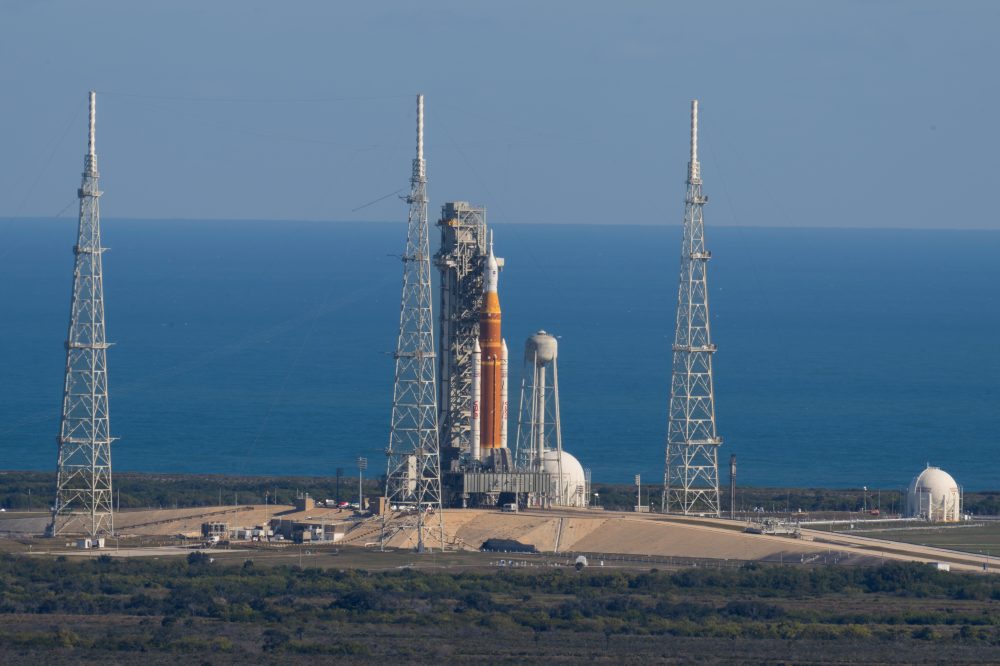
The findings could become even more significant as NASA prepares for its upcoming Artemis missions, with four astronauts scheduled to orbit the moon in a test flight launching as early as April from Kennedy Space Center following recent postponements.
Research conducted by scientists at the University of Oxford reveals that although the moon’s magnetic field remained relatively weak throughout most of its history, it experienced dramatic surges that actually surpassed Earth’s magnetic strength during very brief windows between 3 and 4 billion years ago. The study was published in Nature Geoscience.
These magnetic fields serve as crucial protection from harmful cosmic radiation and, for Earth specifically, dangerous solar particles.
According to lead researcher Claire Nichols, the moon experienced “incredibly short spikes in high magnetic field strength” that lasted at most 5,000 years and potentially as briefly as several decades. These surges resulted from the melting of titanium-heavy rocks located deep beneath the lunar surface.
Earlier scientific theories suggested the moon maintained a consistently strong magnetic field for extended periods, based on analysis of materials collected by Apollo crews between 1969 and 1972. Since Artemis astronauts will explore the moon’s southern polar areas rather than the equatorial lava fields visited during Apollo missions, these new samples are expected to provide additional insights into the moon’s ancient magnetic properties.
The Oxford research team reexamined previous measurements from Apollo specimens and discovered that elevated titanium concentrations matched with preserved evidence of strong magnetic activity. Materials from both the initial and final lunar landings — Apollo 11 and Apollo 17 — contained significant titanium levels.
“We have found a missing link,” Nichols explained via email. She noted that magnetic field strength can be “intermittently really strong and may fluctuate far more than we have traditionally thought.”
The scientists believe Apollo samples don’t accurately represent the moon’s overall composition since they originated from comparable locations rich in titanium that reached the surface through volcanic activity. Upcoming Artemis crews intend to examine ancient rock formations near the south pole, where permanently dark craters are believed to hold frozen water.
According to Nichols, learning about the moon’s magnetic protection throughout history “is critical for thinking about planetary habitability.”
Following a deadly avalanche incident, how do authorities go about examining the specific circumstances and extracting valuable lessons from the tragedy?
The investigation process extends well beyond simply examining snow and weather conditions, as officials work to piece together the complex factors that contributed to the fatal event.
Federal environmental officials have moved forward with establishing renewable fuel requirements for the next two years, sending their proposed volume standards to Washington budget reviewers.
During Tuesday’s National Ethanol Conference held in Orlando, EPA’s Aaron Szabo, who serves as assistant administrator for air and radiation, delivered what he called breaking news to attendees. Szabo announced that the agency’s renewable fuel standards final rule for the upcoming years was being transmitted to the Office of Management and Budget for consideration.
The renewable volume obligations represent federal requirements for how much renewable fuel must be blended into the nation’s fuel supply. These standards are part of the Renewable Fuel Standard program, which mandates the use of biofuels like ethanol in gasoline.
A Chinese artificial intelligence company that shocked global markets last year with its cost-effective technology has now shut out major American chip manufacturers from accessing its newest AI model before its public release, according to two industry sources.
DeepSeek, the AI laboratory behind the disruptive low-cost model, has denied Nvidia and Advanced Micro Devices early preview access to its anticipated V4 update, departing from typical industry protocols, sources familiar with the situation revealed.
The Chinese firm has instead granted domestic technology companies, including Huawei Technologies, exclusive early access to the forthcoming model, giving them a multi-week advantage to fine-tune the software for their processing systems.
This approach contradicts established industry standards where AI companies routinely provide pre-launch versions of significant models to major chip manufacturers like Nvidia and AMD. This collaboration ensures optimal software performance on commonly used hardware platforms. DeepSeek had maintained close working relationships with Nvidia’s technical teams in previous projects.
The anticipated V4 model was originally scheduled for release during the Lunar New Year celebrations. While Chinese chip companies received weeks of advance optimization time, American manufacturers were completely excluded from the process, sources indicated.
Both Nvidia and AMD representatives declined to provide statements regarding the situation. DeepSeek and Huawei did not respond to inquiries seeking comment.
The specific reasoning behind DeepSeek’s decision remains unclear, according to available information.
Ben Bajarin, CEO of Creative Strategies research firm, assessed the situation’s impact, stating: “The impact to Nvidia and AMD for general data accelerators is minimal – most enterprises are not running DeepSeek, which serves as a benchmarking model more than anything else.” He noted that emerging AI programming tools are accelerating software-hardware optimization timelines “from months to weeks.”
Bajarin suggested this decision likely reflects a wider Chinese government initiative “to try to keep U.S. hardware and models disadvantaged” within China’s market.
These developments coincide with revelations from a senior Trump administration official who told reporters that DeepSeek’s newest AI system was developed using Nvidia’s cutting-edge Blackwell processor through a mainland China-based cluster, potentially violating American export restrictions.
According to the US official, DeepSeek may attempt to conceal technical evidence of American AI chip usage and publicly assert that Huawei processors were used for model training.
Since DeepSeek emerged prominently in January 2025, its models have been downloaded over 75 million times through the Hugging Face open-source platform, contributing to a surge of Chinese open-source models challenging American AI laboratories. Chinese model downloads have exceeded those from all other nations on the platform among models released in the past year.
The growing prominence of Chinese open-source AI models has heightened Washington discussions regarding advanced US AI chip exports to China. Last year, US officials permitted resumed shipments of Nvidia’s H20 and AMD’s MI308 processors – designed for AI inference operations – to China, while maintaining restrictions on more sophisticated processors. Whether DeepSeek has obtained authorization to purchase these American chips remains uncertain.
The H20 and MI308 processors focus on inference operations, which involve running completed AI models. The MI308 generated substantial demand, with AMD reporting $390 million in chip sales during its latest quarterly period.
DeepSeek joins several other Chinese AI companies planning to introduce new models this month.
Veteran astronaut Mike Fincke broke his silence Wednesday, revealing that he was the crew member whose health emergency led to NASA’s unprecedented medical evacuation from the International Space Station last month.
The 58-year-old space veteran disclosed his identity in a written statement, though he declined to specify the nature of his medical issue. Fincke explained that his condition improved rapidly with assistance from his fellow crew members and medical professionals monitoring from Earth.
The astronaut reported that he has fully recovered from the incident.
“Spaceflight is an incredible privilege, and sometimes it reminds us just how human we are,” Fincke stated.
Fincke had traveled to the space station with three other astronauts aboard a SpaceX mission launched last summer. Their assignment was cut short on January 15, just one week after Fincke suffered what he described as a “medical event that required immediate attention” from his colleagues. The health scare also led to the scrapping of a scheduled spacewalk involving Fincke and another NASA crew member.
After their capsule landed in the Pacific Ocean, all four astronauts were transported to a medical facility in San Diego. The crew returned to Houston the following day.
During a press briefing one week after their return, while the affected astronaut’s name remained undisclosed, Fincke mentioned that the space station’s ultrasound equipment proved valuable during the medical situation.
In his Wednesday statement, Fincke provided additional context, emphasizing that while the situation wasn’t classified as an emergency, the team decided “to take advantage of advanced medical imaging not available on the space station.”
A former Air Force colonel who joined NASA’s astronaut program in 1996, Fincke has accumulated 549 days in orbit across four space missions.
Samsung introduced its newest Galaxy smartphone series on Wednesday during a San Francisco event, showcasing devices packed with advanced artificial intelligence features and a groundbreaking privacy display technology designed to prevent others from viewing your screen.
The Galaxy S26 collection will be available in stores starting March 11, with Samsung implementing price hikes of 10% to 13% on entry-level and middle-tier models. The base Galaxy S26 will retail for $899, while the Plus version carries a $1,099 price tag — both representing $100 increases from comparable models over the past two years. However, the Galaxy S26 Ultra maintains its previous pricing at $1,299.
Following industry trends, Samsung has enhanced both camera functionality and battery performance for the Galaxy S26 series, recognizing these elements as crucial factors influencing consumer upgrade decisions.
The company is introducing an exclusive feature called “Privacy Display” available solely on the Ultra model. This innovative technology modifies pixel behavior so the screen remains visible only when viewed straight-on, appearing blank when seen from angles, effectively preventing “shoulder surfing” by nearby individuals. Users can configure the system to automatically activate privacy mode for specific applications containing financial or sensitive data.
Samsung continues emphasizing artificial intelligence as a central selling point for its Galaxy devices, building upon a strategy launched two years ago when the company began incorporating AI to enhance device capabilities and appeal.
“AI must become part of our infrastructure,” stated TM Roh, Samsung’s CEO of device experience, during the San Francisco presentation. “You should be able to enjoy its benefits through the devices you use every day.”
The company promises this year’s Galaxy models contain AI functioning as multi-purpose assistants that gather information and content, eliminating the need for users to perform these tasks manually.
“This is the agentic AI phone,” Roh declared regarding the Galaxy S26.
While Samsung continues utilizing Google’s Gemini technology for AI capabilities, the company is also incorporating Perplexity, an emerging assistant known for operating its own “answer engine” for online information searches.
The Galaxy S26 series will feature additional photo-editing tools, including automatic skin tone softening for selfies captured with the front-facing camera.
Although AI technology appears across various smart devices from manufacturers like Apple and Google, consumer reception remains uncertain.
Despite Apple promoting its AI capabilities for nearly two years, the company has struggled to deliver promised features. Apple’s AI limitations have become so apparent that it’s relying on Google to improve its often-problematic virtual assistant Siri.
Nevertheless, Apple’s iPhone has maintained its position as the world’s best-selling smartphone for three consecutive years — a title Samsung last held in 2022, according to International Data Corp research.
“AI is still not a sought-after feature among users,” explained Paolo Pescatore, an analyst with PP Foresight. “The big opportunity is making AI feel like a daily habit rather than a party trick, with tighter integration across core apps. AI must be boringly useful. Less ‘look what it can do,’ more ‘this saves me time every day.’”
The gaming communication platform Discord has pushed back its controversial age verification system until the second half of 2026 after facing intense criticism from users worried about privacy concerns.
In a Tuesday blog post, Discord’s Chief Technology Officer and co-founder Stanislav Vishnevskiy admitted the company “missed the mark” with its original proposal and acknowledged user concerns about data collection.
“Many of you are worried that this is just another Big Tech company finding new ways to collect your personal data. That we’re creating a problem to justify invasive solutions,” Vishnevskiy wrote. “I get that skepticism. It’s earned, not just toward us, but toward the entire tech industry. But that’s not what we’re doing.”
The platform, which boasts over 200 million active users worldwide, had initially planned to launch the verification system in March. The proposal included facial scanning technology or requiring users to upload government identification for those whose ages couldn’t be automatically determined.
User outrage intensified after a recent data breach involving a third-party vendor that Discord previously worked with, which exposed government ID photos belonging to as many as 70,000 platform users.
Vishnevskiy addressed the security incident in his statement, noting that Discord no longer partners with that vendor and has implemented stricter security measures for all third-party relationships.
“Every vendor we work with goes through a security and privacy review before integration,” he wrote. “That includes contractual limits on data use, and strict retention and deletion requirements. Information submitted for age verification is stored only for the minimum time necessary, which in most cases means it’s deleted immediately. If a vendor doesn’t pass, we don’t work with them.”
Among the companies that failed to meet Discord’s requirements was Persona, an identity verification service that underwent limited testing in the United Kingdom during January. According to Vishnevskiy, Persona couldn’t satisfy Discord’s requirement that facial age estimation “must be performed entirely on-device, meaning your biometric data never leaves your phone.”
The partnership with Persona also drew criticism due to its backing by Founders Fund, the venture capital firm led by Palantir Technologies co-founder Peter Thiel. Critics often target Thiel and Palantir for the company’s government surveillance contracts, including a recent deal with U.S. Immigration and Customs Enforcement for deportation operations.
Rick Song, Persona’s co-founder and CEO, disputed Discord’s characterization of his company’s capabilities in a LinkedIn statement, claiming Discord made “untrue” statements about Persona’s age verification technology.
“I’m fine if they don’t want to use us. I’m not okay with them publicly saying untrue things about our age assurance technologies to try to shift responsibility away from their own decisions,” he wrote. “Doing so further erodes trust.”
Despite the controversy, Vishnevskiy emphasized that the verification system would affect a small minority of users, with “90%+ of users” experiencing no changes to their experience.
The platform can automatically determine most users’ ages through various account indicators, including account longevity, payment method information, server memberships, and general usage patterns. Vishnevskiy stressed that Discord doesn’t examine private messages, analyze conversations, or review account content for age estimation purposes.
For users whose ages cannot be automatically determined, Discord is now developing additional verification options beyond facial scanning and ID submission, including credit card verification. The company plans to “complete and expand” these alternatives before implementing the new system.
Users who decline age verification will retain access to their accounts, servers, friend lists, direct messages, and voice chat features, but won’t be able to view age-restricted content or modify certain safety settings designed to protect younger users.
Moving forward, Discord has committed to publishing detailed information about its automatic age determination processes and maintaining public documentation of all verification vendors and their practices on its website.
CAPE CANAVERAL, Fla. — Astronomers using a sophisticated telescope array in Chile have produced an extraordinary new photograph showing the star-forming region at the center of our Milky Way galaxy in remarkable detail.
The European Southern Observatory made the image public on Wednesday, showcasing a vast area of frigid cosmic material spanning more than 650 light-years. To put that distance in perspective, each light-year equals approximately 6 trillion miles or 9.7 trillion kilometers.
These massive clouds of gas and dust encircle the enormous black hole located at the very center of our galaxy.
This record-breaking photograph represents the most expansive image ever captured by the ALMA telescope array, positioned in Chile’s Atacama Desert, known as one of Earth’s most arid locations.
According to survey leader Steve Longmore from Liverpool John Moores University, examining star formation processes in this region, known as the Central Molecular Zone, helps scientists gain insights into galactic evolution.
Ashley Barnes from the European Southern Observatory, who participated in the research, described the significance of the discovery. “It’s a place of extremes, invisible to our eyes, but now revealed in extraordinary detail,” Barnes stated.
Federal oversight of weather modification programs needs significant improvement, according to a new report from a government watchdog agency.
The Government Accountability Office has issued recommendations calling on federal agencies to enhance their documentation and tracking systems for cloud seeding and similar weather modification activities currently taking place across the country.
The oversight agency’s findings highlight gaps in how the federal government monitors and maintains records of these atmospheric intervention programs.
America’s biogas industry experienced significant expansion last year as 70 additional facilities began operations across the country, new industry data reveals.
The American Biogas Council released figures showing these new installations pushed the nation’s total biogas facility count to nearly 2,600 operational plants. This growth represents continued momentum in the renewable energy sector as more communities and businesses turn to organic waste conversion for power generation.
Biogas facilities convert organic materials like food waste, agricultural byproducts, and sewage into usable energy, providing an environmentally friendly alternative to traditional power sources while reducing landfill waste.
Technology giant Google has successfully taken down a sophisticated Chinese-linked cyber operation that infiltrated 53 organizations spanning 42 nations, the company announced Wednesday.
The cyber criminal group, identified by security experts as UNC2814 and “Gallium,” has been conducting espionage operations for almost ten years, primarily focusing on government agencies and telecommunications firms, according to exclusive findings Google shared with Reuters.
“This was a vast surveillance apparatus used to spy on people and organizations throughout the world,” John Hultquist, chief analyst with Google Threat Intelligence Group, said.
Google worked with undisclosed partners to shut down Google Cloud projects under the hackers’ control, identified and dismantled internet infrastructure they were operating, and deactivated accounts the criminals used to access Google Sheets for their targeting and data theft activities.
The hackers’ use of Google Sheets helped them avoid detection by appearing as routine network activity, though the company emphasized this did not represent a breach of any Google services.
Charlie Snyder, senior manager of Google Threat Intelligence Group, confirmed the organization had verified unauthorized access to 53 unnamed organizations across 42 nations, with suspected access to entities in at least 22 additional countries when the operation was disrupted.
While Snyder would not reveal which organizations were compromised, he disclosed that in one instance, the hackers installed malicious software Google calls “GRIDTIDE” on a system containing complete names, telephone numbers, birth dates, birthplaces, voter identification numbers, and national identification numbers.
The targeting patterns suggest efforts to identify and monitor specific individuals, according to the company. “Similar campaigns have been used to exfiltrate call data records, monitor SMS messages, and to even monitor targeted individuals through the telco’s lawful intercept capabilities.”
Chinese Embassy spokesperson Liu Pengyu responded in a statement that “cyber security is a common challenge faced by all countries and should be addressed through dialogue and cooperation.”
“China consistently opposes and combats hacking activities in accordance with the law, and at the same time firmly rejects attempts to use cyber security issues to smear or slander China,” Liu Pengyu said.
Google clarified this operation is separate from another prominent Chinese telecommunications-focused hacking campaign known as “Salt Typhoon.” That separate operation, which U.S. officials have attributed to China, compromised hundreds of American organizations and targeted notable U.S. political figures.
The gaming communication platform Discord is delaying its contentious age verification system until the latter half of 2026 following intense user opposition over privacy issues.
Chief Technology Officer and co-founder Stanislav Vishnevskiy acknowledged in a Tuesday blog post that the company “missed the mark” with its original proposal, which sparked immediate criticism from the platform’s user base.
“Many of you are worried that this is just another big tech company finding new ways to collect your personal data. That we’re creating a problem to justify invasive solutions,” Vishnevskiy wrote. “I get that skepticism. It’s earned, not just toward us, but toward the entire tech industry. But that’s not what we’re doing.”
The platform, which boasts over 200 million active users, will still fulfill specific legal requirements for age verification but will hold off on the worldwide expansion until revisions are made to the February proposal.
Discord’s initial announcement this month outlined plans for a March launch requiring facial recognition scans or identification document uploads for users whose adult status couldn’t be confirmed automatically. The proposal triggered immediate user outrage, particularly following a recent data breach involving a third-party contractor that compromised government identification photos of approximately 70,000 Discord users.
Vishnevskiy addressed the security incident in his blog post, acknowledging it fueled user distrust while emphasizing the company no longer partners with that contractor and maintains strict vendor standards.
“Every vendor we work with goes through a security and privacy review before integration,” he wrote. “That includes contractual limits on data use, and strict retention and deletion requirements. Information submitted for age verification is stored only for the minimum time necessary, which in most cases means it’s deleted immediately. If a vendor doesn’t pass, we don’t work with them.”
Among the companies that failed to meet Discord’s requirements was Persona, an identity verification service that underwent limited testing in the United Kingdom during January. Vishnevskiy explained that Persona couldn’t satisfy Discord’s facial age estimation requirements, which mandate that the estimation “must be performed entirely on-device, meaning your biometric data never leaves your phone.”
Discord severed ties with Persona amid online criticism, particularly regarding Persona’s backing by Founders Fund, the venture capital firm operated by Palantir Technologies co-founder Peter Thiel. Critics frequently target Thiel and Palantir over the company’s government surveillance partnerships, including a recent contract with U.S. Immigration and Customs Enforcement to expedite identification and deportation processes.
The opposition persisted despite Vishnevskiy’s assertion that “90%+ of users, nothing changes.”
Discord can automatically determine most users’ ages through account-related indicators, including account longevity, payment method presence, server memberships, and general usage patterns, according to Vishnevskiy. He stressed that the company doesn’t examine messages, analyze conversations, or review account content for age estimation purposes.
For users whose ages remain undetermined, Discord is developing additional verification methods beyond facial scanning and identification requests, including credit card verification. The company plans to “complete and expand” these alternatives before implementing the new system.
Users declining age verification will retain their accounts, servers, friend lists, direct messages, and voice chat capabilities but will lose access to age-restricted content and certain safety setting modifications designed for teen protection, Vishnevskiy explained.
Discord committed to publishing comprehensive documentation explaining its automatic age determination processes and maintaining a website listing all verification vendors and their practices.
An artificial intelligence company is standing its ground against Pentagon pressure to remove safety restrictions on its technology for military applications, according to a source close to the situation.
Anthropic, an AI research company, met with Defense Secretary Pete Hegseth on Tuesday to address an ongoing disagreement that has stretched on for months. The company has consistently declined to eliminate protective measures that block its artificial intelligence systems from being used for autonomous weapons targeting or domestic surveillance operations.
The dispute centers on Anthropic’s unwillingness to modify safeguards built into its AI technology. Pentagon representatives have maintained that government agencies should only need to follow existing U.S. legal requirements when using such systems.
According to the source, Hegseth presented Anthropic’s leadership with a stark choice during Tuesday’s discussion: either accept being classified as a supply-chain security risk, or face the government using legal authority to compel changes to the company’s usage policies. The administration has set a Friday deadline for Anthropic’s response.
Anthropic CEO Dario Amodei participated in the high-stakes meeting, but the company remains committed to maintaining its current restrictions, the source indicated.
Pentagon representatives have not yet provided comment on the meeting or the ultimatum.
Scientists examining ancient artifacts unearthed from German caves decades ago believe they’ve discovered evidence of humanity’s earliest attempts at systematic communication through symbols.
The artifacts, dating back approximately 40,000 years, feature carefully carved sequences of marks including notches, dots, lines, crosses, and star-shaped symbols. Among the most notable pieces is the Adorant figurine – a small mammoth ivory carving depicting a creature that appears part lion, part human – found in 1979 at Geissenklösterle Cave in Baden-Württemberg.
According to new research published in the Proceedings of the National Academy of Sciences, these markings don’t constitute true written language but share striking similarities with proto-cuneiform symbols that appeared around 3300 BC in ancient Mesopotamia, which later developed into one of humanity’s first writing systems.
Christian Bentz, a linguist at Saarland University who led the study, explained the significance of their findings: “We would argue that these sign sequences go beyond decoration that was aesthetically pleasing to particular individuals. Namely, our statistical results show that these signs were applied selectively and conventionally.”
The research team examined over 200 Stone Age items bearing these mysterious symbols, all originating from four cave locations in southwestern Germany between 43,000 and 34,000 years ago. These artifacts belonged to the Aurignacian culture, among Europe’s earliest distinct civilizations.
What makes these findings particularly intriguing is the apparent systematic nature of the symbol placement. Researchers discovered that crosses appeared exclusively on tools and animal carvings, never on human figures, suggesting deliberate cultural rules governed their use.
“The convention to carve certain sign types only into surfaces of certain artifacts must have been handed down over many generations, otherwise we would not find these statistical patterns in the data,” Bentz noted.
The scientists analyzed what they call “information density” – how much meaning each symbol potentially conveyed. Their computational analysis revealed remarkable similarities between these ancient German markings and the earliest Mesopotamian proto-cuneiform examples, despite being separated by tens of thousands of years.
These discoveries shed new light on the cognitive abilities of early humans who were spreading across Europe as hunter-gatherer groups after migrating from Africa, encountering Neanderthals along their journey.
The Aurignacian people created some of humanity’s oldest known representational art, crafting figurines from mammoth ivory, animal bones, and antlers. Their creations included depictions of mammoths, cave lions, horses, and hybrid human-animal beings, along with tools, jewelry, and even musical instruments like flutes.
While researchers haven’t deciphered the actual meaning of these symbols, they believe the markings represent a crucial step in human communication development, bridging the gap between simple decoration and true writing systems.
Study co-author Ewa Dutkiewicz from Berlin’s Museum of Prehistory and Early History emphasized the linguistic capabilities of these ancient people: “We can only speculate about the status of spoken languages at the time. In general, archaeologists and linguists would certainly assume that modern humans 40,000 years ago had spoken languages structurally similar to those spoken around the world today.”
The research suggests these early Europeans possessed sophisticated cognitive abilities, developing conventional symbol systems that could be passed down through generations – a remarkable achievement that predates known writing by tens of thousands of years.
Google’s self-driving car company Waymo announced Tuesday it will launch autonomous taxi operations in four additional cities across Texas and Florida, bringing the total number of markets served by its driverless vehicles to 10 major metropolitan areas nationwide.
The company will roll out services in Dallas, Houston, San Antonio, and Orlando, Florida, strengthening Waymo’s position as the leader in the autonomous vehicle industry while competitors like Tesla and Amazon’s Zoox continue limited testing in just a handful of locations.
Currently, Waymo’s fleet of self-driving taxis completes more than 400,000 rides each week across six cities where passengers can already book trips: Phoenix, the San Francisco Bay Area, Los Angeles, Miami, Atlanta, and Austin, Texas.
The company runs its transportation service through its proprietary mobile application in most locations, though passengers in Atlanta and Austin must book rides through Uber’s platform instead.
This four-city expansion represents a major milestone in Waymo’s ambitious plan to reach 1 million paid rides weekly by late 2026. While the company hasn’t revealed which markets will come next, it has identified eight potential cities including Las Vegas, Washington, Detroit, and Boston, with London likely becoming its first international destination.
To fund additional autonomous vehicles, Waymo secured $16 billion in recent funding, pushing the company’s total valuation to $126 billion. This massive valuation has sparked rumors that parent company Alphabet might eventually separate Waymo as an independent business, nearly two decades after it started as a confidential Google initiative in 2009.
While Waymo is expanding to these four new cities, the driverless taxi service will initially operate with restricted access for select users of its mobile app in Dallas, Houston, San Antonio, and Orlando before becoming widely available to all customers in those areas.
Scientists have made a startling discovery in the Democratic Republic of Congo that could have major implications for global climate patterns. Research shows that two massive lakes in the region are releasing carbon that has been trapped in nearby peatlands for millennia.
The study, conducted by researchers at ETH Zurich university and published in Nature Geoscience, reveals that Lakes Mai Ndombe and Tumba are emitting carbon dioxide from peat deposits that are more than 3,000 years old. This ancient carbon accounts for as much as 40% of the CO2 emissions coming from these water bodies, rather than from recently decomposed plant material as previously thought.
“We were surprised to find that ancient carbon is being released via the lake,” stated lead researcher Travis Drake.
Co-author Matti Barthel explained the significance of the discovery, saying, “The carbon reservoir has a leak, so to speak, from which ancient carbon is escaping.”
The research team has not yet determined exactly how this ancient carbon travels from the peatlands into the lake systems. However, they warn that the process could accelerate due to climate change or human activities like converting forests to farmland, which creates drier conditions.
Peat forms when dead plant material accumulates in waterlogged conditions where it cannot decompose. When these areas dry out, microorganisms that break down organic matter become active again, releasing stored carbon back into the atmosphere.
The Congo Basin’s wetlands and peatlands occupy just 0.3% of Earth’s land area, yet they contain one-third of all carbon stored in tropical peatlands worldwide, making the region a critical global carbon storage site.
Despite its importance, the Congo Basin remains among the world’s most under-researched major forest systems. Scientists emphasize that extensive additional study is required to understand how these vital ecosystems are being affected by environmental changes.
California is advancing plans for what will become the nation’s largest solar energy facility, utilizing agricultural land that has remained unused due to water restrictions.
The massive renewable energy project will be constructed on farmland that growers have been forced to leave unplanted after California implemented regulations limiting excessive groundwater extraction from underground water sources that farmers had previously depended on for irrigating their crops.
Canadian government officials have ordered top safety executives from OpenAI, the company behind ChatGPT, to appear in Ottawa following revelations that the firm detected concerning activity from a future school shooter but failed to notify authorities.
Canada’s Artificial Intelligence Minister Evan Solomon announced Monday that he has called OpenAI’s senior safety team to meet with him Tuesday to explain their decision-making process regarding when to alert law enforcement about potentially dangerous users.
Last June, OpenAI discovered the account belonging to Jesse Van Rootselaar through their monitoring systems designed to catch “furtherance of violent activities.” Despite internal discussions among approximately twelve staff members about contacting Canadian authorities, the San Francisco-based company ultimately chose not to reach out to the Royal Canadian Mounted Police.
The tech giant determined that Van Rootselaar’s online behavior fell short of their criteria for law enforcement referral, which requires evidence of “an imminent and credible risk of serious physical harm to others.” Company officials stated they found no indication of immediate or believable attack planning. OpenAI subsequently suspended the account for policy violations.
Earlier this month, the 18-year-old Van Rootselaar carried out one of Canada’s most devastating school attacks, claiming eight lives in a remote British Columbia community before taking her own life.
Only after news of the shooting broke did OpenAI personnel contact the RCMP to share information about Van Rootselaar’s platform usage, according to reporting by The Wall Street Journal.
Solomon expressed immediate concern upon learning of OpenAI’s handling of the situation. “I have summoned the senior safety team from OpenAI to come here to Ottawa from the United States,” Solomon stated. “Canadians expect, first of all, that their children particularly are kept safe and these organizations act in a responsible manner.”
Canadian officials held preliminary discussions with some OpenAI representatives Sunday, Solomon confirmed. While he declined to specify whether new regulations for AI chatbots are being considered, the minister emphasized that “all options are on the table.”
The tragic incident unfolded when Van Rootselaar first killed her mother and stepbrother at their family residence before targeting the local school. Authorities noted she had previous mental health-related encounters with police, though her motivations remain unknown.
The attack occurred in Tumbler Ridge, a small community nestled in the Canadian Rockies approximately 600 miles northeast of Vancouver, close to the Alberta border. Among the victims were a 39-year-old educational aide and five students between ages 12 and 13.
This shooting represents Canada’s most lethal mass violence incident since 2020, when a Nova Scotia gunman killed 13 people and caused fires that resulted in nine additional deaths.
WELLINGTON, New Zealand (AP) — Once considered destined for extinction, the world’s only flightless parrot is making a remarkable comeback thanks to an extraordinary conservation success story.
The kakapo, a nocturnal bird native to New Zealand, was previously thought to have no chance of survival due to its hefty build, sluggish movement, and appealing taste to predators. The species also exhibits an extremely casual attitude toward breeding that has complicated recovery efforts.
However, dedicated conservation work has helped increase the population from just 50 individuals to over 200 during the past thirty years. An abundant harvest of the unusual parrot’s preferred berries has now triggered exceptional breeding activity, raising hopes among conservationists for a record-breaking number of offspring expected in February. This development could significantly advance the kakapo’s journey away from what seemed like inevitable extinction just decades ago.
These remarkable birds inhabit three small, isolated islands located off New Zealand’s southern coastline, making wild sightings extremely uncommon. The current breeding cycle has brought one female to online stardom through a live video feed of her subterranean nesting site, where a chick was anticipated to emerge this week.
While the kakapo represents a magnificent species capable of living 60 to 80 years, their appearance is undeniably distinctive.
These birds can exceed 3 kilograms (6.6 pounds) in weight. Their features include owl-like faces, whiskers, and speckled green, yellow and black feathers that blend with filtered sunlight on forest floors.
Living on the ground has created survival challenges for these flightless parrots.
“Kakapo also have a really strong scent,” said Deidre Vercoe, the operations manager for the Department of Conservation’s kakapo program. “They smell really musky and fruity — gorgeous smell.”
This distinctive fragrance proved problematic when humans first reached New Zealand centuries ago. The arrival of rats, dogs, cats and stoats, combined with human hunting and native forest destruction, pushed many of the nation’s ground-dwelling bird species, including the kakapo, toward complete or near elimination.
By 1974, experts believed no kakapo remained alive. Conservation teams continued searching, and during the late 1970s, researchers found a surviving group of these birds.
Restoring their numbers has presented numerous challenges.
The kakapo’s slow population growth stems partly from their unusual reproductive patterns. Successful egg-laying can be separated by years or even decades between occurrences.
Mating seasons occur only every two to four years, triggered by abundant fruit production from native rimu trees that these parrots prefer. The last such event occurred in 2022. Chick survival requires massive food availability, though scientists remain uncertain how adult birds detect these plentiful harvests.
“They’re probably up there in the canopy assessing the fruiting,” said Vercoe. “When there’s a large crop developing, they somehow tune into that.”
The breeding behavior becomes particularly unusual at this point. Male kakapo create hollowed-out depressions in the earth and produce deep booming calls followed by sounds called “chings,” resembling squeaky bed springs.
These resonant booms can travel across entire forests on calm evenings, drawing female kakapo to the males’ ground bowls. Females may produce up to four eggs and raise their young independently.
Since January, bird enthusiasts have enjoyed an uncommon look at this process through live streaming footage of 23-year-old kakapo Rakiura’s underground nest on Whenua Hou island. She has produced three eggs, with two being fertile. Due to the species’ fragile status, the actual eggs have been replaced with artificial ones while the real eggs receive indoor incubation. They will be returned to the nest moments before hatching.
The extraordinary measures New Zealanders have taken to preserve the kakapo may be the only thing more remarkable than the bird itself. Increasing the population four-fold over three decades has required moving them to three isolated, predator-free offshore islands and carefully managing every aspect of their breeding relationships.
“We do what we can to make sure we don’t lose any further genetic diversity,” Vercoe said. “We manage that carefully through having the best matches possible on each island.”
Every bird receives a name and wears a small tracking device on their back; without these monitors, disappeared birds would be nearly impossible to locate. With the kakapo remaining critically endangered, intensive conservation work will likely continue indefinitely, though staff are gradually reducing direct intervention each breeding season.
This meticulous species preservation effort might appear unusual to outsiders, but the parrot represents just one of many unique and spirited birds in a nation where avian species dominate. New Zealand’s only native land mammals consist of two bat species, so the country’s birds, which developed distinctive characteristics before human and predator arrival, have become cherished national icons.
“We don’t have the Eiffel Tower or the pyramids, but we do have kakapo and kiwi,” Vercoe said. “It’s a real New Zealand duty to save these birds.”
Canadian government officials are demanding face-to-face explanations from ChatGPT’s parent company after learning the artificial intelligence firm kept quiet about warning signs involving a user who later carried out a deadly school attack.
The tragic incident occurred earlier this month when an 18-year-old struggling with mental health issues opened fire in a western Canadian community, injuring eight people before taking his own life. It was later discovered that OpenAI had previously suspended the shooter’s ChatGPT account due to policy breaches, but company officials determined these violations didn’t reach the threshold for alerting authorities.
Artificial Intelligence Minister Evan Solomon announced Monday that he has ordered OpenAI’s top safety executives to travel from the United States to Canada’s capital for mandatory discussions about their security measures.
“I have summoned the senior safety team from OpenAI in the United States to come here to Ottawa … we will have a sit down meeting to have an explanation of their safety protocols,” Solomon informed the media.
When questioned about potential government action to shield Canadians from digital dangers, the minister responded that “All options are on the table,” though he declined to elaborate on specific measures under consideration.
Anthropic, the company behind the Claude chatbot, announced Monday that three Chinese artificial intelligence firms illegally extracted technology from their system to enhance their own AI models. This revelation comes just weeks after OpenAI made similar accusations against Chinese competitors.
According to Anthropic’s blog post, the Chinese companies DeepSeek, Moonshot, and MiniMax established approximately 24,000 fraudulent accounts to generate over 16 million interactions with Claude. This activity violated the company’s user agreements and geographic access limitations.
The firms employed a method known as “distillation,” where an established AI system evaluates responses from a developing model, essentially copying the knowledge and capabilities of the mature technology, Anthropic explained.
In a previous memo obtained by Reuters, OpenAI had alerted U.S. government officials that DeepSeek was specifically targeting ChatGPT and other leading American AI companies to duplicate their models for training purposes.
“These campaigns are growing in intensity and sophistication. The window to act is narrow, and the threat extends beyond any single company or region,” Anthropic stated in their disclosure.
Each Chinese company focused on different aspects of Claude’s capabilities. DeepSeek concentrated on reasoning abilities across various tasks and developing alternatives to policy-restricted queries. Moonshot pursued advanced reasoning, tool integration, coding, and data analysis features.
MiniMax targeted coding capabilities, tool usage, and system coordination. Anthropic discovered this particular operation while it was still ongoing, before MiniMax had launched the model they were developing.
“When we released a new model during MiniMax’s active campaign, they pivoted within 24 hours, redirecting nearly half their traffic to capture capabilities from our latest system,” the blog post said.
None of the three Chinese companies responded to requests for comment regarding these allegations.
BOGOTA, Colombia — Unlawful gold extraction is expanding across Peru’s Amazon rainforest, pushing into pristine areas and Indigenous lands as environmental experts sound alarms about a growing ecological and health crisis that may cause permanent harm.
This expansion represents a new chapter for one of the Amazon’s most damaging industries, with operations spreading beyond traditional hotspots into previously pristine regions, according to environmental advocates, scientists, and Indigenous community leaders who spoke with The Associated Press.
The growth is speeding up forest destruction, poisoning waterways with mercury, and bringing violence and criminal organizations to isolated communities, despite government claims of increased enforcement efforts.
Previously concentrated mainly in the southern Amazon area of Madre de Dios, these activities are now spreading northward into areas including Loreto and Ucayali.
Peru’s top official fighting unlawful mining, Rodolfo García Esquerre, confirmed this trend during a television appearance in early February.
“Unfortunately, we have illegal mining in all regions of Peru,” he stated on TVPERU news channel.
Unlawful miners clear forests using bulldozers, dig pits in floodplains, and use floating equipment that removes river sediment while searching for gold. This process creates pools of contaminated, mercury-filled water and damaged riverbanks, while mining camps and access routes penetrate deeper into untouched forest areas.
Peruvian environmental attorney César Ipenza explained that this expansion has quickened recently as gold values have soared. Gold has been selling for approximately $2,000 per ounce throughout 2026 — approaching record levels and roughly twice its value from ten years ago.
“Illegal mining has increased considerably,” Ipenza stated, highlighting new operations in Huanuco, Pasco, Loreto, and near the Ecuador border as elevated gold prices make remote area operations financially feasible.
Julia Urrunaga, who directs Peru programs for the Environmental Investigation Agency nonprofit, reported that field observations show unlawful mining appearing in new locations this year, especially along river networks.
In affected areas, conservation workers report environmental changes become apparent quickly after unlawful mining begins.
“It happens pretty fast,” explained Luis Fernández, a research professor and senior fellow at Wake Forest University’s Sabin Center for Environment and Sustainability. “You’ll see changes in weeks to months once the machinery comes in … sediment plumes in the rivers almost immediately.”
At Peru’s Panguana Biological Station in the central Amazon, a private conservation site protecting some of the region’s most diverse forests, the damage is already apparent in 2026. The facility has become a frontline location in the unlawful mining expansion, administrator Fernando Malatesta told the AP.
“Where there were once intact forests … the rivers are now murky,” he explained. “You used to see crystal-clear water, but not anymore.”
Heavy equipment and road construction have invaded previously untouched forests. “It was an unrecognizable place,” Malatesta described after witnessing a nearby area cleared by dozens of machines in recent months.
Unlawful miners typically arrive via waterways with dredging machinery or by land with excavators, quickly clearing terrain and modifying water systems.
At Panguana, Malatesta and his staff were compelled to abandon the station after intimidation intensified in 2025 and early 2026.
“They started threatening us … there were people with machetes,” he recalled, describing confrontations with miners and local residents.
Scientists connect such violence to increasing participation by organized criminal networks.
“Transnational criminal groups are becoming more significant every day,” stated Ipenza, the environmental attorney.
Urrunaga explained that unlawful gold extraction has become a major revenue source for criminal organizations.
“Sadly, it’s very connected. It’s a source of income for many of the organized crime activities happening in the country,” she noted, adding that the operations are also “deeply linked to the political forces in the country right now.”
In late 2023, Peru’s administration established a high-level multi-agency commission to fight unlawful mining and supervise efforts to legitimize small-scale miners.
Government representatives report ongoing enforcement activities. Recent operations have led to confiscation and destruction of equipment valued at more than 60 million soles ($16 million) used in unlawful mining operations.
However, environmental advocates argue that ground-level enforcement remains insufficient.
The Peruvian government did not respond immediately to requests for comment. Rodolfo García Esquerre, Peru’s top official fighting unlawful mining who was appointed in 2024, declined to provide comment.
Indigenous community leaders report the expansion is impacting communities throughout the Amazon.
“This is already being heard in other parts of the Amazon. It is spreading through Loreto and Ucayali,” explained Julio Cusurichi, an Indigenous leader from Madre de Dios. He described how external miners arrive rapidly, clearing forests and contaminating rivers.
“There is fear,” Cusurichi stated, noting that more than 30 Indigenous leaders have been murdered in recent years while defending their territories.
At Panguana, Malatesta reported that Indigenous communities in some regions have started participating in mining due to financial necessity, while others attempt to resist.
“They are supporting illegal mining … they are selling their land thinking they are making the deal of the year,” he explained, cautioning that mining revenue “doesn’t last forever.”
Urrunaga emphasized that environmental destruction is directly connected to serious health dangers for communities.
“The devastation generated by gold mining is terrible in terms of the environment and through the environment also for human health,” she stated, explaining how mercury used for gold extraction contaminates rivers and the food and water consumed by Indigenous communities where fish is a primary food source.
“Mercury becomes the delivery system for poison,” Fernández explained, describing how it accumulates through food chains and impacts children’s brain development.
Claudia Vega, a scientist and mercury program coordinator at the Amazon Center for Scientific Innovation, CINCIA, warned that mining expansion into fish-dependent Amazonian communities could have devastating effects.
“Amazonian communities are already vulnerable … they eat fish every day,” she noted. “If you put mining in that type of place … you are adding more risk.”
She cautioned contamination could reach levels comparable to Japan’s Minamata disaster, where mercury poisoning caused widespread neurological harm.
“We can have deformities, loss of vision, loss of hearing,” she warned.
Scientists caution that mining expansion could have permanent consequences.
“We’re going to see a conversion of river corridors, flood plains and forests,” Fernández predicted.
Urrunaga argued that international gold purchasers “need to be accountable for the destruction that their consumption is generating in terms of the environment, but most importantly in terms of human lives.”
As gold values climb and global demand persists, scientists warn that continued expansion could push Amazon regions closer to an ecological breaking point, with vast rainforest areas transforming into damaged savanna-like environments.
“Every tree that falls, every river that is contaminated and every animal that disappears remind us that we are losing an irreplaceable treasure,” Malatesta concluded.
Internal research conducted by Meta shows that almost one in five teenagers between 13 and 15 years old encountered unwanted sexual or nude content while using Instagram, according to federal court documents released Friday.
The revelation emerged from legal filings in a California federal lawsuit, which included excerpts from Instagram chief Adam Mosseri’s deposition scheduled for March 2025. A Meta spokesperson confirmed the survey data originated from 2021.
During his testimony, Mosseri acknowledged that the company typically keeps survey findings private, noting that user self-reporting can be unreliable. According to Meta spokesperson Andy Stone, the statistics reflect user experiences rather than a direct analysis of posted content.
The social media giant, which operates both Facebook and Instagram, currently faces mounting legal challenges from officials worldwide who claim its platforms damage young people’s wellbeing. Across the United States, numerous federal and state lawsuits allege the company deliberately creates addictive features that contribute to youth mental health problems.
The court documents also revealed that approximately 8% of users in the same age bracket reported witnessing self-harm or threats of self-harm on Instagram.
Mosseri explained in his deposition that most inappropriate sexual content reaches users through private messaging rather than public posts. He emphasized that reviewing private messages raises significant privacy concerns for the platform.
“A lot of people don’t want us reading their messages,” he stated during questioning.
Meta announced in late 2025 that it would implement stricter content policies for teenage users, including the removal of nude images and videos showing explicit sexual activity, even when created using artificial intelligence. The company plans to make exceptions for medical and educational materials.
“We’re proud of the progress we’ve made, and we’re always working to do better,” Stone commented regarding the company’s ongoing efforts to protect young users.
The nation’s highest court announced Monday it will examine an effort by major oil corporations ExxonMobil and Suncor Energy to dismiss a climate-focused legal action filed by Boulder, Colorado authorities.
The Supreme Court justices will review the companies’ challenge to a previous court decision that allowed the case to proceed. Boulder’s lawsuit claims the corporations violated state laws and demands monetary compensation for expenses the city has faced while addressing climate change impacts.
This legal battle represents just one among many similar climate-focused cases that American local governments have initiated against businesses involved in extracting, manufacturing, distributing or marketing fossil fuel products.
When fossil fuels are burned, they emit greenhouse gases like carbon dioxide into the air, which trap more solar energy and gradually increase Earth’s average temperatures.
Boulder officials filed their 2018 legal action claiming that American-based Exxon and Canadian-based Suncor deceived the public regarding how their products contributed to worsening climate conditions while generating profits from unrestricted fossil fuel commerce. Both corporations reject any wrongdoing.
City and county representatives have stated the petroleum companies should pay for previous and upcoming expenses related to climate impact reduction efforts, including infrastructure maintenance, environmental harm remediation, emergency response operations and public health protection measures.
The corporations asked lower courts to throw out the case, contending that Boulder’s legal action would unlawfully disrupt federal oversight of greenhouse gas emissions under Clean Air Act regulations.
Colorado’s highest court rejected their dismissal request in May 2025, leading to the current Supreme Court appeal.
The Trump administration has supported the oil companies’ appeal effort.
The Supreme Court previously declined to hear a comparable attempt by Sunoco and other petroleum corporations to eliminate a climate-related case from Honolulu after Hawaii’s supreme court permitted it to continue.
The Hawaiian lawsuit aims to hold the companies responsible for their suspected contribution to severe weather impacting the area, plus substantial sea level increases along Honolulu’s Pacific shores, which has caused flooding, coastal erosion and beach destruction.
NEW YORK (AP) — When horses call out to locate companions, welcome familiar faces, or express excitement during meal times, they create one of nature’s most distinctive sounds.
For years, scientists have been puzzled by how horses create their characteristic whinny sound, which combines both deep and shrill tones simultaneously — resembling a mix of a growl and a shriek.
The deeper tones weren’t difficult to understand. These sounds result from air flowing across tissue bands within the larynx that create noise through vibration. This process mirrors how people produce speech and song.
However, the sharp, high-pitched element remained a puzzle. Generally speaking, bigger animals possess larger vocal systems and produce deeper sounds. So what allows horses to create these high notes?
A recent study reveals the answer: horses create whistles.
Scientists inserted tiny cameras through the nostrils of horses to record internal activity during whinnying and nickering, the gentler sound horses make. They also performed comprehensive scans and forced air through voice boxes from deceased horses.
The study found that the whinny’s puzzling sharp tones result from a whistling mechanism originating in the larynx. Air causes tissue vibration in the voice box while a region directly above tightens, creating a narrow passage for the whistle sound to emerge.
This differs from human whistling, which occurs using our mouths.
“I’d never imagined that there was a whistling component. It’s really interesting, and I can hear that now,” said Jenifer Nadeau, who studies horses at the University of Connecticut. Nadeau was not involved with the study, which was published Monday in the journal Current Biology.
While some small mammals like rats and mice produce similar whistles, horses represent the first large mammal discovered with this ability. They’re also the only known animals capable of whistling through their larynx while simultaneously vocalizing.
“Knowing that a ‘whinny’ is not just a ‘whinny’ but that it is actually composed of two different fundamental frequencies that are created by two different mechanisms is exciting,” said Alisa Herbst with Rutgers University’s Equine Science Center, of the study in an email.
One major remaining question involves how horses developed these dual-toned calls. Wild Przewalski’s horses demonstrate similar abilities, as do elk. However, more distantly related species like donkeys and zebras cannot produce the sharp-pitched sounds.
The dual-toned whinnies might enable horses to communicate multiple messages simultaneously. The varying pitch levels may help them express a broader spectrum of emotions during social interactions, according to study author Elodie Mandel-Briefer with the University of Copenhagen.
“They can express emotions in these two dimensions,” Mandel-Briefer said.
Bringing your own container to fill with soap or shampoo instead of tossing empty bottles has gained traction as an environmentally-friendly practice — offering individuals a concrete way to tackle broader ecological concerns.
However, the actual environmental benefit of these refill systems varies based on implementation and what traditional practices they’re replacing. Numerous zero-waste retail locations have launched nationwide in recent years as both business owners and consumers explore innovative approaches to minimize packaging waste. Several companies have also introduced specialized recycling initiatives for difficult-to-process materials.
The Lufka Refillable Zero Waste store in Tampa operates on a simple premise: shoppers arrive with their own reusable containers to purchase soap, shampoo and household cleaners without any single-use packaging. This approach aims to minimize packaging waste by utilizing containers customers already possess.
The process involves weighing empty containers first, then filling them with products. Customers pay based on the quantity of product dispensed. This repeated container use can accumulate significant waste reduction over time.
Julie Hughes, a regular customer, finds the refilling process personally satisfying. Hughes first visited Lufka two years ago searching for skincare items and has become a loyal customer, motivated by the opportunity to reuse containers rather than dispose of them.
“When you do something positive, you get a little bit of like a dopamine hit and you feel good,” Hughes said on a recent trip to buy liquid hand soap. “There are so many big problems in the world, but we can’t solve all of the big problems, but we do have control over our choices.”
According to Lufka founder Kelly Hawaii, certain customers have continuously refilled identical containers for six years.
“Just imagine how much waste they’ve personally stopped consuming because they have that one container for that one product,” Hawaii said.
Rather than representing a novel concept, refillable packaging essentially revives historical distribution methods. Many sectors previously depended on refillable or returnable containers, with recognizable American examples including soda bottles, beer containers and milk jugs in earlier decades.
Research published in 2020 regarding reusable packaging revealed that the transition toward disposable packaging occurred primarily because single-use systems streamlined distribution processes and lowered handling expenses for manufacturers and retailers. This shift contributed to consistent growth in packaging production and waste accumulation as reuse infrastructure diminished, according to the study published in Resources, Conservation & Recycling: X.
Recently, renewed focus on reuse has emerged as part of expanding “circular economy” initiatives that extend product and material lifecycles to minimize waste. The Public Interest Research Group counts hundreds of refillable retailers nationwide, describing them as part of a “generation of new businesses” focused on reducing packaging waste.
Major retailers and brands are also introducing refillable alternatives and other innovations. Lush Cosmetics markets select products “naked” without any packaging and provides discounts for customers returning containers from other purchases. The reusable packaging platform Loop, operating in France, collaborates with major brands including Nestle and Coca-Cola to deliver products in durable containers that are retrieved, sanitized and refilled for continued use.
Despite this revival, refillable packaging represents a minimal portion of the total market. These systems encounter expansion challenges, including sanitation requirements and the necessity for container collection and processing infrastructure, according to research findings, which also highlighted that additional processing and cleaning expenses may increase costs.
Reusing containers for common products offers advantages over recycling disposable packages, provided consumers adopt a thoughtful strategy, according to sustainability experts.
University of Michigan professor Shelie Miller, who researches sustainability, advises consumers to view the phrase “reduce, reuse, recycle” as a hierarchy, indicating that reuse should typically precede recycling.
Nevertheless, reuse doesn’t guarantee reduced environmental impact. Durable reusable containers generally require more energy and materials during manufacturing, necessitating extended use to compensate for their production resources, Miller explained. This means environmental benefits only materialize after repeated usage distributes those initial impacts across multiple applications, what Miller describes as a “payback period.” The amount of water and electricity consumers use at home for cleaning reusable items also influences the equation.
A 2021 study conducted by Miller and a colleague analyzed reusable items including drinking straws, utensils and coffee cups, measuring their payback periods across categories like greenhouse gas emissions, water consumption and energy requirements. The research determined that ceramic coffee mugs must be reused between 4 and 32 times before surpassing disposable cups in those metrics, representing quicker paybacks compared to reusable coffee cups manufactured from metal or plastic.
Convenience factors also matter. When refilling necessitates special trips, additional transportation emissions can negate benefits, making refill systems most successful when integrated into existing habits.
“If you are making dedicated trips just to reduce packaging, it actually can be worse for the environment than if you use the single-use product,” said Miller.
Major beauty retailers including Ulta Beauty and Sephora have partnered with Pact Collective, a nonprofit organization that gathers difficult-to-recycle beauty packaging through store collection points.
Carly Snider, executive director of Pact Collective, explained the program targets packaging constructed from mixed materials that standard recycling programs cannot handle, plus small components under 2 inches (5 centimeters) — such as pumps, droppers and sample containers — that slip through recycling facility machinery.
“There’s specific things with beauty packaging that makes it really difficult,” said Snider.
Pact directs those materials through specialized processing, redirecting substantial material volumes from landfills, Snider noted.
Experts stress that refilling and recycling initiatives aren’t complete solutions, but when they substitute for single-use packaging and integrate into daily routines, they can contribute to waste reduction.
“Small things do add up,” Miller said. “And so when you have millions of people who are all doing small things, that really can make a difference, make a change.”
SAN DIEGO, California – Scientists at Netherlands-based ASML Holding have developed a breakthrough that could dramatically increase semiconductor production, enhancing the power output of specialized chip-manufacturing equipment to potentially produce 50% more processors by 2030.
The Dutch company stands as the sole global manufacturer of extreme ultraviolet lithography (EUV) equipment, essential machinery used by major semiconductor producers including Taiwan Semiconductor Manufacturing Co and Intel to create cutting-edge computer processors.
Michael Purvis, who leads EUV source light technology development at ASML, emphasized the practical nature of their achievement during discussions at the company’s California research center near San Diego.
“It’s not a parlor trick or something like this, where we demonstrate for a very short time that it can work,” Purvis explained.
He continued, “It’s a system that can produce 1,000 watts under all the same requirements that you could see at a customer.”
The strategic importance of EUV equipment has made it a focal point of international technology competition. Both Republican and Democratic administrations have collaborated with Dutch officials to block these machines from reaching China, prompting Beijing to launch its own domestic development program.
Meanwhile, American entrepreneurs are pursuing alternatives, with startups Substrate and xLight raising substantial funding to create U.S.-based competitors to ASML’s technology. The Trump administration has provided government support to xLight’s efforts.
Monday’s technological revelation, disclosed exclusively, represents ASML’s strategy to maintain its competitive advantage by tackling the most technically demanding component of these sophisticated machines.
The core challenge involves creating EUV illumination with sufficient intensity and precise characteristics for high-volume chip manufacturing. ASML’s research team has successfully increased the EUV light source output from its current 600 watts to 1,000 watts.
This enhanced power directly translates to faster chip production rates, which helps reduce manufacturing costs per processor.
The chip creation process resembles photographic printing, where EUV illumination exposes silicon wafers treated with specialized chemical compounds called photoresist. Stronger EUV sources require less exposure time for each chip.
Teun van Gogh, who oversees ASML’s NXE EUV machine division as executive vice president, told reporters about their customer-focused goals.
“We’d like to make sure that our customers can keep on using EUV at a much lower cost,” van Gogh stated.
Van Gogh projected that by decade’s end, customers should achieve processing speeds of approximately 330 silicon wafers hourly per machine, compared to today’s 220 wafers. Individual wafers can contain dozens to thousands of chips, depending on processor dimensions.
ASML achieved this power increase by refining an approach that already makes their equipment among humanity’s most intricate technological creations.
To generate light at 13.5 nanometer wavelengths, ASML’s systems propel streams of liquefied tin droplets through specialized chambers, where powerful carbon dioxide lasers transform them into plasma.
This superheated matter state causes tin droplets to reach temperatures exceeding the sun’s surface, producing EUV illumination that precision optical components from Germany’s Carl Zeiss AG capture and direct into chip-printing systems.
Monday’s breakthrough involved increasing tin droplet frequency to roughly 100,000 per second – double the previous rate – while using two smaller laser pulses for plasma formation instead of current single-pulse methods.
Jorge J. Rocca, a Colorado State University professor specializing in laser technologies who has mentored several ASML researchers, praised the accomplishment’s difficulty.
“It’s very challenging, because you need to master many things, many technologies,” Rocca observed.
“What was achieved – one kilowatt – is pretty amazing,” he added.
ASML believes their methods for reaching 1,000 watts will enable future improvements, according to Purvis, who noted, “We see a reasonably clear path toward 1,500 watts, and no fundamental reason why we couldn’t get to 2,000 watts.”
Delaware residents have a special opportunity this weekend to witness a rare astronomical event as six planets gather together in the evening sky.
This celestial phenomenon, called a planetary parade, occurs when several planets appear clustered together on the same side of the sun, creating the illusion of alignment when viewed from Earth.
According to NASA, while two or three planets are commonly visible after dark, gatherings of four or five that can be seen without equipment happen only every few years. Last year brought exceptional displays featuring six and even all seven planets.
This Saturday evening, four planets will be visible to Delaware stargazers without any special equipment, weather permitting. Mercury, Venus, Jupiter and Saturn can all be spotted with the naked eye, while Uranus and Neptune will require binoculars or a telescope to view.
For the best viewing experience, head outside approximately one hour after sunset and find a location away from tall structures and trees that might obstruct your view. Direct your gaze toward the western horizon where Mercury, Venus and Saturn will appear low in the sky, while Jupiter, Uranus and Neptune will be positioned higher up.
Sara Mazrouei, a planetary scientist at Humber Polytechnic in Canada, offers this helpful tip for distinguishing planets from stars: “If it’s twinkling, it’s a star. If it is not twinkling, it’s a planet.”
The planetary display should remain visible throughout the weekend and for several days following. Eventually, Mercury will disappear from view as it drops below the horizon.
NASA notes that at least one bright planet can typically be observed on most clear nights throughout the year.
Emily Elizondo, a planetary scientist from Michigan State University, suggests that observing multiple planets simultaneously offers a meaningful connection to ancient astronomers. These early stargazers worked to understand the cosmos “just by looking up at the stars and the planets,” Elizondo explained, “which is something that we can do today.”
LONDON (AP) — A Ford Mustang Mach-E navigates through London’s heavy traffic, utilizing artificial intelligence to dodge pedestrians and bicyclists while maneuvering around construction zones on its way to its final stop.
This driverless car from British company Wayve Technologies is conducting trial runs before the United Kingdom launches its robotaxi testing program this spring. Major tech firms including America’s Waymo and China’s Baidu are also preparing to participate in these pilot tests, positioning London as the newest battleground in the worldwide competition for autonomous taxi services.
Although self-driving cabs aren’t a novel concept, London’s historic street patterns and crowded urban environment may present unique obstacles for this technology.
London’s iconic black taxi drivers are also expressing doubt about the new technology. These drivers must complete an intensive training program called “The Knowledge,” requiring them to memorize countless routes over several years. They have historically resisted technological changes that threaten their livelihood, including staging protests when Uber entered the market.
Steven McNamara, general secretary of the Licensed Taxi Drivers’ Association representing black cab operators, described autonomous taxis as “a solution looking for a problem.”
McNamara questions whether robotaxis could offer any benefits on London’s street system, which resembles a complex maze dating to Roman era construction — a stark contrast to the organized grid systems found in American cities like San Francisco and Phoenix where Waymo currently functions.
London has earned a reputation as one of the planet’s most traffic-congested metropolitan areas, with roadways already packed with various transportation methods including personal vehicles, public buses, motorcycles, bicycles and electric rental bikes.
McNamara and numerous others have pointed out that autonomous vehicles must contend with an additional obstacle from people crossing streets. Unlike the United States and many other nations where jaywalking is prohibited, Britain doesn’t consider it a legal violation.
“It’s virtually impossible to drive anywhere (in London) without somebody walking in front of you,” McNamara said. Given London’s population of nearly 10 million residents, he questioned “how these cars are going to deal with those volumes of people?”
Companies developing robotaxis maintain there’s space for this emerging technology.
“I think Londoners are going to love autonomous driving. It’s going to be another choice alongside the Tube, cycling, walking,” said Wayve CEO Alex Kendall during a recent interview at the company’s facility.
Wayve has partnered with Uber for these taxi experiments, which represent Britain’s effort to establish nationwide rules for autonomous vehicles. The country aims to establish itself as a global leader in this technology sector.
Chinese technology corporation Baidu is also collaborating with Uber, along with competing ride-sharing service Lyft, to operate its Apollo Go self-driving vehicle program in London’s pilot project.
Waymo, a subsidiary of Google’s parent company Alphabet, will also participate and intends to begin London passenger operations by the third quarter of 2026, according to company representatives who spoke with reporters last month.
Waymo executives attempted to address worries that the company might immediately overwhelm London streets with robotaxis, pointing out that it has operated 1,000 total vehicles in San Francisco since beginning full operations in 2024.
“We’re not here to replace anyone,” Waymo spokesman Ethan Teicher said. “We’re here to add another option for people who will choose to take black cabs or other modes of transportation when it suits them and choose to take Waymo, when it makes sense.”
Waymo’s autonomous Jaguar I-Pace vehicles have been observed conducting test drives throughout London. Wayve’s Ford Mustang Mach-E cars have also been performing road evaluations with human backup operators seated behind the steering wheel, prepared to take control if necessary.
During a recent demonstration ride for The Associated Press, Wayve’s Ford automatically navigated through a three-mile (five kilometer) circuit in North London without encountering any difficulties.
Traveling along a straight and clear section of roadway, the vehicle maintained a consistent speed of 19 miles (30 kilometers) per hour, slightly below the posted limit.
When a traffic signal changed as the car approached, it was forced to brake sharply and mildly jostled passengers forward — the only instance when the ride wasn’t completely smooth.
Kendall explained that Wayve employs a different strategy compared to conventional self-driving technology. It doesn’t depend on “high definition” mapping systems and “hand-coded” safety protocols created by programmers who try to anticipate every possible situation.
Rather, it utilizes artificial intelligence trained on millions of hours of information collected by its vehicles to learn and comprehend how the world functions.
“This is the key thing for self-driving, because every time you drive on the road, you’re going to experience something different,” Kendall said. “You can’t rely on a self-driving car being told how to behave in every scenario it encounters.”
Kendall stated that Wayve positions itself as a technology provider offering hardware and software that can be integrated into any vehicle to make it autonomous. The company reached an agreement with Nissan in December to manufacture self-driving cars that will be available for purchase in Japan and North America by 2027.
Kendall declined to share additional specific information about the robotaxi service it will run in partnership with Uber, including pricing details.
Waymo, which operates its own ride-hailing application, will offer “competitive” rates and fares aligned with market standards, officials stated last month, while noting that it can often “demand more premium pricing.”
Industry analysts believe there’s a place for robotaxis in Britain, though it may be specialized.
They’re best positioned to address gaps in Britain’s public transportation system, such as serving rural communities that have lost bus connections to larger towns and cities due to budget reductions, according to Kevin Vincent, director of the Centre for Connected and Autonomous Automotive Research at Coventry University.
Demand will continue for human drivers, particularly from visitors and tourists, he noted.
Finding a “cab driver who knows the area, you can ask him questions. You feel confident and comfortable you’re going where you need to go,” represents a service that won’t be easily replaced in the near future, Vincent said.
Autonomous taxis cannot duplicate the personal connection, according to Frank O’Beirne, who has operated black cabs for 14 years.
For instance, one of his recent passengers was a pair of visually impaired individuals traveling to popular Leicester Square. He ended up parking at a taxi stand and escorting them across the street to their destination, a Chinese restaurant located in a casino’s basement.
“They would never have found that, ever, (on their own),” said O’Beirne. “There’s nothing like us. I can’t see the space where autonomous taxis can operate, really.”
CAPE CANAVERAL, Fla. — NASA’s massive lunar rocket will be transported back to its hangar facility this week for additional technical work after encountering fresh mechanical issues that have postponed the mission until at least April.
The space agency announced Sunday that it plans to begin the slow, four-mile journey across Kennedy Space Center on Tuesday, depending on weather conditions.
Just as NASA completed a second fuel loading test on Thursday to verify that hazardous hydrogen leaks had been resolved, a new technical challenge emerged.
The rocket’s helium system experienced a breakdown, pushing back the first crewed lunar mission in more than five decades even further.
Technical teams had successfully addressed the hydrogen leak problems and established a March 6 launch target — already delayed by a month — when the helium malfunction occurred. The helium supply to the rocket’s second stage was interrupted; this gas is essential for cleaning the engines and maintaining proper pressure in fuel storage tanks.
“Returning to the Vehicle Assembly Building at Kennedy is required to determine the cause of the issue and fix it,” NASA said in a statement.
According to NASA, moving the rocket back quickly helps maintain the possibility of an April launch window, though officials emphasized this timeline depends entirely on repair progress. The agency has only limited launch opportunities each month to send the four-person crew on their lunar journey.
The mission crew — three American astronauts and one Canadian — continues waiting in Houston. These four individuals are set to become the first humans to travel to the moon since NASA’s Apollo missions, which transported 24 astronauts to lunar orbit between 1968 and 1972.
The space agency’s ambitious return to lunar exploration hit another snag as technical difficulties threaten to push the Artemis II launch beyond its planned March timeframe.
Just one day after NASA officials indicated they were considering March 6 as a possible launch window, the agency revealed that fresh technical challenges could eliminate all March departure opportunities entirely.
The primary concern involves what NASA describes as disrupted helium flow within the rocket’s systems. This issue may force engineers to transport the massive rocket away from the Kennedy Space Center launch pad back to the Vehicle Assembly Building for comprehensive testing and repairs.
Should this rollback become necessary, NASA officials indicate the moon-bound mission would likely be postponed until April at the earliest.
The Artemis II mission represents a crucial step in America’s efforts to return astronauts to lunar orbit for the first time since the Apollo era, making any delays significant for the future of space exploration.
CAPE CANAVERAL, Fla. — A fresh technical complication has struck NASA’s ambitious moon mission, casting doubt on the scheduled March launch that would carry astronauts on humanity’s first lunar journey in more than five decades, space agency officials announced Saturday.
The space agency disclosed this newest obstacle just 24 hours after setting March 6 as the target date for the historic Artemis II mission. During the night, engineers discovered that helium circulation to the rocket’s upper section had been disrupted — a critical component that must function properly for any launch attempt to proceed.
Space agency officials stated they are analyzing all available information and making preparations to potentially move the Space Launch System rocket back to its repair facility at Kennedy Space Center in Florida. However, they noted that maintenance work might be completed directly at the launch site, with engineering teams preparing contingency plans for either scenario.
“This will almost assuredly impact the March launch window,” NASA said in a statement.
The Artemis II lunar flyby mission had previously been pushed back by one month due to hydrogen fuel leak issues. Engineers conducted a second fuel loading test Thursday that showed minimal leakage problems, which had given mission leaders enough confidence to set the early March launch target.
The space agency announced Saturday it may need to move the Artemis II rocket and Orion capsule away from the launch pad following the discovery of helium flow problems essential for takeoff.
NASA detected disrupted helium circulation, a critical component required for the spacecraft’s launch sequence, prompting officials to consider returning the vehicle to its assembly building for repairs.
“This will almost assuredly impact the March launch window,” NASA said.
The Artemis II mission represents NASA’s ambitious plan to return astronauts to lunar orbit for the first time since the Apollo era, marking a significant milestone in the agency’s goal to establish a sustainable presence on the Moon.
Defense and Energy Department officials have successfully transported a compact nuclear reactor via military aircraft from California to Utah, showcasing what they describe as America’s ability to rapidly position nuclear power technology for both military operations and civilian applications.
The microreactor, manufactured by Valar Atomics, was moved without nuclear fuel aboard a C-17 transport plane from March Air Reserve Base in California to Hill Air Force Base in Utah on Sunday, February 15, 2026.
This transportation demonstration comes as the Trump administration advocates for accelerated deployment of nuclear power technology across the United States.
Officials from both the Pentagon and Energy Department characterized the airlift as proof of concept for quickly moving nuclear power capabilities to locations where they might be needed for various purposes.
HILL AIR FORCE BASE, Utah — In a groundbreaking demonstration, federal officials completed the nation’s first aerial transport of a compact nuclear reactor, flying the device nearly 700 miles from California to Utah over the weekend.
The historic mission involved moving a 5-megawatt microreactor aboard a military C-17 aircraft, showcasing America’s capabilities for rapid nuclear power deployment in both military and civilian settings. The reactor, roughly the size of a minivan, was transported without nuclear fuel as part of the test.
Energy Secretary Chris Wright and Defense Undersecretary Michael Duffey accompanied the February 15th flight, calling it a major milestone in efforts to fast-track commercial approval for these compact power systems. The initiative aligns with the Trump administration’s broader strategy to transform the nation’s energy sector.
“Today is history. A multi-megawatt, next-generation nuclear power plant is loaded in the C-17 behind us,” Wright declared before the two-hour journey from March Air Reserve Base to Hill Air Force Base.
The transport represents part of President Trump’s commitment to nuclear energy expansion, viewing it as a carbon-free electricity source that provides reliable power. This comes as the administration simultaneously promotes fossil fuels while showing skepticism toward renewable energy sources.
Wright announced that this reactor joins at least two others expected to achieve “criticality” — the point where nuclear reactions become self-sustaining — by July 4th, fulfilling Trump’s timeline promise.
“That’s speed, that’s innovation, that’s the start of a nuclear renaissance,” Wright stated.
The United States currently operates 94 nuclear reactors generating approximately 19% of national electricity, according to Energy Information Administration data. This represents a decline from 104 reactors in 2013, though it includes two recently completed commercial reactors in Georgia — the first large-scale reactors built from the ground up in decades.
Given the lengthy timelines associated with traditional reactor construction, industry leaders and government officials have shifted focus toward more efficient designs, including small modular reactors being developed by the Tennessee Valley Authority.
These portable microreactors can “accelerate the delivery of resilient power to where it’s needed,” Duffey explained. Military officials envision these mobile units eventually providing energy independence for bases without relying on civilian power grids.
“The demonstration flight gets us closer to deploy nuclear power when and where it is needed to give our nation’s warfighters the tools to win in battle,” Duffey said.
Isaiah Taylor, CEO of California startup Valar Atomics which manufactured the reactor, said the unit can produce enough electricity for 5,000 homes. The company plans to begin test power sales next year and achieve full commercial operation by 2028.
However, critics question the technology’s viability and safety. Edwin Lyman from the Union of Concerned Scientists dismissed the transport demonstration as “a dog-and-pony show” that simply proved the military’s ability to move heavy equipment.
The flight “doesn’t answer any questions about whether the project is feasible, economic, workable or safe — for the military and the public,” Lyman said.
Lyman argued that the Trump administration “hasn’t made the safety case” for securely transporting fuel-loaded microreactors to data centers or military installations. Additionally, officials haven’t resolved nuclear waste disposal issues, though Wright indicated the Energy Department is discussing potential reprocessing or permanent storage sites with Utah and other states.
The transported microreactor will undergo testing and evaluation at Utah’s San Rafael Energy Lab, with fuel supplied by Nevada’s National Security site, according to officials.
“The answer to energy is always more,” Wright concluded. Following what he characterized as four years of energy restrictions under the Biden administration, he said, “now we’re trying to set everything free. And nuclear will be flying soon.”
CAPE TOWN, South Africa (AP) — Wildlife experts are drawing attention to a devastating crisis affecting pangolins, unique scaly creatures that have earned the unfortunate distinction of being the world’s most illegally traded mammals.
Saturday marks World Pangolin Day, when conservationists spotlight the dire situation facing these timid, armor-plated animals that inhabit regions across Africa and Asia.
According to data from CITES, the international organization overseeing endangered species trade, pangolins and their body parts surpass all other mammals in illegal wildlife commerce. Between 2016 and 2024, authorities confiscated more than 500,000 pangolins during anti-smuggling raids.
The World Wildlife Fund calculates that more than one million pangolins have been removed from their natural habitats in the past ten years, including countless others that authorities never recovered.
While pangolin meat serves as a luxury food in certain regions, their distinctive scales drive the illicit market. These scales consist of keratin, the same substance found in human nails and hair. Asian markets, particularly in China, prize these scales for unsubstantiated medicinal properties in traditional treatments.
Eight distinct pangolin varieties exist worldwide — four native to Africa and four to Asia. Every species currently faces severe to critical extinction threats.
Despite being called scaly anteaters, pangolins share no genetic connection with actual anteaters or armadillos.
These creatures stand alone as the sole mammals entirely covered in overlapping keratin plates with razor-sharp edges. This natural armor provides exceptional protection, enabling pangolins to curl into impenetrable spheres that even lions cannot penetrate, giving these nighttime insect hunters virtually no natural enemies.
However, this defense proves useless against human poachers. From a conservation perspective, pangolins lack the public appeal of elephants, rhinoceros, or tigers, despite remarkable features like their insect-catching tongues that extend nearly the length of their entire bodies.
Although some data suggests pangolin smuggling has decreased since the COVID-19 outbreak, poaching continues at dangerous levels throughout African regions, conservationists report.
Nigeria represents a major trafficking center. Dr. Mark Ofua, a veterinary specialist and West African representative for Wild Africa conservation organization, has dedicated over ten years to pangolin rescue efforts, initially purchasing animals from bushmeat vendors to save their lives. He operates both an animal rehabilitation facility and pangolin nursery in Lagos.
Ofua’s work focuses on educating Nigerians about pangolins through children’s wildlife programs and recruiting entertainers, musicians, and social media influencers with massive followings to participate in conservation efforts or simply appear alongside pangolins.
Three of Africa’s four pangolin species live in Nigeria, yet remain largely unknown among the nation’s 240 million residents.
Ofua’s commitment to pangolin awareness began during an incident while transporting rescued pangolins in a carrier. A group of well-dressed young men approached and inquired about the animals’ identity.
“Oh, those are baby dragons,” he responded playfully. The exchange sparked deeper reflection.
“There is a dark side to that admission,” Ofua said. “If people do not even know what a pangolin looks like, how do you protect them?”
FLOREANA ISLAND, Ecuador — For the first time in almost 150 years, giant tortoises are once again roaming Floreana Island in Ecuador’s famous Galápagos archipelago after conservationists released 158 young hybrid specimens on Friday to help rebuild the island’s damaged ecosystem.
The juvenile tortoises, ranging in age from 8 to 13 years old, have started exploring their new home just as the first winter rains of the season began to fall. Officials say the timing couldn’t have been better for the historic release.
“They are large enough to be released and can defend themselves against introduced animals such as rats and cats,” explained Fredy Villalba, who directs the Galápagos National Park breeding center on Santa Cruz Island. He noted that researchers carefully chose the healthiest animals with the best genetic heritage for this mission to Floreana.
The newly released tortoises represent just the beginning of a larger effort, with plans to eventually introduce 700 of the animals to the island. Christian Sevilla, who oversees ecosystem management for Galápagos National Park, says these hybrid tortoises contain between 40% and 80% of the DNA from Chelonoidis niger, a tortoise species that disappeared from existence 150 years ago.
Scientists remain baffled by how these genetic connections survived, tracing the hybrid lineage back to Wolf Volcano on Isabela Island. Through careful selection of breeding adults with the strongest genetic traits, Sevilla explained, the program hopes to slowly restore the extinct Floreana species to something closer to its original form.
Floreana once supported roughly 20,000 giant tortoises two hundred years ago. But whaling operations, a catastrophic fire, and continuous human activity ultimately wiped out every last tortoise on the island.
“In genetic terms, reintroducing a species to that island with a significant genetic component of the original species is vital,” biologist Washington Tapia explained to reporters.
Tapia, who researches the islands through his company Biodiversa-Consultores, stressed that the project goes beyond simply adding animals to the island — it’s about bringing back a genetic heritage that was lost.
The volcanic island of Floreana covers about 173 square kilometers and sits as the southernmost island in the Galápagos chain, located roughly 1,000 kilometers off Ecuador’s coast in the Pacific Ocean.
The returning tortoises will coexist with nearly 200 human residents and native wildlife including flamingos, iguanas, penguins, sea gulls and hawks. However, they’ll also face challenges from invasive species like blackberry and guava plants, along with non-native animals including rats, cats, pigs and donkeys that humans brought to the island over time.
Local resident Verónica Mora called the tortoise release a dream fulfilled. “We are seeing the reality of a project that began several years ago,” she remarked, expressing how proud the community feels about welcoming back the giant tortoises.
The United Nations recognized the Galápagos Islands as a Natural World Heritage Site in 1978, acknowledging the archipelago’s extraordinary collection of land and sea creatures that exist nowhere else on Earth.
Following the catastrophic failure of the Potomac Interceptor on January 19, environmental and economic consequences are mounting as this massive sewer main continues dumping an estimated 240 to 300 million gallons of untreated sewage directly into the Potomac River.
While protecting public health from dangerous contaminants and harmful bacteria remains the immediate focus, officials will eventually need to calculate the enormous nutrient pollution burden this disaster has added to both the river and Chesapeake Bay.
Some experts are calling this the most significant sewage disaster in American history. University of Maryland water testing revealed E. coli contamination reaching 10,000 times beyond EPA safety limits during the worst period of the spill.
Although DC Water’s monitoring shows contamination levels decreasing in areas farther from the source, repairs won’t completely halt the leak until mid-March, with full restoration work taking an additional nine months to finish.
Repair efforts faced major setbacks when crews discovered a 10-foot rock barrier near the rupture site, combined with pump equipment failure caused by massive clumps of non-flushable wipes, resulting in an additional 600,000 gallons entering the waterway.
The ongoing crisis threatens to shut down fish farming operations and commercial fisheries, could devastate regional tourism, and will likely reverse years of progress in reducing Chesapeake Bay watershed pollution.
The exact environmental damage remains unclear, but experts anticipate severe consequences as weeks’ worth of nitrogen and phosphorus contamination entered the water system within just days. If agricultural operations had caused even a small portion of this pollution, there would be clear targets for blame and legal action.
Instead, elected officials are engaging in political finger-pointing to avoid responsibility for the infrastructure neglect that led to this 60-year-old pipeline’s collapse.
This major sewage catastrophe, along with numerous smaller spills throughout the watershed, must not be allowed to undermine the pollution reduction achievements funded by taxpayers, agricultural producers, watermen, and municipal governments.
Regardless of who takes responsibility, everyone will ultimately bear the costs of this environmental disaster.
WASHINGTON — Weather experts are revising how they track El Niño patterns as global warming continues to alter traditional climate measurements, according to new research from meteorologists.
Fresh analysis published this month reveals that an uncommon extended cooling period helped scientists understand why Earth’s temperatures jumped dramatically over the last three years, beyond the steady warming trend linked to human activities.
The U.S. National Oceanic and Atmospheric Administration has modified its method for determining when these influential weather cycles begin and end. Rising ocean temperatures worldwide forced NOAA to update their calculations, which will likely result in more La Niña events being identified and fewer El Niño periods being declared.
Global monthly temperatures made a significant leap above the long-term warming pattern in early 2023, continuing through 2025. Researchers have proposed various explanations for this jump, including accelerated greenhouse gas effects, reduced ship pollution particles, underwater volcanic activity, and increased solar energy.
New research published in Nature Geoscience by Japanese scientists examined how Earth’s energy balance — the difference between incoming and outgoing energy — shifted in 2022. When this balance tips toward more trapped heat, temperatures rise accordingly. The study found that roughly three-quarters of this energy change resulted from both long-term human-caused warming and the transition from an extended La Niña cooling phase to a warming El Niño period.
El Niño represents a natural cyclical warming of specific equatorial Pacific Ocean areas that disrupts global weather patterns, while La Niña involves cooler-than-normal waters in the same regions.
These phenomena affect rainfall and temperature patterns differently across the globe. El Niño events typically boost worldwide temperatures, while La Niña periods suppress the overall warming trend.
Research indicates La Niña conditions generally create more destructive impacts for the United States through enhanced hurricane seasons and drought conditions.
Between 2020 and 2023, Earth experienced an uncommon “triple dip” La Niña period without any intervening El Niño phase. During La Niña conditions, warmer water remains at deeper levels, creating cooler surface temperatures. This reduces the amount of energy released into space, explained study co-author Yu Kosaka from the University of Tokyo.
Kosaka drew a comparison to human fever responses.
“If our body’s temperature is high then it tends to emit its energy out, and the Earth has the same situation happening. And as the temperatures increase, it acts to emit more energy outward. And for three-year La Nina, it’s opposite,” Kosaka said.
This traps more energy — which converts to heat — on Earth, she explained. While La Niña periods typically create one or two years of extra energy buildup, this extended cycle lasted longer, making the effects more pronounced and producing higher temperatures.
“When there is a transition from La Nina to El Nino, it’s like the lid is popped off,” releasing the accumulated heat, explained former NOAA meteorologist Tom Di Liberto, now with Climate Central.
The study authors determined that approximately 23% of the energy imbalance driving recent temperature increases stems from this unusually prolonged La Niña pattern, while slightly more than half comes from fossil fuel emissions. Other factors account for the remainder.
Jennifer Francis from the Woodwell Climate Research Center, who wasn’t part of the study team, said the findings make logical sense and explain an energy imbalance increase that some researchers had attributed to accelerated warming.
For seven and a half decades, meteorologists have identified El Niño and La Niña events by comparing temperatures in three tropical Pacific areas to normal conditions. El Niño was defined as 0.5 degrees Celsius (0.9 degrees Fahrenheit) above normal, while La Niña was the same amount below normal.
The challenge in our warming world is that “normal” temperatures keep changing.
Previously, NOAA used 30-year temperature averages as their baseline, updating these averages every decade along with other climate measurements. As waters warmed significantly, NOAA switched to updating the baseline every five years, but this still proved insufficient, according to Nat Johnson, a meteorologist at NOAA’s Geophysical Fluid Dynamics Lab.
NOAA introduced a relative El Niño index this month that compares temperatures to other tropical regions worldwide. The difference between old and new methods has recently reached half a degree Celsius (0.9 degrees Fahrenheit), “and that’s enough to have an impact,” Johnson said.
The key factor with these weather patterns is how ocean waters interact with the atmosphere. Recent interactions didn’t align with the previous labeling system but do correspond with the updated method, Johnson noted.
This change will probably result in slightly more La Niña identifications and fewer El Niño declarations compared to the former system, Johnson said.
NOAA’s current forecast predicts an El Niño development later this year during late summer or fall. If it arrives early enough, it could reduce Atlantic hurricane activity. However, it would also mean higher global temperatures in 2027.
“When El Nino develops, we’re likely to set a new global temperature record,” Woodwell’s Francis said in an email. “‘Normal’ was left in the dust decades ago. And with this much heat in the system, everyone should buckle up for the extreme weather it will fuel.”
BOSTON — What appears to be simple playtime is actually sophisticated mental training for a beloved harbor seal at Boston’s New England Aquarium. Reggae, a 33-year-old Atlantic harbor seal, has captured widespread attention after videos surfaced showing him tenderly embracing rubber ducks during his daily enrichment activities.
The heartwarming footage shows Reggae floating peacefully while clutching a yellow duck to his chest, and in another scene, sitting on artificial rocks while gently patting the toy’s head with his flipper.
These charming interactions serve a deeper purpose than entertainment. The duck-based activities help Reggae develop crucial cognitive abilities including memory retention, analytical thinking, and concentration — all vital for maintaining the wellbeing of animals living in captivity.
Rebekah Miller, who supervises the aquarium’s pinniped section that houses Atlantic harbor seals and California sea lions, explained the importance of these mental challenges.
“He can use his great vision to look around the habitat, find these new items, and he can also use his other senses to kind of explore,” Miller noted. “It’s a great way to challenge our animals. We want to create challenges for them and really allow them to use those problem-solving skills that they have.”
During a recent training demonstration, animal care specialist Liz Wait directed Reggae through various commands while offering fish treats from a metal container attached to her belt.
“Target!” Wait instructed, gesturing toward a specific duck. Reggae immediately swam over and touched it with his snout. She continued with additional commands using different toys.
“Hold it!” she directed, positioning a rubber duck on his pale stomach. Reggae responded by wrapping his flippers around the object in an embrace.
“Are you having fun with your ducks?” Wait asked as the seal positioned himself on a rock platform, resting his head on one of the toys.
“You want to say, ‘Bye, everybody?’” the trainer requested while waving. Reggae lifted his right flipper in response and exchanged a salute with Wait. “Good, Bubba.”
According to Miller, Reggae seems unbothered by his newfound internet fame, describing his temperament as calm and sociable.
“We describe his personality as very mellow. He’s a very easygoing guy, he goes with the flow and he loves attention from people,” she observed.
Young visitors were particularly enchanted by the unusual sight. Thirteen-year-old Tom Smith from Boston, who was touring the facility with his family during school break, expressed his amazement.
“You never expect a seal to hug a rubber ducky,” Smith remarked.
The harbor seals represent some of the aquarium’s most popular attractions, residing in a massive 42,000-gallon outdoor enclosure located on the main plaza. All current seals were born at the facility to parents who were also long-term residents.
Many of today’s seals can trace their ancestry back to Hoover, a famous harbor seal born in 1971 who was initially cared for by a Maine fisherman after becoming orphaned. When feeding costs became prohibitive for the fisherman’s family, Hoover was transferred to the aquarium, where he eventually became famous nationwide for his ability to mimic human speech, including phrases like “hello there” and “get out of here” spoken in a distinctive New England dialect.
The aquarium’s seals typically exceed the approximately 25-year lifespan common in natural environments. Several have reached ages of 30 and even 40 years, longevity that staff members credit to comprehensive veterinary care, structured behavioral training, and daily mental stimulation activities.
The space agency has set its sights on March 6 as the target date to send four crew members on a historic journey around the moon as part of the Artemis II mission.
This lunar voyage will mark a significant milestone in space exploration, as these astronauts will become the first humans to travel to the moon since the conclusion of the Apollo program in 1972.
The ambitious ten-day expedition is planned to cover a distance exceeding 600,000 miles as the crew conducts a flyby of the lunar surface before returning to Earth.
The Artemis II mission represents a crucial step in NASA’s broader goal of returning humans to the moon and eventually establishing a sustainable presence there for future exploration missions.
CORTINA D’AMPEZZO, Italy — The massive power demands of hosting a Winter Olympics — from lighting venues to producing artificial snow — will be met entirely through renewable energy sources at the 2026 Milan Cortina Games, marking an unprecedented commitment to environmental sustainability.
Event planners identified electricity consumption as their biggest opportunity to reduce environmental impact, recognizing it as a primary contributor to carbon emissions at large-scale sporting events. Italy’s major utility provider, Enel, has committed to delivering completely certified green power to all Olympic facilities.
According to the organizing committee’s September sustainability report, all electrical power during the Games will come from verified renewable sources. When temporary generators are necessary, officials plan to use hydrotreated vegetable oil instead of conventional diesel fuel.
“This is also an opportunity to contribute to a broader shift — showing athletes, spectators and future host cities that cleaner energy solutions are increasingly viable for events of this scale,” organizers stated in a Friday announcement to The Associated Press. “We hope the steps taken for these Games can support ongoing progress across major events.”
Enel will deliver 85 gigawatt-hours of electricity for both the Olympic and Paralympic competitions. The company purchased “guarantee of origin” certificates from renewable energy facilities to match the Games’ complete power requirements.
These GO certificates represent a European trading system established in 2001, where each certificate equals one megawatt hour of electricity generated from verified renewable sources.
Companies trade these certificates through market transactions or broker arrangements. After use, certificates are permanently retired to prevent duplicate claims for the same renewable energy production. This framework aims to accelerate renewable energy development by helping organizations achieve their environmental goals.
Enel described its clean energy commitment as translating “the values of sustainability and inclusion inherent in the Games into concrete terms, combining technological innovation and environmental protection.”
However, the certificate system faces criticism from some experts. Matteo Villa from the Italian Institute for International Political Studies called it a “great way to promote your event,” but argued it doesn’t actually make Italy’s energy system cleaner or more renewable.
Villa emphasized that the Games’ environmental impact can only be as sustainable as Italy’s overall energy infrastructure.
Enel’s 2025 preliminary data shows nearly 75% of its Italian electricity production was carbon-free. Hydroelectric power accounted for roughly 50%, geothermal provided 17%, and wind, solar, and other renewables contributed under 10%. Natural gas plants supplied the remaining power.
Northern Italy hosts numerous hydroelectric facilities that benefit from mountainous terrain and abundant water resources. Nevertheless, Italy’s national power grid continues to depend significantly on fossil fuels, based on International Energy Agency country data.
Enel constructed new primary electrical substations in Livigno and Arabba to distribute power across the Olympic region. The company also built and enhanced distribution networks in Livigno, Bormio, and Cortina areas, creating lasting infrastructure benefits for local communities beyond the Games.
Environmental responsibility has become central to these Games as both organizers and the International Olympic Committee demonstrate methods for reducing carbon emissions while managing major events. Climate researchers warn that the number of locations capable of reliably hosting Winter Olympics will decrease dramatically in coming decades.
“Every Games we strive to push innovation in sustainability, reduce the overall impact and the carbon footprint,” Julie Duffus, the IOC’s sustainability director, told the AP on Friday. She emphasized the clean power initiative, energy infrastructure improvements, and the decision to use primarily existing or temporary venues.
Matteo Di Castelnuovo, an energy economics professor at Milan’s SDA Bocconi School of Management, expects Olympic organizers will maintain their clean energy focus, noting “the challenge lies somewhere else to make them greener.” The more complex issue involves reducing emissions beyond direct control, particularly transportation-related pollution.
The Games’ estimated greenhouse gas emissions equal those produced by 4 million typical gasoline vehicles traveling from Paris to Rome, according to the organizing committee’s carbon management plan. The largest portion of the environmental footprint comes from indirect activities including visitor accommodations and spectator transportation. Aviation contributes significantly because jet fuel combustion releases substantial carbon dioxide.
Karl Stoss, who leads the Games’ Future Host Commission, has suggested potentially reducing the number of sports, athletes, and attendees in future Olympics.
Several prominent skiers, including U.S. team members Lindsey Vonn and Mikaela Shiffrin, have voiced concerns during competition about climate change accelerating global glacier melting.
WASHINGTON – The National Aeronautics and Space Administration announced Friday that it’s setting its sights on March 6 as the target date to send four crew members on a historic journey around the moon through its Artemis II program, after successfully completing a critical launch preparation test this week while warning that additional preparations might push back the timeline.
Space agency officials reported that they finished an extensive launch countdown simulation Thursday evening that lasted nearly 50 hours, during which they loaded the massive rocket with approximately 730,000 gallons of fuel without encountering the troublesome hydrogen leak issues that disrupted their first rehearsal attempt last month, according to statements made at a Friday press briefing.
CAPE CANAVERAL, Fla. — Following a successful rocket fueling demonstration, NASA is setting its sights on launching astronauts to the moon in March, marking a historic return to lunar exploration.
NASA Administrator Jared Isaacman announced Friday that ground crews achieved “major progress” comparing the initial countdown rehearsal — which faced hydrogen leak problems earlier this month — to Thursday evening’s second test that concluded without major fuel leakage issues.
Isaacman described the demonstration as “a big step toward America’s return to the lunar environment” in a post on social media platform X.
The space agency could potentially launch the four-person crew aboard the Artemis II mission for a lunar flyby as early as March 6 from Kennedy Space Center in Florida. The crew, consisting of three American astronauts and one Canadian, will begin their required two-week health isolation period Friday evening to maintain scheduling flexibility.
NASA has a narrow five-day window in March to get the crew off the ground using the Space Launch System rocket before postponing operations until April. February launch opportunities were lost after hazardous liquid hydrogen leaks occurred during the initial fueling test.
Engineering teams replaced two sealing components, resulting in Thursday’s successful repeat test. The countdown proceeded smoothly to the target 29-second mark.
While the repairs proved effective, additional tasks remain including completing a flight readiness assessment, according to NASA’s Lori Glaze.
Mission Commander Reid Wiseman and two fellow crew members observed Thursday’s test alongside launch control personnel. These astronauts will become the first humans to journey to the moon since the Apollo 17 mission concluded NASA’s original lunar exploration era in 1972.
Following the catastrophic failure of the Potomac Interceptor on January 19th, environmental and economic consequences are mounting as this massive sewer main continues dumping raw sewage into the Potomac River. The six-foot-wide pipeline has released between 240 million and 300 million gallons of untreated wastewater, creating what some experts call the nation’s most significant sewage disaster.
Although protecting public health from dangerous contaminants and harmful bacteria remains the immediate focus, officials will eventually need to calculate the additional pollution burden now flowing into the river and Chesapeake Bay, and determine who bears responsibility for the damage.
Water testing conducted by the University of Maryland revealed E-coli concentrations that soared to 10,000 times above EPA safety standards during the worst period of the spill. While downstream monitoring by DC Water indicates contamination levels are beginning to decrease, repairs won’t completely halt the leak until mid-March, with full restoration work taking an additional nine months to finish.
Repair efforts faced significant setbacks when workers discovered a 10-foot-wide stone barrier near the rupture site, and pump equipment failed due to a massive accumulation of non-flushable wipes, causing an additional 600,000 gallons to escape into the waterway.
The disaster threatens to shut down local fishing operations and aquaculture businesses, potentially devastating tourism in the region while undermining decades of watershed restoration efforts. The environmental setback could be substantial, as a month’s worth of nitrogen and phosphorus pollution entered the river system within just days, warranting a major response to address the damage.
If agricultural operations had caused even a small portion of this contamination, there would be clear targets for blame and legal action. Instead, elected officials are deflecting responsibility to avoid accountability for the infrastructure neglect that caused this 60-year-old pipe to fail.
This major spill, along with numerous smaller sewage releases throughout the watershed, must not be permitted to undo the environmental improvements funded by taxpayers, agricultural producers, watermen, and municipal governments. Regardless, residents across the region will ultimately bear the financial burden of this disaster.
Environmental researchers are expressing concern about potential long-term ecological consequences following a major sewage pipeline failure that discharged wastewater into the Potomac River in the Washington, D.C. area.
The massive infrastructure failure involved a pipeline that typically handles millions of gallons of sewage, causing untreated wastewater to flow directly into the Potomac River in an area northwest of the nation’s capital.
Water samples collected from the Potomac River in Maryland are being analyzed to assess the full scope of the contamination. Officials have confirmed that drinking water supplies serving the Washington metropolitan area have not been compromised by the sewage discharge.
However, environmental scientists are warning that the ecological impact on the river system could be substantial and potentially persist for an extended period. The Potomac River serves as a critical waterway for the region and supports diverse aquatic ecosystems.
The incident highlights ongoing challenges with aging water infrastructure in major metropolitan areas across the country.
The head of NASA delivered sharp criticism Thursday toward Boeing and space agency leadership regarding the failed Starliner mission that resulted in two astronauts being stranded at the International Space Station for an extended period.
Administrator Jared Isaacman pointed to inadequate leadership and flawed decision-making at Boeing as the root causes of Starliner’s failures. He also criticized NASA management for not stepping in sooner to bring astronauts Butch Wilmore and Suni Williams home more rapidly.
The two former test pilots, who have since retired from NASA, remained at the space station for over nine months before returning to Earth aboard a SpaceX vehicle in March.
According to Isaacman, the issues plaguing Starliner need to be thoroughly analyzed and resolved before any future crewed missions can proceed.
Isaacman elevated the classification of Starliner’s problematic maiden crewed voyage to a “Type A mishap,” a designation reserved for incidents that pose potential crew danger. This classification places it in the same category as the Challenger and Columbia shuttle tragedies, which also involved organizational and leadership failures. Isaacman argued that the mission should have received this serious classification from the beginning, noting that internal pressures to maintain Boeing’s involvement and stay on schedule prevented proper oversight.
“This is just about doing the right thing,” he stated. “This is about getting the record straight.”
Engine malfunctions and additional technical issues nearly prevented Wilmore and Williams from successfully docking with the space station after their 2024 launch. Boeing continues to analyze the thruster problems.
“We almost did have a really terrible day,” commented NASA Associate Administrator Amit Kshatriya, alluding to the possibility of crew fatalities.
Boeing responded that NASA’s findings will assist the company in advancing crew safety measures and emphasized its commitment to continuing the Starliner program.
No schedule has been established for Boeing’s next Starliner launch, which would be an unmanned cargo mission serving as another safety demonstration before resuming astronaut flights. This indefinite grounding means SpaceX remains the sole American provider of astronaut transportation services.
“Boeing has made substantial progress on corrective actions for technical challenges we encountered and driven significant cultural changes across the team,” the company stated.
Boeing’s Starliner difficulties preceded this problematic crewed mission. The initial unmanned test flight in 2019 reached an incorrect orbit, necessitating a second attempt that encountered its own complications.
Following the retirement of the space shuttle program, NASA contracted both Boeing and SpaceX in 2014 to provide astronaut transportation to and from the orbiting laboratory. These multi-billion dollar agreements have seen SpaceX successfully complete 13 crew missions to the space station since 2020.
Kshatriya acknowledged that NASA must improve its oversight going forward.
“We have to own our part of this,” he said. Regarding Wilmore and Williams, “We failed them.”
A team of paleontologists embarked on an extraordinary expedition deep into the Sahara Desert that resulted in a remarkable dinosaur discovery, following clues from a decades-old scientific paper.
The scientists faced a challenging three-day journey across unforgiving desert landscape in 2022 to reach Jenguebi, an extremely isolated location in northern Niger. The nearest landmark bears the telling name Sirig Taghat, which translates to “no water, no goat” in the local Berber dialect of Tamasheq.
Their persistence was rewarded with the uncovering of fossils belonging to Spinosaurus mirabilis, a massive fish-eating predator that ranks among the largest carnivorous dinosaurs in Earth’s history.
University of Chicago paleontologist Paul Sereno, who led the research expedition, described their destination as “The heart of the Sahara – the most barren, unforgiving, yet beautiful, part of the desert.”
The research team had previously conducted a brief exploratory mission to the area three years prior, departing from the city of Agadez. The Jenguebi site sits hundreds of miles away from any permanent human habitation.
“Jenguebi is extremely remote and isolated, and very hard to get to. It is very far from the closest cities, there are no roads that lead to the area directly, and on top of that, almost nobody – even Tuareg Berber nomads – inhabits it at any given time because of the scarcity of nearby wells,” explained Daniel Vidal, a paleontologist affiliated with both the University of Chicago and Universidad Nacional de Educación a Distancia in Spain.
Vidal described the arduous logistics of reaching their destination: “It took us almost three whole days of driving off-road to get to the site, with the hardest part in the last day, having to navigate through the sand dunes with a large convoy including a large truck carrying drinking water, supplies and equipment that got stuck in the sand constantly. However, any frustration or exhaustion from this long trip vanished instantly as we arrived and started discovering new fossils in no time.”
The expedition was inspired by a brief mention in a 1950s scientific publication, where a French geologist noted finding a single tooth in the region that resembled specimens from another carnivorous dinosaur species discovered in Egypt’s Western Desert.
Sereno pointed out that no scientific teams had revisited that particular location for more than seventy years.
Vidal painted a picture of the harsh environment: “It is an arid area with sand dunes and barely any vegetation. There is only a single water well that still yields water in the vicinity. But more importantly to us paleontologists, there are large areas with patches of rock outcrop surrounded by extensive dunes, which in satellite images look like an island archipelago surrounded by a sea of dunes, which led to the nickname ‘Spinosaur archipelago.’”
The geological formations proved to be a treasure trove for fossil hunters. “These rocks are very thin and soft sandstone that feels almost like compacted beach sand, and it is very rich in vertebrate fossils, particularly dinosaurs. So rich that we located more than a hundred fossil localities in under two weeks of fieldwork,” Vidal noted.
The scientific team successfully extracted fossils from several Spinosaurus mirabilis specimens, along with remains from various other dinosaur species dating back approximately 95 million years.
“I am amazed by how Spinosaurus mirabilis left people in awe since the moment it was discovered,” Vidal reflected on their remarkable find.
Researchers working in Niger’s remote Sahara Desert have discovered fossils belonging to a previously unknown species of Spinosaurus, one of the largest carnivorous dinosaurs ever to walk the Earth. The massive predator featured a distinctive blade-like skull crest and specialized interlocking teeth designed for capturing fish.
This ancient hunter roamed forested regions and waded into rivers to catch large fish, much like modern wading birds – though scientists describe it as a “hell heron” given its enormous size of approximately 40 feet in length and weight between 5 and 7 tons.
The creature dominated Africa’s landscape during the Cretaceous Period roughly 95 million years ago, hunting large fish including coelacanths in the area’s waterways. Its bone head crest measured about 20 inches tall and curved like a scimitar sword, while a large sail-like structure rose from its back and an extended crocodile-like snout completed its distinctive appearance.
Scientists have named the new discovery Spinosaurus mirabilis, combining the existing genus name meaning “spine lizard” with “mirabilis,” which translates to “astonishing” in reference to its remarkable crest. This represents only the second known Spinosaurus species, joining Spinosaurus aegyptiacus, which was identified in 1915 from Egyptian fossils.
The Spinosaurus genus, famous for its appearances in “Jurassic Park” films, stands as the only known semi-aquatic dinosaur predator and ranks alongside Tyrannosaurus, Giganotosaurus and Carcharodontosaurus among history’s largest meat-eating dinosaurs.
Both Spinosaurus species lived during the same time period and shared similar body structures, including elongated back spines that formed sail-like features and skulls adapted for fish hunting. However, Spinosaurus mirabilis possessed a significantly larger crest than its Egyptian relative, along with an extended snout, more widely spaced teeth, and longer rear legs.
Scientists believe the impressive crest served primarily for display purposes rather than combat, as it appears too delicate for use as a weapon despite being solid bone without air cavities found in other dinosaur crests. The crest was likely covered in keratin similar to bull horns and may have been brightly colored for mating displays, territorial disputes, or species recognition.
“It’s about love and life – attracting a mate, defending your hot feeding shallows,” explained University of Chicago paleontologist Paul Sereno, who led the research published Thursday in Science journal. “What else could be more important?”
The dinosaur’s nostrils were positioned further back than typical, allowing it to submerge most of its snout underwater while hunting swimming prey without compromising its breathing. Additionally, its upper and lower teeth rows fit together perfectly when biting, a feature called interdigitation.
“Their large conical teeth without serrations that interdigitate form a ‘fish trap’ that is very good at piercing and trapping slippery fish in the jaws, preventing them from sliding,” said study co-author Daniel Vidal, a paleontologist at the University of Chicago and Universidad Nacional de Educación a Distancia in Spain.
“Spinosaurus mirabilis has some of the most extreme piscivorous adaptations of any dinosaur, so we know it was better at preying upon fish than it would have been at preying upon other dinosaurs,” Vidal added.
Previous Spinosaurus aegyptiacus fossils discovered in Egypt and Morocco near the ancient Tethys Sea coastline, combined with certain skeletal characteristics, led some researchers to theorize that Spinosaurus was fully aquatic – an open-water swimmer and diving predator in marine environments.
However, the new Spinosaurus mirabilis fossils were located far inland, approximately 300 to 600 miles from the nearest ancient ocean shoreline. This discovery, along with anatomical evidence, supports the theory that Spinosaurus was a shallow-water predator rather than fully aquatic.
Sereno described the Spinosaurus mirabilis discovery as “the coup de grâce for the aquatic hypothesis.”
The fossil site at Jenguebi represents a remote Sahara location featuring fossil-rich sandstone formations surrounded by sand dunes. During their 2022 expedition, researchers departed from Agadez city in a convoy and traveled off-road through desert terrain for nearly three days, frequently becoming stuck in sand.
Their challenging journey proved worthwhile, as they uncovered portions of three Spinosaurus mirabilis skulls along with additional bones and fossils from other ancient creatures.
After years of being overshadowed by T. rex in popular culture, Spinosaurus is finally receiving recognition.
NEW DELHI (AP) — What was supposed to be a unified display of global AI cooperation turned into an uncomfortable viral moment Thursday when two competing tech executives refused to join hands during a photo opportunity in India.
During the India AI Impact Summit in New Delhi, Prime Minister Narendra Modi brought together 13 artificial intelligence company leaders on stage as part of his vision for more “inclusive and multilingual” AI development worldwide.
Modi grabbed the hands of those nearest to him — OpenAI’s Sam Altman on his left side and Google’s Sundar Pichai on his right — then encouraged the entire group to raise their joined hands together in a theatrical finale-style gesture.
While most participants linked hands as requested, Altman and Amodei, who were standing side by side, conspicuously avoided any physical contact for several uncomfortable seconds. Both men eventually raised their fists in the air instead of joining the human chain.
The tense moment rapidly spread across social media platforms, with many viewers interpreting it as a perfect representation of the fierce competition dominating the artificial intelligence sector, especially between OpenAI and Anthropic.
Altman later downplayed any significance behind the incident during a video conversation with Indian news organization Moneycontrol. “I didn’t know what was happening,” Altman explained. “I was sort of confused, like when (Modi) grabbed my hand and put it up, and I just wasn’t sure what we were supposed to be doing.”
Anthropic chose not to provide any statement regarding the situation.
The tension between these two AI companies stems from their shared history and current rivalry. Before establishing Anthropic, Amodei was employed at OpenAI until he departed in 2021 along with several colleagues, including his sister Daniela Amodei, to launch their competing venture.
Anthropic positioned itself as having a stronger commitment to developing safe artificial general intelligence — the advanced technology that both San Francisco-based companies are working to create.
OpenAI launched ChatGPT in late 2022, demonstrating the massive commercial possibilities of AI language models capable of composing emails, writing code, and responding to user questions. Anthropic introduced its competing product, Claude, the following year in 2023.
The companies’ contrasting philosophies became publicly apparent earlier this month when Anthropic broadcast Super Bowl advertisements that mocked OpenAI’s decision to incorporate digital advertisements into free and lower-cost ChatGPT versions.
Anthropic has focused its business strategy on selling Claude directly to corporate clients, while OpenAI has embraced advertising revenue to support the hundreds of millions of users accessing ChatGPT without charge. Altman responded to the Super Bowl commercials on social media, calling them misleading.
A Toronto-based technology company announced Thursday it has secured $169 million in investment funding while unveiling a new processor designed to run artificial intelligence programs more efficiently and affordably than existing solutions.
The funding announcement from Taalas comes just weeks following Nvidia’s significant $20 billion Christmas Eve agreement to acquire intellectual property rights from competing chip developer Groq, a deal that has renewed investor attention toward emerging companies developing specialized AI inference technology – the systems that allow AI programs like ChatGPT to process and respond to user questions.
The company’s innovative manufacturing method involves embedding specific AI model components directly into silicon wafers, creating processors tailored for particular applications such as smaller versions of Meta’s Llama system. These specialized processors incorporate substantial amounts of high-speed SRAM memory directly on the chip, an approach that mirrors Groq’s design philosophy.
However, according to company officials, the custom engineering for individual AI models provides Taalas with its competitive edge.
“This hard wiring is partly what gives us the speed,” CEO Ljubisa Bajic told Reuters in an interview.
According to Bajic, the manufacturing process involves creating a nearly finished processor with approximately 100 layers, then completing customization work on the final two metal layers. Working with TSMC for production, the company can complete a model-specific chip in roughly two months, he explained.
By comparison, manufacturing an AI processor like Nvidia’s Blackwell requires approximately six months for completion.
Company representatives say they can currently manufacture chips suitable for less complex AI models, with plans to produce processors capable of running advanced systems like GPT 5.2 before year’s end.
Several other startups including Groq, Cerebras – which recently signed a cloud computing partnership with OpenAI in January – and D-Matrix have adopted similar SRAM-focused design strategies for their first-generation processors.
CAPE CANAVERAL, Fla. — Space agency officials attempted a second fueling trial of their massive lunar rocket on Thursday following hydrogen leaks that disrupted the original practice run and pushed back the first crewed moon mission in over 50 years.
Launch crews started the process of loading more than 700,000 gallons of extremely cold propellant into the towering rocket positioned on its launch platform for the second time this month.
This represents the most crucial and difficult phase of the two-day practice countdown sequence. The results will establish whether a March departure is feasible for the Artemis II lunar mission carrying four crew members.
Two weeks earlier during the practice session, hazardous quantities of frigid liquid hydrogen leaked from connection points linking the launch pad to the 322-foot Space Launch System rocket. Technical teams installed new seals and replaced a blocked filter, hoping these repairs would allow successful completion of the repeated test at Kennedy Space Center.
The space agency will not announce a departure date for the Artemis II mission until this fueling demonstration succeeds. Similar to the previous attempt, the four-person crew consisting of three Americans and one Canadian observed the test remotely.
The earliest possible launch window opens March 6. These astronauts would become the first humans to journey to the moon since Apollo 17 in 1972, completing a 10-day round trip without landing or entering lunar orbit.
The space agency has struggled with hydrogen fuel leakage issues dating back to the space shuttle program, which supplied many of the SLS rocket engines. The initial Artemis test mission without crew members was delayed for months due to hydrogen leaks before successfully launching in November 2022.
Extended gaps between launches make these problems worse, according to NASA’s new administrator Jared Isaacman, a technology entrepreneur who funded his own orbital flights with SpaceX.
Only two months after taking the position, Isaacman has already committed to redesigning the fuel connection systems between the rocket and launch pad prior to the subsequent Artemis III mission. That future launch, planned for several years from now, aims to place two astronauts on the lunar surface near the moon’s south pole.
“We will not launch unless we are ready and the safety of our astronauts will remain the highest priority,” he stated last week on X.
The Arbor Day Foundation has once again recognized Rehoboth Beach with its Tree City USA award, marking three and a half decades of consecutive honors for the coastal community’s dedication to urban forestry initiatives.
Cities must meet specific criteria to qualify for this recognition, including establishing a tree board or forestry department, implementing community tree regulations, investing a minimum of $2 per resident in urban forestry programs, and holding Arbor Day festivities. Rehoboth Beach has surpassed these requirements while maintaining its focus on beautifying parks and roadways with tree plantings.
Michael Lilly, who serves as the city’s Urban Forestry and Parks Manager, credits community involvement for helping guide tree selection decisions. Residents provided input that led to choosing Sugar Maples and Northern Red Oaks as replacements for Bradford Pear trees that were removed from Stockley Street Park in the previous year.
The upcoming spring season will see new plantings concentrated around Lake Gerar, where officials plan to introduce six different tree varieties along the walking path. Additional deciduous trees will be planted to create shade coverage for cars parked on Lake Avenue. This initiative is expected to add 21 new trees to the area.
As part of the city’s ongoing multi-year street tree expansion program, Lilly has identified Hickman Street, Country Club Drive, and State Road as locations for new plantings scheduled for this fall. Last year saw the addition of 24 new street trees, and officials aim to match that number with this year’s autumn planting efforts.
“Continuing this planting cycle of public space plantings in spring and city streets in the fall,” Lilly says, “I hope to increase our overall canopy and native diversity.”
Rehoboth Elementary students will join city officials for an Arbor Day celebration in April, featuring a tree planting ceremony and proclamation event at Stockley Park.
The Arbor Day Foundation operates as an international nonprofit organization dedicated to encouraging tree planting, care, and appreciation worldwide. The organization has built a network of over one million supporters, leaders, and volunteers who share the vision that trees can help create a better future. Over five decades, the foundation and its partners have planted more than 500 million trees. The Tree City USA initiative operates through partnerships with the National Association of State Foresters and the USDA Forest Service.
NEW DELHI (AP) — At a major technology conference in New Delhi on Thursday, India’s Prime Minister Narendra Modi promoted his nation as a crucial force in the worldwide artificial intelligence landscape, emphasizing India’s goal to create technology domestically and share it globally.
“Design and develop in India. Deliver to the world. Deliver to humanity,” Modi declared to an audience of international leaders, tech industry executives, and policy makers at the India AI Impact Summit in New Delhi.
Modi’s statements reflect India’s ambitions as one of the world’s rapidly expanding digital markets to capitalize on its expertise in creating extensive digital public infrastructure and establish itself as an affordable center for AI development.
The conference also featured addresses from French President Emmanuel Macron, Google CEO Sundar Pichai, and U.N. Secretary-General António Guterres, who proposed a $3 billion funding initiative to assist developing nations in establishing fundamental AI capabilities, including training, data accessibility, and affordable computing resources.
“The future of AI cannot be decided by a handful of countries, or left to the whims of a few billionaires,” Guterres declared, emphasizing that AI must “belong to everyone.”
India is utilizing the conference to establish itself as a connector between developed nations and the Global South. Government representatives point to the nation’s digital identification and electronic payment infrastructure as examples of how to implement AI affordably, especially in emerging economies.
“We must democratize AI. It must become a tool for inclusion and empowerment, particularly for the Global South,” Modi stated.
With close to one billion online users, India has emerged as a crucial marketplace for international technology corporations expanding their artificial intelligence operations.
In December, Microsoft revealed a $17.5 billion commitment over four years to enhance cloud computing and AI infrastructure within India. This followed Google’s $15 billion investment spanning five years, which includes establishing its first AI center in the nation. Amazon has similarly committed $35 billion through 2030, focusing on AI-powered digital transformation.
India is additionally pursuing up to $200 billion in data center investments in the upcoming years.
However, the nation falls behind in creating its own comprehensive AI systems comparable to U.S.-based OpenAI or China’s DeepSeek, revealing obstacles including restricted access to cutting-edge semiconductor technology, data facilities, and the challenge of processing hundreds of regional languages.
The conference began Monday with operational problems, as participants and vendors experienced extended waiting times and delays, with some reporting on social platforms that personal items and exhibition materials had been taken. Event organizers later announced the missing items were found.
Issues continued Wednesday when a private Indian university was removed from the summit after a staff member presented a commercially available Chinese-manufactured robotic dog while falsely claiming it as the school’s original creation.
The difficulties persisted Thursday when Microsoft co-founder Bill Gates canceled a planned keynote presentation. Officials provided no explanation, though the Gates Foundation stated the decision was made “to ensure the focus remains on the AI Summit’s key priorities.”
Gates has been facing scrutiny regarding his connections to deceased sex offender Jeffrey Epstein.
Microsoft announced Wednesday it will continue purchasing renewable energy equivalent to all its power consumption after successfully achieving this milestone in 2023, three years ahead of its original 2025 target.
The technology company accomplished this environmental goal by securing contracts for 40 gigawatts of clean energy capacity, primarily through long-term power purchase agreements that help utilities develop new renewable projects.
According to Microsoft, 19 gigawatts of this contracted renewable energy is already feeding into electrical grids, with the remaining capacity expected to come online over the next five years across 26 nations worldwide.
“As we continue to grow we want to maintain that 100%,” said Noelle Walsh, Microsoft’s cloud operations chief, speaking from the company’s West Dublin facility where it established its first international data center in 2009.
Melanie Nakagawa, Microsoft’s Chief Sustainability Officer, explained to Reuters that carbon-free power sources will become increasingly important for maintaining the complete renewable energy match through 2030. She pointed to Microsoft’s 2024 agreement with Constellation Energy to revive a Pennsylvania nuclear facility as an example of this strategy, which supports the company’s goal of becoming carbon negative by decade’s end.
The software giant simultaneously revealed plans for a massive $50 billion investment by 2030 to bring artificial intelligence capabilities to developing nations, with most funding directed toward building cloud computing and AI data centers.
Walsh noted that Ireland’s recent decision to end restrictions on new data center grid connections will help Microsoft address significant unmet demand in the technology-focused nation.
Microsoft anticipates moving forward with previously delayed data center development plans near Dublin once new regulations take effect next month requiring facilities to source at least 80% of their annual power needs from additional renewable sources, according to Eoin Doherty, the company’s EMEA cloud operations director.
Data centers consumed 22% of Ireland’s total electricity in 2024.
Facebook’s parent company Meta Platforms is moving forward with plans to launch its debut smartwatch later this year, according to a Wednesday report from the Information that cited two sources with knowledge of the project.
The social media giant has brought back its previously shelved “Malibu 2” smartwatch initiative, sources told the publication. The upcoming wearable device is expected to include health monitoring capabilities along with an integrated Meta AI assistant.
According to the Information, Meta had previously pursued smartwatch development approximately five years ago, with some concepts including models equipped with three cameras. However, the company abandoned those plans in 2022 as part of broader cost-cutting measures within its Reality Labs division.
When contacted for comment, Meta chose not to respond to the report.
This development represents a significant resurgence in the wearable technology market, fueled by advances in artificial intelligence as manufacturers introduce AI-powered devices focused particularly on health and fitness applications.
Smart glasses with AI capabilities have emerged as a standout success, with Meta’s technology integrated into eyewear produced by Ray-Ban’s parent company EssilorLuxottica. Shipments of these products reached nearly 6 million units in the previous year, based on Smart Analytics Global data.
The report indicates Meta currently has approximately four augmented reality and mixed-reality glasses projects under development. The company is reportedly reviewing launch schedules to address worries that releasing multiple products too quickly might create consumer confusion. According to the report, Reality Labs staff learned in December that the company had pushed back its Phoenix mixed-reality glasses until 2027.
In January, Meta announced it would temporarily halt the international rollout of its Ray-Ban Display glasses, citing limited supply and high demand within the United States.
WASHINGTON — Weather conditions perfect for igniting massive wildfires have skyrocketed worldwide over the past four and a half decades, with dangerous fire weather days increasing by nearly three times, according to groundbreaking new research.
Scientists determined that human activities driving climate change account for more than 60% of this dramatic surge in fire-prone conditions.
The implications are sobering: as global temperatures continue rising, multiple regions worldwide are simultaneously experiencing the hot, dry, and windy conditions that fuel catastrophic blazes. This synchronized fire weather pattern means countries may lack sufficient firefighting resources when widespread fires erupt at once, and mutual aid from neighboring nations becomes unlikely when they’re battling their own flames, researchers warn in Wednesday’s Science Advances journal.
The data shows a stark escalation. Between 1979 and the mid-1990s, Earth experienced an average of 22 synchronized fire weather days annually for large-scale regional fires. By 2023 and 2024, that figure had jumped to over 60 days per year.
“These sorts of changes that we have seen increase the likelihood in a lot of areas that there will be fires that are going to be very challenging to suppress,” explained study co-author John Abatzoglou, a fire scientist at the University of California, Merced.
Rather than examining actual blazes, the research team focused on atmospheric conditions — elevated temperatures combined with powerful winds and parched air and terrain.
“It increases the likelihood of widespread fire outbreaks, but the weather is one dimension,” noted lead researcher Cong Yin, also from UC Merced. Fire requires additional elements including oxygen, combustible materials like vegetation and trees, plus an ignition source such as lightning strikes, arson, or human error.
Fire scientist Mike Flannigan from Thompson Rivers University in Canada, who wasn’t involved in the research, emphasized the study’s significance. He explained that extreme fire weather serves as the main driver behind escalating fire damage globally, and the overlap of fire seasons that previously occurred at different times is eliminating resource-sharing opportunities between regions.
“And that’s where things begin to break,” Abatzoglou stated.
Yin’s team used sophisticated computer modeling to compare actual weather patterns from the past 45 years against simulated scenarios without increased greenhouse gas emissions from fossil fuel combustion. This analysis revealed that climate change caused by burning coal, oil, and natural gas drives more than 60% of the worldwide increase in synchronized fire weather days.
The continental United States experienced an average of 7.7 synchronized fire weather days yearly from 1979 to 1988. Over the most recent decade, that average has climbed to 38 days annually, Yin reported.
However, southern South America shows even more dramatic changes. This region saw just 5.5 synchronized fire weather days per year in the early study period, but that figure has exploded to 70.6 days yearly over the past ten years, including a peak of 118 days in 2023.
Among 14 global regions analyzed, only Southeast Asia bucked the trend with fewer synchronized fire weather days, likely due to increasing humidity levels in that area, according to Yin.
Rising temperatures and absent snowfall are creating major challenges across Western states, where winter recreation generates billions of dollars in economic activity. An innovative Idaho ski resort is now testing insulated covers designed to protect snow from melting during the warmer summer months.
The experimental approach involves using specialized blankets to insulate snow, potentially extending ski seasons despite increasingly unpredictable weather patterns affecting winter sports destinations nationwide.
A Delaware State University researcher has secured significant federal funding to advance his work in agricultural science.
Dr. Vincent Fondong has been awarded a $1.13 million research grant to continue his investigations into potato virus studies. The substantial funding will support ongoing research efforts at the Dover-based university.
The grant represents a major investment in agricultural research at Delaware State University, where Dr. Fondong serves on the faculty. His work focuses on understanding viral infections that affect potato crops, research that could have important implications for agricultural production.
Delaware State University continues to attract significant research funding for faculty projects across various scientific disciplines. The university has been building its reputation as a research institution in recent years.
Details about the specific scope and timeline of Dr. Fondong’s potato virus research project were not immediately available.
A major artificial intelligence company is grappling with the ethical challenges of creating increasingly sophisticated chatbot technology, according to a recent investigation.
Anthropic, recognized as one of the leading AI development companies globally, has been working to enhance the ethical standards of their chatbot system known as Claude. The company’s efforts highlight the growing concerns within the tech industry about responsible AI development.
New Yorker journalist Gideon Lewis-Kraus examined the company’s approach to addressing moral and safety considerations in AI technology. His reporting delves into the broader questions surrounding artificial intelligence as these systems become more prevalent in everyday use.
The investigation raises important questions about whether AI developers fully comprehend the potential impact of the technology they’re creating, particularly as these systems become more integrated into society.
Getting a wild rhinoceros to stand still for eye medication sounds impossible, but sometimes the most unconventional ideas produce remarkable results.
Specialists in animal behavior working with Florida’s Palm Beach Zoo & Conservation Society made a trip to Africa this past August to assist an at-risk white rhino suffering from a dangerous parasitic infection in its eyes.
According to Daniel Terblanche, who works as security manager for Imvelo Safari Lodges, locals in Zimbabwe never would have conceived such an approach.
“Believe me, we didn’t think of it; it was a completely ridiculous idea to us,” Terblanche said. “But without trying all of the things that we could to rectify that situation, we would have been in trouble, I think.”
Near Zimbabwe’s Hwange National Park, the Community Rhino Conservation Initiative works alongside Imvelo Safari Lodges to involve local communities in bringing southern white rhinos back to communal areas for the first time in the country’s history.
Palm Beach Zoo’s CEO and President Margo McKnight was touring the region last year when Mark Butcher, managing director of Imvelo Safari Lodges, informed her that a health crisis involving a male rhino called Thuza threatened the entire program’s success.
“This rhino had bleeding eyes. He was rubbing his eyes,” Butcher said. “And I was looking at a potential where this guy was gonna lose his eyesight. And this is in a pilot project that’s got fantastic vision for a future for conservation throughout Africa.”
Thad and Angi Lacinak, who established Precision Behavior, made the journey to Zimbabwe to collaborate with anti-poaching guards. Their strategy drew from experience at Palm Beach Zoo, where creatures learn to willingly cooperate in their medical treatment.
“With this few animals in this location in Africa, it was essential that we save all of them,” Angi Lacinak said. “So when they called and said, Thuza is going to lose his eye, a blind rhino is a dead rhino. So no matter what it took, we were going to go over there and try.”
The strategy involved luring Thuza into a narrow enclosure using his preferred food, then gradually getting him comfortable with human contact and water being sprayed on his face.
“Within about a week, we were actually putting the eye drops strategically in his eyes while he held for it,” Lacinak said. “And by the end of two weeks, we had transferred that skill set to not only Daniel, who was in charge of leading their guards, but to the guards.”
Southern white rhinos are classified as near threatened in terms of conservation status, with roughly 16,000 remaining in natural habitats. Illegal hunting and disappearing habitat continue to pose major threats. While Thuza and his fellow rhinos still encounter dangers in their natural environment, his vision has been successfully preserved.
“They’re consistently getting the medications into his eyes every day,” Lacinak said. “And the rhinos are just thriving now and they feel really, really confident that this solved their problem.”
A groundbreaking discovery involving deep-sea fish is forcing scientists to reconsider fundamental principles about vision that have been taught in biology classrooms for over 100 years.
Researchers have uncovered a revolutionary type of eye cell in deep-sea fish that combines characteristics previously thought to be mutually exclusive. For generations, scientists believed vertebrate vision operated through two distinct cell types: rods that handle low-light conditions and cones that process bright light and colors.
The breakthrough research, published in Science Advances, reveals that certain deep-sea fish possess hybrid visual cells that merge the physical structure of rods with the genetic and molecular components of cones. This discovery emerged from studying larvae of three Red Sea fish species.
The research team examined a hatchetfish (Maurolicus mucronatus), a lightfish (Vinciguerria mabahiss), and a lanternfish (Benthosema pterotum). While the hatchetfish maintains these hybrid cells throughout its lifetime, the other two species transition to conventional rod-cone vision systems as adults.
These tiny fish, measuring just 1-3 inches as adults with even smaller larvae, live in ocean depths where sunlight barely penetrates, creating perpetual twilight conditions.
“The rods and cones slowly change position inside the retina when moving between dim and bright conditions, which is why our eyes take time to adjust when we flick on the light switch on our way to the restroom at night,” explained Lily Fogg, a marine biology postdoctoral researcher at the University of Helsinki in Finland who led the study.
The research team analyzed fish larvae collected from depths ranging between 65 and 650 feet. In these dimly lit environments, traditional rod and cone cells typically struggle to function effectively, making this evolutionary adaptation particularly significant.
“We found that, as larvae, these deep-sea fish mostly use a mix-and-match type of hybrid photoreceptor. These cells look like rods – long, cylindrical and optimized to catch as many light particles – photons – as possible. But they use the molecular machinery of cones, switching on genes usually found only in cones,” Fogg stated.
This discovery challenges established scientific understanding about the rigidity of visual cell types in vertebrates, including humans. The retina, which serves as the eye’s light-detecting membrane that converts visual information into brain signals, may be more adaptable than previously believed.
“Our results challenge the longstanding idea that rods and cones are two fixed, clearly separated cell types. Instead, we show that photoreceptors can blend structural and molecular features in unexpected ways. This suggests that vertebrate visual systems are more flexible and evolutionarily adaptable than previously thought,” Fogg noted.
Senior researcher Fabio Cortesi, a marine biologist and neuroscientist at the University of Queensland in Australia, emphasized the broader implications of the findings.
“It is a very cool finding that shows that biology does not fit neatly into boxes,” Cortesi said. “I wouldn’t be surprised if we find these cells are much more common across all vertebrates, including terrestrial species.”
These fish species possess another remarkable adaptation: they generate their own light through bioluminescence using specialized organs primarily located on their undersides. This blue-green light matches the faint sunlight filtering down from above, creating an effective camouflage technique called counterillumination that helps them avoid predators.
The ecological importance of these small fish extends far beyond their size, according to Cortesi.
“Small fish like these fuel the open ocean. They are plentiful and serve as food for many larger predatory fishes, including tuna and marlin, marine mammals such as dolphins and whales, and marine birds,” he explained.
These species participate in one of nature’s most extensive daily migrations, swimming toward the surface each night to feed in nutrient-rich waters before returning to depths of 650 to 3,280 feet during daylight hours to escape predation.
The research underscores the vast potential for scientific discovery that remains in Earth’s oceans.
“The deep sea remains a frontier for human exploration, a mystery box with the potential for significant discoveries,” Cortesi concluded. “We should look after this habitat with the utmost care to make sure future generations can continue to marvel at its wonders.”
NEW DELHI — Officials at a major artificial intelligence conference in New Delhi removed a private Indian university from the event Wednesday following controversy over a robotic dog display that misrepresented the device’s origins.
Galgotias University faced ejection from the summit after communications professor Neha Singh appeared on DD News, a state-run television network, presenting robotic dog Orion as a creation from the university’s Centre of Excellence.
Online observers rapidly recognized the device as the Unitree Go2, a commercial product manufactured by China’s Unitree Robotics that retails for $1,600 and serves common research and educational purposes.
When questioned by media on Wednesday, Singh maintained she had not directly stated the robotic dog represented the university’s original work, characterizing it instead as merely an exhibition piece.
Two government sources, requesting anonymity due to lack of authorization to discuss the matter publicly, described the situation as causing embarrassment for India as the summit host nation.
Galgotias University released a statement expressing being “deeply pained” by the circumstances, characterizing the controversy as a “propaganda campaign” with potential to create harmful negativity and damage student motivation as they work toward innovation and skill development using international technologies.
Officials had not confirmed whether the university actually dismantled its exhibition booth at the summit.
The controversy highlights significant pressures facing India as the nation positions itself as a worldwide center for artificial intelligence and sophisticated manufacturing, seeking to attract substantial investment while emphasizing authenticity and domestic innovation capabilities.
Monday’s summit launch experienced operational challenges, with participants and exhibitors encountering extended waiting lines and scheduling problems at the event location. Multiple exhibitors used social media platforms to report theft of personal items and displayed products, though organizers later announced recovery and return of the missing materials.
The India AI Impact Summit, promoted as a premier Global South conference, draws participation from no fewer than 20 national leaders, including French President Emmanuel Macron and Brazilian President Luiz Inácio Lula da Silva.
Indian Prime Minister Narendra Modi is scheduled to speak at a Thursday session.
Additional expected attendees include Google Chief Executive Sundar Pichai, Qualcomm CEO Cristiano Amon, OpenAI CEO Sam Altman, Microsoft President Brad Smith, and AMI Labs Executive Chairman Yann LeCun.
Government officials have ordered an Indian university to remove its display from the country’s premier artificial intelligence conference after staff members falsely claimed a Chinese-made robot was their own invention, according to two government sources.
The controversy erupted when communications professor Neha Singh told the state television network DD News this week, “You need to meet Orion. This has been developed by the Centre of Excellence at Galgotias University.”
Social media users rapidly recognized the device as the Unitree Go2, a robotic dog manufactured by China’s Unitree Robotics that sells for approximately $2,800 and is commonly purchased by research institutions and schools worldwide.
The incident has generated intense backlash and highlighted concerns about India’s technology development goals in an unflattering way.
The situation became more awkward when IT Minister Ashwini Vaishnaw initially promoted the video on his official social media channels before the controversy exploded, forcing him to remove the post later.
Following the uproar, both the university and Professor Singh have clarified that the robotic dog was not developed by their institution and stated they never intended to suggest it was their creation.
As of Wednesday morning, the university’s booth continued operating with staff members responding to media inquiries about the plagiarism and misrepresentation allegations.
A university representative at the display said they had not yet been formally notified about any requirement to leave the conference.
The India AI Impact summit is taking place at Bharat Mandapam in New Delhi through Saturday and has been promoted as the first significant artificial intelligence conference held in the Global South. Thursday’s speakers will include Prime Minister Narendra Modi, Google’s Sundar Pichai, OpenAI’s Sam Altman, and Anthropic’s Dario Amodei.
Beyond this controversy, the conference has experienced various organizational challenges since beginning, with attendees complaining about excessive crowding and logistical problems.
Despite these issues, the summit has generated over $100 billion in pledged investments for Indian AI initiatives, including commitments from the Adani Group conglomerate, Microsoft, and data center company Yotta.
India’s primary opposition party, Congress, joined others in condemning the incident.
“The Modi government has made a laughing stock of India globally with regard to AI,” the party posted on social media, referencing the robot controversy.
Scientists have made a groundbreaking discovery in Antarctica’s icy waters, capturing the first-ever footage of a shark swimming in the continent’s frigid depths.
The massive sleeper shark, measuring an estimated 10 to 13 feet in length, was filmed gliding slowly across the ocean floor in waters so deep that sunlight never reaches them, according to researcher Alan Jamieson who announced the discovery this week.
“We went down there not expecting to see sharks because there’s a general rule of thumb that you don’t get sharks in Antarctica,” Jamieson explained.
“And it’s not even a little one either. It’s a hunk of a shark. These things are tanks,” he continued.
The remarkable footage was recorded in January 2025 by equipment from the Minderoo-UWA Deep-Sea Research Centre, which studies marine life in the world’s deepest ocean regions. The camera was positioned near the South Shetland Islands close to the Antarctic Peninsula, well within the boundaries of the Southern Ocean below the 60-degree south latitude marker.
The shark was swimming at a depth of 490 meters (1,608 feet) where water temperatures hovered at a bone-chilling 1.27 degrees Celsius (34.29 degrees Fahrenheit).
During the encounter, a skate – a shark relative resembling a stingray – remained motionless on the seafloor, apparently unbothered by the passing predator. Unlike the shark, skates were already known to inhabit these southern waters.
Jamieson, who leads the University of Western Australia-based research facility, stated he could locate no previous documentation of sharks in Antarctic waters.
Charles Darwin University conservation biologist Peter Kyne, who wasn’t involved in the research, confirmed that no shark had ever been documented this far south before.
While climate change and warming oceans might be pushing sharks toward the Southern Hemisphere’s colder regions, Kyne noted that limited data exists on species migration patterns near Antarctica due to the area’s isolation.
The sluggish sleeper sharks may have inhabited Antarctic waters for extended periods without detection, he suggested.
“This is great. The shark was in the right place, the camera was in the right place and they got this great footage,” Kyne commented. “It’s quite significant.”
According to Jamieson, sleeper shark populations in Antarctic waters are probably scarce and challenging for humans to spot.
The filmed shark stayed at approximately 500 meters (1,640 feet) depth along a sloping seabed that dropped into much deeper waters. The animal remained at this level because it represents the warmest layer among several water strata extending to the surface, Jamieson explained.
The Antarctic Ocean features heavy layering, or stratification, extending down about 1,000 meters (3,280 feet) due to contrasting water properties – denser, colder water from below doesn’t easily blend with fresh water flowing from melting ice above.
Jamieson believes additional Antarctic sharks inhabit similar depths, surviving on dead whales, giant squids, and other marine animals that sink to the ocean floor after dying.
Very few research cameras operate at these specific depths in Antarctic waters, and those that do can only function during the Southern Hemisphere’s summer season from December to February.
“The other 75% of the year, no one’s looking at all. And so this is why, I think, we occasionally come across these surprises,” Jamieson noted.
KARNAL, India (AP) — Using his finger to touch the tablet screen next to his tractor’s driver seat, farmer Bir Virk activated the autonomous driving feature. The agricultural machine began moving independently through his potato fields in Karnal, located in India’s northern region.
Meanwhile, approximately 90 miles south in New Delhi, education specialist Swetank Pandey was implementing comparable technological advances at his test preparation facility. He utilized computer algorithms to analyze and score handwritten examination responses from students preparing for India’s highly competitive government employment tests.
Both scenarios demonstrate the growing influence of artificial intelligence across various sectors.
Across India’s agricultural and educational landscapes, AI technology is rapidly becoming an essential resource for enhancing operational effectiveness while reducing time investment, expenses, and workforce demands. Pioneer users like Virk and Pandey report that these innovations are significantly improving their output as they explore AI’s capacity to address workplace challenges.
“I am able to farm very efficiently and I feel very happy that I do the work what my grandfather and father used to do. Now I am carrying the tradition forward with the right technology,” said Virk.
While artificial intelligence adoption accelerates worldwide, India is experiencing steady technological advancement as companies, emerging businesses, and individual users explore innovative methods to enhance productivity.
India’s federal administration is implementing nationwide programs to finance AI research and provide workforce training in these technologies. This commitment is evident during this week’s five-day artificial intelligence conference in New Delhi, drawing participation from world leaders and prominent technology executives.
Home to almost one billion internet subscribers, India has emerged as a crucial market for international technology corporations seeking to expand their AI operations in one of the planet’s most rapidly developing digital economies.
In December, Microsoft revealed plans for a $17.5 billion four-year investment to enhance cloud computing and AI infrastructure throughout India. This announcement followed Google’s commitment of $15 billion over five years, which includes establishing the company’s inaugural AI research center in the nation.
“There’s some good use cases that have started. There are these scaling platforms that are now embedding AI into them,” said Sangeeta Gupta, senior vice president at NASSCOM, a prominent body representing India’s technology industry.
However, India’s AI implementation faces several limitations.
The nation continues to trail behind in creating its own comprehensive AI systems comparable to America’s OpenAI or China’s DeepSeek, revealing obstacles including restricted access to cutting-edge computer processors, data storage facilities, and the challenge of incorporating hundreds of regional languages into learning systems.
Although technology firms have increased investments in AI education and worker retraining, employees who cannot adapt face job displacement. Tata Consultancy Services, India’s biggest private sector employer, eliminated over 12,000 positions last year due to the accelerating transition toward artificial intelligence.
Nevertheless, individuals like Virk and Pandey emphasize that AI applications are already accelerating their work processes and improving efficiency.
The farmer first discovered AI-powered agricultural technology five years ago during his studies and employment in America. After returning to India in 2021, he purchased the system from a Swedish manufacturer and has operated it on his property for several years.
Virk’s autonomous tractor performs seed planting, fertilizer application, and crop collection. The technology package costs approximately $3,864 and includes a steering mechanism, satellite navigation for precise movement, and AI software that translates information into machine actions.
The system also records operational problems and transmits them to an online platform, where the software provider examines the information and delivers relevant improvements back to the equipment.
“Technology and intelligence play a big role in this. The tractor works in a straight line. It maintains an accuracy of 0.01 centimeter (0.004 inch),” Virk said.
According to Virk, his AI-powered tractor has cut his working hours in half.
“Its most special feature is that it is self-learning,” he said.
Instructor Pandey works at a government job preparation institute, an industry characterized by intense competition. Each year, millions of young Indians vie for civil service positions, requiring coaching facilities to handle enormous volumes of examinations, assessments, and study materials.
According to Pandey, AI has simplified managing this workload.
Employing advanced language processing systems including ChatGPT, Gemini, and Claude, alongside additional automated tools, Pandey and his colleagues review and assess examination papers, develop customized educational content, and organize curricula for test candidates.
Pandey explained that the technology assists with routine tasks, enabling evaluation of tens of thousands of answer sheets within 20 to 25 minutes.
“If you have a better machine, bigger system, you can do it in two minutes,” he said.
Currently, his educational institution employs a combined approach where AI assists with grading while instructors review the results, enhancing both efficiency and accuracy.
Pandey noted that AI frequently generates educational materials that students connect with more effectively than content created by human instructors.
“AI is able to give us in advance a basic idea what the student is doing right now and what next he or she should do to be able to achieve their goals,” he said.
JUNEAU, Alaska — Environmental advocates and an Alaska Native organization launched federal court challenges on Tuesday against the Trump administration’s latest effort to expand oil and gas extraction in Alaska’s National Petroleum Reserve and a scheduled lease auction they claim wrongfully opens protected ecological zones to development.
Two separate federal lawsuits were filed targeting the March 18 lease auction. Earthjustice filed one case in Alaska federal court representing the Center for Biological Diversity and Friends of the Earth. The second lawsuit was submitted in Washington D.C. federal court by The Wilderness Society alongside Grandmothers Growing Goodness, an organization highlighting how oil and gas projects affect Iñupiat communities.
The upcoming auction represents the reserve’s first lease sale since 2019 and the initial one under legislation Congress approved last year mandating a minimum of five lease sales across a decade. The reserve spans an Indiana-sized area on Alaska’s North Slope, serving as home to diverse wildlife including caribou, bears, wolves and millions of migrating birds.
Both legal challenges name the U.S. Department of Interior, U.S. Bureau of Land Management and senior agency leaders as defendants. The Earthjustice filing also targets the U.S. Fish and Wildlife Service. An Interior Department representative was contacted for comment on Tuesday. Both the land management and fish and wildlife agencies operate under Interior’s oversight.
The litigation continues an ongoing dispute over development access within the reserve. The Trump administration’s adopted plan opens approximately 80% of the reserve to oil and gas leasing.
Development advocates point to the petroleum reserve’s designation as evidence drilling should take place there, while opponents maintain the governing law requires balancing extraction rights with environmental protection needs. Alaska Native communities hold varying positions on development, with some North Slope leadership groups endorsing reserve drilling while others worry projects could harm their communities.
The lawsuits contend next month’s proposed lease sale encompasses land parcels near Teshekpuk Lake and the Colville River that were previously classified as special due to their wildlife, subsistence or other important characteristics. The legal filings argue sale documents offer no explanation for including these parcels and show no recognition by the Bureau of Land Management of earlier determinations that these areas should remain off-limits to leasing.
Earthjustice’s lawsuit states the reserve management plan supporting the lease sale “unlawfully removes lands from the Teshekpuk Lake Special Area and eliminates the Colville River Special Area.” The case cites established federal law governing oil and gas development in the reserve that grants the Interior secretary power “to designate special areas for maximum protection of identified significant resource values,” according to the lawsuit. “Congress has not authorized the Secretary to remove lands from or eliminate special areas, especially where those lands still contain the significant resource values that supported their designation.”
Teshekpuk Lake holds the distinction of being Alaska’s largest arctic lake. The Colville River and surrounding wetlands offer nesting grounds for raptors and support subsistence practices for North Slope residents, the lawsuit explains.
The case requests a judge invalidate any leases granted in the upcoming sale and prevent future sales based on what plaintiffs describe as defective environmental assessments and land management strategies.
The second lawsuit seeks a judicial ruling declaring improper an Interior Department official’s decision to cancel a right-of-way permit issued during the Biden administration designed to protect the Teshekpuk caribou herd and habitat across roughly 1 million acres within the special area. It also contests the validity of lease parcels within the now-canceled right-of-way and nearby tracts that overlap caribou habitat and carry high oil and gas development potential according to Bureau of Land Management classifications.
Google’s popular video streaming service YouTube experienced widespread technical problems on Tuesday evening, leaving hundreds of thousands of users across the nation unable to access the platform.
Outage monitoring service Downdetector recorded a total of 321,958 user complaints about YouTube service disruptions as of 8:18 p.m. Eastern Time on Tuesday. The tracking website compiles outage information by gathering status reports from various sources.
The technical difficulties also extended to related Google services, with YouTube TV receiving 8,923 user reports of problems, while the main Google platform saw 2,694 issue reports during the same timeframe.
When contacted for information about the service disruption, Google representatives had not provided a response regarding the widespread outages affecting their video platform.
Mississippi environmental officials will conduct a public hearing Tuesday regarding Elon Musk’s artificial intelligence company xAI and its controversial plans to construct a gas-powered facility for its expanding Colossus II data center operations.
The NAACP has threatened legal action against the tech company, claiming it violated federal environmental regulations by installing and running gas turbines without obtaining required air quality permits.
Speaking for the predominantly African American community residing near the original Colossus I facility in Memphis, Tennessee, the civil rights organization alleges that xAI unlawfully began installing and then operating 27 gas turbines at a location in Southaven, Mississippi. These turbines are intended to supply power to Colossus II, which sits just across the Tennessee state border in Memphis.
According to the NAACP, the company failed to secure the mandatory preconstruction and operating air permits mandated under the Clean Air Act.
The civil rights group warned in their lawsuit notification letter that “Pollution from these turbines is worsening and will continue to worsen the already poor air quality in Southaven, Mississippi and the Memphis metropolitan area.”
xAI representatives did not respond to requests for comment.
The NAACP contends that these turbines could release substantial quantities of nitrogen oxides that contribute to smog formation, exceeding Clean Air Act thresholds for “major source” designation. The organization also cited concerns about other harmful emissions, including fine particulate matter and cancer-causing formaldehyde, which would negatively impact the surrounding predominantly African American neighborhoods.
Federal Clean Air Act regulations mandate that potential plaintiffs provide 60 days’ advance notice before filing lawsuits.
The company has been aggressively expanding its Colossus supercomputer system, which serves as the training platform for xAI’s Grok artificial intelligence chatbot. The project spans Memphis and Southaven locations, currently operating in its second phase while seeking approval to launch a third expansion.
Following a similar legal challenge in 2024 from the Southern Environmental Law Center representing the NAACP regarding 35 unpermitted turbines at the original Colossus 1 location, xAI removed 20 turbines and secured proper permits for the remaining 15 units.
Tuesday’s Mississippi Department of Environmental Quality hearing represents the sole opportunity for community members to provide input on the project, which SELC characterizes as the largest new pollution source in the greater Memphis region in recent years.
State environmental officials confirmed that xAI has filed permit applications for 41 permanent turbines at the Mississippi site and plans to operate several temporary turbines during the application review process.
CAPE CANAVERAL, Fla. — The space agency started a new practice countdown on Tuesday for its historic moon mission carrying astronauts, following repairs to address hazardous fuel leaks that have pushed the launch date to March.
Two weeks earlier, the initial fueling trial was stopped due to liquid hydrogen leaks similar to those that caused problems during the Artemis program’s unmanned debut mission three years prior.
At Kennedy Space Center, where the massive lunar rocket is positioned, crews installed new seals and replaced a blocked filter before restarting the countdown sequence. This two-day trial will reach its peak on Thursday when teams attempt to load fuel into the rocket’s tanks. The four crew members selected for Artemis II will observe this critical practice run from a distance.
NASA requires a successful test without any leaks before announcing an official launch date. The Space Launch System rocket could potentially lift off as early as March 6. Agency officials had briefly considered advancing the date by three days but decided additional time was necessary to evaluate the fueling test data.
The most recent crewed lunar mission took place in 1972 as part of NASA’s Apollo program.
WASHINGTON – Google’s autonomous vehicle division Waymo has responded to congressional inquiries regarding the role of remote workers in their self-driving taxi operations, clarifying Tuesday that these personnel have never actually controlled vehicles during regular street operations.
In correspondence with Senator Ed Markey, the company explained that remote driving capabilities or “tele-operations” are not employed for actual driving functions. The letter detailed that while some domestic staff members could theoretically guide a stationary autonomous vehicle to creep forward at 2 mph for brief distances to clear traffic lanes during unusual situations, this capability has only been utilized during training scenarios, not in real-world service.
A new research study from Maryland’s Department of Natural Resources has eliminated one potential cause for the recent decline in striped bass spawning success in Chesapeake Bay waters.
Scientists found that baby striped bass had sufficient food sources available during 2023 and 2024, despite both years showing poor reproduction rates for the popular game fish. The research, published in December in Marine and Coastal Fisheries journal, examined what tiny striped bass larvae were eating in the Choptank River.
Researchers had theorized that young striped bass might be missing critical feeding opportunities when zooplankton blooms didn’t coincide with their hatching periods. However, this new study shows that theory doesn’t hold water.
“When we got done, basically a strong year class like the one in the Choptank River in 1989 didn’t really look different from 2023 or 2024 in terms of feeding,” said DNR fisheries biologist Jim Uphoff, who led the research team.
The investigation compared stomach contents of weeks-old striped bass from recent years to historical data from the 1980s, when spawning success varied widely. Scientists discovered that larval fish had adequate amounts of copepods and water fleas – their primary food sources – even during years with disappointing reproduction results.
To gather this data, biologists used large plankton nets at multiple Choptank River locations following known spawning periods. Back in the laboratory, they painstakingly searched through preserved water samples to locate larval striped bass and white perch, each measuring just 5 to 10 millimeters in length. Using microscopes and dissecting tools, they analyzed what the tiny fish had consumed.
The study revealed that successful spawning years from decades past had similar zooplankton availability compared to recent unsuccessful years. This finding suggests that food supply alone doesn’t determine whether striped bass reproduction will succeed or fail.
Researchers also discovered that striped bass populations are essentially determined within their first three weeks of life, when the fish are smaller than rice grains. The number of larvae measuring 8-10 millimeters closely matched the juvenile counts found in later surveys.
Uphoff compared striped bass spawning behavior to gambling, explaining that the fish commit fully when temperatures rise slightly. “In enough cases, the timing is bad, and that doesn’t work,” he explained. “But every once in a while, they have a big year class.”
With this feeding theory ruled out, researchers are focusing on water temperature and flow as the primary factors affecting spawning success. Climate change appears to be shortening the spawning season as early spring water temperatures increase in the Bay.
“The amount of eggs is okay and the feeding larvae are okay, so now you’re looking at something in between,” Uphoff noted. “The big drivers are water flow and temperature. More and more, it’s looking like a temperature issue here, related to climate change.”
Previous DNR studies have shown that striped bass are producing sufficient eggs for good reproduction, but another study found that warming waters are compressing their spawning window. This latest research suggests the shortened breeding period is when striped bass face their greatest challenges.
“This study is another important contribution to striped bass research by our fisheries biologists at the Maryland Department of Natural Resources,” commented DNR Assistant Secretary of Aquatic Resources Kate Charbonneau. “Our scientists have brought us another step closer to understanding the ongoing low juvenile recruitment of striped bass.”
DNR officials continue emphasizing the importance of protecting adult striped bass through regulations to maintain healthy breeding populations. When environmental conditions align properly, a strong stock of spawning fish could produce a successful year class in the Chesapeake Bay.
The research team included DNR biologists Shannon Moorhead, Alexis Park, Carrie Hoover, Marisa Ponte, and Jeffrey Horne alongside lead author Uphoff.
A groundbreaking partnership between Spanish companies Sateliot and PLD Space will make history as the nation’s first entirely private satellite mission, the firms announced Tuesday.
The collaboration comes as private rocket manufacturers worldwide race to deploy thousands of internet satellites, competing for what industry experts predict could become a trillion-dollar space economy by 2030. European Union leaders are actively encouraging such partnerships to decrease the continent’s dependence on Elon Musk’s SpaceX while strengthening regional aerospace capabilities.
According to their joint announcement, PLD Space will transport two Sateliot satellites into low Earth orbit by 2027, with each satellite weighing 160 kilograms (353 pounds).
The mission will utilize PLD’s newest rocket technology, the Miura-5, a two-stage orbital launcher that features partial reusability. The rocket takes its name from a Spanish fighting bull breed.
This agreement advances Barcelona-headquartered Sateliot’s ambitions to become a major force in European satellite telecommunications. The startup counts defense contractor Indra, which is partially government-owned, among its investors with a 4% ownership stake.
“Selecting a Spanish partner helped safeguard European technological sovereignty and strengthen global 5G connectivity while improving security and defence capabilities,” stated Sateliot CEO Jaume Sanpera in the companies’ announcement.
Sateliot previously revealed ambitious expansion plans in May 2025, targeting deployment of 100 satellites by 2028 and projecting revenues of 1 billion euros ($1.2 billion) by 2030.
PLD Space achieved a European milestone in 2023 by conducting the continent’s first completely private rocket launch. The company has set its sights on eventually transporting various cargo types and human passengers to space, positioning itself as a competitor to established players like SpaceX.