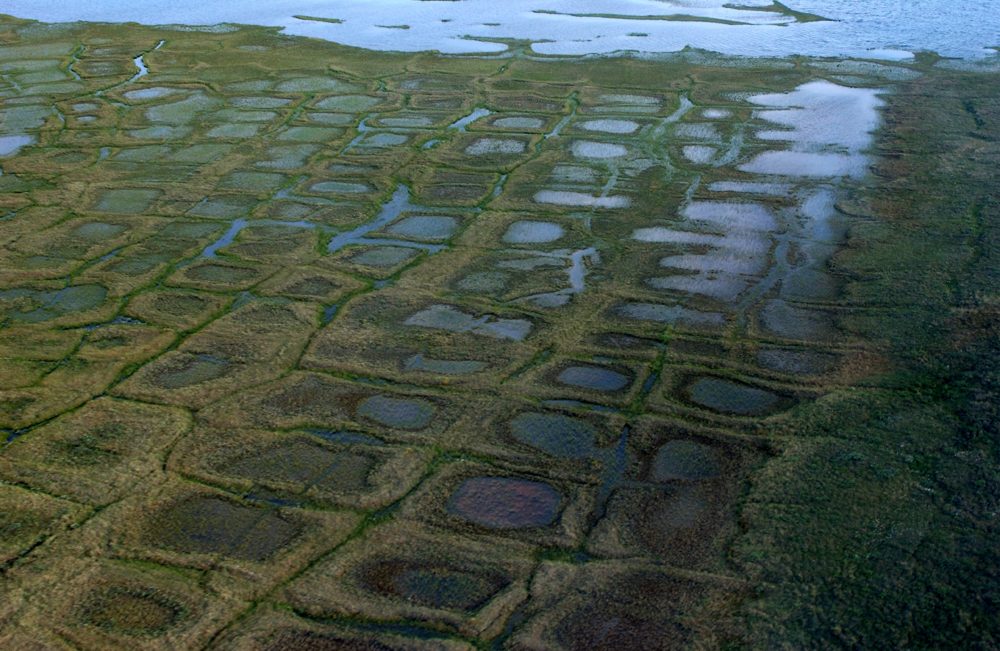

JUNEAU, Alaska — Environmental advocates and an Alaska Native organization launched federal court challenges on Tuesday against the Trump administration’s latest effort to expand oil and gas extraction in Alaska’s National Petroleum Reserve and a scheduled lease auction they claim wrongfully opens protected ecological zones to development.
Two separate federal lawsuits were filed targeting the March 18 lease auction. Earthjustice filed one case in Alaska federal court representing the Center for Biological Diversity and Friends of the Earth. The second lawsuit was submitted in Washington D.C. federal court by The Wilderness Society alongside Grandmothers Growing Goodness, an organization highlighting how oil and gas projects affect Iñupiat communities.
The upcoming auction represents the reserve’s first lease sale since 2019 and the initial one under legislation Congress approved last year mandating a minimum of five lease sales across a decade. The reserve spans an Indiana-sized area on Alaska’s North Slope, serving as home to diverse wildlife including caribou, bears, wolves and millions of migrating birds.
Both legal challenges name the U.S. Department of Interior, U.S. Bureau of Land Management and senior agency leaders as defendants. The Earthjustice filing also targets the U.S. Fish and Wildlife Service. An Interior Department representative was contacted for comment on Tuesday. Both the land management and fish and wildlife agencies operate under Interior’s oversight.
The litigation continues an ongoing dispute over development access within the reserve. The Trump administration’s adopted plan opens approximately 80% of the reserve to oil and gas leasing.
Development advocates point to the petroleum reserve’s designation as evidence drilling should take place there, while opponents maintain the governing law requires balancing extraction rights with environmental protection needs. Alaska Native communities hold varying positions on development, with some North Slope leadership groups endorsing reserve drilling while others worry projects could harm their communities.
The lawsuits contend next month’s proposed lease sale encompasses land parcels near Teshekpuk Lake and the Colville River that were previously classified as special due to their wildlife, subsistence or other important characteristics. The legal filings argue sale documents offer no explanation for including these parcels and show no recognition by the Bureau of Land Management of earlier determinations that these areas should remain off-limits to leasing.
Earthjustice’s lawsuit states the reserve management plan supporting the lease sale “unlawfully removes lands from the Teshekpuk Lake Special Area and eliminates the Colville River Special Area.” The case cites established federal law governing oil and gas development in the reserve that grants the Interior secretary power “to designate special areas for maximum protection of identified significant resource values,” according to the lawsuit. “Congress has not authorized the Secretary to remove lands from or eliminate special areas, especially where those lands still contain the significant resource values that supported their designation.”
Teshekpuk Lake holds the distinction of being Alaska’s largest arctic lake. The Colville River and surrounding wetlands offer nesting grounds for raptors and support subsistence practices for North Slope residents, the lawsuit explains.
The case requests a judge invalidate any leases granted in the upcoming sale and prevent future sales based on what plaintiffs describe as defective environmental assessments and land management strategies.
The second lawsuit seeks a judicial ruling declaring improper an Interior Department official’s decision to cancel a right-of-way permit issued during the Biden administration designed to protect the Teshekpuk caribou herd and habitat across roughly 1 million acres within the special area. It also contests the validity of lease parcels within the now-canceled right-of-way and nearby tracts that overlap caribou habitat and carry high oil and gas development potential according to Bureau of Land Management classifications.