
Scientists studying moon rocks brought back by Apollo astronauts more than 50 years ago have made surprising discoveries about the lunar magnetic field, according to research published Wednesday.
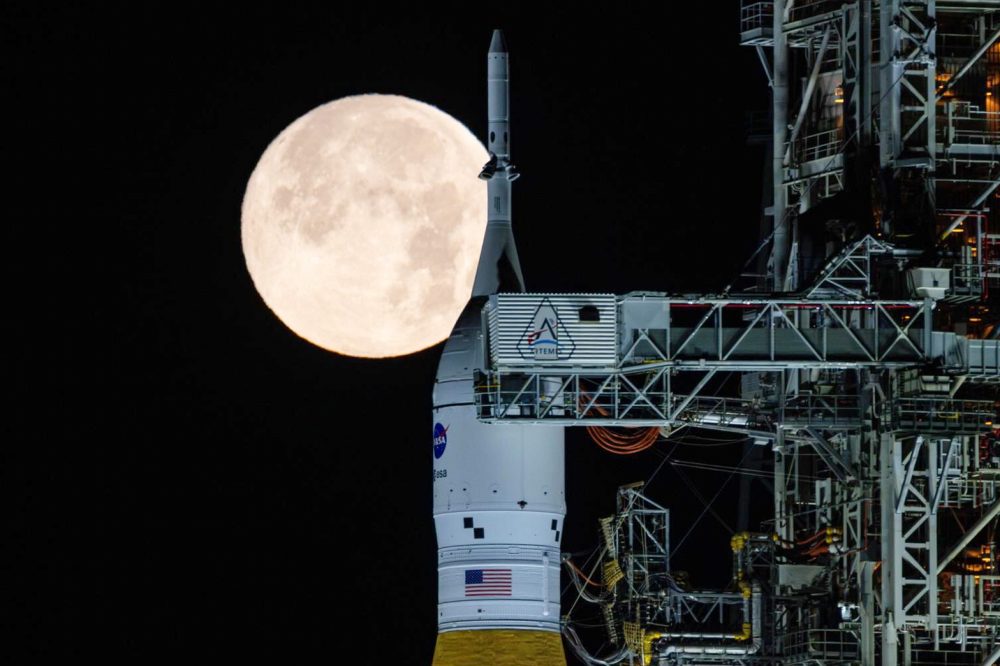
The findings could become even more significant as NASA prepares for its upcoming Artemis missions, with four astronauts scheduled to orbit the moon in a test flight launching as early as April from Kennedy Space Center following recent postponements.
Research conducted by scientists at the University of Oxford reveals that although the moon’s magnetic field remained relatively weak throughout most of its history, it experienced dramatic surges that actually surpassed Earth’s magnetic strength during very brief windows between 3 and 4 billion years ago. The study was published in Nature Geoscience.
These magnetic fields serve as crucial protection from harmful cosmic radiation and, for Earth specifically, dangerous solar particles.
According to lead researcher Claire Nichols, the moon experienced “incredibly short spikes in high magnetic field strength” that lasted at most 5,000 years and potentially as briefly as several decades. These surges resulted from the melting of titanium-heavy rocks located deep beneath the lunar surface.
Earlier scientific theories suggested the moon maintained a consistently strong magnetic field for extended periods, based on analysis of materials collected by Apollo crews between 1969 and 1972. Since Artemis astronauts will explore the moon’s southern polar areas rather than the equatorial lava fields visited during Apollo missions, these new samples are expected to provide additional insights into the moon’s ancient magnetic properties.
The Oxford research team reexamined previous measurements from Apollo specimens and discovered that elevated titanium concentrations matched with preserved evidence of strong magnetic activity. Materials from both the initial and final lunar landings — Apollo 11 and Apollo 17 — contained significant titanium levels.
“We have found a missing link,” Nichols explained via email. She noted that magnetic field strength can be “intermittently really strong and may fluctuate far more than we have traditionally thought.”
The scientists believe Apollo samples don’t accurately represent the moon’s overall composition since they originated from comparable locations rich in titanium that reached the surface through volcanic activity. Upcoming Artemis crews intend to examine ancient rock formations near the south pole, where permanently dark craters are believed to hold frozen water.
According to Nichols, learning about the moon’s magnetic protection throughout history “is critical for thinking about planetary habitability.”