
CAPE CANAVERAL, Fla. — Space agency officials attempted a second fueling trial of their massive lunar rocket on Thursday following hydrogen leaks that disrupted the original practice run and pushed back the first crewed moon mission in over 50 years.
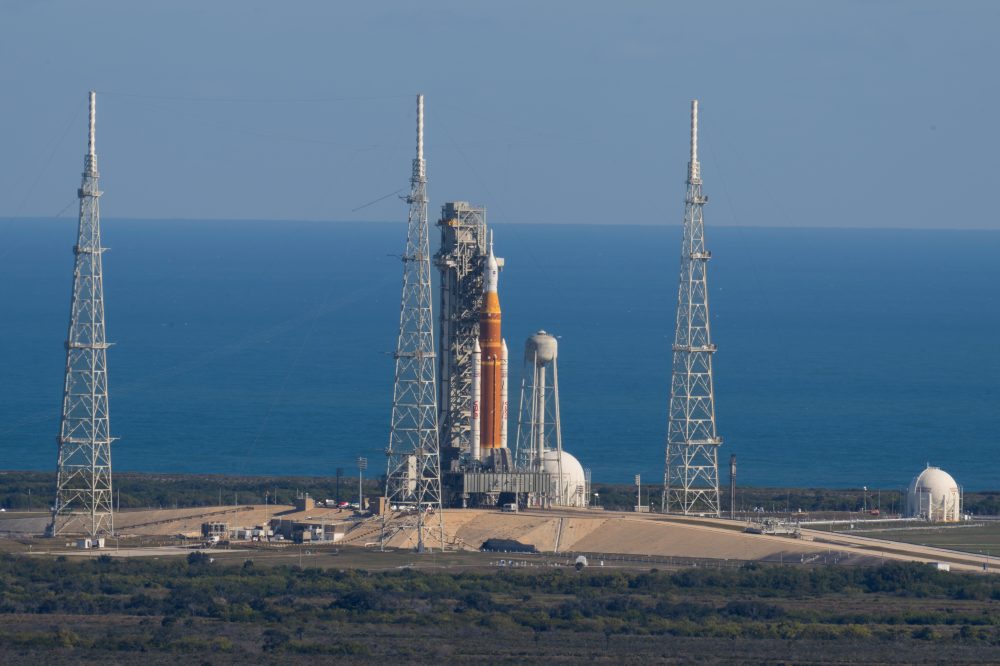
Launch crews started the process of loading more than 700,000 gallons of extremely cold propellant into the towering rocket positioned on its launch platform for the second time this month.
This represents the most crucial and difficult phase of the two-day practice countdown sequence. The results will establish whether a March departure is feasible for the Artemis II lunar mission carrying four crew members.
Two weeks earlier during the practice session, hazardous quantities of frigid liquid hydrogen leaked from connection points linking the launch pad to the 322-foot Space Launch System rocket. Technical teams installed new seals and replaced a blocked filter, hoping these repairs would allow successful completion of the repeated test at Kennedy Space Center.
The space agency will not announce a departure date for the Artemis II mission until this fueling demonstration succeeds. Similar to the previous attempt, the four-person crew consisting of three Americans and one Canadian observed the test remotely.
The earliest possible launch window opens March 6. These astronauts would become the first humans to journey to the moon since Apollo 17 in 1972, completing a 10-day round trip without landing or entering lunar orbit.
The space agency has struggled with hydrogen fuel leakage issues dating back to the space shuttle program, which supplied many of the SLS rocket engines. The initial Artemis test mission without crew members was delayed for months due to hydrogen leaks before successfully launching in November 2022.
Extended gaps between launches make these problems worse, according to NASA’s new administrator Jared Isaacman, a technology entrepreneur who funded his own orbital flights with SpaceX.
Only two months after taking the position, Isaacman has already committed to redesigning the fuel connection systems between the rocket and launch pad prior to the subsequent Artemis III mission. That future launch, planned for several years from now, aims to place two astronauts on the lunar surface near the moon’s south pole.
“We will not launch unless we are ready and the safety of our astronauts will remain the highest priority,” he stated last week on X.