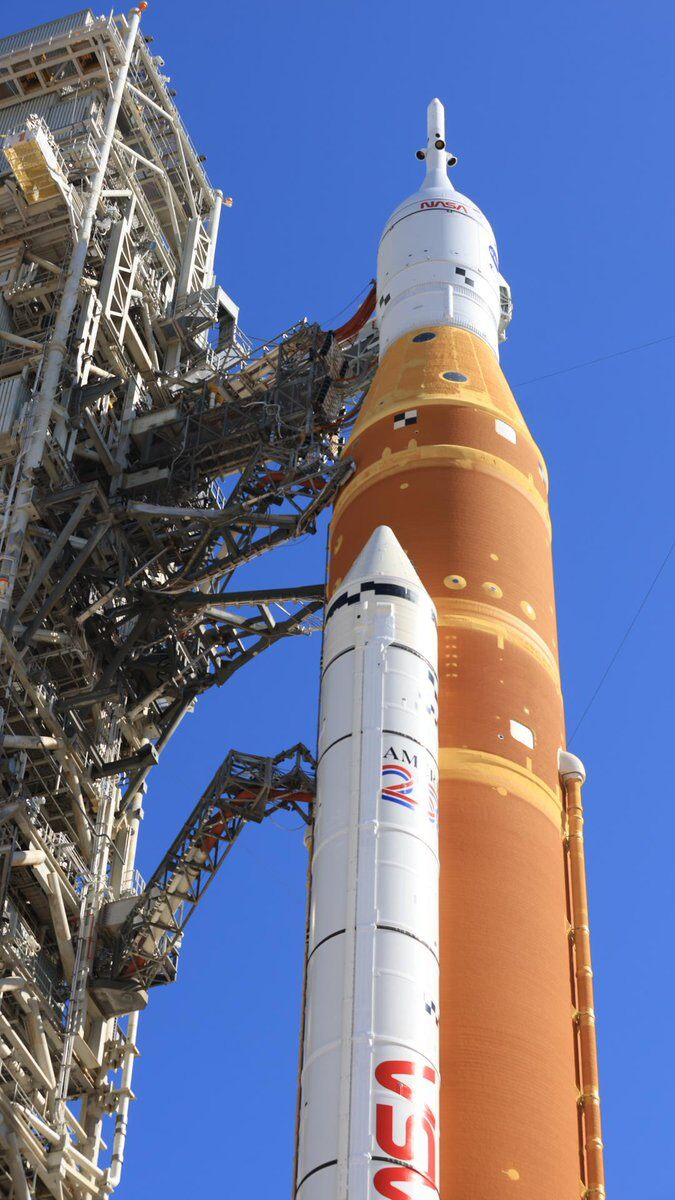

CAPE CANAVERAL, Fla. — Following a successful rocket fueling demonstration, NASA is setting its sights on launching astronauts to the moon in March, marking a historic return to lunar exploration.
NASA Administrator Jared Isaacman announced Friday that ground crews achieved “major progress” comparing the initial countdown rehearsal — which faced hydrogen leak problems earlier this month — to Thursday evening’s second test that concluded without major fuel leakage issues.
Isaacman described the demonstration as “a big step toward America’s return to the lunar environment” in a post on social media platform X.
The space agency could potentially launch the four-person crew aboard the Artemis II mission for a lunar flyby as early as March 6 from Kennedy Space Center in Florida. The crew, consisting of three American astronauts and one Canadian, will begin their required two-week health isolation period Friday evening to maintain scheduling flexibility.
NASA has a narrow five-day window in March to get the crew off the ground using the Space Launch System rocket before postponing operations until April. February launch opportunities were lost after hazardous liquid hydrogen leaks occurred during the initial fueling test.
Engineering teams replaced two sealing components, resulting in Thursday’s successful repeat test. The countdown proceeded smoothly to the target 29-second mark.
While the repairs proved effective, additional tasks remain including completing a flight readiness assessment, according to NASA’s Lori Glaze.
Mission Commander Reid Wiseman and two fellow crew members observed Thursday’s test alongside launch control personnel. These astronauts will become the first humans to journey to the moon since the Apollo 17 mission concluded NASA’s original lunar exploration era in 1972.