If you’ve ever shopped for groceries in certain countries, you may have noticed large black warning symbols plastered on food packaging. Known as front-of-package labels, or FOPLs, these markings are designed to alert consumers when a product contains elevated levels of added sugar, sodium, or saturated fat. The goal is to encourage healthier eating — but critics say the system is deeply flawed, often flagging a carton of whole milk or chocolate milk with warning signs while leaving a can of diet soda untouched.
When a public health policy ends up discouraging people from eating genuinely nutritious foods, something has gone wrong. That’s the argument being made by the National Milk Producers Federation and the U.S. Dairy Export Council, who say these labeling systems misrepresent dairy’s well-documented health benefits and threaten demand in key export markets — ultimately hurting American dairy farmers.
Three Major Battles in Latin America
The most active regulatory fights are currently playing out across Latin America.
In Chile — a market that generated $100 million in U.S. dairy exports last year — a front-of-package labeling requirement has been in place since 2019. Under that system, milk, yogurt, and cheese that exceed government thresholds for calories, saturated fats, sugars, and sodium must carry prominent warning labels. The National Milk Producers Federation and the U.S. Dairy Export Council have been teaming up with the Chilean Federation of Milk Producers to seek exemptions specifically for dairy products and to bring the labeling rules in line with Chile’s own dietary guidelines, which acknowledge dairy’s health value.
In Colombia, a market worth $183 million in U.S. dairy exports last year, regulators are considering a draft proposal that could classify most dairy products as “ultra-processed” — simply because making them involves certain processing steps or added functional ingredients. The two organizations filed formal comments with Colombian officials last month and are working alongside Colombian dairy industry partners to push for exemptions for nutrient-rich dairy foods.
In Mexico, the effort has been ongoing for six years. That market represents $2.6 billion in dairy exports, making the stakes enormous. The work there has focused on shaping Mexico’s labeling regulations in a more reasonable direction and preventing a final regulatory phase that could have banned many dairy products from publicly funded settings such as schools and hospitals.
Getting Policymakers Up to Speed on the Science
Changing policy requires more than advocacy — it requires educating the people who write the rules. To that end, the U.S. Dairy Export Council, with backing from the National Dairy Council and the National Milk Producers Federation, organized the NutriLact Congress 2026, a dairy nutrition conference held this past February in Lima, Peru. The event drew more than 300 scientists, health officials, policymakers, and other participants from 17 countries across Latin America. The conference made the case that dairy products play a unique role in filling nutritional gaps at every stage of life — from pregnancy and early childhood all the way through healthy aging.
What This Means for Dairy Farmers
A warning label on a block of cheese sold overseas might seem like a faraway concern, but the ripple effects are real. Reduced demand in export markets affects the bottom line for dairy farmers everywhere. The National Milk Producers Federation and the U.S. Dairy Export Council say they are committed to ensuring American dairy isn’t unfairly branded with misleading warning symbols. Through regional partnerships and educational initiatives like NutriLact, the industry is working to build the long-term relationships needed to win this global labeling fight.
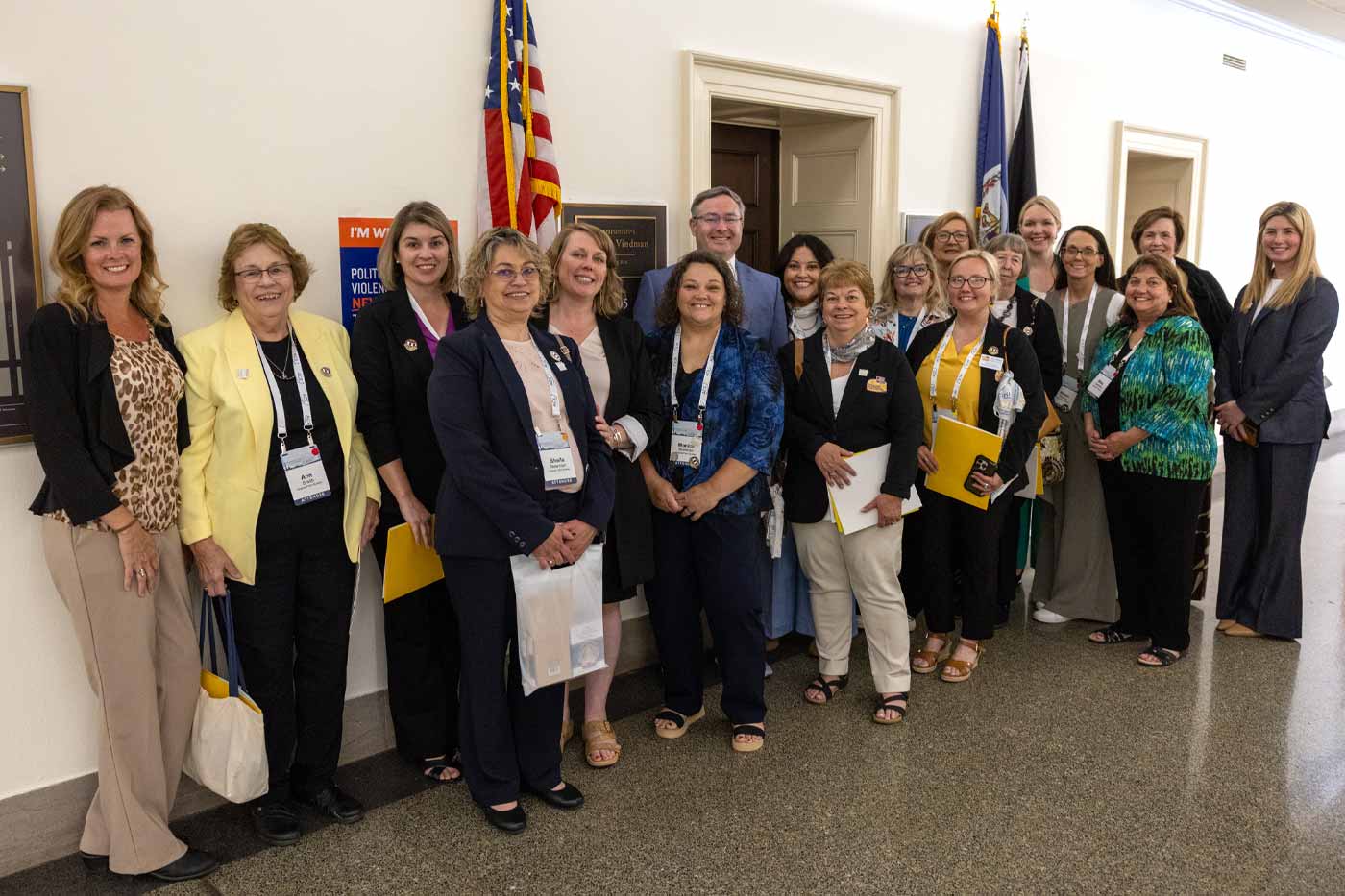
RICHMOND — Twenty-one members of the Virginia Farm Bureau Federation’s Women’s Leadership Committee traveled to the Washington, D.C. area earlier this month to take part in a major national gathering for women in agriculture.
The biennial ACE Summit — which stands for Advocate, Cultivate, Empower — drew approximately 450 attendees from across the United States and beyond for three days of leadership training, advocacy workshops and networking from June 1-3 in Arlington and Washington, D.C. This year’s event also served as a celebration of the United Nations’ International Year of the Woman Farmer, honoring the contributions women make to farming, agribusiness and the global food supply.
“It was incredible to have such a large cohort of Virginia women representing us at the summit, especially during the IYWF,” said Faye Hundley, chair of the VFBF Women’s Leadership Committee. “The caliber of speakers and workshop topics made for a thought-provoking and educational experience that empowered women to see their value.”
Over the course of the three-day event, attendees explored the history and importance of the UN’s International Year of the Woman Farmer and examined the obstacles and possibilities women in agriculture encounter worldwide. Sessions covered emerging trends in global farming, the growing role of technology in agriculture, and ways to effectively communicate agriculture’s story to consumers, policymakers and local communities.
Notable speakers at the summit included Sarah Frey, CEO and founder of Frey Farms; Alexis Taylor, chief global policy officer of the International Fresh Produce Association; and Krysta Harden, president and CEO of the U.S. Dairy Export Council.
For Jennifer Bryington of Orange County Farm Bureau, the summit was her first ACE experience — and one that left a lasting impression after connecting with agriculture professionals from countries including Ireland and Sweden.
“I attended workshops that stretched my thinking, but it was the conversations in between that stayed with me the most,” she said. “I heard stories of loss and resilience; and stories of women who kept showing up after droughts, hardships, heartbreak, financial struggles and unimaginable challenges. It reminded me of why our work matters so much.”
A major highlight of the summit was the unveiling of the American Farm Bureau Federation’s National Women in Agriculture Study, offering an in-depth look at women’s roles throughout U.S. agriculture. The study found that 90% of those surveyed felt confident speaking about agriculture in public or professional settings and expressed interest in taking on leadership roles. It also pointed to areas where greater support is needed, including caregiving responsibilities, skill-building, leadership involvement, financial planning and personal well-being.
On the final day, attendees turned their training into action, heading to Capitol Hill to meet directly with lawmakers. The Virginia delegation sat down with Reps. John McGuire, Eugene Vindman, Jen Kiggans and Ben Cline, sharing firsthand accounts of the challenges facing Virginia’s agricultural communities — including the toll this year’s severe weather has taken on the state’s crops.
Franklin County Farm Bureau member Monica Bowman said the experience reinforced the power of personal storytelling in the political arena.
“Our stories are more than personal experiences — they are powerful tools for shaping policy, building understanding and strengthening agriculture,” she said.
Sheila Newman of Carroll County Farm Bureau agreed, calling the summit a “unique opportunity” to learn from fellow advocates and speak up for farming communities. “I returned home with new knowledge, valuable connections, and a renewed appreciation for the important role women play in agriculture,” she said.
The full Virginia delegation included Candace Monaghan of Botetourt County; Sheila Newman of Carroll County; Aimee Adams of Charlotte County; Roxanne Stonecypher of Chesapeake; Faye Hundley of Essex County; Monica Bowman and Morgan Washburn of Franklin County; Stacy Richardson of King & Queen County; Kelsey Trainor of King George County; Elizabeth Dzula of Essex County; Jennifer Bryington, Katelyn Burner and Melissa Chambers of Orange County; Ginger Shotwell of Pittsylvania County; Ann Smith of Rockbridge County; Ashley Kuhler of Shenandoah County; Sarah Gillsespie of Smyth County; Cutler Blankenship and Amber Compton of Spotsylvania County; and Julia Stephens of Wythe County.
Members of the Virginia Farm Bureau Women’s Leadership Program work to support agriculture — the state’s largest industry — through community education, local outreach initiatives and advocacy on behalf of Farm Bureau policies.
Listen to the Morning Delmarva Farm Report Update — June 16, 2026
DELMARVA — Maryland farmers devastated by an April freeze have secured federal relief after the USDA issued a Secretarial Disaster Declaration following a severe freeze event on April 21.
Temperatures plunged into the low 20s°F after weeks of unusually warm weather, catching perennial crops as they emerged from dormancy. Crop losses far exceeded the 30% threshold required for federal assistance. Governor Moore formally requested the declaration at the end of May, citing millions of dollars in labor and maintenance costs farmers face simply to keep long-term perennial plantings alive — even with no harvestable crop this season. The freeze also struck during an active drought, compounding damage across multiple counties.
Trade
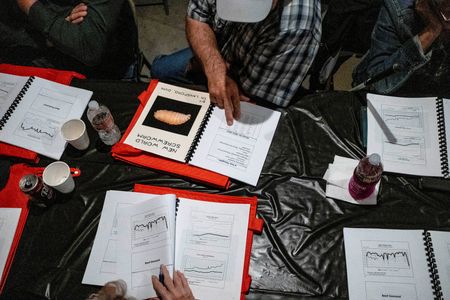
Both Canada and Mexico have placed restrictions on live cattle imports from the United States following a New World screwworm detection on U.S. soil. An agricultural economist at the University of Tennessee noted that trade ties with Mexico may make those restrictions especially significant, as the U.S. sends more cattle there than to Canada. Operations spanning multiple states could face the greatest disruption.
Regional
Rising fuel costs are squeezing Delmarva watermen and driving crab prices higher this season. Diesel ranks among the largest overhead expenses for working vessels, and those costs are being passed through the supply chain directly to consumers.
Markets
Monday closing prices showed July corn settling at $4.15½ per bushel. July soybeans closed at $11.19¼ per bushel. July Chicago wheat finished at $5.89¾ per bushel. At Laurel Grain Company in Laurel, December corn is bringing $4.55 per bushel.
Forecast
Tuesday brings sunny skies with a high of 78°F and light winds out of the west — favorable conditions for field work. Wednesday calls for a chance of showers and thunderstorms with a high of 83°F.
This article is based on the Delmarva Farm Report Update Morning Edition, June 16, 2026. Hosted by Tom Bradley.
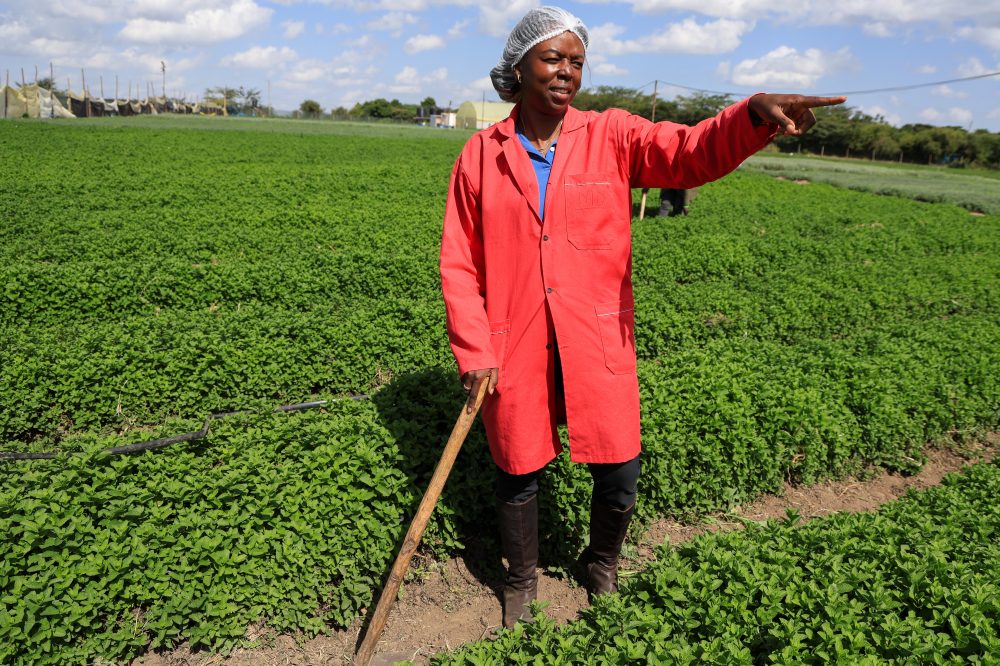
NAIROBI, Kenya — Kenyan farmer Yvonne Anyonyi Mumiah starts her mornings walking through rows of rosemary, basil, and other herbs and vegetables bound for grocery shelves in Europe. Not long ago, she lived with the constant fear that heat or delayed transportation would ruin her harvest before it ever reached a buyer. Today, she counts on a solar-powered cold storage service to keep her produce in prime condition.
The service she uses is provided by a cold-chain company called SoKo Fresh, which charges farmers based on how many kilograms of produce they store — a pay-as-you-go approach that’s part of a broader movement across the African continent. The goal is to tackle one of farming’s most stubborn problems: food spoilage before it ever reaches consumers.
According to the Food and Agriculture Organisation, as much as 40% of the food grown in Africa is lost somewhere between the farm and the marketplace, with poor storage, transportation, and processing infrastructure bearing much of the blame.
Solar-powered cold rooms, off-grid warehouses, and cooling centers are giving farmers and traders a way to keep perishable goods fresh without depending on costly or unreliable electrical grids. This approach is picking up steam in Kenya, Nigeria, Ethiopia, Rwanda, and South Africa.
“The biggest challenge was preserving the quality after harvest,” Mumiah said. Like many smallholder farmers, she could not afford the approximately $30,000 price tag for her own solar cold storage unit.
“You can do everything right on the farm, but if the produce is not stored properly, you lose both the product and income,” she explained. She also pointed to the freedom cold storage gives her: “We are no longer forced to sell immediately because we fear the produce will spoil. We can wait for collection and still maintain quality.”
Climate change, rising temperatures, and disruptions to supply chains are putting increasing pressure on food handling systems worldwide, making cooling technology more essential than ever.
In countries like India, China, Japan, the Netherlands, and the United States, well-developed cold-chain networks can keep fresh produce marketable for weeks at a time. Across much of Africa, however, many farmers have no access to cooling facilities and are forced to sell their crops right after harvest — often at a loss.
The problem grows worse as temperatures climb, since intense heat speeds up the spoilage of vegetables, fruits, dairy, and fish. Unreliable electricity makes traditional refrigeration too expensive or simply impractical in many rural communities.
“Cold storage remains one of the missing links in Africa’s agricultural value chains,” said Emmanuel Aziebor, regional director for Africa at CLASP, a nonprofit that promotes energy-efficient appliances and technologies for productive use.
“When farmers can store produce for longer, they gain access to better markets, reduce waste and increase incomes,” he added.
SoKo Fresh reports that it has reduced spoilage rates for its clients from as high as 50% down to less than 2%, while also helping farmers earn up to 50% more per kilogram of produce.
In Nigeria, companies such as ColdHubs have set up solar-powered walk-in cold rooms at major farming markets, letting farmers and traders pay for daily rental space rather than purchasing costly equipment outright. In Rwanda, solar refrigeration is being used to support dairy cooperatives and improve how milk is collected and stored. In Ethiopia, cold-chain investments are growing to support horticultural exports, one of that nation’s fastest-developing agricultural sectors.
Analysts say these kinds of innovations are becoming critical as African nations work to strengthen food security while also working to reduce greenhouse gas emissions.
Conventional cold storage systems frequently rely on diesel generators, especially in areas where the power grid is inconsistent. Solar-powered options can reduce both fuel use and operating expenses while producing fewer emissions.
Still, experts suggest the most significant benefit may be economic rather than environmental. For years, development work across Africa has centered heavily on expanding access to electricity. While many households have gained power, far less attention has gone toward making sure people can actually use that electricity to earn a living.
“We have neglected the conversation around how people can turn electricity into opportunity,” Aziebor said. “We keep extending electricity infrastructure, but unless people can use that power productively, the economic benefits never fully materialize.”
Throughout Africa, solar-powered irrigation systems are making year-round farming possible. Solar-powered milling machines and other processing equipment are helping rural communities add value to what they grow right where it’s produced.
Funding, however, continues to be a significant hurdle.
“The challenge today is not demonstrating that these systems work,” said Carol Koech, vice president for Africa at the Global Energy Alliance for People and Planet. “It is building enough bankable projects that can attract larger pools of investment and scale across countries.”
Grants, low-interest loans, and donor contributions can help offset startup costs, but industry insiders say drawing in substantial commercial investment remains difficult because many agricultural markets are fragmented and made up largely of small-scale producers.
“These investors see emerging technologies as high risk because we lack enough proven business models with reliable returns,” said SoKo Fresh CEO Denis Karema. “That makes funding for our type of projects expensive.”
Listen to the Evening Delmarva Farm Report Update — June 15, 2026
DELMARVA — Soybean producers across Delmarva are being asked to vote on a proposed change to crop insurance that could significantly strengthen coverage for full-season growers.
The referendum, developed by the University of Delaware Extension, the USDA Risk Management Agency, and regional crop insurance providers, would split soybeans into 2 separate designations: NFAC (not following another crop) and FAC (following another crop). Currently, both types fall under a single policy, and the blended yield average pulls coverage down for full-season beans.
Extension farm business management specialist Nate Bruce analyzed the numbers on a hypothetical Sussex County farm. Separating the designations could boost liability coverage by more than $100/acre while adding roughly $8 to the premium. Bruce described that as a substantial increase in the safety net.
Markets
Grain futures closed higher across the board Monday. July corn settled at $4.15½, up nearly 3 cents. July soybeans closed at $11.19¼, a gain of nearly 6 cents. July Chicago wheat finished at $5.89¾. On the livestock side, August live cattle settled at $243.25, up over $2.
At Laurel Grain Company in Laurel, Delaware, corn for July delivery is bringing $4.61/bu, and soybeans for July are at $10.60.
USDA’s Crop Progress report shows corn is 100% planted nationally, with 68% rated good to excellent. Soybeans are at 95% planted, slightly ahead of the 5-year average.
Forecast
Monday evening will remain sunny with temperatures near 80°F and northwest winds at 15 mph. Overnight skies will clear, with a low of 59°F. Tuesday looks favorable for fieldwork, with sunny skies, a high of 78°F, and light winds. A coastal flood advisory is in effect through early Tuesday morning.
This article is based on the Delmarva Farm Report Update Evening Edition, June 15, 2026. Hosted by Tom Bradley.
The U.S. Department of Agriculture’s National Agricultural Statistics Service, known as NASS, has released its latest Crop Progress and Condition estimates.
The report offers a regular snapshot of how crops are faring across the nation, giving farmers, analysts, and agricultural officials a look at current growing conditions and development stages.
These periodic updates from NASS are used widely in the agricultural community to monitor crop health and progress throughout the growing season.
The Maryland Department of Agriculture has announced the launch of a new grant program intended to help urban farms and community gardens expand and thrive throughout the state.
The program was announced June 15, 2026, from Annapolis, and is designed to increase community access to fresh, healthy food produced through sustainable agricultural practices.
Officials say urban farms and community gardens are already making a difference in neighborhoods, and this new funding is meant to build on that momentum.
The most recent turkey hatchery data shows a slight increase in eggs currently being incubated, even as the number of young turkeys hatched and placed during May declined compared to a year ago.
As of June 1, the number of eggs sitting in incubators was up 1 percent from the same point last year, suggesting some optimism among producers heading into the summer months.
However, the number of poults — newly hatched young turkeys — that came out of hatcheries during the month of May was down 4 percent from May of last year. The number of net poults placed during that same period also dropped by 4 percent year-over-year.
The figures were released by the U.S. Department of Agriculture’s National Agricultural Statistics Service.
The National Milk Producers Federation has published a mid-year data update covering highlights from the dairy industry in 2026.
The report, titled “2026 Dairy Data Highlights: Mid-Year Update,” was released through the federation’s official channels. The full details and specific figures from the report were not included in the available release summary.
For the complete breakdown of mid-year dairy statistics and industry trends, the full report is available through the National Milk Producers Federation.
Community-supported agriculture — commonly called CSA — has been a cornerstone of the local food movement for decades. The basic concept is straightforward: a customer pays a farm at the start of the season, and in exchange, they receive regular shares of freshly grown produce throughout the harvest period.
But as consumer habits and preferences continue to shift, some farmers are finding that the traditional CSA structure no longer fits every customer’s lifestyle. In response, growers are experimenting with updated versions of the model designed to give buyers more flexibility and choice.
These changes reflect a growing recognition among farmers that meeting customers where they are — both literally and figuratively — may be key to keeping community-supported agriculture relevant and sustainable in today’s marketplace.
Listen to the Morning Delmarva Farm Report Update — June 15, 2026
DELMARVA — An ammonia leak at a Perdue processing facility in Milford sent 9 people to the hospital Sunday morning. Officials say approximately 68 pounds of anhydrous ammonia escaped into the air at the plant, triggering an emergency response and medical treatment for those affected.
Food Safety
Maryland health officials have expanded a listeria warning to cover every cheese product made at Clover Hill Dairy in Mechanicsville, Maryland. The state had already suspended the facility’s operating license on May 30 and issued a narrower advisory on June 3 covering only the requesón and soft ricotta. That warning now covers the dairy’s entire cheese lineup.
Products are sold at farmers markets and through distributors across Maryland, Virginia, and several other states. Consumers should check packaging for manufacturer permit number 24-128. Any Clover Hill Dairy cheese should be discarded immediately.
Markets
At Laurel Grain Company in Laurel, Delaware, corn on the December contract is $4.51/bu. July corn is $4.53/bu. November soybeans are $10.79/bu, and July beans are $10.50/bu.
Forecast
Conditions Monday look favorable for fieldwork, with sunny skies, highs near 80°F, and northwest winds of 10-15 mph. A coastal flood advisory runs until 2 a.m. Tuesday for inland Sussex County and Delaware beaches, with minor tidal flooding possible on low-lying roads. Tuesday will remain clear and sunny with highs near 76°F.
This article is based on the Delmarva Farm Report Update Morning Edition, June 15, 2026. Hosted by Tom Bradley.
Listen to the Evening Delmarva Farm Report Update — June 13, 2026
DELMARVA — Rootless corn syndrome has emerged as a major problem for growers this week as extreme weather conditions create ideal circumstances for the condition’s spread.
Robby Meeker, an agronomy manager with Wyffels Hybrids overseeing operations across eastern Illinois and Indiana, says extreme weather in June has severely impacted crop development. The combination of excessive heat, drought conditions, and persistent strong winds created a perfect storm for the syndrome’s spread. The condition has plagued corn crops across multiple states this growing season.
Drought has devastated hay crops across the region. Rosemary Life, an associate Extension agent in Rockingham County, Virginia, reports producers there saw first cutting yields at just 40% of normal. That shortfall comes on the heels of a long harsh winter that already strained hay supplies. Many farmers went into spring with fewer reserves than usual after feeding livestock through extended snow cover. Even if weather improves, the reduced first cutting means there will be less hay available heading into fall and winter.
Markets
Friday’s close saw corn finish steady to firm while soybeans and wheat weakened. Soybeans faced pressure from fund and technical selling. Locally, corn at Laurel Grain Company in Laurel, Delaware is bringing $4.58 a bushel for July delivery. Soybeans there are $10.54 for July.
Forecast
Saturday afternoon will reach 83° with sunny skies. Tonight drops to 69° and partly cloudy. Sunday brings 80° with partly sunny skies, then a slight chance of showers and thunderstorms.
This article is based on the Delmarva Farm Report Update Evening Edition, June 13, 2026. Hosted by Tom Bradley.
Listen to the Morning Delmarva Farm Report Update — June 13, 2026
DELMARVA — Corn farmers across multiple states are dealing with rootless corn syndrome this growing season, according to agricultural experts monitoring the situation. Robby Meeker, an agronomy manager with Wyffels Hybrids overseeing eastern Illinois and Indiana, says extreme heat, drought, and persistent strong winds in June created a perfect storm for crop damage. The syndrome is affecting corn development in numerous locations across key farming regions.
Markets
Yesterday’s grain session showed mixed results. Corn finished steady to firm while soybeans and wheat weakened. Fund and technical selling pressured soybeans, extending weekly losses. Argentina’s harvest stands at 95% complete. Export sales data showed no significant developments in overseas demand.
Locally, corn at Laurel Grain Company in Laurel, Delaware is bringing $4.58 a bushel for July delivery. Soybeans there are running $10.54 for July.
Livestock
In Virginia, severe drought is hammering cattle producers. The Virginia Cattlemen’s Association has organized a drought sale next month for producers without adequate pasture or hay. A 2nd sale is planned for July 14 for calves. Hay prices have hit unprecedented levels as first cutting yielded only 1/3 to 1/2 of normal amounts. 48 Virginia localities are now declared drought disaster areas.
Forecast
Today looks sunny with highs reaching 85°. Tomorrow brings mostly sunny skies and 82°, with a slight chance of showers and thunderstorms developing later.
This article is based on the Delmarva Farm Report Update Morning Edition, June 13, 2026. Hosted by Tom Bradley.
Listen to the Evening Delmarva Farm Report Update — June 12, 2026
DELMARVA — Corn farmers across multiple states are battling rootless corn syndrome this growing season as extreme weather conditions create ideal circumstances for the problem to spread. An agronomy manager with Wyffels Hybrids says the combination of excessive heat, drought conditions, and persistent strong winds in June has severely impacted crop development.
Markets
Grain trading showed mixed results Friday. Corn finished steady to firm while soybeans and wheat weakened. Soybeans faced pressure from fund and technical selling, extending weekly losses. Argentina’s harvest stands at approximately 95% completion.
At Laurel Grain Company in Laurel, Delaware, corn for July delivery is bringing $4.58 per bushel. Soybeans for July are at $10.54.
Livestock
Severe drought is hammering Virginia cattle producers. The Virginia Cattlemen’s Association has organized a drought sale next month for producers who cannot sustain their herds. One Orange County farmer says this is the driest spring he has ever seen. First cutting hay yielded only 1/3 to 1/2 of typical amounts. Virginia Cooperative Extension warns hay will be extremely difficult to locate.
Outlook
An agriculture expert warns the current El Niño weather pattern could increase crop disease pressure this summer. A crop protection specialist with Syngenta says El Niño typically brings above-normal moisture to southern areas while northern states see higher temperatures.
Forecast
Showers and thunderstorms are possible Friday evening with temperatures dropping to 69° overnight. Saturday looks sunny with a high of 82°. Sunday brings more sun early, then showers and thunderstorms are likely.
This article is based on the Delmarva Farm Report Update Evening Edition, June 12, 2026. Hosted by Tom Bradley.
Agricultural producers experienced a notable decline in peanut compensation during the first week of June, according to new pricing data.
Farmers received an average of 22.0 cents per pound for all farmer stock peanuts during the week that concluded on June 6, representing a decrease of 2.7 cents from the prior week’s rates.
The pricing information reflects what growers earned for their peanut crops during that specific seven-day period.
Listen to the Morning Delmarva Farm Report Update — June 12, 2026
DELMARVA — Federal agriculture authorities confirmed that New World screwworm has arrived in the United States, with USDA’s Animal and Plant Health Inspection Service documenting the first case on June 3 in a 3-week-old calf in southern Texas. By Tuesday, officials had verified 6 total cases — 5 in Texas livestock and 1 involving a dog in New Mexico. The parasitic pest poses a serious threat to livestock operations nationwide.
Markets
Cattle futures posted strong gains at the Chicago Mercantile Exchange. August live cattle closed up $1.17 at $242.67 per hundredweight. October contracts climbed even higher, up $1.70, closing at $235.40. Feeder cattle saw the biggest jump — August contracts surged $5.27 to close at $359.65. Corn futures declined, giving feeders extra momentum.
For local cash grain, corn at Laurel Grain Company in Laurel, Delaware is bringing $4.54 a bushel for July delivery. Soybeans there are $10.82 for November delivery.
Forecast
The region is under a heat advisory today with highs near 89° and a chance of afternoon showers and thunderstorms. Patchy fog early then mostly cloudy conditions are expected. Saturday looks better — sunny skies with highs in the mid 80s and lower humidity moving in.
This article is based on the Delmarva Farm Report Update Morning Edition, June 12, 2026. Hosted by Tom Bradley.
Listen to the Evening Delmarva Farm Report Update — June 11, 2026
DELMARVA — Continuous rainfall across the Midwest is leaving soybean farmers racing against the calendar as saturated soils prevent field access. Don Wyss, who farms corn and soybeans in northeast Indiana, says they’re struggling with too wet conditions and aren’t done with soybean planting yet. Kyle Durham, farming east of Kansas City in Missouri, reports similar delays due to persistent moisture.
Markets
Livestock futures posted strong gains Thursday at the Chicago Mercantile Exchange. August live cattle finished $1.17 higher at $242.67 per hundredweight. October live cattle jumped $1.70 to $235.40. Feeder cattle saw the biggest gains, with August contracts surging $5.27 to close at $359.65.
Crop Production
Winter wheat production continues to shrink. USDA revised its estimate down to 1.03 billion bushels Thursday, a 2% drop from May and 27% below last year. Yields are now pegged at 46.8 bushels per acre.
Policy
USDA is redirecting money from a canceled food program to help fund the $1.3 billion screwworm eradication campaign, according to Agriculture Secretary Brooke Rollins.
Forecast
The local area reached 86° this afternoon under partly sunny skies. Tonight brings a chance of showers and thunderstorms with a low of 72°. Friday looks mostly sunny, high near 88°, then a slight chance of storms Friday night. A Heat Advisory remains in effect through Friday evening.
This article is based on the Delmarva Farm Report Update Evening Edition, June 11, 2026. Hosted by Tom Bradley.
Agriculture Secretary Brooke Rollins observed the release of sterile flies designed to combat the New World screwworm during a Thursday visit to a Texas ranch where one of the initial cases was discovered. This parasite poses a serious threat to America’s cattle industry.
During her visit, she reiterated her claim that the previous administration under former President Joe Biden bears responsibility for the parasite’s reappearance in the United States after being eliminated six decades ago. Democratic officials counter that budget reductions to the agriculture department during President Donald Trump’s tenure are the real culprit.
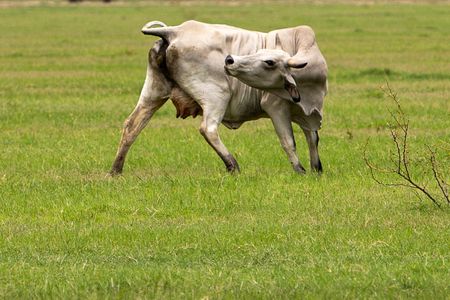
According to Rollins, screwworms are developing into a billion-dollar global crisis, though containment remains possible if ranchers stay alert, monitor their livestock and wildlife, and address infestations promptly. She indicated the calf where screwworms were discovered six days prior in its umbilical cord wound area.
“He couldn’t be happier. He’s bouncing around the pasture,” Rollins said.
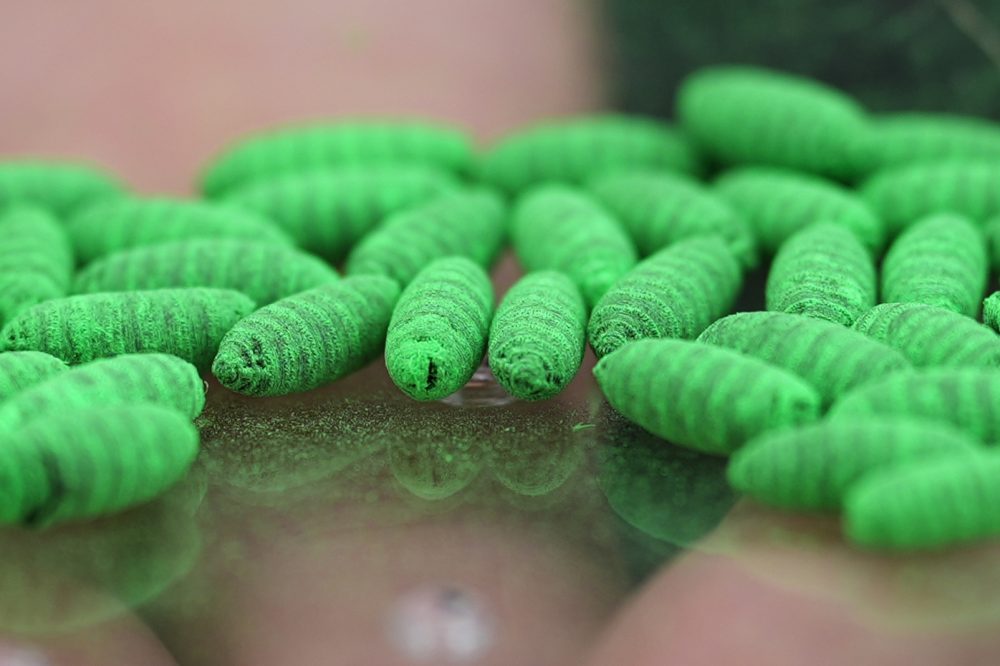
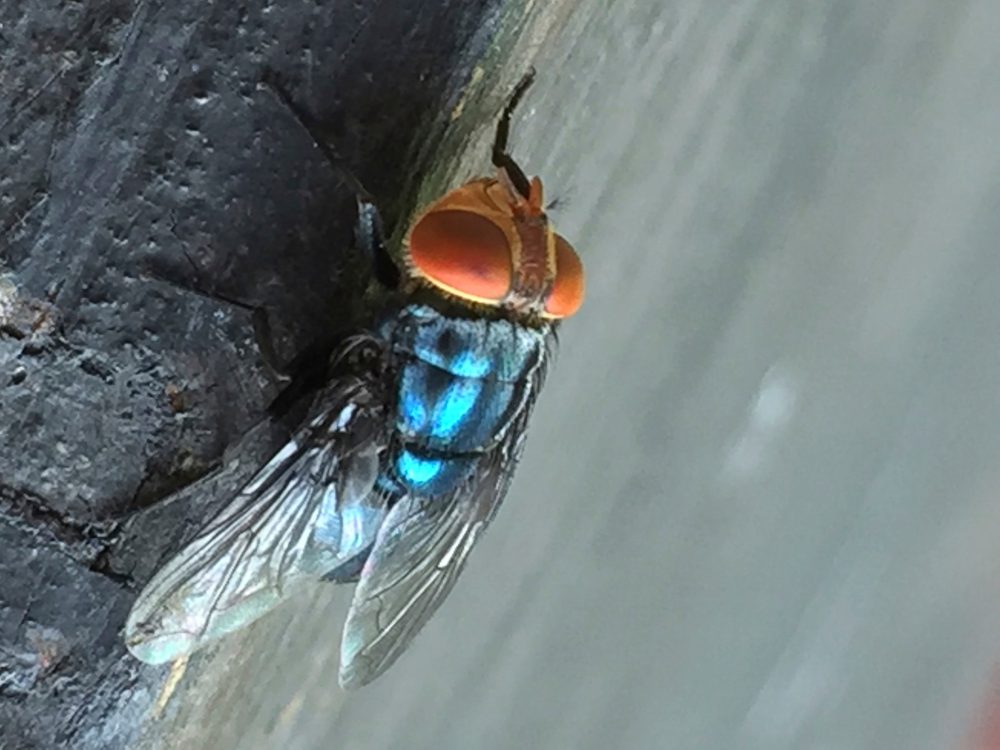
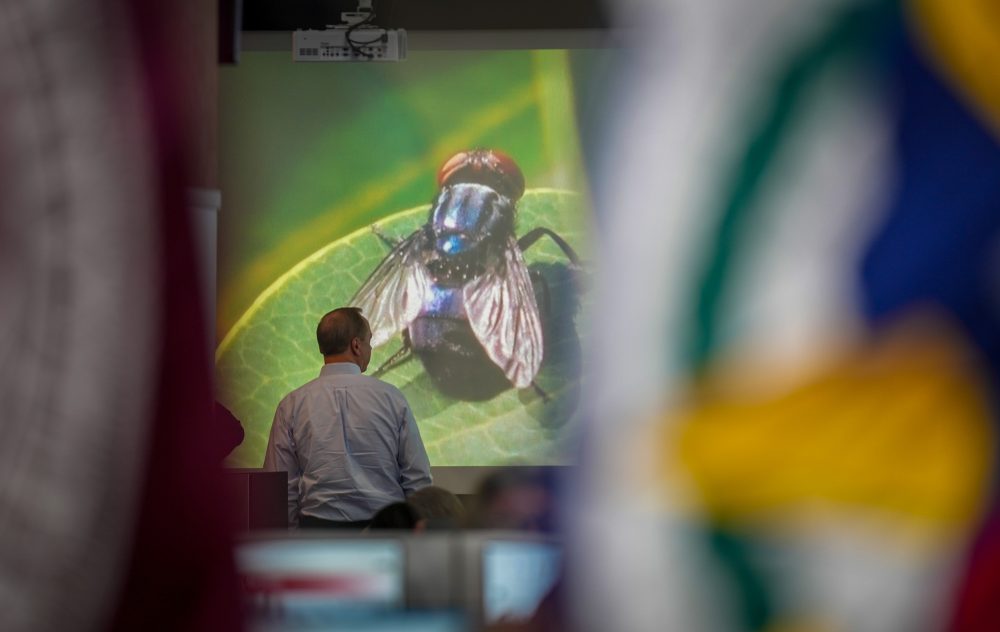
These parasitic flies deposit eggs in open wounds of warm-blooded creatures and consume living tissue instead of dead matter. Researchers indicate that releasing sterile flies to breed with females represents the most successful population control method, a tactic proven effective for decades. Rising global temperatures are complicating containment efforts by expanding suitable habitats for screwworms, which flourish in hot, humid conditions.
The U.S. Department of Agriculture is organizing a comprehensive campaign against the screwworm, which had been restricted to Panama’s narrow isthmus for decades.
Regardless of the underlying cause, pushing screwworms southward and preventing their return will require significant funding. The USDA projects spending more than $1 billion on protecting cattle herds and other livestock.
Approximately $750 million will fund construction and operation of a facility capable of producing up to 300 million sterile flies weekly. This established technique works because female screwworms mate only once, so pairing with a sterile male results in non-viable eggs and declining populations.
The objective is safeguarding the U.S. cattle industry. Specialists believe the parasite shouldn’t immediately drive up already near-record beef prices provided it doesn’t escalate into a widespread outbreak killing large numbers of cattle. Screwworms don’t compromise food safety.
The parasite has already disrupted Mexico’s beef industry. The U.S. shut down southern ports to Mexican livestock last summer.
Mexico has recorded over 28,000 screwworm cases since the flies returned two years ago, primarily concentrated in southern states. The Mexican government halted importation of nearly all live animals from the U.S. after screwworms were found here.
The U.S. had remained virtually screwworm-free for 60 years, with researchers across North and Central America eventually confining it to Panama’s containment zone. However, in 2023, the flies reemerged and started migrating northward.
Specialists say screwworms will persist at least through this summer. Seven cases have been identified in Texas and New Mexico. A 12-mile quarantine zone is established around each confirmed case location.
While working toward solutions, researchers remain uncertain about what caused screwworms to leave their confined Panama region.
“I don’t have the answer to that one, and I don’t know if anyone does. It doesn’t help us to speculate,” said Jonathan Cammack, a professor of livestock entomology and parasitology at Oklahoma State University.
The priority now involves expanding the sterile fly program and securing international cooperation to push the pests back to Panama, he explained.
Climate change is also contributing to screwworm expansion, said Lee Haines, an associate research professor of biological sciences at the University of Notre Dame.
“The fly is a creature of warmth as its entire life cycle, from egg to adult, can complete in as little as three weeks under tropical conditions,” Haines said.
Even Canada has temporarily halted livestock imports of cattle, horses and other animals from Texas. The parasites favor humid regions with temperatures of at least 77 F (25 C), and such conditions are becoming more common further north.
While Rollins rapidly implements a billion-dollar screwworm response, she has also criticized the Biden administration, pointing out it held office as the parasite resumed its northward movement.
She attributed the flies’ presence to animals accompanying or following immigrants traveling north, as well as transportation with cattle and other livestock sold by Mexican cartels outside official markets.
“Tens of millions of people moving north to America, bringing their livestock with them, the Mexican cartels with the illicit cattle traffic, we knew it was coming,” Rollins told the U.S. Senate Agriculture Committee on Wednesday.
Nearly a dozen Democratic U.S. senators sent a letter to Rollins this week questioning whether job losses at the USDA have hurt food inspections and livestock safety programs.
Nearly 20% of the counties in the U.S. that started 2025 with at least one employee from the federal Animal Plant and Health Inspection Service ended the year with none, the letter said.
Rollins said she has moved over 100 USDA employees into the screwworm response. She said it has been one of her top priorities since Trump picked her to lead the USDA.
But Democratic U.S. Rep. Ted Lieu of California said blaming Biden is shortsighted and again shows the Trump administration creates problems through reckless spending cuts.
“The life cycle of a screwworm is about 14 to 54 days, depending on temperature and humidity. The Trump administration has been in office for over 500 days,” Lieu said earlier this week. “This is on the Trump administration. They need to own up to it, and they need to apologize.”
The Delaware Farm Bureau (DEFB) has unveiled a new program called “Healthy Meals, Local Fields: Teaching Families to Cook with Delaware Specialty Crops Campaign,” which aims to help consumers learn about crops grown in their area and ways to use them in healthy daily cooking.
The program will showcase recipe ideas using Delaware-grown specialty crops on the DEFB’s online platform, accompanied by how-to cooking demonstrations. These demonstrations will include DEFB members, area chefs, and local volunteers showing viewers step-by-step preparation methods, helping people easily use fresh, regional ingredients in their home cooking. These specialty crops encompass fruits, vegetables, and other valuable crops cultivated by area farmers. Additional recipes and demonstrations will roll out during the summer months.
“This campaign helps bridge the gap between our farmers and consumers by showing how easy and rewarding it is to cook with local products,” said DEFB Assistant Executive Director and Marketing Coordinator Mikayla Paul. “By showcasing simple, approachable recipes, we hope to inspire more families to choose fresh, locally grown foods.”
The organization’s goal with this program is to promote better nutrition choices while backing Delaware’s farming community and building stronger ties between growers and the public. With growing consumer interest in fresh, regionally sourced ingredients, this program offers hands-on resources to make nutritious eating more attainable.
“I am looking forward to building connections with the amazing farmers of Delaware and the wider community,” said DEFB Summer Intern Dillana Reed. “We are excited to promote and try to bring healthy produce from local fields into homes throughout Delaware.”
Funding for this program comes from the United States Department of Agriculture Specialty Crop Block Grant, which is managed by the Delaware Department of Agriculture.
Those with specialty crop recipe ideas can visit defb.org/recipes/ to share their recipes or register to take part in a cooking demonstration.
To explore new recipe ideas or view cooking tutorials, people can go to defb.org/recipes/ or check out the Delaware Farm Bureau YouTube channel.
The latest agricultural production data reveals that winter wheat harvests have fallen below earlier projections, showing a 2 percent decrease from the forecasts issued in May.
The updated crop production figures indicate that growing conditions or other factors have impacted the final yields compared to what was anticipated during the spring growing season.
This decline represents a shift from the optimistic projections made earlier in the year, when agricultural officials were forecasting higher production levels for the winter wheat crop.
DENDRON—Breyon D. Pierce, a sixth-generation farmer from Surry County, recalls countless Saturdays working the land rather than enjoying cartoons or playing outdoors.
“But over time, seeds were planted within me that taught me something much greater,” Pierce explained. “Farming is not just a profession; it’s a calling.”
Pierce, an accomplished agriculture educator, cultivates peanuts, corn, soybeans and wheat across more than 900 acres alongside his father Glen at Pierce Farms LLC.
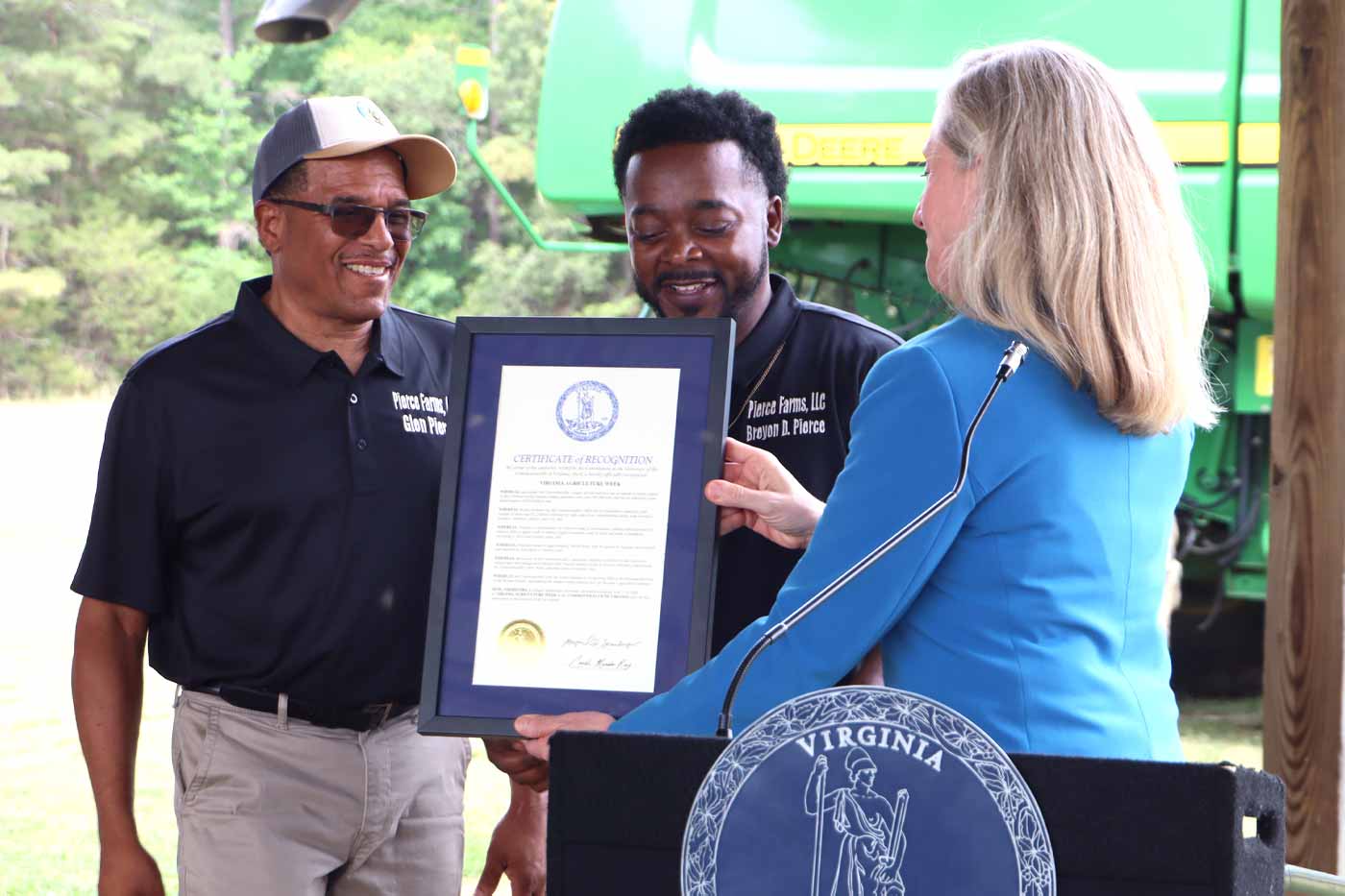
On June 9, the family welcomed state officials to their operation, hosting Gov. Abigail Spanberger, Sec. of Agriculture and Forestry Katie Frazier, Virginia General Assembly representatives and Virginia Farm Bureau Federation officials. The governor enacted several measures supporting the state’s agricultural and forestry sectors while promoting community food access.
Gov. Spanberger also delivered a proclamation honoring the Pierce family for their role as producers of food, fiber and fuel during Virginia Agriculture Week, June 7–13.
“There is no better place to recognize it than right here on this farm with a family that embodies what it means to devote your life to our land,” she said.
Pierce emphasized the complex challenges confronting farmers today. The state has seen nearly half a million acres of farmland disappear over the past five years, while producers struggle with increasing costs across various markets.
Safeguarding agricultural property remains essential for Virginia’s leading private industry and farming families’ survival, Pierce stated, noting the land “is meant to feed families, support communities, and provide opportunities for our future generations.”
The governor enacted five measures supporting Virginia’s agricultural and forestry industries while surrounded by local producers and agricultural advocates, including VFBF senior vice president of governmental relations Martha Moore.
Farm Bureau backed these legislative measures, Moore noted. “And now we consider them victories.”
HB 512 establishes a comprehensive prosperity strategy for agriculture and forestry sectors with yearly reports to the General Assembly.
SB 522 improves Forest Sustainability Fund management for localities preserving forest areas within the Chesapeake Bay watershed.
SB 186 safeguards Virginia consumers and cattle producers by mandating clear labeling of manufactured protein products that cannot be misrepresented as genuine beef.
HB 1086 enables farmers to bid against out-of-state competitors for school nutrition contracts, increasing Virginia children’s access to locally-grown food.
SB 302 continues the peanut excise tax that funds essential marketing, research and educational programs for Virginia’s peanut growers.
Virginia’s agricultural sector generates an annual economic impact of $82.3 billion in total industry production, creates more than 381,000 jobs, and adds $43.8 billion in additional value. Broiler chickens led 2024 commodity rankings by cash receipts exceeding $1.2 billion, followed by cattle and calves, miscellaneous crops, milk and dairy products, soybeans, turkey and corn.
The state houses approximately 38,600 farms, with 95% owned and operated by individuals or families.
Visit vdacs.virginia.gov/vagrown to locate farmers markets, roadside vendors and agritourism sites. Shoppers should look for Virginia Grown and Virginia’s Finest labels on products throughout retail locations statewide.
ORANGE—As National Dairy Month kicks off in June, shoppers can celebrate by purchasing milk that showcases Orange County dairy farmer Molly Elgin McWilliams on the packaging.
Molly Elgin McWilliams, a Virginia Farm Bureau member, appears alongside her daughter Halle on the new Strawberry Whole Milk cartons from Maola, which hit store shelves on May 5. This packaging approach addresses increasing consumer desire to learn about the origins of their food.
“On the consumer side, content that features our farmers consistently drives the highest engagement, showing how much customers value knowing where their food comes from,” said Amanda Culp, Maola director of communications and marketing. “It makes sense to carry that through to our packaging.”
This farmer-consumer connection holds particular significance in Virginia, where 365 dairy operations house committed farmers who tend their cattle and deliver fresh, premium milk daily, the Virginia Department of Agriculture and Consumer Services reports. Each dairy cow typically yields approximately 8 gallons of milk per day.
Maola operates as a farmer-owned dairy cooperative that emphasizes the bond between agricultural producers and customers as central to its goal of sustainably creating premium dairy offerings.
“We want our farmers to have pride in the products we are producing,” Culp said. “It’s our duty to be good stewards of their milk.”
The newly launched Maola Strawberry Whole Milk demonstrates this dedication. Produced without artificial coloring, the beverage delivers 8 grams of protein along with 13 vital nutrients. Customers can find the product throughout Maryland, North Carolina and Virginia, including at 60 Wegmans stores, 188 Ingles Markets and Sheetz locations.
Dairy items remain crucial components of nutritious eating habits. Milk provides vital nutrients such as protein, calcium and vitamins A and D, which promote strong bones, help regulate blood pressure and may lower the likelihood of certain chronic conditions, U.S. Dairy states.
With rising consumer appetite for high-protein alternatives, Maola has broadened its product selection. The cooperative introduced Maola More in April, an ultra-filtered milk offering 15 grams of protein and 3 grams of prebiotic fiber while containing reduced sugar and being lactose-free. Maola More comes in whole milk and 2% chocolate milk options.
Throughout National Dairy Month, highlighting local producers like McWilliams underscores the essential contribution dairy farmers make in delivering milk from agricultural operations to dining tables daily.
“The package says 100% fresh, 100% local, and it truly is,” Culp said.
WASHINGTON—Agricultural producers across nine Virginia counties can now access emergency financial assistance after the U.S. Department of Agriculture declared their drought-affected regions as natural disaster areas.
This federal designation enables the USDA Farm Service Agency to provide critical emergency funding to agricultural operations impacted by severe drought conditions. These financial resources may be utilized for equipment and livestock replacement, farm operation restructuring, or refinancing specific debts. The FSA will evaluate loan applications considering loss severity, available collateral, and the borrower’s capacity to repay.
The counties qualifying for emergency loan assistance are: Amherst, Appomattox, Buckingham, Campbell, Charlotte, Henry, Nelson, Pittsylvania and Sussex.
Furthermore, these adjacent regions also qualify for assistance: Albemarle, Augusta, Bedford, Cumberland, Dinwiddie, Fluvanna, Franklin, Greensville, Halifax, Lunenburg, Mecklenburg, Patrick, Prince Edward, Prince George, Rockbridge, Southampton and Surry counties, along with the cities of Danville, Lynchburg and Martinsville.
Agricultural producers must submit loan applications by Jan. 31, 2027. Farmers may explore available programs and financing options by accessing farmers.gov and utilizing its Loan Assistance Tool.
For filing a Notice of Loss or additional inquiries, producers should reach out to their local USDA Service Center.
Federal agencies are rushing to implement emergency measures against the New World screwworm, a dangerous parasite that poses a serious threat to America’s struggling cattle industry, even as staffing shortages and resource limitations raise questions about the government’s readiness.
An extensive outbreak of this pest could inflict billions of dollars in damage to the beef sector, which is already suffering from persistent drought conditions. With beef costs reaching near-record levels, the situation adds to Americans’ financial worries ahead of November’s midterm elections, where President Donald Trump’s Republican party battles to keep its narrow congressional majority.
Since early last year, the USDA has collaborated with animal health manufacturers, state livestock authorities, agricultural organizations and other federal departments to prepare for a possible screwworm invasion on U.S. soil, according to agency announcements and interviews conducted by Reuters.
However, the department now operates with 25% fewer animal health specialists compared to the beginning of Trump’s second term, following the departure of hundreds who accepted financial incentives as part of the administration’s previous federal workforce reduction initiative.
Preparatory efforts have encompassed expediting screwworm medications for livestock and companion animals, establishing a treatment reserve in Texas, and deploying additional personnel to confirmed case areas in Texas.
“We have been prepared and preparing since early last year for the re-emergence in America,” Agriculture Secretary Brooke Rollins stated Monday during a news conference in Kerrville, Texas, where she announced the USDA would release $100 million in funding ahead of schedule for innovative screwworm-fighting technologies.
Rollins informed the Senate Agriculture Committee on Wednesday that more than 100 agency employees are working full-time on screwworm issues. To date, the USDA has verified six screwworm incidents in Texas and New Mexico, impacting four cattle, one goat and one dog.
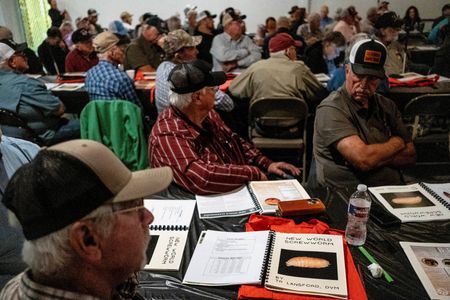
Several Texas cattle ranchers have expressed dissatisfaction with the USDA’s response efforts. Susan Storey, 62, who operates a ranch in La Salle County, criticized the agency’s public communication as inadequate for addressing her worries about the parasite’s potential spread.
“We just want more action,” she said.
Since September, the Food and Drug Administration has granted 12 emergency use permits or conditional approvals for screwworm medications as part of federal preparation efforts. Both approval types enable treatment use after companies submit safety and limited effectiveness data, bypassing the FDA’s complete review procedures.
This expedited process involved coordination between the FDA, USDA and Environmental Protection Agency, which oversees certain pesticides that might be deployed against screwworm, according to Jeff Simmons, CEO of animal health company Elanco.
Elanco has participated extensively in preparations, with two of the company’s fast-tracked medications being delivered to a USDA reserve facility in Texas, Simmons noted.
“It is something that we were preparing for, expecting — it was probably a matter of if, not when,” Simmons said.
The animal health division of biopharmaceutical company Merck has also collaborated closely with the USDA and Texas animal health authorities over the past year to prepare for potential screwworm incidents, receiving conditional FDA approval for its topical screwworm medication in December, said Justin Welsh, executive director of livestock technical services.
Welsh described the USDA response as proactive while anticipating additional cases will surface.
“It’s safe to say we’ll see it continue to spread, but hopefully very slowly,” Welsh said.
The USDA faces a critical shortage of sterile male flies, one of its primary weapons against screwworm flies. These sterile males mate with females, preventing reproduction. While the USDA is constructing a Texas facility to produce additional sterile flies, it won’t become operational until late 2027.
The department is currently utilizing 100 million sterile flies produced weekly at a Panama facility, though officials acknowledge millions more are required to effectively combat the pest.
“We don’t have enough (flies) to do the complete push, but we do have enough to manage … the growth of the development of it in Texas,” the USDA’s undersecretary for research, Scott Hutchins, explained at Monday’s news conference.
The agency has experienced a substantial decline in animal health response personnel since Trump’s second term began.
Data from the USDA’s Office of Inspector General shows that over 2,100 employees departed the USDA’s Animal and Plant Health Inspection Service between January and June 2025, representing approximately 25% turnover.
A coalition of Democratic senators addressed a Tuesday correspondence to Rollins and her deputy secretary, Stephen Vaden, warning that personnel reductions at APHIS and other USDA divisions could undermine the agency’s screwworm response capabilities.
“The reemergence of the New World screwworm in the U.S. highlights the urgent need to fully staff the USDA’s Services, which are on the frontlines of disease outbreak detection and rapid response to dangerous threats to agricultural security,” stated the letter from Oregon Senator Jeff Merkley and 10 colleagues.
Rollins assured the Senate Agriculture Committee that reduced staffing levels have not impacted the agency’s screwworm response operations.
Veterinarians employed by APHIS play crucial roles in screwworm response by collaborating with local, state and federal officials to monitor and advise on suspicious cases while directing response efforts, explained Michael Bailey, a veterinarian and president of the American Veterinary Medical Association.
“We don’t have enough veterinarians in those public health areas to begin with, and anything that leads to them leaving the government, any area of government, is going to have a negative impact,” Bailey said.
Listen to the Morning Delmarva Farm Report Update — June 11, 2026
DELMARVA — Wet growing conditions continue to challenge farmers nationwide with weed and disease pressure topping the management list. An Iowa producer told Brownfield yesterday that corn spraying is mostly wrapped up for the season with only potential fungicide applications remaining, but soybeans are keeping crews busy with ongoing herbicide work. The challenging moisture conditions are intensifying the battle against weeds and plant diseases during the growing season.
Markets
Soybeans rebounded yesterday, snapping an 8-day losing streak. Soybean oil and nearby meal contracts also posted gains. USDA flash sales data showed some positive activity, and traders are focused on today’s report from the department.
Locally, corn at Laurel Grain Company in Laurel, Delaware is bringing $4.60 a bushel for December delivery. Soybeans are $10.88 for November. Up in Lebanon, Pennsylvania, Triple M Farms is paying $5.08 for July corn and $11.10 for July beans.
Forecast
Patchy fog is clearing this morning with partly sunny skies developing. Temperatures will hit 88°F today with light west winds around 5 mph. A Heat Advisory is in effect through tomorrow evening. Tonight brings a chance of showers and thunderstorms with a low around 73°F. Tomorrow looks sunny with a high near 89°F, but another round of scattered storms is possible tomorrow night.
This article is based on the Delmarva Farm Report Update Morning Edition, June 11, 2026. Hosted by Tom Bradley.
BANGKOK, June 11 – Before Thailand’s February general election, political candidates frequently visited farmers like 69-year-old rice grower Chaon Taiupok in Ayutthaya, located approximately 80 kilometers north of Bangkok.
“Once they won and formed the government, they disappeared,” said Chaon, who faces financial hardship as increasing fuel and fertilizer expenses caused by the Iran war, combined with declining rice prices, devastate agricultural workers.
Thailand’s retail diesel costs jumped over 60% at their highest point due to the conflict, while fertilizer expenses have climbed more than 30%.
“The government is not tackling the problem,” Chaon said.
Chaon’s frustration illustrates the mounting political danger facing Prime Minister Anutin Charnvirakul, who secured an overwhelming electoral win with rural voter support but now confronts pressure as war-related price increases worsen Thailand’s agricultural debt emergency.
Just months into the four-year administration, public backing for Anutin’s government is already declining.
Approximately 57% of participants in a Suan Dusit University poll conducted in May reported having minimal or no confidence in the government’s capabilities, a dramatic shift from March when 68% of respondents expressed hope.
“The government will roll out further measures to support people and boost confidence in its work,” said deputy government spokesperson Ploythalay Laksameesaengjan, noting that elevated oil costs driven by the war were outside the administration’s influence.
Thai farmers’ difficulties highlight the wider challenges affecting Southeast Asia’s second-biggest economy, which has battled sluggish expansion.
Thailand has also fallen behind regional competitors since the pandemic due to its dependence on slowly recovering tourism while internal consumption stays weak, limited by elevated household debt. Almost 78% of May poll participants demanded immediate action regarding increasing living expenses.
‘CRISIS OF CONFIDENCE’
Finance Minister Ekniti Nitithanprapas has already characterized the circumstances as a “cost-of-living crisis,” recognizing the mounting pressure on regular families.
Nevertheless, following years of stimulus spending, the government’s budgetary policy choices are restricted, while inflation is expected to exceed the Bank of Thailand’s 1% to 3% target this year, as the central bank has maintained its primary interest rate at 1%.
Total household debt in Thailand reaches 86.7% of gross domestic product, ranking among Asia’s highest levels, showing weak income growth, previous easy credit access and economic disruptions, reducing government stimulus effectiveness.
To alleviate difficulties, Anutin’s government has implemented support programs and initiated a 176-billion-baht ($5.4 billion) consumer subsidy initiative, part of a broader 400-billion-baht borrowing measure facing legal opposition from rival parties.
Even focused government programs, including subsidies of roughly 1,000 baht ($30) per rai (0.16 hectares) for rice farmers, have barely countered rising fertilizer and fuel costs, as they fail to cover farmers’ expenses, said Pramote Charoensilp, president of the Thai Agriculturists Association.
“The pressure on the government is not just economic,” said Ngamprawan Ehsomnuk, dean at Suan Dusit University’s school of law and politics.
“It’s a crisis of confidence in whether the government can govern effectively.”
‘NOTHING LEFT BUT DEBT’
For many people, including 64-year-old Ayutthaya rice farmer Phayong Saengthong, the present circumstances seem impossible to overcome.
Following decades of agricultural work, Phayong owes over 1 million baht ($30,628) to creditors. The increasing fertilizer and fuel expenses, worsened by poor rice prices, created an additional 200,000 baht ($6,125) in losses following his recent harvest.
Thai rice values dropped last year, with export prices reaching an 18-year low, primarily because of abundant global supply and fierce competition from India.
“The debt is overwhelming,” Phayong said.
He faces this challenge alongside many others. Over half of the 3.73 million farm borrowers at the state-owned Bank for Agriculture and Agricultural Cooperatives are caught in a “debt trap” they will probably not escape before retirement, according to an April report from the central bank’s research institute.
With official loans depleted, Phayong said he depends on suppliers to provide him credit.
“If they stop giving me goods on credit, I may have to stop growing rice,” he said, reflecting the concerns of many among the approximately 4.6 million rice farming households throughout rural Thailand who expected greater government aid.
“There are no clear measures to help farmers,” said Pramote, who intends to advocate for stronger support at a national rice policy board meeting on Thursday.
If paddy prices moved closer to 10,000 baht ($306) per ton, compared to approximately 7,800 currently, farmers might still discover an escape route, said Chaon, who cultivates 72 rai (11.5 hectares) of land in Ayutthaya and owes the state lender roughly half a million baht.
“With costs so high and rice prices so low, there’s nothing left but debt,” he said.
Listen to the Evening Delmarva Farm Report Update — June 10, 2026
DELMARVA — Livestock producers across the Delmarva Peninsula are being urged to increase surveillance of their animals following the detection of New World screwworm in the southern United States.
Dr. Dusty Oedekoven, chief veterinarian for the National Pork Board, emphasized that visual monitoring is the most critical tool for early detection of infestation. Farmers and even pet owners should step up their vigilance, with Oedekoven stressing that “the most important thing we can put on our animals now is our eyeballs.”
Markets
Agricultural commodities showed mixed results Wednesday. July corn closed at $4.19/bu, down $0.005. Soybeans performed better, with July contracts finishing at $11.23/bu, up $0.0925. July wheat in Chicago ended at $5.875/bu, climbing $0.0225.
Locally, Laurel Grain Company in Laurel, Delaware is offering $4.64/bu for July delivery corn. Soybeans there are trading at $10.63/bu for July.
Forecast
A Heat Advisory remains in effect through Thursday evening. Wednesday afternoon temperatures reached 81°F with a chance of showers and thunderstorms. Overnight lows are expected around 71°F with scattered storms possible.
Thursday will see temperatures climb to 89°F with partly sunny skies turning to thunderstorms by afternoon. Showers and storms are likely Thursday night with lows around 72°F.
This article is based on the Delmarva Farm Report Update Evening Edition, June 10, 2026. Hosted by Tom Bradley.
The latest federal agricultural data shows positive growth trends in the nation’s poultry industry, with broiler production indicators rising across the board.
According to new statistics, the number of broiler-type eggs set throughout the United States has increased by 2 percent. Similarly, the placement of broiler-type chicks nationwide also climbed by 2 percent during the same period.
These figures suggest steady expansion in the country’s chicken meat production sector, which supplies a significant portion of protein consumed by American families.
Over 80 dairy industry board members and young farmers visited Capitol Hill today to lobby approximately 100 congressional offices during their yearly advocacy event, pushing for action on agricultural workforce issues and the recent reappearance of New World screwworm in America.
The Capitol Hill meetings followed the organization’s June board gathering on Tuesday, which featured presentations from Deputy Secretary of Agriculture Stephen Vaden and Ambassador Julie Callahan discussing the agricultural economy and international trade environment.
“We know what we need to do,” stated NMPF President & CEO Gregg Doud before the advocacy event began. “We will push in every way we can to make things happen.”
Additional priorities that organization members promoted during their congressional visits included:
Securing passage of a comprehensive farm bill through Congress by 2026
Preserving availability of all milk varieties in school nutrition programs
Advancing the DAIRY PRIDE Act to protect milk labeling standards
Encouraging legislators to pressure the administration to enhance dairy protections during USMCA trade agreement renewal.
The organization also announced the addition of Ted Vander Schaaf from Northwest Dairy Association/Darigold as a new board member and welcomed Illinois Farm Bureau as a new associate member.
The Young Cooperators program coordinated the congressional outreach effort. The group also conducted committee sessions and hosted an Artificial Intelligence workshop for cooperative leaders. Organization leadership will continue their meetings throughout the week, focusing on animal health and welfare alongside other critical industry matters.
June brings National Dairy Month, offering the perfect opportunity to enjoy dairy products while recognizing the dedicated farmers who supply nutritious options to local communities.
According to the U.S. Department of Agriculture National Agricultural Statistics Service, Virginia hosts 365 dairy operations where committed farmers tend to their cattle and generate fresh, top-quality milk daily. Each dairy cow typically yields approximately 8 gallons of milk per day.
Dairy items such as milk, yogurt and cheese contain vital nutrients like protein, calcium and vitamins A and D. Studies indicate that consuming dairy products may support bone strength, lower blood pressure and decrease the likelihood of specific chronic conditions, according to U.S. Dairy. The National Dairy Council has dubbed milk “Nature’s Sports Drink” due to its ability to help the body refuel, recover and rehydrate following physical activity.
This summer, savor nutritious dairy items by adding them to easy, tasty dishes like pizza bagels or a cooling tropical smoothie.
Want to know the source of your milk? Check whereismymilkfrom.com and input the code found on your dairy packaging.
Cottage Cheese Pizza Bagels
½ cup cottage cheese ¼ cup pizza sauce milk, if needed for thinning 2 bagels, sliced in half 1 cup shredded mozzarella cheese pinch Italian seasoning
Optional garnishes:
pepperoni chopped spinach diced bell peppers diced ham
Heat oven to 400°.
In a bowl, blend the cottage cheese and pizza sauce until smooth. Add a splash of milk for a thinner sauce.
Place the bagel halves with the cut sides up on a baking sheet.
Spread a spoonful of blended cottage cheese pizza sauce on each bagel. Top with mozzarella, desired toppings and a pinch of Italian seasoning.
Bake 10–12 minutes until the cheese is melted and bubbly.
Recipe courtesy of The Dairy Alliance
Tropical Smoothie
½ cup milk ½ cup vanilla or plain Greek yogurt 1 tablespoon honey 1 teaspoon lime juice 1 small banana, fresh or frozen ¼ cup diced fresh coconut 2 cups frozen mango chunks
Add milk, Greek yogurt, honey and lime juice to a blender. Top with banana and fresh coconut. Add the frozen mango and secure the lid.
Blend on high speed until completely smooth. Taste and adjust sweetness if needed, then blend for a few more seconds.
Pour into glasses, and garnish with a slice of lime and fresh mint, if desired. Serve immediately.
A senior executive from Dairy Farmers of America appeared before the House Committee on Agriculture today to advocate for strengthening the United States-Mexico-Canada Agreement during its upcoming review process. Michael Lichte, who serves as Chief Insights and Optimization Officer for the cooperative, represented both the National Milk Producers Federation and the U.S. Dairy Export Council in his testimony.
“Export demand now accounts for 17% of total U.S. milk production and has become one of the primary drivers of incremental growth across the dairy sector,” Lichte said. “For DFA and the U.S. dairy industry broadly, USMCA remains one of the most consequential trade agreements affecting long-term competitiveness, manufacturing investment, and farm-level economic stability. That’s why it’s essential that we strengthen and renew it.”
The executive emphasized that Mexico and Canada combined represent over 40% of total U.S. dairy export value. His congressional testimony centered on Canada’s management of dairy import quotas that he says restricts trade, along with that country’s efforts to bypass agreement rules on dairy protein exports. He also stressed the need to protect American exporters’ rights to use traditional cheese names such as “feta” in Mexican markets.
Regarding Canada specifically, Lichte presented data showing persistent shortfalls in agreed-upon dairy import quotas, with fill rates reaching only 64% for industrial cheese, 34% for fluid milk, and merely 7% for skim milk powder by 2025. He further outlined Canada’s increasing reliance on alternative classification systems to export surplus dairy proteins to American and international markets while avoiding the trade agreement’s protein export limits, a practice validated by a May 2026 U.S. International Trade Commission analysis.
“The underlying market distortions USMCA sought to discipline continue to affect U.S. manufacturers and global dairy protein markets,” Lichte added. “With appropriate enforcement and modernization, USMCA can continue supporting investment, export growth, and economic opportunity for the United States’ dairy farmers and processors for generations to come.”
A Maryland committee dedicated to addressing invasive plant species has announced an upcoming meeting for later this month.
The Invasive Plant Advisory Committee will convene on June 23rd, 2026, from 9:30 in the morning until 11:30 a.m. The session will take place at MDA Headquarters in room 114, with participants also able to join remotely through a virtual platform.
Those seeking additional details about the meeting can reach out to David Grow via email at [email protected].
Listen to the Morning Delmarva Farm Report Update — June 10, 2026
DELMARVA — The National Weather Service has issued a Heat Advisory for northern Delaware through Friday evening, with heat index values reaching 103°F. The advisory affects New Castle County from 11 AM Thursday through 8 PM Friday.
Livestock Management
Agricultural experts are recommending natural pest control strategies for summer cattle grazing as filth flies surge during warmer months. Specialists suggest relocating cattle to different areas, disrupting pasture environments, and applying both organic and synthetic deterrents to minimize production losses.
The Agriculture Secretary is traveling to Texas Monday to address a growing New World screwworm outbreak that poses risks to livestock throughout the United States.
Markets
Livestock contracts gained Tuesday at Chicago on limited supplies. August live cattle closed $2.97 higher at $239.70. August feeders rose $3.45 to $354.15.
For local cash grain, Laurel Grain Company in Laurel Delaware is offering $4.67 per bushel for July corn and $10.87 for November soybeans.
Forecast
Expect a high of 81°F Wednesday with a chance of showers and thunderstorms. Thursday looks mostly sunny with a high of 87°F before a slight chance of storms develops. Heat and humidity will be significant through Friday.
This article is based on the Delmarva Farm Report Update Morning Edition, June 10, 2026. Hosted by Tom Bradley.
Federal agricultural officials are moving forward with plans to update paperwork requirements related to egg imports and poultry exports in response to ongoing bird disease threats.
The Animal and Plant Health Inspection Service has announced its plans to seek revised approval for information collection procedures tied to regulations controlling table egg imports from areas where Newcastle disease or highly pathogenic avian influenza may be present. The agency is also requesting an extension of current rules governing the export of poultry and hatching eggs from the United States.
This administrative action falls under the requirements of the Paperwork Reduction Act of 1995, which mandates federal agencies to seek approval for information collection activities that affect the public.
Federal agricultural authorities are requesting public feedback on potential changes to regulations governing fresh pineapple imports from the Philippines and Thailand.
Officials have completed plant risk assessments and risk management studies related to bringing fresh pineapple fruit from these two countries into the United States for human consumption.
Under current rules, fresh pineapples from the Philippines can only enter Guam, the Commonwealth of the Northern Mariana Islands, and the North Atlantic region of the United States. Meanwhile, Thai pineapple imports are permitted at all U.S. entry points except Hawaii, but must undergo irradiation treatment.
Plant protection agencies in both the Philippines and Thailand have requested APHIS to broaden import permissions, allowing all fresh pineapple varieties to enter through any U.S. port. Thailand has also asked for approval to ship fresh pineapples without requiring irradiation treatment.
The completed risk assessments examine potential threats from plant pests and invasive weeds that could accompany fresh pineapple shipments from these nations. The accompanying risk management documents outline proposed safety measures to address identified concerns.
Federal officials are now making these assessment and management documents available for public examination and comment.
A federal agency responsible for protecting American agriculture is seeking to modify its data collection procedures aimed at stopping foreign plant threats from entering the country.
The Animal and Plant Health Inspection Service has announced its plans to seek changes and an extension for approval of information gathering activities tied to rules designed to prevent foreign plant pests and diseases from being introduced or spreading throughout the United States.
This announcement follows requirements under the Paperwork Reduction Act of 1995, which governs how federal agencies handle information collection from the public.
Mexico has suspended imports of most live animals from the United States following the confirmation of screwworm cases in Texas and New Mexico, according to an announcement from Mexico’s agriculture ministry on Tuesday.
The ban covers cattle, horses, pigs, sheep, goats and multiple other animal species, the ministry announced. Officials said the decision was made in collaboration with the United States Department of Agriculture (USDA).
Since November 2024, Mexico has documented over 28,200 screwworm cases. The country is working to safeguard its livestock populations in the northern states of Baja California, Baja California Sur, Chihuahua and Sinaloa, where no screwworm cases have been confirmed.
The United States has documented five screwworm cases beginning June 3.
Listen to the Evening Delmarva Farm Report Update — June 9, 2026
DELMARVA — Rising fuel costs continue hitting Delmarva farmers hard, but tax refunds can help. Recent months brought significant fuel price increases, with agricultural producers experiencing some of the heaviest impacts. However, farmers can recover portions of fuel expenses through federal and state tax refund and credit programs.
The federal government charges 18.3 cents per gallon for gasoline and 24.3 cents for diesel. Delaware imposes 23 cents per gallon on gasoline and 22 cents on special fuel. Maryland’s at 46 cents per gallon for gasoline and 46.75 for diesel. Virginia’s fuel taxes effective July 1 will be 32.6 cents for gasoline and 33.6 for diesel. Farmers can pursue refunds by filing IRS Form 4136 and state forms with detailed fuel use records.
Markets
Livestock futures closed higher on limited supplies. August live cattle finished $2.97 higher at $239.70. Feeders gained too, with August up $3.45 to $354.15. At Delmarva elevators, Laurel Grain Company is offering $4.65 a bushel for July corn and $10.54 for July soybeans.
Forecast
The region is holding at 73 degrees this afternoon under mostly cloudy skies. Wednesday brings a chance of rain showers and thunderstorms with highs reaching 81 degrees. That moisture could help wheat fields, though a Michigan State specialist advises cutting early when crops hit 17 to 20 percent moisture to preserve quality.
This article is based on the Delmarva Farm Report Update Evening Edition, June 9, 2026. Hosted by Tom Bradley.
The Virginia Farm Bureau has released a video profile featuring Martha Moore, described as a dedicated advocate for the state’s agricultural community.
The video presentation focuses on Moore’s work supporting farming interests throughout Virginia, though specific details about her role and accomplishments were not immediately available in the brief profile.
The feature appears to be part of the Virginia Farm Bureau’s ongoing efforts to highlight individuals who have made significant contributions to the agricultural sector in the state.
A new video from the Virginia Farm Bureau highlights the specialized world of agricultural aviation, where pilots navigate aircraft mere feet above crop fields.
The video content explores aerial application methods used throughout Virginia’s farming operations, providing viewers with an inside look at this crucial aspect of modern agriculture.
The footage demonstrates how these low-altitude flights support farming practices across the state’s agricultural regions.
Five graduate students have been chosen by the National Milk Producers Federation Board of Directors to receive funding through the 2026 NMPF National Dairy Leadership Scholarship Program. The awards recognize students whose research work supports dairy cooperatives and producers.
The scholarship winners are:
Pari Baker, pursuing her doctorate at Case Western Reserve University in the Department of Microbiology & Molecular Biology, Molecular Virology Program. Baker’s work examines host factors that determine vulnerability to highly pathogenic H5N1 avian influenza virus in mammary epithelial cells.
Haowen Hu, a doctoral student in Animal Science at Cornell University. Hu’s studies focus on improving whole-farm environmental modeling for U.S. dairy operations using model assessment and field-based improvements.
Gabriela Alejandra Macay Hernandez, working toward her doctorate in Animal Science at University of Florida. Her studies examine how semen components affect endometrial and oviductal responses and influence embryo development, fetal development, and postnatal offspring performance.
Vaishali Poswal, pursuing her doctorate in Dairy Manufacturing at South Dakota State University. Poswal studies environmental listeria persistence and biofilm formation in dairy microbial communities, plus creating an antimicrobial peptide bio-sanitizer for better control.
Jayden Scott, a master’s degree candidate in Food Science at Washington State University. Scott investigates how microbiome, proteolysis and flavor development relate in white cheddar cheese varieties.
“Congratulations to each recipient of this year’s NMPF scholarships,” said NMPF President & CEO Gregg Doud. “The dairy industry continues to reinvest in its future, securing academic research and development that is critical to advancing dairy’s mission. We are proud to support these dairy leaders in their educational pursuits.”
The scholarship winners were announced during the NMPF Board of Directors meeting in Arlington, VA, on June 9. Additional information about the NMPF National Dairy Leadership Scholarship program is available on the scholarship website.
Federal agriculture officials are implementing emergency containment strategies to stop the expansion of a dangerous livestock parasite that has emerged in Texas.
U.S. Agriculture Secretary Brooke Rollins has revealed new steps aimed at controlling the outbreak of New World screwworm, a parasite that poses significant threats to cattle and other livestock operations throughout the region.
The containment efforts come as agricultural authorities work urgently to prevent the parasite from spreading beyond its current location, which could have devastating impacts on the livestock industry.
Listen to the Morning Delmarva Farm Report Update — June 9, 2026
DELMARVA — Iowa’s corn and soybean crops are leading the nation in quality according to USDA’s latest weekly progress report. 84% of Iowa’s corn is rated good to excellent, well ahead of the national average of 67%. A northeast Iowa farmer reported his corn has already reached knee-high levels.
Nationally, soybeans are 92% planted with 65% of the crop rated good to excellent.
Disease Alert
Agricultural specialists are urging Midwest soybean growers to watch for red crown rot this season. A Michigan State University plant pathologist says the disease has now been confirmed in Ohio, Wisconsin, and Minnesota as of last year and has expanded rapidly across the region. Farmers are being advised to conduct thorough plant inspections when they spot suspicious symptoms.
Markets
Soybeans closed lower Monday on fund and technical selling despite adequate rainfall benefiting crop development nationwide. Traders are focused on Thursday’s upcoming crop production report.
Corn at Laurel Grain Company in Laurel, Delaware is bringing $4.62 a bushel for December delivery. Soybeans at Laurel are $10.83 for November.
Forecast
Mostly sunny skies are expected today with highs around 75° and light south winds. Wednesday will warm to 83° with a chance of showers and thunderstorms developing.
This article is based on the Delmarva Farm Report Update Morning Edition, June 9, 2026. Hosted by Tom Bradley.
A dangerous parasitic organism that was successfully eliminated from the United States during the 1960s has made an unwelcome return to South Texas, creating alarm among livestock producers and agricultural officials.
The screwworm, which consists of fly larvae that parasitize animals, has been discovered again in the region, marking the first confirmed cases since its eradication more than six decades ago. The parasite represents a significant danger to cattle and other livestock operations throughout the area.
Agricultural inspectors are monitoring the situation closely at livestock checkpoints, working to assess the scope of the outbreak and prevent further spread of the harmful organism. The reemergence of this pest raises serious questions about potential impacts on the region’s vital cattle industry.
Listen to the Evening Delmarva Farm Report Update — June 8, 2026
DELMARVA — Corn and soybean planting is wrapping up across the country, with the USDA reporting 97% of the nation’s corn crop is in the ground as of Sunday, matching the 5-year average of 96%. 86% has emerged and 67% is rated good to excellent. Soybeans hit 92% planted with 65% rated good to excellent.
Crop Health
Agricultural specialists are urging soybean farmers to watch for red crown rot this season. Michigan State University plant pathologist Marty Chilvers says the disease continues expanding through Midwest regions. Red crown rot has now been confirmed in Ohio, Wisconsin and Minnesota as of last year. Farmers should conduct thorough plant inspections and testing when they spot suspicious symptoms.
Markets
Soybeans started the week lower on fund and technical selling. Market participants are watching Thursday’s crop production report for direction. At Laurel Grain Company in Laurel, Delaware, corn for July delivery is bringing $4.64 a bushel. December corn is $4.61. Soybeans for July are $10.56. November beans are $10.86.
Forecast
The forecast calls for 73° this afternoon with sunny skies. Tonight drops to 57° and mostly clear. Tuesday climbs to 78° and mostly sunny with Wednesday bringing a chance of showers and thunderstorms.
This article is based on the Delmarva Farm Report Update Evening Edition, June 8, 2026. Hosted by Tom Bradley.
The Board of Trustees for the Maryland Agricultural Land Preservation Foundation has announced their upcoming meeting scheduled for June 23, 2026, beginning at 9 am through teleconference.
The board session will address standard organizational matters and routine business items on the agenda.
Community members who wish to share feedback, raise questions, or express concerns about the foundation’s work are encouraged to contact Michelle Cable, who serves as Executive Director of the Maryland Agricultural Land Preservation Foundation. She can be reached via email at [email protected] or by phone at (410).
The National Agricultural Statistics Service has issued its most recent assessment of crop development and agricultural conditions nationwide.
The federal agency’s latest report provides updated statistics on farming progress across various regions, offering insights into current agricultural trends and crop status.
This regular reporting helps track the ongoing state of the nation’s agricultural sector through systematic data collection and analysis.
Federal agriculture officials confirmed Monday that two additional animals in Texas have tested positive for New World screwworm, highlighting the challenge of containing a dangerous pest that threatens America’s cattle ranching industry.
The destructive pest is actually a type of fly that produces larvae which consume living tissue rather than decaying matter. Female flies deposit eggs in open wounds on any warm-blooded creature, including cattle, wild animals, domestic pets, and sometimes humans.
According to the U.S. Department of Agriculture, the latest infections were discovered in a calf and a dog located hundreds of miles from each other in La Salle and Andrews counties. This increases the confirmed case count to four total. Officials initially identified the screwworm in a 3-week-old calf the previous week, followed by a second infection in another young calf just miles from the first location.
“While we address these instances that require immediate attention, and continue to sample suspected cases, we are simultaneously working to eradicate the pest entirely,” Dudley Hoskins, the USDA’s marketing and regulatory undersecretary, said in a statement.
The fly represented a significant seasonal threat to cattle operations before being wiped out across the United States during the 1960s.
Federal officials and the American cattle sector have been working urgently to stop an outbreak since the pest appeared in Mexico in late 2024, marking its return after being confined to southern Panama for decades.
Authorities combat the fly through a breeding program that produces sterile male flies, which then reproduce with wild females that mate only once during their several-month lifespan. When females mate with the sterile males, they cannot produce offspring, eventually stopping outbreaks.
The USDA has revealed intentions to boost sterile fly production at international facilities while constructing a fly breeding facility in Texas.
USDA Secretary Brooke Rollins will receive a briefing on the outbreak Monday afternoon at the U.S. Livestock Insects Research Laboratory in Kerrville, Texas.
Federal agriculture officials announced Monday they have identified two more instances of New World screwworm affecting animals in Texas – one involving a young cow in La Salle County and another affecting a dog in Andrews County.
According to the U.S. Department of Agriculture, investigators continue examining both situations to determine how the animals became infected.
Officials describe New World screwworm as a dangerous parasite that poses risks to farm animals, household pets, wild animals, and occasionally humans. The parasite’s offspring tunnel into living animal tissue, creating serious injuries, causing animal distress, and resulting in substantial financial damage to agricultural operations.
These latest confirmations follow Friday’s announcement of another screwworm case in Texas, discovered only a short distance from where officials reported the first detection of this flesh-eating parasite in the United States in many years.
For decades, Brazil’s inexpensive and plentiful farmland enabled agricultural producers to establish massive, cost-effective operations that captured export markets from American farmers, particularly after China shifted suppliers during trade disputes under President Donald Trump’s administration.
While American agricultural land has remained relatively static this century, Brazil expanded its farming territory by approximately 50%, establishing itself as a global agricultural giant. However, the South American nation’s competitive advantage faces serious challenges as ongoing Middle East conflicts drive fertilizer costs to unprecedented levels.
Approximately one-third of global fertilizer supplies have become trapped within the Strait of Hormuz since hostilities commenced. The United States manufactures most of its fertilizer domestically, while Brazil depends significantly on international suppliers, forcing many producers to reduce their fertilizer acquisitions.
Industry analysts warn that Brazilian farmers face serious difficulties even if the Middle East situation resolves quickly. Currently, they manage thousands of acres generating declining profits or actual losses, with many beginning to accumulate substantial debt burdens.
Furthermore, numerous American farmers possess soil quality sufficient for reasonable harvests even when skipping fertilizer treatments for one season. Brazilian producers rarely have this luxury.
Seasonal planting differences compound the problem. Brazil’s spring cultivation begins in September, exposing farmers to current elevated fertilizer prices. American producers had largely completed their purchases before the conflict started.
Brazilian farmers also lack access to government assistance programs or financial bailouts available to their American counterparts.
“Profitability just isn’t there,” stated Murilo Rabelo Martins Pereira, a producer in Goias state in central Brazil.
“Expansion is something everyone is rethinking right now.”
Pereira, age 34, cultivates soybeans, corn and tomatoes across 800 hectares. He explained that escalating production expenses make farm expansion too dangerous, despite receiving opportunities to lease additional property.
“For sure we’ll not see the same trend” of agricultural expansion in Brazil, commented Purdue University agricultural economist Joana Colussi, a Brazilian native.
She anticipates growth will pause, at minimum temporarily, as producers allocate more resources to fertilizer, fuel, seeds and other supplies, leaving less for expansion.
Brazil’s remarkable agricultural expansion originated from surging Chinese demand. Enormous grassland areas transitioned from livestock grazing to crop production like soybeans and corn, creating direct competition between Brazil and the United States.
Brazil typically emerged victorious. Trade restrictions Trump implemented against China during his presidency encouraged Beijing to find alternative sources, with Brazil among the primary beneficiaries.
In 2000, American soybean exports to China nearly doubled Brazil’s volumes. By late 2025, this relationship reversed, with Brazil selling almost twice the soybeans to China compared to the United States.
Brazil’s expansion relied on access to extensive, affordable land. Much of this territory has deteriorated because farmers traditionally relocated to fresh ground when their fields became unproductive, rather than investing in soil improvement.
With widespread land degradation, large-scale commercial farming in Brazil requires significant quantities of fertilizer, pesticides, genetically modified seeds and other increasingly expensive biological inputs.
“Right now farmers everywhere, including Brazil, are operating on razor-thin margins. If you have better soil, you can weather lower fertilizer application, or no application. You can weather a shock like this better,” explained Saswato Das, global head of corporate affairs at agricultural company Syngenta.
Many American farmers maintain average production levels even when skipping seasonal applications of essential fertilizers like potash and diammonium phosphate, or DAP. Thousands have adopted this approach this year. However, on Brazilian farms, potash and DAP effectiveness lasts only one growing season.
American producers are “just skimping out” on DAP, whose prices have approximately doubled since the Middle East war started, noted Marshall Lee Davis, who cultivates peanuts and cotton in Georgia.
Davis mentioned that even American farmers capable of skipping applications worry about sustained high fertilizer costs affecting fall purchases for their 2027 spring planting in March.
Brazilian farmers, who must navigate their 2026 spring planting this September and second-crop planting in early 2027, have confronted elevated fertilizer prices since shortly after the conflict began in late February.
“North American farmers are in a better spot than Brazilian farmers due to seasonality,” observed Expana analyst Murphy Campbell.
Brazil depends heavily on DAP imports and nitrogen-based urea, the world’s most commonly used fertilizer.
Brazil’s government-owned oil company Petrobras is resuming operations at previously shuttered fertilizer facilities that were closed under former President Jair Bolsonaro. The company aims to supply 35% of the nation’s nitrogen-fertilizer requirements in upcoming years.
Despite elevated fertilizer expenses, commodity prices for corn and soybeans have increased only modestly since the war started, as abundant recent harvests have built global inventory levels. This situation has compressed farmer profit margins worldwide, particularly affecting those dependent on fertilizer imports.
Brazilian soybean producers had purchased approximately 50% of their total 2026/27 fertilizer requirements by late May, according to Expana’s Campbell. He noted that historically “over 60% is booked by late May.”
Reduced fertilizer usage translates to lower yields and decreased profits or outright losses for farmers carrying increasing debt loads.
“They are overleveraged,” stated Bruno Fonseca, a Rabobank analyst in Brazil, describing the country’s agricultural producers.
Fertilizer costs are projected to stay elevated for at least six months even with a Middle East peace agreement, according to Expana’s Campbell.
For Pereira, the Brazilian farmer, the challenging outlook requires difficult choices.
“We had planned this year to replace our harvesters, which are quite old,” he said. “We decided not to go ahead.”
A devastating livestock pest not seen in Texas for decades has returned, leaving cattle ranchers frustrated with federal officials’ handling of the crisis.
Federal agriculture officials confirmed this week that New World screwworm has been detected in two Texas locations – marking the state’s first confirmed cases since the 1970s. The announcement has divided local ranchers and residents, with many questioning whether the government agency’s response measures are adequate or swift enough.
Susan Storey, now 62, remembers the horror of previous screwworm invasions from her childhood in South Texas. She can still recall watching writhing maggots burrow into live animals and the stench of burning calf carcasses that were beyond saving.
“We’re fighting for this so our grandchildren can keep what we have,” Storey explained while driving her pickup along a dusty ranch road lined with cattle and green fields. “I don’t want my herd threatened.”
Cattle producers across the nation have been preparing for a domestic screwworm case for more than a year as the parasite moved northward through Mexico. Agricultural experts warn that a major outbreak could inflict $1.8 billion in economic losses on Texas and devastate the state’s wildlife populations. For ranchers like Storey who survived the previous outbreak, this latest development has damaged their confidence in federal agriculture officials and spurred them to seek independent solutions.
The screwworm is a parasitic fly species whose females deposit eggs in wounds on any warm-blooded creature. After hatching, hundreds of larvae consume living tissue with razor-sharp mouths, ultimately killing their host without treatment. The parasites primarily spread when infected animals move to new locations and present no food safety risks while rarely affecting people, according to specialists. When screwworm was last widespread in America, the cattle industry required three decades to fully recover, Agriculture Secretary Brooke Rollins noted.
Federal and Texas authorities established a restricted area around the outbreak sites while increasing trap deployment and monitoring activities, sending response teams, and continuing to release sterilized flies. Rollins expressed confidence that the agency will successfully contain the Texas discoveries and prevent the pest from establishing itself permanently in America.
“Well before the first U.S. detection of New World Screwworm, since February of 2025, USDA has worked around the clock with our state, local, industry, and ranchers on the ground. The secretary herself made four trips to South Texas, more than anywhere else in the country,” a USDA spokesperson told Reuters. “The idea that this department has not been transparent is absurd and does not match what ranchers are telling the department and our partners directly.”
Previous reporting revealed that hundreds of veterinarians, support personnel, and laboratory workers at the federal agriculture department’s animal health division departed after the Trump administration requested resignations, reducing the number of specialists available to address animal disease emergencies and heightening preparedness concerns.
Last Friday, approximately 100 ranchers wearing muddy boots and cowboy hats filled a small high school cafeteria for a Texas Animal Health Commission presentation about screwworm, bombarding officials with questions and expressing anger over what they perceived as sluggish federal action.
“As Texans, we’re not afraid to take this on,” declared John Paul Schuster, a 55-year-old rancher and Kinney County judge, drawing applause and supportive gestures from attendees.
Several ranchers have suggested collecting funds to construct a privately financed sterile fly production facility, with initial costs estimated at approximately $4 million. Screwworms were initially eliminated from America when scientists began releasing enormous quantities of sterilized male screwworm flies that breed with wild females to create sterile eggs. Present sterile fly production falls well below levels needed to control the outbreak, although two additional facilities are being built.
Following the meeting, Schuster criticized what he considered the sluggish pace of sterile fly facility construction, warning that a broader infestation could threaten the ranching and hunting sectors vital to Kinney County’s 3,000 residents’ economy.
“If it’s not controlled in two years and eradicated in five years, my little county will be done,” Schuster stated.
While federal agriculture officials have outlined their screwworm containment approach, some ranchers have objected to what they consider insufficient transparency, including the agency’s choice not to reveal precise locations where sterile flies are being deployed.
“We need to know what’s being done because it’s our financial investment. It’s our livelihood that’s on the line,” Storey explained. “They’re not betting their herd – they’re betting ours.”
Additional ranchers rejected the federal agency’s guidance – including daily animal inspections and preventive treatments – as unrealistic for operations covering thousands of acres, facing serious labor shortages, and lacking experienced cowboys.
“It’s not really feasible. There’s no more cowboys anymore and there’s no good ranch horses,” said DJ Rubio, a 62-year-old rancher and Storey’s husband.
Monty Martin, a 61-year-old rancher living near both confirmed screwworm cases in Zavala County, Texas, adopted a more balanced approach and commended federal and Texas Animal Health Commission teams working in the field.
“People need to stop politicizing this, stop finger pointing, it doesn’t do anyone any good,” he stated. “Those people that are on the front lines have been tremendous, and I have the utmost respect and admiration for them.”
All main roads entering the approximately 12-mile-wide infected area surrounding the original detection location display flashing orange warnings directing livestock-carrying vehicles to stop at checkpoints where state workers inspect animals for screwworm, though staff had left by early evening.
The duty of identifying new screwworm cases, however, rests primarily with ranchers themselves. Anthony Gallegos, a 43-year-old rancher in Zavala County, said the outbreak has increased his vigilance in monitoring his cattle.
“Come on, girls,” he called out, shaking a container of feed as a group of Black Angus cattle ran toward him. “They just pretty much run to me like their dad’s here.”
Gallegos explained that his close bond with his animals and relatively small herd enables him to carefully watch for concerning symptoms and administer preventive medications as federal officials recommend.
Listen to the Morning Delmarva Farm Report Update — June 8, 2026
DELMARVA — Beef production nationwide is projected to drop nearly 1% next year. The USDA expects 25.31 billion pounds of beef in 2027, down from this year’s totals. Analysts say fewer cattle heading to slaughter will drive the decline, though heavier carcass weights should offset some of that loss.
Closer to home, cattle producers are wrestling with whether to background calves or sell them at weaning. With cattle prices at elevated levels, the temptation to cash in is strong, but industry observers say ranchers need to weigh the broader economic picture before making that call.
Markets
Dairy trading closed mixed Friday at the Chicago Mercantile Exchange. Butter gained $0.01.25 to finish at $1.69.25 per pound. 40-pound cheese blocks dropped to $1.47.25. Nonfat dry milk fell $0.06.50 to $2.04.50. Barrels held at $1.44. Dry whey was unchanged at $0.67.
For cash grain, corn at Laurel Grain Company in Laurel, Delaware is bringing $4.61 a bushel for July delivery. Soybeans there are $10.57 for July.
Forecast
Mostly sunny today with a high of 73° and east winds at 10 mph. Tonight clears to 58°. Tomorrow stays mostly sunny, 73° again with light south winds. Rain chances arrive Wednesday.
This article is based on the Delmarva Farm Report Update Morning Edition, June 8, 2026. Hosted by Tom Bradley.
Listen to the Evening Delmarva Farm Report Update — June 6, 2026
DELMARVA — Wheat farmers across the Delmarva Peninsula are wrapping up a difficult week as harvest projections show significantly reduced yields following spring frost and drought damage.
A tour conducted Monday found yields ranging from the upper 60s to over 100 bushels per acre, depending on location and irrigation availability. Delaware Extension plant pathologist Alyssa Betts reported that the full extent of frost damage was not visible until recently.
Conditions are worse in Eastern Virginia, where wheat has already matured enough to combine. Virginia Farm Bureau grain manager Robert Harper said May 28 samples averaged just 47 bushels per acre in the Middle Peninsula and 69 in the Northern Neck. Harper attributed the losses to an April freeze that eliminated a significant portion of Virginia’s wheat acreage.
Policy
In Maryland, Governor Wes Moore on Friday ordered state agencies to assist fruit and grape growers devastated by the April 21 freeze. Moore’s directive eliminates certain winery requirements, expedites irrigation permits, and establishes task forces to help producers access federal disaster programs.
Markets
Friday’s commodity market close showed July corn down 7 cents at $4.17½ per bushel. July soybeans fell 8 cents to $11.21½. July Chicago wheat lost 1¾ cents, settling at $5.80.
Locally, Laurel Grain Company in Laurel, Delaware is offering $4.63 for July delivery corn and $10.62 for soybeans.
Forecast
Saturday afternoon temperatures reached 86°F with mostly sunny skies. A severe thunderstorm watch remained in effect until 10:00 p.m. Showers and storms are likely overnight with a low near 69°F. Sunday is expected to be sunny with a high near 81°F.
This article is based on the Delmarva Farm Report Update Evening Edition, June 6, 2026. Hosted by Tom Bradley.
A historic cattle operation in West Texas that has been feeding livestock since the 1950s now faces potential shutdown as empty pens stretch across its property.
Lubbock Feeders, operating for seven decades in Lubbock, Texas, teeters on the edge of closure after federal authorities banned Mexican livestock imports last year to prevent the spread of New World screwworm, a dangerous flesh-eating parasite that Mexican officials have been unable to contain, according to one of the facility’s owners.
Federal officials shut down cross-border livestock movement twelve months ago to block the entry of New World screwworm, a destructive pest that has proven difficult for Mexican authorities to eliminate. This week marked the first confirmed screwworm case in Texas in six decades, creating additional obstacles for the U.S. beef sector already facing supply shortages, trade policy challenges under President Donald Trump, and ongoing drought conditions.
The situation presents a stark contrast in Mexico’s northern Coahuila state, where ranchers previously shipping live animals northward now export processed beef to American markets. Rancher Enrique García’s facilities recently housed numerous black cattle awaiting their evening meals. He has expanded his workforce by 100% for both cattle fattening and beef processing operations, with goals of reaching U.S. consumers.
The border shutdown has forced the $100 billion U.S. beef sector to shrink in Texas, America’s leading cattle-producing state. Meanwhile, Mexico—where screwworm has affected nearly 28,000 animals—has leveraged this challenge to develop domestic feedlots for extended cattle raising and slaughter preparation, plus expanded processing capabilities. This supply chain advancement proves profitable, with Mexican beef shipments to the U.S. jumping dramatically in early 2026.
“If they end up feeding and processing them in Mexico, how are we winning?” said Kyle Williams, manager and part owner of Lubbock Feeders. “We’re giving this to them on a silver platter, the feeding industry. That’s work, that’s labor, that’s people that are not getting to do it here in the U.S.”
American beef costs reached unprecedented levels this year as domestic cattle availability fell to a 75-year minimum due to the Mexican import prohibition and drought conditions that sparked wildfires throughout the Plains region, forcing U.S. producers to reduce their herds significantly.
America previously brought in over one million cattle annually from Mexico, representing approximately 4% to 5% of all cattle sold for domestic beef production, industry statistics show.
Mexican livestock was traditionally fattened at American feedlots before processing at U.S. plants, creating employment throughout the process, feeders explained. These positions included transport drivers moving livestock, crop farmers feeding the animals, and meatpacking employees processing cattle into steaks and ground beef.
Currently, those cattle remain primarily in Mexico for raising and slaughter.
“They’re building infrastructure in Mexico,” Williams said. “They’re forced to figure it out.”
The USDA could safely restart imports through cattle inspections and treatments at entry points, he noted. “Those protocols are in place. There’s been training on both sides of the border. Let the cattle move.”
Screwworm consists of parasitic flies that can infest any warm-blooded creature when females deposit eggs in wounds. Early detection allows for treatment. During a 20th-century outbreak, the U.S. released trillions of sterile flies over affected areas from a Texas production facility now being rebuilt. The massive elimination campaign ended the epidemic, but cattle industry recovery required 30 years, U.S. Agriculture Secretary Brooke Rollins stated last year when justifying the Mexican border closure.
Halting cattle movement can reduce pest transmission, Rollins said this week.
Lubbock Feeders ceased bringing cattle to its facility months ago because elevated prices for animals from U.S. ranches meant potential losses exceeding $200 per animal, Williams explained. The feedlot can accommodate up to 40,000 cattle but current numbers have declined to approximately 4,000.
Bobby Swift, the facility’s 57-year-old assistant manager, now starts work later due to reduced responsibilities. Checking cattle, one of his main tasks, requires only 22 minutes because of the small numbers, he said.
“When you’re as slow as we are, mentally it takes an effect on you,” said Swift, a 30-year employee whose father and grandfather also worked at Lubbock Feeders.
Increasing beef costs have created affordability concerns for consumers before U.S. midterm elections while they also face higher fuel expenses. President Donald Trump has attempted to address this by encouraging cattle producers to reduce prices, directing the Department of Justice to investigate meatpackers, and permitting reduced-tariff imports from Argentina. However, a larger U.S. cattle herd would more effectively lower prices.
American meatpackers await domestic cattle producers expanding their herds to increase beef production, a process requiring two years.
Producers indicated Trump’s promotion of larger low-tariff Argentine beef imports complicated efforts to convince them to rebuild herds. The decision angered ranchers but failed to reduce consumer costs.
Producers have also hesitated to increase production due to dry weather risks and profit uncertainty.
In Tulia, Texas, 72 miles north of Lubbock, farmer Eddie Womack said he may reduce his herd from about 600 to 200 cows unless summer rainfall relieves severe drought that eliminated crops for feed. He purchased feed at higher costs instead.
“We go through another devastating year and we’ll have to say, ‘We’re gone. We’ve got to sell,’” said Womack, 63.
García represents many beef producers expanding in Mexico.
He started small-scale cattle fattening four years ago to diversify his business after previously exporting approximately 900 head annually to Kansas. The U.S. border closure accelerated his transition and increased his income by 8% to 10%, García said.
With screwworm now present in the U.S., the border will likely remain closed, which García said this week encouraged him to expand his beef production business.
“In the end, we are going to get to the United States just the same, but now with meat,” he said.
Mexican exports to the U.S. increased by 23% in early 2026, according to Mexico’s main meat producers council, which targets doubling shipments next year.
Coahuila, among Mexico’s primary beef-exporting states, promotes expanding federally and U.S.-certified slaughter and packing capacity to support exports with Mexican government assistance, said Isaias Montemayor, the state’s deputy minister of livestock and rural infrastructure.
“The passing of the months has taught us that if these producers add value,” Montemayor said, “they can obtain a profit equal to or even greater than what they would get if they exported live calves.”
Rollins stated that suspending Mexican cattle imports successfully delayed screwworm’s entry into the U.S. and that entry points would remain closed to Mexican cattle indefinitely.
The White House directed questions to the USDA, which stated: “Efforts at the federal, state, and local levels have been focused on containing the pest and implementing protocols.”
Rogelio Perez of Mexico’s National Confederation of Livestock Organizations said the border closure forced Mexico’s industry to adapt, ultimately strengthening it. “The profit from producing meat now stays in Mexico with a consequent impact on the American industry,” he said.
The border closure has pressured U.S. meatpackers, along with some cattle feeders, by worsening already limited domestic supplies. Processors like Tyson Foods have reported significant losses in U.S. beef operations as cattle costs exceeded beef price increases.
American meatpacking executives stated they require more cattle for efficient plant operations and that resuming Mexican imports would have the greatest supply impact over the next 12 to 18 months.
Tyson Foods reduced operations this year at a beef plant in Amarillo, Texas, about 120 miles north of Lubbock, and permanently closed a large beef facility in Nebraska. The company said it made these cuts, eliminating thousands of jobs, to improve competitiveness.
Competitors JBS and Cargill have experienced unusual labor disputes at U.S. beef plants, resisting workers’ demands for increased wages.
Darin Parker, president of global meat distributor PMI Foods, said USDA should reopen the border.
“It’s quintessential Americana to be in the beef industry,” Parker said. “We need to really protect this industry.”
Listen to the Morning Delmarva Farm Report Update — June 6, 2026
DELMARVA — Federal agriculture officials confirmed yesterday that a young calf in Texas has tested positive for New World screwworm, marking the 2nd documented case of this parasitic infection. The Agriculture Department’s announcement raises concerns for livestock producers nationwide as officials work to contain the outbreak.
Regional Crop Conditions
Delaware wheat farmers are bracing for a challenging harvest after Monday’s agricultural assessment tour revealed significant weather damage. An extended dry spell and late April freezing temperatures are expected to reduce production in many non-irrigated operations. Preliminary harvest projections varied widely, spanning from the upper 60 bushels to more than 100 bushels per acre.
Virginia’s situation is even worse. Fields that normally remain green and immature in late May looked ready for harvest. Yield samples there averaged just 47 bushels per acre in the Middle Peninsula and 69 in the Northern Neck.
Markets
Yesterday’s close showed July corn down 7 cents to $4.17 1/2. Soybeans fell 8 cents to $11.21 1/2. July wheat dropped just under 2 cents to $5.80. Cattle futures gained ground with August live cattle up 12 cents to $241.65. August feeder cattle rose 52 cents to $353.90. July lean hogs dropped $2.80 to $98.80.
Forecast
Expect mostly sunny skies today with a high of 86°F. A chance of showers and thunderstorms is forecast for tonight. Tomorrow looks sunny with a high near 87°F.
This article is based on the Delmarva Farm Report Update Morning Edition, June 6, 2026. Hosted by Tom Bradley.
Federal agriculture officials have verified a second instance of the dangerous screwworm parasite in Texas on Friday, discovered just miles away from the initial case that marked the first U.S. detection in decades.
The U.S. Department of Agriculture confirmed the parasite was found in Zavala County at a cattle operation located 5.6 miles from where the original case was identified on Wednesday.
News outlets had reported the second confirmation earlier Friday through industry sources before the USDA officially announced the infection involved a one-month-old calf.
During a Friday press briefing, Rear Admiral Michael Schmoyer, associate administrator for USDA’s Animal and Plant Health Inspection Service, had initially stated that only one affected animal had been found.
This latest discovery comes after the original identification occurred near La Pryor, a community located approximately 30 miles northeast of the Mexican border. The development represents a concerning turn for cattle producers who have been bracing for the parasite’s potential arrival as it has spread northward through Mexico during the past year.
The screwworm consists of parasitic flies that lay eggs within open wounds or mucous membranes of animals with warm blood. Once the eggs develop into larvae, they burrow into living tissue where they consume the host, potentially resulting in death without proper treatment.
Texas Gov. Greg Abbott voiced alarm Friday about delays in launching a new facility designed to produce sterile New World screwworm flies, warning that waiting more than a year to begin operations could devastate the nation’s $113 billion cattle sector as flesh-eating larvae pose an escalating threat.
Abbott promised that Texas would assist the U.S. Department of Agriculture in fast-tracking construction of the $750 million production facility located outside Edinburg, Texas, approximately 20 miles north of the U.S.-Mexico border. He declared Texas is prepared to allocate state funds to ensure construction continues “24 hours a day, seven days a week.”
Speaking at a news conference in the state capital of Austin, Abbott warned that without increased sterile fly production, “We cannot make it through a second summer.”
Federal agriculture officials this week verified an outbreak of New World screwworm fly larvae in a 3-week-old calf located in La Pryor, Texas, roughly 100 miles southwest of San Antonio and 50 miles from the Mexico border. This marks the first confirmed case in Texas since 1966.
The Texas facility represents the larger of two fly-production plants receiving USDA funding.
Additionally, the USDA allocated $21 million to modify a facility in southern Mexico, converting it from fruit fly breeding to screwworm fly production. That plant is scheduled to begin operations next month, ultimately generating 100 million flies weekly.
The Texas facility will span an area equivalent to two Costco stores, according to Rear Admiral Michael Schmoyer, a member of the USDA’s screwworm response team. The plant is designed to generate up to 300 million flies per week.
Authorities believe both facilities are essential to eliminate the fly from the U.S., Mexico and Central America.
Schmoyer noted that federal officials have already compressed the planning and construction schedule significantly — completing design work in months rather than a full year. U.S. Agriculture Secretary Brooke Rollins indicated the USDA anticipates the facility could become operational ahead of its scheduled November 2027 launch date.
However, Abbott emphasized that Texas is committed to accelerating construction even further.
“This is going to spread over the course of the summer,” he said regarding the fly.
While untreated New World screwworm fly larvae infestations can be fatal to animals, a dozen government-approved treatments are now available for livestock. Federal and state authorities have emphasized that the fly’s larvae — which consume living tissue — do not contaminate meat or fruit.
“There’s a food production issue, but not a food safety issue,” Abbott stated.
Derrell Peel, a professor of agribusiness at Oklahoma State University, said beef supplies likely won’t be impacted unless authorities impose broader cattle movement restrictions or unless outbreaks occur in feedlots or other concentrated cattle operations. He doesn’t anticipate either scenario.
“It’s probably not a major market issue,” he said.
Consumers are facing record beef prices due to limited cattle availability, and Peel projects prices will climb higher when ranchers remove heifers from the supply chain to rebuild herds. However, he said the screwworm’s appearance in Texas “doesn’t change the supply fundamentals.”
Screwworm outbreaks in Mexico beginning in 2024 led U.S. Agriculture Secretary Brooke Rollins to halt U.S. imports of Mexican cattle in May 2025. Mexican imports previously totaled approximately 1.2 million animals annually and declined roughly 80% last year, based on industry data.
But Peel noted that Mexican imports represented only about 3% of the U.S. cattle supply.
“It’s been just one more thing on top of others,” he said, not a primary price driver.
The New World screwworm fly plagued U.S. cattle ranchers annually during warm weather from at least the 1930s through the 1960s.
However, breeding sterile flies and releasing swarms from aircraft eliminated it from the U.S. by the early 1970s, except for a brief outbreak among deer in the Florida Keys in 2016 and a case confirmed in a Maryland man who traveled to El Salvador last year. Until an outbreak in Panama in 2023, the fly had been considered eliminated outside its remote, southernmost region bordering Colombia.
Females mate once during their monthslong lifespans, and when they breed with sterile males, their eggs fail to hatch after being deposited in open wounds and mucous membranes of warm-blooded animals, including cattle, wild mammals, household pets and humans.
After the U.S. and other countries eliminated the fly previously, they closed fly-breeding facilities until only one remained in the Western Hemisphere, located in Panama. It can generate approximately 117 million flies weekly.
However, previous elimination campaigns required roughly 500 million flies per week, said Schmoyer during Abbott’s news conference.
Schmoyer calculated that the USDA has already released 130 million flies in Texas since January, primarily from aircraft, with current drops totaling about 4 million weekly. The agency is also releasing another 4 million weekly on the ground as pupae, which are flies in the developmental stage between larvae and adult.
Despite deploying millions of flies, the USDA must carefully target where to release them, Schmoyer explained to reporters. Federal and state officials are utilizing scientific models to forecast the fly’s movement patterns.
“In essence, it’s not where the flies are today, but where they could be weeks from now,” he said.
The scientific approach includes trap deployment, and Texas State Veterinarian Bud Dinges said they’ve positioned traps up to 120 miles from La Pryor to track the fly’s movement.
Listen to the Evening Delmarva Farm Report Update — June 5, 2026
DELMARVA — Federal agriculture officials confirmed the first screwworm detection in U.S. cattle in decades, documenting the parasite in a young cow from South Texas Wednesday. The New World screwworm hasn’t been found in American livestock in over 30 years.
Policy
Meanwhile, Maryland fruit and grape producers who lost their entire harvest to the catastrophic April 21 freeze are getting state help. Governor Wes Moore on May 29 directed multiple agencies to respond to the disaster.
The nighttime freeze hit the mid-20s after an abnormally warm March pushed crops ahead several weeks. Moore’s directive eliminates crop minimums for Class 4 Limited Wineries and orders the agriculture department to help distribute federal disaster funds.
Markets
Grain futures closed mixed Friday. July corn settled at $4.17½/bu, down $0.07. July soybeans closed at $11.21½/bu, falling $0.08. July wheat finished at $5.80/bu, declining $0.01¾.
Cattle futures advanced, with August live cattle up $0.12 to $241.65. July lean hogs dropped $2.80 to $98.80.
Locally at Laurel Grain Company, corn for July delivery is bringing $4.63/bu, soybeans $10.62/bu.
Forecast
Mostly clear conditions are expected tonight with a low near 69°F. Saturday will be mostly sunny with a high around 82°F and a slight chance of showers and thunderstorms Saturday night.
This article is based on the Delmarva Farm Report Update Evening Edition, June 5, 2026. Hosted by Tom Bradley.
Farm operators across the country saw improved returns for their peanut crops during the final week of May, according to new agricultural pricing data.
Growers received an average payment of 24.7 cents per pound for all categories of farmer stock peanuts during the seven-day period that wrapped up on May 30. This marked an upward movement of 1.8 cents compared to earlier pricing.
The pricing information reflects what agricultural producers actually received for their peanut harvests sold during that specific timeframe.
This article could not be processed as it contains only technical website elements and links rather than substantive news content. The source appears to be a blog post from the United Soybean Board, but no actual article text was provided for rewriting.
Health officials have confirmed the discovery of a dangerous parasitic insect in a young cow in Texas. The New World screwworm, a flesh-eating fly species, was wiped out from American territory during the 1960s but has now resurfaced.
The detection represents a significant concern for livestock producers across the country. This parasitic fly species is known to cause severe damage to cattle and other animals, making its reappearance particularly troubling for the agricultural sector.
Officials have confirmed the discovery of New World screwworm in a Texas calf, marking the return of a dangerous parasite that agricultural authorities eliminated from the United States during the 1960s.
The parasitic insect, known for consuming living tissue, represents a significant danger to livestock operations nationwide. Agricultural experts are closely monitoring the situation as the cattle industry faces potential widespread impacts from this unwelcome reappearance.
International food costs experienced a minor decline in May compared to the previous month, though prices continue hovering near three-year peaks, according to data released Friday by the United Nations Food and Agriculture Organization.
The organization’s Food Price Index, which tracks price movements in a collection of internationally traded food products, reached 130.8 points during May. This represents a 0.2% decrease from April’s adjusted figure of 131.0 points, while showing a 2.9% increase compared to the same period last year.
Even with the slight downward adjustment to April’s numbers, the index stayed close to its peak level since January 2023 and remained 18.4% under its March 2022 high point.
Grain costs increased by more than 2.6% during the month, with wheat prices climbing for the fourth consecutive month due to reduced export harvest expectations, including in the United States, and rising fuel and fertilizer expenses connected to the Iran conflict.
The agency reported that corn prices also received support from increased import demand and reduced supply availability in Brazil and the U.S.
Meanwhile, vegetable oil costs dropped 4.6% from the previous month, marking their first monthly decrease this year, as declining palm and soy oil prices exceeded increases in rapeseed and sunflower oil. Following five months of consecutive growth, international palm oil prices fell, reflecting expectations of reduced global import demand and uncertainty in crude oil markets.
However, vegetable oil prices remained more than 20% higher than last year on average, as increased energy costs following the effective closure of the Strait of Hormuz boosted demand for biofuels produced from organic materials, such as oil-rich plants.
Sugar costs surged 7.5% from the previous month to 95.1 points, though they stayed 13.1% below their level from a year ago. The rise was primarily caused by worries over an expected tightening of global sugar supplies in upcoming months.
In a separate report on cereal supply, the organization stated it anticipates world cereal production — including rice in milled equivalent — to contract 2% in 2026/27 to 2.98 billion tons.
Output of all major cereals is expected to decrease, though for many from record levels achieved in 2025, with the largest year-over-year reduction in percentage terms projected for wheat and the smallest for corn and barley.
Listen to the Morning Delmarva Farm Report Update — June 5, 2026
DELMARVA — Federal agriculture inspectors confirmed yesterday they’ve detected New World screwworm in a young calf in southern Texas near the Mexico border. It’s the first verified instance of this dangerous livestock parasite crossing into the United States from Mexico. The 3-week-old bovine was found in Zavala County.
Markets
Yesterday’s session ended mixed. July corn closed at $4.24.5/bu, down $0.07. July soybeans fell $0.24.5 to $11.29.5. July Chicago wheat dropped $0.05.5 to $5.81.75.
Cattle futures posted solid gains with August live cattle up $3.67 to $241.52. August feeders jumped $10.75 to $353.37. July lean hogs lost $0.40, closing at $101.60.
Locally at Laurel Grain Company in Laurel, Delaware, corn for July delivery is bringing $4.68/bu. July soybeans are at $10.67.
Local Conditions
Dry conditions continue across Wicomico County, putting strain on farmers and the environment. Growers are ramping up irrigation to keep crops viable as the lack of rainfall stresses plant life and water sources.
Forecast
Mostly sunny conditions are expected today with a high near 81°F. Southwest winds 5-10 mph. Tonight stays mostly clear with temperatures dropping to 68°F. Tomorrow looks mostly sunny with a high around 83°F.
This article is based on the Delmarva Farm Report Update Morning Edition, June 5, 2026. Hosted by Tom Bradley.
ARLINGTON, Va., June 4, 2026 — The National Grain and Feed Association expressed appreciation to the U.S. House of Representatives following approval of the fiscal year 2027 agriculture appropriations bill.
The cross-party measure contains multiple key provisions advocated by the organization aimed at bolstering reliability, transparency, and international competitiveness within America’s grain and feed sector:
Directing the U.S. Department of Agriculture to create and execute a backup plan ensuring official grain inspection and weighing services continue during future interruptions. The association strongly endorses this requirement, which stresses clear operational protocols and involvement from stakeholders, including export elevators and Officially Designated and Delegated Agencies.
Promoting better collaboration between the USDA’s Federal Grain Inspection Service and the Food and Drug Administration to speed up approvals for grain reconditioning plans, boosting efficiency at export locations when grain shipments need remedial measures.
Highlighting the critical nature of maintaining continuous grain terminal operations for U.S. grain exports.
Emphasizing the need for dependable, consistent information by instructing USDA’s National Agricultural Statistics Service to preserve essential reports and surveys while providing Congress advance warning before implementing major modifications to data gathering initiatives.
Acknowledging the significance of the FDA’s Center for Veterinary Medicine to the nation’s food supply by ensuring adequate resource allocation for its functions.
“The House’s passage of the agriculture appropriations bill marks an important step forward for America’s grain and feed industry,” said NGFA President and CEO Mike Seyfert. “By safeguarding export inspection services, improving federal coordination, and preserving critical market data, the bill supports the industry’s ability to sustain more than one million U.S. grain and feed-related jobs and drive economic growth in America.”
The organization anticipates ongoing collaboration with the Senate as the appropriations process moves forward.
Listen to the Evening Delmarva Farm Report Update — June 4, 2026
DELMARVA — Federal agriculture inspectors confirmed Thursday they have detected New World screwworm in a 3-week-old calf in southern Texas near the Mexican border. It is the first verified case of the livestock parasite crossing into the United States.
Markets
The discovery sent shockwaves through cattle markets. Livestock futures surged dramatically at the Chicago Mercantile Exchange. August live cattle contracts finished $3.67 higher, closing at $241.52. October live cattle ended $4.80 higher at $233.80. August feeder cattle jumped $10.75. The gains came on oversold conditions and the screwworm news out of Texas.
Disease Concerns
In other livestock developments, highly pathogenic avian influenza outbreaks have been identified in Texas and Utah, adding to disease concerns affecting dairy operations.
Meanwhile, Illinois cattle ranchers are reporting a strong start to this year’s hay season. One rancher says the hay is abundant this year, a welcome contrast to last season’s short crop.
Local Markets
Locally, corn at Laurel Grain Company in Laurel, Delaware is bringing $4.70 a bushel for July delivery. Soybeans are $10.70 for July.
Forecast
Clear skies are expected tonight with a low around 64°. Friday brings mostly sunny conditions with a high near 81°. Fair weather continues into Saturday before a chance of showers and thunderstorms moves in Saturday night.
This article is based on the Delmarva Farm Report Update Evening Edition, June 4, 2026. Hosted by Tom Bradley.
A major agricultural trade organization is pushing federal commodity regulators to accelerate the release of critical market data that farmers and grain businesses depend on for managing financial risks.
The National Grain and Feed Association submitted comments on June 4, 2026, to the Commodity Futures Trading Commission backing the agency’s examination of its Commitments of Traders Reporting Program while proposing modifications to enhance market transparency and risk oversight for agricultural industry participants.
The trade group highlighted that these trader commitment reports serve as an essential information source for farmers, cooperatives, grain companies, processors, exporters, and other commercial entities who depend on futures markets for price risk protection. Although these reports rank among the CFTC’s most popular resources, the association believes the program needs updating to better match current rapid-paced and increasingly connected markets.
The organization’s suggestions include having the Commission release trader commitment reports twice weekly while shortening the existing three-day delay between information gathering and public release, assuming the agency can maintain report precision and reliability. The association also recommended that the CFTC investigate supplementary market information that might offer a fuller view of trading patterns.
The trade group stressed that such enhancements would assist market users in making better-informed risk management choices while maintaining information accuracy and trader privacy protection.
“Commitments of Traders reports are an important transparency tool for agricultural markets,” said NGFA President and CEO Mike Seyfert. “NGFA applauds the Commodity Futures Trading Commission’s efforts to review and strengthen the program and looks forward to working with the Commission as it considers opportunities to enhance the usefulness and accessibility of market data for all participants.”
A dangerous parasite that hasn’t been seen in the United States for more than fifty years has returned, creating serious concerns for America’s $113 billion cattle industry. Officials have verified that the New World screwworm fly has infected livestock in southern Texas.
Authorities discovered the outbreak in a 3-week-old calf located in La Pryor, Texas, positioned roughly 100 miles southwest of San Antonio and 50 miles from the Mexican border. Both federal and state agencies had been working to prevent this parasite from entering Texas, which houses $17 billion in cattle value and leads the nation in this agricultural sector.
Officials detected these dangerous insects in Mexico during late 2024 following years of successful containment in Panama.
From the 1930s through the 1960s, this pest regularly plagued cattle operations during warm seasons, until American authorities eliminated it through a unique approach involving breeding infertile male flies and releasing massive quantities from aircraft to mate with wild females. According to the USDA, this recent discovery marks the first Texas case since 1966.
The New World screwworm fly found in the Western Hemisphere, along with its Old World relative in Africa and Asia, stands apart from other flies because its larvae consume living tissue and bodily fluids rather than decomposing matter. After mating just once during their months-long lifespan, females deposit eggs in open injuries and mucous membranes.
All warm-blooded creatures, including wild animals, domestic pets, and sometimes humans, face potential infestation risks.
Cattle face particular vulnerability due to standard handling procedures, explained Lee Haines, an associate research professor of biological sciences at the University of Notre Dame, in Thursday email correspondence. Common cattle management activities that break skin include shearing and de-horning, while moving animals through corrals can create scrapes and cuts. The birthing process also leaves both mothers and calves at risk, she noted.
Stephen Diebel, a Texas rancher and president of the Texas & Southwestern Cattle Raisers Association, emphasized that even injuries “as small as a tick bite,” can endanger cattle.
“These flies can lay eggs in very, very small places,” he stated.
Researchers and cattle organizations report that infected wounds develop terrible odors and cause severe suffering or death when infestations go untreated. During previous decades, ranchers experienced tens of millions in financial losses — equivalent to potentially billions in current currency.
However, agricultural authorities emphasized that this fly does not contaminate food products.
Federal and state officials along with cattle industry representatives have been issuing public warnings about the fly’s movement through Mexico toward the United States since confirming a case in southern Mexico during November 2024.
This spread has severely damaged Mexico’s beef sector, especially after U.S. Agriculture Secretary Brooke Rollins shut down border entry points to livestock imports in July 2025 to keep the fly from entering Texas.
Mexico has documented thousands of infestations, and Rollins has contended that the Mexican government hasn’t taken sufficient action to regulate animal movement within their borders, a claim Mexican officials have disputed. Rollins has also criticized former Democratic President Joe Biden’s administration, claiming that inadequate border security contributed to the flies’ migration.
However, Haines identified climate change as a crucial factor in the expansion of this tropical species that flourishes in warm conditions and previously vanished during cold periods in the United States.
“The cold snaps that once suppressed stray populations in marginal northern regions are becoming rarer and less severe, thus removing a natural biological check on the flies’ migration north,” she explained. “Warmer temperatures are also expanding the geographical band of suitable habitat northward.”
Texas State Veterinarian Bud Dinges established a 12-mile quarantine zone encompassing most of Zavala County, which includes La Pryor, and a small section of adjacent Uvalde County. Animals cannot exit this area without inspection. Dinges has encouraged residents to examine their animals — including pets — and to “stay put.”
Rollins explained that the fly cannot travel hundreds or even dozens of miles independently. “The only way this spreads is through animal movement,” she stated.
Area ranchers worry the fly will spread among wild animals, especially deer. The previous U.S. outbreak primarily affected deer in the Florida Keys during 2016, although officials confirmed one case last year in a Maryland man who had visited El Salvador and recovered. During the 2016 Florida situation, authorities eliminated the fly within six months by releasing sterile males to mate with females.
In Texas, Haines forecasted, “Their numbers will continue to expand in wildlife populations.”
Rollins reported that the USDA has been releasing millions of sterile male flies in south Texas since February to prevent the insects’ expansion. Officials plan to maintain this strategy.
The USDA established a center in south Texas during February to distribute flies bred in Panama, and invested $21 million in a new fly-breeding facility in southern Mexico expected to begin operations next month.
Diebel, whose family operation sits approximately 200 miles east of the quarantine area, said ranchers are preventively administering injections that block screwworm infestation. They’re also taking additional precautions to treat injuries from ear tagging and other procedures while closely monitoring for illness signs.
“Surveillance is one of the biggest things — just constantly monitoring those cattle,” Diebel explained.
He said he wouldn’t be shocked to see additional isolated cases confirmed, but added, “I’m very confident we can keep this at bay.”
Government and industry representatives express confidence in containing the fly within the United States because the most effective eradication method is both proven and highly successful: releasing sterile males into natural populations. While males are “promiscuous,” scientifically speaking, females are not, and if their single mating encounter involves a sterile male, none of that female’s eggs will develop.
When sterile males become sufficiently abundant — with millions released weekly — the fly population decreases and eventually disappears.
The United States closed its own fly production facilities after eliminating the pest decades ago, leaving only an international breeding operation in Panama in the Western Hemisphere until the new Mexican facility opens. Nevertheless, the USDA is also investing $750 million to construct a fly factory in southern Texas capable of producing up to 300 million sterile flies weekly.
“The sterile insect is not only the most effective tool we have, but it is also considered one of the most environmental friendly insect pest control methods ever developed,” Rollins stated.
The Maryland Horse Industry Board has announced its upcoming meeting scheduled for Friday, June 26th, 2026, beginning at 10 am in Adamstown, Maryland.
The board session will be held at Loch Moy Farm, which is simultaneously serving as the venue for the Maryland International CCI and HT + Young Rider Championships running from June 26-28, 2026.
The farm will serve dual purposes during this weekend, accommodating both the board’s official business meeting and the equestrian championship competitions.
Maryland officials have announced an upcoming virtual meeting of the Governor’s Intergovernmental Commission for Agriculture scheduled for June 11th, 2026.
The online session is set to begin at 1:00 pm and will be conducted through Google Meet. Participants can join using the video call link https://meet.google.com/tqk-xdni-uhf or by dialing (US) +1 650-457-1375 with PIN: 668 138 752#.
Secretary Kevin Atticks will serve as the chair for the meeting. The agenda includes a welcome session led by Atticks, followed by the approval of minutes from December 2025.
The commission serves as an intergovernmental body focused on agricultural matters within the state.
Recent federal agricultural data shows the nation’s cheese manufacturing sector produced 1.27 billion pounds during the reporting period, representing a mixed performance compared to earlier timeframes.
The production figures, which do not include cottage cheese manufacturing, showed a 1.7 percent increase when compared to April 2025 numbers. Meanwhile, output climbed 0.3 percent above March 2026 levels.
The statistics come from the latest dairy industry report tracking production across the United States, providing insight into the ongoing performance of this key agricultural sector.
Applications are now being accepted by the Delaware Farm Bureau (DEFB) for its Youth Ambassador Scholarship Program. The organization is seeking agriculture enthusiasts between 17 and 21 years old as of January 1, 2026, who are current DEFB members or descendants of active members.
This ambassador initiative offers emerging leaders chances to enhance their communication abilities, leadership capabilities, and advocacy expertise while championing agriculture throughout Delaware. Program participants represent DEFB by connecting with members, taking part in community activities, and helping communicate Delaware’s agricultural story to residents.
Participants benefit from practical experience, professional connections, and leadership training that contribute to individual and career development. Each ambassador receives a $5,000 educational scholarship as recognition for their dedication to promoting agriculture, while serving an important function in building relationships among farmers, the public, and government officials.
“Throughout my year, I have had the privilege of engaging in outreach efforts with not only Farm Bureau members, but also members of the broader community,” said 2026 DEFB Ambassador Emerson Hickey. “Being able to represent and promote an industry that means so much to me has been the most rewarding part of serving as the ambassador.”
The application deadline is September 15, 2026. Candidates may submit their materials at www.defb.org/ambassador/. Complete applications, including a personal statement and resume, should be sent electronically to [email protected] or mailed to 3457 S. Dupont Hwy, Camden, DE 19934.
Cattle markets experienced dramatic swings Thursday following confirmation of a dangerous parasite discovery that has livestock producers across the nation on high alert.
Federal agriculture officials announced Wednesday evening that New World screwworm had been identified in a Texas calf, representing the first detection in that state since 1966. The flesh-eating pest has been moving northward through Mexico throughout the past year.
Agriculture Secretary Brooke Rollins expressed confidence Thursday that the agency can successfully contain this isolated incident. However, any broader outbreak could further reduce America’s cattle population, which has already reached its lowest point in three-quarters of a century.
“The New World screwworm sounds like something from a horror movie, but it’s real,” stated Nate Sheets, a Republican nominee for Texas agriculture commissioner. “It is an agricultural emergency.”
Market reactions proved volatile throughout Thursday’s trading session. Feeder cattle contracts on the Chicago Mercantile Exchange initially declined as investors feared consumer demand for beef might weaken. However, prices quickly reversed course, climbing more than 3% as supply concerns took precedence.
Texas livestock operations face potentially devastating financial consequences, with industry experts estimating economic damages could reach $1.8 billion if the parasite establishes itself more widely.
“We’re going to need to see how fast it spreads and how the consumer reacts,” explained Matt Wiegand, commodity broker for FuturesOne. “Until we see a big demand impact from the consumer side, (cattle) numbers are still tight.”
The nation’s cattle supply has been steadily declining due to prolonged drought conditions that increased feed expenses and forced ranchers to reduce their herds. This shortage has created challenges for major meat processing companies, including JBS, Cargill and Tyson Foods, as they struggle to secure adequate animals for their facilities.
Industry representatives are pushing for flexibility in movement restrictions. The Meat Institute, representing processing companies, has asked federal officials to permit “low-risk” livestock shipments for slaughter despite the agency’s decision to halt animal transportation in the affected region. These shipments would involve animals traveling directly from uninfected farms to processing facilities.
Despite significant federal investment in prevention efforts, the parasite’s appearance indicates that screwworm flies successfully entered the country and will likely establish populations among wild animals, according to Lee Haines, an associate research professor of biological sciences at the University of Notre Dame in Indiana.
“The burden falls hardest on farmers who must monitor animals scattered across vast open rangeland, often going unobserved for days at a time,” Haines noted.
DOSWELL—With meat prices hitting record levels and protein demand soaring, rural communities are set to benefit from a federal initiative designed to expand the nation’s smaller meat processing operations.
Virginia has the infrastructure to handle the 14,000 head of beef cattle produced annually within state borders, but farmers face significant challenges including long transportation requirements, workforce shortages, and extensive processing delays that impact both producers and consumers seeking locally-sourced products.
After hosting a June 3 discussion with 20 agricultural leaders at The Meadow Event Park in Caroline County, U.S. Secretary of Agriculture Brooke Rollins and Health and Human Services Secretary Robert F. Kennedy unveiled the new U.S. Department of Agriculture Small Processors Action Plan.
Rollins characterized the initiative as a crucial move toward increasing market competition, enhancing local accessibility, and maintaining livestock operations within regional boundaries.
“Why are we shipping these beautiful beef cattle from Virginia all the way to the middle of the country to get processed?” she asked.
Virginia Farm Bureau Federation state board member Barry Bates of Essex County explained that the shortage of local meat processing operations has generated significant scheduling challenges for agricultural producers, with processing appointments reserved months ahead of time.
Enhanced processing capabilities, he noted, “It would be a lot better logistically for the operators.”
The comprehensive package combines regulatory adjustments, service improvements, and financial support designed to help smaller meat and poultry facilities increase their operational capacity and better assist farmers. USDA officials said the plan will work alongside a fourth phase of the Meat and Poultry Processing Expansion Program, which provides an additional $60 million in funding for qualifying processors.
“We are building a food system that works not just for the biggest players, but also for the family farms and the small businesses across America,” Rollins said.
Trey Davis, president and CEO of the Virginia Agribusiness Council, expressed optimism about USDA’s commitment to supporting processors, noting the agency is demonstrating “there’s room for processors of every size.”
Rollins emphasized the program aims to bolster local food networks while maintaining existing safety protocols.
“This is about helping our small plants operate safely, compete fairly, and remain part of a strong local and regional food supply,” she said.
Kennedy connected the initiative to the administration’s wider food policy that prioritizes whole, nutrient-rich foods.
Agricultural leaders and supporters at the discussion, including VFBF President Scott Sink, said the announcement tackles a persistent industry challenge, though implementation will require patience.
The Virginia Foundation for Agriculture, Innovation and Rural Sustainability stands ready to assist farmers in understanding the action plan, which represents another valuable “tool in the toolbox,” according to Whitney Perkins, director of the nonprofit organization that provides technical support for value-added farming operations.
“We will be sure those tools are really working the way that they want them to, and that they’re adequately funded on top of that, because the demand is there,” she said. “We can help producers get connected and navigate the process.”
Visit vafairs.com to learn more.
Media: Contact Samuel Thomas Holcomb, USDA public affairs, at 771-233-3452; or Perkins at 804-290-1158.
TAPPAHANNOCK—Virginia’s wheat farmers are dealing with substantial crop losses this season after a combination of extended spring dry conditions and unseasonable late frost damaged fields across the state, according to findings from an agricultural assessment conducted on May 28.
During the annual inspection that covered 10 farming operations, Virginia Farm Bureau Federation grain manager Robert Harper reported that wheat farms in the Northern Neck region showed an average yield of 69 bushels per acre, while Middle Peninsula operations averaged 47 bushels per acre.
The assessment marks the 11th consecutive year that Virginia has participated in the regional Mid-Atlantic wheat evaluation, which encompasses farming operations across Delaware, Maryland, New Jersey and Pennsylvania.
The Virginia Farm Bureau Federation and Virginia Cooperative Extension coordinated this year’s inspection alongside the Eastern Virginia Agricultural Research and Extension Center. During visits to 10 farming operations spanning the Northern Neck and Middle Peninsula areas, grain purchasers, processing facilities, researchers and agricultural industry professionals evaluated crop yield expectations, examined grain quality and monitored disease conditions.
The U.S. Department of Agriculture National Agricultural Statistics Service projects Virginia farmers will bring in 3.1 million bushels of winter wheat during this harvest season. Last year’s Virginia harvest yielded 4.6 million bushels thanks to expanded acreage and better crop performance.
Extended periods of temperatures below freezing inflicted major damage on wheat crops during a critical development phase, according to Robbie Longest, a Virginia Cooperative Extension agriculture and natural resources agent in Essex County.
“At about 28 to 29 degrees for several consecutive hours, you can have very severe yield losses due to floret sterility,” Longest explained. “We had that a lot in this area.”
Longest indicated that damage in some fields is so extensive that harvesting may not occur. Consequently, some producers are considering alternative options for their damaged crops. They are investigating markets for bundled wheat straw sold for autumn decorative purposes or construction industry applications, which could help compensate for decreased grain production.
“You’re going to see harvested acreage depressed even further,” Longest said, pointing to fields where entire sections may instead be replanted into other crops. Similar conditions were last seen in 2020, though Longest said such events historically occur only once every few decades.
The sequence of unusually warm February conditions followed by delayed freezing temperatures created particularly harmful circumstances, speeding up crop growth before subjecting plants to damaging cold weather.
“Timing is everything with wheat, and this year proved how little margin for error farmers have,” said Harper. “You can do everything right—plant on time, manage for a strong stand—but in the end, weather is one factor you can’t control. A late frost like this can undo a lot of hard work in just a few hours.”
Wheat producers are planning to harvest 60,000 acres for grain production throughout Virginia’s 95 counties during June and July.
CHESTER, Va.—A Virginia farming family has achieved a groundbreaking accomplishment in sustainable agriculture, earning recognition as pioneers in the regenerative farming movement.
Alan Thibault hosted agricultural leaders, policymakers, and food and wine industry representatives at his family’s Ashton Creek Vineyard in Chester on May 20 to celebrate estate wines, pasture-raised lamb, and a historic achievement in Virginia farming.
Ashton Creek Vineyard and its sister operation Riverside Vines in Dinwiddie County have become Virginia’s first vineyard facilities to earn Certified Regenified status—combining soil health, biodiversity, and animal care into a comprehensive farming approach.
“This distinction reflects a strong commitment to soil health, stewardship and a long-term agricultural sustainability that closely aligns with the mission and conservation priorities of the U.S. Department of Agriculture’s Natural Resources Conservation Service,” remarked Edwin Martinez, NRCS state conservationist for Virginia.
The NRCS Regenerative Pilot Program, which began in December 2025, is allocating $700 million to support voluntary regenerative agriculture conservation strategies. According to Martinez, the initiative “targets a whole-farm approach while promoting soil health, water management, natural vitality and productivity, and the prosperity of American agriculture and communities.”
Thibault, a first-generation farmer, shared his family’s transformation from “linear to circular farming” while facing growing agricultural obstacles. Starting with their initial grape plantings in 2006 and expanding with additional farmland purchases in Sutherland in 2018, the family battled rising input costs and deteriorating soil conditions.
“We really wanted to fix the root cause of the sickness instead of always addressing the symptoms,” he explained.
Faced with overwhelming mechanical weeding demands, the Thibaults brought Dormer sheep into their vineyards three years ago to manage vegetation and improve soil quality. With Ashton Creek’s regenerative certified lamb now featured prominently on their tasting room menu, the family has refined their expanding flock of approximately 100 sheep, introduced beneficial insects to combat vineyard pests, and expanded their cover crop varieties.
Beyond witnessing improved biodiversity in their fields, stronger young vines, and better nutrient content in their sheep, the Thibaults have successfully eliminated synthetic fertilizers and herbicides, reduced fungicide applications by 40%, minimized mowing and labor requirements, cut outside inputs by 65%, and boosted their soil’s organic matter by 400% and carbon sequestration by 350%.
“We’re really excited to build something that we feel can be sustainable for the next generation,” Thibault reflected. “And we’re not going to stop at this certification. We want to continue to improve that organic matter and capture more carbon, be that difference in the climate and community, and produce products that everyone can be proud of.”
AJ Greely, president of the Virginia Vineyards Association, referenced the devastating impacts of the April 21 freeze on vineyards throughout the state.
“Regenerative farming ultimately leads to stronger vineyards—ones that will move forward and flourish despite the challenges we face,” she added. “Now it’s time for the next generation to step up, and Alan is part of that next generation that’s going to lead us more sustainably.”
Serving as co-chair of the Virginia Farm Bureau Federation Chesterfield County Young Farmers Committee, Thibault helps guide emerging agricultural leaders from the community level. He recently hosted young farmers from throughout the state at Ashton Creek Vineyard for a VFBF Young Farmers Winter Expo networking dinner.
“A first-generation farmer who started one way but then figured out what was going to work for his operation, and being a pioneer in regenerative agriculture—something that’s still being looked at—is significant,” remarked VFBF President Scott Sink. “Our Farm Bureau leaders are always pioneering, and it’s just great to be able to support him in that journey.”
MANCHESTER, Iowa — The state of Iowa serves as a striking illustration of water contamination challenges facing the Midwest region.
As a major farming state with numerous waterways, agricultural drainage containing nitrates and phosphorus flows from fertilized fields and livestock operations into local rivers and streams. This contamination makes Iowa a significant source of pollution feeding an oxygen-depleted zone in the Gulf of Mexico.
For generations, locals have dealt with polluted waterways. The contamination impacts both community health and recreational water activities during summer months.
Toxic algae growth creates hazardous beach conditions, while sediment runoff leaves water feeling unpleasant. Bacterial contamination, sometimes from human waste, prevents young people from using streams. State monitoring in 2024 found over half of surveyed river, stream and lake sections failed to meet safety standards for recreation, consumption or marine ecosystems.
Despite being inland, Iowa’s character is defined by major waterways like the Missouri and Mississippi Rivers that border the state. The region features scenic lakefront areas and quality trout fishing locations. These water bodies represent some of the state’s limited natural recreation areas.
During a recent outing, Hannah Ray J Childs navigated her kayak through Maquoketa River rapids, using her paddle to lift her boat’s bow skyward. She enjoys performing whitewater kayaking stunts that submerge her completely — these waters provided her with a sense of belonging.
However, waterborne illness has affected her, prompting her to use protective nose and ear gear to reduce exposure. Many people question her decision to enter the water at all.
“People’s first response when I tell them that I like to kayak and be upside down in the river,” Childs said, “is, ‘Ew, that’s disgusting. Why would you do that?’”
While she believes the risk is acceptable, water quality issues have become too concerning for others to feel safe.
Mary Swander, a 75-year-old theater director and former state poet laureate, recalls fondly learning water sports and swimming outdoors during her youth near waterways. Summer meant water play, while winter brought ice skating opportunities.
“I had a little group of friends and we played hooky once, and we all got our swimsuits and drove over to Lake MacBride and spent the whole day in the lake, in the water, swimming, and we had a whole picnic,” she said.
Swander now stays away from water following negative encounters. During one state park visit, the water felt unusual — sticky to the touch. On another occasion, a park official warned her canoeing party against any water contact.
“I was like, ‘Well, what the hell are we doing out here, then?’” she said.
Bacterial pollution represents the primary factor making waterways unusable. Sources include livestock, wildlife and other animals, though human sewage creates the most significant issues in certain areas. Specialists indicate heavy rainfall poses major risks by washing away animal waste — a threat that climate change will worsen — making sewage system improvements and septic repair essential.
Nutrients from livestock waste and farm fertilizers also drive the contamination crisis. Extensive farmland uses underground plastic drainage systems — known as tile drainage — to rapidly channel water toward streams. These nutrients fuel algae growth, resulting in lake warnings and endangering water supplies.
Environmental advocates view the state as unable to regulate agricultural interests effectively.
Minnesota has required protective vegetation along waterways to limit runoff, while Iowa has chosen an alternative strategy. The state depends on agriculture and natural resource agencies, working with Iowa State University, to create voluntary programs including reduced fertilizer application, better crop practices and wetland restoration to decrease runoff.
Farmers also face significant pressures. Input costs have increased dramatically recently, with fertilizer expenses rising following conflict in Iran, according to Aaron Lehman, president of the Iowa Farmers Union, which advocates for family operations and environmental practices.
“There’s a lot less control that farmers have,” Lehman said.
Additionally, producers may wait years to see financial benefits — if any — from adopting improved methods. Requests for federal and state assistance exceed available resources, according to Rachel Curry, an agriculture educator at the University of Illinois Extension.
Someone once described the situation to her this way: Modifying agricultural practices resembles steering a cruise ship — progress takes time, but with proper support, change is achievable.
MANCHESTER, Iowa — On a recent afternoon, Hannah Ray J Childs navigated her kayak through rapids on Iowa’s Maquoketa River, using her paddle to lift her boat’s bow skyward.
The whitewater kayaking stunts that submerge her completely give her a “feeling of flying,” she explained. These waters brought her community and romance — she first noticed her future husband while he was performing kayak rolls in turbulent currents, and he later became her instructor.
However, waterborne illness has affected her, prompting her to use nose and ear protection to reduce exposure. Many question her continued participation in the sport.
“People’s first response when I tell them that I like to kayak and be upside down in the river,” Childs said, “is, ‘Ew, that’s disgusting. Why would you do that?’”
The state serves as a striking illustration of the Midwest’s widespread contamination crisis. As a major producer of corn, soybeans and pork, Iowa features extensive waterway networks. Agricultural fertilizers and livestock waste containing nitrates and phosphorus flow into these systems, making the state a significant source of pollution feeding an oceanic dead zone in the Gulf of Mexico. During the previous summer, the state’s largest city implemented water usage limits while working to eliminate dangerous nitrates from municipal supplies.
Contamination has persisted as an intractable challenge for generations, impacting both community wellness and recreational opportunities during warmer months.
Toxic algae growth creates hazardous beach conditions, while sediment runoff makes water unpleasant for contact. Bacterial contamination, sometimes originating from human waste systems, prevents young people from using streams. Over half of the river, stream and lake segments monitored by the state in 2024 failed to achieve safety standards for swimming, consumption or supporting aquatic ecosystems.
Officials have depended on voluntary measures and financial incentives rather than regulatory requirements to decrease nitrate and phosphorus discharge, yet progress remains well below established targets. Environmental organizations recently filed legal action against the Trump administration, claiming it inappropriately overturned a Biden-era mandate requiring Iowa to tackle nitrate contamination in portions of multiple rivers.
Investment and modest progress have occurred. In May, Republican Gov. Kim Reynolds announced a $320 million funding package for water infrastructure and related initiatives, supplementing the approximately $100 million the state dedicates annually to addressing this issue. Phosphorus levels have decreased somewhat. Improved techniques including cover crops, reduced or eliminated tillage for soil protection, and farm-based installations to limit runoff have grown significantly in recent years.
Despite its inland location, Iowa’s character is influenced by waterways including the Missouri and Mississippi rivers that define portions of its boundaries. The state features scenic lakeside beaches and exceptional trout fishing opportunities. These waters represent some of its limited natural recreational areas.
Childs developed her appreciation for the Maquoketa River while growing up on a neighboring corn and hog operation. She recalls paddling with her brothers to locate fishing spots and exploring waterways with companions.
She currently volunteers to monitor the river for chemical contamination and advocated for a whitewater park in Manchester, her northeast Iowa community, to encourage others to experience the water.
“If we don’t get people invested in their local river, their local community, how are we ever going to ask them to take care of it?” she said.
Mary Swander, a 75-year-old theater director and former state poet laureate, recalls fondly learning to canoe and swim outdoors during her youth near water. Summer meant splashing activities, while winter brought ice skating.
“I had a little group of friends and we played hooky once, and we all got our swimsuits and drove over to Lake MacBride and spent the whole day in the lake, in the water, swimming, and we had a whole picnic,” she said.
Swander now stays away from water following negative experiences. Once the water at a state park felt unusual — sticky. Another time a ranger advised her canoeing party against putting their hands — or anything else — in the water.
“I was like, ‘Well, what the hell are we doing out here, then?’” she said.
While Swander found alternative activities to replace swimming and maintained some relationships, others diminished. The disappearance of gathering places beyond homes and workplaces where people can interact may complicate maintaining social connections, particularly for seniors, according to Philippa Clarke, a University of Michigan professor who studies social environments.
Bacterial contamination plays the primary role in making waterways unusable. It originates from cattle, deer and other wildlife, though human sewage represents the main problem in certain areas. Specialists indicate heavy rainfall poses major risks by washing away manure — something climate change will worsen — and upgrading sewage treatment and failing septic systems remains crucial.
Nitrates and phosphorus from livestock waste and agricultural fertilizers also drive the crisis. Millions of farmland acres utilize plastic underground pipes — called tile drainage systems — to rapidly channel water into streams. These nutrients fuel algae growth, prompting lake warnings and threatening drinking water supplies.
The difficulty of maintaining clean water bodies is demonstrated by Lake Darling, an approximately 300-acre artificial lake providing camping, trails and swimming beaches in Iowa’s southeast region. However, last year the lake experienced the poorest overall condition of any state beach with 10 weeks of E. Coli warnings and six algal advisories, according to the Iowa Environmental Council, which monitors such alerts.
Years earlier the lake was closed, emptied and renovated — transforming its previous brown water into appealing, clearer conditions. Adjacent property owners modified their land to capture runoff, and important acreage was acquired for conservation, according to Bob Shepherd who participates in a dedicated park volunteer organization.
Recently, though, it has faced difficulties, said Claire Hruby, an environmental science professor at Drake University who researched contamination at the lake. Hruby noted several new hog facilities have been established in the lake’s watershed, and nutrient discharge from manure creates algae problems.
During particularly severe conditions, “It’s like swimming in green paint,” she said.
Water quality worries deter people even during days that aren’t severely affected, according to Lawrence Eyre, a tennis camp director and instructor at a local school. As recently as a few years ago, children would complete tennis matches on courts heated by summer sun and, moments later, enjoy swimming rewards in another nearby lake.
However, parents observed that some children developed itchy skin, and algae emerged along the shoreline. Information circulated, and many preferred their children avoid the risk. Now they typically don’t attempt it, Eyre said.
“It does put a dent in the enjoyment of the summer,” he said.
Environmental advocates view a state unable to refuse agricultural interests.
In 2015, Des Moines’ water utility filed suit against three counties regarding expenses for filtering out nitrates. A judge ultimately dismissed the case, ruling that any effort to permit and reduce agricultural runoff fell under Iowa legislature authority.
While Minnesota has required vegetation near waterways to limit runoff, Iowa has chosen a different strategy. It depends on its agriculture and natural resources departments, alongside Iowa State University, to create voluntary approaches including reduced fertilizer application, enhanced crop management and wetland additions to decrease runoff.
The EPA assists states in implementing their nitrogen and phosphorus reduction strategies. The agency emphasized the importance of viewing agriculture as part of solutions and recognizing that progress requires time.
Many farmers also face pressures. Supply expenses have increased dramatically recently, as have fertilizer costs following the war in Iran, according to Aaron Lehman, president of the Iowa Farmers Union, which represents family operations and promotes sustainable methods.
“There’s a lot less control that farmers have,” Lehman said.
Additionally, farmers may wait years to see returns on their investments — if returns ever materialize — when they modify their practices. Demand for federal and state assistance exceeds availability, according to Rachel Curry, an agriculture educator at the University of Illinois Extension. Transforming farming methods resembles turning a cruise ship — it requires time, but with proper support, success is achievable.
Collaboration between the state and farmers remains essential, and mandates would undermine that trust, Iowa Secretary of Agriculture Mike Naig said in an interview with the Iowa Farm Bureau.
Others find encouragement in local achievements.
David Thoreson has sailed beyond the arctic circle and around continents — an adventurous life enabled because his mother taught him sailing on the Iowa Great Lakes in the state’s northwest region. He said local efforts to restore wetlands, acquire conservation land and upgrade sewage treatment have maintained lake health for visitors and residents.
“They understand the importance of it, and that’s what drives our economy and property values and multi-generational interest in this place that just keeps bringing people back,” Thoreson said.
Hungarian officials have confirmed the nation’s initial case of African swine fever among domesticated swine, according to an announcement from the National Food Chain Safety Office released on Thursday.
Officials have mandated the destruction of 3,000 animals at the impacted facility and are conducting investigations to determine how the disease originated and whether additional locations have been affected, according to the agency’s announcement.
A dangerous flesh-eating parasite that devastates livestock has made its way into the United States, with officials confirming Wednesday that New World screwworm was found in a Texas calf. The destructive pest had been moving northward from Central America through Mexico, breaking through biological defenses that had successfully contained it for many years, according to experts.
Federal authorities have banned cattle imports from Mexico for the past year due to the parasite’s expanding presence in that country.
The import restriction has pushed already record-breaking beef prices even higher by reducing the number of calves entering the U.S. market, at a time when the nation’s cattle population has already dropped to its lowest level in decades. This first confirmed U.S. case during the current outbreak poses a significant threat to ranchers and may drive beef costs up further.
Understanding the New World Screwworm
These parasitic flies reproduce by having females deposit eggs in open wounds on any animal with warm blood. Farm animals and wildlife typically fall victim to these pests. After the eggs develop, hundreds of screwworm larvae utilize their razor-sharp mouths to tunnel through living tissue, consuming flesh, expanding wounds, and ultimately destroying their host without proper treatment.
When these parasites attack cattle, even minor scratches, fresh brands, or healing ear tag sites can rapidly transform into massive wounds filled with writhing maggots that threaten the entire herd with contamination. Scientists eliminated screwworms from the United States during the 1960s by deploying millions of sterilized male flies that would mate with wild females to create eggs that couldn’t hatch.
Impact on American Consumers
Mexico normally supplies more than one million cattle to the U.S. annually. The suspension of these imports has intensified beef price increases by restricting the available supply of cattle, which had already decreased after drought conditions forced ranchers to reduce their herds.
Cattle from Mexico typically spend five to six months being fed and prepared on American farms before processing, so reduced slaughter numbers can drive up meat prices.
A widespread outbreak across the U.S. would further restrict cattle availability and endanger other farm animals and family pets.
Dr. Timothy Goldsmith, a veterinary medicine professor at the University of Minnesota, explained that screwworms will attack humans when possible. Goldsmith noted that homeless individuals face particular danger from infestation since they sleep outdoors and have limited access to sanitation supplies and healthcare.
Current Control Efforts
A specialized facility in Panama that breeds and sterilizes screwworms currently releases 100 million sterile flies weekly, though experts believe additional factories would need rapid deployment to halt the parasite’s northern migration.
Texas won’t have its own sterile fly production facility operational until late 2027. Federal agriculture officials completed a distribution center for sterile flies in Texas this past February.
Sonja Swiger, an entomologist at Texas A&M University, explained that while screwworms can only fly about 12 miles independently, they can travel vast distances while embedded in their hosts. The flies have already moved through the most narrow land areas in Panama and Mexico, requiring exponentially larger releases of sterile flies to manage the outbreak.
The U.S. Department of Agriculture announced last year it would spend $21 million to modify a fruit fly facility in Mexico for sterile screwworm production.
Consequences for Cattle Ranchers
Federal agriculture officials estimate a screwworm outbreak would cost Texas $1.8 billion through livestock losses, labor expenses, and medication costs. Following decades without the pest, most cattle ranchers lack the knowledge or equipment to identify and address screwworm infestations. While treatable, the process requires extracting hundreds of larvae and completely sanitizing wounds, making it expensive, time-consuming, and labor-demanding.
“This is a pest we don’t want back. This is a bad thing,” said David Anderson, livestock economist at Texas A&M University. “I can’t imagine having to deal with that. It’s gross.”
Listen to the Morning Delmarva Farm Report Update — June 4, 2026
DELMARVA — Federal agriculture officials have confirmed New World screwworm in the United States for the first time. Agriculture Secretary Brooke Rollins announced yesterday evening that the dangerous livestock parasite was discovered in a 3-week-old calf in La Pryor, Texas. The infestation was found in the animal’s umbilical region. Officials have established a 20-kilometer containment area with quarantines, movement controls, and surveillance to prevent spread. The parasite poses a serious threat to all livestock producers.
Markets
Cattle futures took a beating yesterday at the Chicago Mercantile Exchange. August live cattle dropped $1.80 to close at $347.85. October contracts fell $1.87 to $229. Feeder cattle saw even steeper losses with August contracts down $5.80 to $342.62. September feeders also lost $5.80 closing at $339.32.
Locally, corn at Laurel Grain Company in Laurel, Delaware is bringing $4.71 a bushel for July delivery. Soybeans for July are at $10.89.
Forecast
Expect sunny skies today with a high near 80° and light southwest winds. Tonight stays mostly clear with lows around 64°. Friday brings more sunshine, high of 81° with light southwest breezes. Perfect weather for field work across Delmarva.
This article is based on the Delmarva Farm Report Update Morning Edition, June 4, 2026. Hosted by Tom Bradley.
Federal agriculture officials have verified the presence of the New World screwworm fly in southern Texas, marking the first detection in nearly six decades of the parasite whose flesh-consuming larvae pose a significant danger to the nation’s livestock sector.
The case was identified in a three-week-old calf located in LaPryor, Texas, approximately 50 miles from the Mexican border, Agriculture Secretary Brooke Rollins announced Wednesday. In response, Texas State Veterinarian Bud Dinges has implemented a 12-mile quarantine perimeter that restricts movement of all warm-blooded creatures, including household pets, without proper inspection.
While no additional detections have occurred within U.S. borders, Rollins emphasized that although the larvae present dangers to livestock operations, they do not contaminate food products. She noted that with appropriate treatment, even the affected calf is expected to make a full recovery.
For over a year, agriculture officials and cattle industry representatives have been raising public awareness about the fly’s spread throughout Mexico, driven by historical memories of the pest causing tens of millions in economic damage before its elimination in the 1970s.
This marks the initial confirmed occurrence in Texas since 1966, according to Rollins.
Extensive prevention measures have involved releasing millions of sterilized screwworm flies in the region to breed with wild females, employing the same successful strategy used during the previous eradication campaign. Rollins expressed confidence in the preparedness efforts, stating the USDA believes “there is no threat of mass infestation.”
“There is no reason to believe this incursion will result in establishment of the pest in our country,” Rollins stated.
The confirmation came just one day following Rollins’ online press briefing highlighting the approaching danger, with confirmed cases in Mexico detected as near as 25 miles from the border, while outlining the department’s combat strategies.
The New World Screwworm fly represents a tropical species that historically infected cattle during warm seasons throughout the southern United States, but remained confined to Panama until the end of 2024.
Female flies deposit eggs within open wounds or mucous membranes, which develop into flesh-consuming larvae that differ from typical fly species and can affect livestock, wild animals, pets, and humans. Without treatment, infestations may prove fatal.
In August 2025, federal health authorities verified a case involving a Maryland resident who had visited El Salvador, though the individual recovered and officials discovered no parasite transmission. The previous outbreak occurred in the Florida Keys during September 2016, primarily affecting wild deer, and was successfully contained by early the following year.
Female flies reproduce only once during their multi-month lifespan, and mating with sterile flies prevents egg hatching, eventually eliminating the population. Previous eradication success led the U.S. to close sterile fly breeding facilities, maintaining only one in Panama for decades.
This situation is now changing. The USDA allocated $21 million to transform a fruit-fly breeding facility in southern Mexico for screwworm fly production, established a new distribution center for sterile flies in southern Texas, and began constructing a $750 million screwworm fly facility there. The Mexican breeding operation should begin functioning next month, Rollins reported.
Officials have also positioned 8,000 fly traps along the U.S.-Mexico border, with the USDA examining over 58,000 fly specimens and 19,000 wild animals.
Rollins additionally suspended U.S.-Mexico livestock imports from Mexico last year, a choice she supported during Tuesday’s press conference. While the fly can also travel with people, pets, and wild animals, Rollins stressed Wednesday evening that it cannot fly long distances independently.
Dinges emphasized that ranchers and pet owners must respect the quarantine boundaries.
“Please help us prevent any further movement of this pest by staying put,” he stated.
A leading dairy industry organization has responded to federal agriculture officials’ confirmation that New World screwworm has made its way back to American soil, marking the pest’s return after being wiped out years ago.
In a statement, the organization’s President and CEO Gregg Doud called the development “a disappointing milestone” while noting that dairy producers have spent more than a year preparing for this scenario alongside the U.S. Department of Agriculture and other agricultural sectors. Doud emphasized that “this development has no effect on food safety” and highlighted that proven methods to fight the screwworm and prevent its spread are already established.
“We appreciate the U.S. Department of Agriculture’s proactive efforts to prepare for this moment, and we stand ready to work with the department to address any ongoing challenges,” Doud stated.
Following the USDA’s official confirmation of the screwworm’s presence, dairy farmers and livestock producers are committing to work closely with federal, state and local authorities, as well as producer groups, to minimize negative impacts and teach farmers protective measures for their animals. The organization has been developing educational materials to help farmers respond appropriately and plans to keep members updated on significant developments related to the screwworm situation.
The statement also called on officials to base decisions regarding animal transportation and regulatory actions on scientific evidence to prevent economic damage that might exceed the harm caused by the screwworm itself. Additionally, the organization requested sufficient funding to address the problem, noting that it causes animal suffering and poses risks to agricultural producers.
Listen to the Evening Delmarva Farm Report Update — June 3, 2026
DELMARVA — Delaware has entered a drought watch as water levels continue to decline across the state. Governor Matt Meyer made the declaration Wednesday following recommendations from the state Water Supply Coordinating Council.
Kent and Sussex counties are experiencing the most severe impacts from the dry conditions. DNREC Secretary Greg Patterson said Delaware would need 21 inches of rain over the next 3 months to restore water supplies to typical levels.
Residents are being urged to voluntarily cut back on outdoor water use and conserve water indoors. The state’s open burning ban remains in effect through September 30.
Trade
Federal officials confirmed Wednesday that China has started buying new crop soybeans from the U.S. Deputy Agriculture Secretary Stephen Vaden announced the purchases during a Wall Street Journal event, marking a notable development in trade relations.
Markets
Cattle futures took significant losses Wednesday at the Chicago Merc. August live cattle dropped $1.80 to close at $347.85. Feeder cattle fell even harder, with August contracts losing $5.80 to close at $342.62.
Locally, corn at Laurel Grain Company is bringing $4.77 a bushel for July delivery. Soybeans there are at $10.94 for July.
Forecast
Temperatures will hold at 80° this evening under sunny skies with southeast winds at 10 mph. Clear skies tonight with a low near 60°. Thursday looks pleasant with sunshine and a high of 76°. Clear to mostly clear Thursday night with a low around 64°.
This article is based on the Delmarva Farm Report Update Evening Edition, June 3, 2026. Hosted by Tom Bradley.
Virginia hunters experienced a successful 2025-26 deer hunting season, with the state’s latest harvest report showing impressive numbers across all categories.
Hunters throughout Virginia reported taking 227,302 deer during the 2025-2026 hunting seasons, which included early September antlerless seasons for both firearms and urban archery. This total represents roughly a 10% jump from the previous year’s count of 205,759 deer over the same period, and exceeds the 10-year average of 198,666 by 14%.
The season’s harvest breakdown showed 108,163 antlered bucks, 14,631 button bucks, 973 shed bucks, and 103,535 does, which made up 45.5% of the total. Archery hunters accounted for 32,730 deer, muzzleloader hunters took 51,472, and firearms hunters harvested 143,100. An additional 2,636 deer were reported during Youth and Apprentice Weekend.
In areas where hunting deer with dogs remains legal, canines assisted in taking half of all deer killed during firearms season and represented 35% of the annual harvest in those counties. Late antlerless seasons contributed approximately 2,000 additional antlerless deer to the overall total.
Among the 177,541 deer licenses sold statewide, 99,351 license holders reported successful harvests, creating a 56% success rate. Officials note this percentage may actually be higher since some license holders may have focused exclusively on turkey hunting.
Several hunting regulation changes implemented for the past season, particularly in firearms season west of the Blue Ridge, aimed to expand hunting opportunities and boost doe harvest to achieve population management goals. These modifications appear to have succeeded, with buck harvest increasing 8% while doe harvest jumped 22% in affected areas.
Interestingly, daily deer harvest rates exceeded the previous year’s pace from archery season’s opening day forward, despite abundant acorn crops across much of the state. Typically, plentiful mast crops reduce deer movement and harvest numbers since deer don’t need to travel far for food.
The state attempted to gather new data about buck antler spread to estimate yearling buck percentages, but technical problems prevented complete data collection. This information will be available in future reports once hunters update their GoOutdoors applications.
Statistics show most successful hunters take relatively few deer, with nearly three-quarters of successful licensed hunters harvesting two or fewer deer. The majority take only one deer, while just 1.4% reach the maximum limit of six deer. Only about 2% of successful hunters exceed annual bag limits through bonus, DMAP, DPOP, and DCAP tags.
Data tracking bucks with eight or more antler points suggests an improving age structure and increased hunter selectivity over time. The state began maintaining antler point records in 2004 with electronic reporting options and switched to full electronic reporting in 2021.
Successful hunters averaged 2.09 deer each in 2025, slightly higher than most other whitetail states where the average stays just under two deer per hunter. These calculations don’t include license-exempt hunters due to lack of unique identification numbers.
DOVER, Del. — Governor Matt Meyer has issued a statewide drought watch for Delaware as dry conditions continue to worsen across the state following months of below-normal rainfall.
The declaration comes after recommendations from the Delaware Water Supply Coordinating Council, which monitors drought indicators including precipitation, streamflow, groundwater levels, reservoir storage, and soil moisture. Officials say a prolonged lack of rainfall, combined with increasing water demand from vegetation during the growing season, has led to deteriorating conditions across much of Delaware.
According to the Delaware Climate Office, the state has experienced an extended stretch of below-normal precipitation, with streamflows running well below average and groundwater levels continuing to decline. Many waterways are reporting some of their lowest levels on record for this time of year.
The drought watch is intended to raise awareness and encourage voluntary conservation measures before conditions worsen further. Residents and businesses are being asked to reduce nonessential water use whenever possible, particularly outdoor watering activities.
Current drought conditions remain widespread across Delaware. The latest data indicates that all of the state is experiencing drought conditions, with much of Delaware classified in severe drought.
State officials emphasize that a drought watch is the first stage of Delaware’s drought response plan. More serious drought warnings or emergency declarations could be considered if dry conditions persist and water supplies continue to decline.
The declaration also comes as elevated fire danger concerns continue across the state. Dry vegetation, low humidity, and periodic gusty winds have increased the risk of brush and wildfire activity during recent weeks.
Forecasters are not expecting significant widespread rainfall through the remainder of the week, which may allow drought conditions to continue or worsen heading further into June. Climate outlooks currently suggest limited opportunities for substantial drought improvement in the near term.
Officials encourage residents to monitor water usage, stay informed on changing drought conditions, and practice fire safety as Delaware enters the summer season under increasingly dry conditions.
The nation’s poultry industry is showing signs of growth according to new federal agricultural data. Statistics reveal that broiler-type egg production across the United States has climbed by 1 percent compared to previous periods.
The industry has also seen a 3 percent increase in broiler-type chick placement operations throughout the country. These figures indicate positive momentum in the commercial poultry sector, which plays a significant role in America’s agricultural economy.
DES MOINES, IA, June 3, 2026 — Officials from the National Pork Producers Council outlined their approach to securing favorable policies, regulatory changes, and improved market opportunities for farmers during a live discussion at this year’s World Pork Expo.
The panel explored how policy advocacy operates from the nation’s capital to state government offices, examining regulatory and legislative challenges facing pig farming operations across federal and state jurisdictions.
“The landscape is shifting, and our sector faces unprecedented challenges. A powerful and credible voice is essential to break through the clutter and help policymakers and regulators grasp how their choices affect our operations,” stated Rob Brenneman, NPPC president and Iowa pork producer. “NPPC advocates for what farmers need at home by fighting false information, ensuring legislative and regulatory choices are based on science, and providing clear, accurate details about agriculture.”
Joining Brenneman were Bryan Humphreys, NPPC chief executive officer; Maria C. Zieba, vice president of government affairs; and Pat McGonegle, Iowa Pork Producers Association CEO, who discussed effective advocacy approaches across all government levels.
Zieba provided an inside perspective on advocacy work, highlighting how NPPC has successfully gained access to important discussions to amplify farmer concerns.
“Early involvement is crucial for our success. We participate—often—long before bills and regulations are officially introduced, making sure producer viewpoints are included from the start—and continuously,” Zieba explained.
Zieba highlighted the One Big Beautiful Bill as a demonstration of how NPPC leverages its influence to stay ahead of changing issues.
“Congress implemented significant reductions in the reconciliation bill, but regarding animal health, they maintained the essential funding NPPC sought,” she noted. “This funding represents an investment in animal welfare and rural America’s well-being, and Congress recognized its importance.”
The discussion also covered the 2026 Farm Bill, California Proposition 12, Dietary Guidelines for Americans, United States-Mexico-Canada Agreement, animal health preparedness, and additional topics.
World Pork Expo serves as the pork sector’s premier annual gathering, drawing over 10,000 U.S. farmers, international attendees, and industry experts, creating an optimal setting for addressing critical policy issues and opportunities.
Tissue samples from a potential flesh-eating screwworm outbreak at a Texas cattle ranch have been forwarded to a federal laboratory in Iowa for analysis, according to Texas Representative Don McLaughlin, who spoke about the matter on Wednesday.
The specimens were collected from two calves at a ranch in La Pryor, Texas on Tuesday, McLaughlin reported. The representative stated he had viewed photographs and video footage documenting these suspected cases.
A photograph that Reuters reviewed, which McLaughlin verified as depicting the same incident, had been shared among livestock producers throughout Wednesday, causing unrest in cattle futures markets. Reuters was unable to immediately authenticate the photograph.
The Texas Animal Health Commission informed Reuters on Wednesday that no verified case of New World screwworm has been documented in Texas. The U.S. Department of Agriculture, which oversees screwworm prevention efforts nationwide, did not provide an immediate response to requests for comment.
Earlier this week, the agency stated that McLaughlin had provided incorrect information when he claimed a confirmed case existed one mile south of the Texas border. The USDA verified a case located 25 miles south of the Texas border in Coahuila state on Tuesday.
Three farms belonging to the Delaware Farm Bureau have received special recognition from the Society of St. Andrew for their commitment to helping feed hungry families throughout the region.
The Society of St. Andrew, a charitable organization focused on connecting people to harvest and distribute healthy food while reducing waste and supporting communities through feeding programs for those facing hunger, depends on collaborative relationships with agricultural producers. The group recently acknowledged three farming operations in Delaware for their significant donations.
Evans Farms located in Bridgeville, Marvel Farms in Harrington, and Vincent Farms in Laurel received awards from the Society of St. Andrew for contributing 571,836 servings of fresh produce to area food distribution organizations.
“As a farmer, we make a living by selling our product; but when we have extra and are able to give, we love to help our neighbors in need,” said awardee Dave Marvel of Marvel Farms. “Society of St. Andrews does a great job helping meet that need and makes it easy on us as farmers to donate our produce.”
Activities such as field gleaning and agricultural donations are helping farmers build stronger communities throughout Delaware. Members of the Delaware Farm Bureau remain deeply devoted to not only growing food, but making sure it gets to families who need it most.
For more than four decades, the Society of St. Andrew has focused on connecting food waste with food need. The group collects donated crops that can’t be marketed commercially or might otherwise remain unharvested in fields. Their volunteers organize pickup and delivery of these donations to charitable feeding programs. The Society of St. Andrew has moved over 6 million pounds of fresh produce throughout the Delmarva Peninsula to date.
With growing collaboration between agricultural producers and anti-hunger groups, initiatives like this keep Delaware’s farming sector leading the fight against food insecurity. The Delaware Farm Bureau takes pride in having members involved in this vital mission.
Additional details about the Society of St. Andrew can be found at endhunger.org or by reaching out to Alena Wright at [email protected].
Listen to the Morning Delmarva Farm Report Update — June 3, 2026
DELMARVA — Cattle producers across the region may need to prepare for a parasitic threat most have never encountered. The New World screwworm was completely eliminated from the United States in 1966, meaning today’s ranchers have no direct experience managing this larval infestation. Livestock officials are urging producers to stay informed about warning signs and response protocols.
As summer approaches, monitoring for heat stress in herds becomes increasingly critical. Cattle show warning signs gradually, starting with minor behavioral shifts well before serious symptoms appear. By the time heavy breathing with an open mouth or sluggish behavior becomes visible, productivity declines may have already taken hold.
Markets
Livestock futures dropped Tuesday at the Chicago exchange. Live cattle for August settlement fell $0.95 to close at $239.65. Feeder cattle saw steeper losses, with August contracts down $3.12 to finish at $348.42.
Locally, corn at Laurel Grain Company in Laurel, Delaware is bringing $4.84 a bushel for July delivery. Soybeans are at $11.09 for July.
Forecast
Expect sunny skies today with a high of 75° and light northeast winds. Tonight stays clear with lows around 61°. Thursday looks nearly identical, sunny and 76°. Dry conditions continue through the weekend.
This article is based on the Delmarva Farm Report Update Morning Edition, June 3, 2026. Hosted by Tom Bradley.
Listen to the Evening Delmarva Farm Report Update — June 2, 2026
DELMARVA — Federal agricultural officials are ramping up border surveillance after a flesh-eating parasite was found in Mexico. The New World screwworm, which attacks warm-blooded animals, was detected in a goat about 25 miles south of the U.S. border in Mexico’s Coahuila state. The USDA says it’s strengthening monitoring and prevention measures to keep the dangerous pest from crossing into the United States.
Markets
Livestock futures fell Tuesday at the Chicago Mercantile Exchange. August live cattle dropped $0.95 to close at $239.65. October contracts fell $1.45 to $230.87. Feeder cattle saw steeper losses with August contracts down $3.12 to $348.42 and September off $3.55 to $345.12.
Locally, corn at Laurel Grain Company in Laurel, Delaware is bringing $4.86 a bushel for July delivery. Soybeans at Laurel are $11.06 for July delivery.
Forecast
Sunny skies continue this afternoon with temperatures around 73° and light south winds at 5 mph. Tonight stays partly cloudy, dropping to 58°. Wednesday will see sunny conditions again, reaching 74° with northeast winds 5 to 10 mph. Clear skies Wednesday night down to 59°. Conditions look dry through the week with warming temperatures ahead.
This article is based on the Delmarva Farm Report Update Evening Edition, June 2, 2026. Hosted by Tom Bradley.
Federal dairy farmers saw improved conditions in April as the Margin Coverage Program administered by USDA reported a margin of $10.54 per hundredweight, representing an increase of $0.97 per hundredweight compared to the previous month. This marked the second month in a row during 2024 where the Program did not trigger payments at any coverage tier. The improved margin resulted from a $1.10 per hundredweight jump in the all-milk price compared to March, along with a $0.13 per hundredweight rise in the April DMC feed cost calculation, which was influenced by modest increases across all three feed ingredients in the formula.
By the conclusion of May, USDA’s DMC Decision Tool website indicated projections showing no additional DMC payments expected for the remainder of the year, with the exception of a potentially minor payment in August. The forecast covering the final eight months of the year revealed an uncommon pattern with two margin peaks, both reaching slightly over $11.00 per hundredweight in May and November, separated by a low point of $9.70 per hundredweight in August, with an annual average of $10.05 per hundredweight.
Three dairy organizations have formally requested that the Office of the U.S. Trade Representative include protections for common food names as a mandatory requirement in the modernization of the African Growth and Opportunities Act. NMPF, USDEC, and the Consortium for Common Food Names filed their official request on May 13.
The African Growth and Opportunities Act is federal legislation that grants sub-Saharan African nations tariff-free entry to American markets provided they satisfy specific economic and human rights criteria.
In their formal request, the dairy groups praised the Trump administration for emphasizing and incorporating common name provisions into nine mutual trade deals so far, which allow American dairy producers to sell products using internationally recognized generic names such as “parmesan” and “feta.” The organizations called on USTR to carry this approach forward into AGOA by establishing common name protections as a mandatory requirement for participating nations.
The issue carries considerable weight because the European Union has systematically employed geographical indication clauses in trade deals to exclude American competitors by claiming exclusive rights to generic cheese terminology. The modernization of AGOA presents an important opportunity to counter this pattern, and NMPF is working alongside congressional partners and administration officials to establish fair competition for American dairy products throughout Africa.
During May, cooperatives belonging to NEXT finalized 93 export agreements, representing 21.4 million pounds of dairy products for NEXT-supported international sales in 2026. The shipments are destined for buyers across Asia, the Americas, and the Middle East-North Africa region, with deliveries scheduled between May and December.
International sales play a vital role in supporting dairy farmers and their cooperatives nationwide. Regardless of whether cooperatives directly participate in overseas trade, accessing global markets remains crucial. NEXT serves as a bridge to connect American dairy products with international buyers by addressing competitive challenges facing U.S. dairy exports.
The dairy product volumes mentioned represent existing delivery contracts rather than finalized export shipments. NEXT will distribute export support payments to successful bidders only after confirming actual product shipment and delivery through proper documentation requirements.
The National Milk Producers Federation and the U.S. Dairy Export Council joined forces with Farmers for Free Trade to organize a roundtable discussion about the U.S.-Mexico-Canada Agreement on May 6 at the Belgioioso facility in Green Bay, Wisconsin. The event brought together Congressman Tony Wied, R-WI, Land O’Lakes producer Amber Horn-Leiterman, and leaders from Wisconsin’s agricultural and business sectors.
During the gathering, the National Milk Producers Federation advocated for specific enhancements to dairy-related sections of the trade agreement, focusing on stopping Canada’s continued mishandling of dairy tariff-rate quota management, tackling Canadian workarounds of dairy protein export rules, and making sure Mexico maintains complete U.S. cheese market access.
The organization continued its advocacy efforts two days later in Arizona, where Jim Boyle, Jr. from United Dairymen of Arizona took part in a May 8 Phoenix roundtable discussion with the governor. The Arizona Chamber of Commerce & Industry and Farmers for Free Trade organized the event.
Boyle spoke about the increased export possibilities that dairy farmers have received through both the North American Free Trade Agreement and the current trade deal, while stressing the significance of enhancing and extending the existing agreement.
As the required July 1, 2026, joint review of the trade agreement draws near, the National Milk Producers Federation and the U.S. Dairy Export Council are working to ensure that unresolved dairy disputes with Canada are settled, that trade with Mexico stays completely open, and that all three countries agree to continue the trade partnership.
The House of Representatives voted on May 13 to pass bipartisan legislation known as the Combatting Organized Retail Crime Act (CORCA), with strong backing from NMPF and the U.S. Dairy Export Council.
NMPF has led advocacy efforts for this legislation, with staff conducting meetings with Congressional members and the White House National Economic Council to emphasize the serious harm that organized cargo theft inflicts on dairy shipping operations. On April 30, NMPF President & CEO Gregg Doud held discussions with Sen. Chuck Grassley, R-IA, who is the bill’s primary sponsor, to discuss how dairy operations face exposure to container break-ins and to express appreciation for his leadership on the matter.
While dairy products typically aren’t the primary target of organized criminal operations, they have increasingly become unintended victims, resulting in expensive shipment returns, limited insurance options, and genuine threats to food safety and the reputation of U.S. dairy as a reliable global supplier.
The legislation would create a coordination center under the Department of Homeland Security to streamline investigation and prosecution activities. NMPF actively worked to guarantee that food and agriculture sectors remained part of the final bill, which now moves forward to the Senate for consideration.
Staff members dedicated to supporting young dairy farmers from various cooperatives came together on May 19-20 to explore ways to better nurture the dairy industry’s emerging leaders.
The two-day conference took place in Middleton, WI, with Foremost Farms USA serving as host. Seventeen staff members from nine different member cooperatives participated, joined by representatives from industry organizations such as the American Jersey Cattle Association, Professional Dairy Producers, Dairy Girl Network and Dairy Management Inc.
Conference attendees shared successful strategies and discussed various approaches to enhance young farmer participation in cooperative programs and to find and obtain sponsorship funding. The gathering also featured a presentation by Courtney Berner from the University of Wisconsin Center for Cooperatives, who outlined methods cooperatives can implement to facilitate smoother leadership changes and provide better support for up-and-coming leaders in the dairy sector.
Dairy industry leaders will gather next week in Arlington, Virginia for the NMPF board meeting, which will feature educational sessions on artificial intelligence and coordinated congressional advocacy efforts involving both board members and Young Cooperators.
The comprehensive schedule includes multiple components:
Various committee sessions are planned, covering the Immigration Task Force, Political Action Committee, Economic Policy Committee and Scholarship Committee. Agricultural officials Deputy Secretary of Agriculture Stephen Vaden and Ambassador Julie Callahan will share insights on the farming economy and trade conditions.
A bipartisan fundraising breakfast for the Political Action Committee will feature Tony Wied, R-WI, and Josh Riley, D-NY. Leadership from Dairy Management Inc., including CEO Barb O’Brien and NMPF Board Member Charles Krause, will provide organizational updates.
Educational sessions and conversations, including the artificial intelligence workshop focused on dairy industry applications, will begin June 8 and extend beyond the official meeting dates of June 9-10, when the NMPF Animal Health and Wellbeing Committee convenes. The NMPF Young Cooperators annual fly-in has been scheduled to coincide with the board meeting this year, enabling greater board member involvement. Legislative discussions will focus on agricultural workforce solutions for dairy operations, maintaining flavored milk programs in schools, supporting the DAIRY PRIDE Act, and pushing for farm bill passage to reach the president’s desk.
The National Dairy Farmers Assuring Responsible Management (FARM) Environmental Stewardship Program announced on May 19 that it has updated its Version 3 assessment system, incorporating the newest scientific advances from the Ruminant Farm Systems (RuFaS) model that drives FARM ES Version 3.
Several important factors drove this enhancement:
The updated system now accounts for farming practices when producers provide additional information about their crop operations, which will be included in their overall environmental impact calculations. Emissions from feed production will be separated into purchased versus farm-grown sources for operations that supply cropping details.
Scientists have made significant advances in waste management calculations, including improved temperature sensitivity, enhanced methane modeling for young animals, and the ability to specify how solids are handled after separation processes.
The RuFaS research team will be better positioned to assist FARM ES with technical questions since the program will operate on the most current model framework.
Scientific documentation from the RuFaS team will match the model version used by FARM ES, making it easier for cooperatives, processors, customers, and consultants to understand emission calculations.
Changes to FARM ES reporting will better support greenhouse gas protocol standards for livestock and supply chain reporting.
The platform enhancement demonstrates FARM Environmental Stewardship’s dedication to providing top-tier scientific approaches that serve operations of varying sizes, locations and production methods.
FARM Environmental Stewardship offers a system developed by and for America’s dairy industry, supported by peer-reviewed, reliable research. Dairy producers across the United States actively influence the program, creating unified industry responses to supply chain demands and helping consolidate sustainability tracking into a single system.
FARM ES highlights the excellent conservation practices dairy farmers have implemented for decades and increasingly functions as a pathway for producers to participate in supply chain reward programs and other initiatives that directly benefit their environmental efforts.