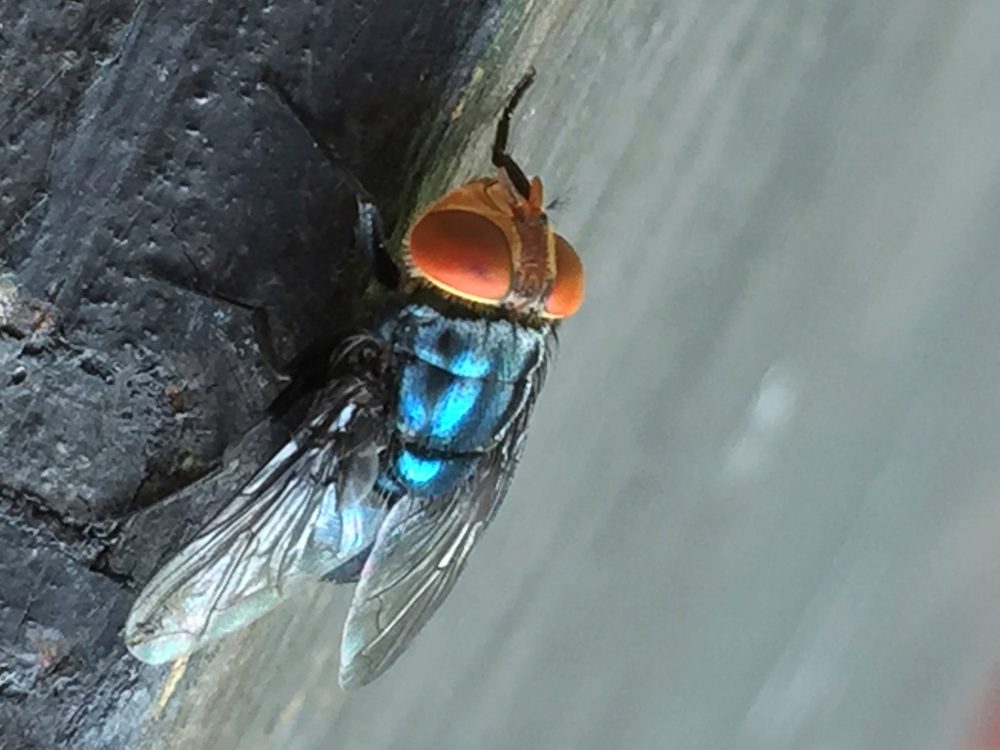

Federal agriculture officials have verified the presence of the New World screwworm fly in southern Texas, marking the first detection in nearly six decades of the parasite whose flesh-consuming larvae pose a significant danger to the nation’s livestock sector.
The case was identified in a three-week-old calf located in LaPryor, Texas, approximately 50 miles from the Mexican border, Agriculture Secretary Brooke Rollins announced Wednesday. In response, Texas State Veterinarian Bud Dinges has implemented a 12-mile quarantine perimeter that restricts movement of all warm-blooded creatures, including household pets, without proper inspection.
While no additional detections have occurred within U.S. borders, Rollins emphasized that although the larvae present dangers to livestock operations, they do not contaminate food products. She noted that with appropriate treatment, even the affected calf is expected to make a full recovery.
For over a year, agriculture officials and cattle industry representatives have been raising public awareness about the fly’s spread throughout Mexico, driven by historical memories of the pest causing tens of millions in economic damage before its elimination in the 1970s.
This marks the initial confirmed occurrence in Texas since 1966, according to Rollins.
Extensive prevention measures have involved releasing millions of sterilized screwworm flies in the region to breed with wild females, employing the same successful strategy used during the previous eradication campaign. Rollins expressed confidence in the preparedness efforts, stating the USDA believes “there is no threat of mass infestation.”
“There is no reason to believe this incursion will result in establishment of the pest in our country,” Rollins stated.
The confirmation came just one day following Rollins’ online press briefing highlighting the approaching danger, with confirmed cases in Mexico detected as near as 25 miles from the border, while outlining the department’s combat strategies.
The New World Screwworm fly represents a tropical species that historically infected cattle during warm seasons throughout the southern United States, but remained confined to Panama until the end of 2024.
Female flies deposit eggs within open wounds or mucous membranes, which develop into flesh-consuming larvae that differ from typical fly species and can affect livestock, wild animals, pets, and humans. Without treatment, infestations may prove fatal.
In August 2025, federal health authorities verified a case involving a Maryland resident who had visited El Salvador, though the individual recovered and officials discovered no parasite transmission. The previous outbreak occurred in the Florida Keys during September 2016, primarily affecting wild deer, and was successfully contained by early the following year.
Female flies reproduce only once during their multi-month lifespan, and mating with sterile flies prevents egg hatching, eventually eliminating the population. Previous eradication success led the U.S. to close sterile fly breeding facilities, maintaining only one in Panama for decades.
This situation is now changing. The USDA allocated $21 million to transform a fruit-fly breeding facility in southern Mexico for screwworm fly production, established a new distribution center for sterile flies in southern Texas, and began constructing a $750 million screwworm fly facility there. The Mexican breeding operation should begin functioning next month, Rollins reported.
Officials have also positioned 8,000 fly traps along the U.S.-Mexico border, with the USDA examining over 58,000 fly specimens and 19,000 wild animals.
Rollins additionally suspended U.S.-Mexico livestock imports from Mexico last year, a choice she supported during Tuesday’s press conference. While the fly can also travel with people, pets, and wild animals, Rollins stressed Wednesday evening that it cannot fly long distances independently.
Dinges emphasized that ranchers and pet owners must respect the quarantine boundaries.
“Please help us prevent any further movement of this pest by staying put,” he stated.