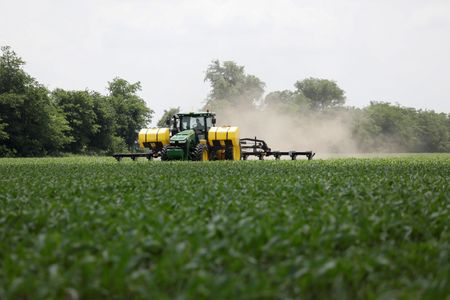
WASHINGTON — President Donald Trump has signed off on a temporary halt to certain import duties on phosphate fertilizer coming from Morocco, the White House announced Monday, as the country’s farmers struggle with fertilizer shortages stemming from the ongoing Iran war.
Back in March, White House economic adviser Kevin Hassett indicated the Trump administration was actively searching for additional fertilizer sources. That need became more urgent after the closure of the Strait of Hormuz sharply reduced supplies from major fertilizer-producing nations in the Middle East.
In a formal proclamation released by the White House, Trump stated: “Global supply chains for phosphate fertilizer and fertilizer inputs, including imports of such products into the United States, have been disrupted in recent months by, among other things, conflicts in fertilizer-producing regions as well as trade actions taken by major fertilizer-producing countries.”
Trump’s proclamation also noted that current U.S. phosphate fertilizer production falls short of what is needed to sustain domestic food and agricultural output, even after accounting for exports.
The administration said it is collaborating with private industry to boost domestic fertilizer manufacturing capacity, but acknowledged that meaningful increases in supply will take time to achieve. In the meantime, the president noted that countries such as Morocco are currently in a position to deliver phosphate fertilizers to the United States without disruption.
Listen to the Evening Delmarva Farm Report Update — June 29, 2026
DELMARVA — The National Weather Service in Mount Holly has issued an Extreme Heat Watch for the Delmarva Peninsula, in effect through July 4 at 8 p.m. Dangerously hot conditions are building across the region, and agricultural producers are urged to complete field work early in the week before temperatures peak. Livestock water supplies and cooling systems should be checked and made ready.
Policy
5 Maryland counties have been added as contiguous counties to a USDA Secretarial Disaster Declaration originally issued Friday covering Virginia, making them eligible for federal disaster assistance. The newly qualifying counties are Charles, Frederick, Montgomery, Prince George’s, and Washington.
A Bayer agronomist is urging corn growers across the region to scout fields for tar spot. Doug George says June’s warm, humid conditions mirror those of 2021, a year that saw significant tar spot damage in corn, and producers should get into fields early to catch any signs of the disease before it spreads.
Markets
Monday’s commodity markets closed lower across the board. July corn settled at $4.02/bu, down 10¾ cents. July soybeans closed at $11.08¾/bu, off 17½ cents. July Chicago wheat finished at $5.69½/bu, down 8¾ cents. August live cattle fell $2.25 to $243.57. At Laurel Grain Company in Laurel, Delaware, December corn is trading at $4.45/bu.
Forecast
Tuesday calls for sunny skies and a high of 88°F. Heat builds sharply through the week, with highs approaching 98°F by Thursday. No rainfall is expected until Friday.
This article is based on the Delmarva Farm Report Update Evening Edition, June 29, 2026. Hosted by Tom Bradley.
When wildfires break out and government firefighting crews are already stretched to their limits, some rural communities aren’t waiting around for outside help — they’re handling it themselves.
Rangeland Fire Protection Districts are volunteer-based organizations formed by neighbors who band together to shield their land and surrounding areas from the threat of wildfires. These groups step in precisely when federal and state agencies don’t have the manpower or equipment to respond in time.
The concept is rooted in community self-reliance — landowners who know their terrain, understand the risks, and have a personal stake in protecting what’s theirs. When resources from larger agencies run out or are committed elsewhere, these volunteer ranchers become the first and sometimes only line of defense against fast-moving rangeland fires.
The United States Department of Agriculture’s National Agricultural Statistics Service, known as NASS, has released its latest Crop Progress and Condition estimates.
The report, published through the USDA’s official reporting system, provides updated figures on the current state of crop development nationwide.
These weekly progress and condition reports are a key resource for farmers, agricultural businesses, and industry analysts who rely on the data to monitor how the growing season is unfolding.
A new government report shows that the index tracking prices received by agricultural producers moved higher in May, posting a gain of 4.1 percent compared to the previous period.
The data, released by the federal agency that monitors agricultural statistics, signals movement in the prices farmers are collecting for their goods across a range of commodity categories.
Price fluctuations at the farm level can have ripple effects throughout the broader food and agriculture supply chain, ultimately influencing what consumers pay at grocery stores and markets.
Further details on the breakdown of commodity prices and regional variations are available in the full report.
Five Maryland counties are now eligible to receive federal disaster assistance after the U.S. Department of Agriculture issued a major disaster declaration last week.
On June 26, 2026, the USDA issued a Secretarial Disaster Declaration covering 43 primary natural disaster area counties in the Commonwealth of Virginia, along with an additional 61 neighboring counties in that state.
Because Maryland shares a border with several of the Virginia counties included in that designation, five Maryland counties — Charles, Frederick, Montgomery, Prince George’s, and Washington — have been added as contiguous counties, making them eligible for federal disaster assistance as well.
The declaration was announced from Annapolis on June 29, 2026.
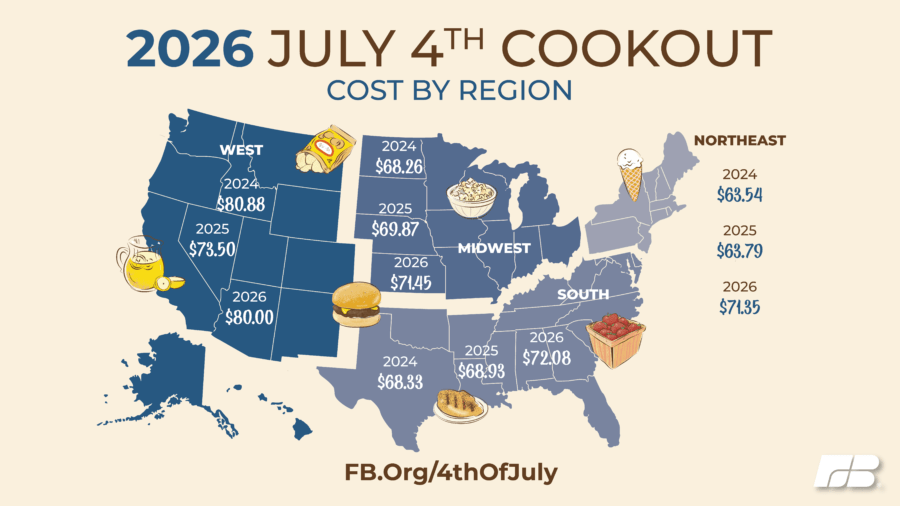
If you’re planning a Fourth of July cookout this year, expect to spend a little more at the checkout line. A new survey from the American Farm Bureau Federation finds the average cost of a cookout for 10 people in Delaware now runs $68.75 — up 4%, or $2.36, compared to last year.
The increase tracks closely with the national annual inflation rate of 4.2% for the 12 months ending in May, though the survey covers only a specific basket of cookout staples rather than all grocery items.
Even with the uptick, Delaware shoppers are getting a relative deal. The state’s average cookout cost comes in below both the national average of $73.82 and the Southern Region average of $72.08.
American Farm Bureau Federation Economist Dr. Faith Parum acknowledged the strain on household budgets, but offered some perspective. “Families across the country are dealing with higher prices for many expenses including groceries,” she said. “As you look at the purchasing power of the dollar, however, it has remained relatively stable when it comes to food. America’s families spend less of their disposable income on food than most other nations and we enjoy one of the most abundant, affordable and safe food supplies in the world.”
Prices went up on 9 of the 12 items tracked in Delaware. Strawberries took one of the biggest leaps, jumping 41% to $4.80 for two pints. A spring frost that damaged young plants contributed to the spike, along with high labor costs and rising fuel expenses tied to refrigeration and transportation.
Pork and beans also got noticeably pricier. A 32-ounce can now costs $2.84, up 91 cents from last year, driven largely by surging aluminum costs that have pushed up production expenses for canned goods.
There were a couple of bright spots on the receipt, though. Potato salad prices dropped 59%, falling to just $3.64. That decline is tied in part to lower egg prices as poultry flocks rebound from avian influenza. Cheese prices also dipped in Delaware.
American Farm Bureau Federation President Zippy Duvall noted that rising store prices don’t always benefit the people growing the food. “Higher prices at the grocery store don’t always translate to more money for farmers. The farmer’s share of the food dollar is around 6% after expenses. Farmers are dealing with natural disasters and higher supply costs while making the same — or sometimes less — money for the food they grow. Still, they’re committed to growing safe, affordable, sustainable and abundant food for our nation.”
Duvall also called on lawmakers to prioritize farm policy, saying, “Farmers represent less than 2% of the population, but they carry a great responsibility in providing nutrition for the remaining 98% of America. The critical role they play has traditionally been supported by investments in innovation, research and risk management, all made possible by the farm bill. We encourage lawmakers to celebrate America’s 250th anniversary and then return to D.C. with a renewed commitment to pass a new, modernized farm bill. It’s an investment in our country’s future.”
The federal Consumer Price Index puts overall inflation at 4.2%, with food prices up 3.1% over the past year. The Farm Bureau’s cookout survey zeroes in on foods typically associated with summer grilling rather than the full range of grocery items.
The data was gathered by volunteer shoppers — including Farm Bureau members and others — who checked prices at stores in every state and Puerto Rico. The July Fourth cookout survey is part of the same series that tracks Thanksgiving dinner costs each fall.
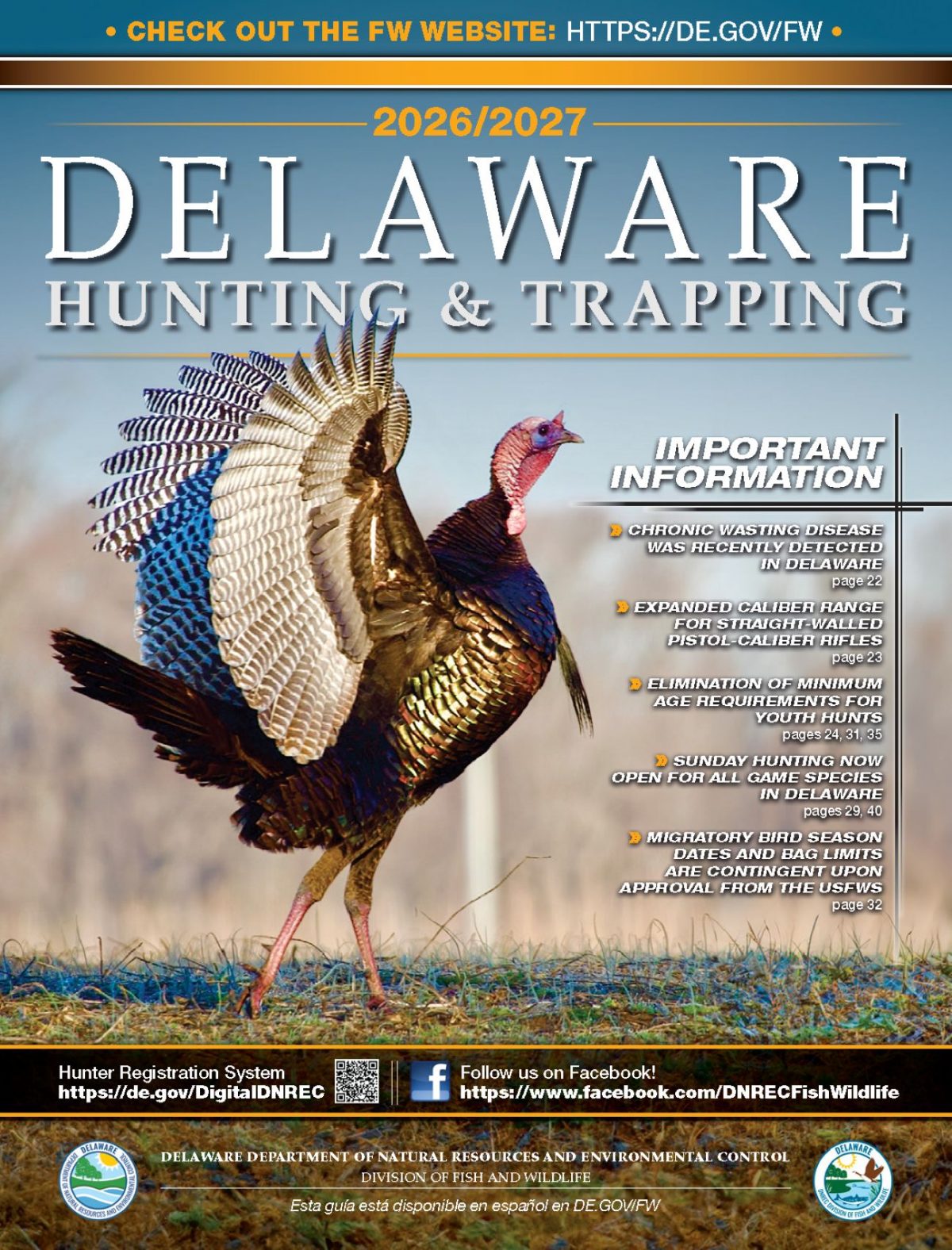
The new 2026/27 Delaware Hunting and Trapping Guide has been released and is ready for hunters and trappers to pick up ahead of the upcoming season.
DNREC has made the guide available at participating license agents throughout the state, as well as at the Division of Fish and Wildlife’s licensing desk located in Dover.
For those who prefer to access it digitally, the guide can also be found on the de.gov/hunting webpage.
SANTORINI, Greece — Standing in a vineyard on the Greek island of Santorini, winemaker Yiannis Boutaris points to a withered vine that once thrived for nine decades. Trained into a basket shape — a traditional style called a ‘kouloura’ designed to shield grapes from the intense summer sun — the plant ultimately could not survive the relentless heat and drought that have hammered the island in recent years.
That dead vine tells a larger story. Across Santorini, low rainfall and scorching temperatures between 2023 and 2025 have driven up grape prices, dramatically cut wine production, and deepened fears about the island’s water supply. It’s a problem spreading across much of Greece as climate change pushes summers to become hotter and rainfall increasingly unpredictable.
“The lack of rain, in combination with the lack of cultivation, in the last couple of years has led to these old vineyards really dying,” said Boutaris, who both maintains his own vineyards and purchases grapes from other growers — including the vineyard where those dying vines stand.
“The main thing for our winery is we are not abandoning tradition … we are adapting the vineyard to the new circumstances,” he added.
Boutaris is a sixth-generation winemaker who leads the Domaine Sigalas winery, now part of the Kir-Yianni family of wineries. He is currently running a pilot program alongside local officials and scientists that would redirect wastewater from homes and hotels to irrigate the vines. Supporters of the approach say it could be more sustainable and energy-efficient than relying on costly desalination plants — a method also used in California.
He is also experimenting with planting vines in rows rather than in the traditional scattered arrangement, making irrigation more manageable. Another technique under trial is atmospheric water harvesting, which pulls moisture from the air using hydrogels and then extracts it as usable water through heat generated by solar panels.
The struggle facing winemakers is part of a broader competition for land and water resources across Greece. During the tourist season, when millions of visitors flood islands like Santorini, farmers, hotel operators, and swimming pool owners all find themselves vying for a shrinking share of the available water.
The toll on production has been severe. Santorini’s prized Assyrtiko grape yield dropped from 2,500 metric tons in 2022 to just 500 tons last year. As a result, winemakers are now paying farmers 10 euros — roughly $11 — per kilogram, prices comparable to prestigious wine regions like Champagne. By contrast, a kilogram of grapes in cooler northern Greece fetches only about 80 cents.
“Santorini reached a limit of dramatic conditions in 2023 and 2024,” said Stefanos Koundouras, a professor of viticulture at Aristotle University in Thessaloniki. He noted that temperatures during that stretch were the hottest recorded in 60 years.
Koundouras warned that the wine industry could become increasingly unsustainable across Europe — especially in Mediterranean areas — if warming and drying trends continue. “We are already seeing problems in the quality and special character of the wines,” he said.
Fellow winemaker Yiannis Papaeconomou is also planning to tap into the wastewater irrigation project for his six-year-old vines. In the meantime, he has been testing subsurface irrigation — a system that delivers water directly beneath the soil to cut down on evaporation — as well as trellising techniques that allow for more efficient watering.
“So we must adapt and proceed in a new way of thinking and, you know, find a way out,” Papaeconomou said.
Listen to the Morning Delmarva Farm Report Update — June 29, 2026
DELMARVA — Federal agriculture officials have confirmed New World screwworm has been detected inside the United States, marking a serious development for livestock producers across the region.
The first case was identified in a calf in Texas on June 3. Since then, additional cases have been found in both livestock and pets in other parts of the country. The USDA has responded with quarantines and movement restrictions in affected areas.
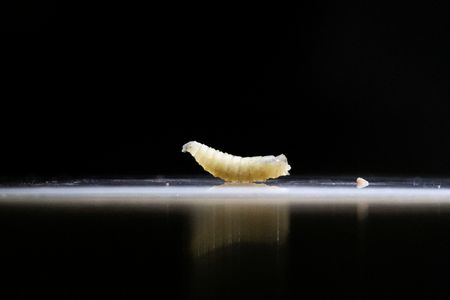
New World screwworm larvae feed on the living tissue of warm-blooded animals, posing a serious threat to any livestock operation. Farmers and pet owners are urged to stay vigilant and report any suspected cases to authorities immediately.
Markets
With calf prices at historic highs, proper weaning management has never carried higher stakes. Over the past 3 years, the market value of a 550-pound steer has doubled. Producers are being urged to reduce stress during weaning, as a mishandled transition now carries a much steeper financial penalty than it once did.
At Laurel Grain Company in Laurel, Delaware, corn is bringing $4.50/bu on the December contract. November soybeans are trading at $11.00/bu.
Forecast
The National Weather Service has issued an Extreme Heat Watch today, running through July 4 at 8 p.m. Monday’s high reaches 84°F with patchy morning fog clearing to mostly sunny skies. Tuesday climbs to 88°F and sunny. Temperatures will continue rising through the holiday weekend, with dangerous heat developing by midweek.
Livestock producers are advised to keep animals watered and limit their movement during peak afternoon hours.
This article is based on the Delmarva Farm Report Update Morning Edition, June 29, 2026. Hosted by Tom Bradley.
If you’ve never heard of a juneberry, you’re not alone — but farmers across the country want to change that.
The small fruit, which also goes by the name serviceberry, is currently in season. Despite being ripe for the picking, juneberries remain largely unavailable to most consumers in the United States.
Now, a new effort is underway to get more of these berries growing on farms and into the hands of everyday shoppers. Growers are hoping that with more production, the juneberry can finally earn a spot alongside more familiar fruits at markets and grocery stores.
Listen to the Evening Delmarva Farm Report Update — June 27, 2026
DELMARVA — President Trump signed an executive order Friday making regenerative agriculture a national priority, a move that could shape federal resources available to Delmarva growers in the seasons ahead. During a White House event Thursday with farmers and agricultural leaders, the President directed his administration to fast-track programs aimed at improving soil health, building farm resilience, and strengthening food security.
Markets
Grain markets settled mixed at Friday’s close. July corn finished at $4.12¾, down 2 cents. July soybeans closed at $11.26¼, off 1¼ cents. July Chicago wheat saw the steepest drop, falling 12¾ cents to $5.78¼.
Livestock markets were mostly lower. August live cattle settled at $245.82, down $1.40. August feeder cattle dropped $3.45 to $369.85. July lean hogs bucked the trend, adding 22 cents to close at $92.92.
Locally, corn at Laurel Grain Company in Laurel is bringing $4.57 per bushel on the December contract. Soybeans there are at $11.07 on the November contract.
Poultry
USDA reports May chicken output came in at 4.069 billion pounds, up 1% from a year ago, driven by heavier bird weights rather than higher slaughter numbers.
Forecast
Showers and thunderstorms are likely through Saturday evening, with highs near 79°F. Sunday brings more of the same, with scattered storms and a high in the low 80s. Growers are advised to plan fieldwork around the wet windows.
This article is based on the Delmarva Farm Report Update Evening Edition, June 27, 2026. Hosted by Tom Bradley.
Senior officials from both Mexico and the United States came together Saturday to open a sterile fly production facility in Metapa de Dominguez, a town in the southern Mexican state of Chiapas near the Guatemalan border — marking a significant step in the ongoing battle against the New World screwworm.
Mexican President Claudia Sheinbaum and U.S. Agriculture Secretary Brooke Rollins were both present at the opening of the plant, which was built as a joint project between the two nations at a cost of more than $50 million. Once fully operational, the facility is expected to produce as many as 100 million sterile flies per week, which will be released to reduce the population of wild screwworm.
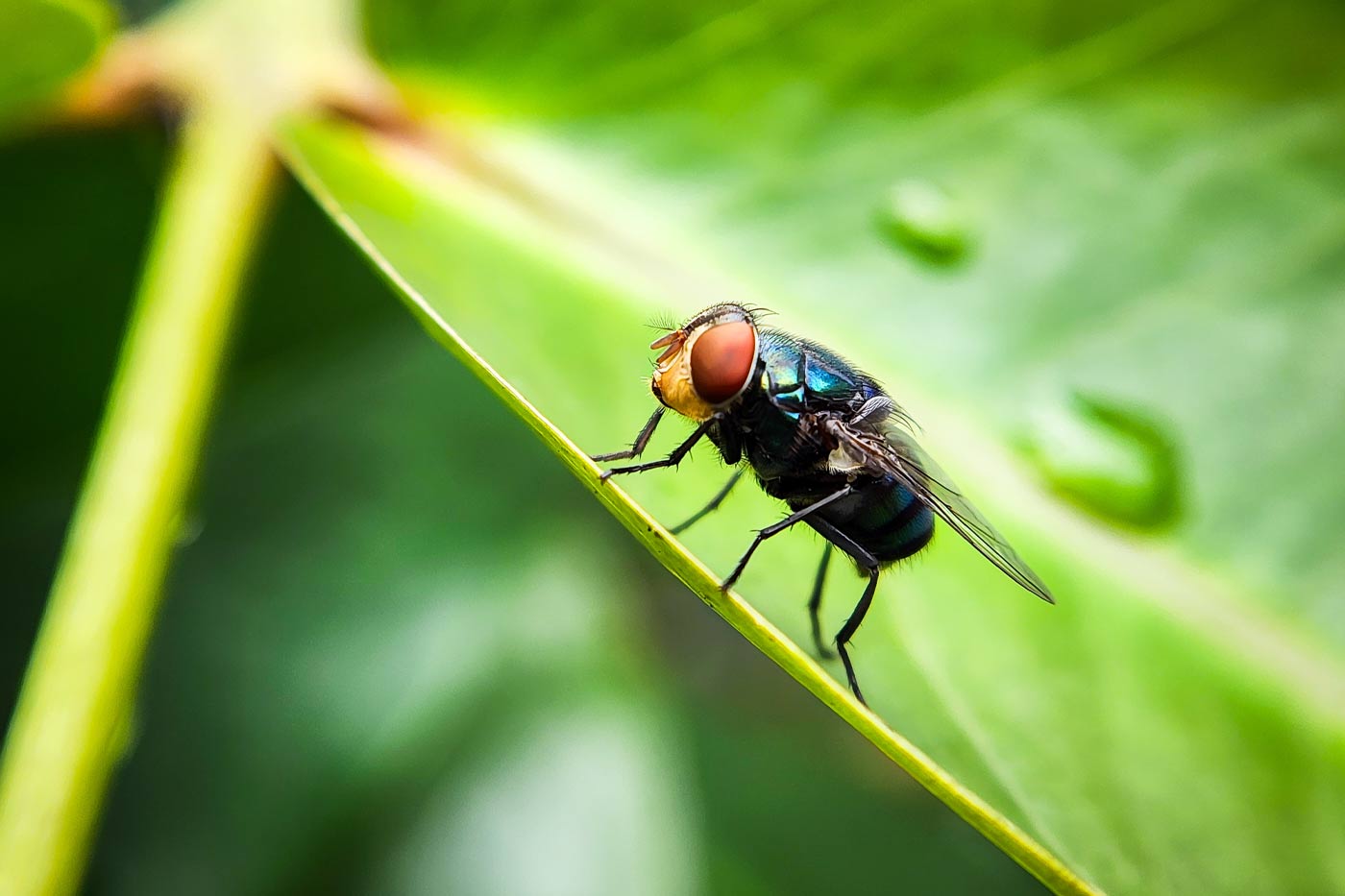
The screwworm is a parasite that burrows into the flesh of warm-blooded animals and can prove deadly if left untreated.
Experts have cautioned that even with the new plant running at full capacity, the total number of sterile flies available will still fall short of what would be needed to fully wipe out the pest.
The plant’s opening comes more than 18 months after Mexico recorded its first confirmed screwworm case back in November 2024. The infestation gradually moved northward through Mexico before crossing into the United States, where the first cases in several decades were confirmed in Texas in early June. Those U.S. cases have raised serious alarms about the potential impact on the American cattle industry.
“Our countries have beaten this before, 40, 50 years ago. We will beat the New World screwworm again sooner than anyone would have thought because of the extraordinary work that is going to happen at this facility,” Rollins said at the event.
Warning signs had actually emerged as far back as 2023, when the Panama-United States Commission for the Eradication and Prevention of Screwworm — known as COPEG — flagged that the parasite was moving northward. Despite those early alerts, officials were unable to stop its spread. By the time action was taken, the screwworm had already infected more than 30,000 animals across Mexico. Plans for the new plants in both Chiapas and Texas were not announced until 2025.
In response to the outbreak, the U.S. has kept its border largely closed to live cattle from Mexico since May 2025. That closure has disrupted a trade relationship that previously brought more than one million animals annually into U.S. feedlots. The shortage has hit Texas particularly hard, with some feedlots sitting nearly empty and cattle inventories reaching historically tight levels.
The trade disruption has also changed how Mexican ranchers operate. Many who previously exported live cattle to the north have instead begun fattening and processing animals within Mexico, spurring investment in domestic feedlots and slaughter facilities. As a result, Mexican beef shipments to the U.S. rose sharply in 2026.
President Sheinbaum addressed the importance of cross-border cooperation at the ceremony. “Animal diseases, pests and the challenges of food safety aren’t limited by borders,” she said. “In the face of those challenges, the best response is to team up, share our experiences and build solutions together.”
The new Chiapas facility is projected to roughly double the number of sterile insects available for release beyond what COPEG’s existing plant in Panama currently provides. That Panama plant has been running at full capacity, producing around 100 million flies weekly. Most recently, those sterile flies have been deployed along the U.S.-Mexico border near Texas.
A lawsuit targeting pollution in an Oklahoma watershed has been grinding through the courts for nearly two decades, with no resolution in sight.
The case centers on contamination in the Illinois River Watershed, which Oklahoma has attributed to the poultry industry. Legal experts say the outcome of this prolonged battle could have far-reaching consequences, potentially setting a precedent that other states might look to when dealing with their own agricultural pollution cases.
Listen to the Morning Delmarva Farm Report Update — June 27, 2026
DELMARVA — President Trump signed an executive order Friday elevating regenerative agriculture as a national priority. At a White House event Thursday, the President directed his administration to fast-track programs on soil health, farm resilience, and food security — aimed at giving farmers and ranchers more resources for American crop production.
Technology
A University of Maryland Extension researcher is bringing precision weed technology to Delmarva fields. Travis Ford, an agriculture and natural resources agent for Caroline County, presented his findings Wednesday at a weed management field day in Queenstown. Ford is using AI-powered drone mapping software called Agremo to target weeds precisely, reducing herbicide use compared to traditional blanket spraying. In one trial, he achieved a 99.9% weed kill rate. Ford says a strong pre-emergence program is critical to getting the most from the technology.
Markets
Grain futures settled mixed Friday. July corn closed at $4.12¾, down 2 cents. July soybeans settled at $11.26¼, off 1¼ cents. July Chicago wheat dropped 12¾ cents, closing at $5.78¼. At Laurel Grain Company in Laurel, Delaware, December corn bids stand at $4.57/bu, with November soybeans at $11.07/bu.
Forecast
Showers and thunderstorms are likely Saturday, with a high near 80°F. Drought conditions across Delmarva keep fire risk elevated. Sunday brings a chance of rain showers, with a high of 81°F.
This article is based on the Delmarva Farm Report Update Morning Edition, June 27, 2026. Hosted by Tom Bradley.
A federal notice has been issued signaling that the Animal and Plant Health Inspection Service intends to seek an extension of approval for an existing information collection process.
The collection in question is tied to the importation of swine hides, bird trophies, and deer hides into the United States.
The request is being made in accordance with the Paperwork Reduction Act of 1995, a law that governs how federal agencies gather and manage information from the public.
Listen to the Evening Delmarva Farm Report Update — June 26, 2026
DELMARVA — President Trump signed an executive order Friday elevating regenerative agriculture as a national priority, directing his administration to fast-track programs targeting soil health, farm resilience, and food security. The signing took place at a White House event attended by farmers and agricultural leaders.
Policy
Maryland farmers are pushing back against a newly enacted heat illness prevention rule that requires employers to provide water, rest breaks, and shade any time the heat index reaches 80°F or higher — indoors or out. Karl Shlagel, who operates Shlagel Farms in Waldorf, says the mandatory break schedule actually extends the workday into the hottest afternoon hours, producing the opposite effect of what workers want. Shlagel described the rule as the toughest of its kind in the nation, stricter than California’s. Tyler Hough of Maryland Farm Bureau noted the rule followed the 2024 heat stroke death of a Baltimore sanitation worker.
Markets
Grain futures closed mixed Friday. July corn settled at $4.12¾, down 2 cents. July soybeans closed at $11.26¼, off 1¼ cents. July Chicago wheat fell 12¾ cents to $5.78¼. At Laurel Grain Company in Laurel, Delaware, December corn is bringing $4.57/bu, with November soybeans at $11.07.
Forecast
Temperatures are expected to reach 90°F Friday afternoon with a chance of rain showers. Saturday calls for showers and thunderstorms with a high of 82°F. Producers are advised to plan field work accordingly.
This article is based on the Delmarva Farm Report Update Evening Edition, June 26, 2026. Hosted by Tom Bradley.
Farmers saw a bump in what they were paid for peanuts during the most recent reporting period, according to newly released federal data.
The average price received by farmers for all farmer stock peanuts came in at 24.4 cents per pound for the week ending June 20. That figure represents an increase of 1.9 cents compared to the previous reporting period.
The data was published by the U.S. Department of Agriculture’s National Agricultural Statistics Service as part of its regular peanut price tracking series.
According to the most recent poultry slaughter report released by the U.S. Department of Agriculture’s National Agricultural Statistics Service, the ready-to-cook weight of slaughtered poultry has increased by one percent compared to the same time last year.
The report, which tracks poultry processing data across the country, offered limited additional detail beyond the year-over-year weight comparison.
The nation’s peanut supply chain is showing signs of increased demand, according to the latest government figures on peanut stocks and processing activity.
Commercial storage facilities across the country are currently holding 4.07 billion pounds of peanuts, the report indicates.
On the demand side, shelled edible grade peanuts — the type destined for consumer food products — have seen season-to-date utilization climb 6 percent compared to the same period a year ago, signaling stronger-than-usual movement through the supply chain.
President Trump is taking steps to smooth things over with American farmers who are feeling the financial pinch from the Iran war’s impact on fuel and fertilizer costs.
The president has been actively working to maintain support among the agricultural community, whose profit margins have been squeezed by the price increases that followed the conflict with Iran.
In a notable gesture, Trump went so far as to host a group of farmers for dinner at the White House’s Rose Garden, signaling how seriously the administration is taking the concerns of those in the farming industry.
The spike in fuel and fertilizer prices tied to the Iran war has directly affected farmers’ bottom lines, fueling frustration within a community that has traditionally been a key part of Trump’s political base.
Listen to the Morning Delmarva Farm Report Update — June 26, 2026
DELMARVA — President Trump signed an executive order Thursday advancing precision agriculture and streamlining pesticide approvals. The signing came just ahead of a White House Rose Garden dinner Trump hosted for farmers, signaling the administration’s focus on supporting the agricultural community.
Also from Washington, the Senate Agriculture Committee released draft text of the 2026 Farm Bill on Tuesday. Committee members will work through a markup session before the legislation heads to a full Senate floor vote.
Local News
A barn fire along Bridgetown Road in Henderson, Caroline County, Maryland, remains under investigation. The blaze Thursday destroyed an outbuilding and barn, killing 5 farm-raised ducks and causing an estimated $50,000 in property damage. Cause and origin are still unknown. Anyone with information is asked to contact the Maryland State Fire Marshal’s Upper Eastern Shore Regional Office at 410-819-3500.
Markets
Thursday’s closing prices showed July corn settling at $4.14¾/bu, July soybeans closing at $11.27½, and July Chicago wheat finishing at $5.91¼. At Laurel Grain Company in Laurel, Delaware, December corn is bringing $4.57/bu and November soybeans are at $11.01.
Forecast
Friday’s high will reach 90°F, partly sunny with a slight chance of afternoon showers and thunderstorms. Tonight, storms are likely with temperatures dropping to 70°F. Saturday brings showers and thunderstorms throughout the day with a high of 81°F. Farmers are advised to plan field work accordingly.
This article is based on the Delmarva Farm Report Update Morning Edition, June 26, 2026. Hosted by Tom Bradley.
Listen to the Evening Delmarva Farm Report Update — June 25, 2026
DELMARVA — The Trump administration is urging Congress to pass a supplemental spending bill that would deliver more than $11 billion in financial assistance to American agriculture and authorize year-round nationwide sales of E15 fuel — a priority long sought by corn and ethanol producers. Representative Don Bacon of Nebraska, a House Agriculture Committee member, told Brownfield there could be political obstacles ahead for the legislation.
Policy
The U.S. Supreme Court ruled Thursday that federal pesticide law takes precedence over state-level labeling requirements. The ruling, handed down in the Monsanto v. Durnell case, centers on the Federal Insecticide, Fungicide, and Rodenticide Act, known as FIFRA. Darren Coopeck of the Agricultural Retailers Association called it a significant win, saying the decision settles where labeling authority lies and confirms that federal labels are legally binding.
Markets
Grain futures closed higher across the board Thursday. July corn finished at $4.14¾ per bushel, up 7¾ cents. July soybeans climbed 18¾ cents to close at $11.27½. July Chicago wheat settled at $5.91¼, up 5¼ cents.
At Laurel Grain Company in Laurel, Delaware, December corn is bidding $4.58 per bushel and November soybeans are at $11.07.
Forecast
Thursday evening will remain sunny and warm with temperatures topping out near 86°F and a southeast breeze. Overnight lows will drop to 69°F under partly cloudy skies. Friday turns hotter, with highs near 93°F and partly sunny skies. No rain is expected through the weekend.
This article is based on the Delmarva Farm Report Update Evening Edition, June 25, 2026. Hosted by Tom Bradley.
A destructive parasite called the New World screwworm is making its way across Texas, raising serious concerns for the cattle industry and local wildlife populations.
Controlling the outbreak requires ranchers to work hand-in-hand with government agencies, but that partnership is proving difficult. Many ranchers have expressed distrust toward the government, complicating efforts to stop the parasite from spreading further.
The screwworm poses a significant threat to livestock, and officials are urging cooperation to prevent the situation from worsening.
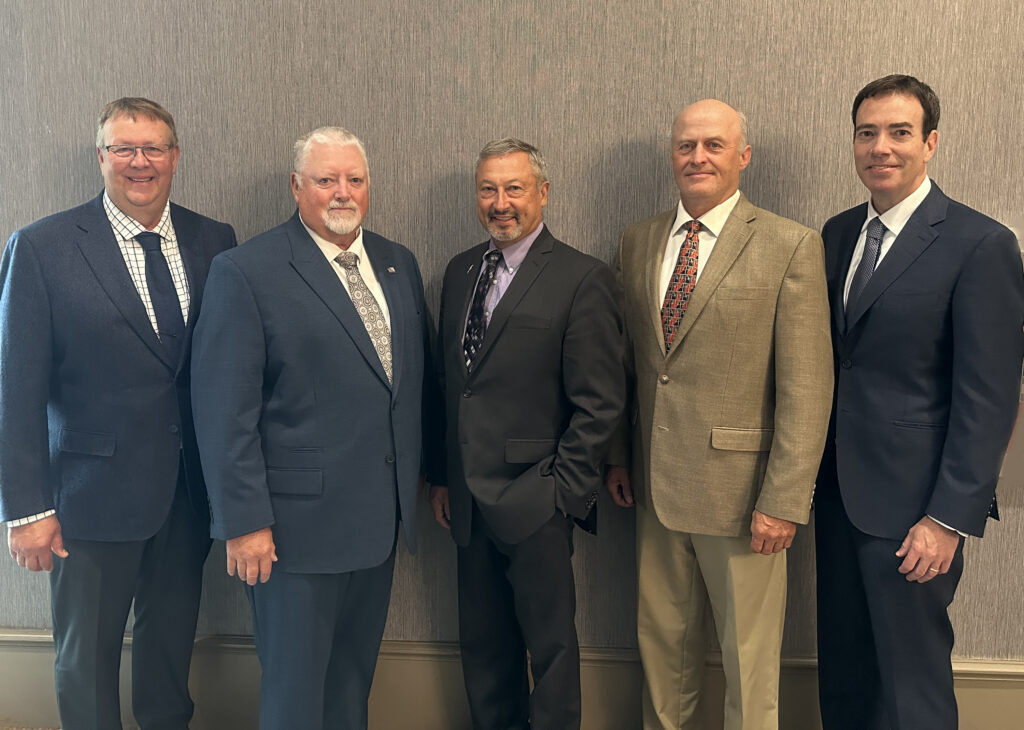
ARLINGTON, VA. — A Kansas wheat farmer has stepped into the top leadership role at U.S. Wheat Associates (USW), taking the gavel as the organization’s new Board of Directors chairman.
Gary Millershaski, who farms in Lakin, Kansas, was officially installed as USW chairman during the group’s three-day summer meeting held in Fargo, North Dakota. The gathering also included updates from state wheat commission members and USW staff, covering topics such as budget planning, long-range strategy, transportation, and wheat quality. The full board convened on June 25, with discussions on global supply and demand, food assistance programs, and reports from USW leadership.
Millershaski succeeds North Dakota wheat farmer Jim Pellman in the chairman’s seat and will hold the position for one year.
USW President and CEO Mike Spier spoke highly of the incoming chairman. “Gary has been an active board member and a valuable voice on the officer team – he is a strong representative for U.S. wheat farmers,” Spier said. “He has visited many global markets and established relationships with wheat buyers around the world. This kind of engagement serves the mission of USW to build export demand for wheat. We look forward to his continued contributions to our work that benefits wheat farmers in his home state of Kansas and beyond.”
Millershaski farms alongside his wife Jana and their sons Jeremy and Kyler. Together, the family grows hard red winter wheat, hard white wheat, and dryland corn and milo, while also running a cow/calf operation. He became a Kansas Wheat Commissioner in 2016 and later served as its chairman. He also held a director position with the Kansas Association of Wheat Growers (KAWG) from 2007 to 2017, an organization that had previously awarded him a scholarship while he was part of the Class VIII Kansas Agricultural and Rural Leadership (KARL) program. More recently, he took part in the industry-focused Bayer Leadership Program, which aims to foster collaboration and readiness for global agricultural challenges.
Millershaski reflected on his time as vice chairman as he steps into the top role. “In my role as Vice Chairman, I’ve learned a lot from working alongside Jim Pellman, our U.S. Wheat staff around the world and the state partners that support our efforts,” he said. “My goal as Chairman is to meet more of our customers and continue to raise awareness of the high-quality wheat we grow.”
The full officer lineup for the 2026/27 term was chosen during the January winter board meeting in Washington, D.C. Alongside Millershaski’s elevation to chairman, Mike Carstensen of Almira, Washington, moved up to vice chairman, while Jim Pellman of McClusky, North Dakota, shifted to the past chairman role. Mark Jossund, a farmer from Hendrum, Minnesota, was newly elected as secretary-treasurer. All officers officially began their terms on June 25 following the installation ceremony.
The number of hogs and pigs in the United States has fallen slightly, according to the most recent inventory report released by the U.S. Department of Agriculture’s National Agricultural Statistics Service.
The federal agency’s report indicates that the national hog inventory is down compared to previous figures, though the full breakdown of specific numbers and regional data is contained within the official USDA release.
Hog and pig inventory reports are published periodically by the USDA to give producers, markets, and policymakers a snapshot of livestock population trends across the country.
Commercial red meat production in the United States has declined by six percent when compared to figures from the previous year, according to a report released by federal agriculture officials.
The drop signals a notable shift in the volume of livestock being processed at commercial facilities across the country. Such changes in production levels can have ripple effects throughout the agriculture and food supply industries.
Federal data tracking livestock slaughter activity is used by producers, buyers, and policymakers to monitor trends in the nation’s meat supply chain.
The U.S. Department of Agriculture’s National Agricultural Statistics Service has published its Cold Storage report featuring highlights and records for May 2026.
The report provides a snapshot of the amounts of various food products being held in refrigerated and frozen storage facilities across the United States. These figures are closely watched by agricultural producers, food industry professionals, and market analysts as indicators of national supply conditions.
Cold storage data plays an important role in understanding how much of a given commodity is available in the marketplace at any given time, which can influence pricing and production decisions throughout the food supply chain.
The full details of the May 2026 report, including specific commodity figures and any notable records, are available through the USDA’s official publications.
For more than three decades, antique tractor fans across Delaware have gathered at the State Fair for one of the season’s most beloved agricultural traditions — the Antique Tractor Pull, hosted by the Delaware Farm Bureau Young Farmers and Ranchers (YF&R).
This year’s event is scheduled for Saturday, August 1, inside the Quillen Arena at the Delaware State Fair. Spectators can watch at no charge, though a standard fair admission ticket is needed to get onto the fairgrounds.
The competition draws participants of all ages and backgrounds. Each tractor on the track represents countless hours of restoration and upkeep, as drivers spend much of the year preparing their machines — many of which are genuine pieces of agricultural history. During the event, competitors attempt to pull a weighted sled as far down the track as possible, with the greatest distance in each class earning the win. Still, organizers say the competition is about much more than bragging rights — it’s a celebration of shared passion and community.
“The Antique Tractor Pull is something the whole family can enjoy,” said YF&R State Chair Connor Vincent. “We love seeing kids experience it for the first time while also bringing back memories for those who grew up watching or competing.”
The day kicks off with event registration and check-in at 7:00 a.m. A drivers’ meeting follows at 8:30 a.m., and the first hook gets underway at 9:00 a.m. The event will also include the announcement of YF&R Scholarship winners. Participants are encouraged to pre-register at www.defb.org/yfr/antique-tractor-pull/.
The entry fee is $20 per hook across all classes. Event T-shirts will be sold on-site for $25 each, with youth sizes available at $20.
For additional details, reach YF&R State Chair Connor Vincent at [email protected] or contact the DEFB state office by phone at 302-697-3183.
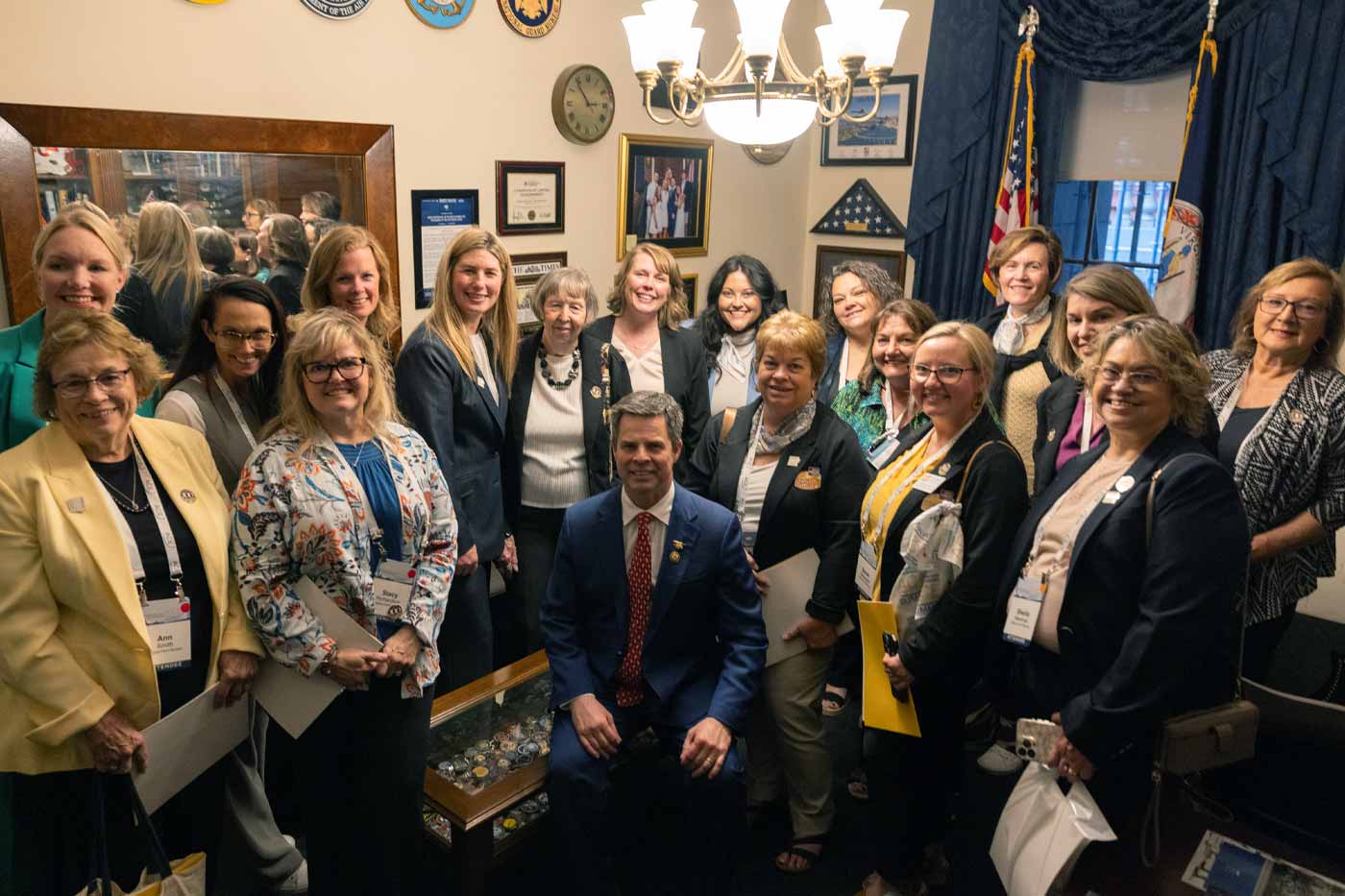
WASHINGTON — A national survey examining the state of women in agriculture was unveiled at the International Year of the Woman Farmer ACE Summit held in Washington in early June, with the American Farm Bureau Federation Women’s Leadership Committee sharing the results.
The summit drew a record number of women from Virginia involved in farming, underscoring the growing presence and influence of women across the agricultural sector.
“Having so many Virginia women in agriculture in attendance guaranteed that members of Congress and fellow ACE Summit attendees heard perspectives from nearly every sector or commodity group in agriculture,” said Olivia Gyapong, Virginia Farm Bureau Federation national affairs specialist.
The research, backed by JBS and CoBank, was carried out through a combination of online surveys and focus groups to paint a thorough picture of women’s roles in American agriculture today.
Balancing farm work with outside careers and family responsibilities is a common reality for many farm women. The survey found that 60% of women hold jobs away from the farm. Even so, nine out of ten reported feeling confident discussing agriculture in public and professional settings.
Family farming remains a cornerstone of the industry, with 61% of those surveyed saying they are part of family farm operations. Beef cattle, corn, and row crops ranked among the most common commodities these women work with.
Researchers pinpointed five key areas where women in agriculture need more support: access to resources, time and caregiving demands, skill development, involvement in leadership, financial security, and overall well-being.
The appetite for leadership is strong — nearly 90% of women surveyed said they want to take on leadership roles. One program aimed at supporting that ambition is AgConnectHER, an initiative from the American Farm Bureau Federation designed to help women build leadership skills within the agriculture industry.
“More women are owners, managers, financial professionals and entrepreneurs for their farms now, no longer solely supporting farm operations behind the scenes, so leadership is a natural extension of the responsibilities they are already carrying,” Gyapong said.
Despite that enthusiasm, the survey found that only 17% of women have taken part in formal training programs. Still, interest in skill-building is significant. About 44% of respondents said they want equipment or technical skills training, and nearly 56% expressed interest in business and financial management training.
“At the Virginia level, our women in agriculture have access to our training through avenues like our women’s leadership academy and Virginia Cooperative Extension’s Women in Agriculture program. I hope more women in ag or aspiring women in ag can take advantage of those opportunities,” Gyapong said.
ALDIE, Va. — As Virginia faces growing pressure to both protect farmland and expand clean energy, the state’s farmers took an active role in shaping how a key term would be officially defined — before someone else did it for them.
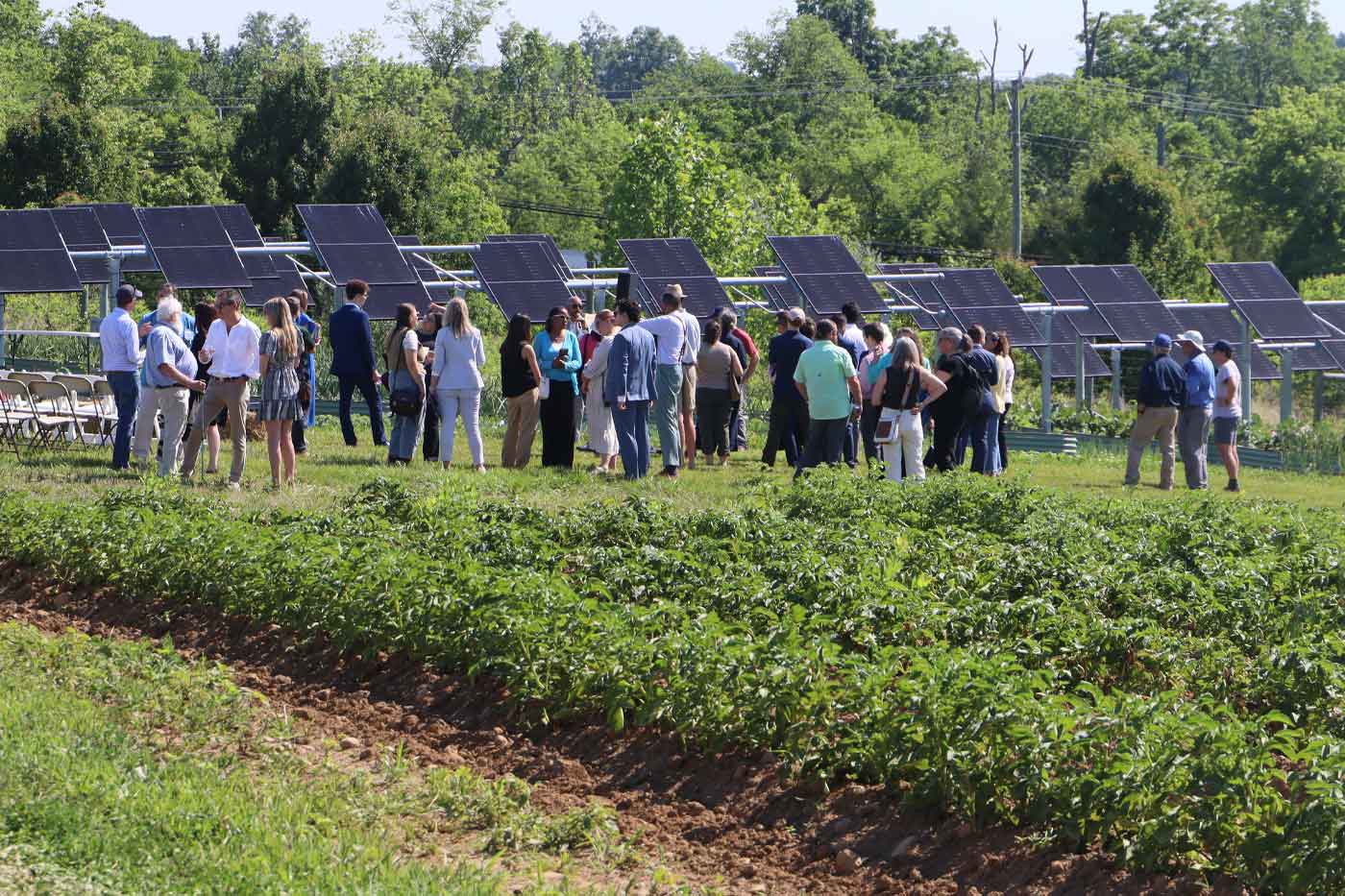
On June 17, Gov. Abigail Spanberger signed a bill into law that gives the term “agrivoltaics” a formal, legally recognized definition in the Virginia code. The signing took place at the Piedmont Environmental Council’s Community Farm at Roundabout Meadows in Loudoun County — the location of Virginia’s first crop-based agrivoltaics project — and was attended by agriculture leaders and environmental advocates.
Agrivoltaics refers to the intentional combination of solar energy generation and agricultural production on the same piece of land. Prior to this legislation, Virginia had no official definition for the practice.
“By establishing clear, enforceable definitions of agrivoltaics in the code of Virginia, we are protecting farmers,” Gov. Spanberger said. “We are making clear that the use of agrivoltaics prioritizes agricultural productivity, keeps land in production for the life of the solar array, and is part of an existing farm business.”
The Virginia Farm Bureau Federation worked alongside the Piedmont Environmental Council to craft the definition, ensuring that dual-use solar projects follow best management practices and that farmer input was central to the process.
“Defining agrivoltaics represents a practical path forward for farm sustainability — keeping land in production while creating new opportunities for income and energy independence,” said VFBF President Scott Sink. “When we prioritize agriculture first and integrate solar thoughtfully, we can protect our farms today and strengthen them for the next generation.”
Under the new law, agrivoltaics is defined as “the intentional co-location of agricultural production and solar energy generation on the same land” that meets the following criteria:
It is designed to prioritize and sustain agricultural productivity while incorporating renewable energy;
It allows for the continued production and sale of farm products throughout the life of the solar array;
It is part of an existing farm operation; and
It gives farmers flexibility to adapt to changing market conditions and operational needs.
Agrivoltaics projects can involve either crops or livestock. For instance, beef cattle can graze beneath solar panels elevated 7 to 10 feet off the ground, with panels spaced to provide shade and reduce heat stress on the animals. Some projects use sheep to manage vegetation beneath the panels.
The Community Farm at Roundabout Meadows serves as a demonstration site for farmers, solar installers, developers, and policymakers. On a quarter-acre plot, vegetables including beets, broccoli, garlic, kale, and lettuce are being grown beneath 42 solar panels mounted 6 to 8 feet high. The panels supply electricity to the farm, eliminating its power bill, while battery backup systems generate additional income by selling surplus power back to the grid.
The legislation was considered a top priority by the governor and a critical issue for the Farm Bureau, drawing broad support from both political parties.
Vermont has become the first state in the country to prohibit the use of paraquat, one of the most widely used weed killers in American agriculture, after lawmakers pointed to a possible connection between the herbicide and Parkinson’s disease.
Advocates who have pushed for the ban are celebrating Vermont’s decision, hoping it will spark similar action across the country to combat the neurological condition that strips people of their ability to control their own movements and currently affects roughly 1 million Americans.
Dan Feehan of The Michael J. Fox Foundation — the world’s largest nonprofit dedicated to funding Parkinson’s research — said the move carries real weight. “Vermont took the step to be the leader in this, and that’s significant because it shifts the conversation,” he said. “Now, ‘will your state be the last to ban it?’ becomes the question.”
Not everyone is on board, however. For farmers already operating on tight margins, the ban could create financial strain. Efforts to restrict paraquat in other states where it sees heavier use have repeatedly failed to gain traction.
The U.S. Environmental Protection Agency is currently conducting its own review of paraquat’s safety, having previously stated that a clear link between the chemical and Parkinson’s has not been established.
Syngenta, a Swiss chemical company that has produced paraquat for many years, announced earlier this year that it would halt global production and sales of the substance — while still defending its safety record. Other manufacturers continue to sell the product.
“Despite decades of investigation and more than 1,200 epidemiological and laboratory studies of paraquat, no scientist or doctor has ever concluded in a peer-reviewed scientific analysis that paraquat causes Parkinson’s disease,” the company stated.
Paraquat first arrived in the United States in 1964 and quickly became a go-to solution for farmers battling weeds. It is considered an extremely dangerous chemical — lethal if swallowed and capable of causing long-term health damage through skin contact. Farmworkers face the greatest exposure risk, which is why the EPA requires special certification and training for anyone applying it. That training, which takes roughly an hour and includes a 15-question test, must be renewed every three years.
According to the United States Geological Survey, paraquat is commonly applied to protect soybean, cotton, and corn crops, as well as apple and grape production. As of 2018, the USGS found that more than 10 million pounds — about 4.5 million kilograms — of paraquat were being used annually in the U.S., with the heaviest concentration in the South, Midwest, and California.
Despite its widespread use domestically, dozens of other nations have already outlawed it. The European Union and the United Kingdom banned paraquat in 2007. China and several Southeast Asian nations including Vietnam and Malaysia ended domestic use in 2017, with Thailand following in 2019.
Supporters of paraquat argue that the chemical is absorbed rapidly by weeds and won’t wash away into soil even if rain falls within 30 minutes of application. Companies like Syngenta claim it becomes inert once it contacts the ground. But the Parkinson’s community pushes back, warning that people living near areas where paraquat is sprayed face a higher likelihood of developing the disease.
Dr. Philip Landrigan, an epidemiologist who leads a global health program at Boston College and has long campaigned against human exposure to toxic chemicals, said numerous studies point to environmental factors — including exposure to pesticides such as paraquat — as contributors to Parkinson’s disease risk.
For the Parkinson’s community, Vermont’s ban represents a meaningful milestone. Ron McConnell, a Vermont resident who was diagnosed with Parkinson’s after being exposed to a different toxic substance at his job in 2017, put it plainly: “No matter how you slice and dice it, there’s no safe way to use paraquat. This law that Vermont just passed really is protecting the farmers that use it and the farmworkers that use it.”
The ban officially kicks in on November 1, though farmers growing fruit in orchards, berry operations, and small fruit crops have until 2030 to phase out their use of the herbicide.
Greg Burtt, who owns a family apple orchard and also serves as a Republican Vermont lawmaker, calls paraquat a “critical tool” in his farming operation. He believes the ban will put farmers like him at a disadvantage compared to growers in other states who can keep using the more affordable chemical. While alternative herbicides exist, some farmers caution that those options can damage crops if not applied with precision. Other methods like mechanical tilling, crop rotation, and hand weeding are available but bring their own challenges, particularly higher labor costs.
“There’s a reason why it’s an industry standard,” said Burtt, who has relied on paraquat for 20 years. He said he views the research on the herbicide as inconclusive and isn’t personally concerned about his Parkinson’s risk.
“I wanna be the first person to make sure that it’s safe because I don’t wanna die young over farming,” Burtt said. “And so if anybody’s had to wrestle with these questions, it’s me.”
While the reopening of the Strait of Hormuz and the possibility of a peace deal between the United States and Iran have brought fertilizer prices down somewhat, American farmers who have been under financial pressure are not expected to benefit from that drop anytime soon.
Farmers were already contending with elevated fertilizer and diesel prices before the closure of the Strait of Hormuz pushed those costs even higher. The recent diplomatic developments have offered some hope, but experts say it will likely be months before struggling agricultural producers see any meaningful savings at the farm level.
Fertilizer costs have begun to fall following the reopening of the Strait of Hormuz and growing optimism around a potential peace agreement between the United States and Iran. For many American farmers who have been struggling financially, though, that good news comes with a significant catch — meaningful relief is still months away.
While the easing of tensions in the region has created movement in global fertilizer markets, the benefits of those lower prices are not expected to reach farmers in any practical way for some time. The gap between market shifts and what growers actually pay means that even as conditions improve on a global scale, the financial pressure on American farms is likely to continue in the near term.
Farmers who have been eagerly watching for any sign of relief following a difficult stretch may have to remain patient a while longer, even as the broader economic picture begins to show some improvement tied to the diplomatic developments.
Listen to the Morning Delmarva Farm Report Update — June 25, 2026
DELMARVA — The Trump administration is pushing Congress to fold 2 major agricultural measures into a sweeping spending bill tied to the Iran war. The package includes $11.1 billion in additional farm aid, plus a provision allowing year-round sales of E-15 fuel — the 15% ethanol blend. Both items are part of a nearly $90 billion spending measure currently moving through Congress.
Policy
Corn producers may want to temper expectations heading into summer. A grain market economist with the University of Minnesota Extension says a review of corn futures dating back to 1990 reveals a consistent pattern of 12-14% price declines during late spring and early summer, suggesting history is not on the side of bullish traders.
A University of Maryland senior faculty specialist is warning that a strengthening El Niño could become one of the most powerful in recent memory, potentially disrupting crop production worldwide through drought and flooding. Delmarva farmers are advised to monitor how that pattern develops over the coming months.
Markets
At Wednesday’s close, July corn settled at $4.07/bu, down 2¾ cents. July soybeans closed at $11.08¾/bu, off 6¼ cents. July Chicago wheat finished at $5.85¾/bu. At Laurel Grain Company in Laurel, Delaware, December corn is trading at $4.50/bu.
Forecast
Thursday brings mostly sunny skies with a high of 85°F. Friday climbs to 89°F under partly sunny conditions, with showers and thunderstorms expected Friday night. Farmers are encouraged to plan field work accordingly.
This article is based on the Delmarva Farm Report Update Morning Edition, June 25, 2026. Hosted by Tom Bradley.
Several major egg suppliers are reportedly on the verge of reaching a settlement with the U.S. Justice Department and a bipartisan coalition of states over allegations that they illegally coordinated pricing, according to a Bloomberg News report published Thursday citing sources familiar with the situation.
Cal-Maine Foods, Hickman’s Egg Ranch, and Versova are all said to be nearing resolution of the probe, Bloomberg reported.
According to the report, the proposed settlement would require the companies to pay civil penalties totaling several million dollars and donate more than 50 million eggs. The firms would also agree to halt the sharing of pricing data and other competitively sensitive business information.
None of the parties — including the Justice Department, Cal-Maine Foods, Hickman’s Egg Ranch, or Versova — responded to requests for comment when reached by reporters.
A lawsuit filed in April alleged that egg producers used an industry price-benchmarking service to coordinate their pricing strategies, according to the Wall Street Journal.
The settlement talks come amid a broader legal wave facing U.S. egg producers, who have been hit with a growing number of class-action lawsuits alleging price-fixing. Consumer frustration over the cost of eggs has been mounting in recent years.
Egg prices across the country have climbed sharply after a series of bird flu outbreaks killed millions of egg-laying hens, creating significant supply shortages that pushed prices higher.
Listen to the Evening Delmarva Farm Report Update — June 24, 2026
DELMARVA — The Trump administration is asking Congress to include $11.1 billion in farm aid inside a nearly $90 billion spending package tied to the Iran war. The White House is also pushing for year-round sales of E-15 fuel — the 15% ethanol blend — to be folded into the same bill. Both measures would move together through Congress as part of that high-priority legislation.
Markets
At Wednesday’s close, July corn fell 2¾ cents to $4.07/bu. July soybeans dropped 6¼ cents, closing at $11.08¾. July Chicago wheat edged down a penny to $5.85¾.
On the livestock side, August live cattle gained 52 cents to $246.52. August feeder cattle surged $4.77 to close at $372.92. July lean hogs slipped 37 cents to $93.85.
At Laurel Grain Company in Laurel, Delaware, December corn is bringing $4.50/bu and November soybeans are at $10.85.
Crop Disease
Tar spot has been confirmed early this season in Indiana, Iowa, Missouri, Nebraska, and Kansas. Cool, wet conditions are being blamed for the early spread. Delmarva corn growers are advised to stay aware as weather patterns shift.
Forecast
Clear skies are expected Wednesday evening with a low of 64°F. Thursday brings mostly sunny skies and a high of 86°F, offering good fieldwork conditions before rain chances move in Friday.
This article is based on the Delmarva Farm Report Update Evening Edition, June 24, 2026. Hosted by Tom Bradley.
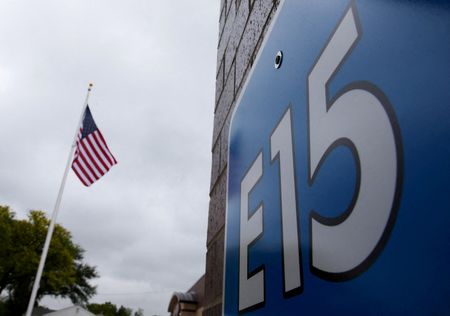
President Donald Trump is set to include a provision in a supplemental funding bill on Wednesday that would permit year-round sales of gasoline blended with 15% ethanol, according to a U.S. official familiar with the plan.
The move marks the first time Trump’s White House has formally pushed to make the policy a reality, despite the president’s longstanding support for expanded ethanol fuel sales. It also signals that the administration is prepared to push back against U.S. oil refiners, who have opposed the measure, citing concerns about higher costs and complications in fuel distribution.
Currently, gasoline containing 10% ethanol can be sold throughout the entire year without restriction. However, the 15% blend — commonly referred to as E15 — faces summer sales restrictions because the fuel evaporates more easily in hot weather, which can contribute to the formation of smog.
Under existing federal regulations, fuel retailers are generally required to switch to more expensive fuel formulations during summer months unless the government steps in with emergency waivers to allow otherwise.
The latest figures from the national broiler hatchery report show a small but steady rise in poultry production activity across the United States.
According to the report, the number of broiler-type eggs set in the country increased by 1 percent compared to the previous period. At the same time, broiler-type chicks placed across the nation rose by 2 percent.
These numbers point to a modest growth trend in the U.S. broiler industry, which plays a significant role in the nation’s overall poultry and meat supply.
LEXINGTON — For 30 years, Jade Knick has dedicated her career to serving Farm Bureau members, helping families protect what matters most through insurance coverage that marks life’s milestones and guards against unexpected hardship.
This past March, that decades-long commitment was recognized when Knick was named the 2025 Ralph Stokes Career Achievement Award Honoree at Virginia Farm Bureau Mutual Insurance Co.’s annual Sales Conference. It is the highest honor the organization bestows upon its sales leaders, and it carries the name of the late Ralph Stokes — a 32-year Smyth County agent and disabled veteran.
Knick’s path to Rockbridge County was anything but planned. After earning a bachelor’s degree in agriculture from West Virginia University in 1991, she moved to Virginia for her first job — and had never even heard of Rockbridge County before arriving.
Armed with her agriculture degree and a genuine desire to work alongside farmers and rural residents, she was hired by the U.S. Department of Agriculture Farmers Home Administration, an agency now known as USDA Rural Development. She spent five years conducting property inspections and appraisals before her office relocated to Augusta County.
Rather than follow her office, Knick chose to stay in Rockbridge County. Retired Agency Manager Jack Ingle brought her on as a Rockbridge County Farm Bureau agent, where she was mentored by retired agent Geoff Goodbar — a friend, neighbor, fellow churchgoer and the 2009 Ralph Stokes honoree himself.
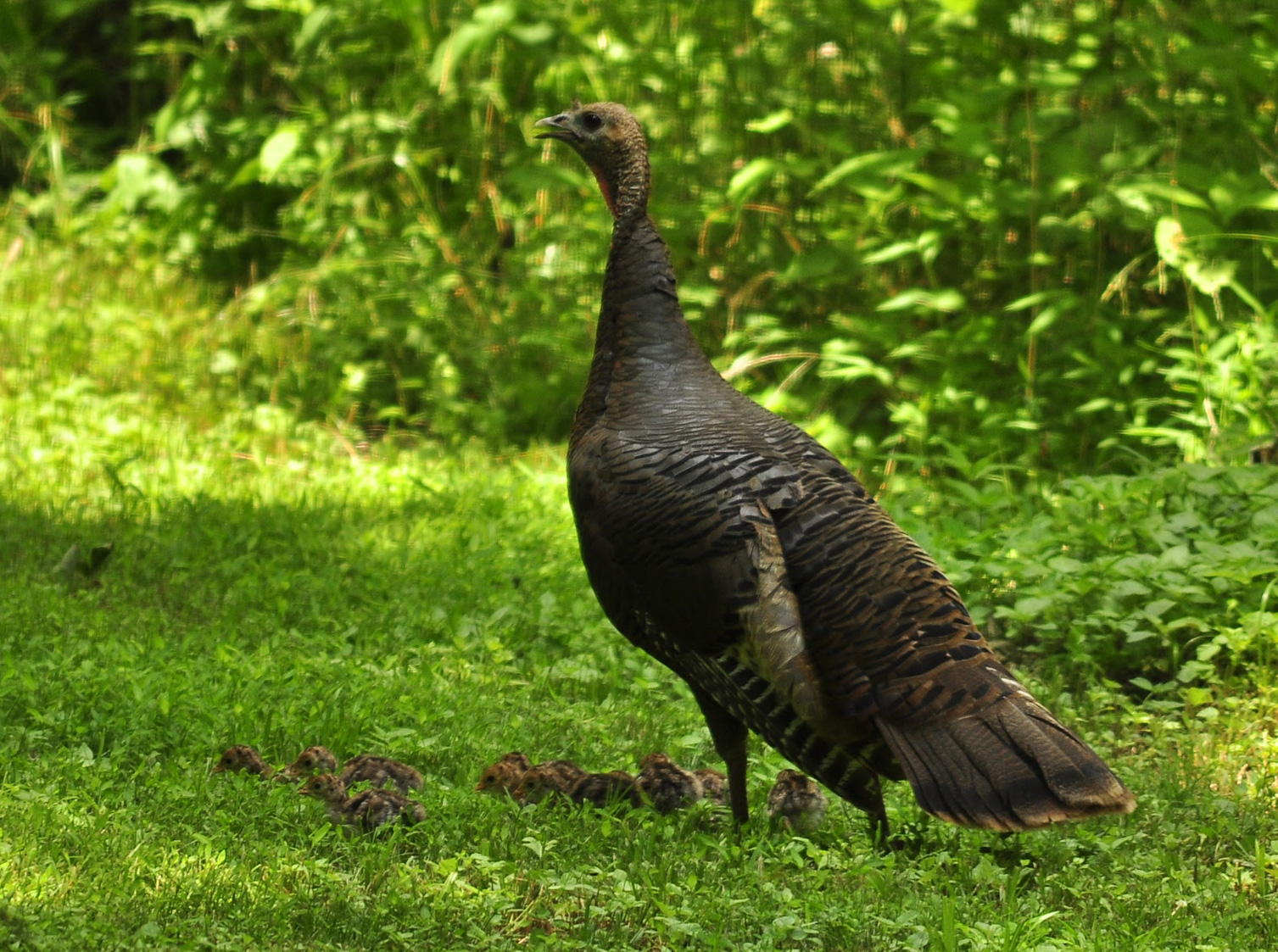
Delaware’s environmental and natural resources agency is turning to everyday residents for help with its yearly wild turkey count, and volunteers are needed now through the end of August.
The DNREC Division of Fish and Wildlife is asking members of the public to observe and report wild turkey sightings between July 1 and August 31 as part of the state’s annual turkey productivity survey.
By participating, volunteers help wildlife officials keep tabs on where turkeys are living throughout Delaware and how well the population is reproducing from year to year.
Listen to the Morning Delmarva Farm Report Update — June 24, 2026
DELMARVA — The Senate Agriculture Committee has introduced a new “skinny” farm bill dubbed the Agricultural Act of 2026, marking a significant step in long-stalled congressional efforts to set farm policy and funding. The committee chairman told reporters Tuesday the draft is designed to strengthen agriculture, support rural communities, and ensure farm families have the resources they need for generations to come.
Cattle producers across the country are being forced to rethink herd management as the Asian Longhorned tick continues to spread. Freddie Keaton, a cattle producer in south central Missouri and president of the Independent Cattle Producers of Missouri, says the invasive pest is a bigger concern for him right now than even the screwworm situation.
Markets
Grain futures settled Tuesday with July corn at $4.09¾/bu, down 1¾ cents. July soybeans closed at $11.17, up 1¼ cents. July Chicago wheat dropped 10¾ cents to $5.86¾.
On livestock, August live cattle settled at $246.00 and July lean hogs closed at $94.22.
Locally, corn at Laurel Grain Company in Laurel is bid at $4.52 for December delivery. November soybeans are at $10.92.
Forecast
Wednesday brings sunny skies and a high of 84°F with northwest winds around 10 mph. Thursday stays mostly sunny, topping out at 85°F. No rain is in the immediate outlook, with good conditions expected for fieldwork.
This article is based on the Delmarva Farm Report Update Morning Edition, June 24, 2026. Hosted by Tom Bradley.
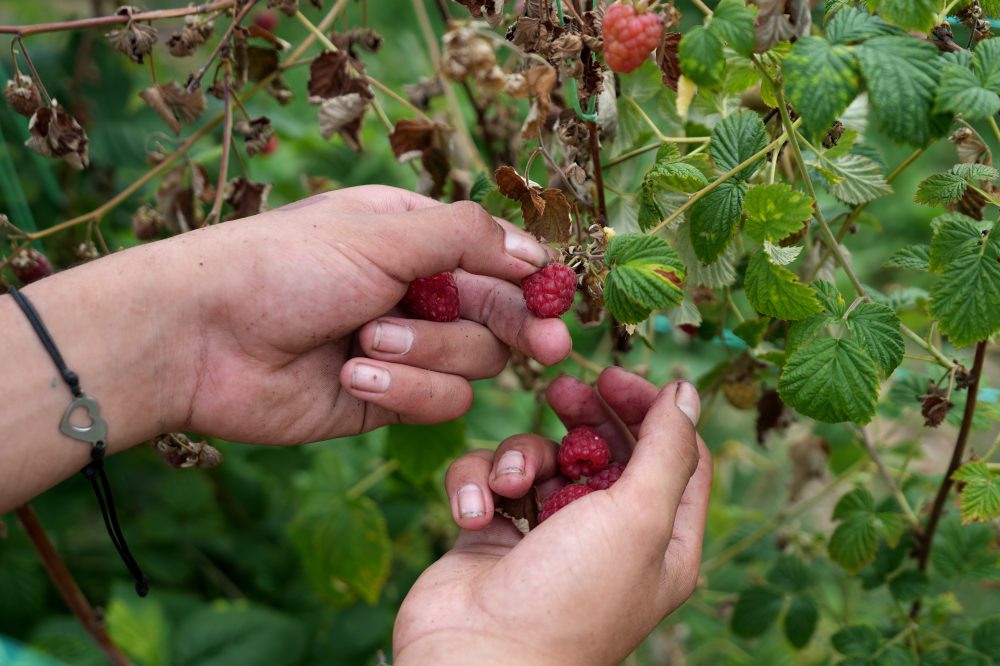
ARILJE, Serbia — Tucked into the hills of Serbia, the town of Arilje has built a remarkable identity around a single fruit: the raspberry. Known throughout the Balkan nation as its “raspberry capital,” Arilje’s reputation has spread well beyond its borders, with berries shipped to buyers as far away as the United States and Japan.
Serbia ranks among the top three raspberry-exporting nations in the world, and Arilje plays a central role in that standing. The municipality, home to roughly 17,000 residents and located about 170 kilometers — or around 100 miles — from the capital city of Belgrade, is responsible for approximately one-fifth of all raspberry exports from the country.
“We are born, we live and we die with raspberries,” said Mileta Pilcevic, who leads a local association of raspberry producers. “Arilje is unique in the world. You can’t find a smaller place with such big concentration of raspberry production.”
The region’s rolling, hilly terrain provides a naturally ideal climate for growing the fruit. What sets Arilje’s raspberries apart is the commitment to quality: no chemicals are used, and every berry is picked by hand.
Pilcevic explained that a raspberry field requires at least two years before it can produce a harvest. The fruit demands constant attention to develop the distinctive smell, taste, and aroma that have made it recognized around the globe. “Nothing must be done with machines or chemicals,” he said.
The raspberry fields have been passed down through generations, operating mostly as family businesses. On average, the fields surrounding Arilje produce between 15,000 and 20,000 tons of raspberries each year.
Early summer marks the harvest season, drawing seasonal workers from across Serbia and beyond — including, according to Pilcevic, workers from India and other parts of South Asia. Local resident Nada Marinkovic described the labor involved, noting that everything must be cleared of weeds and grass by hand. As for the picking itself, she said, “is only hard because of the sun.”
About 90% of Serbian raspberries are exported in frozen form, while the remainder are sold within the country. Some growers also sell fresh fruit and natural juices directly to consumers online. In Europe, the frozen berries are widely used in food processing, appearing in retail fruit products, jams, yogurt, and baked goods.
Despite the town’s proud legacy, producers are navigating a difficult period. This year’s harvest is expected to come in 20 to 30 percent below normal levels, largely due to a drought that struck last year. Extreme weather events — which experts suggest may be connected to climate change — have become a growing concern for growers.
Producers say the best way to manage that uncertainty is through more stable purchase prices. Pilcevic noted that the prices offered for raspberries too frequently leave farmers with little or no profit, making it impossible to absorb unexpected costs. The frustration has previously boiled over into public protests.
“It is not our job to be on the road but in the orchard,” Pilcevic said. “But, believe me when I say that we will be on the road if we have to.”
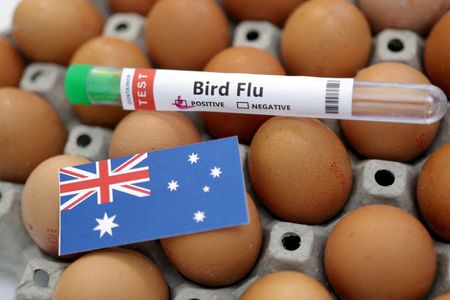
Australian authorities have intensified surveillance efforts and expanded testing after two confirmed cases of the highly pathogenic H5N1 strain of bird flu were detected in migratory seabirds, according to a Reuters report from Sydney on June 24.
Testing is now underway in South Australia following the discovery of two dead sub-Antarctic seabirds and a pelican on Monday near Fowlers Bay — located more than 1,200 kilometers (about 746 miles) east of Esperance in Western Australia, where the first two confirmed cases had been identified. The Australian Broadcasting Corporation reported the findings.
South Australia’s Primary Industries Minister Claire Scriven spoke with ABC Radio about the timeline for test results, saying it could be several days before answers are available. “In terms of the turnaround times, it sort of depends on the outcomes … we hope this doesn’t get to South Australia, but we know, of course, that it may,” Scriven said.
A spokesperson for the South Australia Primary Industries Department confirmed there are currently no verified bird flu cases in the state, but officials pledged to investigate any reports of sick or dead birds and to notify the public if a positive result is found.
Authorities are conducting ground-based surveillance as well as drone surveys at sea lion breeding locations along South Australia’s western and far western coastlines, and testing has been increased in areas considered high-risk.
In Western Australia, two additional birds — located far from where the initial cases were found — are also being tested, though officials say there is no evidence the virus has spread more widely. The ABC reported that a total of 11 samples have been sent for testing in Western Australia, drawn from 94 reports of dead or sick birds over the past three days.
Prior to these detections, Australia had been the only continent without a confirmed mainland bird flu case. The virus had previously been detected in late 2025 on Heard Island, a sub-Antarctic territory belonging to Australia.
While human infections from avian influenza remain uncommon, the global spread of the disease has caused significant damage to poultry flocks and disrupted the supply and pricing of chicken meat and eggs in numerous countries. Australia has responded by tightening biosecurity measures on farms, increasing testing among shorebirds, vaccinating at-risk species, and running emergency response drills.
Listen to the Evening Delmarva Farm Report Update — June 23, 2026
DELMARVA — The Senate Agriculture Committee chairman released a new farm bill draft Tuesday, introducing legislation titled the Agricultural Act of 2026. On a call with reporters, the chairman described it as “a critical step toward stability,” saying the bill will strengthen agriculture, support rural communities, and ensure farm families have the resources they need for generations to come. The release marks a significant development in the long-running push to advance new federal farm policy.
Policy
Poultry producers on Delmarva are facing a year-round biosecurity concern as highly pathogenic avian influenza shows signs of abandoning its traditional seasonal pattern. A producer with Farbest Farms in Indiana warned that the industry is still battling the virus and that the expected warm-weather slowdown can no longer be counted on.
Markets
Grain futures closed mixed Tuesday. July corn fell $0.01¾ to $4.09¾ per bushel. July soybeans gained $0.01¼, settling at $11.17 per bushel. July Chicago wheat dropped $0.10¾ to close at $5.86¾ per bushel.
On the livestock board, August live cattle settled at $246.00, down $1.35. August feeder cattle fell $2.27 to settle at $368.15.
Locally, corn at Laurel Grain Company in Laurel is bringing $4.52 per bushel on the December contract.
Forecast
A severe thunderstorm watch was in effect through 8:00 p.m. Tuesday, with producers advised to secure equipment. Conditions are expected to improve Wednesday, with sunny skies and a high of 83°F providing good drying conditions.
This article is based on the Delmarva Farm Report Update Evening Edition, June 23, 2026. Hosted by Tom Bradley.
ARLINGTON, Va. — The National Grain and Feed Association (NGFA) is applauding a newly released Farm Bill proposal from Senate Agriculture Committee Chairman John Boozman (R-Ark.), saying the legislation addresses several priorities important to the grain, feed, and processing industries.
The proposal includes provisions to reauthorize the U.S. Grain Standards Act, preserve the current Conservation Reserve Program acreage cap, and maintain support for export market development efforts such as the Market Access Program and the Foreign Market Development Program.
According to the NGFA, reauthorizing the U.S. Grain Standards Act is essential to keeping the federal grain inspection and weighing system intact — a system that supports both domestic and international trust in U.S. grain and oilseed markets. The association says these authorities help protect the reliability and competitiveness of the U.S. grain marketing system and prevent disruptions to official inspection services.
The NGFA also praised the proposal’s inclusion of core elements from the Innovative FEED Act, known as IFEED. The bipartisan legislation aims to modernize and simplify the regulatory process for non-nutritive animal food ingredients that offer public and animal health benefits, including reducing the risk of human foodborne illness and improving animal production outcomes.
The association said it looks forward to examining the full legislation and working alongside Chairman Boozman, Ranking Member Amy Klobuchar (D-Minn.), House and Senate leadership, and the administration to push the Farm Bill across the finish line in 2026. The NGFA emphasized that farmers, agricultural businesses, and the broader agricultural supply chain are in need of a long-term Farm Bill that provides stability and certainty.
WASHINGTON, D.C. — June 23, 2026 — The National Pork Producers Council, which speaks for more than 60,000 pork producers across the country, spearheaded a massive coalition of 330 organizations representing millions of agriculture producers in urging Senate Agriculture Committee leaders to include a Proposition 12 solution in the final 2026 Farm Bill.
Shortly after the coalition’s call to action, Senate Agriculture Committee Chairman John Boozman released a discussion draft of the farm bill. The draft addresses several priorities championed by the National Pork Producers Council — including funding for the U.S. Swine Health Improvement Plan — but does not contain a fix for Proposition 12.
National Pork Producers Council President Rob Brenneman, a pork producer from Washington County, Iowa, responded to the draft’s release. “While there is certainly room for improvement, we appreciate the Chairman putting forward a discussion draft to guide a path forward. He is spot on when he says, ‘it’s the Senate’s turn to deliver’ on a farm bill for all of rural America,” Brenneman said. “America’s pork producers will continue to advocate for a Prop. 12 fix in the formal farm bill like our livelihood depends on it — because it does.”
Adding pressure to the situation, activists launched a $30 million advertising campaign aimed at swaying lawmakers, distorting scientific facts, and undermining years of effort that real pig farmers have invested in seeking a Proposition 12 fix.
Brenneman pushed back on that campaign: “Prop. 12 is creating an unpredictable, unavoidable wave of conflicting state laws and uncertainty — and farmers are the ones left to drown in its wake. We don’t have millions of dollars to spend on political advertising fighting these senseless ads aimed at intimidating our congressional leaders. We need those leaders to hear what we are asking over baseless ad campaigns because we still have to raise our pigs, pay our bills, and compete in a marketplace increasingly shaped by mandates coming from states with very few pig farmers.”
If the final farm bill fails to address Proposition 12, pork producers say they will be left navigating a confusing web of state-level animal housing regulations. Industry advocates argue this patchwork of laws disproportionately harms smaller farming operations, limits veterinarians’ decision-making authority, drives up grocery prices for consumers, and erodes the rights of individual states.
Efforts to resolve the Proposition 12 issue have drawn bipartisan backing, as demonstrated by the successful passage of the 2026 Farm Bill in the U.S. House of Representatives.
The National Pork Producers Council expressed gratitude to its Senate supporters who have continued to champion the rights of American pork producers, including Senators Joni Ernst, Chuck Grassley, Kevin Cramer, Ted Budd, Pete Ricketts, Thom Tillis, John Cornyn, and Mike Rounds.
Artificial intelligence is getting a lot of buzz in agriculture these days — and for good reason. From developing new seed varieties to guiding sprayers across a field, AI tools are being used in more ways than ever before. But experts say it is important for farmers to understand that not all AI works the same way, and no single tool is right for every operation.
Most people have encountered AI through programs like OpenAI’s ChatGPT or Google Gemini. These are known as large language models, or LLMs — systems built to respond to questions and produce human-like writing. In farming, however, AI reaches far beyond those kinds of chatbots.
Today, agricultural AI is being applied in areas including seed genetics, crop protection products, farm machinery, weather forecasting, and data analysis. Many companies in the ag industry believe AI can help farmers apply inputs more precisely, cut down on waste, and boost overall productivity. The catch? AI is only as good as the information it is given.
Kyle Courtney, co-founder of AgriData Co-op, put it plainly: “Everybody’s excited about AI in agriculture, but nobody wants to talk about what we’re feeding it. An algorithm doesn’t know good data from bad — it just trusts what it’s given. If the numbers coming off our planters and combines are sloppy or incomplete, the AI will hand us confident, well-formatted nonsense. On my own operation, I’ve learned the hard way that clean data going in is the whole game. Quality at the source isn’t a technical detail. It’s the foundation everything else stands on.”
Eric Muckenhirn, also a co-founder of AgriData Co-op, echoed that concern. He said the unglamorous first step to using AI on the farm is good data hygiene. “Mislabeled field boundaries, uncalibrated yield monitors, inconsistent variety records – decisions hinge on small margins, and a model trained on sloppy records will produce confident, wrong answers,” he said.
One of the most significant applications of AI in agriculture is in plant breeding and genetics. Researchers can now process enormous volumes of plant data at speeds that were not previously possible. Instead of spending years watching how certain traits play out in a field, scientists can use machine learning models to predict which plant combinations are likely to perform well under specific conditions.
For soybean growers, that means AI can help identify traits tied to drought tolerance, disease resistance, and yield potential — before a single trial plot is even planted.
Companies like Corteva Agriscience and Bayer are putting significant resources into AI-driven breeding programs. These systems can simultaneously analyze field results, weather patterns, soil conditions, and genetic data. The goal is to speed up the development of new seed products and help crops perform better across a variety of environments.
AI is also playing a role in advancing gene-editing tools such as CRISPR. Computer models help scientists predict where genetic edits are most likely to succeed while minimizing unintended changes. Some companies, including Inari Agriculture, are using AI to improve existing plant genetics without introducing foreign DNA — looking for ways to increase yields while reducing water and fertilizer use.
On the equipment side, AI is transforming how farm machinery operates. John Deere has made major investments in AI-powered tools and robotics. Its See & Spray technology uses cameras mounted on sprayers to scan fields in real time, distinguishing weeds from crops through computer vision. The system then applies herbicide only where weeds are detected, rather than across an entire field.
This kind of precision technology has the potential to reduce chemical use, lower operating costs, and lessen environmental impact. It also represents a broader shift in farming — moving from decisions made at the field level toward management at the individual plant level.
Modern planters and combines are also gathering huge amounts of data. Sensors monitor planting depth, soil moisture, population spacing, and yield figures. That information can be combined with weather data and satellite imagery to guide better decisions in future seasons.
Still, AI is not a cure-all.
Because AI learns from data, flawed or incomplete information can lead to flawed recommendations. Some AI systems are even known to produce incorrect outputs — a problem sometimes called “hallucinations.” That is why farmers are encouraged to keep relying on their own experience, trusted agronomic advice, and local knowledge alongside any AI tools they use.
Muckenhirn offered a cautionary note: “The failure mode I can see coming is farmers treating an AI model output (planting date, variable-rate seeding application, decision to spray or not to spray) as an oracle and switching off the intuition built over decades of knowledge of their fields. The right mentality: AI is a second opinion that’s only trustworthy once it’s been checked against what you already know works on your ground. A yield model that’s never been corrected against your actual combine data is a confident guess at best. Your job shifts from ‘decide everything’ to ‘audit the machine’s reasoning against your historical knowledge and context.’”
Data ownership and privacy are also growing concerns. As more equipment and software collect information from fields, farmers are increasingly asking who owns that data, how it is stored, and who can access it.
For soybean producers, AI will likely show up in gradual, practical ways before making any dramatic changes. It may come through seed selection recommendations, more targeted spraying, automated crop scouting, or improved weather forecasting. As with any emerging technology, those who adopt it earliest take on the greatest risk.
The bottom line is education. Farmers do not need to become technology experts to benefit from AI. But having a basic understanding of what these tools can and cannot do helps producers ask better questions and make smarter choices. Much like GPS guidance and precision planting before it, AI in agriculture will likely keep evolving.
For now, experts suggest treating AI as one more tool in the toolbox — valuable in certain situations, limited in others, and most effective when combined with solid management practices and real-world farming experience.
Key AI Terms for Farmers to Know:
Artificial Intelligence (AI): Computer systems that perform tasks normally requiring human thinking. Machine Learning (ML): AI that learns patterns from data and improves over time. Generative AI: AI that creates new content such as text, images, or code. Large Language Model (LLM): AI trained on large amounts of text to answer questions or write content. Predictive Analytics: Using data and models to forecast future outcomes. Deep Learning: Advanced AI that recognizes complex patterns in massive datasets. Natural Language Processing (NLP): AI that helps computers understand human language. Prompt: The question or instruction given to an AI system. Bias: Errors caused by incomplete or unbalanced data. Hallucination: When AI generates incorrect or misleading information.
This summer, a fresh group of college students will make their way to Washington, D.C., becoming the 10th class to go through the Valent and American Soybean Association (ASA) Ag Voices of the Future program. The initiative is built to introduce young people who have ties to farming or a passion for agriculture to the world of policy and advocacy, with the goal of steering them toward careers that could shape agricultural policy at the state or federal level — whether in government, trade associations, or agribusiness.
Jeffrey Smith, associate director of industry affairs for Valent, explained why the program matters. “Today, legislative and regulatory policymakers at the Federal and state levels are many generations removed from the farm,” he said. “We believe the best way to ensure farmers maintain access to innovative crop protection and yield-enhancing tools is to encourage young leaders with a practical understanding of ag production to consider policy careers based in Washington, D.C. Valent appreciates the opportunity to partner with ASA to identify, develop, and direct these future leaders to have a positive impact on the issues facing soybean farmers and the crop protection industry.”
Smith first came up with the idea for the program back in 2016, working alongside Michelle Hummel on the ASA Industry Relations team to turn the concept into reality. Every year, the program is carried out through a close partnership between the ASA and Valent teams.
Students selected for the program receive close to three full days of training, which includes educational sessions, meetings with government agencies, and visits to Capitol Hill alongside their state soybean organizations. The program runs at the same time as ASA’s summer board meeting, giving students added chances to network through ASA meeting events, a Capitol Hill reception, and a dinner with program graduates who are currently working in Washington.
ASA President Scott Metzger, a farmer from Williamsport, Ohio, stressed the value of the program. “It’s important that young people have an understanding of the significant policy issues that directly impact the productivity and economic well-being of our farms and the soybean industry,” he said. “ASA appreciates Valent’s support of this valuable program that helps cultivate future voices for agriculture.”
ASA works with Agriculture Future of America (AFA), a well-regarded professional development organization for college students pursuing agriculture careers, to promote the program and handle the application process. Students can express interest through the AFA scholarship application. Each year, hundreds of applicants compete for just 10 spots selected by ASA and Valent.
The program’s first full day kicks off with an introduction to ASA — covering the organization’s policy priorities and leadership development opportunities. Valent USA then walks students through pesticide policy and the regulatory steps involved in getting crop protection products registered and approved.
Training continues with a Capitol Hill 101 session that prepares students for their congressional visits, explaining how Capitol Hill is structured and what to expect when sitting down with lawmakers and their staff. Additional guest speakers often include current Hill staff and members of ASA’s Government Affairs team, who share what it’s actually like to live and work in Washington and hold a congressional staff position.
The program also features a writing workshop led by West Wing Writers, a firm whose team includes former White House senior staff and speechwriters. The workshop helps students sharpen their writing abilities and develop strategies for communicating in a clear and persuasive way.
Following the workshop, participants attend a briefing on key ASA policy issues during the Soy Issues Forum portion of the ASA Board of Directors meeting — preparation for joining farmer leaders from their home state soybean associations on Capitol Hill visits the next day.
On the program’s third and final day, students visit USDA headquarters to meet with officials from the Office of Pest Management Policy. They also sit down separately with a representative from EPA’s Office of Pesticide Programs, gaining a broader understanding of how federal agencies influence agricultural pesticide policy and regulation.
Past participants say they leave the program equipped with knowledge, professional connections, new friendships, and real-world experiences to help guide their career decisions. And the program isn’t all work — students also get to explore D.C.’s monuments, museums, and restaurants when the day’s sessions wrap up.
Before heading home, students are encouraged to set up a LinkedIn profile and join the private Ag Voices of the Future alumni group, which serves as a gateway to internships and entry-level positions with agricultural organizations, agribusiness companies, congressional offices, and government agencies. Those opportunities are shared by ASA and Valent staff, as well as alumni who stay involved in supporting the program.
The 2026 Ag Voices of the Future program is set for July 13–16 in Washington, D.C. More details are available in the Education section of SoyGrowers.com.
Program graduates have gone on to land internships and permanent roles that influence policy across a range of agriculture organizations and companies, as well as professional staff positions for members of Congress and within USDA’s Washington headquarters.
Allie Lock, now a professional staff member for the Senate Committee on Agriculture, Nutrition, and Forestry under Ranking Member Amy Klobuchar, called the program a turning point. “Participating in the Ag Voices of the Future program was a defining experience in my career path,” she said. “The experience showed me the importance of ensuring producers are actively engaged in the policymaking process and sparked my interest in helping bridge the gap between those working in agriculture and those shaping policy. Those perspectives ultimately helped influence my career and continue to guide my work today.”
Clayton Elbel, now a program analyst in the Office of Energy and Environmental Policy, Energy and New Uses, in the Office of the Chief Economist at USDA, said the program opened his eyes. “Ag Voices of the Future really opened my eyes to crop protection and pest management policy and how the American Soybean Association is working to make our agricultural industry stronger,” he said. “The program’s emphasis on regulatory affairs influenced my choice to work for the USDA. Plus, it connected me with other students who were passionate about agricultural policy, and we’re still in touch today, working together in Washington five years later.”
Maria Brockamp, now Senior Manager of Government Relations with the National Milk Producers Federation, said the program helped set her on her career path at a critical moment. “Participating in the Ag Voices of the Future program helped confirm that I was interested in a career in agriculture policy someday at a time where I was at a crossroads in life as I headed into my freshman year of college,” she said. “The foundational advocacy skills I gained from the program still serve my skillset to this day, but of course, the thing I appreciated most was the authentic connections I made with my fellow classmates, the ASA and Valent staff, and the soybean farmers from my state who I joined for Hill visits. I gained lifelong friends, colleagues, and mentors from this program. I highly recommend that any student interested in a career in agriculture policy apply!” Before joining the National Milk Producers Federation, Brockamp spent nearly 18 months working for ASA on the State and Industry Relations team.
Long before a single seed goes into the ground, farmers spend months mapping out their plans for the growing season. Running a successful farm demands a wide range of supplies and services — from fertilizer and seed to fuel, equipment, labor, land costs, and taxes. But right now, those costs are climbing fast while soybean prices are moving in the opposite direction.
Global tensions are making things worse. Conflict in the Middle East has disrupted the global fertilizer market, pushing up prices for fertilizer and diesel fuel along with many other goods and services that farmers depend on every day.
Planning and Planting
With production costs more unpredictable than ever, many farmers have been forced to rethink what they plant this season. Illinois farmer and ASA Director Roberta Simpson-Dolbeare, who works the land alongside her husband Eric, says those rising costs are influencing decisions on their operation.
“We stay pretty much to a 50/50 rotation between corn and beans,” she said. “It’s hard to predict what market prices may do, but those do factor into our final decision of how many acres of corn and beans we’ll plant. However, we generally don’t vary a great deal from a fairly balanced rotation.”
Even as some producers consider switching what they grow based on what things cost, Simpson-Dolbeare says the bottom line is what really drives the decision.
“The price of inputs comes into play, certainly, but the expected income and the relative value of the end result is what we focus on,” she said.
Rising Input Costs
The upward pressure on farm expenses has been building for several years now, touching nearly every category — fertilizer, equipment, seed, and fuel. ASA Economist Jacquie Holland explained the trajectory: “Input prices spiked in 2022 to 2023 following the Russian invasion of Ukraine and pandemic supply chain issues. Prices came down but remained elevated above pre-pandemic levels leading up to the Iran War.”
One telling sign of how farmers are coping can be seen in their equipment purchases. ASA Chief Economist Scott Gerlt put it plainly: “In good years, farmers buy new equipment, and in bad years, they put it off. Farmers aren’t purchasing much new equipment right now. In the long run, they may start looking at their land. If they have rental agreements, they may have to renegotiate lower prices or let some leases go. Farmers will reevaluate their operation a lot more closely, seeing what is profitable and what isn’t. They can’t do anything speculative.”
Simpson-Dolbeare says her operation has responded by being more careful with maintenance. “We’ve always tried to keep our equipment in good working order, so with rising input costs, I think we are even more diligent about making sure we do necessary maintenance in caring for equipment,” she said.
Crude oil prices have added another layer of pressure. However, Gerlt noted there is a potential upside: “High crude oil prices have driven up all costs, but they have also pulled up soybean oil demand, which creates value. It’s a double-edged sword.”
Fertilizer and Countervailing Duties
Fertilizer costs have been a persistent concern in the soybean industry, but the situation has worsened significantly due to conflict involving Iran and restrictions on transit through the Strait of Hormuz. Holland described the broader forces at work: “Global dynamics largely shape fertilizer prices both at home and abroad. Reductions and pauses in China’s phosphate export volumes has had a major impact on global pricing. Tariff barriers imposed by the U.S. in the form of countervailing duties and International Emergency Economic Powers Act (IEEPA) tariffs also added extra layers of costs to input pricing.”
Countervailing duties placed on Russia and Morocco — two of the world’s biggest phosphate exporters — have further tightened the fertilizer supply. Despite those duties, the U.S. has continued to import phosphates from Russia because supplies are so constrained. The American Soybean Association has been pushing for those countervailing duties to be eliminated, arguing that importers are simply passing those added costs along to farmers. Holland said removing the duties could bring “unencumbered access to available supplies reducing global scarcity and sending prices lower as a result, all other factors equal.”
Even if the underlying causes of the price surge were resolved today, it would still take months for costs to come down — and potentially years before farmers feel meaningful relief. In the meantime, Simpson-Dolbeare described the tough choices her farm has already made: “We reduced our fertility to nutrient removal level as a cost saving measure. Yet even with these measures, we still spent more on inputs than we typically have in the past. To sum it up, we applied, on average, 1/3 less and paid 50% more.”
The Need for Open Markets
The soybean export market has taken a major blow this year. China, the single largest buyer of U.S. soybeans, has cut its typical purchases in half. That drop in demand has left farmers struggling to generate enough revenue to cover their costs. A 10% tariff China placed on U.S. soybeans has compounded the damage, and many in the industry say policy changes are urgently needed.
Gerlt highlighted China’s outsized importance to the market: “China is by far the largest export concern because the tariff rate has gone up on U.S. soy. Historically, soy has had good market access to other countries. Over the next few years, what China does for U.S. beans will be a big driver for exports.”
Farmers have been speaking out, urging both the administration and Congress to pursue open export markets rather than imposing additional tariffs or simply offering financial assistance. Simpson-Dolbeare summed up the sentiment shared widely across the industry: “From our viewpoint, reducing tariffs will help us the most. Tariffs are hurting demand for U.S. soy, and tariffs are negatively impacting our input costs. Our greatest concern is how our long-term profitability is affected if tariffs stay in place. We don’t want ongoing aid, we want open trade markets.”
The American Soybean Association’s Executive Committee and board have echoed that message over the past year. While farm assistance programs are appreciated, the industry’s preference is to rely on open, competitive markets to keep operations viable. Tariffs have pushed potential soybean buyers toward other countries, adding even more strain on farmers already struggling with rising costs.
The ASA says it will continue advocating on behalf of farmers — pushing to eliminate countervailing duties on phosphate fertilizer imports and working to educate policymakers in Washington, D.C., about how these input costs affect American agriculture.
State-level biofuel policies are quickly emerging as one of the most powerful forces shaping American agriculture, domestic energy, and efforts to reduce transportation emissions. Low Carbon Fuel Standard programs operating in California, Oregon, Washington, and New Mexico — along with similar clean fuel initiatives taking shape elsewhere — are no longer just regional concerns. Together, they are reshaping national fuel markets and determining the long-term future of soy-based biodiesel and renewable diesel, according to the American Soybean Association’s director of government affairs.
For soybean farmers, these developments bring both real opportunity and serious risk. Soybean oil has risen to become one of the most critical raw materials in biomass-based diesel production, valued for its scalability, domestic availability, and the well-established agricultural supply chain behind it. Biodiesel and renewable diesel produced from soybean oil deliver immediate reductions in greenhouse gas emissions while working within existing engines, fuel systems, and infrastructure. Unlike many emerging clean energy technologies that are still years from widespread commercial use, soy-based biofuels are already cutting emissions in heavy-duty trucking, farming, rail, ports, and other sectors that are difficult to electrify.
State clean fuel programs have helped drive this growth by rewarding fuels based on how much they reduce carbon intensity compared to conventional petroleum. The greater the carbon reduction, the greater the financial incentive. Those market signals have spurred investment in renewable fuel production, soybean crushing capacity, and rural manufacturing across the country — all of which have strengthened domestic markets for soybean oil and created new long-term value for farmers.
However, the policy environment is growing more complicated. A major concern for the soybean industry centers on how indirect land use change — a concept used in lifecycle carbon modeling — is being treated within state clean fuel programs. Many of the assumptions built into these models are outdated and may not reflect modern agricultural realities, including improved crop yields, conservation practices, and advancements in sustainable U.S. soybean production.
Because of this, soy-based biofuels may end up with carbon intensity scores that don’t accurately capture what’s happening on farms today or the environmental benefits of domestic soybean production. If those outdated assumptions aren’t corrected, soybean oil could find itself at a competitive disadvantage compared to other feedstocks that receive more favorable carbon scores — even when those alternatives raise questions about imports, traceability, or inconsistent sustainability oversight.
Other concerns include restrictions on vegetable oil feedstocks, shifting sustainability certification requirements, and uneven global verification standards. Policies that inadvertently limit domestic crop-based feedstocks could hurt rural economies and push the country toward greater dependence on imported fuels or feedstocks with less transparent supply chains.
At the same time, states are beginning to look beyond traditional road transportation for biomass-based diesel opportunities. California ports and marine equipment operators are generating growing interest in low-carbon liquid fuels for commercial marine use. States like Michigan are also examining the role soy-based biodiesel and renewable diesel could play in reducing emissions tied to maritime activity, freight movement, and industrial port operations.
These new markets matter because they represent near-term, scalable demand for low-carbon fuels that can function within infrastructure that already exists. For states pursuing meaningful emissions reductions without sacrificing operational reliability, soy-based biofuels offer a solution that’s ready to deploy right now.
In the end, state biofuel policy has grown into something much larger than an environmental debate. It is now an agricultural issue, an energy security issue, and a rural economic development issue. The policy choices being made today will shape soybean demand, fuel production investment, infrastructure growth, and farm income for generations to come.
Summer Ory always knew farming would be her path. Growing up on a cattle operation in southwest Missouri, she developed a deep connection to the land — one she still carries with her today.
“To this day my favorite place to be is outside,” she said.
After graduating from Iowa State University with a degree in business and management, Ory married her husband Dan and transitioned into full-time farming. Together, the couple operates a five-generation farm in Earlham, Iowa, where they raise soybeans, corn, forage, and cover crops while also bringing up their three children. On top of their crop operation, the Orys run a Pioneer seed and chemical dealership and help Dan’s brother, Joe, manage a cattle herd and custom cut beef business.
It’s a packed schedule by any measure, but Ory said she genuinely thrives in the midst of it all. That same enthusiasm for hard work led her to take on a new challenge: soybean leadership and advocacy.
During 2024-2025, Ory took part in the Iowa Soybean Association’s Grassroots Fellowship, a year-long program designed to give young Iowa soybean farmers a closer look at government, the legislative process, and how to develop their leadership abilities.
“I learned about the importance of current policies and how future policies could positively or negatively affect our farm operations,” she said. The program also showed her how much happens to grain long after it leaves the farm gate.
When the fellowship wrapped up, Ory decided she was ready to take on director positions — one with the Iowa Soybean Association at the state level, and another with the American Soybean Association on the national stage. She believes younger farmers need to step up as veteran leaders move into retirement.
“Farming is both an honor and a privilege, and we want to do it well,” she said. “But the work extends beyond the farm. We must stay engaged with national associations to help shape policies that support long-term farm sustainability. If farms cannot remain successful, rural communities suffer too.”
With farmers dealing with increasingly difficult conditions — including extreme weather, higher input costs, tight profit margins, and restricted market access — Ory said strong leadership and solid partnerships with agricultural allies matter more than ever.
“I believe national directors should not only advocate effectively, but also communicate clearly, collaborate well, and keep the long-term future of agriculture at the center of every decision along with sustainability and profitability,” she said. “Without that trifecta, we face more opposition than success.”
Since joining the American Soybean Association’s board of directors, Ory has been active on multiple fronts — making visits to Capitol Hill in Washington, D.C., and hosting a local roundtable alongside Farmers for Free Trade and her elected representatives. Each experience, she said, deepens her understanding of the soy supply chain, policy landscape, and what effective advocacy really looks like.
For anyone thinking about stepping into a soybean leadership role, Ory offers straightforward advice: don’t sell your personal story short, and make sure you’re listening just as much as you’re talking.
“Your on-farm experience matters. Be concise and solutions-oriented but clearly explain both the challenge and what action you’re asking for,” she said. “And remember that understanding legislators’ perspectives helps build productive conversations.”
She also cautions new leaders against trying to impress — and instead encourages them to focus on being real and well-informed.
“I’d encourage new leaders to ask questions, listen carefully, and build relationships early,” she said. “Advocacy is much more effective when it becomes an ongoing conversation rather than a single meeting. Advocacy is every day on and off the farm.”
For South Dakota farmer and state senator Brandon Wipf, the conversation around monarch butterfly conservation goes beyond protecting a single species. He sees voluntary conservation practices as a way to benefit the environment while also strengthening the financial health of farm operations.
Earlier this year, the South Dakota Legislature passed Senate Concurrent Resolution 605, sponsored by Wipf, acknowledging the significance of monarch butterflies and promoting cooperative, voluntary conservation efforts statewide. Wipf represents District 22 in the South Dakota State Senate, farms soybeans and row crops near Huron, South Dakota, and serves as a director with the American Soybean Association.
The resolution comes at a critical time, as the U.S. Fish and Wildlife Service is weighing whether to list the monarch butterfly as a threatened species under the Endangered Species Act. When the resolution was being considered, Wipf stressed that any conservation work should remain voluntary and guided by local communities.
“Monarch butterflies are an important part of our natural heritage and our agricultural landscape,” Wipf said. “This resolution affirms that conservation efforts in South Dakota can and should be voluntary, locally driven, and respectful of private property rights and our state’s strong agricultural tradition.”
Because monarch butterflies depend entirely on milkweed plants for laying eggs and feeding larvae, access to that habitat is essential for the species to survive. The resolution calls on state agencies, local governments, and land managers to protect existing milkweed where feasible and to include pollinator-friendly native seed mixes in restoration and conservation planting projects when appropriate.
Wipf also connected the issue to farm economics, pointing out that low-producing acres can drag down a farm’s overall production history and reduce the revenue guarantees available through federal crop insurance programs.
“Every farm has them,” Wipf said. “The sandy ridge that burns up in July. The low spot that drowns in June. The salty patch that never keeps up.”
Rather than continuing to pour money into acres that rarely turn a profit, Wipf highlighted conservation programs and pollinator habitat as a smarter alternative. Programs like the Conservation Reserve Program can deliver steady conservation payments while cutting input costs on chronically underperforming ground. Meanwhile, perennial habitat plantings can improve soil health, limit erosion, retain moisture, and provide habitat for pollinators and wildlife.
“At the same time, you’re building resilience,” Wipf said. “Pollinator habitat and other perennial covers improve soil structure. It reduces erosion. It helps hold moisture. It supports pollinators and wildlife.”
The resolution also calls on federal agencies — including the U.S. Fish and Wildlife Service and the U.S. Department of Agriculture — to work alongside producers and landowners by focusing on technical support, flexibility, and voluntary participation rather than imposing new regulatory requirements on the agricultural sector.
Wipf said the path forward depends on cooperation between farmers, landowners, and conservation partners working together toward shared goals.
“Through collaboration and voluntary efforts, our state’s farmers, ranchers, and landowners can support monarch conservation while maintaining the thriving, productive agricultural operations that are the backbone of South Dakota,” he said.
American soybean farmers are taking an active role in making it cheaper to move their crops from fields to customers — both at home and abroad. The strategy, described by leaders in the industry as “subtraction math,” focuses on reducing the cents-per-bushel cost of transportation at each stage of the supply chain, from farm trucks to ocean-going vessels.
The Soy Transportation Coalition (STC), the American Soybean Association (ASA), and other soybean farmer groups argue that profitability in agriculture isn’t just about growing a good crop and finding buyers for it. The roads, bridges, railroads, waterways, and ports that connect farmers to their customers play an equally important role. Every dollar saved in moving soybeans is a dollar that can go back into the farmer’s pocket.
One ongoing effort to reduce transportation costs involves pushing for more efficient trucking. An amendment introduced by Congressman Dusty Johnson (R-SD) was included in the BUILD America 250 Act — formally known as the Building Unrivaled Infrastructure and Long-term Development for America’s 250th Act — that would allow states to voluntarily participate in a pilot program permitting six-axle, 91,000-pound semis to travel on federal interstates. The ASA has long supported this type of heavier truck configuration as a way to move more grain per trip and reduce per-bushel hauling costs.
Rising diesel fuel prices have added further financial pressure on farmers. According to the STC, a farmer working 1,000 acres — split evenly between soybeans and corn — who hauls grain 40 miles to a delivery point is now paying $2,000 more per year in fuel costs alone. A grain elevator handling six million bushels annually with a similar haul distance faces nearly $100,000 in additional fuel expenses each year. These figures underscore how fuel prices ripple through the entire agricultural economy.
Soybean farmer leaders also made a direct investment in port infrastructure to help expand export capacity. On March 31, 2026, those leaders traveled to Milwaukee to present a ceremonial check for $200,000 toward pre-engineering, design, research, and analysis work tied to the Phase II expansion of the Agriculture Maritime Export Facility at Port Milwaukee. The facility, owned and operated by The DeLong Company, first opened in 2023. The Phase II expansion — which increased the port’s ability to ship U.S. soybeans and soybean meal to international buyers — was completed on April 2, 2026.
The ASA and other farmer groups also backed the facility’s application for federal funding through the U.S. Maritime Administration. That support paid off: the Phase II project received a $9.3 million grant through the Maritime Administration’s Port Infrastructure Development Program (PIDP). Industry leaders say investments like this help build a more resilient and diversified export network for American soybeans.
A similar effort took shape on the West Coast. AGP, an Omaha-based cooperative that owns and operates 11 soybean processing plants in the Midwest, announced in March 2022 a major expansion of its export terminal at the Port of Grays Harbor in Aberdeen, Washington. The project added storage at AGP’s Terminal 2 and a new ship loader at Terminal 4, boosting the terminal’s annual soybean meal export capacity from 3 million to more than 6 million metric tons.
Soybean farmer leaders contributed $1.3 million toward pre-engineering, design, and site development costs for the Port of Grays Harbor Terminal 4 expansion. They also supported the port’s application for federal assistance, which resulted in a $25.5 million PIDP grant from the U.S. Maritime Administration.
Industry leaders say that while U.S. soybeans are widely regarded as the highest-quality and most dependable supply in the global market, staying competitive ultimately comes down to cost — not just what it takes to grow the crop, but what it takes to deliver it. By working to trim transportation expenses at every point in the supply chain, the STC, ASA, and allied organizations say they are giving American soybean farmers a stronger footing in an increasingly unpredictable marketplace.
A program run by the American Soybean Association is helping businesses in developing and emerging markets around the world become more attractive to investors — and in doing so, building a stronger global customer base for U.S. soybean farmers.
The World Initiative for Soy in Human Health, known as WISHH, works alongside business partners across the supply chain — from feed mills and fisheries companies to food processors and crushers — to help them secure the financing they need to grow. For many of these businesses, landing an investment is a critical first step toward becoming reliable, long-term buyers of U.S. soybeans.
WISHH connects entrepreneurs and business leaders with financial experts and investment advisors who teach them what lenders and investors expect, how to present their businesses effectively, and how to build growth strategies that attract outside funding. The goal is to create financially sound, resilient companies capable of sustaining demand for U.S. soy over the long haul.
In Cambodia, WISHH teamed up with advisory firm LixCap to deliver training aimed at improving access to financing for aquaculture businesses. Participants gained hands-on skills in financial management, business planning, and communicating growth potential to prospective partners. WISHH is also continuing broader efforts to strengthen aquaculture supply chains in the region that can increasingly depend on U.S. soy.
A similar approach is being applied across programs in Africa, where growing poultry, aquaculture, livestock, and food-processing industries are creating new demand for working capital and expansion financing. WISHH’s financial readiness training helps partners learn how to work with lending institutions, put together investment pitches, and manage cash flow. Some of these partners have already purchased U.S. soy, and the training helps them develop solid growth plans that can hold up under market pressures. Feed mills, producers, technical advisers, and crushers are also included in the training sessions, and many of the partners attend buyers’ conferences alongside WISHH.
WISHH Executive Director Gena Perry noted that U.S. soybean growers who support the program often play a direct role in its outcomes.
“We have had WISHH committee members speak directly to some of our partners over the years. Regardless of the sector and country, farmers on both sides understand the value of the dollar and the large undertaking of investment,” Perry said. “That’s why U.S. growers have spoken directly to our partners about their own on-farm management and the importance of smartly scaling-up businesses.”
The underlying logic is straightforward: a business that successfully secures financing can buy more feed ingredients, expand its production capacity, and serve a larger customer base. As those businesses grow, their need for protein-rich soy tends to grow right along with them.
The aroma alone from a freshly brewed cup of herbal tea can be enough to melt away stress — and that experience becomes even more rewarding when the herbs came straight from your own garden.
Herbal teas are not the same as traditional teas like black or green varieties, which are made from the leaves of the Camellia sinensis plant. Herbal teas can be brewed using either freshly picked or dried herbs, and whether served hot or iced, they offer a calming, satisfying ritual.
Most herbs thrive in a spot that gets at least 6 to 8 hours of direct sunlight each day, though a little afternoon shade is helpful in warmer climates. They do well in containers, raised beds, or garden plots with soil that drains properly. While fertilizer is generally not required, mixing a good amount of compost into the soil before planting will help keep herbs healthy through the growing season.
When planting from seed outdoors, follow the spacing instructions on the seed packet. If the seeds are extremely small — like those of mint varieties — blend them with a little sand before scattering them over the soil. Once seedlings reach about 2 inches in height, thin them out to achieve the proper spacing. Check the “days to maturity” information on the seed packet or plant tag, and keep in mind that seeds are best started in spring. Starter plants purchased later in the season can still be planted, provided there’s enough time before the first frost for them to reach maturity.
Keep the soil lightly moist while plants get established, then shift to watering only when the soil feels dry.
Here are some excellent herbs to consider for your tea garden:
German chamomile: This annual plant produces small, daisy-like flowers that are as pretty in the garden as they are useful in a teacup. Chamomile brews into a gentle, delicate tea that goes beautifully with a touch of honey. Begin applying a flower-boosting fertilizer — such as a 5-10-5 formula — one month after planting, following the package instructions.
Mints: The options are plentiful and delicious, including peppermint, spearmint, chocolate mint, pineapple mint, lime mint, and apple mint. All mint varieties are perennials that are hardy in zones 3 through 9, but they spread aggressively. It’s strongly recommended to grow them in pots rather than directly in the ground, unless you don’t mind them taking over a large area.
Anise hyssop (Agastache foeniculum): This perennial is commonly grown as an ornamental plant in flower beds and is hardy in zones 3 through 8 or 9. Its highly fragrant leaves produce a tea with a pleasant licorice-like taste. While it is related to mint, it tends to stay in a more compact, mounded shape and doesn’t spread as aggressively. When growing for tea purposes, be sure to plant the straight species — foeniculum — since other varieties of anise hyssop may have different and less desirable flavors.
Lemon balm: Another relative of mint, lemon balm is a perennial hardy in zones 4 through 8. It should be contained to prevent it from spreading too widely. Its mild lemon flavor makes for a refreshing and gentle tea.
Lemon verbena: This perennial shrub is hardy in zones 8 through 11 and grows best in partial shade. It requires more feeding than most herbs, so apply a liquid fertilizer every two to three weeks. It delivers a stronger, more pronounced lemon flavor compared to lemon balm.
The best time to harvest herbs is in the morning, shortly after the dew has evaporated, when the plants’ essential oils are at their peak concentration. Rinse the harvested herbs thoroughly and pat them dry before use.
To brew a fresh cup, heat water to just under boiling and pour 8 ounces over 2 to 3 tablespoons of chopped fresh herbs in a cup. Cover the cup and let it steep for 10 to 15 minutes, then strain. Add a sweetener or mix in other herbs as you like.
To preserve herbs for later use, spread them out on a screen or bundle the stems together and hang them upside down in a spot that is well-ventilated, dark, and dry. Once they become completely dry and crunchy, remove the leaves or flowers from the stems and store them in a sealed glass jar in a cool, dark location such as a kitchen cabinet. Properly stored dried herbs will hold their flavor and fragrance for approximately two years.
Because drying intensifies the flavor of herbs, you’ll need a smaller quantity and shorter steeping time when using dried herbs. Start with just 1 teaspoon and steep for about 5 minutes, then adjust to your taste from there.
Listen to the Morning Delmarva Farm Report Update — June 23, 2026
DELMARVA — Severe storms swept across the Delmarva Peninsula overnight, leaving farmers from the Eastern Shore to Sussex County conducting damage assessments Tuesday morning. The mid-shore region of Maryland bore the worst of the system, with tornado warnings issued for Dorchester, Caroline, Talbot, and Sussex Counties. No tornadoes were confirmed on the ground.
Multiple power outages remain in effect, with the heaviest losses centered in Caroline County. Along the Route 13 and Route 113 corridors in Delaware, communities including Bridgeville, Ellendale, the Redden area, Felton, and Harrington all reported downed trees, utility poles, and power lines.
Markets
Grain futures closed lower Monday. July corn settled at $4.11½/bu, down 6 cents. July soybeans finished at $11.15¾/bu, off 7 cents. July Chicago wheat ended at $5.97½/bu, falling 8¼ cents.
At Laurel Grain Company in Laurel, Delaware, corn for July delivery is bringing $4.59/bu, and soybeans for July delivery are at $10.63/bu.
Policy
In Washington, lawmakers are pushing a farm bill draft through their final week before a 10-day recess. U.S. Trade Representative Jamieson Greer is in India this week for bilateral trade talks.
Forecast
Tuesday calls for showers and thunderstorms with a high of 78°F and northwest winds of 5–15 mph. Field work will be limited. Wednesday turns sunny and drier with a high of 85°F, offering a good recovery window for producers.
This article is based on the Delmarva Farm Report Update Morning Edition, June 23, 2026. Hosted by Tom Bradley.
Listen to the Evening Delmarva Farm Report Update — June 22, 2026
DELMARVA — Delaware officials announced an expansion of the state’s deer crop damage assistance program Monday, responding to growing crop losses reported across the agricultural community this season. The expanded program gives growers more options to protect their fields and bottom lines.
Markets
Grain futures closed mostly lower Monday. July corn settled at $4.11½, down 6 cents. July soybeans finished at $11.15¾, down 7 cents. July Chicago wheat ended at $5.97½, off 8¼ cents.
At Laurel Grain Company in Laurel, Delaware, December corn bids are at $4.55/bu, and November soybeans are bringing $10.92.
Livestock markets were mixed. August live cattle gained 72 cents to close at $247.35. August feeder cattle rose $3.82 to settle at $370.42. July lean hogs slipped 37 cents to $94.65.
The USDA reported Monday that national egg production rose 5% in May compared to a year ago. Broiler chick hatches were up 3%, while egg-type chick hatches dipped 1%.
Forecast
A Severe Thunderstorm Watch is in effect through 9 p.m. tonight, and a Flood Watch runs through Tuesday morning. Monday’s high reached near 92°F. Tuesday brings showers and thunderstorms likely, with a high around 81°F.
This article is based on the Delmarva Farm Report Update Evening Edition, June 22, 2026. Hosted by Tom Bradley.
Two Maryland state agencies are teaming up to address a black fly problem along the Potomac River, with a treatment operation planned for later this week.
The Maryland Department of Agriculture, working alongside the Department of Natural Resources, has announced plans to apply treatment to a designated stretch of the Potomac River near Harpers Ferry, West Virginia.
The treatment is scheduled to take place on Wednesday, June 24, 2026, with the operation set to begin at 8:00 a.m. The effort is aimed at reducing and controlling black fly populations in that part of the river.
Millions of honeybees flooded a rural neighborhood in Texas on Sunday after a semitrailer transporting approximately 400 hives overturned, according to emergency officials.
Authorities in Orange County, Texas — a county situated east of Houston along the Louisiana border — closed off roads near the crash site and urged residents to remain inside their homes while workers unloaded the truck and attempted to rescue as many hives as they could.
No bee stings or serious injuries were reported in the immediate aftermath of the incident. Officials have not yet identified who owns the hives.
Christie Ray, owner of the nearby Queen Bee Supply, said volunteers from three or four beekeeping operations in the surrounding area showed up at the crash scene to lend a hand.
“They just help each other, that’s what they do,” Ray said. “The beekeeping community is a great community.”
Chris Moore, who runs Moore Honey, arrived at the scene alongside his son and several of his workers to assist with the recovery effort. However, Moore estimated that only roughly one out of every four of the 408 hives will make it — an outcome that largely hinges on how many queen bees survived the crash.
Moore noted that the financial blow to a beekeeping business depends on its overall size, but the losses go beyond just the hives themselves — the owner is also losing the income those hives would have generated.
“It’s a big loss,” Moore said. “Any time you lose that many in one shot, it’s a big loss.”
Large-scale beekeeping operations routinely transport hives across the country, Moore explained, both to support commercial crop pollination in states like California and to follow blooming seasons through the South and Midwest for honey production.
The hives involved in Sunday’s crash had barely begun their journey — headed for North Dakota — when the truck driver made a wrong turn and ended up on narrow residential roads, Moore said. The trailer toppled over as the driver attempted to navigate a tight corner.
Other beekeepers in the area have set out catch boxes to gather stray bees, but Moore said it will likely be some time before the insects fully disperse from the neighborhood.
This is not the first such incident in recent months. Back in April, a truck loaded with bees was involved in a crash that backed up interstate traffic near Knoxville, Tennessee.
The U.S. Department of Agriculture’s National Agricultural Statistics Service, known as NASS, has released its latest crop progress and condition estimates.
The report, published by NASS, offers a snapshot of how crops are faring across the nation. These weekly updates are a key resource for farmers, agricultural analysts, and others who follow the growing season closely.
Crop progress and condition reports are issued regularly throughout the growing season to help track developments in the field.
The most recent government report on the nation’s poultry industry shows egg production rose 5 percent in May compared to the same period last year.
At the same time, hatchery figures showed a split trend. The number of egg-type chicks hatched fell by 1 percent, while broiler-type chicks — the kind raised for meat — were up 3 percent during the same reporting period.
The data was released by federal agriculture officials as part of their ongoing tracking of the U.S. poultry and egg sector.
Governor Matt Meyer has officially declared June 22 through June 28 as Delaware Pollinator Week, shining a spotlight on the critical role that pollinators play in both farming and the natural environment.
In the official proclamation, Gov. Meyer emphasized just how important these species are to everyday life. “Pollinator species such as birds and insects are essential partners of farmers and ranchers in producing much of our food supply. … Pollinator species provide significant environmental benefits that are necessary for maintaining healthy, biodiverse ecosystems,” he stated.
The designation draws attention to the connection between pollinated crops and the broader food supply, underscoring why protecting pollinators matters for Delaware’s agricultural community and the environment alike.
Two of Virginia’s most beloved agricultural traditions are finding common ground in a sweet and spirited collaboration, as local honey producers and bourbon craftspeople join forces to create something truly unique.
The partnership brings together the world of beekeeping and barrel-aged spirits, with Virginia honey playing a central role in the bourbon-making process. The result is a product that reflects the rich agricultural landscape of the region.
This growing trend highlights how farmers and artisan producers across Virginia are looking for innovative ways to add value to their goods and connect with consumers who appreciate locally crafted products.
The collaboration between hive and barrel represents a broader movement in Virginia agriculture, where traditional farming practices are being reimagined through creative partnerships and craft production.
Joanne Jones of Appomattox, Virginia, has built a reputation that extends well beyond her own fields. As both a working farmer and a resource leader, she has dedicated herself to helping others navigate the challenges that come with agricultural life.
Jones’s efforts in her community demonstrate how individual farmers can take on larger roles to support and guide those around them. Her work serves as an example of the kind of grassroots leadership that strengthens rural farming communities.
A video profile highlighting Jones and her contributions has been shared by the Virginia Farm Bureau, offering a closer look at the impact she has made in Appomattox and the broader farming community she serves.
Listen to the Morning Delmarva Farm Report Update — June 22, 2026
DELMARVA — A Flood Watch is in effect for the region through 6 a.m. Tuesday, June 23, issued by the National Weather Service in Mount Holly. Conditions are favorable for flooding to develop, and producers are advised to keep livestock away from streams and drainage ditches and avoid parking equipment in low-lying areas.
Showers and thunderstorms are expected tonight, and field work should be planned accordingly.
Forecast
Monday’s high will reach 89°F with southeast winds and a slight chance of afternoon storms. Tuesday’s high drops to 81°F with a chance of showers.
Biosecurity
An Australian poultry giant has locked down all of its Western Australian farming and processing operations after the country confirmed its 2nd H5N1 case. 2 wild seabirds tested positive, marking the first confirmed H5N1 detections on the Australian mainland. No commercial poultry have tested positive, but the company is seeking a housing order to move free-range birds indoors as a precaution. The development underscores continued global biosecurity pressure on the poultry sector, and Delmarva producers are encouraged to stay vigilant with flock monitoring.
Livestock
Experts are urging livestock producers to get ahead of heat stress now, with peak grazing season underway. Proactive management of heat exposure protects both animal welfare and productivity. Producers are advised not to wait for animals to show visible signs of distress before taking action.
On pasture fertility, midseason NPK management is critical as heat climbs and grazing pressure mounts. Nitrogen, phosphorus, and potassium levels require replenishment to keep forage recovery on track.
Markets
At Laurel Grain Company in Laurel, December corn is priced at $4.58/bu. November soybeans are at $10.98/bu.
This article is based on the Delmarva Farm Report Update Morning Edition, June 22, 2026. Hosted by Tom Bradley.
A major Australian poultry producer has placed all of its Western Australian farming and processing operations under a full lockdown after the country confirmed its second case of highly pathogenic H5N1 bird flu.
The second case was identified in Esperance, Western Australia, where a northern giant petrel — a migratory seabird — tested positive for the virus after being found on a remote beach. That discovery came just days after a brown skua bird tested positive on Saturday. Together, these represent the first confirmed H5N1 cases ever recorded on the Australian mainland.
The Australian government has pledged to take action to contain the spread of the virus.
The affected company’s breeder farms and grower networks are situated in the Muchea, Gingin, and Mogumber areas, located north of Perth — approximately 690 to 770 kilometres away from Esperance, where the infected birds were found.
As of now, no cases of bird flu have been detected among the company’s commercial poultry, and the business continues to distribute products to the Australian market. The company has described its current posture as a “heightened state of biosecurity vigilance” aimed at reducing any potential risk.
Additionally, the company is requesting a housing order from Australia’s Chief Veterinary Officer that would allow its free-range poultry in Western Australia to be moved indoors as a precautionary measure.
The news hit the company’s stock hard, with shares falling as much as 13.8% to A$1.810 — their steepest single-session drop since February 20 and their lowest level in over a month.
Federal agriculture officials announced Sunday that the United States now has 15 confirmed cases of New World screwworm after three more animals in Texas tested positive for the dangerous pest.
The U.S. Department of Agriculture shared the update on social media platform X, coming roughly three weeks after the first domestic screwworm infestation in 60 years was discovered in a Texas calf.
New World screwworm poses a serious threat to a wide range of warm-blooded animals, including farm livestock, household pets, and wildlife. In rare instances, the pest can also affect humans. The fly’s larvae burrow into the living tissue of a host animal, creating severe wounds that can prove fatal. Beyond the threat to animal welfare, infestations also carry the potential for major economic damage to the agriculture industry.
Listen to the Evening Delmarva Farm Report Update — June 20, 2026
DELMARVA — The USDA’s latest Cattle on Feed report shows steep declines in two key measures, with a University of Tennessee agricultural economist calling the numbers a clear reflection of tough conditions facing cattle producers nationwide.
Charley Martinez, agricultural economist at the University of Tennessee, says placements during May were down 10% compared to 2025. Marketings of fed cattle came in 12% below last year — the second lowest May total on record.
Policy
Virginia has written agrivoltaics into law, making it official that solar energy and farming can coexist on the same land. Governor Spanberger signed the legislation Tuesday at a working demonstration farm in Warrenton.
Under the new law, a project must prioritize farm productivity, keep agricultural products moving to market throughout the life of the solar array, and operate as part of an existing farm business. Supporters say the legal definition protects against greenwash projects that use a few goats to claim agricultural status.
Markets
Corn at Laurel Grain Company in Laurel, Delaware is at $4.59/bu for December delivery. Soybeans at Laurel are fetching $10.93/bu on the November contract.
Forecast
This evening stays mostly sunny with highs near 85°F and westerly winds around 20 mph. Tonight drops to the mid-60s with partly cloudy skies. Sunday brings full sunshine and highs near 87°F — a solid day for field work across Delmarva. Showers and thunderstorms are expected to move in Monday.
This article is based on the Delmarva Farm Report Update Evening Edition, June 20, 2026. Hosted by Tom Bradley.
Listen to the Morning Delmarva Farm Report Update — June 20, 2026
DELMARVA — Virginia Gov. Abigail Spanberger signed legislation Tuesday formally defining agrivoltaics — the practice of running solar energy generation and agricultural production on the same piece of land simultaneously. The signing took place at a working agrivoltaics demonstration farm in Warrenton.
Under the new law, qualifying projects must prioritize farm productivity, allow crops or livestock to be sold throughout the life of the solar array, and operate as part of an existing farm business. Supporters say clear definitions protect the concept from being used as a greenwash for projects with only token agricultural activity.
Cattle Markets
The USDA’s latest Cattle on Feed report showed steep year-over-year declines. A University of Tennessee agricultural economist says May placements dropped 10% from 2025, and marketings of fed cattle came in 12% below last year — the second lowest May total on record.
On cash cattle, live deals wrapped up the week at $256 per hundredweight, roughly a dollar above the prior week’s weighted average. Dressed cattle in Nebraska traded at $405, steady with the week before. Cash hog prices finished sharply lower to close the week.
Markets
At Laurel Grain Company in Laurel, Delaware, corn for July delivery is bidding $4.63/bu. November soybeans are at $10.93/bu.
Forecast
Saturday brings sunshine and a high of 85°F with westerly winds of 10-15 mph — good fieldwork conditions. Sunday stays sunny with a high of 87°F.
This article is based on the Delmarva Farm Report Update Morning Edition, June 20, 2026. Hosted by Tom Bradley.
SYDNEY — Australian officials have confirmed the country’s first mainland case of H5N1 bird flu, discovered in a remote corner of the nation’s southwest, Agriculture Minister Julie Collins announced Saturday.
Collins stated that laboratory testing verified the presence of the virus in a bird that was discovered on a beach located roughly 700 kilometers — about 430 miles — southeast of Perth, the capital city of Western Australia state.
Officials had announced Friday that the bird in question, a migratory seabird called a brown skua, was found within Cape Le Grand National Park and had initially tested positive for avian influenza, with full confirmation still pending at that time.
In anticipation of H5N1’s potential spread to Australian shores, the country had already implemented a series of precautionary measures, including strengthening biosecurity protocols at farms, conducting disease testing on shorebirds, vaccinating at-risk species, and running practice drills to rehearse outbreak response strategies.
Listen to the Evening Delmarva Farm Report Update — June 19, 2026
DELMARVA — The Department of Homeland Security has issued a memo clarifying that dairy farms may be eligible to bring in H-2A guest workers, as long as specific duties qualify as temporary or seasonal. The guidance, released Wednesday, notes that federal law already includes dairying in its definition of agricultural labor covered by H-2A.
Under the new guidance, the key test is not the type of work performed but whether the position itself is genuinely temporary or seasonal. The memo also states that consecutive petitions are permitted if duties differ meaningfully between periods.
Cattle Markets
USDA’s latest Cattle on Feed report shows steep declines across key metrics. University of Tennessee agricultural economist Charley Martinez noted that May placements were down 10% compared to 2025, and marketings of fed cattle came in 12% below last year — the second lowest May total on record.
Markets
At Thursday’s close, July corn settled at $4.17½/bu, down 3½ cents. July soybeans fell 9¼ cents to close at $11.22¾/bu. July Chicago wheat dropped 7 cents to $6.05¾/bu.
At Laurel Grain Company in Laurel, Delaware, December corn is bid at $4.59/bu and November soybeans at $10.93/bu.
Forecast
Skies are partly sunny Friday with a high of 83°F. Saturday brings sunshine and a high of 84°F, favorable conditions for fieldwork.
This article is based on the Delmarva Farm Report Update Evening Edition, June 19, 2026. Hosted by Tom Bradley.
Dairy farms may be eligible to bring in guest workers through the H-2A visa program — as long as they can show the work in question is temporary or seasonal, according to guidance released June 17 by the Department of Homeland Security and the Labor Department.
A DHS policy memo clarifies that while caring for dairy cows is generally a year-round responsibility, there are specific duties within dairy operations that are temporary or seasonal by nature, making those positions potentially eligible for H-2A workers.
The memo points out that federal law already includes dairying in its definition of “agricultural labor or services” that H-2A workers are permitted to perform, indicating that Congress considered the dairy industry eligible for the program. The key factor in determining eligibility, the document explains, is not the type of agricultural work being done, but whether the position itself is genuinely temporary or seasonal.
Under current regulations, dairy employers seeking H-2A workers would need to demonstrate that the employment need would typically last no more than one year, or that it is tied to a specific time of year based on a recurring event or pattern.
The memo also addresses the possibility of consecutive H-2A petitions. DHS says dairy employers may file back-to-back petitions — for the same workers or different ones — for subsequent jobs, but only if they can show either that the duties are meaningfully different from the previous position, or that the work is tied to a distinct, subsequent season.
As an example, the memo describes a dairy owner with separate breeding and calving seasons who files individual H-2A petitions for dairy herdsmen for each of those periods.
Petitions may also be approved when an employer can show that workers’ responsibilities differ between spring and summer versus fall and winter — even if certain tasks, such as milking, remain constant throughout the year.
However, the memo warns that requesting H-2A workers for the same position with the same duties over a continuous period, without a meaningful break, would suggest a permanent ongoing need rather than a temporary one — and would generally result in the petition being denied.
American Farm Bureau Federation President Zippy Duvall expressed gratitude to the Trump administration for issuing the guidance and expanding access to the H-2A program for dairy producers, while also calling for a more lasting legislative solution to address farm labor needs.
FORMOSO DO ARAGUAIA, Brazil (AP) — A remarkable dispute over livestock and land conservation is unfolding on a massive island in northern Brazil, raising difficult questions about the rights of Indigenous communities and the pressures of the cattle industry.
Last year, federal authorities ordered all cattle herds removed from Bananal Island — the world’s largest river island — which is designated as protected Indigenous territory. Officials argued that the ranchers keeping livestock there were operating illegally and that the herds were causing environmental damage to the land.
When river levels dropped low enough, wranglers moved more than 100,000 head of cattle off the island. But the removal has triggered fresh hardships for Indigenous residents who had grown dependent on income earned by leasing their land to outside ranchers.
The situation puts a spotlight on the difficult task of balancing environmental conservation, the needs of Indigenous communities, and the enormous influence of Brazil’s agribusiness sector. Brazil leads the world in beef production, responsible for roughly 20% of global output and about 6% of the country’s gross domestic product.
Preserving Indigenous territories is broadly regarded as one of the most powerful tools for slowing deforestation in the Amazon, the planet’s largest rainforest and a critical stabilizer of the world’s climate.
While Brazil has made strides in cutting deforestation rates, cattle ranching continues to be the primary cause. Ranchers routinely clear large areas of forest to create grazing land for their herds.
Tocantins state, where Bananal Island is located, was among the Brazilian states with the highest deforestation levels in 2025, according to MapBiomas, a nonprofit organization that monitors land use. As trees that absorb pollution are replaced by cattle that release methane — a greenhouse gas — biodiversity suffers and global warming accelerates.
Under Brazilian law, commercial activity on Indigenous lands is prohibited. Cattle raising is only permitted for subsistence purposes.
In reality, however, portions of Bananal Island had been leased to ranchers for decades. Through an informal arrangement, ranchers paid village leaders a monthly fee of about 15 reais — roughly $3 — per animal, well below the approximately 60 reais ($12) charged for land outside the island.
When more than 100,000 cattle were present on the island, monthly lease payments could total as much as 1.5 million reais, or about $290,000. Chiefs received those payments and distributed a portion to local associations.
Listen to the Morning Delmarva Farm Report Update — June 19, 2026
DELMARVA — Grain and livestock futures closed mostly lower Thursday as markets wrapped up ahead of the long Juneteenth weekend, with profit-taking weighing on soybean and wheat contracts.
Markets
July soybeans settled at $11.22¾/bu, pressured by profit-taking. July corn fell $0.03½ to close at $4.17½/bu. July Chicago wheat dropped $0.07 to finish at $6.05¾/bu.
In livestock, August live cattle fell $2.22 to close at $246.62. August feeder cattle slipped $0.82 to $366.60. July lean hogs bucked the trend, finishing up $0.37 at $95.02.
The USDA announced 2 flash sales Thursday — 1 to China and 1 to an undisclosed buyer — both under the 2026/2027 marketing year, offering some underlying market support.
Locally, corn at Laurel Grain Company in Laurel is bringing $4.63/bu for July delivery. Soybeans at Laurel are at $10.63/bu for July.
Livestock Health
With warm weather across Delmarva, veterinarians are flagging summer pneumonia as a real risk for young nursing calves. Producers are urged to monitor herds closely and not be misled by otherwise pleasant conditions.
Forecast
Friday’s high will reach 83°F with a chance of morning rain showers, followed by mostly cloudy skies. Tonight’s low drops to 64°F with clearing conditions. Saturday looks sunny and dry with another high of 83°F, offering favorable conditions for field work.
This article is based on the Delmarva Farm Report Update Morning Edition, June 19, 2026. Hosted by Tom Bradley.
A super El Niño is expected to shake up global weather patterns and put pressure on food production worldwide, but near-record grain stockpiles, favorable conditions in some major growing regions, and proactive planning may help reduce the damage.
El Niño typically brings heat and dry conditions to much of Asia while delivering heavy rainfall to the Americas. Meteorologists warn the current event is expected to intensify, potentially rivaling past record occurrences that wiped out crops, sparked social unrest, and caused tens of billions of dollars in economic losses globally.
Shirley Mustafa, an economist with the United Nations’ Food and Agriculture Organisation, offered some cautious optimism: “There is a bit of silver lining as far as global stocks and recent harvests of rice and other cereals is concerned,” she said, noting that world inventories are positioned to absorb some of the blow.
The last super El Niño, which struck in 2015–16, brought droughts, floods, and record-breaking temperatures that disrupted farming from Asia to Africa. The one before that, in 1997–98, triggered devastating floods, wildfires, and widespread crop failures.
However, the 2026/27 event may play out differently. Back-to-back years of record harvests have built up global food reserves, particularly in major consuming and exporting nations.
According to USDA data, global wheat stockpiles are projected to hit 279.95 million metric tons at the start of the crop year on July 1 — the highest level in five years.
Russia, the world’s largest wheat exporter, is currently bringing in a bumper crop, along with other major producers in the Northern Hemisphere. Some concern remains over the U.S. wheat harvest, which has been hurt by drought conditions.
A trader based in Singapore said wheat buyers in importing countries aren’t alarmed at this point. “Wheat millers in importing countries are not worried about supplies at this stage,” the trader said. “There are no issues with supplies over the next four to six months, given the Black Sea harvest.”
Global milled rice reserves hit an all-time high of 196.16 million tons at the start of 2026. India, which is responsible for roughly 40% of global rice exports, is holding stocks at approximately five times its government’s target.
A New Delhi-based dealer with a global trading firm, who asked not to be identified because they were not authorized to speak with media, pointed to India’s history of restricting exports during previous El Niño years when production came under strain. “But with record wheat and rice inventories this year, the government is unlikely to restrict rice exports,” the dealer added.
Indonesia, one of the world’s biggest rice importers, is also sitting on a record stockpile. Farmers there are rushing to plant rice early in hopes of getting ahead of any El Niño disruption, officials said.
Sutarto Alimoeso, head of Indonesia’s Rice Millers and Rice Entrepreneurs Association, said the country’s ability to weather the storm will hinge on how well it prepares, including upgrades to irrigation and water pump infrastructure.
In Thailand, the world’s third-largest rice exporter, reservoir levels are at their highest point in a decade — a development analysts say should benefit newly planted crops.
On the corn and soybean front, the USDA projects global corn inventories will reach 303.4 million tons by September 1, the highest in three years. Soybean stockpiles are forecast at 125.5 million tons, just shy of last year’s record of 126 million tons.
Tobin Gorey, founder of commodities consultancy Cornucopia in Sydney, said the current supply situation changes how markets are reacting. “A strong El Niño forecast would have had a different impact on prices if the world supply was tight,” he said.
Commodity prices reflected the ample supply picture this week, with Chicago corn falling to a nine-month low, soybeans sliding to a four-month low, and wheat hitting its weakest point in two months, driven by favorable U.S. weather and softer oil prices.
While Australia, Southeast Asia, and India face the greatest risks from El Niño, China, the Black Sea region, and Europe are expected to see less severe weather impacts. A research paper published by Britain’s parliament this week noted that “the European weather system is geographically far away from El Niño, and although there are sometimes links between El Niño conditions and European weather patterns, these can be hard to predict.”
In Indonesia and Malaysia — the world’s top palm oil producers — most areas are still receiving rainfall. Gulat Manurung, chairman of Indonesia’s smallholders group APKASINDO, said conditions remain generally suitable for palm oil growth, though the frequency of rain has decreased. “Looking broadly across Kalimantan and Sumatra, sunshine is still accompanied by rainfall, with conditions remaining suitable for palm oil growth,” he said.
Analysts also noted that newer palm oil tree varieties planted in recent years are more resistant to drought, and that the trees have gradually adapted to higher temperatures since the 1997–98 El Niño event.
Despite the relatively comfortable supply picture, experts caution that panic-driven government reactions and export restrictions could still tighten grain availability for buyers worldwide.
FAO’s Mustafa warned that history has shown how quickly governments can move to protect domestic supplies. “We have seen it in the past how governments react to supply risks and take measures to ensure sufficient local supplies,” she said. “Much of that will depend how importers take decisions on purchases and exporters keep the supply pipeline running.”
Listen to the Evening Delmarva Farm Report Update — June 18, 2026
DELMARVA — Grain futures closed lower across the board Thursday, with a newly signed U.S.-Iran Memorandum of Understanding drawing part of the blame for the market downturn.
Frayne Olson, ag economist with North Dakota State University Extension, says the peace deal is generating real frustration among farmers as grain prices dropped in its wake. Olson notes futures are tied to broader economic forces, and shifting input costs are adding another layer of uncertainty.
There is a silver lining on soybeans, however. China has returned as a buyer of U.S. farm commodities, according to Tommy Grisafi of Ag Bull Trading. Grisafi says recent tariff reductions have made American grains significantly more appealing to Chinese buyers, and soybean demand is picking up.
Markets
At Thursday’s close, July corn settled at $4.17½, down 3½ cents. July soybeans fell 9¼ cents to close at $11.22¾. July Chicago wheat dropped 7 cents to $6.05¾.
In livestock, August live cattle declined $2.22 to $246.62. July lean hogs bucked the trend, finishing up 37 cents at $95.02.
At Laurel Grain Company in Laurel, Delaware, December corn is bringing $4.59 per bushel, and November soybeans are at $10.93.
Forecast
Thursday evening stays warm following a high of 93°F under mostly sunny skies. Overnight lows will drop to 70°F with mostly cloudy conditions. On Friday, Juneteenth, a chance of rain showers is expected with a high of 80°F. Producers should plan field work accordingly.
This article is based on the Delmarva Farm Report Update Evening Edition, June 18, 2026. Hosted by Tom Bradley.
The number of cattle currently on feed across the United States has climbed 2 percent, according to the latest figures released by the U.S. Department of Agriculture’s National Agricultural Statistics Service.
The agency’s cattle on feed report tracks the number of livestock being held in feedlots and similar operations as they are prepared for market. A rise in cattle on feed numbers can reflect shifts in production trends within the beef industry.
The USDA regularly releases this data as part of its ongoing effort to monitor agricultural conditions and supply levels nationwide.
Farmers selling peanuts saw a modest bump in prices during the most recent reporting period, according to the latest figures released by the federal government.
For the week ending June 13, the average price received by farmers for all farmer stock peanuts came in at 22.5 cents per pound. That marks an increase of 0.5 cent compared to the prior week.
The United States is sitting on a smaller supply of potatoes compared to this time last year, according to newly released figures from the federal government.
Data published by the USDA’s National Agricultural Statistics Service shows that potato stocks have declined 2 percent as of June 1, 2025, when measured against the same point in the previous year.
The report tracks how much of the potato supply remains in storage, a key indicator for both agricultural producers and the broader food supply chain. A drop in stored stocks can influence prices and availability for consumers and food processors alike.
Officials and industry observers will be watching future reports closely to see whether the downward trend continues through the remainder of the growing and harvest season.
One of the earliest lessons in forestry education involves what’s known as the “4 W’s” — wood, water, wildlife, and recreation. While those four concepts offer a starting point for understanding why forests matter, they only scratch the surface. Forests clean the air, store carbon, protect water supplies, soften the blow of extreme weather events, and deliver a wide range of environmental, economic, and recreational benefits to communities and wildlife alike.
Right now, Delaware’s forests are under pressure from multiple directions. Urban and suburban development, a shifting climate, invasive species, and the threat of wildfire are all taking a toll on the health of forested land across the state. Tackling these challenges calls for hands-on management and sustained investment in forest restoration and conservation efforts.
Fortunately, land managers have a growing toolkit to work with. Prescribed burns can reduce the buildup of combustible materials and lower the chances of a devastating wildfire. Controlling invasive species opens the door for native plants and animals to flourish. Planting new trees — whether restoring previously forested land or establishing forests where none existed — can create diverse, native woodlands better suited to handle whatever environmental pressures lie ahead.
To help make that work possible, the Delaware Forest Service created the Forest Resiliency Fund, a program that offers financial assistance to landowners who carry out practices aimed at boosting forest health across Delaware. The program is open to landowners with fewer than 10,000 acres of forestland in the state, including private individuals, municipalities, county governments, and homeowners associations. Projects must cover at least three acres to qualify.
The Delaware Forest Service has now completed its first planting season through the Forest Resiliency Fund — a significant milestone for the young program. In that inaugural season, approximately 61,698 tree seedlings were put in the ground, resulting in around 142 acres of newly established forest throughout the state. Work was carried out on private properties as well as land belonging to Sussex County and the City of Lewes.
Key accomplishments from the first planting season include:
— 51 acres of mixed native hardwood forest planted on Sussex County property. — 23 acres of new forest established for two private landowners in Sussex County. — Nearly one mile of streamside buffer in Kent County converted from a single-species pine stand into a diverse native hardwood forest. — 11 acres of new forest added to City of Lewes property. — An additional 9 acres of new forest created for private landowners in Kent County.
The benefits from these projects are expected to last for generations. The newly planted forests will support wildlife habitat, improve water quality, capture more carbon from the atmosphere, and make Delaware’s natural landscapes more resilient overall. Perhaps most significantly, they represent a meaningful commitment to ensuring that future Delawareans can continue to depend on — and enjoy — healthy, thriving forests.
As the Forest Resiliency Fund expands, the Delaware Forest Service says it looks forward to working with additional landowners and communities to restore, protect, and grow Delaware’s forests, building a stronger and more resilient natural landscape for everyone across the state.
More than 500 women from across the United States gathered in Washington, D.C. for the 2026 ACE Summit — short for Advocate, Cultivate, Empower — an event organized by the American Farm Bureau Federation Women’s Leadership program. The conference took place in recognition of the International Year of the Woman Farmer, making it a particularly meaningful gathering for those who attended.
The opening session featured a panel of women in leadership roles who were part of the original group that launched the International Year of the Woman Farmer campaign more than a decade ago. Hearing the story behind how that global movement came together was described as a deeply inspiring experience.
Throughout the conference, attendees took part in breakout sessions designed to strengthen their advocacy and media communication skills. One session focused on how women in agriculture can speak clearly and confidently on behalf of the industry when engaging with media outlets. Another session encouraged participants to pursue their ambitions with purpose, offering practical tools to shift from a mindset of self-discipline toward one of self-devotion.
The summit wrapped up with a presentation of results from the National Women in Agriculture Study, which collected more than 4,000 responses. The survey painted a detailed picture of the wide range of responsibilities and skills that women in agriculture bring to the table. Among the standout findings: nine out of ten women surveyed said they feel confident speaking about agriculture at community meetings — a result that highlighted just how prepared women in the industry are to tell their own stories.
Following the summit, attendees participated in Women in Ag Day on Capitol Hill, where they had the opportunity to meet with members of both the U.S. House and Senate representing their home states. With the Farm Bill currently under review by the Senate Agriculture Committee, the timing made these conversations especially important for Delaware Farm Bureau members to be part of.
The experience left attendees energized and motivated to make a difference back home. Women are widely recognized as a cornerstone of the agriculture industry, and the summit served as a reminder of the strength that comes from community — whether within one’s own family or through the broader Farm Bureau network.
The recent detection of the New World screwworm in the United States has raised eyebrows among agriculture officials, but experts say residents in Virginia have little reason to worry.
Known scientifically as Cochliomyia hominivorax, the New World screwworm is a parasitic fly capable of infesting livestock, pets, wildlife, and occasionally birds. Since early June, twelve confirmed cases involving domestic animals have been reported across Texas and New Mexico.
Despite the detections, the chance of the screwworm reaching Virginia in the near future is “essentially zero,” according to John Currin, DVM, a clinical associate professor at the Virginia-Maryland College of Veterinary Medicine. “And long term, still incredibly close to zero,” he added.
The fly is typically found in South America and the Caribbean, but has been gradually moving northward through Central America since 2023. The insect is drawn to wounds and body openings, where it deposits eggs that develop into maggots. Those larvae then feed on living tissue, causing severe and potentially fatal injuries to the animals they infect.
Currin cautioned that the number of confirmed U.S. cases is likely just a fraction of the actual total. “We should not be surprised when a lot more U.S. cases are identified,” he said. “There’s more out there than what’s been reported. And it’s hard to monitor in wildlife.”
For now, only those transporting animals to or from Texas are being urged to exercise caution. “People need to be aware, if they’re traveling into that area, to prevent bringing it back,” Currin said. “There are products available for both NWS prevention and treatment for livestock, pets and people who may be traveling there.”
Anyone traveling with animals can speak with a local veterinarian to learn about available preventatives and treatments.
The U.S. Department of Agriculture and the Virginia Department of Agriculture and Consumer Services are actively monitoring the movement of animals across state lines to prevent the spread of infected animals into the region.
Virginia State Veterinarian Dr. Charlie Broaddus expressed confidence in the state’s preparedness while noting a key environmental factor working in Virginia’s favor. “If New World screwworm does find its way to Virginia, we are ready to respond and help protect the health of our animal populations,” he said. “We are fortunate that with NWS not surviving in sustained temperatures below 46 degrees, Virginia is not at risk for NWS to become established here long term.”
Consumers who purchase beef or other meat products can also rest easy, according to Tony Banks, senior assistant director of Virginia Farm Bureau Federation agriculture, development and innovation. “Though NWS is a legitimate problem for wildlife and livestock in southernmost states, there’s absolutely no food-safety risk to consumers,” he said.
Currin also pointed out that Virginia’s climate is generally inhospitable to the screwworm fly. “Hopefully we will be able to get this thing contained before it can even move this far north,” he said. “We’re at least a year away from the new USDA plant in Texas coming online that will produce sterile flies to truly get it under control.”
The screwworm is not a new threat to the United States. After infested cattle were shipped from the Southwest in 1933, the parasite triggered outbreaks across southeastern states. The USDA eventually wiped out the screwworm by 1966 using the Sterile Insect Technique, which involves releasing enormous numbers of sterilized male flies to cause local populations to collapse.
The USDA is currently leading a coordinated national response to the new detections. For more information, visit screwworm.gov or reach out to USDA staff at [email protected].
The National Milk Producers Federation is welcoming a new policy clarification from the Trump administration that spells out how dairy farms can take advantage of the H-2A agricultural guest worker program.
NMPF President and CEO Gregg Doud released a statement expressing the industry’s support for the move, saying: “Dairy farmers appreciate the new clarification released by the Trump administration outlining how dairy operations may use the H-2A agricultural worker program. The dairy industry has long sought access to the H-2A program, and this guidance will help open the door for dairies to begin using this program. We applaud secretaries Rollins and Mullin and acting Secretary Sonderling for their proactive leadership on this issue and look forward to learning more about these important new changes.”
The federation also committed to pushing for lasting solutions, with Doud adding: “NMPF pledges to work with both Congress and the administration to secure long-term certainty for the dairy workforce, including solutions to transition to H-2A, which will ensure that dairies across the nation are set up to thrive, boosting rural communities and providing Americans and the world with high-quality, nutritious products.”
SUFFOLK, Va. — While the vast majority of T-shirts sold in America are made abroad, one Virginia farming family is proving it doesn’t have to be that way — growing cotton and turning it into finished clothing entirely within the United States.
Bosselman Farms, based in Suffolk, has teamed up with an Ohio garment manufacturer to build a completely domestic supply chain under the brand Old Myrtle Cotton Co. The venture is also in step with the U.S. Department of Agriculture’s newly unveiled Great American Cotton Plan, a federal initiative designed to boost profits for cotton growers, rebuild the country’s textile manufacturing base, and grow demand for American-grown cotton.
This fall, volunteers at the State Fair of Virginia will wear Old Myrtle Cotton Co. T-shirts — a walking symbol of what a fully homegrown cotton supply chain can look like, supported by Virginia farmers and the state’s Farm Bureau.
Whitney Perkins, executive director of the Virginia Foundation for Agriculture, Innovation and Rural Sustainability, described what fair attendees can expect. “They’re going to be a natural, undyed cotton with the Virginia Farm Bureau Federation centennial logo,” she said. “And there will be a state fair display following the journey of Virginia cotton to T-shirts, with an opportunity for guests to order their own shirts from Old Myrtle!”
Perkins worked alongside fourth-generation farmer David Bosselman to secure value-added grant opportunities that helped launch the T-shirt company.
Bosselman says the proof of how unusual this model is can be found right in your own closet. He encourages people to flip over their shirt and check the tag.
“Honduras, Vietnam, China, Taiwan and all over Indonesia,” he said, rattling off the typical countries of origin.
The USDA’s “Plant Not Plastic” initiative echoes that message, urging shoppers to look for clothing made from natural American cotton rather than synthetic, plastic-based materials.
Bosselman acknowledges that keeping production entirely in the U.S. comes at a higher price point, but he believes it’s worth it. “You can buy a shirt like that a dime a dozen,” he said. “Even though it costs a little bit more to be 100% American made, I think that our quality is far better than what we’re getting from overseas.”
Old Myrtle’s natural line features undyed cotton shirts that keep their organic off-white color throughout the manufacturing process. The longer cotton fibers used give the fabric added durability. “The twisting process with longer fibers makes the material a little bit stronger,” Bosselman explained. “It even has those tiny specks of seed trash in there like nothing’s been done to it.”
Beyond the natural line, Old Myrtle also offers soft, dyed shirts using the Pantone Matching Color System. A special garment-dyeing process gives those shirts a comfortable, worn-in feel and a vintage, faded appearance right from the start.
“You can touch it and the quality speaks for itself,” Perkins said.
A display tracing the journey of Virginia cotton into finished shirts will be on view in the Meadow Pavilion at the State Fair of Virginia, which runs September 25 through October 4 at The Meadow Event Park in Caroline County.
RICHMOND — Advocates for Virginia’s farming community were active throughout the 2026 General Assembly session, pushing for legislation that touches on everything from food labeling to pest control to worker pay.
Several of those new laws will affect not just farmers, but everyday Virginians who buy food and hire landscapers. Key measures from the session address how alternative proteins must be labeled, how property owners must be informed about invasive plants, how deer damage permits are handled, and how the state’s minimum wage will change.
Gov. Abigail Spanberger signed a bill requiring alternative- and manufactured-protein food products to carry labels clearly identifying their ingredients and origin. Under the new law, a food item would be considered misbranded if it is marketed as a meat or poultry product but actually contains a manufactured-protein ingredient — unless the label prominently includes a qualifying term like “plant-based,” “cell-cultured,” “lab-grown,” or “vegan.”
Katelyn Jordan, assistant director of governmental relations for the Virginia Farm Bureau Federation, emphasized why the labeling change matters: “Clear and accurate labeling is not just a consumer transparency issue — it’s about fairness, integrity and protecting the livelihoods of Virginia’s livestock farmers.”
Spanberger also signed a separate measure establishing escalating civil fines for retailers, landscapers, and contractors who fail to give written notice to property owners when recommending or installing plants that the Virginia Department of Conservation and Recreation has identified as invasive species. Fines start at no more than $250 for a first offense, rise to $500 for a second, and reach $1,000 for each additional violation.
Invasive plants can move beyond private yards into natural areas and farmland, causing ecological and economic harm. Jordan noted the importance of keeping buyers informed: “Invasive species threaten our farms by damaging crops, increasing costs and disrupting operations. An informed consumer is critical to stopping their spread and protecting our farmland from future infestations.”
Virginia farmers have long dealt with deer causing significant damage to crops and agricultural operations, sometimes resulting in thousands of dollars in losses. New legislation simplifies the process for obtaining deer kill permits by making it easier to renew them and eliminating the requirement to maintain a shooter list. The bill also clarifies that there is no limit on the number of antlerless deer that can be culled under a permit when they are causing agricultural damage.
“This bill cuts unnecessary red tape by streamlining the kill permit process, giving farmers faster, more efficient tools to protect their operations while maintaining proper oversight,” Jordan said.
Minimum wage was another major topic this session. Spanberger signed legislation that will raise Virginia’s minimum wage in two steps — climbing to $13.75 per hour on January 1, 2027, and then reaching $15 per hour by January 1, 2028.
Jordan cautioned that the wage increases carry broad consequences for the agricultural sector: “Changes to the minimum wage have ripple effects all the way up and down the supply chain. We need to do everything we can to keep our small farmers farming.”
Listen to the Morning Delmarva Farm Report Update — June 18, 2026
DELMARVA — A grain-loaded tractor-trailer overturned Wednesday evening on the northbound side of Route 13 in Wicomico County. Details on the cause remain limited. Farmers hauling grain or routing deliveries along Route 13 Thursday morning are advised to check road conditions before departing.
Markets
July corn closed at $4.21/bu, up 7¼ cents. July soybeans settled at $11.32/bu, up 2 cents. July Chicago wheat posted a strong session, closing at $6.12¾/bu, up 16¾ cents.
In livestock, August live cattle finished at $248.85, August feeder cattle at $367.42, and July lean hogs at $94.65.
Locally, Laurel Grain Company in Laurel, Delaware is bidding $4.63 on December corn and $11.00 on November soybeans.
Policy
Federal agencies released new H-2A guidance Wednesday for dairy operations. The Departments of Homeland Security and Labor outlined how dairy farms can access the agricultural guest worker program, provided they can demonstrate their labor needs are temporary or seasonal. Dairy producers are encouraged to review the full guidance.
Forecast
Thursday’s high will reach 94°F with southwest winds at 10-20 mph. Afternoon showers and thunderstorms are likely. Overnight lows will drop to 69°F with a slight chance of storms continuing.
Friday’s high is forecast at 84°F, with storm chances expected early in the day before clearing through the afternoon.
This article is based on the Delmarva Farm Report Update Morning Edition, June 18, 2026. Hosted by Tom Bradley.
A federal agency that oversees animal and plant health is taking steps to update and extend an existing information collection tied to the importation of live dogs intended for resale.
The Animal and Plant Health Inspection Service announced its intention to seek a revision to — and an extension of — the approved information collection associated with bringing live dogs into the United States from regions where African swine fever either exists or is reasonably believed to be present.
The move is being made in accordance with the Paperwork Reduction Act of 1995, which requires federal agencies to publicly announce changes to the way they gather information from the public or regulated industries.
Federal agriculture officials have announced plans to conduct a comprehensive environmental review of a program aimed at controlling grasshopper and Mormon cricket populations on rangeland across the western United States.
The Animal and Plant Health Inspection Service (APHIS), an agency within the U.S. Department of Agriculture, issued a Notice of Intent stating it will prepare a Programmatic Environmental Impact Statement — a broad analysis of how the suppression program affects the surrounding environment.
The review will cover the program’s operations across 17 states: Arizona, California, Colorado, Idaho, Kansas, Montana, Nebraska, Nevada, New Mexico, North Dakota, Oklahoma, Oregon, South Dakota, Texas, Utah, Washington, and Wyoming.
As part of the process, APHIS is asking for public input to help shape the scope of the review. Officials want feedback on possible alternatives to the current approach, potential effects on people and the environment, and any relevant research or data the public believes should be considered.
The new environmental impact statement will replace a previous version that was published in 2019. APHIS expects to have the final document completed and published by August 2027.
Listen to the Evening Delmarva Farm Report Update — June 17, 2026
DELMARVA — Maryland farmers have until July 17 to sign up for the state Department of Agriculture’s 2026 Cover Crop Grant Program, with registration opening June 22. Farmers can enroll through their local soil conservation districts. The grant helps offset the costs of planting fall cover crops, supporting continued conservation practice across the region.
Markets
July corn settled at $4.21/bu, up 7.25 cents, while July soybeans closed at $11.32/bu, up 2 cents. July Chicago wheat posted a strong finish at $6.12¾/bu, up 16.75 cents. August live cattle closed at $248.85, down 35 cents. July lean hogs finished at $94.65.
Crop Conditions
Wet conditions this season are fueling early soybean disease outbreaks across the Midwest and Delta. BASF technical service representative Mike Probst reports that saturated soils combined with early planting created prime conditions for seedling diseases. Delmarva growers dealing with any excess moisture are advised to monitor their fields closely.
Poultry
The latest USDA broiler hatchery report shows eggs set nationally up 1%, with chicks placed up 2%. The modest gains point to steady production heading into summer.
Forecast
Wednesday evening is expected to remain mostly clear with lows near 71°F. Thursday brings highs up to 95°F with southwest winds at 10-20 mph and a chance of showers and thunderstorms by afternoon. Growers are encouraged to plan field work for the morning hours.
This article is based on the Delmarva Farm Report Update Evening Edition, June 17, 2026. Hosted by Tom Bradley.
The latest figures from a national broiler hatchery report show a slight uptick in poultry production activity across the United States.
According to the report, the number of broiler-type eggs set in the country increased by 1 percent during the most recent reporting period. At the same time, broiler-type chicks placed nationwide rose by 2 percent.
These numbers reflect ongoing trends in the U.S. broiler chicken industry, which plays a significant role in the nation’s overall poultry and meat supply chain.
The Maryland Department of Agriculture has announced that its 2026 Cover Crop Grant Program will be accepting applications beginning June 22, with the sign-up window closing on July 17, 2026.
Farmers interested in participating can register at their local soil conservation districts throughout the state.
The grant program, which has proven popular among the agricultural community, offers financial support to help farmers cover the expenses associated with planting fall cover crops. The conservation-focused initiative is designed to make it more affordable for growers to implement this environmentally beneficial farming practice.
Agricultural and dairy industry officials are exploring the use of bulk tank milk testing as a potential tool for detecting and responding to foot and mouth disease outbreaks.
The approach involves testing milk collected in bulk storage tanks, which could allow health and agriculture officials to identify the presence of the disease at an early stage across multiple farms simultaneously.
Foot and mouth disease is a highly contagious viral illness that affects cloven-hoofed animals, including cattle, and can cause significant economic damage to the livestock and dairy industries if not quickly contained.
By screening bulk tank milk — which is collected from many animals at once — officials could potentially detect signs of an outbreak faster than traditional methods, giving response teams more time to act before the disease spreads further.
The proposal is being reviewed as part of broader efforts to strengthen the nation’s preparedness and response capabilities in the event of a foot and mouth disease outbreak.
Delaware farmers who have been hit hard by deer destroying their crops are getting more help this year. The state’s Department of Natural Resources and Environmental Control, known as DNREC, has expanded its deer damage assistance programs following a sharp increase in reports of crop losses tied to deer activity.
As part of the expanded effort, DNREC is now offering farmers a streamlined, direct enrollment option into the Extreme Deer Damage Assistance Program. The move is a direct response to the growing number of complaints from Delaware agricultural producers who say deer have caused significant damage to their fields and are expecting even greater losses ahead.
Listen to the Morning Delmarva Farm Report Update — June 17, 2026
DELMARVA — Soybean prices pushed higher Tuesday as traders remain hopeful China will soon return as a buyer of U.S. supplies. No confirmed sales have been reported yet, but a recent drop in U.S. prices has helped close the gap with Brazilian soybeans on the global market, potentially making American supplies more competitive.
Markets
Tuesday’s closing futures showed July corn settling at $4.13¾, up 1¾ cents. July soybeans closed at $11.30, up 10¾ cents. July Chicago wheat finished at $5.96, gaining 6¼ cents.
In livestock, August live cattle surged nearly $6 to settle at $249.20. August feeder cattle closed at $366.87. July lean hogs fell to $94.80.
For local cash bids, corn at Laurel Grain Company in Laurel, Delaware is bringing $4.58/bu for July delivery. Soybeans there are at $10.74 for July.
Policy
A new report from S&P Global Energy says expanding biofuel production could deliver meaningful relief to a struggling farm economy. The CEO of U.S. Farmers and Ranchers in Action says agriculture is at a crossroads, comparing current conditions to some of the industry’s toughest stretches.
Forecast
Wednesday brings a high of 84°F with southeast winds at 5-10 mph and a slight chance of showers. Thursday heats up significantly, reaching 93°F with winds increasing to 15-20 mph out of the southwest and afternoon showers and thunderstorms likely. Producers are advised to plan field work for the morning hours.
This article is based on the Delmarva Farm Report Update Morning Edition, June 17, 2026. Hosted by Tom Bradley.
Listen to the Evening Delmarva Farm Report Update — June 16, 2026
DELMARVA — Grain and livestock markets wrapped up Tuesday’s session with broad gains across most contracts.
Markets
July corn settled at $4.13¾, up 1¾ cents. July soybeans closed at $11.30, a gain of 10¾ cents. July Chicago wheat finished at $5.96, adding 6¼ cents.
Livestock futures surged in Tuesday’s session. August live cattle jumped $5.95 to settle at $249.20. August feeder cattle rose $5.32 to close at $366.87. July lean hogs slipped $1.77 to finish at $94.80.
At Laurel Grain Company in Laurel, Delaware, corn is bringing $4.59/bu on July delivery. Soybeans are bid at $10.70 for July.
Policy
The cattle industry is monitoring New World screwworm as the pest continues to move northward. Livestock operators say they are watching the situation carefully, with some expressing cautious optimism that impacts will remain limited farther from the current spread.
The biofuels sector is reporting a strong rebound after the EPA finalized higher biomass-based diesel blending requirements. Industry officials say capacity has climbed from around 50% through much of last year to above 70% already, with confidence the sector can meet the new demands.
Forecast
Tuesday ended sunny near 80°F. Tonight, clouds are expected to build with a chance of late showers. Wednesday brings partly cloudy skies, a chance of showers throughout the day, and highs in the mid-80s — field operators are advised to plan work accordingly.
This article is based on the Delmarva Farm Report Update Evening Edition, June 16, 2026. Hosted by Tom Bradley.
American soybean farmers could soon have a significant new source of demand, and it may be coming from an unexpected place — city vehicle fleets.
According to the United Soybean Board, soy-based biofuels are increasingly being considered by municipalities looking for cleaner fuel options for the trucks, buses, and other vehicles they operate. The connection between the American farm and the city garage is becoming more than just a concept.
As cities across the country look for ways to cut down on vehicle emissions, soy-based biodiesel is emerging as a viable alternative to traditional petroleum-based fuels. Unlike electric vehicles, which require significant infrastructure investment, biodiesel can often be used in existing engines with little or no modification.
For soybean growers, this represents a meaningful opportunity to expand the market for their crop beyond traditional food and feed uses. Fleet adoption of soy-based fuels could translate into steady, large-scale demand that benefits farmers throughout the supply chain.
The United Soybean Board has been highlighting this growing connection between agricultural production and urban transportation as part of a broader effort to promote the versatility and value of U.S. soy.