
Federal agriculture officials confirmed Monday that two additional animals in Texas have tested positive for New World screwworm, highlighting the challenge of containing a dangerous pest that threatens America’s cattle ranching industry.
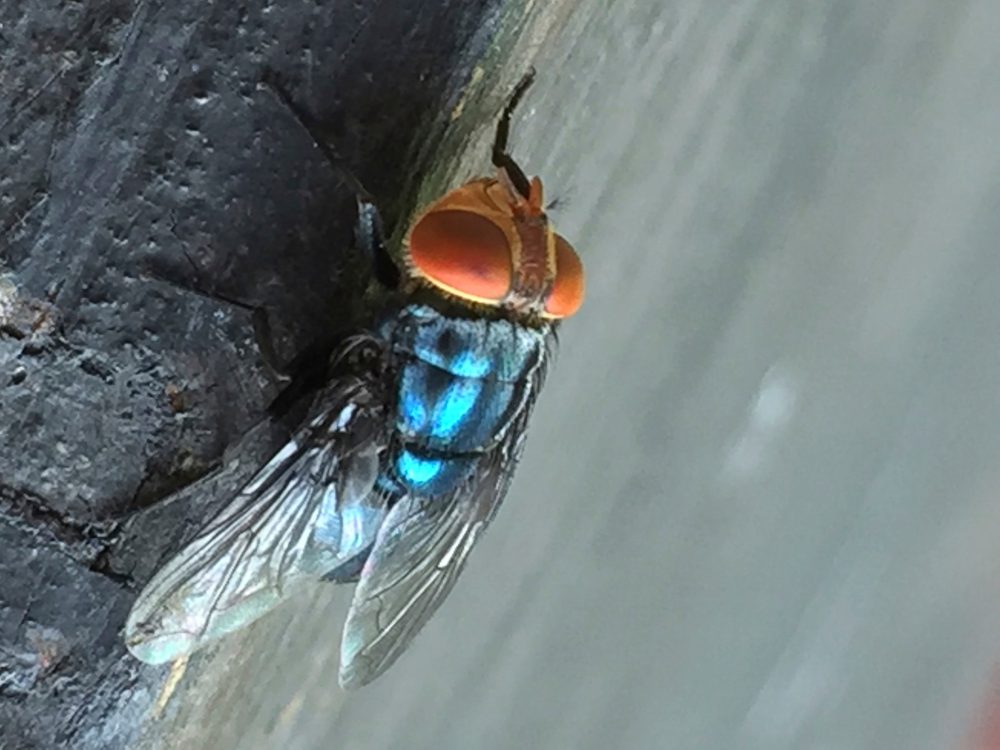
The destructive pest is actually a type of fly that produces larvae which consume living tissue rather than decaying matter. Female flies deposit eggs in open wounds on any warm-blooded creature, including cattle, wild animals, domestic pets, and sometimes humans.
According to the U.S. Department of Agriculture, the latest infections were discovered in a calf and a dog located hundreds of miles from each other in La Salle and Andrews counties. This increases the confirmed case count to four total. Officials initially identified the screwworm in a 3-week-old calf the previous week, followed by a second infection in another young calf just miles from the first location.
“While we address these instances that require immediate attention, and continue to sample suspected cases, we are simultaneously working to eradicate the pest entirely,” Dudley Hoskins, the USDA’s marketing and regulatory undersecretary, said in a statement.
The fly represented a significant seasonal threat to cattle operations before being wiped out across the United States during the 1960s.
Federal officials and the American cattle sector have been working urgently to stop an outbreak since the pest appeared in Mexico in late 2024, marking its return after being confined to southern Panama for decades.
Authorities combat the fly through a breeding program that produces sterile male flies, which then reproduce with wild females that mate only once during their several-month lifespan. When females mate with the sterile males, they cannot produce offspring, eventually stopping outbreaks.
The USDA has revealed intentions to boost sterile fly production at international facilities while constructing a fly breeding facility in Texas.
USDA Secretary Brooke Rollins will receive a briefing on the outbreak Monday afternoon at the U.S. Livestock Insects Research Laboratory in Kerrville, Texas.