Delaware’s poultry industry waste may soon contribute to a groundbreaking solution for sustainable protein production, according to new scientific research examining how processed chicken farm wastewater can nourish black soldier fly larvae.
The study focuses on using electrocoagulation-treated sludge from poultry operations as nutrition for these specialized insects, which are gaining recognition as an environmentally responsible alternative to conventional fishmeal used in fish farming.
With the aquaculture industry increasingly seeking alternative protein sources, black soldier fly larvae have captured attention for their potential to replace traditional fish-based feeds while reducing environmental impact.
The research represents a dual environmental benefit – finding productive uses for poultry industry byproducts while creating sustainable protein sources for fish farming operations.
This development could particularly benefit Delaware’s significant poultry sector by providing new revenue streams from waste materials that previously required costly disposal methods.
Brazil has achieved unprecedented success in its egg export market during 2025, with international shipments more than doubling to establish a new all-time high. This remarkable performance signals a major transformation within a sector that held relatively minor significance in Brazil’s poultry industry just a few years earlier.
The South American nation’s combined exports of fresh and processed egg products reached 40,894 tonnes throughout the year, demonstrating the growing international expansion of Brazil’s egg production sector.
This dramatic increase highlights how Brazil’s egg industry has evolved from playing a secondary role to becoming a significant player in global markets, marking a notable shift in the country’s agricultural export portfolio.
Delaware’s poultry industry relies on tiny but powerful nutrients that pack a major punch when it comes to keeping birds healthy and productive. These essential micronutrients, known as trace minerals, are fed to chickens and turkeys in small amounts but deliver outsized benefits for farm operations across the region.
Five key minerals – zinc, copper, manganese, iron, and selenium – serve as critical building blocks that help activate hundreds of different enzymes and proteins within poultry. These biological processes control vital functions including disease resistance, energy processing, reproductive health, cellular protection, skeletal strength, and the ability to handle environmental pressures.
Today’s commercial poultry operations push birds to achieve high levels of egg and meat production while managing various stressors, making proper mineral nutrition more important than ever for Delaware’s agricultural economy.
Dangerous fungal toxins are becoming an increasingly serious threat to poultry operations as changing weather patterns create unpredictable growing conditions, according to agricultural experts.
During the recent Alltech 2025 Global Harvest Broadcast, industry analysts delivered a concerning assessment about the growing complexity and occurrence of these harmful substances, known as mycotoxins, which can contaminate feed crops.
The specialists emphasized that weather-related changes are dramatically affecting crop harvests, while new types of fungal contamination are emerging that require constant monitoring from farmers and producers.
Despite these challenges, experts noted that advancing laboratory testing methods are creating fresh possibilities for identifying problems earlier and developing better prevention strategies.
This development is particularly significant for Delaware’s agricultural sector, where poultry farming represents a major economic driver for the state’s rural communities.
Commercial beekeepers are demanding higher fees for their pollination services this year, with the cost to rent bee colonies for almond orchards rising 15 percent compared to 2024 rates.
According to new data from the U.S. Department of Agriculture’s National Agricultural Statistics Service, the increased expenses reflect the ongoing pressures facing the commercial beekeeping industry.
The price hike comes as almond growers rely heavily on rented bee colonies to pollinate their crops, making this cost increase a significant factor in overall production expenses. California’s almond industry depends on billions of bees trucked in from across the country each spring for the critical pollination period.
This upward trend in pollination costs may eventually impact consumer prices for almonds and almond-based products, as growers face higher operational expenses during the crucial growing season.
Delaware’s peanut farmers saw a small but positive bump in their earnings last week, according to new agricultural data.
Growers received an average of 24.1 cents per pound for all farmer stock peanuts during the seven-day period that ended on February 7th. This represents an increase of half a cent compared to the previous week’s pricing.
The price improvement comes as local agricultural producers continue to navigate market conditions for their peanut harvests. These weekly price reports help farmers and agricultural businesses track market trends for one of the region’s important crops.
American agriculture continues to experience a downward trend in the total number of farming operations, according to newly released federal projections.
The U.S. Department of Agriculture estimates that 1,865,000 farms will be operating across the country in 2025, representing a decrease of 15,000 agricultural operations compared to the previous year’s totals.
This decline reflects ongoing consolidation patterns within the agricultural sector that have persisted for several decades as smaller farming operations either expand, merge with larger enterprises, or cease operations entirely.
The USDA’s National Agricultural Statistics Service compiled these figures as part of their annual assessment of farming trends and land usage patterns across America.
While the total count of individual farms continues to shrink, industry analysts note that remaining operations often increase in size and production capacity to meet the nation’s food production demands.
RICHMOND—Agricultural producers from across Virginia made their voices heard at the state capitol as they gathered to discuss critical farming issues with elected officials.
The Virginia Farm Bureau Federation hosted its yearly Legislative Day, bringing together more than 100 farmers to share how pending legislation could affect their operations and local communities.
The discussions encompassed numerous agricultural concerns, such as state cost-share program funding, preserving minimum wage and overtime exemptions for agricultural workers, regulations for utility-scale solar installations, proper food labeling requirements, pesticide regulations, and addressing the shortage of large animal veterinarians.
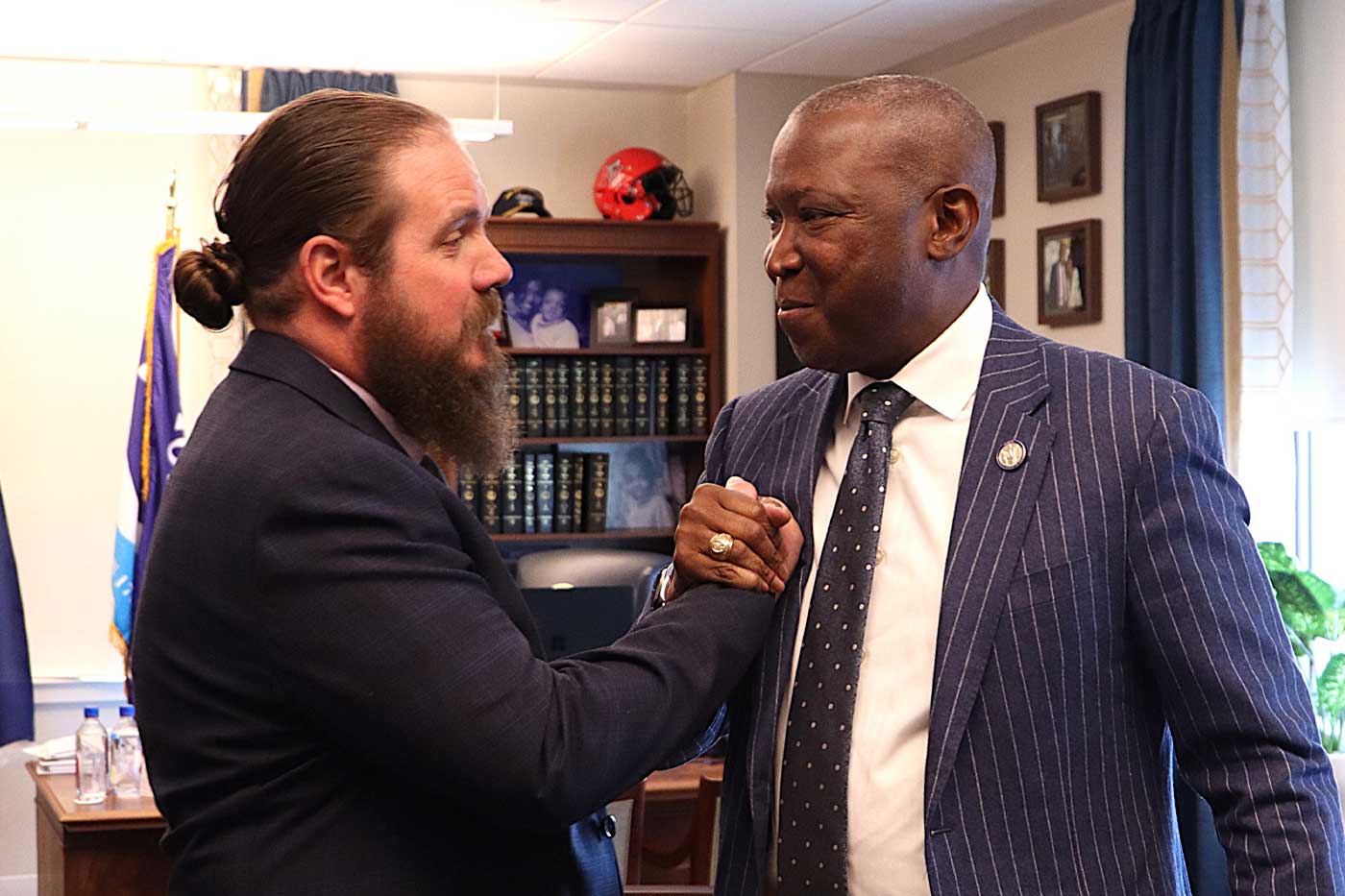
In their meeting with Lt. Gov. Hashmi, agricultural producers expressed backing for HB 508 and SB 340, bills that would establish a definition of agrivoltaics emphasizing farming as the primary use, with solar panels serving as an additional element of the agricultural business.
This definition ensures that agrivoltaics systems “work in conjunction with an operating farm that benefits both the farm and other users on the power grid,” explained Coty Goodwin, who raises beef cattle in Orange County.
Agricultural producers also emphasized the need to maintain local control over solar installation decisions and warned against implementing uniform statewide regulations.
“The best decisions are made at the local county board of supervisors where we can sit down and look at each unique situation,” Goodwin stated. “We don’t want our localities to lose the power of making their own siting decisions.”
The Farm Bureau backs HB 322 and SB 186, legislation requiring accurate labeling of alternative protein products to clearly indicate their source and ingredient composition.
Improper labeling “causes so much confusion at the grocery store,” noted Cecilia Moyer, who operates a dairy farm in Amelia County. “It’s very important to have clear labels so consumers know what they’re buying.”
The Senate version of the labeling bill received unanimous approval.
Agricultural producers from southern Virginia discussed labor issues and crop protection chemicals with Aaron Yohai, who serves as legislative aide to Del. Vivian Watts, D-Fairfax. They expressed opposition to HB 1375, legislation that would prohibit the production and distribution of paraquat, an essential herbicide for corn, cotton, soybean and peanut cultivation.
Pittsylvania County farmer Donny Moore pointed out that pesticide users must already undergo training for proper application. A complete prohibition would create additional challenges for crop producers because “right now there’s nothing else in our tool bag to take its place.”
VFBF board member Robert J. Mills Jr. and farmers from Loudoun County spoke with Sen. Kannan Srinivasan, D-Loudoun, and Syreeta Martin-Glenn, legislative assistant for Sen. Jennifer Carroll Foy, D-Fairfax and Prince William. Their conversation focused on HB 20 and SB 121, which would remove minimum wage exemptions for agricultural workers, and highlighted the financial burden this would place on farming operations.
The Farm Bureau seeks to exclude H-2A and H-2B worker programs from the proposed legislation. Mills observed that farmers provide housing and transportation under these programs, effectively raising compensation above minimum wage levels.
“Virginia is the only state in our region that’s taking out the minimum wage exemption,” Mills said. “Our margins are already so thin and this would put us at a competitive disadvantage to surrounding states that do have these exemptions.”
Throughout the morning, lawmakers received complimentary snack packages featuring Virginia-produced, value-added farm products.
Those interested in following agriculture-related legislation can visit the VFBF Plows and Politics blog.
For media inquiries, contact Martha Moore, VFBF senior vice president of governmental relations, at 804-347-5752.
CHARLOTTESVILLE, Va. — Virginia’s forestry leaders are working to address mounting pressures that could undermine the long-term viability of forest management throughout the state.
The newly formed Virginia Wood Council convened its inaugural meeting in September, bringing together representatives from various industry groups and government agencies. Participants included the Virginia Farm Bureau, Virginia Forestry Association, Virginia Loggers Association, Virginia Forest Products Association, Virginia Department of Agriculture and Consumer Services, the Virginia Economic Development Partnership, along with loggers, mill operators and manufacturers.
“The plan is to understand all the emerging forest product industry issues, and figure out what’s causing them,” said Sabina Dhungana, utilization and marketing program manager for the Virginia Department of Forestry.
Virginia’s forestry sector ranks as the state’s third-largest industry, generating over $23 billion in annual economic impact while providing jobs for more than 108,000 workers and contributing to reforestation efforts across millions of acres statewide.
The industry operates through collaboration between forest property owners, forestry professionals, loggers, timber purchasers and other specialists who work to maintain a consistent supply of renewable timber resources used for lumber production, paper manufacturing, energy generation and other purposes.
“Sustainability is a big thing we can be proud about,” Dhungana observed. “We grow way more than we harvest on an annual basis, we have all these best management practices in place, and we are one of the unique states that has a water quality program.”
Patrick Murphy, who serves on the Virginia Farm Bureau Federation board, draws on his extensive experience as a county forester to help fellow forest landowners maximize their property’s potential while maintaining conservation practices.
“Reforestation is a great investment,” Murphy stated. “It helps keep your land productive and working, and depending on what methods are used to prepare the land prior to tree planting or improve the land after planting, we have cost-share programs available through the Virginia Department of Forestry to help offset some of those costs.”
The state’s Reforestation of Timberlands Program, administered by the VDOF, offers financial assistance to property owners for pine reforestation projects. Funding comes from the Virginia Forest Products Tax combined with matching state General Fund dollars.
Between 1970 and 2020, Virginia’s forestry sector contributed more than $54.5 million toward tree cultivation on private properties. Combined with legislative matching funds, these investments have supported reforestation of over 51,000 harvested sites encompassing nearly 2 million acres across Virginia.
Harvested timber serves construction, furniture manufacturing and building material production for both domestic and international customers. However, trade conflicts, housing market instability, and the globalization of manufacturing and workforce are creating uncertainty across the sector.
“We’ve had about 10-15 primary hardwood mill closures in the last three to four years,” Dhungana reported. Additionally, continuing forest fragmentation and logger workforce shortages are raising concerns for Murphy and other professionals in Southside Virginia.
Dhungana noted that numerous Virginia mills operate as family businesses, with owners often hesitant to burden their children with debt and business risks, creating succession challenges.
“It’s a very hard and risky business,” she explained. “If we keep losing mills, forest management sustainability in Virginia will be super hard—if not impossible.”
She urges consumers to purchase locally-sourced wood products and contact the VDOF for information about finding these materials.
WEST AUGUSTA—Throughout Virginia, agricultural operations are growing more than just produce and raising animals. These specialized farms are fostering self-assurance, promoting self-reliance, and developing capabilities that enable people to succeed—all through routine agricultural activities.
This approach, known as care farming, combines agricultural work with healing and educational methods. These operations use farming activities as therapeutic tools, offering assistance, building relationships, and generating chances for individual development while providing physical, emotional, and social advantages.
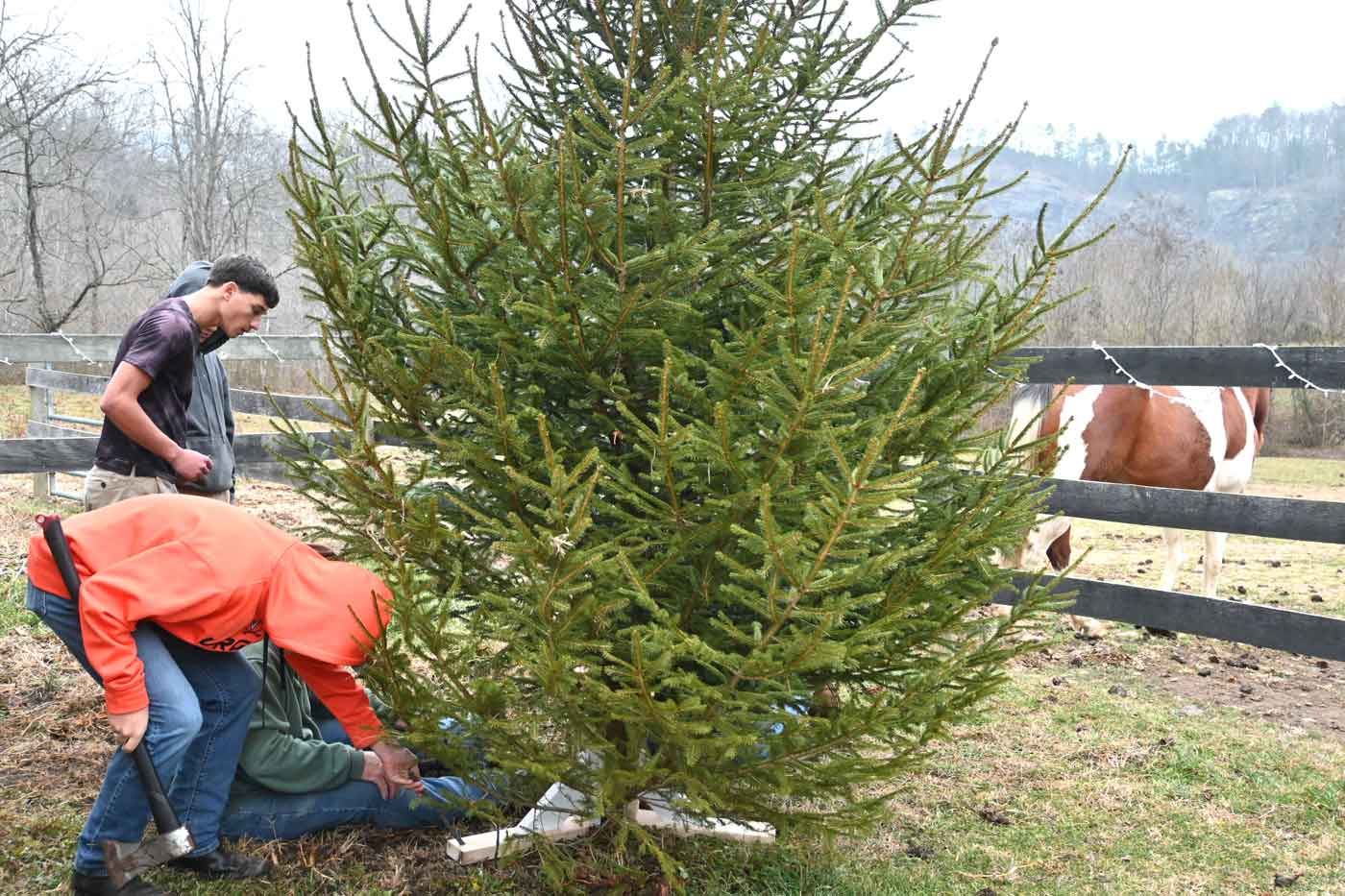
In Augusta County’s countryside, a Christmas tree operation gives young men opportunities for development through productive labor. The 80-acre site has served Boys Home of Virginia students since Joanne Tannehill donated the property in 1994, offering practical educational opportunities.
Small groups of students dedicate weekends each year to caring for thousands of fir trees, managing the property, and acquiring valuable life skills. Spring marks the beginning of their work, as students chart tree rows and determine planting quantities.
“The kids help lay out the grid, and we quiz them on the math,” explained farm manager Rick Hutson.
As the year progresses, students move young trees to new locations, trim branches, maintain fields, and remove unwanted vegetation. During this process, they receive hourly compensation, maintain physical fitness, build friendships, and learn cooperation, accountability, and self-confidence.
Their hard work reaches its peak each autumn when the operation welcomes visitors following Thanksgiving. Students assist customers in choosing and harvesting trees they’ve cared for, fulfill commercial orders, and market wreaths and decorations.
The property, encompassed by beautiful woodland, hiking paths, water features, and open areas, also provides peaceful moments for young men who have encountered challenges in their past.
“The woods can be a very cleansing and therapeutic place,” Hutson said. “And it’s good for them to get out where it’s not as structured.”
In Albemarle County, Innisfree Village has created an uplifting community environment for people with intellectual and developmental disabilities since 1971. At this location, residents—known as coworkers—share living spaces with volunteers, contribute to maintaining the 550-acre community, and develop enduring relationships and abilities through meaningful activities.
“We’re not just an organization focused on care delivery, but rather on everyone being participatory,” said Innisfree’s executive director, Rorie Hutter.
This involvement encompasses farm duties, where coworkers tend to chickens, cattle, sheep, pigs, and turkeys—gathering eggs, moving cows between grazing areas, fixing barriers, providing food, distributing hay, and removing downed trees.
“We have our basic chore checklist, just like every farm,” explained farm manager and longtime volunteer Tim Wool.
Food prepared using fresh eggs and grass-fed meat combined with produce and seasonings from the community’s garden showcase the importance of everyone’s work.
“It’s realizing, ‘I just harvested tomatoes yesterday and now we’re enjoying those incredible tomatoes,’” Hutter said. “That direct correlation is really important for our folks.”
Jobs are kept simple and divided into smaller steps so “individuals with differing abilities can fully participate,” Wool said. Activities are chosen based on personal interest and capability, always prioritizing the welfare of people, animals, and the land.
“There are opportunities here that people probably haven’t been exposed to,” Hutter added. “By setting up a supportive environment, there’s a much more enriched menu of choices.”
Additional information and photographs are available in Winter Cultivate magazine. For media inquiries, contact Asianna Holloway at Boys Home of Virginia at 540-965-7714, or Hutter at 434-823-5400.
The provided article appears to contain only a video embed without accompanying text content. Based on the headline about Virginia care farms using agriculture for healing and independence, this story focuses on therapeutic farming programs in Virginia that help individuals through agricultural activities.
Without the full article text, we cannot provide additional details about specific programs, locations, or participant stories that may have been featured in the original content.
WASHINGTON—As millions of Americans prepare to watch the New England Patriots take on the Seattle Seahawks in the 2026 Super Bowl, farmers across the region are working to satisfy an enormous appetite for game day favorites.
According to the National Chicken Council’s annual Chicken Wing Report, football fans nationwide are projected to consume a staggering 1.48 billion chicken wings during the championship game. This figure represents an increase of approximately 10 million wings compared to the previous year’s Super Bowl consumption.
To put this massive number in perspective, if all 1.48 billion wings were placed end to end, they would wrap around Earth nearly three complete times.
Virginia’s thriving poultry sector plays a crucial role in supplying this tremendous demand. Data from the most recent U.S. Census of Agriculture shows that 1,168 Virginia farms raised more than 55 million broilers and other meat chickens in 2022.
The poultry industry represents one of America’s most valuable agricultural sectors, generating approximately $45.4 billion in national farm-level receipts during 2024. Virginia alone saw cash receipts for broilers surpass $1.2 billion, based on USDA Economic Research Service statistics.
Economic analysts from the American Farm Bureau Federation recently examined popular Super Bowl snacks and the financial challenges facing the farmers who produce them in their latest Market Intel report.
The Super Bowl ranks as the second-largest food consumption day in America, trailing only behind Thanksgiving.
“As fans gather around their TVs this Super Bowl Sunday, it’s worth remembering that every bite reflects far more than what’s on the plate,” the Market Intel states. “It reflects a highly coordinated agricultural system and the farmers and ranchers working every day to keep it running, even as economic pressures continue to mount well beyond game day.”
Despite strong wing demand, poultry producers face significant challenges within a highly consolidated, contract-driven industry. Farmers receive fixed payments that prevent them from capitalizing when wholesale or retail prices increase. Additionally, producers must finance their own facilities, often investing over $1 million in specialized poultry houses and equipment.
Tortilla chips dominate Super Bowl snacking preferences. These corn-based treats begin with field corn, America’s most extensively planted crop. Virginia’s corn production generated $227 million in value during 2024.
However, corn farmers currently face historically low prices, with projections showing average losses of $173 per acre for the 2026 crop year.
Potato chips rank as the second most popular Super Bowl snack. American farmers annually produce nearly $5 billion worth of potatoes, while Virginia’s 481 potato farms harvested 3,240 acres in 2022.
Although potato demand remains robust, escalating expenses for labor, energy, storage, and other operational costs have exceeded market payments to farmers.
Popular game day items including pizza, queso dip, and charcuterie boards depend on the nation’s approximately 24,800 dairy operations. Dairy products secured fourth place among Virginia’s top farm commodities in 2024, producing over $363 million in revenue.
While U.S. milk production has reached record highs, helping maintain affordable and plentiful cheese supplies for consumers, economic pressures have caused dairy farm numbers to drop by more than 60% between 2005 and 2024.
“Farmers are proud to grow the food America’s families enjoy during their parties, and every other day of the year,” said AFBF President Zippy Duvall. “We’re fortunate to be blessed with such an abundant food supply, but the reality is, farmers are facing an economic crisis like we haven’t seen in generations.
“We’re grateful for aid the administration has delivered to farmers this year and do not take that for granted, but more steps are needed to ensure farmers can stay in business until markets improve,” he continued. “There will be only one winner in the game this Sunday, but everyone wins when we protect America’s food supply chain.”
ASHLAND—While Delaware residents grow weary of shoveling snow and navigating icy conditions, local gardens are actually benefiting from winter’s frozen grip. The white blanket covering lawns and flower beds serves as natural protection for plants while delivering valuable nutrients to the soil below.
Snow collects beneficial elements such as nitrogen and phosphorus as it falls through the atmosphere, according to Scot Ferguson, who works as a Virginia Cooperative Extension agent in Hanover County.
Delaware homeowners can maximize these benefits by being strategic about where they pile snow during cleanup efforts. Rather than viewing snow removal as just another winter chore, Ferguson suggests thinking of it as preparation for spring growth.
“You’d want to relocate snow along the drip line of the shrub or tree, kind of like you would with mulch,” Ferguson explained. Placing snow around garden beds and landscaped areas provides “a little bump of nitrogen” to plants.
The melting process delivers these fertilizing compounds gradually into the ground. When warmer weather arrives, the slow melt provides consistent moisture without overwhelming plant roots.
“Plants are probably not getting super waterlogged, and you’re not dealing with runoff,” Ferguson noted. “They will be quite hydrated and trying to transpire!”
Rural property owners who manage large areas of grassland typically invest between $4 and $10 per acre for professional nutrient management services. These landowners appreciate the free fertilization that winter storms provide.
“And for bigger landowners with cover crop programs, that’s where they find the bang for their buck,” Ferguson said.
While Delaware’s native plants handle local weather patterns well, imported ornamental species like boxwood and delicate perennials can suffer damage when cold snaps arrive suddenly.
North Carolina Cooperative Extension research shows that even thin snow coverage shields soil from dramatic temperature swings. This protective barrier keeps soil temperatures more stable, preventing damage to plant root systems.
“And if it’s warm enough under there, the snow forms an insulating blanket, and grass will certainly grow,” Ferguson observed. “Snow still allows sunlight to penetrate its surface. If the plant can move water, if the ground isn’t frozen, then plants and grass can probably photosynthesize!”
Despite predictions of six additional weeks of winter conditions, Delaware temperatures will continue to vary throughout the season.
“Your flowering plants may come into bloom when we have warm weather,” warned Mark Viette, former host of “In the Garden,” a video series from Virginia Farm Bureau Federation. These mild periods may be followed by “a real cold spell.”
Viette recommends covering blooming plants with sheets or soft materials, adding warmth with outdoor-rated incandescent lighting when needed.
WASHINGTON—As hunger reaches unprecedented levels throughout Virginia, food assistance organizations are turning to regional farmers to help provide healthier options for families in need.
New federal dietary guidelines from the U.S. Department of Agriculture and Department of Health & Human Services emphasize the importance of high-quality protein, dairy products, and fresh produce in combating poor nutrition outcomes nationwide.
“We know that eating well and eating good food is a critical part of your health journey,” said Eddie Oliver, executive director of the Federation of Virginia Food Banks. “But access has to be part of the conversation when we talk about better health outcomes, because the most nutritious food is often the least affordable.”
Food insecurity affects millions of Americans annually, describing situations where people lack reliable access to sufficient food due to financial constraints. Research from Feeding America shows that individuals facing food insecurity experience higher rates of chronic illness and typically incur greater healthcare expenses compared to those with consistent food access.
Virginia recorded its highest food insecurity numbers in 2023, with more than 1 million residents affected according to Feeding America’s Map the Meal Gap research.
Oliver reports that requests for food assistance through the federation’s seven regional food banks and their 1,150 partner pantries continue to climb.
Current food purchasing costs for the network have increased nearly fivefold since 2019, driven by inflation, reduced federal funding for food acquisition programs, and cuts to the Supplemental Nutrition Assistance Program and Medicaid through the One Big Beautiful Bill Act.
During the recent government shutdown, the organization exceeded its budget by approximately $3 million responding to what Oliver described as “the longest pantry lines we’ve seen in years—when folks were unsure if they were going to get their SNAP benefits, and we had a lot of layoffs.”
Virginia Department of Social Services data shows 850,500 state residents were participating in SNAP as of September 2025.
Oliver explained that accommodating SNAP reductions from the One Big Beautiful Bill Act would require the food bank network to “suddenly distribute twice as much food overnight.”
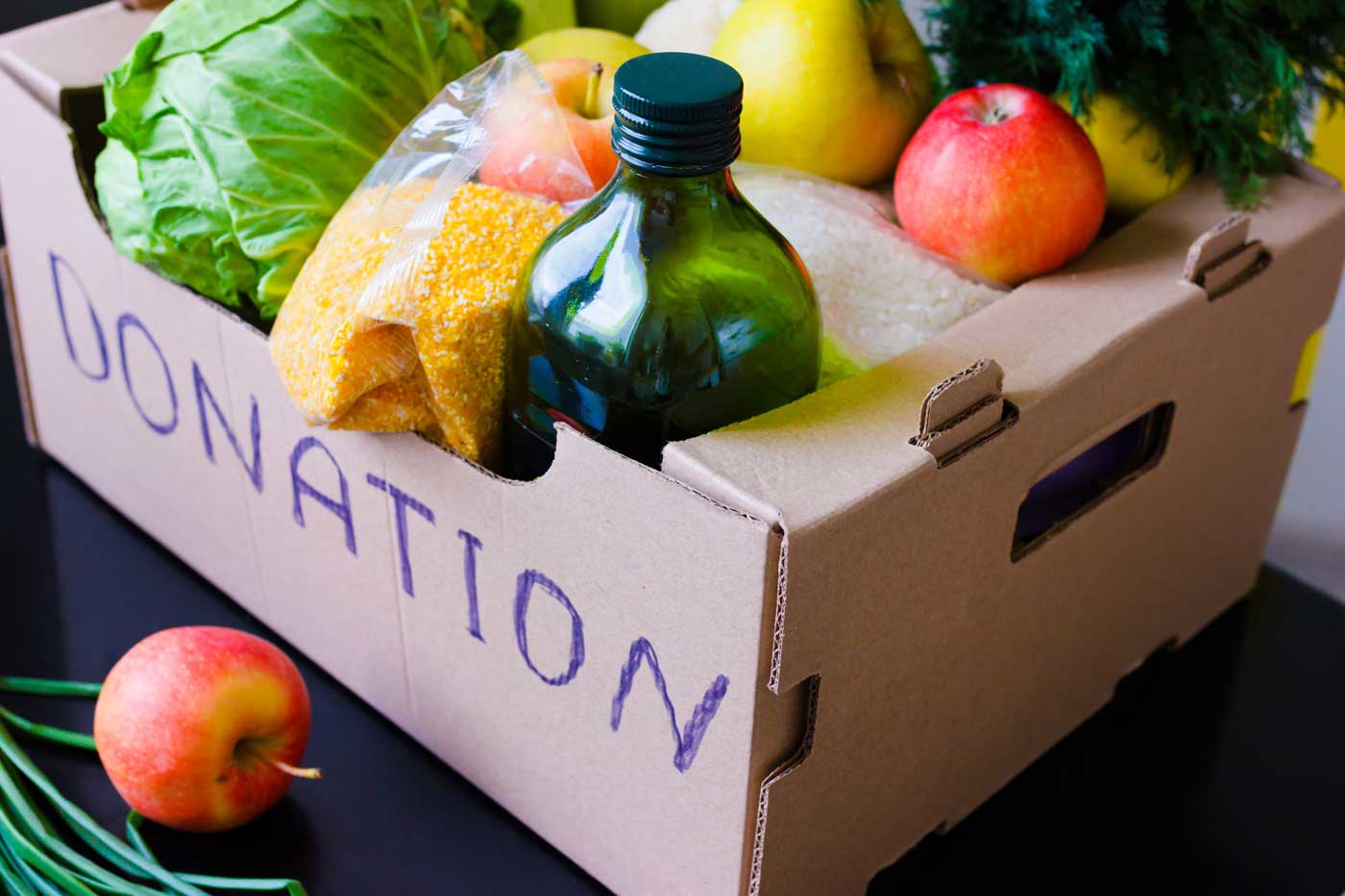
Dairy products, meat, protein sources, and fresh produce top the list of most-requested pantry items while remaining the most difficult to obtain. As retail grocery stores face their own supply challenges, the network increasingly relies on local agricultural producers for nutritious food options.
“It’s really remarkable that agriculture is Virginia’s largest private industry, and yet we have over a million people who are food insecure,” Oliver observed. “We feel like we can support local economies and strengthen Virginia’s food system by buying from local producers.”
The federation strengthens farmer relationships through programs like Farms to Food Banks, which incorporates The Virginia Agriculture Food Assistance Program. VAFAP, managed by the Virginia Department of Agriculture and Consumer Services, provides compensation to farmers for products donated or sold to charitable food organizations.
Recent apple crop surpluses led to successful collaborations between the food bank network and Shenandoah Valley orchards, distributing quality apples to community members while reducing waste and supporting farmer income.
To meet protein demands, the network has obtained peanut butter from regional processors, locally-raised beef, and fresh milk through its Milk for Good initiative. A partnership with the Maryland & Virginia Milk Producers Cooperative and charitable contributions enabled the purchase of more than 30,000 half-gallon containers of milk over the past three months.
“Everyone loves the local connection,” Oliver noted. “Likewise, farmers are some of the most generous people in the state, and they’re always excited about the opportunity to partner with food banks, because they know it’s going to help families in their communities.”
Oliver highlighted that VAFAP can combine with the state’s food crop donation tax credit, providing farmers with 50% farm market value for nutritious foods donated to food banks. Donors may claim up to $10,000 annually in tax credits.
Agricultural producers interested in collaborating with the food bank network should contact Oliver at [email protected] or 785-220-7708.
Community members can best support these efforts through financial contributions and volunteering at local food banks and pantries.
Additional information is available at vafoodbanks.org.
Unfortunately, the original article content appears to contain only a video embed without accompanying text details about the Virginia Tech research study. Without access to the specific information about the researcher’s methodology, findings, or quotes from the study, we cannot provide a complete rewrite of this story.
The headline indicates that a Virginia Tech scientist is examining how various field conditions impact athlete safety, which could have implications for sports programs throughout the region including Delaware schools and recreational facilities.
For complete details about this research, viewers are encouraged to watch the associated video content.
A cattle producer from Craig County was celebrated for her dedication to Virginia’s agricultural community when she received recognition for five years of leadership service.
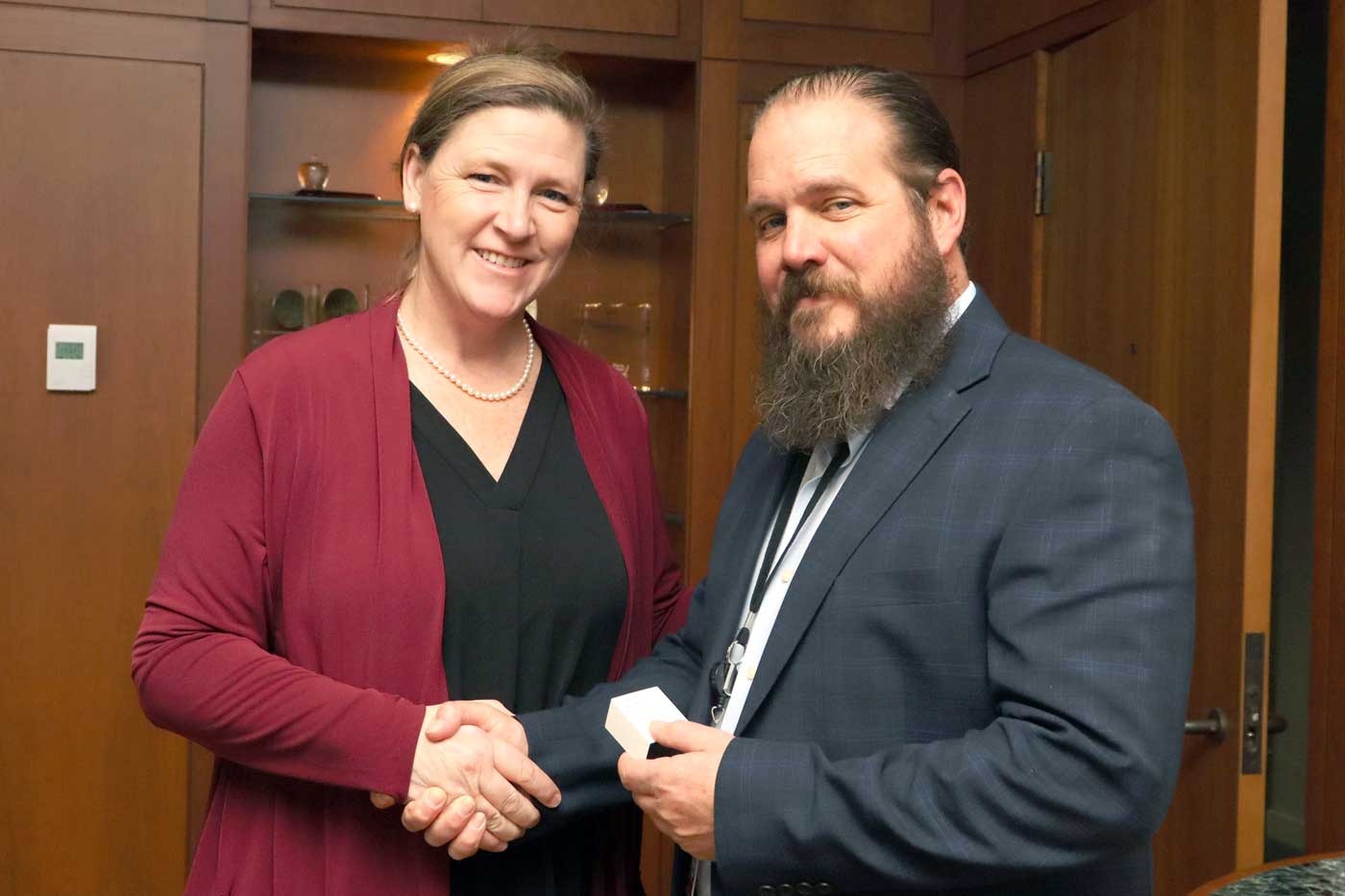
Jeannie L. Dudding was honored on January 28th during a Virginia Farm Bureau Federation board meeting held in Richmond. VFBF President Scott Sink presented the service award to acknowledge her commitment to the organization.
In her role as District 4 director, Dudding advocates for Farm Bureau members who operate farms and ranches across eight counties: Alleghany, Bedford, Botetourt, Craig, Franklin, Henry, Patrick and Roanoke.
Before her current position, Dudding worked as an agriculture and natural resources agent with Virginia Cooperative Extension in Giles County. Today, she teaches agriculture and serves as the FFA advisor at Giles High School.
Her involvement with Farm Bureau extends well beyond her board service. Dudding previously led the Craig County Farm Bureau as president and has maintained a board position with that local chapter for nearly two decades. She currently heads the VFBF Equine Advisory Committee.
Her leadership experience also includes time with the Craig County Farm Bureau Young Farmers Committee, where she served as chairperson for two years. In 2013, she claimed victory in the VFBF Young Farmers Discussion Meet competition, and two years later, the VFBF Women’s Leadership Committee named her Farm Woman of the Year.
Dudding earned her master’s degree in career and technical education from Virginia Tech. She also holds bachelor’s degrees in both animal science and education from the University of Connecticut.
Together with her husband Jason, Dudding operates an Angus cow-calf business. The couple’s children, Layton and Evie, participate in 4-H and FFA programs while managing their own livestock projects.
The Virginia Farm Bureau Federation represents nearly 137,000 members across 88 county organizations, making it the state’s most prominent agricultural advocacy group. The organization operates as an independent, nonpartisan, voluntary association dedicated to advancing Virginia’s farming industry.
For additional information, contact Kathy Dixon, VFBF assistant director of communications, at 804-370-3055.
A mouthwatering vegetarian lasagna recipe that combines fresh spinach and mushrooms has been making waves after being demonstrated by Chef Tammy Brawley during Virginia Farm Bureau’s weekly television show, ‘Real Virginia.’
This hearty dish offers a delicious alternative to traditional meat lasagnas while delivering rich flavors and satisfying textures that will please the whole family.
Ingredients needed:
• 3 tablespoons olive oil • 4 medium garlic cloves, minced • Two 28-ounce cans of crushed or whole tomatoes, preferably San Marzano • 4 tablespoons chopped fresh basil • Kosher salt and coarse-ground black pepper • Medium onion, minced • 1 pound cremini mushrooms, sliced (or any mushroom of choice) • 12 cups baby spinach, washed and chopped, if desired • 1 pound mozzarella cheese, shredded • 5 ounces Parmesan cheese, grated, about 2/3 cup • 15 no-boil lasagna noodles or homemade pasta sheets • Nonstick cooking spray
Preparation instructions:
Begin by preheating your oven to 375 degrees and positioning the oven rack in the center. In a large skillet, warm the oil and garlic over medium heat for approximately two minutes until aromatic but not browned. Add the tomatoes and let the mixture simmer for about ten minutes until it becomes slightly thicker. Mix in the fresh basil along with salt and pepper according to your taste preferences. Add water as needed to create roughly 3½ cups of sauce, then set the pan to one side.
Using a separate medium-to-large skillet, warm olive oil over medium heat. Cook the minced onion for about five minutes until it becomes clear. Add the sliced mushrooms and continue cooking for approximately eight minutes until they turn golden brown. Season the mixture with salt and pepper, then transfer to a bowl and set aside.
In the same pan, add a bit more olive oil and heat over medium temperature. Add the spinach and cook while stirring frequently for about five minutes until the leaves wilt. Season with salt and pepper, then combine with the mushroom and onion mixture.
Coat a 13 x 9 inch casserole dish with nonstick spray. Distribute half a cup of sauce evenly across the bottom. Layer three noodles horizontally over the sauce. Spread three-quarters cup of the vegetable mixture evenly across the noodles, followed by half a cup of sauce. Top with three-quarters cup of mozzarella and two tablespoons of Parmesan cheese. Continue this layering process until all vegetables are used. Finish the top layer of noodles with the remaining cup of sauce, cup of mozzarella, and two tablespoons of Parmesan.
Cover the dish loosely with foil that has been sprayed with cooking spray. Bake for 25 minutes, then remove the foil and continue baking for an additional 15 minutes until the top becomes golden brown. Allow the lasagna to rest for five minutes after removing from the oven before slicing and serving.
Federal agriculture officials have unveiled further information regarding a billion-dollar emergency assistance initiative aimed at helping specialty crop and sugar producers navigate challenging economic conditions. The relief effort addresses rising production expenses, market instability, and declining export opportunities that have impacted these agricultural sectors.
Known as the Assistance for Specialty Crop Farmers Program (ASCF), this initiative provides support for agricultural commodities that were not included in the previously established Farmer Bridge Assistance Program. The program covers a wide range of qualifying crops, including various fruits and other specialty agricultural products.
This one-time financial assistance represents the federal government’s response to ongoing challenges facing specialty crop producers across the nation, including those in Delaware’s agricultural community.
Delmarva poultry producers monitor feed costs as federal agency credibility comes under fire following major corn acreage corrections
Market Overview
The United States Department of Agriculture is facing intense scrutiny after major corn production data errors sent grain prices tumbling and raised questions about the reliability of agricultural statistics that farmers depend on for critical business decisions.
The USDA released final 2025 corn acreage numbers in January that dramatically exceeded earlier projections from June, causing already struggling grain prices to plummet by more than 5 percent. The federal agency, historically considered the most trusted source for agricultural statistics globally, has not fully explained the discrepancy between the June estimates and the January final numbers.
Week-ending market numbers reflected the turmoil. December corn futures settled Friday at $3.92 per bushel, down 18 cents for the week, while March corn closed at $4.01, off 16 cents. November soybean futures finished the week at $10.48 per bushel, down just 4 cents, while January beans closed at $10.61. The soybean-to-corn price ratio widened to 2.67, the highest level in three weeks, potentially signaling a shift in spring planting intentions.
Wheat markets bucked the downtrend, with December futures gaining 9 cents to settle at $5.37 per bushel on deteriorating crop conditions in Kansas and Oklahoma. Livestock markets showed mixed results, with live cattle futures for April delivery settling at $184.25 per hundredweight, up $2 for the week.
Local Impact
For Delmarva grain farmers, the USDA corrections add another layer of uncertainty to an already challenging market environment. Lower corn prices affect rotation decisions and more immediately impact poultry producers across the peninsula who purchase millions of bushels of corn annually for feed.
Several grain elevators across the Eastern Shore reported slower farmer selling this week as producers wait to see if markets stabilize. Some are holding old-crop corn and soybeans in on-farm storage, hoping for a price recovery before moving grain to market. The Laurel grain elevator reported cash corn bids at $3.70 per bushel, while soybeans brought $10.15.
Feed mills continue steady purchases to meet poultry industry demand, providing underlying support for local basis levels even as futures markets struggle. The integration model that dominates Delmarva’s poultry industry means most growers aren’t directly exposed to feed price swings, but the overall health of the industry depends on profitable operations up and down the supply chain.
Agricultural Weather Outlook
A relatively quiet Valentine’s Day weekend will give way to a beneficial rain system Sunday night into Monday, bringing needed moisture for winter wheat across the Eastern Shore. Current models suggest a quarter to half inch of precipitation—beneficial moisture for wheat fields that have been relatively dry over the past two weeks.
Field conditions heading into next week should remain good, with soils potentially too wet for tillage work Tuesday and Wednesday but accessible again by late next week for early spring preparation. The extended outlook shows periodic light rain events typical for mid-February, with no heavy rain or severe weather threats.
Looking Ahead
The next month is critical for Delmarva farmers finalizing crop rotations and securing input supplies. Fertilizer prices have moderated from extreme recent highs, with nitrogen products running 20 to 25 percent below last year’s levels. Traders next week will be watching for additional USDA commentary on the data revisions and monitoring South American harvest progress.
University of Delaware Cooperative Extension and University of Maryland Extension are offering winter programs covering topics from new soybean varieties to soil health practices. Several regional equipment dealers are also hosting open house events in the coming weeks.
Community Calendar
Monday, February 16: Harrington Livestock Auction regular sale, 1 p.m.; Dover Farmers Market planning meeting, Kent County Extension Office, 7 p.m.
Tuesday, February 17: Delaware Soybean Board meeting, Georgetown, 10 a.m.
Saturday, February 21: Sussex County Young Farmers equipment safety workshop, Bridgeville, 9 a.m.
Congressional agriculture leaders introduced a comprehensive farm bill proposal on Friday that would eliminate California’s strict animal welfare regulations while making significant changes to overseas food assistance initiatives. The House Agriculture Committee’s draft legislation includes enhanced insurance coverage for fruit and vegetable producers and increased federal lending caps for farmers.
The proposed measure targets California’s Proposition 12, which sets specific housing standards for farm animals, seeking to override those requirements at the federal level. Additionally, the bill calls for substantial modifications to the Food for Peace program, which provides humanitarian aid internationally.
Other provisions in the draft legislation address agricultural chemical labeling requirements and would expand the Department of Agriculture’s loan program limits to provide farmers with greater access to federal financing.
The Food and Drug Administration has granted approval for a new livestock deworming treatment called Defendazole, manufactured by Norbrook. The medication is designed to combat and manage various internal parasites that can harm livestock health and reduce farmers’ profitability.
According to Dr. Megan Bollin, who serves as Norbrook’s technical services veterinarian, Defendazole represents a significant milestone as the first white drench dewormer for cattle and goats to receive FDA approval. She noted to Brownfield that the livestock industry has waited more than three decades for a new fenbendazole treatment option to become available.
NASHVILLE, Tenn. — Virginia cattle rancher Gene Copenhaver has assumed the presidency of the National Cattlemen’s Beef Association following his election and installation during CattleCon 2026 in early February.
The organization announced that this year’s CattleCon set a new attendance record, drawing unprecedented numbers of cattle producers and industry representatives. The annual gathering serves as the industry’s premier event for conducting business, educational sessions, and networking opportunities.
Copenhaver brings extensive experience from leadership positions throughout Virginia’s cattle industry and on the national level. He views his new role as an extension of his family’s longstanding commitment to agricultural service, outlining key objectives that include maintaining successful existing programs, staying connected to grassroots concerns, keeping an open perspective, and emphasizing financial viability.
“Profitability is sustainability,” he stated.
The new president aims to ensure operations of all types and sizes remain economically feasible. His agenda includes challenging regulatory obstacles, advocating for policies that enable reinvestment, and building upon recent progress with tax-related legislation.
“We can’t build the future if every good year gets taxed away before we can shore up our infrastructure,” he explained.
The former banking professional sees his NCBA leadership as a continuation of the Copenhaver family’s agricultural heritage, which began when his ancestors established themselves in Washington County, Virginia, around 1850.
Approximately 75 years ago, Gene’s father and uncle established Copenhaver Brothers Farms, creating a varied agricultural enterprise that included tobacco, hogs, sheep, cow-calf operations, and stocker cattle.
“It was a model built on spreading risk and making use of every acre,” he noted.
The tobacco buyout program became a turning point for the Copenhaver operation and Southwest Virginia’s agricultural landscape overall.
“A lot of buyout money went into cattle genetics,” Copenhaver remembered. “It really changed the type and quality of cattle we have in Southwest Virginia.”
This transition also prompted his family to refocus their efforts. The operation eventually specialized entirely in stocker cattle, capitalizing on the region’s natural advantage in grass production.
(Editor’s note: John Hall works as a professional commodities analyst.)
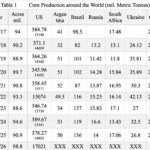
Over the last five weeks, I’ve been providing information designed to help farmers with their 2026 crop planning choices. Today, I’m focusing on corn market dynamics – both supply and consumption patterns. The information presented comes from WASDE reports, with production figures shown in million metric tonnes.
My first analysis examines global corn production locations. I’ve also added U.S. acreage planted and production measured in million bushels.
Key observations include:
• China ranked as the world’s second-largest corn producer. The country relies on corn primarily to support its massive pig farming operations.
• While Argentina’s output remains steady, Brazil shows signs of growth. Brazilian reports indicate their expanding ethanol sector might absorb most of their increased production.
• Russia and Ukraine present a notable situation. The conflict that started in 2014 and intensified in February 2022 has disrupted their export capabilities, particularly after bombing campaigns targeted ports and affected grain market stability.
Moving to domestic consumption patterns, USDA maintains reliable statistics for Feed and Seed, Ethanol, and Exports, though feed and residual data proves more challenging to track. The 2017-18 and 2025-26 feed usage numbers appear questionable, so they shouldn’t be overanalyzed. These represent the most accurate estimates currently available.
Food, seed, and ethanol sectors remain relatively stable, while exports show modest growth for 2025-26. Media reports suggest expanded E15 usage could boost ethanol consumption.
The U.S. Treasury Department has issued updates indicating that usage revisions may result from the One Big Beautiful Bill expected later this year.
Examining America’s corn export rivals reveals that overall global exports have stayed fairly constant. With world population growth slowing, increased sales must come at competitors’ expense. The United States shows notable growth in 2024-25.
I credit this improvement to recent trade agreements. While some major trading partners had shifted to competitors, these trade deals have brought them back. The data clearly shows how the Russian-Ukraine war impacted their export volumes. Our main challenge in serving their former customers involves distance and shipping costs to those markets.
Looking at worldwide corn buyers, most of these purchasing nations maintain friendly relationships with the United States. I believe we previously lost some business due to higher prices, but we’ve recovered most of those sales through strategic trade agreements.
Our analysis concludes with ending stock levels. The data shows U.S. ending stocks in both metric tonnes and millions of bushels. I’ve included USDA’s average price information as reference to demonstrate the typical pattern: when ending stocks drop, prices generally rise, and when stocks increase, prices typically fall.
China controls nearly two-thirds of global ending stocks. The country takes food security very seriously since it requires depending on other nations. Their food security approach has transformed from strict, government-controlled self-reliance (1949–1970s) to a market-based strategy emphasizing “absolute security of staple foods.”
Under President Xi Jinping’s leadership, the strategy emphasizes 95-percent grain self-sufficiency, rigorous farmland conservation, and agricultural innovation, shifting from quantity-focused to quality and diversification priorities. In 2004, a new strategy emerged prioritizing “guaranteed supply” through international commerce while maintaining tight control over domestic wheat and rice production. Consequently, the government maintains a year’s worth of grain reserves and distributes it to farmers gradually. This approach also enables them to regulate farmer pricing.
I realize this represents substantial information. I intend to reference this material in upcoming discussions to assist with your planting choices.
(Note: I compile research from Allendale, DTN, USDA, University Land Grants and other reliable sources for this article. This represents not just my personal view, but a consensus among trade experts. Seeking a marketing advisor or strategy discussions? Reach me at [email protected], or call 410-708-8781.)
A new weapon in the fight against a destructive cattle parasite has gained regulatory approval, offering hope to livestock producers across the United States. Merck Animal Health announced in December that it secured conditional approval for Exzolt Cattle-CA1, a topical treatment designed to combat New World screwworm infestations.
The fluralaner-based solution is applied directly to cattle as a pour-on treatment and serves a dual purpose – it can both ward off potential infestations and eliminate existing screwworm larvae problems. This parasite remains a persistent worry for American cattle ranchers and poses broader risks to the nation’s agricultural sector.
New World screwworm larvae create serious health issues for livestock by feeding on living tissue, making effective prevention and treatment methods crucial for maintaining healthy cattle herds and protecting agricultural investments.
Delaware cattle ranchers are grappling with increased financial uncertainty despite experiencing historically high livestock prices, prompting agricultural experts to emphasize the importance of comprehensive risk management strategies.
As market fluctuations continue to challenge the industry, Landon Nelson from Farm Credit Services of America’s Commercial Insurance Services division is advising producers on methods to safeguard their investments and maintain profitability during turbulent times.
Nelson outlined several approaches that cattle operations can implement to shield their financial interests, control profit margins, and stay viable amid ongoing market instability. These protective measures are becoming increasingly vital as producers work to balance the benefits of elevated prices with the inherent risks of volatile market conditions.
The guidance comes at a time when Delaware’s agricultural community is seeking ways to capitalize on favorable pricing while establishing long-term financial security for their operations.
Federal authorities have brought charges against five individuals in what prosecutors describe as a massive nationwide cattle fraud operation totaling $220 million.
Among those facing charges are Joshua Link from Stafford, Missouri, and Tia Link from Smithton, Missouri, who have been hit with wire fraud and money laundering accusations, announced Ryan Raybould, who serves as the U.S. Attorney for the Northern District of Texas.
According to federal prosecutors, the Missouri duo allegedly transferred funds as part of the fraudulent purchasing scheme, though additional details about the specific nature of the cattle contract fraud have not yet been released.
The case represents one of the larger agricultural fraud investigations in recent years, with authorities continuing their investigation into the full scope of the alleged criminal enterprise.
Smithfield Foods has announced plans to construct a massive $1.3 billion meat processing facility in Sioux Falls, South Dakota, according to company leadership.
Shane Smith, who serves as president and CEO of the food processing giant, revealed that the new operation will handle fresh pork and packaged meat production. Smith described the upcoming facility as groundbreaking in its technological capabilities.
“Featuring advanced automation technology and IT systems, it will be the most modern plant of its kind in the United States,” Smith stated.
The announcement represents a significant investment in the company’s processing capabilities and could have implications for the broader meat processing industry.
Leadership at the Missouri Pork Association is expressing satisfaction with provisions targeting California’s Proposition 12 that have been incorporated into the House Agriculture Committee’s most recent farm bill proposal. Scott Hays, who serves as the organization’s executive director, shared his optimism with Brownfield regarding the potential legislative remedy.
“It looks like we might finally get our day in Congress to try and get a fix in for this problem,” Hays stated when discussing the farm bill language.
The inclusion of this provision represents what industry advocates view as a significant step toward addressing regulatory challenges they face from California’s animal welfare requirements.
Agricultural equipment manufacturer Case IH has rolled out two new models in their popular Farmall tractor line. The company’s product manager, Morgen Dietrich, explains that the newly released Farmall 35A and 40A compact tractors incorporate enhanced open-style engineering that streamlines operations and boosts productivity.
According to Dietrich, who spoke with Brownfield, the flexible engineering of these machines allows users to reduce both operational time and expenses. The versatile construction of these compact tractors is designed to accommodate various farming tasks while maximizing efficiency for agricultural operators.
The newly appointed leader of Missouri Farm Bureau’s Young Farmers and Ranchers organization believes that building solid connections across generations and fostering collaborative teamwork are essential elements for maintaining thriving family agricultural operations.
“I think it’s important different generations work together to come up with new ideas and make things more profitable on the farm,” said Spencer Bachmann, who operates a livestock operation alongside his wife, Rachel.
Bachmann’s approach highlights the value of combining seasoned farming wisdom with innovative approaches to enhance farm profitability and sustainability for future generations.
Agricultural equipment manufacturer Case IH has unveiled its redesigned Puma series tractor, bringing advanced precision technology and improved efficiency to farming operations across the region.
The newly introduced tractor line focuses on boosting farm productivity while maximizing field time through innovative design features. According to Shawn Duren, who serves as a livestock product specialist with Case IH, the equipment is ideally suited for those in the livestock industry.
Duren highlights that the tractor’s streamlined yet robust construction delivers significantly improved maneuverability, with the turning radius reduced by 20 percent compared to previous models. This enhancement allows operators to navigate more efficiently in confined spaces and around farm structures.
The updated Puma series represents Case IH’s commitment to integrating the most current technological advances into farm equipment, helping agricultural producers optimize their operations and improve overall productivity in today’s competitive farming environment.
Advanced technology continues to transform agricultural machinery, making farming operations more environmentally responsible and productive. Marc Heater, who oversees sales and marketing at Amazone, explains that technological breakthroughs have revolutionized how farmers cultivate their fields, creating more sustainable and efficient soil management practices.
This year marks a significant milestone for the company’s Catros Compact Disc Harrow, which is commemorating its 25th year in production. The equipment represents how continuous innovation has shaped modern farming tools over the past quarter-century.
The evolution of soil cultivation equipment demonstrates the agricultural industry’s commitment to developing machinery that helps farmers achieve better results while reducing environmental impact. These technological improvements allow farmers to prepare their fields more effectively while using resources more efficiently.
Agricultural equipment manufacturer Kubota is rolling out cutting-edge baling technology designed to combat persistent workforce shortages affecting farmers across the region. The company’s latest innovation features a dual-chamber baler equipped with single-row output capabilities.
According to Cort Morris, who serves as Kubota’s product manager, this groundbreaking equipment represents a significant advancement in farm efficiency. Morris explained to Brownfield that the revolutionary design allows “one operator, one tractor, and one machine that does the work of two.”
The new high-capacity small square balers are part of Kubota’s SSB Series, which includes the SSB2014 model. This innovative machinery aims to streamline operations for agricultural producers who continue facing staffing challenges in their daily operations.
The technology addresses a critical need in today’s farming landscape, where labor shortages have become increasingly problematic for producers trying to maintain productivity levels during crucial harvest periods.