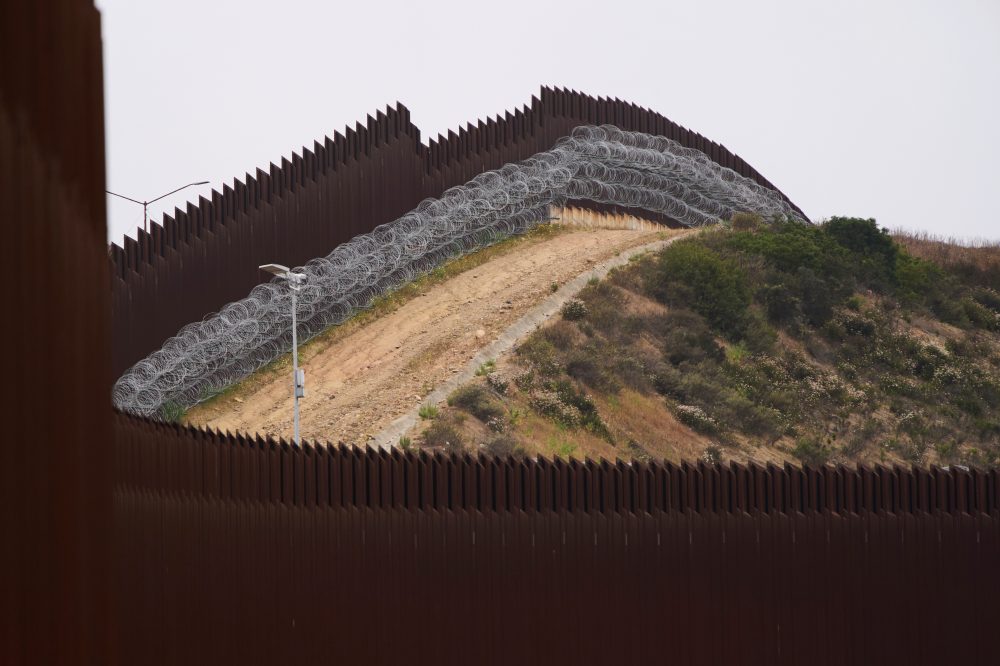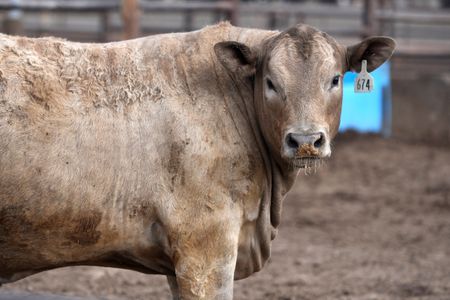

A historic cattle operation in West Texas that has been feeding livestock since the 1950s now faces potential shutdown as empty pens stretch across its property.
Lubbock Feeders, operating for seven decades in Lubbock, Texas, teeters on the edge of closure after federal authorities banned Mexican livestock imports last year to prevent the spread of New World screwworm, a dangerous flesh-eating parasite that Mexican officials have been unable to contain, according to one of the facility’s owners.
Federal officials shut down cross-border livestock movement twelve months ago to block the entry of New World screwworm, a destructive pest that has proven difficult for Mexican authorities to eliminate. This week marked the first confirmed screwworm case in Texas in six decades, creating additional obstacles for the U.S. beef sector already facing supply shortages, trade policy challenges under President Donald Trump, and ongoing drought conditions.
The situation presents a stark contrast in Mexico’s northern Coahuila state, where ranchers previously shipping live animals northward now export processed beef to American markets. Rancher Enrique García’s facilities recently housed numerous black cattle awaiting their evening meals. He has expanded his workforce by 100% for both cattle fattening and beef processing operations, with goals of reaching U.S. consumers.
The border shutdown has forced the $100 billion U.S. beef sector to shrink in Texas, America’s leading cattle-producing state. Meanwhile, Mexico—where screwworm has affected nearly 28,000 animals—has leveraged this challenge to develop domestic feedlots for extended cattle raising and slaughter preparation, plus expanded processing capabilities. This supply chain advancement proves profitable, with Mexican beef shipments to the U.S. jumping dramatically in early 2026.
“If they end up feeding and processing them in Mexico, how are we winning?” said Kyle Williams, manager and part owner of Lubbock Feeders. “We’re giving this to them on a silver platter, the feeding industry. That’s work, that’s labor, that’s people that are not getting to do it here in the U.S.”
American beef costs reached unprecedented levels this year as domestic cattle availability fell to a 75-year minimum due to the Mexican import prohibition and drought conditions that sparked wildfires throughout the Plains region, forcing U.S. producers to reduce their herds significantly.
America previously brought in over one million cattle annually from Mexico, representing approximately 4% to 5% of all cattle sold for domestic beef production, industry statistics show.
Mexican livestock was traditionally fattened at American feedlots before processing at U.S. plants, creating employment throughout the process, feeders explained. These positions included transport drivers moving livestock, crop farmers feeding the animals, and meatpacking employees processing cattle into steaks and ground beef.
Currently, those cattle remain primarily in Mexico for raising and slaughter.
“They’re building infrastructure in Mexico,” Williams said. “They’re forced to figure it out.”
The USDA could safely restart imports through cattle inspections and treatments at entry points, he noted. “Those protocols are in place. There’s been training on both sides of the border. Let the cattle move.”
Screwworm consists of parasitic flies that can infest any warm-blooded creature when females deposit eggs in wounds. Early detection allows for treatment. During a 20th-century outbreak, the U.S. released trillions of sterile flies over affected areas from a Texas production facility now being rebuilt. The massive elimination campaign ended the epidemic, but cattle industry recovery required 30 years, U.S. Agriculture Secretary Brooke Rollins stated last year when justifying the Mexican border closure.
Halting cattle movement can reduce pest transmission, Rollins said this week.
Lubbock Feeders ceased bringing cattle to its facility months ago because elevated prices for animals from U.S. ranches meant potential losses exceeding $200 per animal, Williams explained. The feedlot can accommodate up to 40,000 cattle but current numbers have declined to approximately 4,000.
Bobby Swift, the facility’s 57-year-old assistant manager, now starts work later due to reduced responsibilities. Checking cattle, one of his main tasks, requires only 22 minutes because of the small numbers, he said.
“When you’re as slow as we are, mentally it takes an effect on you,” said Swift, a 30-year employee whose father and grandfather also worked at Lubbock Feeders.
Increasing beef costs have created affordability concerns for consumers before U.S. midterm elections while they also face higher fuel expenses. President Donald Trump has attempted to address this by encouraging cattle producers to reduce prices, directing the Department of Justice to investigate meatpackers, and permitting reduced-tariff imports from Argentina. However, a larger U.S. cattle herd would more effectively lower prices.
American meatpackers await domestic cattle producers expanding their herds to increase beef production, a process requiring two years.
Producers indicated Trump’s promotion of larger low-tariff Argentine beef imports complicated efforts to convince them to rebuild herds. The decision angered ranchers but failed to reduce consumer costs.
Producers have also hesitated to increase production due to dry weather risks and profit uncertainty.
In Tulia, Texas, 72 miles north of Lubbock, farmer Eddie Womack said he may reduce his herd from about 600 to 200 cows unless summer rainfall relieves severe drought that eliminated crops for feed. He purchased feed at higher costs instead.
“We go through another devastating year and we’ll have to say, ‘We’re gone. We’ve got to sell,’” said Womack, 63.
García represents many beef producers expanding in Mexico.
He started small-scale cattle fattening four years ago to diversify his business after previously exporting approximately 900 head annually to Kansas. The U.S. border closure accelerated his transition and increased his income by 8% to 10%, García said.
With screwworm now present in the U.S., the border will likely remain closed, which García said this week encouraged him to expand his beef production business.
“In the end, we are going to get to the United States just the same, but now with meat,” he said.
Mexican exports to the U.S. increased by 23% in early 2026, according to Mexico’s main meat producers council, which targets doubling shipments next year.
Coahuila, among Mexico’s primary beef-exporting states, promotes expanding federally and U.S.-certified slaughter and packing capacity to support exports with Mexican government assistance, said Isaias Montemayor, the state’s deputy minister of livestock and rural infrastructure.
“The passing of the months has taught us that if these producers add value,” Montemayor said, “they can obtain a profit equal to or even greater than what they would get if they exported live calves.”
Rollins stated that suspending Mexican cattle imports successfully delayed screwworm’s entry into the U.S. and that entry points would remain closed to Mexican cattle indefinitely.
The White House directed questions to the USDA, which stated: “Efforts at the federal, state, and local levels have been focused on containing the pest and implementing protocols.”
Rogelio Perez of Mexico’s National Confederation of Livestock Organizations said the border closure forced Mexico’s industry to adapt, ultimately strengthening it. “The profit from producing meat now stays in Mexico with a consequent impact on the American industry,” he said.
The border closure has pressured U.S. meatpackers, along with some cattle feeders, by worsening already limited domestic supplies. Processors like Tyson Foods have reported significant losses in U.S. beef operations as cattle costs exceeded beef price increases.
American meatpacking executives stated they require more cattle for efficient plant operations and that resuming Mexican imports would have the greatest supply impact over the next 12 to 18 months.
Tyson Foods reduced operations this year at a beef plant in Amarillo, Texas, about 120 miles north of Lubbock, and permanently closed a large beef facility in Nebraska. The company said it made these cuts, eliminating thousands of jobs, to improve competitiveness.
Competitors JBS and Cargill have experienced unusual labor disputes at U.S. beef plants, resisting workers’ demands for increased wages.
Darin Parker, president of global meat distributor PMI Foods, said USDA should reopen the border.
“It’s quintessential Americana to be in the beef industry,” Parker said. “We need to really protect this industry.”