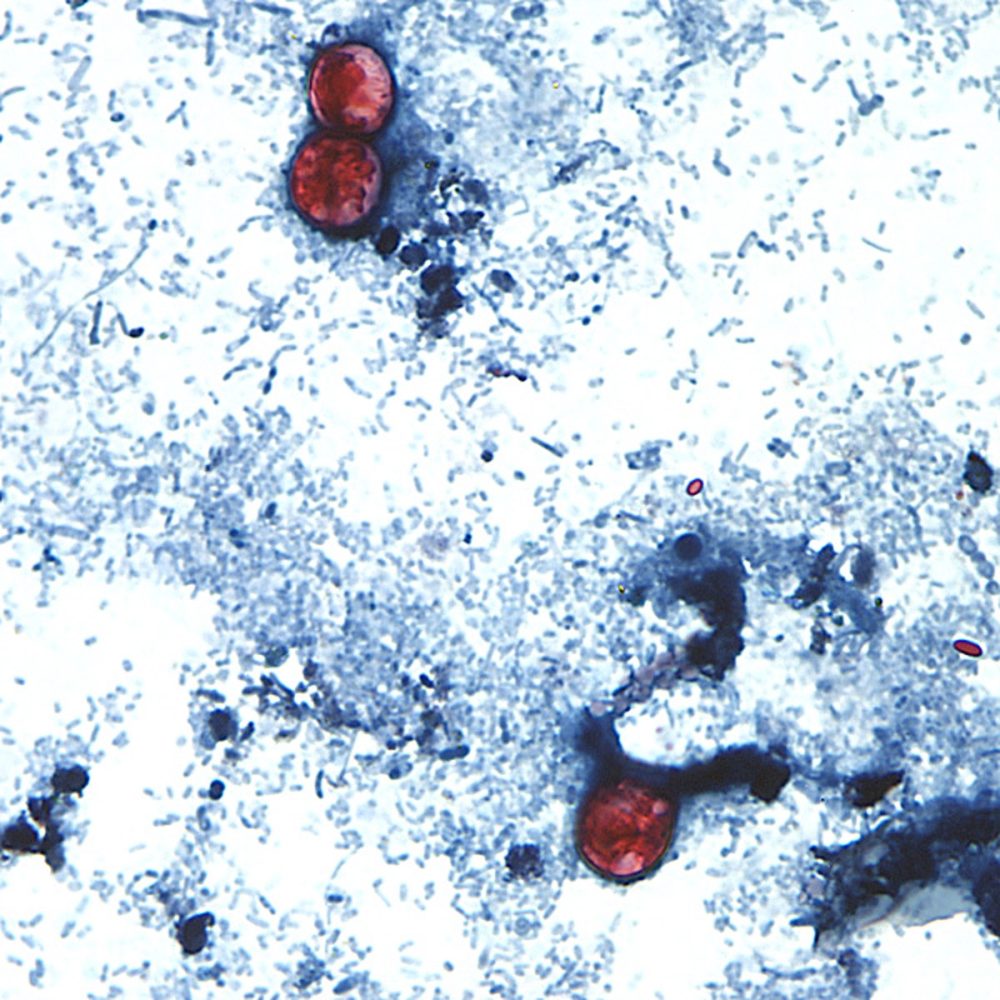

Federal health authorities are reporting a concerning outbreak of salmonella infections connected to backyard chickens and other poultry, with 34 confirmed cases across 13 states showing troubling resistance to standard antibiotic treatments.
The U.S. Centers for Disease Control and Prevention announced that the infections occurred between February 26 and March 31, resulting in 13 hospitalizations. Patients range from 1 to 78 years old, though children under age 5 represent more than 40% of those affected.
Cases have emerged in Florida, Illinois, Indiana, Kentucky, Maryland, Maine, Michigan, Mississippi, New Hampshire, Ohio, Tennessee, Wisconsin and West Virginia. Health officials warn additional cases may surface in other states as investigations continue.
Birds such as chickens, ducks, geese, guinea fowl and turkeys can harbor salmonella bacteria that causes human illness. Nearly 80% of patients interviewed had been in contact with backyard poultry, and over 90% of poultry owners had acquired their birds since January from sources including farm supply retailers.
Laboratory testing reveals bacterial samples from all 34 patients show potential resistance to at least one standard salmonella treatment drug. Some samples demonstrated resistance to four additional commonly prescribed antibiotics. When infections cannot respond to antibiotic therapy, patients face increased risk of severe complications or death.
This represents the latest in a series of similar outbreaks investigated by the CDC in recent years. A 2025 outbreak affected more than 500 individuals across 48 states, hospitalizing 125 people and causing two fatalities.
Young children, elderly adults and individuals with compromised immune systems face the highest risk of severe illness from these bacteria. Health officials emphasize thorough handwashing after handling poultry, their feed or equipment as the most effective prevention method. The CDC strongly advises against kissing or cuddling backyard birds.