
Former dairy farmer Bryan Vander Dussen has discovered an unexpected new business venture. After transitioning to beef ranching, he and his wife now transform organ fat from their livestock into skincare balms that customers eagerly apply to their faces.
The biggest challenge? Developing formulations that don’t leave users smelling like dinner.
“You see it everywhere, so we were like, ‘Why don’t we do this?’” Vander Dussen explained. “Some of the feedback is, ‘We don’t want to smell like beef,’ so we add things like lavender and wild orange to kind of counter that potential beef smell.”
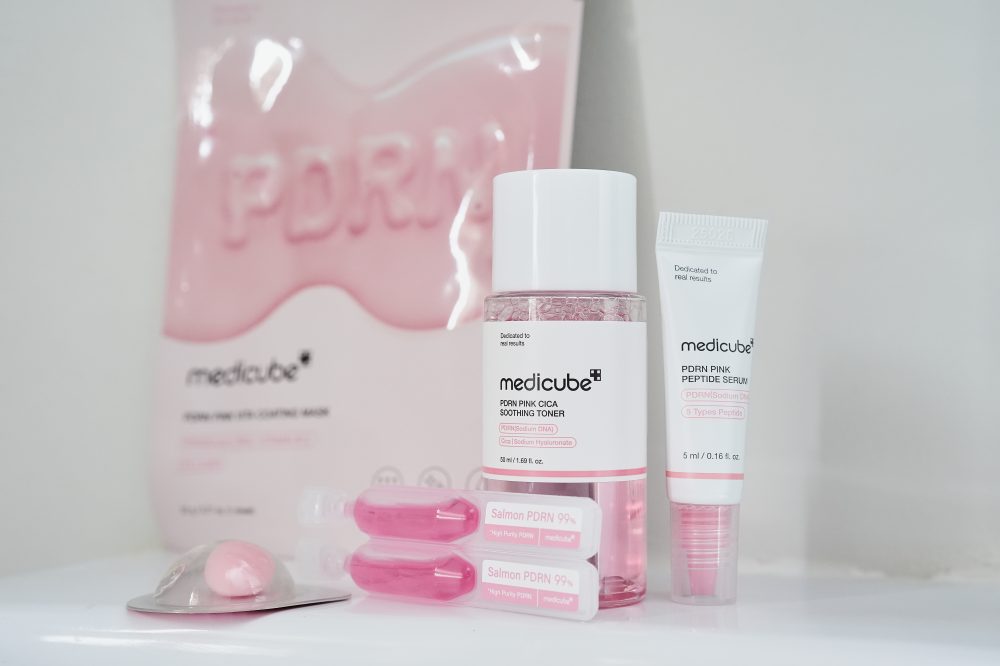
Animal-derived skincare products, ranging from beef tallow moisturizers to salmon DNA facial treatments, have captured consumer attention in recent years. These products are being marketed as natural substitutes for synthetic alternatives and are appearing everywhere from social media feeds to luxury spas, farmers’ markets, and home kitchens.
Some researchers link this trend to growing concerns about chemical exposure and messaging from the Make America Healthy Again movement promoting animal-based products.
“There’s been a movement in the last couple of years to embrace animal-based foods,” noted Norah MacKendrick, an associate professor of sociology at Rutgers University who studies consumer concerns about chemicals in personal care items. “I think some of that is probably spilling over into the cosmetic world.”
Natalee Keenan, 31, was searching for natural skincare options when she decided to experiment with tallow. While her initial purchase felt heavy and had a meaty texture, the western Pennsylvania resident recently discovered a whipped tallow balm with coconut scent that feels much lighter on her skin.
“I use it sparingly,” Keenan said, noting that a small amount keeps her skin feeling smooth.
However, medical professionals express caution about the lack of scientific evidence supporting these products’ effectiveness.
The cosmetics industry abandoned many animal-derived ingredients decades ago due to concerns about animal testing and disease outbreaks like mad cow disease, according to Perry Romanowski, an independent cosmetic chemist who studies skincare ingredient formulation.
These concerns, combined with the rise of vegan beauty products, led many brands to eliminate animal-based ingredients entirely. Recently, however, some of these materials have returned to skincare products, often marketed as natural alternatives.
Jamie Moody, founder of Sonoma Mountain Beef in Northern California, began creating tallow products to minimize waste. “Since the trend toward clean products remains strong, I believe the market will continue to grow,” she said.
Vander Dussen, the California rancher, acknowledged he and his wife are “just kind of jumping onto the fad that’s already there.” He added: “In today’s world, it’s very important not only what you are putting on your face but where it comes from.”
Kelly Pratt, who operates a spa in Tampa, Florida, reports increased demand for treatments like salmon DNA facials because clients notice improvements over time. Cassandra Hutchison, an aesthetician providing these treatments at the spa, says the ingredient aims to repair skin and reduce inflammation. She claims it enhances hydration, improves skin appearance, and repairs damage to the protective outer layer that retains moisture and blocks irritants.
While pricing varies, a container of tallow balm at Target costs approximately $15 more than petroleum jelly. Although some salmon-based products like masks are available for home use, many require professional spa application, increasing costs. Despite this, consumer interest remains high, with Google searches for terms like “beef tallow for skin” increasing significantly in recent years.
Converting animal waste into usable products represents a form of sustainability, experts acknowledge.
However, neither beef tallow nor salmon DNA have substantial medical research supporting their effectiveness, according to Dr. Angelo Landriscina, a New York City dermatologist who uses social media to address skincare misinformation.
Dr. Heather Rogers, a Seattle dermatologist, agrees there’s no medical evidence supporting tallow’s skin benefits. She warns it can become rancid and difficult to apply, while additives used to improve scent may cause irritation.
Romanowski, the cosmetic chemist, advises consumers to maintain realistic expectations. He notes only a few skincare ingredients, including retinol (a vitamin A derivative used for reducing fine lines and wrinkles) and niacinamide (a form of vitamin B3 that helps with redness and strengthens skin), have strong scientific backing. Other ingredients may provide only minor benefits that consumers might not notice.
Corrin Dial, 32, operates Lowcountry Family Farms with her husband in South Carolina. Neither grew up farming, but they decided to pursue it after his military service ended.
Dial began experimenting with whipped tallow about two years ago while seeking a natural balm for her baby. She believes many people choose these products to avoid chemicals, citing a customer with cancer whose doctor advised caution with topical products. “A lot of people are moving away from the chemical stuff, they’re trying to get into healthy eating and using more products where they know exactly where it came from,” she said.
MacKendrick, the Rutgers sociologist, suggests that mothers, who have become increasingly concerned about chemical effects on children, may be driving the shift toward animal-based cosmetic products.
“We find that mothers are making these decisions for the household,” MacKendrick explained. “Buying cosmetics for children or personal care products for children is considered high-stakes work.”
Landriscina observed that ingredients like salmon-based skincare being promoted as “the hottest new thing” can stem from beliefs that other cultures, particularly in places like Korea, are more advanced or innovative in skincare. This differs from the “back to basics” mindset that attracts people to ingredients like beef tallow. Regardless of whether people prefer traditional or novel approaches, he emphasizes that skincare decisions should be based on scientific evidence.
Romanowski notes the beauty industry faces constant pressure to introduce new products.
“You should think of the cosmetic industry more like the fashion industry because you can only do so much with the shirt, right?” Romanowski explained. “You can change the color, you can do some aesthetics thing, but it’s still a shirt and it’s the same thing with cosmetics.”