
Bringing friends and family together for celebrations, holidays, or casual dinners creates valuable opportunities for human connection, though many people avoid hosting due to anxiety about preparing delicious meals and maintaining pristine homes.
Mental health professionals and experienced party hosts argue there are compelling reasons to organize gatherings and effective methods to minimize entertaining stress. As remote work increases and digital communication replaces face-to-face conversations, adults face growing risks of loneliness and social isolation.
“Oftentimes, we expect someone else to reach out to us. But if the vast majority of people are expecting someone else to do it, then it’s going to become a rare thing,” said Julianne Holt-Lunstad, a psychology professor at Brigham Young University and the lead author of a 2023 U.S. surgeon general’s report on the widespread health risks of loneliness.
Experienced event organizers recommend focusing on creating genuine interactions rather than achieving perfection to reduce hosting anxiety. They suggest planning engaging activities for guests, keeping menus straightforward, and requesting assistance to ensure everyone can participate and have fun.
“When we are more socially connected, we are not only happier, but we’re healthier and live longer,” Holt-Lunstad said.
Madeline Johnson, 24, shares party recipes, decorating advice, and backyard celebration ideas on social media as Madeline May. She began hosting events because she craved social connections.
“As an only child, I always wanted community,” said Johnson, who organized approximately twelve large gatherings with friends and five intimate family events last year. “I started to realize if I wanted that village around me that I would have to build it on my own.”
Johnson now encourages others to develop confidence in inviting guests and facilitating relationships between them.
“There’s just way too much unnecessary pressure that makes people feel like the bar to host is up here when it’s much lower,” Johnson said.
Being naturally introverted, she prefers organizing activities like painting flower vases or answering trivia questions to ease initial social anxiety, particularly when groups include strangers.
Having guests contribute different dishes or assigning collaborative tasks like table setting can stimulate conversation while reducing the host’s workload, Holt-Lunstad explained.
“In the U.S., we are so time deprived and have over-scheduled everything that it is difficult to sit down and be present, but a meal allows us to do that. We should not underestimate the power of what food can do,” she said.
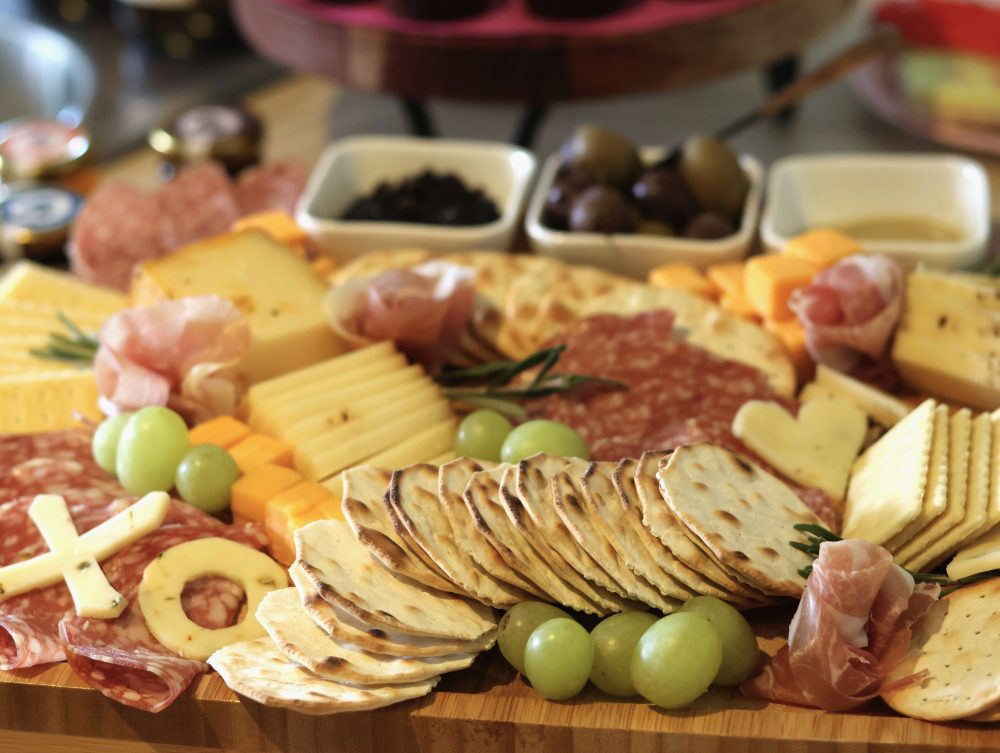
Communal appetizers including charcuterie and grazing platters, along with make-ahead dishes such as casseroles and soups, are streamlining modern entertaining by minimizing day-of kitchen time and simplifying service and cleanup.
Oregon-based chef and cookbook author Josh McFadden, recognized for transforming seasonal produce into accessible, shareable meals, discusses in his writing how grazing-style dining originated from communal farm tables.
Butter boards, featuring softened or whipped butter spread on platters and topped with honey, herbs, or spices for dipping with bread and crackers, represent a contemporary variation that has become trendy.
“You can put a lot of variety and textures and different flavors into things in an easier way, showing off the seasonality of the food. It becomes a mobile meal,” McFadden said in an interview with The Associated Press. “It also creates conversation, and it’s just a fun way to eat.”
Arranging food on platters for communal picking provides efficient guest service, he noted. McFadden also recommends incorporating store-purchased items and asking guests to contribute specific dishes or drinks as additional ways hosts can reduce their responsibilities.
Katie Eu, 26, who resides in New Hampshire, enjoys “bring your own” style gatherings, particularly since hosting expenses can accumulate without potluck arrangements or friend groups taking turns as hosts.
“It is pretty low pressure because what you are providing is not the food, but the space for people to gather,” Eu said.
Creating an environment for social connection holds more importance than food quality, decorative elements, or home size, according to Richard Slatcher, a social psychology professor at the University of Georgia.
“The other stuff is a bonus,” Slatcher said. “It’s really about the people.”
Opening your home to first-time visitors can feel emotionally risky since guests may form impressions about the host’s preferences, hobbies, and values through color choices, bookshelf contents, and displayed artwork and keepsakes.
Remember that vulnerability serves as a crucial component in developing genuine human relationships, noted Slatcher, who collaborated with Holt-Lunstad on research examining how attending live events can address loneliness.
Guests bear responsibility for making social gatherings meaningful for themselves and their hosts, Holt-Lunstad emphasized.
“If you’re passively being an attendee, you are not going to feel connected,” she said.
For Johnson, guests failing to confirm attendance, arriving late, or not appearing at all create significant stress.
“I put my heart and soul into everything,” she said. “If you want to truly be a good guest, put the invitation on your calendar, don’t double book yourself and try to show up on time.”
Guests demonstrate respect for hosts by cleaning up appropriately and avoiding overstaying their welcome, according to Eu.
“Hosting is hard, so being aware of space that you’re coming into and space you’re taking up” matters, she said.