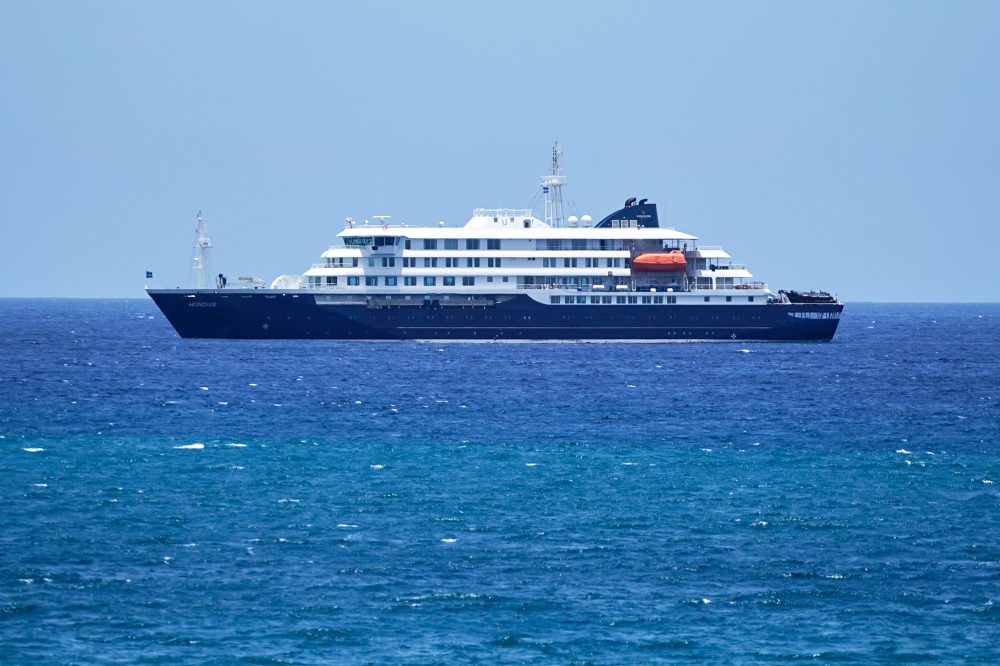

CAPE TOWN, South Africa — A fatal hantavirus outbreak claimed three lives aboard an expedition cruise ship over several weeks before health officials identified the rare disease, according to the World Health Organization and cruise operator records.
The timeline reveals nearly four weeks elapsed between the first passenger’s death in the South Atlantic and laboratory confirmation of hantavirus infections in South Africa — located over 2,100 miles away.
Three travelers have died, one remains in critical condition at a South African hospital, and three others aboard the vessel are showing symptoms while awaiting medical evacuation. The MV Hondius carries nearly 150 passengers and crew members from 23 nations and is currently positioned off West Africa’s coastline.
Hantavirus spreads through rodent contact, with humans contracting the disease through exposure to infected rodent saliva, urine or feces. The virus typically doesn’t transmit between people, though some medical experts say human-to-human spread remains possible.
Although laboratory tests have confirmed only two hantavirus cases connected to the vessel, WHO suspects the remaining cases also involve the virus and is managing the situation as an outbreak. Officials continue investigating the infection source.
Dutch company Oceanwide Expeditions operates the MV Hondius, offering “expedition cruises” to Antarctica and remote South Atlantic islands for travelers seeking Earth’s most isolated destinations.
These voyages extend a month or longer, with prices ranging from $6,000 to $25,000 based on cabin selection.
The MV Hondius departed southern Argentina on April 1.
A 70-year-old Dutch passenger developed fever, headache and mild diarrhea on April 6, WHO reported.
The man died aboard the ship on April 11 after experiencing breathing difficulties. Ship tracking data shows the vessel was sailing between British territories South Georgia and St. Helena in the South Atlantic. Oceanwide Expeditions said the death’s cause remained undetermined.
The cruise continued for nearly two weeks, making a stop near Tristan da Cunha before reaching St. Helena, where the Dutch man’s remains were removed on April 24. His 69-year-old wife disembarked with the body and flew to South Africa, while her husband’s remains stayed behind.
The woman, already experiencing symptoms, deteriorated during the April 25 flight and collapsed at a South African airport. She died at a hospital on April 26, WHO stated.
A British passenger became ill after the ship departed St. Helena for tiny Ascension Island, approximately 800 miles north. He experienced high fever, breathing problems and pneumonia signs, according to WHO, and was airlifted from Ascension Island to South Africa on April 27. He remains in intensive care at a South African medical facility.
The third death involved a German woman who died Saturday aboard the ship as it sailed toward Cape Verde. She died four days after becoming sick and also showed pneumonia symptoms, WHO said, which hantavirus can cause. Her body remains on the vessel.
South African health officials eventually tested the hospitalized British man for hantavirus after other comprehensive tests proved negative. They received positive hantavirus results on Saturday, 21 days after the initial passenger death.
WHO announced Sunday it was investigating a suspected hantavirus outbreak on the ship, which had reached Cape Verde waters by then.
The British man’s positive test prompted South African authorities to posthumously test the Dutch woman’s body for hantavirus. That test returned positive results on Monday.
WHO stated the ship outbreak is being controlled and global risk remains low since hantavirus doesn’t easily spread between people, though officials are tracing passengers who flew between St. Helena and Johannesburg, South Africa, with the Dutch woman.
Oceanwide Expeditions announced Tuesday that aircraft were flying to Cape Verde to evacuate two people requiring urgent medical attention and one passenger traveling with the German woman who died Saturday. They were heading to the Netherlands, though arrival timing remained unclear.
The ship would then sail to Spain’s Canary Islands, approximately a three-day journey, the company said.
Spanish officials reported they were monitoring the situation but hadn’t confirmed any plans as of Tuesday evening.
Passengers and crew remain isolated in cabins with “maximal physical distancing,” WHO said, creating a lockdown similar to COVID-19 pandemic restrictions.
WHO says it continues investigating how this relatively rare human virus reached the ship. Officials noted the Dutch man and his wife — identified as the first two cases — had traveled through Argentina and other South American locations before boarding.
WHO reports that Andes virus, a specific hantavirus type, exists in South America, mainly in Argentina and Chile.