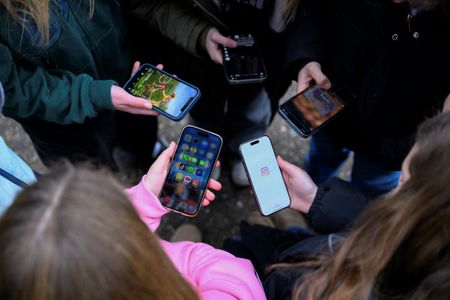

A groundbreaking survey has revealed that artificial intelligence chatbots are becoming the preferred confidants for young Europeans struggling with mental health challenges, with almost half choosing digital conversations over human counselors.
The comprehensive study conducted by Ipsos BVA examined responses from 3,800 individuals between ages 11 and 25 across France, Germany, Sweden, and Ireland during early 2026. The research was funded by France’s privacy oversight agency CNIL and insurance company Groupe VYV.
Results showed that 51% of participants found it “easy” to share mental health concerns and personal struggles with chatbots, compared to just 49% who felt comfortable with medical professionals and only 37% with psychologists. Close personal relationships remained most trusted, with 68% preferring conversations with friends and 61% with parents.
The study highlighted alarming mental health trends among youth, discovering that 28% of participants showed signs consistent with generalized anxiety disorder.
Approximately 90% of survey participants had previous experience with artificial intelligence tools, drawn to their round-the-clock accessibility and lack of judgment. More than 60% characterized AI as serving roles of “life adviser” or “confidant” in their lives.
Despite growing popularity, mental health experts are raising red flags about potential psychological consequences of relying on AI for emotional guidance. Earlier this year, a Florida family filed a lawsuit against Google, claiming the company’s Gemini AI chatbot played a role in their relative’s developing paranoia and subsequent suicide.
Ludwig Franke Föyen, a psychologist and digital health researcher from Stockholm’s Karolinska Institutet, said the survey outcomes were predictable. Speaking with Reuters, Franke Föyen explained that modern language models generate sophisticated responses, noting his research indicates even trained professionals may find it difficult to differentiate between AI-created guidance and human expert advice.
However, Franke Föyen cautioned against depending solely on chatbots for mental health assistance, emphasizing that general AI systems prioritize user engagement and corporate objectives may conflict with proper mental healthcare delivery.
“AI can offer information and support, but it should not replace human relationships or professional care,” Franke Föyen said.
“If someone turns to a chatbot instead of speaking to a parent, a friend, or a mental health professional, that is a concern. We do not want technology to make people feel more alone,” he added.