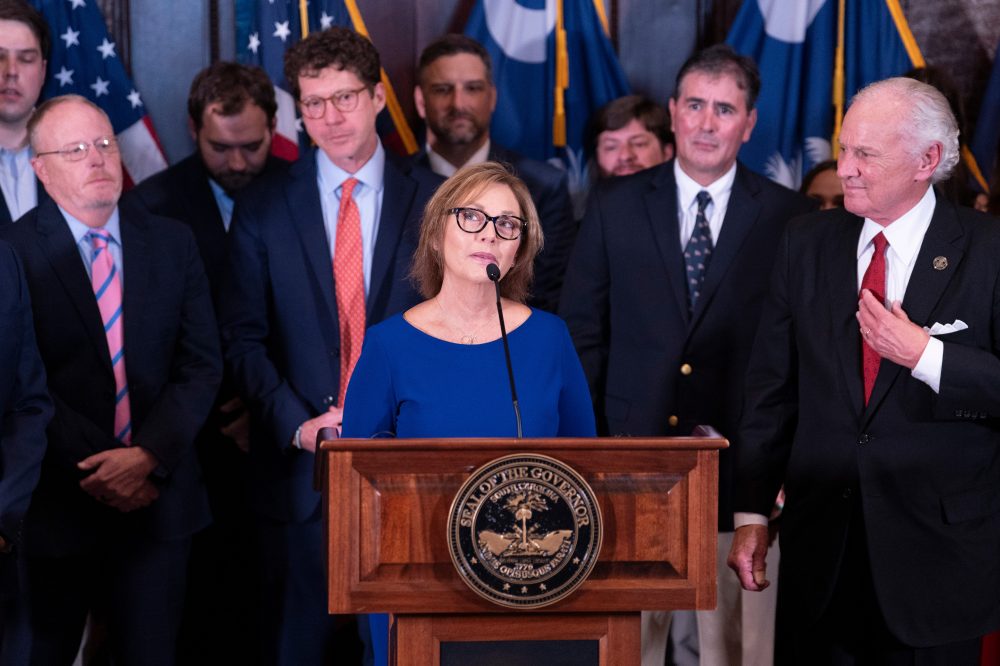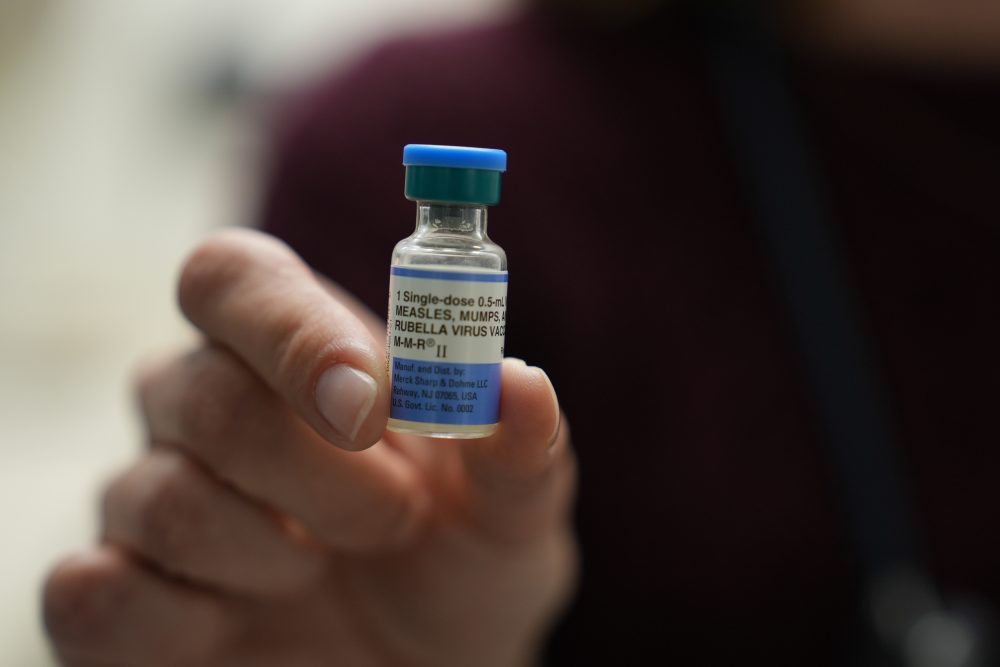

Health authorities in South Carolina announced Monday that the state’s devastating measles outbreak has officially concluded, marking the end of what became the nation’s most severe outbreak in more than three decades.
The declaration came after South Carolina reached the 42-day milestone on Sunday without any new cases connected to the outbreak. Since the crisis began in October, a total of 997 individuals contracted the highly preventable disease, with at least 21 requiring hospital care according to voluntary state reporting. Officials estimate the response efforts carried a price tag of $2.1 million.
“The outbreak was predominantly contained to one area of one county and never went statewide, thanks to timely investigations, identification of those exposed, and people’s willingness to stay home,” stated Dr. Edward Simmer, who serves as interim director of the South Carolina Department of Public Health.
Among the most infectious viruses in medical science, measles typically causes high fever, cough, runny nose and a distinctive rash, with most patients making full recoveries. However, vulnerable populations including very young children and immunocompromised individuals face serious risks including pneumonia, brain inflammation or death. The disease can also trigger long-term health complications for survivors. Two doses of the measles vaccine provide 97% protection and are considered safe.
The outbreak primarily affected northwestern Spartanburg County and represented the fastest-spreading measles crisis the United States has witnessed in recent decades, according to state health authorities. Public health workers documented over 650 cases during January alone, rapidly surpassing the 2025 West Texas outbreak that infected at least 762 people and claimed the lives of two school-aged children.
However, an earlier-than-expected drop in new cases brought relief to medical professionals and public health workers. Dr. Brannon Traxler, the state health department’s chief medical officer, noted several factors may have contributed to the decline. While natural immunity from recovered patients played a role, increased vaccination rates also helped slow transmission.
Despite initial hesitation, vaccination efforts gained momentum as public health teams, medical practices and pharmacies delivered nearly 82,000 measles vaccines between October and March. This represented a 30% jump compared to the same timeframe the previous year, with Spartanburg County experiencing a remarkable 94% surge in vaccinations.
State health workers mounted extensive containment efforts, issuing nearly 2,300 quarantine notifications, conducting over 1,670 case investigation phone calls, and collaborating with seven school systems to quarantine 874 students.
Despite South Carolina’s success, measles remains active across the country. This year has already produced 1,792 cases nationwide—representing nearly 80% of 2025’s record total—along with 22 separate outbreaks. Florida has documented 134 cases while Texas reports 180, based on Centers for Disease Control and Prevention data.
The most concerning situation currently involves an outbreak that began along the Arizona-Utah border before spreading throughout much of Utah. Since August, 607 Utah residents have contracted measles, while Mohave County, Arizona has recorded 282 cases. Genetic testing suggests the outbreak may have started six weeks earlier than initially detected and could be significantly larger than current reports indicate, according to research shared at a recent CDC conference.
While case numbers have decreased somewhat, it remains premature to predict an end to Utah’s outbreak, explained Dr. Ellie Brownstein, a Utah pediatrician serving as president-elect of the state’s American Academy of Pediatrics chapter. State records show southwestern Utah continues leading with 258 cases, though all 13 local health districts have reported at least one infection.
“It has marched through the state and is everywhere,” Brownstein observed.
South Carolina’s victory provides only temporary relief for health officials. A recent case connected to international travel in Saluda County, located west of Columbia, has forced 41 people into quarantine.
“We are certainly not letting our guard down, and I don’t think that South Carolinians who are still vulnerable to the virus, that don’t have immunity, should let their guard down,” Traxler emphasized.
The current surge follows a major outbreak that began in Canada during fall 2024, spreading throughout the Americas. Childhood vaccination rates against measles have declined for years across the United States as increasing numbers of parents choose to skip required school immunizations. International health authorities will decide in November whether the U.S. has lost its measles elimination status, which has been maintained since 2000.
Dr. Martha Edwards, who leads the South Carolina chapter of the American Academy of Pediatrics, described mixed emotions about the outbreak’s conclusion.
“I’m angry that many children and their parents had to worry about contracting or suffering through a disease that should have been nearly 100% preventable,” she stated.