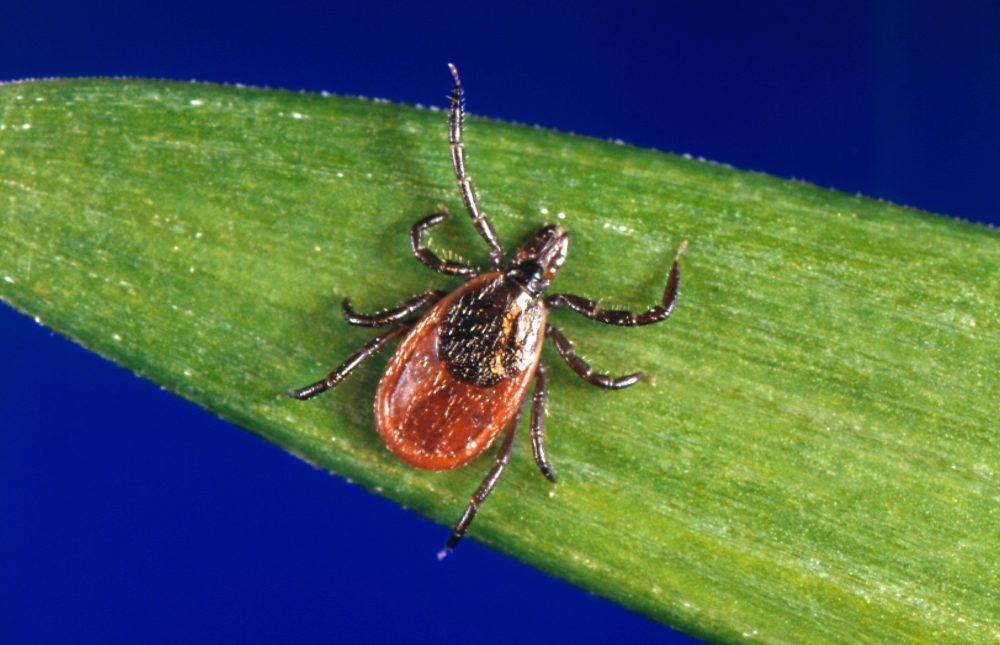

Medical professionals nationwide are expressing concern about what could develop into a severe year for diseases transmitted by ticks, following reports of an abnormally high number of bites occurring earlier than typical.
Emergency departments across the nation are documenting tick bite cases at rates not seen this early in the season since 2017, prompting health officials to issue warnings.
“If you have a lot of exposures, there will probably be more cases of tick-related infections,” said Dr. Alina Filozov, an infectious disease doctor at Middlesex Hospital in Middletown, Connecticut.
The Centers for Disease Control and Prevention released an unusual early-season alert this week, urging Americans to protect themselves against tick encounters.
While tick bite incidents normally reach their peak in May, CDC Lyme disease specialist Alison Hinckley noted that current information suggests immediate action is needed. “Ticks are out and people are getting bitten,” Hinckley stated.
Although available information remains limited, initial indicators are concerning health officials.
Data from the CDC’s monitoring network reveals that emergency room visits for tick bites are occurring at the highest weekly rates for this period since 2017. This pattern is evident nationwide, with the exception of south-central states.
Approximately 85% of American hospital emergency departments contribute information to this monitoring system, though it doesn’t account for individuals who don’t seek hospital treatment.
Researchers will need several months to complete systematic tick population studies to determine actual changes in tick numbers. Additionally, since not every bite leads to infection, medical professionals will require time to assess whether there’s a genuine increase in Lyme disease or other related illnesses.
These bloodsucking parasites are small, eight-legged arachnids that typically feed on animals but sometimes attach to humans.
Several elements influence tick population fluctuations throughout the year. Climate change is generally considered a contributing factor, as these creatures thrive in warm, humid conditions and tend to be more active following mild winters. The availability of deer and mice for feeding may also play a role.
Certain ticks carry pathogens that can transmit serious illnesses, including Lyme disease, Rocky Mountain spotted fever, and alpha-gal syndrome, which causes red meat allergies. Lyme disease represents the most frequent tick-borne illness, with approximately 476,000 Americans receiving treatment annually, according to CDC estimates. These infections typically respond to antibiotic treatment.
This year, most ticks observed in northeastern regions have been large adult specimens. However, in coming weeks, smaller juvenile nymphs will become more prevalent. The appearance of nymphs, combined with increased outdoor activities, contributes to May typically being the peak month for tick encounters. The tiny size of nymphs makes them harder to detect when attached to people, often resulting in longer attachment periods and higher infection risks, according to experts.
Connecticut holds historical significance in tick-borne disease research, as Lyme disease derives its name from a Connecticut town. Earlier this month, the Connecticut Agricultural Experiment Station reported that residents were already submitting approximately 30 ticks daily for laboratory analysis.
State authorities also noted that an unusually high proportion of submitted specimens — 40% — tested positive for the bacteria responsible for Lyme disease.
Multiple factors are contributing to expanding tick populations, including exceptionally high mouse populations over the past two years, according to Scott Williams, a tick researcher at the Connecticut Agricultural Experiment Station.
Current data represents only an early indication, noted Megan Linske, a wildlife biologist with the same organization. She anticipates the situation will continue deteriorating, with increasing tick populations spreading across broader geographic areas.
Health experts recommend that people venturing outdoors pay attention to wooded areas and grassy locations that border forests. Ticks typically position themselves on vegetation at ankle height with their front legs extended, waiting to grab onto passing dogs or humans.
Protective measures include staying in the center of walking paths, wearing light-colored clothing treated with permethrin insecticide, and applying EPA-approved insect repellents.
If you discover a tick, remove it immediately. Medical attention isn’t necessary unless you believe the tick remained attached for days or if you develop a rash or other symptoms, experts advise.