Tech mogul Elon Musk announced Thursday evening that his companies Tesla and SpaceX AI will maintain their substantial purchasing of Nvidia computer chips moving forward.
The billionaire entrepreneur’s statement suggests his businesses will continue making large-volume orders from the semiconductor manufacturer as they advance their artificial intelligence capabilities.
JUNEAU, Alaska — Federal officials are celebrating what they describe as the most successful oil and gas lease auction ever conducted in Alaska’s National Petroleum Reserve, with major energy companies submitting hundreds of bids despite ongoing court battles from environmental advocates and certain Native groups.
Wednesday’s auction marked the reserve’s first lease offering since 2019 and the initial sale required under legislation Congress enacted last year mandating a minimum of five lease auctions across the next decade. The Trump administration has prioritized expanding Alaska’s oil and gas operations. Interior Department records show 11 energy companies placed bids on 187 parcels spanning 1.3 million acres, selected from 625 available tracts covering approximately 5.5 million acres.
Alaska’s political establishment celebrated the outcome, with Republican Governor Mike Dunleavy describing it as a “major win for our state and our country.” A coalition of business, energy sector, and resource development organizations released a joint declaration stating the “strong participation and unprecedented results underscore renewed investor confidence in Alaska’s North Slope and the state’s long-term resource potential.” Voice of the Arctic Iñupiat, representing North Slope community leaders, characterized the auction as a significant achievement.
The petroleum reserve houses the substantial Willow oil development, which received Biden administration approval in 2023 and is currently being constructed by ConocoPhillips Alaska. This reserve, comparable in size to Indiana and located on Alaska’s North Slope, serves as habitat for diverse wildlife populations including caribou, bears, wolves, and millions of migrating birds.
Opponents of expanded drilling have expressed alarm about potential damage to reserve areas previously identified as environmentally significant for wildlife, subsistence activities, or other important uses, particularly surrounding Teshekpuk Lake, Alaska’s largest arctic lake.
Alaska Wilderness League Executive Director Kristen Miller described the area as “one of the last truly wild places on Earth, home to millions of migrating birds, vast caribou herds and Indigenous communities whose lives are woven into this land.”
“We will spend every ounce of our energy making sure those leases never become drill pads,” she stated.
Multiple legal challenges targeting the lease auction, its underlying management framework, and associated government actions remain active in federal courts.
Earthjustice attorney Jeremy Lieb, representing conservation organizations in one lawsuit, argued that given climate change concerns and elevated energy costs, “it’s clear that the best way forward is switching to low-cost, clean energy sources – not attempting to produce more expensive, ecologically destructive Arctic oil.”
In separate litigation, U.S. District Judge Sharon Gleason issued a temporary order this week blocking the Trump administration’s revocation of access rights granted to Nuiqsut Trilateral, Inc., an entity established by the Native Village of Nuiqsut, Kuukpik Corporation, and the City of Nuiqsut, pending resolution of their legal challenge.
These access rights, granted during the final days of the Biden administration, permitted restrictions on oil and gas activities to safeguard the Teshekpuk caribou population and their habitat across roughly 1 million acres.
When canceling these rights, a deputy Interior secretary referenced “serious and fundamental legal deficiencies” in how the access rights were originally granted.
Bureau of Land Management Alaska Director Kevin Pendergast made no reference to Gleason’s ruling during the public bid announcement ceremony. When questioned by The Associated Press, the agency acknowledged that lease offerings within the disputed access area were part of the auction.
“Any lease issuance for tracts within the right of way will be consistent with the court’s order,” agency officials stated.
Nuiqsut Trilateral attorney Travis Annatoyn reported that Interior Department officials assured the organization they “will not authorize activities prohibited by the Right-of-Way, absent Nuiqsut Trilateral’s waiver,” while the court stay remains effective.
“The issuance of leases in the subject acreage is prohibited by the Right-of-Way, so we expect that leases will not be awarded in that acreage absent further action from NTI and appropriate discussions between NTI and Interior,” the statement indicated.
Investment management firm Janus Henderson is facing internal pressure from both clients and staff members who want the company to turn down a takeover attempt by Victory Capital, according to a Wednesday report from the Wall Street Journal.
Instead, these stakeholders are backing a competing proposal from Nelson Peltz’s Trian partnership with venture capital firm General Catalyst, despite that offer carrying a lower price tag.
The battle over the $493 billion asset management company highlights the continuing trend of mergers and acquisitions in the financial industry, as companies seek to expand their global reach and draw more investor dollars.
Victory Capital enhanced its $8.6 billion offer combining cash and stock on Tuesday, intensifying its campaign to block the deal led by Peltz.
According to the Wall Street Journal’s sources, major clients have voiced concerns to Janus leadership about Victory’s proposed changes and possible budget reductions. These worried customers include high-ranking executives from the wealth management divisions at both Morgan Stanley and Citigroup.
While Janus stated its board will examine Victory’s updated proposal, the company maintains its recommendation that shareholders support the Trian-led agreement during the scheduled April voting session. This deal was originally struck in December.
Reuters reached out to all companies involved but did not receive immediate responses for comment.
The Wall Street Journal also reported that some clients warned Janus that proceeding with Victory’s deal might trigger a departure of key portfolio managers. Additionally, a coalition of senior managers has reportedly threatened to quit if the company moves forward with that particular sale.
Victory Capital told the Wall Street Journal it hasn’t yet revealed specifics about the merged entity, including strategies for keeping clients and staff members. Meanwhile, Janus indicated that customer reactions have created “serious concerns” about obtaining the necessary approvals.
International banking giant HSBC Holdings is reportedly considering substantial workforce reductions that could eliminate approximately 20,000 positions worldwide over the next several years, according to a Bloomberg News report published Wednesday.
The potential layoffs would represent roughly 10% of the financial institution’s entire global workforce, according to sources familiar with the bank’s internal discussions.
Back-office positions at the bank’s worldwide service hubs are anticipated to face the heaviest impact from the proposed cuts, as HSBC increasingly relies on artificial intelligence technology to streamline operations, the Bloomberg report indicated.
However, the evaluation process remains in its preliminary phases, according to the sources cited in the report.
Reuters noted they were unable to independently confirm the details of the Bloomberg report at the time of publication.
Australia’s competition watchdog announced Thursday it has opened an investigation into several major fuel companies over claims of anti-competitive behavior that may be affecting diesel supplies to rural communities.
The Australian Competition and Consumer Commission revealed it has received complaints about diesel availability issues facing independent wholesalers and distributors who serve remote and rural regions. The companies under scrutiny include Ampol, BP’s Australian operations, Mobil Oil Australia, and a subsidiary of Viva Energy.
This investigation unfolds as consumers, businesses, and agricultural producers express growing frustration over fuel costs and supply challenges, concerns that have intensified due to ongoing conflicts in the Middle East.
When contacted for comment, Ampol and Viva Energy representatives did not provide immediate responses, while ExxonMobil Australia chose not to comment on the matter.
A representative for BP Australia confirmed the company “acknowledges the ACCC’s investigation into its market practices,” and stated they “take these matters seriously and are reviewing the claims raised.”
Officials emphasized the investigation remains in its early phases, with the ACCC noting it has not yet reached any conclusions about the allegations.
“It is not our usual practice to publicly announce investigations, but given the significance of the issue, the ACCC is confirming this investigation,” stated ACCC Chair Gina Cass-Gottlieb.
The regulatory agency confirmed it continues to actively oversee fuel markets nationwide and stands ready to take enforcement action when necessary to uphold competition and consumer protection laws.
A senior executive from one of the world’s largest hedge funds is making the jump to Google’s artificial intelligence division, according to an announcement made Wednesday.
Jasjeet Sekhon, who has been working as Bridgewater Associates’ chief scientist and head of artificial intelligence, will take on the role of chief strategy officer at Google’s DeepMind AI unit. The news was shared by DeepMind founder Demis Hassabis through a LinkedIn post.
Following his departure from his current position, Sekhon will transition to serving on Bridgewater’s board of directors, Hassabis announced.
The move comes as Google, owned by parent company Alphabet, works to close the competitive gap with artificial intelligence frontrunners OpenAI and Anthropic. The tech giant had initially found itself playing catch-up after years of dominating the search engine market.
DeepMind has rolled out multiple new artificial intelligence products over the last 12 months, including an enhanced chatbot and AI system called Gemini, plus a photo editing tool named Nano Banana. These AI developments have contributed to Google’s stock price nearly doubling over the past year.
Sekhon came to Bridgewater in 2018 and was instrumental in developing the company’s artificial intelligence research and investment division, AIA Labs, which operates under Co-Chief Investment Officer Greg Jensen’s leadership.
While at Bridgewater, Sekhon did not handle investment duties. His background includes teaching positions at prestigious universities such as Harvard, the University of California at Berkeley, and Yale, where he worked most recently.
Under CEO Nir Bar Dea’s leadership, Bridgewater achieved record-breaking profits in 2025 during its five-decade history, with the Pure Alpha fund generating a 34% return. The firm recently appointed longtime executive Bob Prince, who has been with the company for 40 years and serves as a chief investment officer, to chair its board.
The hedge fund recently forecasted that major technology corporations including Alphabet, Amazon, Meta, and Microsoft will spend approximately $650 billion combined this year to expand AI infrastructure.
As of September’s end, Bridgewater oversaw roughly $92 billion in assets through various macro-focused funds targeting different markets and geographic regions, including Pure Alpha, All Weather, Asia Total Return, China Total Return, and AIA Macro funds.
NEW YORK (AP) — Cable news network MS NOW announced Wednesday a major programming overhaul that will relocate prime-time hosts Stephanie Ruhle and Alicia Menendez to daytime broadcasting while reducing Morning Joe’s airtime by one hour.
According to the network’s announcement, Ruhle will take on a two-hour morning program beginning at 9 a.m. ET, with Menendez launching her show at noon. The evening lineup will see Ali Velshi stepping into Ruhle’s former 11 p.m. time slot, while Luke Russert joins Symone Sanders Townsend and Michael Steele as co-host of The Weeknight at 7 p.m., taking over Menendez’s previous role.
Morning Joe will reduce its broadcast from four hours to three, beginning at 6 a.m., with MS NOW stating this change came at the program’s own request.
The scheduling changes will result in two current daytime hosts losing their positions. Ana Cabrera will depart the network entirely, while Chris Jansing transitions to a new role as MS NOW’s chief political reporter. Network officials must still determine programming for the 11 a.m. time slot before implementing these changes in June.
Additionally, Jacob Soboroff will host two three-hour weekend programs, marking the network’s first Los Angeles-based show.
JPMorgan Chase announced Wednesday it’s launching specialized financial advisory services designed to help athletes at every career stage manage their earnings more effectively over the long term.
The program targets a broad spectrum of athletes rather than focusing solely on superstar performers. It encompasses everyone from college players receiving their first payments through name, image and likeness agreements to veteran professionals facing retirement in their thirties who need their earnings to support them for decades ahead.
The bank plans to connect with these athletes early in their careers, potentially reaching high school students but definitely establishing relationships on college campuses to instill sound financial practices from the beginning.
“They are coming into a lot of money, and they don’t know what to do with it,” said Megan Rapinoe, the professional soccer player and Olympic gold medalist.
This initiative serves JPMorgan’s business interests as well. Athletes who reach professional status often accumulate millions, with top performers potentially reaching billionaire status. Handling these assets through JPMorgan’s wealth management division could generate substantial fee income, while celebrity athletes may attract additional clients to the bank.
Financial troubles among wealthy athletes have become well-documented. Research indicates that approximately one-sixth of NFL players face bankruptcy within twelve years after leaving the sport. Boxing champion Mike Tyson, despite reportedly earning $500 million throughout his career, eventually declared bankruptcy, joining other sports legends like Evander Holyfield and Antoine Walker who experienced similar financial collapses.
These situations typically follow a common pattern: athletes accumulate significant wealth but lack the financial education necessary to preserve it throughout their lifetimes.
Peloton instructor Ally Love described feeling intimidated and embarrassed when seeking financial guidance, even after achieving success with the fitness company. She recalled an early banking meeting where advisors left her more confused than informed.
“I was like, ‘Who’s Roy?’ I thought Roy was spelled with a Y,” Love told The Associated Press. She later discovered that “Roy” referred to return on investment, or ROI.
Love joins eight other athletes on JPMorgan’s newly formed Athlete Council. The group includes NBA Hall of Famer Dwyane Wade from the Miami Heat, WNBA champion Sue Bird, and legendary NFL quarterback Tom Brady. Additional members are New York Knicks player Jalen Brunson, World Cup winner Alex Morgan, New York Giants’ Kayvon Thibodeaux, and four-time WNBA MVP A’ja Wilson.
Love explained how banking professionals often spoke condescendingly to her, creating feelings of intimidation.
“I just sat there for many years and I said ‘okay’ and ‘sure’, and did a lot of head nodding, but I wasn’t really being informed, wasn’t really being educated and I was too nervous and too scared to ask for help.”
J.P. Morgan Wealth Management CEO Kristin Lemkau conceived the athlete financial wellness program. Lemkau approached Love about participating after meeting at a U.S. Open tennis tournament, discussing how financial institutions typically pursue only the biggest names while overlooking those who most need assistance.
“There is an underserved segment of athletes, whether they are young and in college, professionals, or retired,” Lemkau explained. “They’re all different. And most financial services companies are going after the Ally Loves, the Tom Bradys and the Dwyane Wades, and 99.99% of athletes don’t fit into that space.”
Lemkau and Love acknowledged that athletes, like others who experience sudden wealth, will naturally want to purchase luxury items. However, they emphasized that after buying expensive accessories, jewelry and vehicles, these individuals must ensure their remaining assets can support them for many years.
“Enjoy the fruits, but also let the fruit last,” Love said.
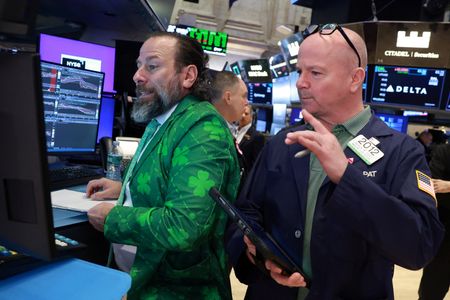
Financial markets experienced a sharp decline Wednesday as investors reacted to surging oil prices, elevated inflation data, and Federal Reserve signals suggesting interest rate cuts are off the table for the remainder of this year.
Market analyst Jamie McGeever noted that Wall Street tumbled while Treasury bond yields surged as traders processed the combination of an oil price shock, rising U.S. producer costs, and underlying messages from the Federal Reserve, despite the central bank maintaining its current policy stance.
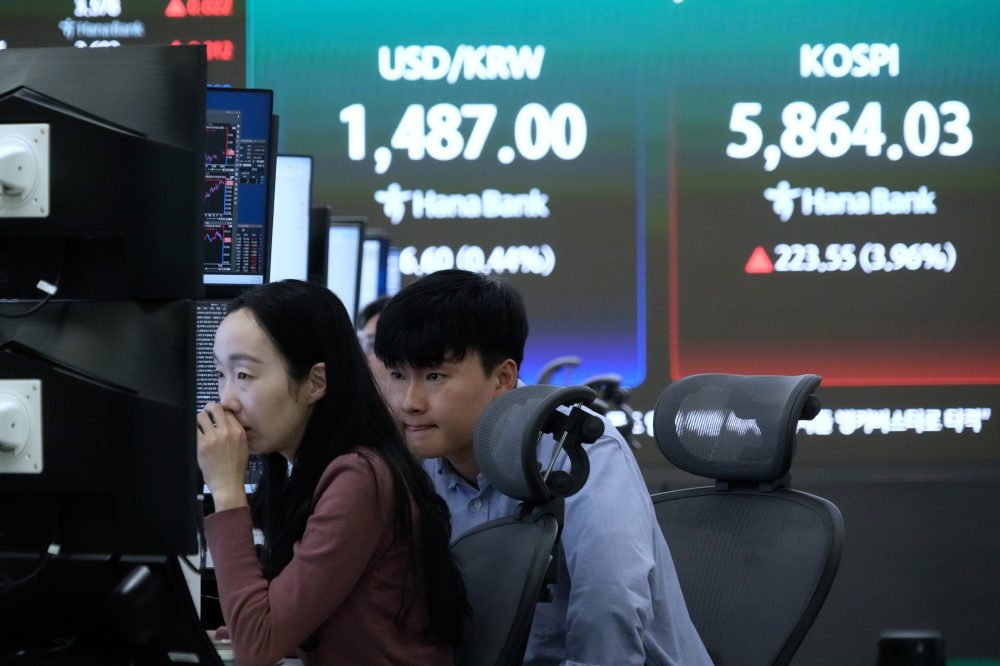
The market upheaval began in Asia with strong gains – Japan climbing nearly 3% and South Korea jumping almost 6% – but sentiment soured as European markets declined and major U.S. indexes dropped approximately 1.5%. Both the S&P 500 and Dow Jones recorded their lowest closing levels since November.
All eleven sectors within the S&P 500 posted losses, with consumer discretionary, consumer staples, and healthcare sectors falling 2% or more. Major corporations including McDonald’s, Procter & Gamble, Home Depot, and Visa each declined by at least 3%.
Currency markets saw broad dollar strength, with several emerging market currencies losing 1% or more, including the South Korean won, Thai baht, Hungarian forint, South African rand, Polish zloty, and Chilean peso. Among developed nation currencies, the Swiss franc, Swedish krona, and Australian dollar were the biggest decliners, each falling 1%.
Bond markets experienced significant volatility as yields jumped and yield curves flattened. The two-year U.S. Treasury yield increased by 10 basis points, creating the flattest yield curve of the year. December SOFR contracts now indicate less than a 50% probability of a rate reduction. Both two-year UK and German yields rose by 8 basis points.
Commodity markets showed dramatic moves, with oil prices surging as Brent crude jumped 5% to $110 per barrel and West Texas Intermediate gained 3% to $100. Gold experienced a sharp 4% decline to a one-month low below $5,000.
The Federal Reserve maintained interest rates as anticipated and kept its policy rate and unemployment forecasts unchanged. The central bank projects slightly stronger growth alongside an inflation increase this year. The most significant adjustment in median projections was the long-term federal funds rate, which rose to 3.1% from 3.0%.
While the Fed’s announcement contained no major surprises, the updated “dot plot” revealed a meaningful shift toward fewer anticipated rate reductions, with one policymaker indicating a potential rate increase next year. Governor Christopher Waller also withdrew his previous dissent regarding a rate cut.
Regarding Middle East tensions, there’s been a pattern among investors, particularly during U.S. trading sessions, to “buy the dip” with expectations that regional conflicts will subside, oil supplies will normalize, and global economic stability will return. However, this outlook appears increasingly unrealistic.
Evidence suggests hostilities are not diminishing, and investors may be underestimating the consequences of energy supply disruptions and $100 oil prices on inflation, consumer spending, wealth effects, and overall financial conditions.
February’s U.S. producer price inflation data, released Wednesday, showed remarkable increases. The annual core rate jumped to 3.9%, reaching its highest level in over a year, while the monthly headline rate accelerated for the fourth consecutive month.
Morgan Stanley economists indicate this elevates three-month annualized core PCE inflation – the Fed’s preferred measurement – to 4.56%. This represents nearly a full percentage point increase from January’s comparable rate and more than doubles the Fed’s 2% target. Importantly, these figures predate the current oil price shock.
Looking ahead, market movements will likely be influenced by Middle East developments, energy market fluctuations, and various international economic indicators including New Zealand GDP data, Australia’s unemployment figures, Japan’s machinery orders, and multiple central bank interest rate decisions from the European Central Bank, Bank of England, Sweden, Switzerland, and Bank of Japan.
Additional U.S. economic data includes weekly jobless claims, the Philadelphia Fed business index, a $19 billion 10-year TIPS Treasury auction, and a scheduled meeting between President Trump and Japanese Prime Minister Sanae Takaichi.
The country’s biggest retail trade organization released an optimistic sales projection Wednesday, predicting consumer purchases will accelerate compared to the previous year despite ongoing economic turbulence.
However, the organization acknowledged Wednesday that potential impacts from the Iran conflict on consumer behavior remain too unpredictable to factor into their current projections.
According to the National Retail Federation, consumer purchases are anticipated to climb 4.4% in 2026 compared to 2025, reaching $5.6 trillion total. This projection stems from a fresh analytical model created alongside Oxford Economics, an independent financial consulting company. Last year saw retail purchases increase 3.9% from the year before, the organization reported.
This year’s sales projection surpasses the average yearly growth rate of 3.6% recorded during the previous decade, not counting the 2020-2022 pandemic years when growth numbers were unusually high.
The projection does not include purchases from car dealerships, fuel stations, or dining establishments.
“The U.S. economy was a bit up and down in 2025,” Mark Mathews, chief economist of the National Retail Federation, said. “However, the one bright spot through these ups and downs was the consumer whose continued spending was a key economic driver in 2025. We expect this strength to continue in 2026.”
Mathews pointed out that the organization is keeping watch on the Iran conflict, which has driven fuel costs upward. Energy prices have jumped nearly 50% since the Iran war started, with pump prices rising alongside. However, Mathews indicated the projection might be adjusted in upcoming months if the conflict begins affecting consumer purchases.
Several concerning indicators suggest additional difficulties ahead. Wednesday brought news from the Labor Department showing U.S. wholesale costs reached 3.4% in February — higher than anticipated — partially due to significant food price increases. These cost jumps occurred before the U.S. and Israeli military action against Iran caused energy costs to spike further.
The retail organization’s positive sales outlook emerges while consumer confidence remains low, though the group observed that public sentiment has historically shown little connection to actual purchasing behavior. What supports spending has been income increases, household financial stability, and strong job market conditions, organization representatives explained.
The trade organization mentioned that employment conditions are expected to deteriorate somewhat, but they anticipate jobless rates will stay under 4.5% throughout this year.
Mathews also noted that spending patterns continue to differ significantly between wealthy and lower-income shoppers, with affluent households responsible for most retail growth across all categories.
HARRISBURG, Pa. — State regulators in Pennsylvania are demanding that a gas company pay $2.6 million in fines following a devastating chocolate factory blast that claimed seven lives and injured ten others in March 2023.
The Pennsylvania Public Utility Commission filed formal charges Wednesday against UGI Utilities Inc.’s gas operations, claiming the company’s infrastructure serving the R.M. Palmer Company facility in West Reading failed to meet state and federal safety requirements.
According to commission officials, the explosion and resulting fire leveled the chocolate factory building and destroyed a neighboring apartment complex, resulting in approximately $42 million in damages. Four of the ten injured victims sustained serious injuries.
In a Wednesday statement, UGI acknowledged the incident as a devastating tragedy and extended condolences to affected families and the West Reading community.
One survivor’s harrowing account from 2023 revealed the horror inside the building. Patricia Borges described to The Associated Press how flames consumed the structure and her arm before the floor collapsed beneath her. She plummeted into a container of melted chocolate, which put out the fire on her arm. With a broken collarbone and both heels fractured, Borges spent nine hours calling for help while rescue teams fought the massive blaze.
The utility company stated it remains “committed to providing safe and reliable service to its customers and communities. Public awareness and education remain central to our mission.” UGI advised anyone detecting gas odors to evacuate immediately and move at least 360 feet away before contacting emergency services at 911 or UGI at 800-276-2722.
State officials are pushing the Denver, Pennsylvania-headquartered utility to implement enhanced methane detection systems, increase inspection frequency for aging plastic pipeline components, and strengthen emergency response protocols.
Investigators determined the blast originated from a defective plastic component in the street near the facility, situated roughly 60 miles northwest of Philadelphia. Natural gas seeped underground into the factory building where it eventually ignited.
A prior investigation by the National Transportation Safety Board found the facility lacked proper natural gas emergency protocols that should have triggered immediate evacuation. Employees had detected gas odors prior to the explosion.
Memory chip manufacturer Micron Technology delivered financial results that exceeded analyst predictions for its second quarter on Wednesday, driven by growing demand for memory components used in artificial intelligence systems.
The technology firm posted quarterly revenue of $23.86 billion, substantially outperforming the average analyst projection of $20.07 billion compiled by LSEG data.
The strong performance reflects the continuing boom in AI technology, which requires specialized memory chips to power the sophisticated hardware systems.
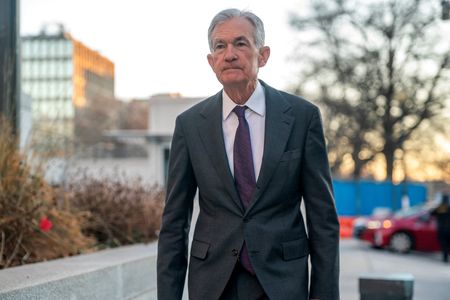
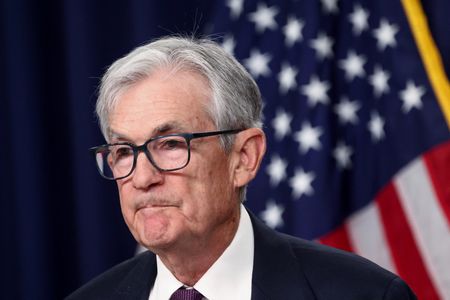
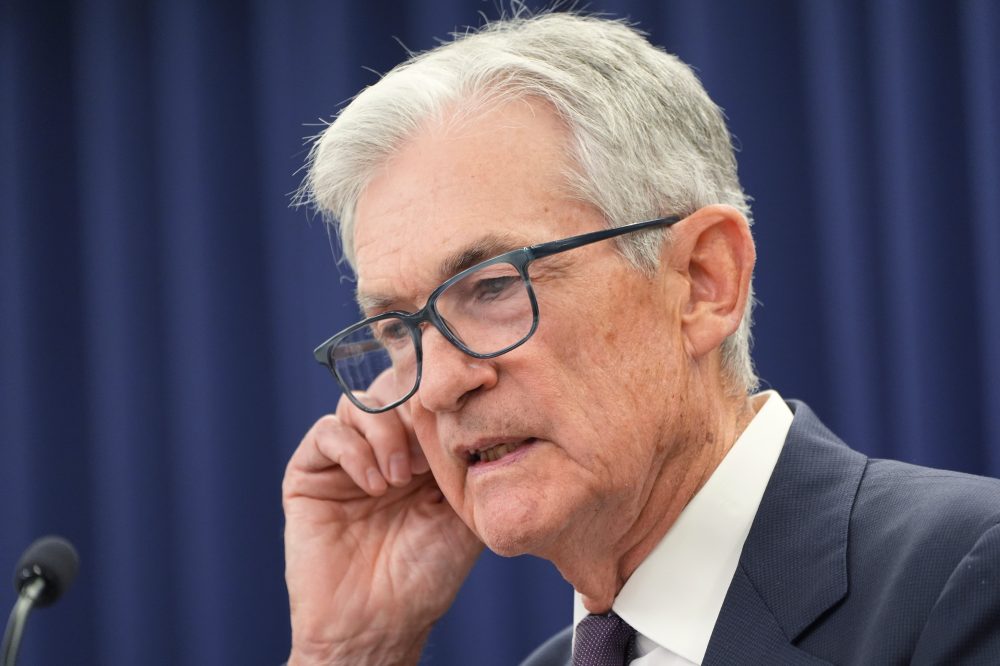
WASHINGTON, March 18 – Federal Reserve Chairman Jerome Powell dismissed concerns Wednesday that America faces a repeat of 1970s-style stagflation, despite energy costs climbing due to conflicts involving Iran.
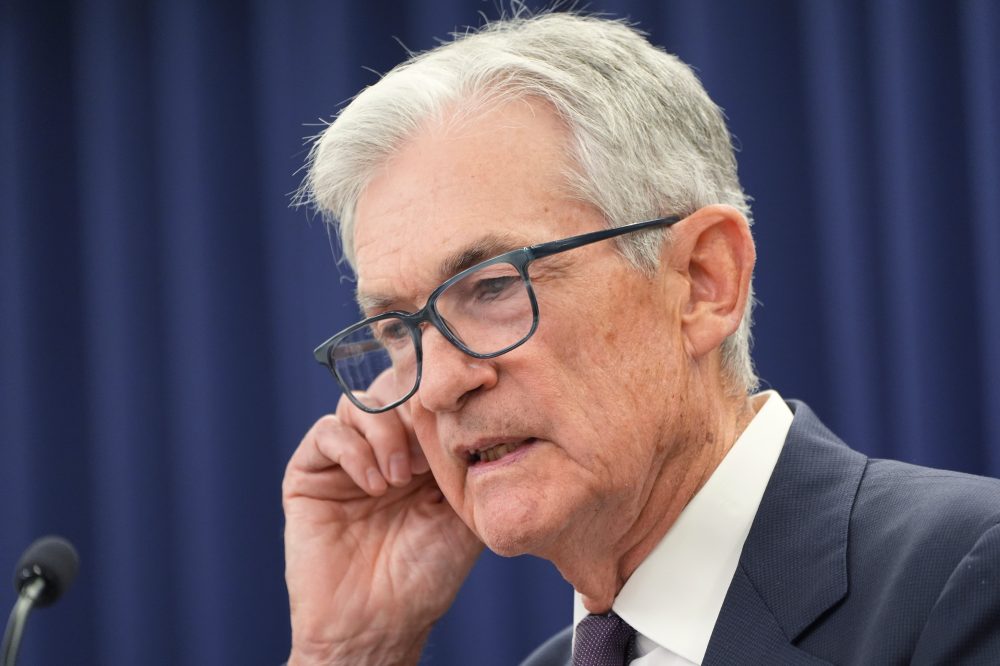
Speaking at a press conference following the central bank’s decision to maintain current interest rates, Powell emphasized that today’s economic challenges differ significantly from the severe conditions experienced decades ago. He noted that current inflation sits only one percentage point beyond the Fed’s target while unemployment remains at low levels.
“I would reserve the term stagflation for, you know, a much more serious set of circumstances. That is not the situation we’re in,” Powell explained to reporters.
The Fed chair acknowledged existing economic pressures but characterized them as manageable compared to historical precedents.
“What we have is some tension between the goals and we’re trying to manage our way through it,” Powell added. “It’s a very difficult situation, but it’s nothing like what they faced in the 1970s and I reserve stagflation for that — the word — for that period. Maybe that’s just me.”
Northampton County in Virginia is currently accepting applications for tourism infrastructure grants, with the submission deadline now in effect.
The grant program aims to support local tourism development initiatives and infrastructure improvements throughout the county. These funding opportunities are designed to enhance visitor experiences and boost the local tourism economy.
Interested applicants should ensure their submissions meet all program requirements and are submitted by the specified deadline. The grants represent an investment in the county’s tourism sector and economic development efforts.
Federal Reserve Chairman Jerome Powell acknowledged Wednesday that the central bank’s newest economic projections carry extraordinary uncertainty because of the ongoing conflict involving Iran.
Speaking about the Federal Reserve’s Summary of Economic Projections that accompanied Wednesday’s policy meeting results, Powell revealed the difficulty officials faced in making predictions. “This is one of those SEPs where a number of people mentioned, if we were ever going to skip an SEP, this would be a good one, because we just don’t know” what developments may occur due to the war’s unpredictable nature, Powell stated.
The Fed chair’s comments highlight how global conflicts can complicate the central bank’s ability to chart the course of the U.S. economy and monetary policy decisions.
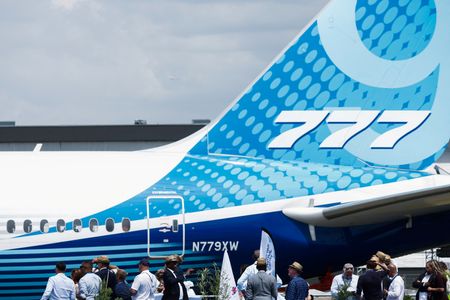
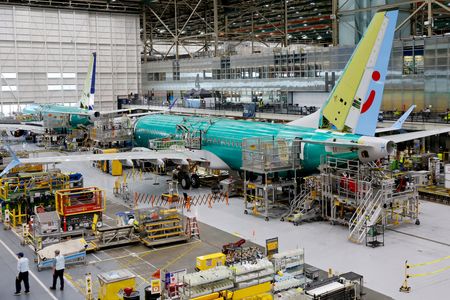
Federal aviation regulators have given Boeing the green light to move its troubled 777-9 aircraft into the fourth phase of certification testing, according to a Wednesday report from the Air Current citing sources with knowledge of the matter.
The development follows comments made Tuesday by Boeing’s Chief Financial Officer Jay Malave at an investor conference, where he confirmed the company had received clearance for the third certification phase.
“There are two more that we need to get approval for, and we’re waiting for the next one very shortly here,” Malave said.
The 777-9 represents the initial variant of Boeing’s troubled 777X aircraft family, a program that has cost the aerospace manufacturer $15 billion in development charges and is running six years past its original timeline.
The new 777X series is designed to replace Boeing’s 747 and 777 models and will join the 787 Dreamliner as part of the company’s wide-body aircraft offerings for international routes.
A major music publisher has taken legal action against an artificial intelligence company, alleging the unauthorized use of popular song lyrics to develop AI technology.
BMG Rights Management filed a federal lawsuit Tuesday in California against Anthropic, claiming the AI firm violated copyright law by incorporating lyrics from major artists into the training data for its Claude chatbot system.
According to the legal filing, Anthropic unlawfully copied song lyrics from chart-topping artists including the Rolling Stones, Bruno Mars, and Ariana Grande, along with other well-known rock and pop performers. BMG alleges this resulted in hundreds of copyright violations.
This legal challenge represents another chapter in an expanding series of court battles between content creators and technology companies over AI training practices. Universal Music Group and additional music publishers previously filed similar claims against Anthropic in 2023, with that case still pending in court.
Last year, Anthropic reached a $1.5 billion settlement agreement with a group of authors who brought comparable allegations regarding AI training methods.
Company representatives from Anthropic had not provided a response to requests for comment by Wednesday.
In a public statement, BMG criticized the AI company’s approach, saying: “Anthropic’s practice of training AI models on copyrighted works sourced from unauthorized torrent sites, among other acts, stands in direct opposition to the standards required of any responsible participant in the AI community.”
Technology companies in the AI sector typically defend their practices by claiming fair use protections apply when transforming copyrighted content into new applications.
BMG, which operates under German media corporation Bertelsmann, has documented 493 specific instances of alleged copyright violations by Anthropic. Under federal copyright law, damages for each infringement can vary widely, potentially reaching $150,000 per work if courts determine the violations were intentional.
European officials unveiled an ambitious plan Wednesday designed to help the continent’s startups better compete with American innovation hubs by dramatically streamlining business formation across member nations.
The European Commission’s new “EU Inc” initiative would allow companies to establish operations within just two days while following uniform regulations throughout all 27 European Union countries, rather than navigating dozens of different national legal frameworks.
This streamlined approach addresses a longstanding challenge where European entrepreneurs often relocate their ventures to the United States to access its unified market and consistent corporate regulations. The initiative represents part of Europe’s broader strategy to enhance economic competitiveness and prevent further talent drain to America.
“We need to incentivise companies to stay in Europe and encourage those who once looked elsewhere to return,” stated European Commissioner Michael McGrath. “Europe has the talent, ideas, and ambition — but too often, bureaucracy drives our best entrepreneurs elsewhere.”
Under the proposed system, entrepreneurs could establish an EU Inc entity online for approximately $115 within 48 hours, compared to the current process that can stretch across months while dealing with more than 60 different business formation documents across member states.
European officials project roughly 300,000 companies will utilize this new structure during its first decade of operation.
The initiative comes as Europe seeks to address a significant gap in high-value startups. While the EU generated more new companies annually than America between 2018 and 2023, Europe currently hosts only 110 “unicorn” companies valued at $1 billion or more, compared to 687 in the United States and 162 in China as of early 2025.
Companies choosing the EU Inc structure would gain streamlined access to Europe’s single market, along with more standardized employee stock option programs and simplified bankruptcy procedures that could attract additional investment capital.
However, these businesses would still face varying national employment standards, tax codes, and other regulations specific to each country where they operate.
McGrath acknowledged the proposal’s limitations, saying “It will not resolve every issue, but it can make a very important contribution. It does need to be implemented and travel alongside all of the other reforms, particularly in the area of addressing fragmentation and removing the barriers in the single market.”
The initiative requires approval from both EU member governments and the European Parliament before implementation.
Previous European attempts to create cross-border business structures have struggled to gain traction, including the 2004 Societas Europeaea program that primarily served larger corporations. Supporters believe EU Inc will succeed due to its digital-first approach and growing recognition among member nations about the urgent need to close the competitiveness gap with other major economies.
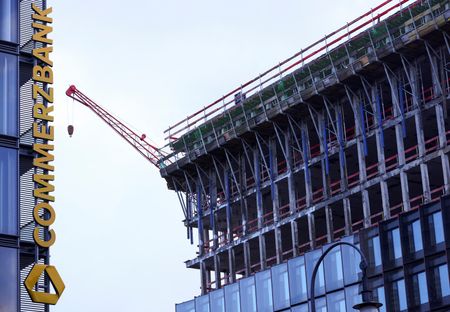
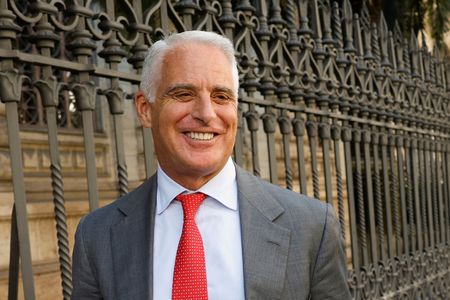
The head of Italy’s UniCredit bank says his company is concentrating on a possible deal with Germany’s Commerzbank instead of pursuing mergers with other Italian financial institutions, according to remarks made Wednesday at a banking conference.
CEO Andrea Orcel addressed attendees at a Morgan Stanley financial conference in London, explaining that while future opportunities for Italian banking consolidation may emerge, the German bank partnership remains the current focus.
Orcel noted that any consolidation within Italy’s banking sector would ultimately be determined by shareholders who hold effective control over their institutions.
The executive identified three Italian banking groups that could potentially consider partnerships either among themselves or with UniCredit – referring to mid-sized lenders Banco BPM, Monte dei Paschi di Siena, and BPER.
“I let you speculate what the view of the shareholders in … every one of the three situation is. But at the moment, it is fair to say that we have not seen… any opening for negotiating anything,” Orcel stated.
He explained the complexity of dealing with controlling shareholders: “When you have, let’s say, de facto controlling shareholders in those groups, they all want something, and landing to a situation where everybody’s happy is a lot more difficult than what we’re talking about here today.”
Regarding Monte dei Paschi specifically, Orcel described one situation as “more fluid” than others, noting that shareholders will soon select a new chief executive.
“It’s not exactly a moment where the next day they want to do something with someone else. There is a lag,” he observed.
Despite its Italian origins, Orcel emphasized UniCredit’s broader European vision. The bank CEO said UniCredit remains “very proud” of its Italian heritage, “but to a certain extent, these are roots that we have much expanded, okay? Our model of bank, our vision of where we want to go is pan-European.”
UniCredit currently operates across 13 European markets and already controls German bank HVB. The company’s interest in Commerzbank began before Orcel assumed leadership in 2021.
Italian government officials have expressed concerns that the country’s second-largest bank might diminish its Italian character and become overly German-focused through such a merger.
While the current Italian government has remained quiet about Orcel’s Commerzbank pursuit, sources indicate officials strongly oppose any potential move of UniCredit’s corporate headquarters to Germany. UniCredit has previously dismissed the possibility of such a relocation.
Shares of advertising technology company Trade Desk experienced a significant decline Wednesday after reports surfaced that major French advertising agency Publicis Groupe recommended clients steer clear of the company’s media purchasing platform.
The stock dropped almost 6% during trading, building on Tuesday’s 7.4% decline following an Ad Age report detailing concerns from a Publicis audit. According to the report, the audit discovered that Trade Desk had breached several contract terms, leading to the negative client advisory.
The audit reportedly revealed that Trade Desk imposed fees beyond agreed-upon limits and enrolled clients in additional services without proper authorization, according to the publication’s sources.
Publicis Groupe has not provided comment on the matter when contacted by Reuters.
Trade Desk responded to the allegations in a statement, saying: “We’re aware of questions related to a Publicis audit process. Any notion that TTD failed an audit is not true.”
The company operates as an independent platform that allows brands and advertising agencies to purchase advertisements and manage campaigns across various websites and applications, differentiating itself from closed advertising systems like those operated by Google and Facebook.
Following the news, at least two investment firms reduced their stock ratings, while three others lowered their price projections for the company.
Stifel downgraded its recommendation from “buy” to “neutral,” stating: “We’re not quite sure how conservative current 2026 estimates might be if the company does, in fact, lose some of its client base as a result of this audit.”
The company has faced challenges recently, with its first-quarter revenue projections missing analyst expectations last month. Trade Desk shares have declined approximately 34% year-to-date, following a 68% drop in 2025.
The advertising technology firm confronts intense competition from integrated platforms that combine content, commerce, and user information to appeal to advertisers. Amazon’s advertising platform has emerged as a particularly strong competitor due to its extensive consumer purchasing data.
Rosenblatt Securities analyst Barton Crockett suggested that declining revenues might be driving advertising agencies toward more aggressive negotiations with Trade Desk and expansion into competing services.
“We see potential that this could be emblematic of a structural change,” Crockett noted.
WASHINGTON – American manufacturing orders experienced minimal growth during January, climbing just 0.1% as declining transportation equipment purchases counterbalanced improvements in other sectors, according to Wednesday’s government report.
The Commerce Department’s Census Bureau revealed that factory orders increased slightly following a revised December decline of 0.4%. Economists had anticipated this modest uptick. December’s figures were initially reported as a steeper 0.7% drop but were later adjusted. Compared to the same period last year, January orders jumped 3.5%.
Data releases continue to experience delays as the Census Bureau works to catch up following disruptions from last year’s government shutdown.
The manufacturing sector, representing 10.1% of the nation’s economy, continues struggling under the impact of President Trump’s extensive tariff policies. Additional cost burdens stem from the U.S.-Israeli conflict with Iran, which has driven oil prices up more than 40%.
Trump maintains his defense of the tariff measures, despite Supreme Court challenges, arguing they’re essential for protecting American manufacturing. However, approximately 100,000 factory positions have disappeared since January 2025.
While increased oil and gas drilling activity could potentially boost manufacturing due to higher energy prices, economists believe any investment benefits would likely prove inadequate to counteract the negative effects of costlier energy products. Such improvements may also take considerable time to impact the broader economy.
January’s factory order gains were driven by increased demand for machinery and primary metals, along with computers and electronic products – likely connected to artificial intelligence investment expansion.
However, electrical equipment, appliances and components saw orders drop 0.6%, while transportation equipment fell 0.8% as defense aircraft and parts demand plummeted 23.8%.
The Census Bureau additionally reported that non-defense capital goods orders excluding aircraft – considered an indicator of business equipment spending intentions – rose 0.1% in January rather than remaining flat as initially reported last week.
Shipments of these core capital goods decreased 0.1% as previously stated. Business equipment spending decelerated during the fourth quarter, contributing to gross domestic product growth slowing to a 0.7% annualized rate, down from the third quarter’s 4.4% pace.
Delaware car shoppers typically focus on what fits their budget when browsing for vehicles, usually leading them toward mainstream brands despite many harboring dreams of luxury car ownership. However, automotive specialists suggest an alternative approach worth considering: trading that new mainstream vehicle for a pre-owned luxury model at a comparable price point.
Consider this scenario: instead of purchasing a 2026 Honda CR-V for approximately $35,000, buyers could opt for a three-year-old BMW X3 at a similar cost. While the X3 carries more prestige and appeal, automotive analysts at Edmunds have examined whether choosing pre-owned luxury represents a wise financial decision.
Fresh-off-the-lot vehicles deliver an untouched condition, original ownership status, and that distinctive new car atmosphere. They also come with comprehensive manufacturer protection, usually including three years of complete coverage plus two additional years for major mechanical components.
Pre-owned luxury vehicles will have lost that new car appeal, showing minor wear and displaying significant mileage. Though luxury manufacturers often provide four-year comprehensive warranties, and luxury dealers frequently offer certified pre-owned programs with inspections and extended protection, purchasing new ensures the most current vehicle available.
Winner: new car
Luxury automobiles aim to inspire desire, featuring superior interior materials, refined styling, and enhanced driving dynamics compared to standard models. Distinctive wheel designs and upgraded aesthetics help luxury cars stand out, while more robust engines provide superior acceleration. A 2023 BMW X3 delivering up to 382 horsepower clearly offers more excitement and engagement than a CR-V.
Enhanced performance often sacrifices fuel economy. The most efficient 2023 X3 achieves EPA-rated 25 mpg combined, while the CR-V’s available hybrid system reaches 40 mpg combined. Many luxury powertrains also demand costly premium gasoline, adding to ownership expenses. However, for those seeking style and performance, luxury vehicles deliver on these expectations.
Winner: used luxury
Contemporary vehicles feature cutting-edge technology, including expansive touchscreen displays and sophisticated driver assistance systems that simplify operation. These innovations typically appear first on luxury models before becoming available on mainstream vehicles. Both a pre-owned BMW X3 and new Honda CR-V offer wireless connectivity for smartphone integration, wireless charging capabilities, and adaptive cruise control.
Pre-owned luxury vehicles can provide advantages for technology enthusiasts. A used X3 might include front seats with enhanced power adjustments, ventilated seating, a premium 16-speaker sound system, and heads-up display technology. Honda doesn’t provide these features on the CR-V. Selecting a recently manufactured luxury vehicle means avoiding technology compromises while gaining premium amenities unavailable in newer mainstream cars.
Winner: used luxury
New car purchases prioritize convenience. Most fresh vehicles require minimal maintenance during initial years, typically needing only oil changes and tire rotations. Warranty coverage handles necessary repairs at no cost.
Conversely, pre-owned luxury vehicles often demand expensive maintenance for components like braking systems and fluids. Parts costs and labor charges run higher for luxury brands. Edmunds projects that BMW X3 maintenance will cost roughly double that of a Honda CR-V on average.
Pre-owned luxury purchases help buyers avoid the steepest depreciation period. New vehicles commonly retain only 60% to 80% of original value after three years of ownership. Depreciation typically moderates after the initial three-year period. Nevertheless, used luxury vehicles will likely generate higher annual ownership and operating costs.
Winner: new car
New vehicle purchases represent the practical choice, offering complete manufacturer warranty coverage and guaranteed first ownership. However, automotive decisions involve emotional factors alongside logical considerations. For buyers who fantasize about premium leather and powerful engines, pre-owned luxury vehicles present a completely reasonable alternative.
This automotive analysis was contributed by Dan Frio from Edmunds and provided through The Associated Press.
WASHINGTON — February brought an unexpected surge in wholesale inflation that caught economists off guard, according to new federal data released Wednesday.
The Department of Labor’s latest producer price index, which tracks inflation before it reaches everyday consumers, climbed 0.7% between January and February. Year-over-year, wholesale prices jumped 3.4% compared to February 2025, marking the steepest 12-month increase since February of last year.
These numbers exceeded what economic forecasters had anticipated and came before recent military actions between the U.S., Israel, and Iran sent energy costs soaring even higher.
When removing the unpredictable food and energy sectors, core wholesale inflation still increased 0.5% month-to-month. While this was lower than January’s 0.8% spike, it remained more than double economists’ expectations. Core prices climbed 3.9% annually, the largest year-over-year jump since January 2025.
Food costs drove much of February’s inflation surge, rising 2.4% in a single month. Vegetable prices skyrocketed 49% while fruit costs increased 10%. Despite the monthly spike, food prices remained lower than the previous year’s levels.
The inflation report arrives as Federal Reserve officials convene in Washington to determine their next move on benchmark interest rates. After reducing rates three times in 2025, the central bank has paused further cuts and is expected to maintain that position Wednesday. Fed leaders are monitoring whether inflationary pressures will subside and if the weakening job market requires stimulus through lower borrowing costs. The Iran conflict has complicated inflation forecasts by pushing energy prices upward.
Recent government data revealed consumer-level inflation remained above the Federal Reserve’s 2% goal even before the Iran military action began. Consumer prices increased 2.4% last month compared to February 2025, the Labor Department reported last week. Additionally, the Commerce Department announced Friday that the Fed’s preferred inflation gauge — the personal consumption expenditures index — rose 2.8% in January from the previous year. Core PCE prices climbed 3.1%, the largest increase in nearly two years.
WASHINGTON — February brought an unexpected surge in wholesale pricing across the United States, according to new federal data released Wednesday.
The Labor Department’s latest producer price index, which tracks inflation before it reaches everyday consumers, climbed 0.7% compared to January and jumped 3.4% from the same period last year. This annual growth represents the steepest climb recorded in twelve months.
The increases exceeded what financial analysts had predicted and happened before recent military actions by the United States and Israel against Iran caused energy costs to spike even higher.
When removing unpredictable food and energy costs from the equation, core wholesale pricing still increased 0.5% month-over-month. While this was lower than January’s 0.8% rise, it remained more than double what economists had anticipated. Year-over-year, these core prices jumped 3.9%, marking the largest gain since January 2025.
Food costs drove much of February’s price surge, climbing 2.4% from the previous month. Vegetable prices skyrocketed by 49%, while fruit costs rose 10%. Despite these monthly increases, food prices remained lower than February 2025 levels.
This pricing data arrives as Federal Reserve officials gather in Washington to determine their next move on benchmark interest rates. After reducing rates three times in 2025, policymakers have since paused cuts and are anticipated to maintain that stance in Wednesday’s announcement. The central bank continues monitoring whether inflation pressures will diminish and if the struggling job market requires assistance through reduced borrowing costs. The ongoing conflict with Iran has complicated inflation forecasts by driving energy prices upward.
Recent government reports from last week revealed that consumer-level inflation stayed above the Federal Reserve’s 2% goal before the Iran military action began.
One week ago, the Labor Department found consumer prices had increased 2.4% in the most recent month compared to February 2025. Additionally, the Commerce Department announced Friday that the Fed’s preferred inflation gauge — the personal consumption expenditures price index — rose 2.8% in January year-over-year. Core PCE prices climbed 3.1%, representing the largest jump in almost two years.
Stock market futures headed lower Wednesday morning after government data revealed wholesale prices climbed at a steeper pace than anticipated during February, reducing optimism about potential Federal Reserve interest rate cuts in 2024.
The Labor Department’s latest report indicated the Producer Price Index jumped 3.4% compared to the same month last year, surpassing the 2.9% increase that economists surveyed by Reuters had predicted.
Monthly figures showed an even sharper contrast, with prices climbing 0.7% versus the forecasted 0.3% gain.
When removing fluctuating food and energy costs, the core Producer Price Index reached 3.9% annually, above economist predictions of 3.7%. The monthly core reading also exceeded expectations at 0.5%, compared to the anticipated 0.3% increase.
By 8:36 a.m. Eastern Time, Dow futures had dropped 115 points or 0.24%, while S&P 500 futures fell 15 points or 0.22%. Nasdaq 100 futures declined 47.25 points or 0.19%.
WASHINGTON – February brought an unexpected spike in producer prices across the United States, with costs climbing well beyond what economists had anticipated, according to new federal data released Wednesday.
The Producer Price Index for final demand jumped 0.7% last month, primarily driven by rising services costs, following a 0.5% increase in January, the Bureau of Labor Statistics reported. This surge significantly exceeded economists’ predictions of a 0.3% rise.
The escalating conflict between the U.S.-Israel alliance and Iran, which began in late February, has driven oil prices up more than 40%. Economic analysts anticipate the war’s inflationary effects will become more apparent in next month’s consumer and producer price data for March.
Federal Reserve officials are anticipated to maintain current interest rates following their two-day policy meeting concluding Wednesday. Central bank leaders will release updated economic forecasts, which analysts expect will include higher inflation projections. Market observers predict only a single rate reduction this year.
Over the full 12-month period ending in February, producer prices climbed 3.4%, up from January’s 2.9% annual increase. Several elements of both the PPI and Consumer Price Index contribute to calculating the Personal Consumption Expenditures price measures, which the Federal Reserve monitors to gauge progress toward its 2% inflation goal.
Before Wednesday’s producer price data release, economists projected the core PCE price index, which excludes volatile food and energy costs, would rise 0.4% in February. This would represent the third consecutive month of 0.4% increases, more than twice the monthly growth rate analysts say is necessary to consistently move inflation back to target levels.
Year-over-year core PCE inflation was projected to reach 3.1% in February, matching January’s pace. The Bureau of Economic Analysis plans to release the delayed February PCE inflation data next month.
A Florida electronics manufacturing company has boosted its yearly financial projections Wednesday, citing increased business from artificial intelligence data center infrastructure needs.
Jabil, headquartered in St. Petersburg, Florida, saw its stock price climb 1.1% in early trading after announcing second-quarter results that exceeded analyst predictions.
The company has benefited from increased investment in data center infrastructure as businesses seek more computing capacity to power AI applications.
“Continued momentum in intelligent infrastructure, where demand remains robust across cloud and data center infrastructure, networking and communications, and capital equipment” drove the strong performance, according to Jabil CEO Mike Dastoor.
Dastoor noted that regulated sectors also showed improvement, with automotive and renewable energy divisions performing better than anticipated.
The manufacturer produces components for Apple and offers design, manufacturing and management services across multiple industries including technology, automotive, transportation, healthcare, storage and packaging.
Jabil has revised its fiscal 2026 revenue projection upward to $34 billion from the previous estimate of $32.4 billion. The company also increased its adjusted earnings per share forecast to $12.25 from the earlier prediction of $11.55.
Wall Street analysts had expected annual revenue of $32.71 billion and adjusted earnings per share of $11.67, based on LSEG data.
For the second quarter, Jabil reported adjusted earnings per share of $2.69, surpassing analyst expectations of $2.51.
The company’s second-quarter revenue increased 23% compared to the same period last year, reaching $8.28 billion and beating Wall Street projections of $7.74 billion.
Josh D’Amaro officially takes over as Disney’s chief executive officer during Wednesday’s annual shareholder meeting, inheriting leadership of the entertainment giant during a period of significant industry transformation.
D’Amaro’s successful management of Disney’s profitable theme parks division, which generated 57% of the company’s $17.5 billion in profits last year, propelled him to the top executive position.
Shareholders are looking forward to hearing D’Amaro outline his approach for navigating Disney through the age of artificial intelligence, where technology companies pose threats to traditional media economics, and addressing potential tourism disruptions from Middle East conflicts and rising oil costs.
The new CEO also faces a struggling television division, audience fatigue with major franchises including Marvel and Star Wars, and a fragmented entertainment environment where Disney competes with platforms like YouTube and TikTok for viewer attention. He must also overcome comparisons to Bob Chapek, another former parks division leader whose unsuccessful CEO stint led to Bob Iger’s return in November 2022.
While both D’Amaro and Chapek emerged from the parks business, Disney’s board has partnered D’Amaro with seasoned television executive Dana Walden, who received a promotion to president and chief content officer. TD Cowen analyst Doug Creutz noted that Walden’s established creative experience will complement D’Amaro’s operational capabilities.
“It will however be critical for the two executives to be able to forge a strong partnership,” Creutz stated in his analyst report.
Iger plans to stay on Disney’s board through year-end before his second scheduled retirement.
Following Iger’s company return, Disney stock had plummeted over 40% in one year due to investor worries about streaming division losses. Activist investor Third Point had pushed for spinning off ESPN before recognizing its company value, while Trian Fund Management, led by Nelson Peltz, accumulated shares.
Iger brought stability to Disney by restructuring the organization to empower creative leadership and achieving streaming profitability. He successfully fought off campaigns from Peltz and other activists who claimed the entertainment company had fallen behind in streaming competition.
Under Iger’s guidance, Disney produced five movies earning over $1 billion globally in the last two years, announced a $60 billion investment plan for theme parks and cruise ships, launched ESPN’s streaming platform, and established an OpenAI partnership.
Despite these achievements, Disney’s total return on invested capital reached 11% during his leadership, trailing the S&P 500 Index’s 77% return. The company’s enterprise value currently trades at 10 times the upcoming 12 months of EBITDA, below its two-year median of 12 times EBITDA, according to LSEG data.
Bank of America analyst Jessica Reif Ehrlich expressed anticipation for hearing D’Amaro’s company vision.
When Iger became CEO in 2005, he acted swiftly to establish his leadership style, repairing relationships with activist investor Roy Disney and reconciling with former Pixar CEO Steve Jobs, which enabled Disney’s acquisition of the groundbreaking animation studio, Ehrlich explained.
“Josh is coming from parks. Will he do things quickly? Does he have a plan?” Ehrlich questioned. “If he could at least articulate a growth strategy, that would be super helpful.”
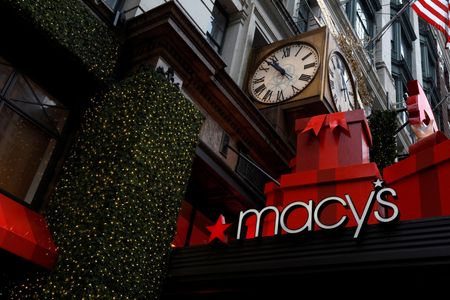
The iconic department store chain delivered fourth-quarter earnings that surpassed Wall Street predictions, with company-wide comparable store sales climbing upward once again. Macy’s attributed the positive results to strategic merchandise changes and enhanced customer experiences that encouraged increased consumer spending.
The retail corporation, which includes luxury retailer Bloomingdale’s and beauty store chain Bluemercury, presented a cautiously optimistic forecast for the coming year. While sales projections exceed analyst expectations, the company maintained a restrained profit outlook.
Tony Spring, the company’s chief executive who began his second year at the helm on Wednesday, announced that Bloomingdale’s achieved record-breaking holiday season revenue. Industry experts suggest this exceptional performance partly stems from the bankruptcy proceedings affecting the parent company of luxury competitors Saks Fifth Avenue and Neiman Marcus.
However, Macy’s faces identical challenges confronting other retailers across the industry. Recent U.S. trade policies have imposed tariffs that increased merchandise costs, while American consumers have shifted their spending priorities.
The conflict in Iran that erupted in recent weeks has intensified these economic pressures, causing significant spikes in gasoline and diesel fuel prices. These elevated costs are immediately impacting consumers at gas stations and may soon affect retail pricing.
Additional expenses from tariffs have created challenging decisions for retailers, affecting both product selection and pricing strategies as they determine how much of these increased costs to transfer to already budget-conscious customers.
The Supreme Court recently overturned President Donald Trump’s most substantial tariff measures, though the current administration plans to implement replacement policies.
Within this economic environment, consumer purchasing patterns have become inconsistent, with affluent households maintaining spending levels while lower-income families reduce expenditures in what economists describe as a “K-shaped economy.”
Since Spring assumed leadership in early 2024, Macy’s has shuttered underperforming locations while investing substantially in modernizing remaining stores. The company has enhanced customer service operations and worked to distinguish its luxury offerings through exclusive product lines.
Financial results showed net earnings of $507 million, equivalent to $1.84 per share, during the three-month period concluding January 31. This represents significant growth from the previous year’s $342 million, or $1.21 per share. Adjusted earnings reached $1.67 per share for the most recent quarter.
Total revenue decreased slightly to $7.64 billion from $7.68 billion in the corresponding prior-year period, reflecting the company’s ongoing store closure strategy.
Sales at existing stores and online platforms increased 1.8%, though this growth rate fell short of the third quarter’s 3.2% gain and followed a 1.9% rise during the second quarter. These figures encompass licensed operations including cosmetics departments.
Financial analysts had projected earnings of $1.57 per share on revenue of $7.51 billion for the quarter, according to FactSet polling data.
While Macy’s overall comparable store sales grew 0.4% during the quarter, the 125 renovated locations demonstrated 0.9% growth, providing positive validation for the company’s significant modernization investments.
Bloomingdale’s delivered impressive comparable sales growth of 7.4% in the latest quarter, while Bluemercury posted a 1.6% increase in comparable sales.
Looking ahead, Macy’s anticipates annual net sales between $21.4 billion and $21.65 billion. The company projects comparable sales will range from a 0.5% decline to a 0.5% increase, with earnings per share expected between $1.90 and $2.10.
Wall Street analysts are forecasting $2.20 per share on sales of $20.97 billion, according to FactSet research.
Federal officials conducted their first auction of drilling rights in Alaska’s National Petroleum Reserve on Wednesday since the last sale took place in 2019, marking another opportunity to gauge energy companies’ interest in the challenging Alaskan market.
The Bureau of Land Management made available 600 parcels spanning 5.5 million acres to petroleum companies during the auction. Officials opened and announced the winning bids through a live broadcast on the agency’s website beginning at 10 a.m. Alaska time.
This auction represents the initial offering among at least five that are required under President Donald Trump’s One Big Beautiful Bill Act, legislation he enacted last year. The current administration has prioritized boosting domestic energy production while rolling back drilling limitations that were implemented during the Biden presidency in the Alaska reserve.
However, energy companies have shown limited enthusiasm for acquiring drilling permits in Alaska during recent years. Operating in the state presents significant challenges, requiring decades-long commitments and investments reaching into the billions. Companies completely avoided a recent auction for offshore drilling permits in Alaska’s Cook Inlet earlier this month.
The reserve, commonly called NPR-A, encompasses 23 million acres and was established for petroleum exploration during the 1970s to combat energy supply issues.
When the most recent NPR-A auction occurred in 2019, companies submitted $11.3 million worth of winning proposals for 1.05 million acres.
Alaska government leaders and certain indigenous communities back petroleum development because it generates tax income and employment opportunities. Environmental advocates contend that energy extraction harms wildlife habitats for animals including polar bears and caribou.
Department store chain Macy’s announced Wednesday that it expects lower annual profits than previously anticipated as consumers continue to tighten their spending habits amid ongoing economic pressures.
The retail giant joins other major chains including Walmart and Kohl’s in adopting a conservative outlook for the coming year, reflecting concerns about American consumers’ financial strain.
Company executives said they are taking a “prudent approach” when planning for the future, pointing to economic and international political factors that could further impact how much customers are willing to spend.
Following the announcement, Macy’s stock dropped 2% during pre-market trading hours.
Under CEO Tony Spring’s leadership, the company has been working to attract higher-income customers as a strategy to boost sales, while budget-conscious shoppers continue to feel the squeeze from rising prices and economic instability.
The retailer projects annual adjusted earnings will fall between $1.90 and $2.10 per share, a decrease from last year’s $2.15 and below Wall Street analysts’ predictions of $2.17 per share, based on LSEG data.
Import tariff costs are expected to squeeze profit margins during the first six months of the year, with the heaviest impact anticipated in the opening quarter.
Because Macy’s depends heavily on Chinese manufacturing, the company faces significant exposure to import taxes. Although Washington has implemented a standard 10% tariff rate following a Supreme Court decision that eliminated broader U.S. duties, retailers may still experience short-term financial pressure from inventory purchased at previously higher tariff rates.
Looking ahead to 2026, the company anticipates net sales between $21.4 billion and $21.7 billion, representing a decline from 2025’s $21.8 billion. This projection aligns closely with analysts’ expectations of $21.42 billion.
During the fourth quarter, Macy’s total sales decreased 1.7% to $7.64 billion compared to the same period last year, though this figure exceeded analysts’ projected $7.62 billion, boosted by strong holiday shopping activity.
The main Macy’s brand experienced a 3.2% sales decline, partially due to store closures, while comparable store sales managed a 0.4% increase. The company’s premium divisions showed stronger performance, with Bloomingdale’s achieving 8.5% sales growth and Bluemercury rising 2.5%.
Coffee industry specialists are warning that the popular beverage may follow the same dramatic price trajectory as cocoa, which experienced a severe market crash after reaching unprecedented heights in 2024.
These predictions dominated conversations during the National Coffee Association’s recent annual gathering in Tampa, Florida, where market watchers debated whether coffee would mirror cocoa’s steep decline.
“I would be shocked if it did not happen,” stated Carley Garner, who serves as senior commodities strategist at DeCarley Trading, a Zaner division. “I do think coffee is the new cocoa,” she added.
The cocoa market provides a cautionary tale for coffee traders. New York cocoa futures soared to unprecedented levels exceeding $12,000 per ton in December 2024 due to adverse weather conditions that severely limited production in key growing regions. However, within just over a year, cocoa values tumbled more than 70% as buyers reduced purchases of premium chocolate products and manufacturers responded by shrinking package sizes or substituting less expensive ingredients.
Coffee has experienced a similar pattern, with arabica varieties climbing due to unfavorable tropical weather that disrupted harvests. The commodity reached its highest point ever in February 2025 and remained elevated as President Donald Trump’s trade tariffs created market distortions. Expectations of a strong production rebound in Brazil, the world’s leading coffee producer, have since pushed prices downward.
“I think coffee prices will be at $2 (per pound) by the end of the year,” Garner predicted, noting that elevated costs are dampening consumer appetite.
Digby Beatson-Hird, who analyzes coffee markets for Avere Commodities, anticipates an even steeper drop to $1.80 per pound this year. Tuesday’s closing price stood at nearly $2.93 per pound.
Consumer behavior data supports these bearish forecasts. A National Coffee Association survey of 1,500 Americans conducted in January revealed that 61% of participants had taken steps to reduce their coffee expenses. Many decreased their coffeehouse visits and increased home brewing, while others opted for less expensive brands. Despite these cost-cutting measures, overall coffee consumption levels remained stable, the NCA reported.
The coffee trade has adapted to market pressures, according to David Behrends, who serves as managing partner and head of trading at Sucafina SA, among the globe’s largest coffee trading companies.
Higher-priced mild arabica varieties from Colombia and Central America have surrendered market position, he explained, while less expensive robusta beans have gained ground.
Carlos Mera, Rabobank’s chief coffee analyst, noted that coffee consumption stagnated in 2025, marking the first year without growth compared to the historical annual increase of 2.3% recorded before the pandemic.
Mera anticipates that coffee’s recent price decline will eventually benefit consumers and stimulate demand recovery. He projects a 2% consumption increase for 2026.
The demand patterns reveal significant differences between coffee and cocoa markets, which may explain why some analysts question whether coffee will experience cocoa’s dramatic price collapse.
Even Brazil’s anticipated record harvest may not provide substantial price relief, market experts suggested.
Brazilian growers maintain strong financial positions and plan to sell their crops gradually, likely retaining portions to rebuild their inventories, explained Cleber Castro, who represents numerous Brazilian farms as a sales representative.
WASHINGTON – Major financial institutions appear poised for a regulatory victory as the Trump administration prepares to announce revised bank capital requirements that will be less stringent than previously proposed, though several obstacles could still delay final implementation.
Federal banking regulators plan to release updated proposals on Thursday that will require large banks to maintain slightly lower capital reserves, according to Federal Reserve Vice Chair for Supervision Michelle Bowman’s announcement last week. This represents a dramatic shift from the original 2023 proposal that would have forced some major banks to increase their capital buffers by as much as 20 percent.
The updated regulations will modify the so-called “Basel” rules and “GSIB surcharge” requirements, changing how financial institutions calculate the funds they must set aside to cover potential losses. These changes come after an intensive multi-year lobbying effort by Wall Street firms to roll back post-2008 financial crisis regulations they claim are hampering economic growth, though opponents argue the modifications could weaken protections at a time of increasing global and credit market risks.
Despite banks moving closer to their desired outcome, industry experts and analysts predict the intricate approval process could extend through most of the year as financial institutions examine detailed provisions and regulators work through various complications, including potential changes in Federal Reserve leadership and White House oversight.
“You’re going to get several hundred pages, possibly a thousand pages of documents,” explained Ian Katz, managing director at Capital Alpha Partners. “There’s just going to be so much to go over, and some of it is highly technical.”
While Bowman indicated the agencies intend to move swiftly, Truist Securities analysts predicted last week that final rules likely won’t be completed until early 2027.
The Basel framework establishes international capital standards, determining how banks must allocate resources for credit, market, and operational risks. Michael Barr, Bowman’s Democratic predecessor, introduced the initial draft in July 2023, citing the Silicon Valley Bank failure earlier that year as justification for increased capital requirements affecting more than 30 institutions with assets exceeding $100 billion.
Banking executives argued they already maintained adequate capital levels and mounted an unprecedented opposition campaign, threatening legal action and gaining support from numerous lawmakers while creating disagreement among regulatory agencies. This resistance successfully pushed the issue into the current administration, which has generally aligned with industry positions.
Bowman stated last week that the modifications would better align requirements with actual risk levels.
The revised Basel proposal eliminates several provisions that banks strongly opposed, including a requirement to follow the more restrictive of two risk capital calculation methods, which particularly disadvantaged major trading firms. The new version will also be more lenient toward fee-generating operations, such as credit card businesses, that faced strict new operational risk standards.
However, banks continue seeking clarification on other contentious matters, including the degree to which they can utilize internal models for market risk assessment rather than regulator-prescribed models, and capital requirements for non-publicly traded securities.
The Federal Reserve also intends to modify the GSIB surcharge applied to the eight highest-risk global U.S. banks by updating economic factors and adjusting short-term funding risk calculations.
Financial institutions facing the largest GSIB surcharges, including JPMorgan, Bank of America, Citigroup, Goldman Sachs, and Morgan Stanley, may see benefits, according to some analysts, though industry officials caution that impacts could vary significantly between firms.
“Not all large banks are the same,” noted Brian Gardner, chief Washington policy strategist at Stifel, adding that industry reaction will depend on how the proposal affects particular business lines.
The new proposals may also face political hurdles. Banks will have 90 days to submit comments to the agencies, which must jointly approve any additional modifications. At the Federal Reserve, this requires approval from its bipartisan board, where Democratic members might oppose a final version they consider too lenient, according to industry sources.
The rules will also need endorsement from Kevin Warsh, Trump’s nominee to replace Fed Chair Jerome Powell. While Warsh hasn’t publicly addressed the capital rule changes, he generally supports reduced regulation. Under a 2025 Trump executive order, the final rule must undergo White House Budget Office review, creating another potential complication.
Nevertheless, with banks and regulators now aligned, University of Michigan professor Jeremy Kress believes it should be “much easier” for regulators to complete the process.
WASHINGTON – The Federal Reserve is widely anticipated to keep interest rates unchanged this week, despite mounting inflation worries stemming from oil price increases tied to the Iran conflict that began over two weeks ago.
The Federal Open Market Committee is expected to maintain the current policy rate between 3.50%-3.75% when their two-day session concludes Wednesday. While most financial experts previously predicted rate reductions, that certainty has diminished following the U.S. and Israeli aerial operations against Tehran that started February 28.
BNP Paribas economists recently noted: “We see a significant, underappreciated tail risk that the FOMC moves toward a ‘symmetric policy bias,’ i.e., either a rate hike or a cut is roughly equally likely to follow.” This sentiment has gained traction as the military action has disrupted roughly one-fifth of worldwide oil commerce.
Deutsche Bank analysts posed the question more directly: “Could the Fed hike rates in 2026?”
Federal Reserve officials have several methods to communicate this potential shift in approach.
The most direct signal would come through their policy statement, scheduled for release at 2 p.m. EDT Wednesday, indicating that rate increases are equally probable as decreases for their next move.
Alternatively, this possibility might emerge in their updated quarterly economic forecasts, also released at 2 p.m., should individual committee members believe rate increases may be warranted this year or next.
Such a move would likely provoke criticism from President Donald Trump, who continues advocating for Fed Chair Jerome Powell to reduce interest rates.
Trump has selected former Fed Governor Kevin Warsh, whom the president considers supportive of rate reductions, to replace Powell when his term expires in mid-May, though obstacles to Warsh’s confirmation persist.
With inflation measured by the Fed’s preferred gauge exceeding the 2% target for five consecutive years, several central bank officials favored keeping rate increases as an option even before Iranian hostilities drove crude oil prices up approximately 50% and significantly raised U.S. gasoline costs.
The petroleum price surge, viewed as potentially contributing to broader price increases, triggered increased market speculation that central banks in regions more dependent on energy imports, including Europe and Asia, would need to implement higher rates.
Simultaneously, traders have reduced their expectations for Fed rate cuts, with numerous Wall Street institutions recently abandoning their June rate cut predictions and anticipating the Fed will remain inactive longer.
The Fed might signal consideration of rate increases Wednesday through a simple modification to their post-meeting statement: removing the reference to “additional” rate cuts that has appeared since the central bank initiated three consecutive reductions last September.
However, the dominant perspective suggests oil prices are unlikely to penetrate the expansive U.S. economy sufficiently and rapidly enough to reverse anticipated declining inflation trends later this year as last year’s tariff impact diminishes.
This makes a rate increase this year questionable and reduces the likelihood that Fed policymakers will collectively open that possibility this week.
“Our base case is that policymakers delay this change for now, as the U.S. labor market does not seem to be overheating and the war’s length, severity and economic impact are uncertain,” the BNP Paribas economists stated.
Central bank officials typically resist responding to potentially temporary commodity price surges. They also likely maintain concerns about employment market stability, particularly after employers unexpectedly eliminated jobs last month. Elevated oil prices could also decelerate economic activity if consumers reduce other expenditures while allocating more funds to gasoline purchases.
Consequently, analysts generally anticipate most Fed policymakers will forecast at least one interest rate reduction this year. At least one official – Fed Governor Stephen Miran – is expected to disagree Wednesday, preferring immediate cuts over waiting.
A Duke University survey of former Fed policymakers and staff showed more cautious views. Among 27 respondents in the survey conducted by visiting scholar and former Wall Street Journal reporter John Hilsenrath, 13 recommended maintaining steady rates all year, six supported rate increases, and only eight believed rate cuts were appropriate.
Overall, central bankers are expected to project higher inflation for this year compared to their December forecasts while also anticipating increased unemployment and slower growth.
This challenging combination in projections – what Chicago Fed President Austan Goolsbee describes as a “stagflationary direction” because it suggests both economic stagnation and rising prices – indicates Fed policymakers likely remain significantly divided on which issue requires immediate attention.
The “dot plot” showing Fed rate path expectations may reveal the extent of this division and could include one or more policymakers projecting higher policy rates by year-end.
“Those dissenting in favor of rate cuts will pencil in more cuts for the rest of the year, while we could see some of the more hawkish participants in the meeting pencil in a rate hike,” KPMG economist Diane Swonk explained. “Tension between the Fed’s dual mandate of fostering price stability and full employment will be reflected in participant rate projections.”
Stock market futures posted gains Wednesday morning as crude oil costs dipped modestly, with nervous investors looking ahead to the Federal Reserve’s policy announcement for guidance on how Middle East tensions might affect the economy.
Market optimism also received a boost from strong indicators in the artificial intelligence sector, as both Nvidia and Advanced Micro Devices climbed 1% during pre-market hours.
Reports indicate that Nvidia received Beijing’s authorization to market its second-tier AI processors in China and is developing a customized version of the Groq AI chip specifically for Chinese customers.
Meanwhile, AMD announced a new partnership agreement with Samsung Electronics to broaden their collaboration on memory chip supplies for artificial intelligence systems.
Market attention centers on the Federal Reserve, which analysts expect will maintain current benchmark interest rates when its two-day policy meeting concludes at 2 p.m. Eastern Time.
The primary interest lies in Federal Reserve Chair Jerome Powell’s commentary regarding how trade tariffs, elevated energy expenses from Middle Eastern instability, and softening employment conditions might shape future monetary policy choices.
Market participants now predict the Fed will postpone its initial rate reduction of the year until December rather than July, based on data from LSEG.
“Our economists suspect the FOMC will trim growth forecasts marginally, push up its inflation forecast and then delay the 2026 rate cut until 2027,” said Benjamin Schroeder, senior rates strategist at ING.
“That said, given the situation, the Fed will likely have little conviction in its forecasts, and Chair Powell will be certain to underline the challenges in the current volatile environment.”
February’s producer price information releases at 8:30 a.m. Eastern Time, providing policymakers one last assessment of underlying inflation trends before announcing their decision.
As of 5:08 a.m. Eastern Time, Dow E-minis advanced 268 points or 0.57%, while S&P 500 E-minis gained 35.5 points or 0.53%. Nasdaq 100 E-minis increased 165.75 points or 0.67%.
The Middle Eastern crisis continues without resolution, keeping crude oil prices elevated near $100 per barrel despite recent declines.
Investors found encouragement in temporary supply relief after sources confirmed an agreement to restart crude shipments from Iraq’s Kirkuk oil fields to Turkey’s Ceyhan terminal through pipeline infrastructure.
Transportation companies including Delta, American, and Carnival each rose over 1%, extending Tuesday’s recovery after airlines upgraded their quarterly projections, expecting robust travel demand to counterbalance higher fuel expenses.
Middle Eastern conflicts have intensified global market instability, though U.S. equities have benefited from technology stock recoveries and America’s position as an energy-producing nation.
The CBOE VIX index, commonly known as Wall Street’s fear indicator, dropped to two-week lows after reaching April 2025 peaks earlier this month, while the S&P 500 benchmark recorded its first consecutive daily gains in three weeks on Tuesday.
In other corporate developments, Lululemon declined 2% after projecting 2026 revenues and earnings below analyst expectations. The athletic apparel company, currently facing a proxy battle, added a former Levi Strauss executive to its board of directors.
Swarmer, a drone automation software firm, soared 50% following its Nasdaq market debut the previous day.
Micron Technology advanced 2.7% ahead of its earnings report scheduled for later Wednesday, while SanDisk shares gained 2.8%.
American private equity giant KKR announced Wednesday it will commit up to $310 million in a major partnership with Indian electric vehicle companies PMI Electro Mobility Solutions and its bus platform Allfleet India.
The New York-based investment firm plans to secure controlling ownership of Allfleet while taking a smaller ownership position in PMI Electro, though specific ownership percentages were not revealed by the companies.
PMI Electro produces electric commercial buses in various sizes, including 9-meter and 12-meter models as well as school transportation vehicles. Meanwhile, Allfleet specializes in building and managing large-scale electric public transit systems.
Under existing contracts with various state transportation agencies, Allfleet plans to roll out more than 5,000 electric buses across India.
This major investment aligns with India’s ambitious PM-eBus Sewa initiative, which seeks to introduce 10,000 electric buses through public-private partnerships in metropolitan areas. The government program carries an estimated price tag of 576.13 billion rupees, equivalent to approximately $6.23 billion.
“As our cities grow and mobility needs evolve, clean, efficient, and accessible public transport will play a central role in shaping a more sustainable future. Alongside KKR, the company will continue to focus on responsible scale-up and expanding its presence across Indian cities,” stated Aanchal Jain, who serves as CEO of PMI Electro.
The transaction awaits regulatory clearance and is anticipated to finalize by mid-2026, according to both companies.
HONG KONG, March 18 – Chinese authorities are implementing stricter oversight of companies incorporated outside mainland China that plan to go public in Hong Kong, potentially creating substantial disruptions for the territory’s robust stock offering pipeline, according to banking and legal professionals.
Industry sources indicate that regulators have instructed certain “red-chip” enterprises to relocate their legal headquarters back to China prior to launching public offerings. These businesses typically register in offshore locations, primarily tax-friendly jurisdictions, while maintaining their actual operations and assets within China through ownership arrangements.
The China Securities Regulatory Commission has acknowledged providing recent guidance to some red-chip enterprises regarding dismantling their current organizational frameworks.
Financial experts and bankers suggest this requirement could postpone some public offerings by a minimum of six months as affected companies work to restructure their legal status. Some enterprises might need to completely abandon their public offering plans due to the potentially prohibitive costs of reorganizing their corporate framework.
INTERNATIONAL INVESTMENT APPEAL MAY DECLINE
The changes could also diminish foreign appetite for Chinese enterprises.
“For foreign investors, the dismantling of red-chip structures could reduce flexibility regarding equity stakes and future divestment,” said Kenny How, a councillor at the Hong Kong Securities & Futures Professional Association.
He explained this concern arises mainly from China’s stringent foreign exchange restrictions on capital leaving mainland entities, combined with mandatory 12-month holding periods that investors must accept following public listings.
Following Hong Kong’s exceptional stock offering performance in 2025, where capital raised jumped 231% to reach $37 billion, exchange records show over 530 companies have submitted listing applications, with Chinese firms comprising the majority.
The exact number of red-chip companies among applicants remains unclear. However, data from Chinese legal firm Hankun reveals that last year, approximately 20% of the 131 Hong Kong listings China authorized involved offshore holding arrangements, with most utilizing red-chip frameworks.
Companies have historically favored listing in markets like Hong Kong and the United States to access broader international investment pools while avoiding complex domestic regulatory requirements.
This strategy became less attractive after Beijing introduced regulations in March 2023 requiring red-chip firms and similar offshore holding companies to obtain mainland approval for public listings.
RED-CHIP STRUCTURES FACE ONGOING CRITICISM
Three sources familiar with the situation, who requested anonymity due to the matter’s sensitivity, revealed that Beijing’s recent actions respond to the National Development and Reform Commission’s concerns about inadequate supervision of how these companies utilize their public offering proceeds. The NDRC, China’s primary planning authority, did not immediately provide comment to Reuters.
“Controversy around red-chip structures has never really gone away. They’ve always been accused of dodging mainland regulations and facilitating capital flight,” said Tian Meng, a lawyer at Dacheng Law Offices.
Tian noted that with data protection and foreign investment oversight becoming priority concerns, regulators are seeking more transparent corporate arrangements.
The Hong Kong market’s recent growth has offered private equity and venture capital firms valuable exit opportunities – a pathway that Beijing’s increased scrutiny might jeopardize, some investors caution. Dollar-based investment funds typically back Chinese companies established offshore.
Zhou Zhimin, a biotechnology asset management expert, warned that abrupt regulatory changes with limited transparency could undermine dollar-based investment confidence.
However, some market observers expect the long-term effects on Hong Kong listings to remain minimal.
“I believe this mainland measure is primarily aimed at improving the quality control of listed companies,” said Kenny Ng, a securities strategist at China Everbright Securities International.
“In the long run, it should have a positive effect on the stock market development and on protecting investor interests.”
China’s tech powerhouse Tencent Holdings announced strong financial results Wednesday, with fourth-quarter revenue jumping 13% as the company capitalized on booming gaming sales and growing artificial intelligence capabilities.
The Shenzhen-headquartered company generated 194.4 billion yuan ($28.3 billion) in revenue during the final quarter of 2024, narrowly surpassing Wall Street predictions of 193.5 billion yuan according to LSEG analyst surveys.
The social media and gaming giant also delivered quarterly profits of 58.26 billion yuan, topping average projections of 57.75 billion yuan.
Tencent has been ramping up its artificial intelligence investments using profits from its successful gaming division as it battles competitors like Alibaba and ByteDance for market dominance.
The tech company is integrating AI technology throughout its popular WeChat messaging and payment platform, cloud computing services, and gaming products, leveraging its massive user base of over one billion people worldwide.
Gaming revenues showed particularly strong performance, with domestic sales climbing 15% to reach 38.2 billion yuan and international gaming income soaring 32% to 21.1 billion yuan. Digital advertising revenues also grew substantially, rising 17% to 41.1 billion yuan thanks to AI-powered ad targeting improvements.
The gaming division’s success stemmed from popular new releases including “Delta Force” and “Valorant Mobile,” combined with continued strong performance from longtime favorites “Honor of Kings” and “Peacekeeper Elite.”
Tencent’s FinTech and Business Services division, encompassing cloud computing operations, saw revenues increase 8% to 60.8 billion yuan, though the company does not provide separate cloud revenue figures.
The chief executive of major European bank UniCredit warned Monday that a planned digital version of the euro currency could squeeze bank profits by pulling away customer deposits that provide low-cost funding.
Andrea Orcel made the comments during a Morgan Stanley conference held in London, where he discussed his bank’s ongoing discussions with European Central Bank officials about the digital currency project.
According to Orcel, UniCredit is working closely with the ECB to help ensure the central bank can achieve its monetary policy objectives through the digital euro while avoiding excessive harm to traditional banking operations.
When asked about his bank’s stance on the digital euro initiative, Orcel responded that UniCredit maintains a collaborative outlook.
“We’re relatively constructive,” Orcel said during his conference remarks.
The banking executive explained that retail customer deposits represent banks’ most affordable funding source, and the digital euro could redirect some of those funds away from traditional bank accounts, potentially affecting both liquidity levels and profit margins across the banking sector.
Two major technology companies announced Wednesday they are deepening their collaboration to meet growing demand for artificial intelligence computing power.
Samsung Electronics and Advanced Micro Devices revealed they have signed a formal agreement to broaden their existing partnership in memory chip technology specifically designed for AI applications, according to a joint company statement released from Seoul.
The partnership centers on Samsung providing its cutting-edge HBM4 high-bandwidth memory chips for AMD’s forthcoming Instinct MI455X AI accelerators, along with enhanced DDR5 memory components for AMD’s sixth-generation EPYC processors.
Additionally, both companies indicated they will explore potential manufacturing arrangements where Samsung could produce future AMD chip designs through contract services.
This collaboration builds on Samsung’s existing role as a major memory supplier to AMD, having previously delivered HBM3E technology for AMD’s MI350X and MI355X accelerator products.
The announcement coincided with Nvidia’s major developer conference this week, where Nvidia’s CEO Jensen Huang revealed his company’s own manufacturing partnership with Samsung and highlighted the Korean firm’s HBM4 capabilities during Monday’s presentation.
Industry analysts view this partnership as part of an intensifying competition among semiconductor manufacturers to secure long-term supply agreements for advanced memory technology, driven by artificial intelligence applications that are transforming chip demand and creating shortages in specialized HBM components.
AMD has been aggressively pursuing major AI chip contracts, including a massive agreement announced last month to potentially sell up to $60 billion in AI processors to Meta Platforms over five years, allowing the social media giant to purchase up to 10% of AMD’s chip production. The company struck a comparable arrangement with OpenAI in the previous year.
Samsung currently ranks as the world’s largest memory chip manufacturer but trails competitors in the rapidly expanding HBM market segment. Market research firm Counterpoint reports Samsung holds approximately 22% of global HBM sales, while industry leader SK Hynix commands 57% market share.
Mining industry veteran Brandon Craig has assumed leadership of BHP, the globe’s biggest publicly traded mining operation, during a period marked by intensifying copper market competition, rising geopolitical tensions, and strained relationships with China that could impact the company’s iron ore dominance.
The 53-year-old South African native brings 25 years of company experience to the role, having recently emerged as a candidate for the position after being recognized as a promising executive within the industry.
Instead of pursuing major organizational restructuring or large-scale acquisitions immediately, Craig plans to leverage his operational knowledge to address global vulnerabilities within the company.
Within hours of the leadership announcement, Craig fielded media questions covering business expansion strategies, potential spin-offs of coal or iron ore divisions, and opportunities emerging from Western efforts to restructure global mineral supply chains.
Craig emphasized BHP’s commitment to organic growth while stating that any acquisition opportunities must present strong value propositions.
“What’s going to be really critical is to continue to focus on building really strong relationships with both governments and customers,” he said.
The new leadership team will begin international visits, starting with London travel scheduled for Wednesday, followed by meetings in China with key customers in the coming weeks.
Craig highlighted BHP’s extensive experience managing geopolitical risks across several decades.
The Australian citizen and father of two holds advanced degrees including a Master’s in Business Leadership and a Bachelor of Engineering (Mechanical) from South Africa’s University of Natal.
Colleagues describe Craig as having interests in fishing and heavy metal music, particularly Metallica, while characterizing him as low-key yet charismatic and engaging in his leadership approach.
His experience includes overseeing BHP’s Americas operations, which manage the company’s primary copper interests, as well as leading the Western Australia iron ore division, providing him with expertise across the company’s two most crucial business segments during challenging geopolitical times.
“What comes to mind for me is the time I probably spent in the iron ore business, where you can forge really close relationships across the board with customers and governments that gives you pretty unique insights into how they’re thinking about the world,” he said. “That helps the company, like BHP to navigate very effectively.”
The leadership transition provides an opportunity for BHP to rebuild relationships with major customer CMRG, following an extended dispute over annual supply agreements that resulted in China prohibiting its mills from purchasing certain BHP products.
Chairman Ross McEwan explained that Craig was chosen following comprehensive global and internal candidate searches after former CEO Mike Henry announced his departure.
“It was pretty exciting, I have to say. I wasn’t quite expecting it,” he said, referring to McEwan’s phone call offering the position.
As recently as November, Henry had expressed enthusiasm for continuing in the role, leading to speculation about his tenure before he pursued an unsuccessful bid to acquire Anglo American.
“BHP’s CEO transition appears more evolutionary than transformational,” RBC Capital Markets analyst Kaan Peker said in a note.
Craig’s leadership begins as BHP increasingly looks toward the Americas for expansion opportunities, citing more competitive investment incentives in Argentina, Chile, the United States, and Canada compared to Australia.
“We really want to see Australia be a successful nation…But I think it is very clear that when you engage across countries in different parts of the world, that a lot of these countries are putting in place very, very attractive incentive regimes to attract investment, and ultimately, Australia has to compete,” he said.
While some companies step back from environmental, social, and governance initiatives including net-zero commitments, Craig maintained his dedication to these goals while applying financial discipline.
“We will continue to pursue those but we want to pursue them with a level of economic discipline,” he said.
The Chinese e-commerce powerhouse Alibaba is transforming its artificial intelligence approach by concentrating on smart digital assistants designed to link together its vast network of business operations.
Over recent months, the company has introduced multiple AI assistant features and announced this week that it plans to split its artificial intelligence operations from its cloud services division. The newly created Alibaba Token Hub business unit, under the leadership of CEO Eddie Wu, represents the company’s clearest indication yet of its pivot toward AI-powered digital helpers that process significantly more data than standard question-and-answer chatbots.
Alibaba declined to provide comments regarding this development.
The $325 billion online retail corporation will release its quarterly financial results Thursday, with investors closely watching how the company plans to generate profits from AI technology as major technology companies worldwide struggle to monetize this groundbreaking innovation. Financial experts predict Alibaba’s third-quarter revenue will increase by 3.8% while net income is expected to drop 42.5%. The reporting period encompasses Singles’ Day, China’s largest online shopping event.
With Chinese consumers holding back on spending amid economic uncertainty, a challenging economic environment, and an ongoing real estate crisis that has diminished household savings, Alibaba has explored innovative business approaches to stimulate purchasing activity.
During the previous year, the company made substantial investments in attracting customers to its instant retail service, which rivals Meituan in the rapid one-hour delivery sector. This year, Alibaba’s AI assistant Qwen has evolved beyond simply responding to inquiries to actively assisting customers with direct purchases through conversational interactions.
In February, an initial effort to encourage users to test Qwen’s enhanced capabilities faced some challenges. Alibaba introduced the opening phase of a 3 billion yuan ($435.7 million) discount program enabling customers to make purchases on Alibaba’s retail platforms using only chatbot commands. The promotional offers became overwhelmingly popular, forcing a brief suspension of the application.
Brian Wong, a former Alibaba staff member and writer of “The Tao of Alibaba,” explained that the company’s diverse business network — covering online retail, food delivery, travel services, entertainment ticketing, and additional sectors — means handling all these everyday activities through a chatbot interface could dramatically change how consumers interact with services.
“Think of it like having OpenAI, Amazon, Stripe, Uber, DoorDash, Ticketmaster, Expedia, Netflix and Charles Schwab all integrated into one text box you can just use natural language to execute,” Wong stated. “This is what the company has enabled through its restructuring and it’s happening first in China. I don’t see this happening in the U.S. because of the challenges of integrating different platforms from different companies.”
While other Chinese technology companies like Tencent and ByteDance (TikTok’s parent company) are also implementing AI assistants for consumer services, these competitors primarily function as platforms connecting with external businesses within their applications. Alibaba’s integrated ecosystem provides a competitive edge, according to Ed Sander, an analyst with China Digital Retail Report.
“Alibaba also has the fulfillment and logistics part built in, not to mention running everything on Alibaba’s cloud infrastructure, no other company has the ability to execute every part from the chatbot all the way through to the logistics in the way Alibaba does,” Sander noted.
On Tuesday, Alibaba unveiled another business-oriented AI system focused on automation. The new platform, named Wukong, can manage multiple AI assistants simultaneously to handle complicated business operations including document preparation, spreadsheet management, meeting documentation, and research through one unified interface.
The transition toward AI assistants is motivated not only by capitalizing on the excitement generated by OpenClaw’s introduction in China but also by the revenue potential. These assistants, capable of making decisions and performing tasks continuously, use tens to hundreds times more data tokens daily compared to typical chat conversations, based on projections from Poe Zhao, a China technology analyst and founder of Hello China Tech.
This factor is particularly significant for Chinese companies, many of which provide open-source AI systems available for free download and have experienced declining token costs due to fierce competition among major domestic technology firms.
Alibaba’s AI expansion occurs while the company deals with instability in its AI management team. Lin Junyang, director of the company’s Qwen model department, departed in early March — marking the third senior Qwen executive to leave this year.
“This has heightened concerns about morale in Qwen and Alibaba’s ability to retain AI talent and maintain its leadership in the AI model race,” Morningstar analyst Chelsey Tam observed. “Top AI talent is scarce. If Lin and core Qwen members join a competitor, it would be a setback for Alibaba.”
“The AliCloud bench is deep and broad enough that while Lin’s departure was not ideal, there’s sufficient talent to fill in the gaps, particularly in light of the new restructuring that just took place,” Wong commented.
Workers at Samsung Electronics in South Korea have delivered a resounding message to company management, with an overwhelming majority voting to authorize strike action in an escalating labor dispute centered on compensation issues.
The vote results were decisive, with 93% of the 66,019 employees who participated supporting the strike authorization, according to union representatives.
Should negotiations remain at an impasse, workers are prepared to launch an 18-day work stoppage beginning May 21, following a planned demonstration on April 23, union officials announced.
Union leadership characterized the decisive vote outcome as a “strong warning” that company executives must address worker demands.
Samsung management responded with a statement saying: “We will make our best efforts to conclude the 2026 wage negotiations amicably.”
Any work stoppage at the semiconductor giant could exacerbate existing constraints in the worldwide chip supply chain, particularly as artificial intelligence data centers drive unprecedented demand that has already strained availability for automotive, computer, and smartphone manufacturers.
The voting process began last week following the breakdown of salary discussions that had been ongoing since late last year.
The labor organization represents approximately 90,000 employees, comprising more than 70% of Samsung’s 125,000-person workforce in South Korea.
Employee dissatisfaction has intensified over compensation disparities with major competitors, leading to increased union enrollment after rival chipmaker SK Hynix agreed to restructure its compensation system in September.
Samsung’s union is pressing the company to mirror SK Hynix’s approach by eliminating bonus limitations and tying bonus distributions directly to operational profits.
Company officials argue that removing the bonus ceiling would hamper their ability to finance future investments and provide shareholder returns in an industry characterized by heavy capital requirements and cyclical performance.
Samsung’s South Korean facilities are crucial to its memory chip operations, manufacturing all of its DRAM products and producing two-thirds of its NAND chips domestically, according to Counterpoint Research data.
Heungkuk Securities analyst Sohn In-joon suggests the union faces significant challenges in reaching an agreement due to the contentious issue of eliminating the bonus cap, which currently stands at 50% of yearly salary.
Removing the limitation could create compensation disparities between the profitable chip division and other business segments like mobile phones and televisions, which face earnings pressure from competitive markets and rising semiconductor costs, Sohn explained.
Social media giant Meta has consistently allowed illegal financial advertisements to appear on its platforms in Britain, contradicting the company’s pledge to prevent such content, according to findings from the UK’s financial watchdog.
During a one-week period in November, Britain’s Financial Conduct Authority discovered 1,052 advertisements promoting currency trading and complex financial products posted by companies lacking proper regulatory authorization to market these services on Meta’s platforms.
The situation proved even more troubling when regulators found that 56% of these unauthorized advertisements originated from advertisers the FCA had previously reported to Meta as problematic, according to exclusive review results obtained by Reuters.
Meta’s global user base has encountered billions of fraudulent advertisements spanning fake investment opportunities, unauthorized online gambling sites, and prohibited medical products, based on the company’s internal documentation previously disclosed by Reuters.
The FCA initiated this investigation after warning that social media users faced increasing targeting by online trading schemes, where criminals promise lucrative currency trades. The review aimed to evaluate Meta’s effectiveness in eliminating fraudulent advertisements.
Ryan Daniels, representing Meta, responded to the FCA’s discoveries by stating the company “fights fraud and scams aggressively on a global level and takes swift action on the vast majority of reports within days.”
Regulators concentrated their examination on Meta’s suite of platforms—Facebook, Instagram, and WhatsApp—because these services host an unusually high volume of questionable financial promotions, according to someone knowledgeable about the FCA’s investigation.
“Fraud is the most common crime in the UK,” stated an FCA representative. “With over half of some scams originating on their platforms, it’s vital Meta steps up and uses its tools to protect users from scam content.”
The authority conducted a follow-up review in December, again discovering that a limited group of repeat violators generated most of the illegal advertisements, though specific numbers weren’t provided by the source familiar with the FCA’s efforts.
Despite ongoing discussions with Meta regarding fraudulent advertisements, the FCA has observed no meaningful improvement in the company’s methods and plans to continue evaluating Meta’s oversight systems, the source indicated.
“Any suggestion that we ignore FCA reports misrepresents our ongoing efforts to protect people,” Daniels responded.
Meta emphasized that companies running financial advertisements in Britain must obtain FCA authorization and bear responsibility for following applicable regulations.
Britain’s Online Safety Act, enabling regulators to impose fines up to 10% of global revenue for hosting illegal user content, began implementation in March 2025. However, provisions addressing paid fraudulent advertisements won’t activate until at least 2027.
Without legislative backing, Meta voluntarily committed in 2022 to restrict financial service advertisements to FCA-authorized firms and modified its UK policies accordingly.
The FCA lacks authority to act against Meta directly, as communications regulator Ofcom oversees the company. Regarding paid fraudulent advertisements, Ofcom also remains powerless until the Online Safety Act provisions become effective.
“We’re working at pace to implement this. The timeline has been affected by factors beyond our control, in particular a legal challenge against the government,” an Ofcom representative explained, noting recommendations for social media companies to employ automated fraud detection technology.
While the FCA can pursue unauthorized advertisers promoting financial services on social platforms, many operate outside Britain’s jurisdiction.
The authority issues consumer warnings about unauthorized firms, has prosecuted and fined unauthorized British influencers promoting high-risk products on social media, and regularly requests social platforms remove illegal financial advertisements.
Britain’s National Crime Agency has successfully dismantled financial fraud networks targeting British citizens through social media from countries including Nigeria.
Fraud Minister David Hanson pledged continued pressure on Meta and other platforms regarding enhanced scam prevention until the Online Safety Act’s fraudulent advertisement provisions activate.
“In the meantime … I expect them to go further and faster in standing up to this threat,” Hanson told Reuters.
The FCA’s examination focused specifically on foreign exchange trading and contracts for difference (CFDs) advertisements, having identified these products as particularly harmful to consumers, according to the investigation source.
CFDs represent complex derivative instruments for speculating on asset price movements, including currencies. Since losses can dramatically exceed initial investments, the FCA requires strict investor protections, including mandatory disclosure of client loss percentages.
Reuters could not establish the total volume of currency and CFD advertisements appearing on Meta’s platforms during the review periods, as Meta didn’t respond to requests for weekly totals.
To evaluate Meta’s fraud prevention effectiveness under different regulatory frameworks, a Reuters journalist created a suspicious investment advertisement for Facebook, promising 10% weekly returns.
Reuters attempted running the advertisement in Britain—where Meta faces no financial penalties for hosting fraudulent ads—and Australia, where companies risk fines up to A$50 million ($35 million) for failing to detect scams under mandatory financial advertiser verification.
During verification for both countries, Meta requested Reuters declare whether the advertisement promoted financial services by checking a box. Emulating scammer behavior, Reuters left the box unchecked in both cases.
The advertisement ran in Britain without additional review. Reuters removed the advertisement shortly after Meta’s approval.
In Australia, despite Reuters not identifying the advertisement as financial services-related, Meta blocked it and demanded proof of authorization from Australia’s financial regulator for running financial service advertisements.
Meta explained that Reuters’ Australian advertisement was intercepted due to enhanced financial services verification processes in that country, without detailing these improvements.
Meta stated it was developing more effective global safeguards and had increased the percentage of global advertising revenue from verified advertisers to 70% in 2025, up from 55% at 2024’s end.
British consumer rights advocate Martin Lewis argued that major technology companies should stop characterizing fraudulent advertisement prevention as a technological challenge.
“This is a financial problem. If you spend enough money, you can stop the scammers, and we need to change the economics so it is worth their while to spend the money to stop the scammers,” Lewis told Reuters.
Digital rights organization Reset Tech analyzed Meta’s advertisement library during a two-week July-August period.
The group searched for advertisements mentioning three British banks—Barclays, HSBC, and Revolut—then identified those displaying three or more warning signs, including unrealistic return promises, suspicious website domains, or false endorsements.
Reset Tech determined that 51.1% of the 2,913 identified advertisements were likely fraudulent, including suspected fake investment schemes, credit offers, or government support programs. The organization estimated Meta could host 29,068 bank-related fraudulent advertisements annually, resulting in 53.6 million total exposures across Britain and the EU.
Meta criticized Reset Tech’s report for using subjective and unreliable methods to identify “suspected scams” and “suspicious ads,” none of which the organization could verify as actual fraud.
Meta argued the report demonstrated that suspected scams achieved significantly lower reach than legitimate advertisements, proving its systems successfully limited potentially violating content distribution.
Barclays referenced a commissioned survey of 2,000 British residents showing eight in ten believe technology firms should increase anti-scam efforts. The bank advocated for collaboration between banks, social media platforms, technology companies, and telecommunications providers to combat fraud.
Revolut identified Meta’s platforms as the primary source of authorized fraud reported to the bank. Revolut demanded Meta urgently improve verification system effectiveness and demonstrate tangible anti-scam initiative results.
Workers at Samsung Electronics in South Korea have given overwhelming approval for a potential work stoppage, escalating tensions in an ongoing labor dispute centered on compensation and bonuses.
On Wednesday, employees cast their ballots with 93% of the 66,019 participating workers backing the strike authorization, according to union officials.
Should contract talks remain at an impasse, union members are prepared to walk off the job for 18 consecutive days beginning May 21, representatives announced.
Union leadership characterized the decisive vote as a “strong warning” that company executives must address worker demands.
Samsung Electronics has not yet issued a response to requests for comment regarding the vote.
Any work stoppage at the technology giant could create additional strain on worldwide semiconductor availability, particularly as artificial intelligence data centers drive up demand and limit chip supplies for automotive, computer, and mobile device manufacturers.
The ballot process began last week following the breakdown of salary discussions that had been ongoing since late 2022.
The labor organization represents approximately 90,000 employees, comprising more than 70% of Samsung’s 125,000-person workforce in South Korea.
Worker dissatisfaction intensified after competitor SK Hynix agreed to compensation changes requested by its union in September, leading to increased membership in Samsung’s labor organization as employees grew frustrated with pay disparities between the companies.
Samsung’s union wants the company to mirror SK Hynix’s approach by eliminating bonus limitations and connecting bonus payments directly to operational profits.
Company officials have argued that removing the bonus ceiling would create difficulties in allocating funds for future investments and shareholder distributions in an industry known for high capital requirements and cyclical performance.
Samsung’s memory chip manufacturing operations are concentrated in South Korea, where the company produces all of its DRAM semiconductors and two-thirds of its NAND flash memory chips, based on Counterpoint Research data.
Reaching a compromise will be challenging due to the contentious bonus cap issue, currently set at 50% of yearly wages, according to Heungkuk Securities analyst Sohn In-joon.
Removing the limitation could create wage disparities between the profitable semiconductor division and other business units like mobile phones and televisions, which face earnings pressure from competitive markets and rising component costs, Sohn explained.
Global financial markets got a boost from a modest decline in oil prices, sparking renewed investor optimism across major exchanges. Japan’s Nikkei index climbed over 2% while South Korea’s markets soared nearly 4%, suggesting traders believe oil costs may hold steady near $100 per barrel.
However, this optimistic outlook faces a major test as the Federal Reserve prepares to announce its latest policy decision and release updated economic projections known as “dot plots.”
The central bank meeting represents a potential reality check for markets that have largely ignored ongoing Middle East conflicts. While economists expect the Fed to maintain current interest rates between 3.5% and 3.75%, officials must weigh whether rising global oil costs pose a greater threat to inflation or economic growth.
The critical question centers on whether the Fed’s projections will maintain expectations for rate cuts this year and next, or eliminate them entirely due to oil price concerns. A more aggressive stance could negatively impact both stocks and bonds while strengthening the dollar.
Fed Chair Jerome Powell will address the decision during his press conference and may reveal his plans for remaining on the board after stepping down as chairman in May.
Meanwhile, the Bank of Canada also meets Wednesday with no policy changes anticipated. Despite inflation dropping to 1.8% in February and weak employment data, markets still expect potential rate increases by year’s end.
Oil prices declined after Iraq and Kurdish authorities agreed to restart exports through Turkey’s Ceyhan port. Brent crude futures fell 2.4% to $100.97 per barrel.
U.S. stock futures showed gains, with S&P 500 futures up 0.4% and Nasdaq futures rising 0.5%. Investors await earnings from chipmaker Micron Technology, while reports of Nvidia planning to resume China shipments boosted artificial intelligence sector sentiment.
European markets also showed strength, with EUROSTOXX 50 futures climbing 0.5%.
Wednesday’s key market events include the Federal Reserve policy meeting, U.S. economic data releases, the Bank of Canada meeting, and Micron Technology earnings.
Stock markets throughout Asia climbed Wednesday while crude oil values retreated, even as Iran conducted multiple military strikes against neighboring countries in the Gulf region.
American market futures increased 0.4% following modest Wall Street advances, as investors await the Federal Reserve’s interest rate announcement scheduled for later today. Most analysts predict the Fed will maintain current rates unchanged due to inflationary pressures from elevated energy costs.
Concerns about worldwide petroleum and natural gas availability continue affecting international markets, though Brent crude prices dropped 2.3% to approximately $101 per barrel, declining from Monday’s level above $106.
The American oil benchmark decreased more than 3% to $93.17 per barrel.
Iran executed multiple strikes Wednesday targeting Gulf region nations and Israel after one of its senior commanders was killed in an air attack, deploying advanced missile systems designed to penetrate defensive systems and resulting in two fatalities near Tel Aviv.
However, financial markets appeared to absorb these latest regional tensions without significant disruption.
Japan’s Nikkei 225 index surged 2.6% to 55,106.69 following government data showing February exports exceeded projections.
South Korea’s Kospi index jumped 3.8% to 5,854.28.
Declining petroleum costs benefit major oil-importing nations such as Japan and South Korea.
Hong Kong’s Hang Seng index dropped 0.2% to 25,816.92, while Shanghai’s Composite index fell 0.5% to 4,028.94.
Australia’s S&P/ASX 200 rose 0.5% to 8,653.40.
Taiwan’s Taiex gained 1.3% and India’s Sensex increased 0.6%.
Energy prices declined Wednesday after earlier increases. Brent crude fell 1.2% to $102.22 per barrel from Monday’s level above $106. The U.S. benchmark crude dropped 1.8% early Wednesday to $94.49 per barrel.
ING Bank analysts Warren Patterson and Ewa Manthey noted in Wednesday research that worldwide petroleum transportation remains significantly restricted, despite growing optimism that Iran might permit additional vessels through the Strait of Hormuz, a critical passage for global energy shipments.
Approximately one-fifth of the world’s crude oil travels through this waterway, which has been mostly blocked after Iran announced it would prevent passage by the United States, Israel and their allies.
Tuesday saw American stocks maintain stability as the S&P 500 increased 0.3% to 6,716.09. The Dow Jones Industrial Average edged up 0.1% to 46,993.26, while the Nasdaq composite climbed 0.5% to 22,479.53.
Delta Air Lines stock jumped 6.6% after the carrier increased its revenue projections, citing anticipated strong travel demand that could help counter rising jet fuel expenses from the Iranian conflict.
Uber Technologies gained 4.2% following its announcement of an expanded partnership with chipmaker Nvidia to deploy autonomous vehicle fleets in American cities, beginning with San Francisco and Los Angeles next year.
In Wednesday currency trading, the U.S. dollar weakened to 158.85 Japanese yen from 159.01 yen. The euro traded at $1.1539, down from $1.1542.
WASHINGTON — Federal Reserve officials face a challenging decision as they wrap up their two-day policy meeting Wednesday: whether to abandon plans for interest rate reductions this year as the ongoing Iran conflict drives energy costs higher and creates economic uncertainty.
Fed Chairman Jerome Powell is expected to announce Wednesday that the central bank will maintain its benchmark interest rate at approximately 3.6% for the second consecutive meeting. However, the Fed’s quarterly economic projections could show a shift from their previous forecast of one rate reduction this year to no cuts at all. Though it may appear like a small adjustment, this would represent a significant policy reversal following a year and a half of intermittent rate decreases.
The timing presents particular challenges for Fed policymakers making economic predictions. The Iran conflict, which began under the Trump administration on February 28, has already caused gasoline prices to surge and is expected to drive inflation higher over the coming months. This forces the Fed to revise upward their inflation projections from December, when officials predicted inflation would drop to 2.6% by year’s end.
Economic analysts anticipate the Fed will project inflation remaining as elevated as 3% through late 2026. Such a substantial increase would be difficult to reconcile with additional interest rate reductions.
Meanwhile, the spike in fuel costs — if sustained at current levels — could dampen economic growth as consumers spend more money filling their tanks, reducing funds available for other purchases. This scenario could lead to increased unemployment rates later in the year.
According to AAA data released Tuesday, national gas prices averaged $3.79 per gallon, representing an 88-cent increase from the previous month.
These dual pressures — elevated inflation and rising joblessness — typically pull Fed policy in conflicting directions. The central bank maintains or raises its key rate to combat inflation, while reducing rates to stimulate spending and employment. The combination of increasing prices and higher unemployment represents the most challenging scenario for monetary policymakers.
This week’s meeting marks one of Powell’s final sessions as chairman. His tenure concludes May 15, with President Trump having nominated former Fed official Kevin Warsh as his successor. However, Warsh’s confirmation faces Senate delays due to Republican senators’ concerns about a Justice Department probe of Powell regarding his congressional testimony about a building renovation project.
A federal judge dismissed two Justice Department subpoenas to the Fed last Friday, hampering the investigation. U.S. Attorney Jeannine Pirro announced plans to appeal the decision.
Wednesday’s meeting represents Powell’s penultimate session as chair, unless Warsh fails to receive confirmation by May 15, which would allow Powell to continue leading the Fed’s rate-setting committee until a replacement takes office.
Even before the Iran conflict began, both inflation and employment data had shown troubling trends, creating difficulties for Fed officials. Price increases accelerated in January compared to recent months, based on the Fed’s preferred inflation measure, with core inflation reaching 3.1% year-over-year. This level remains virtually unchanged from two years ago, indicating persistent price pressures.
Employment growth has also faltered. Employers eliminated 92,000 positions in February, according to recent government data, representing an unexpectedly poor performance following January’s encouraging increase of 130,000 jobs. The unemployment rate rose to 4.4% from 4.3%, though it remains at historically low levels.
A Trump supporter who runs a manufacturing company in northeast Arkansas is discovering that the president’s trade policies are damaging his business rather than helping it.
Jay Allen, who backed Trump expecting tax cuts and reduced regulations for his business, now faces significant challenges from the administration’s tariff strategy. His company, Allen Engineering Corp., produces industrial concrete equipment, but import taxes on foreign-made engines, steel, gearboxes and clutches have dramatically increased his production costs for power trowels that can cost up to $100,000.
Allen’s situation reflects mounting evidence that Trump’s tariffs, designed to strengthen American manufacturing, are actually damaging many domestic factories. The challenges may intensify as officials work to develop replacement tariffs after the Supreme Court struck down emergency import taxes in February.
The Arkansas business owner reported operating at a loss in 2025 due to tariff impacts. His workforce has shrunk from 205 employees to 140, and he’s been forced to increase prices by 8% to 10% this year, potentially reducing sales.
“What’s really sad is the unintended consequences of his tariffs are hurting manufacturing in our country,” Allen stated. “Unfortunately, the working-class people are getting squeezed.”
Trump’s tariff strategy was built on the premise that import taxes would encourage domestic factory construction and generate sufficient revenue to eliminate federal budget shortfalls. However, these outcomes haven’t emerged.
Manufacturing employment continues declining, with 98,000 factory jobs disappearing during Trump’s initial 12 months back in office. Companies paying tariff costs are pursuing legal action against the administration seeking over $130 billion in refunds. Federal deficit projections show increases over the coming decade.
White House officials argue that construction investment remains strong, factory construction hiring is increasing, new investments are occurring, and manufacturing labor productivity is rising — potentially setting the stage for an industrial comeback.
“It takes time to get production online, and therefore it will be some more time before we fully materialize the benefits of the president’s policies,” Pierre Yared, acting chairman of the White House Council of Economic Advisers, stated in an email.
Several positive construction indicators the White House highlights appear linked to programs initiated under Joe Biden.
Manufacturing facility construction spending started accelerating in 2022 as companies anticipated government support through Biden’s CHIPS and Science Act, which provided substantial subsidies for semiconductor manufacturing plants. This legislation drove a historic increase in factory construction spending, according to Skanda Amarnath, executive director of economic policy organization Employ America.
While factory construction spending has decreased during Trump’s current term, levels remain relatively elevated due to ongoing Biden-era projects in Arizona, Texas and Idaho, Amarnath noted.
Amarnath has analyzed regional Federal Reserve bank business interviews, which indicate some companies may expand using Trump’s tax incentives for equipment and facility investments.
However, while pharmaceutical companies might be growing, the feedback shows no broad manufacturing increase attributable to Trump’s tariffs.
“You don’t get the sense that there is this new manufacturing renaissance under way,” Amarnath observed.
Trump has implemented over 50 tariff-related actions through orders, proclamations and statements — not including numerous tariff threats made via social media or press interactions that haven’t been formally enacted.
The constant stream of announcements, policy reversals, exemptions and legal disputes — combined with Trump’s decision to circumvent Congress on tariff implementation — has created planning difficulties for smaller manufacturing companies.
Allen Engineering, for instance, imports 75-horsepower diesel engines from Germany. Domestic production would require a $20 million investment — a substantial gamble given uncertain tariff policies.
“Are engine-makers going to spend that kind of money to move production from Germany to the U.S. when they don’t know what the landscape is going to be in three years?” Allen questioned. “I don’t know who is going to be in the White House, and what the stance is going to be on these tariffs.”
University of Toronto economist Joseph Steinberg said research indicates that under optimal conditions, “it would take a decade for manufacturing employment to rise above where it was before tariffs were enacted.”
Steinberg noted “the current situation is nothing like the ‘best case,’” because uncertain U.S. trade policy makes companies hesitant to expand operations.
Census Bureau data shows approximately 98% of U.S. manufacturing facilities employ fewer than 200 workers and lack the brand recognition or lobbying influence that major corporations like Apple, General Motors and Ford use to reduce tariff damage.
The Association of Equipment Manufacturers reported in February that America’s global manufacturing share significantly trails China’s. The organization has advocated for tax credits to counter tariff expenses and specifically requested tariff relief on raw materials, parts and components unavailable domestically at scale.
Steel tariffs have created particular difficulties. Trump implemented them last March and increased rates to 50% in June. The Supreme Court ruling didn’t affect these tariffs.
Trump has attributed the tariffs with restoring American steel mill profitability. However, they’ve damaged companies using steel, including South Carolina’s Calder Brothers, which manufactures asphalt paving equipment.
“The steel tariffs were the first thing that got my attention,” said company president Glen Calder. “My steel pricing jumped 25% two weeks before the tariffs went into effect for domestic steel. The market price just jumped. It has stayed elevated.”
Trump’s manufacturing expansion efforts were partly aimed at helping American companies compete against China — a nation he plans to visit this spring for discussions with leader Xi Jinping.
Instead of narrowing, the U.S. manufacturing trade deficit expanded last year under Trump. Meanwhile, China’s global trade surplus reached a record $1.2 trillion.
This pattern reveals fundamental problems with Trump’s tariff approach, according to Lori Wallach, director of the Rethink Trade program at American Economic Liberties Project. She noted his tendency to bypass Congress and failure to address World Trade Organization rule gaps in trade agreements he negotiated.
Rather than collaborating with partners to establish penalties for foreign manufacturers with abusive labor practices and unfair subsidies, Trump opted against building a unified coalition to counter China. American manufacturers face disadvantages, Wallach argued, because no coalition of nations exists to impose penalties for currency manipulation, subsidies and tariff evasion schemes.
“The general revulsion of this administration to international cooperation means they’re trying to do it alone,” Wallach concluded.
Semiconductor manufacturers operating in Malaysia are keeping a close eye on potential helium supply chain disruptions stemming from ongoing Middle East conflicts, according to an industry leader who spoke with Reuters on March 18.
The price of helium has surged significantly as natural gas processing operations in Qatar face disruption from the U.S.-Israel conflict with Iran. This essential gas, which serves as a crucial component in semiconductor manufacturing and medical imaging equipment, comes as a secondary product from liquefied natural gas processing. Any reduction in production capacity is anticipated to impact worldwide availability.
According to Wong Siew Hai, who leads the Malaysia Semiconductor Industry Association, chip manufacturers around the globe, including facilities operating in Malaysia, maintain stockpiles and use multiple suppliers to minimize immediate threats.
“While the current situation has heightened awareness and heightened risk monitoring, it has not yet translated into clear reported supply disruptions for Malaysian semiconductor operations,” Wong stated.
“However, Malaysian chipmakers are likely watching developments and managing risk through diversified sourcing, inventory buffers, and supply chain engagement, similar to their regional peers,” he added.
Wong explained that Malaysian operations focusing primarily on packaging, testing, and assembly face lower exposure to helium supply challenges since they can largely function using nitrogen instead.
The Southeast Asian nation hosts suppliers and manufacturing facilities that support major semiconductor companies including Intel Corp, along with European firms Infineon and STMicroelectronics. Malaysia processes approximately 7% of worldwide semiconductor commerce and handles roughly 13% of global chip assembly, testing, and packaging operations.
Fitch Ratings issued a statement Tuesday warning that Asia’s semiconductor supply network confronts increasing threats from helium supply constraints as the Iranian conflict continues, with credit risks potentially worsening if shortages surpass existing inventory reserves.
TOKYO, March 18 – Leading Japanese corporations delivered substantial salary increases during annual labor negotiations Wednesday, continuing a four-year streak of robust wage growth, though concerns about Middle East tensions may impact future economic conditions.
The yearly compensation discussions have remained largely unaffected by increased U.S. tariff pressures, as employers remain committed to providing substantial raises to retain workers during ongoing labor shortages.
Focus is now turning to Japan’s ability to maintain this positive wage trajectory in coming years, as rising oil costs stemming from Middle East instability could potentially dampen economic growth and reduce company earnings.
These annual compensation negotiations between company leadership and worker representatives typically wrap up around mid-March at large corporations, with numerous firms including Toyota, Hitachi and NEC fully meeting union requests on Wednesday.
“As a result of continuous efforts to improve productivity, the automobile industry has continued to implement wage increases that exceed all industries,” Toyota human resources chief Masahiro Yamamoto told a press briefing. Toyota fully satisfied union requests for the sixth consecutive year, approving monthly wage boosts of up to 21,580 yen ($135.80) plus annual bonus payments equivalent to 7.3 months of salary.
Several companies including Mazda Motor and Mitsubishi Motors completed their compensation discussions ahead of the typical timeline after rapidly agreeing to fulfill all union requests.
Mitsubishi Motors approved an average 5.1% salary increase on February 25, finishing its annual labor discussions earlier than any time since the company’s establishment in 1970.
Rengo, the nation’s primary labor union federation representing approximately 7 million workers, plans to publish initial results of negotiated agreements on March 23.
Member unions are pursuing an average increase of 5.94%, slightly lower than the previous year’s request of 6.09%, which achieved an average salary boost of 5.25% – the highest increase in 34 years.
Japan’s economy showed resilience in February, achieving a trade surplus of 57.3 billion yen ($360 million) after experiencing a deficit the month before, according to government figures released Wednesday.
The nation’s exports exceeded expectations with 4.2% growth in February, reaching 9.57 trillion yen, based on seasonally adjusted preliminary data from the Finance Ministry.
Meanwhile, imports climbed 10.2% year-over-year to 9.51 trillion yen, a sharp contrast to the 2.5% decline recorded in January.
January had seen Japan facing a massive 1.15 trillion yen trade deficit.
Rising import expenses are anticipated as conflicts affecting the Strait of Hormuz push up petroleum and energy costs due to ongoing warfare with Iran.
Since Japan relies on imports for nearly all its oil needs, the recent surge in Brent crude prices to approximately $100 per barrel in recent weeks poses challenges.
While geopolitical tensions, particularly the Iranian conflict, present significant concerns for Japan’s export-dependent economy, a weakened yen may provide some benefits. The dollar currently trades around 159 yen, up from less than 150 yen twelve months ago.
Trade with China saw a 10.9% year-over-year decrease, though this decline may reflect the timing of February’s Lunar New Year celebrations affecting normal business activity.
U.S.-bound shipments fell 8% as automotive exports weakened under the impact of President Donald Trump’s 15% tariffs on Japanese vehicles, continuing to burden the country’s auto industry and parts suppliers.
European markets provided strength with 17% export growth in February compared to the previous year, while other Asian destinations showed modest 2.8% increases.
Market observers are monitoring potential Bank of Japan interest rate decisions as the central bank wraps up its two-day policy meeting Thursday.
“Central banks are waiting to see if these elevated oil prices are a temporary blip or a running theme for 2026, in which case we may see more global peers pivot from a dovish to a hawkish stance,” said Tim Waterer, chief market analyst at KCM Trade.
Financial markets are also focused on potential agreements emerging from this week’s summit between Trump and Sanae Takaichi, Japan’s first female prime minister.
Markets across Asia posted gains Wednesday as crude oil prices stepped back from recent increases, with investors focusing attention on the Federal Reserve’s policy meeting to gauge how officials will navigate economic growth concerns and inflation pressures while Middle East conflicts continue.
Tensions escalated as Israel expanded military operations by eliminating Iran’s security chief, prompting Iran to launch fresh attacks on oil infrastructure in the United Arab Emirates. A high-ranking Iranian official indicated the nation’s new supreme leader has dismissed peace overtures from mediators, suggesting the conflict that has triggered worldwide oil market disruption will persist.
Crude oil markets saw some relief Wednesday despite the largely closed Strait of Hormuz. Brent crude futures declined 1% to $102.28 per barrel, with U.S. West Texas Intermediate crude dropping 1.6%.
This provided encouragement to stock investors, as MSCI’s comprehensive Asia-Pacific index excluding Japan climbed 1.2%. Japan’s Nikkei surged 2%.
Chinese blue-chip stocks edged higher by 0.1% while Hong Kong’s Hang Seng index advanced 0.3%.
JPMorgan’s head of global commodities research, Natasha Kaneva, explained that the current stability in Brent and WTI pricing comes from temporary factors including regional inventory surpluses, benchmark structure, and policy measures.
“If the Strait does not reopen…Brent and WTI will ultimately reprice higher as Atlantic basin inventories are drawn down and the global market is forced to clear at a materially tighter supply level,” she stated.
The UAE is considering participation in a U.S.-coordinated mission to safeguard shipping through the Strait of Hormuz, though multiple Western nations have declined President Trump’s requests to deploy naval vessels for tanker escorts in the area.
S&P 500 and Nasdaq futures both gained 0.2% following overnight Wall Street advances, buoyed by anticipation of robust earnings from semiconductor company Micron Technology. Market participants will monitor the company’s Wednesday results for insights on chip supply constraints and pricing trends.
Following the Reserve Bank of Australia’s rate increase that launched a packed week for central banks globally, attention now shifts to the Fed’s policy announcement. Investors will scrutinize updated economic projections, particularly the “dot plot” forecasting tool, which may no longer indicate any rate reductions this year.
While the Fed is anticipated to maintain current policy settings, discussions will center on whether the Iran situation primarily threatens economic expansion, increases inflation persistence, or creates a challenging combination of slower growth and rising prices.
Fed Chair Jerome Powell, scheduled to conclude his tenure in May, will conduct a news conference where markets will listen for clues about his potential continuation as a board governor after his chairmanship expires.
“Consensus still points to the median dot plot showing one 25-basis-point cut for 2026, aligning with current market pricing,” noted IG analyst Tony Sycamore.
“That said, there’s a decent chance the dots could shift more hawkish, perhaps even to zero cuts, if the committee views the oil shock as leading to stickier inflation.”
The Bank of Canada also convenes Wednesday with no policy adjustments expected. Markets anticipate the next move will be upward, with one rate increase fully anticipated by year-end.
In foreign exchange trading, the U.S. dollar weakened with the euro maintaining $1.1539 after gaining 0.3% overnight.
The Japanese yen stabilized at 159 per dollar, extending two consecutive days of gains to distance itself from the 160 threshold that has previously prompted official intervention.
Treasury bonds recovered modestly overnight, supported by successful 20-year bond auction results. Ten-year Treasury note yields remained unchanged at 4.2024% after declining 2 basis points overnight.
Samsung Electronics has announced its intention to begin large-scale manufacturing of computer chips for Tesla electric vehicles at the company’s Texas production facility during the second half of 2025.
The announcement came from Han Jin-man, who serves as Samsung Electronics President and leads the company’s Foundry Business division, during a shareholders’ meeting held on Wednesday.
This partnership represents a significant collaboration between the South Korean technology giant and the electric vehicle manufacturer, with production scheduled to commence at Samsung’s Texas-based semiconductor plant.
Investment giant Elliott Investment Management announced Wednesday it has acquired a substantial position in Mitsui OSK Lines, one of Japan’s premier maritime transportation companies.
The firm described its holding in the Japanese shipping giant as “significant,” validating previous reports that had surfaced about Elliott’s move into the company.
The announcement represents Elliott’s latest venture into the international shipping sector, targeting one of Asia’s most prominent maritime logistics operators.
A Malaysian private hospital company experienced a strong first day on the stock market Wednesday, with shares climbing 26% following the nation’s most substantial initial public offering in nearly a decade.
Sunway Healthcare Holdings saw its stock price rise to 1.70 ringgit per share at opening, compared to its IPO pricing of 1.45 ringgit, with shares reaching as high as 1.83 ringgit during early trading. The company successfully raised 2.86 billion ringgit, equivalent to $732 million, through the public offering.
The healthcare provider, which operates as part of the larger Sunway conglomerate, stands among Malaysia’s top private medical care companies with 1,805 licensed hospital beds as of January. This fundraising effort represents the country’s most significant IPO since Lotte Chemical Titan Holdings went public in 2017.
Malaysia’s public offering market has been gaining momentum, with additional listings planned including a potential REIT offering from IOI Properties. Data from LSEG shows companies going public on Bursa Malaysia have raised $2.36 billion in IPOs during 2025, positioning the country as Southeast Asia’s second-largest IPO market behind Singapore.
“Sunway Healthcare is proud to join the ranks of public listed companies on Bursa, and play our part to further advance Malaysia’s vibrant capital market,” Chairman Jeffrey Cheah stated during the listing ceremony in Kuala Lumpur.
Company leadership has indicated the IPO proceeds will support hospital expansion plans and future development initiatives, with Cheah mentioning the company’s interest in regional growth opportunities. The organization runs Kuala Lumpur’s Sunway Medical Centre, recognized as Malaysia’s largest private hospital facility.
The stock offering included 575 million newly issued shares along with 1.39 billion shares sold by current stakeholders, including Sunway City and Greenwood Capital, which is connected to Singapore’s state investment fund GIC.
Twenty cornerstone investors supported the IPO, including AIA’s Malaysian division, the Employees Provident Fund, and JPMorgan Asset Management. Individual investor demand exceeded available shares by 5.6 times.
Recent financial results released Monday revealed Sunway Healthcare experienced a 2% drop in net profit to 252.2 million ringgit, primarily attributed to increased operational costs and expenses. However, the company’s revenue grew 19% to 2.2 billion ringgit from the previous year’s 1.85 billion ringgit.
Graphics processing giant Nvidia has secured regulatory clearance from Chinese officials to sell its advanced H200 artificial intelligence processors to several Chinese firms, according to an industry source.
Speaking at a California press conference on Tuesday, Nvidia Chief Executive Jensen Huang announced that his company had obtained licensing authorization to serve “many customers in China” for the H200 model, and confirmed they had already received orders from multiple firms.
The semiconductor manufacturer had spent months awaiting regulatory clearance from officials in both Washington and Beijing. While the company has secured certain approvals from U.S. regulators, the source confirmed that Nvidia has now also obtained Chinese government licenses to serve numerous clients in that market.
When contacted for comment, a representative from China’s embassy in Washington stated they were “not aware of the specifics,” and referred inquiries to “the competent authorities.”
Huang also revealed that Nvidia is working to resume H200 chip production. The company had previously suspended manufacturing due to regulatory obstacles in both countries, as reported by the Financial Times last month.
CNBC separately reported Tuesday that Huang confirmed to their network that the company now possesses authorization from regulators in both the United States and China.
The head of Advanced Micro Devices is traveling to South Korea this Wednesday for a high-profile visit to Samsung Electronics’ semiconductor manufacturing facility in Pyeongtaek, according to an industry source familiar with the planned meeting.
Lisa Su, who serves as CEO of AMD, will take a guided tour of Samsung’s production facilities and engage in discussions about broadening their business relationship to include foundry services, moving beyond their current memory chip partnership, the source revealed. The individual requested anonymity due to the confidential nature of the business discussions.
During her visit, Su is scheduled to meet with key Samsung semiconductor executives, including Jun Young-hyun, who leads Samsung’s chip division, and Han Jin-man, head of the company’s Foundry Business operations, according to the source.
The two technology companies already have an established working relationship, with Samsung providing high-bandwidth memory 3E (HBM3E) semiconductors for AMD’s newest artificial intelligence processing units since the previous year, creating strong connections in the memory chip sector.
Following the facility tour, Su is also planned to attend a dinner meeting with Samsung Electronics Chairman Jay Y. Lee, the source indicated.
When contacted for comment, AMD representatives were not available during off-business hours, while Samsung Electronics chose not to provide a statement regarding the visit.
Leading American airlines report they don’t anticipate major hits to their quarterly earnings, even as aviation fuel expenses have skyrocketed due to Middle Eastern conflict, adding hundreds of millions in operating costs.
During Tuesday’s investor presentations, leadership from Delta Air Lines, American Airlines, and United Airlines indicated that robust passenger demand is helping counterbalance escalating fuel expenses, with each company achieving unprecedented booking levels throughout this year.
Aviation fuel costs have surged dramatically since hostilities commenced on February 28, creating strain on worldwide petroleum distribution, especially near the Strait of Hormuz, the critical shipping lane that handles approximately 20% of global oil transport. The unstable petroleum markets driving up gas prices have similarly impacted jet fuel, which represents roughly one-fourth of airline operational expenses.
Tuesday’s jet fuel pricing reached $3.93 per gallon, a significant increase from $2.50 the day before military action started, data from Argus Media shows. Delta’s CEO Ed Bastian calculated this translates to approximately $400 million in extra expenses to date. American and United leadership shared comparable financial impacts during their Tuesday presentations at the J.P. Morgan Industrials Conference.
Currently, America’s major carriers indicate that continued strong travel interest is helping absorb these increased operational costs.
“It’s across all segments, covering corporate, covering international, covering premium leisure, covering main cabin, covering our domestic system,” Bastian said. “We’re seeing strength in every market that we look at.”
Bastian highlighted that Delta experienced eight of its highest-performing sales days during this year, with five occurring after the conflict began.
United’s CEO Scott Kirby reported that the year’s initial 10 weeks represented the airline’s strongest booking period ever, with recent weeks setting new sales records.
American’s CEO Robert Isom noted that eight of his company’s top booking periods occurred this year, anticipating continued high passenger interest through April and May.
These executive statements indicate passengers are purchasing tickets now to secure current pricing before airlines implement further rate adjustments ahead of peak summer travel.
Aviation industry experts say fare increases due to elevated fuel costs are inevitable, with questions remaining about timing, duration, and magnitude. International long-distance routes may see the greatest impact due to significantly higher fuel consumption compared to shorter domestic flights.
Several international carriers have already implemented fuel surcharges or increased base ticket prices. American airlines typically incorporate such costs into standard fares or modify ancillary fees like seat upgrade charges, rather than adding separate fuel surcharges.
Certain airlines maintain partial protection against sudden price spikes through fuel hedging contracts that secure pricing months or years ahead. However, not every carrier uses hedging strategies, and those that do usually cover only portions of their fuel requirements, meaning extended price increases could prompt more widespread fare adjustments.
Should fuel costs remain high, airlines might modify flight schedules or eliminate certain routes to control expenses.
“We’re certainly going to be nimble in terms of capacity to make sure that supply and demand stay in balance,” Isom said.
State prosecutors in Arizona have filed criminal charges against Kalshi, marking the first time any state has pursued criminal action against the online prediction market platform.
The charges filed Monday accuse the company of operating an unlicensed gambling business, making Arizona the first state to claim the prediction market platform violated criminal statutes.
According to the allegations, Kalshi ran gambling operations without proper state licensing, which prosecutors say constitutes illegal activity under Arizona law.
The criminal filing represents a significant escalation in regulatory scrutiny of prediction market platforms, as states examine whether such sites cross the line from legal betting into unlicensed gambling operations.
Despite escalating tensions from the ongoing U.S.-Israeli conflict with Iran, Dubai’s cryptocurrency sector continues functioning with minimal disruption, industry professionals report.
Laia Fernández, a cryptocurrency marketing executive operating from her downtown Dubai apartment, says business proceeds as usual despite occasional sounds of missile defense systems activating overhead. The conflict, now in its third week since strikes began February 28, has disrupted energy markets and transportation throughout the Middle East.
However, the digital currency industry’s cloud-based operations and virtual trading platforms have proven remarkably adaptable to the unstable conditions.
“Daily life hasn’t dramatically changed,” Fernández explained, referring to the United Arab Emirates’ situation. The UAE has positioned itself as a major cryptocurrency center, with government backing and significant investment in blockchain technology.
Fernández noted that her clients and other UAE-based crypto firms maintain global operations through internet infrastructure and digital marketplaces, allowing continued business even with staff working remotely or temporarily relocating.
Although Dubai has experienced several attacks, including Monday’s airport strike that damaged its reputation as a regional business sanctuary, cryptocurrency transactions have proven more stable than traditional energy commodities.
Alex Scott, who advocates for the Solana blockchain platform in Dubai, remains confident about long-term prospects. He believes the crisis has sparked important discussions about financial system durability.
“The fundamentals that made the UAE attractive for crypto and blockchain haven’t changed,” Scott stated.
Bitcoin prices have risen modestly since the February 28 strike initiation, reaching $73,949 Tuesday, though remaining approximately 15% below year-opening levels.
Thomas Puech, who leads crypto trading company INDIGO, reported no evidence of capital flight from the UAE related to the conflict.
The Emirates has fully embraced digital currencies, approving dirham-backed stablecoins through its central bank, offering blockchain trading through domestic banks, and accepting cryptocurrency payments for real estate developments, including a Trump Tower project under construction in Dubai.
Additionally, Abu Dhabi-supported investor MGX acquired a $2 billion Binance stake last year, while another government-connected entity invested $500 million in World Liberty Financial, a cryptocurrency venture co-founded by U.S. President Donald Trump and his sons.
A World Liberty representative previously clarified that the President played no role in the transaction and dismissed suggestions of political favoritism.
Karl Naim, an Abu Dhabi-based executive with crypto investment firm XBTO, described increased caution as the primary immediate effect, including travel complications, postponed meetings, and enhanced emergency planning.
His team, already accustomed to flexible work arrangements, now operates entirely remotely rather than from their ADGM office in Abu Dhabi’s financial district, located near a targeted military facility.
“We are not worried about our wellbeing, but worried about the situation not stabilizing anytime soon,” Naim expressed.
Several regional gatherings have been canceled or delayed, including TOKEN2049, a significant cryptocurrency conference scheduled for Dubai, while regional security conditions remain unpredictable.
Citigroup announced Monday it would keep most UAE branches and offices shuttered indefinitely. The American bank, along with Britain’s Standard Chartered and London Stock Exchange Group, previously instructed Dubai employees to work from home.
Gordon Einstein, founder of CryptoLaw Partners, confirmed that UAE regulatory operations continue functioning normally, with Dubai maintaining advantages over European and Asian alternatives regarding regulation and capital access.
Einstein observed that many UAE investors and entrepreneurs, particularly temporary expatriates, have departed temporarily while maintaining business operations abroad. Their return and the cryptocurrency sector’s continued strength depend on conflict duration.
“Dubai lives off the idea that people want to come here,” Einstein, a city resident, explained.
A California financial technology company is threatening to take legal action against an investment research firm after allegations of financial misconduct sent its stock price tumbling on Tuesday.
SoFi Technologies announced it may pursue legal remedies against Muddy Waters Research following the publication of a report that the lending company characterized as “factually inaccurate and misleading.”
The investment research firm disclosed it had taken a short position against SoFi while publishing claims that the company “appears to have a material misstatement of at least $312 million of unrecorded debt. If we are correct, it raises the possibility that there are more extensive misstatements we have not detected.”
SoFi’s stock price dropped by as much as 6.5% to $16.48 during Tuesday’s trading session after the report became public.
The fintech company pushed back forcefully against the allegations, stating: “We have reviewed the full report and believe it is designed to deceive investors. SoFi maintains strong confidence in the integrity of our financial reporting.”
Muddy Waters Research did not provide a response to requests for comment regarding SoFi’s potential legal action when contacted after normal business hours.
NEW YORK (AP) — During an ongoing antitrust trial, a Live Nation Entertainment ticketing executive expressed deep regret Tuesday for private messages he sent years ago, describing concert-goers as “so stupid” and bragging about “robbing them blind, baby.”
Benjamin Baker, who oversees ticketing operations for Venue Nation’s amphitheater division, acknowledged his private instant messages were “very immature and unacceptable” when questioned about communications with a colleague several years back.
Baker emerged as a crucial witness in the legal challenge brought by more than 30 states against the concert promotion and ticketing powerhouse, after a Manhattan federal judge denied Live Nation’s attempt to keep his messages out of the proceedings.
Last week, the Justice Department announced a settlement agreement with Live Nation designed to increase competition in ticketing and promotional markets, with federal attorneys claiming the deal will lead to lower ticket costs.
Of the 39 states plus the District of Columbia that initially joined the federal lawsuit, all except six continue pursuing the case. Multiple states argue the Justice Department’s settlement fails to achieve the objective of dismantling what they consider a monopoly and forcing Live Nation’s breakup.
State attorney Jeffrey Kessler attempted to leverage Baker’s private communications to demonstrate that Live Nation and its Ticketmaster division were eliminating competition and inflating fan costs through monopolistic behavior and attitudes.
Live Nation disputes these characterizations, presenting executive testimony that depicts the company as competing aggressively yet fairly with rivals in a high-stakes, thin-margin industry where earnings can quickly disappear while serving the needs of artists and venues that hold the real influence.
Speaking forcefully at times, Kessler challenged Baker with messages he had sent to a coworker in early 2022 discussing Live Nation’s pricing for VIP access at Tampa’s MidFlorida Credit Union Amphitheatre.
In those messages, Baker described the costs as “outrageous,” stated “these people are so stupid,” and wrote “I almost feel bad taking advantage of them” followed by “BAHAHAHAHAHA.”
Baker consistently showed remorse and disappointment regarding his Slack communications with colleagues. He explained he was expressing amazement to a coworker about what customers would pay for extras like lawn seating, premium parking, and VIP access.
When Kessler read Baker’s message about almost feeling guilty for exploiting ticket buyers, Baker became visibly upset, his voice breaking as he stated: “I used very immature and regrettable language and that was not the language I was trying to convey.”
Despite Baker’s repeated apologies and admission he had no justification, Kessler continued pressing.
“You could have charged $25!” Kessler exclaimed after Baker explained his “poor immature language” was simply “conveying my surprise that the market dictated fans were willing to pay $50 to park closer.”
Baker clarified that he and his colleague were discussing only “optional” add-ons that ticket purchasers weren’t required to buy. Kessler countered that for Live Nation, it was “also optional not to exploit every single dollar it can extract from these fans.”
Judge Arun Subramanian upheld an objection to Kessler’s remark.
Subsequently, as Baker discussed increased revenue from amenity sales, Kessler quoted Baker’s own words back at him: “What you were really doing was ‘robbing them blind, baby.’”
Baker, who has received two promotions since the private conversation, attempted to protect his employer by stating his discussion with his colleague was “speaking for myself, not Live Nation as a whole.”
Kessler pointed out the messages were sent as concert fans eagerly returned to live events following the coronavirus pandemic.
When asked whether his company had demoted him or reduced his compensation, Baker replied: “No sir, not at this time.”
A Live Nation attorney chose not to question Baker when given the opportunity.
The previous week, Live Nation sought to exclude the statements from trial proceedings, arguing they represented “off-the-cuff banter, not policy” between two employees who are close friends.
The company also noted that since the exchange occurred through private messaging, executives only discovered it this month and “will be looking into the matter promptly.”
The Grand Canyon State made history Tuesday by becoming the first to bring criminal charges against prediction market platform Kalshi, alleging the company runs an unlawful gambling operation within state boundaries. This move represents a major escalation in the ongoing battle over regulating these increasingly popular platforms.
State prosecutors filed 20 separate charges against Kalshi, claiming the company illegally accepts wagers on political races, college athletics, and individual athlete performance in violation of Arizona’s gaming regulations. State law forbids unlicensed betting operations and specifically bans election wagering.
Democratic Attorney General Kris Mayes stated, “Arizona will not be bullied into letting any company place itself above state law.”
This criminal prosecution opens a new chapter in an intense legal dispute over whether prediction market platforms must follow the same regulations as traditional gambling enterprises.
The Trump administration has backed the multi-billion dollar prediction market sector, intensifying the clash between state and federal authorities over regulatory jurisdiction. The final outcome could dramatically reshape how sports wagering—comprising approximately 90% of Kalshi’s transaction volume—gets regulated nationwide.
Kalshi maintains it operates as a financial exchange rather than a gambling platform and should only answer to federal oversight through the Commodity Futures Trading Commission. The CFTC under Trump supports having sole regulatory authority.
Donald Trump Jr. serves as a strategic advisor to Kalshi, while the former president’s Truth Social platform is developing its own cryptocurrency-powered prediction market called Truth Predict.
Kalshi spokesperson Elisabeth Diana called the Arizona charges “meritless” and claimed the state was attempting to bypass federal courts.
The company has filed lawsuits against Arizona, Utah, and Iowa to prevent expected state enforcement actions against its platform.
However, U.S. District Judge Michael Liburdi in Arizona, appointed by Trump, rejected Kalshi’s request for a temporary restraining order Tuesday and directed the company to justify why the case belongs in federal court given the new state criminal charges.
Nine additional states have pursued various legal actions against Kalshi, while Utah’s Republican governor has promised to sign legislation that could damage the company’s operations in that state.
Results have been inconsistent so far. Courts in Nevada and Massachusetts have issued preliminary decisions favoring states seeking to prohibit Kalshi and rival Polymarket from offering sports betting, while courts in New Jersey and Tennessee have sided with Kalshi.
CFTC Chairman Michael Selig called the legal dispute between Arizona and Kalshi a jurisdictional matter and deemed it “entirely inappropriate as a criminal prosecution.”
Arizona contends Kalshi operates a gambling business disguised as a marketplace, while the company argues its service differs because customers participate in “swaps” with each other rather than betting against the house.
The platform functions by enabling users to purchase and sell “Yes” or “No” contracts based on potential event outcomes. Smartphone users can wager on various scenarios, from Miami snowfall to specific words Trump might use in speeches. Contract prices typically range from one cent to 99 cents, roughly reflecting the percentage of users who expect that outcome.
Arizona filed these charges just before the NCAA men’s and women’s basketball tournaments begin, representing one of the year’s busiest periods for prediction markets and sportsbooks.
On Monday, Kalshi unveiled a $1 billion perfect bracket contest without referencing the NCAA or March Madness, both NCAA-protected trademarks. The NCAA has voiced concerns about sports betting contracts on prediction platforms and their potential impact on collegiate competitions.
Graphics processing giant Nvidia is working on a Chinese market-ready version of its recently acquired Groq artificial intelligence processors, according to two industry insiders who spoke with Reuters on Tuesday.
The California-based tech company purchased Groq, a startup specializing in AI chip technology, in a massive $17 billion acquisition late last year. This week at Nvidia’s annual developer conference in San Jose, California, the company unveiled its latest product lineup featuring the Groq-based technology.
This development occurs alongside news that Nvidia CEO Jensen Huang announced the company has resumed manufacturing its H200 processors – the previous generation model before their current top-tier chip – after securing export permits from the Trump administration and receiving purchase commitments from Chinese buyers.
The company intends to utilize Groq’s technology for inference operations, which involve AI systems responding to user queries, generating computer code, and executing various tasks. In this week’s product demonstrations, Nvidia revealed plans to combine the Groq processors with their upcoming Vera Rubin chips, though the latter cannot be exported to China.
Although Nvidia maintains market leadership in AI system training, the company encounters significantly stronger competition in the inference sector. Multiple major Chinese corporations, including search giant Baidu and other artificial intelligence leaders, have already developed their own inference processing technology.
According to one source, the China-bound chips are not reduced-capability versions or specially designed for that market. However, the modified variant can be configured to integrate with alternative systems, with availability expected in May.
Nvidia representatives did not provide immediate comment when contacted about the development.
The online retail giant Amazon is preparing to dramatically reduce its reliance on the U.S. Postal Service for package deliveries, a decision that threatens to strip millions of dollars in revenue from the federal agency, according to a Wall Street Journal report published Tuesday.
The Seattle-based company, which has historically been the Postal Service’s largest customer, is working to slash its postal shipments by a minimum of two-thirds before its current agreement with the agency concludes this fall, the Journal reported, referencing sources with knowledge of the situation.
The retail behemoth has already begun scaling back its use of postal delivery services as it develops its own logistics network and explores alternative shipping partnerships.
Neither Amazon nor the U.S. Postal Service provided immediate responses when contacted for comment about the reported changes to their business relationship.
Motorists across the nation are confronting fuel costs they haven’t experienced since late 2023, as the continuing conflict with Iran creates significant disruptions in worldwide oil markets.
Data from AAA shows that regular gasoline now averages $3.79 nationwide as of Tuesday, representing a substantial increase from the $2.98 drivers were spending before joint U.S. and Israeli military operations against Iran commenced on February 28. These current prices mark the most expensive fuel costs Americans have faced since October 2023.
“It’s pretty hard. I mean, times are tough for everybody right now,” Louisiana resident Amanda Acosta shared with reporters while refueling her vehicle this week. “I’m getting way less gas and paying way more money.”
Acosta’s experience reflects a widespread challenge. The surge in fuel expenses represents one of the most direct economic consequences of the military conflict, as crude oil values – gasoline’s primary component – have experienced dramatic increases and volatility in recent weeks. This stems from ongoing supply chain interruptions and production reductions by major Middle Eastern oil producers. International Brent crude reached over $102 per barrel Tuesday, climbing from approximately $70 just weeks earlier. Meanwhile, U.S. benchmark crude now trades near $96 per barrel.
Political attention has focused on the White House response. President Trump, who previously highlighted his administration’s success in maintaining affordable gas prices, has recently shifted his messaging to portray elevated oil costs as beneficial for America. In a social media post last week, Trump emphasized that since the U.S. leads global crude production, “when oil prices go up, we make a lot of money.”
While oil companies profit from higher prices, consumers face increased financial pressure – particularly as many families already struggle with broader affordability challenges. These rising costs could potentially accelerate inflation in the near term and create more significant economic damage if sustained over time. Political analysts suggest this situation may increase pressure on the Trump administration, especially given voters’ continued focus on cost-of-living issues.
“I just want all of it to end. I just want to get out of there, out of Iran,” expressed New Jersey resident Meghan Adamoli while filling up at a gas station Tuesday. Though Adamoli indicated she can personally “roll with the punches” regarding fuel prices, she recognizes many others cannot.
Pennsylvania flatbed truck driver Dan Bradley described feeling the impact on both his commercial and personal vehicles. Diesel prices have also surged, with the national average exceeding $5 per gallon Tuesday according to AAA, compared to approximately $3.76 before hostilities began.
“It sucks when you’re filling up,” Bradley commented. “What are you going to do, not get gas?”
However, some regions see economic benefits from higher oil prices. Texas resident Clay Plant noted that increased crude costs boost his hometown of Lubbock’s economy, as more drilling activity creates employment opportunities.
“It’s kind of a good sign for us in west Texas,” Plant observed. “I look at it as my friends and family get to eat and they get to go to work.”
Despite America’s status as a net oil exporter, the country remains vulnerable to price fluctuations. Oil trades as a global commodity, and while the U.S. produces primarily light, sweet crude, many East and West Coast refineries require heavier, sour crude for processing, necessitating continued imports.
Future price trends remain uncertain, with potential for further increases if the conflict continues. Iran has effectively blocked nearly all tanker traffic through the crucial Strait of Hormuz, eliminating a critical shipping route that typically handles about one-fifth of global oil transport daily. This blockade has forced production cuts by regional producers unable to export their crude. Additionally, military strikes by Iran, Israel, and the U.S. have targeted oil and gas infrastructure.
These disruptions have prompted international efforts to secure alternative supplies. The International Energy Agency announced plans last week to release 400 million barrels from member nations’ strategic reserves. Trump subsequently confirmed U.S. participation by releasing 172 million barrels from the Strategic Petroleum Reserve. The administration also temporarily lifted sanctions on Russian oil related to the Ukraine conflict.
Energy analysts caution that these measures provide only temporary relief. Refineries purchase crude oil in advance, and new supply takes time to reach consumers. Beyond crude oil costs, several other factors influence current gas prices. Fuel expenses typically rise seasonally as driving increases and refineries switch to more expensive “summer blend” gasoline production.
Regional price variations persist due to factors including local refinery capacity and varying tax structures. California recorded the highest average at over $5.54 per gallon Tuesday, while Kansas maintained the lowest at approximately $3.21.
Economic experts warn these fuel cost increases could reduce consumer spending in other areas. Georgetown University finance professor Francesco D’Acunto explains that as households allocate more money toward essential expenses like gasoline, many families – especially middle and lower-income groups – must reduce spending elsewhere. Higher fuel costs also affect other economic sectors through increased transportation expenses for goods and higher utility bills.
D’Acunto noted that combined inflation pressures and wartime uncertainty “makes many houses and consumers freeze.” He suggested this could delay major financial decisions such as vehicle or home purchases, potentially creating broader economic impacts down the road.
Financial markets displayed mixed signals Tuesday as equity indexes climbed while oil prices surged back beyond the $100 per barrel threshold, setting the stage for the Federal Reserve’s anticipated interest rate announcement Wednesday.
Market participants appeared unfazed by the energy price spike that pushed Brent crude above the century mark, instead focusing their attention on tomorrow’s central bank policy decision. Bond yields and the dollar both declined during the session.
The day’s trading revealed stark contrasts in global market performance since Middle Eastern conflicts began. While European markets have dropped 3-4% and Asian indexes fell around 7%, U.S. stocks have shown remarkable resilience with the S&P 500 down less than 2% and the Nasdaq nearly unchanged.
However, year-to-date figures tell a different story. European and Asian markets have posted gains of 1-7%, while the S&P 500 has declined 2.5% and the Nasdaq sits 4.5% lower.
Energy costs are creating significant pressure on American consumers. Gasoline prices have surged 25% to approximately $4 per gallon, while diesel has exceeded $5 per gallon. Jet fuel costs have skyrocketed more than 50%, which will likely drive up air travel expenses considerably.
Despite these fuel price increases, consumer spending has remained strong. Analysts suggest that if energy costs stay elevated, economic impact will eventually materialize. This concern may explain the flattening bond yield curve, as markets anticipate slower growth following the initial inflation surge.
The yield curve flattening trend extends beyond U.S. markets. German bond spreads have compressed from 80 basis points in early February to 45 basis points recently, marking the flattest curve in a year. British yields have similarly narrowed after reaching their steepest levels since 2018, while Australian curves face pressure from rising policy rates.
Tuesday’s market movements showed the S&P 500 gaining 0.25% and the Nasdaq advancing 0.5%. European markets rose 0.6%, with UK stocks up 0.8%. Eight S&P 500 sectors posted gains, led by consumer discretionary and energy stocks, each up 1%. Healthcare stocks declined 1%, representing the day’s biggest sector loss.
Individual stock movements included Delta Air Lines surging 6% alongside other airline shares, while private credit firms Apollo and Blackstone each gained 5%. Pharmaceutical giant Eli Lilly dropped 6%.
Currency markets saw the dollar weaken broadly, with the Norwegian krone leading gains among major currencies, up 0.9%. The Australian dollar rose 0.5% following a central bank rate increase.
Wednesday’s trading session will likely hinge on several key developments, including Middle Eastern situation updates, energy market movements, and most significantly, the Federal Reserve’s interest rate decision accompanied by updated economic projections and Chair Jerome Powell’s press conference.
Additional market-moving events include central bank meetings in Europe, Brazil, and Canada, along with U.S. economic data releases covering durable goods, factory orders, and producer price inflation.
A new federal report reveals that Maryland’s outdoor recreation sector delivered a massive $10.6 billion economic boost to the state in 2024, accounting for 1.9% of Maryland’s total gross domestic product. The Bureau of Economic Analysis found that activities ranging from boating and fishing to hiking, hunting, cycling, RVing, camping, and skiing supported more than 85,000 jobs while providing over $5 billion in worker compensation for the first time.
“The latest data reinforces what we see every day across Maryland — outdoor recreation is an economic engine and a quality-of-life asset,” said Sandi Olek, Director of the Maryland Office of Outdoor Recreation. “In a state defined by vibrant urban centers and treasured natural resources, investing in outdoor access, sustainable infrastructure, local businesses, and stewardship ensures that our communities remain healthy, resilient, and economically competitive for years to come.”
The Maryland Office of Outdoor Recreation, created in 2021, has been working to boost this expanding sector through conferences, community gatherings, and efforts to improve access for adaptive users and underserved populations. Last year, the office unveiled the Maryland Outdoor Recreation Business Directory, an interactive online map featuring more than 650 recreation-focused businesses statewide. The Department of Natural Resources aims to use this directory to link consumers with Maryland companies and drive additional economic expansion.
These outdoor businesses create employment opportunities across numerous fields, from equipment manufacturers and trail construction crews to mechanics, boat operators, instructors, guides, park staff, and retail workers.
According to the Bureau of Economic Analysis data, boating and fishing activities alone contributed more than $700 million in economic value to Maryland. The complete economic breakdown by recreational activity is available through the bureau’s official website.
“Our Chesapeake Bay is unique, and it is certainly a big part of who we are and why we live here,” said John Stefancik, Executive Director, Marine Trades Association of Maryland. “With 3,190 miles of shoreline, our waterways and watersports are explored and fished by boaters who have a $4.2 billion economic impact in Maryland and support an industry of 16,871 jobs throughout the state.”
The federal data shows Maryland’s outdoor recreation economy is expanding more rapidly than the national trend. The sector’s contribution to Maryland’s gross domestic product jumped 5.6% from 2023 to 2024, outpacing the 4% national growth rate. The Bureau of Economic Analysis operates under the U.S. Department of Commerce.
“The State of Maryland, our counties, towns, local communities, residents and small independent businesses all benefit greatly from the immense dollars spent on camping, RV’ing and other outdoor recreation in our beautiful state,” said Deb Carter, Executive Director of the Maryland Association of Campgrounds. “Camping attracts people from all walks of life looking for a time to create memories, reduce stress and reconnect with nature. After all, camping just comes naturally in Maryland!”
The state’s Outdoor Recreation Business Directory covers 30 different recreational categories, including newly added sections for history and heritage to commemorate Maryland 250, plus an agritourism section highlighting the office’s collaboration with the Department of Agriculture. Users can search results by county and business category.
Looking ahead to 2026, the Office of Outdoor Recreation plans to support MD 250 events marking the nation’s 250th anniversary, three AgriTrails programs: Sip & Shuck (February-March), Maryland’s Best Ice Cream Trail (Memorial Day-Labor Day), and Bikes & Brews (September-November); plus the Maryland Outdoor Recreation Summit scheduled for Ocean City in September.
Amazon’s chief executive believes artificial intelligence will dramatically boost the company’s cloud computing revenues, potentially reaching $600 billion annually by 2036.
During a company-wide employee meeting this week, CEO Andy Jassy shared his updated revenue projections for Amazon Web Services, the tech giant’s cloud division.
“I’ve been thinking for the last number of years that AWS, call it 10 years from now, could be about a $300 billion annual revenue, run rate business,” Jassy told staff members. “I think what’s happening in AI that AWS has a chance to be at least double that.”
The Tuesday gathering was part of Amazon’s routine employee briefings, where leadership discussed various business units including drone delivery services, advertising revenue, and Amazon Fresh grocery operations.
Amazon Web Services generated $128.7 billion in revenue during 2025, marking a 19% increase from the previous year. Jassy’s ambitious forecast would require maintaining an average annual growth rate of approximately 17% over the coming decade.
The CEO did not provide specifics about how these projected revenues might be allocated across different services. Amazon representatives have not yet responded to requests for additional details.
Following the news, Amazon’s stock price climbed roughly 1% to reach $213.87 per share.
Tesla CEO Elon Musk and federal securities regulators are working to reach an agreement that could resolve their ongoing legal battle over his Twitter stock purchases from 2022.
According to court documents filed Monday, both Musk and the Securities and Exchange Commission stated they are “engaged in discussions of a potential resolution that would mean further proceedings might not be necessary.”
The two parties have requested that the judge postpone their deadline for scheduling future court proceedings from March 18 to April 1 to allow more time for negotiations.
Representatives for both the SEC and Musk’s legal team were not available for immediate comment on the settlement discussions.
Federal regulators filed their lawsuit against Musk in January 2025, alleging that he violated securities laws by waiting 11 days before publicly disclosing his initial 5% ownership stake in Twitter during late March and early April 2022. According to the SEC, this delay allowed Musk to purchase more than $500 million worth of additional shares while prices remained artificially depressed.
The government agency is seeking financial penalties and wants Musk to return the estimated $150 million they claim he improperly saved at other investors’ expense. Musk has maintained that his failure to disclose the purchases on time was an unintentional mistake.
Bank of America has reached a preliminary agreement to settle litigation alleging the financial giant turned a blind eye to questionable money transfers connected to Jeffrey Epstein during his years of sexual exploitation of hundreds of victims.
Court documents filed Monday in Manhattan federal court disclosed the potential resolution, coinciding with the originally planned deposition date for billionaire Leon Black in the matter. Financial details of the agreement remain confidential, and bank representatives have refused to provide comment.
While Black is not named as a defendant in the litigation, attorney Sigrid McCawley, representing Epstein’s victims, recently characterized him as a “critical witness” in the proceedings.
At a court session last week, Black’s legal representative Michael Carlinsky successfully convinced Judge Jed S. Rakoff to delay the deposition by 10 days, citing imminent settlement negotiations. Carlinsky has not responded to requests for comment on Tuesday.
McCawley released a statement honoring the “brave and fearless voices” of those victimized by Epstein, noting their “road to justice” has been lengthy and difficult, but describing the Bank of America resolution as “one more step on the road to much deserved justice.”
The litigation, filed in October, claimed the bank overlooked $170 million that Black transferred from his Bank of America account to Epstein allegedly for “tax and estate planning advice.”
According to the suit, the financial institution disregarded “numerous red flags” indicating improper monetary activities and “went far beyond what a non-complicit bank would have done and instead assisted Epstein in setting up the necessary financial structure to operate his sex-trafficking venture.”
The legal action, filed on behalf of an anonymous woman referred to as Jane Doe and “all others similarly situated,” states the victim was residing in Russia when she encountered Epstein in 2011 and was “coerced into a cult-like life.”
The complaint details how she received payments from Epstein via a Bank of America account while being controlled “financially, emotionally, and psychologically” by Epstein from 2011 through 2019 as he sexually assaulted her on no fewer than 100 occasions, including rape and forcing her into sexual acts with other women for his gratification.
The suit further alleged that Epstein covered her housing costs and provided income from a fraudulent employment arrangement through a Bank of America account, while using her immigration status “over her head, until her ultimate escape when Jeffrey Epstein died.”
Epstein passed away in federal custody in August 2019 while awaiting trial on sex trafficking allegations. Officials determined his death was suicide. He was notorious for his relationships with wealthy and influential individuals, which the lawsuit claimed he exploited in his attacks on women.
Recent Justice Department disclosure of millions of documents from law enforcement investigations into Epstein reveal he maintained regular communication with corporate executives, media figures, scientists and high-profile politicians well after his 2008 state court conviction in Florida on sex crime charges.
Analysis of the documents by The Associated Press and other media outlets showed Black’s name surfaced 8,200 times, though this number likely includes duplicate entries.
In March 2021, Black resigned as CEO of Apollo Global Management, stating he wished to concentrate on his family, health, and “many other interests.”
A company board committee had released a report two months prior concluding that Epstein had provided Black with personal counsel on estate planning, tax matters, charitable contributions and managing his “family office,” but offered no services to Apollo or made no investments in Apollo funds.
The report also stated the review — which Black had requested — discovered “no evidence” that he participated in Epstein’s alleged criminal conduct “in any way” or “at any time.”
In a Tuesday statement, Senator Ron Wyden, an Oregon Democrat serving on the Senate Finance Committee, called the bank’s settlement decision a “step towards justice and a vindication of my staff’s investigation into how major Wall Street banks enabled Epstein’s crimes.”
Wyden stated the bank “willfully looked the other way” as Black transferred the $170 million to Epstein through “huge wire transfers,” frequently in $10 million or $20 million amounts.
WASHINGTON — The ongoing conflict involving Iran has created complications for Federal Reserve policymakers as they weigh decisions about interest rates and economic policy, potentially pushing back any reduction in borrowing costs that would benefit consumers seeking loans for homes and vehicles.
Rising fuel costs have created a challenging situation for Fed officials who are already split on policy direction as they wrap up their important policy meeting on Wednesday. Higher gasoline prices typically drive up inflation in the near term, which would normally prompt the central bank to maintain or increase interest rates to control price growth. However, if energy costs climb too high or remain elevated for an extended period, economic damage and rising joblessness could occur, which would typically lead the Fed to lower rates instead.
At this point, the most straightforward approach for the 12-person policy committee, under Chairman Jerome Powell’s leadership, appears to be maintaining current rates while monitoring economic developments. The central bank is anticipated to leave rates unchanged on Wednesday and may continue this approach through their late April and June gatherings. Economic analysts now predict the initial rate reduction of the year may not occur until September or beyond.
“With Iran and the oil shock, I think the committee’s room for maneuver here is pretty limited,” stated Nathan Sheets, Citi’s chief global economist and former Fed senior economist. “I think they’ve got to wait and see how this plays through.”
The Fed must also publish quarterly economic forecasts that present their own challenges. Last December, officials predicted inflation would decline to 2.6% by year’s end, with core inflation minus food and energy dropping to 2.5%. However, these numbers were already climbing before the Iran situation developed, with core prices increasing 3.1% in January compared to the previous year, marking the largest jump in over two years.
December forecasts also indicated one rate cut this year, but maintaining that projection becomes more difficult if the committee simultaneously increases its inflation predictions. The Fed implemented three cuts last year before stopping in January.
SGH Macro’s chief economist Tim Duy believes the Fed should increase its core inflation forecast, using their preferred measurement, to at least 2.8% by year-end. Such an adjustment would argue against any reductions this year.
“Any reasonable forecast for inflation now should not have a cut” in the Fed’s projections, Duy explained. “And it’s almost ludicrous that it might.”
Most economists view the decision of whether to maintain the single rate cut forecast or eliminate it entirely as uncertain. Several prominent Fed members — including governors Chris Waller, Stephen Miran, Michelle Bowman, and potentially Powell — are hesitant to abandon rate reduction possibilities. Waller recently stated in a television appearance that inflation is moving toward the Fed’s 2% goal, with the Iran conflict likely representing only a short-term disruption.
However, another faction of Fed officials — including Cleveland Federal Reserve Bank President Beth Hammack and Chicago Fed President Austan Goolsbee — were already concerned about inflation’s persistence before the Iran conflict began. The possibility of increased fuel costs will likely heighten their worries.
Home loan rates have already increased following the conflict, probably because markets anticipate higher inflation will prevent Fed cuts in the near future. The typical 30-year mortgage rate rose to 6.1% last week from 6%, though it remains below the nearly 6.7% level from a year ago.
Beyond economic disruptions, the Fed faces a significant leadership change. Powell’s chairmanship concludes May 15, and President Donald Trump has selected former top Fed official Kevin Warsh as his replacement. Warsh’s confirmation has been delayed in the Senate due to Republican senators’ objections to a Justice Department probe of Powell regarding his testimony about a building renovation.
Last Friday, a judge dismissed two Justice Department subpoenas issued to the Fed, weakening the investigation, though U.S. Attorney Jeannine Pirro announced plans to appeal the decision.
The Fed also faces pressure from pandemic-era inflation experiences. Normally, the central bank would essentially ignore supply disruptions like Middle Eastern oil supply interruptions. Once resolved, resulting inflation typically subsides without requiring rate increases, allowing the Fed to maintain or even reduce rates to support employment.
However, as the economy recovered from the pandemic in 2021, inflation surged as Americans dramatically increased spending, supported by stimulus payments and pandemic savings. Powell initially characterized inflation as “transitory” and expected it to diminish as normalcy returned. Instead, it reached a four-decade peak in June 2022.
With inflation remaining high, many Fed officials are cautious about repeating past errors, making cuts less probable while inflation stays elevated.
“I think they are a little scarred from the blowback they got from the word ‘transitory,’” observed Derek Tang, an economist at consulting firm Macro Policy Analytics.
Two major aerospace manufacturing companies announced Tuesday they are working to expand their production capabilities to handle surging orders from both commercial airlines and defense contractors.
Leaders from Honeywell Aerospace and Howmet Aerospace spoke at industry conferences about the challenge of meeting increased demand driven by both a recovering airline industry and military buildups worldwide.
The aerospace supply industry is experiencing strong orders from major aircraft manufacturers Boeing and Airbus, who are boosting production of new planes. Meanwhile, military spending is increasing globally as conflicts in Ukraine and Iran have reduced weapons inventories.
Aircraft manufacturers are consulting with suppliers and airline customers to assess potential impacts from the U.S.-Israeli conflict with Iran, which has pushed oil prices near $100 per barrel and affected flight routes and shipping operations.
John Plant, CEO of Howmet, which produces aircraft castings and fasteners, said his company can handle Boeing and Airbus plans to increase production of smaller, single-aisle aircraft. However, he noted that additional demand for larger long-distance aircraft would strain current capabilities.
“I don’t think we could support all of that at the moment,” Plant stated at the Bank of America Global Industrials Conference in London. “My suspicion is that we would actually have to put more capacity down to achieve that level of production.”
Honeywell Aerospace, scheduled to become an independent company in the third quarter of 2026, anticipates defense sector growth in the high single digits to low double digits, with commercial aviation growing in the high single digits this year.
“We don’t see the defense demand … waning at all,” said Honeywell Aerospace CEO Jim Currier during the J.P. Morgan Industrials Conference in Washington, D.C.
“The heightened geopolitical concerns and conflicts that are happening around the world, and have been for quite some time, are fueling a substantial amount of investment in the defense sector,” Currier explained.
Honeywell Aerospace produces engines for business aircraft and navigation systems, among other components for both commercial aviation, representing approximately 60% of operations, and defense contracts, which make up the remaining 40%.
The company announced last year plans to split its aerospace and automation divisions into separate companies, in addition to previously announced plans to spin off its advanced materials division.
General Motors and its battery manufacturing partner LG Energy Solution announced Tuesday they are converting their Tennessee facility to produce energy storage batteries instead of electric vehicle batteries.
The companies will bring back 700 workers who were previously let go, with production of lithium-iron phosphate batteries set to begin in the second quarter. Through their partnership called Ultium Cells, the companies had furloughed employees at the Tennessee location and an Ohio facility in January due to declining electric vehicle sales, with layoffs originally planned through mid-2026.
The shift comes as battery manufacturers look for ways to utilize excess production capacity originally intended for electric vehicles. Energy storage systems are increasingly in demand, particularly to power the growing number of artificial intelligence data centers.
LG has been converting some of its electric vehicle battery production lines to energy storage applications, joining competitors like SK On in making similar transitions following policy changes under President Trump that have dampened EV market enthusiasm.
General Motors has scaled back its electric vehicle manufacturing plans, reducing its need for battery cells. The automaker recently sold its ownership stake in a Michigan battery facility to LG and has slowed construction on another plant being built with Samsung in Indiana.
Kurt Kelty, GM’s vice president overseeing battery, propulsion and sustainability operations, told Reuters in January: “We don’t have enough demand to fill three factories.”
Regarding the energy storage sector, Kelty explained: “right now, the demand exceeds supply tremendously, and it’s going to continue to exceed it for the next several years.”
A federal judge in Chicago has given approval for Boeing shareholders to move forward with a class-action lawsuit against the aircraft manufacturer over alleged safety cover-ups involving its 737 MAX aircraft.
U.S. District Judge Franklin Valderrama ruled Monday that investors who held Boeing shares from November 7, 2018, through October 18, 2019, can proceed as a unified group in their legal action. The judge determined the shareholders successfully showed they could measure potential damages using common methods.
The lawsuit centers on accusations that Boeing deliberately hid safety problems with the 737 MAX before two fatal accidents that claimed 346 lives. A Lion Air flight crashed in October 2018, killing 189 passengers and crew, followed by an Ethiopian Airlines disaster in March 2019 that took 157 lives.
According to the legal filing, shareholders allege Boeing rushed the 737 MAX’s development process, dismissed safety concerns raised by its own employees, and provided misleading information to federal aviation regulators. The plaintiffs claim the company took these actions due to competitive pressure from Airbus and its A320 aircraft series.
The pension funds and private investors leading the case had hoped to extend their lawsuit’s timeframe until December 16, 2019, when Boeing temporarily halted MAX production. However, the judge concluded the appropriate end date was October 18, 2019, when financial markets learned that Boeing’s chief technical pilot Mark Forkner had warned in 2016 that an automated flight system was “running rampant.”
Boeing, headquartered in Arlington, Virginia, is also dealing with another shareholder lawsuit in federal court in Alexandria, Virginia. That separate case relates to claims the company misrepresented its safety commitments before a cabin panel blew out of an Alaska Airlines 737 MAX 9 during flight in January 2024.
Representatives for Boeing and the company’s legal team did not provide immediate responses to requests for comment Tuesday. Salvatore Graziano, representing the shareholders, also declined to comment on the ruling.
This legal development comes after Boeing previously agreed to pay over $2.5 billion in January 2021 to settle federal criminal charges. The Department of Justice had accused the company of conspiring to deceive the Federal Aviation Administration about the 737 MAX’s safety systems.
Class-action lawsuits typically offer shareholders the potential for larger financial recoveries while reducing legal costs compared to individual cases filed separately.
SOLEDAD SALINAS, Mexico — Indigenous craftspeople in Mexico’s Oaxaca Central Valleys are witnessing dramatic changes as mezcal, a spirit historically associated with poverty, gains worldwide recognition far from its traditional roots.
The international surge in popularity has generated fresh revenue streams for remote communities, yet it has simultaneously driven manufacturing toward mass production levels, creating strain on woodland resources, water supplies, and time-honored production techniques.
Throughout the last ten years, mezcal consumption has experienced explosive growth as international companies marketed its handcrafted appeal. Manufacturing volumes have skyrocketed from 1 million liters (260,000 gallons) in 2010 to over 11 million (2.9 million gallons) in 2024, with the United States serving as the primary international consumer.
The alcoholic beverage originates from the agave plant, locally called maguey throughout Mexico. Commercial producers typically utilize agave espadin because of its comparatively quick six-year growing cycle, while higher-end varieties feature rare wild species including cuish and tobala.
Most mezcal currently produced in Oaxaca, which accounts for roughly 90% of Mexico’s total output, ends up served in establishments spanning from New York to Tokyo.
Seven industry workers recently shared their perspectives on how the spirit’s dramatic evolution has affected their personal lives, local communities, and surrounding environment.
One producer explained the challenges facing smaller operations: “In my case, I have had a brand for six years, but it is very difficult to export it, to have a distributor. That is why the big brands come and, basically, they undercut us very easily, because they already have the entire market.”
A community member described the economic transformation: “Before, people in this town lived in houses with thatched roofs. Then we were able to build with sheet metal, and now they are made of cement. We survived because of the maguey. My children could go to university because of the maguey.”
Another worker discussed market changes: “There was a time when we sold a lot of maguey pineapples to Jalisco. They came here and bought entire truckloads. Now they have not come for some time, but we sell to big brands which can ask for 50 tons of pineapple a week.”
One farmer highlighted economic challenges: “Mezcal is not a business for us, but a means of survival. So many years of planting maguey, of caring for it and cultivating it, to sell one liter for 150 pesos ($8), is no business.”
Environmental concerns were also raised: “There are people who criticize us for what we do that affects the forest, and yes, we know it has an impact, but we have to look for a livelihood and food. If the government gave us more support after all the taxes we pay, we would not have to rely only on maguey.”
Conservation efforts vary by location: “From one day to the next, entire mountains were cut down to plant espadin. Here in our community that does not happen because we have a protected area that we are working on.”
A younger worker emphasized the industry’s local importance: “I’ve been working on maguey for five years now. We will cut eight tons today, but sometimes we do 20. Most of us live off it, and it benefits the entire town because we have more economic stability than when I was a kid.”
Mobile processor manufacturer Qualcomm announced Tuesday it will launch a massive $20 billion share repurchase initiative, adding to the company’s current $2.1 billion stock buyback authorization that remains active.
The semiconductor company, known for designing chips used in smartphones, revealed the substantial financial program as part of its ongoing capital allocation strategy.
An Australian investment firm has abandoned its pursuit of a multibillion-dollar oil infrastructure deal in Kuwait, becoming among the first major investors to retreat from Gulf region opportunities due to the escalating Iran conflict.
Macquarie informed Kuwait Petroleum Corporation on Friday that it would no longer participate in the bidding process for the country’s oil pipeline network, valued at up to $7 billion, according to two individuals with knowledge of the situation. The company cited the ongoing war and unpredictable regional conditions as reasons for its departure.
The decision signals growing investor wariness toward Gulf investments as the conflict has effectively blocked the Strait of Hormuz, leaving millions of barrels of oil unable to reach markets. Kuwait depends entirely on this narrow passage between Iran and Oman for its crude exports, with the waterway typically handling one-fifth of worldwide oil supplies.
Despite these challenges, Kuwait Petroleum Corporation and its financial advisors are attempting to move forward with the transaction. The sale was launched just hours before Iranian missiles initially targeted Gulf cities last month, a third source revealed. Even though KPC has declared force majeure and reduced production, its banking partners continue pursuing the deal.
Investment banks have distributed offering materials to prospective buyers and are requesting preliminary bids by April 7, sources confirmed. Previous reports indicated interest from major firms including BlackRock and KKR, though their current participation status remains unclear given concerns about future oil volumes and the pipeline system’s location near Iranian military installations.
When contacted for comment, KPC and BlackRock did not respond immediately, while Macquarie and KKR declined to provide statements.
Other regional transactions are proceeding with increased caution. Saudi Arabia’s King Abdullah Financial District is marketing its district cooling operations for over $500 million, with initial offers submitted during the first week of March, two additional sources disclosed. Meanwhile, Saudi infrastructure company SISCO Holding continues advancing a water asset sale valued at approximately 1 billion riyals ($266 million).
Industry professionals acknowledge the challenging environment for deal completion. One source noted that establishing rigid timelines appears unrealistic when investors must make decisions while facing military strikes and economic instability.
Some investment firms are examining material adverse change provisions in their agreements, which provide exit options, while securing financing may become more difficult if lenders increase interest rates for regional corporate exposure.
“We are seeing a degree of caution, particularly around transactions that were already underway, with some clients taking a little more time to progress to completion,” said Anshul Gupta, KPMG’s partner and head of deal advisory for the Middle East, noting that client discussions remain ongoing.
“We also expect capital to remain available, although pricing is likely to reflect broader market conditions in the near term.”
Imad Ghandour, co-founder and managing director of private equity firm CedarBridge Capital Partners, indicated his company was moving ahead with several transactions despite current circumstances.
“We strongly believe that GCC macro trends will persist,” he stated, referencing the six-nation Gulf Cooperation Council.
An investment firm is demanding that medical device manufacturer OraSure Technologies consider putting itself up for sale, claiming the company could be worth twice its current market value, according to correspondence obtained by Reuters on March 17.
Altai Capital Management, an activist hedge fund, also requested board representation to oversee any strategic review process and warned it would continue its proxy battle if no agreement is reached.
In a Tuesday letter to OraSure’s board of directors, Altai President and Chief Investment Officer Rishi Bajaj stated: “OraSure is worth significantly more in a sale than as a standalone company.”
Bajaj’s correspondence detailed the firm’s valuation estimates, writing: “After deducting transaction costs, we estimate OraSure is worth $4.54 to $6.60 per share if sold — a 42% to 109% premium to today’s price.”
The medical device company has experienced significant financial struggles, with its stock value plummeting 73% during the past five years as demand for COVID-19 rapid testing products declined.
OraSure has not provided a response to requests for comment regarding Altai’s demands.
Altai, which holds roughly 5% ownership in OraSure, is intensifying its campaign following unsuccessful negotiations with company leadership and board members, according to Bajaj’s letter. The firm is requesting that Bajaj and another executive be added to OraSure’s six-member board.
The Bethlehem, Pennsylvania-based company reported a 29% decline in fourth-quarter revenue compared to the prior year, announcing in February that it expects regulatory approval for new diagnostic products by 2026.
Since Altai formally nominated Bajaj and industry veteran John Bertrand for board positions in mid-January, OraSure’s stock has risen approximately 18%.
Healthcare industry entrepreneur Ron Zwanziger has also expressed renewed interest in acquiring OraSure this year, according to sources with knowledge of the situation who were not authorized to speak publicly. Last June, Zwanziger made an unsuccessful bid to purchase the company for $3.50 to $4 per share, which was rejected. OraSure shares closed at $3.07 on Monday.
Both Zwanziger and Altai have confirmed they are not collaborating on their respective efforts.
In his letter, Bajaj argued that new board leadership is necessary because the company has “dramatically underperformed.” He criticized the board for not holding management accountable for the stock price decline and pointed out that CEO Carrie Eglinton Manner’s compensation package is largely disconnected from share price performance.
Bajaj also questioned the company’s 2024 purchase of Sherlock Biosciences to enhance its molecular diagnostics capabilities and its investment in Sapphiros for exclusive distribution agreements on future products.
OraSure announced in 2024 that the Sherlock acquisition would broaden its rapid diagnostic offerings for sexually transmitted infections, targeting what it described as a market exceeding $1.5 billion for Chlamydia trachomatis and Neisseria gonorrhoeae testing. The company noted at the time that these tests still required regulatory clearance.
Given that OraSure is currently utilizing only about 30% of its manufacturing capacity, based on comments from CFO Kenneth McGrath during a recent earnings call, Bajaj suggested the company should have acquired an established business capable of utilizing that capacity rather than “early-stage ventures with no near-term production volumes,” referring to Sherlock.
The letter emphasized: “It is imperative for the Company to reduce its cash burn and safeguard itself against further misuses of cash, including additional value-destructive investments and acquisitions.”
Point-of-care diagnostic companies provide immediate, accurate testing results for various conditions including cholesterol levels, influenza, and pregnancy. However, the sector remains highly fragmented, with major corporations like Abbott Laboratories, Danaher, Siemens, Roche, and Thermo Fisher Scientific dominating market share.
LONDON – A British parliamentary committee is demanding detailed answers from Lloyds Banking Group following a technical malfunction that allowed customers to access other people’s banking information through the company’s digital platforms.
The data breach occurred on March 12, when some Lloyds customers were able to view transaction details belonging to other account holders while using the bank’s online services and mobile applications.
Committee chair Meg Hillier expressed serious concerns about the incident in a March 17 correspondence to Lloyds CEO Charlie Nunn, stating: “On the face of it, this is an alarming breach of data confidentiality.”
The banking giant acknowledged the problem at the time, stating it had launched an investigation into what caused the malfunction and had quickly fixed the technical issue.
Hillier has demanded comprehensive information from the financial institution, including specific details about what caused the system failure, a complete timeline showing how the bank responded, exactly what private customer information was accidentally revealed, and the company’s plans for compensating customers who were affected.
This security breach occurs as British financial institutions face increased examination of their digital infrastructure reliability. Banks across the UK have been reducing their physical locations to lower operational expenses while encouraging customers to conduct their banking through online platforms.
According to the Treasury Committee’s findings from last year, nine major UK banking institutions and building societies experienced a combined total of at least 803 hours of unexpected technology failures and system breakdowns from January 2023 through February 2025, preventing millions of customers from accessing their funds.
A new pharmaceutical company announced Tuesday that it has officially started business with $77.5 million in initial funding and exclusive development rights for a treatment targeting elevated phosphate levels in patients with chronic kidney disease.
R1 Therapeutics obtained the licensing agreement for AP306 from China-based Alebund Pharmaceuticals. The drug is being developed as a standalone treatment for hyperphosphatemia in dialysis patients.
Company CEO Krishna Polu noted that regulatory agencies have “worked hard to identify pathways for accelerated approval of drugs around surrogate endpoints,” which has created increased momentum in kidney treatment development that is attracting more attention from investors and pharmaceutical companies and “provides opportunities to get new medicines to patients faster.”
Surrogate endpoints refer to indirect measurements such as laboratory results or medical imaging that are used in place of direct outcomes like extended life expectancy or improved quality of life.
According to Polu, R1’s primary objective is advancing AP306 into mid-stage clinical trials during the first half of 2026, with results anticipated in the first half of the following year.
Should the trials prove successful, the company expects to begin late-stage development by the conclusion of 2027 and will secure additional funding to support the complete program, handle regulatory filings, and prepare for market launch.
The current funding should support the program through mid-stage testing and initial preparations for late-stage development.
Polu explained that current treatment options have seen minimal changes over the past 60 years and typically require patients to take multiple pills with food, often resulting in digestive issues.
In contrast, AP306 works as a single pill taken two to three times per day by blocking all three known active phosphate transporters in the digestive system, he noted.
R1 plans to handle AP306 commercialization independently in the United States while pursuing partnerships for distribution in Europe, the United Kingdom, and Japan.
Polu mentioned that Medicare’s Transitional Drug Add-on Payment Adjustment, which provides temporary coverage for new dialysis medications while the agency gathers data for future coverage decisions, will support the treatment’s commercial prospects.
The funding round received co-leadership from Carlyle’s Abingworth, DaVita’s Venture Group, and F-Prime, with additional participation from Curie.Bio, SymBiosis, and U.S. Renal Care.
Europe’s leading artificial intelligence infrastructure company, Nebius, announced Tuesday its plans to secure $3.75 billion through a convertible loan program.
This financing effort comes on the heels of significant business developments for Nebius in recent weeks, including securing a contract with Meta valued at up to $27 billion to supply AI computing capabilities, along with obtaining a $2 billion investment from chip giant Nvidia.
According to the company, funds raised through the convertible loan will be directed toward expanding its primary AI cloud services operations.
The rapidly expanding company disclosed its fourth-quarter financial results in February, showing a net loss of $250 million against revenues of $228 million. Nebius projects its revenue will reach an annual rate between $7 billion and $9 billion by year’s end, marking a significant jump from the $1.25 billion recorded at the close of 2025.
Company officials confirmed Monday that their financial projections for 2026 remain unaltered.
Delta Air Lines announced Tuesday that it maintains confidence in its first-quarter earnings projections while boosting revenue forecasts, even as jet fuel costs surge due to ongoing Middle East tensions.
The Atlanta-based airline reported that both leisure and business travel demand has strengthened throughout March, with robust performance across standard, premium, and frequent flyer program revenues.
Investor confidence responded positively, with Delta’s stock price climbing 3.55% during pre-market trading sessions.
The carrier has revised its first-quarter revenue growth projection upward to high single-digit percentages, surpassing its previous estimate of 5% to 7% growth.
Delta continues to target adjusted earnings per share between 50 cents and 90 cents for the quarter.
Company officials stated they remain strategically positioned to handle current market conditions and are prepared to adjust flight capacity if fuel costs remain high.
Aviation fuel prices have skyrocketed more than 50% following U.S. and Israeli military actions against Iran in late February, as Iranian retaliation across the oil-rich region has disrupted supply chains and closed critical shipping lanes.
For airlines, fuel represents the second-highest operational cost behind employee wages, generally comprising 20% to 25% of total operating expenses. Current jet fuel prices range between $150 and $200 per barrel, a significant increase from approximately $100 per barrel before the conflict began.
Bank of Montreal announced Tuesday its ambitious plan to establish more than 130 new financial centers throughout California and approximately 15 additional locations in Arizona during the next five years, marking a significant westward expansion following last year’s strategic branch divestiture.
The Canadian banking giant, which ranks third by market capitalization among Canada’s financial institutions, revealed in October its decision to divest 138 branch locations to First Citizens Bank, redirecting resources toward markets demonstrating stronger customer engagement and superior long-term growth potential.
The financial institution’s strategic growth blueprint calls for launching 150 new branch locations over the coming five years, with primary emphasis on U.S. markets and concentrated focus on California’s lucrative banking landscape.
Major American financial institutions have been investing heavily in establishing branches within affluent communities as a strategy to attract new clientele, build consumer confidence, and deliver premium services including mortgage lending and wealth management solutions.
Bank of Montreal completed its largest acquisition in company history during 2023, purchasing BNP Paribas’ American division, Bank of the West, for $16.3 billion. This transformative deal provided access to approximately 2 million customers, roughly 500 retail banking locations, and commercial plus wealth management offices spanning the Midwest and Western United States.
The institution’s 2026 expansion timeline includes launching three new financial centers throughout Greater Los Angeles, establishing two locations in the Bay Area, and opening an additional two facilities in San Diego. According to the bank, this growth initiative will generate hundreds of employment opportunities while expanding access to personalized, advisory-focused banking services.
Currently operating more than 220 financial centers across California, BMO’s planned additions would expand its statewide presence by over 50 percent.
BMO stock has climbed slightly above 7 percent year-to-date in 2026, surpassing the performance of its larger competitor, Royal Bank of Canada.
Frontier Airlines announced Tuesday that the company is reassessing its annual financial projections as airlines across the industry face mounting pressure from soaring jet fuel costs linked to Middle Eastern conflicts.
The budget carrier revealed that fuel expenses have climbed dramatically since the airline released its previous financial outlook. Current projections show jet fuel costs are anticipated to reach approximately $3.00 per gallon during the opening quarter of 2026, according to company officials.
The airline industry continues to navigate challenges as geopolitical tensions in the Middle East contribute to volatile energy markets, forcing carriers to recalculate their financial expectations for the coming year.
Global financial markets are experiencing renewed turbulence as Middle East tensions continue to drive oil prices higher and central banks around the world grapple with monetary policy decisions.
Following Monday’s unexplained surge in market optimism, investor sentiment has shifted negative again as conflicts involving Iran persist and crude oil costs climb back upward.
The S&P 500 gained 1% during Monday’s trading session, though futures contracts have since retreated from those levels. Asian markets showed mixed results Tuesday, with South Korea’s KOSPI index jumping 2.3% while Japan’s Nikkei remained unchanged. The U.S. dollar strengthened after declining slightly the previous day.
Monday’s Wall Street gains were partially attributed to a significant drop in crude oil prices, as hopes emerged for safe passage of vessels bound for India, China and Pakistan through the Strait of Hormuz. Brent crude dropped nearly 3% to approximately $100 per barrel.
However, that relief proved temporary. With limited progress in resolving the regional conflict and President Donald Trump facing challenges in building a NATO coalition to protect tanker traffic through the strait, oil prices surged again. Brent crude jumped above $104 per barrel before moderating slightly.
Trade discussions between the United States and China in Paris may have provided some market support, with both nations engaging in productive conversations regarding agricultural products and rare earth materials.
Technology stocks also contributed to Monday’s rally as artificial intelligence themes returned to prominence during Nvidia’s annual GTC developer conference in San Jose. The world’s most valuable corporation projected that its AI chip revenues could reach $1 trillion by 2027, while announcing more aggressive competition in inference computing. Previously, Nvidia processors have primarily dominated AI model training applications.
Meanwhile, South Korea’s SK Hynix cautioned that robust AI demand might extend the global semiconductor wafer shortage through 2030.
In central banking developments, Australia’s Reserve Bank delivered an interest rate increase following an unexpectedly close 5-4 board vote, leaving future monetary tightening uncertain. The Australian dollar traded erratically Tuesday in response to the narrow decision margin.
Attention now turns to other major central bank announcements this week, including the Federal Reserve’s policy meeting beginning today. While Trump urged the Fed Monday to hold emergency sessions and reduce rates, the central bank faces the challenge of managing potential inflation pressures from sustained oil price increases.
Australia’s monetary authorities raised borrowing costs for the second consecutive month Tuesday in a closely contested decision, citing “material” inflation risks as policymakers navigate an unstable global environment amid escalating Middle East warfare. Other major world central banks convene later this week, though they’re anticipated to maintain current policy positions.
Key developments to monitor include the Federal Reserve’s two-day Federal Open Market Committee meeting beginning today, along with U.S. government bond auctions for 12-month and 20-year securities.
The online retail giant Amazon has expanded its rapid delivery capabilities by introducing 1-hour and 3-hour shipping options across numerous U.S. markets, including major cities like Los Angeles and Chicago, as part of its ongoing battle against retail competitor Walmart in the e-commerce space.
Speedy delivery services have become a cornerstone of Amazon’s strategy to encourage larger purchases and more frequent shopping among customers. The company previously unveiled “Amazon Now” in December, a separate program designed to bring groceries and daily necessities to customers within 30 minutes in select markets such as Seattle and Philadelphia.
“We saw an opportunity to use our unique operational expertise and delivery network to help make customers’ lives a little easier while unlocking even more value for Prime members,” stated Udit Madan, Amazon Senior Vice President of Worldwide Operations, in a company announcement.
The Washington state-based online retailer announced Tuesday that customers can now receive over 90,000 items within one hour, ranging from daily necessities and children’s toys to bathroom tissue, utilizing the company’s current same-day shipping infrastructure. The one-hour delivery service has been rolled out to both large metropolitan regions and smaller communities like Boise, Idaho, while the three-hour option is now accessible in over 2,000 cities and towns nationwide. Fresh grocery items are offered in certain locations, according to the company.
To meet the demanding timeframes for these expedited orders, Amazon has established specialized workstations dedicated to these quick deliveries within their current same-day fulfillment facilities, implemented distinctive yellow package labels for easy recognition, and installed new directional signage to guide delivery personnel efficiently through the facilities.
The premium delivery service requires additional payment beyond standard shipping costs. Prime subscribers must pay an extra $9.99 for one-hour delivery and $4.99 for three-hour service, while customers without Prime memberships face charges of $19.99 for one-hour orders and $14.99 for three-hour deliveries.
WASHINGTON – America’s most severe inflation crisis in decades has now persisted for five years, marking a pivotal economic challenge that continues to shape policy decisions, political discourse, and Federal Reserve strategies as officials work to bring price growth back to their 2% goal following a significant overshoot.
The inflation saga began when plummeting prices during the early COVID-19 pandemic sparked fears of a dangerous deflationary cycle. Officials actually welcomed it when various price measures started climbing above 2% annually in March 2021. Federal Reserve leadership even planned to support this emerging pattern by maintaining low interest rates.
“We want inflation at 2%, and not on a transitory basis,” Federal Reserve Chair Jerome Powell stated during a press conference that month – words that would later prove prophetic in an unfortunate way. Central bank leaders anticipated inflation would exceed their target that year but expected only modest increases, deciding to delay any economic cooling measures through rate increases until the upward trend proved lasting.
However, price growth continued gaining momentum. By December’s end, the Personal Consumption Expenditures price index – the Fed’s preferred measurement tool – was climbing at an annual rate exceeding 6%, three times their target. The peak didn’t arrive until surpassing 7% in June 2022, forcing the Fed into a frantic catch-up mode with aggressive, consecutive rate increases. The separate Consumer Price Index reached above 9% that same month, representing the fastest pace since 1981, when the Fed was working to control an even more severe price spiral.
The resulting damage – across political, financial, and economic spheres – will take time to heal.
Here’s an examination of inflation’s impact over the past five years:
ESSENTIAL GOODS VERSUS EARNINGS
“People hate inflation” became a common refrain among Fed officials as they shifted toward historically aggressive rate increases in 2022 to combat rising prices, despite knowing tighter credit conditions would create difficulties by making new homes and vehicles unaffordable for some buyers due to financing expenses. Monetary policy functions partly by reducing demand through increased borrowing costs, with decreased demand relieving upward pressure on prices.
An even greater concern was a “hard landing” scenario resulting from inflation, potentially causing increased unemployment or recession. This outcome was avoided this time, though many leading economists considered it unavoidable.
Fed officials’ willingness to accept such risks becomes understandable, however. Inflation functions like a tax, making everyone financially worse off. Throughout the past six years, inflation has negated most personal income gains, affecting lower-income individuals most severely. Today’s dollar holds approximately the same purchasing power as 79 cents from January 2020.
HOMEBUYERS FACE PAINFUL REMEDY
Economists occasionally suggest that inflation’s cure is additional inflation, since eventually elevated prices will reduce demand. For the Fed, however, inflation’s remedy involves higher interest rates. When they raise short-term policy rates, various other borrowing costs increase, especially home mortgages.
The Fed’s rate increases beginning in 2022 occurred at an unprecedented moment. Relaxed central bank policies implemented during the 2007-2009 financial crisis had accustomed American consumers to exceptionally low mortgages over more than ten years – lower than any recent historical period. The sudden return to historically typical financing costs created shock waves. Since expectations significantly influence economics and politics, the public continues adapting to the reality that “inexpensive money” has temporarily disappeared.
Mortgage rates jumping from under 3% to over 6% add hundreds of dollars to monthly payments and can frustrate those discovering their incomes no longer qualify them for home purchases.
THE STRUGGLE PERSISTS
As the Fed convenes this week, anticipated to maintain current interest rates, America continues dealing with consequences from what economists recognized as a clash between pandemic-restricted supply chains and demand stimulated by trillions in COVID-era federal expenditures. Meanwhile, the Fed’s preferred inflation indicator remains approximately one point above target at roughly 3%, monetary policy stays somewhat restrictive, and potential new price shocks may emerge with oil prices exceeding $100 per barrel due to U.S.- and Israel-led conflict with Iran, plus gasoline prices surpassing $3.70 – about 25% higher since hostilities commenced February 28.
President Donald Trump, who leveraged frustration over inflation and elevated prices as a potent campaign message in 2024, continues facing voter concerns regarding “affordability,” with food prices still increasing, home mortgage rates remaining above 6%, and healthcare plus other major expenses straining family finances.
Trump pledged prices would decrease. They haven’t. They seldom do.
Business owners from minority communities across the nation report mounting challenges to their operations following significant changes to a federal transportation contracting program, with many facing reduced profits, workforce cuts, and project postponements.
The modifications stem from a federal court decision last October in Kentucky that permitted the current administration to eliminate automatic qualification assumptions for the Transportation Department’s Disadvantaged Business Enterprise program. This 42-year-old federal initiative was designed to help minority and women-owned companies compete for infrastructure repair contracts.
The changes affect a program tied to the 2021 bipartisan Infrastructure Investment and Jobs Act worth $1.2 trillion, which established a national objective for the Transportation Department to direct no less than 10% of surface transportation, public transit, and highway safety research funding toward disadvantaged enterprises.
Approximately 50,000 companies nationwide must now provide “personal narratives” alongside financial documentation for recertification under the modified regulations. These businesses must prove social and economic disadvantage through individual experiences without referencing race or gender, detailing specific instances of hardship, systemic obstacles, and missed opportunities.
The certification process operates at the state level where federal transportation funding gets allocated, creating varying timelines and procedures across states while suspending participation objectives for major infrastructure initiatives.
The U.S. Department of Transportation stated in a communication to Reuters that it “did not mandate” specific timing or methods for states to make certification decisions for the Disadvantaged Business Enterprise program, though decisions “cannot be based on race or sex.”
More than 25 interviews with minority contractors revealed that the alterations in state and federal contracting threaten their enterprises and income sources, already contributing to decreased earnings, job cuts, and project setbacks.
Companies previously holding disadvantaged business certification must now reapply, with some awaiting responses from state agencies for several months.
Throughout the extended review period, minority and women-owned enterprises can still submit contract bids but compete against larger, better-funded companies, which undermines the program’s intended purpose of creating equal opportunities in transportation contracting, according to four procurement advisors and attorneys.
“Prime contractors and general contractors do not use women and minorities unless they have to,” stated Joann Payne, president of Women First, an advocacy organization for women-owned businesses in transportation and construction. “Taking away the goals has devastated the program.”
The recertification uncertainty affects major infrastructure projects nationwide. Minnesota transportation officials removed their minority participation objective from a $1.8 billion bridge replacement project, the state’s largest in history. Before the October ruling, the project established an 8.6% participation goal for minority contractors, according to an unpublished Minnesota Department of Transportation document.
Minnesota began reviewing contractor certifications in November but has not indicated completion timing or numbers. Pippi Mayfield, spokesperson for the Minnesota Department of Transportation, said she expects participation goals will return eventually, but “we do not know when.” Meanwhile, minority-owned companies can bid on contracts without disadvantaged certification, she noted.
In February, the current administration paused the $16 billion Gateway Tunnel project between New York and New Jersey to verify funding wasn’t connected to diversity, equity and inclusion initiatives deemed unconstitutional. A federal court ordered fund release nearly two weeks later.
New Jersey initiated disadvantaged business reevaluations on January 12 but provided no completion timeline. The New York State Department of Transportation did not respond to comment requests.
A Gateway Development Commission spokesperson stated they “will continue to ensure the Hudson Tunnel Project adheres to the latest federal regulations.”
Florida, receiving $16.7 billion under the Infrastructure Investment and Jobs Act, advocates for complete federal Disadvantaged Business Enterprise program repeal. A November 20, 2025 memo from Florida Department of Transportation Secretary Jared W. Perdue stated “Florida firmly believes” the federal program “must be repealed entirely and replaced with a program whose primary purpose is advocating for improving economic competitiveness and small business development.”
Perdue and the Florida Department of Transportation did not respond to comment requests.
The $1.2 trillion Bipartisan Infrastructure Law intended to channel federal dollars through state and local agencies for local job creation. However, minority contractors argue that without the Disadvantaged Business Enterprise program, those funds won’t reach minority and women-owned enterprises.
“These businesses build jobs, they pay taxes and they build communities,” said Don Cravins, CEO of the National Minority Supplier Development Council.
Former program participants argue the initiative has been incorrectly portrayed as a quota system when it actually established participation objectives encouraging genuine efforts to include minority-owned companies in taxpayer-funded projects.
Texas contractor Gregory Cody, 63, who worked as prime and subcontractor for multiple government agencies over 20 years, said some Republican-led states treated objectives as “performative” to secure federal funding, “but now they’re saying we don’t need you anymore.”
Cody submitted recertification paperwork in October, but the Texas Department of Transportation hasn’t indicated if or when he’ll be recertified. A department spokesperson confirmed no companies have been recertified since beginning reevaluations in February.
Terrell Johnson, 35, who operates a trucking company in Portsmouth, Virginia, said there was always a “lack of genuine opportunities” even when certified as a Disadvantaged Business Enterprise under previous regulations.
“It seems like the same contractors in my area are always awarded the big jobs. They controlled and monopolized work from smaller firms,” he explained.
Johnson decided against reapplying for disadvantaged business certification in Virginia. Virginia did not respond to Reuters’ comment request about Johnson’s claims, which could not be independently verified. The department stated it works to “complete reevaluations as soon as practicable.”
Sean Link, 55, a dump-truck contractor in North Carolina, described forced recertification as “10 steps backwards” for minority-owned companies already competing for limited opportunities in his field.
Link held disadvantaged business certification under previous regulations and applied for recertification in North Carolina.
Jamie Kritzer, North Carolina Department of Transportation spokesperson, said the state began recertification March 16. “Businesses will have 60 days to submit materials to apply for recertification, and the state aims to complete the reevaluations by June,” he wrote in an email.
Link plans to diversify by bidding on federal contracts beyond hauling, including office and cleaning product supplies.
“You have to find other ways in this industry to survive,” he said.
The Seattle-based online retail giant announced Tuesday it has rolled out premium delivery options across the United States, bringing thousands of products to customers’ doorsteps in record time for an additional fee.
The new expedited shipping service covers household essentials, apparel, non-prescription medicines, cleaning products and electronic devices from a curated selection of 90,000 items.
Customers residing in over 2,000 communities nationwide can now select three-hour delivery windows. Prime subscribers pay $4.99 for this service, while non-members are charged $14.99.
The one-hour delivery option reaches customers in several hundred locations, spanning large cities like Los Angeles, Chicago and Washington, as well as smaller urban centers including Des Moines, Iowa and Boise, Idaho. This premium service costs Prime members $9.99, with non-subscribers paying $19.99.
The retail behemoth began piloting this rapid delivery program in late 2023 before expanding operations this month.
“We saw an opportunity to use our unique operational expertise and delivery network to help make customers’ lives a little easier while unlocking even more value for Prime members,” stated Udit Madan, senior vice president of worldwide operations at Amazon.
Since launching its Prime membership service in 2005 with complimentary two-day shipping on one million products mainly consisting of DVDs, CDs, and books, the program has expanded dramatically. Today’s Prime members can access more than 300 million products spanning 35 different categories, with millions of items qualifying for free same-day or next-day shipping.
The corporation has implemented robotic systems and artificial intelligence solutions to accelerate order processing. Additionally, dividing its domestic delivery infrastructure into eight regional zones has contributed to shorter shipping times.
Amazon is also experimenting with an even faster delivery service promising arrivals within 30 minutes. This Amazon Now program operates in select cities across India, Mexico and the United Arab Emirates, while undergoing trials in various U.S. and United Kingdom communities.
Competing retailer Walmart has similarly prioritized rapid delivery services. The Arkansas-headquartered company reports providing same-day delivery within three hours to 95% of Americans, up from 76% three years prior.
Chile’s government-owned copper mining corporation Codelco has experienced a dramatic production decline to begin this year, prompting industry experts and former company leaders to challenge the validity of the massive output surge reported at year’s end that allowed the firm to achieve its annual production goals.
Chile’s state copper oversight agency Cochilco announced last week that Codelco generated 91,000 metric tons in January, marking the company’s fourth-weakest monthly performance this decade. This January total shows a 1.8% decrease compared to the same month last year and plunged 47% from December’s figures.
The mining company had announced December production of 172,300 metric tons, representing its strongest monthly performance of the current decade and significantly surpassing the 105,600-ton monthly average recorded from January through November.
Industry professionals are raising concerns about how this dramatic increase was accomplished, whether the numbers reflect completely processed copper, and what implications this has for the company’s ambitious plan to reach 1.7 million tons annually by 2030.
“Figures are always embellished across the industry to better meet targets, but there are significant differences here that are at least questionable,” a former senior executive at Codelco told Reuters, speaking on the condition of anonymity due to his current work in the industry.
“At the very least, there was poor planning,” the former executive said. Reuters spoke to four former Codelco executives who expressed doubts about the figure and the company’s 2030 goal.
The mining giant’s output fell to its lowest point in 25 years during 2023, attributed to deteriorating ore quality and complications with major construction initiatives aimed at modernizing critical mining operations. The company managed to increase production in 2024 and exceeded that total by 3,000 tons in 2025, reaching 1.33 million tons.
Internal production records reviewed by Reuters show December oxide production at Codelco’s Chuquicamata facility hit 25,000 tons, exceeding the anticipated 4,000 tons by more than six times.
The company’s Andina operation achieved its strongest monthly output since 2014, while the smaller Salvador facility generated 11,500 tons, well above the projected 4,600 tons.
When questioned about these numbers, Codelco explained that its production increase resulted from greater utilization of stored inventory, unexpected material sources, and enhanced performance across several divisions.
“This result is especially significant considering the contingencies faced, confirming the corporation’s technical and human capacity to sustain its productive performance,” the company told Reuters.
The corporation stated that accessing leach yard stockpiles at Chuquicamata contributed to higher production volumes, while Andina’s success came from superior ore quality and increased processing capacity.
Regarding Salvador, Codelco cited assistance from the expanding Rajo Inca project and materials accumulated during a June shutdown of its Potrerillos smelting facility.
Juan Ignacio Guzmán, CEO of mining consultancy GEM, acknowledged that year-end production increases are typical but believes such dramatic variations should raise concerns or suggest computational mistakes.
“When expectations differ widely from reality, an internal audit is needed to understand what went wrong in the original estimate and to improve future forecasts,” Guzmán said.
The oversight commission informed Reuters that it conducts regular audits of Codelco but lacks publicly accessible information explaining operational, technical, or management factors behind production variations at individual facilities.
Cochilco emphasized its legal obligation to maintain confidentiality regarding much of its supervisory activities.
Juan Carlos Guajardo, director of consultancy Plusmining, explained that utilizing leach stockpiles contributed to increased year-end production, noting Codelco’s unusually heavy reliance on inventory during November and December since 2022.
“Another factor is the year-end operational push, reinforcing a pattern of December rebounds seen in previous years,” he said.
Despite these production gains, Codelco continues facing persistent challenges with declining ore quality. Major infrastructure projects intended to address this issue have experienced setbacks and budget overruns, hampering overall output.
Guzmán suggested the mining company struggles to match private sector competitors due to administrative inefficiencies and lack of strategic focus.
“Codelco’s production has fallen, among other reasons, because these projects haven’t even been close to come together how they should have and that’s due in part to Codelco’s projects not being developed competitively,” Guzman said.
“When companies stop competing and adopt practices that aren’t market-competitive, you start to see ‘kitchen-sink’ accounting so the numbers don’t look as bad,” he said.
The company suffered a tragic workplace incident at its premier El Teniente mining site in July, resulting in six worker fatalities and prompting a criminal investigation. Multiple underground sections were closed and are gradually resuming operations, while others remain suspended.
Company officials stated they are reviewing business strategies and development plans to assess potential impacts on future production. Despite the tragedy, El Teniente fell short of its December goal by approximately 900 tons only. Codelco credited this to the mine’s exceptional performance earlier in the year.
For 2026, Codelco has established a production objective of 1.344 million tons, representing a 0.7% increase over 2025 figures. Industry analysts question whether the company can maintain growth momentum and achieve this target.
“There is obviously distrust in the business world and in the private sector over whether these (competitiveness) problems at Codelco are also triggering this, or more directly, whether this is yet another symptom of the internal problems it has,” Guzman said.
A major Indian medical testing company is preparing to enter the stock market, with executives announcing their intention to launch a public offering by late 2025 or early 2027 at the latest.
Neuberg Diagnostics, headquartered in Chennai, revealed its IPO timeline as the firm positions itself to take advantage of India’s booming healthcare diagnostics sector. The market is forecast to expand dramatically from $16.23 billion in 2023 to $43.57 billion by fiscal year 2032, based on research from Polaris Market Research.
The company’s strategy centers on expanding its presence in sophisticated radiology and laboratory testing services, as India faces mounting healthcare challenges from demographic shifts and disease patterns. The nation’s elderly population is expected to surge, with those 60 and older projected to represent more than 20% of the total population by 2050, according to United Nations Population Fund data.
This demographic transformation, combined with increased health consciousness among citizens, is fueling greater demand for medical testing as chronic conditions like diabetes and cardiovascular disease become more prevalent.
“Our revenue from radiology is around 22% of the total and from advanced pathology is 15%, and we expect radiology to contribute to a third of the revenue and two-thirds from pathology (including advanced),” explained Chairman and Managing Director GSK Velu in an interview with Reuters.
While Velu confirmed the IPO timeline, he declined to provide specifics regarding the offering’s size or the company’s target market valuation.
The diagnostics firm operates approximately 200 clinical laboratories plus numerous sample collection facilities throughout India. Market research company Tracxn valued the business at $547 million as of December 2024.
For comparison, publicly traded competitors Metropolis Healthcare and Thyrocare Technologies currently hold market valuations of 95.06 billion rupees ($1.03 billion) and 57.13 billion rupees respectively.
Neuberg has set ambitious financial targets, aiming to achieve 20 billion rupees in revenue by fiscal 2027, representing significant growth from the 16 billion rupees the company anticipates earning in fiscal 2026. Beyond India’s borders, the firm also provides services in South Africa and operates a genetics laboratory in the United States, Velu noted.
The global review website Trustpilot announced Tuesday that its yearly earnings jumped more than 400%, powered by artificial intelligence search technology that generated a massive 1,490% spike in website traffic and established the platform as a crucial information source for AI systems.
The company’s stock price surged nearly 19% during early market hours following the announcement.
The review platform has found itself in an advantageous position as AI technology expands, with its user reviews increasingly showing up in web searches and AI-generated results. Digital companies that host large amounts of user content are seeing benefits from the artificial intelligence revolution, as these advanced language systems rely on review websites to respond to customer questions.
RBC financial analysts praised the performance, stating: “This is a very strong set of results in our view, with material consensus upgrades expected at the adjusted EBITDA line, with both results and LLM citations reinforcing our view that Trustpilot is an AI winner.”
The platform reported that traffic from AI-powered searches skyrocketed 1,490% compared to the previous year, with Trustpilot earning recognition as the fifth most-referenced website globally on ChatGPT during January, based on information from data tracking company Promptwatch.
Looking ahead, the London-based company projects revenue growth in the high-teens percentage range for 2026, along with a 2-3 percentage point boost in its adjusted EBITDA margin, supported by robust booking numbers for 2025.
The company faced controversy in December when investment firm Grizzly Research took a short position against Trustpilot and claimed the platform was generating false user accounts to post harmful reviews, allegedly pressuring businesses into purchasing paid memberships. Trustpilot has denied these accusations.
For the 2025 fiscal year, the company posted operating earnings of $16 million, representing a 320% increase from the previous year’s $3.8 million.
A major Wall Street financial institution has dramatically reduced its cryptocurrency price predictions as federal lawmakers continue to struggle with digital asset regulations.
Citigroup announced Monday it was slashing its one-year Bitcoin projection to $112,000 from a previous estimate of $143,000. The bank also cut its Ethereum forecast to $3,175 from $4,304, citing delays in Washington that could limit institutional investment growth.
The revised predictions come as cryptocurrency market legislation remains gridlocked in the U.S. Senate. The proposed Clarity Act faces diminishing prospects for approval, with lawmakers divided over stablecoin regulations and time running out before 2026.
“Regulatory catalysts will drive further adoption and flows but the window of opportunity for U.S. legislation this year is narrowing,” Citi strategist Alex Saunders wrote in Monday’s research note.
The banking giant outlined multiple scenarios for digital asset prices. In a worst-case economic downturn, Bitcoin could fall to $58,000 while Ethereum might drop to $1,198. However, under optimistic conditions with strong investor demand, Bitcoin could soar to $165,000 and Ethereum to $4,488.
As of Tuesday morning, Bitcoin was trading around $74,298 while Ethereum hovered near $2,346.
“ETH will be especially sensitive to user activity metrics, which have been weak recently, but stablecoin and tokenization trends may increase interest and usage,” Citigroup analysts noted.
Political dynamics could further complicate legislative efforts. If Democrats expand their Congressional representation in November’s midterm elections, crypto legislation faces even steeper hurdles since Democratic representatives remain more skeptical about overhauling federal cryptocurrency rules.
Any crypto bill requires backing from at least seven Senate Democrats to advance. Some party members want provisions preventing elected officials from profiting through cryptocurrency ventures – a concern heightened by scrutiny of the Trump family’s World Liberty Financial initiative. Such requirements could make President Trump less likely to sign the legislation.
“Bitcoin is likely to range-trade anticipating legislative news flow with (about) $70,000 an important level representing the pre-U.S. election price,” Citi analysts stated.
Additional lawmakers are pushing for stronger anti-money laundering provisions in any final bill, adding another layer of complexity to negotiations.
Two major Indian pharmaceutical companies announced Tuesday they have formed a partnership to jointly distribute diabetes and weight-loss medication injections throughout India as a key patent approaches expiration.
Zydus Lifesciences and Lupin revealed their licensing and supply agreement on March 17, positioning themselves to capitalize on the upcoming patent expiration for semaglutide, a medication that helps regulate blood sugar levels and appetite control.
The drug belongs to a class called GLP-1 receptor agonists, primarily prescribed for managing Type 2 diabetes but increasingly used for weight management purposes.
India’s massive population and high diabetes rates make it an attractive market for pharmaceutical companies. The country ranks second globally in the number of adults living with diabetes, trailing only China, which has created intense competition among drugmakers to develop affordable generic alternatives.
Under their new arrangement, Lupin will receive semi-exclusive distribution rights to sell Zydus’s injection under two brand names: Semanext and Lupin’s own Livarise label. Lupin will provide Zydus with initial licensing payments plus additional fees tied to sales milestones.
Zydus plans to produce the medication at its manufacturing plant located in Ahmedabad, Gujarat, while marketing the drug under three different brand names: Semaglyntm, Mashematm, and Alterme.
The companies highlighted a key innovation in their product design. Rather than requiring patients to use multiple single-dose pens like current treatments, Zydus has developed an adjustable pen system that allows users to select various dosage amounts, potentially reducing treatment expenses.
Indian health regulators granted Zydus permission in January to manufacture and distribute generic versions of the weight-loss medication. Meanwhile, another major Indian pharmaceutical company, Dr Reddy’s Laboratories, is expected to introduce its own generic semaglutide injection this month under the brand name Obeda, according to previous reports.
Representatives from Google’s operations in Taiwan have traveled to China this month to discuss purchasing advanced cooling equipment for artificial intelligence data centers, according to sources familiar with the meetings.
The tech giant is reportedly negotiating with Envicool, a Shenzhen-based company, along with other Chinese manufacturers to secure liquid cooling systems that circulate water or other fluids around computing equipment. These specialized cooling systems have become essential for AI data centers because the intense computational power generates far more heat than traditional air conditioning can manage.
Sources who requested anonymity because they weren’t authorized to discuss the meetings said Google’s procurement team has already met with Envicool and plans additional meetings with at least one other company. The discussions underscore the tight supply situation for these critical components.
Both Google and Envicool declined to respond to requests for comment about the negotiations.
The talks illustrate how the worldwide push to construct AI infrastructure has created shortages not only for advanced computer chips but also for supporting equipment. They also demonstrate Chinese suppliers’ expanding influence in global data center development, even amid strained U.S.-China relations.
Market analysts predict explosive growth in this sector. JPMorgan forecasts the global AI server liquid cooling market will more than double from $8.9 billion last year to over $17 billion in 2026, fueled by demand from Nvidia and cloud computing companies deploying specialized AI processors.
Envicool, established in 2005 and currently valued at 98 billion yuan ($14 billion), reported a 40% revenue increase during the first three quarters of this year. At a recent industry conference, the company displayed a coolant distribution unit designed specifically to Google’s requirements. These units serve as crucial components that channel coolant to server racks.
Goldman Sachs analysts noted in a recent report that Envicool anticipates quarterly growth in liquid cooling revenue this year, with a project pipeline that may include orders from Google for fifth-generation coolant distribution units and additional components.
The company has announced plans to expand production capacity at a new facility in Guangdong province while continuing to develop operations in Thailand and the United States.
The liquid cooling industry remains highly segmented, with numerous suppliers providing various system components. Chinese manufacturers have steadily increased their market presence, capitalizing on robust domestic demand. The country’s extensive data center construction projects have enabled these companies to scale production and reduce costs.
Other prominent Chinese suppliers in this space include Lingyi iTech and Feilong Auto Components, as well as server manufacturers like Lenovo. In Taiwan, major suppliers serving Google’s Asian operations include Foxconn, Auras, and Delta Asia.
Additional Chinese component manufacturers benefiting from AI data center expansion include optical transceiver producers Innolight and Eoptolink. Chinese companies also control much of the printed circuit board market, with firms such as Victory Giant Technology serving clients including Nvidia and Google.
BUENOS AIRES, Argentina — The wine industry in Argentina is experiencing its most severe downturn in over 15 years, marked by historically low domestic consumption, declining export numbers, and poor crop yields.
Despite these challenging circumstances, wine lovers gathered in Mendoza last week for the 90th annual National Wine Harvest Festival, celebrating with traditional dance performances, live entertainment, and the crowning of a new festival queen in the country’s premier wine-producing region.
Data from the National Institute of Viticulture reveals that Argentines consumed just 15.7 liters (4.1 gallons) of wine per person in 2025 — the lowest figure on record. This represents a dramatic decline from 1970, when annual per-capita consumption reached 90 liters (24 gallons).
The industry has also seen 1,100 vineyards cease operations nationwide, with grape-growing areas shrinking by 3,276 hectares (8,095 acres).
Fabián Ruggieri, who leads the Argentine Wine Corp trade organization, points to economic hardship as a primary factor. He cites a “sharp decline in purchasing power” beginning in 2023, particularly affecting middle- and lower-income households that historically enjoyed wine as part of their daily routine.
Federico Gambetta, who oversees operations at the mid-sized Altos Las Hormigas winery in Mendoza, believes changing consumer habits have worsened the situation.
“People no longer consume wine en masse,” Gambetta explained, emphasizing that today’s buyers want “coherence” and meaningful purpose behind their purchases.
Generational preferences have also shifted significantly. While previous generations preferred high-alcohol, robust wines, younger drinkers now value “approachability, freshness and lightness” — characteristics more commonly found in white wines and rosés.
Despite recognition for his Malbec Los Amantes 2022, which earned 41st place among the world’s top 100 wines, Gambetta has adapted his production methods since 2010, moving away from traditional heavy styles to accommodate evolving tastes.
“Everything has mutated,” Gambetta observed. “If you’re not dynamic, you’re lost.”
Similar trends are emerging in the United States, where older wine enthusiasts are aging out of the market while younger consumers fail to replace them. Research from Silicon Valley Bank shows that millennial and Generation Z drinkers diversify across multiple beverage categories while consuming less alcohol overall, especially those under 29.
International sales provide little consolation for Argentine producers. As the world’s 11th-largest wine exporter, Argentina recorded export volumes of 193 million liters (51 million gallons) in 2025 — representing a 6.8% annual decrease and the smallest volume since 2004, according to institute data.
Ruggieri identifies several obstacles hindering export growth, including financing challenges, expensive logistics, and competitive disadvantages from foreign tariffs. While neighboring Chile benefits from free trade agreements with more than 60 countries — often accessing markets like China with minimal tariffs — Argentine wines face tariff rates between 10% and 20% in most international markets.
Small-scale producers like Gabriel Dvoskin, whose 10-hectare Canopus winery produces roughly 50,000 bottles annually, also contend with inflation pressures.
Dvoskin, who ships to 15 countries with the United States as his primary market, recognizes that Argentina’s elevated production costs and persistent inflation put his wines at a competitive disadvantage.
“Our inflation makes us a bit expensive,” Dvoskin noted. “My equivalent in France has a much lower cost for dry inputs — bottles, corks, etc. — than I do.”
For Gambetta, the ongoing crisis underscores an essential industry principle: maintaining product excellence remains crucial.
“Right now, everything is very delicate, and one wrong step can bankrupt you,” Gambetta warned.
SAN FRANCISCO — Final arguments begin Tuesday in a courtroom battle between Elon Musk and Twitter investors who allege the billionaire deliberately misled them while attempting to abandon his $44 billion acquisition of the social media company in 2022.
The class-action lawsuit was filed in San Francisco just before Musk completed his purchase of Twitter in October 2022, which he subsequently rebranded as X. The deal, valued at $54.20 per share, came six months after his initial agreement to acquire the struggling platform. The purchase amount represents a small fraction of the Tesla chief executive’s current estimated wealth of $839 billion.
Testimony during the trial has largely revolved around Musk’s assertions regarding automated accounts on Twitter. During his court appearance, Musk maintained his longstanding position that the platform harbored significantly more fake and spam profiles than the 5% figure reported in official company documents. He pointed to what he characterized as Twitter’s false representation of bogus account numbers as justification for attempting to withdraw from the acquisition.
Following Musk’s effort to abandon the purchase, Twitter pursued legal action in Delaware courts to compel him to complete the original transaction. Musk ultimately changed direction again and fulfilled his initial commitment just as that litigation was about to proceed to trial.
The issue of automated and fraudulent accounts on Twitter predated Musk’s acquisition negotiations. The company had previously paid $809.5 million in 2021 to resolve allegations that it had inflated growth metrics and monthly user statistics. Twitter had also regularly reported its bot calculations to the Securities and Exchange Commission for years while acknowledging that its estimates could be understated.
However, Musk argued the actual percentage was far higher, potentially reaching 20% based on some expert analysis. He described stating the bot percentage was at least this elevated as equivalent to “saying the grass is green or the sky is blue.”
Former Twitter Chief Financial Officer Ned Segal challenged this assertion during his testimony, stating the actual figure was approximately 1%.
When questioned whether Twitter had ever submitted inaccurate SEC documents regarding spam account numbers, Segal denied any wrongdoing. However, he acknowledged that the company had previously corrected its financial reports after discovering an error in how it calculated daily active users. In 2017, Twitter revealed it had mistakenly inflated its monthly user counts by including users from a third-party application that should have been excluded.
During Monday’s proceedings, both legal teams reviewed jury instructions with the court. Judge Charles R. Breyer observed that numerous potential jurors had expressed unfavorable opinions about Musk. Nevertheless, he emphasized that individuals who are “not universally liked” still merit fair legal proceedings and should not face discriminatory or biased treatment.
BANGKOK (AP) — Asian stock markets displayed uneven performance Tuesday following Monday’s temporary drop in oil costs that helped deliver Wall Street its strongest session since Middle East hostilities commenced.
The relief in crude pricing proved brief, as Brent crude surged almost 3% during early Tuesday trading to reach $103.17 per barrel. American benchmark crude similarly advanced to $96.20 after falling to approximately $93 per barrel the previous day.
American futures contracts retreated, with both S&P 500 and Dow Jones Industrial Average futures declining 0.3%.
During Asian market hours, Japan’s Nikkei 225 advanced 0.4% to 53,928.25 while South Korea’s Kospi soared 2.4% to 5,683.61.
Hong Kong’s Hang Seng climbed 1% to 26,088.07, whereas Shanghai’s Composite index dipped slightly under 0.1% to 4,083.03.
Australia’s S&P/ASX 200 rose 0.3% to 8,606.60 following the central bank’s decision to raise its key interest rate to 4.1%.
Australia’s Reserve Bank increased the cash rate Tuesday from the 3.85% level established at its February 3 meeting, responding to escalating inflation pressures and referencing elevated fuel costs. This marked Australia’s first rate increase since November 2023.
Taiwan’s Taiex climbed 1.4% while India’s Sensex gained 0.1%.
Monday saw the S&P 500 rise 1% to 6,698.38, marking its largest increase in five weeks. The Dow Jones Industrial Average grew 0.8% to 46,946.41, while the Nasdaq composite surged 1.2% to 22,374.18.
Oil pricing has become the primary market driver, with costs jumping from around $70 before American and Israeli military operations against Iran began. Iran has responded by nearly blocking passage through the strategic Strait of Hormuz, where one-fifth of global oil typically travels from Persian Gulf producers to worldwide customers. This blockade has forced oil producers to reduce output since their crude cannot reach markets.
Financial markets worry that prolonged closure of the strait could remove sufficient oil from global supply to push inflation to economically damaging levels.
“The panic is still there, just dialled down a notch as crude slipped off the boil. Brent easing back toward $100 flipped the tape from bunker mentality to opportunistic risk-taking in a heartbeat,” Stephen Innes of SPI Asset Management said in a commentary.
President Donald Trump demanded over the weekend that other nations affected by the Strait of Hormuz closure “take care of that passage” and pledged his country “will help – A LOT!”
American and Israeli forces continue striking what they characterize as military installations in Iran’s capital, while Israel has intensified operations against Iran-supported fighters in Lebanon. Over one million Lebanese residents have been forced from their homes — approximately 20% of the country’s population — as United Nations peacekeepers report Israeli ground forces gathering near the border.
Questions about the conflict’s extent and timeline have disrupted financial markets since fighting started over two weeks ago, though markets historically recover relatively quickly from military conflicts. Many professional investors anticipate similar recovery this time, provided oil prices don’t remain excessively high for extended periods. This expectation has helped maintain U.S. stock values near record highs.
Rising prices complicate the Federal Reserve’s efforts to balance economic growth and inflation control as President Donald Trump pressures the central bank to reduce interest rates. Market participants don’t anticipate Fed rate cuts at this week’s policy meeting concluding Wednesday.
Nvidia, whose processors drive much of the global artificial intelligence transition, increased 1.6% Monday as CEO Jensen Huang promoted AI potential at a conference, projecting $1 trillion in AI chip demand through 2027. The company provided the strongest boost to S&P 500 performance.
In early Tuesday currency trading, the U.S. dollar strengthened to 159.32 Japanese yen from 159.05 yen. The euro weakened to $1.1496 from $1.1507.