
The Grand Canyon State made history Tuesday by becoming the first to bring criminal charges against prediction market platform Kalshi, alleging the company runs an unlawful gambling operation within state boundaries. This move represents a major escalation in the ongoing battle over regulating these increasingly popular platforms.
State prosecutors filed 20 separate charges against Kalshi, claiming the company illegally accepts wagers on political races, college athletics, and individual athlete performance in violation of Arizona’s gaming regulations. State law forbids unlicensed betting operations and specifically bans election wagering.
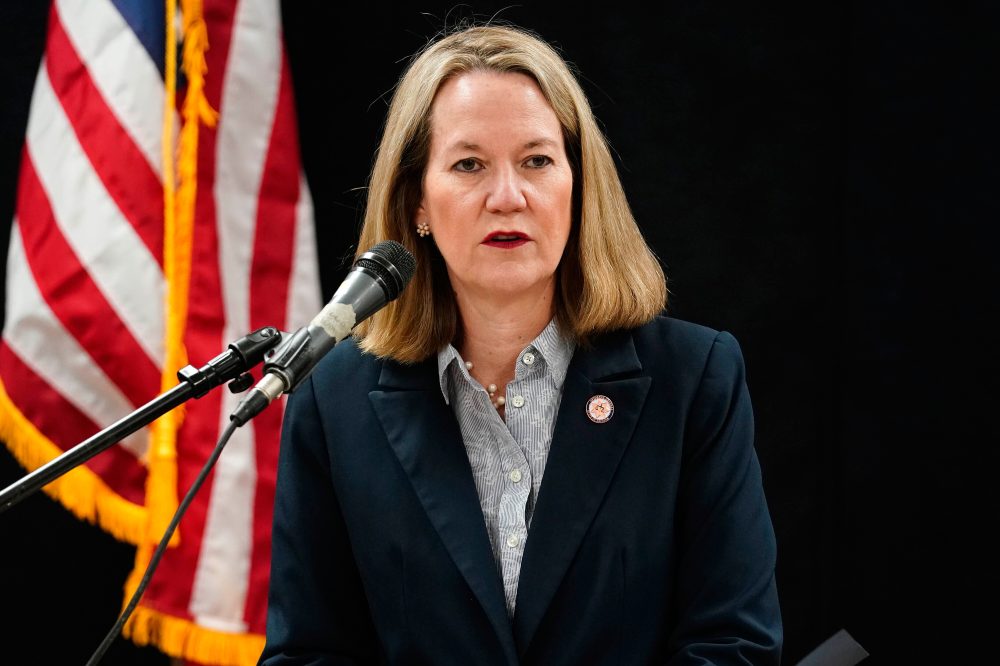
Democratic Attorney General Kris Mayes stated, “Arizona will not be bullied into letting any company place itself above state law.”
This criminal prosecution opens a new chapter in an intense legal dispute over whether prediction market platforms must follow the same regulations as traditional gambling enterprises.
The Trump administration has backed the multi-billion dollar prediction market sector, intensifying the clash between state and federal authorities over regulatory jurisdiction. The final outcome could dramatically reshape how sports wagering—comprising approximately 90% of Kalshi’s transaction volume—gets regulated nationwide.
Kalshi maintains it operates as a financial exchange rather than a gambling platform and should only answer to federal oversight through the Commodity Futures Trading Commission. The CFTC under Trump supports having sole regulatory authority.
Donald Trump Jr. serves as a strategic advisor to Kalshi, while the former president’s Truth Social platform is developing its own cryptocurrency-powered prediction market called Truth Predict.
Kalshi spokesperson Elisabeth Diana called the Arizona charges “meritless” and claimed the state was attempting to bypass federal courts.
The company has filed lawsuits against Arizona, Utah, and Iowa to prevent expected state enforcement actions against its platform.
However, U.S. District Judge Michael Liburdi in Arizona, appointed by Trump, rejected Kalshi’s request for a temporary restraining order Tuesday and directed the company to justify why the case belongs in federal court given the new state criminal charges.
Nine additional states have pursued various legal actions against Kalshi, while Utah’s Republican governor has promised to sign legislation that could damage the company’s operations in that state.
Results have been inconsistent so far. Courts in Nevada and Massachusetts have issued preliminary decisions favoring states seeking to prohibit Kalshi and rival Polymarket from offering sports betting, while courts in New Jersey and Tennessee have sided with Kalshi.
CFTC Chairman Michael Selig called the legal dispute between Arizona and Kalshi a jurisdictional matter and deemed it “entirely inappropriate as a criminal prosecution.”
Arizona contends Kalshi operates a gambling business disguised as a marketplace, while the company argues its service differs because customers participate in “swaps” with each other rather than betting against the house.
The platform functions by enabling users to purchase and sell “Yes” or “No” contracts based on potential event outcomes. Smartphone users can wager on various scenarios, from Miami snowfall to specific words Trump might use in speeches. Contract prices typically range from one cent to 99 cents, roughly reflecting the percentage of users who expect that outcome.
Arizona filed these charges just before the NCAA men’s and women’s basketball tournaments begin, representing one of the year’s busiest periods for prediction markets and sportsbooks.
On Monday, Kalshi unveiled a $1 billion perfect bracket contest without referencing the NCAA or March Madness, both NCAA-protected trademarks. The NCAA has voiced concerns about sports betting contracts on prediction platforms and their potential impact on collegiate competitions.