
An Australian investment firm has abandoned its pursuit of a multibillion-dollar oil infrastructure deal in Kuwait, becoming among the first major investors to retreat from Gulf region opportunities due to the escalating Iran conflict.
Macquarie informed Kuwait Petroleum Corporation on Friday that it would no longer participate in the bidding process for the country’s oil pipeline network, valued at up to $7 billion, according to two individuals with knowledge of the situation. The company cited the ongoing war and unpredictable regional conditions as reasons for its departure.
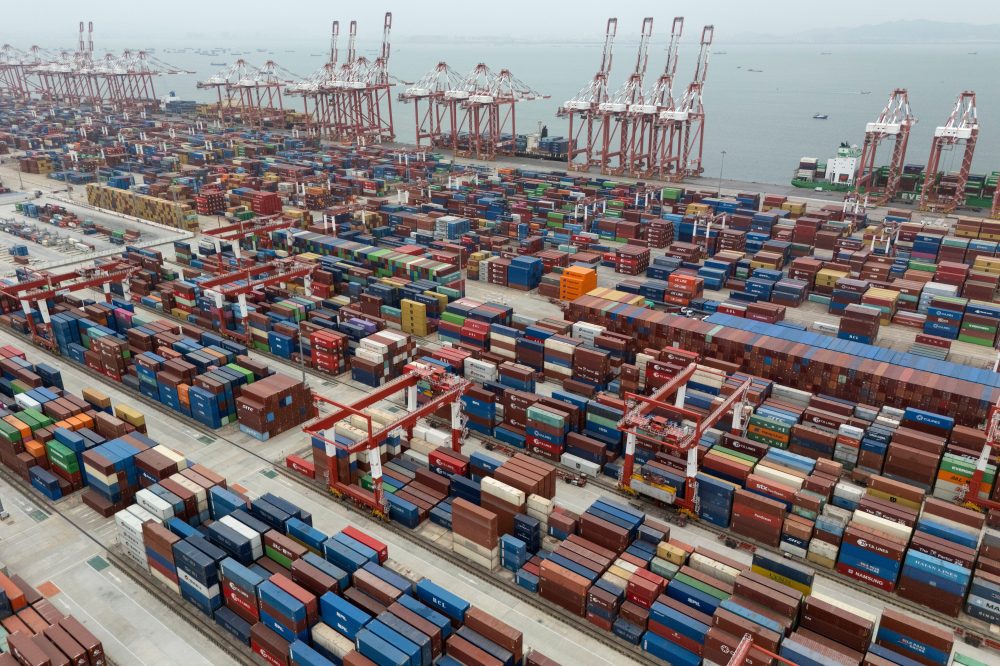
The decision signals growing investor wariness toward Gulf investments as the conflict has effectively blocked the Strait of Hormuz, leaving millions of barrels of oil unable to reach markets. Kuwait depends entirely on this narrow passage between Iran and Oman for its crude exports, with the waterway typically handling one-fifth of worldwide oil supplies.
Despite these challenges, Kuwait Petroleum Corporation and its financial advisors are attempting to move forward with the transaction. The sale was launched just hours before Iranian missiles initially targeted Gulf cities last month, a third source revealed. Even though KPC has declared force majeure and reduced production, its banking partners continue pursuing the deal.
Investment banks have distributed offering materials to prospective buyers and are requesting preliminary bids by April 7, sources confirmed. Previous reports indicated interest from major firms including BlackRock and KKR, though their current participation status remains unclear given concerns about future oil volumes and the pipeline system’s location near Iranian military installations.
When contacted for comment, KPC and BlackRock did not respond immediately, while Macquarie and KKR declined to provide statements.
Other regional transactions are proceeding with increased caution. Saudi Arabia’s King Abdullah Financial District is marketing its district cooling operations for over $500 million, with initial offers submitted during the first week of March, two additional sources disclosed. Meanwhile, Saudi infrastructure company SISCO Holding continues advancing a water asset sale valued at approximately 1 billion riyals ($266 million).
Industry professionals acknowledge the challenging environment for deal completion. One source noted that establishing rigid timelines appears unrealistic when investors must make decisions while facing military strikes and economic instability.
Some investment firms are examining material adverse change provisions in their agreements, which provide exit options, while securing financing may become more difficult if lenders increase interest rates for regional corporate exposure.
“We are seeing a degree of caution, particularly around transactions that were already underway, with some clients taking a little more time to progress to completion,” said Anshul Gupta, KPMG’s partner and head of deal advisory for the Middle East, noting that client discussions remain ongoing.
“We also expect capital to remain available, although pricing is likely to reflect broader market conditions in the near term.”
Imad Ghandour, co-founder and managing director of private equity firm CedarBridge Capital Partners, indicated his company was moving ahead with several transactions despite current circumstances.
“We strongly believe that GCC macro trends will persist,” he stated, referencing the six-nation Gulf Cooperation Council.