
WASHINGTON — Federal Reserve officials face a challenging decision as they wrap up their two-day policy meeting Wednesday: whether to abandon plans for interest rate reductions this year as the ongoing Iran conflict drives energy costs higher and creates economic uncertainty.
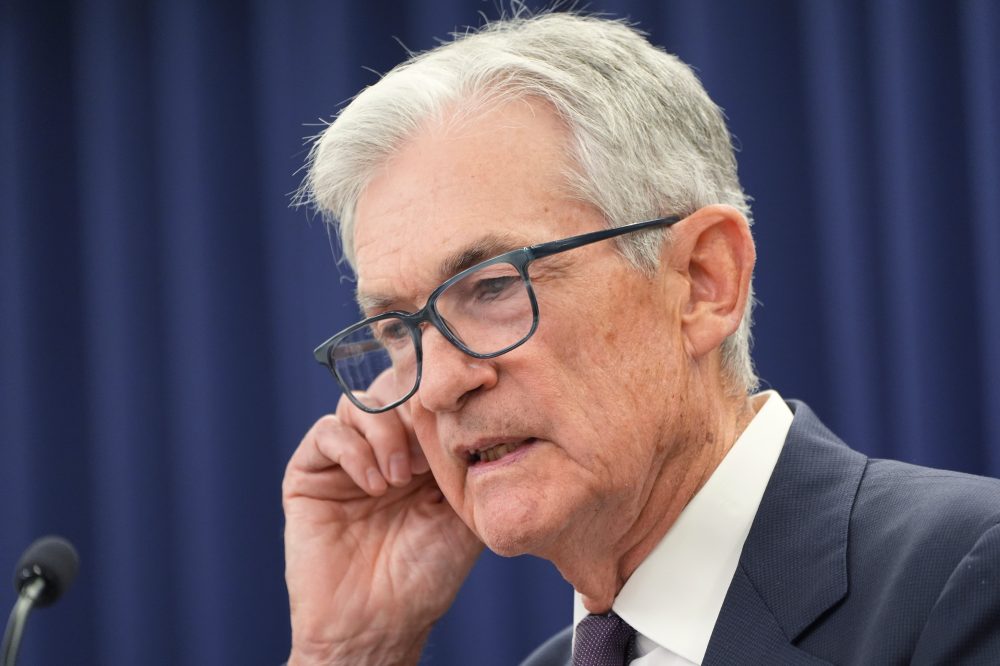
Fed Chairman Jerome Powell is expected to announce Wednesday that the central bank will maintain its benchmark interest rate at approximately 3.6% for the second consecutive meeting. However, the Fed’s quarterly economic projections could show a shift from their previous forecast of one rate reduction this year to no cuts at all. Though it may appear like a small adjustment, this would represent a significant policy reversal following a year and a half of intermittent rate decreases.
The timing presents particular challenges for Fed policymakers making economic predictions. The Iran conflict, which began under the Trump administration on February 28, has already caused gasoline prices to surge and is expected to drive inflation higher over the coming months. This forces the Fed to revise upward their inflation projections from December, when officials predicted inflation would drop to 2.6% by year’s end.
Economic analysts anticipate the Fed will project inflation remaining as elevated as 3% through late 2026. Such a substantial increase would be difficult to reconcile with additional interest rate reductions.
Meanwhile, the spike in fuel costs — if sustained at current levels — could dampen economic growth as consumers spend more money filling their tanks, reducing funds available for other purchases. This scenario could lead to increased unemployment rates later in the year.
According to AAA data released Tuesday, national gas prices averaged $3.79 per gallon, representing an 88-cent increase from the previous month.
These dual pressures — elevated inflation and rising joblessness — typically pull Fed policy in conflicting directions. The central bank maintains or raises its key rate to combat inflation, while reducing rates to stimulate spending and employment. The combination of increasing prices and higher unemployment represents the most challenging scenario for monetary policymakers.
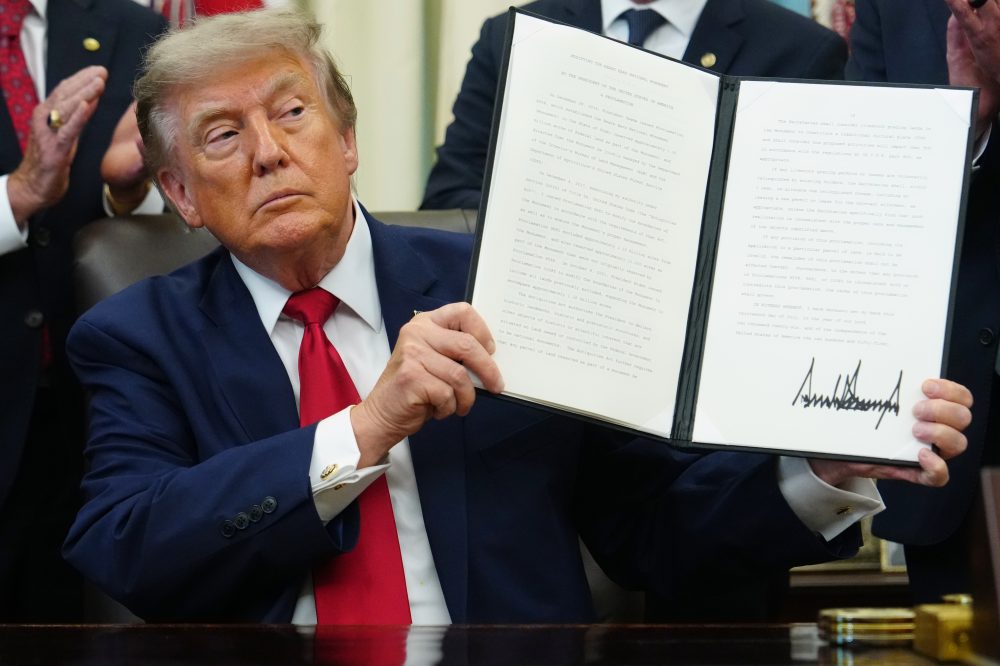
This week’s meeting marks one of Powell’s final sessions as chairman. His tenure concludes May 15, with President Trump having nominated former Fed official Kevin Warsh as his successor. However, Warsh’s confirmation faces Senate delays due to Republican senators’ concerns about a Justice Department probe of Powell regarding his congressional testimony about a building renovation project.
A federal judge dismissed two Justice Department subpoenas to the Fed last Friday, hampering the investigation. U.S. Attorney Jeannine Pirro announced plans to appeal the decision.
Wednesday’s meeting represents Powell’s penultimate session as chair, unless Warsh fails to receive confirmation by May 15, which would allow Powell to continue leading the Fed’s rate-setting committee until a replacement takes office.
Even before the Iran conflict began, both inflation and employment data had shown troubling trends, creating difficulties for Fed officials. Price increases accelerated in January compared to recent months, based on the Fed’s preferred inflation measure, with core inflation reaching 3.1% year-over-year. This level remains virtually unchanged from two years ago, indicating persistent price pressures.
Employment growth has also faltered. Employers eliminated 92,000 positions in February, according to recent government data, representing an unexpectedly poor performance following January’s encouraging increase of 130,000 jobs. The unemployment rate rose to 4.4% from 4.3%, though it remains at historically low levels.