
Japan’s economy showed resilience in February, achieving a trade surplus of 57.3 billion yen ($360 million) after experiencing a deficit the month before, according to government figures released Wednesday.
The nation’s exports exceeded expectations with 4.2% growth in February, reaching 9.57 trillion yen, based on seasonally adjusted preliminary data from the Finance Ministry.
Meanwhile, imports climbed 10.2% year-over-year to 9.51 trillion yen, a sharp contrast to the 2.5% decline recorded in January.
January had seen Japan facing a massive 1.15 trillion yen trade deficit.
Rising import expenses are anticipated as conflicts affecting the Strait of Hormuz push up petroleum and energy costs due to ongoing warfare with Iran.
Since Japan relies on imports for nearly all its oil needs, the recent surge in Brent crude prices to approximately $100 per barrel in recent weeks poses challenges.
While geopolitical tensions, particularly the Iranian conflict, present significant concerns for Japan’s export-dependent economy, a weakened yen may provide some benefits. The dollar currently trades around 159 yen, up from less than 150 yen twelve months ago.
Trade with China saw a 10.9% year-over-year decrease, though this decline may reflect the timing of February’s Lunar New Year celebrations affecting normal business activity.
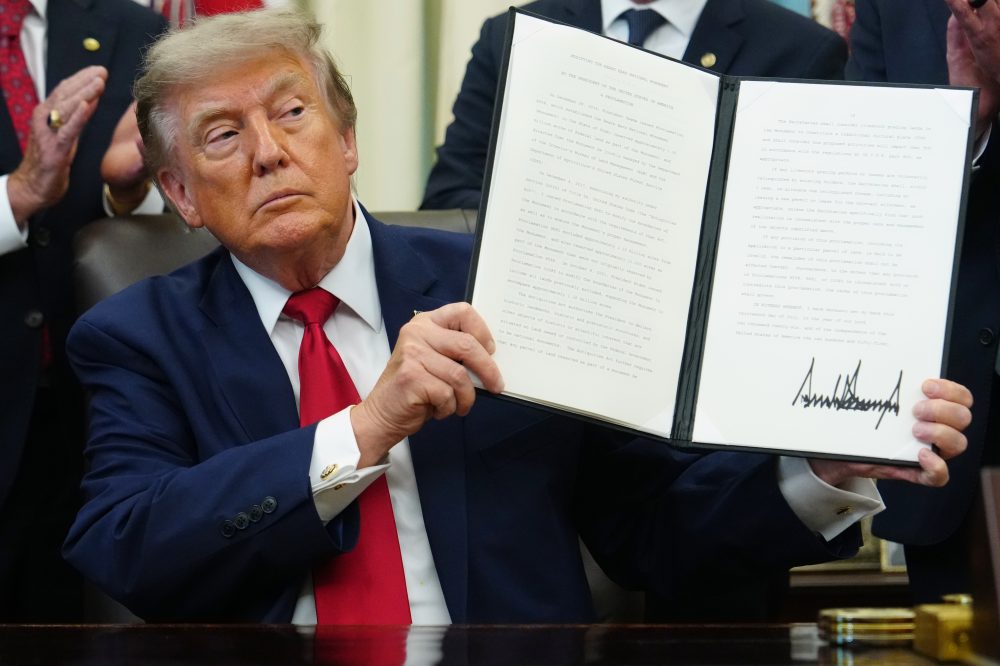
U.S.-bound shipments fell 8% as automotive exports weakened under the impact of President Donald Trump’s 15% tariffs on Japanese vehicles, continuing to burden the country’s auto industry and parts suppliers.
European markets provided strength with 17% export growth in February compared to the previous year, while other Asian destinations showed modest 2.8% increases.
Market observers are monitoring potential Bank of Japan interest rate decisions as the central bank wraps up its two-day policy meeting Thursday.
“Central banks are waiting to see if these elevated oil prices are a temporary blip or a running theme for 2026, in which case we may see more global peers pivot from a dovish to a hawkish stance,” said Tim Waterer, chief market analyst at KCM Trade.
Financial markets are also focused on potential agreements emerging from this week’s summit between Trump and Sanae Takaichi, Japan’s first female prime minister.