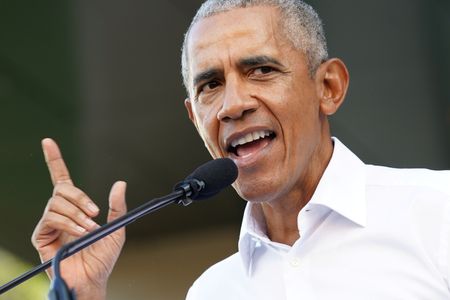
Former President Barack Obama made his inaugural visit with New York City Mayor Zohran Mamdani this past Saturday at a childcare facility, where the two political figures shared storytime with preschool children and participated in musical activities.
The visit took place just over a week following Mamdani’s completion of his first 100 days as mayor. The democratic socialist leader has been working to establish relationships across party lines, including efforts to collaborate with Republican President Donald Trump.
Following their reading of “Alone and Together” to the young audience and leading the children in singing “The Wheels on the Bus,” neither Obama nor Mamdani answered reporters’ questions.
The former two-term president and Democratic Party leader has extended his availability as an advisor to the 34-year-old Mamdani, whose youthful energy, celebrity appeal, and progressive platform have distinguished him within Democratic circles.
Mamdani assumed his mayoral role in January following a campaign focused on addressing New York City’s affordability crisis, with plans to redirect government resources toward supporting the city’s financially struggling working families.
This encounter with Obama follows Mamdani’s previous White House visits with Trump in November and February, where they discussed matters impacting New York City residents.
However, tensions have emerged in the Trump-Mamdani relationship recently, with Trump posting on Truth Social Thursday that Mamdani was “DESTROYING New York” through his tax policies and warning of potential federal funding cuts for the city.
SALISBURY, Md. – Salisbury University’s nationally-ranked baseball squad delivered a dominant performance Saturday, crushing the Mary Washington Eagles 11-1 in a seven-inning contest that highlighted their Senior Day festivities.
The Sea Gulls, currently ranked 13th in the nation, put together what could be considered their most impressive all-around performance of the year at Donnie Williams Sea Gull Baseball Stadium. The decisive victory also provided a crucial conference win in Coast-to-Coast Athletic Conference (C2C) play.
The lopsided score reflected Salisbury’s complete control of the game from start to finish, as they honored their senior players with a memorable afternoon performance on their home field.
Delaware’s coastal communities are under a flood advisory issued by the National Weather Service’s Mount Holly, New Jersey office on Thursday afternoon.
The coastal flooding alert went into effect at 4:00 PM on April 18th and will remain active until 2:00 AM on April 19th.
Residents and visitors along Delaware’s coastline should prepare for potential flooding in low-lying areas during this timeframe. The advisory serves as a precautionary measure for areas prone to tidal flooding.
Weather officials recommend avoiding flooded roadways and staying informed about changing conditions throughout the advisory period.
Weather officials have issued a coastal flood advisory for Delaware’s coastal regions, warning residents of potential flooding conditions along the shore.
The National Weather Service office in Mount Holly, New Jersey announced the advisory Thursday afternoon at 4:00 PM, with the alert remaining active until 2:00 AM Friday morning.
Coastal communities should prepare for possible minor to moderate flooding during high tide cycles while the advisory remains in effect.
Residents in affected areas are advised to monitor local conditions and avoid driving through flooded roadways during the advisory period.
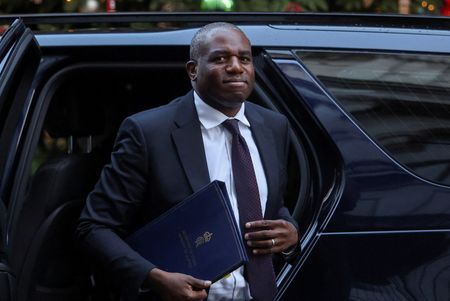
LONDON – Britain’s Deputy Prime Minister David Lammy expressed his backing for Prime Minister Keir Starmer on Saturday as controversy continues surrounding the selection of Peter Mandelson for the U.S. ambassador position.
The longtime Labour Party figure Mandelson received the ambassadorial appointment from Starmer but was later dismissed due to his connections with deceased sex offender Jeffrey Epstein, creating a political crisis that has called the British leader’s decision-making into question.
On Friday, Starmer encountered fresh calls for his resignation after government officials revealed that security clearance procedures had advised against Mandelson’s appointment, though Foreign Office personnel overturned this guidance without notifying the prime minister.
Lammy, who oversaw the Foreign Office during this period and currently serves as deputy prime minister and justice secretary, expressed to the Guardian newspaper his bewilderment that Starmer remained uninformed about the original security assessment.
“I have absolutely no doubt at all, knowing the PM as I do, that had he known that Peter Mandelson had not passed the vetting, he would never, ever have appointed him ambassador,” Lammy told the newspaper.
These remarks precede a parliamentary address scheduled for Monday afternoon where Starmer has pledged to reveal complete details about the situation.
Although political adversaries have dismissed his account as unbelievable and demanded his resignation, prominent figures within his Labour Party – including potential successors – have refrained from publicly condemning him.
When the Guardian initially disclosed Mandelson’s security clearance failure on Thursday, his legal representative declined to offer any statement.
The Philadelphia Phillies have sidelined closer Jhoan Duran for at least 15 days after he suffered a left oblique strain, the team announced Saturday.
The Phillies made several roster adjustments following Duran’s injury, bringing up right-handed pitcher Seth Johnson and utility player Felix Reyes from their Triple-A affiliate in Lehigh Valley. Meanwhile, the organization sent utility man Otto Kemp back to the minors and cut ties with minor league outfielder Pedro Leon.
Duran’s placement on the injured list dates back to Wednesday. The 28-year-old reliever has posted impressive numbers this season for Philadelphia, recording a 1-1 record with a 1.35 ERA while notching five saves across seven outings. Throughout his five-year major league career split between Minnesota and Philadelphia, he has compiled a 2.41 ERA with 95 saves over 253 games.
Johnson, age 27, appeared in one game for the Phillies earlier this year and carries a 9.72 ERA across 12 total appearances (including one start) during his three seasons with Philadelphia.
Reyes, 25, will get his first taste of major league action after spending six seasons in Philadelphia’s farm system, where he hit .272 with 48 homers and 247 RBIs across 374 games. Kemp, who was sent down, managed just two hits in 20 at-bats over 10 games with the big league club this year.
The released Leon had been hitting .283 through 12 games at Lehigh Valley this season. The 27-year-old has brief major league experience, appearing in seven games with Houston in 2024.
MADRID – Three major nations announced Saturday their commitment to coordinate increased humanitarian assistance for Cuba, describing the situation there as a crisis stemming from U.S. economic sanctions against the island.
Brazil, Spain, and Mexico issued a collaborative declaration during a Barcelona summit, emphasizing their support for open communication that follows United Nations principles. The nations stressed that Cuban citizens should have the autonomy to shape their own destiny.
The announcement emerged from discussions held when Spanish Prime Minister Pedro Sanchez welcomed Brazilian President Luiz Inacio Lula da Silva and Mexican leader Claudia Scheinbaum to Barcelona. The gathering was part of a broader international conference focused on countering far-right political movements.
The University of Delaware baseball squad encountered another setback in their Conference USA series against Middle Tennessee State University, falling in the second contest of their weekend matchup on Friday, April 18th.
The loss marks the Blue Hens’ second straight defeat in the series, putting them in a challenging position as they prepare for the final game of their road trip to Murfreesboro, Tennessee.
Delaware will look to salvage the series finale and avoid a sweep when they take the field for their concluding matchup against the Blue Raiders.
The University of Delaware women’s tennis team’s impressive season came to an end Saturday afternoon in Murfreesboro, Tennessee, where they suffered a 4-0 defeat to Liberty University in the Conference USA Championship final.
The Blue Hens, who entered the tournament as the fourth seed, were unable to overcome the sixth-seeded Flames in the championship showdown. Delaware concluded their campaign with an outstanding 21-5 overall record, while Liberty improved to 16-9 with the victory.
The 21 victories achieved by the Fightin’ Blue Hens this season matches the program’s historic high for wins in a single year, marking a significant milestone despite the championship game setback.
Liberty’s triumph in the conference tournament final sends the Flames forward in postseason play, while Delaware’s exceptional season comes to a close with the program having reached new heights in terms of overall success.
Residents in New Castle County, Delaware, and Salem County, New Jersey, should prepare for minor coastal flooding tonight as the National Weather Service has issued a Coastal Flood Advisory effective from 11 PM tonight through 3 AM Sunday morning.
Up to one foot of water is expected to inundate low-lying areas near shorelines and tidal waterways. The flooding will primarily impact the most vulnerable roads along tidal areas, with some partial or full road closures possible.
Officials are urging drivers to avoid parking vehicles in flood-prone locations and never attempt to drive through flood waters. “The water may be deeper than you think it is,” warns the Weather Service, noting that motorists could face danger and costly vehicle damage.
This minor tidal flooding event is expected to affect typical trouble spots where high tides regularly cause problems. Local authorities will monitor conditions throughout the night and may implement road closures as needed.
The advisory expires at 3 AM Sunday morning. Residents can check current water levels and flood information at the National Water Prediction Service website. Stay tuned to TV Delmarva for updates on road conditions and weather developments.
Residents in Kent County, Delaware should prepare for minor coastal flooding tonight as the National Weather Service has issued a Coastal Flood Advisory effective from 8 PM this evening through 2 AM Sunday morning.
Up to one foot of water is expected to rise above ground level in low-lying areas near shorelines and tidal waterways. The flooding will primarily impact the most vulnerable coastal and bayside roads, with some partial or full road closures possible throughout the overnight hours.
Officials are urging drivers to avoid parking vehicles in flood-prone areas and never attempt to drive through standing water. “The water may be deeper than you think,” warns the National Weather Service, noting that driving through flood waters puts both people and vehicles at risk of costly damage.
This minor tidal flooding event is considered routine for the area, but residents should still exercise caution, especially during late-night and early morning travel. The most susceptible roadways include those along inland tidal waterways and immediate coastal areas.
The advisory expires at 2 AM Sunday morning. For real-time water level information and flood impacts for local tide gauges, residents can visit the National Water Prediction Service online. Stay with TV Delmarva for continuing weather updates throughout the evening.
Residents and visitors along the Delaware beaches and Cape May County should prepare for minor coastal flooding tonight as the National Weather Service issued a Coastal Flood Advisory effective from 8 PM tonight through 2 AM Sunday morning.
Up to one foot of water inundation is expected in low-lying areas near shorelines and tidal waterways across Inland Sussex County, Delaware beaches, and Cape May County, including Atlantic coastal areas.
The flooding will primarily impact the most vulnerable roadways in coastal and bayside communities, with some partial or full road closures possible. Officials warn that while this is considered minor flooding, it can still create dangerous driving conditions.
Safety officials strongly advise against driving through flood waters, as the depth can be deceiving and may cause costly vehicle damage or put drivers at risk. Residents should also avoid parking in areas prone to tidal flooding.
The most susceptible areas include low-lying coastal roads and communities along inland tidal waterways. Motorists should plan alternate routes and allow extra travel time during the advisory period.
For the latest water level information and flood impacts for local tide gauges, residents can visit the National Water Prediction Service online. The advisory expires at 2 AM Sunday morning.
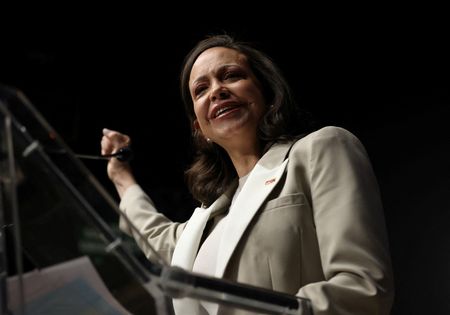
Thousands of supporters gathered in Madrid on Saturday to hear from Venezuelan opposition leader María Corina Machado, who turned down an opportunity to meet with Spanish Prime Minister Pedro Sánchez during her multi-nation European visit.
The Nobel Peace Prize recipient spoke to crowds while Sánchez was conducting a separate gathering of progressive world leaders. Machado used the occasion to praise President Trump’s decision to remove Nicolás Maduro from power in January.
Machado had previously given her Nobel Peace Prize to Trump earlier this year as recognition for his Venezuela policies.
“What happened in the last few hours at the meeting (Sánchez) held in Barcelona with several leaders and political figures from different countries demonstrates why such a meeting was not advisable,” Machado told reporters Saturday.
During an earlier appearance, the opposition leader confirmed her intention to return to Venezuela but would not specify timing or methods, recognizing the difficulties such a return would present.
Her European journey has included meetings with top officials in France, Italy and the Netherlands. This tour occurs as Venezuela’s interim President Delcy Rodríguez continues serving beyond the original 90-day timeframe, while the United States has reduced certain sanctions against her administration.
Machado condemned Rodríguez’s leadership, characterizing it as representing “chaos, violence and terror,” and emphasized her commitment to establishing democratic elections in Venezuela. She expressed no regret about awarding her Nobel Prize to Trump, despite his administration’s reduced focus on her democracy movement.
The Venezuelan leader stated she maintains regular communication with Trump administration officials and supports Washington’s gradual approach to Venezuela following Maduro’s departure.
“There is one leader in the world, one head of state, who has risked the lives of his country’s citizens for the freedom of Venezuela. And that is Donald Trump,” Machado said, referring to the U.S. military operation in January.
The demonstration took place at Madrid’s Puerta del Sol, where Machado appeared alongside Isabel Díaz Ayuso, the conservative regional leader of Madrid who has been a vocal opponent of Sánchez and welcomed Machado earlier that day.
Spain hosts approximately 600,000 Venezuelans, representing the largest Venezuelan population outside the Western Hemisphere. Many relocated due to political oppression and violence, as well as economic collapse in their homeland. Most reside in Madrid.
Among those attending Saturday’s gathering was Grehlsy Peñuela, a 27-year-old Venezuelan living in Spain, who continues to support Machado and hopes for her eventual return to Caracas.
Peñuela carried photographs of two cousins she says remain imprisoned in Caracas as political detainees, and indicated she would only consider returning to Venezuela under specific circumstances.
“That the current government completely steps down,” she said.
Delaware travelers planning spring and summer getaways face mounting concerns about flight costs and availability as the ongoing Middle East conflict disrupts global oil supplies and sends jet fuel prices skyrocketing.
The International Energy Agency’s director has cautioned that European nations may face jet fuel shortages in the coming weeks, potentially forcing airlines serving Europe to drastically cut flight schedules. Jet fuel costs have more than doubled since late February, jumping from approximately $99 per barrel to peaks of $209 per barrel in early April, prompting many carriers to implement fuel surcharges and increase baggage fees.
The travel industry continues feeling the conflict’s effects, with Air Canada announcing Friday its decision to halt service to New York’s John F. Kennedy International Airport from June 1 through October 25 to reduce fuel expenses. Major carriers including United, Delta, Air France-KLM, SAS, Philippine Airlines, and Cathay Pacific have trimmed route schedules and either raised ticket prices or announced plans to do so if the war continues blocking oil shipments through the Strait of Hormuz.
“It’s very hard for the airlines to make predictions in this environment, so they’re going to be conservative, and that’s why it’s likely that their prices will remain elevated for some time until things really stabilize,” said Shye Gilad, a former airline captain who now teaches at Georgetown University’s business school.
Despite rising costs, Delaware travelers can still make strategic decisions to minimize the impact on their vacation budgets.
Travel industry professionals warn against delaying ticket purchases while waiting for the conflict to resolve, particularly as summer travel season approaches. The uncertainty makes the traditional wait-and-see booking strategy particularly risky this year.
“Presuming there is a lasting ceasefire — or better yet, peace agreement — it will take a few months for normal levels of jet fuel production and delivery to resume,” airline industry analyst Henry Harteveldt, president of Atmosphere Research Group, said.
Iran’s weekend decision to reverse its plan to reopen the Strait of Hormuz, combined with President Donald Trump’s commitment to maintaining the U.S. blockade of Iranian ports, demonstrates the volatile nature of oil supply prospects from the Persian Gulf region.
“My advice to travelers is this: If you find a flight whose schedule fits yours, with a fare you can afford, and on an airline you can at least tolerate, book it,” Harteveldt said. “But — and I cannot emphasize this enough —do not book a Basic Economy fare,” the cheapest but also the most restrictive airline ticket class.
Basic Economy tickets from most North American airlines offer no refunds or travel credits for cancellations made more than 24 hours after purchase, in addition to charging extra for checked luggage and seat selection. Standard Economy tickets provide greater flexibility despite the higher upfront cost, according to Harteveldt.
Purchasing refundable tickets may prove worthwhile since “if the prices start to dramatically change, you can cancel and rebook for the better price,” Gilad said.
Travel professionals suggest following established booking timelines as a starting point: international flights typically offer the best prices when booked two to five months ahead, while domestic trips are usually cheapest when reserved three to six weeks in advance.
Last-minute reservations and other traditionally expensive booking scenarios will likely become even more costly, Gilad noted.
“Remember, especially if you’re traveling on the major airlines, they’re going to have more ability to adjust fares. If you book too close to your travel date, you’re going to pay more,” he said. “The farther out you can book, the better.”
Travelers with flexible schedules can find significant savings by adjusting their plans. Moving departure or return dates by just a day or two, particularly avoiding peak weekends and holidays in favor of midweek travel, often results in substantial price differences.
Considering alternative destinations can also reduce costs. Flights from the U.S. to one European city may cost significantly less than to another, and Europe’s extensive budget airline and rail networks make it easy to reach multiple destinations from a single arrival point.
Flexible travelers can utilize tools like Skyscanner’s “Explore Everywhere” feature to identify less expensive destination options.
Expanding departure airport options beyond the nearest facility can yield meaningful savings. Major airport hubs typically provide more flight options and lower fares compared to smaller regional airports.
Sometimes booking a separate short flight or train connection to a major hub can unlock cheaper long-distance fares, such as traveling from Milwaukee instead of Chicago’s O’Hare International Airport.
Limiting luggage to carry-on items helps avoid the increased checked bag fees recently implemented by major U.S. carriers, including Delta, American, United, Southwest, and JetBlue.
When checking bags becomes necessary, planning ahead saves money since airlines typically charge higher fees for bags added closer to departure, especially within 24 hours of flight time.
While ticket prices climb, the number of airline points required for many flights hasn’t increased at the same rate, according to Adam Morvitz, CEO of points.me, a loyalty rewards redemption search platform.
Airlines still need to fill seats, Morvitz explained, and offering more award seats for fewer points helps accomplish this goal.
Travelers without sufficient points for complete round-trip tickets can still use rewards for one flight segment and preserve cash for other travel expenses.
Many people redeem points directly through credit card booking portals, where they typically hold about 1 cent value each, Morvitz noted. Transferring points to airline loyalty programs often provides significantly better value since most major credit card companies partner with multiple airlines.
For example, American Express points can transfer to Air France’s Flying Blue program, allowing travelers to use those points with partner carriers like Delta, even if they prefer not to fly Air France directly, Morvitz said.
“Points are a form of wealth, and consumers should recognize that those points increase spending power,” he said.
Those new to travel credit cards may find sign-up bonuses valuable enough to cover summer flights after meeting minimum spending requirements.
“Even if you were to travel the entire year, taking one trip per month, you would still earn more points simply by signing up for the card than actually sitting on a seat and flying,” Morvitz said.
Points accumulate through everyday purchases like groceries, dining, and gas, while some cards include benefits such as free or discounted checked bags.
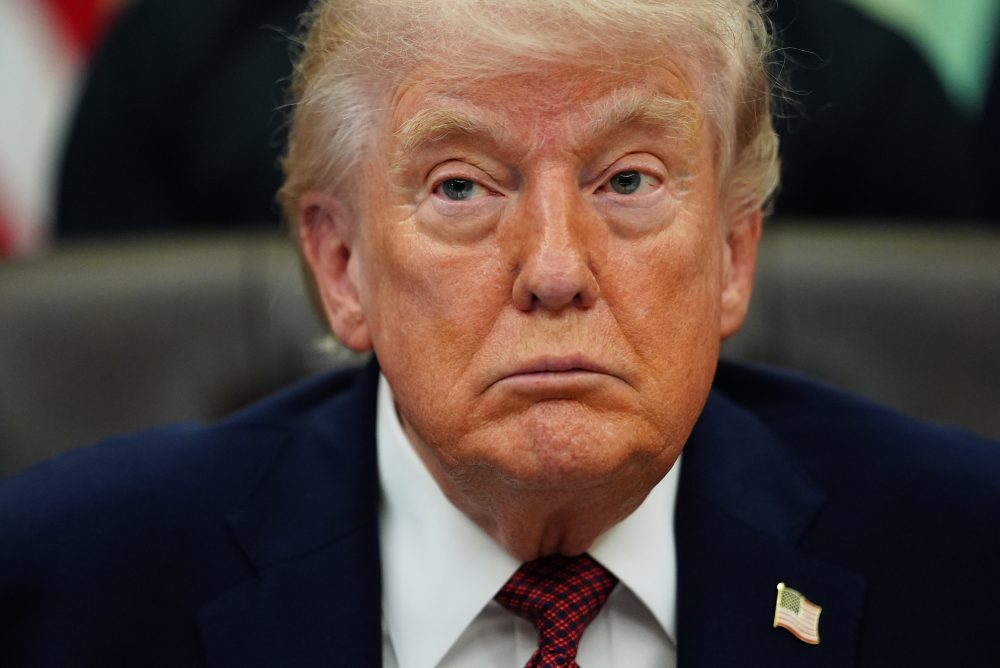
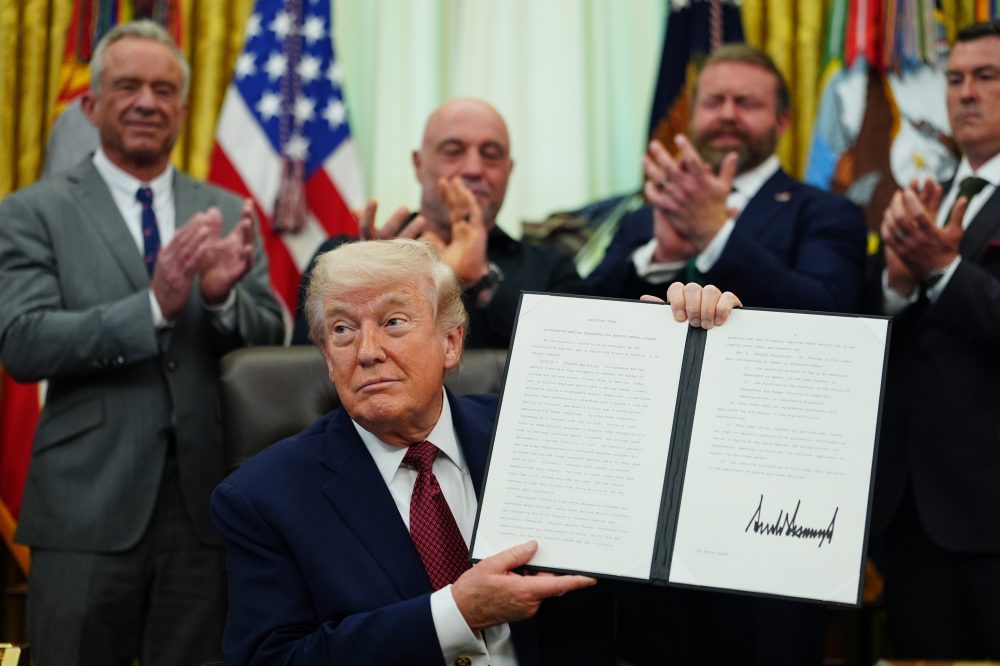
President Donald Trump has issued an executive order directing federal agencies to accelerate their evaluation of psychedelic drugs as potential treatments for mental health disorders.
The directive, signed in the Oval Office on Saturday, specifically focuses on expediting reviews of psilocybin and ibogaine for therapeutic purposes. These substances have shown promise in treating various mental health conditions in recent research studies.
During the signing ceremony, Trump made a lighthearted comment about the substances, asking “Can I have some, please?” while endorsing the potential benefits of both psilocybin and ibogaine.
The executive order represents a significant shift in federal policy toward psychedelic research, potentially opening new avenues for mental health treatment options that have traditionally faced regulatory barriers.
This development could impact how quickly these alternative therapies become available to patients struggling with mental health disorders across the country.
The Chicago Cubs brought up right-handed pitcher Corbin Martin on Saturday to bolster their relief corps following Daniel Palencia’s move to the injured list on Friday.
The organization also shifted right-hander Cade Horton to the 60-day injured list to create space on their 60-man roster. Horton underwent Tommy John surgery on Thursday.
Palencia, 26, landed on the IL due to a strained left oblique muscle. The reliever had recorded one save while maintaining a spotless earned run average through his initial five appearances this season. He also contributed to Venezuela’s World Baseball Classic championship, posting three saves without surrendering a run across five tournament outings.
Martin, 30, joined the Cubs organization as a free agent in January following a season with the Baltimore Orioles where he compiled a 6.00 ERA in 17 relief outings. Throughout his major league career spanning 34 appearances (including 10 starts) with Houston (2019), Arizona (2021-22), and Baltimore, he holds a 2-5 record with a 6.54 ERA.
Horton’s procedure marks his second Tommy John surgery and is anticipated to keep him sidelined until approximately mid-2027. The 2022 first-round selection had posted a 1-0 record with a 2.45 ERA in two starts this season before the setback.
The National Hockey League has announced that its 2026 draft lottery will take place on May 5 at the NHL Network facilities in Secaucus, New Jersey.
League officials confirmed Saturday that the event will air simultaneously on ESPN, Sportsnet and TVA Sports, though broadcast times remain to be determined.
The selection process will start by determining the first overall pick, then proceed to reveal the second selection. Sixteen teams that failed to qualify for the upcoming Stanley Cup playoffs are eligible to participate in the lottery. When a team has traded away its first-round selection, the acquiring franchise receives that lottery position regardless of playoff status.
Leading the lottery odds are:
1. Vancouver Canucks, 18.5%
2. Chicago Blackhawks, 13.5%
3. New York Rangers, 11.5%
4. Calgary Flames, 9.5%
5. Toronto Maple Leafs (conditional trade to Boston Bruins), 8.5%
6. Seattle Kraken, 7.5%
7. Winnipeg Jets, 6.5%
8. Florida Panthers, 6.0%
9. San Jose Sharks, 5.0%
10. Nashville Predators, 3.5%
11. St. Louis Blues, 3.0%
12. New Jersey Devils, 2.5%
13. New York Islanders, 2.0%
14. Columbus Blue Jackets, 1.5%
15. St. Louis Blues (from Detroit Red Wings), 0.5%
16. Washington Capitals, 0.5%
League regulations limit teams from advancing more than 10 positions in the draft order, meaning only the top 11 teams listed can claim the number one selection.
Last year’s lottery winner was the New York Islanders, who jumped from the 10th position despite holding only a 3.5% probability. The Islanders used their top pick to select defenseman Matthew Schaefer from Erie in the Ontario Hockey League.
The 2026 draft’s opening round is scheduled for June 26 at 7 p.m. Eastern Time. Rounds two through seven will continue the following Saturday morning at 10 a.m. Eastern Time.
Two prospects generating buzz for the top overall selection are Penn State left wing Gavin McKenna and left wing Ivar Stenberg from Frolunda in the Swedish Hockey League.
According to a March 7, 2025 trade agreement between Toronto and Boston, the Maple Leafs retain their pick if it lands in the top five positions. Should that occur, Toronto would then transfer either their 2027 or 2028 first-round selection to the Bruins.
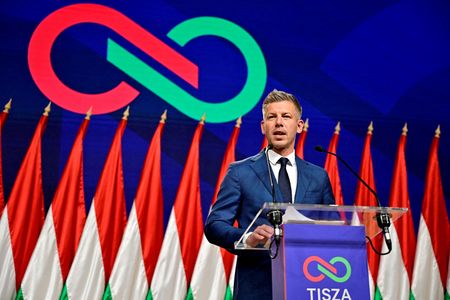
BUDAPEST – Final election results show Peter Magyar’s Tisza party has secured 141 parliamentary seats out of 199 total, strengthening what was already a commanding victory over longtime Hungarian leader Viktor Orban, election officials announced Saturday.
The centre-right Tisza party, whose name stands for Respect and Freedom, delivered a crushing defeat to Orban’s administration in Sunday’s voting, bringing an end to 16 years of conservative governance that had influenced similar political movements throughout Western nations.
Following the unexpected scale of Magyar’s triumph during record voter participation, Orban promptly acknowledged defeat. The outcome provides Magyar with the legislative power needed to reverse Orban’s controversial judicial and governmental changes.
“An unprecedented majority, an unprecedented mandate, and at the same time, responsibility,” Magyar said in a statement on the final result.
The dramatic political transformation becomes clear when comparing results to the previous election cycle. Orban’s Fidesz party, which captured 87 out of 106 individual district races in 2022, managed to win only 10 such contests this time and will hold just 52 legislative positions.
Magyar’s electoral success has sparked optimism in Hungarian financial markets, with investors hopeful for improved relationships with European Union leadership after years of tension during Orban’s tenure. The victory could also unlock billions in suspended EU funding that was withheld due to concerns about democratic institutions.
“While a successful unlocking of EU funds would support investment and lower sovereign risk premia, the impact on growth will materialise primarily over the medium term,” Capital Economics analyst Liam Peach said in a note.
“In the near term, the outlook remains shaped by external factors – notably the Iran conflict – and domestic fiscal policy.”
Initial vote tallies had shown Tisza winning 138 seats, already surpassing the two-thirds threshold Magyar required to reverse Orban’s constitutional modifications and address corruption concerns. The final tally increased to 141 after all ballots, including overseas and transferred votes, were processed.
Magyar has committed to implementing comprehensive anti-corruption measures following his scheduled inauguration on May 9 or 10, as part of broader efforts to restore EU funding and revitalize Hungary’s economy, which has experienced minimal growth over the past three years.
While Orban has consistently rejected corruption allegations and argued that Hungary faces no greater corruption issues than other European nations, he acknowledged in a Thursday online interview that extensive media coverage of wealth accumulation among Fidesz-connected business figures may have influenced his electoral loss. He declined to address whether those reports were accurate.
A traffic collision has forced the complete closure of southbound US Route 202 at Naamans Road, creating significant delays for evening commuters.
Delaware Department of Transportation officials report the roadway remains impassable in the southbound direction as emergency responders work at the crash site.
Drivers traveling through the area are advised to find alternative routes and allow extra time for their commute. No timeline has been provided for when the roadway will reopen to traffic.
This is a developing situation and motorists should check current traffic conditions before heading out.
Delaware transportation officials have temporarily shut down US Route 13 at Edgemoor Road following a motor vehicle accident.
The Delaware Department of Transportation reports the roadway closure is in effect as emergency responders work at the crash scene. No details about injuries or the number of vehicles involved have been released at this time.
Motorists traveling through the area are being advised to find alternative routes until the roadway can be safely reopened. DelDOT has not provided an estimated time for when normal traffic flow will resume.
Northbound traffic on US Route 202 has come to a complete halt following a vehicle collision at Rocky Run Parkway, according to Delaware Department of Transportation officials.
The roadway closure is currently in effect as emergency responders work at the crash scene. DelDOT has not yet provided details about the severity of the accident or an estimated time for reopening the lanes.
Motorists traveling northbound on Route 202 should expect significant delays and consider alternate routes while crews clear the incident.
NEW YORK — In an unusual turn of events Saturday afternoon, Kansas City Royals skipper Matt Quatraro found himself kicked out of the game against the New York Yankees before starting pitcher Noah Cameron had even delivered his first throw of the contest.
The incident unfolded when Maikel Garcia found himself stuck at second base and came close to being picked off by Yankees pitcher Will Warren. Quatraro quickly sprinted from the dugout to confront umpires Nestor Ceja and Chris Guccione about the play.
While the discussion didn’t seem particularly intense at first, Quatraro received his walking papers the moment he began walking away from the officials. Bench coach Paul Hoover stepped in to lead the team for the remainder of the contest.
This marks Quatraro’s eighth time being thrown out of a game since taking the helm as Kansas City’s skipper in 2023.
The Royals entered Saturday’s matchup struggling badly, having dropped five straight games and suffering eight defeats in their last ten outings.
LIMA, Peru (AP) — Peru’s acting President José María Balcázar has postponed a major military procurement decision involving 24 fighter aircraft worth $3.5 billion, choosing to leave this significant purchase for the incoming administration following the country’s upcoming presidential runoff.
During a Friday evening broadcast on RPP radio, Balcázar revealed his decision to delay the acquisition. His caretaker administration, which started in February, will conclude in July when Peru’s presidential runoff takes place on June 7.
The acting president stated that the future government will possess “full legitimacy to decide” on whether to move forward with acquiring the F-16 Block 70 fighter aircraft from U.S. manufacturer Lockheed Martin.
“For us to commit such a large sum of money to the incoming government would be a poor practice for a transitional government,” Balcázar said.
Peru held its presidential election this past Sunday, but no candidate secured sufficient votes for an outright victory. Election officials are still tallying ballots to determine which two candidates will compete in the runoff as vote counting continues.
Former conservative lawmaker Keiko Fujimori secured her position in June’s runoff after finishing first among 35 presidential contenders. However, the close competition for second and third positions may require several weeks to resolve.
The victorious candidate from the runoff will assume the presidency on July 28.
Last year, under President Dina Boluarte’s administration, Peru announced plans to spend $3.5 billion on 24 military aircraft, financing the purchase through domestic loans of $2 billion in 2025 and $1.5 billion in 2026. Besides Lockheed Martin, Sweden’s Saab and France’s Dassault Aviation also submitted proposals.
Peru’s legislature selected Balcázar as the nation’s eighth president in ten years this past February, replacing another interim leader who was removed the day before due to corruption charges after serving just four months.
This pattern of presidential turnover in the Andean country demonstrates an ongoing political crisis stemming from leaders’ inability to secure legislative majorities. Legislators have repeatedly used a broad interpretation of constitutional language regarding “permanent moral incapacity” to remove presidents from office.
A flotation device worn by a Titanic survivor during the infamous 1912 disaster brought in more than $900,000 at a London auction house over the weekend.
The life jacket belonged to Laura Mabel Francatelli, who was traveling as a first-class passenger when the massive ocean liner struck an iceberg and sank. The vest bears signatures from Francatelli and fellow survivors who shared the same lifeboat during their escape.
Henry Aldridge & Son auctioneers in Devizes, western England, conducted the sale where an anonymous telephone bidder purchased the item for 670,000 pounds. The final price significantly surpassed the pre-auction estimate of 250,000 to 350,000 pounds.
During the same event, a lifeboat seat cushion from the disaster fetched 390,000 pounds and was acquired by operators of Titanic museums located in Pigeon Forge, Tennessee, and Branson, Missouri. Both sale prices include standard auction house fees.
“These record-breaking prices illustrate the continuing interest in the Titanic story, and the respect for the passengers and crew whose stories are immortalized by these items of memorabilia,” stated auctioneer Andrew Aldridge.
The massive steamship, marketed as the world’s premier luxury vessel and considered “practically unsinkable,” collided with an iceberg near Newfoundland while traveling from England to New York on its inaugural journey. The vessel went down in the early hours of April 15, 1912, claiming approximately 1,500 lives from the 2,200 people aboard.
Public fascination with the maritime disaster continues more than a century later, partly due to the diverse mix of passengers ranging from wealthy elites to impoverished immigrants.
Francatelli was accompanying her boss, fashion designer Lucy Duff Gordon, along with Lucy’s spouse Cosmo Duff Gordon. The trio escaped in lifeboat No. 1, which departed with only 12 occupants despite being designed for 40 people. The boat’s crew faced criticism afterward for not attempting to rescue people struggling in the icy waters.
The highest amount ever paid for Titanic artifacts remains 1.56 million pounds, which was spent in 2024 for a gold pocket watch presented to the captain of RMS Carpathia, the vessel that rescued 700 survivors from the tragedy.
WASHINGTON — President Donald Trump authorized a temporary extension of a disputed intelligence surveillance program on Saturday, keeping the controversial powers active until April 30th in a move that ensures continued congressional battles ahead.
The Senate approved the temporary measure on Friday during frantic last-minute negotiations to keep the surveillance authority from lapsing within days. Trump and fellow Republican leaders have advocated for the program’s continuation, arguing it serves essential national security purposes, while opponents raise concerns about potential violations of civil rights.
The legislative fight centers around Section 702 of the Foreign Intelligence Surveillance Act, which allows intelligence agencies including the CIA, National Security Agency, and FBI to gather and examine extensive overseas communications without obtaining warrants. This process can inadvertently capture communications involving U.S. citizens who communicate with foreign surveillance targets.
Renewing this surveillance authority has repeatedly sparked intense congressional disputes.
Trump and Republican leadership had sought a straightforward 18-month extension, while House Republicans proposed a five-year renewal with modifications designed to satisfy program critics on Thursday. When both proposals failed to gain sufficient support, congressional leaders shifted to the temporary solution.
Program opponents are demanding reforms, particularly requiring warrants before intelligence officials can examine emails, phone conversations, or text messages involving American citizens.
Trump approved the legislation on Saturday without issuing public statements. The surveillance authority was scheduled to lapse on Monday.
An 86-year-old French man has made history by delivering what appears to be the nation’s first formal family apology for ancestral involvement in the transatlantic slave trade, expressing hope that others will follow his lead.
Pierre Guillon de Prince’s forebears operated out of Nantes, which served as France’s primary hub for the slave trade, where they owned ships that forcibly carried approximately 4,500 enslaved Africans across the Atlantic and maintained plantation operations in Caribbean territories.
The elderly man emphasized that other French families need to acknowledge their historical connections to slavery, while urging the government to move beyond symbolic actions toward meaningful remedies, including financial reparations.
“Faced with the rise of racism in our society, I felt a responsibility not to let this past be erased,” Guillon de Prince explained, noting his desire to ensure his grandchildren understand their family’s history.
The apology took place at a ceremony in Nantes during the unveiling of an 18-meter ship mast replica, where he appeared alongside Dieudonné Boutrin, whose ancestors were enslaved on the Caribbean island of Martinique.
Both men collaborate through Coque Nomade-Fraternité, an organization committed to ending the silence surrounding slavery’s legacy, describing the memorial mast as a symbol of human compassion.
“Many families of descendants of slave traders don’t dare speak out for fear of reopening old wounds and anger,” Boutrin, 61, observed. “Pierre’s apology is a courageous act.”
Historical records show that between the 15th and 19th centuries, European vessels forcibly transported at least 12.5 million abducted Africans, with French ships accounting for an estimated 1.3 million victims.
This gesture mirrors comparable formal acknowledgments made by families in Britain and other nations, which typically include commitments to help address the damage caused by their ancestors’ actions.
While France officially classified transatlantic slavery as a crime against humanity in 2001, the country has never issued a formal governmental apology for its participation, unlike some other European nations.
President Emmanuel Macron has increased public access to colonial archives during his presidency and announced plans last year to create a commission examining France’s relationship with Haiti, though he avoided mentioning reparations.
International demands for reparations are intensifying globally, encompassing everything from official acknowledgments to monetary compensation, despite opposition from those who believe current institutions shouldn’t bear responsibility for historical wrongs.
Last month, France chose not to support a United Nations resolution led by African nations that labeled slavery as the “gravest crime against humanity” and demanded reparations.
STUTTGART, Germany – World number two Elena Rybakina dominated her semifinal match at the Stuttgart Open on Saturday, defeating Russian sixth seed Mirra Andreeva 7-5, 6-1 to advance to the championship match of the WTA 500 indoor clay court event.
The top-seeded Kazakhstani player will face Czech seventh seed Karolina Muchova in Sunday’s final after both players secured convincing semifinal victories.
Rybakina and Andreeva exchanged service games early in the first set until Rybakina seized control with a break to take a 4-2 advantage. The young Russian fought back to even the score at 4-4, but the 26-year-old Rybakina elevated her game when it mattered most to claim the opening set.
The second set belonged entirely to Rybakina, who dominated from start to finish, building a commanding 5-0 advantage before wrapping up the match in one hour and 17 minutes.
“First set, we were going pretty even,” Rybakina said. “I had some opportunities to go up but didn’t take them. But I’m happy that in these important moments, my serve worked and I stayed aggressive.”
“Then in the second set being up, I was more free to hit, to step in, to play even more aggressive. So I’m pretty happy with the performance. It was really solid. And I guess the three-hour match yesterday, it did help me today.”
Andreeva entered the tournament in excellent form, having captured the Linz Open title and stunning six-time Grand Slam winner Iga Swiatek and defending Stuttgart champion Jelena Ostapenko during her run.
This marks Rybakina’s third final appearance of the season. The former Wimbledon champion claimed the Australian Open title earlier this year and reached the final at Indian Wells.
In the other semifinal, Muchova advanced by defeating Ukrainian fourth seed Elina Svitolina 6-4, 2-6, 6-4 in a hard-fought three-set battle.
Muchova started strong, breaking Svitolina’s serve in the opening game and racing to a 3-0 lead. Though the Australian Open semifinalist fought back to narrow the gap, Muchova held on to take the first set.
The momentum shifted dramatically in the second set as Svitolina found her groove, jumping ahead 3-0 and extending her lead to 5-1 before evening the match.
The final set remained tight throughout until Muchova struck at the crucial moment, breaking serve at 4-4 before closing out the victory in two hours and 14 minutes.
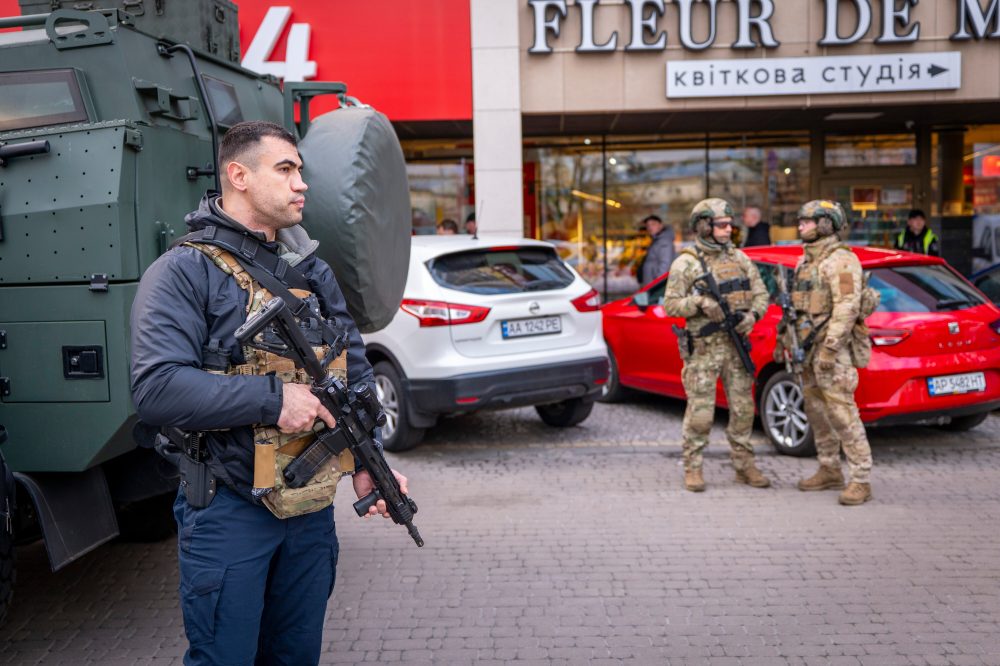
KYIV, Ukraine — Ukrainian special forces fatally shot an armed assailant Saturday after he murdered six people and held hostages inside a Kyiv supermarket, according to government officials.
Interior Ministry chief Ihor Klymenko announced on social media that tactical units breached the store following unsuccessful attempts by negotiators to communicate with the shooter. The perpetrator died while fighting against his capture, Klymenko stated.
During a press briefing at the location, Klymenko explained that the assailant had murdered four civilians on the street before entering the grocery store where he killed a fifth victim.
Mayor Vitali Klitschko confirmed that a sixth casualty, a young woman, succumbed to her wounds at a medical facility.
An Associated Press journalist witnessed the deceased victims lying in the roadway under emergency coverings before being removed from the scene.
The shooter was born in 1968, Klymenko revealed, though he withheld additional identifying information. Police negotiators attempted communication with the attacker for approximately 40 minutes before launching their assault on the building, he reported.
Prior to the gunman’s death, a female police negotiator positioned behind an armored vehicle and wearing protective gear used amplification equipment to address the perpetrator, pleading: “the people are not to blame for this. Please, let them go and we will talk with you.”
“We tried to persuade him, knowing that there was likely a wounded person inside. We even offered to bring in tourniquets to stop the bleeding, but he did not respond,” Klymenko stated. “Consequently, the order was given to neutralize him.”
The Interior Ministry head, who was wearing protective gear, confirmed the suspect wielded a carbine rifle that was properly licensed and registered.
In December, the gunman “approached the licensing authorities to have the weapon test-fired as the permit was expiring. He provided a medical certificate. He had also submitted an application to renew his permit for the weapon. That is all we can say for now,” Klymenko explained.
He noted that investigators will examine which healthcare facility provided the medical documentation.
The violence occurred in Kyiv’s Holosiivskyi district, the mayor confirmed. Television coverage displayed officers seeking protection within the shopping center containing the supermarket as gunfire erupted. Civilians were evacuated from the area.
SANTO DOMINGO, Dominican Republic — After more than two years without commercial air service, Haiti and the Dominican Republic will resume flights between their nations starting in May, both governments announced in a coordinated statement released Friday.
The agreement will restore connections linking three airports in the Dominican Republic with the airport serving Cap-Haïtien, Haiti’s northern coastal city.
Air service was suspended in March 2024 when Dominican authorities shut down the shared airspace, pointing to widespread violence and instability in Haiti that escalated after the 2021 killing of Haitian President Jovenel Moïse. During the closure, only emergency humanitarian aircraft were authorized to operate.
Both nations occupy the Caribbean island of Hispaniola, and their relationship had deteriorated significantly before the flight ban due to disputes over a controversial irrigation project. Haitian business interests had begun building a canal system drawing water from the Massacre River, which flows along the border between the two countries. Dominican officials strongly objected to the construction, claiming it would cause environmental damage and hurt farmers on both sides of the border.
The announcement came after diplomatic meetings that concentrated on immigration issues, border security measures, and commercial relationships between the neighboring countries.
“This measure seeks to facilitate mobility, boost economic ties and strengthen relations between both countries,” the joint statement said following discussions between Dominican Foreign Minister Roberto Álvarez and his Haitian counterpart, Raina Forbin.
The diplomatic statement also expressed appreciation to international partners, especially the United Nations, for assisting Haitian officials in their work to restore stability and peace within the country.
Toronto Raptors head coach Darko Rajakovic confirmed that starting point guard Immanuel Quickley will be unable to play in Saturday afternoon’s Eastern Conference playoff opener against the Cleveland Cavaliers due to a right hamstring strain.
The injury occurred during Toronto’s final regular season matchup against Brooklyn on Monday, forcing Quickley to leave the contest after playing only 17 minutes. Medical imaging was conducted following the game to assess the extent of the injury.
The 26-year-old guard had a strong regular season, posting averages of 16.4 points, 5.9 assists and 4.0 rebounds across 70 games, starting in every contest for the Raptors.
Throughout his NBA career spanning 394 games with both New York and Toronto, Quickley has maintained averages of 14.4 points, 3.5 rebounds and 4.1 assists, making 168 starts along the way.
Selected 25th overall in the 2020 NBA Draft, Quickley began his professional career with the Knicks, where he played for more than two seasons. Toronto acquired him on December 30, 2023, in a trade that sent Quickley, guard R.J. Barrett and a 2024 second-round draft selection to the Raptors in exchange for forward OG Anunoby, center Precious Achiuwa and guard Malachi Flynn going to New York.
Golf superstar Tiger Woods is showing positive signs of improvement during an intensive residential treatment program following his driving under the influence arrest earlier this year, according to a new report from the Daily Mail.
Sources close to the situation indicate Woods is working with medical professionals to manage his chronic pain issues through non-addictive alternatives to opioid medications. “He’s got a pain management doctor who is helping him deal with his body pain without addictive opioids,” an insider revealed to the publication. “He calls or Zooms a small number of people.”
The 50-year-old golfer maintains regular contact with a select group including his partner Vanessa Trump, his children Sam and Charlie, and Mark Steinberg, who has served as his representative since 1998.
According to the Daily Mail’s sources, Woods is currently enrolled in a 90-day inpatient facility located in Switzerland.
The treatment comes after a vehicle accident on March 27 near Woods’ Jupiter Island, Florida residence. Law enforcement arrested him on suspicion of impaired driving and refusing to provide a urine sample after his Land Rover struck the rear of a truck and overturned. Woods escaped physical injury and has entered a not guilty plea to the charges.
Officials determined that prescription medication, rather than alcohol, caused the impairment. Police records show Woods possessed two hydrocodone tablets at the time of his arrest.
“He’s responding well to treatment, and Vanessa is very happy with what she’s hearing,” a friend of Trump shared with the outlet.
The crash occurred on the same morning that golf fans were speculating about Woods’ potential participation in the Masters Tournament. The golf icon hasn’t competed on the PGA Tour since The Open Championship in 2024, where he failed to make the cut due to physical ailments. He suffered a ruptured left Achilles tendon during spring 2025 and required lumbar disk replacement surgery last October.
This incident marks Woods’ second serious vehicle accident in recent years. On February 23, 2021, investigators said Woods was driving at excessive speed when he crashed near Los Angeles, resulting in severe injuries to his right leg and ankle that necessitated multiple surgical procedures.
In a public statement released on March 31, Woods emphasized his commitment to prioritizing his physical and mental health over his golf career.
“I know and understand the seriousness of the situation I find myself in today,” Woods’ statement read. “I am stepping away for a period of time to seek treatment and focus on my health. This is necessary in order for me to prioritize my well-being and work toward lasting recovery.
“I’m committed to taking the time needed to return in a healthier, stronger and more focused place, both personally and professionally. I appreciate your understanding and support, and ask for privacy for my family, loved ones and myself at this time.”
Japan’s currency could face mounting downward pressure if financial markets perceive the country’s central bank as moving too cautiously against inflation threats, according to Asian Development Bank President Masato Kanda.
Speaking to reporters on Friday during his Washington visit, Kanda explained that while investors typically flock to the dollar during global uncertainty partly because America exports oil, the yen struggles to recover even when those positions reverse.
“The biggest reason is interest rate differentials (between the U.S. and Japan). With markets particularly focusing on what the U.S. Federal Reserve could do, Japan’s currency will be left behind if many people think the BOJ will be behind the curve” in addressing inflationary risks, he said.
The former top Japanese currency official noted that investor concerns about Japan’s fiscal health could also trigger yen selling. Kanda made these remarks while attending International Monetary Fund and World Bank Group meetings this week.
Prime Minister Sanae Takaichi, who supports increased government spending, has implemented fuel price subsidies and promised continued economic stimulus measures.
However, these policies face criticism for potentially worsening Japan’s massive government debt, which already equals twice the nation’s economic output – the highest debt-to-GDP ratio among developed nations.
Though Japan isn’t alone in subsidizing fuel costs, Kanda emphasized such programs should remain focused and limited to prevent market distortions.
“Price fluctuations are instruments that help society adapt to new norms. In general, it’s inappropriate to switch them off and hamper changes in public behavior,” he said.
Rather than broad subsidies, Kanda recommended nations invest in energy efficiency improvements, expand oil stockpiles, and diversify their energy sources.
The dollar fell to seven-week lows Friday after Iran announced the Strait of Hormuz remained open, suggesting potential Middle East conflict resolution.
While the dollar also declined against the yen, Japan’s currency stayed close to the 160-per-dollar level that previously triggered government intervention. Friday’s rate stood around 158.61 yen per dollar.
Japan’s central bank has maintained low rates despite nearly four years of inflation near its target, concerned about damaging the fragile economy even as import costs from the weak yen and wage increases fuel price pressures.
Kanda, who served as Japan’s chief currency official until July 2024, earned the nickname “Mr. Yen” for his record-setting foreign exchange interventions to combat the currency’s steep decline.
Golden State’s WNBA franchise has secured veteran guard Tiffany Hayes for another season, announcing the contract extension on Saturday. Financial details of the one-year agreement were not revealed.
The 36-year-old Hayes contributed 11.7 points per game along with 3.8 rebounds and 3.0 assists across 26 appearances during Golden State’s inaugural 2025 campaign, starting in 24 of those contests.
General manager Ohemaa Nyanin praised Hayes’ contributions in an official statement, saying: “Tip helped lay the foundation on and off the court for this team, and that’s not something you take for granted. She’s an experienced leader and veteran player who showed up for the Bay. Being able to welcome Tip back to her second home is truly special.”
Hayes brings impressive credentials to the Valkyries, having earned All-Star recognition with Atlanta in 2017 and claiming the WNBA Sixth Player of the Year award with Las Vegas in 2024. Throughout her professional career spanning 376 games with 303 starts, she has maintained averages of 13.1 points, 3.3 rebounds and 2.4 assists while playing for Atlanta (2012-19, 2021-22), Connecticut (2023), Las Vegas (2024) and now Golden State.
Delaware State Police have taken a 45-year-old Dover resident into custody after he allegedly attacked two people with a weapon and pepper spray behind a local hotel Thursday evening.
Authorities say Joseph Chapler confronted a man and woman who were walking on a pathway behind the Microtel on East Lebanon Road around 10:20 p.m. on April 16, 2026. According to police reports, Chapler made threats against both victims, brandished a firearm in their direction, and used pepper spray on the female victim before fleeing the scene.
The two victims escaped to safety and contacted emergency services. Medical personnel evaluated the woman who was pepper-sprayed, though she declined further treatment at the scene.
Investigators used various methods to identify Chapler as the perpetrator and secured an arrest warrant. He was taken into custody the following day on April 17th and transported to Troop 3 headquarters for processing.
Following his arraignment at Justice of the Peace Court 2, Chapler was ordered held at Sussex Correctional Institution with bail set at $94,001 cash.
The charges against Chapler include:
Possession of a Firearm During the Commission of a Felony (Felony)
Assault 2nd Degree (Felony) – 2 counts
Aggravated Menacing (Felony) – 2 counts
Terroristic Threatening – 2 counts
Criminal Trespass 3rd Degree
Crime victims and witnesses seeking support can contact the Delaware State Police Victim Services Unit and Delaware Victim Center, which provides assistance around the clock via their toll-free hotline at 1-800-VICTIM-1 (1-800-842-8461). Support is also available by emailing [email protected].
Maritime traffic through the strategically crucial Strait of Hormuz continues to operate at severely reduced levels, with vessel movement dropping to single digits despite the recent ceasefire brokered by President Donald Trump and accepted by Israel.
According to Noam Raydan, a senior fellow at the Washington Institute for Near East Policy, current data reveals that shipping activity through the waterway remains “still very weak” with “at least five to six vessels” moving in both directions. This represents a significant decline from earlier in April, when vessel counts reached double digits before current restrictions took effect. “We were still seeing around between like 10 and 15 vessels,” Raydan explained. “But now it’s back down to single digit.”
The expert emphasized that the reduced numbers only tell part of the story, noting that remaining activity doesn’t represent typical maritime operations. “This is not normal flow,” she stated. “We’re not seeing a kind of healthy movement of ships, non-Iranian vessels.”
This maritime crisis has emerged as political leaders debate long-term solutions. Just days before the ceasefire announcement, Prime Minister Benjamin Netanyahu renewed discussions about redirecting Gulf oil exports toward Mediterranean routes, reviving proposals that have remained stalled for years. Meanwhile, President Trump had concentrated on immediate reopening efforts and establishing deadlines for further action.
Current conditions at sea reveal the ongoing severity of the situation. Raydan described observing unusual vessel behavior, stating: “At least one ship we saw making a U-turn in the Gulf of Oman and returning back to the Strait of Hormuz,” which demonstrates “some effectiveness to the blockade.” However, she cautioned against drawing definitive conclusions, explaining: “As long as we are dealing with these dark activities, it is really difficult to give a full assessment.”
The uncertainty extends throughout maritime operations in the region. Some Iranian-linked vessels continue entering the Persian Gulf from areas near the United Arab Emirates and Oman, while “some ships are turning off their AIS” (Automatic Identification System). Raydan also noted at least one vessel that stopped transmitting signals in the Gulf of Oman and hasn’t resumed communication.
Rather than complete closure or reopening, the situation presents complex operational challenges. “You need to look at case by case,” Raydan explained. “You cannot just say, yes, it’s working. No, it’s not working. It doesn’t work like that.”
Iranian authorities aren’t characterizing these conditions as temporary measures. The Islamic Revolutionary Guard Corps has referenced what they term a “new Persian Gulf order” and indicated the strait won’t return to previous operational status. This messaging aligns with observable traffic patterns showing limited resumed movement under fundamentally altered conditions.
For shipping companies, these challenges create immediate operational problems. Raydan referenced comments from a Western European shipping firm whose vessels remain immobilized due to persistent uncertainty about risk levels.
“It’s very unclear to them what the security situation is, what the security guarantees are,” she said. “Will Iran attack? What about the mines?” While acknowledging she lacks concrete mine data and stressing that reports don’t constitute confirmed operational intelligence, Raydan noted that uncertainty alone prevents normal operations. “The operational environment for the shipping industry” continues to be “very volatile,” she said. “There are risks. They need to take them into consideration.”
This uncertainty translates into widespread immobilization. “We’re talking about hundreds of ships, thousands of seafarers,” she said. “They’re just stuck in the Persian Gulf.” Vessels face stark choices: “You wouldn’t expect ships to just decide to sail without coordinating with Iran,” she explained. “Either they coordinate, they work with Iran, meaning reach out to Iran, or probably they might be forced to pay, or they just don’t leave.”
These conditions raise questions about potential alternatives to the Strait of Hormuz. Prof. Eyal Zisser, vice rector of Tel Aviv University and scholar of Syrian, Lebanese, and broader Arab politics, told The Media Line that renewed interest in alternatives reflects genuine shifts in Gulf state perspectives, though not in their practical limitations.
“First of all, we need to wait and see what will be the end, the point where the war will be ended,” he said. “But clearly, Iran became a source of threat. I mean, it was well known, but this time it was materialized.” This represents the fundamental change he identifies.
The threat has evolved from theoretical possibility to present reality, making alternative route exploration inevitable. “I think they will have to find alternatives,” he said. “And there are alternatives, and they will start, but it takes time.”
When asked about the feasibility of current proposals, Zisser provided a direct assessment: “It will take years.” He added a crucial caveat that challenges much public discussion: “And still the Iranians can hit those installations. So, it’s not very easy.”
Vita Avrahamov, a researcher at the Jerusalem Institute for Strategy and Security specializing in geopolitics, economics, and energy issues, provided quantitative analysis supporting these concerns. “There is no immediate solution that can fully replace the energy exports through the Strait of Hormuz,” she told The Media Line.
Her calculations show the strait typically handles approximately 20 million barrels of oil daily, while existing alternatives can manage only 3.5 to 5.5 million barrels per day, representing roughly 17 to 27 percent of that capacity.
“These options are viable as strategic diversification, but not as a full bypass solution,” she explained. Avrahamov outlined three primary alternative directions. The Red Sea route through Saudi infrastructure represents “the most immediately viable” option, though still limited. “Saudi Arabia’s exports through the Red Sea … is only a partial solution and cannot fully replace exports through the Strait of Hormuz,” she said, citing constraints including “limited loading capacity available at the Yanbu export terminal.”
Mediterranean routes, including potential connections through Israel or revived Iraq-Turkey pathways toward Ceyhan or Haifa, “offer shorter access to European markets but face substantial geopolitical barriers.” Routes toward Oman and the Arabian Sea are “politically more neutral and strategically attractive” but would require massive new investments in pipelines, ports, logistics networks, and secure transit arrangements. Her conclusion: “none currently offers a comprehensive or politically frictionless alternative to Hormuz.”
Raydan offered an even more definitive assessment: “Nothing can substitute the Strait of Hormuz.” While acknowledging existing contingency plans, including “pipelines like the one in Saudi Arabia, the east-west pipeline to the Red Sea, which has definitely been leveraged in order to push volumes and bypass the Strait of Hormuz” and noting that “UAE also has a pipeline,” she challenged how these options are presented in public discourse.
“Let’s be honest,” she said. “We cannot replace, these pipelines cannot replace the flows out of the Strait of Hormuz.”
She quantified the scale of what’s at stake: “We’re talking about an average loading of some 20 million barrels per day,” referring to the January to early March period before current conflicts. “We need to be realistic here,” she said. “You can have contingency plans like pipelines, but let’s not pretend.”
Her frustration with current reporting became evident: “I’ve been seeing a lot of reports about it, that Strait of Hormuz can be substituted and that land routes can substitute sea lanes. It doesn’t work like that.”
This analysis provides important context for political discussions surrounding the Strait of Hormuz. According to Raydan, the core issue is being mischaracterized when quickly transformed into infrastructure debates. “It’s more an issue of maritime security,” she emphasized, describing this as “a key topic that requires the full focus right now, maritime security, the principle of freedom of navigation,” which will remain “a key subject in the region for years to come.”
Zisser offered similar perspective when challenging recent political statements: “Sometimes these statements do not have anything to do with reality.” Later, when asked what the public might be overlooking, he was more direct: “Sometimes… statements by politicians are more wishful thinking than has to do with reality.”
Avrahamov framed it in technical terms but reached comparable conclusions. Large-scale alternatives require “substantial capital investment, long development timelines, and credible security guarantees,” with feasibility remaining limited by “enduring geopolitical fragmentation.”
The immediate reality isn’t that new networks stand ready to replace Hormuz operations. Instead, the route that continues handling regional oil exports operates under degraded, highly uncertain conditions, while frequently cited public alternatives remain either partial, politically challenging, or years from implementation.
While the ceasefire has reduced tensions, it hasn’t resolved operational conditions in the strait. Raydan’s assessment remains most accurate: traffic is “still very weak,” non-Iranian vessel movement isn’t healthy, ships remain stranded, and the entire situation can’t be resolved through pipeline rhetoric. For now, Hormuz continues as the primary system in use—just a system operating under significant stress. As Raydan concluded: “Nothing can substitute the Strait of Hormuz.”
New York Mets designated hitter and first baseman Jorge Polanco has been sidelined with a right wrist contusion, landing him on the 10-day injured list as of Saturday.
The team made the roster move retroactive to Wednesday for Polanco, who has also been battling left Achilles inflammation since the season began.
Polanco’s wrist problem became apparent following his poor performance in Tuesday’s 2-1 defeat to the Los Angeles Dodgers on the road, where he failed to record a hit in four at-bats and struck out twice. Through 14 games this season, the veteran is struggling with a .179 batting average, managing just one home run and two RBIs.
The 32-year-old infielder joined the Mets this offseason on a two-year deal worth $40 million. Throughout his career, the former All-Star has compiled a .262 batting average with 155 home runs and 572 RBIs across 1,102 games while playing for the Minnesota Twins from 2014-2023, the Seattle Mariners in 2024-25, and now the Mets.
To fill the roster spot, New York brought up catcher Hayden Senger from their Triple-A affiliate in Syracuse.
The 29-year-old Senger got his first taste of major league action with the Mets last season, posting a .181 batting average with four RBIs over 33 games.
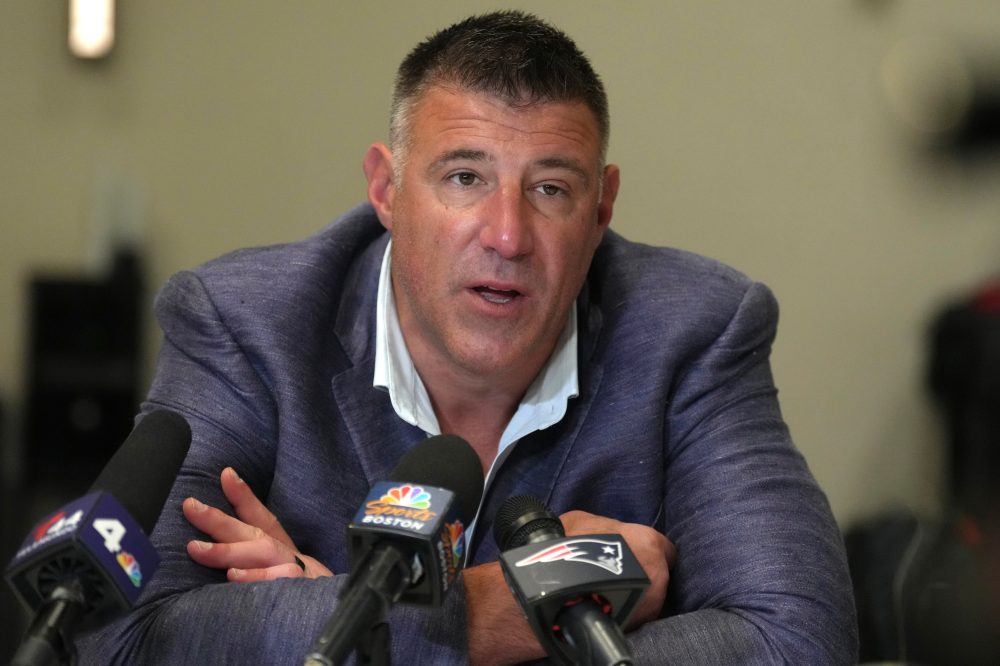
The National Football League has confirmed it will not conduct an investigation into New England Patriots head coach Mike Vrabel following the emergence of photographs showing him with sports reporter Diana Russini, according to a league spokesperson speaking with ESPN.
Under the NFL’s personal conduct policy, players, coaching staff, and executives must refrain from “conduct detrimental to the integrity of and public confidence in the National Football League.”
The controversial images were published by the New York Post’s Page Six section on April 8, showing Vrabel and Russini in intimate poses including holding hands and embracing at an adults-only resort in Sedona, Arizona. The timing coincided with the league’s annual meetings held in Phoenix from March 29 through April 1.
Both Vrabel, age 50, and Russini, age 43, are currently married to other people. When contacted by the Post, Vrabel characterized the photographs as “completely innocent,” while Russini argued the images were taken out of context and failed to capture other group members who were present during their gathering.
When ESPN reached out for their Friday story, neither Vrabel nor Russini offered additional statements.
This week, Russini stepped down from her role as a senior NFL correspondent at The Athletic on Tuesday while the publication conducted an internal review of her professional relationship with Vrabel.
The Patriots organization has not responded to ESPN’s inquiry about whether the team plans to conduct its own review of the matter.
Vrabel assumed the head coaching position with the Patriots – his former team as a player – prior to the 2025 season and successfully guided New England to Super Bowl LX, where they fell to the Seattle Seahawks by a score of 29-13.
Pakistani Prime Minister Shehbaz Sharif has launched a crucial diplomatic mission to the Middle East as his nation emerges as a potential mediator between the United States and Iran.
Sharif began his three-day journey to Saudi Arabia, Egypt, and Turkey on Wednesday, traveling with a high-level delegation that includes Field Marshal Asim Munir and Deputy Prime Minister Ishaq Dar. The presence of such senior officials underscores the significance of this diplomatic tour.
The timing of this regional visit is particularly noteworthy, as President Donald Trump recently suggested that US-Iran negotiations could take place in Pakistan. However, with Sharif’s tour scheduled to end on April 18, any potential discussions between Washington and Tehran would need to wait until after his return.
According to sources in Islamabad speaking to The Media Line, the Pakistani leader is updating regional allies on confidential details regarding a US-Iran ceasefire arrangement. This coordinated effort reportedly has Washington’s full knowledge and backing, establishing Pakistan as a crucial go-between for the two adversaries.
The three nations Sharif is visiting – Saudi Arabia, Egypt, and Turkey – have reportedly provided important support for Pakistan’s mediation efforts between the longtime rivals.
Arab News quoted an unnamed American official stating that “Future talks are under discussion, but nothing has been scheduled at this time.” Meanwhile, US Vice President JD Vance emphasized during a Turning Point USA gathering at the University of Georgia that Trump is not interested in a limited agreement with Iran, but instead wants a comprehensive deal.
When questioned about potential US-Iran negotiations, Vance outlined Trump’s firm stance that Iran must be prevented from acquiring nuclear weapons, noting that current discussions center on achieving this goal.
Vance indicated that if Iran agrees to halt nuclear weapons development, America would assist the country in achieving economic growth and prosperity.
The Vice President revealed that Trump had directed him to travel to Pakistan for good-faith discussions with Iran. However, Vance acknowledged the deep mistrust between Washington and Tehran, emphasizing that such issues cannot be resolved quickly. He noted that the current ceasefire remains intact and expressed optimism about the trajectory of developments.
Syrian security forces have successfully broken up an ISIS-affiliated terror cell operating in the eastern region near Aleppo, marking another chapter in the country’s ongoing battle against extremist organizations.
An official from Syria’s Interior Ministry, speaking to The Media Line on condition of anonymity, revealed that the takedown came after extensive surveillance and intelligence work. Security personnel monitored the cell members’ activities before launching coordinated strikes that led to multiple arrests. During the confrontation, authorities also killed one key member of the terrorist group.
The intelligence-driven approach proved crucial in uncovering the cell’s plans. Initial questioning revealed the group had been preparing strikes against government security forces and military installations as part of ISIS’s broader strategy to reactivate dormant cells throughout Syria. The raids also uncovered a cache of weapons and explosives, underscoring the serious threat the organization continues to pose.
The anonymous source explained that this particular cell had connections to previous attacks on security patrols in various regions. This discovery prompted authorities to expand their investigation, leading to additional arrests before finally capturing the remaining network members and completely shutting down their operations.
These latest developments occur as experts warn of renewed ISIS activity across Syria, especially in territories where the group previously held substantial control. Although ISIS has faced major defeats in recent years, the organization still depends on hidden cells to conduct smaller-scale attacks designed to destabilize regional security.
Syrian officials have pledged to maintain their preventive strikes against ISIS operatives. They have previously conducted broad security sweeps across several provinces, leading to the detention of dozens of suspected ISIS members and the confiscation of weapons and explosive materials.
Security analysts note that these successful missions demonstrate better cooperation between different agencies and improved intelligence-gathering methods. Nevertheless, they warn that the ISIS threat remains active, pointing out that complicated security conditions in some areas could enable the group to rebuild.
This increased security activity connects to wider developments throughout Syria, where intersecting local and regional factors continue to influence the nation’s stability. Consequently, the campaign against extremist organizations remains an ongoing struggle requiring persistent, comprehensive efforts.
Within this context, the recent security operations mark an important advance in confronting ISIS. However, they also underscore that the fight against the organization is nowhere near finished and that preserving stability will demand continued security and intelligence work, along with addressing the root causes that allow armed groups to resurface.
As officials work to strengthen security oversight, the primary challenge remains stopping ISIS from rebuilding its capacity for major operations. Success will require ongoing preventive measures, enhanced security partnerships, and careful surveillance of suspicious activity in vulnerable areas.
The elimination of the ISIS cell east of Aleppo demonstrates the continuing battle against the group and reinforces that completely destroying the organization will require sustained commitment on both security and political levels.
The National Football League has chosen not to launch an investigation into New England Patriots head coach Mike Vrabel following a controversy involving published photographs of him with former Athletic sports reporter Dianna Russini at an Arizona resort.
League spokesperson Brian McCarthy told The Associated Press on Saturday that the NFL will not pursue an investigation into the incident. The New England Patriots organization has not yet responded to inquiries about whether they plan to conduct their own internal review of Vrabel’s conduct.
Last week, The New York Post released photographs showing Vrabel and Russini together at a Sedona hotel, reportedly captured prior to the NFL’s annual meetings that commenced in Phoenix on March 29.
According to the NFL’s personal conduct policy: “Everyone who is part of the league must refrain from ‘conduct detrimental to the integrity of and public confidence in’ the NFL.”
Vrabel, a three-time Super Bowl champion during his playing career with New England, is entering his second year leading the Patriots. He earned AP NFL Coach of the Year honors after guiding the team to a 14-3 record last season, which concluded with a 29-13 Super Bowl defeat to Seattle. Vrabel previously received the same coaching award while with Tennessee in 2021.
Following the publication of the images, both Vrabel and Russini, who are each married, issued statements to the Post minimizing the significance of what the photographs showed.
Russini became part of The Athletic’s team in 2023 following almost ten years with ESPN, where she served in multiple capacities including “SportsCenter” host, NFL analyst and insider reporter. At The Athletic, she produced a podcast and appeared on the platform’s video content.
In her resignation statement, Russini wrote: “I have covered the NFL with professionalism and dedication throughout my career, and I stand behind every story I have ever published.”
LONDON — Counterterrorism investigators in Britain are examining an attempted fire attack in London that targeted a building with ties to the Jewish community, marking the latest in a series of similar incidents across the capital.
Authorities announced Saturday they are not yet connecting this incident to other recent attacks on Jewish charity vehicles and an Iranian media outlet.
The Metropolitan Police stated that while investigators are not classifying these events as terrorism, Counter Terrorism Policing London has taken charge of the probe “due to the similarities of each attack.”
According to police reports, a suspect was observed Friday evening placing a bag with three bottles of liquid outside a structure that had previously served the Jewish community. The individual tried to ignite the materials, but the attempt was unsuccessful before he escaped the scene. Authorities have not made any arrests.
The Friday evening incident occurred in Hendon, located near Golders Green, where four vehicles belonging to a Jewish charity were set ablaze on March 23. Four individuals face charges in connection with that attack.
Investigators are also examining an attempted arson at a synagogue in northwest London on Wednesday. That same day, authorities report an “ignited container” was hurled into the offices of a Persian media company in Wembley, another northwest London neighborhood. Two adult men and one teenage boy have been charged with arson in that case.
Fortunately, no injuries have occurred in any of these incidents.
Investigators are exploring whether these attacks may be connected to Iran. British officials have accused Iran of employing criminal networks to carry out attacks across Europe, specifically targeting opposition media organizations and Jewish communities. Britain’s MI5 domestic intelligence agency reports disrupting more than 20 “potentially lethal” plots backed by Iran in the year leading up to October.
LOS ANGELES — California authorities have handed down sentences to three individuals involved in an elaborate insurance fraud scheme that featured a person wearing a bear costume to simulate wildlife damage to expensive vehicles.
According to the California Insurance Department, the trio orchestrated fake bear attacks on a Rolls-Royce and two Mercedes vehicles during 2024, then filed false insurance claims attempting to collect almost $142,000. Officials dubbed the investigation “Operation Bear Claw.”
Two men from the Los Angeles region and one woman entered no contest pleas to felony insurance fraud charges and received sentences including a weekend incarceration program and subsequent probation, the department announced Thursday. Two defendants must pay more than $50,000 in restitution.
A fourth suspect is scheduled for a court appearance in September.
Investigators say the group submitted multiple videos recorded in the San Bernardino Mountains showing what appeared to be a bear moving around inside the vehicles as evidence for their damage claims. Department photographs reveal apparent claw marks on vehicle seats and doors.
When a California Department of Fish and Wildlife biologist examined the video evidence, the expert determined it was “clearly a human in a bear suit,” according to the insurance department.
During a search of the suspects’ residence under warrant, investigators discovered the bear costume, the department reported.
Genuine bear encounters have become increasingly common throughout California, from Lake Tahoe in the Sierra Nevada mountains to suburban areas near Los Angeles, where the animals have been documented entering homes, accessing refrigerators, and using residential pools and spas.
Authorities in Ukraine’s capital are conducting an active manhunt after a gunman killed multiple people and wounded others during a shooting spree on Saturday.
Kiev Mayor Vitali Klitschko reported that law enforcement officers are working to capture the suspect, who has taken refuge inside a grocery store in the city’s Holosiivskyi neighborhood.
“A special operation is proceeding to detain the man who started the shooting and is currently inside a supermarket,” Klitschko wrote in a message posted to the social media platform Telegram.
The mayor added that gunfire continued even after the suspect entered the store. “According to preliminary information, shots are also being fired in the supermarket. As a result of the shooting, there are injured and several dead,” he stated.
The incident occurred on April 18th, with authorities still working to apprehend the armed individual as the situation develops.
Golden State Warriors head coach Steve Kerr plans to take some time to reflect on his career before engaging in discussions about his future with the organization.
The 60-year-old coach has led the Warriors to four NBA titles, with their most recent championship coming in 2022. However, Friday evening’s play-in tournament defeat against the Phoenix Suns represented the second occasion in three seasons that Golden State has missed playoff qualification.
“I don’t know what’s going to happen,” Kerr stated following the 111-96 defeat in Phoenix. “I still love coaching, but I get it. These jobs all have an expiration date. There is a run that happens, and when the run ends, sometimes it’s time for new blood and new ideas.”
Currently in his contract’s final year, Kerr has served as Golden State’s head coach since the 2014-15 campaign. Throughout his tenure, he has achieved a 604-353 record (.631 winning percentage) during a championship era that also featured titles in 2015, 2017, and 2018.
The Warriors have been unable to progress beyond the second playoff round since capturing their 2022 championship.
“If (my time is done), then I will be nothing but grateful for the most amazing opportunity any person could have to coach this franchise in front of our fans and to coach Steph Curry, (Draymond Green), the whole group,” Kerr explained. “It may still go on. It may not. I don’t know at this point. But we all need to step away a little bit and then reconvene.”
The Warriors faced significant challenges this season due to player age and injuries, including Jimmy Butler III suffering a torn right ACL in January and 38-year-old star Stephen Curry managing a knee problem that limited him to just 43 games.
During the final moments of Friday’s season-concluding loss, Kerr removed both Curry and Green from the game. These players have been franchise cornerstones since 2009-10 and 2012-13, respectively.
“I don’t know what’s going to happen next, but I love you guys to death. Thank you,” Kerr revealed he told them during their postgame embrace.
Curry still has one year and $62.6 million remaining on his current deal and has expressed willingness to discuss a contract extension during the upcoming offseason. Meanwhile, 36-year-old Green holds a $27.7 million player option for next season and indicated after the game that retirement is not in his plans.
Should Kerr decide to continue coaching next season, he made clear it would be alongside Curry and the Warriors organization.
“That’s part of the equation,” he noted. “I don’t want to walk away from Steph. I’m definitely not going and coaching somewhere else next year in the NBA. I would never walk away from Steph. But all this stuff has to be aligned and right. Those are all discussions that will be had.”
Regardless of Kerr’s ultimate decision, Curry emphasized that he simply wants the former NBA Coach of the Year to find fulfillment in whatever path he chooses.
“I want him to be excited for the job,” Curry commented. “I want him to believe he’s the right guy for the job. I want him to have an opportunity to enjoy what he does, whatever that means for him. Everybody’s plan is their own. He knows how I feel about him.”
The Biden administration has barred a senior Nicaraguan government official from entering the United States due to accusations of human rights violations, Secretary of State Marco Rubio announced Saturday.
The visa restrictions target Luis Roberto Cañas Novoa, who serves as Nicaragua’s vice-minister of the interior. The sanctions prevent Cañas Novoa from obtaining entry to the United States.
Rubio’s announcement on Saturday detailed the administration’s decision to block the official’s travel privileges based on his alleged participation in human rights abuses.
Motorists traveling along Route 1 should expect lane restrictions near the Rehoboth Boulevard overpass as construction work continues in the area.
The Delaware Department of Transportation has announced that both the right and left shoulder lanes on Coastal Highway are currently closed underneath the Rehoboth Boulevard bridge due to ongoing construction activities.
According to DelDOT officials, the shoulder closures will remain in place until May 22nd. Drivers are advised to exercise caution when traveling through the work zone and allow extra time for their commute.
The construction work is taking place directly beneath the overpass structure, necessitating the temporary elimination of shoulder space on both sides of the roadway.
A Maryland State Police helicopter crew successfully rescued a boater who experienced a medical emergency in a remote Somerset County location on Friday afternoon.
Emergency responders from Somerset County were called to Dames Quarter Lake around 1:30 p.m. on April 17 after a man ran his boat aground and began suffering a medical crisis. The United States Coast Guard requested assistance from the Maryland State Police Aviation Command because of the victim’s isolated location, lengthy ground evacuation time, and the severity of his medical condition. The SYSCOM Duty Officer sent Trooper 4, the state police helicopter stationed in Salisbury, to handle the mission.
Rescue teams began searching for the boater in waters east of Deal Island, Maryland. A Maryland Natural Resources Police officer found the man and determined that an aerial rescue was necessary because of shallow water conditions that prevented boat or ground-based evacuations. A Trooper/Paramedic was lowered onto solid ground in the marsh where boats couldn’t reach, evaluated the victim’s medical condition, and prepared him for aerial evacuation using an ARV-QC rescue device.
The Trooper 4 crew maintained a hover position approximately 70 feet above the marsh and successfully lifted the victim to safety. After securing the patient aboard the aircraft, the flight team immediately began providing medical care during transport to a nearby hospital. The rescue operation was completed using an AgustaWestland AW-139 helicopter.
The Maryland State Police Aviation Command has been operating since 1970 and maintains 10 AW139 helicopters across seven Maryland bases. These aircraft provide 24-hour coverage for Maryland residents and visitors through medical evacuation, law enforcement, search and rescue, homeland security, and disaster assessment missions. Mission success depends on collaboration between local fire, rescue, EMS, law enforcement agencies, and partner organizations.
Former dairy farmer Bryan Vander Dussen has discovered an unexpected new business venture. After transitioning to beef ranching, he and his wife now transform organ fat from their livestock into skincare balms that customers eagerly apply to their faces.
The biggest challenge? Developing formulations that don’t leave users smelling like dinner.
“You see it everywhere, so we were like, ‘Why don’t we do this?’” Vander Dussen explained. “Some of the feedback is, ‘We don’t want to smell like beef,’ so we add things like lavender and wild orange to kind of counter that potential beef smell.”
Animal-derived skincare products, ranging from beef tallow moisturizers to salmon DNA facial treatments, have captured consumer attention in recent years. These products are being marketed as natural substitutes for synthetic alternatives and are appearing everywhere from social media feeds to luxury spas, farmers’ markets, and home kitchens.
Some researchers link this trend to growing concerns about chemical exposure and messaging from the Make America Healthy Again movement promoting animal-based products.
“There’s been a movement in the last couple of years to embrace animal-based foods,” noted Norah MacKendrick, an associate professor of sociology at Rutgers University who studies consumer concerns about chemicals in personal care items. “I think some of that is probably spilling over into the cosmetic world.”
Natalee Keenan, 31, was searching for natural skincare options when she decided to experiment with tallow. While her initial purchase felt heavy and had a meaty texture, the western Pennsylvania resident recently discovered a whipped tallow balm with coconut scent that feels much lighter on her skin.
“I use it sparingly,” Keenan said, noting that a small amount keeps her skin feeling smooth.
However, medical professionals express caution about the lack of scientific evidence supporting these products’ effectiveness.
The cosmetics industry abandoned many animal-derived ingredients decades ago due to concerns about animal testing and disease outbreaks like mad cow disease, according to Perry Romanowski, an independent cosmetic chemist who studies skincare ingredient formulation.
These concerns, combined with the rise of vegan beauty products, led many brands to eliminate animal-based ingredients entirely. Recently, however, some of these materials have returned to skincare products, often marketed as natural alternatives.
Jamie Moody, founder of Sonoma Mountain Beef in Northern California, began creating tallow products to minimize waste. “Since the trend toward clean products remains strong, I believe the market will continue to grow,” she said.
Vander Dussen, the California rancher, acknowledged he and his wife are “just kind of jumping onto the fad that’s already there.” He added: “In today’s world, it’s very important not only what you are putting on your face but where it comes from.”
Kelly Pratt, who operates a spa in Tampa, Florida, reports increased demand for treatments like salmon DNA facials because clients notice improvements over time. Cassandra Hutchison, an aesthetician providing these treatments at the spa, says the ingredient aims to repair skin and reduce inflammation. She claims it enhances hydration, improves skin appearance, and repairs damage to the protective outer layer that retains moisture and blocks irritants.
While pricing varies, a container of tallow balm at Target costs approximately $15 more than petroleum jelly. Although some salmon-based products like masks are available for home use, many require professional spa application, increasing costs. Despite this, consumer interest remains high, with Google searches for terms like “beef tallow for skin” increasing significantly in recent years.
Converting animal waste into usable products represents a form of sustainability, experts acknowledge.
However, neither beef tallow nor salmon DNA have substantial medical research supporting their effectiveness, according to Dr. Angelo Landriscina, a New York City dermatologist who uses social media to address skincare misinformation.
Dr. Heather Rogers, a Seattle dermatologist, agrees there’s no medical evidence supporting tallow’s skin benefits. She warns it can become rancid and difficult to apply, while additives used to improve scent may cause irritation.
Romanowski, the cosmetic chemist, advises consumers to maintain realistic expectations. He notes only a few skincare ingredients, including retinol (a vitamin A derivative used for reducing fine lines and wrinkles) and niacinamide (a form of vitamin B3 that helps with redness and strengthens skin), have strong scientific backing. Other ingredients may provide only minor benefits that consumers might not notice.
Corrin Dial, 32, operates Lowcountry Family Farms with her husband in South Carolina. Neither grew up farming, but they decided to pursue it after his military service ended.
Dial began experimenting with whipped tallow about two years ago while seeking a natural balm for her baby. She believes many people choose these products to avoid chemicals, citing a customer with cancer whose doctor advised caution with topical products. “A lot of people are moving away from the chemical stuff, they’re trying to get into healthy eating and using more products where they know exactly where it came from,” she said.
MacKendrick, the Rutgers sociologist, suggests that mothers, who have become increasingly concerned about chemical effects on children, may be driving the shift toward animal-based cosmetic products.
“We find that mothers are making these decisions for the household,” MacKendrick explained. “Buying cosmetics for children or personal care products for children is considered high-stakes work.”
Landriscina observed that ingredients like salmon-based skincare being promoted as “the hottest new thing” can stem from beliefs that other cultures, particularly in places like Korea, are more advanced or innovative in skincare. This differs from the “back to basics” mindset that attracts people to ingredients like beef tallow. Regardless of whether people prefer traditional or novel approaches, he emphasizes that skincare decisions should be based on scientific evidence.
Romanowski notes the beauty industry faces constant pressure to introduce new products.
“You should think of the cosmetic industry more like the fashion industry because you can only do so much with the shirt, right?” Romanowski explained. “You can change the color, you can do some aesthetics thing, but it’s still a shirt and it’s the same thing with cosmetics.”
ABOARD THE PAPAL PLANE (AP) — During his ongoing African visit, Pope Leo XIV told journalists Saturday that engaging in a public argument with President Donald Trump regarding the Iran conflict holds no appeal for him, though he plans to maintain his Gospel-centered peace advocacy.
The pontiff made these remarks while speaking with reporters during his flight from Cameroon to Angola, as part of an 11-day African journey.
Leo addressed the escalating exchange following Trump’s recent criticisms of his peace-focused messaging, which has captured significant media attention this week. The American-born pope also worked to clarify his position, emphasizing that his spiritual teachings target no specific individual but rather reflect Christianity’s fundamental peace principles.
“There’s been a certain narrative that has not been accurate in all of its aspects, but because of the political situation created when, on the first day of the trip, the president of the United States made some comments about myself,” he said.
“Much of what has been written since then has been more commentary on commentary, trying to interpret what has been said.”
The controversy began April 12 when Trump used his Truth Social platform to attack Leo’s peace advocacy amid the ongoing Iran war, which started with combined U.S.-Israeli military action on February 28, followed by Iranian counter-strikes. Trump characterized Leo as weak on crime and too aligned with liberal politics, while claiming credit for the first American pope’s election.
Leo has maintained steady appeals for peace and diplomatic solutions, while condemning the use of faith to justify warfare. He specifically labeled Trump’s threats to destroy Iranian civilization as “truly unacceptable.”
Vatican officials have emphasized that Leo’s peace messages address global conflicts broadly, not solely the Iran situation. The Russian Orthodox Church, for instance, has characterized Moscow’s Ukrainian invasion as a “holy war.”
During Saturday’s media session, Leo referenced his earlier remarks this week at a peace gathering in Bamenda, Cameroon. That city sits at the center of a separatist struggle that has consumed the country’s western, English-speaking areas for almost ten years.
Leo explained that his speech condemning the “handful of tyrants” wreaking havoc through warfare and oppression was prepared two weeks prior, well before Trump’s public attacks began.
“And yet as it happens, it was looked at as if I was trying to debate again the president, which is not in my interest at all,” he said.
Moving forward, he affirmed his commitment to continuing Gospel teachings.
“I primarily come to Africa as a pastor, as the head of the Catholic Church to be with, to celebrate with, to encourage and accompany all the Catholics throughout Africa,” he said.
He highlighted upcoming religious readings focusing on Christian discipleship and following Christ’s example, promoting brotherhood “but also looking for ways to promote justice in our world, promote peace in our world,” he said.
WASHINGTON — President Donald Trump issued an executive order Saturday instructing federal agencies to expedite evaluations of psychedelic substances for medical purposes, including ibogaine — a drug that has gained traction among military veterans and Republican legislators despite documented health hazards.
Currently classified under Schedule I — the federal government’s most severe category for prohibited substances with high abuse potential — ibogaine faces significant regulatory barriers. However, the new directive aims to streamline access to psychedelic compounds that federal authorities have already identified as potentially breakthrough treatments.
“Today’s order will ensure that people suffering from debilitating symptoms might finally have a chance to reclaim their lives and lead a happier life,” Trump declared during the signing ceremony. The president emphasized his order would help “dramatically accelerate” both research opportunities and treatment availability for psychedelic medications. “If these turn out to be as good as people are saying, it’s going to have a tremendous impact,” he added.
Military veteran advocacy groups and psychedelic researchers have persistently argued that ibogaine — derived from a West African shrub — shows significant therapeutic potential for challenging conditions including post-traumatic stress disorder and opioid dependency.
This presidential action fulfills commitments made by Health Secretary Robert F. Kennedy Jr. and other administration leaders to expand medical access to psychedelic treatments, an initiative that has garnered unusual cross-party political backing.
Present during the Oval Office ceremony were senior health department officials, popular podcaster Joe Rogan, and Marcus Luttrell, the former Navy SEAL whose Afghanistan combat memoir inspired the movie “Lone Survivor.” Rogan revealed he had texted Trump details about ibogaine, prompting the president to reply: “Sounds great. Do you want FDA approval? Let’s do it.”
“You’re going to save a lot of lives through it,” Luttrell told Trump during the event. “It absolutely changed my life for the better.”
The Food and Drug Administration plans to distribute national priority vouchers for three psychedelic substances next week, which agency commissioner Marty Makary explained will enable rapid approval for certain drugs “if they are in line with our national priorities.” This marks the first instance of the FDA extending such expedited processing to any psychedelic compounds.
Federal regulators are also establishing frameworks for the inaugural human testing of ibogaine on American soil.
Trump’s decision caught many veteran psychedelic advocates and scientists off guard, particularly given ibogaine’s documented association with potentially life-threatening cardiac complications. The National Institutes of Health supported brief research into the substance during the 1990s before halting investigations due to ibogaine’s “cardiovascular toxicity.”
“It’s been incredibly difficult to study ibogaine in the U.S. because of its known cardiotoxicity,” explained Frederick Barrett, who directs the Johns Hopkins Center for Psychedelic and Consciousness Research. “If the executive order can pave the way for doing objective, scientific research with this compound, it would help us understand whether it is truly a better psychedelic therapy than others.”
While no psychedelic substance has received U.S. approval, multiple compounds including psilocybin, MDMA, and LSD are undergoing extensive clinical trials for various psychiatric disorders. These substances remain federally prohibited under Schedule I classification, similar to heroin. Oregon and Colorado have authorized therapeutic psilocybin programs within their borders.
Members of the Bwiti religious tradition in African countries like Gabon originally incorporated ibogaine into their spiritual practices.
Recently, American veterans have documented positive outcomes after receiving ibogaine treatment at Mexican medical facilities.
Support from veteran organizations and former Texas Governor Rick Perry resulted in legislation last year allocating $50 million for ibogaine studies in Texas. Perry, who helped establish Americans for Ibogaine, recently advocated for reduced federal restrictions on Rogan’s podcast — his second appearance discussing ibogaine on the influential show within two years.
Medical literature documents ibogaine’s connection to abnormal heart rhythms and links the substance to over 30 fatalities, according to the Multidisciplinary Association for Psychedelic Studies, a nonprofit organization that conducted early international patient studies.
Ismail Lourido Ali, the organization’s co-executive director, suggested Trump’s directive might motivate additional states to adopt Texas-style approaches.
“The stigma around Schedule I drugs is significant,” Ali noted. “It feels like this would give pretty substantial cover for Republican governors and legislatures to step into the ring in terms of funding research programs at their universities.”
Operators of ibogaine treatment centers indicated the order’s effects won’t be immediate.
“There will be no insurance coverage, it will still be considered unapproved and non-covered care,” stated Tom Feegel from Beond Ibogaine, which runs a Cancun, Mexico facility. “But what it does mean is that ibogaine shifts from being fringe and underground to being federally acknowledged.”
Feegel reported his clinic provided ibogaine treatment to 2,000 patients last year, charging between $15,000 and $20,000 per individual. The facility also offered complimentary treatment to approximately 100 veterans.
Medical centers administering the drug routinely monitor patients’ cardiac activity and maintain emergency medical equipment nearby.
Among the few recent U.S.-led investigations, Stanford University researchers found veterans receiving ibogaine treatment demonstrated improvement in traumatic brain injury symptoms, including PTSD, depression, and anxiety. The study involved 30 veterans who obtained treatment in Mexico but lacked a placebo comparison group — a fundamental component of rigorous medical research. Study participants received ibogaine combined with magnesium designed to minimize cardiac risks.
ANTALYA, Turkey (AP) — A high-ranking Iranian diplomat announced Saturday that Tehran remains unprepared for direct negotiations with American officials, blaming Washington’s unwillingness to drop what he characterized as “excessive” positions on critical matters.
Speaking with The Associated Press during a diplomatic conference in Turkey, Iranian Deputy Foreign Minister Saeed Khatibzadeh firmly dismissed President Donald Trump’s assertions about transferring enriched uranium, stating his nation would never surrender such materials to America.
“I can tell you that no enriched material is going to be shipped to United States,” Khatibzadeh stated. “This is non-starter and I can assure you that while we are ready to address any concerns that we do have, we’re not going to accept things that are non-starters.”
Trump declared Friday that America would enter Iran to “get all the nuclear dust,” referencing approximately 970 pounds (440 kilograms) of enriched uranium reportedly stored beneath nuclear facilities severely damaged during U.S. military operations last year.
While acknowledging ongoing message exchanges between both nations, Khatibzadeh criticized the United States for maintaining positions that Iran considers unreasonable.
“We are still not there yet to move on to an actual meeting because there are issues that the Americans have not yet abandoned their maximalist position,” Khatibzadeh explained. He noted Iran wants to complete a “framework agreement” before proceeding with face-to-face discussions.
The Iranian representative declined to detail specific negotiation points or identify outstanding disputes, but urged Washington to address Tehran’s primary concerns, particularly economic sanctions targeting Iran.
“The other sides also should understand and address our main concerns, which are illegal unilateral sanctions that Americans have imposed on Iranians and this economic terrorism which has targeted Iranian people to suffocate them and make them to revolt against the political structure inside Iran,” Khatibzadeh said.
Regarding potential Iranian responses to renewed Israeli attacks on Lebanon despite the ceasefire, Khatibzadeh declared: “Iran has no option, just to stop aggressors once and forever.”
Trump announced that Israel faces U.S. restrictions on additional Lebanese strikes, saying “enough is enough” regarding the Israel-Hezbollah conflict.
The State Department clarified these limitations apply solely to offensive operations, not defensive actions.
The Iranian official reaffirmed Tehran’s stance that its actions were defensive responses to unprovoked aggression during ongoing negotiations.
He also restated Iran’s demand that any ceasefire include Lebanon, where Israel has been battling the Iran-supported militant organization Hezbollah.
Following last week’s temporary U.S.-Iran truce, Pakistan and Iran claimed it covered Lebanon, but Israel and subsequently the U.S. rejected this interpretation. Israel then conducted multiple airstrikes on central Beirut, prompting Iran to announce another closure of the Strait of Hormuz. After Friday’s Lebanese truce implementation, Iran declared the strait reopened.
“Iran negotiated with good faith, accepted a ceasefire and told everybody that this ceasefire should include all countries, including Lebanon,” Khatibzadeh said. “Then the other side said that, it is not committed to this and then started atrocities.”
He indicated that negotiations with the U.S. would establish a “new protocol” for the Strait of Hormuz, ensuring it would “remain open and safe for all civilian passage.”
Trump has indicated the U.S. blockade of the Strait of Hormuz will continue and military action will resume without an Iranian agreement.
Rural communities across the Upper Midwest began cleanup efforts Saturday following a devastating weather outbreak that brought confirmed tornadoes and destructive winds to the region.
The storms caused extensive property damage throughout multiple states — homes lost their roofs, electrical lines came down, and roadways became blocked by fallen debris. Remarkably, authorities confirmed zero fatalities from the severe weather event.
“We are extremely fortunate that this storm did not result in loss of life or serious injury,” Stephenson County Sheriff Steve Stovall said of the storm that hit Lena, Illinois, on Friday.
Authorities in Wisconsin and Minnesota shared similar relief about the lack of casualties.
Central Wisconsin communities of Kronenwetter and Ringle bore the brunt of tornado damage Friday afternoon, with homes sustaining major damage and some residents becoming temporarily stuck in their basements, according to Ringle Fire Chief Chris Kielman.
Marathon County Sheriff Chad Billeb expressed shock at the scope of destruction during a Friday evening press briefing, noting he had never witnessed such widespread damage in his three decades of police work.
“A lot of people are going to need a lot of help,” Billeb said of the Wisconsin storms.
Wisconsin State Representative Brent Jacobson warned Saturday morning via social media that the recovery effort would be lengthy.
“As the photos and videos continue to come in, it is clear that parts of Ringle and Kronenwetter suffered devastating damage,” Jacobson’s statement said.
Olmsted County, Minnesota experienced what sheriff’s deputies described as “multiple levels” of tornado damage. Marion Township alone saw at least 30 homes damaged, with several experiencing “significant” destruction.
Teams from Minnesota Homeland Security and Emergency Management, Rochester Fire and Olmsted County Sheriff’s Office conducted house-to-house wellness checks on residents, according to the sheriff’s office.
The National Weather Service confirmed the destruction appeared consistent with tornado damage and announced plans for damage assessment teams to survey the affected regions throughout the weekend.
In Illinois, 14-year-old Leo Zach had just arrived at his high school’s band room for a music competition when the structure began trembling and electricity failed. He described the room as crowded with students, some of whom experienced panic attacks from fear.
“I’m definitely on the luckier side of how that could’ve happened,” he said. “I was just trying to stay calm, help other people.”
Upon exiting the building, they discovered gymnasium windows had been blown out and sections of the school’s roof had been torn away.
Social media images and videos revealed completely destroyed garages, brick facades stripped from buildings, and demolished fencing.
Lena is a community of approximately 3,000 residents situated roughly 117 miles northwest of Chicago.
Rachel Nemon was traveling to collect her stepson from Lena’s middle school when she sought shelter at a car wash during the storm’s peak. She witnessed a massive tree being uprooted and electrical sparks flying just feet from her location.
“This is something that you see online, not in real life, especially in a small town in Illinois,” she said.
Governor JB Pritzker announced via social media platform X that he had received damage briefings and confirmed the Illinois Emergency Management Agency had deployed to the affected areas.
Delaware Department of Transportation officials report that waste collection activities are currently taking place along Appleby Road at the Wilson Boulevard intersection.
The cleanup operations are being conducted on both the northbound and southbound shoulders of the roadway. DelDOT indicates the work is expected to continue until 4:30 PM today.
Motorists traveling through the area should exercise caution and be aware of crews working alongside the roadway during the cleanup activities.
A crude oil tanker flying the Indian flag came under attack Saturday while navigating through the Strait of Hormuz, according to sources within the Indian government.
Officials identified the targeted ship as the Sanmar Herald and confirmed that both the vessel and its crew members remain safe following the incident.
Saturday’s attack was part of broader hostilities in the strategic waterway, with at least two commercial ships reporting they were struck by gunfire while attempting passage through the strait.
In response to the incident, Indian officials have called Iran’s ambassador to India for discussions regarding the attack.
The violence comes amid ongoing tensions over shipping access through the vital corridor. On Friday, U.S. President Donald Trump announced that Iran had committed to keeping the strait open, while Iranian leadership stated they expect America to completely end its blockade of Iranian oil tankers.
Shipping records indicate that more than a dozen tankers, including three vessels under sanctions, successfully passed through the Strait of Hormuz after authorities ended a 50-day shipping blockade on Friday. However, Iran reinstated restrictions on Saturday and opened fire on some vessels attempting transit.
During his flight to Angola on Saturday, Pope Leo addressed recent tensions with former President Donald Trump, clarifying that media coverage of his statements during his African journey “has not been accurate in all its aspects.”
The pontiff, who hails from Chicago and is the first American to hold the papal office, told reporters in English that remarks he delivered in Cameroon earlier this week condemning how the world was being “ravaged by a handful of tyrants” were not targeting Trump specifically.
According to Leo, the controversial speech “was prepared two weeks ago, well before the president ever commented on myself and on the message of peace that I am promoting.”
The exchange began when Trump criticized the pope on Truth Social as he prepared for his African journey, labeling him “WEAK on Crime, and terrible for Foreign Policy.” Trump also shared an AI-created image depicting himself in a Christ-like manner, which sparked backlash from religious conservatives and was subsequently deleted.
Trump’s attacks appeared to stem from Pope Leo’s increasing vocal opposition to the U.S.-Israeli conflict with Iran in recent weeks.
When Pope Leo indicated on Monday that he would continue addressing the war publicly, Trump doubled down on his criticisms the following day.
During Thursday’s address, the pope condemned world leaders for allocating billions toward warfare and declared that “a handful of tyrants” were devastating the planet, though he avoided naming Trump directly.
“As it happens, it was looked at as if I was trying to debate the president, which is not in my interest at all,” the pontiff explained on Saturday.
The Chicago native maintained a relatively quiet public presence during his initial 10 months as pope, but has adopted a more assertive approach during his African visit, delivering strong condemnations of warfare, social disparity, and international leadership.
His current African journey represents one of the most logistically challenging papal trips ever organized, featuring visits to 11 urban centers across four nations and covering approximately 18,000 kilometers through 18 separate flights over 10 days.
The Department of Justice has declined to provide assistance to French authorities investigating Elon Musk’s social media company X, according to a Saturday report from the Wall Street Journal.
The Journal reported that the DOJ’s Office of International Affairs sent a letter to French law enforcement refusing cooperation with their probe, which followed a raid on X’s Paris office conducted earlier this year.
Reuters was unable to independently confirm the Wall Street Journal’s reporting at the time of publication.
WASHINGTON, D.C. – President Donald Trump signed an executive order Saturday directing federal agencies to fast-track the development and approval of psychedelic medications for medical treatment purposes.
The directive instructs the Food and Drug Administration to prioritize the review process for substances like ibogaine, which veterans’ organizations believe could provide effective treatment for post-traumatic stress disorder.
During a ceremony held in the Oval Office, federal administrators explained that these policy changes would create a pathway for hallucinogenic substances – currently classified as illegal drugs – to receive new regulatory status following successful medical trials. The president also committed $50 million in federal funding specifically for ibogaine research initiatives.
Residents in New Castle County, Delaware and Salem County, New Jersey should prepare for minor coastal flooding tonight as the National Weather Service has issued a Coastal Flood Advisory effective from 11 PM tonight through 3 AM Sunday morning.
Up to one foot of water above ground level is expected in low-lying areas near shorelines and tidal waterways. The flooding will primarily impact the most vulnerable roads along tidal areas, with some partial or full road closures possible.
Officials are urging drivers to avoid parking vehicles in flood-prone locations and never attempt to drive through flood waters. “The water may be deeper than you think,” warns the National Weather Service, emphasizing that attempting to drive through flooded areas puts both drivers and vehicles at risk.
While this is considered minor tidal flooding, it can still create dangerous driving conditions and costly vehicle damage. Residents should plan alternate routes if they need to travel during the advisory period.
The Coastal Flood Advisory expires at 3 AM Sunday morning. For real-time water level information and flood impacts for local tide gauges, residents can visit the National Water Prediction Service online.
Stay with TV Delmarva for continuing coverage of local weather conditions.
A French peacekeeper lost his life and three colleagues sustained injuries during an ambush in southern Lebanon on Saturday, according to French President Emmanuel Macron.
Macron pointed the finger at Hezbollah for the deadly assault, stating on social media that “Everything suggests that responsibility for this attack lies with Hezbollah.” The French leader called on Lebanese officials to “immediately arrest those responsible and assume their responsibilities alongside UNIFIL,” referring to the United Nations peacekeeping mission operating in southern Lebanon.
The fallen soldier was identified as Staff Sgt. Florian Montorio, who served with the 17th Parachute Engineer Regiment based in Montauban. Macron noted that three of Montorio’s “comrades in arms were injured and evacuated.”
“The nation bows in respect and extends its support to the families of our soldiers and to all our military personnel engaged for peace in Lebanon,” Macron declared.
This tragedy marks the second deadly incident involving French forces in the region within a month. On March 12, a drone strike at a Kurdish military installation in Iraq’s Erbil area claimed the life of French Chief Warrant Officer Arnaud Frion and left six others wounded.
French Armed Forces Minister Catherine Vautrin revealed that Montorio died during an ambush in Lebanon’s Deir Kifa area. According to Vautrin, the soldier was attempting to establish access to a UNIFIL outpost that had been cut off for multiple days due to combat between Hezbollah militants and Israeli troops.
The attack occurred just one day after a 10-day ceasefire agreement went into effect in Lebanon, though questions remain about Hezbollah’s commitment to a truce they did not help negotiate.
“He was caught in an ambush by an armed group at very close range,” Vautrin explained on X. “Immediately hit by a direct shot from a light weapon, he was pulled back under fire by his comrades, who were unable to resuscitate him.”
Following the incident, Macron contacted Lebanese President Joseph Aoun and Prime Minister Nawaf Salam to demand that Lebanese authorities “shed full light on this incident, to identify and prosecute those responsible without delay, and to do everything possible to ensure the safety of UNIFIL soldiers, who must under no circumstances be targeted,” according to the French president’s office.
Macron also emphasized “the importance of full respect for the ceasefire by all parties and reaffirmed France’s commitment to Lebanon’s sovereignty, for the benefit of all Lebanese people and regional stability.”
Weather experts are sounding the alarm as dry conditions across the continental United States have reached unprecedented severity for this time of year, creating concerns about wildfire dangers, agricultural losses, and rising grocery costs.
According to the U.S. Drought Monitor, over 61% of the Lower 48 states are currently experiencing moderate to severe drought conditions, with 97% of the Southeast and two-thirds of western states affected. These figures represent the most extensive drought coverage recorded for March since monitoring began in 2000.
The National Oceanic and Atmospheric Administration’s Palmer Drought Severity Index registered its most severe March reading since data collection started in 1895. Last month also ranked as the third-driest on record for any month, surpassed only by the notorious Dust Bowl periods of July and August 1934.
Unusually high temperatures have resulted in dramatically reduced snowpack levels across western regions during the early months of 2024, eliminating the area’s primary water storage system for summer months. Meanwhile, a separate drought pattern linked to jet stream changes has pushed storm systems northward, creating dry conditions stretching from Texas to the Atlantic Coast, according to Brian Fuchs, a climatologist with the National Drought Mitigation Center.
NOAA scientists estimate that eastern Texas would require 19 inches of rainfall within a single month to end current drought conditions, while most southeastern areas would need more than 12 inches to address their water deficits.
“Right now 61% of the country is in drought and that’s steadily been going up for the calendar year,” Fuchs said. “We just haven’t seen too many springs where this amount of the country has been in this kind of shape.”
UCLA hydroclimatologist Park Williams highlighted a concerning measurement called vapor pressure deficit, which tracks how aggressively hot, dry air extracts moisture from soil and vegetation. This “sponginess” factor currently sits 77% above normal levels and exceeds the previous January-March record by more than 25%.
Such intense ground moisture extraction “wouldn’t have appeared possible” previously, Williams noted.
The timing particularly worries meteorologists, since drought conditions typically worsen during summer rather than spring months.
“Fire tends to respond to heat and drought in an exponential manner,” Williams explained. “For each degree of warming, you get a bigger bang in terms of fire than you got from the previous degree of warming.”
In Arizona, desert cacti are flowering months ahead of schedule, and water concerns have already intensified, reported Kathy Jacobs, who directs the Center for Climate Adaptation Science and Solutions at the University of Arizona.
“Those of us who are dependent on the Colorado River, of course, are very concerned about the fact that we don’t have a negotiated path forward in the middle of what appears to be possibly the worst year of drought that we’ve all experienced,” Jacobs said. “We have lots of reservoirs that are not full.”
Yale Climate Connections meteorologist Jeff Masters expressed particular worry about agricultural impacts and subsequent food price increases. Poor American crop yields due to drought could create global food security issues, especially with predictions of a strong El Nino weather pattern that typically reduces harvests in other regions like India.
Williams from UCLA attributed the drought and elevated temperatures to a combination of natural weather variations and human-driven climate change, with natural factors playing a slightly larger role currently.
“All weather is now affected by climate change,” Jacobs emphasized. “There is no such thing as weather that’s divorced from climate trends. But this extreme event is extreme in the way that we’ve been expecting: extreme heat waves, intense drought.”
PHOENIX (AP) — Arizona faces several competitive congressional races this November, with Democrats defending key positions including governor, attorney general and secretary of state.
However, the biggest attention has focused on election operations in the state’s largest county, where significant controversy has emerged.
Justin Heap, a Republican who questions election integrity, is conducting his first major election as Maricopa County’s recorder. He’s locked in an intense legal battle with county supervisors regarding election protocols, implemented a disputed mail ballot signature verification system, and used federal databases to screen voter rolls for non-citizens despite accuracy concerns. Heap has also reached out to Trump administration officials seeking voter data and election information.
His decisions have sparked sharp criticism from board members who share election oversight responsibilities with his office, plus condemnation from both the attorney general and secretary of state. A recent court decision will expand Heap’s control over election management.
This conflict has generated uncertainty about midterm election administration in a county frequently targeted by election conspiracy advocates and crucial for determining statewide outcomes in this key political swing state.
Democratic State Sen. Lauren Kuby, who serves on a legislative elections panel and represents portions of Phoenix, expressed concern that the conflict between the recorder and county board creates confusion and erodes trust.
“We’re one of the biggest counties in the country, and we have all of our election administrators fighting right now,” she said. “So I imagine if you’re a voter, you’re pretty confused and worried.”
Despite repeated requests for comment, Heap’s office provided no response. However, Heap released a statement about the court decision, saying it “restores both the authority and the resources necessary for my office to do its job.”
After winning against the sitting officeholder in the 2024 Republican primary, Heap immediately began confronting the Republican-majority board of supervisors.
In June 2025, he filed suit against them with support from America First Legal, a conservative organization established by Stephen Miller, currently serving as White House deputy chief of staff. The legal action claimed the board negotiated arrangements with Heap’s predecessor to move funding, IT personnel and various election duties from his office, including drop box oversight, early ballot processing and early voting location management.
A Maricopa County Superior Court judge ruled mostly in Heap’s favor. Board chair Kate Brophy McGee indicated the board might appeal the decision.
Prior to the ruling, supervisors characterized Heap’s legal action as baseless and “full of falsehoods” in what they described as a power grab that has sometimes escalated dramatically. A January budget session deteriorated into angry exchanges, with Republican Supervisor Thomas Galvin stating Heap “continues to lie over and over again.” Heap later dismissed the confrontation as a “juvenile temper tantrum.”
The board offered a settlement proposal earlier this year but received no counter-proposal from Heap.
After assuming office, Heap modified the mail ballot signature verification process.
The updated system requires workers from both parties to examine signatures, with additional staff conducting extra reviews of questionable signatures, Heap explained to the board during a fall meeting.
However, some officials and observers worry the new approach might result in valid ballots being incorrectly rejected. Galvin described the November 2025 local election rejection rate as “huge” compared to previous elections.
He expressed concern that the revised signature verification represents a “looming disaster” and worried that many people “who legally and validly voted last November saw their ballots be rejected for arbitrary reasons.”
Heap maintains the new approach is both quicker and more secure. “In the end, the signatures either match or they don’t,” he told the board.
Heap has highlighted his office’s utilization of the Department of Homeland Security’s SAVE database to locate potential non-citizens on voter registration lists.
His office reported discovering “137 registered voters who are not U.S. citizens” with 60 of those having “voted in prior elections.” The Maricopa County attorney’s office confirmed receiving 207 names from the recorder for eligibility review.
Non-citizen voting occurs infrequently, and the SAVE database has faced criticism from election officials and specialists who argue it often incorrectly flags eligible voters as non-citizens. Arizona Secretary of State Adrian Fontes, a Democrat, called the system unreliable in an interview.
“The SAVE system is notoriously inaccurate,” he said. “You can’t depend on that to take somebody off the voter rolls or to start the removal proceeding.”
The recorder’s office announced SAVE system usage on the same day Heap attended a Phoenix-area press conference where then-DHS Secretary Kristi Noem promoted congressional legislation requiring documented citizenship proof for voter registration.
Fontes said his office hasn’t received additional details about the alleged non-citizen voters and the announcement’s timing suggests it’s “more of a headline grab than anything without more information.”
Heap’s appearance at Noem’s February press conference wasn’t his only connection to the Trump administration.
Public records from the recorder’s office reveal willingness to cooperate with the Justice Department. This year, the department confiscated ballots and other 2020 election materials from Georgia’s Fulton County, which encompasses Atlanta.
Meanwhile, the FBI subpoenaed similar Maricopa County documents from the state Senate president.
Harmeet Dhillon, who leads the department’s Civil Rights Division, contacted Fontes, Heap and county officials in September requesting preservation of county election materials. Heap responded the following day, emphasizing his office is “committed to full cooperation with the Department of Justice as it conducts its investigation,” adding: “We share your goal of safeguarding election integrity.”
Following similar actions in other states, the department later sued Arizona for non-compliance with requests for comprehensive voter data.
State Attorney General Kris Mayes, a Democrat, told local media that Heap is “trying to undermine Arizonans’ trust in our election system” and cautioned against providing voter lists to federal authorities.
With Arizona’s July primary approaching, some observers fear Heap’s conflicts with the board and other actions may damage public faith in elections.
“The voters need to have a sense that this county is well-run, that the recorder and the board of supervisors have the best interest of every voter,” said Pinny Sheoran, state advocacy chair with the League of Women Voters of Arizona. “And that is frayed with this discord.”
A major baby food manufacturer has issued an urgent recall across Austria after discovering evidence of possible product tampering that could endanger infants.
HiPP has withdrawn its complete line of baby food products from more than 1,500 SPAR grocery stores throughout Austria as a safety precaution. The recall was announced Saturday by both companies.
“It cannot be ruled out that a dangerous substance was introduced into the product,” HiPP stated, specifically noting concerns about their Vegetable Carrot with Potato variety in glass containers.
The baby food company warned that eating from the potentially compromised jars could result in life-threatening consequences.
A SPAR representative confirmed to Reuters that the widespread recall impacts 1,500 Austrian locations as a preventive step, though stores in other countries remain unaffected.
“According to our current knowledge, this critical situation involves an external criminal interference that affects the SPAR Austria distribution channel,” a HiPP representative explained, emphasizing that their manufacturing processes and quality control standards have not been compromised.
Both retailers are urging shoppers who purchased the products from Austrian SPAR locations to avoid consumption and return items for complete refunds.
Law enforcement officials in Austria’s Burgenland region are actively investigating the incident and requesting public assistance with information, according to HiPP.
Turkey’s top diplomat warned Saturday that America stepping back from its European security commitments could cause serious damage if not handled properly.
Foreign Minister Hakan Fidan revealed that conversations are taking place about how to address a potential American reduction in what he called the “European security architecture,” though he didn’t provide specifics about these talks.
The comments come as President Donald Trump has made threats to withdraw from NATO following European allies’ refusal to deploy naval vessels to help clear the Strait of Hormuz during the ongoing US-Israeli conflict with Iran.
Speaking at a diplomatic conference in Antalya, a province in southern Turkey, Fidan expressed concern about the potential consequences.
“We are very much discussing how to manage or mitigate the withdrawal of the U.S. from the European security architecture. Not totally, but partially. Even a partial withdrawal… would be very destructive for Europe if it’s not done in a coordinated way,” Fidan stated during the panel discussion.
The Turkish minister, representing a nation that belongs to NATO but remains outside the European Union, criticized what he sees as problematic behavior within the alliance. He said EU member countries within NATO have been “acting like a separate club” and making independent decisions that sometimes conflict with the broader alliance’s stance.
“You want to be a separate EU organisation within NATO? Well America said ‘I’m letting you go, cutting off your ties’,” Fidan remarked.
The diplomatic tensions have been building since Trump announced his interest in acquiring Greenland, adding another layer of friction to alliance relationships.
Looking ahead, Fidan urged fellow NATO members to view the upcoming alliance summit scheduled for Ankara in July as a chance to repair relationships with Trump and Washington, while simultaneously preparing for potentially reduced American participation.
NATO’s Secretary General Mark Rutte has acknowledged Trump’s concerns with the alliance but emphasized that most European nations have provided valuable support for Washington’s military efforts against Iran.
According to a senior White House source who spoke with Reuters earlier this month, Trump has also been considering the possibility of withdrawing some American military personnel from European bases as part of his broader frustrations with NATO.
BARCELONA – A significant diplomatic breakthrough occurred Saturday when Mexican President Claudia Sheinbaum held talks with Spanish Prime Minister Pedro Sanchez during her visit to Barcelona for an international progressive leaders conference.
According to Spain’s state news agency EFE, this represents the first time a Mexican head of state has traveled to Spain since the Morena party assumed control of Mexico’s government in 2018, indicating a warming of previously chilled relations between the two nations.
The diplomatic rift originated when Sheinbaum’s political mentor and former president, Andres Manuel Lopez Obrador, demanded in 2019 that Spain apologize for colonial-era atrocities committed during the Spanish conquest of Mexico – a request that Spain declined to fulfill.
Spain’s economy minister expressed optimism about the renewed contact, telling journalists at the summit: “I believe that President Sheinbaum’s presence here is a very important and positive sign of a rapprochement between the two countries.” The minister highlighted opportunities for expanded commerce and investment cooperation, particularly in energy development, infrastructure projects, and banking sectors.
Sheinbaum’s participation in the Barcelona gathering of global left-wing leaders, hosted by the Spanish government, provided the framework for this diplomatic reset between the historically connected nations.
French President Emmanuel Macron announced Saturday that a French military member serving with international peacekeeping forces in southern Lebanon has died in an attack that France believes was carried out by the Iran-backed militant group Hezbollah.
In a statement posted on social media platform X, Macron revealed that three additional soldiers sustained injuries in the incident and have since been moved to safety for medical treatment. The French president called on Lebanon’s government to take action against those believed to be behind the deadly assault.
The affected military personnel were serving as part of the United Nations Interim Force in Lebanon, known as UNIFIL, which operates peacekeeping missions throughout the southern region of the country.
Brazilian President Luiz Inacio Lula da Silva addressed progressive leaders gathered in Barcelona on Saturday, urging the five permanent members of the United Nations Security Council to modify their approach following their inability to prevent conflict in Iran.
Speaking at the summit, Lula criticized what he described as inflammatory social media posts from world leaders. “We cannot wake up every morning and go to bed every night with a tweet from a president threatening the world and declaring wars,” the Brazilian leader stated, appearing to reference U.S. President Donald Trump though he did not mention him by name.
The remarks came during a progressive leaders’ summit held in the Spanish city on April 18, where Lula emphasized the need for behavioral changes among the Security Council’s most powerful nations.
Commercial ships attempting to navigate through the Strait of Hormuz on Saturday were turned away by Iranian naval forces, with at least two vessels coming under gunfire from Iranian boats, according to maritime sources.
Multiple merchant ships had tried to make the crossing after receiving maritime notices Friday indicating that passage through the waterway would be permitted, though limited to specific routes that Iran considered secure.
However, on Saturday, Iranian vessels opened fire on at least two ships in the waters near Qeshm and Larak islands, forcing them to retreat before completing their journey, shipping and maritime security officials told Reuters.
The United Kingdom Maritime Trade Operations agency confirmed receiving reports of an incident occurring 20 nautical miles northeast of Oman. According to the report, a tanker’s captain said two Islamic Revolutionary Guard Corps gunboats had approached and fired upon his vessel. The tanker and its crew remained unharmed.
Maritime security sources also confirmed that a container ship was struck by gunfire during a separate incident.
Multiple vessels reported receiving VHF radio broadcasts from Iran’s navy announcing the waterway’s closure.
The Iranian radio transmission stated: “Attention all ships, regarding the failure of the U.S. government to fulfil its commitment in the negotiation, Iran declares the Strait of Hormuz completely closed again. No vessel of any type or nationality is allowed to pass through the Strait of Hormuz.”
The closure has left hundreds of ships and approximately 20,000 maritime workers stranded in the Gulf region, unable to transit through the critical shipping lane that carries roughly 20% of the world’s oil and liquefied natural gas shipments.
Delaware Department of Transportation officials are alerting drivers about a temporary lane closure affecting traffic on Garfield Parkway (Route 26) at Kent Avenue.
Construction work has forced the closure of the right turn lane at this intersection, creating potential delays for commuters and other motorists in the area.
According to DelDOT, the lane restriction is expected to be lifted by 3:30 PM today. Drivers are advised to plan alternate routes or allow extra travel time when passing through this area.
The department continues to monitor traffic conditions and will provide updates if the timeline changes.
ORVAULT, France (AP) — An elderly French woman who wed an American military veteran has arrived back in her home country following more than two weeks in U.S. immigration detention, with her family now focused on her recovery from the traumatic experience.
Marie-Thérèse Ross, 85, returned to France after enduring what her son described as a challenging ordeal that began when she was detained for exceeding her visa limits. During a Friday news conference in Orvault, located in western France, her son Hervé Goix emphasized that the family’s main concern is protecting their mother.
“To preserve her health and her rest, and for her to be able to rebuild herself,” Goix stated while appearing with his two siblings before the media.
“We are particularly relieved today to see our mother again, to have her back,” he continued. “She has necessarily gone through a difficult ordeal.”
French Foreign Minister Jean-Noël Barrot confirmed Ross’s return on Friday, criticizing the detention methods used by U.S. Immigration and Customs Enforcement as falling short of French expectations and being unacceptable to his government, though he provided no additional details.
Court documents reveal that Ross arrived in the United States last June following her marriage to a former U.S. military member who had served in France during the 1960s. However, when her spouse passed away from natural causes in January, conflicts emerged regarding his estate. An Alabama judge determined that Ross’s stepson, who works for the federal government, played a role in having her placed in immigration detention.
According to the Department of Homeland Security, immigration officials apprehended Ross in Alabama on April 1 for exceeding her 90-day visa allowance. She was subsequently transferred to a detention center in Louisiana while French authorities voiced concerns about her treatment.
During the news conference, Goix revealed that his mother had been working on obtaining permanent residency status when authorities took her into custody. He stressed that “the essential thing is that she is truly safe, that she regains her comfort, that she is surrounded by her children and grandchildren.”
Orvault’s mayor, Sébastien Arrouët, shared with French news outlets that he had spoken with Ross, describing her as “delighted,” “happy,” and “relieved.”
“Put yourselves in her place, in a country she knows a little bit, it all happened to her so suddenly,” he explained. “We don’t realize the psychological violence. She needs to process all this, and the most important thing is that she is back with us.”
Documentation indicates that authorities detained Ross while she was wearing her nightclothes and prevented her from gathering essential items including her mobile phone, passport, and other personal identification documents.
Stargazers are in for a treat as the annual Lyrid meteor shower reaches its peak Tuesday night into Wednesday morning, with optimal viewing conditions thanks to a faint crescent moon. According to NASA, observers may witness between 10 and 20 meteors streaking across the sky each hour during the celestial event’s climax.
The astronomical display will be observable worldwide, though Northern Hemisphere locations will offer the best vantage points. The timing couldn’t be better, as the crescent moon will disappear below the horizon before the meteor activity intensifies, eliminating light interference.
These cosmic light shows occur when our planet passes through debris fields left by traveling space objects. As these particles enter Earth’s atmosphere, they heat up and create the brilliant streaks we call shooting stars or meteors.
Despite their name suggesting otherwise, most meteor displays originate from comet remnants rather than asteroids. The Lyrid shower consists of particles from comet Thatcher, an icy celestial body with a lengthy orbital period.
“We only get to see the actual comet once every 415 years. But we pass through the grains that have been left in its wake every year around the same time,” explained Maria Valdes, a meteorite researcher at the School of the Art Institute of Chicago.
While a few random meteors can be spotted on any clear night, certain times of year produce concentrated displays that create more spectacular viewing opportunities. The Lyrid shower holds historical significance as one of the earliest documented meteor events, with recorded observations spanning more than 2,500 years.
For optimal viewing, head outdoors after midnight and find a location away from urban lighting and tall structures. Allow your vision to adapt to darkness for 15 to 30 minutes, and avoid checking your phone to maintain night vision.
Set up comfortable seating or bring a sleeping bag, then watch patiently as the meteors emerge. The shooting stars will appear to radiate from the Lyra constellation in the northeastern portion of the sky.
“A meteor looks like a trail of light in the sky. What you tend to detect is the motion against the background,” noted astronomer Lisa Will from San Diego City College.
The next significant meteor shower approaches in early May with the Eta Aquarids, created by debris from the famous Halley’s comet.
WASHINGTON — When 18-year-old Lauryn Muller came across a social media video showing President Donald Trump mocking California Governor Gavin Newsom’s dyslexia, painful memories from her childhood came flooding back. The incoming Auburn University student remembered her own reading struggles and moments when she questioned her abilities.
During recent remarks, Trump described Newsom as “stupid,” having a “low IQ,” being “mentally disabled,” and unsuitable for presidential office. While Muller understood this was political theater between a Republican president and a Democratic governor eyeing a 2028 White House bid, the words felt deeply personal.
“We’ve had to overcome so many deficits, and for someone to, on a national stage, say, yeah, they will never be like us — that definitely came as an emotional sting to me,” Muller explained, noting her dyslexia diagnosis came during childhood.
The president’s latest verbal attack adds to his pattern of questioning opponents’ intelligence and ridiculing people with disabilities. However, this instance targeted millions of Americans while contradicting decades of advocacy work aimed at reducing dyslexia-related stigma.
The response from the dyslexia community ranged from heartbreak to fury, transcending political boundaries and drawing criticism from both Trump supporters and opponents.
Marilyn Muller, Lauryn’s mother and a Florida-based literacy advocate, has supported Trump in three elections and continues backing his policies. Still, she felt wounded when the president connected dyslexia with reduced intelligence — an outdated misconception she fights daily.
“It works against everything I do on a daily basis,” Marilyn Muller stated. “It was probably one of the more ignorant comments I have ever heard come from his mouth.”
The president’s statements directly contradict extensive scientific evidence showing dyslexia has no relationship to intelligence levels. His remarks also stand in sharp contrast to proclamations he signed during his first presidency celebrating dyslexia awareness months, where he praised the “extraordinary contributions” of individuals with the condition and highlighted successful executives and innovators among their ranks.
Dyslexia, frequently misunderstood by the public, disrupts the connection between brain function and written text, creating reading challenges. The condition typically becomes apparent when children begin developing literacy skills and is believed to impact as much as 20% of the global population.
“All of a sudden, you’re not doing so well in school and then people will tell you, oh, you’re not trying, you’re not smart or whatever, and none of that’s accurate. You just have this difference in that bridge from language to print,” explained John Gabrieli, a Massachusetts Institute of Technology neuroscientist.
Newsom has openly shared his dyslexia experience for years, including in a 2021 children’s book and his recent memoir. During promotional events for his latest publication, he explained how he memorizes speeches since reading them aloud proves difficult. The governor characterizes his condition as both challenging and beneficial, crediting it with helping him develop alternative abilities.
Trump seized on portions of Newsom’s public statements about his learning difference. “He can’t read a speech, he can’t do almost anything,” Trump declared during a March Cabinet meeting. “He’s actually a very stupid person.”
The president added: “I think a president should not have learning disabilities.”
Trump recognized he was breaking protocol, calling his statement “highly controversial to say such a horrible thing.” Despite this acknowledgment, he repeated similar remarks at least four additional times.
Newsom’s representatives declined interview requests and directed inquiries to the governor’s social media responses. “Learning differences don’t define your limits, they shape your strengths,” Newsom posted online. “And no one, not even the President of the United States, gets to decide your worth.”
Utah resident Lia Beatty, 27, says she’s grown accustomed to Trump’s confrontational style, but she recognizes the potential harm in his recent statements. The university neurology lab director, who has dyslexia herself, worries that young people with the condition might internalize the president’s words and feel diminished.
“The harm isn’t necessarily in the headline. It’s what happens quietly,” Beatty observed. “It’s the student in the classroom who stops raising their hand, the college applicant who hides how they learn, the employee who doesn’t pursue a promotion that they’re more than qualified for.”
After encountering Trump’s comments online, Beatty decided to publicly announce her acceptance into Dartmouth College’s doctoral neurology program — news she had previously kept private. Her social media revelation aimed to counter the president’s narrative.
“I think it’s important to acknowledge that, yeah, the rooms — they weren’t made for us, but we’re still getting in them,” Beatty said.
Congress has traditionally shown bipartisan commitment to supporting individuals with dyslexia through a dedicated House caucus featuring advocates from both major parties. However, Republican lawmakers have largely remained silent regarding Trump’s recent comments.
The president’s statements weren’t addressed during Wednesday’s congressional dyslexia roundtable, hosted by Senator Bill Cassidy, a Louisiana Republican whose daughter has the condition and whose spouse operates a school for dyslexic children. Following the event, Cassidy avoided directly responding to Trump’s remarks.
“All I can say is that a child with dyslexia will grow to be, often times, a very talented adult,” Cassidy, who faces reelection without Trump’s endorsement, told The Associated Press. “There’s people who have self-identified as dyslexic who have become CEOs of hospitals and of great businesses.”
Arkansas Representative Bruce Westerman, who co-chairs the dyslexia caucus, has not issued any public response.
Historical experts point out that several former presidents likely experienced dyslexia themselves.
Woodrow Wilson documented his reading difficulties and became an early typewriter user as part of various coping strategies, according to presidential historian and Wilson biographer John M. Cooper.
Even within Trump’s inner circle, some figures have discussed their dyslexia challenges.
Gary Cohn, who designed Trump’s major first-term tax legislation, has spoken extensively about his childhood dyslexia struggles before becoming a business leader and Goldman Sachs president.
Advocacy groups warn that Trump’s rhetoric could undo years of progress in dismantling harmful stereotypes. His statements also raise concerns about his administration’s disability protection commitments, particularly as Trump plans to eliminate the Department of Education, which administers the Individuals with Disabilities Education Act.
Jacqueline Rodriguez, who leads the National Center for Learning Disabilities, said families will struggle to trust Trump’s education appointees “when their boss is making these really stigmatizing and really inaccurate statements.”
In Decatur, Georgia, Meagan Swingle felt physically ill upon hearing Trump’s comments. She discussed the situation with her 15-year-old son Enrique, who has dyslexia, anticipating he might encounter the remarks at school. While Enrique, who excels in mathematics and science, dismissed the president’s words, they continued troubling his mother.
“I don’t know that he remembers a time like I do when, whether you were a Democrat or a Republican or an independent, you could expect a higher standard from the president of the United States,” she reflected. “We build people up, we don’t tear them down.”
WEST LAFAYETTE, Ind. — Former President Donald Trump faces a crucial test of his Republican Party influence as Indiana voters prepare to decide the fate of state senators who refused his redistricting demands.
Julie Wise, a 48-year-old hospital employee from West Lafayette, represents the challenge Trump confronts. Despite describing herself as conservative and supporting Trump in the previous election, she won’t automatically vote against her state senator simply because he opposed the former president.
“I’m not going to say that ‘because this is what the president wants, this is how I’m going to vote,’” Wise explained while speaking from her doorstep on a bright spring day.
The May 5 Indiana primary has emerged as an unexpected measure of Trump’s Republican Party control. Following state senators’ resistance to White House pressure on redistricting, Trump backed seven primary opponents in contests that typically receive little national notice.
This unprecedented campaign involves national groups like Turning Point Action and Trump-supporting organizations that have invested over $4.2 million in advertisements. Republican Governor Mike Braun and U.S. Senator Jim Banks are also opposing sitting state senators, demonstrating their loyalty to Trump.
Among those being challenged is Spencer Deery, a freshman state senator who campaigned door-to-door through Wise’s West Lafayette community using an electric scooter.
“This is about one thing only,” Deery explained to The Associated Press. “And that’s control.”
Deery serves the 23rd Senate District, covering seven rural counties that extend from the Illinois border through West Lafayette and near Terre Haute’s outskirts.
When Deery first won his position four years ago, his campaign invested $142,000 in a contest with fewer than 11,000 voters. Among his defeated opponents was Paula Copenhaver, an experienced Republican organizer and local party leader.
Trump has now backed Copenhaver, who works as an aide to Lieutenant Governor Micah Beckwith, while Deery confronts nearly $1 million in opposition spending. Television commercials have claimed that “State Sen. Spencer Deary voted against President Trump’s agenda.”
“It’s about sending a message that any state that does not get in line or any lawmakers that do not get in line with the political forces in D.C. should be on the lookout,” Deery warned. “That should concern you in a constitutional democracy.”
Deery has invested $167,000 in his campaign without assistance from external organizations.
Copenhaver refused to respond to phone calls and messages from The Associated Press despite initially agreeing to discuss her campaign. Trump supported her in January, calling her a “MAGA Warrior” and “a terrific Candidate for Indiana’s 23rd State Senate District.”
On social media, he wrote that Copenhaver was “running against an incompetent and ineffective RINO incumbent named Spencer Deery who, for whatever reason, betrayed his voters by voting against Redistricting in Indiana.” The term RINO stands for “Republican in name only.”
The White House pressured Indiana legislators extensively last year to abandon tradition and implement new congressional boundaries, part of a broader national redistricting effort Trump believed would help Republicans maintain their narrow U.S. House control in November’s elections. Vice President JD Vance conducted meetings with Indiana officials in both Washington and Indianapolis, while Trump participated through conference calls.
Several proposal opponents received threats. Deery became the victim of a fraudulent police report designed to create a dangerous scenario by dispatching a SWAT team to his residence.
However, the Republican-majority state Senate rejected redistricting in December, delivering a setback to the president.
Trump later downplayed the defeat, telling Oval Office reporters that “I wasn’t working on it very hard.”
While Deery canvassed the well-maintained suburban neighborhood bordering a clover field in northwest West Lafayette, two motorcyclists on a Saturday ride paused to support him.
“I wanted to thank you for having the courage to vote against the redistricting,” one rider stated.
Annette and Curtis Williams conversed politely with Deery at their entrance. Curtis described Trump’s attempt to remove Deery as “inappropriate,” though neither he nor his spouse revealed their voting intentions.
Beckie Eikenberg, a quality assurance worker at an Indiana pharmaceutical facility, has observed the advertisements attacking Deery but remains skeptical of their claims. The 47-year-old, who identifies as “libertarian on the conservative side,” spoke with the state senator near her cul-de-sac’s end.
Though she supported Trump, Eikenberg questioned whether the president should influence Indiana’s congressional boundaries.
“He doesn’t necessarily know what’s going on within our state. He’s not here. He doesn’t see the day to day,” she observed.
The effort to remove incumbents also aims to eliminate Indiana Senate President Pro Tem Rodrick Bray, who helped prevent redistricting and faced Trump’s criticism.
While Bray isn’t seeking reelection this year, Braun reportedly demanded that primary challengers pledge to oppose him as Senate leader, according to three sources familiar with this requirement. These individuals requested anonymity because they weren’t authorized to discuss private conversations publicly.
Trump political advisors confirmed they were monitoring these campaigns. Representatives for Banks, the U.S. senator aligned with the White House, didn’t respond to requests for comment.
Governor Braun stated he’s supporting primary challengers not due to redistricting but because he requires assistance advancing his priorities. He previously disagreed with Bray regarding property taxes during his term.
Braun is contributing $500,000 from his political action committee to state senate contests.
“Whether you supported this or that, my goal is to get enterprising senators and representatives,” Braun explained Monday. “So when it comes to what you do to either support or not support certain legislators, for me, it’s going to mostly based on, ‘Are you willing to help me take Indiana into places that all states would want to be?’”
A former governor is opposing Braun in the primary. Ex-Governor Mitch Daniels, a Republican who withdrew from politics after leaving office in 2015, has quietly worked to defend incumbents targeted by Trump.
Daniels created a video and helped fundraise for Deery, who served as the former governor’s chief of staff when he became Purdue University president.
Deery emphasized that his redistricting vote wasn’t about opposing Trump or the president’s supporters.
“I don’t work for them,” Deery declared. “I work for my voters, my constituents.”
The U.S. military announced Saturday that two dozen vessels have followed American orders to return to Iranian waters since the implementation of a blockade targeting Iran’s ports and coastal regions.
According to military officials, 23 ships have heeded commands from U.S. forces to reverse their course and head back toward Iran after the United States established the maritime blockade.
The blockade represents an enforcement action against Iranian ports and surrounding coastal waters, with American military personnel directing vessel traffic in the affected areas.
Iranian leadership announced Saturday that future diplomatic discussions with the United States remain on hold until both nations can establish a preliminary agreement framework.
Deputy Foreign Minister Saeed Khatibzadeh made the announcement during a diplomatic conference in Antalya, Turkey, following last weekend’s unsuccessful high-level meetings in Islamabad – the most significant US-Iran diplomatic engagement since Iran’s 1979 Islamic Revolution.
“We are now focusing on finalising the framework of understanding between two sides. We don’t want to enter into any negotiation or meeting which is doomed to fail and which can be a pretext for another round of escalation,” Khatibzadeh told reporters at the Turkish forum.
While President Donald Trump indicated to Reuters that additional direct discussions might occur this weekend, diplomatic sources expressed skepticism about the logistical feasibility of reconvening in Islamabad.
Khatibzadeh explained that substantial advancement occurred during previous talks, but attributed the breakdown to what he characterized as unreasonable American positions regarding Iran’s nuclear activities.
“Until we agree the framework, we cannot set the date… There was significant progress made actually. But then the maximalist approach by the other side, trying to make Iran an exception from international law prevented us to reach an agreement,” he stated.
The Iranian official emphasized his country’s commitment to operating within established international legal boundaries.
“I have to be very crystal clear that Iran would not accept to be an exception from the international law. Anything that we are going to be committed will be within the international regulations and international law,” Khatibzadeh declared.
Addressing questions about the Strait of Hormuz situation, Khatibzadeh confirmed Iran had initially agreed to permit commercial vessel passage following Thursday’s US-mediated 10-day ceasefire between Israel and Lebanon.
However, he accused American officials of undermining that arrangement by attempting to exclude Iranian vessels from the safe passage agreement.
“The other side, the American side, tried to sabotage that by saying that it is open except for Iranians. So that was the reason we said that ‘if you are going to violate the ceasefire terms and conditions, if Americans are not going to honour their words, there will be repercussions for them’,” Khatibzadeh explained.
A Swiss soccer club has pulled the plug on a scheduled Kanye West concert, joining a growing number of European venues refusing to host the controversial rapper following his antisemitic remarks.
FC Basel announced Saturday they will not move forward with the performance that was reportedly set for June at their St. Jakob-Park stadium. The club manages all entertainment events at the venue.
Club officials said they carefully evaluated the concert request before making their decision.
“FCB received an enquiry and considered it. However, after thorough review, we have decided not to proceed with the project, as we cannot, in accordance with our values, provide a platform for the artist in question within this context,” a spokesperson for the club stated.
The Swiss cancellation follows similar moves across Europe. Just days ago, a stadium in Poland announced it would scrap a West concert, coming after the artist delayed a French performance. Earlier this month, British authorities prevented the 48-year-old performer from entering the country for a festival appearance.
West, who now goes by Ye, issued an apology in January for his conduct, saying it stemmed from his untreated bipolar disorder. He also disavowed his previous statements praising Adolf Hitler.
Lebanon’s Prime Minister Nawaf Salam has strongly denounced an assault that targeted French peacekeeping personnel serving with the United Nations mission UNIFIL on Saturday, announcing he has directed authorities to launch an immediate probe into the incident.
Salam made his statement through a social media post on X, where he expressed his condemnation of the attack against the French contingent members who are part of the international peacekeeping operation in the region.
The Prime Minister’s office has called for a thorough and swift investigation to determine the circumstances surrounding the assault on the UN forces.
Efforts to broker peace between companies locked in a heated battle over Europe’s ambitious fighter aircraft program have collapsed, according to a German business publication’s weekend report.
The newspaper Handelsblatt revealed that negotiators from both France and Germany were unable to bridge the gap between feuding corporations in the Future Combat Air System initiative, though government officials may still step in to rescue the troubled venture.
Sources close to the discussions told the publication that the appointed mediators will now file individual reports detailing their unsuccessful attempts to reach a compromise.
German Chancellor Friedrich Merz is expected to receive a briefing about the ongoing corporate standoff over the weekend and will determine Germany’s next steps by Tuesday, according to the report.
The German leader is scheduled to sit down with French President Emmanuel Macron during an unofficial European Union gathering in Cyprus next Thursday and Friday, potentially providing an opportunity to address the crisis.
The €100 billion military aircraft development program has been paralyzed by an extended power struggle between France’s Dassault Aviation and Airbus, which serves as the representative for both Germany and Spain in the multinational effort.
Earlier this month on April 1, Dassault Aviation’s chief executive announced he was allowing his organization a brief window of two to three weeks to determine if an agreement could be reached regarding the combat aircraft system.
Merz previously stated in late March that he was exhausting all available options to preserve the program and had arranged for two neutral parties to help bridge the corporate divide.
When contacted for comment, an Airbus Group representative in France chose not to respond, while officials from the German government, French presidency, and Dassault Aviation did not provide immediate statements.
Fresh statistics indicate the previous year represented an unprecedented period of instability for people pursuing naturalized American citizenship, with shifting immigration policies and heightened government oversight significantly impacting eligible immigrants’ decisions to complete their journey to citizenship.
The turbulent environment created by evolving immigration regulations and increased administrative scrutiny appears to have influenced whether permanent residents and other eligible individuals chose to take the final step toward becoming full American citizens.
Dense fog is creating hazardous driving conditions across Delaware, prompting state transportation officials to issue a safety warning for motorists.
The Delaware Department of Transportation reports that foggy conditions with varying levels of thickness are impacting visibility throughout the First State. Officials are encouraging drivers to reduce speeds, increase following distances, and use low-beam headlights when navigating through the affected areas.
Motorists should allow extra travel time and consider postponing non-essential trips until conditions improve. The fog is expected to create particularly challenging conditions during morning and evening commute hours.
BARCELONA, Spain — A diplomatic rift spanning five years between Mexico and Spain came to an end Saturday when Mexican President Claudia Sheinbaum met with Spanish Prime Minister Pedro Sánchez in Barcelona, settling their disagreement over Spain’s treatment of indigenous peoples during colonial times.
Speaking at the IV Meeting in Defense of Democracy, where delegates from 15 nations gathered to address growing threats to democratic values, Sheinbaum dismissed any notion of ongoing tensions. “There is no diplomatic crisis, there never was one,” the Mexican leader declared upon her arrival.
Before greeting Sánchez with a handshake, she emphasized the significance of honoring indigenous contributions, stating, “The important thing is to recognize the efforts of the indigenous people of our land.”
The resolution became possible after King Felipe VI of Spain took an unprecedented step in March by publicly recognizing that Spain’s conquest of the Americas resulted in the “abuse” of native populations.
The diplomatic friction began in 2019 when former Mexican President Andrés Manuel López Obrador sent correspondence to both the Spanish monarch and Pope Francis, calling on Spain to “publicly and officially” acknowledge wrongdoings during Mexico’s conquest.
When Spain declined to provide such recognition, relationships between the nations deteriorated significantly.
The situation reached its lowest point in 2024 when Sheinbaum excluded Felipe from her presidential inauguration ceremony due to the Spanish palace’s unwillingness to offer a formal apology. Sánchez denounced this decision as “unacceptable,” leading Spain to break with protocol by sending no official representative to the inauguration.
Following the king’s historic acknowledgment, Mexico extended an invitation to the Spanish monarch to attend a World Cup soccer match scheduled for this summer, signaling the beginning of diplomatic repair.
During Saturday’s gathering, Sánchez avoided referencing the now-resolved conflict while expressing gratitude to Sheinbaum for Mexico’s offer to host next year’s democracy summit.
Two commercial ships reported coming under gunfire Saturday while navigating through the Strait of Hormuz, according to three maritime security and shipping industry sources.
The vessels were attempting to pass through the strategic waterway when they reported being struck by gunfire, though the extent of any damage or casualties was not immediately known.
The incidents highlight ongoing tensions in one of the world’s most critical shipping lanes, which serves as a vital passage for global oil and trade shipments.
Venezuelan opposition figure Maria Corina Machado revealed Saturday that she turned down an opportunity to meet with Spain’s Prime Minister Pedro Sanchez during her recent trip to the country, citing his involvement in hosting a progressive political gathering in Barcelona.
Machado, who identifies as a right-wing liberal, chose to avoid the leftist coalition government headed by Sanchez, instead focusing her time on meetings with Spain’s conservative opposition figures who oppose the current administration.
Speaking at a Madrid event, Machado explained her decision by referencing the Barcelona summit. “What has transpired in the past few hours at the meeting he held in Barcelona with various political leaders from different countries is proof that such a meeting was not advisable,” she stated.
The incident highlights the political divide between Machado’s conservative stance and the progressive agenda promoted by Sanchez’s government, demonstrating how international political alignments influence diplomatic interactions even during unofficial visits.
Russia’s Foreign Minister Sergei Lavrov announced on April 18th that Moscow believes it’s the right moment to begin discussions with Washington regarding future economic partnerships between the two nations, though he acknowledged ongoing disagreements persist.
Speaking during a diplomatic gathering in Antalya, Turkey, Lavrov made the remarks as part of Russia’s broader diplomatic outreach efforts. He also commented on the Western military alliance, describing NATO as being “not in the best state,” while emphasizing that Russia has no intention of interfering in the organization’s internal matters.
The push for enhanced economic collaboration with America has become a central element of Russia’s strategy to establish a diplomatic thaw with President Donald Trump’s administration.
Acclaimed French actress Nathalie Baye, recognized internationally for her performance in Steven Spielberg’s hit film “Catch Me if You Can,” has passed away at 77 years old, according to reports from AFP news agency on Saturday.
The celebrated performer died on Friday night at her residence in Paris, the French news outlet confirmed through statements from Baye’s family members.
NABATIYEH, Lebanon — Emergency medical crews arrived at the outskirts of Mayfadoun village in southern Lebanon during late morning hours, responding to reports of attacks on fellow paramedics.
The rescue teams had learned just minutes before on Wednesday that Israeli forces had struck two ambulances in the area, targeting the second vehicle as it arrived to assist the first. Despite knowing the risks, they rushed to help their colleagues and discovered a devastating scene.
Both initial ambulances lay in ruins with blown tires and shattered glass. Six of the eight crew members were bloodied and scattered across the roadway or inside the damaged vehicles. In one driver’s seat, a paramedic with blood flowing from his stomach held an unconscious colleague, desperately urging him to remain awake.
“I felt sick. I couldn’t believe my eyes,” Mohammed Jaber, 43, shared with The Associated Press on Friday from his emergency team’s base in Nabatiyeh, where crew members rested on foam mattresses. A 10-day ceasefire in the Israel-Hezbollah conflict gave the exhausted workers a rare break from constant explosions.
Jaber explained that his team quickly began loading the most severely injured victims into their functional ambulances. However, as team leader Mahdi Abu Zaid moved to secure the vehicle doors, they too came under fire.
These three separate attacks, resulting in four paramedic deaths and six injuries, represent another instance of Israel targeting Lebanon’s medical infrastructure.
During the 2024 Israel-Hezbollah conflict, such strikes became a major point of controversy, with Israel claiming that Hezbollah, like Hamas in Gaza, operated from Lebanese medical facilities — allegations both Hezbollah and Lebanon’s Health Ministry reject.
The frequency of these attacks has remained steady, with humanitarian organizations documenting an average of two healthcare worker deaths daily throughout the war until Friday’s ceasefire began.
When asked about the Mayfadoun incidents, Israeli military officials did not reiterate previous claims about Hezbollah’s use of medical sites. They stated they were “aware of reports about the ambulance attacks” and that “the incident is under review.”
The assault on the third rescue team occurred while they were still evaluating injuries from the first two crews, happening less than six minutes after they reached the scene.
According to colleagues who spoke with the AP, an Israeli drone shattered the vehicles’ windows and hit 30-year-old Abu Zaid, knocking him to the ground. Abu Zaid, who had a 4-year-old child and worked selling spices and nuts when not volunteering as a paramedic, was declared dead upon arrival at al-Najda Hospital.
The medical workers’ testimonies align with video evidence from a GoPro camera worn by one paramedic. The footage documents intense gunfire striking the ambulance while medical personnel treated two bloodied colleagues, one breathing weakly through an oxygen mask.
Following the third assault, a fourth rescue team successfully reached the trapped medics and evacuated the wounded without being targeted.
These ambulance attacks have sparked widespread criticism, including from the United Nations’ human rights office, which expressed being “shocked” and cautioned that deliberately targeting medical personnel constitutes a war crime.
For the emergency workers involved, this incident exemplifies Israel’s campaign to dismantle southern Lebanon’s healthcare infrastructure as its military expands security operations to the Litani River, approximately 20 miles into Lebanese territory, seeking to protect northern Israeli communities from Iran-backed Hezbollah.
“They should be targeting fighters, where the fighting is happening, at the border,” said Jaber. “Why target medics and civilians? So that life becomes unbearable and people tell Hezbollah to give up?”
Lebanon’s Health Ministry has documented at least 100 medical worker fatalities since Israel began its bombing campaign and ground operations in Lebanon, responding to Hezbollah missile attacks across the border on March 2, following Israeli and U.S. strikes against Iran.
“This war is different than all the other wars,” stated Mohammed Suleiman, chief paramedic for Nabatiyeh Emergency Services.
Suleiman’s own 16-year-old son Joud — who had accompanied and assisted on missions since childhood — died alongside a fellow paramedic in an Israeli motorcycle strike on March 24, marking the unit’s first casualties since its 2002 establishment.
“I always had my fears, but I believed that as a neutral organization with no connection to politics, we would be safe, off-limits,” he explained.
Beyond its military operations, Hezbollah functions as one of Lebanon’s most influential political parties and operates an extensive network of civilian institutions including medical facilities and educational centers.
The initial two paramedic teams attacked Wednesday were deployed by the Islamic Health Committee, a major healthcare provider connected to Hezbollah, and the Risala Scout Association, a medical response group linked to Hezbollah’s ally, the Amal movement.
Numerous paramedics from both organizations have died during these six weeks of warfare. The primary Islamic Health Committee facility in Jibsheet village, near Nabatiyeh, was destroyed in an Israeli airstrike last month, joining 59 primary healthcare centers closed due to Israeli attacks, according to the World Health Organization.
The U.N. health agency also condemned Israeli strikes that hit Lebanon’s Tebnine Government Hospital twice within three days this week, injuring 11 medical staff, damaging the emergency ward and pharmacy, and destroying vital equipment including ventilators and monitoring devices.
With Friday’s ceasefire in place, the Nabatiyeh medics hired a tow truck and returned to the Mayfadoun roadside where they were attacked. The three ambulances remained there, riddled with shrapnel, while bloodstains marked the pavement.
They transported Abu Zeid’s destroyed ambulance to a public square in Nabatiyeh, hoping it would serve as a memorial.
“We want this vehicle to bear witness,” said Mahdi Sadeq, a service coordinator. “To bear witness to what happened, to what this war has done to our profession.”
YAOUNDE, Cameroon (AP) — Pope Leo XIV concluded his Cameroon visit on Saturday by urging the creation of “structures of solidarity” to support marginalized populations before departing for Angola as part of his ongoing four-country African tour.
The pontiff conducted Mass at Yaounde Airport before thousands of attendees, including 93-year-old President Paul Biya, currently the globe’s eldest head of state. The energetic and celebratory crowd highlighted the enthusiasm that the third papal visitor has generated in this former French territory, where approximately one-third of citizens practice Catholicism.
Among the congregation were individuals with mobility challenges who arrived at the service in wheelbarrows operated by relatives.
Throughout his Cameroon stay, Leo focused on inspiring hope among youth facing discouragement while condemning elite groups for exploiting the nation’s resources and people for financial gain.
During Saturday’s French-language sermon, Leo emphasized that respecting human dignity forms the foundation of all societies.
“For this reason, every community has the obligation to create and sustain structures of solidarity and mutual aid in which, when faced with crises — be they social, political, medical or economic — everyone can give and receive assistance according to their own capacity and needs,” he said.
Following the Mass, Leo departed for Luanda, Angola’s capital city, where meetings with President Joao Lourenco and his inaugural address to Angolan officials awaited.
Angola, home to roughly 38 million people in southern Africa, achieved independence from Portugal in 1975. However, the nation continues recovering from a brutal civil conflict that erupted immediately after independence and persisted intermittently for 27 years until concluding in 2002. Estimates suggest over half a million lives were lost.
The prolonged conflict became a Cold War battleground, with the United States and apartheid South Africa supporting one faction while the Soviet Union and Cuba backed the opposition.
“I would like to hear a message of peace, a message of reconciliation,” said Luanda resident Sergio Jose. “I would also like to hear good political messages and I would also like to hear that the pope would also talk about the upcoming elections in Angola.”
Modern Angola ranks as Africa’s fourth-largest oil producer and sits among the world’s top 20, according to International Energy Agency data. The country also holds the position of the globe’s third-largest diamond producer and possesses substantial gold reserves plus valuable critical minerals.
Despite this wealth of natural resources, World Bank data from 2023 indicated that over 30% of Angolans survive on less than $2.15 daily.
During his Cameroon visit, Leo condemned the “chains of corruption” blocking development and criticized the “handful of tyrants” devastating Earth through warfare and exploitation. Similar themes are anticipated during his Angola visit.
Former President Jose Eduardo dos Santos, who governed Angola for 38 years from 1979 to 2017, faced accusations of redirecting billions in public funds to his family, primarily from oil revenues, while millions endured poverty.
When Lourenco assumed the presidency, his government calculated that dos Santos had stolen or misused at least $24 billion. Lourenco’s administration has pledged to combat corruption and has pursued recovery of funds allegedly taken during the dos Santos period.
However, critics point to Angola’s persistent corruption issues and question whether Lourenco’s efforts target political opponents to strengthen his own authority.
As a Portuguese colony, Angola served as the central hub of the transatlantic slave trade. More than 5 million of approximately 12.5 million enslaved Africans departed from Angolan ports, exceeding any other nation, though not all were native Angolans.
Leo’s Angola visit will culminate Sunday with his trip to Muxima, located south of Luanda. This significant Catholic pilgrimage site attracts believers in a country where roughly 58% of the population follows Catholicism.
Portuguese colonizers constructed the Church of Our Lady of Muxima in the late 16th century as part of a fortress and it became central to slave trading operations. The site serves as a lasting symbol of the historical connection between Catholicism and African exploitation centuries ago.
Leo, the first American-born pope in history, descends from both Black and white ancestors including enslaved individuals and slave owners, genealogical studies reveal. His Muxima visit will include praying the Rosary, acknowledging the location’s transformation into a popular pilgrimage destination after reported Virgin Mary appearances around 1833.
BARCELONA, Spain — Democratic leaders from multiple nations convened in Spain’s second-largest city Saturday to address growing threats to liberal democracy worldwide, as far-right movements gain momentum and international conflicts strain global stability.
Spanish Prime Minister Pedro Sánchez, known for his vocal opposition to President Donald Trump and the ongoing U.S.-Israeli conflict with Iran, organized two concurrent events focused on democratic values and progressive governance at a Barcelona convention facility.
The fourth iteration of the Meeting in Defense of Democracy drew presidents from Brazil (Luiz Inácio Lula da Silva), Mexico (Claudia Sheinbaum), South Africa (Cyril Ramaphosa), and Colombia (Gustavo Petro), alongside senior officials from ten additional nations. British Deputy Prime Minister David Lammy also participated in the discussions.
Though Trump’s name wasn’t explicitly mentioned during the portions accessible to media, his administration’s unilateral approach—which breaks from longstanding U.S. foreign policy traditions—and his criticism of NATO and the United Nations created an underlying tension at the gathering aimed at preserving multilateral cooperation.
“We all see the attacks against the multilateral system, the repeated attempts to undermine international law and the dangerous normalization of the use of force,” Sánchez stated as the conference began.
The Spanish leader outlined priorities including strengthening multilateral institutions through U.N. reform, implementing social media regulations to curb hate speech and false information, and developing strategies to address widening economic disparities.
“We all share the vision that democracy is the best system to respond to the complexities of our societies,” he declared.
Brazil, Spain, and Chile established this forum in 2024 to facilitate idea-sharing aimed at countering what organizers describe as “extremism, polarization and misinformation” that weakens democratic participation.
Saturday evening will feature the debut Global Progressive Mobilization, bringing together approximately 3,000 left-leaning elected officials and policy experts for strategic discussions.
These meetings followed Friday’s summit between Sánchez and Lula at a former Barcelona royal residence, where they expressed mutual concerns about global instability stemming from Russia’s Ukrainian invasion, Israel’s Gaza operations following Hamas attacks, and current Iranian conflicts affecting energy markets.
Both Lula and Sánchez represent a shrinking group of progressive leaders who maintain domestic popularity while advocating for multilateral agreements, human rights protections, environmental safeguards, and gender equality—principles frequently challenged by Trump, Argentina’s libertarian President Javier Milei, and European far-right movements.
WASHINGTON — Both political parties in Virginia are invoking former President Barack Obama’s name as they battle over congressional redistricting ahead of Tuesday’s crucial statewide referendum.
The high-stakes campaign centers on whether Virginia should redraw its congressional boundaries before November’s midterm elections. The outcome could significantly impact which party gains control of the U.S. House of Representatives.
Obama, who previously opposed gerrymandering practices, now supports Virginia Democrats’ push to let the state legislature create new congressional districts. This move could potentially add four Democratic seats to Congress, countering similar Republican redistricting efforts in Texas and other states under President Trump’s direction.
His current stance demonstrates how dramatically Democrats have changed their approach to redistricting following extensive Republican-led efforts to redraw congressional maps nationwide. However, GOP groups are banking on Obama’s earlier statements to influence Virginia voters.
Two Republican organizations are running television and radio advertisements featuring 2017 video of Obama criticizing gerrymandering for creating political divisions that make it “harder and harder to find common ground.” These ads encourage Virginians to reject the redistricting proposal.
Virginia Democratic Senator Tim Kaine characterized the Republican use of Obama’s previous comments as a sign of desperation. “They wouldn’t be lying about Obama’s position if they weren’t desperate and worried,” Kaine stated.
Polling data indicates supporters of the redistricting measure hold a slight lead among likely voters. Virginia’s Department of Elections reports that over one million residents have already cast early ballots.
If approved, the new congressional boundaries would stay in effect through the 2030 census.
Obama has become a central figure in campaign materials from both sides, potentially creating voter confusion through competing messages from groups with similar-sounding names.
The former president has clearly endorsed the referendum in a television advertisement, saying: “Republicans want to steal enough seats in Congress to rig the next election and wield unchecked power for two more years, but you can stop them by voting yes by April 21.”
Opposition groups Virginians for Fair Maps, which has collected nearly $20 million, and Justice for Democracy PAC, backed by almost $9 million from conservative nonprofit Per Aspera Policy Incorporated, are featuring Obama’s 2017 University of Chicago remarks in their advertisements.
“Our president, Barack Obama, knows that partisan gerrymandering is wrong for our democracy. Listen to his words,” states a narrator in one Justice for Democracy radio spot.
Virginia Republican Representative Jen Kiggans defended the strategy of using Democrats’ previous statements, noting this is a tactic both parties would employ. “When you put those words in the public sphere, as a politician, they still exist,” she explained. “They don’t go away just because you’ve changed your viewpoint.”
Virginia’s current congressional delegation includes six Democrats and five Republicans. The proposed redistricting would create a 10-1 Democratic advantage in a state that leans Democratic at the federal level.
These four additional Virginia seats could be sufficient to give Democrats House control during Trump’s final two years in office, amid ongoing redistricting battles across multiple states.
The redistricting conflict began last year in Texas, where Republicans created new maps at Trump’s request designed to add up to five GOP congressional seats. California has responded with its own referendum that could yield similar Democratic gains.
Additional states including Ohio, Missouri, and North Carolina have modified their maps to benefit Republicans, while Florida may consider new boundaries next week.
“If this does not pass, Republicans could gerrymander in all the red states and hang on to the majority and continue to rubber-stamp President Trump,” warned Virginia Democratic Representative Suhas Subramanyam.
Virginia Republicans have condemned the proposed map as an unfair redistricting that would deny proper representation to half the state and limit constituents’ access to federal services. Democrats have raised similar concerns in states where redistricting has favored Republicans.
Republican Representative Ben Cline of Virginia avoided commenting on GOP use of Obama in advertisements but criticized Democrats for making the state election a national issue. “Enlisting national Democrats to try and push this egregious political hackery through next Tuesday is going to backfire,” Cline said. “Republicans and independents and moderate Democrats are voting no, and we’re going to defeat it on Tuesday.”
While Obama’s representatives did not respond to requests for comment, the former president has reinforced his current position through Democratic campaign materials. “We can’t afford two more years of unchecked power and zero accountability in Washington,” Obama states in a Virginians for Fair Elections radio advertisement. “Help us chart a better path forward, Virginia.”
Pope Leo arrived in Angola Saturday afternoon, continuing his ambitious tour across Africa where he has emerged as an increasingly bold voice on global issues.
The pontiff, who hails from Chicago and is the first American to hold the papacy, landed in the capital city of Luanda around 3 p.m. local time. He’s scheduled to meet with President João Lourenço and speak to the nation’s political leadership about pressing social issues.
Before departing Cameroon earlier Saturday, Pope Leo delivered a farewell Mass in Yaounde, offering words of encouragement to those facing the Central African nation’s ongoing struggles, including deadly violence in English-speaking regions that has claimed thousands of lives.
“In moments when we seem to be sinking, overcome by adverse forces, when everything appears bleak … Jesus is with us always, stronger than any power of evil,” the pope told Mass attendees.
“In every storm, he comes to us and repeats: ‘I am here with you: do not be afraid’,” Pope Leo added.
The papal visit to Angola comes as the nation grapples with severe economic inequality despite its status as a major oil producer in sub-Saharan Africa. While petroleum exports make up roughly 95% of the country’s foreign sales, more than 30% of Angola’s 36.6 million residents survive on less than $2.15 daily, World Bank statistics show.
Catholics represent more than half of Angola’s population, making this visit particularly significant for the faithful there.
During his time in Cameroon, Pope Leo drew enthusiastic crowds, including an estimated 120,000 people who gathered for Friday’s Mass in Douala. Supporters lined roadways wearing colorful clothing decorated with the pope’s image.
The pontiff has faced criticism from President Donald Trump this week following papal statements condemning the Iran conflict. On Thursday, Pope Leo declared that the world was “being ravaged by a handful of tyrants.”
This marks a notable shift for Pope Leo, who maintained a relatively quiet public presence during his initial 10 months in office. However, his current 10-day African journey has featured increasingly direct commentary on warfare and social injustice.
Australian authorities are investigating a fatal vehicle incident that occurred at a popular entertainment convention in Melbourne, leaving one person dead and another with severe injuries.
The tragedy unfolded shortly before 5 p.m. local time when a vehicle jumped the curb and struck two pedestrians, according to police reports released Saturday. Officers arrested the driver immediately at the scene.
“The circumstances surrounding the collision are yet to be established and the investigation remains ongoing,” authorities stated in their official release.
Media outlets report the incident took place at the location where the Supanova Comic Con and Gaming event was being held, adding to concerns about public safety at large gatherings.
The investigation continues as police work to determine what led to the deadly crash that has shaken the Melbourne community.
Egyptian Foreign Minister Badr Abdelatty announced Saturday that his nation is collaborating closely with Pakistan to develop a comprehensive framework designed to achieve enduring peace between the United States and Iran.
Speaking from Antalya, Abdelatty revealed that a coalition including Egypt, Turkey, Pakistan, and Saudi Arabia is orchestrating an extensive regional diplomatic initiative. The effort focuses on averting future military escalations while establishing the foundation for post-conflict security arrangements.
The minister emphasized that the initiative prioritizes safeguarding Gulf nations while ensuring stability in global energy markets, international supply chains, and food security systems.
Residents across the Delmarva Peninsula should prepare for minor coastal flooding tonight as the National Weather Service issued a Coastal Flood Advisory affecting Delaware beaches and surrounding areas.
The advisory takes effect at 8 PM tonight and runs through 2 AM Sunday morning. Forecasters expect up to one foot of water above ground level in low-lying areas near shorelines and tidal waterways.
Locally, Kent County, inland Sussex County, and Delaware’s beaches are under the advisory. The flooding will also impact parts of New Jersey, including Ocean, Atlantic, Cape May, and Monmouth counties.
Officials warn that the most vulnerable coastal and bayside roads will likely flood first, with some partial or full road closures possible. Inland tidal waterways are also at risk.
Authorities urge drivers to avoid parking in flood-prone areas and never attempt to drive through standing water. “The water may be deeper than you think,” weather service officials caution, noting the risk of vehicle damage and personal danger.
While this is considered minor flooding, residents should stay alert for changing conditions and avoid unnecessary travel in affected coastal areas during the advisory period.
The advisory expires at 2 AM Sunday morning.
Good morning, Delmarva! We’re looking at a pleasant but cloudy Saturday across the peninsula with temperatures climbing to a comfortable 65 degrees. Those gray skies will stick around most of the day, with a gentle east breeze keeping things feeling fresh at 5 to 10 mph.
As we head into tonight, keep an eye on the sky – we’ll see our first chance for light rain showers developing, with temperatures dropping to around 55 degrees. Perfect weather for cozy indoor activities!
Sunday brings a washout, folks. Rain showers will be moving through the region, so you’ll definitely want those umbrellas handy. Temperatures will be cooler too, topping out around 60 degrees. The good news? Sunday night looks much better as those showers clear out and skies turn mostly clear. We’ll see a crisp drop to 41 degrees – feeling more like early spring!
So enjoy today’s mild conditions, prep for wet weather tomorrow, and get ready for a beautiful clear Sunday night. Stay dry out there, Delmarva!
CAIRO (AP) — Tehran quickly backtracked on its decision to allow ships through the Strait of Hormuz, closing the vital shipping lane again Saturday following President Trump’s announcement that America would maintain its naval blockade of Iranian ports.
Iranian military leadership announced Saturday that “control of the Strait of Hormuz has returned to its previous state … under strict management and control of the armed forces.” Military officials warned they would maintain the closure as long as American forces continued blocking Iranian shipping routes.
The reversal happened just hours after President Trump declared that despite Iran’s Friday announcement about reopening the waterway, the US blockade “will remain in full force” until Tehran negotiates an agreement with Washington, particularly regarding its nuclear activities.
The standoff over this crucial shipping route threatens to worsen the global energy emergency affecting the worldwide economy, especially after oil costs had started dropping Friday amid hopes for US-Iranian progress. About 20 percent of global oil shipments travel through this waterway, and additional restrictions could tighten already limited supplies, pushing fuel prices upward again.
Iran’s authority over this strategic passage has become its primary bargaining chip, leading Washington to position naval forces and establish a port blockade as part of efforts to pressure Tehran into accepting a Pakistan-mediated ceasefire ending nearly seven weeks of conflict involving Israel, America, and Iran.
Tehran had announced complete reopening of the Strait of Hormuz for commercial traffic following a 10-day ceasefire declaration between Israel and Iran-supported Hezbollah forces in Lebanon. Ending Israel’s Lebanese conflict was a central requirement from Iranian negotiators, who had previously blamed Israel for violating an earlier ceasefire through Lebanese airstrikes. Israeli officials had stated that previous agreement didn’t include Lebanon.
However, following Trump’s blockade continuation announcement, senior Iranian leaders claimed his statement broke last week’s ceasefire arrangement between Iran and the US, warning the strait would remain closed while American naval restrictions continued.
Maritime tracking company Kpler reported that vessel movement through the strait stayed limited to specific channels requiring Iranian permission.
US Central Command announced on social media that American naval forces have turned away 21 vessels bound for Iran since beginning the blockade Monday.
Even with rising tensions around the Strait of Hormuz, Pakistani diplomats indicate the United States and Iran continue making progress toward an agreement before the April 22 ceasefire expiration.
The Lebanese ceasefire might remove a significant barrier to reaching a deal. During a diplomatic conference in Antalya, Turkey, Pakistan’s Foreign Minister Ishaq Dar called the Lebanese ceasefire encouraging, explaining that Israel-Hezbollah fighting had been a major obstacle before Islamabad discussions concluded “very close” to an agreement last weekend.
Pakistani military leader Field Marshal Asim Munir traveled to Tehran, while Prime Minister Shehbaz Sharif held meetings with Turkish President Recep Tayyip Erdogan and Qatar’s Emir Tamim bin Hamad Al Thani in Antalya, according to military and government sources. Pakistan plans to facilitate another round of US-Iran negotiations early next week.
Despite mediator optimism, questions remain about whether Hezbollah will honor a truce they didn’t help negotiate and which allows Israeli forces to maintain control over parts of southern Lebanon.
Trump posted separately that Israel is “prohibited” by the US from additional Lebanese strikes and declared “enough is enough” regarding the Israel-Hezbollah conflict.
The State Department clarified the restriction covers only aggressive attacks, not defensive responses.
Just before Trump’s statement, Israeli Prime Minister Benjamin Netanyahu said Israel accepted the Lebanese ceasefire “at the request of my friend President Trump,” while emphasizing the Hezbollah campaign remains incomplete.
Netanyahu stated Israel had eliminated approximately 90% of Hezbollah’s missile and rocket arsenal and noted that Israeli forces “have not finished yet” with dismantling the organization.
In Beirut, displaced residents started returning to southern Lebanon and Beirut’s southern neighborhoods despite official warnings against going home until the ceasefire’s stability becomes clear.
Lebanese military and UN peacekeeping forces in southern Lebanon documented scattered artillery fire in some southern areas during the hours following the ceasefire implementation.
The conflict, which started with US and Israeli military action on February 28, has resulted in at least 3,000 Iranian deaths, over 2,290 Lebanese casualties, 23 Israeli fatalities, and more than twelve deaths in Gulf Arab nations. Thirteen American military personnel have also died.
A college student identified as Jay discovered hope in an unlikely place after finding himself behind bars for trying to break into a structure on his university campus.
While confined and feeling desperate in his cell, Jay encountered a fellow prisoner whose surprising words of encouragement provided solace during what seemed like his lowest point.
That unexpected moment of human connection would prove to be a turning point, redirecting the trajectory of Jay’s future in ways he never anticipated.
Diplomatic veterans who participated in crafting the 2015 nuclear deal with Iran are warning that future agreements with the Islamic Republic will face significant hurdles.
Those who spent extensive time at the negotiating table describe a process marked by deep-seated suspicion between the parties, fundamentally different approaches to diplomacy, and intricate policy challenges that resist simple solutions.
The experts emphasize that these factors combine to make any rapid breakthrough in negotiations highly improbable, based on their firsthand experience working through the complex nuclear accord nearly a decade ago.
Colombian President Gustavo Petro has issued a stark warning that continued American pressure on Latin American leaders who oppose Washington could trigger a regional uprising against US influence, according to remarks published Saturday in Spanish newspaper El Pais.
The 65-year-old leader, who previously belonged to the leftist M-19 guerrilla movement, has repeatedly found himself at odds with President Donald Trump’s administration, which added him to a Treasury Department sanctions list over alleged connections to international drug trafficking.
Speaking from Barcelona where he attended a summit with leaders from Spain, Brazil and Mexico, Petro accused the US Treasury’s Office of Foreign Assets Control of wielding sanctions as a political weapon to pressure leaders who hold opposing viewpoints.
“It’s a system like the one the Spanish king had a few centuries ago. And what was Latin America’s response? Rebellion. That’s what will happen now if the U.S. government isn’t capable of rethinking its ties to Latin America,” Petro stated during the interview.
The Colombian president cited the January US military operation targeting Venezuelan President Nicolas Maduro in Caracas as an example of American actions that have created anxiety among regional leaders.
Despite these tensions, Petro described his direct relationship with Trump as positive, noting they had communicated twice in recent weeks and dispelled misconceptions about one another. He emphasized that he approached their meetings as an equal rather than coming to Washington to plead for favors.
Petro, who won election in 2022, will step down from office in August due to Colombia’s constitutional prohibition on consecutive presidential terms.
Residents in New Castle County, Delaware and Salem County, New Jersey should prepare for minor coastal flooding beginning tonight at 11 PM through 3 AM Sunday morning.
The National Weather Service has issued a Coastal Flood Advisory warning of up to one foot of water inundation in low-lying areas near shorelines and tidal waterways. The most vulnerable roads along waterways are expected to flood, with some partial or full road closures possible.
Officials are urging drivers to avoid parking vehicles in flood-prone areas and never attempt to drive through standing water. “The water may be deeper than you think it is,” warns the Weather Service, noting that attempting to drive through floodwater puts both drivers and vehicles at risk.
This type of minor tidal flooding typically affects the most vulnerable roadways first, making travel potentially hazardous during the overnight hours. Residents should plan alternate routes if they need to travel during the advisory period.
The Coastal Flood Advisory remains in effect until 3 AM Sunday morning. For real-time water level information and flood impact updates, residents can visit the National Water Prediction Service website.
Stay with TV Delmarva for continued weather updates throughout the weekend.
Residents across the Delmarva Peninsula should prepare for minor coastal flooding tonight as the National Weather Service has issued a Coastal Flood Advisory effective from 8 PM tonight through 2 AM Sunday morning.
Up to one foot of water above ground level is expected in low-lying areas near shorelines and tidal waterways across Kent and Sussex counties in Delaware, including the Delaware beaches. The flooding will primarily affect the most vulnerable coastal and bayside roads, with some partial or full road closures possible.
“Minor tidal flooding often results in some road closures, usually on the most vulnerable roadways,” according to the National Weather Service out of Mount Holly, New Jersey.
Officials are urging drivers to avoid parking vehicles in flood-prone areas and never attempt to drive through flood waters. “The water may be deeper than you think,” weather service officials warn, noting that driving through floods puts both drivers and vehicles at risk.
The advisory affects popular beach communities and inland tidal areas where residents should monitor conditions closely tonight. For the latest water level information and flood impacts for local tide gauges, residents can visit the National Water Prediction Service online.
The coastal flood advisory expires at 2 AM Sunday morning.