
CAIRO (AP) — Tehran quickly backtracked on its decision to allow ships through the Strait of Hormuz, closing the vital shipping lane again Saturday following President Trump’s announcement that America would maintain its naval blockade of Iranian ports.
Iranian military leadership announced Saturday that “control of the Strait of Hormuz has returned to its previous state … under strict management and control of the armed forces.” Military officials warned they would maintain the closure as long as American forces continued blocking Iranian shipping routes.
The reversal happened just hours after President Trump declared that despite Iran’s Friday announcement about reopening the waterway, the US blockade “will remain in full force” until Tehran negotiates an agreement with Washington, particularly regarding its nuclear activities.
The standoff over this crucial shipping route threatens to worsen the global energy emergency affecting the worldwide economy, especially after oil costs had started dropping Friday amid hopes for US-Iranian progress. About 20 percent of global oil shipments travel through this waterway, and additional restrictions could tighten already limited supplies, pushing fuel prices upward again.
Iran’s authority over this strategic passage has become its primary bargaining chip, leading Washington to position naval forces and establish a port blockade as part of efforts to pressure Tehran into accepting a Pakistan-mediated ceasefire ending nearly seven weeks of conflict involving Israel, America, and Iran.
Tehran had announced complete reopening of the Strait of Hormuz for commercial traffic following a 10-day ceasefire declaration between Israel and Iran-supported Hezbollah forces in Lebanon. Ending Israel’s Lebanese conflict was a central requirement from Iranian negotiators, who had previously blamed Israel for violating an earlier ceasefire through Lebanese airstrikes. Israeli officials had stated that previous agreement didn’t include Lebanon.
However, following Trump’s blockade continuation announcement, senior Iranian leaders claimed his statement broke last week’s ceasefire arrangement between Iran and the US, warning the strait would remain closed while American naval restrictions continued.
Maritime tracking company Kpler reported that vessel movement through the strait stayed limited to specific channels requiring Iranian permission.
US Central Command announced on social media that American naval forces have turned away 21 vessels bound for Iran since beginning the blockade Monday.
Even with rising tensions around the Strait of Hormuz, Pakistani diplomats indicate the United States and Iran continue making progress toward an agreement before the April 22 ceasefire expiration.
The Lebanese ceasefire might remove a significant barrier to reaching a deal. During a diplomatic conference in Antalya, Turkey, Pakistan’s Foreign Minister Ishaq Dar called the Lebanese ceasefire encouraging, explaining that Israel-Hezbollah fighting had been a major obstacle before Islamabad discussions concluded “very close” to an agreement last weekend.
Pakistani military leader Field Marshal Asim Munir traveled to Tehran, while Prime Minister Shehbaz Sharif held meetings with Turkish President Recep Tayyip Erdogan and Qatar’s Emir Tamim bin Hamad Al Thani in Antalya, according to military and government sources. Pakistan plans to facilitate another round of US-Iran negotiations early next week.
Despite mediator optimism, questions remain about whether Hezbollah will honor a truce they didn’t help negotiate and which allows Israeli forces to maintain control over parts of southern Lebanon.
Trump posted separately that Israel is “prohibited” by the US from additional Lebanese strikes and declared “enough is enough” regarding the Israel-Hezbollah conflict.
The State Department clarified the restriction covers only aggressive attacks, not defensive responses.
Just before Trump’s statement, Israeli Prime Minister Benjamin Netanyahu said Israel accepted the Lebanese ceasefire “at the request of my friend President Trump,” while emphasizing the Hezbollah campaign remains incomplete.
Netanyahu stated Israel had eliminated approximately 90% of Hezbollah’s missile and rocket arsenal and noted that Israeli forces “have not finished yet” with dismantling the organization.
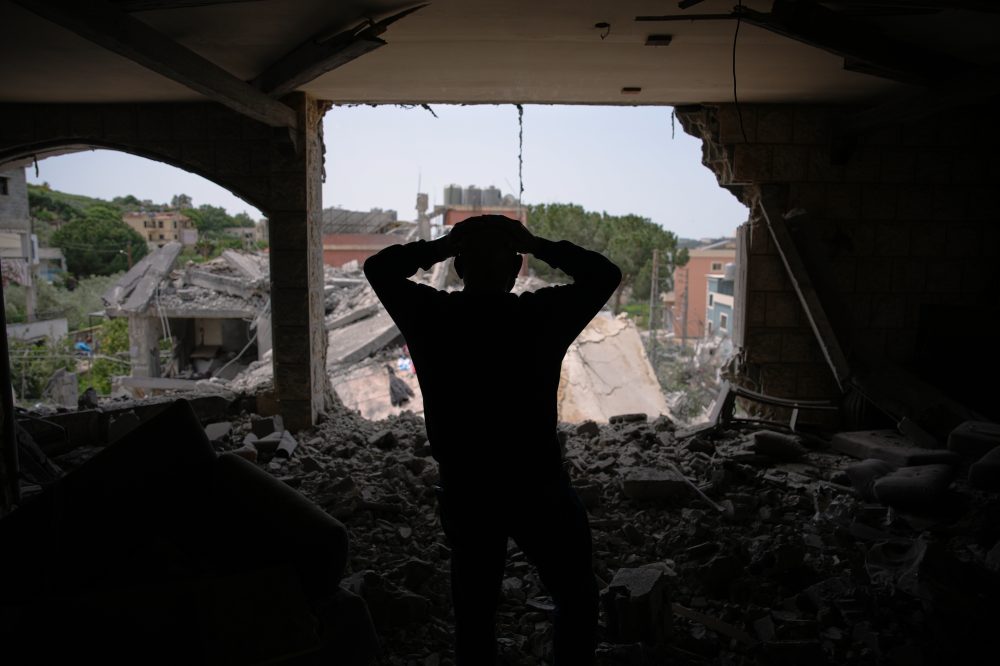
In Beirut, displaced residents started returning to southern Lebanon and Beirut’s southern neighborhoods despite official warnings against going home until the ceasefire’s stability becomes clear.
Lebanese military and UN peacekeeping forces in southern Lebanon documented scattered artillery fire in some southern areas during the hours following the ceasefire implementation.
The conflict, which started with US and Israeli military action on February 28, has resulted in at least 3,000 Iranian deaths, over 2,290 Lebanese casualties, 23 Israeli fatalities, and more than twelve deaths in Gulf Arab nations. Thirteen American military personnel have also died.