
Weather experts are sounding the alarm as dry conditions across the continental United States have reached unprecedented severity for this time of year, creating concerns about wildfire dangers, agricultural losses, and rising grocery costs.
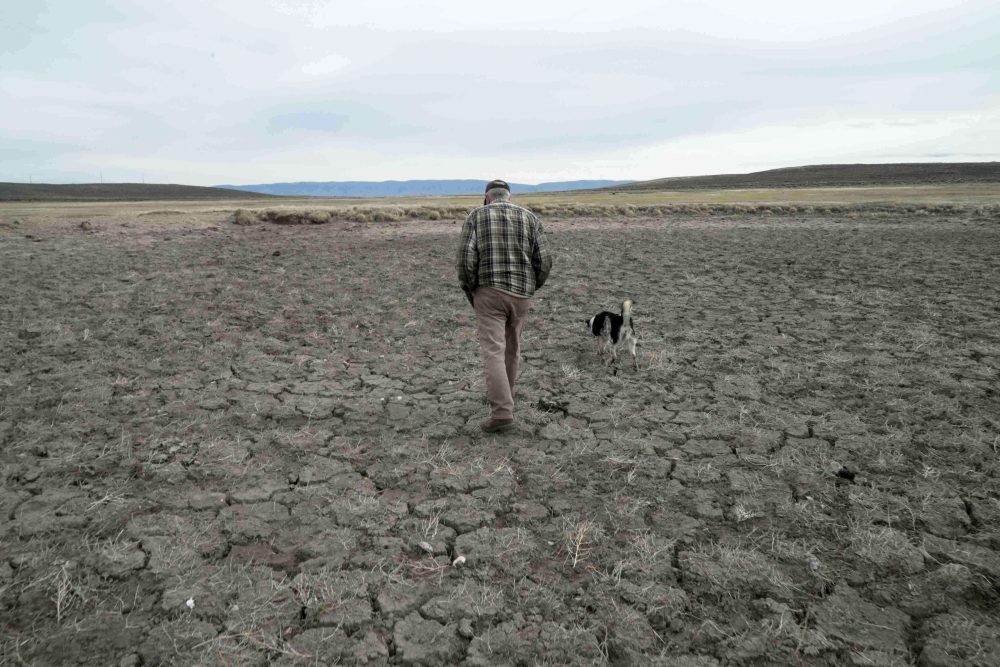
According to the U.S. Drought Monitor, over 61% of the Lower 48 states are currently experiencing moderate to severe drought conditions, with 97% of the Southeast and two-thirds of western states affected. These figures represent the most extensive drought coverage recorded for March since monitoring began in 2000.
The National Oceanic and Atmospheric Administration’s Palmer Drought Severity Index registered its most severe March reading since data collection started in 1895. Last month also ranked as the third-driest on record for any month, surpassed only by the notorious Dust Bowl periods of July and August 1934.
Unusually high temperatures have resulted in dramatically reduced snowpack levels across western regions during the early months of 2024, eliminating the area’s primary water storage system for summer months. Meanwhile, a separate drought pattern linked to jet stream changes has pushed storm systems northward, creating dry conditions stretching from Texas to the Atlantic Coast, according to Brian Fuchs, a climatologist with the National Drought Mitigation Center.
NOAA scientists estimate that eastern Texas would require 19 inches of rainfall within a single month to end current drought conditions, while most southeastern areas would need more than 12 inches to address their water deficits.
“Right now 61% of the country is in drought and that’s steadily been going up for the calendar year,” Fuchs said. “We just haven’t seen too many springs where this amount of the country has been in this kind of shape.”
UCLA hydroclimatologist Park Williams highlighted a concerning measurement called vapor pressure deficit, which tracks how aggressively hot, dry air extracts moisture from soil and vegetation. This “sponginess” factor currently sits 77% above normal levels and exceeds the previous January-March record by more than 25%.
Such intense ground moisture extraction “wouldn’t have appeared possible” previously, Williams noted.
The timing particularly worries meteorologists, since drought conditions typically worsen during summer rather than spring months.
“Fire tends to respond to heat and drought in an exponential manner,” Williams explained. “For each degree of warming, you get a bigger bang in terms of fire than you got from the previous degree of warming.”
In Arizona, desert cacti are flowering months ahead of schedule, and water concerns have already intensified, reported Kathy Jacobs, who directs the Center for Climate Adaptation Science and Solutions at the University of Arizona.
“Those of us who are dependent on the Colorado River, of course, are very concerned about the fact that we don’t have a negotiated path forward in the middle of what appears to be possibly the worst year of drought that we’ve all experienced,” Jacobs said. “We have lots of reservoirs that are not full.”
Yale Climate Connections meteorologist Jeff Masters expressed particular worry about agricultural impacts and subsequent food price increases. Poor American crop yields due to drought could create global food security issues, especially with predictions of a strong El Nino weather pattern that typically reduces harvests in other regions like India.
Williams from UCLA attributed the drought and elevated temperatures to a combination of natural weather variations and human-driven climate change, with natural factors playing a slightly larger role currently.
“All weather is now affected by climate change,” Jacobs emphasized. “There is no such thing as weather that’s divorced from climate trends. But this extreme event is extreme in the way that we’ve been expecting: extreme heat waves, intense drought.”