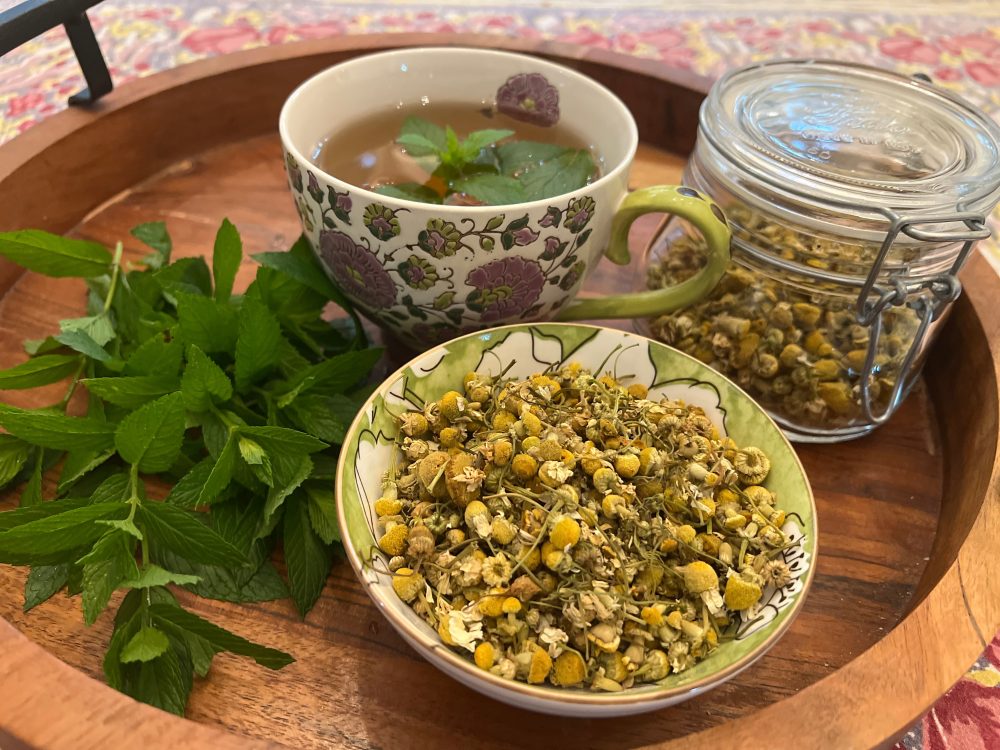

The aroma alone from a freshly brewed cup of herbal tea can be enough to melt away stress — and that experience becomes even more rewarding when the herbs came straight from your own garden.
Herbal teas are not the same as traditional teas like black or green varieties, which are made from the leaves of the Camellia sinensis plant. Herbal teas can be brewed using either freshly picked or dried herbs, and whether served hot or iced, they offer a calming, satisfying ritual.
Most herbs thrive in a spot that gets at least 6 to 8 hours of direct sunlight each day, though a little afternoon shade is helpful in warmer climates. They do well in containers, raised beds, or garden plots with soil that drains properly. While fertilizer is generally not required, mixing a good amount of compost into the soil before planting will help keep herbs healthy through the growing season.
When planting from seed outdoors, follow the spacing instructions on the seed packet. If the seeds are extremely small — like those of mint varieties — blend them with a little sand before scattering them over the soil. Once seedlings reach about 2 inches in height, thin them out to achieve the proper spacing. Check the “days to maturity” information on the seed packet or plant tag, and keep in mind that seeds are best started in spring. Starter plants purchased later in the season can still be planted, provided there’s enough time before the first frost for them to reach maturity.
Keep the soil lightly moist while plants get established, then shift to watering only when the soil feels dry.
Here are some excellent herbs to consider for your tea garden:
German chamomile: This annual plant produces small, daisy-like flowers that are as pretty in the garden as they are useful in a teacup. Chamomile brews into a gentle, delicate tea that goes beautifully with a touch of honey. Begin applying a flower-boosting fertilizer — such as a 5-10-5 formula — one month after planting, following the package instructions.
Mints: The options are plentiful and delicious, including peppermint, spearmint, chocolate mint, pineapple mint, lime mint, and apple mint. All mint varieties are perennials that are hardy in zones 3 through 9, but they spread aggressively. It’s strongly recommended to grow them in pots rather than directly in the ground, unless you don’t mind them taking over a large area.
Anise hyssop (Agastache foeniculum): This perennial is commonly grown as an ornamental plant in flower beds and is hardy in zones 3 through 8 or 9. Its highly fragrant leaves produce a tea with a pleasant licorice-like taste. While it is related to mint, it tends to stay in a more compact, mounded shape and doesn’t spread as aggressively. When growing for tea purposes, be sure to plant the straight species — foeniculum — since other varieties of anise hyssop may have different and less desirable flavors.
Lemon balm: Another relative of mint, lemon balm is a perennial hardy in zones 4 through 8. It should be contained to prevent it from spreading too widely. Its mild lemon flavor makes for a refreshing and gentle tea.
Lemon verbena: This perennial shrub is hardy in zones 8 through 11 and grows best in partial shade. It requires more feeding than most herbs, so apply a liquid fertilizer every two to three weeks. It delivers a stronger, more pronounced lemon flavor compared to lemon balm.
The best time to harvest herbs is in the morning, shortly after the dew has evaporated, when the plants’ essential oils are at their peak concentration. Rinse the harvested herbs thoroughly and pat them dry before use.
To brew a fresh cup, heat water to just under boiling and pour 8 ounces over 2 to 3 tablespoons of chopped fresh herbs in a cup. Cover the cup and let it steep for 10 to 15 minutes, then strain. Add a sweetener or mix in other herbs as you like.
To preserve herbs for later use, spread them out on a screen or bundle the stems together and hang them upside down in a spot that is well-ventilated, dark, and dry. Once they become completely dry and crunchy, remove the leaves or flowers from the stems and store them in a sealed glass jar in a cool, dark location such as a kitchen cabinet. Properly stored dried herbs will hold their flavor and fragrance for approximately two years.
Because drying intensifies the flavor of herbs, you’ll need a smaller quantity and shorter steeping time when using dried herbs. Start with just 1 teaspoon and steep for about 5 minutes, then adjust to your taste from there.