
RICHMOND — Advocates for Virginia’s farming community were active throughout the 2026 General Assembly session, pushing for legislation that touches on everything from food labeling to pest control to worker pay.
Several of those new laws will affect not just farmers, but everyday Virginians who buy food and hire landscapers. Key measures from the session address how alternative proteins must be labeled, how property owners must be informed about invasive plants, how deer damage permits are handled, and how the state’s minimum wage will change.
Gov. Abigail Spanberger signed a bill requiring alternative- and manufactured-protein food products to carry labels clearly identifying their ingredients and origin. Under the new law, a food item would be considered misbranded if it is marketed as a meat or poultry product but actually contains a manufactured-protein ingredient — unless the label prominently includes a qualifying term like “plant-based,” “cell-cultured,” “lab-grown,” or “vegan.”
Katelyn Jordan, assistant director of governmental relations for the Virginia Farm Bureau Federation, emphasized why the labeling change matters: “Clear and accurate labeling is not just a consumer transparency issue — it’s about fairness, integrity and protecting the livelihoods of Virginia’s livestock farmers.”
Spanberger also signed a separate measure establishing escalating civil fines for retailers, landscapers, and contractors who fail to give written notice to property owners when recommending or installing plants that the Virginia Department of Conservation and Recreation has identified as invasive species. Fines start at no more than $250 for a first offense, rise to $500 for a second, and reach $1,000 for each additional violation.
Invasive plants can move beyond private yards into natural areas and farmland, causing ecological and economic harm. Jordan noted the importance of keeping buyers informed: “Invasive species threaten our farms by damaging crops, increasing costs and disrupting operations. An informed consumer is critical to stopping their spread and protecting our farmland from future infestations.”
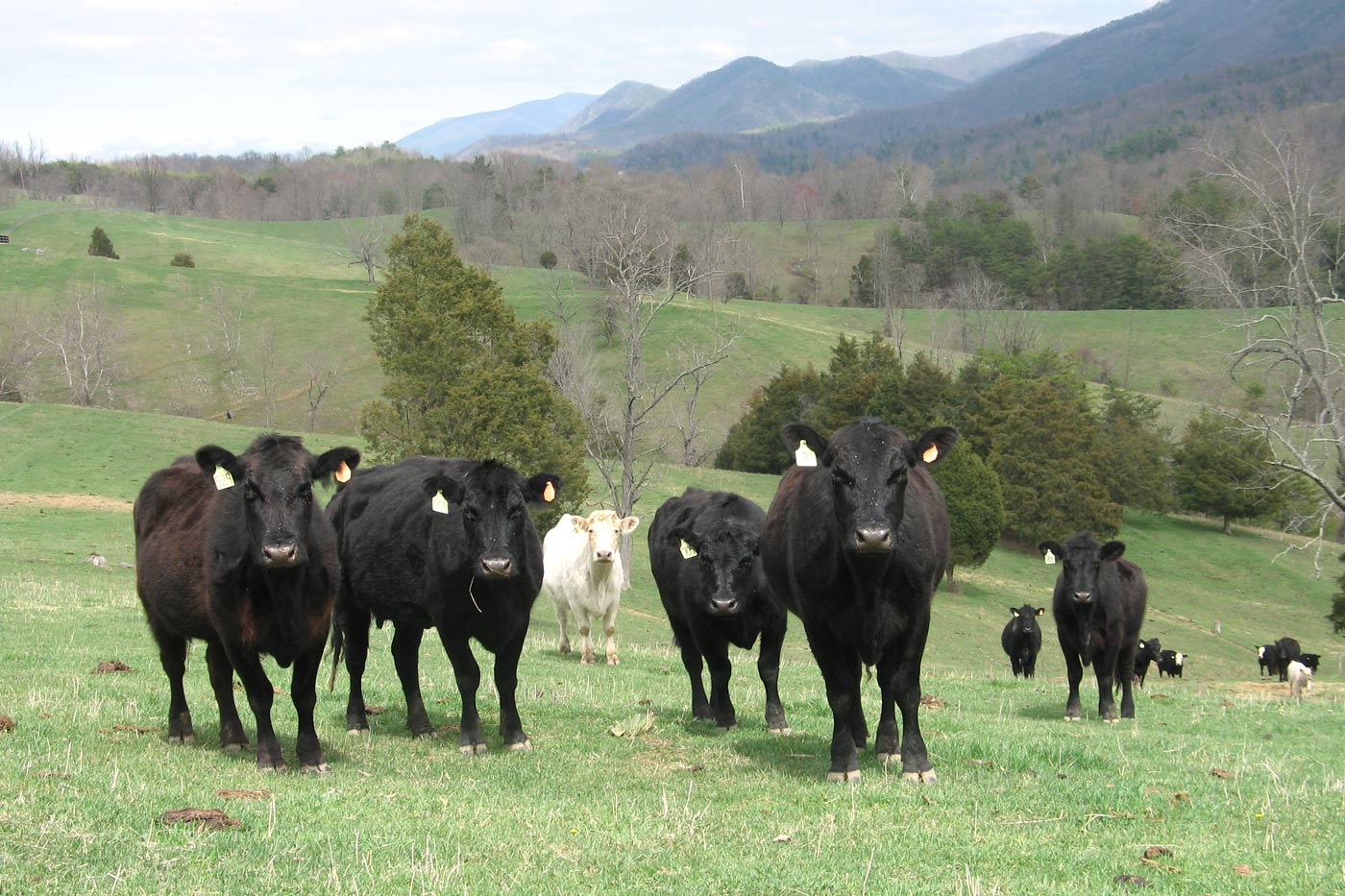
Virginia farmers have long dealt with deer causing significant damage to crops and agricultural operations, sometimes resulting in thousands of dollars in losses. New legislation simplifies the process for obtaining deer kill permits by making it easier to renew them and eliminating the requirement to maintain a shooter list. The bill also clarifies that there is no limit on the number of antlerless deer that can be culled under a permit when they are causing agricultural damage.
“This bill cuts unnecessary red tape by streamlining the kill permit process, giving farmers faster, more efficient tools to protect their operations while maintaining proper oversight,” Jordan said.
Minimum wage was another major topic this session. Spanberger signed legislation that will raise Virginia’s minimum wage in two steps — climbing to $13.75 per hour on January 1, 2027, and then reaching $15 per hour by January 1, 2028.
Jordan cautioned that the wage increases carry broad consequences for the agricultural sector: “Changes to the minimum wage have ripple effects all the way up and down the supply chain. We need to do everything we can to keep our small farmers farming.”