
One of the earliest lessons in forestry education involves what’s known as the “4 W’s” — wood, water, wildlife, and recreation. While those four concepts offer a starting point for understanding why forests matter, they only scratch the surface. Forests clean the air, store carbon, protect water supplies, soften the blow of extreme weather events, and deliver a wide range of environmental, economic, and recreational benefits to communities and wildlife alike.
Right now, Delaware’s forests are under pressure from multiple directions. Urban and suburban development, a shifting climate, invasive species, and the threat of wildfire are all taking a toll on the health of forested land across the state. Tackling these challenges calls for hands-on management and sustained investment in forest restoration and conservation efforts.
Fortunately, land managers have a growing toolkit to work with. Prescribed burns can reduce the buildup of combustible materials and lower the chances of a devastating wildfire. Controlling invasive species opens the door for native plants and animals to flourish. Planting new trees — whether restoring previously forested land or establishing forests where none existed — can create diverse, native woodlands better suited to handle whatever environmental pressures lie ahead.
To help make that work possible, the Delaware Forest Service created the Forest Resiliency Fund, a program that offers financial assistance to landowners who carry out practices aimed at boosting forest health across Delaware. The program is open to landowners with fewer than 10,000 acres of forestland in the state, including private individuals, municipalities, county governments, and homeowners associations. Projects must cover at least three acres to qualify.
The Delaware Forest Service has now completed its first planting season through the Forest Resiliency Fund — a significant milestone for the young program. In that inaugural season, approximately 61,698 tree seedlings were put in the ground, resulting in around 142 acres of newly established forest throughout the state. Work was carried out on private properties as well as land belonging to Sussex County and the City of Lewes.
Key accomplishments from the first planting season include:
— 51 acres of mixed native hardwood forest planted on Sussex County property.
— 23 acres of new forest established for two private landowners in Sussex County.
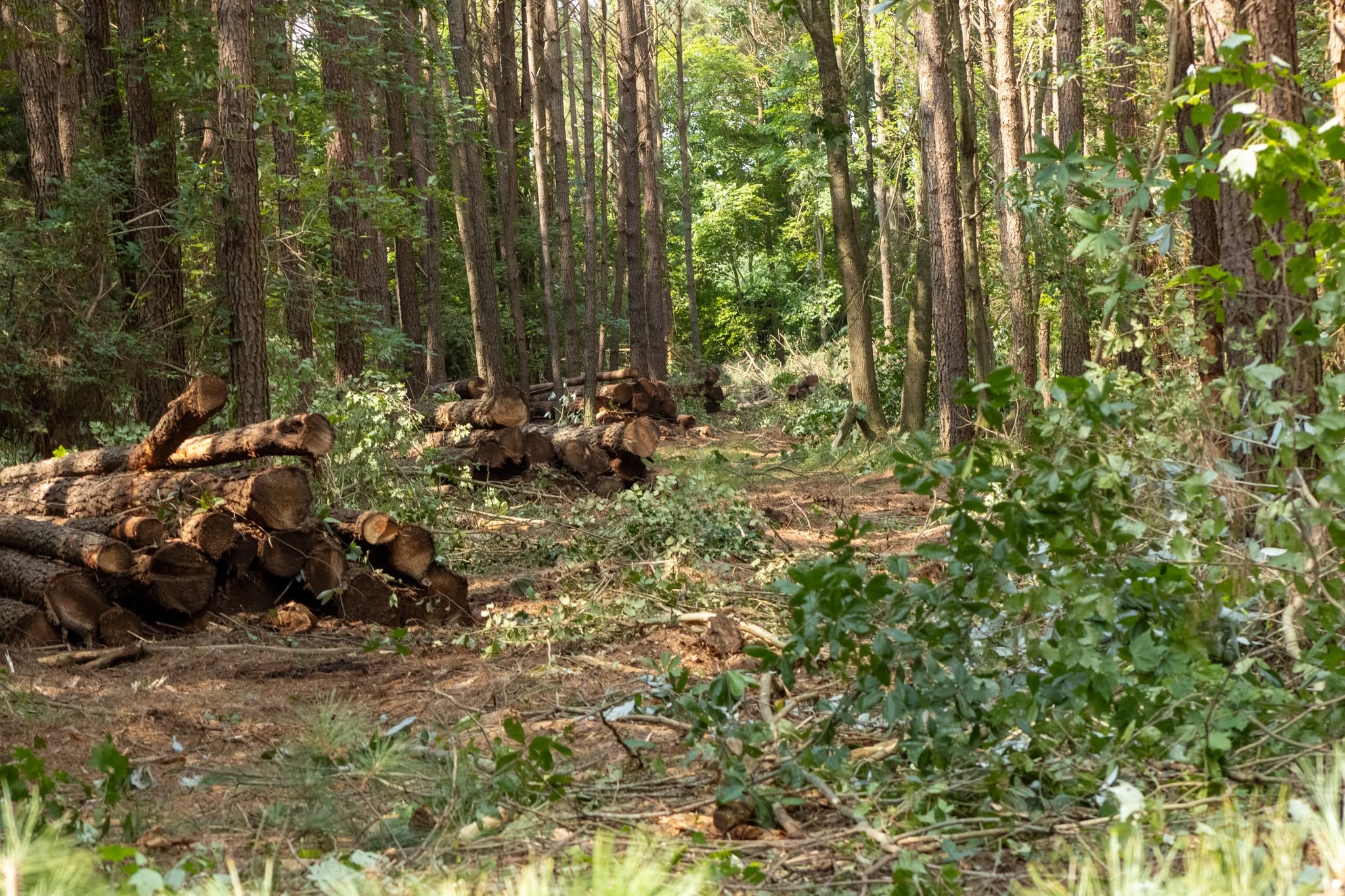
— Nearly one mile of streamside buffer in Kent County converted from a single-species pine stand into a diverse native hardwood forest.
— 11 acres of new forest added to City of Lewes property.
— An additional 9 acres of new forest created for private landowners in Kent County.
The benefits from these projects are expected to last for generations. The newly planted forests will support wildlife habitat, improve water quality, capture more carbon from the atmosphere, and make Delaware’s natural landscapes more resilient overall. Perhaps most significantly, they represent a meaningful commitment to ensuring that future Delawareans can continue to depend on — and enjoy — healthy, thriving forests.
As the Forest Resiliency Fund expands, the Delaware Forest Service says it looks forward to working with additional landowners and communities to restore, protect, and grow Delaware’s forests, building a stronger and more resilient natural landscape for everyone across the state.