
FORMOSO DO ARAGUAIA, Brazil (AP) — A remarkable dispute over livestock and land conservation is unfolding on a massive island in northern Brazil, raising difficult questions about the rights of Indigenous communities and the pressures of the cattle industry.
Last year, federal authorities ordered all cattle herds removed from Bananal Island — the world’s largest river island — which is designated as protected Indigenous territory. Officials argued that the ranchers keeping livestock there were operating illegally and that the herds were causing environmental damage to the land.
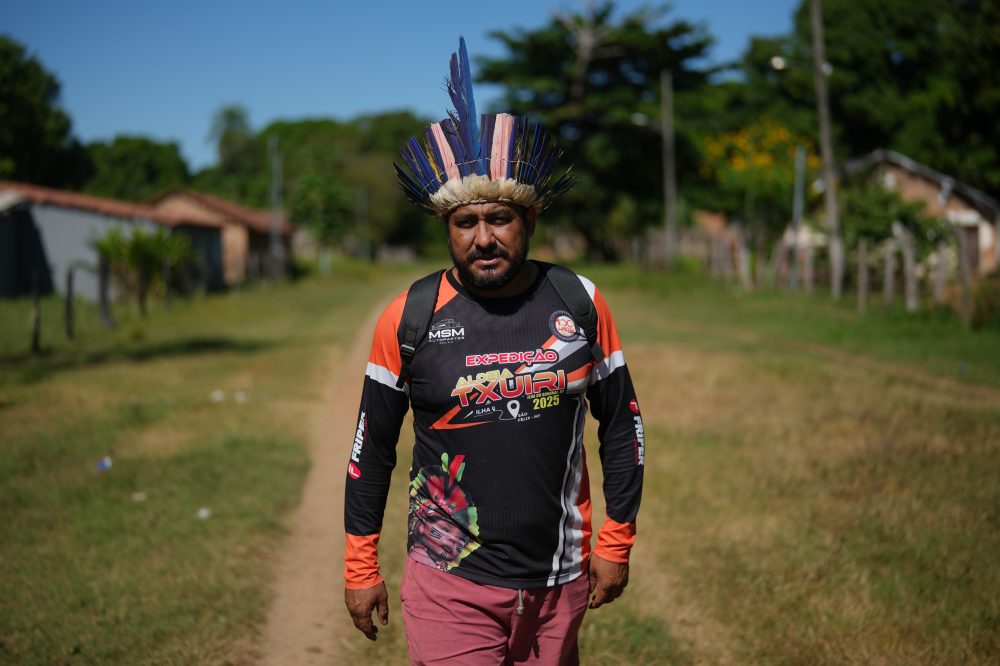
When river levels dropped low enough, wranglers moved more than 100,000 head of cattle off the island. But the removal has triggered fresh hardships for Indigenous residents who had grown dependent on income earned by leasing their land to outside ranchers.
The situation puts a spotlight on the difficult task of balancing environmental conservation, the needs of Indigenous communities, and the enormous influence of Brazil’s agribusiness sector. Brazil leads the world in beef production, responsible for roughly 20% of global output and about 6% of the country’s gross domestic product.
Preserving Indigenous territories is broadly regarded as one of the most powerful tools for slowing deforestation in the Amazon, the planet’s largest rainforest and a critical stabilizer of the world’s climate.
While Brazil has made strides in cutting deforestation rates, cattle ranching continues to be the primary cause. Ranchers routinely clear large areas of forest to create grazing land for their herds.
Tocantins state, where Bananal Island is located, was among the Brazilian states with the highest deforestation levels in 2025, according to MapBiomas, a nonprofit organization that monitors land use. As trees that absorb pollution are replaced by cattle that release methane — a greenhouse gas — biodiversity suffers and global warming accelerates.
Under Brazilian law, commercial activity on Indigenous lands is prohibited. Cattle raising is only permitted for subsistence purposes.
In reality, however, portions of Bananal Island had been leased to ranchers for decades. Through an informal arrangement, ranchers paid village leaders a monthly fee of about 15 reais — roughly $3 — per animal, well below the approximately 60 reais ($12) charged for land outside the island.
When more than 100,000 cattle were present on the island, monthly lease payments could total as much as 1.5 million reais, or about $290,000. Chiefs received those payments and distributed a portion to local associations.