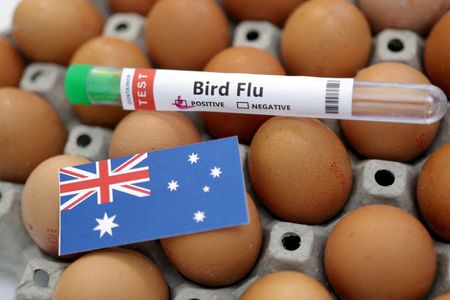

Australian authorities have intensified surveillance efforts and expanded testing after two confirmed cases of the highly pathogenic H5N1 strain of bird flu were detected in migratory seabirds, according to a Reuters report from Sydney on June 24.
Testing is now underway in South Australia following the discovery of two dead sub-Antarctic seabirds and a pelican on Monday near Fowlers Bay — located more than 1,200 kilometers (about 746 miles) east of Esperance in Western Australia, where the first two confirmed cases had been identified. The Australian Broadcasting Corporation reported the findings.
South Australia’s Primary Industries Minister Claire Scriven spoke with ABC Radio about the timeline for test results, saying it could be several days before answers are available. “In terms of the turnaround times, it sort of depends on the outcomes … we hope this doesn’t get to South Australia, but we know, of course, that it may,” Scriven said.
A spokesperson for the South Australia Primary Industries Department confirmed there are currently no verified bird flu cases in the state, but officials pledged to investigate any reports of sick or dead birds and to notify the public if a positive result is found.
Authorities are conducting ground-based surveillance as well as drone surveys at sea lion breeding locations along South Australia’s western and far western coastlines, and testing has been increased in areas considered high-risk.
In Western Australia, two additional birds — located far from where the initial cases were found — are also being tested, though officials say there is no evidence the virus has spread more widely. The ABC reported that a total of 11 samples have been sent for testing in Western Australia, drawn from 94 reports of dead or sick birds over the past three days.
Prior to these detections, Australia had been the only continent without a confirmed mainland bird flu case. The virus had previously been detected in late 2025 on Heard Island, a sub-Antarctic territory belonging to Australia.
While human infections from avian influenza remain uncommon, the global spread of the disease has caused significant damage to poultry flocks and disrupted the supply and pricing of chicken meat and eggs in numerous countries. Australia has responded by tightening biosecurity measures on farms, increasing testing among shorebirds, vaccinating at-risk species, and running emergency response drills.