
WASHINGTON — A national survey examining the state of women in agriculture was unveiled at the International Year of the Woman Farmer ACE Summit held in Washington in early June, with the American Farm Bureau Federation Women’s Leadership Committee sharing the results.
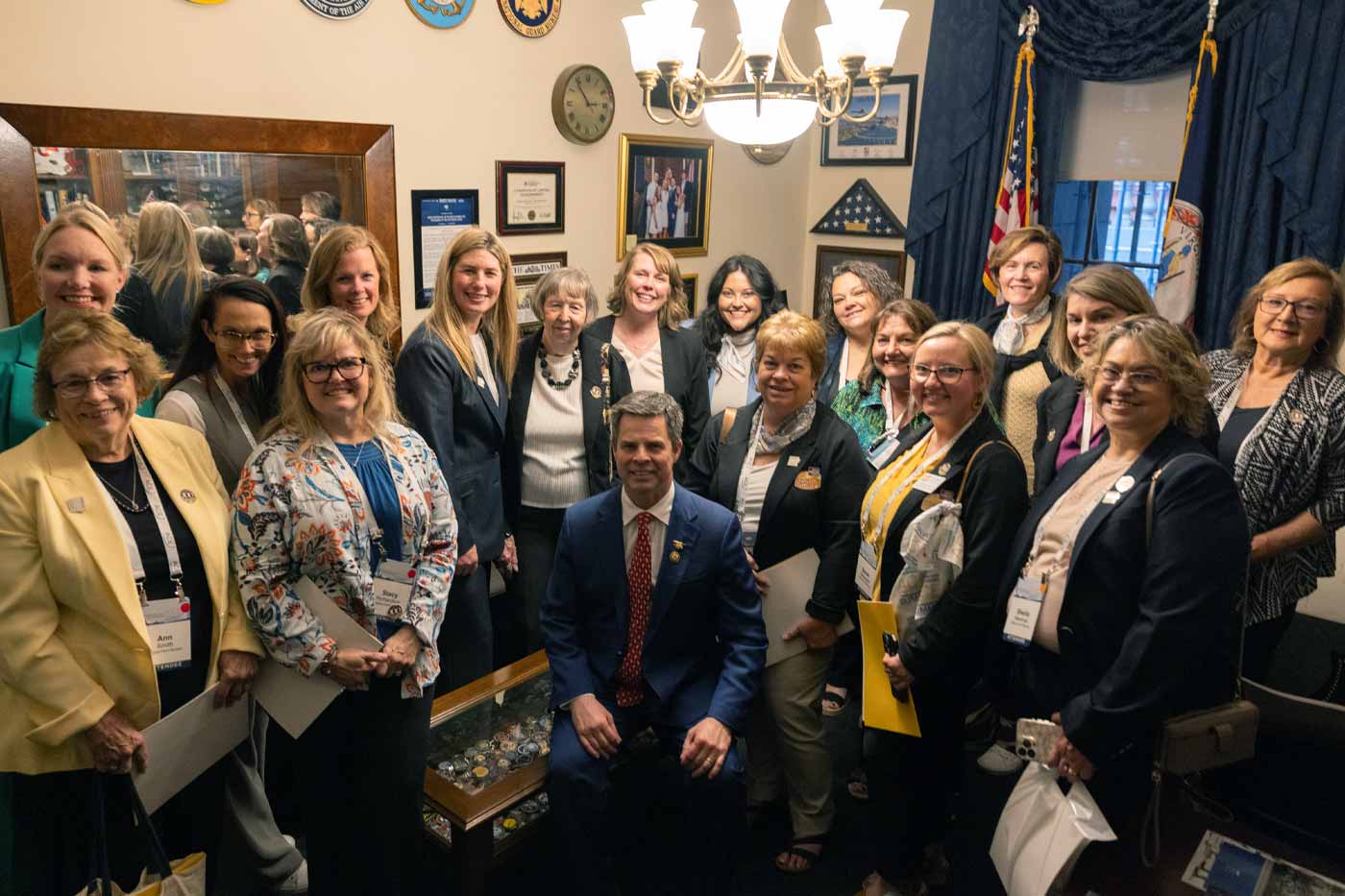
The summit drew a record number of women from Virginia involved in farming, underscoring the growing presence and influence of women across the agricultural sector.
“Having so many Virginia women in agriculture in attendance guaranteed that members of Congress and fellow ACE Summit attendees heard perspectives from nearly every sector or commodity group in agriculture,” said Olivia Gyapong, Virginia Farm Bureau Federation national affairs specialist.
The research, backed by JBS and CoBank, was carried out through a combination of online surveys and focus groups to paint a thorough picture of women’s roles in American agriculture today.
Balancing farm work with outside careers and family responsibilities is a common reality for many farm women. The survey found that 60% of women hold jobs away from the farm. Even so, nine out of ten reported feeling confident discussing agriculture in public and professional settings.
Family farming remains a cornerstone of the industry, with 61% of those surveyed saying they are part of family farm operations. Beef cattle, corn, and row crops ranked among the most common commodities these women work with.
Researchers pinpointed five key areas where women in agriculture need more support: access to resources, time and caregiving demands, skill development, involvement in leadership, financial security, and overall well-being.
The appetite for leadership is strong — nearly 90% of women surveyed said they want to take on leadership roles. One program aimed at supporting that ambition is AgConnectHER, an initiative from the American Farm Bureau Federation designed to help women build leadership skills within the agriculture industry.
“More women are owners, managers, financial professionals and entrepreneurs for their farms now, no longer solely supporting farm operations behind the scenes, so leadership is a natural extension of the responsibilities they are already carrying,” Gyapong said.
Despite that enthusiasm, the survey found that only 17% of women have taken part in formal training programs. Still, interest in skill-building is significant. About 44% of respondents said they want equipment or technical skills training, and nearly 56% expressed interest in business and financial management training.
“At the Virginia level, our women in agriculture have access to our training through avenues like our women’s leadership academy and Virginia Cooperative Extension’s Women in Agriculture program. I hope more women in ag or aspiring women in ag can take advantage of those opportunities,” Gyapong said.