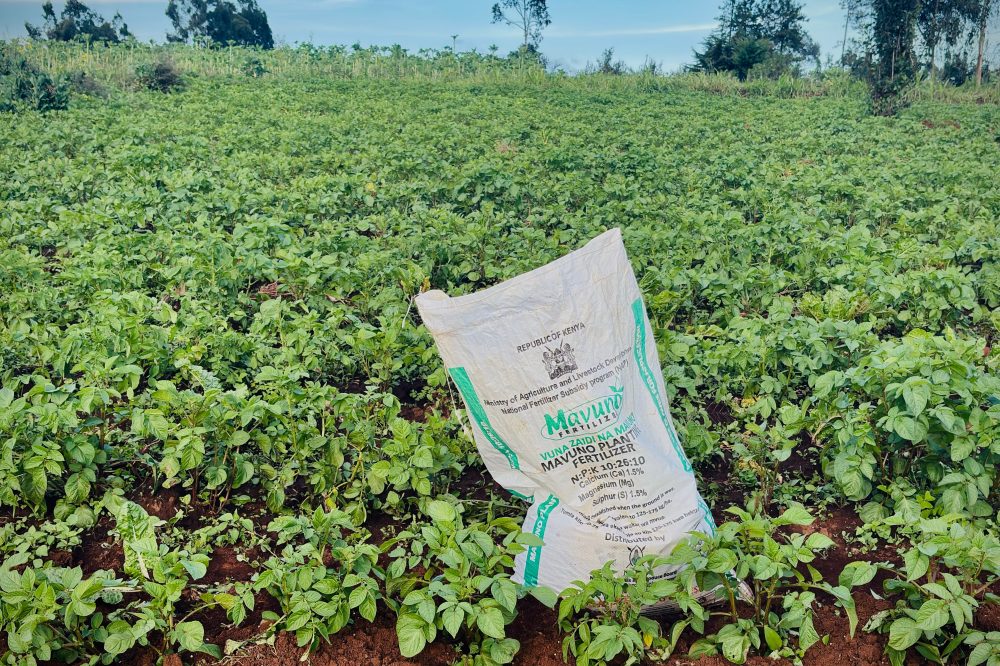
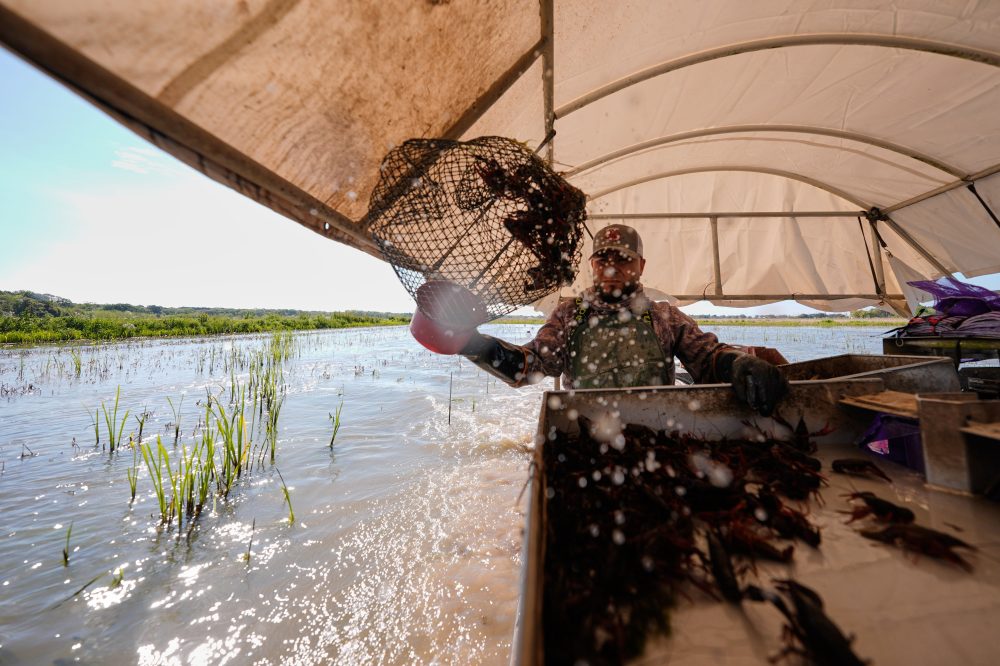
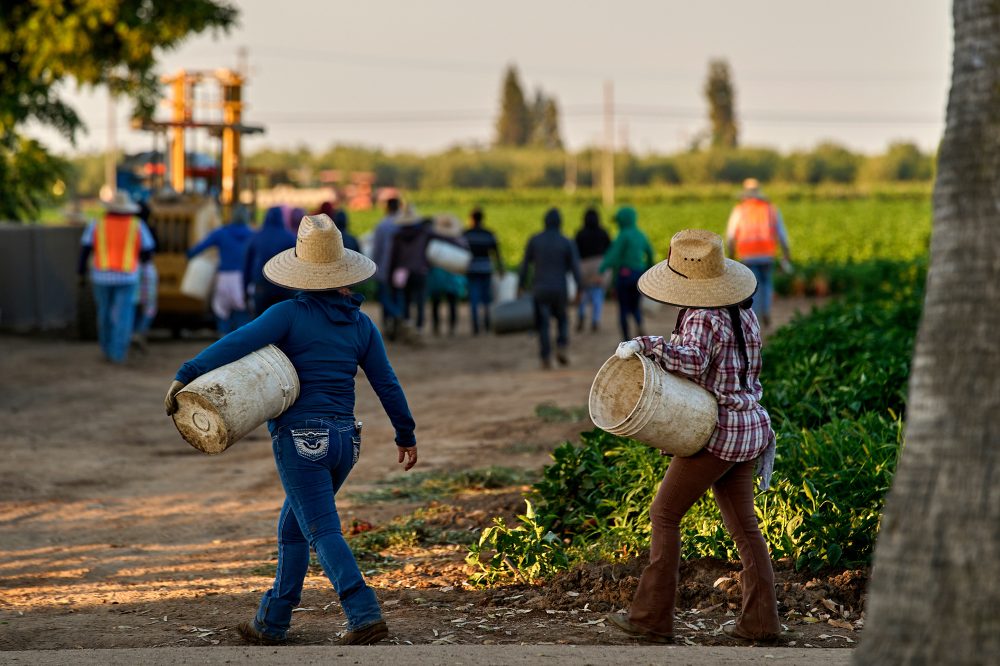
Farmers across Australia are making significant changes to their crop selection as skyrocketing fertilizer and fuel expenses linked to the Iran conflict force agricultural decisions in one of the globe’s major food-producing nations.
Agricultural producers are increasingly choosing barley over more nitrogen-dependent crops like wheat and canola as planting season accelerates throughout much of the country this month. These crops require substantial nutrient supplies to support initial growth phases.
Urea prices in Australia have reached approximately A$1,350 ($928) per ton this week, representing a 60% increase since the start of the U.S.-Israeli conflict with Iran, according to market analysts. Australian diesel costs have jumped 88% during the same timeframe.
“Farmers are trying to reduce fertiliser application and switching planting from nitrogen hungry crops like wheat and canola into feed barley,” explained Dennis Voznesenski, an agricultural analyst at Commonwealth Bank of Australia.
“Some are also reducing planted area, but this so far is minimal,” Voznesenski added.
Industry experts predict Australia’s wheat cultivation could decrease by 10% to 12% under current circumstances, down from 12.4 million hectares planted last year. Canola production is also expected to fall despite better profit margins, according to unnamed agricultural brokers and analysts.
As the world’s fourth-largest wheat exporter and second-biggest canola supplier, Australia serves customers throughout Asia, the Middle East and Europe. The nation also produces barley, chickpeas and various pulse crops.
Global farmers face similar challenges securing fertilizer supplies as planting seasons begin in major agricultural regions. The Iran war has severely disrupted the Strait of Hormuz, a critical shipping route handling 30% of international fertilizer trade.
Bank of America has issued warnings that the conflict endangers 65% to 70% of worldwide urea supplies, a crucial nitrogen fertilizer, with prices already climbing 30% to 40%.
The U.S. Department of Agriculture reported this week that American farmers intend to plant less corn and increase soybean acreage in 2026 compared to last year. Meanwhile, China has restricted fertilizer exports while India seeks alternative supply sources for summer crops.
Wheat, corn and canola typically demand higher urea applications compared to barley and pulse crops.
“Australia typically relies on China for urea, but export curbs have limited shipments,” noted StoneX analyst Josh Linville.
“Buyers turned to Indonesia, only to face further constraints there and by the time they sought supplies from the Middle East, the war had already started and the Strait of Hormuz had closed,” Linville explained.
Agricultural crops require fertilizer during initial planting as well as during growth and pre-harvest stages. Crops planted in April and May are typically harvested in November and December.
“It is a big issue as the cost of farming has risen sharply in the last one month,” stated Tobin Gorey, founder of commodities consultancy Cornucopia in Sydney.
Listen to the Morning Delmarva Farm Report Update — April 2, 2026
DELMARVA — Cooler temperatures and a soggy start to April are putting field work on hold across Delmarva this week. Producers looking to get into fields for early corn planting or pre-emergent herbicide applications will need to wait it out.
The wet weather does provide some benefit, recharging soil moisture after a dry stretch in mid-March. Extension agronomists say there’s no need to rush given soil temperatures remain below optimal for germination anyway. Producers who got applications down ahead of this system are in good shape. For those waiting, conditions should improve by the weekend.
Markets
May corn futures opened at $5.18 a bushel. July soybeans traded at $11.42. July wheat opened at $5.97. Locally, corn bids on Delmarva are running $4.95 to $5.10 depending on location. Soybeans are trading at $11.20 to $11.35.
Forecast
Mostly cloudy skies are expected today with highs only reaching 50 degrees. Northeast winds at 10 miles per hour. Temperatures will stay cool tonight, dropping to 43 with patchy fog developing after midnight. Friday brings improvement with patchy morning fog clearing to mostly sunny skies and highs climbing to 67 degrees. The weekend looks dry Saturday before rain moves back in Sunday.
This article is based on the Delmarva Farm Report Update Morning Edition, April 2, 2026. Hosted by Tom Bradley.
The Food Safety and Inspection Service has announced plans to modify its data collection requirements for state-run meat and poultry inspection programs nationwide.
Following federal paperwork regulations and the Paperwork Reduction Act of 1995, the agency is seeking approval to update its current information gathering procedures. The proposed changes would increase the administrative workload by 204 hours, which officials attribute to a new state program being added to the system.
The current authorization for this data collection system is scheduled to end on August 31, 2026. The agency must receive approval for the revised collection procedures before that deadline.
State meat and poultry inspection programs work alongside federal oversight to ensure food safety standards are maintained at processing facilities across the country.
Listen to the Evening Delmarva Farm Report Update — April 1, 2026
DELMARVA — Rain is moving into the region tonight at a critical time for Delmarva growers. Fields have been drying out nicely after last week’s wet spell, but showers and thunderstorms overnight could delay field work into Thursday. Most operations across Sussex County and the Eastern Shore have been pushing hard to get corn in the ground ahead of this system.
Markets
Corn futures closed at $5.78 per bushel, down 4 cents on the session. Soybeans settled at $12.32, up 6 cents. Wheat finished at $6.14, down 2 cents.
Local cash corn on Delmarva is running $4.90 at most elevators. Soybeans are bringing in $11.45.
Forecast
A slight chance of showers and thunderstorms continues through this evening with temperatures holding near 80 degrees under southwest winds at 5 miles per hour. Tonight, expect showers and thunderstorms, especially after midnight. Lows drop to around 50 degrees with southeast winds staying light.
Thursday is looking cloudy with a slight chance of morning rain showers, then drying out. Highs only reach the mid-50s with northeast winds 5 to 10 miles per hour. Conditions are not ideal for planting, but fields should be workable by Friday when temperatures warm back into the low 70s under mostly sunny skies.
This article is based on the Delmarva Farm Report Update Evening Edition, April 1, 2026. Hosted by Tom Bradley.
Spring fishing enthusiasts across Maryland are finding plenty of action on the water this week as the state’s catch-and-release striped bass season gets underway in Chesapeake Bay waters.
The recreational striped bass fishing season runs through April 30 in Maryland’s Chesapeake Bay waters from Abby Point to Worton Point in the northern bay down to the Virginia border, including the Potomac River. Starting May 1, fishermen will be allowed to keep one striped bass daily measuring between 19 and 24 inches.
According to this week’s fishing forecast from April 1-7, bay water temperatures have reached the low to mid-50s, with smaller waterways holding in the upper 50s. Sunny downwind areas in smaller streams may see temperatures approaching the low 60s, creating ideal conditions for white perch as they migrate from winter areas to prepare for spawning.
Striped bass are moving toward spawning grounds in low-salinity areas of the bay and tidal rivers. Fishing experts recommend focusing on channel edges where fish travel to these spawning locations.
During the catch-and-release period, trolling anglers must limit themselves to six lines using barbless hooks without stinger attachments. Cut bait requires non-offset circle hooks, and eel bait is prohibited. Most large female striped bass in the upper bay will be pre-spawn, requiring careful handling and quick release.
The upper bay offers catch-and-release striped bass fishing below the Abby Point to Worton Point line. Water temperatures in this region are holding around 50 degrees. Anglers can also target largemouth and smallmouth bass in the lower Susquehanna River, along with blue catfish and channel catfish using non-offset circle hooks.
White perch spawning runs are active throughout tidal rivers in the upper bay, including the North East, Sassafras, Bush, Gunpowder, Chester, and Magothy rivers. Popular techniques include small jig heads or shad darts with grass shrimp, minnow pieces, or bloodworms. Hickory shad have arrived in the Susquehanna River and at the mouths of Deer Creek and Octoraro Creek.
In the middle bay, anglers seeking striped bass are trolling along steep channel edges using barbless bucktails with chartreuse or white sassy shads. Large soft plastic jigs are also proving effective. The Choptank River and Tuckahoe Creek are producing excellent white perch action, with larger females now joining smaller males in the spawning run.
The lower bay presents perhaps the best opportunity for catch-and-release striped bass fishing, as all fish heading to spawning rivers must pass through these waters. The main Potomac River is also open for catch-and-release fishing. Hickory shad spawning runs have begun in the Potomac River near Fletcher’s and Little Falls, as well as the Mason Branch of Mattawoman Creek.
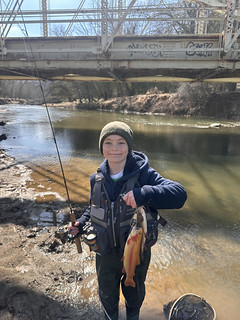
State hatchery crews continue stocking put-and-take trout waters for spring fishing. Stocking updates are posted on the state’s trout stocking website as they occur, typically by early afternoon on stocking days.
Largemouth bass are actively feeding throughout the day due to cool water temperatures and pre-spawning energy needs. Effective lures include crankbaits, jerkbaits, spinnerbaits, paddletails, and craw jigs near cover areas and emerging grass beds.
Spring crappie fishing is excellent, with fish schooling near structure including fallen trees, submerged brush, and marina docks. Small minnows under slip bobbers remain the most popular technique.
Blue catfish activity is strong throughout tidal rivers, with medium-sized fish in upper river sections and larger specimens in middle to lower areas. The Potomac, Patuxent, Nanticoke, Choptank, and Chester rivers hold the largest populations.
Along the Atlantic coast, surf anglers are watching for the season’s first black drum along Assateague beaches, though clearnose skates and dogfish are currently providing most of the action. The Ocean City fishing community awaits the first flounder reports from inside the inlet.
Striped bass are offering exciting catch-and-release opportunities at the Route 90 Bridge and Verrazano Bridge piers during evening hours. Anglers are using paddletails and soft plastic jigs near bridge structures and marsh banks. While most caught fish measure below the 28-inch minimum, some fall within the legal 28 to 31-inch slot.
Tautog fishing remains productive at offshore wreck and reef sites for boats able to reach these locations. As water temperatures rise this month, tautog are expected to move into Ocean City Inlet, providing opportunities for shore and small boat anglers.
Recent government statistics reveal that agricultural producers across America are significantly cutting back on corn and wheat cultivation in the wake of soaring fertilizer costs tied to the U.S. military conflict with Iran.
The latest federal information indicates that farmers nationwide have reduced their planned corn and wheat acreage by several million acres compared to previous seasons. This dramatic shift in planting decisions comes as producers struggle with fertilizer expenses that have climbed substantially since America launched its attack on Iran.
The escalating costs represent another financial burden for grain producers who were already facing tight profit margins before the international conflict began affecting agricultural input prices.
Poultry facilities across the country can now submit applications for a national workplace safety recognition program that honors companies with outstanding safety achievements. The joint initiative welcomes submissions from members of three major industry organizations: the National Turkey Federation, National Chicken Council, and U.S. Poultry & Egg Association.
Companies operating processing plants, egg facilities, hatcheries, feed mills, animal support services, and rendering operations are all eligible to participate. To earn consideration, businesses must show they have developed creative and successful safety initiatives while keeping workplace injury and illness numbers below industry standards for three straight years.
Recent Bureau of Labor Statistics figures show the poultry sector achieved an injury rate of 2.4 incidents per 100 full-time employees. This performance surpasses comparable agricultural sectors at 3.2, the broader food manufacturing industry at 3.3, all manufacturing at 2.7, and general industry at 2.6.
The 2024 figure of 2.4 represents a dramatic 90% improvement since 1994, when the rate stood at 22.7 according to the earliest available federal data. This substantial progress demonstrates the sector’s sustained focus on enhancing worker protection.
“Working safely is part of our industry’s values of taking care of our folks,” said Rick Hellinga, senior director of Safety, Health and Loss Prevention at Simmons Foods and chair of the Joint Poultry Industry Safety & Health Council. “Our workforce is at the heart of producing nutritious, affordable food, and the industry is continually advancing safety practices, training and technology to reduce workplace hazards. As a result, we have seen meaningful progress in reducing injuries and illnesses over the years.”
The Joint Poultry Industry Safety & Health Council includes representatives from all three sponsoring organizations. Together, these groups represent 95% of America’s poultry production and their member companies create more than 1.4 million jobs nationwide.
Companies interested in applying can find program guidelines and submission materials online. All applications must be received by May 15. Winners will receive their honors during the National Safety Conference for the Poultry Industry, scheduled for August 17-19 at the Hilton Sandestin Beach Golf Resort & Spa in Destin, Florida.
The American poultry industry is showing signs of expansion, with new federal data revealing a 2 percent uptick in broiler-type egg production and chick placement across the country.
According to the latest statistics, hatcheries nationwide increased their setting of broiler-type eggs by 2 percent compared to previous periods. Similarly, the placement of broiler-type chicks for future meat production also rose by the same percentage.
This growth pattern suggests the chicken industry is responding to market demands and maintaining steady production levels. The increases affect the supply chain from hatchery operations through eventual retail distribution of poultry products.
The data reflects activity at commercial hatcheries that supply chicks to farms specializing in raising chickens for meat production, rather than egg-laying operations.
Agricultural facilities across the United States processed 6.43 million tons of soybeans to extract crude oil during February 2026, according to new federal agricultural statistics.
The processing volume, which equals roughly 214 million bushels, reflects ongoing demand for soybean oil in various industrial and food applications.
The data comes from the latest agricultural processing report tracking commodity crushing operations nationwide.
February 2026 saw significant corn utilization across the United States, with 469 million bushels processed for ethanol production and various other industrial applications, according to new federal agricultural data.
The USDA’s National Agricultural Statistics Service released figures showing corn consumption patterns for the 28-day period of February 2026, following the 31-day January reporting period.
The grain crushing report provides insight into how American-grown corn is being utilized in the ethanol industry and other manufacturing sectors that rely on corn as a primary ingredient.
These monthly statistics help track agricultural commodity flows and provide important market information for farmers, processors, and industry analysts monitoring grain usage trends nationwide.
Dairy farmers received valuable training on protecting their herds from disease outbreaks through a recent educational session hosted by the National Dairy FARM Program. The workshop, titled “Where to Start: Building an Enhanced Biosecurity Plan,” took place on March 18 at the Central Plains Dairy Expo in Sioux Falls, South Dakota.
The training was led by FARM Biosecurity specialist Miquela Hanselman, working alongside Dr. Danelle Bickett-Weddle, who owns Preventalytics. Together, they taught dairy producers methods for recognizing potential threats unique to their livestock operations.
The FARM Biosecurity initiative provides dairy farmers with a structured approach to creating stronger disease prevention protocols through three key phases:
The initial phase focuses on managing movement-related dangers, including livestock transfers, delivery of supplies, and staff activities on the farm.
Phase two involves conducting a comprehensive evaluation that examines animal health surveillance, livestock movement tracking, vehicle and equipment protocols, staff procedures, and establishing clear boundary lines. These separation barriers help define entry points and regulate movement throughout farm facilities, with each component linking to the overall biosecurity strategy.
The final phase requires developing a customized daily biosecurity protocol tailored to each specific operation, while collecting critical information including Premises identification numbers and emergency contact details for the facility.
Beyond the training session, the FARM Program engaged with the wider dairy industry community during the expo week, distributing complimentary educational materials and discussing with consumers the important work performed daily on dairy operations across the country.
The FARM Program continues to lead efforts in promoting responsible farming practices on dairy operations, supporting the U.S. dairy sector’s commitment to ongoing improvement through community outreach and educational initiatives.
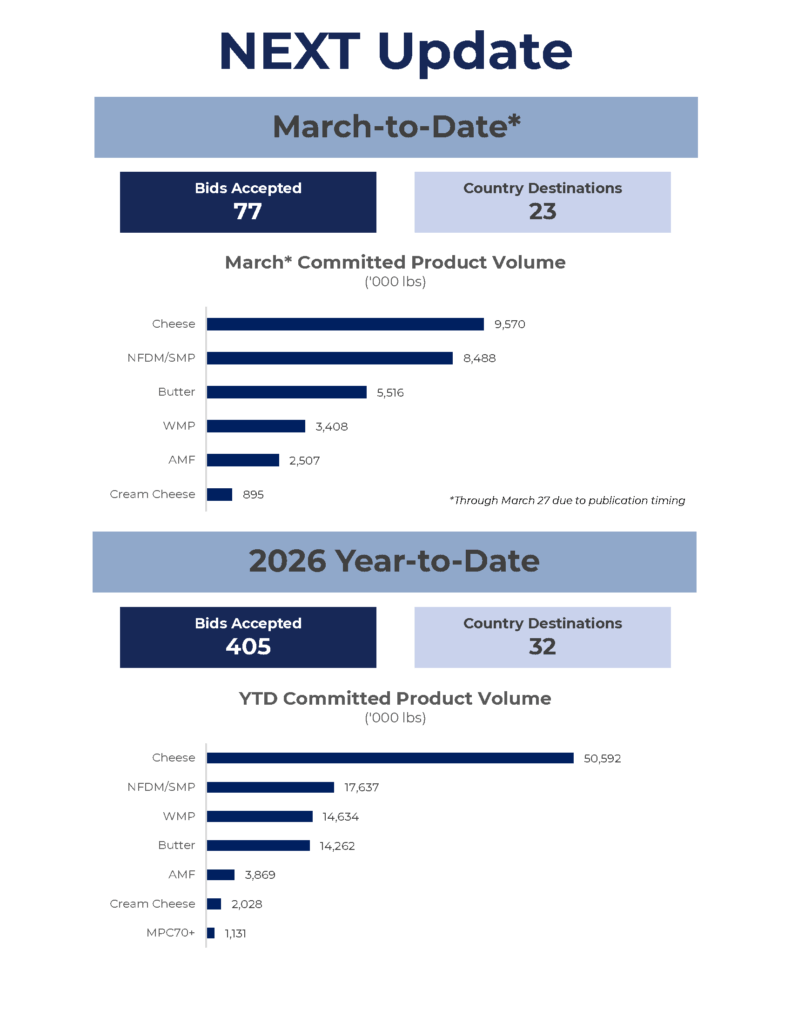
Agricultural cooperatives working with the NEXT program have finalized 77 international sales agreements during March, with one week remaining unreported due to publication schedules. These deals represent more than 30.4 million pounds of dairy products sold through NEXT-supported transactions in 2026. Deliveries are planned for buyers across Asia, Europe, North America, Oceania, Middle East-North Africa, Eurasia, South America, Central America and the Caribbean, with shipments scheduled between March and October.
International sales play a vital role in supporting dairy producers and their cooperatives nationwide. Regardless of whether cooperatives directly participate in overseas trade, accessing global markets remains crucial. The NEXT program offers a pathway for moving American dairy products to international buyers by addressing competitive challenges facing U.S. dairy exports.
The reported dairy product volumes represent active delivery agreements rather than finalized export shipments. NEXT will distribute export support payments to participants only after confirming actual product shipment and delivery through required paperwork verification.
Delaware farmers and agricultural producers nationwide are adjusting their planting strategies for 2026, with plans to reduce corn acreage while expanding soybean cultivation, according to new data from the U.S. Department of Agriculture released Tuesday.
The shift reflects mounting economic pressures on the farming community as the ongoing Iran conflict has significantly increased fertilizer and fuel costs, adding another burden to an already struggling agricultural sector.
Federal agriculture officials released their initial survey-based crop acreage projections for the year alongside quarterly grain inventory figures. However, agricultural experts warn these early estimates may not fully capture the economic disruptions caused by the current conflict.
Survey participation continues to decline, with only 37.6% of farmers responding to the March agricultural survey, down from 44.3% the previous year – marking the lowest response rate on record for this particular survey, according to the agency’s National Agricultural Statistics Service.
Jake Hanley, managing director and senior portfolio specialist at Teucrium Trading, explained the situation: “Because of what’s happening in the fertilizer market, and the timing of when the survey went out, this is probably the highest number in planted acreage we’ll see in corn this year.”
The economic reality is driving farmers’ decisions, as corn and wheat crops demand significantly more expensive fertilizer compared to soybeans. The U.S.-Israeli military action against Iran has disrupted crucial nitrogen supply chains from the Gulf region to agricultural markets worldwide.
These escalating fertilizer expenses represent just one of several obstacles confronting today’s farmers, who are also dealing with depressed grain prices, increasing costs for other agricultural inputs, and questions surrounding Chinese demand for American crops. Trade tensions initiated by the Trump administration have severely impacted U.S. soybean exports to China, the globe’s largest buyer.
According to USDA projections, farmers nationwide plan to cultivate 95.338 million acres of corn this year, representing a decrease from 98.788 million acres in 2025. Soybean plantings are expected to increase to 84.7 million acres, up from 81.215 million acres the previous year.
Market analysts had anticipated even steeper reductions in corn planting due to Iran-related disruptions, projecting corn acreage at 94.371 million acres and soybean plantings at 85.549 million acres in a Reuters survey.
The agriculture department’s soybean acreage estimate came in lower than market expectations, causing soybean futures to rally.
Wheat acreage faces particularly steep declines, with farmers planting 43.775 million acres for this year’s harvest – down from 45.328 million acres last year and representing the smallest wheat acreage since record-keeping began in 1919. This figure also fell short of analysts’ projections of 44.786 million acres.
Traditional farming practices in the Midwest involve rotating corn and soybean crops annually on the same fields to maintain soil health. However, some producers are breaking from this established rotation when they see opportunities for better profits or reduced losses.
Federal forecasts predict U.S. net farm income will decline this year despite near-record government assistance payments, continuing a four-year streak of narrow profit margins, elevated production costs, and low commodity prices.
Agricultural organizations are pressing Congress for additional support for crop producers as the Iran conflict’s effects ripple through the broader economy. The Trump administration is currently distributing $12 billion in aid to farmers affected by trade disputes with China that damaged U.S. soybean sales.
Grain inventories as of March 1 showed increases across corn, soybeans, and wheat compared to the same period last year, reflecting abundant supplies following strong harvests and trade disruptions in the previous year.
U.S. corn stockpiles reached 9.024 billion bushels on March 1, compared to 8.147 billion bushels a year earlier, though slightly below analysts’ expectations of 9.104 billion bushels.
These substantial inventories continue to pressure crop prices for farmers while providing cost relief for livestock producers and biofuel manufacturers.
“There’s plenty of corn right now to be had,” Hanley noted. “But all the elements right now are building that the risk is to the upside here.”
An intensive outreach campaign successfully reversed declining enrollment trends in a federal dairy protection program, leading to increased participation among American dairy farmers this year.
The Dairy Margin Coverage Program now includes 13,349 participating farms, representing a jump from last year’s 12,989 enrollments. The percentage of dairy operations taking part in the USDA program climbed to 57 percent, compared to 53 percent in the prior enrollment period.
The National Milk Producers Federation spearheaded the communication effort through multiple channels, including television appearances on RFD-TV, articles distributed through farm broadcasting networks, social media campaigns, leadership columns, member notifications, and press announcements.
The enrollment increase demonstrates that dairy producers continue to value this financial protection program and benefit from its assistance. Congressional improvements to the program were included in last year’s budget reconciliation legislation, featuring updated production records and expanded milk volume coverage.
Meanwhile, February margin calculations under the program triggered another round of payments to participating farmers. The reported margin reached $8.46 per hundredweight, marking a $0.65 increase from the previous month. Producers who chose the maximum $9.50 coverage level received $1.04 per hundredweight for February.
The improved margin resulted from an $0.80 per hundredweight rise in overall milk prices from January, though this was partially offset by a $0.15 increase in the program’s feed cost calculation, primarily due to higher soybean meal prices.
According to USDA projections from late March using the agency’s decision-making tool, February’s payment may be the final significant payout for the year, with only a small March payment possible. The department forecasts margins will average $10.61 per hundredweight annually.
American dairy farmers are celebrating a significant victory following the March 13 signing of a reciprocal trade agreement between the United States and Ecuador, marking another success for the National Milk Producers Federation’s ongoing advocacy efforts with federal officials.
The agreement addresses longstanding challenges that have hindered U.S. dairy exports to Ecuador, where restrictive tariffs and complex trade barriers have limited market access for American producers.
Key provisions of the new trade deal include the removal of tariffs on various U.S. dairy products, a complete restructuring of Ecuador’s complicated import licensing procedures, and acknowledgment of American regulatory standards. The agreement also eliminates requirements for facility listings and allows Ecuadorian officials to accept certification documents from U.S. regulatory agencies.
Cheese manufacturers will particularly benefit from protections secured for 40 commonly used cheese names, including “parmesan,” preventing international competitors from claiming exclusive rights to these essential product terms.
“With an unprecedented investment in U.S. dairy manufacturing capacity, deals like this are vital to making it easier for international buyers to source the great products our dairy companies are making,” stated Gregg Doud, President and CEO of the National Milk Producers Federation.
This Ecuador agreement represents the tenth trade deal achieved by the current Administration that expands market opportunities for American dairy exports. Both the National Milk Producers Federation and the U.S. Dairy Export Council continue collaborating with the U.S. Trade Representative’s office to ensure successful implementation and maintain progress on future agreements.
A dairy industry representative addressed lawmakers on March 17 during a Congressional Agriculture Trade Caucus meeting, calling attention to ongoing trade obstacles that prevent American dairy farmers from fully accessing North American markets through the U.S.-Mexico-Canada Agreement.
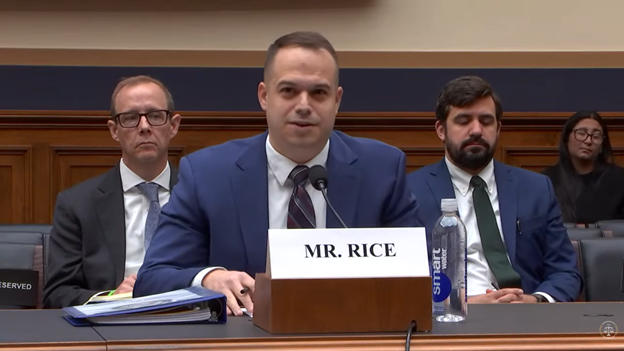
Tony Rice from the National Milk Producers Federation spoke about the upcoming USMCA review process as a chance to address unresolved trade issues.
“The USMCA Joint Review presents an opportunity for the United States to strengthen the agreement and ensure Mexico and Canada live up to their commitments,” Rice said. “Preserving tariff-free access to Mexico is paramount, while measures to address Canada’s failure to comply with its dairy obligations and Mexico’s delayed implementation of its common name provisions are necessary for U.S. dairy producers receive the full benefit of the agreement.”
According to industry officials, Canada has been managing its import quota system in ways that block American dairy products while also avoiding trade agreement rules governing dairy protein exports. These actions work against the market opportunities the trade deal was supposed to create.
Mexico also faces criticism for incomplete implementation despite maintaining generally positive trade relations. The country has yet to fully adopt USMCA provisions protecting common product names that allow American producers to sell items like “feta” cheese, and needs to prevent new barriers on U.S. cheese shipments.
The National Milk Producers Federation and U.S. Dairy Export Council have been discussing these issues with lawmakers and government officials as the agreement review approaches. The Agriculture Trade Caucus, a bipartisan group launched in January 2024 with help from both dairy organizations, regularly holds sessions on export challenges and Congressional solutions.
Both dairy groups plan to continue advocating for agreement improvements to ensure commitments to American dairy farmers are fulfilled when the three nations meet on July 1 to discuss the trade pact’s future.
A dairy industry official brought urgent shipping and transportation concerns directly to federal lawmakers and White House officials in March, highlighting how ongoing disruptions are damaging America’s dairy export business.
Tony Rice, who serves as senior director of trade policy for the National Milk Producers Federation, appeared before a House Judiciary Subcommittee on March 17 to address ocean shipping problems affecting dairy exporters nationwide.
“Dairy farmers milk their cows 365 days a year,” Rice told lawmakers during the Administrative State, Regulatory Reform and Antitrust hearing. “For a dairy producer, these supply chain issues are not abstract policy concerns. When export shipments are delayed, cancelled, or become more expensive to move, the disruptions ripple back through the supply chain and ultimately affect farm income.”
The stakes are significant for America’s dairy sector, which shipped $9.6 billion worth of products totaling three million metric tons overseas last year. However, dairy exporters find themselves at the mercy of a small number of foreign-controlled shipping companies, creating vulnerability when transportation networks face problems.
During his congressional testimony, Rice advocated for several solutions including expanded domestic shipbuilding capabilities, enhanced Federal Maritime Commission supervision, and requiring shipping companies to be more transparent about their cargo booking practices.
Beyond traditional shipping delays, the industry now faces a growing threat from organized theft targeting shipping containers. Rice joined other supply chain representatives at a March 18 White House meeting with the National Economic Council to discuss this escalating problem. The group urged federal officials to allocate more resources toward dismantling criminal organizations that break into containers seeking valuable merchandise, often affecting dairy shipments in the process.
Meanwhile, the National Milk Producers Federation and U.S. Dairy Export Council are supporting congressional passage of the bipartisan Combating Organized Retail Crime Act. This legislation would provide the Department of Homeland Security with enhanced authority to pursue and arrest these criminal networks.
Dairy producers dealing with transportation and supply chain problems can reach Tony Rice at [email protected] for assistance.
Rising spring temperatures are bringing increased concern about New World screwworm potentially crossing into the United States from Mexico. The National Milk Producers Federation is collaborating with government agencies and industry partners to help dairy operations prepare for this threat.
Active infestations are moving northward toward the border between the US and Mexico, with the nearest confirmed case approximately 150 miles south of Texas. In response, officials are deploying sterile flies within 50 miles of the Mexican border in Texas to control pest populations before they can affect American cattle operations.
On March 16, the National Milk Producers Federation hosted an educational webinar featuring key experts to discuss the latest developments regarding New World screwworm and its potential impact on American dairy operations.
The webinar featured three specialists: Dr. Adis Dijab from APHIS Veterinary Services as associate deputy administrator, Dr. Sonja Swiger who serves as professor and extension entomologist at Texas A&M AgriLife Extension, and Dr. T.R. Lansford III, who holds positions as deputy executive director and assistant state veterinarian with the Texas Animal Health Commission. These experts explained how to identify screwworm symptoms in cattle, provided updates on the pest’s current distribution, and offered actionable prevention strategies for producers.
The specialists also outlined available treatment protocols for affected livestock and explained possible cattle transportation regulations or limitations that could be implemented if an outbreak occurs within US borders.
Federal USDA officials and state authorities will lead outbreak response efforts. The National Milk Producers Federation has submitted recommendations to USDA’s Animal and Plant Health Inspection Service regarding their emergency response strategies for potential US screwworm invasions, and USDA is incorporating this input into their updated response framework.
Should an outbreak occur, USDA will oversee interstate animal movement, while individual states may implement additional regulations for livestock transportation within their boundaries. Producers should anticipate quarantine measures and movement limitations in areas near any infestation, including mandatory pre-transport health examinations and treatment protocols when necessary, following established continuity of business guidelines for screwworm animal health certification. Most producers should retain the ability to transport their animals by following protocols for inspections, wound care, documentation, and proper biosecurity measures.
The FDA has broadened treatment options for New World screwworm through Emergency Use Authorizations. On March 10, FDA approved an EUA for a new topical spray specifically for lactating dairy cattle that requires only a 10-day milk withdrawal period. This represents the first approved medication for treating New World screwworm in milk-producing cattle.
The National Milk Producers Federation plans to maintain its collaboration with federal and state officials to ensure dairy producers receive necessary resources and assistance to maintain healthy herds.
Dairy industry advocates successfully blocked West Virginia legislation that could have eliminated flavored milk from school cafeterias across the state.
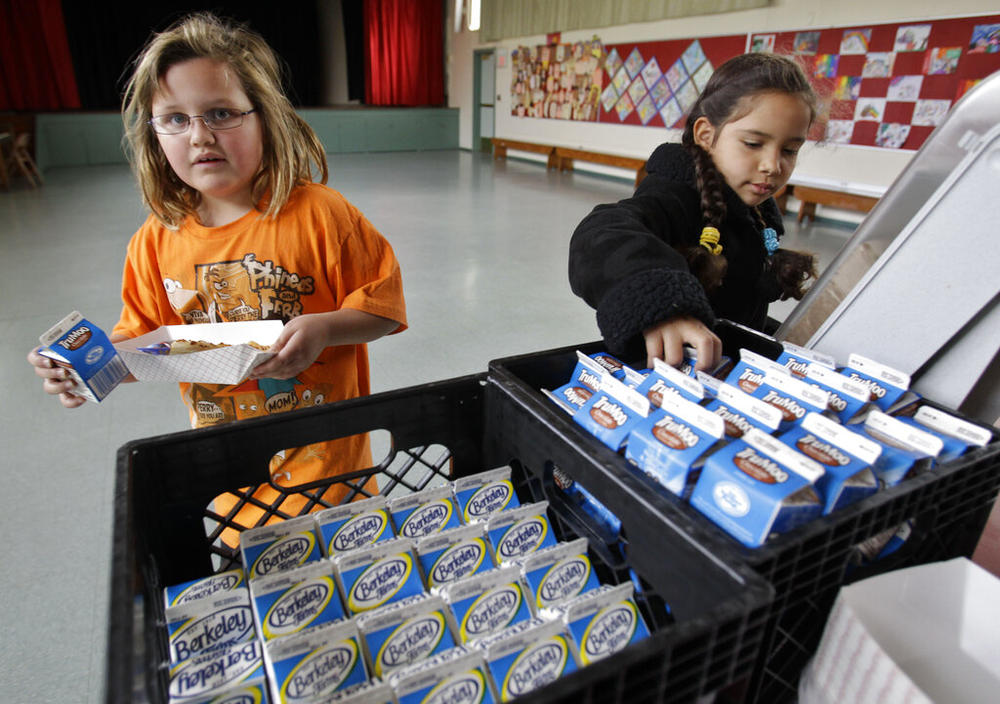
The West Virginia legislative session ended on March 14 without passing SB 745, which proposed stringent restrictions on added sugars in school meal programs. The measure would have effectively banned flavored milk and similar dairy products from school lunch menus, sparking opposition from nutritionists, dairy producers, and school food service professionals.
The National Milk Producers Federation collaborated with the International Dairy Foods Association and other organizations to inform state legislators about potential negative impacts of the legislation. Studies demonstrate that eliminating flavored milk from schools leads to decreased overall milk consumption among students, resulting in lower intake of essential nutrients including calcium, vitamin D, and potassium.
The implications reached beyond West Virginia’s borders, as the state has emerged as a center for the “Make America Healthy Again” initiative. Approval of SB 745 might have created a template for comparable measures in additional states or potentially at the national level.
The successful opposition to this bill preserved student meal options, evidence-based nutrition policies, and dairy’s contribution to children’s nutritional needs. West Virginia students will maintain access to flavored milk and other dairy products that contribute significantly to balanced diets, while emphasizing the value of research-driven approaches to nutrition policy development.
The National Milk Producers Federation has launched a groundbreaking monthly newsletter this week, marking the organization’s first venture into state-focused communications. The State Issues Digest aims to bolster advocacy efforts for dairy farmers by enhancing coordination between states and improving response times to emerging policy challenges.
The monthly publication will reach interested federation members, spotlighting critical matters that impact dairy farmers and their cooperative organizations nationwide at the state government level.
The first issue addresses several pressing concerns, including how extended producer responsibility regulations are creating financial and operational burdens for dairy cooperatives and processing facilities. Additional coverage includes initiatives to eliminate flavored milk options from school meal programs, proposals to expand E-Verify mandates for businesses, and efforts to broaden raw milk distribution opportunities.
Those interested in receiving the digest can register and adjust their communication settings through the federation’s website to ensure delivery of upcoming issues.
Dairy farmers across the nation received welcome news as the House Agriculture Committee passed the 2026 Farm Bill on March 5, incorporating numerous priorities championed by the National Milk Producers Federation through months of collaboration with committee leadership.
The bipartisan legislation, which received broad committee support under the guidance of Chairman GT Thompson, a Pennsylvania Republican, includes crucial measures to bolster dairy operations and cooperative organizations. Key provisions authorize comprehensive long-term studies of dairy processing costs while extending vital programs including Dairy Forward Pricing, Dairy Indemnity, and the Dairy Research and Promotion Program. The bill also strengthens voluntary conservation initiatives led by producers, with specific emphasis on supporting methane reduction strategies.
Trade-related achievements represent a significant victory for the dairy sector, as the federation successfully pushed for long-term requirements directing the federal government to safeguard traditional cheese designations such as parmesan and feta during international trade discussions. The organization also achieved its goal of officially transferring the Food for Peace program to the Department of Agriculture, accompanied by dedicated annual funding of $200 million for dairy-based therapeutic products aimed at addressing global malnutrition challenges.
The comprehensive package delivers additional benefits including enhanced funding for export promotion activities, improved access to renewable energy initiatives for farmer-owned cooperatives, expanded dairy participation in nutrition incentive programs, and ongoing commitment to farmer mental health resources and workplace safety measures.
With President Trump’s backing, Chairman Thompson plans to bring the legislation to the House floor in coming weeks, though the Senate has yet to take action on corresponding legislation. The National Milk Producers Federation continues working to build cross-party support for measures that will provide enduring benefits to dairy producers nationwide.
ANNAPOLIS, MD – As spring lawn care season begins, Maryland’s Department of Agriculture is issuing a reminder to homeowners and landscaping professionals about compliance with the state’s fertilizer regulations.
The department announced on April 1, 2026, that residents must adhere to Maryland’s Lawn Fertilizer Law during their spring yard maintenance activities. These regulations were established to safeguard local waterways, rivers, and the Chesapeake Bay from nutrient pollution caused by fertilizer runoff.
The law applies to both individual property owners and commercial lawn care services operating throughout Maryland.
The National Agricultural Statistics Service has issued its most recent compilation of agricultural reports covering conditions across individual states nationwide.
The federal agency’s weekly publication contains updated data and statistics related to farming operations and agricultural activities throughout the country.
These regular reports serve as a resource for farmers, agricultural professionals, and industry stakeholders seeking current information about crop conditions and farming trends in their respective regions.
A warming soup recipe featuring carrots and ginger was recently showcased by Chef Tammy Brawley during an episode of ‘Real Virginia,’ the weekly television show produced by Virginia Farm Bureau.
The nutritious soup combines simple ingredients to create a creamy, flavorful dish perfect for cooler weather. Here’s what you’ll need:
Carrot Ginger Soup Ingredients:
1 tablespoon of butter, olive oil, or coconut oil 1 medium onion, diced 2-pound bag of baby carrots 2-inch piece of fresh ginger root, minced or grated 1 tablespoon turmeric 1 quart of vegetable or chicken stock 14.5-ounce can of coconut milk Kosher salt and coarse ground pepper to taste
To prepare the soup, heat your chosen fat in a medium-sized pot over medium temperature and sauté the diced onions until they become translucent. Next, incorporate the ginger, turmeric, and carrots along with your selected stock. Bring the mixture to a boil, then reduce to a simmer and cook until the carrots can be easily pierced with a fork.
For best results, use a handheld immersion blender to puree the mixture directly in the pot until smooth. Stir in the coconut milk and blend once more. Heat on medium-low for approximately 5 minutes, adjust seasoning as needed, and serve.
If using a regular blender, exercise caution by working in batches. Ladle half the soup into the blender, remove the center cap from the lid, and cover with a folded dry towel. Pulse briefly before blending completely. Transfer to another pot and repeat with the remaining soup. Once everything is blended, mix in the coconut milk and warm on medium-low heat for about 5 minutes before serving.
WASHINGTON, D.C. – Poultry facilities nationwide can now submit applications for recognition through a joint industry safety excellence program that honors companies with outstanding workplace safety records.
The collaborative award initiative is open to facilities affiliated with three major industry organizations: the National Chicken Council, the National Turkey Federation, and the U.S. Poultry & Egg Association.
Companies eligible to participate include poultry processing facilities and other industry operations that can demonstrate superior safety programs and practices.
Listen to the Morning Delmarva Farm Report Update — April 1, 2026
DELMARVA — Spring planting pace is picking up across Delmarva as soil temperatures continue to climb. Delaware extension services report topsoil moisture is adequate in 68% of fields surveyed, with good workability expected through midweek before afternoon storms move in.
Corn planting is underway in Sussex and Caroline Counties, running about 4 to 5 days ahead of the 5-year average. Soybean seed orders are tracking higher than last year, with growers showing renewed interest in double-crop soybeans behind small grains.
Poultry integrators are reporting strong placement numbers for April contracts, with broiler demand holding steady heading into the spring grilling season.
Markets
July corn futures opened at $6.42 per bushel. November soybeans are trading at $11.18. July wheat is at $6.95.
Locally, Delaware grain elevators are bidding $5.80 for cash corn, $10.70 for soybeans.
Forecast
Mostly sunny skies are expected this morning with highs climbing to 79° under southwest winds 5 to 10 miles per hour. There’s a chance of showers and thunderstorms developing late this afternoon and continuing into tonight as a frontal system moves through. Lows tonight drop to around 50°.
Thursday turns cooler with a slight chance of lingering showers, highs only reaching 58° under northeast winds. Fieldwork should be planned accordingly this morning before storms arrive.
This article is based on the Delmarva Farm Report Update Morning Edition, April 1, 2026. Hosted by Tom Bradley.
Listen to the Evening Delmarva Farm Report Update — March 31, 2026
DELMARVA — Spring fieldwork is ramping up across Delmarva as growers take advantage of warm, dry conditions this week. Soil temperatures are running 5 to 7 degrees above normal for late March, allowing early corn planting in Sussex County and parts of the Eastern Shore.
Extension agronomists say fields that were worked last week are drying down nicely, though some low-lying areas still need another few days. The window looks good through Wednesday before rain moves in Wednesday night.
Markets
Corn futures closed at $5.18 per bushel, down $0.03. Soybeans settled at $11.72, up $0.05. Wheat finished at $6.41, gaining $0.02 on the session.
Locally, cash corn is running $4.90 in Laurel, while soybeans are bringing $11.25 at Salisbury elevators.
Forecast
Tuesday evening brought pleasant conditions with temperatures around 76 degrees under mostly sunny skies. Southwest winds at 15 miles per hour.
Tuesday night will stay mild, dropping to 60 degrees with partly cloudy conditions. Wednesday looks good for fieldwork with mostly sunny skies and highs reaching 78 degrees.
However, showers and thunderstorms are expected to move through Wednesday night. Rainfall could impact any late planting plans through Thursday.
This article is based on the Delmarva Farm Report Update Evening Edition, March 31, 2026. Hosted by Tom Bradley.
Anglers in Maryland waters can now target striped bass on a catch-and-release basis throughout April under new 2026 regulations that took effect this week. The change marks the first time since 2019 that April catch-and-release fishing has been permitted in Maryland’s portion of the Chesapeake Bay.
State officials restructured the fishing calendar to move the summer heat closure to cover all of August, replacing the previous split closure periods that had banned all striped bass targeting from April 1 through May 15.
The revised schedule aims to streamline regulations while maintaining conservation goals and providing additional recreational fishing access, according to state fisheries managers.
Maryland’s 2026 striped bass recreational season now operates on this timeline: catch-and-release fishing from January 1 through April 30, harvest season from May 1 through July 31, complete closure during August, harvest resuming September 1 through December 5, and catch-and-release fishing again from December 6 through December 31.
Key spawning waterways will continue receiving protection through closures from March 1 to May 31. These restricted areas encompass the Choptank, Chester, Manokin, Nanticoke, Patuxent, Transquaking, and Wicomico rivers, plus the Upper Bay spawning grounds including Susquehanna Flats. Detailed maps and closure information are available on the DNR website.
The Potomac River Fisheries Commission maintains separate management authority over striped bass fishing in the main stem Potomac River.
When harvest becomes legal on May 1, fishermen may retain one striped bass daily per person, measuring between 19 and 24 inches in length.
Wildlife officials urge catch-and-release participants to employ fish-friendly techniques including reduced handling time and minimal air exposure to improve survival rates.
Gear restrictions currently applied in March will extend through May 15 to reduce fish mortality during April and early May fishing. These regulations ban stinger hooks, restrict trolling to six rods maximum, and mandate barbless hooks for trolling operations.
East Coast striped bass management requires coordination among states following the Interstate Fishery Management Plan. The Atlantic States Marine Fisheries Commission’s Striped Bass Board approved Addendum III to Amendment 7 in 2025, permitting Maryland to modify its Chesapeake Bay recreational season structure. Scientists designed the seasonal adjustments to avoid increasing overall striped bass mortality rates.
Maryland’s previous two-year approach completely prohibited Bay striped bass targeting from April 1 to May 15 and July 16 to July 31, with additional tributary-specific closures.
State resource managers determined that April catch-and-release fishing poses minimal risk to breeding populations due to cooler water temperatures. Officials selected August for the complete closure because elevated summer water temperatures increase the likelihood of accidental fish deaths during catch-and-release fishing. The modification underwent more than a year of review including extensive public input and evaluation of thousands of submitted comments.
Striped bass fishing ranks among Maryland’s most sought-after recreational activities. Federal Bureau of Economic Analysis outdoor recreation data indicates that recreational fishing and boating contributed approximately $701.5 million in economic value to Maryland during 2024.
Ocean-based recreational striped bass fishing operates year-round with different regulations, allowing harvest of one fish daily within the 28-inch to 31-inch size range.
American farmers are preparing for notable changes in their crop production plans for the 2026 growing season, according to new data from the U.S. Department of Agriculture’s National Agricultural Statistics Service.
The latest planting intentions report reveals that farmers nationwide plan to reduce corn acreage by 3 percent compared to the previous year. Meanwhile, soybean producers are moving in the opposite direction, with intended plantings up 4 percent from 2025 levels.
Wheat growers are also scaling back their operations, with total wheat acreage expected to decline by 3 percent. Cotton farmers, however, are bucking the trend toward reduced plantings, with acreage intentions showing a 4 percent increase over last year’s figures.
These planting decisions reflect farmers’ responses to market conditions, weather patterns, and economic factors that influence crop profitability. The annual prospective plantings report serves as an important indicator for agricultural markets and food supply planning.
National rough rice inventories have grown by 3 percent when compared to March 2025 figures, according to newly released federal agricultural data.
The National Agricultural Statistics Service published the inventory numbers as part of its regular commodity tracking efforts, providing insight into rice supply levels across the country.
The modest increase in stockpiles reflects ongoing market conditions in the rice industry, with the data serving as a key indicator for agricultural economists and industry stakeholders monitoring grain supplies.
Agricultural storage facilities across the United States are reporting notable increases in grain inventories, according to new federal statistics released this week.
The latest data shows corn reserves have grown by 11 percent when compared to March 2025 figures. Soybean inventories have similarly expanded, posting a 10 percent increase during the same timeframe.
Wheat stocks have also seen positive growth, though at a more modest 5 percent rise compared to the previous reporting period.
These inventory increases reflect the current state of grain storage and distribution networks throughout the country’s agricultural system.
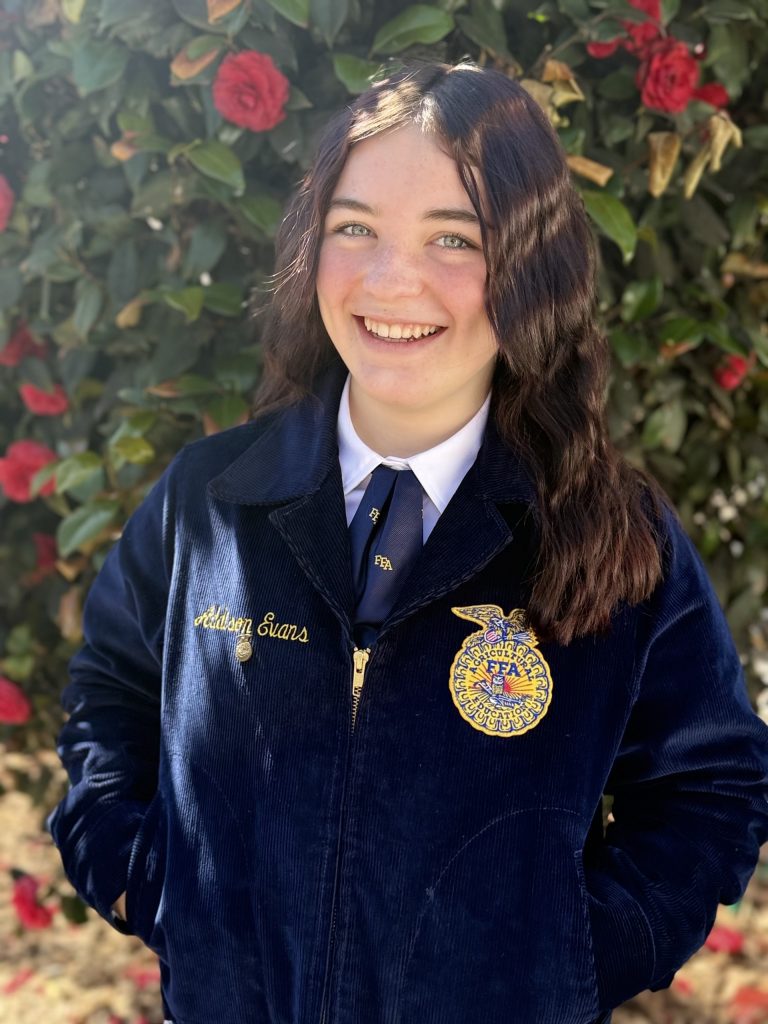
Eighty Delaware FFA students received their iconic blue jackets during this year’s state convention, thanks to the Delaware Farm Bureau’s Blue Jacket Bonanza initiative. The jackets were distributed on March 25, 2026, at the 96th Annual Delaware FFA State Convention.
The Delaware Farm Bureau has operated this jacket program for more than ten years, ensuring that financial barriers don’t prevent FFA members from obtaining their signature blue corduroy jackets. Each jacket features custom embroidery with the student’s name on the front and their chapter name plus state designation on the back.
Addison Evans from Milford, one of this year’s recipients, described the significance of receiving her jacket. “My blue jacket is not only a symbol of leadership and dedication, which were important in earning my blue jacket and how I participate within my chapter, but also a continued family legacy and a constant reminder of where I come from,” Evans said.
Evans explained that the jacket connects her to a network of agricultural leaders who share similar values and dedication to farming. She noted that having her own jacket strengthens her sense of belonging within this community.
Delaware Farm Bureau President Bill Powers spoke to attendees at the convention, highlighting the organization’s commitment to supporting students through this initiative. Powers stressed how crucial it is for members to have access to their own blue jackets for competitions and events. He also reflected on a personal milestone, noting that this convention marked five decades since his own election as a Delaware FFA state officer, crediting the leadership experience with shaping his professional development.
Students from 15 Delaware schools received jackets this year. Appoquinimink had five recipients: Jacob Dzuriak, Alysse Kennedy, Jordan Kerr, Audrey Serajose, and Gabby Yaiser. Caesar Rodney also had six students honored: Nicholas Bell, Savannah Ferger, Cydney Jones, Paisley Kessler, Kendall Tatman, and Rowan Watras.
Conrad had one recipient, Peyton Riley, while Indian River’s Maddelyn Marvel also received a jacket. Lake Forest contributed eight students: Taylor Boyer, Rylan Brode, Kelsie Demoss, Olivia Jones, Charli Schulz, Kenzie Smolecki, Anna Spence, and Rylann Thompson.
McKean had five recipients: Kaamil Alston, Sophia Charlton, Constance Jaskolka, Connor Jones, and Payton Pierce. Middletown contributed two students: Paige Green and Lana Manzo.
Milford had five jacket recipients: Amara Duff, Addison Evans, Aubrey Jones, Aidan Millman, and James Truitt. Odessa contributed eight students: Teagan Lomas, Catherine Lyon, Bailey Myers, Scarlett Redden, Ryan Taylor, Kinsley Trego, Liana Yetsko, and Aiden Zonvide.
Seaford had five recipients: Joshua Koski, Gavin LeCates, Levi Massey, James Reinke, and Camden Todd. Smyrna contributed nine students: Kaydence Bartsch, Georgeanna Ennis, Bradley Masten, Lily McNatt, Arizona Miller, Austin Rumfelt, Savannah Snow, Emery Thurmond, and Natalie Webber.
Sussex Academy had three recipients: Jenna Davis, Grayce Glover, and Claudia Warren. Sussex Central contributed eight students: Bethany Agyei-Yeboah, Aryianna Drummond, Dayanna Fernandez-Rodriquez, Jesus Garcia Morales, McKinley Messick, Rocio Ramirez-Diego, Alvin Revolorio-Perez, Lupita Velazquez, and Wesley Velasquez.
William Penn had six recipients: Shardae Burns, Isabel Cornejo, Oskar Konkiel, Levi Parker, Arianna Rodriguez, and Annabel Zamichieli. Woodbridge rounded out the list with seven students: Brooke Messick, Kelsey Messick, Emily Porches, Shelby Pusey, Logan Sears, Emma Short, and Hidalma Solis-Morales.
Additional details about the Blue Jacket Bonanza program and Delaware Farm Bureau activities can be found at www.defb.org.
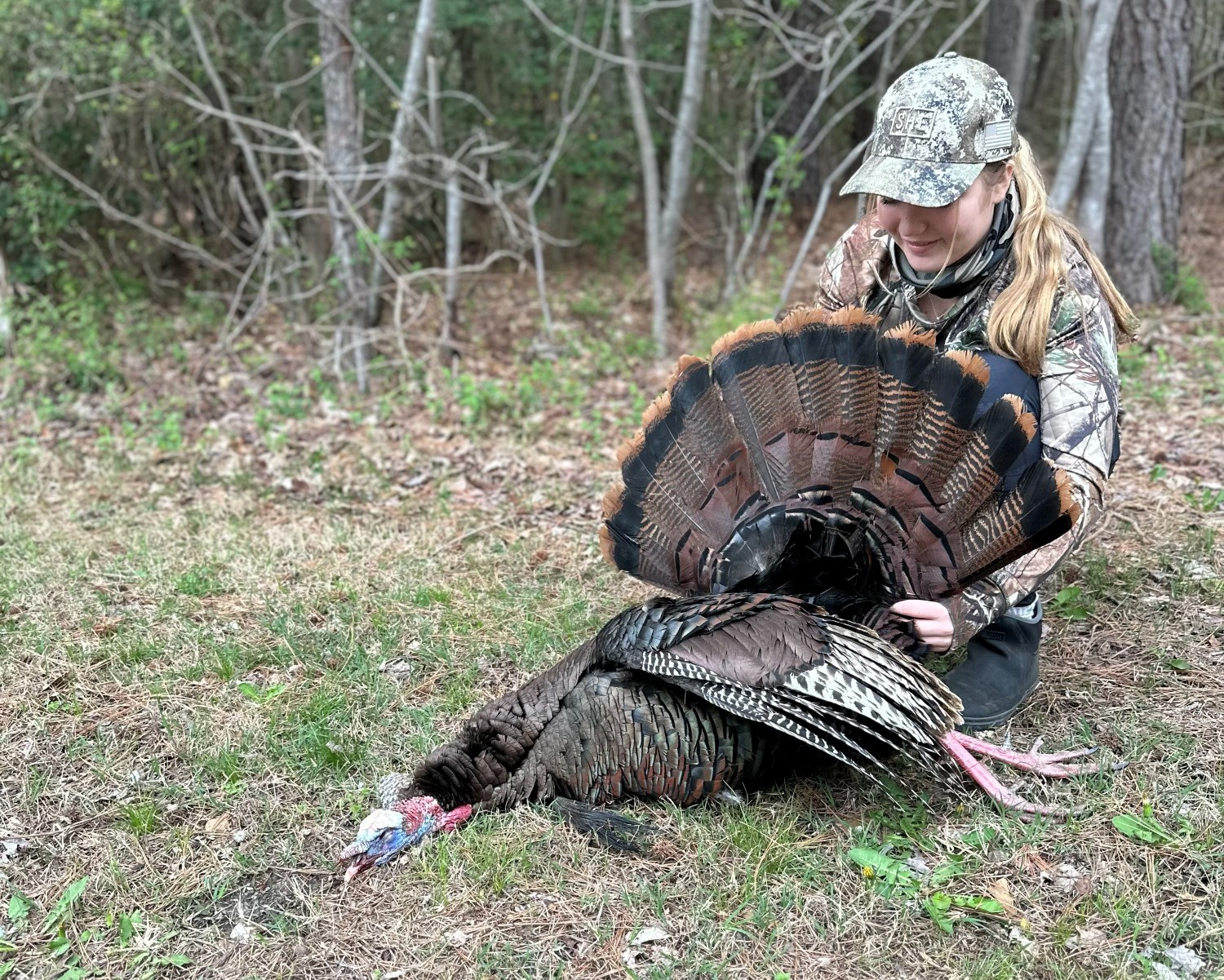
Delaware hunters will have more time to pursue turkeys this spring as state wildlife officials announce an extended hunting season with additional opportunities for young and mobility-impaired hunters.
The Delaware Department of Natural Resources and Environmental Control revealed that this year’s spring turkey hunting season will span from April 10 through May 11, providing hunters with ample time to pursue their quarry.
Before the regular season begins, special hunting days have been designated for youth and non-ambulatory hunters on Saturday, April 4, and Sunday, April 5, giving these groups early access to the hunting grounds.
Hunters who possess permits for Segment D will benefit from an extra hunting opportunity, as they will be allowed to hunt on Sunday, May 11. This additional day comes as a result of recent modifications to the state’s turkey season regulations.
Listen to the Morning Delmarva Farm Report Update — March 31, 2026
DELMARVA — Spring planting conditions across Delmarva are shaping up favorably as March draws to a close. Soil temperatures have climbed into the mid-50s in most areas, putting growers on track for an on-time or slightly early corn planting window.
Extension agents report moisture levels remain adequate after last week’s rainfall, though some heavier clay soils on the Eastern Shore are still drying out. Equipment has been rolling in Sussex and Caroline counties where fieldwork picked up over the weekend.
Fertilizer prices have eased slightly from their February highs.
Markets
Corn futures opened Tuesday morning at $5.32/bu, down 3 cents. Soybeans traded at $12.18, up 5 cents. Wheat stood at $6.47/bu, down 2 cents.
Locally, Delaware cash corn is running $5.15/bu. Soybeans are trading at $12.00 at Delmarva elevators.
Forecast
Tuesday offers ideal conditions for fieldwork with sunny skies and highs around 77°F. Southwest winds are expected at 10-15 mph. Tonight will stay dry with lows near 60°F under partly cloudy skies.
Wednesday starts partly sunny but storms move in by afternoon and continue through Wednesday night. Growers are advised to complete field tasks Tuesday if possible, as rain totals could reach 0.5-1 inch, putting fieldwork on hold mid-week.
This article is based on the Delmarva Farm Report Update Morning Edition, March 31, 2026. Hosted by Tom Bradley.
Listen to the Evening Delmarva Farm Report Update — March 30, 2026
DELMARVA — Fieldwork wrapped up early across Delmarva on Monday as scattered rain showers were expected overnight into Tuesday morning. Growers who completed fertilizer applications over the weekend are in good shape, but Tuesday was expected to be a split day with morning showers clearing by afternoon. Soil temperatures are holding in the low 50s, keeping early corn planters on hold for at least another week.
Markets
May corn closed at $5.12 per bushel, up 3 cents. July soybeans finished at $11.48, down 2 cents. July wheat ended at $6.81, gaining 4 cents on the session.
Local cash corn on Delmarva is running $4.90 to $5.00 at the elevator. Soybeans are bringing $11.10 to $11.25 depending on location.
Forecast
Scattered showers were expected to taper off overnight with lows around 54 degrees and southwest winds 10 to 15 miles per hour. Tuesday was forecast to improve with morning scattered showers giving way to mostly sunny skies by midday. Highs were expected to reach the low 70s with southwest winds continuing 10 to 15 miles per hour.
Wednesday was forecast to see mostly sunny conditions warming into the mid-70s before rain returns late in the day.
This article is based on the Delmarva Farm Report Update Evening Edition, March 30, 2026. Hosted by Tom Bradley.
Farm commodity prices saw a substantial surge last month, with February’s pricing index climbing 12 percent compared to previous levels, according to newly released data from the U.S. Department of Agriculture’s National Agricultural Statistics Service.
The significant price increase represents a notable shift in agricultural markets that directly impacts both producers and consumers across the country. The monthly report tracks pricing trends for various farm commodities and serves as a key indicator of agricultural economic conditions.
This upward movement in commodity pricing comes as farmers and agricultural businesses continue to navigate fluctuating market conditions throughout the year.
The dairy sector is witnessing encouraging signs as milk and cheese prices begin to climb back up from previous lows. Industry analysts are reporting measurable gains across various dairy commodities, signaling potential relief for farmers and processors who have weathered challenging market conditions.
This upward trend in pricing represents a significant shift from the volatility that has characterized the dairy market in recent periods. The recovery appears to be broad-based, affecting multiple product categories within the dairy industry.
Market observers suggest this improvement could provide much-needed stability for dairy operations that have struggled with fluctuating revenues. The price increases may also impact grocery store costs for consumers who purchase milk, cheese, and other dairy products regularly.
For dairy operations across America, positive intentions alone won’t cover operating expenses. Profit margins will.
This reality explains why American dairy producers have become environmental stewardship champions through practical business choices that matter beyond public relations – creating genuine competitive advantages that boost productivity, reduce risks, and enhance profitability by placing farmers at the forefront of innovation.
While public conversations about farming sometimes separate environmental responsibility from financial returns, dairy farmers face a different reality. For these operations, environmental stewardship serves as a business approach that enhances efficiency, controls risks, and strengthens American dairy’s competitive position domestically and internationally. Success depends on farmer leadership, economic incentives, and market-based solutions rather than government requirements.
Operational efficiency remains the cornerstone. According to industry leaders, what people now call “regenerative agriculture” represents practices dairy farmers have implemented for decades – the same methods emphasized on family farms for the past half-century.
Advances in animal genetics, feed nutrition, and housing comfort have significantly boosted milk production per animal across generations. Today’s dairy cow produces five times more milk than her counterpart from the World War II era. This allows operations to generate more milk using fewer animals and resources, improving profit margins by lowering feed expenses per production unit. These efficiency gains have simultaneously reduced milk production’s environmental impact, with American dairy farmers achieving a 14.7% reduction in greenhouse gas emissions intensity from farm to gate since 2007.
Waste management demonstrates how environmental stewardship generates financial returns. Precise nutrient application, enhanced storage systems, and data-driven planning help farmers maximize value from existing nutrients. Substituting purchased fertilizer with managed waste reduces input expenses and maintains crop productivity. What some farmers initially viewed as environmental compliance has evolved into what experienced operators always recognized: a valuable asset driven by efficiency.
Anaerobic digesters provide another illustration. While expensive initially, properly sized digesters paired with appropriate revenue sources can recover costs within 5 to 8 years, based on Penn State Extension and AgSTAR studies. Currently, dairy producers commonly receive payments for milk, beef, and energy sales. This represents diversification, innovation, and intelligent stewardship.
The dairy sector’s environmental leadership, encompassing water recycling and LED lighting systems, extends benefits beyond individual farms. Sustainability has become integral to trade discussions as American dairy exports expand. International buyers increasingly evaluate production methods alongside pricing. Thanks to farmer leadership, the U.S. dairy industry maintains a significant advantage.
Environmental stewardship enhances export competitiveness. Because America can produce more milk with fewer cattle, less land, and reduced inputs, U.S. cheese and dairy ingredients compete globally on both cost and credibility.
Comparing with the European Union, America’s largest export competitor, proves instructive. EU dairy producers operate under more restrictive environmental regulations imposing fixed requirements regardless of farm size, location, or economics. These mandates increase costs and discourage innovation, creating compliance-focused mindsets. This contrasts sharply with U.S. dairy’s continuous improvement culture, which flourishes through voluntary, incentive-based approaches allowing farmers to innovate, scale solutions, and improve efficiency while maintaining lower costs and delivering environmental benefits.
American dairy’s ability to demonstrate measurable progress without constraining producers in rigid systems benefits the entire industry – preventing environmental standards from becoming tools to exclude American products or limit the diverse business models supporting dairy farm success.
Stewardship also ensures supply chain dependability. Operations investing in nutrient efficiency, water management, and energy resilience better withstand weather variations and input price shocks. This stability extends through processors to international customers seeking consistency alongside sustainability.
Farmer leadership connects all these elements.
American dairy stewardship achievements are remarkable. Equally important is the methodology – voluntary, incentive-based programs respecting farmers as problem-solvers while avoiding heavy government regulation. Cost-sharing, technical assistance, and market incentives reduce initial risks and preserve farmer flexibility. Farmers select systems matching their herd size, geography, and business model instead of complying with uniform mandates that may not deliver results.
This strategy has enabled dairy farmers to make stewardship profitable while reducing emissions, improving efficiency, and strengthening operations – not through force, but because incentives made economic and business sense.
American dairy farmers have earned domestic and international respect for their stewardship – and certainly earned their livelihoods. They’ve demonstrated how private-sector, incentive-driven solutions generate profits and build trust over decades, positioning them for continued progress if allowed to continue their proven approach.
Industry trends and policy discussions evolve constantly. Throughout these changes, dairy producers continue advancing as stewards because they’re intelligent business owners, innovative thinkers, and responsible operators. They will maintain efficient, productive, and profitable farms while leaving better operations for the next generation.
Listen to the Morning Delmarva Farm Report Update — March 30, 2026
DELMARVA — Spring fieldwork continues across Delmarva as growers monitor soil conditions following recent rain events. With warmer temperatures building through midweek, many Delaware and Eastern Shore producers are finalizing equipment maintenance and preparing seed orders ahead of the April planting window.
Agronomists say soil temps are climbing into the upper 40s in most areas, still below the 50-degree threshold needed for corn germination, but approaching optimal conditions.
Markets
May corn futures are trading at $4.82/bu this morning, up 3 cents from Friday’s close. July soybeans stand at $11.14, down 2 cents. May wheat is at $5.29, up 1 cent.
Locally, number 2 yellow corn is bid at $4.70 in Dover. Soybeans are running $11.00 on the Eastern Shore.
Forecast
Partly sunny skies are expected today with highs reaching 63 degrees. Isolated rain showers are possible late this afternoon with southwest winds 10-15 mph. Tonight brings scattered rain showers with lows around 54.
Tuesday looks warmer, reaching 72 degrees, with scattered morning showers clearing to mostly sunny skies by afternoon. Fieldwork conditions should improve Tuesday afternoon through Wednesday morning before the next system moves in Wednesday night.
This article is based on the Delmarva Farm Report Update Morning Edition, March 30, 2026. Hosted by Tom Bradley.
Listen to the Evening Delmarva Farm Report Update — March 28, 2026
DELMARVA — Ideal conditions this week allowed early field preparation across Delmarva as temperatures climbed into the upper 50s and fields dried out. Farmers in Kent and Sussex counties made good progress with soil testing and equipment maintenance ahead of corn planting season. Grain handlers report steady movement of last year’s soybean stocks as basis levels improved slightly on stronger export demand.
Markets
Corn futures for May delivery settled at $5.12 per bushel, up 3 cents on the week. July soybeans closed at $11.48, gaining 7 cents. July wheat finished at $6.31, down 4 cents from last Friday.
Locally, cash corn on Delmarva is bringing $4.95 per bushel. Soybeans are fetching $11.20.
Forecast
Saturday evening will see clear skies with temperatures dropping to 32 degrees tonight under light north winds. Sunday looks excellent with sunshine pushing temperatures to 55 degrees, perfect for weekend farm projects or equipment work. Winds shift southerly, staying light at 5 to 10 miles per hour.
Early next week stays dry with warming temperatures reaching the mid 60s Monday before rain chances arrive late Wednesday into Thursday.
This article is based on the Delmarva Farm Report Update Evening Edition, March 28, 2026. Hosted by Tom Bradley.
Small meat, poultry, and egg processing facilities across the nation will have the opportunity to significantly reduce their inspection costs under a new federal program announced by the Food Safety and Inspection Service.
The agency has allocated $20 million in previously unused funds to provide temporary relief on overtime and holiday inspection charges for qualifying facilities during the 2026 fiscal year. Processing plants classified as small operations will be eligible for a 30 percent discount on these fees, while facilities designated as very small can receive savings of up to 75 percent.
To participate in the cost-reduction program, establishment owners must complete and submit FSIS Form 5200-16, which serves as the application for the overtime and holiday rate reduction. The food safety agency will review these applications to determine which facilities meet the eligibility requirements for the fee relief program.
The initiative targets officially regulated meat, poultry, and egg product facilities that fall under federal inspection requirements. The temporary nature of the program means establishments should apply promptly to take advantage of the substantial savings on inspection services that extend beyond regular business hours and occur during holiday periods.
Listen to the Morning Delmarva Farm Report Update — March 28, 2026
DELMARVA — Farmers across the region wrapped up a productive stretch of early spring field prep this past week, with fieldwork progressing at nearly double the typical pace for late March.
Across Delaware and the Eastern Shore, many growers finished fertilizer applications on wheat fields ahead of schedule, taking advantage of near-ideal soil conditions. Extension agents report the accelerated pace has positioned operations well for the coming growing season.
Meanwhile, poultry integrators confirmed expanded placement schedules starting next week, with several houses coming back online after routine maintenance shutdowns. The development is welcome news for contract growers who saw reduced flocks earlier this month.
Markets
May corn futures settled Friday at $5.18/bu. July soybeans closed at $11.42, while July wheat finished at $6.73.
Locally, #2 yellow corn is running $4.95 in Dover. Soybeans are bringing $10.80 at Seaford elevators.
Forecast
The weekend brings pleasant conditions across the region. Saturday features sunny skies with highs near 48° and northwest winds 15-20 mph. Temperatures drop to 31° tonight under clear skies.
Sunday looks even better with sunshine and lighter winds, highs climbing to 54°. Dry conditions hold through early next week before rain chances return Wednesday.
This article is based on the Delmarva Farm Report Update Morning Edition, March 28, 2026. Hosted by Tom Bradley.
Listen to the Evening Delmarva Farm Report Update — March 27, 2026
DELMARVA — Rain wound down across Delmarva Friday evening after a soggy day, but growers received needed moisture as the region wraps up a wet March. Most of the peninsula saw 0.25 to 0.5 inches of precipitation, topping off soil moisture ahead of what appears to be a dry stretch next week. The conditions are welcome news for those planning field preparation once ground conditions firm up.
Markets
Corn futures closed mixed Friday with May corn up $0.03 at $4.72/bushel. Soybeans showed strength with May contracts gaining $0.08 to close at $10.95. Wheat futures were down, with May wheat off $0.05 at $5.18/bushel. Locally, cash corn is moving at $4.65 in Georgetown, and soybeans are bringing $10.80 at elevators around Salisbury.
Forecast
Rain is expected to taper off Friday evening with temperatures dropping to 31°F tonight under mostly cloudy skies. North winds will stay light at 5-10 mph. Saturday brings a turnaround with sunny skies and highs reaching 48°F. Northwest winds will be brisk at 10-15 mph, helping to dry conditions for the weekend. Sunday looks even better with full sun and 54°F. Fields should start firming up if work is lined up for early next week.
This article is based on the Delmarva Farm Report Update Evening Edition, March 27, 2026. Hosted by Tom Bradley.
Farmers across the country experienced a marginal boost in peanut compensation during the most recent reporting period, according to federal agricultural data.
For the seven-day period concluding on March 21, agricultural producers earned an average of 22.0 cents per pound for all farmer stock peanuts, representing an increase of 0.2 cent from the previous week’s figures.
The pricing information reflects what growers actually received for their peanut crops during this timeframe, providing insight into current market conditions for this important agricultural commodity.
Federal agriculture officials report a notable increase in poultry production nationwide, with ready-to-cook weight showing a 5 percent jump from the previous year’s figures.
The data comes from the United States Department of Agriculture’s National Agricultural Statistics Service, which tracks poultry slaughter and processing statistics across the country.
This upward trend in poultry weight indicates stronger production levels in the industry, reflecting both increased processing capacity and potentially larger bird sizes reaching market.
The agriculture statistics service regularly monitors these production metrics to provide industry stakeholders and consumers with current market information.
National shell egg production has experienced a 4 percent decrease when compared to the previous year’s figures, according to newly released federal agricultural data.
The decline in shell egg processing was documented in a report from the U.S. Department of Agriculture’s National Agricultural Statistics Service, which monitors production trends across the egg industry.
The data reflects ongoing changes in the agricultural sector as producers navigate various market conditions and industry challenges affecting egg production nationwide.
Federal agricultural regulators have given the green light to a new genetically modified corn variety, removing it from regulatory oversight and allowing for widespread commercial planting.
The corn variety, designated MON 95275 and created by Bayer CropScience, has been engineered to defend itself against corn rootworm beetles that typically cause significant crop damage. The modified plant produces two pest-fighting proteins along with specialized RNA designed to target these destructive insects.
Federal officials announced their decision to deregulate the corn after conducting a comprehensive review of scientific evidence submitted by Bayer CropScience. The evaluation process included analyzing research data, assessing potential plant health risks, and considering feedback from the public regarding the company’s initial petition and preliminary risk evaluation.
The regulatory agency stated that their conclusion was reached after thorough examination of all available scientific information and public input received during the review period. Documentation supporting this determination has now been made available to the public.
This approval allows farmers to plant the new corn variety without special permits or regulatory restrictions that typically apply to experimental genetically modified crops.
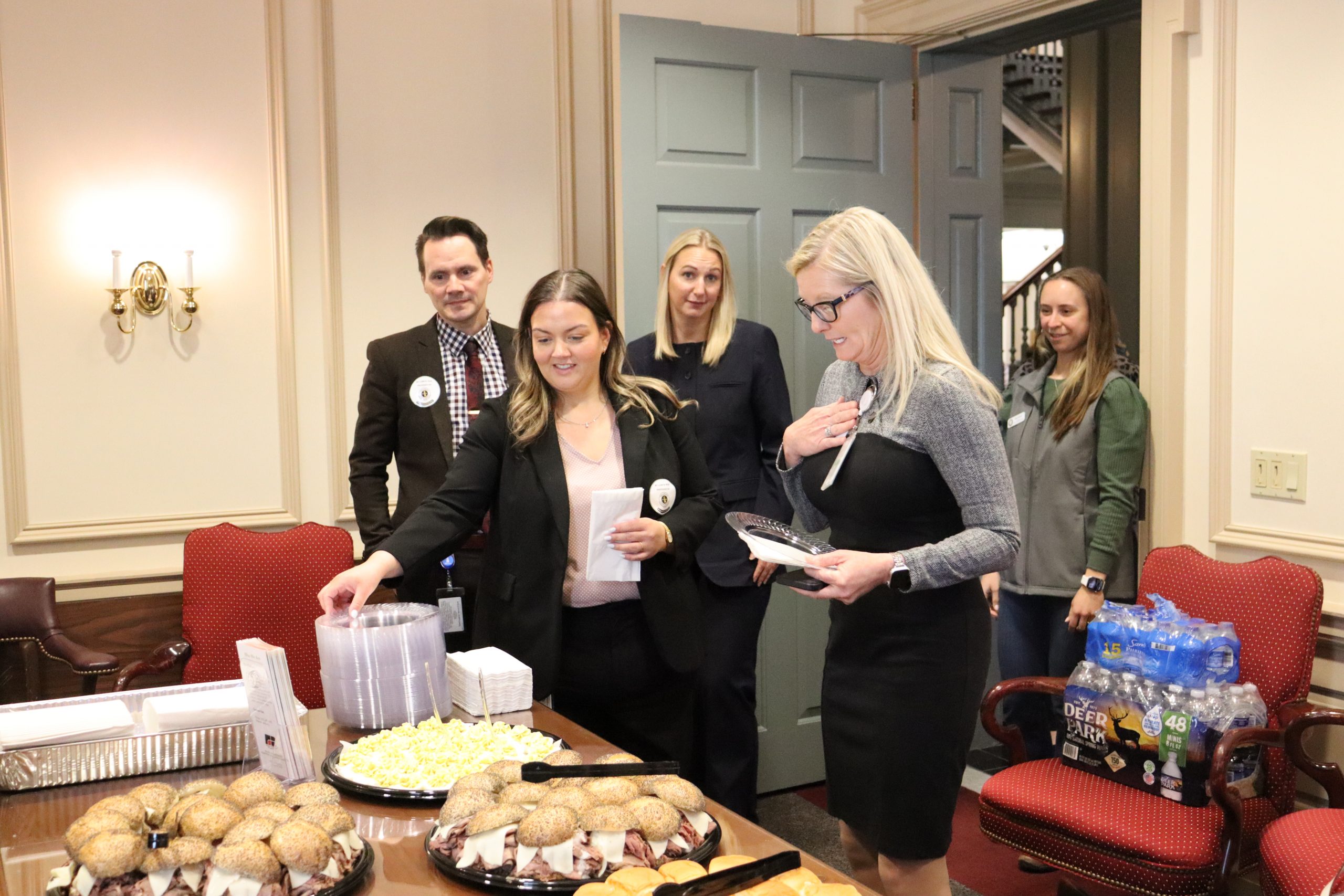
State lawmakers gathered with Delaware’s farming community on March 24, 2026, for a special luncheon celebrating National Agriculture Day, organized by the Delaware Farm Bureau’s Promotion & Engagement Committee.
The event brought together legislators and their staff members for a meal prepared and served by committee volunteers. Young people from 4-H and FFA organizations joined the celebration, showcasing the future leaders of Delaware’s farming sector. The gathering created a direct line of communication between Farm Bureau representatives and state officials to discuss pressing agricultural concerns and priorities affecting producers throughout Delaware.
The luncheon represents the Delaware Farm Bureau’s continued commitment to fostering strong connections with state government officials, highlighting farmer experiences, and educating lawmakers about Delaware’s varied agricultural sector. The organization expressed appreciation for legislative backing and emphasized the value of collaborative relationships developed through such events.
Those interested in participating with the Delaware Farm Bureau’s Promotion & Engagement Committee can reach out to P&E Coordinator Mikayla Paul via email at [email protected] or by calling 302-697-3183.
The U.S. Department of Agriculture has kicked off a nationwide campaign to educate food producers about new voluntary labeling guidelines that became effective at the start of this year.
On Tuesday, federal agriculture officials announced their effort to spread awareness about the ‘Product of USA’ labeling standard, which officially began January 1, 2026. The initiative targets meat, poultry, and egg producers while also working to help consumers better comprehend what this designation actually represents.
The labeling system operates on a voluntary basis, giving producers the choice of whether to participate in the program. The USDA’s campaign focuses on both educating industry professionals about the requirements and helping shoppers understand the meaning behind the label when they see it in stores.
Federal food safety officials are requesting public feedback on potential changes to how meat and poultry processing facilities are categorized by size.
The U.S. Department of Agriculture’s Food Safety and Inspection Service released an Advance Notice of Proposed Rulemaking this Tuesday in the Federal Register. The notice asks industry stakeholders and the public to weigh in on whether the agency should modify its current system for classifying processing plants as “very small,” “small,” or “large” operations.
The federal agency is looking for input on both whether these size classifications need updating and how any revisions should be implemented.
The current classification system affects how FSIS regulates different types of meat and poultry establishments, with varying requirements based on facility size.
Listen to the Morning Delmarva Farm Report Update — March 27, 2026
DELMARVA — Wet weather moving across the peninsula is expected to delay fieldwork through the weekend as rain puts early planting operations on hold for the next few days.
Rain will be steady throughout the day with totals near 0.5 inches in most areas. Delaware farmers hoping to get into the field for pre-emergent applications or early corn planting will need to wait until conditions dry out.
Markets
May corn futures opened at $5.42/bu, up $0.03 overnight. Soybeans for May delivery are trading at $12.18, down $0.04. July wheat is at $6.07, steady from yesterday’s close.
Locally, Dover grain elevators are posting $5.28 for cash corn and $11.90 for beans delivered today.
Forecast
Expect rain throughout the day with temperatures reaching 59°F under northwest winds at 5-10 mph. There’s a chance of light rain continuing into tonight as temperatures drop to 31°F.
Saturday looks much better with sunny skies and a high near 45°F, though it will be breezy with northwest winds 10-15 mph. That drier pattern holds through early next week, giving fields time to drain before conditions turn unsettled again midweek.
This article is based on the Delmarva Farm Report Update Morning Edition, March 27, 2026. Hosted by Tom Bradley.
Agricultural producers across the globe are confronting mounting challenges as the ongoing conflict involving Iran disrupts critical supply chains. Energy costs have surged while fertilizer availability has diminished significantly following Tehran’s substantial restrictions on traffic through the Strait of Hormuz, implemented as a response to military strikes by the United States and Israel.
This fertilizer crisis threatens to compound existing hardships for agricultural producers in developing nations, who already face challenges from climate change and unpredictable weather patterns, potentially resulting in increased food costs for consumers worldwide.
Agricultural producers in the Northern Hemisphere who depend heavily on fertilizer imports from Gulf region suppliers are particularly vulnerable as the growing season commences, according to Carl Skau, deputy executive director of the World Food Program.
“In the worst case, this means lower yields and crop failures next season. In the best case, higher input costs will be included in food prices next year,” Skau explained.
In Punjab, India, rice producer Baldev Singh, age 55, expressed concern that small-scale agricultural operations — which represent the majority of the nation’s farming operations — face an uncertain future without government fertilizer subsidies when demand reaches its peak in June.
“Right now, we are waiting and hoping,” Singh stated.
Tehran has significantly curtailed commercial traffic through the Strait of Hormuz, a crucial waterway that typically facilitates approximately one-fifth of global petroleum shipments and nearly one-third of worldwide fertilizer commerce.
Essential plant nutrients nitrogen and phosphate face immediate supply disruptions due to the maritime blockade.
Nitrogen-based products, including urea — the most commonly traded fertilizer that promotes plant development and increases crop production — experience the most severe impact from transportation delays and escalating liquefied natural gas costs, which serve as a crucial component in production.
The regional conflict has affected roughly 30% of international urea commerce, according to Chris Lawson from CRU Group, a commodities consulting firm based in London.
Several nations already confront severe supply shortages, reports Raj Patel, a food systems economist from the University of Texas. Ethiopia, for instance, obtains more than 90% of its nitrogen fertilizer from Gulf suppliers via Djibouti, a supply chain that experienced strain even before hostilities commenced in February.
“The planting season is now,” Patel observed. “The fertilizer isn’t there.”
Phosphate availability, which supports plant root systems, also faces constraints. Saudi Arabia manufactures approximately one-fifth of global phosphate fertilizer, while the region exports more than 40% of the world’s sulfur — a vital component and byproduct of petroleum and gas processing, Lawson noted.
Following the conclusion of hostilities, Gulf region producers would require substantial security assurances before resuming normal shipping operations through the strait, with insurance expenses likely to increase significantly, said Owen Gooch, an analyst with London-based Argus Consulting Services.
India’s government has made domestic urea supplies a priority and provides fertilizer manufacturers with approximately 70% of their natural gas requirements. However, some facilities continue operating below full capacity, resulting in reduced production.
“The food system is fragile, and it depends on stable fertilizer supply chains to ensure farmers can produce the food the world relies on,” stated Hanna Opsahl-Ben Ammar from Yara International, a major global fertilizer manufacturer.
Agricultural producers typically apply fertilizers immediately before or during planting, meaning crops lose crucial early development opportunities and production can decline when deliveries experience delays, regardless of later supply improvements.
The consequences are already apparent in the United States and Europe during their primary planting period, with similar effects anticipated across much of Asia in upcoming months.
“Our crops out in the field need nitrogen now — the sooner the better — so they can get off to a good start, helping them establish themselves and build up reserves for the harvest later this summer,” explained Dirk Peters, an agricultural engineer operating a farm near Berlin.
While fertilizer costs remain below the highs experienced following Russia’s Ukraine invasion, grain prices were elevated then, enabling producers to manage expenses, said Joseph Glauber from the International Food Policy Research Institute. Current lower grain prices mean reduced profit margins, potentially forcing producers to select crops requiring less fertilizer — such as soybeans in America — or reduce fertilizer applications, decreasing yields. Reduced production can result in higher consumer costs.
Alternative suppliers are unlikely to compensate for the deficit. China, the world’s leading nitrogen and phosphate fertilizer manufacturer, focuses on domestic requirements, with urea exports unlikely to restart until May, Lawson indicated. Russian facilities, representing another major producer, already operate near maximum capacity.
The supply disruptions are already affecting Africa, where numerous agricultural producers depend on fertilizer imports from Middle Eastern and Russian sources.
Unusually heavy early rainfall in East Africa has provided producers with approximately one week of dry conditions to prepare fields and apply fertilizer, said Stephen Muchiri, a Kenyan maize producer and CEO of the Eastern African Farmers Federation, representing 25 million small-scale operators.
Fertilizer shortages and cost increases severely impact agricultural producers, compelling them to use reduced quantities and resulting in diminished yields. Brief delays alone can decrease maize production by approximately 4% per season, Patel noted, referencing Zambian research.
Government intervention options include implementing subsidies, encouraging domestic production, and regulating exports.
India currently subsidizes fertilizer to reduce financial pressure on agricultural producers, though these subsidies reduce funding available for long-term agricultural investments. The nation has allocated $12.7 billion this year specifically for urea subsidies, according to the U.S.-based Institute for Energy Economics and Financial Analysis.
Domestic urea production efforts have increased India’s reliance on imported gas, while excessive urea application has damaged local soil quality, said Purva Jain of IEEFA, who advocates for organic fertilizer alternatives.
Reduced dependence on imported fertilizers could shield agricultural producers and consumers from energy price fluctuations and climate-related disruptions, said Oliver Oliveros, executive coordinator of the Agroecology Coalition.
“This could be a turning point,” Oliveros concluded.
Listen to the Evening Delmarva Farm Report Update — March 26, 2026
DELMARVA — Spring planting preparations are ramping up across the Delmarva Peninsula as growers take advantage of warmer temperatures this week. Soil conditions are improving rapidly in Kent and Sussex counties with field work resuming after last week’s wet weather. Nitrogen applications are well underway for early corn plantings, and equipment dealers report strong demand for parts and service as farmers get ready for the push ahead.
Markets
Grain markets closed mixed Thursday. July corn futures settled at $5.32 per bushel, down 4 cents on the session. July soybeans finished at $11.16, up 2 cents. July wheat came in at $6.08, down a penny.
Locally, cash corn at Delmarva elevators is averaging $4.95 per bushel. Soybeans are bringing $10.70.
Forecast
Thursday afternoon temperatures reached 71 degrees under mostly sunny skies with southwest winds at 15 miles per hour. Tonight, mostly cloudy conditions with a chance of showers and thunderstorms are expected. The low will drop to 56 degrees.
Friday brings periods of rain with temperatures reaching 59 degrees and north winds at 5 to 10 miles per hour. Rain will likely continue into Friday night with lows falling to 31 degrees.
Field work will be on hold through the weekend, but conditions improve Sunday with mostly sunny skies returning.
This article is based on the Delmarva Farm Report Update Evening Edition, March 26, 2026. Hosted by Tom Bradley.
America’s swine population has experienced a marginal uptick, according to newly released federal statistics from agricultural officials.
The U.S. Department of Agriculture’s National Agricultural Statistics Service published updated inventory numbers showing modest growth in the country’s pig and hog populations.
The quarterly livestock report provides farmers, industry analysts, and agricultural markets with current data on swine numbers nationwide, helping track trends in one of the nation’s major protein production sectors.
These population figures serve as important indicators for pork producers and commodity traders who monitor livestock inventories to gauge future market conditions and supply projections.
Commercial storage facilities nationwide are currently holding 5.32 billion pounds of peanuts, according to the latest agricultural data. The inventory figures represent a snapshot of the nation’s peanut supply chain during the current marketing season.
Processing activity for shelled edible-grade peanuts has shown a modest uptick when compared to the same timeframe in the previous year. The seasonal utilization data indicates steady demand for processed peanut products across various market segments.
These inventory and processing statistics provide industry stakeholders with crucial information for making informed decisions about pricing, distribution, and production planning throughout the remainder of the marketing year.
President Donald Trump revealed Thursday that his administration plans to unveil new support measures for American farmers during a White House gathering scheduled for Friday.
The announcement will take place as hundreds of agricultural producers, ranchers and industry leaders visit the White House for an event focused on the farming sector.
The timing coincides with the expected release of highly anticipated biofuel blending requirements under the Renewable Fuel Standard, a regulation that determines how much renewable fuel must be added to the country’s gasoline and diesel supplies. This policy is closely monitored by corn producers, ethanol manufacturers and petroleum refiners.
According to sources familiar with the matter, the Trump administration plans to unveil its 2026-27 biofuel blending volume requirements this week. These sources indicated the final rule will remain largely consistent with volumes the EPA had previously proposed before the Iran conflict began.
During a cabinet meeting Thursday, Trump told reporters that American farmers have faced unfair treatment from certain nations. He also highlighted the multi-billion-dollar assistance package farmers received to help compensate for losses caused by trade tariffs.
The biofuel policy announcement arrives during a challenging period for both petroleum and agricultural industries, as the White House navigates competing demands from refiners concerned about fuel costs and farmers hoping for increased biofuel demand to strengthen crop markets.
The U.S. Department of Agriculture has kicked off a nationwide initiative to spotlight revised labeling standards for domestic meat, poultry and egg products, Agriculture Secretary Brooke Rollins announced recently.
Under the new guidelines that became effective January 1st, livestock must be born, raised, slaughtered and processed entirely within American borders before products can display the “Product of USA” designation.
According to Rollins, these modifications aim to create clearer information for shoppers while ensuring producers who maintain completely domestic operations can compete on equal footing.
Federal officials emphasized the timing of these changes coincides with ongoing challenges facing American agriculture, including declining numbers of family farming operations and cattle inventories reaching their lowest point in three-quarters of a century, despite rising consumer appetite for beef.
The revised requirements eliminate earlier policies that permitted imported meat to qualify as domestic following basic processing steps. Businesses that elect to display the label must now satisfy the complete U.S.-sourced criteria.
Agricultural leaders in Virginia indicate this federal shift complements state-level initiatives to bolster regional beef production. Virginia’s Verified Meat program, which began operations in 2025, provides certification for beef that originates, develops and undergoes processing within state boundaries. This program emerged from 2024 legislative action designed to assist local producers, guarantee honest labeling practices, and build consumer confidence in Virginia-origin meat products. The initiative also works alongside recent state laws mandating clear identification of laboratory-grown or cell-based protein alternatives to prevent deceptive marketing.
Jake Tabor, who handles livestock policy matters for Virginia Farm Bureau, explained how federal and state requirements complement each other.
“Virginia’s livestock producers take pride in raising a high-quality product from start to finish, and both the ‘Product of USA’ and Virginia Verified Meat standards help ensure that commitment is recognized,” Tabor said. “Clear labeling gives Virginia farmers the fairness they deserve and gives consumers confidence that choosing local truly supports our communities.”
This initiative represents one component of the USDA’s comprehensive strategy to enhance domestic processing capabilities and provide support for American agricultural producers.
NASHVILLE, Tenn., March 24, 2026 — The National Grain and Feed Association wrapped up its 130th annual gathering this week after bringing together over 700 agricultural industry executives from nationwide for three days of strategic discussions and policy planning in Nashville, Tennessee.
During the conference’s main sessions and committee gatherings, NGFA participants tackled the industry’s most urgent issues, including challenges with supply chain dependability, railroad and waterway transport effectiveness, unpredictable global markets, and current government regulations and policies.
The convention opened with transportation policy discussions led by Surface Transportation Board Chairman Patrick Fuchs, who outlined the agency’s focus areas of service dependability, market competition, and regulatory equilibrium. His presentation to conference attendees highlighted transportation’s vital importance to grain and feed distribution systems and the need for ongoing cooperation between government regulators and private sector participants.
Monday’s main program included presentations from prominent industry executives such as Bunge CEO Greg Heckman, BNSF Railway president and CEO Katie Farmer, and Rob Dongoski, who leads Kearney’s global agriculture division. The speakers stressed the necessity of durable infrastructure, streamlined transportation systems, and preserving America’s competitive edge in international agricultural commerce despite changing trade patterns and global political tensions.
The convention’s final general session on Tuesday showcased Ardent Mills CEO Sheryl Wallace, political commentator Nathan Gonzales from Inside Elections, and NGFA chairman Chris Boerm, who stressed the need for active industry participation as lawmakers and federal officials deliberate significant policy matters, including farm legislation, infrastructure development, and trade regulations.
NGFA president and CEO Mike Seyfert emphasized a key message during the event: “From rail service and river reliability to market access, a resilient supply chain is the backbone of U.S. agriculture. NGFA members are committed to working with policymakers and other stakeholders to advance solutions that keep grain moving efficiently and maintain our global competitiveness.”
Committee sessions and policy conversations held during the convention solidified the organization’s lobbying focus areas for the coming year, which include boosting domestic consumption, enhancing export market strength, improving railroad service efficiency and dependability, promoting important legislative objectives, and establishing consistent, research-based regulations for grain and feed businesses. Conference participants also engaged in networking activities that strengthened NGFA’s position as the primary national representative for grain, feed, and processing enterprises.
The association’s next scheduled events include the Trading, Trade Rules, and Arbitration Seminar in April, CONVEY in August, and the Country Elevator Conference in December.
CROWLEY, La. — Louisiana’s crawfish industry is facing major challenges during what should be its most profitable time of year, as spring marks the height of crawfish season for the state’s $300 million business.
The sector is experiencing significant difficulties this season because of a lack of available seasonal workers from other countries, with industry representatives pointing fingers at the Trump administration for what they describe as delays in approving sufficient guest worker permits on schedule.
Major crawfish operations rely heavily on temporary workers, primarily from Mexico and Central American nations, to handle the labor-intensive work of shelling and freezing the freshwater crustaceans harvested from Louisiana’s flooded rice paddies — grueling work that domestic laborers typically avoid.
Listen to the Morning Delmarva Farm Report Update — March 26, 2026
DELMARVA — Agriculture groups are welcoming an EPA emergency waiver allowing E15 ethanol fuel sales this summer, but they are continuing to push for permanent legislation. The Renewable Fuels Association’s Troy Bredenkamp says while the temporary measure helps, it cannot substitute for comprehensive permanent authority.
Meanwhile, the American Farm Bureau Federation president is warning of what he calls a generational storm brewing over rural America. Speaking at a National Ag Day event in Washington, Zippy Duvall highlighted the severe economic pressures facing producers nationwide.
Markets
Soybeans led yesterday’s gains with investment fund buying and technical trading ahead of an expected EPA biofuel announcement Friday. Corn and wheat futures also posted higher moves.
Live cattle for April delivery dropped $0.95 to $234.42 per hundredweight. Feeder cattle for April fell $1.10 to $353.35. Cash cattle trading remains sluggish as buyers stay on the sidelines.
Forecast
Mostly sunny skies are expected today with a high near 70° and southwest winds 10 to 15 mph. It’s a nice day for field work. Tonight turns mostly cloudy with rain showers likely developing and a low around 53°.
Friday brings rain showers with temperatures dropping to 61°. Wet conditions will limit field activity through Friday night before clearing Saturday.
This article is based on the Delmarva Farm Report Update Morning Edition, March 26, 2026. Hosted by Tom Bradley.
CROWLEY, La. — Louisiana’s crawfish season is in full swing, but the state’s iconic industry is grappling with a significant workforce crisis that threatens to impact prices and availability nationwide.
The $300 million crawfish business, which supplies everything from backyard boils to upscale New Orleans restaurants, is struggling without access to foreign seasonal workers who typically handle the labor-intensive processing operations. Industry leaders are expressing frustration with federal immigration policies they say have failed to provide adequate numbers of temporary work visas.
This workforce shortage adds Louisiana to a growing list of American industries — including landscaping and construction — that depend on seasonal international labor but have faced increased difficulties securing workers under tightened immigration restrictions. The situation has put Republican state officials in an awkward position, as many support stricter immigration policies while simultaneously advocating for more legal foreign workers for their constituents.
“People have built businesses around these workers and this year we can’t get them,” said Alan Lawson, who runs a crawfish production facility in the rural town of Crowley. “This industry would not exist without it because the American people don’t want to do the jobs we’re offering.”
Commercial crawfish operations typically employ international workers, primarily from Mexico and Central America, to process and freeze the freshwater shellfish harvested from flooded rice fields. These employees work under H-2B temporary visas for non-agricultural positions and can remain in the United States for up to one year, but only after employers demonstrate they cannot fill positions with American workers.
Federal law requires the Department of Homeland Security to issue 66,000 H-2B visas annually, with authority to nearly double that number. However, the additional visa releases occurred later than normal this year — well after Louisiana’s crawfish harvest had already started.
DHS officials did not respond to requests for comment. The Department of Labor acknowledged the crawfish industry’s economic significance and stated the agency “has been actively engaging with industry stakeholders to help address workforce needs and identify workable solutions.”
Even if international workers arrive before the season concludes in June, Lawson believes the harm has already occurred. Restaurant operators and processors warn that crawfish costs may increase significantly for consumers already dealing with rising food prices.
American businesses’ growing dependence on seasonal international labor existed before the current administration. However, federal visa allocations have not matched expanding demand, and stricter immigration enforcement has further complicated the labor market. Companies are requesting tens of thousands more guest workers than the government has authorized, according to Labor Department statistics.
“The demand is there but the supply is not,” Louisiana Farm Bureau Federation Public Policy Coordinator Andy Brown said. “These businesses want to follow the law. They want to go through the legal parameters to meet their labor needs.”
Typically, Lawson’s operation employs over 100 international workers to peel and package thousands of pounds of the sweet, red shellfish each season. This year, none have been permitted to work.
While DHS can begin issuing additional visas in consultation with the Labor Department starting in October, the Trump administration delayed releasing supplementary visas until February. The initial allocation was capped at 35,000 — approximately half of what the Biden administration had previously authorized. Following business pressure, the Trump administration eventually agreed to release nearly 65,000 additional visas, matching recent years’ totals.
Louisiana officials report that federal authorities rejected numerous crawfish processors’ applications because they listed start dates before January. DHS informed Lawson that his company was ineligible because he had applied months earlier, according to a February rejection letter he shared with The Associated Press.
According to Louisiana Department of Agriculture and Forestry Commissioner Mike Strain, at least 15 of the state’s 20 major crawfish processing facilities are operating without guest workers this season. The Republican official called the Trump administration’s response to their concerns “unacceptable.”
Crawfish processors report that despite months of local job advertisements for peeling positions paying approximately $13 per hour, only a few American workers have applied for the seasonal roles.
“I can’t put the crawfish somewhere else. They have to be peeled at this time,” said processor David Savoy. “The locals don’t want to do it, I’ve tried — standing on concrete for seven, eight hours a day, peeling crawfish until your hands hurt.”
Immigration policy experts suggest the crawfish industry’s labor challenges reflect broader administrative approaches to legal immigration.
“There’s much less of a push to facilitate legal immigration,” said Julia Gelatt, associate director of the U.S. Immigration Policy Program at the Migration Policy Institute. “It’s not a high priority to make sure that the immigration system is moving smoothly.”
Industry representatives warn that crawfish farmers will have limited sales opportunities and frozen tail meat prices in supermarkets will climb.
Chandra Chifici, owner of Deanie’s seafood restaurant in New Orleans, worries about accumulating sufficient Louisiana crawfish inventory to last through the extended off-season.
“Some companies might not be able to have some of their dishes on the menu,” Chifici said. “When tourists come into town, that’s what they’re here for.”
American farmers are facing another financial blow as the conflict with Iran sends fertilizer prices soaring just as spring planting season begins.
The war has disrupted exports from Gulf region countries that serve as major fertilizer suppliers to the United States. This supply chain interruption has caused fertilizer costs to jump by 25%, creating additional strain for farmers who were already dealing with economic challenges.
The price spike comes at a particularly difficult time, as farmers across the country are preparing to plant corn and need to purchase fertilizer supplies. Many agricultural producers are now forced to make tough decisions about their spring planting budgets while dealing with the uncertainty of when prices might stabilize.
The Gulf states play a crucial role in global fertilizer production, and the ongoing military conflict has significantly impacted their ability to maintain normal export levels to international markets, including the United States.
Rice farmer Win Zaw and four family members ride motorcycles through the night from their village in Myanmar’s Irrawaddy delta, searching fuel stations for precious diesel to power his farming equipment.
“Some even sleep there overnight,” the farmer explained, describing how buyers line up on motorcycles and tractors starting at 3 a.m. “This is a total waste of manpower and time.”
Myanmar’s struggling economy, already devastated by five years of civil conflict following a 2021 military takeover, faces another crisis as the Iran situation has pushed global oil prices higher and created severe domestic fuel shortages.
Diesel prices at the pump reached 3,800 kyat ($1.80) per liter by mid-March, jumping from 2,450 kyat ($1.16) just one month earlier in February.
The shortage has driven farmers like Moe Win to illegal fuel markets, where diesel costs approximately 12,000 kyat ($5.71) per liter – a price he’s willing to pay to protect his rice harvest.
“Occasionally, after queuing in town for two days, we’ve had instances where we could only buy five or six litres,” the delta farmer said.
“But if we don’t harvest the paddy in time, the crops will be destroyed, so we have to bear any cost.”
Military leadership spokesman did not return phone calls seeking comment, though junta leader Min Aung Hlaing announced at a meeting this week that officials are addressing the fuel crisis, according to state media reports Wednesday.
GLOBAL HUNGER CRISIS
Myanmar ranks as the world’s fifth most food-insecure nation, where 12.4 million people – roughly 25% of the population – face daily hunger, according to the United Nations World Food Programme.
“Rising fertiliser costs and restricted fuel access for machinery threaten the upcoming cultivation season,” said Michael Dunford, the organization’s Myanmar director. “Production costs are expected to double if instability continues.”
Farmers are now preparing for the crucial monsoon rice-growing season following the completion of dry-season harvests, he noted.
Iran has emerged as Myanmar’s main source of urea fertilizer over the past three years, with yearly imports between 400,000 and 600,000 tons, some of which military forces reportedly convert into explosives.
The World Food Programme issued a warning this month that worldwide hunger could reach unprecedented levels, potentially pushing another 45 million people into severe food insecurity, as U.S.-Israeli military actions against Iran since February 28 have increased food, fuel, and shipping expenses.
Myanmar requires immediate assistance to prevent an almost inevitable decline in agricultural production and substantial harvest losses, according to Maximo Torero, chief economist for the UN’s Food and Agriculture Organization.
“A poor harvest would reduce supply, driving prices even higher and putting basic staples out of reach for millions who have lost their jobs and livelihoods.”
‘FIGHTING FOR FUEL’
Expecting fuel shortages after the conflict began, Myanmar’s military government implemented comprehensive vehicle rationing in early March, using QR code technology to prevent multiple daily refueling attempts.
However, this system has created enormous traffic jams at service stations, leaving many drivers with only a small portion of their fuel needs despite waiting for hours.
Airlines operating within the country, running short on jet fuel previously imported from Iran, have cancelled flight routes and imposed strict baggage restrictions, with remaining ticket prices increasing threefold.
Myanmar relies on regional Middle Eastern crude oil processing centers, including Singapore and Malaysia, for diesel imports essential to its weakened economy and agricultural sector.
To decrease fuel consumption, the military government has mandated that government workers stay home every Wednesday, while announcing Monday that current reserves will last approximately 50 days.
Nevertheless, three farmers from different areas across the country reported difficulties obtaining fuel before a crucial harvest period.
After depending on mechanized equipment for years, immediately returning to animal-powered farming was not feasible, they explained.
“Nowadays, we are practically waging a war just to get some fuel,” said Irrawaddy delta farmer Win Zaw.
Listen to the Evening Delmarva Farm Report Update — March 25, 2026
DELMARVA — Delmarva farmers are taking advantage of a strong corn market rally to lock in prices they haven’t seen in 2 years. Matt Bennett from AgMarket.net says producers are selling both cash corn and new crop forward at favorable levels. It’s an opportunity to secure pricing ahead of the growing season.
Meanwhile, the nation’s top farm leader is warning of what he calls a generational storm brewing over rural America. Farm Bureau President Zippy Duvall told a National Ag Day gathering in Washington that heavy economic clouds are hanging over the agricultural sector nationwide. The warning comes as producers across the region face tight margins and rising input costs.
Markets
Corn futures closed higher on the day. Soybeans posted gains driven by fund buying and technical strength ahead of Friday’s expected EPA biofuel announcement. Wheat also finished in positive territory.
Live cattle for April delivery settled down $0.95 at $234.42 per hundredweight. Cash cattle trade remains slow with Texas asking prices between $238 and $240 per head.
Forecast
Mostly cloudy skies are expected tonight with lows around 42° and south winds at 10 mph. Thursday brings a warm up to 70° with partly sunny skies and southwest breezes 10 to 15 mph. Rain showers arrive Friday.
This article is based on the Delmarva Farm Report Update Evening Edition, March 25, 2026. Hosted by Tom Bradley.
With spring officially here, Maryland fishing enthusiasts are gearing up for the traditional start of trout season. Waters designated as “closure 1” trout management areas in the central and western parts of the state will open for fishing Saturday, March 28 at 6:30 a.m., following recent stocking efforts.
Last Saturday’s Youth Trout Fishing Day proved highly successful, with young anglers like Jack Proctor enjoying memorable outings with family members. The event brought smiles to both children and their proud parents throughout the state.
Weekly Fishing Forecast: March 25-31
As daylight hours extend and temperatures climb, Chesapeake Bay waters continue their gradual warming process, encouraging gamefish to move toward spawning areas. Current buoy readings show main Bay and river mouth surface temperatures holding steady in the mid-40s, while smaller rivers and streams register temperatures around 50 degrees. Protected streams and downwind locations on sunny days often reach the mid-50s, creating ideal conditions for yellow perch as they migrate upstream from winter habitats to prepare for spawning in Maryland waters over the coming weeks.
Most Maryland rivers and streams are experiencing typical flow levels for this time of year. Water clarity remains average throughout most Maryland sections of the Bay and tributary rivers.
Upper Chesapeake Bay Conditions
The lower Susquehanna River and uppermost Bay areas continue experiencing murky water conditions, though most woody debris has now washed ashore. Anglers targeting striped bass in the Susquehanna Flats during catch-and-release season are seeing mixed results. Popular techniques include using large paddletail lures and rattling crankbaits along channel edges. Some fishermen are trying cut bait such as gizzard shad or menhaden, which also attracts large blue catfish that can be harvested. Anglers must use non-offset circle hooks, with 9/0 being an effective size for both large striped bass and blue catfish.
Catch-and-release fishing is permitted within specific upper Bay boundaries: the Susquehanna Flats upstream from a line connecting Sandy Point to Turkey Point, the Susquehanna River downstream from a line linking the Susquehanna State Park boat ramp at Lapidum to Twin Rocks to Tomes Wharf in Port Deposit, and the Northeast River.
Below the dam in the lower Susquehanna River, anglers are finding smallmouth bass and occasional walleye using jigs and crankbaits in fast-moving water over rocky bottoms. Largemouth bass fishing is productive in the Susquehanna Flats as grass beds begin emerging.
Blue catfish are providing excellent fishing opportunities throughout the upper Bay, from the Bay Bridge to Conowingo Dam. Some of the year’s largest blue catfish are currently active in the Bay, with tidal rivers also hosting active populations due to warming temperatures. Most cut baits or scented baits work well on traditional single hook bottom rigs or sliding sinker rigs paired with 8/0 or 9/0 non-offset circle hooks.
White perch anglers have exciting opportunities this week as fish move into tidal spawning rivers. The Bush, Gunpowder, Magothy, Chester, and Sassafras rivers are prime locations, while the Susquehanna River will be productive later due to cold water from Conowingo Dam. Small 1/16-ounce to 1/8-ounce jig heads with lip-hooked minnows or grass shrimp prove most effective.
Middle Bay Report
Striped bass catch-and-release fishing is available in the main middle Bay waters, though tidal rivers remain closed. Bay temperatures are holding in the upper 40s this week. Trolling along steep channel edges is popular, with regulations requiring barbless lure hooks, no stinger hooks, and maximum six lines. Jigging along channel edges or over fish located on depth finders offers exciting action using large soft plastic jigs of six inches or longer.
White perch are moving up the Choptank River and Tuckahoe Creek, with the first males reaching as far upstream as Greensboro and below Hillsboro on the Tuckahoe. Water temperatures measure 58 degrees at Denton and 52 degrees at Cambridge. Effective techniques include small jig heads or shad darts with grass shrimp or small minnows, or bottom rigs baited with grass shrimp, minnows, or bloodworm pieces.
Blue catfish action improves weekly as warmer temperatures activate smaller and medium-sized fish, while catfish exceeding 20 pounds have been active for weeks.
Lower Bay Opportunities
The lower Bay provides some of the week’s best striped bass catch-and-release fishing. Trolling and jigging are both popular methods, with trolling requiring barbless hooks, no stinger hooks, and maximum six lines. Bait fishing requires non-offset circle hooks.
Exciting news comes from District of Columbia waters, where the season’s first hickory shad were caught at Fletchers Landing. Hickory shad have entered Mattawoman Creek, providing enjoyable catch-and-release opportunities using small flashy spoons, shad darts, and colorful flies.
White perch spawning runs are creating excellent fishing this week in the Little Choptank, Nanticoke, Wicomico, Pocomoke, Patuxent, and Potomac rivers. Grass shrimp, small minnows, or bloodworm pieces work best, presented on small jig heads, under bobbers, or on bottom rigs depending on water depth.
Crappie fishing is productive whether targeting white perch with small minnows or fishing specifically for crappie near structure in non-tidal ponds, reservoirs, or tidal rivers. Look for fish around fallen treetops, sunken brush, bridge piers, and marina docks.
Blue catfish provide exciting action in the tidal Potomac, Patuxent, and Nanticoke rivers. These fish are very active, with channel areas offering the best fishing locations. Gizzard shad remains the preferred cut bait, though menhaden, white perch, chicken liver, and various scented baits work well on 8/0 or 9/0 circle hooks with sliding sinker rigs.
Freshwater Fishing Update
March 28 marks the major day for put-and-take trout anglers, as closure 1 trout management waters open at 6:30 a.m. for the traditional season opener. All locations have been stocked for this event, with each site receiving some large trout exceeding 26 inches. Other trout management waters not previously closed remain open. Morning conditions may be chilly, but fair weather is forecast. Powerbait doughballs will be the most popular bait choice, followed by garden worms. Anglers with space can cast small spinners and spoons, while fly fishermen can use nymphs.
Largemouth bass fishing is in full swing as fish feed aggressively to rebuild energy stores lost during winter. Water temperatures generally reach the 50s in most ponds, reservoirs, and upper tidal rivers, creating comfortable conditions for bass at various depths near structure. Effective lures include soft plastics like paddletails, jigs, and rigged creature baits, plus lipless crankbaits, jerkbaits, and spinnerbaits in transitional depths. Largemouth and smallmouth bass fishing remains catch-and-release only until June 16.
Spring offers prime crappie fishing in both tidal and non-tidal waters as fish hold near submerged structure before spawning. Target fallen treetops, sunken wood and brush, bridge piers, and marina docks using small minnows as bait.
Chain pickerel can be found near available structure in both tidal waters and ponds/reservoirs while waters remain cool and summer grass beds are absent. Sunken wood provides key early-season structure. Various lures will attract strikes, but anglers should consider replacing treble hooks or single inline hooks to minimize fish damage.
Atlantic Ocean and Coastal Bays
The Ocean City area is showing signs of life as water temperatures begin warming. Beach anglers await the first black drum arrivals while currently catching clearnose skates and spiny dogfish.
The season’s first flounder have been reported in Virginia back bay areas, suggesting Ocean City’s first flounder catches may occur this weekend. Some striped bass catch-and-release action is happening at the Route 90 Bridge, though fish aren’t meeting the 28-inch minimum size.
Offshore tautog fishing provides the main action, with charter boats finding productive fishing at wreck and reef sites. Anglers commonly catch their four-fish limit of hefty tautog per trip. Maryland’s tautog season continues through May 15, and fish will move into the Ocean City Inlet area as inshore waters warm.
Agriculture Secretary Brooke Rollins has unveiled a nationwide initiative promoting revised voluntary labeling standards for meat, poultry and egg products bearing the ‘Product of USA’ designation. Under the new rules that became effective January 1st, livestock must complete their entire lifecycle within American borders – from birth through slaughter and processing – to qualify for the domestic label.
According to Rollins, these modifications aim to give shoppers better transparency while ensuring producers who maintain completely domestic supply chains can compete on equal footing in the marketplace.
Federal officials highlighted that these changes arrive during challenging times for American agriculture, with family farming operations continuing to disappear nationwide and cattle numbers reaching their lowest point in three-quarters of a century, despite rising consumer appetite for beef products.
The revised guidelines eliminate earlier policies that permitted foreign meat to receive domestic classification following basic processing steps. Businesses that opt to display the label must now satisfy the complete U.S. sourcing criteria.
Agricultural officials in Virginia indicate the federal policy shift mirrors state-level initiatives to bolster regional beef production. Virginia’s Verified Meat certification program, established in 2025, validates beef that originates, develops and undergoes processing entirely within state boundaries. This program emerged from 2024 legislative action designed to assist local ranchers, guarantee accurate labeling practices, and build consumer confidence in Virginia-produced meat. The initiative also supports recent state requirements mandating clear identification of laboratory-grown or cell-cultivated protein products to prevent deceptive marketing.
Jake Tabor, who handles livestock policy matters for the Virginia Farm Bureau, explained how federal and state regulations complement each other effectively.
‘Virginia’s livestock producers take pride in raising a high-quality product from start to finish, and both the ‘Product of USA’ and Virginia Verified Meat standards help ensure that commitment is recognized,’ Tabor said. ‘Clear labeling gives Virginia farmers the fairness they deserve and gives consumers confidence that choosing local truly supports our communities.’
This initiative represents one component of the USDA’s comprehensive strategy to enhance domestic processing capabilities and provide support for American agricultural producers.
The United States poultry industry is experiencing steady growth, according to new data from federal agriculture officials.
Recent statistics show that broiler-type egg settings nationwide have increased by 2 percent compared to previous periods. Similarly, the placement of broiler-type chicks across the country has also risen by 2 percent.
These figures, compiled by the National Agricultural Statistics Service, reflect the ongoing expansion within America’s poultry production sector. The data tracks key indicators that help measure the health and trajectory of commercial chicken farming operations.
The statistics represent important benchmarks for industry analysts and agricultural economists who monitor trends in livestock production nationwide.
ANNAPOLIS, MD (March 25, 2026) – Officials with Maryland’s agriculture department have unveiled a new set of recommendations aimed at tackling the critical shortage of veterinarians serving rural communities and food production systems throughout the state.
The Maryland Department of Agriculture (MDA) worked alongside the Farm Journal Foundation to develop the action plan, which emerged from a comprehensive statewide evaluation of the veterinary shortage crisis.
According to the department, the newly released recommendations focus on three key areas: community engagement initiatives, improved data collection methods, and long-term strategic planning to address the veterinary workforce gap.
The shortage of rural and food-systems veterinarians has become an increasingly pressing issue for Maryland’s agricultural communities, affecting everything from livestock health to food safety protocols across farming operations statewide.
Agricultural producers nationwide are demonstrating remarkable innovation through their participation in an annual competition that highlights the untapped potential of American wheat production. The National Wheat Foundation’s yearly contest serves as a showcase for groundbreaking farming techniques and exceptional harvests.
This competition functions as much more than a simple contest between farmers. It operates as a testing laboratory where producers experiment with cutting-edge practices, advanced plant breeding developments, and refined cultivation techniques. Participants evaluate different seed types, perfect their field management approaches, and exchange knowledge that advances the entire agricultural industry. The discoveries made on these farms extend far beyond individual operations, influencing research direction, establishing industry standards, and enhancing the global competitiveness of American wheat.
The most remarkable aspect is how willing farmers are to share their discoveries with others. The agricultural community has always thrived on cooperation, and this contest exemplifies that collaborative approach. From enhancing grain standards to maximizing resource efficiency to implementing advanced precision farming equipment, contest participants are driving meaningful progress in wheat cultivation.
A significant link exists between the achievements demonstrated in this national competition and the legislative priorities pursued in the nation’s capital. Ongoing funding for agricultural research, availability of innovative farming tools, and robust partnerships between public and private sectors all contribute to enabling producers to achieve these enhanced productivity levels. Research support programs through land-grant institutions, Department of Agriculture projects, and private industry partnerships remain essential for maintaining this forward momentum.
The competition illustrates a larger narrative about American farming: one founded on scientific progress, environmental responsibility, and dedication to constant advancement.
During a period when agricultural producers face narrow profit margins and increasing operational expenses, boosting productivity extends beyond record-breaking achievements to ensuring long-term sustainability. The knowledge gained through this contest helps farmers accomplish more with fewer resources, enhancing operational efficiency while delivering the superior wheat quality that markets demand.
Registration for the National Wheat Yield Contest closes soon. All submissions are handled digitally through www.wheatcontest.org. Participants can create accounts and submit winter wheat entries before the May 15th deadline. Multiple sponsors provide entry vouchers to cover registration costs. Participants must maintain membership in their state agricultural association or hold individual membership in the National Association of Wheat Growers.
As the National Association of Wheat Growers maintains its advocacy efforts in Washington, D.C., the organization will continue promoting policies that enhance profitability and advancement. This includes supporting research funding, guaranteeing access to tools and technology, and encouraging regulatory frameworks that enable farmer innovation and success. The competition serves as evidence that wheat’s future is being developed in fields throughout America each day, with policy makers responsible for ensuring regulations support and enhance this innovation.
Agricultural workers from across Delaware gathered at Pratt Farm Lodge on March 18 for the Delaware Farm Bureau’s ninth annual safety conference, organized by the Promotion and Engagement Committee. Conference Chair June Unruh welcomed participants by expressing gratitude for their commitment to agricultural safety and introduced her “three P’s” safety philosophy: prevent what can be prevented, make safety a priority, and safeguard your valuable assets. The day featured educational sessions on tick prevention, animal handling techniques, fire extinguisher operation, and emergency response planning.
DNREC Tick Biologist Ashley Kennedy led a session on tick-related risks and prevention strategies throughout Delaware. Kennedy explained that the state’s tick surveillance program operates continuously, monitoring and testing specimens while offering identification resources for residents. She identified four tick species of greatest concern: the Longhorned Tick, American Dog Tick, Lone Star Tick, and Blacklegged Tick. Kennedy pointed out that alpha-gal syndrome is linked to the Lone Star Tick, while Lyme disease and other infections can be transmitted by the Blacklegged Tick, also called the deer tick. Additional tick safety resources are available at www.de.gov/ticks.
University of Delaware Cooperative Extension’s Kent County Director Susan Garey presented strategies for safe animal handling practices. Garey stressed the need to stay composed and quiet when working with livestock, explaining that animals have limited depth perception and blind areas that make them susceptible to being frightened by quick movements. She noted that flight zones differ based on how domesticated the animals are. Garey warned attendees to avoid turning away from male animals, which tend to display more aggressive behavior. Her presentation concluded with advice to “plan, prepare, and always be aware.” Information about UD Cooperative Extension is available at www.udel.edu/academics/colleges/canr/cooperative-extension.
Delaware State Fire School Field Instructor Chuck Snyder conducted training on proper fire extinguisher usage. He outlined the five extinguisher categories:
A – Ordinary Combustibles
B – Flammable Liquids
C – Electrical Equipment
D – Combustible Metals
K – Cooking Media (greases, fats, oils)
Snyder conducted practical training using a fire extinguisher simulator. He instructed participants to position themselves with the wind at their backs, maintain a distance of six to ten feet from flames, remove the safety pin, direct the nozzle toward the fire’s base, gently press the handle, and move side to side until flames are completely out. Snyder emphasized the importance of annual extinguisher inspections and mentioned that metal units can be recharged. More details are available at www.statefireschool.delaware.gov.
Todd Givler from Nationwide presented the company’s Farm Risk Ready initiative, focusing on risk assessment and emergency planning for agricultural operations. Givler emphasized the value of considering “what if?” scenarios to enhance preparedness, revealing that 65% of individuals lack formal emergency protocols and instead adopt a reactive “wait and see” mindset. He noted that established emergency plans can also improve insurance coverage by showing reduced risk levels. Participants were urged to evaluate their current preparedness and take preventive measures. Farm Risk Ready information is available at www.nationwide.com/lc/resources/farm-and-agribusiness/articles/farm-risk-ready.
Delaware Department of Agriculture’s Pesticide Program Manager and Sussex County Inspector Jimmy Hughes presented information on pesticide safety and management. Hughes detailed the certification process for becoming a Certified Pesticide Applicator and reviewed continuing education requirements for maintaining credentials. He covered essential safety measures including proper handling procedures and application planning. Attendees earned one certification renewal credit by participating in his session. The DDA Pesticide Management Program information can be found at www.de.gov/pesticides.
“It is very important to stay informed and work smart; don’t learn the hard way,” Unruh said as she praised attendees for prioritizing safety education. “Keep a safety checklist in your head, and learn it, use it, and share it.”
Those seeking information about DEFB’s Safety Conference or Promotion and Engagement Committee can contact Assistant Executive Director and Marketing Coordinator Mikayla Paul at [email protected], 302-697-3183, or www.defb.org.
Listen to the Morning Delmarva Farm Report Update — March 25, 2026
DELMARVA — Planting season is approaching fast across Delmarva, and soil conditions are improving with warmer temperatures this week. Delaware extension offices are reminding growers to test soil temps before putting corn seed in the ground. Growers will want at least 50 degrees at 2 inches deep for 3 consecutive days. The region is not quite there yet, but getting close. Most farms on the peninsula are wrapping up equipment maintenance and finalizing seed orders.
Markets
May corn futures opened this morning at $4.38 a bushel. July soybeans are trading at $11.12. May wheat is at $5.67. Local cash corn on Delmarva is running $4.25. Soybean bids are sitting at $10.90.
Forecast
Partly sunny skies are expected today with highs near 53 degrees. Light south winds 5 to 10 miles per hour. Tonight stays mostly cloudy with lows around 42. Thursday brings partly sunny conditions and a warmup to 67 degrees. But rain showers are likely Thursday night into Friday, so farmers should plan any field work accordingly. Growers will want to get spraying or spreading done before those showers arrive. Rainfall totals could reach 0.5 inches or more. Behind that system, conditions will clear out for the weekend with sunshine and highs in the upper 40s Saturday.
This article is based on the Delmarva Farm Report Update Morning Edition, March 25, 2026. Hosted by Tom Bradley.
Listen to the Evening Delmarva Farm Report Update — March 24, 2026
DELMARVA — More than 60 agricultural organizations are pushing the Commerce Department to drop phosphate fertilizer tariffs on imports from Morocco and Russia. The coalition includes the National Corn Growers Association, American Soybean Association, and USA Rice. These farm groups argue the countervailing duties benefit only a handful of corporations while driving up input costs for American farmers. The timing is critical with spring planting underway across Delmarva.
Meanwhile, rising diesel prices are squeezing livestock producers as transportation costs climb. Agricultural economist Charley Martinez at the University of Tennessee says there is a direct link between fuel and trucking rates. Martinez notes the rule of thumb is whatever diesel costs per gallon typically equals the per-mile rate for a loaded truck. That is hitting cattle haulers especially hard.
Markets
May corn settled up 3 cents at $4.62 1/2 per bushel. May Chicago wheat rose 2 1/4 cents to $5.90. May soybeans dropped 8 1/2 cents to $11.55. Live cattle futures showed mixed action with April up 7 cents at $235.37 per hundredweight, while June slipped 5 cents to $234.60.
Forecast
Partly cloudy skies are expected tonight with lows around 35°. Wednesday brings partly sunny conditions with highs near 54° and light south winds. Thursday warms nicely to 66° before rain chances arrive Thursday night into Friday. That will bring needed moisture to the region with totals around 1/4 to 1/2 inch expected.
This article is based on the Delmarva Farm Report Update Evening Edition, March 24, 2026. Hosted by Tom Bradley.
National cheese inventory held in refrigerated storage facilities showed mixed trends at the end of February 2026, according to warehouse data released by federal agricultural officials.
The total volume of natural cheese stored in cold facilities on February 28, 2026 registered a small increase compared to January levels, though quantities remained one percent below the same date in the previous year.
The monthly storage report tracks dairy product stockpiles across refrigerated warehouse networks throughout the United States, providing insight into cheese supply chains and market conditions.
NASHVILLE, Tenn., March 24, 2026 – The National Grain and Feed Association has selected Brian Schouvieller, Senior Vice President of Agriculture, Trade and Risk Management at CHS Inc. in Saint Paul, Minnesota, to serve as chairman for a one-year term following a membership vote.
Before his election to the top position, Schouvieller held both first and second vice chairman roles within the NGFA. He has maintained an active presence on the organization’s Board of Directors and Executive Committee for multiple years while championing the association’s policy initiatives and industry objectives.
The membership vote covered the selection of directors and industry leadership positions, along with approval of updates to the NGFA’s Trade Rules, Arbitration Rules and Rail Arbitration Rules.
Through his leadership position at CHS Inc., recognized as one of America’s premier farmer-owned cooperatives, Schouvieller contributes significant expertise in grain trading and international markets. His professional background and industry knowledge will support the NGFA’s mission to enhance U.S. agriculture’s global competitiveness, promote efficient supply chain operations, and champion policies benefiting grain and feed sector participants.
Leadership Team and Board Selections
The organization’s industry leadership will serve one-year terms:
Chairman: Brian Schouvieller, Senior Vice President of Agriculture, Trade and Risk Management at CHS Inc., Saint Paul, Minnesota
First Vice Chairman: Augusto Bassanini, President and CEO of United Grain Corporation, Vancouver, Washington
Second Vice Chairman: Jason Klootwyk, Chief Executive Officer, Agtegra Cooperative, Aberdeen, South Dakota
Board members will serve three-year terms, with first-time appointees listed in bold:
Scott Barkley, Executive Vice President and Chief Revenue Officer, Mid Kansas Cooperative, Moundridge, Kansas
Christopher DeLong, President and Treasurer, The DeLong Co., Inc., Clinton, Wisconsin
Matt Gibson, Chief Operating Officer, Friona Industries LP, Amarillo, Texas
Kevin Gray, Chief Executive Officer/General Manager, Morrow County Grain Growers, Inc., Lexington, Oregon
Kurt Haarmann, President and Chief Executive Officer, Columbia Grain International, Portland, Oregon
Kimberly Hawks, Head of Product and Structuring, Global Financial Risk Management, Louis Dreyfus Company, Wilton, Connecticut
Mark Heil, Senior Advisor, Prairie Central Cooperative, Inc., Chenoa, Illinois
Julie Kenney, Chief Executive Officer, Agribusiness Association of Iowa, Des Moines, Iowa
A recently released video highlights the energetic atmosphere and close-knit relationships found at livestock auction houses throughout Virginia.
The production, created by the Virginia Farm Bureau, examines how these rapid-fire sales events serve as more than just places to buy and sell cattle, sheep, and other farm animals. Instead, they function as important community hubs where agricultural producers gather to network and build lasting connections.
The video showcases the unique culture surrounding these auction facilities, where the pace is quick but the relationships run deep among participants in Virginia’s farming community.
These auction houses play a crucial role in the state’s agricultural economy, providing farmers with essential venues to market their livestock while fostering the social bonds that help sustain rural communities across Virginia.
DOSWELL, Va. — While they don’t possess superpowers or wear costumes, Virginia’s farming and agriculture professionals serve as real-life heroes who benefit communities across the state.
The Virginia State Fair wants to honor these champions by featuring them on special collectible trading cards, and they’re asking for public input to choose the honorees.
This marks the fourth consecutive year that residents can submit names of individuals working in agriculture and natural resources fields for the 2026 Agricultural Superhero Trading Cards initiative.
A selection committee will choose twelve agriculture heroes to feature on the cards, complete with professional details and industry-related information. Fair attendees can pick up these complimentary cards during the event, scheduled for September 25 through October 4. The cards will also serve as teaching tools, distributed to educators during the State Fair Educational Expo alongside curriculum materials and classroom activities.
Virginia’s agriculture sector represents the state’s biggest private industry, and the professionals who support it come from many different backgrounds. The trading card program seeks to highlight this wide range of contributors throughout the entire agricultural supply chain, including farm operators, scientific researchers, and healthcare workers serving rural communities.
The nomination period remains open until April 15. Those interested can submit their suggestions through an online form available on the State Fair website. Individuals who were nominated previously but not selected may still be considered for future card series.
Anyone wanting to see previous year’s featured Agricultural Superheroes or learn more about the program can visit statefairva.org and navigate to the “Education” section.
Companies interested in sponsoring the trading card production and distribution can contact The Meadow Event Park representatives at 804-994-2802.
Media inquiries should be directed to Thomsen at 804-994-2743 or [email protected].
VIRGINIA BEACH—Agricultural landowners and farmers across Virginia are exploring agritourism as a way to expand their business models, generating additional income while educating visitors about food and fiber production.
More than 50 farm operators attended the yearly Virginia Agritourism Conference in Virginia Beach on March 12, learning about current trends, obstacles, and business approaches. The Virginia Foundation for Agriculture, Innovation and Rural Sustainability organized the event, operating under the Virginia Farm Bureau Federation to assist agritourism businesses throughout the state.
Virginia Cooperative Extension agent Livvy Preisser from Isle of Wight County explained the concept: “When you marry the top two industries in Virginia—agriculture and tourism—you get agritourism.” She noted that “Agritourism is literally throughout the entire commonwealth and a huge economic booster. A bed-and-breakfast can be considered agritourism. So can trail rides, breweries and wineries, fall festivals, corn mazes, hayrides, you-pick or cut-your-own farms, stores and markets, and sometimes weddings depending on local zoning laws.”
Preisser observed that some business owners have shifted their perspective on traditional farming operations after exploring agritourism options.
“They may not want to drive the tractor, they may not want to feed livestock, but they may want to invite kids out and tell them how to grow food or where their food comes from,” Preisser explained. “That’s a big driver of why producers are turning to agritourism. It also allows you to market your farm products and to share your lifestyle!”
Virginia Department of Agriculture and Consumer Services marketing specialist Ursula Tankard Deitch, who works on the Eastern Shore, emphasized the educational value of these ventures, noting that most Americans are now several generations removed from agricultural life.
“We need to educate everybody in our community on how important agriculture is, and agritourism is the step to do that with,” Deitch stated.
Deitch conducted interviews with agritourism business owners across Virginia to understand their commodity connections, successful strategies, and difficult experiences.
“Even though you have different commodities, you still have a lot of the same successes and challenges in an agritourism business,” Deitch observed. “Getting into agritourism, or any type of agriculture, you may want to go fast and go big. But it’s ideal to start small and work into it.”
Conference attendees also received information about utilizing local tourism networks to attract more guests, understanding liability issues, recent legislative changes from the Virginia General Assembly, and accessing financial support through VA FAIRS programs. The event wrapped up with visits to Cullipher Farms and Doodle Doo Farms in the area.
Additional resources are available through VA FAIRS at vafairs.com and Virginia Cooperative Extension’s agritourism resources at ext.vt.edu/agriculture/agritourism.
Listen to the Morning Delmarva Farm Report Update — March 24, 2026
DELMARVA — Dry weather continues across the Delmarva Peninsula, providing ideal conditions for early fieldwork as farmers prepare for spring planting season. Clear overnight temperatures dipped to 31°F, with sunny skies expected to push temperatures to 49°F today with light northwest winds.
The favorable conditions offer a good window for checking equipment and scouting fields. However, overnight frost remains a concern for any early transplants, and growers are advised to keep row covers handy through the week.
Markets
May corn futures opened at $4.73/bu, up 2 cents from Monday’s close. May soybeans are trading at $10.86/bu, steady from the previous session. May wheat declined 5 cents to $5.31/bu.
Locally, cash corn bids across Sussex County are running $4.50 to $4.65/bu. Soybeans are bringing $10.45 to $10.60/bu.
Forecast
Today’s sunshine and high near 49°F will give way to mostly cloudy skies tonight with lows around 35°F. Wednesday brings partly sunny skies with temperatures warming to 53°F and light south winds developing.
Dry conditions are expected to hold through midweek, but rain is likely late Thursday into Friday. Farmers are advised to plan accordingly when scheduling spray applications or fieldwork.
This article is based on the Delmarva Farm Report Update Morning Edition, March 24, 2026. Hosted by Tom Bradley.
Federal food safety officials are asking for public input on potential changes to how they classify processing facilities that handle meat, poultry, and egg products.
The Food Safety and Inspection Service has relied on the same classification system for nearly three decades, dating back to 1996. That system groups facilities using Hazard Analysis and Critical Control Point categories, which look at how many people work at each plant and their yearly revenue figures.
Agency officials use these classifications to evaluate how new regulations might affect different businesses and to provide targeted support to smaller operations. In recent years, the service has also started using production volume measurements to group facilities when analyzing regulatory impacts and determining how often inspections should occur.
Through this advance notice of proposed rulemaking, federal officials are seeking feedback from industry stakeholders about whether the current classification system needs updating and what changes might be appropriate.
Chinese pig farmers are facing a devastating double blow as the conflict in Iran drives up feed costs while pork prices remain at their lowest point in 16 years.
The war that began February 28 has pushed futures prices for soymeal and corn—critical components of animal feed—to multi-month peaks on China’s Dalian exchange. Industry experts point to rising oil prices, increased shipping costs, and higher fertilizer expenses as key factors driving the surge.
During March alone, Chinese spot prices for soymeal jumped more than 200 yuan per ton, while corn increased around 100 yuan per ton—representing increases of 7% and 4% respectively. Other essential feed components have seen even steeper price hikes, with some ingredients rising as much as 77% this month.
“Prices for most raw materials used in animal feed have experienced a significant increase in March, partly driven by the ongoing conflict in the Middle East,” explained Lin Guofa, a senior analyst with Bric Agriculture Group.
Rosa Wang from Shanghai JC Intelligence Co. noted that critical feed additives including lysine, methionine, fishmeal, and vitamins A and E have all increased between 6% and 77% due to the war’s impact.
The timing couldn’t be worse for Chinese hog producers, who raise half the world’s pig population but are already struggling with excess capacity and sluggish consumer demand. On Monday, China’s primary hog futures contract dropped to a record low of 9,980 yuan ($1,448.16) per ton, while cash prices fell to 9.69 yuan per kilogram—the weakest level in 16 years according to JCI data.
The financial squeeze is severe. Lin calculated that producing a pig weighing 60-62.5 kilograms currently costs farmers 12.2-12.5 yuan per kilogram, meaning they lose 280-350 yuan on every animal sold.
Smaller operations face the greatest risk of closure, as they’re particularly vulnerable to price volatility despite accounting for less than 30% of China’s pig production, industry analysts warn.
“For small farmers now, either you sell your pigs cheap or you grit your teeth and bear it, get through this price drop, and then wait for the pig price to rebound,” said Fu Zhenzhen, a feed analyst with Beijing Orient Agribusiness Consultants.
Li, who operates a 600-head pig farm in northern Hebei province, described his predicament: “We are being roasted by fire now. Pork prices are so low, but feed costs have jumped sharply in March.” He said his operation has been losing money since last year.
Chinese government officials have stepped up efforts to address the oversupply crisis, encouraging breeders to reduce sow numbers and manage slaughter timing more strategically. Authorities have also begun purchasing frozen pork for national reserves to help stabilize market prices.
Despite these interventions, China’s sow population remained at 39.61 million head at the end of December, still above the recommended normal level of 39 million.
“Going forward, pork prices will mainly depend on how aggressively companies trim their herds,” said Pan Chenjun, senior animal protein analyst at Rabobank in Hong Kong.
Listen to the Evening Delmarva Farm Report Update — March 23, 2026
DELMARVA — Planting preparation is advancing across the peninsula as temperatures warm this week, with most growers wrapping up equipment maintenance and finalizing seed orders for corn and soybeans.
Fields are drying out well after last week’s rain, and soil temperatures are climbing into the mid 40s in southern Delaware. Extension agents report the region is tracking about a week ahead of normal for spring fieldwork.
Markets
Corn futures closed at $4.18 per bushel, down 3 cents on the day. Soybeans finished at $11.42, up 5 cents. Wheat came in at $5.61, down 2 cents.
Local cash corn on Delmarva is running $3.90 to $4.00. Soybeans are bringing in $11.10 to $11.25.
Forecast
Partly sunny skies are expected through this evening with temperatures holding near 53 degrees and northwest winds at 10 mph. Tonight will drop to 31 under mostly clear skies.
Tuesday brings full sunshine with a high of 49 and light northwest winds around 5 mph. Good conditions are expected for any remaining field prep work.
Warmer air returns midweek with highs climbing back into the mid 50s Wednesday and mid 60s by Thursday before the next chance of rain moves in late week.
This article is based on the Delmarva Farm Report Update Evening Edition, March 23, 2026. Hosted by Tom Bradley.
American agricultural producers are confronting a significant challenge as fertilizer costs surge by 25 percent during the critical spring planting period, driven by supply disruptions from the Middle East conflict involving Iran.
The Persian Gulf region serves as a key source of fertilizer production globally, and the ongoing warfare has severely impacted export capabilities from these nations. This timing creates particular hardship for U.S. corn growers who are already facing economic pressures and must secure fertilizer supplies during their peak planting window.
Delaware’s poultry industry saw contrasting trends in February, according to newly released agricultural statistics that highlight the fluctuating nature of egg and chicken production.
Monthly egg production increased by 5 percent compared to the previous period, providing positive news for producers in the First State’s significant agricultural sector. However, the hatching of egg-type chicks declined by 5 percent during the same timeframe.
In contrast to the decrease in egg-laying bird production, broiler-type chick hatching showed growth, rising by 2 percent in February. This mixed performance reflects the complex dynamics affecting Delaware’s poultry operations.
The data comes from the National Agricultural Statistics Service, which tracks production trends across various farming sectors. These monthly reports help industry professionals and policymakers understand shifts in agricultural output.
Delaware’s poultry industry remains a cornerstone of the state’s economy, with chicken production particularly significant to local farmers and processing facilities throughout the region.
The United Soybean Board has released a compilation of insights and observations from participants in their recent international trade mission. The collection, titled as a ‘See For Yourself’ report, captures various perspectives from the agricultural trade delegation’s overseas activities.
The trade mission represents part of ongoing efforts by soybean industry representatives to explore and strengthen international market opportunities. These missions typically involve meetings with foreign buyers, government officials, and agricultural partners to promote U.S. soybean exports.
The reflections document provides firsthand accounts from mission participants about their experiences engaging with international markets and potential trading partners. Such trade missions are considered important tools for maintaining and expanding export relationships in the competitive global agricultural marketplace.
A statewide marketing initiative in Maryland is calling on ice cream businesses to apply for inclusion in next year’s promotional trail featuring local frozen treats.
Maryland’s Best, the program that links consumers with local producers across the state, announced it is accepting applications from ice cream establishments that operate on-farm creameries or use locally-sourced milk for their 2026 Ice Cream Trail.
The application deadline is set for April 10, 2026, according to the announcement made on March 23rd from Annapolis.
The initiative focuses on connecting visitors with authentic local ice cream experiences while supporting Maryland’s agricultural community and dairy producers.
Agricultural education initiatives in Virginia are offering students valuable hands-on experience that prepares them for future careers in farming and related industries.
These educational programs focus on providing practical learning opportunities where students can apply classroom knowledge to real farming situations. Through direct involvement in agricultural activities, young people gain essential skills that extend beyond traditional academic subjects.
The hands-on approach allows students to understand the complexities of modern farming while developing problem-solving abilities and work ethic that will serve them throughout their lives. These programs represent a growing trend toward experiential learning in agricultural education across Virginia.
Listen to the Morning Delmarva Farm Report Update — March 23, 2026
DELMARVA — Dairy producers across the region are being reminded that farm cleanliness has evolved beyond regulatory compliance. Industry experts say hygiene standards from the milking parlor to feed troughs directly impact milk quality, food safety, and increasingly, consumer confidence.
With more consumers wanting to know where their food comes from, maintaining spotless operations has become critical for building trust and protecting farm reputations. Strong sanitation protocols also help prevent disease and can improve profitability by reducing contamination and veterinary costs.
Meanwhile, livestock producers continue facing significant challenges beyond their control. Market fluctuations, shifting government policies, and volatile feed costs are hitting cattle operations especially hard this spring. These external pressures often determine whether operations succeed or struggle, regardless of how well day-to-day management is handled.
Markets
March corn futures opened at $3.82 per bushel. Soybeans traded at $10.15. Wheat opened at $5.47.
Locally, #2 corn is bringing $3.75 in Georgetown. Soybeans are fetching $10.05 in Salisbury.
Forecast
Showers and thunderstorms are likely this morning with temperatures reaching 53°F. North winds 10-15 mph. Skies will clear tonight, dropping to 33°F under mostly clear conditions.
Tuesday looks sunny and pleasant with highs near 49°F. Expect mostly sunny skies Wednesday as temperatures climb back to 54°F.
Field work remains on hold today but conditions improve starting tomorrow.
This article is based on the Delmarva Farm Report Update Morning Edition, March 23, 2026. Hosted by Tom Bradley.
Nearly twenty years have passed since renowned labor advocate Dolores Huerta appeared alongside Mónica Ramírez at a Chicago gathering to support the Bandana Project, Ramírez’s initiative designed to spotlight sexual violence targeting female agricultural workers.
During that event, Huerta discussed the importance of teaching women farmworkers about their legal protections and encouraging them to report sexual misconduct that remains both common and underreported in agricultural settings. At that time, no one realized that Huerta herself had experienced sexual abuse from César Chávez, the legendary figure who established what became the United Farm Workers alongside Huerta in 1962.
The accusations against Chávez from Huerta and additional women and girls reveal that the atmosphere of fear and control that allows sexual misconduct to flourish in farm fields had also existed for years within the highest levels of the male-controlled labor movement dedicated to farmworker advocacy.
However, activists such as Ramírez believe that the choice by Huerta and others to come forward publicly — initially sharing their stories with the New York Times — demonstrates significant progress since Chávez’s era. During the thirty years following Chávez’s death in 1993, the network of community-based organizations headed by female farmworkers has expanded, demanding federal and state probes into agricultural sexual abuse and legislation requiring harassment prevention training, while also obtaining promises from growers and food purchasers to implement women-focused policies and other improvements.
For Ramírez, Chávez’s alleged misconduct represents a betrayal since she and fellow advocates respected him and viewed him as the inspiration behind the movement that sparked their own activism. However, his damaged reputation cannot diminish the progress that women farmworkers and advocates have achieved independently.
“It feels a little bit bewildering because so many of us have grown up looking up to César Chavez,” said Ramírez, founder and president of the advocacy group Justice for Migrant Women whose own parents were migrant farmworkers in Ohio. “But we have to remind each other that this is a long-standing movement that is made of many, many people, including women leaders.”
Women represent approximately 25% of the nation’s more than one million hired agricultural workers, based on federal data, though estimates regarding the farm labor population differ. The extent of sexual harassment and abuse remains difficult to measure since incidents frequently go unreported, but field research conducted by organizations including Human Rights Watch, the Southern Poverty Law Center and the University of California-Santa Cruz found that roughly 80% or more of female crop workers experienced some type of sexual harassment.
A pivotal moment in raising awareness occurred in 1999 when the U.S. Equal Employment Opportunity Commission, the federal body responsible for enforcing workplace anti-discrimination laws, obtained a $1.85 million settlement from a major American lettuce producer on behalf of a California employee who faced sexual advances from supervisors and termination after filing complaints.
Following that case, the EEOC has obtained additional millions in compensation for farmworkers reporting sexual harassment or abuse.
Determining whether sexual violence against female farmworkers has decreased due to government enforcement and expanding outreach and education programs remains challenging. Fear, field isolation, language obstacles, and immigration circumstances continue making farmworkers especially susceptible to exploitation. Over 40% of agricultural employees lacked work authorization from 2020 to 2022, according to federal estimates, and many hold H2-A visas connected to their jobs, heightening their concerns about job loss and deportation if they report abuse.
Darlene Tenes, executive director of Farmworker Caravan, a California advocacy organization, reported that during gatherings, most women continue reporting sexual abuse victimization, and the Trump administration’s immigration enforcement forced them to cancel education conferences and attempt direct community visits to quietly distribute resources.
Nevertheless, in areas with the strongest legal safeguards and protection programs, female farmworkers report gradual improvements.
Nelly Rodriguez described sexual abuse as “bread and butter” during her field work decades earlier, but she didn’t completely comprehend her rights until joining the Florida-based Coalition of Immokalee Workers, which operates the Fair Food Program, a collaboration with major food purchasers including Walmart and McDonald’s that commit to sourcing from growers who sign legally binding agreements to follow conduct standards. These include sexual harassment training and complaint investigation systems with perpetrator accountability measures.
For numerous female advocates, the most significant change has been eliminating the stigma within farmworker communities surrounding discussions of sexual abuse.
In her statement revealing that Chávez assaulted her during the 1960s, Huerta, now 96, explained she maintained her silence for decades because she worried that “exposing the truth would hurt the farmworker movement” but now recognizes herself as a “survivor — of violence, of sexual abuse, of domineering men who saw me, and other women, as property, or things to control.”
Patricia Campos-Medina, executive director of the Worker Institute at Cornell University, noted the Chávez allegations remind us that the labor movement “is not immune” to power abuse, and found it particularly troubling that Huerta “had to keep that secret for that long so that she could keep her respectability within the movement.”
“You cannot expect the victim to be the one that holds the person accountable, because it takes a lot of personal courage,” Campos-Medina said. “I can imagine when she was trying to co-create this union with him, how much it would have cost her to speak up.”
When Ramírez began her legal advocacy career in Florida during 2003, she reported that both male and female movement participants dismissed sexual abuse claims as “gossip” or argued that limited resources required focusing on larger issues affecting most workers.
By the time the #MeToo movement emerged worldwide in 2017, farmworker women had been speaking publicly for years, though with significantly less attention. Alianza Nacional de Campesinas, a national organization Ramírez co-directed then, published an open solidarity letter to Hollywood women that became viral and further highlighted farmworker women’s struggles nationally.
The “Dear Sisters” letter, combined with ongoing efforts by women-led farmworker organizations, significantly influenced the creation of the TIME’S UP Legal Defense Fund, which offers legal assistance to low-income women experiencing sexual harassment and abuse, according to Jennifer Mondino, the fund’s director at the National Women’s Law Center.
Ramírez believes the #MeToo movement provided victims, including Huerta, with vocabulary to discuss abuse experiences.
“Do I think it’s still a widespread problem? Yes. Do I think that there are many survivors who do not feel like they can come forward? Yes,” she said. “But farmworker women have exerted their power and shown their leadership on this issue, and I don’t want that to get lost.”
Listen to the Evening Delmarva Farm Report Update — March 21, 2026
DELMARVA — Agricultural groups wrapped up the week pressing federal officials for emergency aid as operating costs continue squeezing farm budgets nationwide.
Nathan Reed with the National Cotton Council says expenses have grown to crisis levels, with Arkansas now leading the nation in farm bankruptcies. The pressure is hitting producers across all commodities as input costs stay elevated.
Farm groups urged President Trump to include agricultural relief in the defense spending package being assembled for military operations. The request came Thursday as organizations push for fresh support for producers facing tight margins.
Markets
Major crops ended the week lower. May corn settled at $4.65½, down 4¼ cents. May soybeans closed at $11.61¼, dropping 7¼ cents. May Chicago wheat finished at $5.64¾.
Live cattle showed strength, with April contracts climbing 77 cents to $234.05 per hundredweight.
Forecast
Mostly sunny conditions are expected this evening with temperatures at 63 degrees. Patchy fog develops tonight as temperatures drop to 43.
Sunday brings partly sunny skies and a high of 68 before showers and thunderstorms move in Sunday night. Rain showers are likely Monday with highs only reaching 56 degrees.
This article is based on the Delmarva Farm Report Update Evening Edition, March 21, 2026. Hosted by Tom Bradley.
Listen to the Morning Delmarva Farm Report Update — March 21, 2026
DELMARVA — Agricultural groups escalated pressure on Washington this week, asking the Trump administration to include farm relief in a defense spending package for military operations involving Iran. The request comes as producers nationwide face mounting economic pressures, with operating costs continuing to squeeze margins.
Meanwhile, USDA officials are reminding farmers to document any weather-related damage from recent storms. Sandy Chalmers, Wisconsin’s Farm Service Agency Director, says producer reports are essential for disaster declaration requests, even as farmers focus on immediate recovery work.
Markets
It was a losing week across the board. Soybeans led Friday’s decline on profit-taking and technical selling. May soybeans closed at $11.61.25, down 7.25 cents. May corn settled at $4.65.5, falling 4.25 cents. May Chicago wheat finished at $5.48.75, losing 3.5 cents.
Cattle markets bucked the trend with April live cattle climbing 77 cents to $234.05 per hundredweight.
Forecast
Expect a nice Saturday with sunny skies and highs reaching 61°F. Northwest winds 5-10 mph. Sunday turns partly sunny and warmer with highs near 69°F before showers and thunderstorms become likely Sunday night.
Rain showers likely Monday with highs only reaching 54°F and northeast winds 10-15 mph. Clearing returns Tuesday with sunny skies and highs near 48°F.
This article is based on the Delmarva Farm Report Update Morning Edition, March 21, 2026. Hosted by Tom Bradley.
The Food Safety and Inspection Service has announced plans to extend its data collection program focused on the voluntary disposal of imported meat, poultry, and egg products.
Following requirements under the Paperwork Reduction Act of 1995 and guidelines from the Office of Management and Budget, FSIS stated it will seek renewal of its existing information collection system without any modifications to current procedures.
The federal agency’s current authorization to gather this data is set to end on July 31, 2026.
Listen to the Evening Delmarva Farm Report Update — March 20, 2026
DELMARVA — Agricultural leaders are pressing Washington for immediate emergency financial aid as farming operations face mounting economic pressures nationwide. Nathan Reed with the National Cotton Council says expenses have climbed dramatically while commodity prices remain under pressure.
The call for federal relief comes as Arkansas leads the nation in farm bankruptcy filings, reflecting the severe financial stress hitting producers across multiple regions.
Meanwhile, USDA officials are urging producers to document any weather-related damage from recent storms. Sandy Chalmers with Wisconsin’s Farm Service Agency says thorough reporting is crucial for accessing potential federal disaster assistance. That information gets used to put together requests for disaster declarations.
Markets
Major crop prices dropped across the board to close the week. May corn settled at $4.65.5/bu, down 4.25 cents. May soybeans closed at $11.61.25/bu, falling 7.25 cents. May wheat finished at $5.47.75/bu, losing 3.75 cents.
Cattle markets showed strength with April live cattle gaining 77 cents to $234.05/cwt.
Forecast
Expect mostly cloudy skies this evening with temperatures around 60°F and south winds at 15 mph. Showers and thunderstorms move in tonight with lows near 47°F. Saturday brings mostly sunny skies with highs reaching 60°F and northwest winds 5-10 mph.
This article is based on the Delmarva Farm Report Update Evening Edition, March 20, 2026. Hosted by Tom Bradley.
While the majority of agricultural workers across America lack union representation today, the United Farm Workers continues to serve as a recognized advocate for their interests.
Nearly six decades after César Chávez and fellow activists established the organization, the UFW maintains its position as a significant political entity in California and other regions, though experts question how much progress has been made in improving farmworker conditions.
The union currently faces public scrutiny over accusations that Chávez engaged in sexual misconduct with young girls and Dolores Huerta, a co-founder of the movement, during the organization’s most prominent years.
The UFW champions workers’ rights and equitable labor standards for those employed in America’s agricultural sector.
According to UFW spokesperson Antonio De Loera-Brust, the union currently serves approximately 10,000 workers across California, New York, Washington, and Oregon. This represents a significant decrease from the 70,000 agricultural workers who belonged during Chávez’s era, and constitutes only a small portion of the hundreds of thousands of farmworkers in California alone, where a substantial amount of the nation’s fresh produce is cultivated.
Agricultural workers lack the federal labor organizing protections that cover most other employees, leaving the vast majority without union representation.
However, the UFW has maintained considerable influence on farmworker issues including social justice, labor rights, and immigration policy, according to Armando Ibarra, a professor at the University of Wisconsin, Madison’s School for Workers. The organization operates alongside a sister group focused on immigrant advocacy.
“The impacts and the power and the influence of the UFW go far beyond those 10,000 members,” Ibarra said.
During the 1960s, Chávez, Dolores Huerta, and other organizers established California-based groups that would eventually merge to form the UFW, marking a significant milestone in nationwide farmworker organizing efforts.
The activists orchestrated a nationwide grape boycott that pressured agricultural companies and organized an extended march from California’s agricultural heartland to Sacramento’s Capitol building, which resulted in the first labor agreement for farmworkers.
“It’s the most successful era in the farmworker organizing campaigns to this date,” Ibarra said. “It was a big moment.”
Opinions vary regarding the union’s impact in subsequent decades.
Miriam Pawel, author of a 2014 Chávez biography, believes the UFW has been hindered by its attachment to Chávez’s legacy rather than concentrating on fundamental labor concerns. She notes that Chávez’s reputation as a reform advocate has persisted long after his 1993 death at age 66, even among farmworkers unfamiliar with his work, while also pointing out his tendency to remove critics from the organization.
“It would be good, in some sense, if the movement moves on” from Chávez, she said.
The UFW continues efforts to unionize additional farmworkers, who remain excluded from federal labor organizing regulations.
California established state legislation and a specialized board in 1975 to safeguard farmworkers’ unionization rights. However, relatively few have organized over the years due to declining labor union participation nationwide and immigration status challenges many farmworkers encounter, Ibarra explained.
Recent attempts to change this pattern have created political divisions even among pro-labor Democrats. Efforts to expand farmworker voting methods in union elections faced gubernatorial opposition for years until enactment in 2022, when former President Joe Biden urged Democratic Governor Gavin Newsom to approve the legislation. The breakthrough came as UFW members conducted an extended march to the Capitol, echoing the movement’s Chávez-era tactics.
Since then, workers at eight facilities have organized under UFW representation, De Loera-Brust reported.
The UFW is currently defending the California law in court against opposition from large agricultural operations, including the Wonderful Co., a prominent state farm company known for producing and marketing pistachios, pomegranates, and citrus fruits.
This week, the UFW appeared in federal court for litigation challenging Trump administration policies that reduce costs for hiring temporary foreign agricultural workers, claiming these changes will lower wages for American farmworkers.
UFW President Teresa Romero noted that when the union began, agricultural workers had no protection from heat exposure or workplace illness.
California workers now receive field shade and paid rest periods when temperatures reach certain thresholds, though enforcement remains inconsistent.
“It took us 20 years to be able to get heat and illness protections here,” Romero said. “And to this day, we have employers that refuse to implement them.”
California has since passed legislation mandating overtime compensation and meal breaks for agricultural workers along with additional labor safeguards.
Following California’s lead, states including Washington and New York have begun implementing overtime regulations for agricultural employees.
Romero acknowledged that cities, schools, and other organizations will need to determine whether to remove Chávez’s name from their facilities. The union’s affiliated foundation has cancelled all events planned for this month’s César Chávez Day on March 31.
She indicated the UFW plans to reintroduce farmworker organizing legislation in Washington state next year while continuing worker organization efforts. She emphasized the importance of state-level legislation to enable farmworker organizing and improve workplace protections, noting many workers fear advocating for labor rights due to immigration enforcement concerns.
“We’re going to continue to fight for farmworkers,” she said. “I respect the thousands of people who work with the union throughout the years as volunteers, and that is not going to change.”
Agricultural producers across the nation saw their peanut earnings decline during the week ending March 14, according to federal agricultural data.
Farmers received an average of 21.8 cents per pound for their farmer stock peanuts during this period, marking a decrease of 2.4 cents compared to earlier pricing.
The price drop affects growers nationwide who depend on peanut crops as a significant source of agricultural income. The weekly pricing report tracks compensation levels that producers receive for their harvested peanut inventory.
America’s dairy industry delivered strong results in February, with farmers in the nation’s 24 leading milk-producing states generating 17.6 billion pounds of milk throughout the month.
The February output marked a notable 3.1 percent increase when compared to milk production levels from February of the previous year, according to federal agricultural data.
The monthly production figures reflect the ongoing performance of the country’s major dairy operations across nearly two dozen states that serve as the backbone of America’s milk supply chain.
Federal agricultural officials report a modest decline in the number of cattle currently being fattened in feedlots nationwide, according to the latest data from the U.S. Department of Agriculture’s National Agricultural Statistics Service.
The monthly cattle feeding report indicates fewer animals are being prepared for slaughter compared to previous periods, which could have implications for beef supplies and pricing in the coming months.
Feedlots serve as the final stage in cattle production, where animals are given high-energy diets to reach market weight before processing into beef products found in grocery stores and restaurants.
The decrease in cattle numbers may reflect various factors affecting the livestock industry, including feed costs, weather conditions, and market demand fluctuations that influence ranchers’ decisions about when to send cattle to feeding operations.
American soybean producers are investing in their future through a mandatory checkoff program that helps create new markets and opportunities around the globe, according to the United Soybean Board.
The soybean checkoff system collects funds from farmers based on their crop sales, then uses those resources to support research initiatives, promotional campaigns, and international market development efforts that benefit the entire U.S. soybean industry.
These farmer-funded programs work to establish trade relationships, conduct research on new uses for soybeans, and promote American soy products in markets worldwide, helping to maintain the competitiveness of U.S. producers in the global marketplace.
The checkoff investments support various activities designed to increase demand for American soybeans, from developing new food and industrial applications to building relationships with international buyers and promoting the sustainability of U.S. soybean production practices.
A virtual meeting has been scheduled by the Maryland Horse Industry Board for Tuesday, April 21, 2026, beginning at 10:00 AM.
The session will be conducted through Google Meet, with those wishing to participate needing to reach out to Anne Litz at [email protected] for connection details.
Board members plan to cover several topics during the meeting, including progress reports on Horse Board initiatives and conversations about Maryland Horse Strategic Planning. Additional agenda items include discussions about unlicensed activities, though the full agenda details were not provided in the announcement.
This virtual format continues to provide accessibility for stakeholders in Maryland’s equine industry who want to stay informed about board activities and strategic planning efforts.
I apologize, but the provided article content appears to be incomplete or corrupted. The source material only contains website loading elements and footer information, without the actual article text about the Ohio farmer’s experience in Egypt.
To properly rewrite this story about international soybean trade and the farmer’s insights from their Egypt visit, I would need access to the complete article content including quotes, specific details about their trip, and the farmer’s observations about global markets.
Please provide the full article text so I can deliver an accurate and comprehensive rewrite for TV Delmarva viewers.
The provided article content appears to be incomplete, containing only website loading elements and attribution links rather than the actual news story. Without the full article text about Egypt’s protein demands and U.S. soy exports, a complete rewrite cannot be produced while maintaining journalistic accuracy and preserving all facts, quotes, and details as required.