Rich in protein and beloved across cultures for thousands of years, peanuts represent a major agricultural success story for Virginia.
March serves as National Peanut Month, a designation established in 1974 to recognize how this versatile legume has shaped societies, communities and economic systems worldwide.
The National Peanut Board reports that ancient Incas in Peru offered peanuts in religious ceremonies dating back to 1500 B.C. These nutritious crops traveled from South America through Asia, crossed the Atlantic, and eventually returned to North America, where Virginia near Wakefield became home to the first commercial U.S. peanut harvest in 1842.
Currently, Virginia-variety peanuts have earned worldwide recognition for their superior flavor, premium quality and impressive size. Eight southeastern Virginia counties produce these crops, which brought in more than $41 million in cash receipts during 2023, based on U.S. Department of Agriculture data. Virginia holds the eighth position among peanut-producing states, with approximately 200 growers cultivating 30,000 acres in 2024.
Honor this legume’s widespread influence by preparing rich satay sauce or a crunchy Thai-style salad.
Chicken Satay
½ cup full-fat coconut milk 3 cloves garlic, minced ½ teaspoon salt ½ teaspoon ground black pepper ½ teaspoon cayenne powder 2 boneless skinless chicken breasts 10 wooden skewers, soaked for 30 minutes
Peanut sauce:
¼ cup creamy peanut butter 2 cloves garlic, minced 2 tablespoons sesame oil 1 tablespoon soy sauce 1 tablespoon lime juice Optional garnishes: 1 scallion, thinly sliced black pepper to taste
Mix coconut milk, minced garlic, salt, black pepper and cayenne powder in a large bowl. Stir thoroughly until marinade appears well-combined and uniformly seasoned.
Slice chicken breasts into 1-inch pieces, place in bowl, and mix until completely coated. Cover and chill for 5 to 6 hours.
Preheat oven to 450°.
Place marinated chicken pieces on soaked wooden skewers, keeping approximately half of each skewer free for easy handling. Position skewers in single layer on large baking sheet for even heat distribution. Bake 10 minutes, turn skewers over, then continue baking 5 minutes or until chicken reaches proper doneness.
During baking, prepare peanut sauce in small saucepan by mixing peanut butter, minced garlic, sesame oil, soy sauce and lime juice. Whisk over medium-low heat until mixture becomes smooth. Maintain warmth over low heat, stirring periodically. Add small amount of water if sauce becomes too thick.
Place chicken skewers on serving platter, brush lightly with peanut sauce. Garnish with sliced scallions and black pepper, serve with additional sauce alongside if preferred.
Thai Crunch Salad
Peanut dressing:
¼ cup creamy peanut butter 2 tablespoons unseasoned rice vinegar 2 tablespoons fresh lime juice 3 tablespoons vegetable oil 1 tablespoon soy sauce 2 tablespoons honey 2 ½ tablespoons sugar 2 cloves garlic, roughly chopped 1-inch piece fresh ginger, peeled and roughly chopped 1 teaspoon salt ¼ teaspoon crushed red pepper flakes 2 tablespoons fresh cilantro leaves
Salad:
½ cup gourmet cocktail peanuts 4 cups chopped Napa cabbage or shredded coleslaw mix 1 cup prepared shredded carrots 1 red bell pepper, halved lengthwise, seeded, thinly sliced 1 cup edamame, cooked, shelled 2 medium scallions, thinly sliced ½ cup fresh cilantro, chopped, loosely packed
Blend all dressing components except cilantro in blender until smooth. Add cilantro and pulse briefly until finely chopped. Refrigerate until serving time.
Combine all salad ingredients in large bowl and mix well. Pour peanut dressing over mixture and toss, or offer dressing separately. Top with additional peanuts if desired.
Recipes modified from AboutPeanuts.com, a joint effort of the Virginia Peanut Growers Association, North Carolina Peanut Growers Association and South Carolina Peanut Board.
ANNAPOLIS, MD (March 20, 2026) — Governor Wes Moore has signed three official proclamations recognizing Maryland’s vital agricultural sector and the farmers who contribute significantly to the state’s economy.
The Maryland Department of Agriculture announced that the governor formally declared recognition for National Agriculture Week, which runs from March 15-21, along with National Poultry Day on March 19, and a third farming-related observance.
These official declarations highlight the important role that Maryland’s agricultural community plays in feeding families and supporting the state’s economic foundation.
Bill Powers, who leads the Delaware Farm Bureau, represented the state’s agricultural community at the Bay in Balance Conference from March 2-4, 2026, in Gettysburg, Pennsylvania. The three-day gathering united various stakeholders throughout the Chesapeake Bay region to assess current restoration efforts and plan future environmental initiatives. Key discussion points centered on farming conservation practices, managing watershed resources, and developing cooperative approaches to improve water quality.
Powers stressed the critical need for agricultural voices in environmental policy discussions, allowing farmers to tell their own stories and share the obstacles they face. He highlighted the value of bringing together policy makers and those who will be directly impacted by the decisions. Powers expressed his pride in serving as a representative for both the Delaware Farm Bureau and the state’s entire farming sector during the conference.
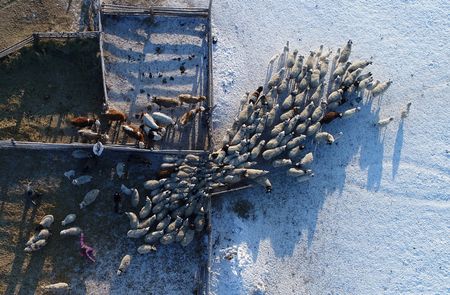
Russian government officials acknowledged Friday that additional unidentified diseases are worsening a livestock crisis in Siberia that has resulted in the mass slaughter of thousands of cattle and triggered unusual public demonstrations against the government’s response.
Sergei Dankvert, who leads the government panel examining the situation, told Komsomolskaya Pravda newspaper that veterinary officials struggled to carry out such unpopular actions. “However, this concerns an outbreak of a dangerous infectious disease, pasteurellosis, complicated by other illnesses, and incurable rabies,” Dankvert explained, though he did not identify what those additional diseases were.
The widespread animal killings have generated uncommon opposition in wartime Russia, with livestock owners demanding that senior agricultural officials step down from their positions.
American agricultural experts are raising questions about Russia’s explanation of the crisis. The U.S. Department of Agriculture’s Foreign Agriculture Service released a Friday report citing local contacts who suggested “the scale of these measures may indicate an unconfirmed outbreak of foot-and-mouth disease.” The agency noted that Moscow’s handling of the situation “raised concerns about the adequacy of current vaccines and the potential impact on Russia’s cattle trade.”
Russian agricultural authorities have not responded to inquiries about whether foot-and-mouth disease might be present. This distinction matters significantly because Russia received certification from the World Organisation for Animal Health in 2025 as being free of foot-and-mouth disease. The extremely transmissible viral infection typically demands large-scale animal culling, and any verified cases could severely damage Russian farm exports, which President Vladimir Putin has directed officials to boost by 50% before 2030.
Documents obtained by the U.S. agency show that Russia implemented a complete ban on livestock shipments from 15 impacted regions across Siberia and central Russia, effective February 25.
The Novosibirsk region in Siberia announced an emergency declaration earlier this week to address the crisis, with local officials attributing the problem to pasteurellosis, described as a serious bacterial lung infection, along with rabies cases.
Animal killings continued Friday in Kozikha village, located 45 miles southwest of Novosibirsk, based on eyewitness reports and video footage from the location.
Svetlana Panina, a prominent demonstrator who lost 150 cattle in the government’s culling program, shared a video message saying authorities briefly held her for questioning as a witness regarding an arson incident at an animal burial location.
According to Dankvert, laboratory analysis revealed that the pasteurellosis strain in the initial outbreak had changed genetically and was displaying more severe symptoms than typically seen. “In such a situation, the only way to stop the spread is the rapid removal and destruction of sick and suspect animals, as is done worldwide,” he stated.
A group of four young agricultural professionals from Delaware made their way to Portland, Oregon this past March to participate in the 2026 Farm Bureau Young Farmers & Ranchers Leadership Conference. The multi-day event, which ran from March 13-16, brought together agriculture advocates from across the nation for professional development and networking opportunities aimed at strengthening the farming industry’s future.
The Delaware Farm Bureau’s Young Farmers & Ranchers division serves agricultural professionals between the ages of 18 and 40, focusing on building leadership capabilities and advancing careers within the farming sector. The organization ensures its members can attend such conferences through fundraising initiatives including their yearly Tractor Pull event and auction held during the State Annual Banquet, with additional support from sponsors including Horizon Farm Credit.
Representing Delaware at the conference was Emerson Hickey from Middletown, who currently holds the position of DEFB Ambassador. Hickey earned her spot at the national gathering after claiming victory in Delaware’s Collegiate Discussion Meet this past December, which qualified her to compete on the national stage.
“Competing in the Collegiate Discussion Meet allowed me to engage in meaningful conversations about critical agricultural issues impacting not only the United States, but also right here in Delaware, alongside passionate and like-minded individuals from across the country,” Hickey said of her experience.
The conference agenda included educational workshops on various subjects such as policy developments, strategies for connecting with consumers, and leveraging social media platforms for agricultural advocacy. These learning opportunities prepared participants with tools necessary for promoting and protecting farming interests. Attendees also visited Oregon’s diverse agricultural businesses, including facilities producing cider, dairy products, and chocolate, as well as various growing operations that showcased the state’s agricultural variety.
Those seeking additional details about Delaware’s Young Farmers & Ranchers program can reach State Chair Connor Vincent at connor.vincent33@gmail. Questions regarding the Collegiate Discussion Meet can be directed to DEFB Government Affairs Coordinator Sydnie Grossnickle at [email protected] or by calling 302-697-3183.
Listen to the Morning Delmarva Farm Report Update — March 20, 2026
DELMARVA — Cattle and hog futures declined Thursday at the Chicago Mercantile Exchange as traders exercised caution ahead of Friday’s USDA On Feed report.
Live cattle for April delivery dropped $2.12 to $233.27 per hundredweight, while June contracts fell $2.30 to finish at $231.70. Feeder cattle saw steeper losses with April down $6.07 to $347.75. The pullback reflects caution as the industry waits for federal cattle inventory numbers due out Friday morning.
Policy
An ethanol industry leader is warning that the Department of Energy may exclude sustainable farming practices from final rules governing the 45Z biofuel production tax credit. The concern centers on whether low-carbon farming techniques will be recognized in the tax incentive program that affects corn growers across the region.
Markets
Corn futures are trading mixed Friday morning. Soybeans are seeing continued strength as analysts predict a shift of 4 to 5 million acres away from corn nationwide in 2026 plantings. Wheat remains steady in early trading.
Locally, corn is bringing $3.85 to $4.00 per bushel on Delmarva, with soybeans at $9.50 to $9.75.
Forecast
Friday will bring sunny skies and temperatures reaching 60 degrees under light south winds. Rain showers are likely Friday night with lows near 46 degrees. Saturday clears out with mostly sunny skies and highs back to 60 degrees.
This article is based on the Delmarva Farm Report Update Morning Edition, March 20, 2026. Hosted by Tom Bradley.
Listen to the Evening Delmarva Farm Report Update — March 19, 2026
DELMARVA — Livestock markets experienced significant losses at the Chicago Mercantile Exchange on Thursday as traders exercised caution ahead of Friday’s USDA On Feed report.
Markets
Live cattle for April delivery dropped $2.12 to close at $233.27 per hundredweight. June contracts fell $2.30 to finish at $231.70. Feeder cattle saw even steeper losses with April contracts down $6.07 to close at $347.75. May deliveries fell $6.45 lower. The pullback reflects caution before the federal report.
Corn futures and soybeans showed mixed action with wheat holding steady across the major contracts.
Policy
A prominent ethanol industry leader warned that the Department of Energy may exclude sustainable farming practices from final regulations governing the 45Z biofuel production tax credit. The executive fears low-carbon farming techniques could be left out of DOE’s rule-making for this significant tax incentive program.
Forecast
Mostly clear skies are expected tonight with lows around 35 degrees and light southerly winds. Friday brings mostly sunny conditions with highs reaching 57 degrees and south winds up to 15 miles per hour. Rain showers are likely Friday night with temperatures holding near 46 degrees.
This article is based on the Delmarva Farm Report Update Evening Edition, March 19, 2026. Hosted by Tom Bradley.
The United States experienced a decline in commercial red meat production this year, with output dropping by 2 percent compared to the same period last year, according to new data from federal agriculture officials.
The National Agricultural Statistics Service released figures showing the decrease in livestock processing across the country, marking a notable shift in the nation’s meat production industry.
This reduction in red meat output reflects changes in the agricultural sector that could impact both producers and consumers nationwide. The statistics cover commercial slaughter operations throughout the United States.
The decline comes as the livestock industry continues to navigate various market conditions and operational challenges affecting production levels across different regions of the country.
The Sussex County Farm Bureau recently served as a sponsor for a customer appreciation event organized by Seaford Hoober Inc. The local Case IH equipment dealer has maintained a strong relationship with the Delaware Farm Bureau and actively supports the agricultural community throughout the region.
Given that many of Hoober’s clientele are also members of the Farm Bureau, the gathering provided an ideal setting for SCFB representatives to express gratitude to existing members while introducing the advantages of Farm Bureau membership to potential new members.
The celebration also showcased the collaborative relationship between Case IH and the Farm Bureau organization. As a significant Farm Bureau partner, Case IH provides members with discounts reaching up to $800 on qualifying Case IH machinery and equipment.
Additional details about the Case IH member discount program can be found at https://defb.org/membership/member-benefits-2/.
Agricultural producers gathered with state lawmakers on February 27 and March 9 during legislative breakfast meetings hosted by the New Castle County and Kent County Farm Bureaus. At these sessions, farming community members discussed their experiences with recent property tax reassessments, declining profit margins, and growing development pressure.
The legislative breakfast meetings provide a platform for Delaware Farm Bureau (DEFB) members and elected officials to have direct discussions about agricultural challenges while also recognizing lawmakers for their ongoing support of farming interests.
A recurring topic during both gatherings centered on farmers’ financial difficulties in supporting their families. While they remain passionate about agriculture and want to continue their operations, many expressed uncertainty about the long-term viability of farming in Delaware.
DEFB President Bill Powers discussed the recent property reassessment’s complicated impact. While some property owners received tax reductions, others faced such severe increases that they’re contemplating selling their farms. Powers stressed the importance of supporting agriculture, Delaware’s leading industry, and voiced DEFB’s backing for Senate Bill 35, which would establish fair taxation for farm production structures instead of treating them like residential properties.
Multiple farmers provided personal testimonies about dramatic tax hikes. At the New Castle County Farm Bureau breakfast, Matt Linton from Highland Orchards in Wilmington described how his small farm parcel’s tax obligation jumped to almost $35,000. He explained they had to retain legal counsel to challenge the unaffordable assessment, creating additional expenses while operating with narrow profit margins.
Tom Puglisi from Puglisi Egg Farms in Middletown reported his property’s reassessed value exceeded the previous amount by more than twelve times. After following the official appeal procedures, he stated that Tyler Technologies and New Castle County repeatedly dismissed their concerns. Puglisi mentioned that he, along with many others, devoted substantial resources to fighting the reassessment and continues awaiting resolution.
Jay Baxter and fellow farmers discussed the challenges of staying profitable while input costs keep climbing. They described how agricultural producers typically buy supplies at retail prices but sell products at wholesale rates, making family support difficult. Baxter urged other farmers to tell their stories and communicate with neighbors and legislators about agricultural life.
Direct-to-consumer agricultural producers also addressed regulatory challenges. One local intensive agriculture farm operator explained being subject to the same requirements as much larger operations. This situation creates substantial obstacles when hiring assistance, especially H-2A workers.
ANNAPOLIS, MD – Three prominent Maryland officials are set to launch the annual Chesapeake Oyster Week celebration this Friday, March 20, at the Guinness Open Gate Brewery.
Maryland Department of Agriculture Secretary Kevin Atticks will join Maryland Secretary of Natural Resources Josh Kurtz and Oyster Recovery Partnership Executive Director Ward Slacum for the official kickoff event of the 2026 Chesapeake Oyster Week.
The ceremonial launch will take place at the popular Guinness Open Gate Brewery location, marking the beginning of a week-long celebration of the Chesapeake Bay’s oyster industry and recovery efforts.
The National Grain and Feed Association announced Thursday morning that the Mid-Mississippi River has officially opened for commercial navigation, effective at 7 a.m. on March 19.
According to NGFA Barge Freight Trading Rule 18(J), the waterway opening is triggered when specific conditions are met: “The Dubuque and South (Mid-Mississippi) opening commences the first 07:00 hours of the first business day after the first empty dry cargo covered barge suitable for loading, originating at or below Winfield, Mo., reaches Dubuque, Iowa. The Mid-Miss opening shall be determined by a majority vote of a three-person committee appointed by the NGFA Chairman and shall be announced by publishing the committee’s confirmation of the opening on the NGFA website.”
The specialized committee made their official determination after the MV John R. Operle arrived in Dubuque at 4:30 p.m. on March 18, carrying at least one empty dry cargo covered barge (T 13719) ready for loading operations. The three-member panel consisted of Jeff Webb from Cargill serving as Chair, Dan Patterson representing ADM/Artco, and Matt Tomayko from Ingram Barge.
This seasonal opening marks an important milestone for agricultural shipping along the nation’s river system, following NGFA’s established protocols for determining when conditions are suitable for commercial barge traffic.
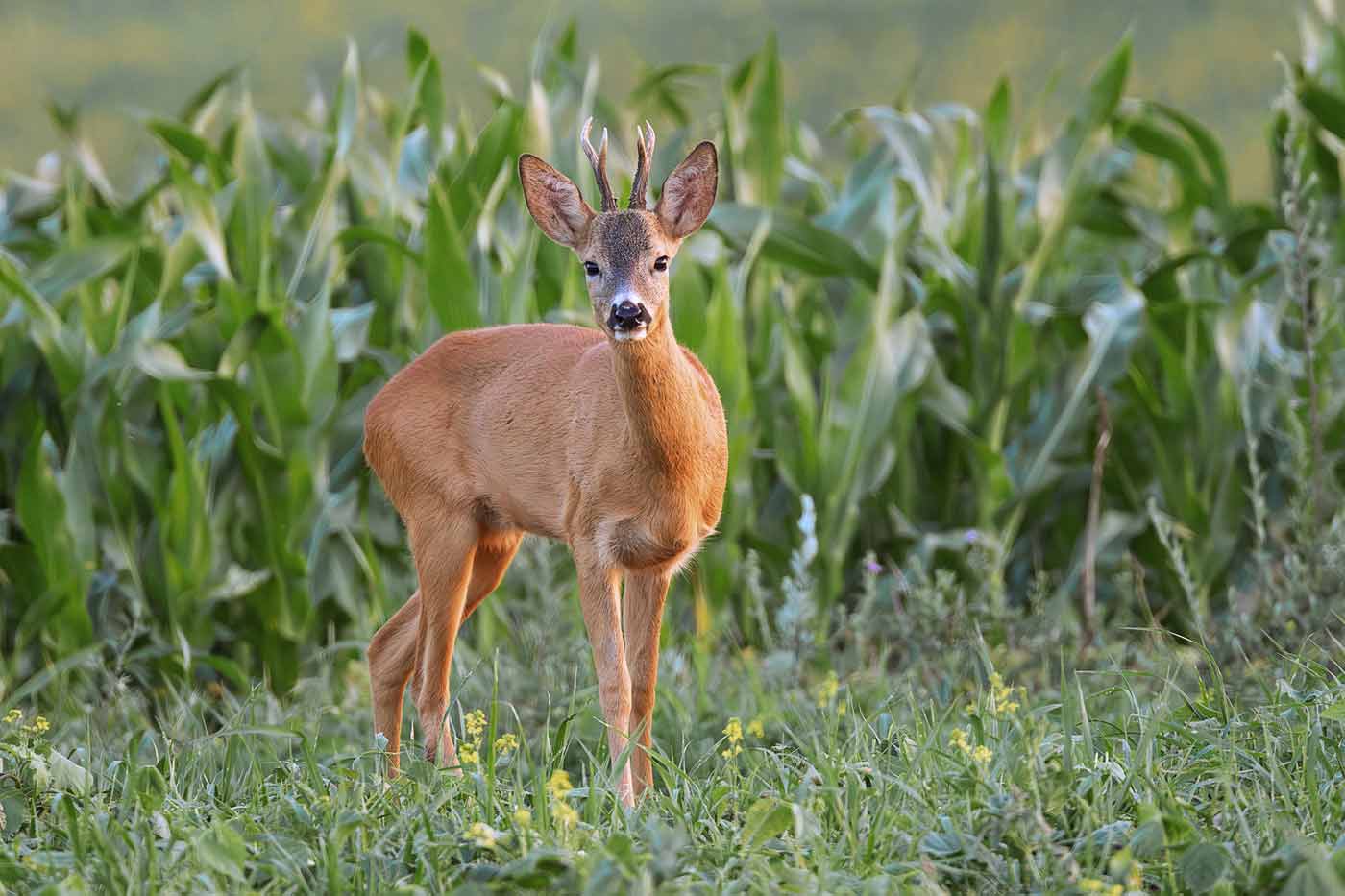
AXTON, Va.—Agricultural producers throughout Southside Virginia are facing mounting financial losses as bears destroy corn crops and deer consume newly planted fields.
The wildlife challenges affecting Patrick and Henry county farmers have intensified over recent years, leading to a collaborative meeting between local producers and Department of Wildlife Resources representatives to address the escalating agricultural threats.
Farmers attending the discussion emphasized their need for expanded hunting seasons and higher harvest quotas, particularly advocating for greater flexibility in doe hunting programs that help manage deer populations.
“The main thing is we want our rifle and shotgun hunting seasons extended,” stated Darrell Jackson, who sits on the Henry County Farm Bureau board and organized the meeting.
Jackson, who previously cultivated crops in Henry County and currently rents out his agricultural land, witnesses producers repeatedly replanting soybeans throughout growing seasons due to wildlife interference.
“Deer will eat them as soon as they break the ground,” Jackson explained.
According to Jackson, bears target corn fields when ears reach the tender, immature stage, consuming multiple acres of crops during their feeding.
The wildlife interference drives up operational costs while restricting planting options for producers already managing unpredictable weather patterns, volatile market prices, expensive inputs, and shifting trade regulations, Jackson noted.
These challenges create additional obstacles for new and younger producers attempting to launch or grow their farming operations.
“There’s no chance if you’ve got to compete with the bear and deer,” Jackson observed, noting that residential gardeners and beekeeping operations face similar wildlife challenges.
Henry County livestock producer Darryl Holland described his alfalfa fields as “a salad bar for the deer,” with persistent grazing diminishing the forage needed for his cattle operations. Though bears don’t directly impact his livestock, Holland said neighboring corn crop losses “has been substantial.”
“We’re in an area where seeing a bear used to be a novelty,” Holland remarked, who also serves on Henry Farm Bureau’s board. “But in the last five to six years, they’re becoming more common.”
Jake Tabor, legislative specialist for Virginia Farm Bureau Federation, reported that producers also highlighted inconsistent hunting regulations between Patrick and Henry counties during the meeting, creating complications for those operating across multiple jurisdictions.
Department of Wildlife Resources representatives outlined how counties, residents, and farmers can influence hunting policy changes through proactive damage documentation, wildlife population reporting, and participation in public comment processes.
“There was a good-sized crowd,” Holland commented about the gathering. Both Holland and Jackson expressed satisfaction with the opportunity to voice concerns and explore potential solutions.
Officials encourage farmers to monitor DWR public comment periods for submitting crop damage feedback. Holland stressed the importance of accurate harvest reporting by hunters, as officials depend on this data to inform regulation decisions and develop effective management strategies.
ETTRICK, Va.—Research at Virginia State University is revealing the untapped commercial and wellness potential of edible flowers, offering new opportunities for farmers looking to diversify their operations.
During a February 27 workshop at VSU Randolph Farm, Professor Theresa Nartea shared her findings with young farmers from across Virginia as part of the 2026 Virginia Farm Bureau Federation Young Farmers Winter Expo.
“Flowers are food for the soul and tummy,” said Nartea, who serves as VSU professor and Virginia Cooperative Extension small farm marketing and agribusiness specialist.
As participants received dried organic lavender bouquets, Nartea demonstrated the therapeutic benefits by having them crush the buds to release the calming fragrance.
“I carry a few stems of dried lavender with me in my pocket so I can keep going, because if you crush just one bud between your fingers, the fragrance becomes even more beautiful,” she explained. “Life’s trials are like this—you feel a crushing, but the beauty comes from those hard times in our life.”
Nartea pointed to growing research showing lavender’s effectiveness in addressing anxiety, depression and cigarette cravings, along with mounting scientific proof of various edible flowers’ therapeutic qualities.
Referencing a 2021 University of Pisa study, she outlined numerous scientifically documented health benefits, including Indian chrysanthemums’ cancer-fighting compounds, nasturtiums’ weight management properties, Aztec marigolds’ vision support benefits, roselles’ potential against Alzheimer’s disease, and the antioxidant content present in nearly all edible flower varieties.
“There are little things we can do every day to help in our healing process,” Nartea observed.
Her Nourishing Blooms Program at Randolph Farm investigates edible flowers, herbs and specialty products such as wellness-focused tea blends designed to support mental health and community wellness.
The demonstration garden, established in 2024, has allowed Nartea to examine various culinary applications of plants suitable for Virginia cultivation. These include hibiscus with its tart leaves popular in Jamaican cooking, cut-leaf coneflower leaves resembling kale that served as a Cherokee nutritional staple, and traditional applications for African blue basil flowers.
“You don’t have to ignore a whole plant—there are things yet to be studied that indigenous cultures have been using for over millennia to feed themselves,” she explained.
The market research component involved hosting Extension field days where community members could harvest their own flower arrangements from the half-acre demonstration plot. The 2025 season yielded approximately 2,550 bouquets with an estimated value of $38,250.
“There is definitely money to be had in this,” Nartea stressed. “People stayed even though we were done with the demonstration, because they found so much joy in cutting their own flowers.”
Several field day participants received seeds for hibiscus, butterfly pea and other plants suitable for therapeutic tea production to enhance their farming enterprises.
Nartea warned against pesticide use when cultivating herbs and flowers intended for consumption, recommending companion planting and alternative pest management strategies instead.
“That means some things won’t be as beautiful, you’ll have to pick things off and do things that are tedious,” she acknowledged. “But if it’s your passion, you make time for it.”
Future research plans include exploring additional value-added applications for butterfly peas and sunflowers in collaboration with other VSU researchers.
Nartea’s work was featured in an October 2024 “From the Ground Up” segment on Real Virginia, Virginia Farm Bureau’s weekly television program, and additional information about edible flowers appeared in the organization’s 2024 summer Cultivate magazine.
SURRY, Va.—Across Virginia, agricultural producers are balancing multiple careers to sustain their farming operations.
Recent agricultural census data shows 40,327 Virginia farmers list non-farming occupations as their primary work, compared to 27,471 who identify farming as their main profession.
“Even if it’s a bad year with crops, you know you have a paycheck coming from somewhere,” explained Elizabeth Cooper, a young farmer who splits her time between her family’s operation and her role as a Virginia Cooperative Extension agriculture and natural resources agent serving Surry and Sussex counties.
Cooper grew up knowing she and her brother would continue the family tradition on their Surry County property, where they cultivate corn, soybeans and wheat while raising Black Angus cattle. However, expanding the operation to support multiple generations presents challenges including land acquisition difficulties, high startup expenses and other obstacles. An outside job provides health insurance coverage and reliable income.
Her Extension position sits just 15 minutes from home, allowing her to help her father with business operations, apply her plant science and pest management knowledge, and contribute labor when possible.
Cooper dreams of eventually dedicating herself entirely to the family farm, regardless of the timeline required.
“We do it because we have a passion for agriculture, feeding our families and the world, and conserving our land for generations to come,” she said. “Even if it means a few hours less of sleep at night, it’s worth it.”
Fellow Surry County producer Breyon Pierce also navigates demanding schedules while maintaining his commitment to rural agricultural communities.
Pierce collaborates with his father Glen at Pierce Farms LLC, cultivating peanuts, corn, soybeans and wheat across more than 900 acres, while providing mentorship opportunities for local youth interested in agriculture.
Serving as an agriculture instructor and FFA advisor at Surry County High School earned Pierce recognition as 2020-21 school and district Teacher of the Year. His former students have pursued careers in production agriculture, forestry, industry agencies and agricultural education.
Pierce won election to the Surry County Board of Supervisors in 2022, where he champions agriculture, education and thoughtful community development.
“Sometimes I feel bad I can’t be out there to assist my dad with what he needs,” Pierce acknowledged. “But knowing that everything is more expensive in farming, working an off-farm job helps build income.”
Kent Firestone manages 24-hour shifts with Roanoke County Fire & Rescue while operating a small cow-calf business, noting that farming’s entry barriers make it challenging “especially to reach the point where it’s a sole source of income.”
Between fire station duties, Firestone works with his wife Sarah managing their Hereford cattle, developing his commercial crop spraying enterprise, and raising their son.
Despite demanding schedules, Kent finds his dual careers complement each other. Firefighters with farming backgrounds often become “subject matter experts” during emergencies involving loose livestock, cattle trailers or rural incidents.
Although free time remains scarce, the family prioritizes togetherness.
“Farming is a lifestyle, and what might not look like a vacation to anyone else is a vacation to us,” he noted.
ANNAPOLIS, MD – Maryland agriculture officials announced Thursday they have lifted restrictions on a second quarantine zone in Caroline County following an outbreak of highly pathogenic avian influenza.
The Maryland Department of Agriculture stated that while the original infected farm location continues under quarantine measures, all other agricultural operations within the former restricted zone may now return to normal activities, assuming they fall outside any remaining active control zones.
The announcement represents continued progress in containing the bird flu outbreak that prompted the establishment of multiple control areas in the county as health officials worked to prevent the disease’s spread to other poultry operations.
Listen to the Morning Delmarva Farm Report Update — March 19, 2026
DELMARVA — Multiple agricultural organizations are pushing the Trump administration to ease fertilizer import restrictions as Delmarva farmers face climbing input costs. The National Corn Growers Association says recent phosphate duties on Moroccan imports are adding financial pressure to producers already dealing with tight margins and supply uncertainties.
Livestock operators across Delaware are weighing a critical financial decision that could impact their bottom line this season. The choice between producing hay and stored forages on-farm versus buying from outside suppliers comes down to labor availability, equipment costs, and land use. Each option presents unique trade-offs producers need to evaluate for their specific operations.
Markets
April live cattle closed up 17 cents at $235.40 per hundredweight. June live cattle gained 30 cents to $235.00. April feeders dropped 97 cents to $353.82. Cash cattle trade remains slow with packers bidding $232 live and $368 dressed. Corn, soybean, and wheat futures will be key to watch as planting season approaches.
Forecast
Mostly sunny skies are expected today with highs reaching 48 degrees and southeast winds 5 to 10 miles per hour. Good conditions for early fieldwork if soils are ready. Tonight drops to 34 under partly cloudy skies. Friday brings mostly sunny weather with highs near 57, but light rain becomes likely Friday night into early Saturday.
This article is based on the Delmarva Farm Report Update Morning Edition, March 19, 2026. Hosted by Tom Bradley.
Listen to the Evening Delmarva Farm Report Update — March 18, 2026
DELMARVA — Multiple farm organizations are pushing the Trump administration to ease fertilizer import restrictions as growers across Delmarva and the nation face mounting input costs. The National Corn Growers Association’s vice president of public policy, Lesley McNitt, points to recent import tariffs on Morocco as a key factor driving up phosphate costs for American farmers. The advocacy effort comes as producers head into spring planting season already dealing with tight margins and supply uncertainties.
Markets
Grain futures closed mixed Wednesday. March corn settled at $2.98 per bushel. May soybeans finished at $11.42. March wheat closed at $4.75.
Locally, number 2 yellow corn is bringing $2.90 at Laurel elevators. Soybeans are running $11.15 on the Eastern Shore.
Forecast
Clear conditions are expected tonight with temperatures dropping to around 29°. Thursday brings mostly sunny skies with highs near 47°. Southeast winds stay light through Thursday.
Friday looks mostly sunny with temperatures climbing to 55° before rain chances arrive Friday night and continue into Saturday morning. Good fieldwork weather through Thursday for those wrapping up early season tasks.
This article is based on the Delmarva Farm Report Update Evening Edition, March 18, 2026. Hosted by Tom Bradley.
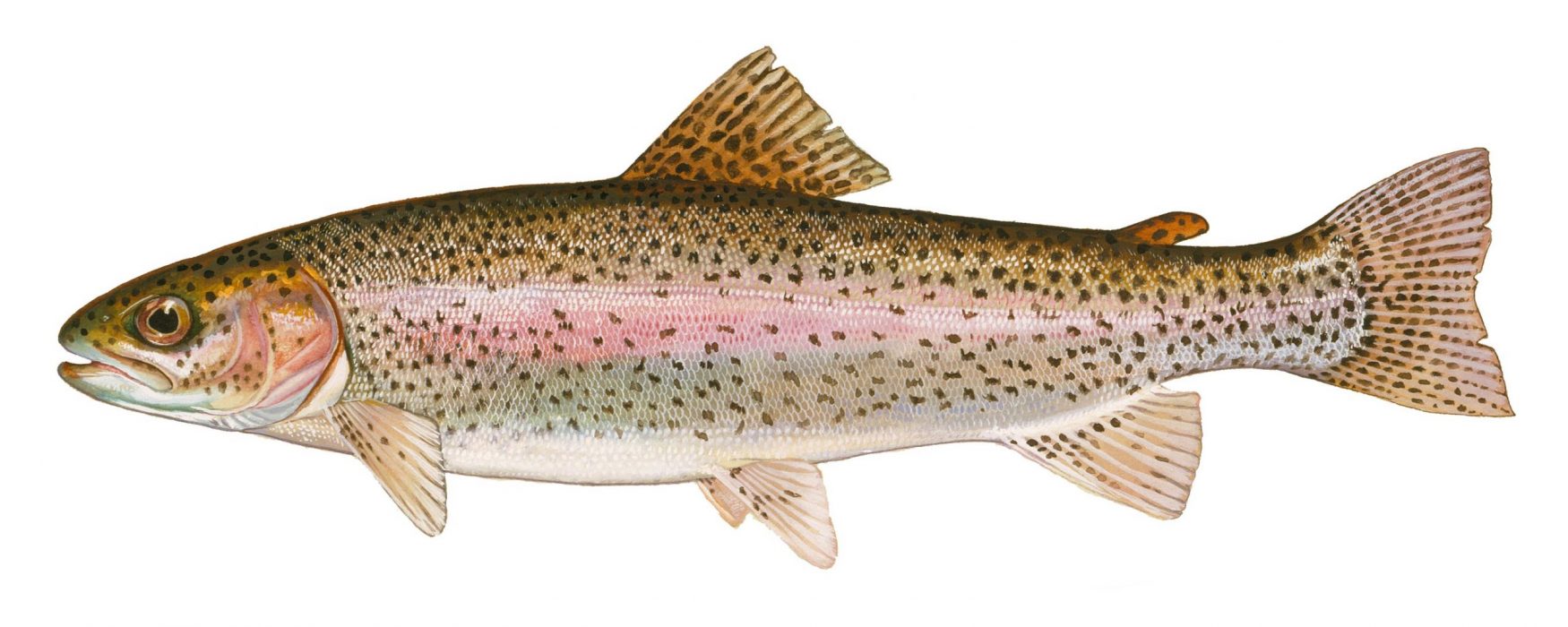
Spring has officially arrived for Maryland fishing enthusiasts, bringing two highly anticipated species into prime season: yellow perch in tidal waters and trout in freshwater locations. Current spawning migrations for yellow perch are active throughout the region, while trout management areas designated as closure 0 have opened for the season.
Young anglers under 16 will get their special opportunity this Saturday, March 21, when closure 1 trout management waters become available exclusively for youth fishing. The general trout season opener for all anglers is scheduled for March 28.
Maryland has received recognition as the nation’s second-best fishing destination according to FishingBooker’s latest annual ranking, climbing significantly from seventh place in 2025 and eleventh in 2024. The website cited consistent angler demand, exceptional access to bays, rivers, tidal systems, and Atlantic coastal waters, plus cost-effective fishing opportunities as key factors. According to their analysis, approximately one-fifth of Maryland consists of water, creating outstanding prospects for both saltwater and freshwater fishing.
The 2026 striped bass season schedule has been established for Chesapeake Bay and tributary waters, with complete details available on the Maryland Department of Natural Resources website.
Weekly Outlook: March 18-24
Rising temperatures and longer daylight hours continue gradually warming Chesapeake Bay waters, encouraging gamefish to migrate toward spawning areas. Monitoring buoy data shows main Bay and river mouth surface temperatures remaining in the mid-40s, while smaller rivers and streams register around 50 degrees. Protected coves and downwind locations on sunny days will reach the mid-50s more quickly, creating ideal conditions for yellow perch as they move upstream from winter holding areas to prepare for spawning in Maryland waters over the coming weeks.
Maryland rivers and streams should experience typical flow levels this week. Water clarity throughout most Maryland sections of the Bay and rivers should remain normal. The March 18 new moon will generate stronger than average tidal currents throughout the week.
Upper Chesapeake Bay Region
Anglers fishing the lower Susquehanna River and surrounding Bay areas are encountering murky water conditions and significant floating debris from recent Conowingo Dam releases. While these releases have decreased, challenging conditions will persist temporarily. Yellow perch fishing opportunities are currently better in the North East, upper Bush, Sassafras, Chester, and Magothy rivers. Water temperatures reaching 50 degrees have triggered yellow perch movement toward spawning grounds, with white perch following closely behind.
Small minnows hooked through the lips remain the preferred yellow perch bait. Anglers can fish them near bottom using split shot in shallow areas or bottom rigs with adequate weight for deeper, stronger current locations. Small jigs and shad darts enhanced with scent or small minnows work effectively in spawning areas. Grass shrimp or bloodworm pieces provide the best white perch attractants.
Blue catfish activity improves daily as warming temperatures increase their feeding behavior. Channel catfish are also becoming active. Gizzard shad ranks as the top bait choice, though any cut fish or scented offerings will produce results. Blue catfish inhabit every tidal river in the upper bay plus open bay areas, with the Susquehanna mouth and Chester River middle section offering prime fishing locations.
Catch-and-release striped bass fishing continues in the Susquehanna Flats, lower Susquehanna River, and Northeast River until April 1, when these areas close through April 30. During the closure period, fishing is prohibited above the line connecting the Lapidum state boat ramp to Twin Rocks to Tomes Wharf in Port Deposit. Natural Resources Police actively monitor this boundary. The southern boundary extends from Turkey Point to Sandy Point.
Middle Bay Waters
Middle Bay anglers are concentrating on yellow perch and white perch spawning runs this week. Significant yellow perch spawning occurred last week in the Hillsboro section of the Tuckahoe and upper Choptank River near Greensboro, where water temperatures reached approximately 50 degrees. Choptank River anglers near Denton caught early white perch run fish, mostly smaller males, along with numerous 10-inch blue catfish. Shore anglers primarily used bloodworms, while boat and kayak fishermen preferred small jigs with added scent or lip-hooked minnows.
Increasing water temperatures are stimulating blue catfish activity throughout the Choptank River. The stretch from Dover Bridge to Denton provides excellent fishing opportunities, with fish typically holding in deeper channel sections. Sliding sinker rigs with non-offset circle hooks work best for blue catfish, with 8/0 circles being ideal sizes. Gizzard shad makes the premier bait when available, while cut white perch and menhaden also produce well. Chicken liver and scented chicken breast work effectively if kept securely on hooks.
Striped bass anglers can enjoy catch-and-release action in main bay waters this month. Proper fish handling requires minimal contact and preferably keeping fish in water. Planning before fishing helps protect these valuable breeding females. Have cameras ready, use rubber landing nets, support fish horizontally with rubber gloves, work quickly, and return fish immediately to water.
Lower Bay Areas
Lower bay anglers are finding yellow perch in spawning areas including Mattawoman Creek at Mason’s Branch, Wayson’s Corner on the Patuxent, and Marshyhope Creek off the Nanticoke River. Some locations have completed spawning, creating post-spawn yellow perch opportunities. Lip-hooked minnows remain popular, but small jigs and shad darts tipped with minnow pieces or fish attractant provide exciting ultralight tackle action.
White perch are entering these same areas and can be found in Eastern Shore’s Wicomico and Pocomoke rivers. Bottom rigs and small jig heads tipped with grass shrimp or bloodworm pieces work excellently for white perch. Early run fish are typically smaller males, with larger females arriving soon.
Blue catfish fishing remains strong in tidal Potomac, Patuxent, and Nanticoke rivers as warming temperatures end their winter inactivity. Fish are holding in channel areas.
Catch-and-release striped bass action features the largest fish along steep channel edges during their bay migration toward spawning rivers. Jigging and trolling are the most effective techniques. The main Potomac River allows catch-and-release fishing, but all other lower bay tidal rivers remain closed to striped bass targeting.
Freshwater Opportunities
Saturday, March 21 marks youth trout fishing day beginning at 6:30 a.m. in all closure 1 trout management waters for anglers under 16, with a two-fish limit. The traditional opening day for all trout waters occurs March 28, with closure 1 waters receiving fresh stockings for the event.
March provides excellent crappie fishing in both tidal and non-tidal waters statewide. Early spring crappie remain close to submerged structure including sunken brush, fallen trees, submerged wood, and marina docks. Small minnows under slip bobbers are most popular, though marabou jigs suspended under bobbers also work well.
Many crappie anglers employ “spider rigs” – multiple rod holder arrays allowing simultaneous fishing of numerous outfits while drifting near structure. This technique proves very effective in tidal waters. The tidal Potomac near Wilson Bridge, plus the Nanticoke, Wicomico, and Pocomoke rivers offer excellent crappie fishing.
Grass beds in tidal and non-tidal waters are beginning to emerge, so chain pickerel still hold near sunken wood and advanced submerged vegetation. Largemouth bass activity is increasing as they patrol between shallow and deep waters searching for food.
Northern snakeheads are becoming more active, often found in shallow, sunny areas of tidal rivers during afternoon hours. Large minnows under bobbers work well during marginal water temperature periods.
Atlantic Ocean and Coastal Waters
Ocean City waters remain near 40 degrees this week. Surf fishing produces mainly spiny dogfish and clearnose skates. Inside the inlet, some catch-and-release striped bass action occurs near the Route 90 Bridge, though most fish fall short of the 28-inch minimum length while providing entertainment.
Offshore wreck and reef sites offer excellent tautog fishing, with party boat anglers landing substantial fish, many reaching double-digit weights. The daily tautog limit remains four fish at 16-inch minimum length through May 15.
The United States poultry industry is experiencing steady growth, with new federal data showing a 2% uptick in broiler-type egg production and chick placements across the country.
According to the latest report from the U.S. Department of Agriculture’s National Agricultural Statistics Service, both key indicators of chicken production have risen compared to previous periods, signaling continued expansion in the nation’s poultry sector.
The statistics track broiler-type eggs being set for hatching as well as newly placed chicks, both critical measurements for forecasting future chicken meat availability and industry health.
This modest but consistent growth reflects ongoing demand for poultry products and suggests stable conditions within the agricultural sector that produces chicken for American consumers.
Listen to the Morning Delmarva Farm Report Update — March 18, 2026
DELMARVA — New research in the poultry industry shows feed pellet quality can be just as important as feed ingredients when it comes to maximizing profits for turkey growers. Scientists found that pellet durability, how well feed stays intact rather than crumbling, plays a major role in bird weight at harvest and overall farm profitability. The findings come as turkey breeding programs have dramatically increased growth rates through genetic improvements over the past 40 years.
Markets
Cattle markets posted strong gains Tuesday at the Chicago Mercantile Exchange as traders positioned ahead of this week’s direct sales and Friday’s On Feed report. April live cattle climbed $1.97 to close at $235.22 per hundredweight. June live cattle gained $1.82 to $233.70. Feeder cattle showed even stronger movement, with April contracts surging $4.95 to $354.80.
Turning to the grain markets, May corn held steady at $4.54 per bushel. May soybeans gained $1.75 to $11.57. May Chicago wheat fell $0.075 to $6.8975.
Forecast
Expect partly sunny skies today with a high near 40° and north winds 5 to 10 miles per hour. Tonight drops to 29° under mostly clear skies. Thursday brings mostly sunny conditions with temperatures climbing to 48°. Friday looks mostly sunny with highs reaching 55°, but rain chances arrive Friday night and continue into Saturday.
This article is based on the Delmarva Farm Report Update Morning Edition, March 18, 2026. Hosted by Tom Bradley.
BISMARCK, N.D. (AP) — A Tennessee farmer anticipates spending an additional $100,000 on fertilizer this growing season, representing a 40% increase over last year’s expenses due to the ongoing conflict in Iran — and he’s struggling to find ways to cover the unexpected costs.
“The problem is, is we’re so strained financially coming into this issue,” said Todd Littleton, whose family has farmed in Gibson County in Tennessee’s northwest region for three generations. “We have had a couple of record losses the last couple years, so everyone’s kinda grabbing at straws anyway, and then to have input prices increase yet again, it just really couldn’t happen at a worse time.”
Littleton, who cultivates corn, soybeans and wheat, represents thousands of agricultural producers nationwide facing unexpectedly high fertilizer expenses this spring for nutrients crucial to their harvests. Nitrogen fertilizer proves particularly critical for corn production, typically America’s most extensive crop that supports livestock feed and ethanol fuel production for vehicles.
Agricultural producers have voiced concerns about expensive fertilizer for years, but costs have climbed dramatically since U.S. and Israeli forces struck Iran on February 28, creating shipping delays through the Strait of Hormuz, which handles 20% of global oil and natural gas transport. Beyond driving up fuel costs essential for fertilizer manufacturing, the shipping interruption has essentially halted nitrogen fertilizer exports from Persian Gulf producers and restricted access to vital fertilizer components.
Approximately 15% of American fertilizer imports originate from Middle Eastern countries, with roughly half of the world’s urea supply and 30% of ammonia coming from that region, according to American Farm Bureau Federation data.
“When the ports started raising their nitrogen prices due to the conflict due to shipping concerns, that directly affects me here on the farm,” Littleton said.
These additional expenses prove difficult to manage following multiple challenging years when commodity prices declined while operational costs continued rising, Littleton explained.
The situation could deteriorate further, as some producers may find fertilizer completely unavailable regardless of price, according to Zippy Duvall, who leads the American Farm Bureau Federation.
“We’re being told that many of our farmers that haven’t preordered their fertilizer and paid for it may not even obtain the fertilizer that they’re going to need during the season or for spring planting,” Duvall said. “That’s why this situation is so serious.”
Harry Ott, who grows cotton, corn and peanuts while heading South Carolina’s farm bureau, indicated insufficient fertilizer reserves exist in storage facilities to satisfy upcoming demand.
“It is a really dire situation that our farmers facing,” Ott said.
Prior to these recent price jumps, multiple factors over recent years had already elevated fertilizer costs, beginning with the Ukraine-Russia conflict that restricted raw material access and increased natural gas prices. China also reduced phosphate exports while prioritizing domestic requirements.
Current circumstances have intensified existing supply challenges, meaning fertilizer prices likely won’t drop quickly even if the Iran conflict ends, according to Jacqui Fatka, who analyzes farm supply economics for lender CoBank.
“There’s going to be a tail to this to get everything turned back on, sent back out,” Fatka said.
Transportation time from Middle Eastern suppliers to American markets typically requires 30 to 45 days to reach New Orleans ports.
Some fertilizer already stored domestically can help address shortages from reduced Middle Eastern imports, but those supplies will eventually be exhausted.
“We don’t quite know how it’s going to shake out,” said Nancy Martinez, who oversees public policy, trade and biotechnology for the National Corn Growers Association.
Domestic production of nitrogen and phosphate fertilizers provides some relief, noted Anne Villamil, an economics professor at the University of Iowa.
“But again, energy prices are an input, and so even if you’re producing it in the U.S., if the cost of your inputs goes up, then it’s going to be an increase in price to the farmers who want to buy it,” Villamil said.
Rising oil costs could translate to higher grocery prices through increased diesel expenses for product transportation and petroleum-based packaging materials, explained Chad Hart, an economics professor at Iowa State University.
Nevertheless, elevated fertilizer prices shouldn’t substantially impact supermarket costs despite reducing farmer profits, since production expenses represent only a small portion of consumer grocery bills.
The Trump administration announced measures to address fertilizer costs, including efforts to boost fertilizer imports from Venezuela, which U.S. Agriculture Secretary Brooke Rollins described as “a huge step that puts farm security and farmers first.”
The Agriculture Department also highlighted previously announced $12 billion in one-time payments helping farmers offset losses primarily from Trump administration tariffs. USDA statements indicate over $30 billion in additional farmer assistance since January 2025, while supporting increased fertilizer marketplace competition to reduce prices.
CoBank’s Fatka noted the $12 billion provides limited help for farmers receiving $44 per corn acre when USDA estimates approximately $900 per acre production costs for typical American producers.
Farm bankruptcies remain uncommon, with only 315 cases last year among nearly 1.9 million national farms. Prices for America’s two primary crops — corn and soybeans — have shown recent improvement.
Tom Waters, who manages about 5,000 acres of corn, soybeans and wheat near Kansas City, said rising fertilizer and other costs make profitability challenging when crop prices stay low.
“The margins get smaller and smaller so we just have to really work hard to trim our costs and be as frugal as we can be but still provide the soil and crop what it needs to grow and produce,” Waters said.
Listen to the Evening Delmarva Farm Report Update — March 17, 2026
DELMARVA — Worldwide coarse grain production is climbing during the 2025-26 season according to the USDA’s March report. International forecasts show modest upward revisions with increases expected in barley, corn, oats, and sorghum. The most significant production boost is anticipated in corn harvests, with Ukraine projected to lead this expansion. That rising global supply could pressure corn prices as harvest season approaches.
Markets
Soybeans recovered some ground Tuesday after Monday’s losses. May soybean futures climbed $1.75 to close at $11.57/bu. May corn held steady at $4.54/bu with no change. Chicago wheat for May delivery dropped $0.075 to finish at $6.8975/bu. Soybean meal slipped $0.50 to $311.70/cwt.
In livestock markets, April live cattle surged $1.97 to $235.22/cwt. April feeder cattle jumped $4.95 to $354.80.
Forecast
Scattered snow showers are expected tonight with temperatures dropping to 25°F and northwest winds 5-15 mph. Wednesday brings partly sunny skies with a high near 40°F and light southwest winds up to 10 mph. Wednesday night stays partly cloudy with lows around 28°F.
This article is based on the Delmarva Farm Report Update Evening Edition, March 17, 2026. Hosted by Tom Bradley.
Agricultural organizations across America are closely monitoring upcoming trade discussions as the United States, Mexico, and Canada prepare to negotiate renewal of their trilateral commerce agreement. Tony Rice, who serves as senior director of trade policy for the National Milk Producers Federation, emphasized the critical importance of the USMCA for America’s dairy sector and export operations.
Rice highlighted the significance of the U.S. dairy industry’s relationship with its North American neighbors, noting their status as top export destinations. “They’re number one and two, respectively, and the USMCA agreement has brought a tremendous number of benefits in growing our exports to Mexico, and simultaneously to Canada, while servicing the demand in those two markets,” he said.
Small-scale farmers and urban agricultural operations in Maryland can now apply for state grants designed to support environmentally beneficial farming practices.
The Maryland Department of Agriculture announced on March 17, 2026, that registration has opened for its Small Acreage Cover Crop Program. The application window began March 16 and will remain open until April 24, 2026.
This initiative targets agricultural operations working with fewer than 10 acres, providing financial incentives for implementing cover crop strategies that benefit soil health and environmental conservation.
The program represents Maryland’s continued commitment to supporting sustainable agricultural practices among smaller farming operations and urban growing facilities throughout the state.
Registration is now available for the Delaware Farm Bureau Foundation’s 13th Annual Milk Run/Walk, scheduled for Saturday, May 16, 2026, at Ramsey’s Farm in Wilmington. The fundraising event has generated more than $266,000 throughout its 12-year history to help feed Delaware families and promote farming education statewide.
This year’s event expands its offerings with three distance options: a 2-mile health walk, a 5k trail run, and a new 10k trail run. Participants can register for $35 until May 8, with fees increasing to $40 afterward. Same-day registration starts at 8:00am, and all events begin at 9:00am. The fundraiser welcomes participants of every age and fitness level.
Money raised through the event benefits multiple hunger relief and educational initiatives throughout Delaware. The Ministry of Caring’s “Milk for Children Fund” supplies milk for meals distributed to individuals facing food insecurity in the Wilmington region. The Food Bank of Delaware’s Backpack Program guarantees students receive nutrition during weekends and school breaks. Additionally, the Delaware Farm Bureau Foundation delivers interactive farming education directly to classrooms statewide to enhance agricultural awareness in local communities.
Local businesses and organizations interested in supporting the cause can explore various sponsorship packages. For sponsorship details, contact Joseph Poppiti, DEFB Executive Director, at 302-697-3183 or [email protected]. Registration is available at https://defb.org/foundation/milk-run/.
WASHINGTON, D.C. (March 17, 2026) – The poultry industry is expressing gratitude to the Trump administration for postponing a regulation from the previous administration that would have affected payment structures for chicken farmers nationwide.
Harrison Kircher, who serves as President of the National Chicken Council, praised the decision in a statement released today. “We applaud Secretary Rollins and the Trump administration for their thoughtful review of this Biden-era regulation and for listening to chicken farmers across the country who oppose it,” Kircher stated.
The industry representative emphasized the organization’s backing of the current administration’s approach to regulatory reform. According to Kircher, the National Chicken Council fully endorses the administration’s dedication to eliminating unnecessary regulatory barriers.
A representative from the dairy industry appeared before a House Judiciary subcommittee today to discuss shipping problems that continue to plague American dairy exporters.
Tony Rice, who serves as Senior Director of Trade Policy for both the National Milk Producers Federation and U.S. Dairy Export Council, spoke to the House Judiciary Subcommittee on the Administrative State, Regulatory Reform and Antitrust about ongoing maritime transportation issues.
Last year, the American dairy sector shipped $9.6 billion worth of products overseas, including three million metric tons of cheese, milk powder, whey protein and other dairy goods. This massive export volume makes dependable shipping crucial for the industry’s financial health. However, dairy exporters have limited options when it comes to ocean transportation, with nearly all carriers being owned by foreign companies.
“Dairy farmers milk their cows 365 days a year,” Rice explained during his testimony. “When export shipments are delayed, cancelled, or become more expensive to move, the disruptions ripple back through the supply chain and ultimately affect farm income.”
Rice referenced the supply chain disruptions experienced during the pandemic, which caused significant delays, frequent booking cancellations and severe port bottlenecks. These problems resulted in billions of dollars in unexpected expenses and missed sales opportunities for dairy producers across the country. Although Congress passed the Ocean Shipping Reform Act of 2022 to tackle some unfair fee practices, Rice emphasized that American dairy exporters still deal with unpredictable operations when their bookings get turned down, ships bypass scheduled port stops, or delivery schedules change without warning.
The dairy industry is pushing for several solutions to these ongoing problems, including increased investment in America’s maritime infrastructure to boost domestic shipbuilding capabilities, stronger oversight by the Federal Maritime Commission of international shipping companies, and more transparency from ocean carriers regarding their booking procedures.
“We recognize the importance of efficient global shipping networks,” Rice stated. “Our concern is ensuring that those networks work for American dairy exporters as well as they work for global carriers.”
Maryland agriculture officials have lifted a bird flu control zone that was established in Caroline County following an outbreak of highly pathogenic avian influenza (HPAI).
The Maryland Department of Agriculture announced Wednesday that the control area restrictions have been removed, though the farm where the infection originally occurred continues to remain under quarantine protocols.
Properties that were previously within the control zone boundaries can now resume normal farming operations, provided they are not situated within any other active control areas that may be in effect.
The development marks a step forward in the state’s ongoing efforts to contain and manage avian influenza outbreaks that can devastate poultry operations and wild bird populations.
Agricultural fair officials in Maryland have scheduled their next board meeting for Wednesday, March 18th, 2026, beginning at 1:00 p.m. in Annapolis.
The session will take place at 50 Harry S. Truman Parkway, Annapolis MD 21401, according to the official meeting notice.
Board members plan to cover several key topics during the gathering, including board reports, financial updates, and decisions regarding grant allocations. The meeting will also feature board elections and discussions about strategic operational planning.
Those seeking additional details about the upcoming meeting can reach out to Harrison Palmer, Chief of Staff, via email at [email protected] or by calling (410) [number incomplete in original notice].
Authorities in Russia’s Siberian Novosibirsk region have implemented emergency protocols to combat livestock disease outbreaks, but the aggressive response has sparked widespread anger among local farmers who say their livelihoods are being destroyed.
Regional Agriculture Minister Andrei Shindelov announced the emergency measures would enable “effective coordination of actions and the containment of the movement of animals and animal products,” according to state news agency TASS.
Health officials have documented five cases of pasteurellosis—a serious bacterial lung infection—along with 42 instances of rabies throughout the region, prompting the mass removal of farm animals.
Video footage and social media posts have captured thousands of cattle and other livestock being incinerated as part of disease containment efforts, while residents physically confront law enforcement and government representatives attempting to seize their animals.
One particularly dramatic confrontation involved local farmer Svetlana Panina from Novoklyuchi village, who pursued Minister Shindelov through a government building’s hallways, expressing her desperation about mounting financial hardship.
“Why are you running away? Go and hide in a toilet from us people,” Panina confronted the official. She reported losing 200 animals, including three camels, and discovered they had been removed while she was away from her property.
Although TASS reported the emergency declaration occurred a month prior, numerous farmers claim they received no notification and argue that pasteurellosis can be successfully treated with antibiotics rather than requiring complete herd elimination.
The enforcement actions have disproportionately targeted smaller farming operations while leaving major agricultural corporations largely unaffected, further intensifying farmer resentment.
The emergency status does provide a pathway for farmers to receive financial compensation for destroyed livestock, and local authorities indicate initial payments are now being processed.
Novosibirsk ranks as Russia’s 15th most populous region with over 2 million residents, sharing a border with Kazakhstan and positioned approximately 600 kilometers from China.
Federal agricultural oversight agencies attribute the outbreak’s severity to Siberia’s brutal winter conditions, which compromised animal immune systems, while warning farmers against using feed from unverified sources.
Additional Siberian regions have reported smaller disease incidents or placed their areas under heightened surveillance.
“There are some cases when a fast reaction is needed,” Kremlin spokesperson Dmitry Peskov explained to media representatives, noting that affected regions are maintaining coordination with Moscow.
While several individuals faced brief detention, authorities have not launched any major crackdowns against the protesting farmers.
The federal agriculture ministry has not provided responses to media inquiries about the situation.
Listen to the Morning Delmarva Farm Report Update — March 17, 2026
DELMARVA — Soybean markets suffered significant losses Monday, with several near-term contracts hitting limit-down as traders grew increasingly concerned that planned trade talks with China could be delayed beyond their late March target due to ongoing tensions in the Gulf region. Treasury Secretary Scott Bessent attempted to calm market concerns, but his comments had little effect on trading sentiment.
Cattle ranchers across Delaware are wrapping up a challenging winter and turning their attention to spring breeding season. As calving operations wind down, producers are preparing to move herds onto fresh pasture while making critical breeding decisions ahead. Extension specialists remind ranchers that livestock are now entering the most nutritionally demanding phase of their annual cycle, requiring careful planning and management through the coming weeks.
Markets
May corn futures are trading at $3.98 per bushel. May soybeans are at $10.12. July wheat stands at $5.46. Local grain elevators are paying $3.70 for cash corn and $9.85 for soybeans.
Forecast
Partly sunny skies are expected today with a high of 42 degrees and west winds 15 to 20 miles per hour. Tonight drops to 25 under partly cloudy skies with northwest winds 5 to 15 miles per hour. Wednesday looks mostly sunny with a high near 40.
This article is based on the Delmarva Farm Report Update Morning Edition, March 17, 2026. Hosted by Tom Bradley.
Listen to the Evening Delmarva Farm Report Update — March 16, 2026
DELMARVA — Soybean futures tumbled Monday with several contracts hitting their daily loss limits as trade concerns with China intensified. May soybeans closed down $0.70 at $11.55¼ per bushel. Traders are worried that negotiations scheduled for late March could be delayed due to Gulf region tensions.
Meanwhile, Middle East conflict continues driving up input costs for growers across the nation. Fertilizer and fuel prices are climbing, putting pressure on farm budgets as planting season approaches.
Markets
May corn settled at $4.54 per bushel, down $0.13¼. May wheat fell $0.11½ to $4.83¾. Soybean meal closed at $312.20 per ton, down $10.50.
On the livestock side, April live cattle jumped $2.35 to $233.25 per hundredweight. April feeder cattle surged $6.75 to $349.85.
Forecast
Severe weather is moving through this evening with showers and thunderstorms. A wind advisory remains in effect through 2 a.m. with gusts up to 45 miles per hour. Growers should hold off on field work tonight. Temperature is dropping to 31°F with southwest winds 20 to 30 miles per hour.
Tuesday turns much colder with a high of 44°F and scattered snow showers. Northwest winds 20 to 25 miles per hour. Better conditions return Wednesday with partly sunny skies and a high near 40°F.
This article is based on the Delmarva Farm Report Update Evening Edition, March 16, 2026. Hosted by Tom Bradley.
The nation’s hop inventory has experienced a notable decline, with stockpiles dropping 13 percent when compared to the same period last year, according to new agricultural data released for March 1.
The decrease in hop reserves could have implications for breweries and other industries that rely on this essential ingredient for beer production and other products.
The inventory figures represent the stored quantities of hops available across the United States as measured on the first day of March.
Listen to the Morning Delmarva Farm Report Update — March 16, 2026
DELMARVA — Agricultural families across the region are being urged to develop succession plans for their farming operations before a crisis hits. Experts say planning ahead ensures decisions about who takes over the family operation are made thoughtfully, not under pressure during emergencies or health crises. The guidance comes as many Delmarva farm families face generational transitions in the coming years.
Meanwhile, national poultry genetics company Aviagen has announced a $40,000,000 investment to build a breeding facility in Uzbekistan. The project signals continued global demand for American poultry expertise, which could influence domestic breeding operations here on Delmarva’s Eastern Shore.
Markets
May corn futures opened at $4.18/bu. Soybeans are trading at $10.72. Wheat came in at $5.41. Local grain elevators are paying $4.05 for cash corn, $10.50 for beans.
Forecast
A wind advisory is in effect through tonight with gusts up to 35 mph. Showers and thunderstorms are expected today with a high near 63°F. Winds are south at 15 to 25 mph, so delays are likely for spray applications and field work. Tonight brings more storms with temperatures dropping to 31°F as a cold front moves through. Tomorrow turns mostly sunny and breezy with highs only reaching 44°F. Much better conditions for field operations are expected by midweek.
This article is based on the Delmarva Farm Report Update Morning Edition, March 16, 2026. Hosted by Tom Bradley.
Listen to the Evening Delmarva Farm Report Update — March 14, 2026
DELMARVA — Congress is working on emergency financial support for American farmers as producers face what lawmakers are calling a generational crisis. Missouri Farm Bureau President Garrett Hawkins says Senators John Boozman and John Hoeven are developing a package that could bring $16-17 billion in ad hoc assistance. Senator Boozman, who chairs the Senate Agriculture Committee, says federal action is needed to stabilize farm finances across the country during these difficult economic conditions.
Meanwhile, fertilizer costs continue pressuring corn growers. South Dakota Corn Growers Association President Trent Kubik says consolidation has created a duopoly with just 2 companies controlling the market for farmers’ highest cost input.
Markets
Corn futures closed mixed, soybeans were lower, and wheat showed strength. Live cattle April contracts settled $0.35 lower at $239.90 per hundredweight. June contracts dropped $0.42 to $228.95. Feeder cattle April gained $0.10 finishing at $343.10.
In cash markets, Northern dressed cattle traded mainly at $372 per hundredweight, down $8 from last week. Texas dressed cattle moved at $235, a $4 weekly decline.
Forecast
The region will see mostly cloudy skies this evening with temperatures around 55°F under northwest winds at 20 mph. Tonight drops to 36°F with lighter north winds. Sunday brings mostly cloudy conditions again, 56°F with east winds at 10-15 mph. Rain moves in Sunday night with showers and thunderstorms likely.
This article is based on the Delmarva Farm Report Update Evening Edition, March 14, 2026. Hosted by Tom Bradley.
Leaders from the National Milk Producers Federation have kicked off the year with an ambitious schedule of outreach activities, bringing their expertise to dairy communities both within the United States and internationally.
Economic Policy and Market Analysis Vice President Stephen Cain delivered insights on protein market trends during his February 10 address at Nashville’s Farm Journal Top Producers gathering. Meanwhile, Global Economic Affairs Senior Vice President Will Loux made presentations to industry leaders, first addressing the Lone Star Milk Producers Board of Directors in Dallas on February 18, then speaking to the Dairy Management Inc. Board in Phoenix on February 24.
Animal welfare took center stage during a groundbreaking collaboration between the FARM Program, Saputo, and the University of Wisconsin-Madison’s Dairyland Initiative. Their first-ever USA Dairy Welfare Roundtable brought together dairy producers and animal welfare researchers in Madison, Wisconsin, on January 21-22.
Participants examined critical animal welfare challenges including lameness issues, group housing practices, and young calf management. The gathering employed a SWOT analysis framework to identify industry obstacles and develop strategies for addressing these concerns moving forward.
International engagement was highlighted by a trade policy mission to Lima, Peru, during the week of February 24. Executive Vice Presidents Shawna Morris and Jaime Castaneda, Senior Director Tony Rice, and Senior Director of Regulatory Affairs Miquela Hanselman attended the Latin America Nutrition Congress organized by the U.S. Dairy Export Council.
Back home, Executive Vice President Alan Bjerga connected with Colorado dairy producers at the Greeley Farm Show on January 28, discussing recent legislative victories and ongoing support initiatives for farmers facing challenging milk price conditions.
Groups seeking to arrange NMPF staff participation in their events can reach out to Casey Kinler at [email protected].
Following nearly ten years of regulatory discussions, the Food and Drug Administration declared on February 19th that producers of Grade A cottage cheese will receive an exemption from the agency’s Food Traceability Rule.
The waiver relieves Grade A cottage cheese makers from enhanced tracking requirements that apply to items listed on the Food Traceability List, lessening administrative duties for companies already adhering to stringent Grade A Pasteurized Milk Ordinance standards overseen by the National Conference on Interstate Milk Shipments.
The National Milk Producers Federation backed the Food Safety Modernization Act when it passed in 2011 and acknowledges that tracking systems and proper documentation play crucial roles in food safety. Nevertheless, since FSMA became law, NMPF has challenged the FDA’s methodology for identifying “high-risk foods” as outlined in the legislation’s Section 204.
Even with NMPF’s numerous protests, the FDA implemented final regulations in November 2022 classifying all cheese varieties except hard cheeses as high-risk products. The agency’s risk assessment framework under these rules categorizes “pasteurized cheese, other than hard” at the highest risk tier among all marketplace foods — ranking it even above raw milk cheese products. The final regulations initially established January 20, 2026, as the deadline for manufacturers to comply, but advocacy efforts by NMPF and other industry groups convinced the FDA to postpone the compliance deadline by 30 months until July 20, 2028. This delay provides additional time for NMPF to advocate for modifications. The Grade A cottage cheese exemption announced this month represents one victory that NMPF, working alongside the International Dairy Foods Association, vigorously pursued. Cottage cheese appeared on the original Food Traceability List because it belongs to the “Cheese (made from pasteurized milk), fresh soft or soft unripened” classification.
The FDA eventually accepted NMPF’s argument presented in September 2024 submissions that existing PMO supervision and its inherent protective measures eliminate the need for additional traceability procedures. This practical decision decreases regulatory burden while maintaining robust food safety measures.
Listen to the Morning Delmarva Farm Report Update — March 14, 2026
DELMARVA — Senate Agriculture Committee leaders are ramping up efforts to address what they describe as a generational financial crisis facing American farmers, with discussions underway for a supplemental aid package potentially worth $16-$17 billion.
Arkansas Senator John Boozman, who chairs the committee, has called the situation facing producers a generational crisis requiring congressional action. Missouri Farm Bureau President Garrett Hawkins said lawmakers are actively developing the emergency relief package, with Senators Boozman and Hoeven leading the discussions, though the exact figures remain fluid.
Energy Markets
Energy markets remained in focus this week as experts warned that tensions in the Middle East could drive up fuel and fertilizer costs for producers across the country. Rising oil prices from the Iran situation are starting to impact American consumers.
Delaware Leadership
Delaware’s Farm Service Agency is operating under new leadership this spring. Cory Atkins was named state executive director in January, bringing hands-on farming experience to the role. He has been running his own operation while advocating for producers at multiple levels of government.
Markets
Live cattle futures closed Friday with April contracts down $0.35 at $239.90 per hundredweight. June contracts fell $0.42 to $228.95. Feeder cattle showed mixed results, with April contracts gaining $0.10 to finish at $343.10, while May contracts dropped $0.75 to $339.17.
Forecast
Sunny skies are expected today with highs reaching 54° and west winds 15-20 mph. Tonight turns partly cloudy with lows dropping to 35°. Sunday brings partly sunny conditions with highs near 55°, but showers and thunderstorms move in Sunday night as lows hold around 47°.
This article is based on the Delmarva Farm Report Update Morning Edition, March 14, 2026. Hosted by Tom Bradley.
ANNAPOLIS, MD (March 9, 2026) – Applications are now being accepted by the Maryland Department of Agriculture for their 2026 Food and Agricultural Resiliency Mechanism Grant Program, known as MFARM.
The competitive funding initiative aims to tackle food insecurity in communities throughout the state while simultaneously creating dependable sales opportunities for Maryland’s agricultural producers.
The program represents the state’s effort to address two critical issues: ensuring vulnerable populations have access to nutritious food while supporting the economic stability of local farming operations.
California’s most productive agricultural area is confronting a groundwater emergency caused by excessive extraction from underground water sources. Legislation enacted in 2014 aimed at preventing the overuse of these underground water reserves is now being implemented across the region.
The new regulations are designed to address the critical situation created by years of drawing too much water from the aquifer systems that support the state’s agricultural industry. These enforcement measures represent the first major step in controlling groundwater usage in the area.
Virginia’s marine resource managers have granted emergency extensions to the state’s oyster harvesting season after watermen faced significant losses due to icy conditions and struggling market prices.
During their February 24th meeting, commissioners with the Virginia Marine Resources Commission approved schedule modifications designed to help harvesters make up for missed opportunities during the challenging season.
The emergency changes include extending the current season in Pocomoke and Tangier Sound Rotation Area 1 by two additional weeks, keeping those waters open until March 15th. Additionally, officials will reopen Rappahannock River Area 8 from March 1st through March 15th, providing another two-week harvesting window.
State regulators took the emergency action to help address financial difficulties facing Virginia’s oyster industry, which has been hit by dangerous ice buildup that made harvesting unsafe, combined with depressed market prices that have squeezed profits.
While the season extensions provide additional harvesting time, all existing rules governing equipment use and daily catch limits will continue to apply during the extended periods.
Listen to the Evening Delmarva Farm Report Update — March 13, 2026
DELMARVA — Field work across Delmarva continued at a steady pace Friday afternoon as growers took advantage of dry conditions ahead of next week’s weather change. Most producers wrapped up fertilizer applications with equipment running in Kent and Sussex counties through the late afternoon hours. Soil temperatures are holding in the upper 40s to low 50s, right where they need to be for early prep work.
Markets
Corn futures closed mixed Friday with the May contract up 3 cents at $4.75 per bushel. July soybeans gained 8 cents, settling at $10.42. Wheat showed strength with the May contract adding 5 cents to close at $5.18. Locally, corn is moving at $4.50 in Dover while soybeans are fetching $9.90 at Seaford elevators.
Forecast
Friday evening finished with mostly sunny skies and temperatures around 51 degrees under south winds at 20 miles per hour. Tonight drops to 41 with mostly clear conditions. Saturday brings sunshine with highs near 54 and west winds 15 to 20 miles per hour.
By Sunday night conditions change as light rain moves in, setting up a stormy Monday with showers and thunderstorms likely. Temperatures Monday climb to 63 before a cold front drops the region back to the 40s Tuesday with a chance of rain and snow showers mixing in. Producers should plan field work accordingly through the weekend.
This article is based on the Delmarva Farm Report Update Evening Edition, March 13, 2026. Hosted by Tom Bradley.
Federal agricultural data shows turkey production gaining momentum as the industry moves into spring operations.
According to the latest USDA National Agricultural Statistics Service report, turkey eggs currently in incubators as of March 1st increased by 1 percent compared to the same period last year.
The February hatching numbers also demonstrate positive growth, with newly hatched turkey poults rising 3 percent from February of the previous year.
Additionally, the net placement of poults during February climbed 3 percent over last year’s figures, indicating continued expansion in turkey farming operations nationwide.
These statistics suggest the turkey industry is experiencing steady growth as producers prepare for the upcoming seasonal demand cycles.
Farmers across the country experienced a small boost in what they earned for their peanut harvests during the week that concluded on March 7th.
According to the latest agricultural pricing data, growers received an average of 24.2 cents for each pound of farmer stock peanuts they sold, representing a marginal increase of one-tenth of a cent compared to the prior week.
The weekly price update reflects the ongoing fluctuations in the agricultural commodity market that directly impact farming operations nationwide.
Recent agricultural statistics show that canola processing operations in North America have experienced a marginal uptick when compared to 2024 figures.
The data, which combines crushing activities from both the United States and Canada, indicates steady performance in the oilseed sector. Canola crushing is a key agricultural process that extracts oil and meal from the crop for various commercial uses.
This information reflects ongoing trends in North American grain and oilseed processing, providing industry stakeholders with current market indicators for planning and investment decisions.
American beekeepers experienced a challenging year in 2025, with nationwide honey production declining by 14 percent compared to previous levels, according to new federal agriculture data.
The production shortfall has translated directly to consumer wallets, as honey prices climbed 27 percent throughout 2025. The price increases reflect the reduced supply hitting grocery store shelves across the country.
Beekeeping operations also faced higher operational expenses, with the cost of purchasing queen bees reaching $22 per queen during 2025. Queen bees are essential for maintaining healthy hives and replacing colonies that don’t survive winter or other challenges.
The production decline continues ongoing concerns about bee populations and honey yields that have affected the agriculture industry in recent years. Bees play a crucial role not only in honey production but also in pollinating crops that feed the nation.
CHICAGO, March 13 – Agricultural commodity markets have experienced significant price increases following the start of military action involving Iran, prompting farmers throughout the Midwest to rapidly sell grain they had been storing due to previously disappointing market conditions.
Following military strikes by the United States and Israel against Iran, agricultural producers have taken advantage of rising commodity values by moving corn, soybeans and wheat from their storage facilities to ethanol plants and major commodity trading companies such as Archer-Daniels-Midland and Bunge.
Producers have also moved quickly to establish forward contracts for crops they plan to grow and harvest during the current growing season.
The market upturn provided welcome relief for agricultural operations, enabling many to secure small profits that help offset escalating expenses for fertilizer, agricultural chemicals and seed purchases, although producers noted the price improvements weren’t sufficient to reverse the broader agricultural economic decline.
Dave Kestel, who operates a farming operation in Manhattan, Illinois, reported selling approximately 40% of his corn and soybean harvest from last year, plus roughly 10% of his anticipated 2026 production. He had been accumulating daily storage costs for last year’s grain and was ready to move it when market values increased.
“I was doing the farmer happy dance,” Kestel said.
Soybean contracts reached their highest levels since May 2024, climbing above $12 per bushel on the Chicago Board of Trade Thursday. Corn contracts hit their peak since May 2025 this week, while wheat achieved its strongest performance since June 2024.
During the previous year, commodity values declined due to abundant supply levels and reduced soybean export activity resulting from President Donald Trump’s ongoing trade disputes with China. The U.S. Department of Agriculture has begun distributing $12 billion in assistance to agricultural producers affected by Trump’s trade policies.
Market analysts indicated that while the government assistance helps improve short-term financial positions, it does little to address fundamental profitability challenges.
Agricultural producers moved quickly to market their grain as they worked to reduce losses while questioning the duration of the current price rally. Both corn and soybean values have increased approximately 6% from their pre-conflict levels.
“We are basically filling all of our grain elevators in North America and in South America as we speak,” Julio Garros, Bunge’s chief operating officer, said during an investor event on Tuesday.
Rising petroleum prices due to the military conflict have increased values for crops used in biofuel production. The disruption of important fertilizer supply chains has also contributed to higher corn prices.
The market improvements have generally provided enough margin for producers to achieve profitability, though break-even thresholds differ by operation, according to Angie Setzer, partner at advisory firm Consus Ag Consulting.
“When the market rallied big, it provided a lot of opportunities that they had been waiting for,” said Setzer, whose customers sold corn, soybeans and wheat.
Some producers took risks based on projected harvest volumes. Keaton Lyons, who cultivates approximately 1,200 acres in Rensselaer, Indiana, committed to sell about 100,000 bushels of corn he plans to plant soon.
“Pricewise, I feel really good,” Lyons said. “The thing that I’m nervous about is we don’t have a kernel in the ground and we’re 65% sold.”
Many agricultural operations marketed most of their soybean production during late 2025, but significant corn inventory remained unpriced, making the recent market surge particularly beneficial for corn-focused operations, said Wesley Davis, partner at Meridian Agribusiness Advisors.
According to U.S. Department of Agriculture statistics, as of December 1, producers were holding 14% more corn on their farms compared to the previous year, along with 2% more soybeans.
In Waseca, Minnesota, Richard Guse, who cultivates approximately 3,500 acres with his brother and son, reported achieving a small profit by selling about one-third of his 2025 corn harvest to ethanol producer Guardian Energy for $4.25 per bushel this week.
“The prices have run up in a hurry,” Guse said. “It goes down a lot faster than it comes up.”
Listen to the Morning Delmarva Farm Report Update — March 13, 2026
DELMARVA — Corn farmers across the nation are facing serious financial pressure as fertilizer costs surge heading into spring planting season. Producers are making tough decisions about input purchases with anhydrous ammonia and UAN prices climbing significantly over the past month.
The rising costs are forcing growers to lock in purchases early or risk even higher prices. This comes at a critical time as planters will be rolling within weeks.
Markets
Soybean and corn futures gained ground Thursday on strength in crude oil markets. May corn settled up $0.04 at $4.52/bu. July soybeans climbed $0.07 to close at $10.31. Chicago wheat closed mixed with July up $0.02 at $5.47.
On cash markets, local corn is moving at $4.35. Soybeans are bringing $9.90.
Forecast
Friday brings mostly sunny skies with highs reaching 51°F and south winds picking up to 20 mph this afternoon. Good conditions are expected for fieldwork if equipment needs servicing or preparations need to be made.
Tonight stays partly cloudy with lows around 41°F. Saturday looks mostly sunny with highs near 54°F before clouds increase Sunday. Showers and thunderstorms move in Monday with gusty south winds.
This article is based on the Delmarva Farm Report Update Morning Edition, March 13, 2026. Hosted by Tom Bradley.
Federal agriculture officials are working to update administrative procedures for a nationwide livestock disease prevention initiative.
The Animal and Plant Health Inspection Service has announced plans to seek approval for changes to data collection requirements tied to the joint State-Federal Brucellosis Eradication Program. The agency is also requesting an extension of current approval for these information-gathering activities.
This administrative action follows protocols established under the Paperwork Reduction Act of 1995, which requires federal agencies to justify and periodically review their data collection practices.
The brucellosis eradication program represents a collaborative effort between federal and state authorities to eliminate this livestock disease, which can affect cattle and other animals.
Federal agriculture authorities have completed a comprehensive safety evaluation regarding the potential importation of fresh sweet potatoes from South Korea to the United States mainland.
The assessment examines potential dangers that could arise from bringing Korean-grown sweet potato roots into the country for food consumption. At present, these fresh sweet potato imports are only permitted into Guam and the Northern Mariana Islands.
According to the completed evaluation, officials have concluded that implementing specific plant health safety protocols would adequately address concerns about introducing harmful insects, plant diseases, or invasive weeds through Korean sweet potato shipments to the continental United States.
The risk assessment document is now available for public examination and feedback as part of the regulatory review process.
Maryland officials are inviting seafood lovers to celebrate the state’s prized bivalves during a special promotional event later this month.
The Maryland Department of Agriculture’s Maryland’s Best program announced Monday that Chesapeake Oyster Week will take place from March 20 through March 31. The department is working alongside the Oyster Recovery Partnership to organize the celebration.
During the 12-day event, participating establishments will offer special pricing and promotional deals featuring Maryland-grown oysters. The initiative aims to highlight the quality of local oyster harvests while encouraging consumers to support the regional seafood industry.
The announcement comes as Maryland continues efforts to promote its aquaculture sector and the Chesapeake Bay’s oyster recovery programs.
Cotton processing facilities nationwide had completed ginning operations on 13,483,450 bales as of March 1, 2026, according to the latest data from federal agricultural statisticians.
The running tally represents cotton bales that have been processed through ginning operations during the current crop cycle. Cotton ginning is the mechanical process that separates cotton fibers from their seeds, preparing the raw material for textile production.
These figures are compiled as part of regular agricultural production monitoring conducted by the U.S. Department of Agriculture’s statistical service, which tracks crop processing and production levels throughout the growing season.
A new federal agricultural report reveals that sugarcane harvests across the United States have fallen below expectations set earlier this year.
According to data released by the National Agricultural Statistics Service, sugarcane production has dropped 4 percent when compared to projections made in February.
The decline in harvest yields represents a notable shift from earlier optimistic forecasts for the crop season. Agricultural officials had initially expected stronger production numbers based on growing conditions and planted acreage.
This reduction in sugarcane output could have implications for sugar supply chains and market pricing as the agricultural sector adjusts to the lower-than-anticipated harvest totals.
The statistics service regularly updates crop production estimates throughout growing seasons as actual harvest data becomes available, replacing earlier projections with concrete yield figures.
Maryland agriculture officials have identified a suspected outbreak of deadly bird flu at a commercial poultry facility in Cecil County, marking the first detection of the disease in the area this year.
The Maryland Department of Agriculture revealed on March 12, 2025, that preliminary tests showed a presumptive positive result for H5 Avian Influenza at the pullet farm. Officials confirmed this represents the initial case of Highly Pathogenic H5 Avian Influenza (HPAI) detected in Cecil County during 2025, and the fifth case reported statewide.
The announcement came from the state agriculture department’s headquarters in Annapolis, as officials continue monitoring the situation at the affected commercial operation.
Listen to the Evening Delmarva Farm Report Update — March 12, 2026
DELMARVA — Corn and soybean producers across the country are facing steep fertilizer costs heading into spring planting season, hitting Delmarva growers particularly hard as farmers lock in supplies early to manage expenses. One Minnesota producer secured anhydrous ammonia back in December and priced U-A-N needs about 30 days ago as prices climbed. The decision on whether to pay now or wait is forcing tough conversations in farm offices across the peninsula.
Crop Health
Soybean cyst nematode remains a silent threat in fields across the region. An Iowa State researcher says many farmers don’t even know they have the pest in their ground. The key to control starts with field monitoring and soil testing, then using every available management tool from resistant varieties to crop rotation.
Markets
Soybeans and corn both closed higher Thursday on strength from crude oil and biodiesel demand optimism. Live cattle futures for April settled at $231.25 per hundredweight, up $1.10. June live cattle climbed $1.30 to $229.37.
Forecast
The region is clearing out Thursday night after some mixed rain and snow showers in the afternoon. Temperatures tonight drop to 30° under mostly clear skies. Friday looks better with mostly sunny skies and a high near 51°. Southwest winds pick up to 5 to 20 mph.
This article is based on the Delmarva Farm Report Update Evening Edition, March 12, 2026. Hosted by Tom Bradley.
Unfortunately, the original article content appears to be incomplete or corrupted, showing only technical elements and attribution links rather than the full story details. The available information indicates that Sandy Ludeman, the inaugural chairman of the United Soybean Board, has been presented with the Tom Oswald Legacy Award for his contributions to the soybean industry.
Without access to the complete article content, specific details about the award ceremony, Ludeman’s accomplishments, or quotes from the recognition event cannot be provided at this time.
Young fishing enthusiasts will have exclusive access to New Castle County’s trout-stocked streams this spring, with Delaware’s Department of Natural Resources and Environmental Control setting aside April 4 as a youth-only fishing opportunity.
The special day for anglers under 16 years old will begin at 7 a.m. on Saturday, giving young fishermen and women the first chance at the 2026 trout season. Adult anglers will need to wait until the following morning, when the regular season opens for everyone thirty minutes prior to sunrise on Sunday, April 5.
This youth-focused initiative gives Delaware’s youngest outdoor enthusiasts a head start on the popular upstate trout fishing season, which draws anglers to freshwater streams throughout New Castle County each spring.
RICHMOND—Emerging agricultural leaders from across Virginia launched a three-day conference focused on networking and professional development by bringing their concerns directly to state government officials at the Virginia Capitol.
During the 2026 Virginia Farm Bureau Federation Young Farmer’s Winter Expo, which carried the theme “Plowing the Past to Cultivate the Future,” participants from throughout the state gathered at the General Assembly on February 26 to build relationships, gain knowledge, and discuss agriculture’s future with top administration officials.
Katie Frazier, Virginia Secretary of Agriculture and Forestry, praised the young farmers for “helping drive so much of the good work that’s done in the commonwealth to protect our No. 1 and No. 3 industries”—agriculture and forestry.
“We are here to be your voice at the table,” she remarked. “We want to bring your feedback and your issues to Richmond so that we can make great decisions as we move forward.”
Frazier detailed three key focus areas where the administration aims to support the state’s agriculture and forestry sectors: expanding market access and economic development; advancing conservation efforts and safeguarding working lands; and building investment in tomorrow’s workforce.
Conference participants received presentations on collaborative initiatives in these areas from several state officials, including Virginia Secretary of Commerce and Trade Carrie Chenery, Virginia Department of Agriculture and Consumer Services Commissioner Charles Green, State Forester Terry Lasher, Virginia Secretary of Natural and Historic Resources David Bulova and Deputy Secretary of Natural and Historic Resources Adrienne Kotula.
The young farmers also participated in roundtable conversations with Frazier, Bulova and Kotula regarding obstacles confronting emerging agricultural professionals—addressing concerns such as accessing farmland, qualifying for Agricultural Best Management Practices funding, and providing resources for agricultural educators.
Martha Moore, VFBF senior vice president of governmental relations, urged the young farmers to develop creative solutions that could enhance Farm Bureau’s advocacy initiatives in the future.
Conference participants also received information about professional development and rural advancement programs from Kristie Proctor and Chandler Vaughan representing the Virginia Rural Center.
The organization represents a collaboration between the Sen. Frank Ruff Jr. Center for Rural Virginia and the Council for Rural Virginia, working together to partner with policymakers and community stakeholders in developing creative solutions and expanding business opportunities to promote economic growth across all areas of the commonwealth.
Vaughan discussed the Center for Rural Virginia’s work to strengthen rural communities through its Virginia Rural Leadership Institute. The VRLI seeks to “retain, attract and develop rural Virginians into innovative, responsible and civic-minded leaders who build strong communities.”
He also showcased the center’s Rural Virginia Opportunity Dashboard—an interactive digital mapping platform introduced last spring designed to deliver comprehensive data analysis and funding opportunities for rural Virginia communities.
“This is meant to be a time-saving tool to get a deeper understanding about the needs, strengths and opportunities in your city or county, and to quickly identify funding opportunities to address those needs,” he explained.
Vaughan and Proctor asked participants to share their input on the evolving dashboard and assist in identifying additional grant opportunities that may be missing. More information is available at cfrv.org/rvod.
WASHINGTON—Farm advocacy groups in Virginia continue to lead the nation in agricultural education efforts, consistently working to teach young people about farming and food production throughout their local communities.
Several Virginia counties have recently received White-Reinhardt grants from the American Farm Bureau Foundation for Agriculture®, including Farm Bureaus in Chesterfield, Charles City-James City-New Kent-York, and Franklin counties.
Virginia agricultural educators now have until June 12 to submit applications for funding opportunities through the White-Reinhardt Fund for Education. Working alongside the American Farm Bureau® Women’s Leadership Committee, this yearly grant initiative supports agricultural literacy programs for students in kindergarten through 12th grade. The funding provides as much as $1,000 for creative educational programs designed to help students learn more about how the country produces food, fiber, and fuel.
“These grants allow communities to develop innovative and engaging methods for teaching people about agriculture,” explained Lynn Black, who serves as education director for Virginia Agriculture in the Classroom. “Farm Bureaus collaborate with schools and community groups to provide materials that help kids discover the various aspects of agriculture and its importance in their daily lives.”
Last year, Chesterfield County Farm Bureau became one of just five county Farm Bureaus nationwide to earn grant funding for expanding educational programs about the area’s poultry industry. The county’s Farm Bureau Women’s Committee joined forces with Virginia Cooperative Extension to buy an adaptable “poultry photo op” display featuring trivia and photo opportunities. This educational tool teaches families about different poultry subjects including chicken growth, egg hatching, poultry byproducts, and additional topics.
The CC-JC-NK-York County Farm Bureau’s grant enhanced agricultural programming during the 2023-2024 academic year. Their Women’s Committee bought multiple agriculture and commodity-focused children’s books from the AFBF Agricultural Literacy collection. These books were given to a local nonprofit food pantry, which includes an appropriately themed book with each food donation box sent to families with school-age children.
During 2023, Franklin County Farm Bureau’s Women’s Committee utilized their grant money to buy a 3D EnviroScape® demonstration model showing how conservation practices help protect watersheds and wetlands. Committee volunteers visit schools throughout the county and use this model to show students how farmers work to safeguard the environment while producing food.
Both county and state Farm Bureaus may apply for these grants, with each organization allowed to submit one application per area they serve. All projects must focus on agricultural education.
Applications for the 2026-27 funding cycle must be submitted by June 12. A national review process will evaluate all applications, and chosen recipients will provide final project summaries in July 2027.
Those interested can submit an application for consideration or visit agfoundation.org for more information.
For media inquiries, contact Black at 804-350-3596.
BLACKSBURG, Va. — Those dreaming of lush outdoor gardens or fresh homegrown vegetables should take a gradual approach to cultivating their green thumb, according to a Virginia gardening specialist.
Ed Olsen, who serves as Virginia Cooperative Extension Master Gardener director and consumer horticulture specialist, advocates for a measured strategy. “Start small, and build on your successes,” Olsen advised.
Newcomers to gardening who only have indoor space can begin by cultivating compact herb containers, which grocery stores stock throughout the year or can be found at nearby nurseries during planting season.
Those interested in growing their own vegetables should look for outdoor locations receiving more than 6-8 hours of daily sunshine.
According to Olsen, container gardening offers an excellent entry point. “If you can grow plants in a container on your deck for the summer, then you probably can succeed in moving them out to the yard the next year,” he explained.
For those wanting to enhance their landscape with decorative plants, choosing a small area for an initial garden bed is recommended. The chosen location will influence which plant varieties will thrive there.
Once you’ve determined where to garden, understanding your soil composition becomes crucial. Local Extension offices provide soil testing kits, and samples can be analyzed by the Virginia Tech Soil Testing Lab.
“Winter is a great time to do a soil test, as long as the ground isn’t frozen,” Olsen mentioned. “That will tell you what your ornamental or vegetable garden will need to make sure you’re starting off with the right nutrients and pH for desired plants.”
Elevated garden beds present another excellent choice for newcomers uncertain about their soil quality who want rapid results. A 4-by-8-foot bed typically provides an ideal starting size.
Following site selection, compile a list of preferred plants that match your location’s lighting and soil conditions.
Olsen warned against mismatching plants with their environment. “If you put a plant that likes high light in a shady garden, it’s not going to thrive,” he cautioned. “And typically, you end up with diseases and pest issues when a plant’s struggling to grow in an environment.”
He suggested that perennial varieties work well for novice ornamental gardeners, providing “immediate gratification” and extended flowering periods. For vegetable beginners, tomatoes and peppers typically grow easily and remain popular choices.
Rather than starting from seeds, Olsen advises first-time gardeners to buy young plants from garden centers for transplanting. Growing from seed requires considerable indoor time and often produces more plants than needed.
Additional important considerations include:
• Planning spacing based on mature plant size rather than current container dimensions
• Creating planting holes no larger than the plant’s container
• Providing adequate water for ornamental plants during their first year for proper root establishment
• Consulting Extension’s 2026 Pest Management Guide available online
More beginner gardening advice can be found in Virginia Farm Bureau’s Cultivate magazine.
Listen to the Morning Delmarva Farm Report Update — March 12, 2026
DELMARVA — A midweek crude oil rally pulled corn and soybean prices higher Wednesday as commercial buyers stepped in and energy sector gains boosted demand expectations for biofuels. Soybean oil led the agricultural rally on anticipated biodiesel demand.
The energy support comes even as authorities release record amounts from strategic reserves, showing strength in underlying market fundamentals.
Markets
May corn futures settled at $4.37/bu, up $0.03. May soybeans gained $0.08 to close at $10.72/bu. May wheat added $0.02, finishing at $5.19.
Local cash corn on Delmarva is trading near $4.20, while soybeans are bringing $10.50 at area elevators.
Forecast
Rain is already moving in this morning with temperatures climbing to 56°F. The precipitation will transition to a rain and snow mix later today as northwest winds pick up from 10 to 20 mph. Snow likely continues tonight as temps drop to 30°F.
Friday looks much better with mostly sunny skies and highs reaching 51°F as lighter south winds return. Field work is on hold until at least Friday.
This article is based on the Delmarva Farm Report Update Morning Edition, March 12, 2026. Hosted by Tom Bradley.
Federal food safety officials are moving to extend their authority to collect information about nutrition labeling requirements for raw meat and poultry products sold in stores across the country.
The Food Safety and Inspection Service has announced plans to seek renewal of its current information collection system, which covers nutrition labeling standards for basic cuts of raw meat and poultry, as well as ground and chopped varieties of these products.
The agency is following procedures outlined in the Paperwork Reduction Act of 1995 and related federal regulations as it prepares to request the extension. Officials indicated that no modifications will be made to the current information collection system.
The existing authorization for this data collection initiative is set to end on July 31, 2026, prompting the renewal request to maintain continuity in nutrition labeling oversight for meat and poultry products.
Students interested in pursuing agricultural studies can now apply for financial assistance through the Delaware Farm Bureau’s scholarship program, which provides awards of up to $2,500 per recipient.
The funding comes from collaborative efforts between the Delaware Farm Bureau Women’s Committee, the Young Farmers & Ranchers Committee, and Farm Bureaus across all three counties in the state.
These committees work year-round to raise money for the scholarship fund. The Women’s Committee contributes earnings from operating their food stand during the Delaware State Fair, while the Young Farmers & Ranchers group organizes fundraising activities including their annual Antique Tractor Pull event in July.
Connor Vincent, who serves as State Chair for the Young Farmers & Ranchers, expressed enthusiasm about the program’s mission. “We’re grateful for every opportunity to invest in the next generation of agricultural leaders,” Vincent said. “Supporting students through these scholarships is one of the ways our committee helps develop the future of agriculture.”
Students interested in applying can find the necessary forms on the organization’s website at defb.org/about-us/scholarships-and-programs/scholarships/. The deadline for submitting completed applications is Friday, May 1, 2026.
Additional details about the scholarship program are available by visiting defb.org or calling the Delaware Farm Bureau directly at 302-697-3183.
Students at Warner Elementary School in Wilmington got a firsthand look at agriculture career possibilities when Liz Harrison visited their Junior Achievement Exploration Fair. Harrison, who serves as Chair of New Castle County Young Farmers and Ranchers, works as a farm insurance agent and spoke with students about her professional journey in the agricultural sector.
The exploration event featured multiple stations where business professionals and volunteers from various Delaware industries shared insights about their work. Harrison joined other community members in broadening students’ perspectives on potential career paths they might pursue in the future.
Young learners peppered Harrison with numerous inquiries about agricultural work and farming life. She detailed how farmers maintain demanding schedules with unpredictable hours, explaining that her role as their insurance representative requires her to remain accessible whenever clients require assistance. When students questioned how to recognize authentic food products, Harrison discussed whole food concepts and locations where they’re available, noting that farmers markets along with grocery store produce, meat, and dairy departments provide excellent opportunities to support area farmers while selecting nutritious options.
The interaction proved meaningful for Harrison, who appreciated learning about the students’ personal interests and career dreams. “I always ask kids what they want to change about their world when they grow up and the responses blew me away,” she said. “Our youth have big aspirations for their future!” Additional details about Junior Achievement of Delaware can be found at https://delaware.ja.org/, while Delaware Farm Bureau information is available at www.defb.org.
The remarkable success of American farming over the last hundred years stems from a powerful combination of innovation and investment, according to the National Association of Wheat Growers. Producers have managed to increase food production while using less land, enhancing environmental practices, and bolstering global food security through partnerships with universities and government researchers.
This collaborative relationship between wheat producers, academic institutions, and federal agencies has proven crucial for developing practical solutions to combat plant diseases, boost crop yields, preserve natural resources, and maintain America’s edge in international agriculture markets.
However, a troubling shift has emerged as the United States reduces its commitment to agricultural research while international rivals dramatically increase their investments. Data from the USDA reveals that China now dedicates double the resources to agricultural research and development compared to America, a concerning development for the future of domestic farming competitiveness.
Several key federal initiatives demonstrate the importance of coordinated research efforts for wheat production. The United States Wheat and Barley Scab Initiative brings together researchers nationwide to fight Fusarium Head Blight, a devastating crop disease. The Wheat Resiliency Initiative targets new threats like stripe rust, bacterial leaf streak, Hessian fly, and wheat stem sawfly that can severely damage harvests. Additionally, the Small Grains Genomic Initiative advances genetic studies to create improved wheat varieties with better yields and disease resistance.
The financial benefits of these research investments are substantial. Economic studies show the U.S. Wheat and Barley Scab Initiative has delivered approximately $71 in economic value for every dollar invested, through prevented crop losses, enhanced varieties, and improved disease control methods.
The National Wheat Improvement Committee will soon visit Washington, D.C., where farmers and university scientists will meet with Congressional representatives to advocate for sustained or increased research funding. These programs represent essential investments in America’s food supply and global food security rather than abstract spending.
Recent successes highlight the value of continued research support. The USDA recently unveiled new spring wheat germplasm that could dramatically reduce losses from Fusarium Head Blight, a problem that has plagued growers for years. Such scientific breakthroughs require time and consistent federal research investment to achieve.
As Congress prepares fiscal year 2027 budget discussions and the Trump Administration works to enhance America’s global competitiveness, renewing commitment to public agricultural research must become a top priority. Both private sector innovation and government-funded research are essential for maintaining agricultural leadership.
For wheat producers and the broader agricultural community, research funding represents more than scientific investment – it secures the future of American farms, rural areas, food security, and national defense.
Rising temperatures are drawing fishing enthusiasts to Maryland’s waterways as spring conditions take hold. Recent trout stockings are delivering excellent fishing opportunities in waters currently open to anglers, while yellow perch are starting their annual spawning migrations and numerous freshwater species are showing increased activity.
Weekly Outlook: March 11-17
Spring indicators are abundant throughout the region – spring peepers are calling, trees are beginning to bud, and crocuses are in bloom. With lengthening days and climbing temperatures, Chesapeake Bay waters continue their gradual warming trend, encouraging gamefish to move toward spawning areas. Monitoring buoy data shows main Bay surface temperatures remaining in the mid-40s, while river temperatures hold steady in the low 50s. Smaller waterways and downwind locations on sunny days will experience faster warming, often reaching temperatures closer to the 50s. These warmer, low-salinity areas will be prime locations for yellow perch as they migrate from their winter refuges in downstream river sections, preparing to spawn in Maryland waters over the coming weeks.
Most Maryland rivers and streams are expected to maintain average flow levels. Water clarity should remain typical for most Maryland sections of the Bay and tributary rivers. Above-average tidal current conditions are anticipated from Sunday through Tuesday due to the new moon arriving March 18.
Upper Chesapeake Bay
The lower Susquehanna River remains stained this week with water temperatures around 44 degrees. Anglers taking advantage of pleasant weather are targeting deeper river sections for yellow perch and blue catfish. Yellow perch fishing involves dropper rigs with small minnows and adequate weight to maintain bottom contact. The ice formation at the North East River entrance has disappeared, allowing anglers to fish shallower areas using lip-hooked minnows near the bottom. Working a lip-hooked minnow slowly across the bottom with appropriate split shot weight proves highly effective for yellow perch, while dropper rigs work best in deeper areas.
Anchoring over deeper holes in the lower Susquehanna provides excellent blue catfish opportunities. The Conowingo Dam pool also attracts blue catfish anglers using surf rods to cast baits into the pool. Effective rigs include sliding sinker setups with 8/0 circle hooks and fresh cut bait or scented attractants. Standard J-hooks with sinkers also produce results. While blue catfish inhabit every upper Bay tidal river, the lower Susquehanna and Chester rivers maintain the highest concentrations.
Yellow perch are now entering upper sections of multiple regional tidal rivers, including the North East, Bush, Sassafras, Chester, and Magothy. In shallow, confined waters, lip-hooked minnows, Beetle-spins, small jigs, and shad darts tipped with grass shrimp or minnow pieces work effectively when fished slowly near bottom. Deeper waters require bottom rigs baited with lip-hooked minnows or grass shrimp.
Middle Bay
Middle Bay anglers are concentrating on tidal rivers this week as yellow perch move into upper spawning areas. With water temperatures in the low 40s, spawning will commence when temperatures reach the upper 40s in spawning zones, likely occurring before the weekend due to warmer air. The Hillsboro section of the Tuckahoe and Greensboro area of the Choptank show excellent potential for yellow perch fishing.
Popular techniques include lip-hooked small minnows with light weights for bottom fishing. Prime locations from kayaks, canoes, or jon boats include deep areas near outside river bends, channels, and submerged treetops. Shore anglers can cast lip-hooked minnows with split shot positioned approximately one foot ahead. Additional effective methods include bottom rigs and Beetle-spin blade jigs or small jigs and shad darts enhanced with scented attractants. Anglers should consider releasing egg-bearing females to support future fishery health. Daily limits for yellow perch are five fish with a 9-inch minimum length requirement.
Warming temperatures will increase blue catfish activity in channel areas. While present in every middle Bay tidal river, the Choptank River system supports the largest population. Areas from the town of Choptank upstream past Denton offer prime blue catfish opportunities. Cut bait remains the top choice, though scented baits and chicken liver also produce results.
Large female striped bass are entering the Choptank River, but anglers must remember that the Choptank and several other Maryland tidal rivers are currently closed to all striped bass fishing, including catch-and-release.
Lower Bay
The lower Bay and main Potomac River offer some of the region’s best striped bass catch-and-release opportunities. Striped bass are traveling along steeper channel edges and moving up the Potomac. Heavy tackle jigging with large soft plastic jigs remains popular this week. The warm water discharge at Calvert Cliffs Nuclear Power Plant continues attracting striped bass and anglers during March.
Yellow perch are advancing up the Patuxent River and should reach the Route 4 area by week’s end. Upper Mattawoman Creek sections are seeing yellow perch activity. On the Eastern Shore, the Nanticoke and Wicomico rivers feature strong yellow perch spawning runs. The western shore Wicomico, a Potomac tributary, has historically produced good spawning runs at “Alan’s Fresh,” though recent reports from this area are limited.
The tidal Potomac River contains abundant blue catfish populations that will become more active as waters warm. Channel areas provide the best targeting opportunities, with deep channels near Fort Washington noted for producing the largest specimens. The Nanticoke River near Sharptown and the Marshyhope offer excellent blue catfish fishing.
Freshwater Fishing
Closure 1 put-and-take trout waters are now closed until 6:30 a.m. on March 28, with stocking crews preparing all waters for opening day. Put-and-take trout anglers can fish Closure 0 waters, many recently stocked. Youth-only trout fishing day is scheduled for March 21 from 6:30 a.m. to 10 p.m. in all Closure 1 waters, with a two-trout limit for anglers under 16.
Delayed harvest trout waters remain open for catch-and-release fishing. All trout in delayed harvest areas must be released until June 1, after which five trout may be kept through September 30. From October 1 through May 31, all trout must be released.
The upper Potomac River maintains strong flows this week, though slightly decreased from previous levels. Properly equipped anglers are enjoying good walleye, smallmouth bass, and muskellunge fishing. Soft plastic jigs, tubes, and swimbaits prove effective for walleye and smallmouth bass. A 15-20-inch slot limit applies to walleye in the upper Potomac mainstream from approximately a half-mile above Chain Bridge to Cumberland spillway through April 15.
Warming temperatures are activating multiple fish species. Crappie are schooling near structure including sunken brush, fallen trees, and marina docks. Small minnows or marabou jigs under slip bobbers effectively target them. Chain pickerel remain active near submerged wood and similar structure. Largemouth bass are actively feeding to rebuild winter energy reserves, typically found in moderate-depth transition areas.
Atlantic Ocean and Coastal Waters
Ocean City area waters remain cold with inshore temperatures barely reaching 40 degrees. Some anglers will cast bucktails and soft plastic jigs around the inlet for striped bass with likely success.
Primary fishing action focuses on tautog at offshore wreck and reef sites. Party boat catches are excellent with quality fish, some reaching double-digit weights. The daily limit through May 15 is four fish with a 16-inch minimum.
Listen to the Evening Delmarva Farm Report Update — March 11, 2026
DELMARVA — Livestock markets suffered significant losses Tuesday at the Chicago Mercantile Exchange, with April live cattle contracts plummeting $2.22 to close at $230.15 per hundredweight. June live cattle dropped $2.12 to settle at $228.07. Feeder cattle also posted significant declines as multiple pressures converged on the market.
Research
Research from Ohio State University shows farmers who plant soybeans first in spring see better financial returns compared to those who prioritize corn. The finding comes from the university’s Battle for the Belt research initiative, now in its 2nd phase examining replanting strategies.
Markets
Soybeans and corn posted midweek gains on strength in crude oil. Soybean oil led the rally on anticipated biodiesel demand. At Chicago, May corn settled higher, soybeans advanced, and wheat futures posted mixed results.
Forecast
Delmarva will see a mild evening with temperatures near 69° under mostly sunny skies. Tonight brings a slight chance of showers and thunderstorms with lows around 44°. Thursday turns wet with rain moving through and highs only reaching 54°. Thursday night there’s a chance of rain and snow before skies clear with lows dropping to 30°. Friday rebounds with mostly sunny conditions and highs near 50°.
This article is based on the Delmarva Farm Report Update Evening Edition, March 11, 2026. Hosted by Tom Bradley.
New federal agriculture statistics reveal positive trends in the nation’s chicken production industry, with increases reported in both breeding operations and chick distribution.
According to the latest data from the U.S. Department of Agriculture’s National Agricultural Statistics Service, the number of broiler-type eggs placed in incubation facilities nationwide rose by 1 percent during the reporting period.
Additionally, the placement of broiler-type chicks across the United States increased by 2 percent, indicating continued growth in the poultry sector.
These figures reflect the ongoing activity in America’s chicken production chain, from breeding facilities through to farms where the birds will be raised for meat production.
Worcester County officials have announced an upcoming Agricultural Compliance Committee meeting set for Monday, March 16, 2026, at 5:30 p.m.
The public session will be held in Board Room 1102 on the first floor of the Worcester County Government Center, located at 1 West Market Street in Snow Hill, Maryland.
County officials have made the meeting agenda available online for public review ahead of the scheduled gathering. The document can be accessed through the county’s official website.
This represents part of the county’s ongoing efforts to address agricultural compliance matters within Worcester County’s jurisdiction.
Virginia Farm Bureau is commemorating a major milestone as the agricultural organization reaches its centennial year. The group has produced a special video feature exploring the significance of the organization to its membership base throughout the state.
The commemorative piece examines how the Farm Bureau has served Virginia’s farming community over the past century, providing insight into the organization’s role in supporting agricultural interests and rural advocacy.
As part of their anniversary celebration, Virginia Farm Bureau is sharing stories and perspectives from members about the organization’s impact on their lives and livelihoods in the agricultural sector.
The Virginia Farm Bureau has reached a significant milestone, commemorating a full century of dedicated service to the state’s agricultural community.
The organization has produced a historical overview documenting its 100-year journey of supporting farmers and rural residents throughout Virginia since its establishment.
The Farm Bureau’s centennial celebration highlights decades of advocacy work, member services, and commitment to Virginia’s farming industry and rural way of life.
Throughout its history, the Virginia Farm Bureau has worked to represent the interests of agricultural producers and promote policies that benefit farming communities across the Commonwealth.
The National Milk Producers Federation has made its 2025 annual report available to the public. The yearly publication details the organization’s work and accomplishments throughout the year.
The report provides an overview of the federation’s efforts to represent dairy farmers and cooperatives across the United States. The document serves as a comprehensive review of the organization’s initiatives and programs implemented during 2025.
Delaware wildlife officials have released the final numbers from the 2025-26 hunting season while simultaneously introducing a digital tool designed to help residents better understand the state’s big game populations.
The Delaware Department of Natural Resources and Environmental Control revealed the statewide deer hunting results alongside the debut of their Division of Fish and Wildlife’s new interactive Game Harvest Dashboard. This online platform allows both hunting enthusiasts and curious Delaware residents to dig deeper into comprehensive data about large game animals throughout the First State.
The timing of both announcements reflects the agency’s commitment to transparency and public engagement regarding wildlife management practices across Delaware.
Listen to the Morning Delmarva Farm Report Update — March 11, 2026
DELMARVA — Livestock owners across Delmarva need to start planning now to prevent grass tetany in their herds as spring grazing season approaches. This potentially deadly condition strikes when cattle graze on rapidly growing cool-season grasses that are low in magnesium. Veterinarians say the condition can kill animals within hours if left untreated. The key is proactive prevention through mineral supplementation programs started well before turnout.
Organic dairy farmers nationwide are seeing improved profits thanks to a shortage of organic milk that’s driven up farm-gate prices. The supply crunch is providing welcome financial relief to producers who’ve committed to organic certification.
Markets
May corn futures settled at $4.39 per bushel, up 2 cents. May soybeans gained 8 cents to close at $10.74. July wheat dropped 3 cents to $5.18. Local grain elevators are paying around $4.25 for corn and $10.50 for soybeans.
Forecast
Expect a mild Wednesday with highs near 68 degrees and a chance of afternoon showers as southerly winds pick up. Thursday turns wet with rain showers likely and highs only reaching the mid-50s as a cold front pushes through. Winds will shift northwest at 15 to 20 miles per hour. Thursday night could see temperatures drop to the low 30s with a lingering chance of rain showers before skies clear.
This article is based on the Delmarva Farm Report Update Morning Edition, March 11, 2026. Hosted by Tom Bradley.
Listen to the Evening Delmarva Farm Report Update — March 10, 2026
DELMARVA — Agricultural producers should take advantage of the current warm spell to get early season herbicide applications down, according to FMC Corporation’s regional technical manager Gail Stratman. She is urging farmers to capitalize on optimal weather conditions now, saying by late March and early April timing becomes critical for effective weed control. The window is open right now for those pre-emergent treatments.
Markets
Corn futures closed mixed with nearby contracts up $0.02 while deferred months slipped. Soybeans added $0.07 on improved demand signals. Wheat lost $0.04 on profit taking. Local cash corn is running $5.90 in Dover with soybeans at $11.70.
Forecast
The region is wrapping up a beautiful Tuesday evening with temperatures near 70° under sunny skies. Tonight drops to 46° with mostly clear conditions and light south winds. Wednesday looks mostly sunny with a high near 69°, though a slight chance of showers develops late in the day. By Wednesday night those shower chances increase with possible thunderstorms as a system moves through. Temperatures Wednesday night stay mild around 51°.
This article is based on the Delmarva Farm Report Update Evening Edition, March 10, 2026. Hosted by Tom Bradley.
Listen to the Morning Delmarva Farm Report Update — March 10, 2026
DELMARVA — Dense fog is blanketing Delmarva with visibility dropping below a quarter mile in many areas. A Dense Fog Advisory remains in effect until 10 a.m., prompting caution on rural roads and delays for field work startup.
The fog should lift by mid-morning with temperatures climbing to 67 degrees under mostly sunny skies. Light south winds at 5 mph will keep conditions mild.
Forecast
Wednesday brings partly sunny skies with highs near 68 degrees, but a slight chance of rain showers develops late in the day. Thursday looks wet with rain showers likely and temperatures cooling to 58 degrees.
Markets
Corn futures are giving back some recent gains after Monday’s rally. May corn closed at $4.32/bu. Soybeans showed mixed trading with May contracts settling at $10.71. Wheat markets also closed mixed with May contracts at $5.18/bu.
On the Delmarva Peninsula, local grain elevators are offering $4.20 for cash corn and $10.45 for soybeans.
Policy
Trade policy remains a concern for farmers as markets watch for developments ahead of talks between President Trump and Chinese leadership later this month. Agricultural economists say these discussions could impact key export markets that American farmers depend on.
This article is based on the Delmarva Farm Report Update Morning Edition, March 10, 2026. Hosted by Tom Bradley.
Listen to the Evening Delmarva Farm Report Update — March 9, 2026
DELMARVA — Maryland’s Department of Agriculture opened applications today for the 2026 MFARM grant program. The Food and Agricultural Resiliency Mechanism aims to tackle food insecurity across the state while creating dependable sales opportunities for Maryland producers on the Eastern Shore and beyond. The competitive funding initiative addresses two critical issues at once, ensuring vulnerable populations access nutritious food while supporting the economic stability of local farms. Applications are being accepted now.
Meanwhile, agricultural company GROWMARK plans to launch Soyleic high-oleic soybean varieties by 2027. According to Bryan Stobaugh, Director of Licensing and Commercialization for Missouri Soybean, this advancement will create additional market possibilities and deliver more valuable crop alternatives for farmers. The specialty soybeans offer enhanced nutritional profiles and potentially higher returns for producers.
Markets
Soybeans and wheat closed mixed today as corn gave back some gains. Early soybean support from rising crude oil prices faded as petroleum markets pulled back from peak levels. Oil maintained strength for much of the day due to Middle East supply concerns.
Cash cattle trading remained sluggish with no purchase offers or seller prices emerging yet. Analysts expect substantial activity to hold off until Thursday or Friday.
Forecast
Dense Fog Advisory remains in effect tonight through 10 AM tomorrow. Overnight lows around 42°F are expected. Tuesday brings areas of fog early then mostly sunny skies with highs reaching 65°F. Wednesday sees patchy fog giving way to a slight chance of rain showers with highs near 67°F.
This article is based on the Delmarva Farm Report Update Evening Edition, March 9, 2026. Hosted by Tom Bradley.
Listen to the Morning Delmarva Farm Report Update — March 9, 2026
DELMARVA — Agricultural markets are watching closely as President Trump prepares for scheduled talks with Chinese leadership later this month and into early April. According to Greg McBride, brokerage director at Allendale, farm markets across the country are paying close attention to these diplomatic developments that could impact grain exports. The discussions represent a critical moment for American agriculture, which depends heavily on international sales.
Former U.S. Agriculture Secretary Dan Glickman says trade policies continue threatening key export markets that farmers desperately need.
Markets
Corn futures retreated after recent gains, giving back some ground in Monday trading. Soybeans closed mixed after early support from rising crude oil prices lost momentum. Wheat also showed inconsistent movement as traders assessed global supply conditions.
Cash cattle trading remains quiet as buyers and sellers position themselves for later week activity.
Forecast
Dense fog continues impacting Delmarva this morning with visibility reduced across the region. Expect areas of fog to persist through mid-morning before clearing. Today’s high near 65° under mostly sunny skies once the fog lifts. South winds light at 0 to 5 miles per hour.
Tonight will be mostly clear with patchy fog developing after midnight. Low around 46°. Tuesday looks mostly sunny with a high near 67°, but patchy morning fog and a slight chance of rain showers are expected by afternoon. Wednesday night brings a better chance of showers and thunderstorms.
This article is based on the Delmarva Farm Report Update Morning Edition, March 9, 2026. Hosted by Tom Bradley.
KONA, Ghana (AP) — For 52-year-old Manu Yaw Fofie, inheriting his family’s cocoa farm has turned from a gift into a financial nightmare. After cocoa prices plummeted dramatically over the last year, the Ghanaian farmer has made a drastic decision: allowing illegal sand miners to operate on portions of his property for payment, even though the mining will permanently damage the soil.
The collapse in cocoa values has created a devastating paradox across West Africa — while chocolate companies struggle to find adequate supplies and consumers continue craving their favorite treats, cocoa beans are literally decomposing in storage facilities.
Fofie’s annual harvest has plunged from a peak of 300 bags to just 50 bags in 2025, hurt by climate change and other challenges. The sand mining provides desperately needed income due to booming construction demand, but comes at an irreversible environmental cost.
“The sand mining makes the land infertile,” Fofie acknowledged, but said circumstances have forced his hand.
This crisis is spreading throughout Ghana and Ivory Coast, which together produce almost 70% of the world’s cocoa supply. Farmers across both nations are converting their agricultural land to alternative uses as the once-profitable commodity has become financially unsustainable.
The world’s top cocoa producer, Ivory Coast, had to buy surplus beans from farmers in January and this week cut prices by more than 50% for 2026 deliveries.
Edward Karaweh, former general secretary of the General Agricultural Workers Union, said Ghanaian officials were caught off guard by the severity of this market collapse.
“Preparation allows you to mitigate the crisis. It is not that you prevent the crisis altogether,” Karaweh explained.
The economic impact extends far beyond individual farmers. Cocoa exports represent 40% of Ivory Coast’s total export earnings and nearly 15% of Ghana’s. Hundreds of thousands of West African families depend on cocoa cultivation for their survival.
Both governments typically establish fixed cocoa prices at planting season’s start, with most beans sold through licensed government intermediaries to shield farmers from international market volatility.
However, the recent price swings have been extreme. Cocoa futures soared above $12,000 per metric ton in 2024 — the highest level in decades — before crashing to approximately $4,000 as oversupply met weakening demand.
This dramatic decline means international traders would lose money purchasing beans from the African nations, creating massive stockpiles of deteriorating cocoa in warehouses while farmers who already delivered their crops to governments remain unpaid for months.
Due to structural problems, farmers say they never benefited from the initial price spike, and the subsequent crash has pushed many to abandon cocoa entirely.
In Ivory Coast, farmer François N’Gbin surveyed his cocoa trees, pointing to blackened, withered pods damaged by disease and drought. Like Fofie, he has allowed illegal gold miners onto his property for fees, then secured a mining permit to avoid legal trouble.
The mining operation, marked by murky, yellowish water, now spans at least 1,000 square meters of his farm.
“Today, gold is more profitable than cocoa,” N’Gbin stated. “We get 1,500 CFA francs ($2.67) per gram of gold, and we’re about to negotiate an increase.”
According to Moussa Koné, president of the Ivorian cocoa farmers’ union, numerous farmers are pursuing similar arrangements with illegal gold miners.
“Cocoa is not selling, but farmers still need money to feed their families,” Koné said.
Ghana has begun relaxing price control regulations, cutting its fixed cocoa price by 28% to 41,392 cedis ($3,881) per metric ton in January to attract more buyers.
This week, Ivory Coast followed suit, reducing payments to cocoa farmers by more than half to 1,200 CFA ($2.13) per kilogram for 2026.
Farmers say these price reductions leave extremely thin profit margins after accounting for production expenses.
Mercy Amponsah, a 50-year-old Ghanaian cocoa farmer, was among those who traveled to the capital city of Accra in January to protest the price cuts.
“Accepting the current price means my son will have to drop out of school,” Amponsah said.
While cocoa producers in South America and Asia have increased their output, West Africa continues to dominate global production.
For farmers like Fofie, however, finding alternative income sources has become essential for survival.
“If I keep this cocoa farm for the next 10 years, I would die a poor man,” he said.
Committees within Maryland’s Agricultural Commission have scheduled a hybrid meeting for Wednesday, March 11, beginning at 10 a.m.
During the session, Martin Proulx, who serves as Chief of Marketing and Agricultural Development, is expected to deliver updates regarding ongoing program development initiatives.
Those seeking additional details about the meeting or looking to join the call can reach out to Harrison Palmer, the Chief of Staff. Palmer can be contacted via email at [email protected] or by phone at (410) 841-5882.
Pig populations across North America have grown modestly, according to new agricultural statistics released by federal agencies.
The latest inventory data shows both the United States and Canada recorded small increases in their hog populations compared to previous reporting periods.
These figures are part of ongoing livestock monitoring efforts that track animal populations across the continent to help inform agricultural markets and planning decisions.
The data provides farmers, processors, and industry analysts with current information about livestock availability and trends in the pork production sector.
New agricultural data reveals that livestock populations have experienced minor decreases across North America, with both cattle and sheep numbers showing downward trends in the United States and Canada.
According to the latest inventory figures, cattle populations in both countries have dropped slightly compared to previous reporting periods. Similarly, sheep numbers have also declined modestly across the two nations.
The data reflects continuing patterns in North American livestock agriculture, as producers navigate various market and operational factors affecting herd sizes.
Maryland anglers have weathered the bitter cold of January and February, with perhaps only scattered snow patches and hefty heating bills serving as reminders of winter’s grip. Ice fishing enthusiasts celebrated the frigid conditions, finding excellent angling opportunities across numerous western Maryland reservoirs.
Fishermen should be aware that most Maryland tidal waterways are now off-limits for catch-and-release striped bass fishing. These fish are beginning their migration into spawning areas this month and require protection from the stress of catch-and-release activities in the low-salt waters of tidal rivers. The Maryland DNR website provides guidance on which zones remain open or closed for striped bass catch-and-release fishing.
Weekly Outlook: March 4 – March 10:
Anglers can anticipate cool, bright fishing conditions with relatively steady weather patterns across Chesapeake Bay waters throughout the week. A slight possibility of snow exists for Friday. According to NOAA monitoring stations, main Bay surface temperatures currently register in the upper 40s. Warmer bay waters can be located in deeper sections of river mouths and main Bay locations. River temperatures run slightly cooler, hovering around the low 40s.
Maryland’s salt levels remain somewhat elevated compared to typical conditions for this season. Oxygen levels throughout the main Bay and Maryland’s tributary systems are adequate down to the bottom. The week will feature stronger than normal tidal movements due to the December 4-5 full moon.
Upper Chesapeake Bay
The lower Susquehanna River showed murky conditions over the past weekend with water temperatures steady at 40 degrees. Large coves near the North East River mouth and Charlestown still contain substantial ice sections that are rapidly breaking up. Fishermen were observed anchoring in the lower Susquehanna targeting blue catfish and yellow perch. Both species are concentrated in deeper channel areas. Cut bait or scented offerings will attract blue catfish. Since yellow perch are holding in deep water, a two-hook dropper setup with small minnows proves most effective.
Throughout upper Bay tidal rivers, yellow perch can be located in deeper waters within the upper river sections. Casting Beetle-spin style lures, shad darts, or small soft plastics works well in these transition zones below spawning areas. Chain pickerel also inhabit these locations near submerged timber, responding to various spinners, paddletails, and spoons. The Bush, Sassafras, Chester, and Magothy rivers provide excellent exploration opportunities for pre-spawn yellow perch.
Middle Bay
The Choptank River shows potential for anglers this week despite quite cold water temperatures. Cambridge area readings recently hit 38.5 degrees, while Denton and Hillsboro waters measured 41 degrees. Anglers will discover yellow perch staging in deeper waters, miles downstream from spawning locations. Blue catfish occupy channels from Cambridge upstream past Denton. Cold conditions don’t create ideal circumstances for blue catfish, but they will take bait. Yellow perch remain deep, making lip-hooked minnows or small soft plastic jigs worked slowly near bottom the preferred approach.
Numerous upper sections of western shore tidal rivers provide excellent chain pickerel fishing. Targeting submerged wood along shorelines with paddletails or spinners delivers exciting action. Single inline hooks help minimize gill damage to chain pickerel intended for release.
Lower Bay
Lower Bay anglers have several choices this week for catch-and-release striped bass fishing. The warm water discharge at Calvert Cliffs Nuclear Power Plant consistently attracts both anglers and striped bass during March’s cold weather. Drifting through the discharge current while jigging with large soft plastics can provide entertaining catch-and-release opportunities. Bay temperatures remain cold, making school-sized striped bass reluctant to show interest in jigs. Maryland’s tidal rivers are now closed to catch-and-release fishing, though the tidal Potomac River remains open.
It’s still early for anticipated spring runs of yellow perch, white perch, and hickory shad, but conditions can change rapidly. Yellow perch are staging in transition areas below spawning zones and can be found holding deep. Dropper rigs using minnows or small plastic jigs effectively target them.
Blue catfish fishing represents a worthwhile pursuit this week. The Nanticoke River in the Marshyhope/Sharptown area contains abundant blue catfish, concentrated in deeper channel waters. The tidal Potomac holds numerous blue catfish, with the largest specimens often found in deep channel waters near Fort Washington.
Anglers will observe yellow perch staging throughout many regional tidal rivers on both eastern and western bay sides this week. The Wicomico, Pocomoke, and Marshyhope represent Eastern Shore options. The Patuxent, Wicomico rivers, and Mattawoman Creek offer western bay alternatives.
Freshwater Fishing
Put-and-take trout management waters have drawn significant angler interest over the past month. The trout stocking program has experienced exciting modifications based on angler survey feedback. Eastern, southern, and central region trout management waters receive priority stocking during February and March when water temperatures favor trout. Western counties of Allegany and Garrett will receive trout stockings from March through May since those waters maintain cooler temperatures longer.
A new monthly schedule is now available on the trout stocking website. Some trout stocking efforts faced delays due to ice conditions. The most exciting development for trout anglers is the program’s expectation to stock 26% more trout in 2026 than in 2025, thanks to increased production. The Albert Powell trout hatchery will receive major improvements to facilitate expanded trout production for the stocking program.
Mark calendars for the annual Youth-Only Trout Fishing Day on March 21 from 6:30 a.m. until 10 p.m. Closure 1 management waters will be open exclusively to young anglers under age 16, providing optimal trout fishing opportunities. The daily limit for young anglers will be two trout per child (brook trout excluded). Traditional opening day for all closure 1 and 2 trout waters arrives Saturday, March 28.
Many ice fishing enthusiasts enjoyed their sport during February on numerous western region reservoirs, catching various fish species. Yellow perch and bluegill sunfish proved popular targets. Piney Reservoir received saugeye, a walleye-sauger hybrid introduced by biologists to better manage yellow perch populations. Saugeye tolerate warmer waters much better and have proven highly successful, offering anglers an exciting and flavorful catch.
With ice retreating from most areas, anglers can anticipate fishing for chain pickerel and crappie in upper tidal river reaches and impoundments statewide. Casting various lures near submerged structure for chain pickerel remains a cold-water favorite. Crappie can be found near submerged brush, fallen treetops, and marina docks.
Atlantic Ocean and Coastal Bays
Ocean City boats have been transporting anglers to offshore wreck and reef sites for outstanding tautog fishing. The 2026 tautog season continues through May 15 with a four-fish daily limit per angler. The season closes May 16 through July, reopening through October 31 with a two-fish daily limit. From November 1 through December 31, the daily limit returns to four fish per angler.
Maryland’s black sea bass season remains closed until May 15, but boat captains made extended runs to Virginia’s offshore waters during Virginia’s February bonus black sea bass season. Anglers returned to Ocean City docks with impressive deep-water black sea bass catches.
Listen to the Morning Delmarva Farm Report Update — March 7, 2026
DELMARVA — Maryland farmers may receive relief from a problematic estate tax issue as a Senate bill in Annapolis aims to fix complications for farm families using limited liability companies for land management and inheritance planning.
Under current law, agricultural property worth up to $5,000,000 can be exempted from state estate taxes when inherited by qualifying heirs who continue farming. However, if agricultural operations cease within 10 years, the state can reclaim those tax advantages. The proposed legislation would address these challenges for farm families across Maryland’s Eastern Shore.
Seed Industry
Major seed companies announced significant product launches this week. Dekalb is bringing nearly 30 new corn genetics to market this year, while Syngenta and Stine Seeds unveiled their Enlist E3 Expance soybean trait at Commodity Classic.
Markets
Friday’s closes at the Chicago Mercantile saw live cattle futures take a beating. April contracts dropped $3.95 to $234.57 per hundredweight. June settled at $231.47. Feeder cattle fell even harder, with April down $7.37 to $351.62.
Forecast
A Dense Fog Advisory is in effect until 10 this morning. Today’s high will be near 50° with areas of fog clearing and a slight chance of rain showers later. Southeast winds will be 5 mph or less. Tomorrow brings rain showers likely with highs reaching 64°.
This article is based on the Delmarva Farm Report Update Morning Edition, March 7, 2026. Hosted by Tom Bradley.
Delaware farmers attended a comprehensive risk management workshop in Harrington on February 25, 2026, organized by the University of Delaware Cooperative Extension and Delaware Farm Bureau. The educational event focused on helping agricultural producers minimize operational risks while improving their financial stability.
Delaware Agriculture Secretary Don Clifton kicked off the morning session by urging farmers to examine their crop insurance coverage, particularly given recent updates to Crop Insurance Assistance programs. Kent County Farm Bureau President Jim Minner welcomed participants and stressed the value of ongoing agricultural education and forward-thinking planning strategies.
UD Cooperative Extension’s Nate Bruce shared the latest 2026 Commodity Crop Budgets and discussed precision conservation economics. Bruce demonstrated how enterprise budgeting helps farmers assess profitability and calculate breakeven points. He recommended utilizing Excel spreadsheets or specialized farm management platforms like FAST Tools or Ag Decision Maker for improved financial planning.
Fellow UD Cooperative Extension specialists James Adkins and Jarrod Miller explored agricultural technology economics, comparing automated versus data-driven systems and traditional farming methods against precision agriculture approaches. The duo emphasized evaluating capital requirements, labor needs, and time commitments while considering both technology adoption costs and projected return timelines.
USDA Risk Management Agency representative Kevin Wooten delivered a comprehensive crop insurance briefing, featuring recent policy changes for peppers and triticale crops, plus updated premium subsidies for new farmers. Wooten also announced enhanced premium assistance programs and expanded coverage options for producers. Additional details are available at www.rma.usda.gov.
University of Maryland’s Dale Maurice Johnson presented grain market forecasts and analyzed commodity balance sheets. Johnson emphasized the difficulty of market predictions given volatile local supply and demand conditions.
American Farm Bureau Federation Economist Faith Parum addressed agricultural chemical economics, revealing that America consumed 10% of worldwide fertilizer in 2021 while shipping disruptions continue affecting prices. She directed attendees to AFBF’s Market Intel resources at www.fb.org/market-intel for ongoing updates.
Farm Service Agency’s Maryann Reed outlined available agency programs, including the two-phase Supplemental Disaster Relief Program with applications open until April 30. She also promoted the Conservation Reserve Enhancement Program, which incentivizes long-term conservation contracts by removing environmentally sensitive farmland from production. Reed encouraged farmers to contact county offices about Conservation Reserve Program opportunities. More FSA program information is at www.fsa.usda.gov.
The conference wrapped up with UD’s Kelly Sipple discussing retirement planning strategies, followed by UD’s Laurie Wolinski and Jennifer Ford from the Mental Health Association of Delaware addressing agricultural stress and ambiguous loss. They explained how farming stress accumulates gradually from unclear or multiple sources, with producers facing constant uncertainty and high-pressure decisions. The speakers noted agriculture’s cultural barriers, including strong independence values and few safe environments for discussing personal challenges.
Listen to the Evening Delmarva Farm Report Update — March 6, 2026
DELMARVA — Field conditions across Delmarva remain too wet for early prep work after this week’s rainfall. Most Delaware and Eastern Shore Maryland growers are holding off on fertilizer applications and field burning until soil temps climb and fields firm up. The extended forecast shows a brief window opening Monday before another rain system moves through late next week.
Markets
Corn futures closed mixed Friday with March up 3 cents at $4.67/bu. May corn settled at $4.72. Soybeans saw modest gains with March up 8 cents at $10.43, May at $10.55. Wheat futures were lower across the board, March down 5 cents at $5.31/bu. Local cash bids on Delmarva show number 2 yellow corn at $4.55, soybeans at $10.25.
Forecast
Mostly cloudy skies are expected through Friday evening with temps around 49°F and light easterly winds. Tonight brings patchy fog with lows near 38°F. Saturday stays cool with areas of fog early, highs only reaching 51°F. Rain chances arrive Saturday night and continue through Sunday as a system moves through, bringing needed moisture but delaying any field work plans. Rainfall totals should stay under half an inch. Conditions dry out Monday with sunny skies and temps climbing to 60°F, giving growers that brief window for field activities before unsettled weather returns mid-week.
This article is based on the Delmarva Farm Report Update Evening Edition, March 6, 2026. Hosted by Tom Bradley.
Agricultural producers nationwide experienced a notable boost in peanut compensation during the week that concluded on February 28th, according to federal agricultural data.
Farmers received an average of 24.1 cents per pound for their entire stock of peanuts during that period, marking an increase of 8.5 cents compared to previous pricing levels.
The price improvement represents welcome news for agricultural operations that depend on peanut production as a key component of their farming income.
Virginia’s 2026 General Assembly session is rapidly approaching its conclusion, with only one week remaining in the legislative calendar. Advocacy organizations are making final pushes to secure complete funding for Agricultural Best Management Practices cost-share programs during these crucial final days.
Legislative advocacy teams are simultaneously working to provide support for Virginia’s meat processing industry, which has been identified as a key partner requiring assistance. The dual focus on environmental agricultural practices and meat processing infrastructure highlights the varied needs of the state’s farming sector.
As the legislative session draws to a close, advocacy groups are preparing to shift their attention to upcoming regional policy development meetings scheduled to take place across the state. These meetings will provide opportunities for continued engagement on agricultural policy issues beyond the formal legislative session.
WASHINGTON, D.C. — The National Chicken Council has delivered a set of recommendations to federal food safety regulators aimed at better controlling salmonella contamination in chicken and other poultry products.
The industry organization’s proposals were sent to the Food Safety and Inspection Service this week, coming on the heels of a public forum where the federal agency explored workable approaches to tackle salmonella reduction in poultry.
During the agency’s recent meeting titled “Exploring Practical Strategies to Reduce Salmonella in Poultry Products,” officials and industry representatives discussed potential solutions to the persistent food safety issue.
The National Chicken Council expressed gratitude for the collaborative approach, stating: “We appreciate FSIS’s partnership in this process and the Agency’s commitment to identifying practical, implementable solutions grounded in common sense.”
The submission represents the industry’s formal response to ongoing federal efforts to minimize salmonella risks associated with poultry consumption, though specific details of the recommended strategies were not immediately disclosed.
KANSAS CITY, Mo., March 6, 2026 — During the National Pork Industry Forum held in Kansas City, Missouri, the National Pork Producers Council revealed the winners of three major scholarship programs totaling $90,000 in financial support. The awards include the 2026 Lois Britt Memorial Pork Industry Scholarship, the Neil Dierks Scholarship, and the newly launched U.S. Pork Center of Excellence (USPCE) Swine Legacy Scholarship. CME Group and the National Pork Industry Foundation (NPIF) sponsor these programs that honor outstanding students pursuing careers in America’s pork sector.
Duane Stateler, departing NPPC president and Ohio pork producer, expressed enthusiasm about the scholarship recipients. “These young leaders represent the very best of our industry’s future,” Stateler commented. “At Forum each year, we are reminded the strength of U.S. pork is not only in our farms and businesses but in the people who are stepping up to serve it. Their work ethic, integrity, and commitment to agriculture give me great confidence in where we are headed. NPPC is proud to support them as they carry this industry forward.”
John Ricci, managing director and global head of agricultural products at CME Group, highlighted his company’s long-standing commitment to the industry. “We have proudly supported NPPC and its commitment to the pork industry and its next generation of leaders through the Lois Britt Memorial Pork Industry Scholarship since 1990,” Ricci stated. “We congratulate this year’s recipients and applaud their success and ongoing dedication to the field of agriculture.”
Lois Britt Memorial Pork Industry Scholarship Recipients
Ten students earned the $2,500 Lois Britt Memorial Pork Industry Scholarship for 2026:
Trell Amoss — Oklahoma State University
Elizabeth Anderson — Iowa State University
Avah Burke — Pennsylvania State University
Jenna DeRouchey — Iowa State University
Halle Evans — Iowa State University
Georgia Horosky — Wilmington College
Drew Mickey — Kansas State University
Abigail Morse — South Dakota State University
Kylee Reed — Iowa State University
Joshua Wiley — Iowa State University
CME Group and NPIF jointly fund the Lois Britt Memorial Pork Industry Scholarship, which supports undergraduate students enrolled in two-year swine programs or four-year agricultural college programs. The scholarship program began in 1990 and received its current name in 2006 to honor Lois Britt, a former NPPC board director. Britt dedicated her career to agricultural advancement, serving 34 years with the North Carolina Cooperative Extension before working 15 years in public and government relations with Murphy-Brown LLC, now known as Smithfield. Her contributions earned her induction into both the NPPC Pork Industry Hall of Fame and the North Carolina Pork Council Hall of Fame, along with the North Carolina 4-H Lifetime Achievement Award.
Neil Dierks Scholarship Winner
Emma Zwart from Iowa State University received the $5,000 Neil Dierks Scholarship for 2026.
The National Pork Industry Foundation administers the Neil Dierks Scholarship, which was established in 2021 and provides funding for current or incoming graduate students in swine-related programs. The scholarship honors Neil Dierks, who led NPPC as CEO for 20 years before retiring in December 2021 after three decades with the organization. During his tenure, Dierks helped establish NPPC as a prominent advocacy organization and the international voice of the U.S. pork industry. His achievements were recognized with his induction into the NPPC Pork Industry Hall of Fame in 2022.
USPCE Swine Legacy Scholarship Recipients
Four students received the inaugural $5,000 USPCE Swine Legacy Scholarship in 2026:
Rebecca Brown — The Ohio State University
Jenna DeRouchey — Iowa State University
Kory Storm — South Dakota State University
Trell Amoss — Oklahoma State University
The National Pork Industry Foundation manages the USPCE Swine Legacy Scholarship, which was created in 2026 following the closure of the U.S. Pork Center of Excellence after two decades of operation as a public-private partnership serving the pork industry. Through a competitive application process, the organization’s remaining financial resources were transferred to NPIF to establish an endowed scholarship program. This scholarship assists students pursuing careers in research, education, or veterinary science with an emphasis on the swine industry, providing funding for one graduate or professional track student and three undergraduate students annually. The program is structured to continue for the next 40 years, preserving the Center’s mission by supporting the next generation of industry professionals.
Additional information about the scholarship application process is available through NPPC’s education programs.
ANNAPOLIS, MD – Maryland agriculture officials announced new quarantine measures on March 6, 2026, targeting an invasive moth species that threatens local ecosystems.
The Maryland Department of Agriculture has implemented an immediate quarantine for box tree moths (Cydalima perspectalis) covering the entirety of Allegany, Frederick, Garrett, and Washington counties. The emergency restrictions will limit the transportation of certain regulated materials from these areas.
Simultaneously, state officials have broadened their existing quarantine protocols for spotted lanternfly populations in the same four-county region.
The quarantine measures take effect without delay as agriculture specialists work to contain the spread of these destructive invasive insects that pose significant risks to Maryland’s plant life and agricultural economy.
ANNAPOLIS, MD (March 5, 2026) – State agriculture officials in Maryland have lifted restrictions affecting farms throughout Wicomico County, according to an announcement from the Maryland Department of Agriculture.
While the original property where the infection occurred continues to remain under quarantine measures, agricultural operations throughout the rest of the previously restricted zone are now cleared to return to normal activities, as long as they fall outside any other active restriction zones.
Dairy industry leaders are celebrating after the House Agriculture Committee moved forward with new farm legislation that includes several important benefits for milk producers and their cooperatives across the country.
The National Milk Producers Federation expressed gratitude to committee members for their bipartisan support of the 2026 House Farm Bill, which was introduced by Committee Chairman Glenn “GT” Thompson, a Republican from Pennsylvania.
“We applaud Chairman Thompson and members of the House Agriculture Committee for advancing the 2026 House Farm Bill, which includes key provisions that support and strengthen the dairy industry,” said Gregg Doud, president and CEO of NMPF. “We stand ready to work with members of both the House and Senate on a bipartisan basis to pass a farm bill this year that will provide critical support for dairy farmers and their cooperatives.”
The legislation includes numerous provisions that the dairy federation had been pushing for, including approval for extended studies on dairy processing costs and continuation of several existing programs. The bill extends the Dairy Forward Pricing Program, Dairy Indemnity Program, and Dairy Promotion and Research Program.
Environmental conservation efforts also received attention, with the bill backing voluntary conservation initiatives like the Environmental Quality Incentives Program (EQIP). The measure maintains dedicated conservation funding for livestock operations and directs states to prioritize methane reduction practices.
Trade protections represent another significant component, with the bill creating a permanent policy requiring the federal government to actively negotiate safeguards for common cheese names such as “parmesan” and “feta” in international agreements.
The legislation also shifts administration of the Food for Peace program to the U.S. Department of Agriculture while maintaining $200 million in yearly funding for Ready-to-Use Therapeutic Foods containing milk powder to address global malnutrition.
Additional measures include redirecting export promotion funds from last year into established farm bill programs like the Market Access Program, and creating new opportunities for farmers to work with local food distributors to supply fresh products, including dairy items, to community institutions.
The bill expands the Dairy Nutrition Incentive Program to cover full-fat milk, hard cheeses, and yogurt, while also broadening the REAP Program to include farmer-owned cooperatives with fewer than 2,500 employees.
Mental health support for agricultural workers continues through reauthorization of the Farm and Ranch Stress Assistance Network, and safety improvements advance through the continued ROPS Rebate Program, which provides cost-sharing grants for installing rollover protection structures on farm tractors.
Global food costs climbed in February, breaking a five-month streak of declining prices, the United Nations’ Food and Agriculture Organization announced Friday from Paris.
The UN agency’s Food Price Index, which monitors monthly fluctuations in internationally traded food commodities, reached 125.3 points in February, marking an increase from January’s revised figure of 124.2 points.
Despite the monthly increase, the index remained 1% lower than February 2023 levels and nearly 22% beneath its March 2022 record high, which occurred following Russia’s invasion of Ukraine.
Grain costs jumped 1.1% compared to the prior month, with wheat experiencing a 1.8% price surge driven by weather concerns across Europe and the United States, plus ongoing transportation challenges in Russia and throughout the Black Sea area. Wheat prices remained 3.5% lower than year-ago levels.
Rice costs edged upward by 0.4%, bolstered by continued strong demand for basmati and Japonica rice types.
Vegetable oil prices surged 3.3%, hitting their highest point since June 2022. Palm oil costs increased due to robust worldwide demand and reduced production in Southeast Asia, while soybean oil prices climbed on anticipated U.S. biofuel policy support.
Meat prices advanced 0.8% from January, driven by record-high sheep prices and increased beef demand from the United States and China.
Dairy costs declined 1.2%, continuing a multi-month downward trend primarily caused by falling cheese prices within the European Union. However, prices for both skim and whole milk powder plus butter rose due to strong demand amid limited supplies from major exporting nations.
Sugar prices plummeted 4.1% to their lowest point since October 2020, reflecting projections of abundant global supplies, including record production in the United States.
In a related forecast, the FAO modestly increased its 2025 global grain production estimate to a record 3.029 billion metric tons, incorporating minor revisions primarily to corn and rice projections. This represents a 5.6% year-over-year increase.
Global grain reserves are expected to grow by the end of the 2026 season, with the worldwide stocks-to-use ratio projected at a healthy 31.9%.
Listen to the Morning Delmarva Farm Report Update — March 6, 2026
DELMARVA — Areas of fog are persisting across the Delmarva Peninsula as the region enters March fieldwork season, with dry conditions expected to hold through Friday before rain arrives after dark.
Temperatures are expected to climb to 50°F under northeast winds at 5-10 mph. The fog will continue through the day, but rain chances will hold off until after midnight, providing farmers a window for final equipment maintenance or fertilizer hauling operations.
Forecast
Saturday’s outlook is more favorable, with temperatures reaching 58°F and patchy morning fog clearing before showers arrive Saturday night. Sunday will bring 63°F with rain showers likely throughout the day. Moisture totals could reach 0.5 inches through the weekend.
Farmers planning outdoor work should target Friday or Saturday morning, as conditions deteriorate Sunday. Tonight’s low will drop to 38°F with fog continuing and light rain developing after midnight.
Markets
March corn futures opened at $4.32/bu, with soybeans trading at $10.67/bu and wheat at $5.19/bu. Local grain elevators on Delmarva are paying $4.15/bu for corn and $10.40/bu for beans.
Broiler prices are holding steady at $0.78/lb live weight.
This article is based on the Delmarva Farm Report Update Morning Edition, March 6, 2026. Hosted by Tom Bradley.
Federal agricultural regulators are reviewing a petition from Pioneer Hi-Bred International to broaden the approval of their genetically modified corn products.
The Animal and Plant Health Inspection Service has made public that they received Pioneer’s application to expand their existing regulatory determination. The company seeks to extend the nonregulated classification from their current DP23211 corn variety to include their newer DP51291 strain.
Both corn varieties share identical genetic modifications, according to the agency. The DP51291 corn contains the same engineered traits as the previously approved variety, including the IPD072Aa protein designed to combat specific corn rootworm species that damage crops.
The genetically modified corn also incorporates two additional proteins: phosphinothricin acetyltransferase, which serves dual purposes as both a selection tool during development and to provide resistance against glufosinate-based herbicides, and phosphomannose isomerase, which functions as another selection marker in the engineering process.
Federal officials have opened the extension application, along with their preliminary risk evaluation and tentative approval decision, for public input and commentary during a review period.
Listen to the Evening Delmarva Farm Report Update — March 5, 2026
DELMARVA — The House Agriculture Committee has approved the Farm, Food, and National Security Act of 2026, sending the bill to the House floor after a marathon markup session that lasted more than 20 hours. The committee voted 34 to 17 to advance the legislation.
Former Agriculture Secretary Dan Glickman says congressional delays on farm bill passage have stretched too far, noting producers across the country can’t afford to wait much longer. Historically, farm bills have been passed every 5 years since the 1930s, Glickman stated, emphasizing the importance of regular policy updates for agricultural producers.
Markets
May corn futures closed at $4.53.5/bu, up 9.75 cents. May soybeans gained 9.75 cents to finish at $11.79.25. May wheat settled higher. April live cattle rose 17 cents to $238.52/cwt, while June contracts climbed 10 cents to $235.27.
Forecast
Mostly cloudy skies are expected this evening with temperatures around 52°F. Areas of fog will develop tonight with lows near 39°F. Friday brings more clouds and patchy fog with highs only reaching 47°F. There’s a slight chance of light rain Friday night into Saturday morning, with heavier rain showers likely Saturday night into Sunday.
This article is based on the Delmarva Farm Report Update Evening Edition, March 5, 2026. Hosted by Tom Bradley.
Agricultural producers worldwide are confronting steep increases in fertilizer and fuel costs as Middle East warfare intensifies, creating supply challenges just as spring planting season begins.
The conflict has resulted in the closure of the Strait of Hormuz, forcing fertilizer manufacturing facilities in the area to halt operations and severely impacting shipping lanes. This disruption threatens to limit supplies reaching major importing nations precisely when Northern Hemisphere farmers need to begin seeding their fields.
“It’s a mess because it’s spring,” stated Cedric Benoist, who cultivates wheat, barley and additional crops south of Paris, commenting on worldwide fertilizer costs that have increased by tens of euros per metric ton. “This situation can’t continue.”
Agricultural producers spanning from Srinagar in Kashmir to Saskatchewan in Canada depend on fertilizer and diesel transported through the strait, which handles approximately one-third of international fertilizer commerce and 20% of global fuel exports.
Due to an oversupply of grains worldwide, numerous farmers were already anticipating financial losses on this year’s harvest. The prospects appear particularly dire for producers who must still purchase spring fertilizer, including Jeff Harrison from Quinte West in Ontario. “We’re in a real bad situation now,” Harrison stated.
Costs in the United States, which imports a substantial portion of its fertilizer requirements despite having significant domestic production, increased when the conflict began. Fertilizer prices surged from $516 per metric ton on Friday to as high as $683 at New Orleans’ import center by Thursday. Prices may climb even higher if the Persian Gulf blockade continues and shipments cannot arrive in time for spring planting, according to industry analysts.
“Literally, this could not happen at a worse time of the year,” commented StoneX analyst Josh Linville.
Seth Meyer, former chief economist for the U.S. Department of Agriculture and currently with the Food and Agricultural Policy Institute, indicated that producers might modify their crop selections and fertilizer usage due to the price increases.
Agricultural operations require fertilizers for nearly all their crops to achieve optimal yields, though each crop type and soil condition has varying requirements.
Producers might reduce corn acreage, which demands substantial nitrogen fertilizer applications, or significantly decrease fertilizer usage rates, Meyer explained.
Deliveries from the Middle East will likely decline not only because passage through the Strait of Hormuz has essentially ceased, but also due to production reductions.
Qatar Energy has been forced to halt operations at the world’s largest single-location urea facility after losing its natural gas supply when the company stopped gas production following attacks on its LNG infrastructure.
Simultaneously, sulfur production has been reduced in other Middle Eastern regions.
“We have lost a significant chunk of the global supply because of this situation,” Linville from StoneX noted.
India purchases over 40% of its urea and phosphatic fertilizers from the Middle East. While imports face potential disruption, domestic production within India has already been impacted.
Three Indian facilities have been compelled to decrease urea production as LNG deliveries from Qatar have dropped significantly, according to a senior industry official based in New Delhi. Consequently, supplies are anticipated to be limited for urea and diammonium phosphate in the near term, the source indicated.
The international fertilizer market was already constrained before the conflict began, with China limiting exports this year to guarantee domestic supply, while European manufacturers have reduced production due to the loss of affordable Russian gas, analysts reported.
Urea prices had increased by approximately $80 per ton from the roughly $470 per ton quoted before the Iranian conflict started, they noted.
China will likely expand fertilizer export restrictions because of the conflict, two agricultural analysts predicted, though the limitations may not be officially announced and instead communicated to major producers and customs authorities.
While China obtains more than 50% of its sulfur imports from the Middle East, Indonesia depends on the region for nearly 70% of its supplies, according to traders. Sulfur serves as a crucial component for phosphate fertilizers such as diammonium phosphate and monoammonium phosphate.
“It is really hard to find readily available spot cargoes now. There are no spot cargoes anywhere,” one Chinese sulfur trader reported.
Australia relies on imports to satisfy most of its fertilizer requirements, industry analysts indicate.
Agricultural economist Corne Louw of GrainSA, representing South African farmers, explained to reporters that fertilizer can comprise as much as 50% of their production expenses.
“Any increases in the current situation where farmers are already struggling with record low grain prices will just be another nail in the coffin,” he stated.
Markets may not have completely factored in the potential for an extended conflict, according to Morningstar analyst Seth Goldstein, who projects that nitrogen prices could approximately double and phosphate prices increase 50% from present levels.
“If the supply shock lasts more than a few weeks, I wouldn’t be surprised to see prices go back to the highs of 2022, when the Russia-Ukraine conflict began,” Goldstein predicted.
KANSAS CITY, Mo., March 5, 2026 — Three agriculture industry leaders received the highest recognition from the National Pork Producers Council this week, as Ken and Julie Maschhoff and Sam Carney were welcomed into the organization’s Hall of Fame at the 2026 National Pork Industry Forum. The honor celebrates individuals who have made significant contributions to pork production advancement.
The Maschhoff Partnership: Building an Empire Together
Ken and Julie Maschhoff have directed one of America’s largest pork production enterprises for over thirty years. Their family business expanded across several states while providing employment for hundreds of workers.
Bryan Humphreys, NPPC CEO, praised their contributions, saying: “Beyond their business, Ken and Julie have been tireless advocates for the pork industry with outstanding leadership and service to fellow pork producers. Their impact is lasting, their story remarkable, and their legacy as builders, partners, and pioneers secure.”
Ken served as company president and later board chairman, helping create strategic alliances and introducing innovative technologies that established the operation as a leader in integrated pork production. Julie maintained the company’s financial stability and organizational structure in its early years, later overseeing human resources and public relations as the enterprise expanded.
Sam Carney: Authentic Leadership from the Farm
Sam Carney, a dedicated pork producer from Adair, Iowa, earned recognition through hands-on experience rather than boardroom presentations. Leading Carney Farms Inc., his genuine understanding of producer challenges made him an effective National Pork Producers Council president from 2010 to 2011.
Duane Stateler, current NPPC president and Ohio pork producer, noted Carney’s impact: “When it comes to speaking up for producers, Sam led by example. His pragmatic approach to leadership helped advance key NPPC initiatives. Whether engaging with members of Congress, speaking with international trade partners, or visiting with producers on their operations, Sam stayed grounded in his purpose.”
Carney contributed to numerous industry programs, including the Strategic Investment Program, Legislative Education Action Development Resource, and We Care initiatives. His years of service at state and national levels demonstrate his commitment to agriculture’s future, particularly supporting emerging pork producers.
The National Pork Producers Council annually honors Hall of Fame recipients at the National Pork Industry Forum, recognizing exceptional contributions to pork industry advancement. These achievements align with NPPC’s mission to promote social, environmental, and economic sustainability for U.S. pork producers and their partners. The distinguished careers of Ken and Julie Maschhoff and Sam Carney exemplify the dedication, perseverance, and forward-thinking leadership that continues shaping agriculture’s future.