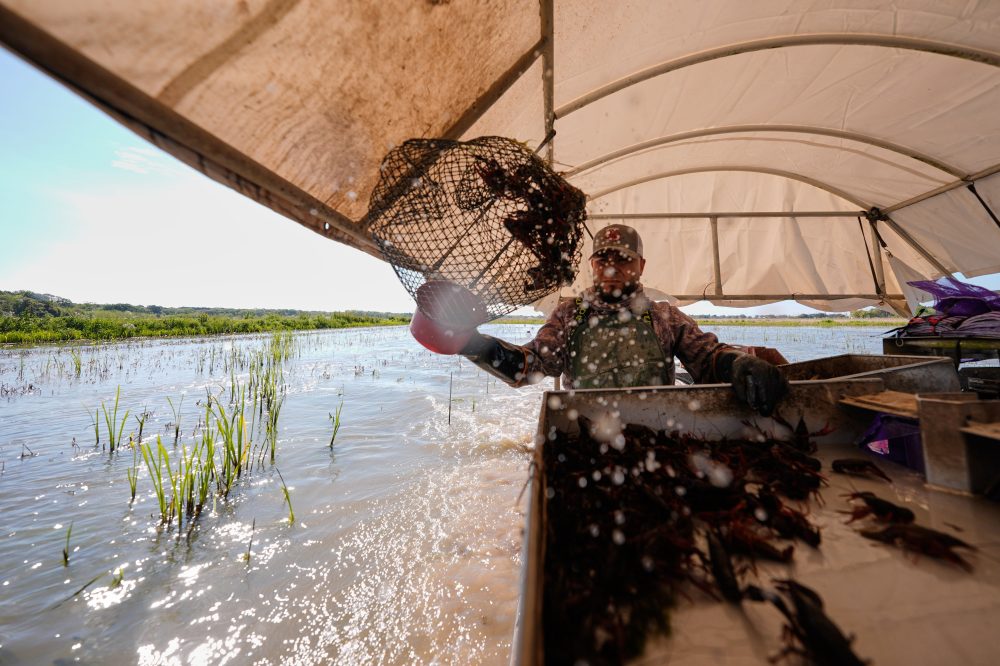

CROWLEY, La. — Louisiana’s crawfish season is in full swing, but the state’s iconic industry is grappling with a significant workforce crisis that threatens to impact prices and availability nationwide.
The $300 million crawfish business, which supplies everything from backyard boils to upscale New Orleans restaurants, is struggling without access to foreign seasonal workers who typically handle the labor-intensive processing operations. Industry leaders are expressing frustration with federal immigration policies they say have failed to provide adequate numbers of temporary work visas.
This workforce shortage adds Louisiana to a growing list of American industries — including landscaping and construction — that depend on seasonal international labor but have faced increased difficulties securing workers under tightened immigration restrictions. The situation has put Republican state officials in an awkward position, as many support stricter immigration policies while simultaneously advocating for more legal foreign workers for their constituents.
“People have built businesses around these workers and this year we can’t get them,” said Alan Lawson, who runs a crawfish production facility in the rural town of Crowley. “This industry would not exist without it because the American people don’t want to do the jobs we’re offering.”
Commercial crawfish operations typically employ international workers, primarily from Mexico and Central America, to process and freeze the freshwater shellfish harvested from flooded rice fields. These employees work under H-2B temporary visas for non-agricultural positions and can remain in the United States for up to one year, but only after employers demonstrate they cannot fill positions with American workers.
Federal law requires the Department of Homeland Security to issue 66,000 H-2B visas annually, with authority to nearly double that number. However, the additional visa releases occurred later than normal this year — well after Louisiana’s crawfish harvest had already started.
DHS officials did not respond to requests for comment. The Department of Labor acknowledged the crawfish industry’s economic significance and stated the agency “has been actively engaging with industry stakeholders to help address workforce needs and identify workable solutions.”
Even if international workers arrive before the season concludes in June, Lawson believes the harm has already occurred. Restaurant operators and processors warn that crawfish costs may increase significantly for consumers already dealing with rising food prices.
American businesses’ growing dependence on seasonal international labor existed before the current administration. However, federal visa allocations have not matched expanding demand, and stricter immigration enforcement has further complicated the labor market. Companies are requesting tens of thousands more guest workers than the government has authorized, according to Labor Department statistics.
“The demand is there but the supply is not,” Louisiana Farm Bureau Federation Public Policy Coordinator Andy Brown said. “These businesses want to follow the law. They want to go through the legal parameters to meet their labor needs.”
Typically, Lawson’s operation employs over 100 international workers to peel and package thousands of pounds of the sweet, red shellfish each season. This year, none have been permitted to work.
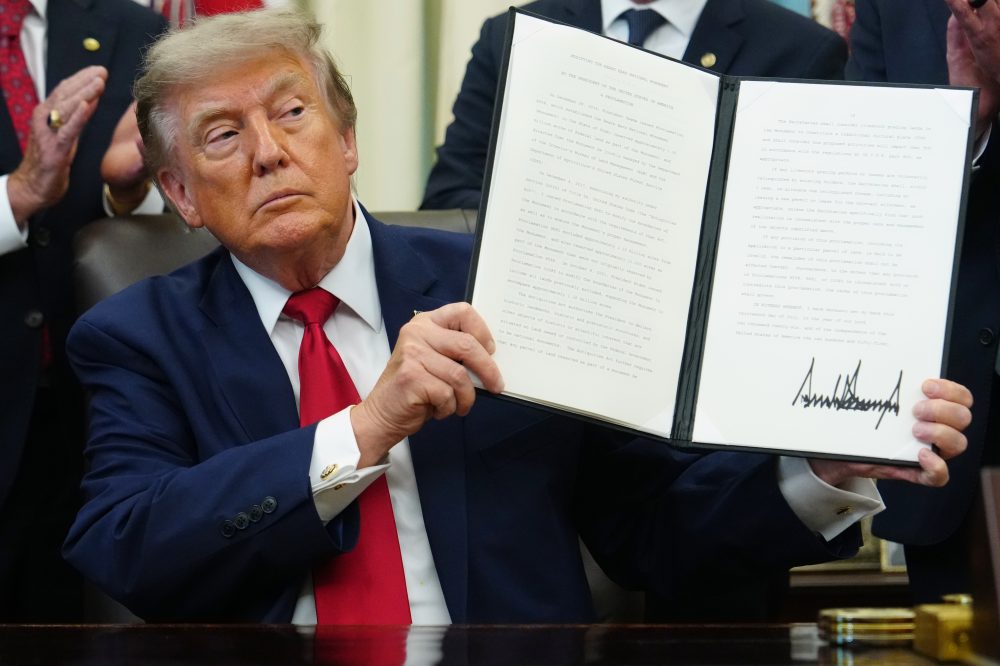
While DHS can begin issuing additional visas in consultation with the Labor Department starting in October, the Trump administration delayed releasing supplementary visas until February. The initial allocation was capped at 35,000 — approximately half of what the Biden administration had previously authorized. Following business pressure, the Trump administration eventually agreed to release nearly 65,000 additional visas, matching recent years’ totals.
Louisiana officials report that federal authorities rejected numerous crawfish processors’ applications because they listed start dates before January. DHS informed Lawson that his company was ineligible because he had applied months earlier, according to a February rejection letter he shared with The Associated Press.
According to Louisiana Department of Agriculture and Forestry Commissioner Mike Strain, at least 15 of the state’s 20 major crawfish processing facilities are operating without guest workers this season. The Republican official called the Trump administration’s response to their concerns “unacceptable.”
Crawfish processors report that despite months of local job advertisements for peeling positions paying approximately $13 per hour, only a few American workers have applied for the seasonal roles.
“I can’t put the crawfish somewhere else. They have to be peeled at this time,” said processor David Savoy. “The locals don’t want to do it, I’ve tried — standing on concrete for seven, eight hours a day, peeling crawfish until your hands hurt.”
Immigration policy experts suggest the crawfish industry’s labor challenges reflect broader administrative approaches to legal immigration.
“There’s much less of a push to facilitate legal immigration,” said Julia Gelatt, associate director of the U.S. Immigration Policy Program at the Migration Policy Institute. “It’s not a high priority to make sure that the immigration system is moving smoothly.”
Industry representatives warn that crawfish farmers will have limited sales opportunities and frozen tail meat prices in supermarkets will climb.
Chandra Chifici, owner of Deanie’s seafood restaurant in New Orleans, worries about accumulating sufficient Louisiana crawfish inventory to last through the extended off-season.
“Some companies might not be able to have some of their dishes on the menu,” Chifici said. “When tourists come into town, that’s what they’re here for.”