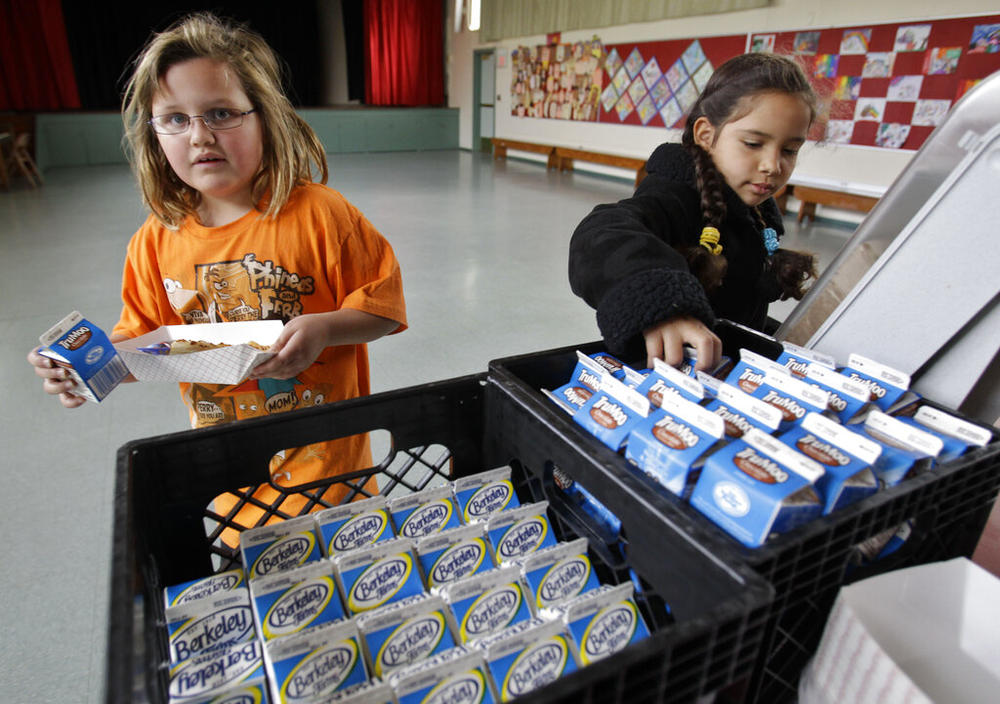

Dairy industry advocates successfully blocked West Virginia legislation that could have eliminated flavored milk from school cafeterias across the state.
The West Virginia legislative session ended on March 14 without passing SB 745, which proposed stringent restrictions on added sugars in school meal programs. The measure would have effectively banned flavored milk and similar dairy products from school lunch menus, sparking opposition from nutritionists, dairy producers, and school food service professionals.
The National Milk Producers Federation collaborated with the International Dairy Foods Association and other organizations to inform state legislators about potential negative impacts of the legislation. Studies demonstrate that eliminating flavored milk from schools leads to decreased overall milk consumption among students, resulting in lower intake of essential nutrients including calcium, vitamin D, and potassium.
The implications reached beyond West Virginia’s borders, as the state has emerged as a center for the “Make America Healthy Again” initiative. Approval of SB 745 might have created a template for comparable measures in additional states or potentially at the national level.
The successful opposition to this bill preserved student meal options, evidence-based nutrition policies, and dairy’s contribution to children’s nutritional needs. West Virginia students will maintain access to flavored milk and other dairy products that contribute significantly to balanced diets, while emphasizing the value of research-driven approaches to nutrition policy development.