
BLACKSBURG, Va. — Those dreaming of lush outdoor gardens or fresh homegrown vegetables should take a gradual approach to cultivating their green thumb, according to a Virginia gardening specialist.
Ed Olsen, who serves as Virginia Cooperative Extension Master Gardener director and consumer horticulture specialist, advocates for a measured strategy. “Start small, and build on your successes,” Olsen advised.
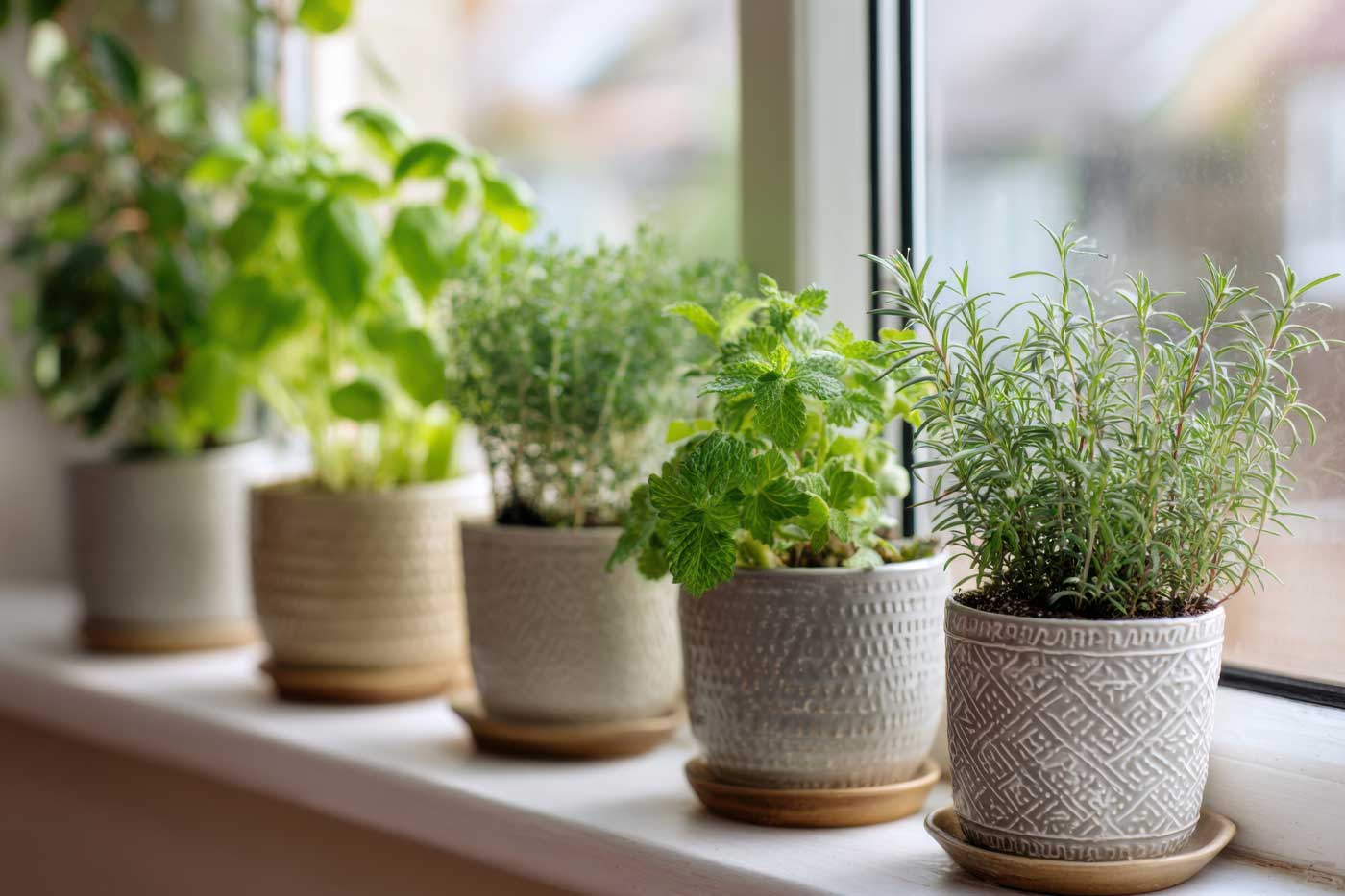
Newcomers to gardening who only have indoor space can begin by cultivating compact herb containers, which grocery stores stock throughout the year or can be found at nearby nurseries during planting season.
Those interested in growing their own vegetables should look for outdoor locations receiving more than 6-8 hours of daily sunshine.
According to Olsen, container gardening offers an excellent entry point. “If you can grow plants in a container on your deck for the summer, then you probably can succeed in moving them out to the yard the next year,” he explained.
For those wanting to enhance their landscape with decorative plants, choosing a small area for an initial garden bed is recommended. The chosen location will influence which plant varieties will thrive there.
Once you’ve determined where to garden, understanding your soil composition becomes crucial. Local Extension offices provide soil testing kits, and samples can be analyzed by the Virginia Tech Soil Testing Lab.
“Winter is a great time to do a soil test, as long as the ground isn’t frozen,” Olsen mentioned. “That will tell you what your ornamental or vegetable garden will need to make sure you’re starting off with the right nutrients and pH for desired plants.”
Elevated garden beds present another excellent choice for newcomers uncertain about their soil quality who want rapid results. A 4-by-8-foot bed typically provides an ideal starting size.
Following site selection, compile a list of preferred plants that match your location’s lighting and soil conditions.
Olsen warned against mismatching plants with their environment. “If you put a plant that likes high light in a shady garden, it’s not going to thrive,” he cautioned. “And typically, you end up with diseases and pest issues when a plant’s struggling to grow in an environment.”
He suggested that perennial varieties work well for novice ornamental gardeners, providing “immediate gratification” and extended flowering periods. For vegetable beginners, tomatoes and peppers typically grow easily and remain popular choices.
Rather than starting from seeds, Olsen advises first-time gardeners to buy young plants from garden centers for transplanting. Growing from seed requires considerable indoor time and often produces more plants than needed.
Additional important considerations include:
• Planning spacing based on mature plant size rather than current container dimensions
• Creating planting holes no larger than the plant’s container
• Providing adequate water for ornamental plants during their first year for proper root establishment
• Consulting Extension’s 2026 Pest Management Guide available online
More beginner gardening advice can be found in Virginia Farm Bureau’s Cultivate magazine.