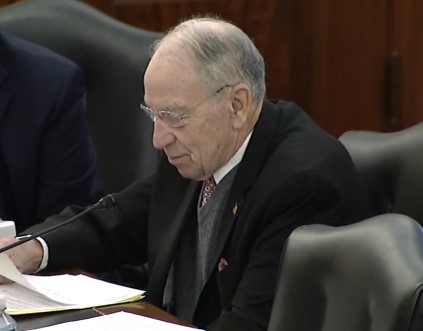
Iowa Senator Chuck Grassley is keeping close watch on rising agricultural bankruptcy numbers throughout the United States, expressing concern about the psychological impact on farming families. The Republican lawmaker addressed the issue during his regular weekly agriculture media briefing.
“I think the number of bankruptcies are up over the long-term, but still way short of what we had in previous farm crisis,” Grassley stated, while emphasizing that additional mental health support services are essential for agricultural communities facing financial hardship.
Delaware’s trout farming sector faced economic headwinds as sales revenues fell by 6 percent when compared to the previous year, according to newly released federal agriculture statistics.
The latest data from the U.S. Department of Agriculture’s National Agricultural Statistics Service shows the downturn in trout production value, while also documenting distribution networks and industry losses across the sector.
The report provides insight into the challenges facing aquaculture operations in the region, as trout farmers navigate market conditions that have impacted their bottom line.
The federal statistics track various aspects of the trout industry, including how fish are distributed to markets and the extent of losses experienced by producers during the reporting period.
Delaware’s agricultural sector is feeling the impact of declining egg production, according to new data from the U.S. Department of Agriculture’s National Agricultural Statistics Service.
The latest report shows that shell egg production has fallen by 8 percent compared to the same timeframe in the previous year. This decrease represents a significant shift in one of the region’s important agricultural commodities.
The decline in egg production could have implications for both local farmers and consumers throughout the Delmarva Peninsula, where poultry operations represent a major component of the agricultural economy.
The USDA’s findings highlight ongoing challenges facing the egg industry as producers navigate market conditions and operational demands.
Delaware’s agricultural community is facing economic headwinds as commodity prices dropped significantly last month, according to new federal data released by the U.S. Department of Agriculture.
The Prices Received Index for agricultural products declined by 3.9 percent during January, marking a notable decrease that impacts farming operations throughout the Delmarva Peninsula region.
This price drop affects the income that local farmers receive for their crops and livestock, potentially influencing planting decisions and farm budgets for the coming growing season.
The index, which tracks what farmers earn for their agricultural products, serves as a key indicator of the financial health of the farming sector across Delaware and the broader Mid-Atlantic region.
Local agricultural producers may need to adjust their operations and marketing strategies in response to these changing market conditions as they prepare for spring planting season.
The United States Department of Agriculture has published its yearly analysis of cold storage facility inventories nationwide for 2022, offering a comprehensive look at how food products were stored and managed across the country.
The annual report tracks inventory levels at refrigerated warehouses and storage facilities, providing valuable data for understanding food supply chains and storage patterns throughout the year.
This information serves as an important resource for agricultural producers, food distributors, and industry analysts who monitor trends in food storage and distribution across the United States.
The USDA compiles this data regularly to help track the movement and storage of perishable goods in the nation’s cold storage network, which plays a crucial role in maintaining food supply stability.
Delaware farmers and agricultural producers throughout the region saw their peanut earnings decline during the week that concluded on February 21st, according to new agricultural data.
Payment rates for farmer stock peanuts dropped to an average of 15.6 cents per pound, representing a decrease of 4.3 cents from earlier pricing levels. The weekly pricing report tracks compensation received by agricultural producers for their peanut harvests across all categories of farmer stock varieties.
This pricing decline affects local farming operations throughout Delaware and the broader Mid-Atlantic agricultural region, where peanut cultivation represents an important component of the diverse crop portfolio for many producers.
Despite challenging profit margins, corn farmers are being encouraged to continue pursuing maximum yields through strategic input choices. Heather Vosburgh, who serves as Strategic Account Manager for Nitrogen Stabilizers at Corteva Agriscience, emphasizes the importance of selecting appropriate crop inputs for optimal results.
“A proven product with a track record of yield and success behind it, and really it’s a lot about risk management. So going into” the growing season, farmers need to focus on products with demonstrated performance, Vosburgh explained.
The fertilizer management expert stresses that maintaining nitrogen protection throughout the entire growing season remains essential for achieving strong corn production, even when economic pressures make input decisions more difficult.
Following the State of the Union address, Vice President J.D. Vance made a Thursday appearance in Plover, Wisconsin, where he discussed challenges facing agriculture and manufacturing sectors. During his remarks, Vance emphasized the administration’s commitment to addressing the ongoing farm commodity pricing crisis that has affected producers across the country.
The Vice President noted that Agriculture Secretary Brooke Rollins and the current administration have prioritized these agricultural concerns from the beginning of their tenure. “We’ve made very strong efforts and we’re going to keep on working at this with our farmers,” Vance stated during his Wisconsin visit.
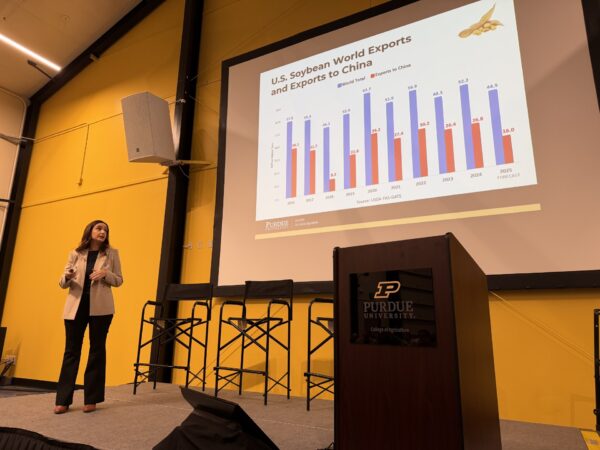
Research conducted by Purdue University reveals that Brazil is positioned to maintain its economic advantage in soybean farming, potentially creating ongoing challenges for American agricultural exports on the global stage.
According to the university’s findings, Brazil operates with significantly reduced production expenses when compared to United States farmers. Researcher Joana Colussi points to several factors contributing to this economic disparity.
“Brazil’s structure is heavily impacted by heavy tropical agriculture and a dependence on imported fertilizers,” Colussi explained. The researcher noted that ongoing agricultural expansion in the region continues to strengthen the country’s position in international soybean markets.
The study suggests this cost differential between Brazilian and American soybean operations is unlikely to diminish in the near future, raising concerns about the long-term competitiveness of U.S. agricultural exports in key international markets.
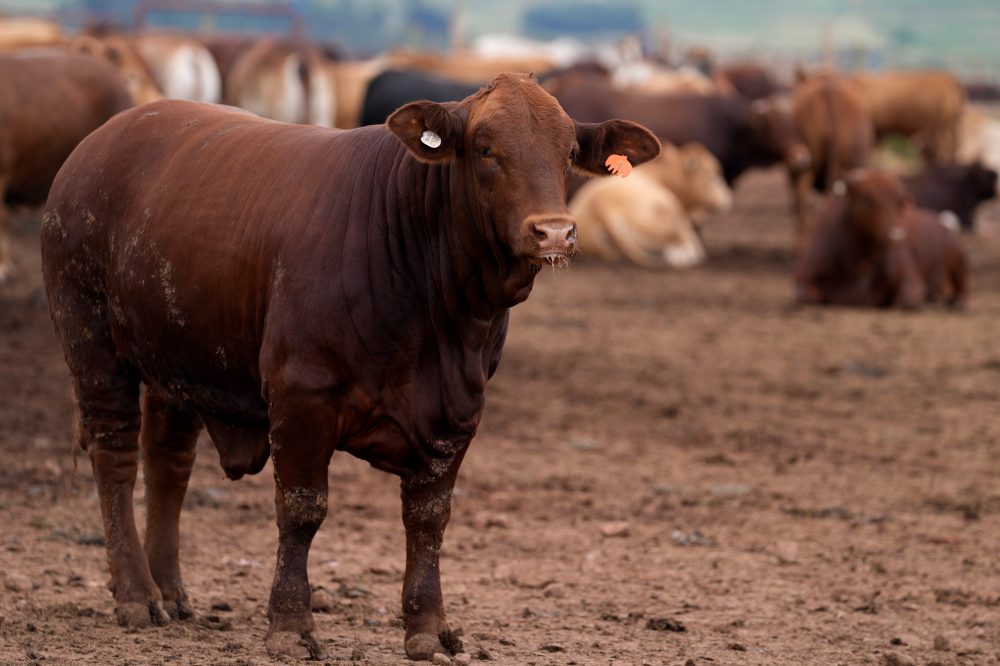
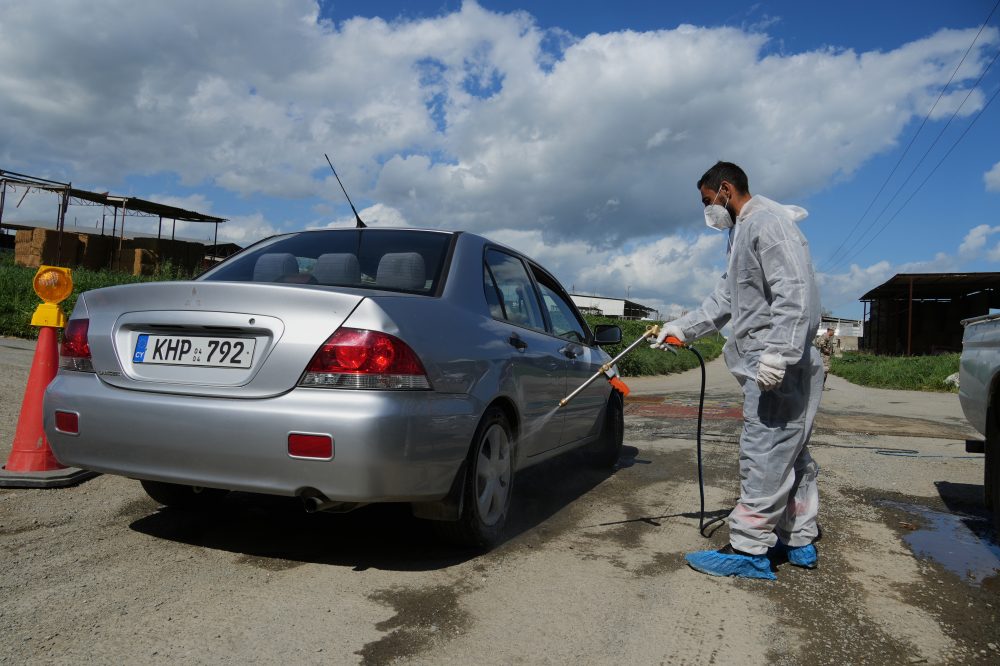
HEIDELBERG, South Africa — Officials in South Africa launched a nationwide cattle vaccination initiative Friday aimed at controlling a devastating foot-and-mouth disease crisis that poses serious risks to the country’s meat, dairy, and livestock sectors.
The disease crisis, which began escalating in late 2023 and has quickly swept through South Africa’s agricultural regions, has now impacted nearly 297,000 head of cattle. Farmers have been forced to destroy more than 120,000 animals in desperate attempts to prevent further transmission.
The epidemic poses significant risks including widespread meat shortages, substantial employment losses, and revenue losses reaching millions of dollars as nations like China and Zambia have implemented bans on South African meat imports.
On Friday, Agriculture Minister John Steenhuisen initiated the nation’s vaccination campaign, utilizing one million vaccine doses that recently arrived from Turkey.
Additional vaccine shipments are anticipated over the weekend, though officials express worry that current supplies fall far short of what’s needed to inoculate the country’s approximately 12 million cattle.
“The one strategy that we have ultimately adopted is the mass vaccination strategy. So we can get ahead of the foot-and-mouth disease in South Africa and ensure that we can prevent outbreaks from happening rather than reacting to outbreaks,” said Steenhuisen.
KwaZulu-Natal province along the coast has emerged as the primary center of the crisis, with more than 17,000 agricultural operations impacted. Officials have formally designated the situation as a national emergency, creating a legal mechanism that enables the government to direct emergency funding primarily toward vaccine procurement.
The country’s treasury has designated approximately $25 million to combat the outbreak, with most funds earmarked for vaccine purchases.
Agricultural producers and meat processing companies are facing severe challenges, forced to isolate infected livestock and halt all commercial activities and exports while dealing with critical vaccine shortages nationwide.
Dr. Dirk Verwoerd, a veterinary professional with South Africa’s leading meat processing company, Karan Beef, explained that the outbreak’s consequences are affecting every segment of the meat and dairy sectors.
“You have massive damage upstream and downstream,” he told The Associated Press. “You cannot purchase cows, so your primary producers now sit with them. They can’t sell, and we can’t purchase. You cannot slaughter, so the consumer pays the price.”
Karan Beef operates the nation’s largest cattle facility in Heidelberg, spanning 2,300 hectares (5,680 acres) with capacity for more than 140,000 head of cattle.
“It’s an epidemic that is out of control, completely out of control,” said Verwoerd. “Rampant infections happening in all the provinces, daily, there are just more and more reports. The first target is to get stability. And that’s why we need to vaccinate the national herd, the national population.”
As commodity prices remain stubbornly low, Delaware and regional farmers are expanding their search for profitable alternatives, with many taking a fresh look at grain sorghum.
The crop, also known as milo, has attracted renewed interest from local growers who are planting it on fields where traditional crops like corn and soybeans offer little financial return.
Though the majority of American sorghum acreage lies in the Great Plains, this grain is far from new to the Mid-Atlantic area. Historical USDA records indicate that before genetically modified corn and soybeans took over the agricultural landscape, approximately one million acres of sorghum were cultivated along the east coast. While Delmarva states now grow only a small portion of that amount, each state expanded its sorghum acreage last year beyond the three-year average, federal data shows.
Wicomico County farmer Mike Harcum remembers university researchers promoting sorghum back in the late 1980s.
“They were pushing it as an alternative to corn then,” he said. “Everybody tried it.”
However, many producers were dissatisfied with the crop at that time due to various problems including weed control difficulties, disappointing yields, and harvesting complications. Harcum admits that most seasons, he plants sorghum reluctantly as a last-ditch effort to recover something from fields destroyed by deer.
“We don’t put it on our best ground,” he said. “For me it’s a rotation thing. A lot of it’s got to do with the farm. Weather will dictate some of it.”
But persistent low corn prices and escalating deer pressure have driven farmers back to sorghum in recent years, according to agricultural industry professionals. Genetic improvements over the past decades have enhanced both yields and crop management practices.
Tyler Franklin, who owns Elevated Ag Systems in Eastern Virginia, says sorghum comes up in conversations with nearly every seed customer he visits. Franklin explains that current and projected commodity market conditions have growers considering every available option.
“If corn was $6, we wouldn’t be talking about it,” he said. “The demand is there, but that’s not the driver. The economics is pushing them along.”
Sorghum offers several advantages, including superior heat and drought resistance compared to corn, development of larger root systems, and the ability to interrupt nematode cycles that harm soybean fields. Farmers report it shows promise in double-cropping situations and typically generates substantial biomass that adds to soil organic matter. Despite genetic and agronomic improvements, its greatest appeal remains its unpalatable nature to deer.
“In the last 10 years, deer have become such a problem on some places, you either plant milo or give up farming it,” Harcum said.
Steve Hurley, Harcum’s neighbor and a veteran sorghum producer who plants between 300 and 400 acres each year, initially chose the crop to combat deer damage. He has since invested in on-farm storage facilities for sorghum and established contracts with birdseed manufacturers.
Through years of experience, Hurley says they have conducted extensive experiments with planting timing, seeding rates, and other factors, as the crop’s relatively small local acreage generates limited research compared to more common row crops.
“Every year you learn a little more,” Hurley said. “We’ve had to teach ourselves a lot over the last few years.”
While sorghum requires less labor overall than corn production, Hurley emphasizes that placing it on marginal land doesn’t justify marginal management practices.
“There’s some potential,” Hurley said. “But if you treat it like a stepchild, it’ll pay you like a stepchild.”
Seed technology improvements have enhanced the situation through herbicide tolerance and varieties better adapted to Mid-Atlantic growing conditions.
Following a seven-year development process, Carolina Seed Systems introduced its Launch sorghum variety in 2019 with anthracnose resistance and strong aphid tolerance, later releasing Launch 2.0 with genetic aphid resistance.
Company founder and Chief Technology Officer Zach Brenton reports plans to launch three additional varieties next year featuring improved yield potential, while also developing herbicide tolerance traits.
Since 2021, Corteva, Advanta, and S&W Seed Company have introduced proprietary systems combining herbicide-tolerant varieties with specialized herbicide formulations that enable post-emergence grass control.
Brenton says Carolina Seed System varieties are planted from Pennsylvania to Louisiana, with Maryland showing the fastest acreage growth. He advises farmers that areas where corn consistently produces under 140 bushels per acre or soybeans yield below 30 bushels per acre should seriously consider sorghum.
“Our biggest thing is profitability,” he said. “That’s the only way someone would change what they’re doing. They need to make more money.”
As a plant breeder, Brenton notes that their sorghum focus places his company among a small national group, and an even more exclusive one in the Eastern United States.
“I joke that I’m one of the top 10 sorghum breeders in the country because there’s like eight of us left,” Brenton said.
Despite sorghum’s small acreage relative to corn and soybeans, their regionally-focused breeding program captures between 60-70% of Delmarva’s sorghum acres, according to Brenton.
“There’s no secret sauce, it’s because we breed and test here,” Brenton said. “Plant breeding is like a home field advantage. My germplasm doesn’t work in Kansas and there’s doesn’t work out here.”
With high corn input costs, planting sorghum at roughly half the expense on acres where corn performs poorly or suffers repeated deer destruction has gained increased regional consideration.
Jarrett Hostetter, a grain merchandiser with Hostetter Grain in Oxford, Pennsylvania, observed a definite surge of grower interest.
“There was definitely a groundswell of growers that were interested in it,” said Hostetter. “I expect that to continue.”
Two years ago, Hostetter’s company allocated bin space at their Cochranville facility to accept sorghum from growers in Northern Maryland and Southern Pennsylvania, doubling that capacity the following year.
“It’s more about providing a service for growers that grow the crop,” he said, noting most planted sorghum to address deer pressure. “The demand is definitely there. It’s been pretty consistent.”
Regional demand primarily comes from birdseed companies incorporating sorghum into their products.
T.J. Collins, merchandising manager for Global Harvest Foods, which operates facilities in multiple states including Allentown, Pennsylvania, confirms substantial Mid-Atlantic usage.
“We use a very significant amount in the Mid-Atlantic,” said Collins. “It’s a very economical grain for us.”
Collins explains that over half their national sorghum purchases supply their Pennsylvania and Indiana facilities located near population centers. This proximity allows Global to offer premiums above corn prices, which sorghum typically follows.
“We can’t buy enough out in that area,” he said “The more I can buy locally, the more I can back off on rail.”
Gary Wessner, merchandiser at Albrights Mill in Kempton, Pennsylvania, recalls that decades ago sorghum purchases were much more seasonal, but now he buys year-round.
“It’s more steady today and it does seem like it keeps growing,” he said.
However, farmers caution that advances and demand don’t make sorghum a guaranteed success. Planting on marginal ground affects yields. Weeds, aphids, and anthracnose remain problematic. Harvest complications, from drying issues to bird damage after maturity, create additional challenges. Storage and transportation costs can erode premiums offered by end users. Still, until deer damage is significantly reduced or corn markets return to profitability, sorghum remains a viable alternative.
“If we pick up the weaker acres, our overall profits increase,” Franklin said. “To me, that’s really where we need to start.”
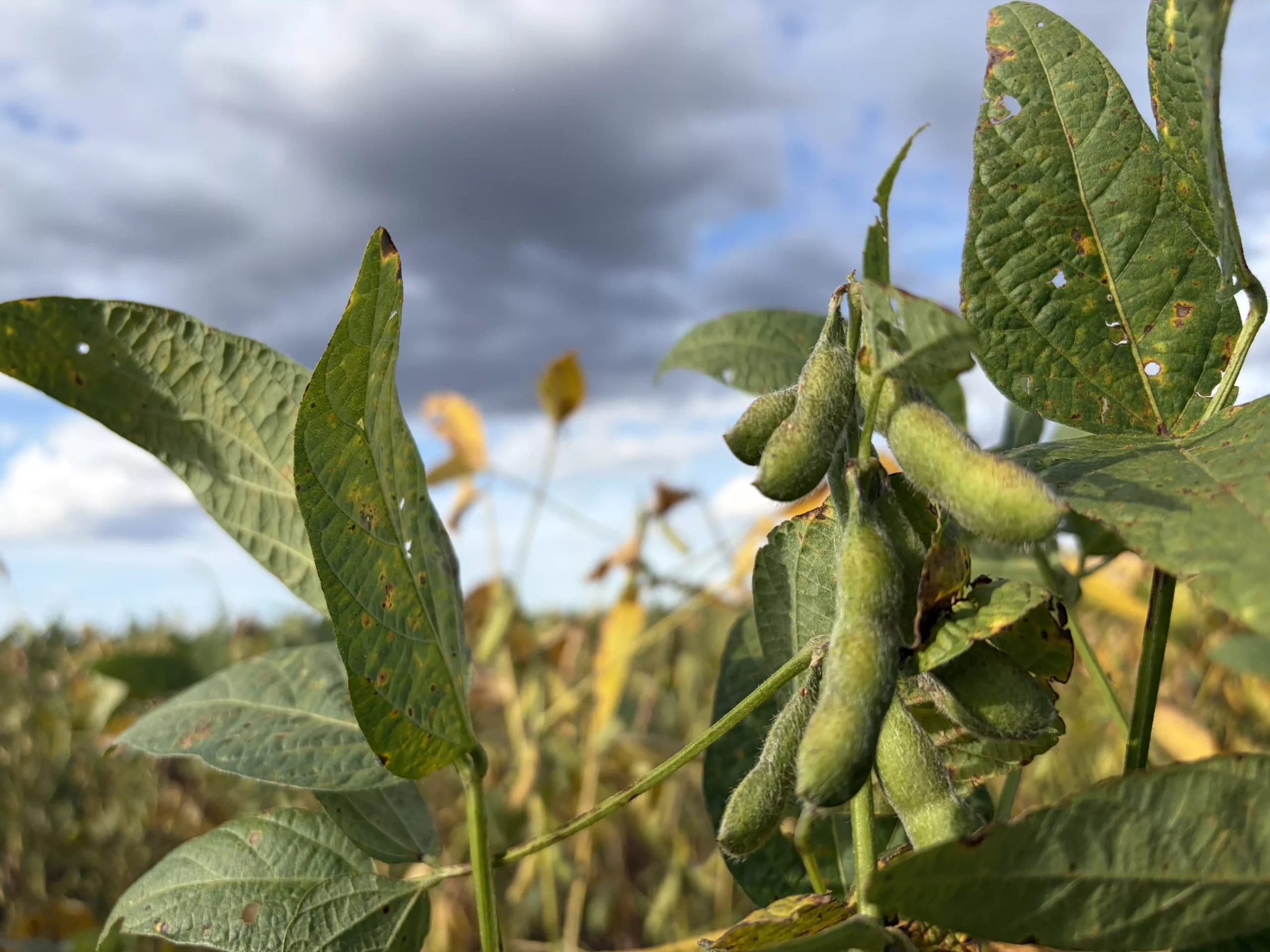
Soybean markets have maintained their upward momentum for weeks as traders remain hopeful about a potential massive purchase agreement with China, according to agricultural market experts.
Industry analysts report that speculation surrounding China’s possible acquisition of 8 million metric tons of American soybeans has provided sustained support for commodity prices beyond what many forecasters anticipated.
“It’s been going since the first week of February,” one market analyst noted, referring to when the price surge began following President Trump’s social media post about agricultural trade discussions with Chinese officials.
The prolonged price strength reflects market confidence that negotiations between the two nations could result in significant soybean exports, providing a boost to American farmers and agricultural markets.
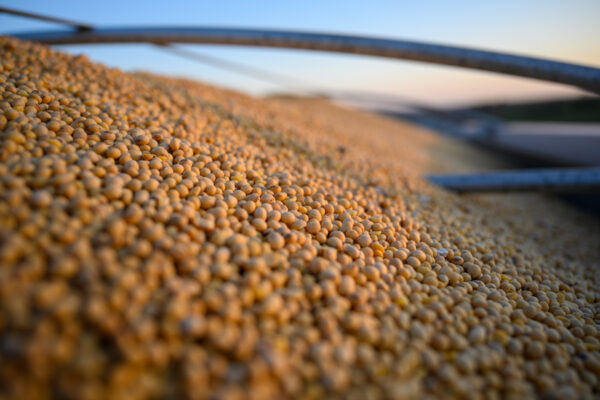
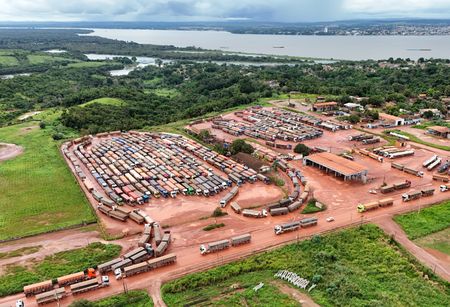
Massive traffic jams of soybean-laden trucks are creating significant delays at a major Brazilian port in the Amazon, as the country’s record-breaking harvest of around 180 million metric tons strains the agricultural export system.
The transportation bottleneck at the Miritituba port terminal demonstrates the persistent logistical challenges facing Brazil’s farm supply chain, with much of the crop headed to Chinese markets. Brazil serves as the world’s top soybean producer and exporter.
Truck driver Jeferson Borges da Silva described the situation after waiting two days in a 20-mile line of vehicles following his 1,200-kilometer journey from Mato Grosso state. “It’s a disgrace here in Miritituba,” da Silva told reporters. “We’ve been in line for two days already, this year was the worst yet.”
The Miritituba facility serves as a crucial transfer point, processing about 12 million metric tons of grain each year, including both soybeans and corn. Major agricultural companies like Cargill, Bunge, and Brazil’s Amaggi run river terminals at the location, where crops get transferred to barges for transport to larger ports equipped to load ocean vessels. Heavy traffic typically occurs during harvest season.
INDIGENOUS DEMONSTRATIONS ADD TO EXPORT DIFFICULTIES
The agricultural sector’s problems have been amplified by Indigenous protesters who occupied a Cargill transfer facility in Santarem earlier this month. The activists opposed government plans to dredge and expand shipping routes through the Amazon region.
These demonstrations led officials to cancel a decree on Monday that would have made such waterway improvements easier, creating additional uncertainty for farm exporters.
Driver Wellington Bressan suggested the Indigenous demonstrations may have worsened the Miritituba backup as truckers rushed to secure unloading positions. “Truckers live on commission, if they work, they make money. That’s why they did not want to wait before coming to Miritituba,” Bressan explained.
Cargill temporarily suspended operations at its Santarem terminal during the protests but announced Thursday it was working to restart activities. The company issued a statement thanking workers for their “resilience” and reaffirming its dedication to moving food “safely and reliably.”
INFRASTRUCTURE WORRIES GROW
The canceled government decree could delay efforts to improve transportation infrastructure along the northern export route, according to University of São Paulo logistics specialist Thiago Pera. He cautioned about potential medium and long-term effects on Brazil’s capacity to efficiently manage agricultural exports.
“The scenario is becoming increasingly challenging,” Pera noted, explaining that river dredging would enable larger ships to operate year-round, reducing trucking demands and transportation costs. Approximately 60% of Brazil’s farm exports depend on truck transportation.
Drivers like Sonia da Silva expressed anger about inadequate infrastructure at Miritituba’s terminals. “How are you going to fit 1,000 trucks in a yard that only holds 500, or 200?” she questioned.
Trading activity for dairy commodities wrapped up Friday with predominantly declining values at the Chicago Mercantile Exchange.
Dry whey experienced a modest decline, dropping half a cent to close at $0.6325 per pound. Market activity included one transaction recorded at the closing price.
Forty-pound blocks of cheese fell by three-quarters of a cent, finishing at $1.5225 per pound, though no trading activity was documented for this commodity. Meanwhile, cheese barrels held their ground at $1.56 per pound with no recorded transactions.
Butter experienced the most significant decline among dairy products, falling 2 cents to settle at $1.84 per pound. This commodity saw the most active trading of the day, with twelve transactions occurring within a price range of $1.83 to $1.85.
Nonfat dry milk maintained its previous level at $1.71 per pound, with one sale completing at that exact price point.
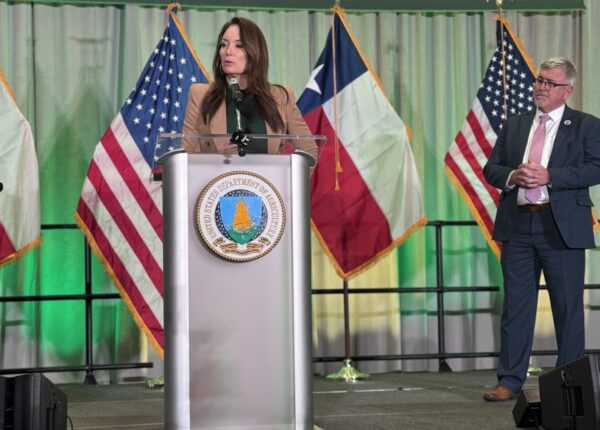
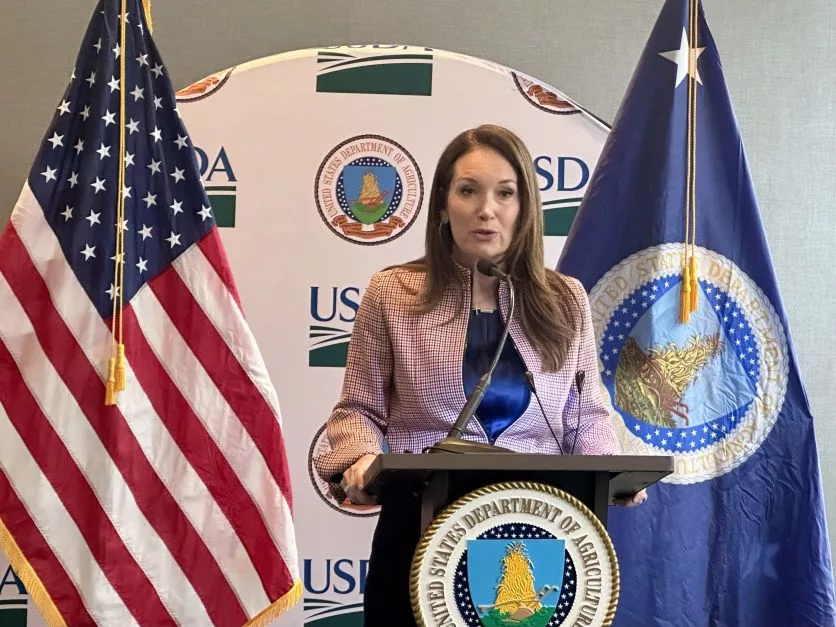
Delaware farmers may soon see relief from mountains of federal paperwork thanks to a new initiative announced by the U.S. Department of Agriculture. Agriculture Secretary Brook Rollins revealed the One Farmer, One File program during this week’s 2026 Commodity Classic in San Antonio, Texas.
The new initiative is designed to make government operations more efficient and reduce the administrative burden on agricultural producers. “I have no idea how these farmers have been dealing with this all these years,” Rollins stated when discussing the current system.
According to the Secretary, the program will modernize digital processes to create a more streamlined experience for farmers who regularly interact with USDA programs and services.
Wildlife officials in Maryland have announced a seven-day extension to this year’s muskrat trapping season after harsh winter weather disrupted normal trapping activities across much of the state.
The Maryland Department of Natural Resources made the decision to extend the season until March 22 in most counties, excluding Allegany, Carroll, Frederick, Garrett, Howard and Washington counties. Officials cited severe weather conditions during January and February, particularly widespread ice coverage, that prevented trappers from conducting normal operations and caused financial hardships.
Maryland law provides wildlife officials with the power to extend muskrat trapping seasons by as many as seven days when severe weather significantly disrupts trapping activities and creates economic hardships for trappers. The extension was not applied statewide because some counties had earlier season start dates. Officials noted that no other hunting or trapping seasons received extensions.
Wildlife officials are reminding those interested in trapping that they must obtain a Furbearer Permit before pursuing, hunting, trapping or chasing furbearers. Anyone who did not hold a permit or trapper education certificate prior to August 1, 2007, must also fulfill mandatory trapper education training. Complete details about hunting and trapping regulations can be found in the Maryland Guide to Hunting and Trapping.
Iowa’s Agriculture Secretary Mike Naig believes significant benefits await farmers if the Conservation Reserve Program receives much-needed updates. According to Naig, the program must better align with current agricultural practices and priorities.
“And what do I mean by that? We are working heavily, mightily, aggressively towards improving soil conservation (and) improving water quality,” Naig explained when discussing the need for program reforms.
The agriculture official emphasizes that modernizing CRP would create numerous advantages for farming operations while addressing contemporary environmental challenges facing the industry today.
Growing anger among corn farmers is reaching a boiling point as Washington continues to stall on approving year-round sales of E15 ethanol fuel nationwide, according to agricultural leaders.
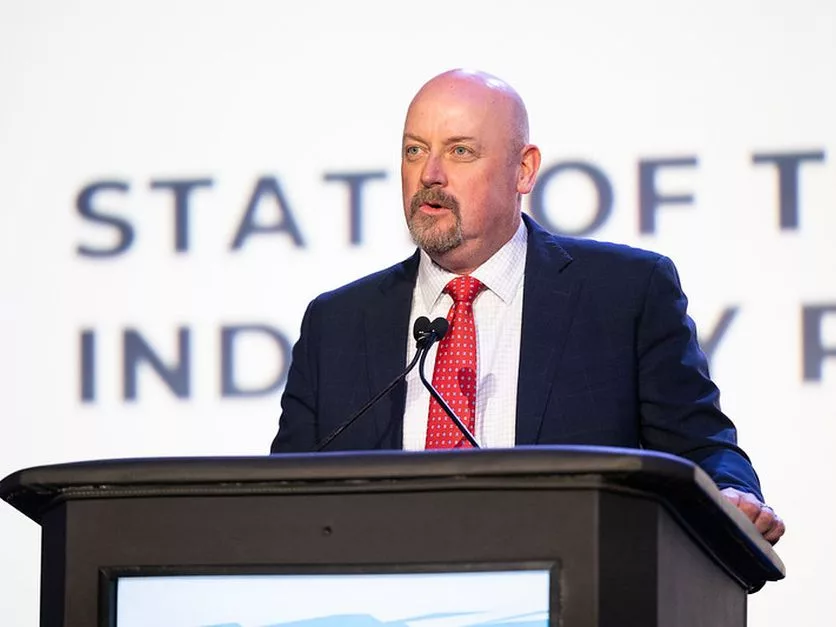
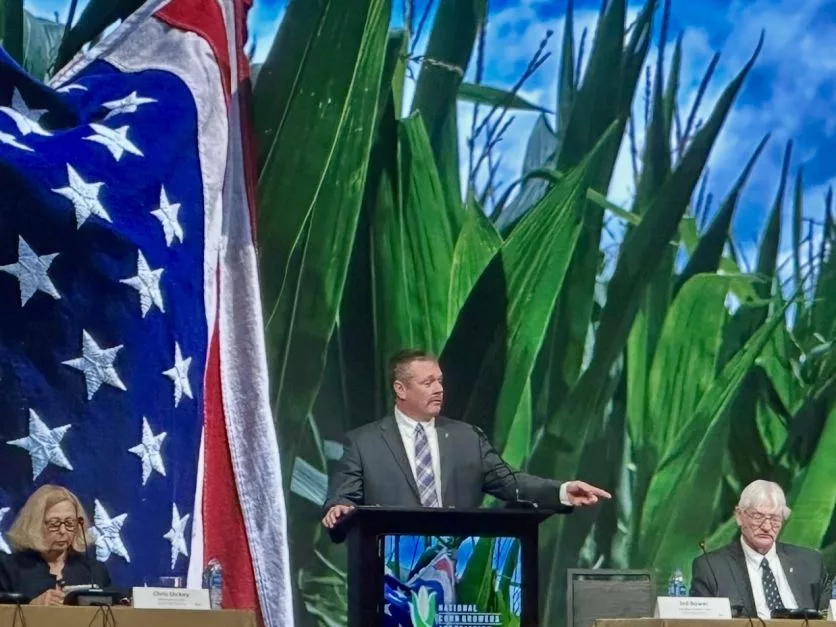
Ohio farmer Jed Bower, who leads the National Corn Growers Association, addressed the issue during the general session at the 2026 Commodity Classic. Bower expressed his organization’s mounting impatience with federal lawmakers.
“With the lack of work we’re seeing in D.C., we’ve been Midwest nice for too long,” Bower stated during his remarks to the agricultural gathering.
The push for nationwide, year-round E15 availability has been a key priority for corn producers, who see the higher ethanol blend as crucial for expanding markets for their crop. Currently, E15 faces seasonal restrictions that limit its sale during summer months in many areas.
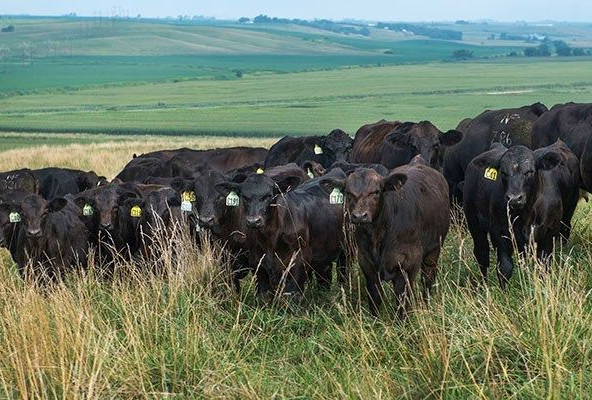
Cattle ranchers across the Western Corn Belt are facing increasingly severe drought conditions with little relief in sight, according to an agricultural weather expert.
Eric Snodgrass, a meteorologist with Nutrient Ag Solutions, reports that livestock producers in the region are urgently awaiting moisture relief. The winter season has brought insufficient precipitation, leaving ranchers struggling with dry conditions.
Weather forecasts suggest that meaningful improvement in drought conditions may not arrive until April or May, extending the challenging period for agricultural operations in the affected areas.
The prolonged dry spell continues to impact cattle operations throughout the Western Corn Belt, where adequate moisture is essential for pasture conditions and livestock management.
HARRINGTON, Del. — Delaware Congresswoman Sarah McBride organized her first-ever Agriculture Summit on February 19, gathering 75 of the state’s farming community members, industry experts, researchers, policymakers and community partners in Harrington for discussions about Farm Bill renewal, agricultural economics and supporting Delaware’s next generation of farmers.
Delaware Agriculture Secretary Donald Clifton delivered opening remarks, painting a concerning picture of the industry’s current state: “The state of agriculture nationally is tenuous. Bankruptcies are up 45 percent. Chronic overproduction is a problem. The cost-price squeeze and effect of tariffs has disrupted the grain market. USDA has a $12 billion assistance package for farmers to mitigate that disruption, but it’s always too little too late. Farmers must adjust or go out of business.”
Kent County Farm Bureau President Jim Minner referenced the December announcement of bridge funding designed to assist farmers until benefits from the One Big Beautiful Bill Act become available, expressing frustration about implementation delays.
“There’s still no plan on how to implement or distribute the money. If you’ve got $12 billion sitting out there, you ought to have a plan,” he said.
USDA Farm Service Agency representative Maryann Reed assured attendees that bridge program details are “coming fast and furious,” adding, “We anticipate money will be in farmers’ accounts in less than One month.”
Secretary Clifton warned about discussions of a “Farm Bill lite” instead of comprehensive legislation. “Renewal of the 2018 Farm Bill is three years late,” Clifton said. “It requires a bipartisan approach. If it becomes partisan, nothing gets done,” he warned.
McBride expressed cautious optimism about bipartisan Farm Bill progress and asked participants directly: “As we work on reauthorizing a Farm Bill, what should I be fighting for, and what makes the biggest difference to Delaware?”
Delaware Farm Bureau President Bill Powers explained the bill’s structure: “The Farm Bill is 80-percent nutrition; 20-percent major crops. Of the 80 percent, 19 percent goes to farmers. If you cut that, you cut specialty crops and protein.”
Powers drew historical parallels, stating, “Things are as bad now as 100 years ago when high tariffs pushed us into depression.”
When McBride inquired about E15 ethanol provisions, Powers responded affirmatively: “Yes, we need your help. E15 eats up a lot of corn. There’s a worldwide glut of corn and wheat. Soon we’ll be trading soy meal, not beans, and we’ll have to use them domestically.”
Staffing shortages emerged as another critical issue. Former Delaware Agriculture Secretary Ed Kee highlighted inspection delays at the Port of Wilmington and within the poultry sector.
“Product can’t move until it is inspected,” he said.
New Castle County Conservation District Coordinator Kevin Donnelly described personnel turnover challenges that hinder relationship-building with farmers. He noted the age gap between typically older farmers and younger staff members, along with widespread competition for qualified employees.
Rising input costs dominated much of the discussion. When McBride asked about primary financial challenges, Minner explained the cost squeeze facing producers.
“When we have a good year, input prices go up. When income falls, prices stay up. Input costs are the single largest factor that we have no control over, especially smaller operators. It’s a matter of scale and leverage. Prices need to fluctuate with the markets.”
Sheep farmer Steve Breeding suggested regulatory changes to reduce costs, while FSA’s Reed identified fertilizer, seed and insurance as immediate profitability threats.
Multigenerational farmer Dave Marvel highlighted farmers’ lack of price control: “Suppliers set prices on inputs; buyers set prices on grains — not farmers in either case. We need to address that.”
Powers shared a revealing exchange from a fertilizer industry meeting where he asked when prices would decrease, receiving the response: “When you can’t pay for it.”
Secretary Clifton addressed market concentration concerns: “Fertilizer is a $64 billion market in the United States, and there are five major players. It’s easier to collude with five than 20.” He noted reduced antitrust enforcement efforts.
McBride characterized the situation bluntly: “My colleagues are frustrated the Farm Bill does not address monopolies. The reality is, monopolization means that they can essentially extort small farmers.”
Insurance challenges particularly affect poultry operations. Delmarva Chicken Association Agricultural Conservation Specialist Liz Warren explained coverage difficulties for older facilities.
“Some companies are no longer covering houses more than 20 years old, and if you can find one that will, the cost is through the roof. Here on Delmarva, about half of our farms have houses over 21 years old. We know all input costs have gone up, but then to have that insurance piece go up or the threat of not being able to continue production without insurance is really hitting our heart.”
Horizon Farm Credit Agricultural Relationship Manager Ben Somers raised avian influenza concerns, noting that neighboring farms suffer economically without receiving disaster assistance when nearby operations are affected.
“Having resources for all those affected is important,” he explained.
Labor issues featured prominently, with particular focus on H2A and H2B worker programs. Breeding estimated significant illegal participation rates and enforcement concerns.
Fourth-generation farmer Jay Baxter described paying employees more than his own income “because they are worth it. They are supporting families.”
Marvel reflected on changing workforce dynamics: “Farming is a tough job. You’ve got to love it to do it. Many family members work off the farm to support the farm. Most people don’t have an appetite for this hard work. Ag-related jobs pay more than actual farming. We’re telling our kids to look elsewhere.”
Minner advocated for expanded vocational training: “There needs to be a federal push on trades. Years ago, a lot of kids could take a tractor apart and put it back together at age 12. That’s gone now, unless they’ve learned at home.”
Smyrna farmer Andrea Haritos, who operates 70 acres, described barriers facing new farmers: “The barrier to entry has never been higher. You can spend a million dollars on a farm and earn the equivalent of a part-time income.” She emphasized the need for consumer behavior changes to support smaller operations.
Kee mentioned a young farmer lending program offering $500,000 at zero percent interest for 30 years, which has assisted 25 to 30 farmers since 2012. Clifton noted the program’s connection to farmland preservation efforts and suggested potential expansion.
Mental health concerns were raised by Breeding, who urged McBride: “Without the farmer, there is no farm. A healthy farmer means a better farm and that brings more profit.”
Technology discussions revealed mixed perspectives. Marvel questioned whether all technological advances increase per-acre productivity, while Baxter expressed concerns about data ownership and cloud storage requirements.
Carvel Research and Education Center Director James Adkins in Georgetown identified information processing challenges: “We’ve made unprecedented gains in information, but there’s a bottleneck in how to turn that information into a decision that turns a profit. The problem is that information gets out before it’s been peer-reviewed.”
He cited drones and biologicals as examples of technologies outpacing proper evaluation and regulation.
Baxter concluded with an inflation perspective, sharing a personal example: “Inflation. It is destroying all industries large and small and crippling agriculture.” He described recently selling corn at $5.05 per bushel while paying $23 for a Dairy Queen meal that cost $7.50 twenty years ago when corn also sold for $5.
University of Delaware Extension Specialist Mark VanGessel emphasized agriculture’s national security importance: “It’s a matter of national security, and we totally take it for granted,” referring to USDA goals of maintaining an efficient, safe and affordable food supply.
HARRINGTON, Del. — Congresswoman Sarah McBride brought together Delaware’s agricultural community for the state’s first Agriculture Summit on February 19, assembling 75 farmers, industry experts, researchers, and policymakers to tackle pressing issues facing local agriculture.
The roundtable discussion at Harrington focused on Farm Bill reauthorization, economic pressures, and supporting Delaware’s next generation of farmers.
Delaware Agriculture Secretary Donald Clifton delivered a sobering assessment during his opening remarks: “The state of agriculture nationally is tenuous. Bankruptcies are up 45 percent. Chronic overproduction is a problem. The cost-price squeeze and effect of tariffs has disrupted the grain market. USDA has a $12 billion assistance package for farmers to mitigate that disruption, but it’s always too little too late. Farmers must adjust or go out of business.”
The federal assistance package, announced in December as temporary relief until the One Big Beautiful Bill Act benefits become available, still lacks a clear distribution plan, according to Kent County Farm Bureau President Jim Minner.
“There’s still no plan on how to implement or distribute the money. If you’ve got $12 billion sitting out there, you ought to have a plan,” Minner stated.
USDA Farm Service Agency representative Maryann Reed assured attendees that bridge program details are “coming fast and furious” and “We anticipate money will be in farmers’ accounts in less than one month.”
Secretary Clifton expressed concern about reports of a scaled-back “Farm Bill lite” instead of comprehensive legislation. “Renewal of the 2018 Farm Bill is three years late,” Clifton noted. “It requires a bipartisan approach. If it becomes partisan, nothing gets done.”
McBride echoed the urgency for a complete Farm Bill while expressing cautious optimism about bipartisan progress. She asked participants directly: “As we work on reauthorizing a Farm Bill, what should I be fighting for, and what makes the biggest difference to Delaware?”
Delaware Farm Bureau President Bill Powers explained the bill’s structure: “The Farm Bill is 80-percent nutrition; 20-percent major crops. Of the 80 percent, 19 percent goes to farmers. If you cut that, you cut specialty crops and protein.”
Powers drew historical comparisons, saying “Things are as bad now as 100 years ago when high tariffs pushed us into depression.”
When McBride inquired about E15 ethanol support, Powers responded affirmatively: “Yes, we need your help. E15 eats up a lot of corn. There’s a worldwide glut of corn and wheat. Soon we’ll be trading soy meal, not beans, and we’ll have to use them domestically.”
Staffing shortages emerged as another critical issue. Former Agriculture Secretary Ed Kee highlighted the Port of Wilmington’s need for APHIS personnel and poultry industry inspectors. “Product can’t move until it is inspected,” he explained.
Kevin Donnelly from the New Castle County Conservation District described how personnel turnover hampers farmer relationships. “The turnover reduces the opportunity to establish relationships — long-term trust — with farmers we’re trying to work with,” noting that farmers are typically 40 years older than new hires and appropriately skeptical of newcomers promoting conservation practices.
Rising input costs dominated much of the discussion. When McBride asked about the primary drivers of financial challenges, Minner responded: “When we have a good year, input prices go up. When income falls, prices stay up. Input costs are the single largest factor that we have no control over, especially smaller operators. It’s a matter of scale and leverage. Prices need to fluctuate with the markets.”
Sheep farmer Steve Breeding suggested leveling international competition by allowing U.S. farmers access to less expensive medications available in other countries.
Grain, fruit and vegetable farmer Dave Marvel pointed out farmers’ lack of pricing power: “Suppliers set prices on inputs; buyers set prices on grains — not farmers in either case. We need to address that.”
Powers shared a telling exchange from a fertilizer industry meeting where he asked when prices would decrease. The response: “When you can’t pay for it.”
Secretary Clifton addressed market concentration concerns: “Fertilizer is a $64 billion market in the United States, and there are five major players. It’s easier to collude with five than 20.” He noted a significant decline in antitrust enforcement.
McBride characterized the situation bluntly: “My colleagues are frustrated the Farm Bill does not address monopolies. The reality is, monopolization means that they can essentially extort small farmers.”
Insurance challenges particularly affect poultry operations. Delmarva Chicken Association’s Liz Warren explained: “Some companies are no longer covering houses more than 20 years old, and if you can find one that will, the cost is through the roof. Here on Delmarva, about half of our farms have houses over 21 years old. We know all input costs have gone up, but then to have that insurance piece go up or the threat of not being able to continue production without insurance is really hitting our heart.”
Avian influenza creates additional complications. Horizon Farm Credit’s Ben Somers noted an ironic situation: “It may be better to have avian influenza in your own flock than to be a neighbor to an affected farm.” While infected farms receive disaster assistance, neighboring farms face production disruptions without compensation.
Labor issues, particularly with H2A and H2B visa programs, need stabilization according to farmers. Breeding estimated 49 percent of H2A workers lack proper documentation. “It’s easy for ICE to come on a dairy farm and take all your help. We’re not putting out enough (money) to get people here.”
Fourth-generation farmer Jay Baxter revealed his employees earn more than he does “because they are worth it. They are supporting families.”
Marvel highlighted agriculture’s challenging economics: “Farming is a tough job. You’ve got to love it to do it. Many family members work off the farm to support the farm. Most people don’t have an appetite for this hard work. Ag-related jobs pay more than actual farming. We’re telling our kids to look elsewhere.”
Minner called for expanded vocational training: “There needs to be implementation of vocational technical programs to train technicians. There needs to be a federal push on trades. Years ago, a lot of kids could take a tractor apart and put it back together at age 12. That’s gone now, unless they’ve learned at home.”
New farmer Andrea Haritos, who operates 70 acres near Smyrna, described barriers facing young agriculturalists: “The barrier to entry has never been higher. You can spend a million dollars on a farm and earn the equivalent of a part-time income.” She emphasized that consumer behavior changes are necessary to support smaller operations.
Ed Kee mentioned a young farmers program offering $500,000 at zero percent interest for 30 years, which has helped 25-30 young farmers since 2012. Secretary Clifton clarified the program connects to farmland preservation efforts and suggested significant expansion possibilities.
Mental health concerns were raised by Breeding, who urged McBride to prioritize farmer wellbeing: “Without the farmer, there is no farm. A healthy farmer means a better farm and that brings more profit.”
Technology discussions revealed mixed benefits. Marvel observed that while technology offers convenience, some innovations don’t increase per-acre production, and costs vary significantly by operation size.
Baxter expressed frustration about data ownership: “You think you’re purchasing technology, but you don’t own it,” referring to requirements to share information in “the cloud” for others’ use.
James Adkins from the Carvel Research and Education Center in Georgetown identified information processing challenges: “We’ve made unprecedented gains in information, but there’s a bottleneck in how to turn that information into a decision that turns a profit. The problem is that information gets out before it’s been peer-reviewed.” He cited drones collecting extensive data before practical applications were developed and unregulated biological products with unfounded claims.
Baxter concluded with inflation concerns, calling it “the biggest challenge of the ag community” that is “destroying all industries large and small and crippling agriculture.” He illustrated the point with a personal example: selling corn at $5.05 per bushel while paying $23 for a Dairy Queen meal that cost $7.50 twenty years ago when corn prices were also $5.
University of Delaware Extension Specialist Mark VanGessel emphasized agriculture’s broader significance: “The goals of USDA are a food supply that is efficient, safe and cheap. It’s a matter of national security, and we totally take it for granted.”
(Editor’s note: Taylor Ross serves as a Teaching Instructor and Undergraduate Advisor in the Department of Animal Sciences at Rutgers University-New Brunswick.)
The topic of animal well-being has gained significant attention among farmers and the general public in recent years. In the past, we primarily focused on negative indicators of welfare, tracking things like disease, injuries, stress, and decreased productivity.
While these negative factors are clearly undesirable and relatively easy to observe and measure, they don’t tell the complete story. Does an animal that isn’t suffering necessarily enjoy positive welfare and a good quality of life? How can we evaluate animal well-being more comprehensively and identify positive indicators? What happens when an animal displays mixed welfare signals, appearing content while experiencing health problems?
These positive indicators prove more challenging to recognize and measure. It’s crucial to examine multiple factors for this very reason. Context is always important when evaluating welfare, since various factors influence each other and cannot be completely isolated.
Over the years, researchers have developed numerous frameworks to tackle these questions, creating new approaches and improving existing methods as additional research emerges.
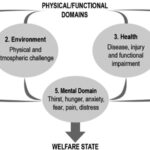
Currently, the most comprehensive and effective approach is the Five Domains Model, published by Mellor and colleagues in 2020.
In this model, Mellor and his team demonstrate how four functional areas, which we largely control, ultimately combine to shape the animal’s mental state. The framework shows how different aspects of an animal’s life overlap and interact, ultimately influencing how they view their existence and handle stress, whether real or perceived.
The nutrition category is typically one that animal caretakers study and grasp well. This area encompasses providing both water and food, and crucially, appropriate food for each species. When problems arise, they usually occur here through inadequate micronutrients or suboptimal feeding schedules and methods.
Feeding animals as closely as possible to what their wild ancestors consumed generally works best, such as pasture for most livestock and horses. However, effective strategies exist to balance captivity with proper nutrition for all species. Some approaches will connect with other areas, including behavioral interactions or health considerations.
The environmental category concentrates on the animal’s living quarters, whether that’s an expansive pasture, a medium-sized barn, or a small stall. It also encompasses the conditions and other elements within that space: temperature, humidity, air quality, equipment and structures, other animals, and more.
Health represents another area that has consistently received attention from owners, particularly with veterinary assistance and biosecurity protocols.
Maintaining animals free from disease and injury, or at least minimizing these issues, while ensuring they produce their intended output (meat, milk, offspring, athletic performance, etc.) defines this domain. This area also clearly demonstrates how the domains interconnect. When nutrition falls short somehow, health quickly begins to decline. When animals experience prolonged heat or cold stress, weight and production losses follow. Repetitive behaviors can physically harm the animal. Historically, this domain has been our primary indicator of welfare problems.
These initial three domains concentrate on factors that reveal internal imbalances and have maintained solid research foundations for years, representing some of the first considerations producers address for their animals. The behavioral domain has experienced significant changes and improvements recently.
This area focuses on external interactions and behaviors in our animals. It can be divided into three main interactions: with the environment, other animals, and humans. Observing how animals choose to interact, or avoid interaction, with these three areas and their manner of doing so can indicate positive or negative welfare outcomes. Do they move toward or away from humans entering their space? Do they engage with enrichment items we provide? Do they groom their herd companions?
These four functional domains combine to influence the mental domain, which ultimately determines what the animal is “experiencing.” This domain essentially represents the positive or negative effects of the elements we control in the other four areas.
For instance, consuming a balanced diet in appropriate amounts produces signs of satisfaction and comfort. Failing to provide sufficient mental stimulation results in boredom behaviors. Implementing low-stress handling techniques significantly reduces stress indicators and increases tolerance of humans, potentially leading to animals actually liking humans and seeking them out.
This domain is the most individual-specific since it reveals how each animal perceives their experience. Even when we provide identical “correct conditions” for cattle, different herds may show varying levels of contentment, with even greater differences among individual herd members.
One farmer might need to provide additional enrichment, modify their handling techniques, or adjust nutrition more than another to achieve similar results. This explains why we always evaluate welfare within complete context and examine the entire herd when individual customization isn’t practical. This approach can also help with culling decisions to relocate animals that don’t adapt as well to different environments.
Evaluating welfare presents challenges because every aspect of an animal’s life impacts it. Using a systematic framework to methodically examine each component helps us identify improvement areas and provides a foundation for advancing toward evaluating positive welfare indicators rather than simply confirming the absence of suffering.
Farm organizations are taking advantage of this year’s Commodity Classic conference to promote the advantages of the U.S.-Mexico-Canada Agreement as the trade pact faces an upcoming evaluation period.
Agricultural advocates at the national gathering are emphasizing how the trade deal benefits American farmers and strengthens competitive advantages across North America.
SAN ANTONIO — A Delaware farmer who dedicated more than five decades to advancing the soybean industry has received the American Soybean Association’s most prestigious recognition.
Richard Wilkins of Greenwood was posthumously awarded the 2026 ASA Pinnacle Award during this year’s Commodity Classic trade show ceremony. The honor represents the organization’s highest tribute for lifetime achievements that demonstrate exceptional leadership and contributions to the soybean community.
Throughout his 53-year career, the American Soybean Association noted that Wilkins displayed groundbreaking leadership that enhanced both the sustainability and cohesion of the soybean sector.
Wilkins wore multiple hats as an advocate for soybean producers, serving as a Mid-Atlantic Soybean Association member, former ASA president, and former Delaware state executive director for the Farm Service Agency.
His agricultural journey started modestly in 1972 when he cultivated just three acres of soybeans on leased land. By his high school graduation in 1976, he had grown his operation to 65 acres.
These formative years shaped his lifelong commitment to diligent work, creative thinking, and producer-driven leadership — values that influenced his contributions throughout all levels of the soybean community.
On the state front, Richard participated in Delaware’s Water Infrastructure Advisory Council, advocating for farmers as they navigated increasingly complex nutrient management requirements.
In this position, he championed evidence-based, realistic approaches that enabled producers to meet environmental standards while maintaining both productivity and profitability.
According to the ASA, he was instrumental in the 2002 restructuring of the Mid-Atlantic Soybean Association, guaranteeing that Delaware’s soybean growers maintained significant influence in regional and national policy conversations.
When Wilkins became ASA president in 2015, he guided the organization through significant national policy challenges, particularly during discussions surrounding Vermont’s proposed GMO labeling legislation.
During his tenure, the ASA rallied farmers and industry partners to inform lawmakers, ultimately achieving a consistent national food labeling framework that prevented consumer confusion, safeguarded the public, and maintained market stability.
“Richard will be remembered for his role in ensuring fair and equitable representation for smaller soybean-producing states within the American Soybean Association,” the ASA stated. “Richard’s enduring impact will be measured not only by the policies he helped shape and the markets he expanded, but also by the leaders he mentored.”
ANNAPOLIS, Md. — Martin Proulx took on a newly created position at the Maryland Department of Agriculture in 2023, tasked with solving a complex problem: while state officials encouraged farmers to diversify their operations, the regulatory framework hadn’t evolved to support these changes.
Farms venturing into value-added activities — such as processing their own products, welcoming visitors for agritourism, or providing food services — face scrutiny from multiple agencies including health departments, zoning boards, environmental regulators, and building code officials. This multi-layered oversight often creates bewilderment rather than outright opposition among farmers.
Initially brought on board as Maryland’s inaugural value-added agricultural specialist, Proulx transitioned from local economic development work to help farmers navigate these regulatory challenges. His position evolved this past January when he became chief of marketing and agricultural development, incorporating value-added agriculture support into broader business development and promotional initiatives.
Much of his core mission continues unchanged.
“When you talk about value-added agriculture being the processing of raw agricultural product, the serving overall of cooked foods, whether it be agritourism, food service, sampling at farmer’s markets, you realize that there are a number of other regulatory agencies that enter into the equation,” Proulx said.
Traditional farming operations typically operate within one regulatory system, but value-added enterprises exist where multiple regulatory frameworks intersect — systems never designed to accommodate these hybrid agricultural businesses.
During his initial two years, Proulx crisscrossed Maryland to meet with local officials in each county, including zoning administrators, environmental health personnel, building inspectors, and economic development representatives. Instead of addressing individual farm conflicts, his mission focused on understanding how local jurisdictions interpret and apply regulations.
“It was really important to flip the script, if you will,” he said.
While Maryland operates under one agricultural department, the state contains 24 separate local jurisdictions — including Baltimore City — each maintaining distinct zoning codes and land-use definitions. Agricultural activities may receive different classifications for environmental compliance, tax purposes, and zoning regulations. These variations typically remain invisible until farms attempt expansion.
“As value-added agriculture continues to expand in popularity and be an economically viable option for many of these diversifying farms, or maybe even new beginning farms, you realize that agriculture and commercial are two terms that become water and oil when you’re talking about land use and zoning,” Proulx said.
Licensing requirements reveal this conflict most clearly. State permits for processing or food service apply the same standards to farms operating from outbuildings as they do to manufacturers in industrial complexes. Local governments may treat identical activities differently based on how they define “commercial” use within agricultural zones.
According to Proulx, this creates a regulatory system that doesn’t accommodate farm-scale operations. Infrastructure demands add another complication.
Requirements for permanent restrooms, septic systems, and waste management facilities may work for year-round commercial businesses, but can financially overwhelm farms testing seasonal or small-scale operations.
“Very frequently, the infrastructure investment for permanent restrooms or permanent waste disposal, septic systems, can often come with a very, very hefty price tag that small and diversifying farm operations may not be able to necessarily take on right away,” Proulx said.
These discoveries formed the basis for a comprehensive statewide guidance and analysis document addressing value-added agriculture and agritourism, which the department released in October. Rather than recommending major regulatory overhauls, the document outlined current regulations, spotlighted common obstacles, and pinpointed opportunities for increased flexibility or clearer guidance to help farms advance.
Proulx reports measurable progress since the document’s publication. The department internally restructured to officially connect value-added agriculture with marketing and business development functions. Additionally, proposed regulatory modifications and legislation designed to create more adaptable, seasonal alternatives for on-farm food service are currently under review.
For Proulx, this initiative ultimately supports farm sustainability in Maryland, which faces ongoing development pressures and agricultural land loss.
“With all of the challenges facing Maryland’s agriculture, whether that be development pressure (or) loss of farmland, it’s really, really encouraging to see the passion and the patience within the industry in diversifying and finding these new opportunities for future generations,” he said.
(Editor’s note: Susan Schoenian serves as Sheep and Goat Specialist Emeritus at the University of Maryland.)
A revolutionary technology called virtual fencing allows farmers to manage livestock without traditional physical barriers. The system relies on sound alerts and mild electric stimulation to maintain animals within designated invisible perimeters.
This innovative approach takes advantage of livestock’s natural flocking behavior. Animals wear GPS-enabled collars equipped with solar panels and rechargeable batteries. Manufacturers have created collar versions specifically for sheep and goats, with smaller models available even for miniature goat breeds.
Sheep present unique challenges due to their wool, prompting Australian scientists to explore ear tag alternatives. Some animals may also resist wearing collar devices.
When livestock approach the predetermined boundary, their collars produce audible warnings designed to capture attention and encourage retreat from the virtual barrier. Animals that ignore the audio cues receive a mild electric correction through the collar. Once an animal crosses the boundary, it can return to the grazing zone without any deterrent activation.
Successful implementation requires reliable cellular service, making the technology most effective in open areas with strong cell tower coverage and abundant sunlight. Terrain features like hills and wooded areas can interfere with connectivity.
Battery maintenance adds to the workload, as power sources typically require replacement every three to eight weeks depending on usage patterns.
The financial investment is substantial. Leading manufacturers price individual collars at $269 each when purchasing five to 24 units for sheep or goats, with volume discounts available for larger orders. Monthly software subscriptions cost $4.50 per collar, or $35 annually, enabling smartphone-based herd management through mobile applications.
Despite these expenses, traditional fencing also carries significant costs, plus the labor demands of relocating barriers and animals during rotational grazing operations.
Predator protection remains a major concern for sheep and goat operations considering virtual systems. Unlike physical barriers, these invisible boundaries cannot exclude dangerous wildlife from grazing areas. Supporters argue the technology allows livestock to escape threats rather than becoming trapped against solid fencing.
Future developments may incorporate livestock guardian animals into virtual grazing programs, though this involves more complexity than simply equipping guard dogs with collars.
The technology is attracting growing interest among small ruminant producers, but users must understand that virtual systems cannot contain every animal consistently. The focus centers more on directing movement than absolute containment, meaning physical fencing remains necessary in certain situations.
Virtual barriers work best in locations where traditional fencing proves difficult or prohibitively expensive to install. The technology excels at managing rotational grazing within existing perimeter fences while providing enhanced livestock monitoring capabilities through smartphone connectivity.
Research confirms that sheep and goats can successfully adapt to virtual fencing systems, though real-world results vary widely and economic benefits differ across individual operations.
A Virginia cattle and grain farmer was celebrated last month for his decade-long commitment to agricultural advocacy and leadership.
Russell L. Williams II, who operates a farming business in Rockbridge County, received recognition on February 26th for his ten years of dedicated service as a board member of the Virginia Farm Bureau Federation. The honor was presented by VFBF President Scott Sink during the board’s gathering in Richmond.
In his role as District 5 director, Williams advocates for farming families across seven Virginia counties: Amherst, Augusta, Bath, Highland, Nelson, Rockbridge, and Rockingham.
Beyond his directorship duties, Williams leads the VFBF Membership Services Advisory Committee as chairman and serves as vice chairman of the organization’s Governance and Nominating Committee. He also contributes to the VFBF Farm Safety Advisory Committee.
Williams has deep roots in local agricultural leadership through his involvement with the Rockbridge County Farm Bureau, where he has held multiple leadership positions including president, vice president, and secretary/treasurer, in addition to serving on its board.
Since beginning his farming career in 1996, Williams has operated RLW Hay & Grain LLC alongside his son, Russell L. Williams III, focusing on cattle and small grain production.
The Virginia Tech graduate, who earned his bachelor’s degree in business administration, extends his community service beyond agriculture. He participates on the Rockbridge County Building Code Review Board, contributes to The Gideons International, and advises Virginia Tech’s McCormick Farm. Williams also serves as an elder at Grace Presbyterian Church in Lexington.
Williams and his wife Joyce are parents to four children and enjoy spending time with their six grandchildren and five great-grandchildren.
The Virginia Farm Bureau Federation represents nearly 137,000 members across 88 county organizations, making it the state’s most influential agricultural advocacy organization. The group operates as an independent, nonpartisan volunteer association dedicated to championing Virginia’s farming industry.
For additional information, contact Kathy Dixon, VFBF assistant director of communications, at 804-370-3055.
(Editor’s note: Susan Schoenian serves as Sheep and Goat Specialist Emeritus at the University of Maryland.)
A revolutionary technology known as virtual fencing offers livestock producers an alternative to traditional barriers by using invisible boundaries to manage their animals. This innovative system relies on sound alerts and mild electrical stimulation delivered through specialized collars to guide livestock behavior rather than physical fences.
The technology operates by tapping into animals’ natural flocking behaviors. Every adult animal receives a GPS-enabled collar equipped with solar charging capabilities and rechargeable power sources. Manufacturers have developed collar versions tailored for sheep and goats, with smaller models available even for miniature goat breeds.
Sheep wool presents unique challenges for collar placement, prompting Australian scientists to explore ear-mounted alternatives. Additionally, some animals may reject wearing the collar devices altogether.
When livestock approach predetermined virtual boundaries, their collars produce warning sounds intended to capture attention and encourage retreat from restricted areas through conditioning. Animals that ignore audio warnings receive mild electrical corrections through their collars. However, if animals do cross boundaries, they can return to approved grazing zones without additional stimulation.
Successful virtual fencing implementation requires reliable cellular connectivity and adequate sunlight exposure for solar charging. Terrain features like dense tree cover and steep hillsides may interfere with system performance.
Battery maintenance adds to operational demands, with power cells typically requiring replacement every three to eight weeks depending on usage patterns.
Economic considerations remain substantial with this emerging technology. A prominent virtual fencing provider prices individual collars at $269 each when purchasing five to 24 units for sheep or goat operations. Bulk purchases reduce per-unit costs, but software subscriptions add $4.50 monthly per collar or $35 annually. The accompanying mobile application enables remote grazing management through smartphones and tablets.
Traditional fencing also carries significant expenses and labor requirements for rotational grazing systems, making cost comparisons complex for producers.
Predator protection represents a major concern for sheep and goat operations considering virtual fencing. Unlike physical barriers, these systems cannot prevent predators from accessing grazing areas. Supporters argue that virtual boundaries allow livestock to escape threats rather than becoming trapped against solid fencing. Future integration of livestock guardian animals into virtual systems remains under development but involves complexities beyond simply equipping guardian dogs with collars.
Virtual fencing adoption continues growing among small ruminant producers, though users must recognize the technology focuses more on animal movement than absolute containment. Physical fencing will remain necessary for certain applications.
The system proves most valuable in locations where traditional fencing installation is impractical or prohibitively expensive. Virtual boundaries work particularly well for rotational grazing within existing perimeter fences and provide enhanced livestock monitoring capabilities through smartphone connectivity.
Research demonstrates that sheep and goats can successfully adapt to virtual fencing systems, though real-world results vary considerably and economic benefits depend heavily on individual farm circumstances.
(Editor’s note: John Hall is a professional commodities analyst.)
Agricultural economists speaking at the Ag Forum Outlook conference held February 19-20 shared projections stating: “The U.S. corn outlook for 2026-27 is for reduced production, domestic use, exports and ending stocks.”
Analysts anticipate the corn harvest will reach 15.8 billion bushels, representing approximately a 7% decrease compared to the previous year.
Farmers are expected to plant corn on 94.0 million acres, which is 4.8 million fewer acres than last year. Yield estimates of 183.0 bushels per acre assume typical planting schedules and average summer weather conditions.
Despite higher beginning inventory levels from the previous year, total corn supplies are predicted to reach 17.9 billion bushels, declining from the record 18.6 billion bushels recorded in 2025-26.
The situation presents a complex picture: planted acreage will decrease, production will drop, but demand is also falling while substantial carryover inventory remains from last year.
Overall U.S. corn consumption for 2026-27 is expected to fall roughly 2% due to reduced domestic consumption and export volumes.
Food, seed, and industrial applications will remain steady at 7 billion bushels. Ethanol production is projected to consume 5.6 billion bushels, based on anticipated stable gasoline consumption and export levels.
Animal feed and residual usage will decline about 3% to 6 billion bushels due to lower available supplies.
Export volumes are forecast to drop by 200 million bushels to 3.1 billion.
America’s share of global corn trade is anticipated to decrease slightly as South American competitors increase exports while worldwide demand growth remains modest.
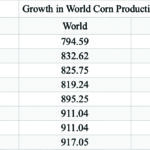
The global corn landscape has undergone dramatic transformation!
Building on previous analysis from a February 17 column examining corn production worldwide, data using 2017-18 as the baseline year clearly demonstrates that global corn expansion began accelerating in 2021-22.
International corn production has expanded 15% since 2017-18, fundamentally altering market dynamics.
The source of this expansion becomes clear when examining the world’s three largest corn producers, using 2016-17 as the comparison year.
Data reveals substantial production increases in Brazil and China beginning in 2021-22. Research by Dr. Joana Colussi at Purdue University’s Center of Commercial Agriculture highlighted Brazil’s expansion last summer.
While China’s growth received less attention initially, the country has added approximately 4.6 million acres of farmland between 2020 and late 2024 through land reclamation projects and high-quality agricultural development initiatives.
China’s total cultivated area reached nearly 319.57 million acres in 2024.
This expansion stems from China’s massive pork consumption. The numbers are staggering.
Reports from April 2025 indicated China maintained 427 million head of pigs, compared to the European Union’s 132 million head and the United States’ 76 million head during the same period.
This enormous swine population explains China’s corn requirements for feed production and their soybean needs for protein supplementation in pig feed.
As noted in the February 17 analysis, China’s ending grain stocks represent nearly two-thirds of global ending stocks.
China’s food security approach has evolved from rigid state-controlled self-sufficiency during 1949-1970s to a market-based strategy emphasizing “absolute security of staple foods.”
Under President Xi Jinping’s leadership, the strategy targets 95% grain self-sufficiency, stringent farmland preservation, and agricultural technology advancement, shifting focus from quantity alone to quality and diversification.
Beginning in 2004, the strategy adapted to prioritize “guaranteed supply” through international trade while maintaining tight control over domestic wheat and rice production.
Consequently, the government maintains a year’s grain supply in storage, releasing it to farmers gradually.
This system also enables government control over farmer pricing.
Given China’s position as the world’s largest grain purchaser, President Xi Jinping’s statement requires careful analysis: “95 percent grain self-sufficiency, strict farmland protection, and agricultural technology, transitioning from mere quantity to quality and diversification.”
This suggests significant investment in domestic agricultural expansion aimed at reducing import dependency.
This strategy likely explains China’s substantial investments in Brazilian agriculture to achieve this “self-sufficiency.”
What triggered this strategic shift? Many attribute it to Trump administration tariffs. However, examining the timeline reveals Trump’s first presidency spanned 2017-20.
Another significant event occurred: COVID-19 was initially identified in China during December 2019, rapidly spreading globally.
COVID-19 severely impacted global food security by disrupting supply chains, forcing factory shutdowns, and restricting transportation, resulting in widespread hunger and exposing vulnerabilities in food production and distribution systems.
Lockdowns and economic disruptions amplified these challenges, increasing food crisis exposure for millions.
The timeline suggests COVID-19 served as the primary catalyst for President Xi Jinping’s strategic mindset shift. If accurate, this changed perspective has transformed the global commodity grain marketplace. This deserves serious consideration!
Returning to U.S. corn consumption data completes this analysis. Recent figures show usage patterns for the past two years and projections for the upcoming year.
These numbers indicate usage has remained relatively stable. As noted, U.S. corn projections for 2026-27 anticipate reduced production, domestic consumption, exports, and ending stocks, which current data supports.
In conclusion, effective marketing requires understanding both customers and competition. Market flatness over the past year suggested fundamental changes were occurring.
This research helps explain the underlying causes. Assuming this data proves accurate, significant price improvements seem unlikely without major drought conditions.
Additionally, markets appear unable to absorb increased production.
Reducing planted acreage could potentially support prices. Is this a viable option for farmers?
(Note: Research material compiled from Allendale, DTN, USDA, University Land Grants and other credible sources. This represents expert consensus rather than individual opinion. For marketing coaching or strategy discussions, contact [email protected] or call 410-708-8781.)
Poultry producers now have access to innovative technology that can identify exactly where carcass damage occurs throughout the production process, potentially saving the industry significant money.
The Perfect Carcass Tool, developed by Zinpro Corporation, provides visibility into when and where lesions develop on poultry carcasses – whether the damage happens at the farm level, while birds are being transported, or during processing operations.
This diagnostic capability allows poultry integrators to implement specific solutions based on where problems are actually occurring, rather than guessing at the source of carcass damage. The targeted approach helps companies minimize product losses and maintain stronger profit margins.
When used alongside Zinpro’s specialized mineral products, the tool can help reduce both how often lesions occur and their severity, according to the company.
Listen to the Morning Delmarva Farm Report Update — February 27, 2026
DELMARVA — Maryland agriculture officials confirmed Thursday that bird flu has hit a 3rd commercial poultry farm in the state. The Caroline County broiler operation tested presumptive positive for H5 avian influenza on February 26. It’s the 3rd highly pathogenic case at a Maryland commercial facility, adding to mounting concerns across Delmarva’s poultry industry. State officials are working to contain the outbreak and prevent further spread.
Meanwhile, just across the border in Indiana, turkey farmer Kevin Kalb says the virus was detected just 12 to 13 miles from his operation 2 days ago, keeping producers on high alert about biosecurity measures.
Markets
March corn closed Thursday at $4.33¼, up 2¾ cents. March wheat gained 5 cents to close at $5.71¾. March soybeans slipped ½ cent to $11.47¾, while soybean meal dropped 70 cents to $317.60.
Forecast
Expect mostly sunny skies today with temperatures reaching 47° under light southeast winds. Tonight drops to 28° under partly cloudy skies. Saturday looks mostly sunny with highs near 53°. Sunday brings a slight chance of light rain with highs around 44°, then turning colder Monday with a chance of light snow and highs only reaching 33°.
This article is based on the Delmarva Farm Report Update Morning Edition, February 27, 2026. Hosted by Tom Bradley.
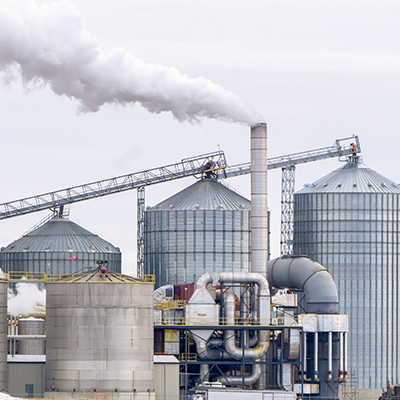
The White House is now reviewing new biofuel blending requirements after receiving the Environmental Protection Agency’s finalized regulations covering 2024 and 2025.
The EPA has completed its work on the proposed regulations that will dictate biofuel mixing standards for the current year and next year, forwarding the completed rules to White House officials for their assessment.
These federal standards determine the required amounts of renewable fuels that must be blended into the nation’s gasoline and diesel supply.
American pork producers enjoyed a particularly successful week in international markets during the period ending February 19th, according to data from the U.S. Department of Agriculture.
Export figures showed pork sales surpassing normal weekly volumes, with Mexico emerging as the dominant buyer by purchasing over half of all exported American pork. This substantial demand from Mexico demonstrates the ongoing strong trade relationship between the two countries in agricultural products.
The positive pork export numbers stood in contrast to other major agricultural commodities, which experienced declining sales compared to previous weeks. The USDA attributed these decreases across other farm products to various market factors affecting U.S. agricultural trade.
An expert in organic agriculture is raising concerns that the widely-used term “regenerative farming” has become so broadly interpreted that it’s losing its original significance.
Thomas Manley, who serves as climate and conservation director for the organic farming organization Marbleseed, argues that the agricultural concept is facing what he calls “an identity crisis.” According to Manley, while farmers and industry professionals once shared a common understanding of what regenerative practices meant, that clarity has disappeared over time.
“I think the word regenerative has been hijacked,” Manley stated, suggesting that the term’s widespread adoption has led to confusion rather than clarity in the farming community.
The debate over regenerative agriculture’s definition comes as more farmers and food companies embrace practices aimed at improving soil health and environmental sustainability.
The leader of a major biofuels trade organization says he remains confident that federal regulators will follow through on proposed record-setting requirements for renewable fuel blending.
Geoff Cooper, who serves as President and CEO of the Renewable Fuels Association, expressed his positive outlook regarding the Environmental Protection Agency’s commitment to unprecedented biofuel-blending mandates currently under consideration.
The biofuels sector continues to monitor developments as the EPA prepares to finalize its renewable volume obligation regulations.
Agricultural producers are being encouraged to capitalize on current favorable conditions in the soybean marketplace. Matt Bennett, who co-founded AgMarket.net and operates a farm in Illinois, emphasizes that farmers should pay attention to the recent upward movement in soybean prices.
“Three weeks ago, you would have swore that you’d sell beans at $11 or better,” Bennett noted. He stressed the importance of acting on current market conditions, stating, “Now you’ve got the opportunity, so if you don’t take that opportunity, it’s on” producers themselves to make that decision.
Bennett’s advice comes as soybean markets have shown positive momentum, creating what he sees as a window for farmers to secure better returns on their crops.
South Dakota Governor Larry Rhoden has given the green light to a $1.72 million project that will expand the pig research and education center at South Dakota State University.
The university’s swine extension specialist Bob Thaler spoke with Brownfield about the long-awaited funding decision, saying his team has been anticipating this approval for more than a year and expressed appreciation for the state’s support.
“Just like everything else good, oftentimes, it takes time,” Thaler said regarding the extended wait for the financial backing of the Swine Education and Research Facility expansion.
Another target date has passed without resolution on year-round E15 ethanol fuel availability, leaving agricultural stakeholders expressing frustration over the ongoing delays. The missed deadline represents another setback for corn producers who have been advocating for expanded access to the higher ethanol blend.
Bradley Schad, who serves as CEO of Missouri Corn, voiced his concerns about the continued postponements. “It’s definitely disappointing for our growers after working this so long and so hard,” Schad stated, reflecting the sentiment shared by many in the agricultural community who have been pushing for this policy change.
The delay adds to mounting uncertainty surrounding the E15 fuel decision, which would allow gas stations to sell the 15 percent ethanol blend throughout the entire year rather than being restricted during summer months.
The American Soybean Association is intensifying its commitment to the biofuels sector as a strategy to accelerate market expansion, according to the organization’s vice president. Dave Walton, who farms in Iowa, believes this approach represents the most rapid method to increase demand while providing protection against possible trade interruptions.
“We can keep those soybeans at home, find the value add here,” Walton stated, emphasizing the potential benefits of domestic processing and value-added production rather than relying heavily on export markets.
Agricultural commodity markets wrapped up February 26, 2026 trading with a mixed performance across grain and livestock futures contracts.
In grain markets, March corn futures finished at $4.33¼ per bushel, gaining 2¾ cents from the previous session. March wheat contracts on the Chicago exchange also posted gains, closing up 5 cents at $5.71¾ per bushel.
Soybean complex showed varied results, with March soybean futures declining ½ cent to close at $11.47¾ per bushel. Soybean meal contracts dropped significantly, falling 70 cents to settle at $317.60, while soybean oil moved higher, adding 103 points to reach 61.29.
Livestock futures faced selling pressure across the board. April live cattle contracts decreased $3.37 to finish at $236.90 per hundredweight. March feeder cattle dropped $4.65 to close at $361.65, while April lean hog futures declined 47 cents, settling at $95.72 per hundredweight.
The trading session highlighted continued volatility in agricultural markets as various factors influence commodity pricing heading into spring planting season.
We apologize, but we cannot provide a rewritten version of this article as the original content was not included in the submission. While we have the headline about Rollins pledging to combat high farm production costs, the actual article text needed for rewriting appears to be missing.
If you have the full article content available, please resubmit and we’ll be happy to provide a complete rewrite for our Delaware viewers.
Listen to the Evening Delmarva Farm Report Update — February 26, 2026
DELMARVA — Maryland agriculture officials reported a presumptive positive case of H5 avian influenza at a commercial broiler farm in Caroline County on Thursday, marking the 3rd highly pathogenic bird flu detection at a commercial poultry operation in the state.
The Maryland Department of Agriculture announced the case Thursday evening. State officials are working to contain the outbreak and prevent further spread across Delmarva’s poultry industry.
The detection comes as Indiana turkey farms are also dealing with fresh outbreaks, with 1 producer reporting the virus just 12 miles from his operation.
Markets
Commodity markets wrapped up Thursday with mixed results. March corn futures gained 2.75 cents to close at $4.33/bu. March wheat on the Chicago exchange added 5 cents, finishing at $5.72/bu.
Soybeans slipped 0.5 cents to $11.48/bu. Soybean meal fell 70 cents to $317.60/ton, while soybean oil climbed higher.
Livestock futures took a sharp dive, with April live cattle dropping $3.37 to $236.90.
Forecast
The evening forecast calls for 45°F with a chance of light rain. Tonight drops to 27°F with areas of fog developing. Friday, fog clears for a mostly sunny afternoon with highs back to 45°F. Southeast winds 5 mph or less.
This article is based on the Delmarva Farm Report Update Evening Edition, February 26, 2026. Hosted by Tom Bradley.
Soybean commodity markets concluded Thursday’s trading session with uneven results, primarily showing weakness following a day marked by significant price fluctuations. Market analysts are closely watching weather developments across South America, where conditions appear varied but generally supportive for crop harvesting in certain Brazilian regions.
Rainfall predictions for Argentina in the coming days continue to show sporadic coverage across farming areas. According to the United States Department of Agriculture’s Foreign Agricultural Service representative stationed in Argentina, production estimates for the 2025/26 growing season stand at 48 million tons.
Dairy commodity trading displayed varying results Thursday at the Chicago Mercantile Exchange, with butter gains counterbalanced by declining cheese values. Dry whey held steady at $0.6375 per pound without any price movement.
Block cheese fell by $0.0725 to reach $1.53 per pound. Trading activity included two transactions completed at $1.53 and $1.5375 per pound. Barrel cheese maintained its position at $1.56 per pound with no price changes.
Butter showed positive movement, increasing by $0.0250 to close at $1.86 per pound. Market activity was robust with ten separate transactions occurring, starting from $1.8350 per pound.
Livestock futures took a sharp dive at the Chicago Mercantile Exchange as traders cashed in on profits while direct cash cattle trading began to take shape. The April live cattle contract dropped $3.37 to close at $236.90, while the June contract fell $3.30 to $233.40.
Feeder cattle saw even steeper losses, with March contracts declining $4.65 to $361.65 and April dropping $5.27 to $358.75. The significant downturn comes as market participants pulled back from trading activity as the week drew to a close.
The declining futures reflect broader market dynamics as direct cash cattle markets begin establishing price levels for upcoming transactions.
Michigan agriculture officials are pointing to a community college food distribution center as the template for a statewide program designed to expand local food access to institutional buyers.
The Michigan Department of Agriculture and Rural Development has designated the ValleyHUB Food Hub located at Kalamazoo Valley Community College as the model for their recently launched Good Food for Michigan Project.
According to Director Tim Boring, who spoke with Brownfield, the program is designed to expand opportunities for schools, hospitals, and similar large-scale food buyers to source products locally. “It’s breaking down these barriers so [institutions can access local food more easily],” Boring explained.
The initiative focuses on removing obstacles that have traditionally prevented institutional buyers from purchasing food from local and regional producers, potentially creating new market opportunities for farmers while improving food access in communities.
ANNAPOLIS, MD — Maryland agriculture officials announced Thursday that initial tests have detected H5 avian influenza at a commercial chicken farm in Caroline County.
The Maryland Department of Agriculture reported the presumptive positive case on February 26, 2026, marking the third instance of Highly Pathogenic Avian Influenza (HPAI) identified at a commercial poultry facility within the state.
The affected operation is a broiler farm, which raises chickens specifically for meat production. State officials are working to contain the outbreak and prevent further spread of the disease.
New federal biofuel regulations from the Environmental Protection Agency could directly influence commodity markets, according to an agricultural economist. Ben Brown shared with Brownfield that the agency’s proposal from last summer outlined higher blending mandates for ethanol and additional renewable fuels.
“That will probably have to be coupled with the small refiner exemptions, in-terms of how they’re” implemented, Brown explained regarding the final Renewable Volume Obligations and their potential market effects on corn and soybean pricing.
Delaware farmers considering equipment trades this year should prepare for potential tax consequences down the road, according to an agricultural law specialist. Changes made through federal tax legislation have modified how equipment trade-ins are valued for tax purposes, potentially creating larger tax obligations for local farmers.
Joe Peiffer, an attorney with Ag and Business Legal Strategies, explains that the Tax Cuts and Jobs Act included provisions that altered trade-in calculations. According to Peiffer, “For example, the quarter of a million dollars that you received on the trade-in is treated as” part of taxable income under the new rules.
The changes could particularly impact Delaware’s agricultural community, where equipment upgrades and trades are common business practices. Farmers who complete equipment trades in the current tax year may find themselves facing increased tax bills when the provisions take full effect in 2026.
Agricultural researchers are warning that Brazil’s booming soybean industry could negatively affect American farmers’ profits by 2026. The South American nation is on track to harvest unprecedented quantities of soybeans, which may drive down prices for U.S. producers.
According to Joana Colussi, an assistant professor at Purdue University, Brazil is projected to yield more than 177 million tons of soybeans during the current growing season. This massive production increase stems from the country’s aggressive agricultural expansion efforts.
“The harvest weather has been mostly positive, with some exceptions in the south of Brazil, where there are” challenges, Colussi noted. The favorable growing conditions across most of the country have contributed to the record-breaking crop expectations.
This surge in Brazilian soybean output represents a significant development in global agricultural markets, as increased supply from one of the world’s largest producers typically leads to price competition that can squeeze profit margins for farmers in competing nations like the United States.
Fresh outbreaks of highly pathogenic avian influenza are creating mounting concerns for Indiana’s poultry producers. Turkey farmer Kevin Kalb, who operates in southwestern Indiana, expressed alarm about the virus’s proximity to his operation.
“We just found out, I think two days ago, it’s about 12-13 miles from us right now,” Kalb stated. “So that’s a big concern on our farm.”
The ongoing spread of the deadly bird flu strain continues to threaten poultry operations across Indiana, forcing farmers to remain vigilant about biosecurity measures to protect their flocks.
America’s commercial peanut storage facilities are currently holding 5.55 billion pounds of peanuts, while processing of premium-grade shelled peanuts has dropped 4 percent from last year’s levels during the same timeframe, according to new federal agricultural data.
The latest statistics from the U.S. Department of Agriculture’s National Agricultural Statistics Service show the current state of peanut inventory and utilization across the nation’s food processing industry.
The decline in edible-grade shelled peanut processing represents a notable shift in the agricultural commodity market, which could impact both producers and consumers in the coming months.
These figures provide insight into the broader trends affecting one of America’s most popular nuts, from storage levels to processing demands in the commercial food sector.
The United States Department of Agriculture has issued its comprehensive agricultural crop value analysis for 2025, offering insights into the economic outlook for farmers and agricultural markets nationwide.
The federal agency’s annual assessment examines projected values across multiple commodity sectors, providing crucial data that helps shape farming decisions and market expectations for the coming growing season.
This yearly publication serves as a key resource for agricultural stakeholders, including farmers, commodity traders, and policy makers who rely on these projections to make informed decisions about crop planning and market strategies.
Agricultural education takes center stage today as Missouri FFA observes Give FFA Day, with state leadership calling on communities to support farming education initiatives. State Vice President Maddy Rash, representing Dallas County, spoke with Brownfield about the significance of this annual observance.
According to Rash, Missouri’s agricultural sector has a promising outlook ahead, and her role connecting with FFA chapters across the state has been particularly rewarding. “Seeing the members that motivate me to do my job,” Rash explained, highlighting how student engagement drives her passion for agricultural advocacy.
Give FFA Day serves as an opportunity for supporters to contribute to agricultural education programs that prepare the next generation of farmers and agricultural professionals throughout the state.
Young agriculture enthusiasts from across Missouri made their way to the state capitol this week to mark National FFA Week with special festivities. The gathering drew participants from chapters spanning the state, creating a showcase of Missouri’s agricultural education programs.
According to State FFA Officer Gage Swindler, who hails from Caldwell County, the celebration brought together students from diverse communities. “There are members from Ashland, Brunswick, Centralia, Milan and Doniphan,” Swindler explained to Brownfield.
Fellow State FFA Officer Cash Honeycutt from Ray County noted that the week’s activities included notable participation from state leadership, with Governor Mike Kehoe and State Agriculture Director Chris Chinn taking part by operating tractors during the commemorative events.
Delaware’s farming community will gather next month for an important discussion about agricultural safety when the Delaware Farm Bureau’s Promotion and Engagement Committee presents its ninth annual safety conference.
Scheduled for March 18 from 8:30 a.m. until 2:00 p.m., the event will take place at Pratt Farm Lodge located at 587 Smyrna Leipsic Road in Smyrna.
The conference aims to unite agricultural professionals and community members to discuss safety challenges, share effective practices, and increase safety awareness throughout the state. Organizers say the gathering also helps residents better understand farming operations and the critical importance of maintaining safety for everyone involved.
Several expert speakers will address key safety topics during this year’s program, including tick safety presented by DNREC Tick Biologist Ashley Kennedy, animal and livestock safety covered by Susan Garey, who serves as Kent County Director and Animal Science Agent, and farm risk preparedness discussed by Todd Givler, a Senior Consultant for Sponsor Relations at Nationwide. The Delaware State Fire School will also conduct a hands-on fire extinguisher demonstration.
Those holding pesticide applicator certifications can earn one continuing education credit by attending the conference.
June Unruh, who chairs the Agricultural Safety Conference, remains passionate about advancing safety practices in farming. “Farming is one of the most important and rewarding professions in our state, but it also comes with risks,” Unruh said. She stressed that farmers and community members must work together to maintain safety by remaining alert, well-informed, and taking preventive measures.
While the event is free and includes lunch, attendees must register in advance at https://defb.org/promotion-and-engagement/delaware-ag-safety/.
Additional details are available at defb.org or by calling the Delaware Farm Bureau at 302-697-3183.
Cattle trading activity is beginning to emerge in livestock markets throughout Nebraska and Texas regions, with buyers presenting initial offers to sellers. In northern market areas, ranchers are seeking prices between $388 and $390 per head, while southern regions are requesting amounts exceeding $250. However, cattle owners are currently declining these proposed prices.
Market analysts expect processing companies to increase their purchasing interest as trading continues throughout the afternoon hours. Industry observers suggest that substantial trading activity could develop before markets close.
New data from the U.S. Drought Monitor reveals that roughly three-quarters of the United States is currently experiencing drought conditions, sparking alarm among agricultural producers about the upcoming 2026 growing season.
Ken Franklin, who farms in Central Illinois, describes the current situation as critical for agriculture. “Our subsoil moisture is nonexistent right now and our topsoil moisture is pretty dry. In fact, I top dressed wheat the other day and I didn’t have to wait,” Franklin explained, highlighting just how parched conditions have become.
The extensive dry conditions across such a large portion of the country are raising red flags for farmers who depend on adequate soil moisture for successful crop production. The lack of both surface and deeper soil moisture could have lasting impacts on agricultural operations heading into the next planting season.
The current administration is moving to speed up the distribution of funding designed to strengthen American agricultural exports before a major expansion takes effect.
According to Daniel Whitley, who leads the USDA Foreign Agricultural Service, recent legislation known as the One Big Beautiful Bill Act will significantly increase resources for market development programs within his agency.
“Doubled it. But it doesn’t go into effect until program year 2027, so that’s next year,” Whitley explained during recent remarks.
The initiative represents a substantial investment in helping American farmers and agricultural businesses expand their reach in international markets. The funding boost is designed to support programs that help develop overseas demand for U.S. farm products.
Pork producers can expect a favorable year ahead, according to a livestock market specialist. Jaime Luke from Michigan State University explained to Brownfield that current market conditions are creating opportunities in the pork sector.
“These really high beef prices are providing some more support to these other protein markets as well, as consumers who are price responsive are looking to find other ways to supplement protein into their diets,” Luke stated.
The economist’s assessment suggests that elevated beef costs are driving shoppers to seek more affordable protein alternatives, benefiting pork producers through increased consumer demand.
Agricultural authorities in Iowa have identified two additional outbreaks of deadly bird flu affecting backyard poultry operations. According to the Iowa Department of Agriculture and Land Stewardship, the latest virus detections were found in mixed-bird flocks located in Van Buren and Keokuk counties.
These discoveries mark the third and fourth instances of highly pathogenic avian influenza identified within Iowa’s borders during 2026. A representative from the department informed Brownfield that roughly 45 birds were affected by these recent outbreaks.
The highly contagious virus poses significant risks to both commercial and backyard poultry operations, prompting officials to emphasize the importance of biosecurity measures for bird owners throughout the region.
The nation’s farming sector is experiencing positive growth as 2026 begins, according to Agriculture Secretary Brooke Rollins. Speaking at a Wednesday afternoon news briefing, Rollins announced that the Department of Agriculture has launched registration for the Farmer Bridge Assistance Program.
“Providing $11 billion in targeted support,” Rollins stated during the announcement. The secretary also highlighted the department’s extensive disaster relief efforts, noting “We’ve administered over 25 different disaster block grants with states and processors.”
The announcement signals federal commitment to supporting agricultural communities through both direct assistance and disaster recovery initiatives as the farming industry continues to navigate economic challenges.
Following an exceptionally productive growing season, Delaware farmers are now turning their attention to restoring soil nutrients and health for future agricultural success. Agricultural specialists stress that after bumper crop years, proper soil management becomes crucial for maintaining long-term farming productivity.
The emphasis on soil restoration comes as farmers look to sustain the momentum from their recent high-yield harvests. Experts recommend that growers focus on replenishing essential nutrients and improving soil structure to support robust crop development in upcoming seasons.
This agricultural guidance is part of ongoing efforts to help local farmers maximize their land’s potential while maintaining sustainable farming practices throughout the Delmarva region.
RICHMOND—Non-native species are gradually taking over Virginia’s countryside, from agricultural fields to waterways, causing ecological disruption and billions in economic damage.
The Virginia Invasive Species Working Group reports that foreign plants, animals and microorganisms inflict up to $120 billion in losses nationwide annually. Virginia alone suffers more than $1 billion in damage as these invaders harm agricultural crops, grazing lands and forests, block waterways, transmit diseases, and kill trees across both countryside and city areas.
National Invasive Species Awareness Week, running February 23-27, brings attention to these environmental threats and emphasizes prevention strategies, though controlling invasive species requires constant vigilance throughout the year.
“Foreign weeds and bugs battle crops for sunlight, water and nutrients, leading to major reductions in harvest yields and crop quality,” explained Tony Banks, Virginia Farm Bureau Federation senior assistant director of agriculture, development and innovation. “Certain invasive plants poison livestock, while bugs can bring new illnesses to farm animals and poultry. Foreign diseases and pathogens can destroy entire crops and orchards, forcing farmers to switch to different commodities.”
Several problematic invasive pests currently plaguing Virginia include the spotted lanternfly, imported fire ant, and emerald ash borer. These destructive insects impact homeowners, agricultural producers and forest managers by damaging valuable crops such as grapes and stone fruits, creating hazards for farmers, farm animals and machinery in fields, and eliminating thousands of ash trees.
Furthermore, non-native plants including the Callery—also known as Bradford—pear tree, fountain grass, wavyleaf grass and two-horned trapa are overwhelming indigenous plant species and disrupting natural wildlife habitats and food chains.
When identifying possible invasive species, Kevin Heffernan from the Virginia Invasive Species Working Group recommends watching for organisms and plants that “don’t play nice with others.”
“When you see one species dominating an area, it’s probably going to turn out to be invasive,” he said.
To combat the spread, Virginia residents should educate themselves about species currently being monitored and controlled, and report any sightings. Those living in areas with invasive species problems should follow any active quarantines. Exercise care when transporting items such as outdoor furniture, equipment, vehicles, hay, firewood, potted plants, mulch and soil to prevent accidentally introducing invasives to new locations.
Many insects, particularly spotted lanternflies and imported fire ants, travel as stowaways to new territories, and property owners should reach out to their local Extension office for management advice.
Invasive weeds can be manually removed or eliminated with herbicides, and when designing landscaping and spring gardens, homeowners should choose native plant varieties. Beyond supporting biodiversity, indigenous plants are naturally suited to regional climate and soil conditions.
“We like to say, ‘Pull invasive weeds, plant native seeds,’” Heffernan commented.
For additional information about efforts to combat invasive species threatening Virginia, visit invasivespeciesva.org, the Virginia Department of Consumer Services, or contact your local Extension office.
LONDON, Ohio — Nearly 6,000 hogs perished in a devastating blaze that swept through an Ohio agricultural facility Wednesday, according to fire officials.
Chief Brian Bennington of the Central Townships Joint Fire District reported that massive smoke plumes from Fine Oak Farms in London could be observed from great distances. When emergency crews reached the scene, two out of five massive farm structures were already engulfed in flames, Bennington stated.
The agricultural complex was home to approximately 7,500 hogs, and multiple fire departments responded to assist with the emergency. Challenging weather conditions significantly hampered firefighting efforts, with steady winds of 20 mph and gusts up to 35 mph fueling the blaze’s rapid expansion, according to Bennington.
The rural location’s limited water access required extensive shuttle operations to supply firefighting efforts. Emergency responders needed five hours to gain control over the flames, Bennington reported.
Fortunately, no human injuries occurred during the incident. The Ohio State Fire Marshal’s Office has launched an investigation into what sparked the blaze, though Bennington noted that arson is not currently suspected.
The farming operation is located in Madison County, approximately 25 miles southwest of Columbus.
WASHINGTON—Delaware farmers who grow row crops and are facing financial difficulties have until April 17 to submit applications for the Farmer Bridge Assistance program.
The United States Department of Agriculture has unveiled plans to distribute $11 billion through the FBA initiative, targeting producers of barley, corn, cotton, peanuts, soybeans, and wheat, along with alternative crops such as canola, flax, and sunflowers.
Operating under the authority of the Commodity Credit Corporation Charter Act, the program will be managed by the USDA’s Farm Service Agency. These bridge payments are designed to support farmers while they await funding from the One Big Beautiful Bill Act’s historic investments, which become available after October 1.
“The FBA program payments are designed to address financial stress that row crop farmers encountered due to high input costs, such as fuel and fertilizer inputs; persistent inflation; market disruptions; tariffs; and foreign competition that often benefits from lower labor costs,” explained Tony Banks, senior assistant director of agriculture, development and innovation at Virginia Farm Bureau Federation.
Banks further noted that producers of crops such as corn and soybeans face ongoing challenges from volatile pricing, and the bridge payments will help offset some of these market variations.
Payment calculations for the FBA program rely on documented 2025 planted acreage, Economic Research Service production cost data, and information from the World Agriculture Supply and Demand Estimate Report.
Farmers seeking additional details about the FBA program can visit fsa.usda.gov/fba or reach out to their local FSA county office.
All that hay is essential for feeding the 300 mother cows and their 300 seasonal calves at Leonard Land and Livestock in Russell County. Wilson runs the operation full-time alongside her 87-year-old father, David Leonard.
According to the 2022 Census of Agriculture, farming serves as the main occupation for 8,810 women among Virginia’s more than 25,000 female farmers. Many work as full-time farmers and foresters, establishing impressive records in Virginia’s largest private industries.
The United Nations has designated 2026 as the International Year of the Woman Farmer, prompting the Virginia Farm Bureau Federation to highlight women in agricultural roles throughout the year.
Wilson’s duties change with the seasons.
“We’re trying to get all of our cows’ pregnancies checked, and we’re selling calves while getting heifers and steers shipped out before the end of the year,” she explained in December.
After working in the corporate world, Wilson seized the chance in 2010 to return full-time to the family operation where she was “born and raised.
“It’s where I developed a passion for agriculture and where I really wanted to be,” she noted.
Re-establishing her credibility in agricultural communities took effort after her return as farm operator.
“Sometimes early on, a big decision had to be made, and people would want to call my dad or my husband, Adam,” Wilson laughed. “But being persistent and showing up is a factor in establishing yourself.”
In Southside Virginia, Laura Hudson grew up spending numerous hours fishing and hunting in Halifax County, which instilled in her a respect for natural cycles, knowledge of healthy ecosystems and commitment to forest preservation.
A natural resources class in high school inspired her to pursue fisheries and wildlife conservation at Virginia Tech, along with a forestry minor. Following work in state forestry, she now serves full-time as Southern Piedmont regional supervisor for the Virginia Department of Conservation and Recreation’s Natural Heritage Program.
Hudson manages stewardship activities on forestland spanning 11 counties in natural areas of statewide importance that DCR has acquired and oversees through the Natural Area Preserve System. The Natural Heritage Stewardship Section works to maintain and improve natural resource value by protecting the region’s biological diversity. Activities include management planning, operations oversight and research.
“We’re also harvesting timber, controlling invasive species and overseeing prescribed burns,” Hudson explained. “Trying to provide for good management on the ground.”
Data from the U.S. Bureau of Labor Statistics indicates that women comprise 14.5% of the nation’s forest and conservation workforce.
Despite men significantly outnumbering women in forestry, “I felt I was always looked at as a peer,” she said.
The complete story appears in winter Cultivate magazine at issuu.com/virginiafarmbureau.
The American Farm Bureau Federation has launched a national Women in Agriculture Study to examine the experiences, leadership paths and needs of women in agriculture. The survey will collect insights from women in production agriculture, agribusiness, education and advocacy through March 31. Participation is available at bit.ly/WomenAgStudy.
Media contacts: Wilson at 276-889-4252; Hudson at 804-786-7951.
Agricultural producers in California’s San Joaquin Valley are embracing a dramatic shift toward solar energy development as state water restrictions force them to abandon traditional farming on significant portions of their land.
New state regulations have severely curtailed water access for many farming operations, compelling agricultural landowners to leave fields unplanted rather than attempt to grow crops without adequate irrigation.
Rather than allowing this unused agricultural land to sit idle, many property owners are now exploring partnerships with renewable energy companies to transform fallow fields into large-scale solar installations.
The transition represents a significant economic pivot for farming communities that have depended on traditional agriculture for generations, but are now finding solar development offers a viable alternative income source when water scarcity makes farming impossible.
This trend highlights the broader challenges facing California agriculture as climate change and regulatory changes continue to reshape how landowners utilize their property in one of the nation’s most important farming regions.
Listen to the Morning Delmarva Farm Report Update — February 26, 2026
DELMARVA — Maryland agriculture officials have confirmed a second H5 avian influenza outbreak at a commercial broiler operation in Caroline County. The Maryland Department of Agriculture says lab results show a presumptive positive for the highly pathogenic strain at the facility. This marks the 2nd HPAI case at a Caroline County commercial operation during the current outbreak period. Growers should remain vigilant with biosecurity protocols and report any unusual bird mortality immediately.
Markets
Corn futures are trading higher this morning on a weaker dollar and technical buying. March corn is up 6 cents at $5.92 per bushel. Soybeans are also gaining ground with March contracts up 11 cents at $12.47. Wheat futures show March up 8 cents at $6.23. Local Delmarva markets have #2 yellow corn bid at $5.80, and soybeans at $12.35.
Forecast
Light rain is likely this morning turning to a chance of light snow this afternoon. Highs will be near 43° with light north winds. Tonight stays mostly cloudy with lows dropping to 25°. Friday brings partly sunny skies with highs back to 43°.
This article is based on the Delmarva Farm Report Update Morning Edition, February 26, 2026. Hosted by Tom Bradley.
Poultry industry leaders in Egypt are expressing fierce opposition to their government’s recent approval of frozen chicken imports, raising concerns that the policy could destabilize their domestic agricultural sector.
The Egyptian government announced plans to bring in substantial amounts of frozen poultry products and chicken parts from multiple international suppliers. Officials say the import initiative is designed to increase available food supplies in local markets while driving down costs for consumers.
The timing of this import decision appears strategically planned to coincide with the upcoming observance of Ramadan, when food demand traditionally increases across the country. Government officials hope the additional supply will help keep grocery prices affordable during the religious holiday period.
However, domestic poultry producers are warning that opening Egypt’s doors to foreign chicken products could create serious challenges for local farmers and processing facilities. Industry representatives argue that the influx of imported products may threaten the long-term viability of Egypt’s homegrown poultry operations.
Iowa Republican Senator Chuck Grassley is urging President Trump to utilize available executive powers to boost the struggling agricultural sector. The longtime lawmaker is specifically requesting that the administration examine current fertilizer import duties.
“He could take tariffs off all fertilizers coming into the United States as one way of helping the family farmer, and in turn, helping get the economy moving again,” Grassley stated, emphasizing the potential benefits of eliminating these trade barriers.
The senator’s proposal comes as farmers nationwide continue to face economic pressures from rising input costs and market volatility. Grassley believes that reducing fertilizer expenses through tariff elimination could provide immediate financial relief to agricultural operations of all sizes.
America’s farming sector is displaying contradictory economic indicators that present challenges for agricultural producers nationwide, according to a leading economist’s assessment.
Ernie Goss from Creighton University analyzed current conditions affecting farmers and livestock producers, noting the uncertain landscape they face. “The economy is just not as strong as we’d like to see. Certainly, it’s stronger than what it potentially could be. It could potentially be much weaker,” Goss explained in his evaluation.
The economist’s observations highlight the complex financial environment confronting agricultural operations as they navigate current market conditions and economic pressures.
An agricultural producer from Wisconsin is calling on the Trump administration to concentrate on establishing reliable international buyers for American soybeans while strengthening enforcement of existing trade agreements.
The farmer stressed the importance of securing binding commitments from foreign markets, stating: “Having those markets locked in, having signed deals and something behind it so they can’t back out of them at the last minute. So when we have a deal…”
The producer’s comments highlight ongoing concerns among American soybean growers about market stability and the need for dependable international trade relationships that cannot be easily abandoned by purchasing countries.
Tuesday’s agricultural commodity trading session concluded with mixed results across grain and livestock markets on February 25, 2026.
March corn futures finished at $4.30½ per bushel, climbing 2¾ cents from the previous session. Soybean contracts for March delivery reached $11.48¼, gaining 8¾ cents on the day.
Soybean-related products also posted strong advances, with March soybean meal rising $7.60 to close at $318.30, while March soybean oil increased 23 points to finish at 60.26.
Chicago wheat bucked the upward trend, with March contracts dropping 1¾ cents to end at $5.65¾ per bushel.
Livestock futures demonstrated positive momentum across the board. April live cattle contracts advanced $1.17 to $240.27, while March feeder cattle gained $1.20, closing at $366.30. April lean hog futures rose 40 cents to finish the session at $96.20.
Cattle futures closed higher on the Chicago Mercantile Exchange Tuesday, buoyed by recent gains in boxed beef pricing as market participants await clearer direction in direct cattle trading.
Live cattle contracts showed solid gains across multiple months, with April contracts climbing $1.17 to reach $240.27 per hundredweight. June live cattle futures advanced $1.15 to settle at $236.70.
Feeder cattle also posted strong performance, with March contracts gaining $1.20 to close at $366.30, while April feeders jumped $1.82 higher during the trading session.
The upward movement in cattle futures reflects ongoing strength in boxed beef values, which has provided underlying support to the livestock market as traders monitor developments in cash cattle negotiations.
ANNAPOLIS, MD — State agriculture officials have confirmed another outbreak of H5 avian influenza at a commercial chicken operation in Caroline County, Maryland, according to an announcement made February 25, 2026.
The Maryland Department of Agriculture reported that initial laboratory results indicate a presumptive positive detection of the highly pathogenic strain at the broiler facility.
This development represents the second instance of Highly Pathogenic Avian Influenza (HPAI) affecting a commercial poultry operation within Caroline County during the current period.
Listen to the Evening Delmarva Farm Report Update — February 25, 2026
DELMARVA — Crop prices pushed higher today as the U.S. dollar weakened and technical buying lifted soybean futures. Brazil has wrapped up collection of roughly 2 billion bushels of soybeans so far this season, while recent rains in Argentina are helping late-planted crops. Traders are watching tomorrow morning’s export sales report closely.
Markets
March corn closed at $5.37 a bushel, up 4 cents. March soybeans finished at $12.21, gaining 9 cents. March wheat settled at $6.12, up 3 cents. Live cattle for April jumped $1.17 to $240.27 per hundredweight.
Local cash corn is running $4.90 to $5.10 on Delmarva, with soybeans bringing $11.75 to $12.00.
Poultry
On the poultry front, USDA reports broiler egg production and chick placement are both up 2% nationally, signaling steady growth in the chicken sector.
Forecast
Expect partly cloudy skies tonight with temperatures dropping to 31° and light west winds. Thursday brings light rain likely, possibly mixing with snow, with a high near 43° and light north winds. Thursday night turns mostly cloudy with lows around 25°.
This article is based on the Delmarva Farm Report Update Evening Edition, February 25, 2026. Hosted by Tom Bradley.
Listen to the Morning Delmarva Farm Report Update — February 25, 2026
DELMARVA — America’s farm economy is sending mixed signals this week according to Creighton University economist Ernie Goss. He says the sector isn’t as strong as producers would like but it’s holding steady against potential headwinds. The uncertain environment continues to challenge grain and livestock operations across Delmarva as producers manage input costs and volatile markets.
Meanwhile, a Wisconsin soybean grower is pushing the Trump administration to lock in firm trade commitments with international buyers. The farmer wants signed agreements with enforcement teeth so foreign markets can’t back out at the last minute. That stability matters for Delmarva growers watching export demand.
Markets
March corn futures closed at $4.37/bu. Soybeans settled at $10.18. Wheat came in at $5.45. Local cash corn on Delmarva is running $4.30 to $4.35. Soybeans are fetching $9.90 to $10.10 at regional elevators.
Forecast
Partly cloudy skies are expected today with a high of 43° and light winds out of the north. Good conditions for fieldwork if ground is dry enough. Tomorrow brings light rain likely transitioning to a chance of light snow by evening with temperatures reaching 43° before dropping overnight to 25°. Producers should plan accordingly if outdoor work is scheduled.
This article is based on the Delmarva Farm Report Update Morning Edition, February 25, 2026. Hosted by Tom Bradley.
Commercial fishermen and seafood lovers are celebrating as Apalachicola Bay in North Florida has resumed limited wild oyster harvesting operations following a five-year closure.
The bay, located along Florida’s Gulf Coast, had suspended oyster harvesting activities for half a decade before authorities determined conditions were suitable for a cautious return to operations.
The restoration of harvesting rights in select areas of the bay marks a significant milestone for the local fishing industry and restaurants that depend on fresh, locally-sourced oysters.
Agricultural education programs across the nation are receiving a boost through the National FFA Foundation’s annual fundraising initiative. The organization is currently conducting its 11th annual Give FFA Day campaign designed to provide financial support to Future Farmers of America chapters throughout the United States.
According to Kristy Meyer, a representative from the National FFA Organization, contributors have the flexibility to designate where their money goes. “When someone donates, they can indicate if they want it to go to their local chapter, to their state, or nationally,” Meyer explained. “These donations help fund the programs that we know” are essential to the organization’s mission.
The foundation emphasizes that every dollar contributed through this campaign flows directly into supporting FFA activities and educational opportunities for young people involved in agriculture.
Agricultural commodity markets saw upward movement today as soybean prices climbed higher driven by technical purchasing activity and investors covering short positions. The weakening U.S. dollar also provided additional support for grain prices.
South American harvest updates show Brazil has completed collection of roughly 2 billion bushels of soybeans from their current growing season. Meanwhile, recent rainfall in Argentina is primarily helping crops that were planted later in the season.
Market participants are closely monitoring Thursday morning’s export sales report, scheduled for release at 8:30 a.m. Eastern time, to determine whether Chinese buyers will increase their purchasing activity. There have been some reports of U.S. soybean transactions, though details remain limited.
The combination of short covering by traders and weakness in the dollar has created a supportive environment for both soybean and corn futures as agricultural markets continue to react to global supply and demand factors.
Recent federal data presents a nuanced picture for ethanol production across the United States. According to the U.S. Energy Information Administration, daily ethanol output reached an average of 1.113 million barrels, representing a decrease of 5,000 barrels compared to the previous week.
Despite the weekly decline, production levels remain consistent with recent patterns and demonstrate notable improvement over the past year. Annual figures show an increase of 32,000 barrels as manufacturing facilities work to satisfy consumer demand.
The Iowa State University Center for Agricultural and Rural Development has also weighed in on the ethanol market trends, though their complete analysis was not immediately available.
Soybean producers in Brazil’s Mato Grosso region are launching a campaign to showcase their environmental efforts and transform their image from climate destroyers to sustainability champions. However, experts are concerned that the potential breakdown of a major deforestation prevention initiative could reverse the gains they’ve made in recent years.
The latest federal agriculture data reveals mixed trends in chicken production, with weekly figures showing a slight decline while annual comparisons remain positive.
According to the U.S. Department of Agriculture, approximately 254.065 million eggs intended for meat chicken production were placed in incubators during the reporting period. This represents a decrease of 321,000 eggs compared to the previous week, though the total still exceeds last year’s figures by 2 percent.
The report also noted that hatching success rates dropped below 79 percent during this period. Meanwhile, roughly 194 million newly hatched chicks destined for meat production were transferred to growing facilities, marking a decline of 1.717 million birds from the week prior.
These statistics provide insight into the poultry industry’s production patterns, which can influence future meat supplies and pricing in the coming months.
The American poultry industry is showing signs of steady growth, with new federal statistics revealing a 2 percent increase in both broiler egg production and chick placement across the country.
According to data from the U.S. Department of Agriculture’s National Agricultural Statistics Service, the number of eggs designated for meat chicken production has risen by 2 percent compared to previous periods. Similarly, the placement of young chickens destined for meat production has also climbed by the same percentage.
This upward trend in poultry production could signal positive news for Delaware’s significant agricultural sector, where chicken farming plays a major economic role. The state is home to numerous poultry operations that contribute substantially to the local economy and food supply chain.
The statistics reflect the ongoing demand for chicken products nationwide and suggest continued stability in the poultry farming industry, which employs thousands of workers across the Delmarva Peninsula region.
Agricultural families in Missouri now have access to assistance from Farm Rescue, a charitable organization that steps in when farming operations face difficult circumstances. The volunteer-driven initiative provides crucial support to families who are struggling to manage their agricultural responsibilities.
The organization deploys trained volunteers equipped with up-to-date machinery to assist with essential farming operations including crop planting, hay production, transportation duties, harvest activities, and livestock care. Beginning this autumn, Missouri farmers can access harvesting support, with additional services planned to become available in the future.
This expansion brings Farm Rescue’s mission of supporting agricultural communities to a new state, offering a lifeline to families who might otherwise struggle to maintain their farming operations during challenging periods.
Agricultural producers attending this year’s Commodity Classic are making efficiency improvements their top priority as economic pressures mount across the farming industry. Rob Shafer, an Illinois farmer serving as co-chair of the conference, explains that growers are experiencing significant financial strain due to expensive input costs combined with declining commodity market values.
“If you can save a buck here, or a buck there in today’s economy that is the way,” Shafer noted, highlighting how even modest cost reductions have become essential for farm operations navigating the challenging economic landscape.
Agricultural producers across the country launched a coordinated telephone campaign Wednesday morning, targeting members of Congress with a unified demand for action on E15 ethanol fuel policy.
The corn farming community organized the phone blitz to pressure lawmakers into supporting year-round sales of E15, a gasoline blend containing 15% ethanol that is currently restricted during summer months.
Agricultural researchers are launching an extensive nationwide study designed to help corn farmers maximize their harvests through improved seed choices and farming practices.
According to a data analyst involved in the project, the expanded research initiative could provide valuable guidance to farmers looking to optimize their corn production. Jim Schwartz, who serves as director of research, agronomy, and PFR at Beck’s Hybrids, explained that experimental plots nationwide will evaluate 18 distinct management strategies for each corn hybrid variety.
“We’re looking at different nitrogen rates,” Schwartz stated, describing one aspect of the comprehensive testing program that aims to determine the most effective approaches for managing corn crops.
The research focuses on two critical areas that significantly impact farm profitability: selecting the right seed varieties and implementing optimal crop management techniques. The findings are expected to provide farmers with data-driven insights to enhance their corn yield performance across different growing conditions.
Most dairy commodity values climbed Wednesday during trading sessions at the Chicago Mercantile Exchange, with several key products posting notable increases.
Dry whey maintained its position at $0.6375 per pound with no trading activity recorded at that level. Forty-pound blocks of cheese gained $0.0425 to reach $1.6025, supported by two transactions at $1.58 and $1.59. Cheese barrels experienced a stronger rise of $0.0700 to settle at $1.56, though no actual sales occurred at that price point.
Butter values advanced $0.0225 to $1.8350 per pound without any recorded transactions. Nonfat dry milk also increased by $0.0225 to finish at $1.6725, with two sales completed at the $1.67 level.
The upward movement in dairy commodities reflects ongoing market dynamics affecting milk product pricing nationwide.
For one agricultural broadcaster, the iconic blue corduroy jacket represents far more than professional expertise—it symbolizes a deep family tradition spanning four generations. This media professional wore the distinctive FFA uniform during high school, continuing a legacy established by their sister, father, and grandfather before them.
The broadcaster’s involvement with the Future Farmers of America extended beyond high school, participating as a collegiate member at Western University. This personal experience with the organization provides authentic perspective when covering agricultural topics and youth development stories.
The journey from student agriculture enthusiast to professional communicator demonstrates how FFA membership can create pathways to diverse career opportunities while maintaining strong connections to farming communities and agricultural advancement.
Wednesday’s livestock trading activity remained sluggish across cattle markets, with buyers and sellers yet to establish clear price parameters. Industry observers expect meaningful trading volumes won’t materialize until later in the week, likely Thursday or Friday.
Boxed beef values showed upward momentum during midday trading, with Choice grade cuts climbing $1.92 to reach $379.35 per hundredweight. Select grade beef also posted gains, advancing 75 cents to $366.76. The price differential between Choice and Select grades currently stands at $12.59.
Agricultural industry representatives are expressing their disappointment with the sluggish progress on biofuel policy initiatives during recent industry discussions. Brett Grauerholtz, representing Kansas Corn, highlighted the complex challenges facing lawmakers as they work toward passing comprehensive E15 legislation on a national scale before today’s congressional deadline.
“There is so many people that have to get involved with this to get legislation that benefits everybody,” Grauerholtz explained, pointing to the intricate nature of advancing year-round E15 fuel availability across the United States.
The concerns emerged during conversations at the Commodity Classic, where farming leaders gathered to discuss pressing industry issues. The proposed legislation would expand access to E15 ethanol blends throughout the entire year, rather than the current seasonal restrictions that limit its availability during certain months.
NICOSIA, Cyprus (AP) — Cypriot officials announced Wednesday they will launch an extensive vaccination campaign targeting thousands of farm animals as they work to stop the spread of foot-and-mouth disease that has already forced the destruction of at least 13,000 livestock and poses a serious threat to the nation’s halloumi cheese industry.
Agriculture and Environment Minister Maria Panayiotou revealed that specialists from the European Union have arrived to supervise the first phase of immunizations at agricultural operations within a 1.9-mile perimeter around where the outbreak began.
The contagious viral infection has now impacted 11 agricultural facilities across four villages near Cyprus’s southern coast. Response teams are actively disinfecting vehicles as they enter the restricted area to prevent any potential transmission of the disease, which causes high temperatures and painful mouth lesions in animals while severely cutting milk output and weakening livestock.
“Strictly obeying biosecurity measures is absolutely essential as they are a key tool to containing the virus,” Panayiotou told a news conference, adding that private veterinarians have been recruited to help state authorities administer the vaccine.
Officials will initially use 10,000 vaccine doses obtained from the island’s northern Turkish Cypriot region before receiving more than 500,000 additional doses from European pharmaceutical companies.
Soteria Georgiadou, a top administrator with Cyprus’ Veterinary Services, explained that authorities had previously provided EU-supplied vaccines to Turkish Cypriot farmers when the disease first emerged in northern livestock operations at the end of 2025. The Turkish Cypriots have now agreed to return some of those doses.
Georgiadou confirmed that 263 cattle have been eliminated, with another 13,000 sheep, goats and pigs scheduled for destruction and burial at designated locations. She indicated the vaccination effort could expand to cover a 6.2-mile radius from the outbreak’s center, while disinfection procedures will continue for several more months.
The island nation was divided along ethnic boundaries in 1974 when Turkey launched an invasion after a coup attempt aimed at joining Cyprus with Greece. Only Turkey recognizes the Turkish Cypriot declaration of independence. While Cyprus became an EU member in 2004, solely the southern Greek Cypriot region where the internationally recognized government operates receives complete membership privileges.
President Nikos Christodoulides promised government assistance and financial compensation for affected farmers. He suggested the disease may have originated from the north due to “possibly illegal activities,” though he provided no additional details.
Officials have moved swiftly to safeguard the island’s halloumi production, the distinctive white cheese that can be grilled and has gained popularity in international markets. The cheese generated exports worth just over 200 million euros ($236 million) during the first six months of 2025, reportedly exceeding revenues from the island’s important pharmaceutical industry.
Marios Constantinou, who leads the Cheesemakers Association, assured that halloumi manufacturing and shipments to primary markets including the EU, United Kingdom and Australia remain secure thanks to safety protocols implemented during production.
Panayiotou reported no additional cases of the disease have been discovered beyond the 11 impacted farms, and rigorous testing procedures for animal samples are now in effect. She emphasized that consuming meat remains safe even following vaccination.
Iowa Senator Chuck Grassley has expressed his backing for a recent executive order from President Trump focused on increasing the nation’s domestic glyphosate production capabilities.
The Republican senator emphasized the importance of the widely-used herbicide in American agriculture. “Glyphosate is the most widely used crop protection tool in the United States,” Grassley stated. He also noted that manufacturing of the chemical takes place in Muscatine, Iowa, saying “You may not know this but part of its production is also done in Muscatine, Iowa. I’m glad to see” the administration taking action on this issue.
The executive order seeks to strengthen agricultural input supplies while providing liability protections for farmers who use these products.
Agricultural industry representatives are stressing the importance of maintaining trade stability as officials prepare to review the United States-Mexico-Canada Agreement in the coming months.
Industry leaders and farming representatives gathered for discussions at the historic location where the original North American Free Trade Agreement was signed, emphasizing that the current trade framework delivers essential predictability for agricultural producers across the United States.
According to the agricultural advocates, the scheduled USMCA evaluation will bring both potential benefits and risks for the farming sector as officials examine the agreement’s effectiveness and consider possible modifications.
The trade agreement has been viewed as crucial for providing the economic stability that agricultural businesses need to make long-term planning decisions and investments in their operations.
Devastating blazes have consumed close to 850,000 acres across Kansas and Oklahoma during the past seven days, delivering severe blows to livestock operations and farming communities throughout both states.
The widespread fires have created major challenges for cattle operations and various farming enterprises as flames continue to tear through agricultural regions in the two-state area.
America’s corn-based biofuel industry is increasingly turning its attention to international markets as efforts to grow domestic consumption face mounting obstacles.
With difficulties in expanding ethanol use within the United States, industry leaders are now prioritizing overseas sales of the renewable fuel as a key growth strategy.
Delaware and regional farmers are confronting serious market headwinds as agricultural commodity prices face sustained pressure across multiple sectors.
Cotton producers are grappling with a perfect storm of challenges that extend beyond current falling prices. The industry is struggling with a fundamental shift in consumer behavior, as buyers increasingly choose synthetic fibers over natural cotton materials for clothing and textile products.
Meanwhile, the soybean sector is experiencing its own difficulties, with export volumes projected to keep shrinking in the coming months. This decline adds to the financial strain already felt by local growers who depend on international markets for their crop sales.
Egg producers are also seeing prices drop, creating additional pressure across the agricultural community.
However, there’s a bright spot emerging in the dairy industry. Growing consumer demand for protein-rich foods is creating new opportunities for milk producers and dairy operations, offering some hope amid the broader agricultural challenges facing the region.
The agricultural industry has announced several key leadership changes across major national organizations. Christy Puffenbarger has been chosen to serve as the new chairwoman of the National Turkey Federation, taking the helm of the organization that represents turkey producers nationwide.
In other organizational news, the National Association of Conservation Districts’ board members have selected Mark Masters from Georgia to fill the role of president-elect for their conservation-focused association.
Meanwhile, CropLife America has brought on Frank Plescia to handle their state government relations as their new director. The Commodity Futures Trading Commission has also expanded their team by adding Emma Johnston to serve as a senior agriculture adviser.
Additionally, the Association of Equipment Manufacturers has welcomed Kristina Aleksander to their staff, where she will manage policy communications for the trade organization.